Category: Living

Retail News Asia is committed to providing both local and global retailers with the latest Living news throughout the Asian market. This on a daily base.

  • Netflix finally lets users turn off one of its most annoying features

    Netflix finally lets users turn off one of its most annoying features

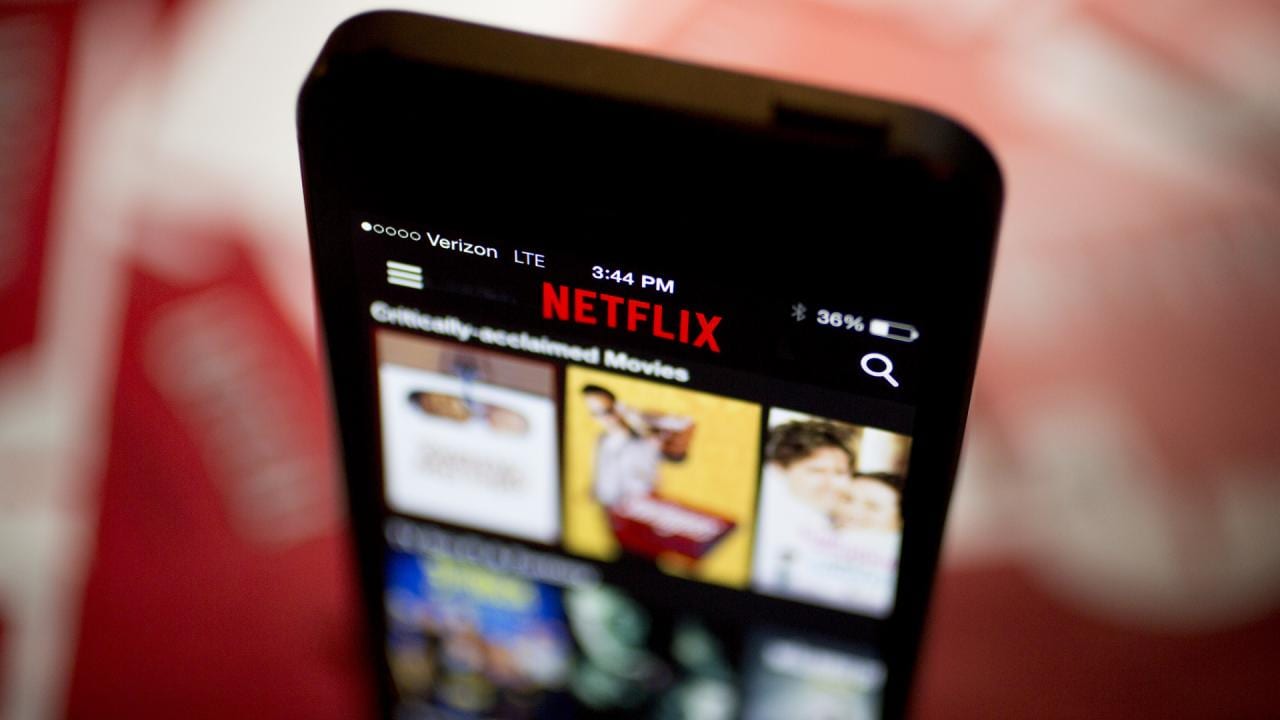
    Everyone was complaining about Netflix’s autoplay previews, but it took the streaming service quite a long time to do something about it. Although the feature is still active in all Netflix’s apps, we’ve been given the option to completely turn them off.

    It’s been years since we’ve asked for such an option, but for some reason, Netflix didn’t think it should prioritize the removal of autoplay previews. Ironically, in an announcement, Netflix says: “We’ve heard the feedback loud and clear – members can now control whether or not they see autoplay previews on Netflix.”

    We think it’s great that Netflix listens to users’ feedback, but we also believe that it only responds to those requests that fit its marketing strategy. In any case, if you want to turn off Netflix’s most annoying feature, here is what you have to do:

    1. Sign in to Netflix from a web browser
    2. Select Manage Profiles from the menu
    3. Select the profile you’d like to update

    From there, you can check or uncheck the option to autoplay previews while browsing on all devices, including Android and iOS. Keep in mind that the changes might not show up immediately, but one thing you can do to benefit from the new feature is to switch to another profile, and then switch back to reload your profile with the updated setting.

  • Leading tour operator reports losses

    Leading tour operator reports losses

    Vietravel reported a VND14.1 billion ($606,000) loss in the last quarter of 2019 largely due to rising financing costs.

    Its profit margin slipped in the final quarter, with sales rising by 9.13 percent to VND1.45 trillion ($62.33 million) but cost of goods sold increasing by 10.48 percent to VND1.35 trillion ($58.03 million), according to the company’s latest consolidated financial statement.

    Vietravel’s revenues mainly came from selling tours, goods and tickets on flights it chartered. Q4 financial expenses topped VND26.66 billion ($1.15 million) after ballooning seven-fold year-on-year as the company obtained over VND160 billion ($6.89 million) in short-term loans from various banks.

    Vietravel merely said the loans were to supplement operating capital without elaborating.

    The loss came after three profitable quarters, and in the same quarter of 2018 the company had made a post-tax profit of VND7.3 billion ($313,800).

    Consolidated revenues for full-year 2019 came to VND7.26 trillion ($312 million), up 0.28 percent year-on-year, while post-tax profits fell 32 percent to VND39.93 billion ($1.72 million).

    It applied for a license for setting up an airline last year, and said it plans to launch its first flight late this year using either the narrow-body Airbus A321neo or Boeing 737.

    In the last two years it operated around 300 charter flights a year, both domestically and internationally.

    If licensed, Vietravel Airlines will enter a fiercely competitive aviation market which already has six players: Vietnam Airlines, Vietjet, Jetstar Pacific, Vietnam Air Services Company (VASCO), Bamboo Airways, and newly-licensed military-run carrier Vietstar Airlines, the last two making their debut last year.

    Analysts have forecast 2020 to be a difficult year for tourism companies with the outbreak of the new deadly nCoV pneumonia virus, which has caused Vietnamese airlines to suspend most flights to China.

    The arrival of Chinese tourists, who accounted for 32 percent of all visitors to Vietnam last year, is also expected to fall sharply.

  • Vietnam’s Pharmacity eyes 1000 stores by end of 2021

    Vietnam’s Pharmacity eyes 1000 stores by end of 2021

    Vietnam’s largest pharmacy retailer Pharmacity has raised VND730 billion (US$31.8 million) in a fresh funding round as it ramps up its expansion plans.

    According to a statement, the new funding will be used for further store network expansion. However, the identity of the investors was not revealed.

    Pharmacity, which previously has received backing from Mekong Capital, aims to open 350 new stores this year and reach 1000 stores by the end of next year.

    The company is targeting more than VND3 trillion (US$130 million) in revenue.

    Last year, Pharmacity achieved revenue growth of 129 percent year on year, it said in a statement.

    Prior to the latest funding round, Pharmacity had successfully raised VND150 billion (US$6.44 million).

  • Japanese drug stores Matsumotokiyoshi and Cocokara Fine joined forces

    Japanese drug stores Matsumotokiyoshi and Cocokara Fine joined forces

    Japanese pharmacy chains Matsumotokiyoshi and Cocokara Fine are entering into a merger.

    Under the terms of the new agreement – if approved by the boards of both sides – shares in the two firms will be transferred to a new business entity, with the transaction expected to be completed by October next year

    The company that emerges from the new deal will lead the health and beauty market, with 3000 outlets trading at around ¥1 trillion (US$9.2 billion).

    Cocokara was previously courted for a merger by Sugi Holdings, although the firm ultimately decided to partner with Matsumotokiyoshi.

  • Ikea China shuting most stores in wake of coronavirus

    Ikea China shuting most stores in wake of coronavirus

    Swedish furniture and homewares chain Ikea has closed all of its mainland Chinese stores in the wake of the coronavirus outbreak.

    The decision, announced Thursday, came just hours after the company said it would shutter half its 30-strong network in the country.

    Ikea China is the latest in a long line of international retail groups to announce a curtailment of activities in the country as the death toll and infections from the Wuhan-centred virus rose rapidly this week.

    McDonald’s CEO Chris Kempczinski said the chain has closed “several hundred” stores in Hubei, but outlets in other parts of the country would remain open for now.

    On Wednesday, Starbucks said more than 2000 stores would close indefinitely, including its flagship Shanghai Roastery, although delivery services would continue from some of those locations. KFC, Pizza Hut and Haidilao Hotpot were among other restaurant chains to close part of their network.

    Tech giant Apple has closed three stores to date: Rainbow City in Nanjing, Tahoe Plaza in Fuzhou, and Vientiane City Qingdao. The company said it would reopen the stores by February 4, however, this is likely to depend on further advice from government authorities.

    Uniqlo, the Japanese fast-fashion chain, has closed about 100 stores, mainly in Hubei province where Wuhan is situated, its remaining 650 stores in Mainland China continuing to trade at the time of writing. Muji has closed about 10 stores in Wuhan’s inner-city district.

    Some of the Wuhan stores have been closed because the staff is unable to travel to work due to travel restrictions imposed by government authorities.

    Selected supermarkets are continuing to trade in affected areas of China to allow locals to purchase food and daily essentials, although some suppliers are encountering difficulty delivering products to retailers, due to traffic restrictions and a shortage of staff.

    Anne Ling, an equity analyst at Jeffries, says she expects food retailers will be relatively more resilient under the current situation. “Online delivery capability and strong fresh-produce capabilities are highlighted from this incident.”

    By retail category, fresh produce like vegetables, meat and cleaning products are selling well, with strong double-digit increase while liquor and beverage sales have declined by double digits as sales are driven by gatherings and events. “Non-food products experienced a substantial decline.”

    Ling anticipates landlords will offer tenants rental relief. “Hypermarket chains might also consider rental relief for tenants at their shopping areas.”

  • Chinese store Nova Pets encourages owners

    Chinese store Nova Pets encourages owners

    A new grooming salon concept in China called Nova Pets allows customers to chill with their pets in a retail space.

    Located in Hangzhou, Nova Pets features a sunken cafe, playground and a swimming pool for pets.

    “The project started with an idea of creating a new type of pet store, a place where people could really socialise with their pets,” said a spokesperson for the designers Say Architects.

    Using yellow, black and gray as project’s themed colors, one of the founders Yan Zhang explained “Those are the main colours that dogs can see in their daily doggy life.”

    Nova Pets occupies a 450sqm area, half of which is dedicated to a cafe and a pet playground with the other half used for a grooming salon.

    The playground for pets is adjacent to the store’s entrance. A cafe is located on the upper floor, featuring two curved, hollow “valleys” where customers can sit and enjoy drinks, at the same time, watch their pets running around the playground.

    Say Architects also design a small tunnel with windows for animals to travel between the sunken seating areas.

    In case customers are away or use the restroom, their pets will be taken care of at Nova Pets’ “hotel”.

    The store also features instagrammable spots for photoshoots and a paddling pool for four-legged visitors.

    Say Architects described a concrete column, which lies at the centre of the floor plan, as a nova. This is also where the salon chooses its name.

    “We imagine this column to be the origin of the whole room,” explained the practice.

  • Netflix CEO admits Disney+ hurt it in the U.S.

    Netflix CEO admits Disney+ hurt it in the U.S.

    Netflix on Tuesday announced its fourth-quarter earnings for 2019 and the streaming video company reported the addition of 420,000 net new subscribers in the U.S. during the period. But before you use that stat as proof that the November launch of Disney+ did not effect Netflix during the fourth quarter, guess again. The company expected that it would report 600,000 new subscribers in the states for the period. The 180,000 subscriber shortfall might have been related to the strong start that Disney+ got off to, with 10 million subscribers signed up in the first 24 hours.
    Netflix CEO Reed Hastings admitted after the earnings announcement that Disney+ has “great” content and said that the rival streamer’s strong lineup “takes away a little from us.” While Netflix often falls short of its estimates (it happens half the time, says the Times), Netflix stated that during this past quarter it was impacted by the seven weeks that Disney+ was up and running during the fourth quarter. In the states, Netflix has 61 million subscribers and expects that figure to keep rising until it hits 90 million.
    Netflix added 8.4 million net new subscribers globally from October through December and set company records for the number of subscribers it picked up in Latin America, Asia and Europe during the period. On a quarterly basis, Netflix saw its global subscriber list rise 5.5% bringing the total to 167.1 million customers.
    Netflix will also have some more competition coming starting in the second quarter of this year when NBC Universal’s Peacock streamer launches. The latter’s inventory of content will include extremely popular fare including The Office. NBC/Universal reportedly paid $500 million for a five-year exclusive run for the sitcom on Peacock starting in 2021. The service will have two ad-supported tiers that will be free to Comcast and Cox subscribers although anyone can pay $4.99 a month for the Premium service. Comcast and Cox subscribers can also pay a monthly fee for ad-free streaming.
    Hastings doesn’t expect that Disney+ will negatively impact Netflix in the long term. “Most of their growth in the future is coming out of the linear TV,” the executive said. And frankly, the same might turn out to be true for Peacock.
    During the fourth quarter, Netflix reported net income of $570 million or $1.30 per share. That compares to net of $134 million or 30 cents per share during 2018’s fourth quarter. But last year’s quarter includes a $438 million tax benefit. Revenue rose 30% from the $4.2 billion recorded during 2018’s Q4 to $5.7 billion in 2019. The company announced that The Witcher was viewed by 76 million member households. But Netflix has changed the definition of a view to mean that a subscriber “chose to watch and did watch for at least 2 minutes — long enough to indicate the choice was intentional.” Previously, a viewer had to watch 70% or more of an episode or film to qualify as a view. As a result, Netflix’s future view counts will be hiked by 35%. For example, the number of views credited to Our Planet went from 33 million under the old definition to 45 million using the new definition.
    For the current quarter, Netflix estimates that it will add 7 million net new subscribers globally vs the 9.6 million it added during last year’s first quarter. Netflix expects to see elevated churn levels in the U.S. from January through March. Once again alluding to Disney+, the company’s Chief Financial Officer Spencer Neumann said that Netflix has been experiencing “some elevated churn from pricing and competition.”
  • Ikea eco-store under construction in Vienna

    Ikea eco-store under construction in Vienna

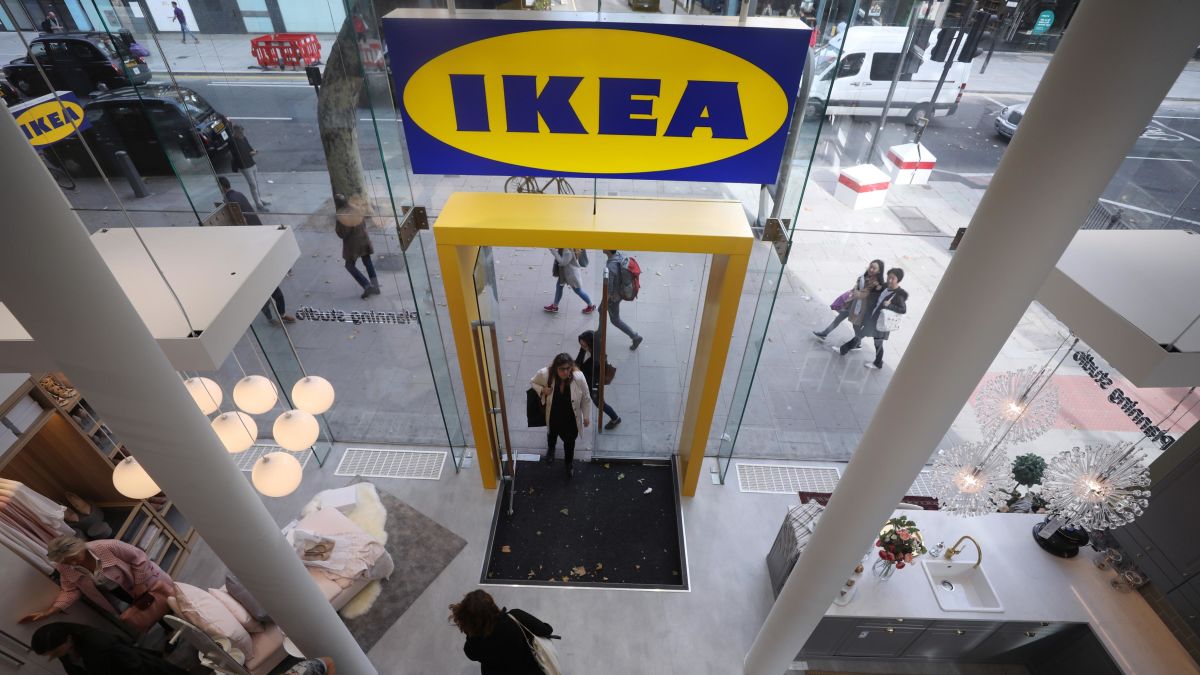
    A seven-level Ikea eco-store is being built in Vienna – with no car parks, targeting pedestrians, cyclists and public transport users.

    The new venue features a bookcase-style design with green facades and a green roof terrace with plenty of strolling space. The store, designed by Querkraft Architekten, is thought to appeal to the many families in the region living without cars.

    “The concept focuses on the current megatrends and takes into account the dramatically changed shopping behavior as well as a new form of mobility without a car,” read a statement from the firm.

    “Customers have little time and appreciate convenience and comfort. This is clearly noticeable in the furnishing area: more and more customers no longer even think about carrying their purchases home themselves. You can have them delivered.”

    The Ikea eco-store is scheduled for completion next year.

  • Clarins Skin Spa opens at Singapore’s Ion Orchard

    Clarins Skin Spa opens at Singapore’s Ion Orchard

    Clarins Skin Spa opened at Singapore’s Ion Orchard last week. The luxury beauty brand unveiled its new home having spent the past 24 years at its former Wheelock Place location. The new outlet’s cozy interior of light oak, whites, and lush greens reflect the brand’s late founder Jacques Courtin-Clarins’ belief that healing begins from within.

    A launch event was attended by Clarins Group executive VP Southeast Asia Guillaume Nagy along with Clarins Group president of North America and Asia-Pacific Christophe de Pous and several celebrity guests.

    To celebrate the occasion, all 60-minute facial and body treatments given at the new location will be discounted from February 1 through to June 30.

  • Health and wellness is driving wearable-technology growth in fashion

    Health and wellness is driving wearable-technology growth in fashion

    Wearable technology has come a long way from the original clunky smartwatch, with innovation has taken a giant leap forward in the last five years.

    And health and wellness have become a key driver of this trend, says GlobalData.

    Clothes containing technology is becoming a reality as brands such as Levi Strauss join smaller brands and start-ups in trying to create items consumers will integrate into their lives.

    Michelle Russell, the apparel correspondent at GlobalData, says wearable technology as a category is starting to be taken a lot more seriously in fashion, particularly given the phenomenal growth of athleisure, which has almost created a nice segue for firms looking to enter the category with a focus on health and wellness.

    The world’s biggest tech conference, CES 2020, opened in Las Vegas last week, showcasing some of the latest innovations in this area.

    The Skin Connected Health & Wellness System by Myant allows the continuous monitoring of health and wellness measures – such as heart rate, stress, temperature, activity and sleep stage, and provides advice on how to improve. Users can also share this information with family, friends and healthcare providers.

    Also on show at CES 2020, the e-skin Sleep & Lounge apparel by Xenoma is designed for monitoring the health of elderly people, analyzing the wearer’s sleep condition. The technology also enables everyday monitoring of users’ behavior and fall detection.

    Meanwhile, FootWare, developed by TacSense, claims to be the world’s first-ever health-tracking smart shoe that is able to measure heart rate, respiratory rate, blood pressure, emotion, stress level, and moving pattern.

    “In a decade it may well become the norm for our everyday jackets or pullovers to monitor our health, but for that to happen, companies need to get consumers properly onboard through involvement and addressing poor understanding,” says Russell. “Increased investment is also key to the category’s development.

    “Wearable technology in fashion is certainly heading in the right direction but it seems there is still some way to go before it becomes totally accessible. It is still a niche product and cost could be a major factor for consumers. Sustainability will also be key.”

  • Petrol Prices Fall For 3rd Day, Diesel Rates Remain Stable

    Petrol Prices Fall For 3rd Day, Diesel Rates Remain Stable

    Petrol prices continued to decrease for the third consecutive day on Tuesday, but the diesel prices remained stable after two days of decline. In Delhi, Kolkata and Mumbai the petrol prices were cut by 11 paise a litre, while in Chennai it was down by 10 paise per litre.

    According to the Indian Oil website, the price of petrol in Delhi, Kolkata, Mumbai and Chennai has come down to Rs 75.70, Rs 78.29, Rs 81.29 and Rs 78.65 per litre respectively. At the same time, the price of diesel in the four metros continue to be Rs 69.06, Rs 71.43, Rs 72.42 and Rs 72.98 per litre respectively.

    On the international futures market the Intercontinental Exchange (ICE), Brent crude was trading at 64.41 dollars per barrel, up 0.28 per cent from the previous session.

    At the same time, American Light Crude West Texas Intermediate’s February deal was trading up 0.29 per cent at 58.32 dollar barrel on the New York Mercantile exchange. The first phase of the trade deal between the US and China is going to be signed on January 15.

    Experts say that due to this agreement many commodity markets will show an enhanced activity, but the price of fuel oil is unlikely to get much support.

  • RELX China flagship set to open in Shanghai

    RELX China flagship set to open in Shanghai

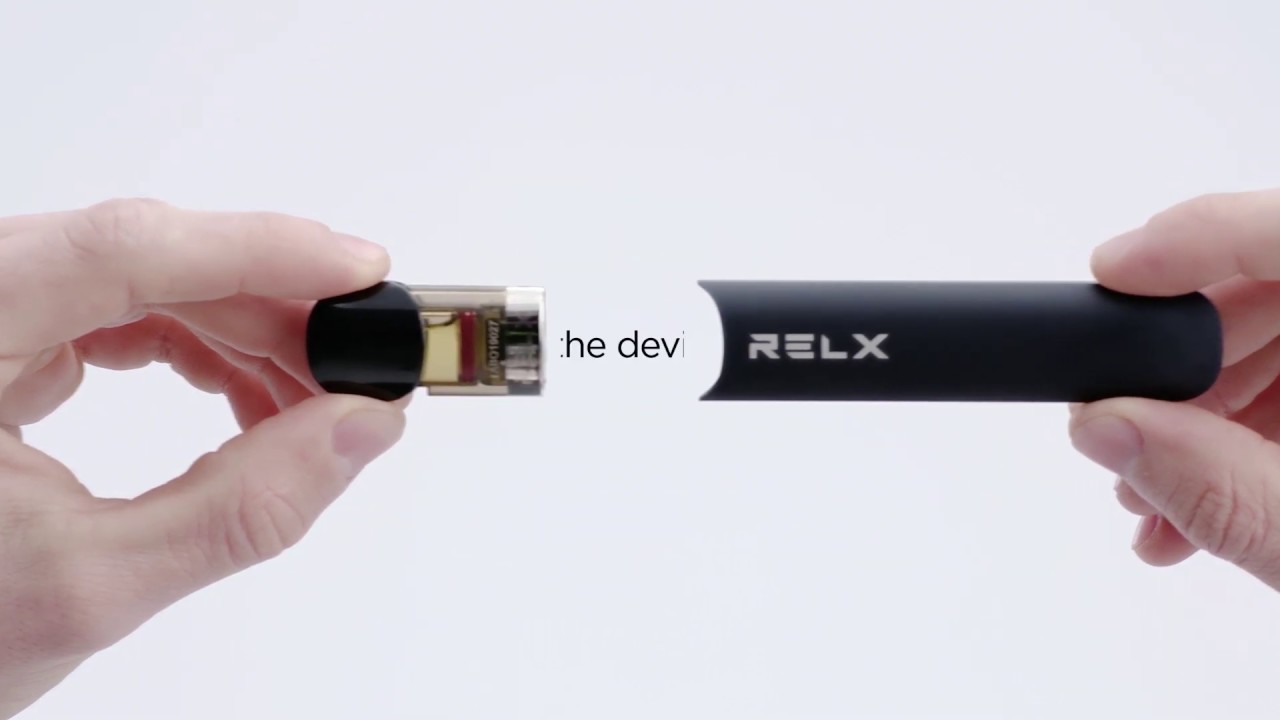
    E-cigarette company RELX Technology has opened its first RELX China flagship and says it aims to have 10,000 stores globally within three years.

    Located in Shanghai’s CBD, the RELX China flagship occupies a 140sqm area, creating a space to educate existing adult smokers and vapers on RELX vapor products.

    “Consumers nowadays prefer immersive shopping experiences, and we want to make this flagship a place where we can not only better communicate with them about our product and values but also better understand their needs,” said Wang Tao, head of RELX’s new retail business.

    According to Wang, RELX will launch stores in various cities, such as Beijing’s 798 art hub and Shenzhen’s Hai Gang Cheng, to provide what he describes as “avant-garde experiences” to consumers.

    The RELX flagship features four zones including a brand experience area, a consumer education area, an interactive zone, and a device-engraving service. The store uses a facial-recognition technology called Project Sunflower to identify minors attempting to enter the store. Customers also have to undergo another layer of verification to ensure their ID matches before making a purchase.

    RELX says it plans to invest RMB 500 million in establishing 10,000 stores globally over the next three years.

    “RELX is investing heavily in breakthrough technologies to enhance franchisees’ profit margins and increase consumer loyalty during the course of its brick-and-mortar expansion,” said Jiang Long, co-founder and head of sales at RELX. “As always, our focus will remain on preventing minors from using e-cigarette products and leading the path of innovation for the entire industry by developing advanced retail technology.

    Launching its first retail store last January, RELX China operates more than 1400 outlets across 300 cities.

  • HCMC Lottery Company profits soar

    HCMC Lottery Company profits soar

    The HCMC Lottery Company Ltd. made pretax profits of over VND1.3 trillion ($56.29 million) last year, up 13.7 percent from 2018.

    Its revenues were up 15.2 percent to VND8.9 trillion ($385.4 million), it said in a release. Three percent of its revenues came from printing and rents.

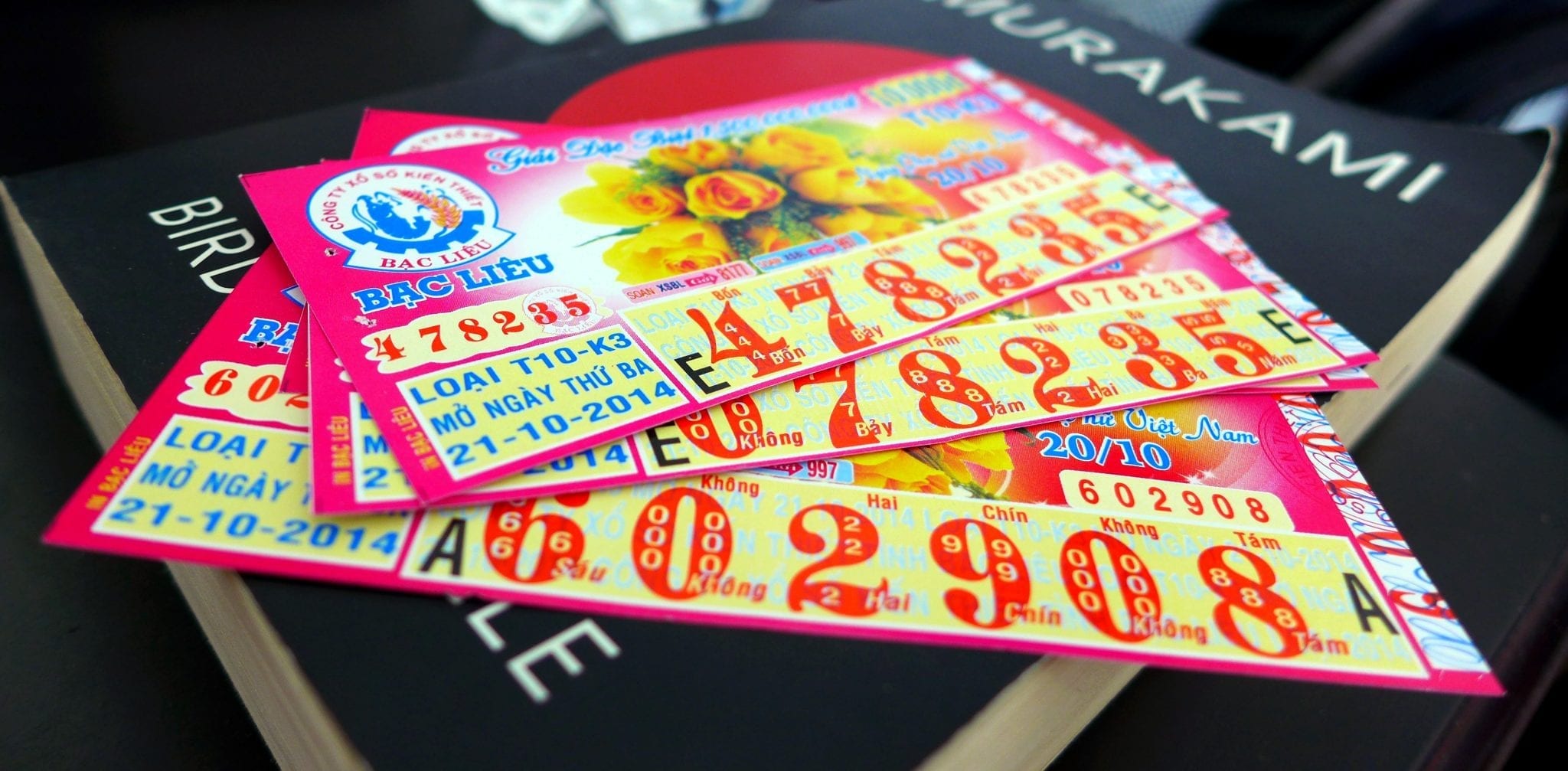
    While traditional lottery tickets accounted most of the revenues, nearly VND500 billion ($21.65 million), or over 5.6 percent, came from a new scratch card that allows customers to know the results immediately.

    Scratch tickets are growing well, exceeding management expectations, but are limited by our printing capacity,” a company spokesperson said.

    The firm targets revenues of VND10.29 trillion ($445.6 million) and pre-tax profit of VND1.2 trillion ($51.9 million) this year. It is researching a new product recently approved by the Ministry of Finance, which will allow customers to choose their own numbers.

    It is expected to help regain market share from its main competitor, American-style computerized lottery firm Vietlott, HCMC Lottery said.

    The traditional lottery involves tickets with numbers printed on them and a top prize of VND2 billion ($86,500) after it was increased by 33 percent in 2018.

  • Saigon Co.op launches new concept Finelife in Ho Chi Minh City

    Saigon Co.op launches new concept Finelife in Ho Chi Minh City

    Vietnam retail group Saigon Co.op has launched a new supermarket concept, Finelife, in Ho Chi Minh City.

    Located in the upmarket Ha Do Residential Area in District 10, Finelife occupies a 660sqm area, featuring more than 4000 premium items including organic food, cosmetics, utensils, garments and imported beverages.

    Finlife supermarket also offers services such as free delivery with bill above VND200,000 (US$8.60) and bill payment at the store. The company plans to launch laundry service and spare battery renting this year.

    Finelife supermarket is the first grocery brand in the country to employ new technologies such as automatic on-shelf price tags and self-checkout counters.

  • Nike to replace New Balance as Liverpool FC kit provider

    Nike to replace New Balance as Liverpool FC kit provider

    Nike has signed on as the official kit provider of presumptive English Premier League 2020 champions Liverpool FC.

    The new partnership will commence on June 1 for the following 2020/21 season and continue for “multiple years” according to a statement by Nike.

    Nike will outfit the men’s, women’s and academy squads, as well as the coaching staff and Liverpool Football Club Foundation. Nike replaces New Balance with which the club won a High Court dispute in October.

    “We’re delighted to be partnering with Nike, one of the world’s leading brands,” said Billy Hogan, chief commercial officer of Liverpool Football Club. “We welcome them to the Liverpool FC family and expect them to be an incredible partner for the club, both at home and in the city of Liverpool, and also globally as we continue to expand our fan base.”

    The partnership coincides with Liverpool Football Club preparing to move into a new training facility for the 2020/21 season in Kirkby, a project that includes investment in improved sports facilities for the local community.

    “Liverpool Football Club has such a proud heritage and strong identity,” said Bert Hoyt, VP, GM Nike EMEA. “The partnership with Liverpool underscores our leadership in global football, and with the club’s passionate world-wide fan base and strong legacy of success, they have a very bright future ahead. We look forward to partnering with them to serve players and supporters with Nike innovation and design.”