Category: Logistics

Retail News Asia is committed to providing both local and global retailers with the latest Logistics news throughout the Asian market. This on a daily base.

  • UPS to expedite pharma, AOG handling with new acquisition

    UPS to expedite pharma, AOG handling with new acquisition

    UPS has entered into an agreement with private equity firm Quad-C Management to acquire MNX Global Logistics (MNX), a time-critical logistics provider with clients in the aerospace, healthcare and pharma industries.

    UPS will look to leverage MNX’s specialist capabilities in airport on ground (AOG) delivery services and temperature-controlled logistics for its healthcare unit and clinical trial logistics subsidiary Marken.

    The company will also offer industry-leading time-critical, temperature-sensitive logistics services together with UPS Express Critical. The transaction is expected to close by year-end, subject to customary regulatory review and approval. UPS has not declared the value and terms of the transaction at the time of writing.

  • Qatar Airways marks 20 years of freighter operations

    Qatar Airways marks 20 years of freighter operations

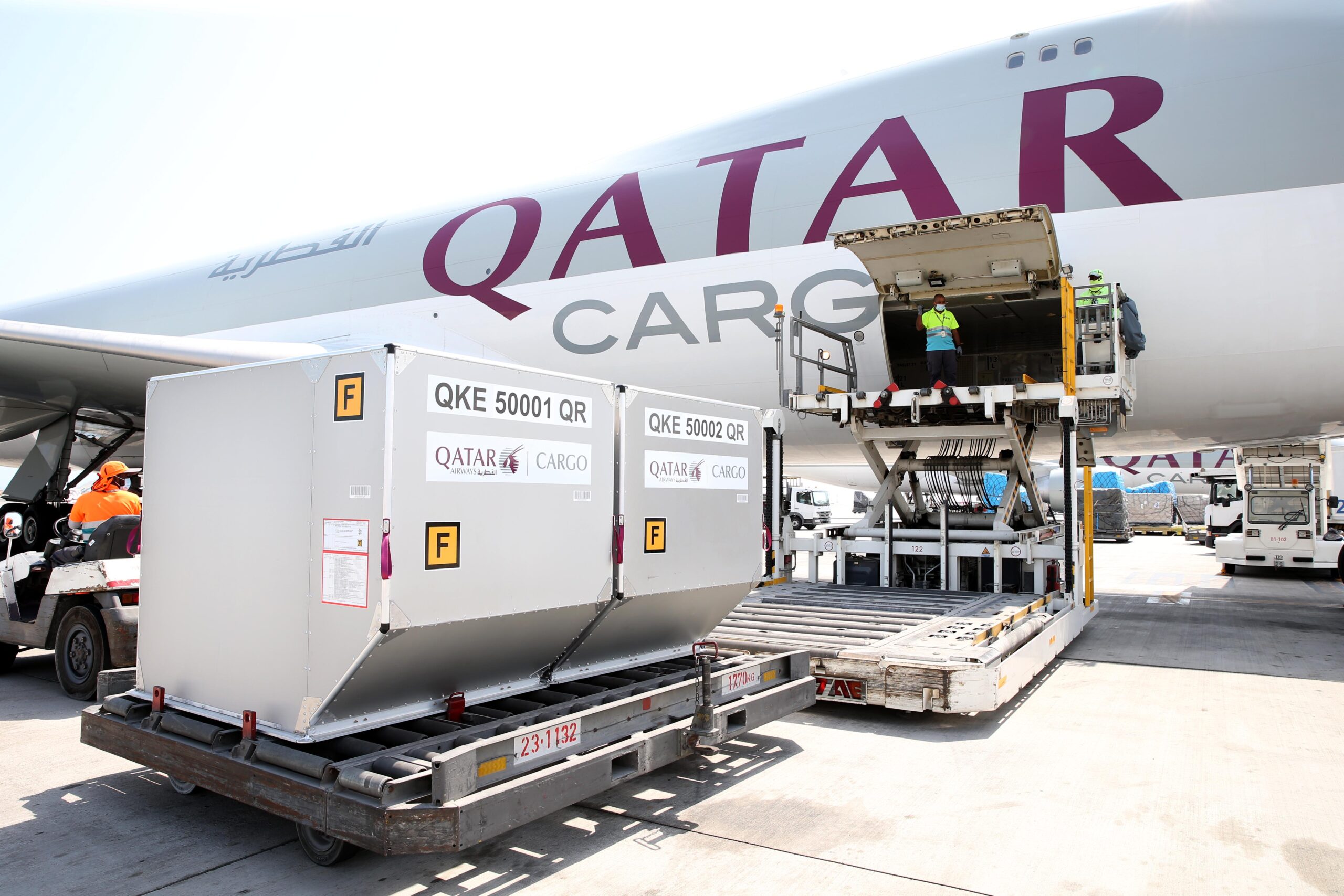
    Qatar Airways Cargo is celebrating its 20th year of dedicated freighter operations. Over the past two decades, Qatar Airways Cargo has continuously expanded its fleet, network, and product portfolio in a bid to become the world’s #1 cargo carrier.

    In 2003, Qatar Airways Cargo delivered its first freighter, an Airbus A300-600, a converted passenger aircraft. It began regular operations to Amsterdam and Chennai, and shortly thereafter, to New Delhi.

    Today, the cargo airline operates to more than 160 belly-hold and over 70 freighter destinations with over 200 passenger aircraft and 31 dedicated cargo freighters.

    With the launch of its Next Generation strategy, Qatar Airways Cargo has defined its role in the air cargo industry through enhanced products and services, cutting-edge technology, a commitment to sustainability and diversity, investing in existing talent and attracting new ones.

    Qatar Airways Cargo has achieved significant accomplishments, including being the first airline globally to complete the suite of IATA CEIV certifications, the launch of the Kigali Africa hub in partnership with RwandAir, and the introduction of innovative products like Pharma, Fresh, Courier, and SecureLift.

    Being one of the early adopters of digital transformation, it has launched a new website and online booking portal Digital Lounge and partnered with marketplace platforms The airline has also committed to sustainability through its WeQare program, championing initiatives such as ‘Rewild the planet’ and launching a CO2 emission calculator.

    As the airline enters the next decade, Qatar said it remains dedicated to digitalization and sustainability and looks forward to continuing to be at the forefront of air cargo’s innovation and customer-centric solutions.

  • Qatar Airways Cargo links with Xiamen Airlines

    Qatar Airways Cargo links with Xiamen Airlines

    Qatar Airways Cargo will offer additional capacity to/from China on the belly space of Boeing widebody jets with a new tie-up with fellow Skyteam member Xiamen Airlines.

    Under the agreement, Xiamen Airlines will launch daily flights on 20 October between Beijing’s Daxing International Airport (PKX) to Doha’s Hamad International Airport (DOH). The Chinese carrier will also launch two weekly flights from Xiamen (XMN), one of China’s special economic zones, to Doha, starting 31 October.

    This is the first time that the Chinese carrier will operate non-stop passenger flights to Qatar.

    A B787-9 will operate the new direct services from PKX to DOH, whilst the XMN-DOH return service will be operated by a B787-8, with more than 100 tonnes of capacity on both flights. Qatar Airways Cargo now serves 9 destinations in China, offering over 2,800 tonnes of cargo capacity each week.

  • Korean Air mandates e-AWBs for general cargo starting January

    Korean Air mandates e-AWBs for general cargo starting January

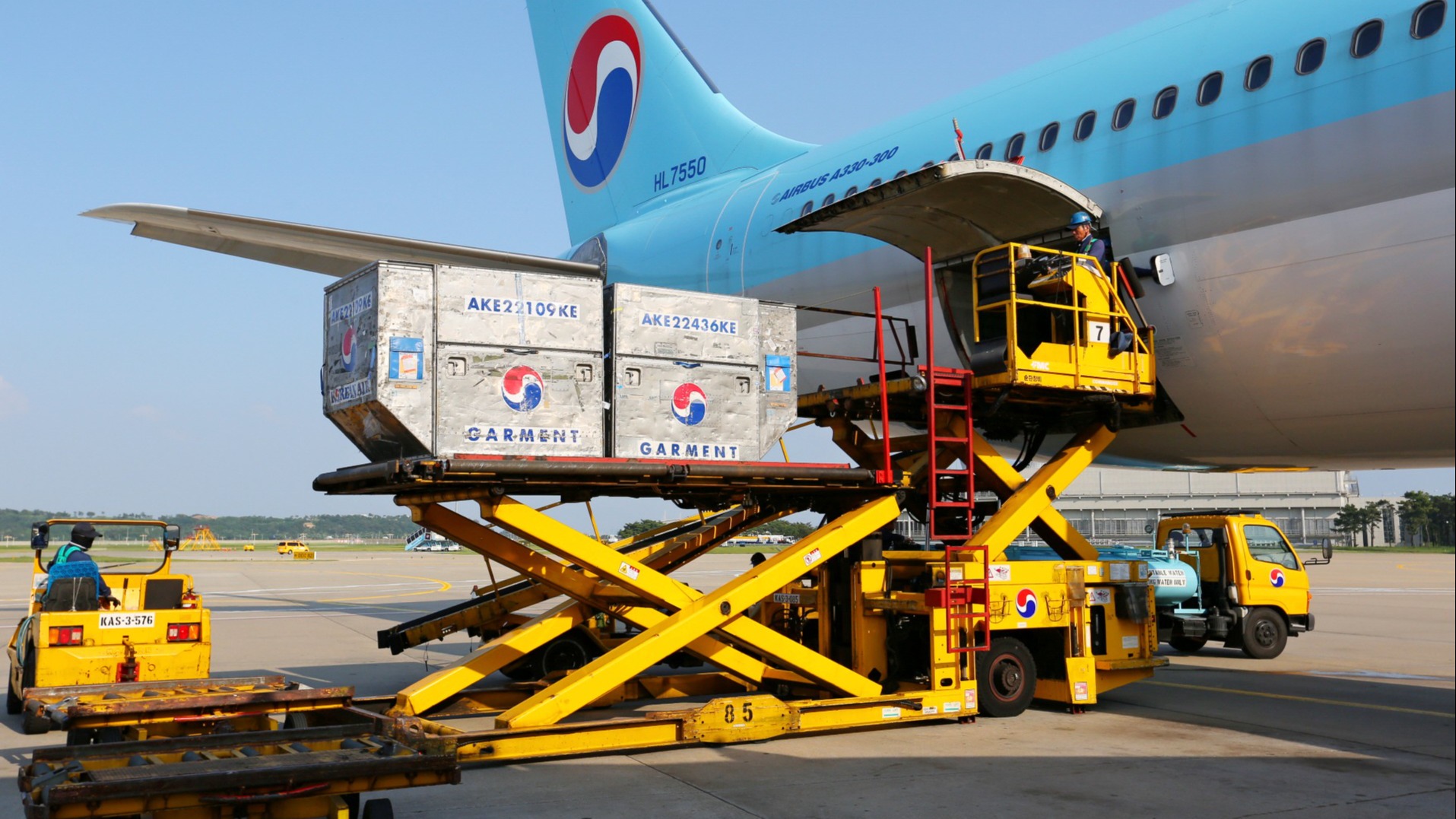
    Korean Air will begin its full-scale digital transition to electronic air waybill (e-AWB) to replace conventional paper documents and will apply to general cargo departing from Korea bound for North America, Europe, Japan and other select markets.

    The airline said the paperless transition will streamline the entire process from reservations to final delivery and enhance data quality and accuracy. It will also enable the airline to practice its ESG initiatives.

    Korean Air held consultations and completed trial operations with all stakeholders, cargo clients and forwarders to prepare for the transition. The airline will mandate e-AWB for Korea-outbound cargo starting January next year, with plans to include all loaded cargo departing from global stations in due course.

  • Qatar Airways, DSV open new cargo route from HSV

    Qatar Airways, DSV open new cargo route from HSV

    Qatar Airways Cargo and DSV Global Transportation and Logistics have teamed up to launch a new route from Huntsville airport (HSV) in the US with two freighter services each week.

    The carrier will operate its Boeing 777 freighters twice a week from Felipe Ángeles International Airport in Mexico to Huntsville en route to Doha via Luxembourg. The freighters from HSV will operate on Thursdays and Sundays every week, offering 200 tonnes of capacity.

    Mads Ravn, executive vice president at DSV, said the collaboration will not only extend the forwarder’s market presence but also allows access to the Middle East with a keen focus on the oil and gas sectors.

    The strategic initiative also establishes a direct scheduled service from Mexico City to Europe, the Middle East and beyond via Huntsville and Luxembourg. The carrier expects to transport major exports like auto parts from Huntsville for various manufacturers in Europe along with perishables and cars from Mexico.

    With the addition of Huntsville, Qatar Airways Cargo now serves 22 destinations in the Americas with freighter and passenger belly-hold flights, providing a combined weekly cargo capacity of over 5,500 tonnes

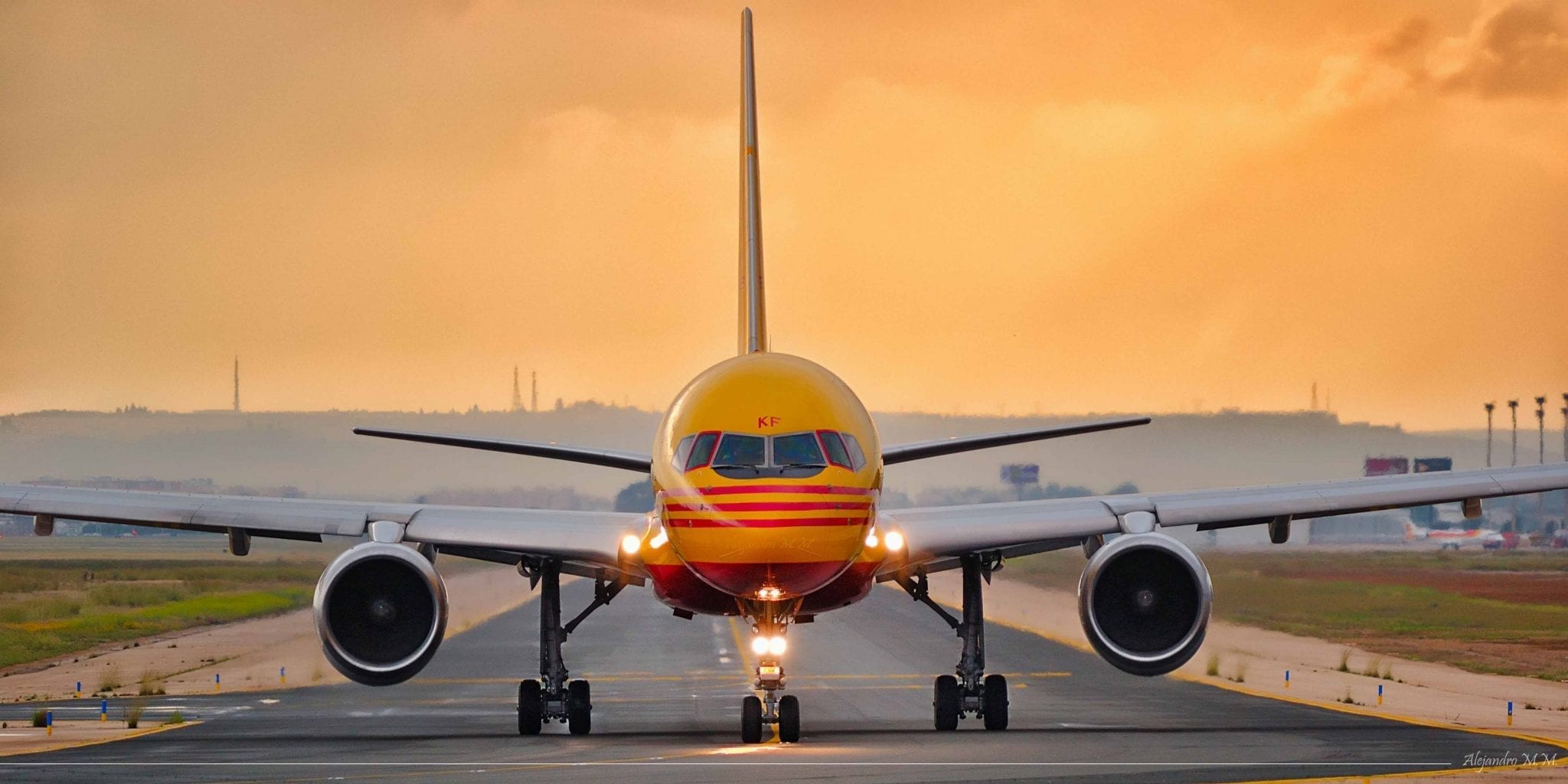
  • DHL Express transforms Incheon gateway facility

    DHL Express transforms Incheon gateway facility

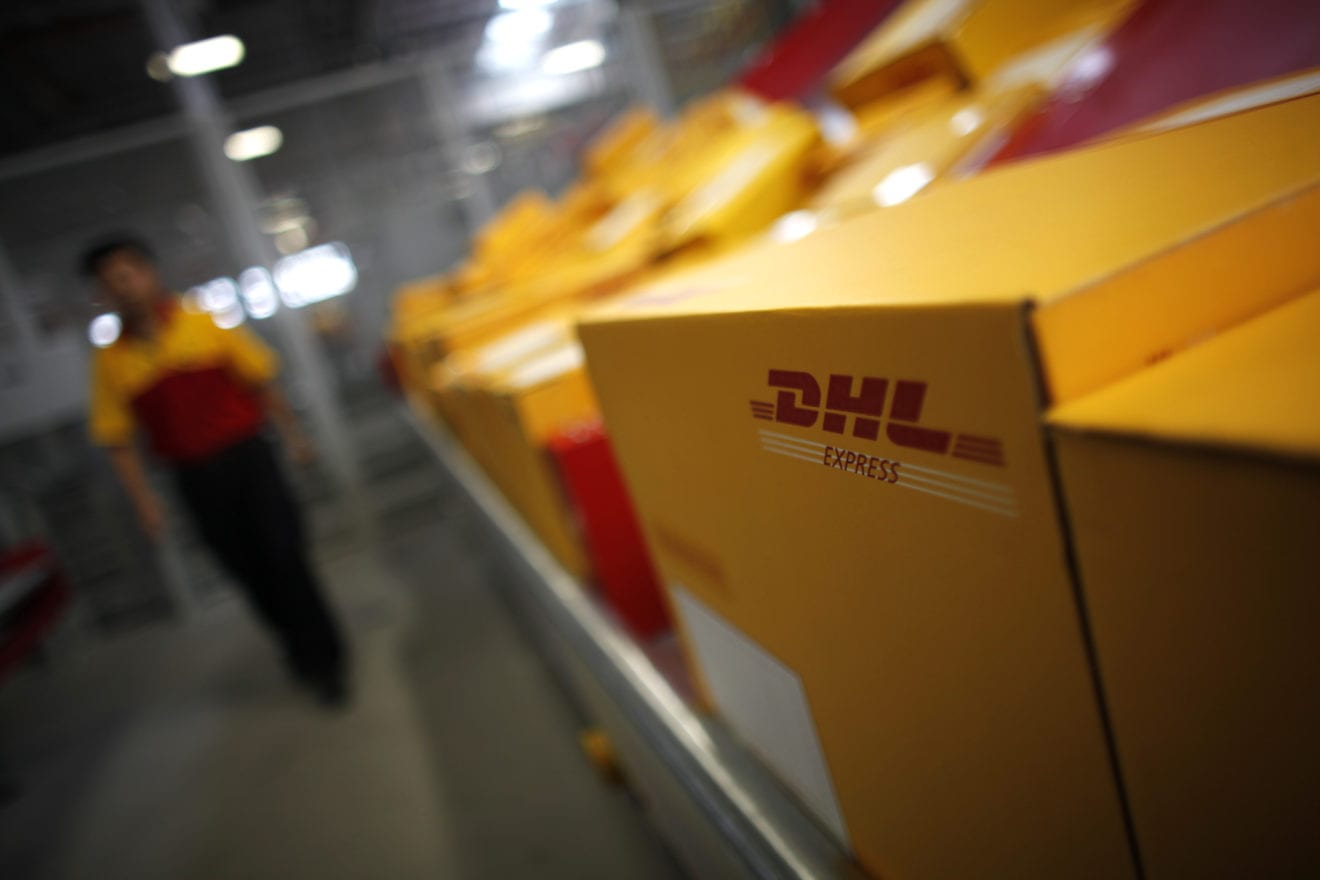
    DHL Express is confident about the upward trajectory of cargo demand in South Korea and has commenced full-fledged operations at the newly expanded Incheon gateway. 

    The enhanced Incheon gateway is now three times the size of its predecessor with 59,248 square metres of floor area. It can also handle 3.5 times as much capacity, complete with a 5.5-kilometer-long conveyor belt and 19 automated X-ray inspection machines to ensure safety and compliance. It pledged €131 million (KRW 175 billion) to expand the cargo gateway in 2019, marking its largest investment in South Korea to date.

    “Between 2011 and now, the transit cargo handling volume we handled in the country grew more than threefold,” Sean Wall, Executive Vice President of Network Operations and Aviation, Asia Pacific, DHL Express. The opening of the expanded Incheon Gateway arrives at a right time as it plays an important role to facilitate regional and intra-Asia trade, particularly for the Northeast Asian region, including Dalian, Qingdao, Wuxi, Ulaanbaatar, and Guam.” 

    DHL cited growing international express imports and exports with Asia-Pacific neighbours like Singapore, Japan, China, Australia, and Taiwan as contributor to the increasing cargo demand seen at Incheon. To move import and export shipments efficiently at the Incheon Gateway, DHL Express will utilise a fully automated sorting and handling system that can process over 10,000 parcels an hour. The company connects other hubs via Incheon with seven dedicated DHL aircraft and 40 aircraft from partner airlines. 

    DHL Express added that the facility is partly powered by solar energy with a 1-mW solar power generator installed on the entire rooftop area (5,700 square meters). The solar generator can produce energy that covers roughly 30 percent of the facility’s consumed energy, reducing around 650 tonnes of carbon emissions annually. This marks the first instance among cargo terminals within Incheon International Airport to use solar energy. 

    ByungKoo Han, Country Manager of DHL Express Korea, said, “The Incheon Gateway serves as a strategic facility that connects South Korea and the Asia Pacific region to the world. Since its initial opening in 2009, the volume of imports and exports at Incheon Gateway has increased by more than 90% in 2022. With this expansion, we are confident that we can adeptly manage the surge in shipment volume and cater to the increasing demand for international express delivery over the coming decade.” 

  • Kerry Logistics bounces back in Q2

    Kerry Logistics bounces back in Q2

    Kerry Logistics’ performance in the first half of this year may have already seen the company ‘bottom out’ after the sharp drop from the extreme highs during the pandemic, as the Hong Kong-based logistics player saw 30 percent quarter-on-quarter growth for Q2.

    The abnormal highs seen in 2021 and 2022 have made an impact on year-on-year comparisons with rates slowly going back to the levels seen pre-pandemic. In its interim results, the company recorded a net profit of HK$368 million for the first half, down 85 percent versus the same period last year, with revenue dropping 47 percent year-on-year to HK$25,315 million.

    Vic Cheung, Managing Director of Kerry Logistics Network, said: “In 2023 1H, global trade volume and growth remained subdued. Freight rates and volume stayed depressed while supply chain demand remained stagnant. During the three years ended 31 December 2022, KLN Group’s flexible and innovative supply chain solutions enabled it to benefit from the supply and demand mismatch during the pandemic and achieved exceptionally good results. However, the extraordinary circumstances in 2021 and 2022 proved an anomaly that distorted year-on-year comparisons for logistics companies including KLN Group. After the particularly difficult 2023 Q1, the Group’s overall performance has bottomed out. Although the Group’s core net profit reported a decrease of 85% in year-on-year terms, the performance in 2023 Q2 recorded more than 30% quarter-on-quarter growth. The Group’s resilience, agility and unique position in Asia are expected to carry it through the storm in 2023.”

    Across the business, Kerry Logistics’ integrated logistics remained stable in H1 with a segment profit of HK$718 million compared to the HK$717 million seen in the same period last year. Contributing to the positive performance were its business in China and Thailand-based Kerry Siam Seaport’s satisfactory results with Hong Kong not growing proportionally due to a sharp drop in demand for pandemic-related services.

    The freight forwarding business meanwhile recorded an 82 percent year-on-year contraction in segment profit in the first half at HK$621 million. The company attributed the decline to weak global demand, slower-than-expected recovery in Asian exports and plunged freight rates. Kerry Logistics said the trans-pacific trade lane accounted for more than 80 percent of the business, despite volumes sliding 22 percent year on year. The company said this decline is comparatively smaller and it expects the division to outperform the market when it turns around.

    Recording the only segment loss for the first half is the company’s e-commerce and express business. The company said it expects Kerry Express Thailand, the major contributor for the express division, to stabilise in the fourth quarter of next year. On 25 July 2023, the group announced the transfer of certain companies engaging in express delivery services in Asia Pacific and Europe to an indirect subsidiary of S.F. Holding as a move to reorient its focus towards integrated logistics and freight forwarding.

    Vic Cheung concluded that 2023 is shaping up to be a tough year for the global logistics industry: “the extreme circumstances under the pandemic are gradually fading in global logistics activities and there are signs of improvement in both freight rates and volumes in KLN Group’s key markets.

    “Using the pre-pandemic FY 2019 as the base, we are confident to deliver healthy and sustainable Compound Annual Growth Rate (CAGR) growth in segment profits in our IL and IFF divisions. We are also optimistic that the stable performance of the IL business is likely to keep up the momentum in 2023 2H.”

    Kerry Logistics announced interim dividend of 9 HK cents per share  payable on  22 September 2023.

  • FedEx launches ‘Picture Proof of Delivery’ in Singapore

    FedEx launches ‘Picture Proof of Delivery’ in Singapore

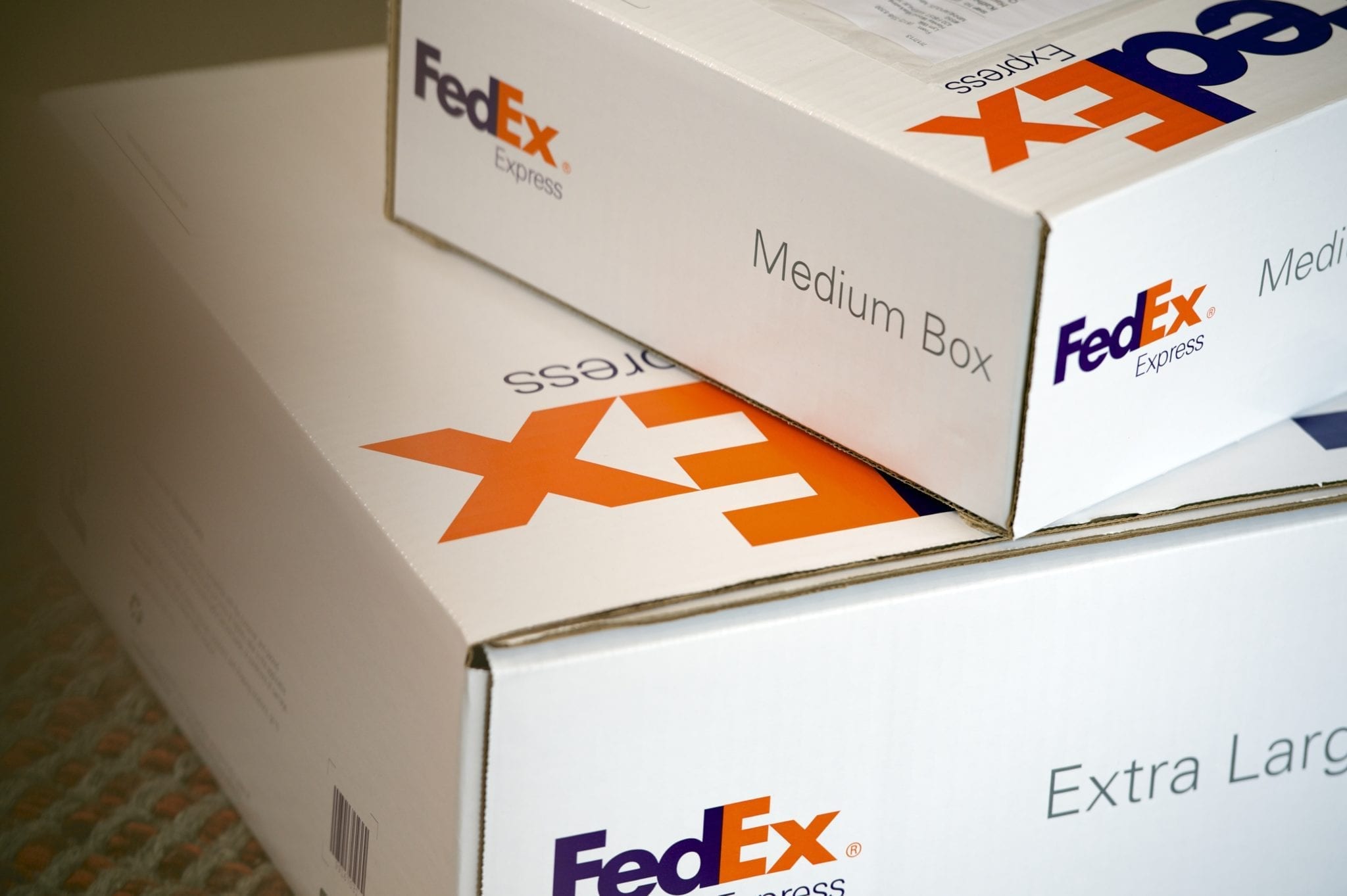
    FedEx is supporting e-commerce growth in Singapore and enhancing the customer experience of online shoppers in the city state with the launch of Picture Proof of Delivery (PPOD) for express residential deliveries.

    Customers in Singapore who choose the ‘no-signature-required’ delivery option can now receive a photo showing the exact location where their package was delivered, by tracking on the FedEx website and the FedEx Mobile app. The express operator said PPOD is a free delivery service option and will not require enrolment, an account, or login.

    The move comes amidst an increase in the number of deliveries spurred by growth e-commerce growth in Singapore, which is expected to jump 11 percent annually to reach US$16.4 billion in 2023. In November last year, it launched similar service option for Hong Kong and New Zealand.

    “We are witnessing an increasing trend of Singaporean consumers choosing to shop online. Picture Proof of Delivery (PPOD) is just one of the many steps we are taking to differentiate our service offerings and enhance the customer experience through our digital solutions,” said Eric Tan, Managing Director, FedEx Express Singapore.

    FedEx is committed to facilitating the growth of e-commerce and helping businesses succeed in cross-border trade in Singapore. In June 2023, FedEx announced the addition of 800 new collection points across the island. It also recently launched an e-commerce delivery solution with the integration of WhatsApp into FedEx Delivery Manager International.

  • Hong Kong air cargo volumes continue rebound

    Hong Kong air cargo volumes continue rebound

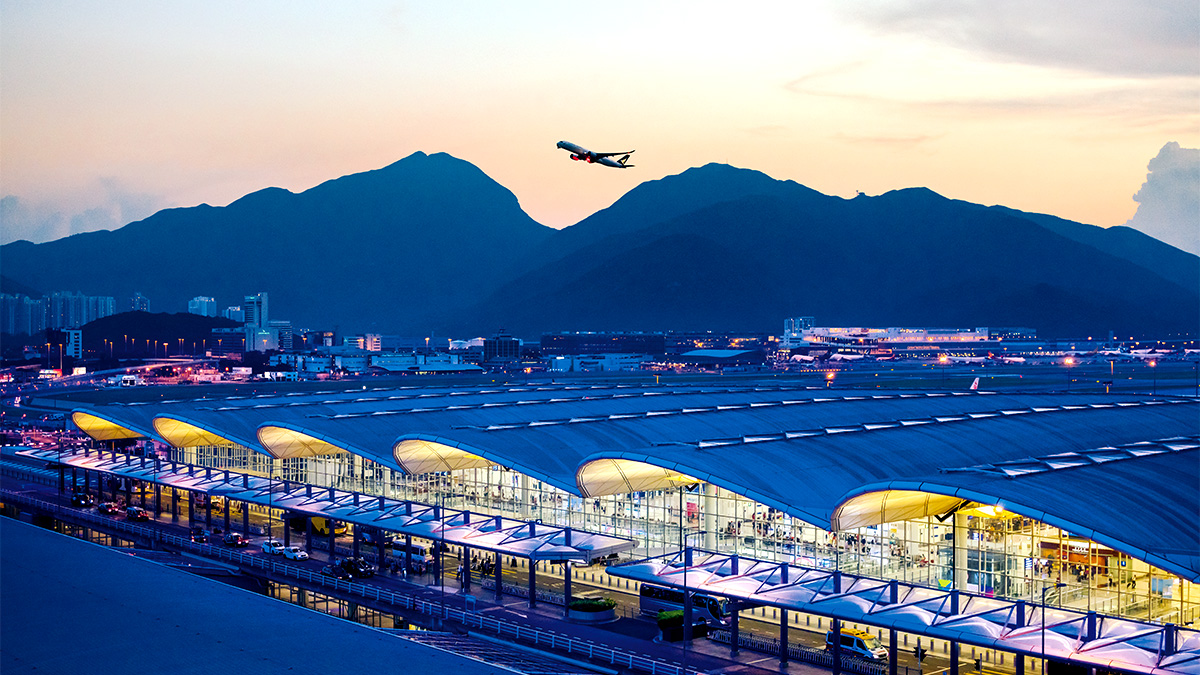
    Cargo volumes at Hong Kong International Airport continued on its path to recovery in July as the airport recorded a year-on-year increase of 3.8 percent over the same month last year at 361,000 tonnes. 

    Month-on-month, this represents an uptick of 1.7 percent over June as flight movements reached 24,030, up 7.4 percent over the previous month. 

    Records say exports contributed the most to the year-on-year increase in cargo volumes in July, up 12.6 percent, with traffic to and from North America, the Middle East and Europe seeing significant growth during the month. 

    Considering the last 7 months, cargo volumes at Hong Kong airport slid 4.2 percent year on year to 2.4 million tonnes, as the airport handled 142,840 flight movements, almost double the flights (94 percent growth) seen over the same 7-month period last year. 

  • Indonesia’s Express Cargo Airlines starts operations

    Indonesia’s Express Cargo Airlines starts operations

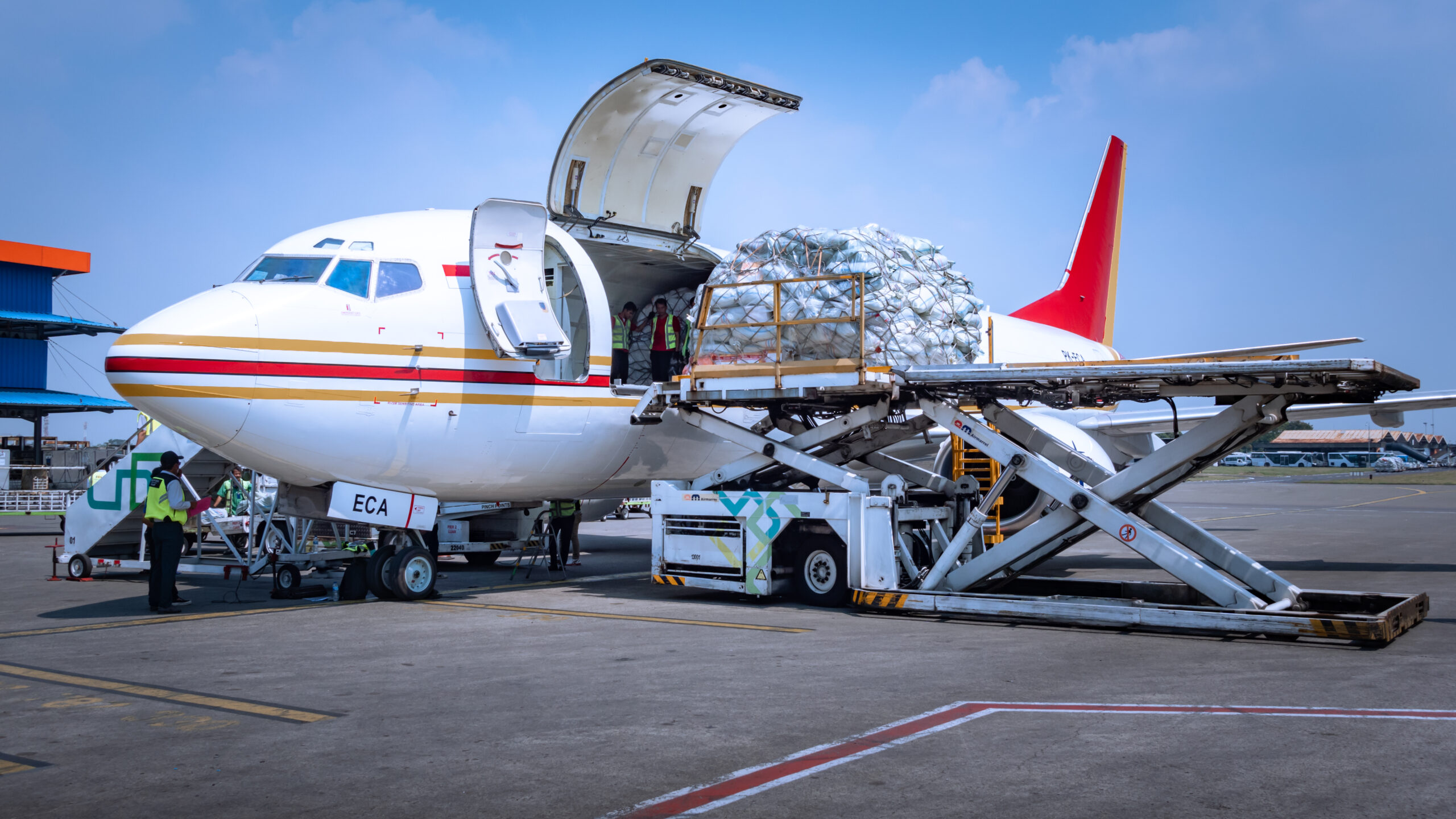
    Express Cargo Airlines has gained its domestic, non-scheduled Air Operator’s Certificate (AOC) in Indonesia and started commercial flight operations on 13 August.

    The carrier is one of three cargo start-ups launching in Indonesia this year, alongside BBN Airlines Indonesia and Raindo United Services, each with a single B737-800(BCF).

    Express Cargo Airlines operates a single B737-300(F), PK-ECA (MSN 24789), based out of Jakarta Soekarno-Hatta, and a Cessna (single turboprop) C208EX Grand Caravan for regional cargo flights. It currently offers charters to eastern islands in the country.

  • Changi inks agreement to help develop Cairo Cargo City

    Changi inks agreement to help develop Cairo Cargo City

    Changi Airports International (CAI) has signed an agreement with Cairo Airport Company, which is expected to help position Cairo International Airport as a cargo and logistics hub. 

    The Singapore-based airport consultancy firm will work with the airport operator in Egypt for a feasibility study for the development of Cairo Cargo City, a new area at Cairo International Airport that has been earmarked for cargo and logistics development. Another consultancy agreement was signed for the passenger business. 

    Cairo International Airport is one of the busiest airports in Africa and the largest airport in Egypt in terms of passenger and cargo traffic. 

  • Etihad Cargo stretches express moves on e-commerce

    Etihad Cargo stretches express moves on e-commerce

    With cargo volumes way below what the industry saw over the last 2 years, airlines, logistics players and other stakeholders are trying to figure out which sectors could likely drive back more shipments moving by air. One of those that could be a driving factor is e-commerce, particularly exports coming from Asia. With operations between Abu Dhabi and China, Etihad Cargo is well aware of this trend and has been a step ahead in maximising the opportunities. In April this year, it added a fourth Chinese gateway in Hubei and offered a weekly freighter service. The airline also partnered with leading cargo carrier SF Airlines to further establish its presence in China. Leonard Rodrigues, head of revenue management and network planning at Etihad Cargo, shares his insights on e-commerce, the Chinese market and more in this interview.

    Can you share more about your operations between Abu Dhabi and China?
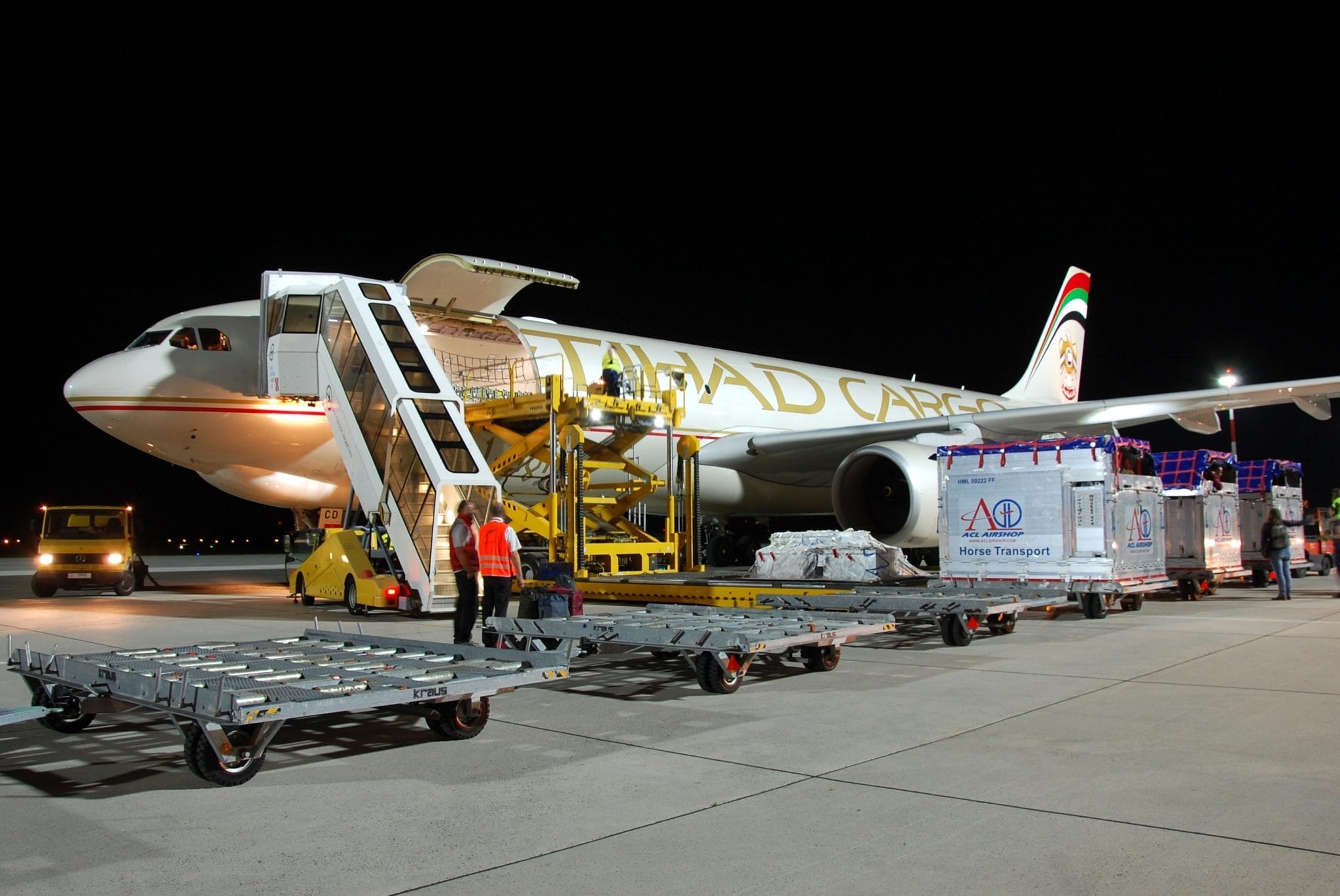
    Etihad Cargo operates seven freighter scheduled flights to mainland China per week and additional ad-hoc charters to meet capacity demand. In addition to our freighter network that serves Guangzhou, Shanghai and the Hubei Province, we also offer additional belly capacity on board ten weekly passenger services to Guangzhou, Beijing and Shanghai. Via the carrier’s growing road feeder services network in China, Etihad Cargo also offers customers and partners access to 25 domestic destinations, providing seamless connectivity across the Chinese market.

    How important is e-commerce in driving the demand in this particular corridor?
    There has been a phenomenal global increase in online shopping and cross-border trade between e-commerce businesses. Cross-border e-commerce has always been a key component of Chinese exports. In the current environment, where passenger capacity in and out of China is still lower than pre-COVID, e-commerce represents a large proportion of freighter demand through dedicated charter programmes.

    Etihad Cargo has identified e-commerce as a critical market for cargo growth, further driving Etihad Cargo’s focus on building a portfolio of cargo products that enable the smarter and faster management of air cargo. In e-commerce terms, Etihad Cargo’s air cargo services offer the speed consumers and businesses need and expect to answer the growing demand. Etihad Cargo will continue to develop agile business models in response to the ever-growing needs of e-commerce and fully supports the development of Abu Dhabi as a logistics and express hub for the region.

    What type of synergies are you looking to unlock with your partnership with SF Airlines?
    Etihad Cargo has continued to invest in partnerships, both here in Abu Dhabi and globally, to expand our capabilities at our hub and internationally to further expand our network and product offering. Etihad Cargo’s partnership with SF Airlines is based on a reciprocal block space agreement. We exchange capacity on both networks, providing Etihad Cargo with additional connectivity in China, with greater accessibility to 25 domestic mainland China destinations via SF Airlines’ road feeder services trucking network, and SF Airlines with additional access to destinations across Etihad Cargo’s expanding global network.

    We are now gaining familiarity with each other’s hub, and we recently welcomed senior leadership from SF Airlines to our Abu Dhabi hub and will be visiting SF Airlines’ hub in China very soon. We are exploring additional synergies and opportunities for mutual growth, and we are confident both sides have a lot to offer.
    Following the success of our recent agreement with SF Airlines to connect our Abu Dhabi and Hubei Province mega hubs, we are also exploring further partnerships that will benefit not only Etihad Cargo’s customers but also further position Abu Dhabi as a global logistics and express hub.

    What can you say about Abu Dhabi’s, or the Middle East, appetite for e-commerce?
    A unique aspect of Etihad Cargo’s Abu Dhabi hub is its location, which provides the perfect link between the East and West, and the Government of Abu Dhabi’s clear vision of becoming a major global hub for air cargo and specifically e-commerce. Etihad’s shareholder, ADQ, also owns Abu Dhabi Airport and other key logistics investments and is facilitating Abu Dhabi’s vision. For example, a dedicated, state-of-the-art facility with e-commerce and express logistics capabilities is in the works, and specific free zones are being developed for fulfilment centres.

    What are some of the trends that you think will drive more e-commerce shipments on planes?
    In terms of trends that are driving more air cargo e-commerce shipments, a change in purchasing patterns is having a significant impact, but these trends are not always easy to anticipate. During the pandemic, online shopping led to a huge surge in e-commerce. Now we’re in the post-COVID era, and after a period where e-commerce fell somewhat, it is again increasing due to a paradigm shift in the garment sector. New market entrants based in China are using e-commerce to offer even more choices and buying options to customers, leading to a boost in e-commerce sales and demand. An interesting trend to look out for is new crowdfunded products being marketed and sold through social media. Volumes are still limited at this stage, but their supply chain relies totally on the e-commerce process, so this could be more impactful in the future.

    Aside from China, where do you see the most potential in terms of e-commerce growth? Can you share more about the direct services to Chennai?
    China is among our top origins for e-commerce, with other top origins including Vietnam, the United Kingdom, the Netherlands, Spain, Australia and the US. India is also witnessing an e-commerce boom. According to the latest data from Redseer Research and Analysis, gross merchandise value (GMV) of India’s e-tailers has risen by 22 percent over the last year and reached $49 billion in 2022. Despite COVID-related disruptions and supply chain disruptions, e-commerce sales have increased by 140 percent since the end of 2020, and despite losing momentum since the peak in 2021, are still two and a half times higher than pre-COVID levels.

    To meet increased capacity demand and reinforce our commitment to both Chinese and Indian markets, Etihad Cargo reinstated a twice-weekly freighter service from Shanghai to Abu Dhabi via Chennai in 2022, providing additional capacity into two key global markets. While we have always served that demand, through continuous evaluation of our network, Etihad Cargo identified the need for a direct service, and we will continue to review our network, adding destinations and frequencies, and optimising freighter utilisation to support key trade lanes and customer demand.

    How do you see e-commerce logistics evolving in the next decade?
    The sector will likely see more partnerships between airlines and e-commerce players. Airlines are already focusing more on the delivery of their airport-to-airport service, as this is their core expertise. These services will then be commercialised by freight forwarders that provide the full 3PL experience. When it comes to e-commerce, this setup will work well in the case of full flights. However, for smaller shipments, this can prove to be inefficient, leading e-commerce logistics to rely heavily on integrators. If we project a trend where the share of e-commerce continues to grow, airlines will see value in developing partnerships that address that need.

    What are key logistics decisions that a shipper or e-commerce player needs to make?
    When it comes to air cargo, the key logistics decisions that need to be made will continue to relate to rate and capacity. When compared to other modes of transportation, the cost of air cargo is almost always higher. Therefore, for shippers or e-commerce players relying on air cargo, there needs to be a choice between securing long-term capacity that protects a growth in volumes for their business, weighed up against the risk of paying a small premium and wanting to procure capacity at the lowest rate based on the ad-hoc market, with the risk of that capacity not being available. When the share of e-commerce was small, gaps in availability could be used at competitive rates, for example, through the use of standby mail. However, with the share of e-commerce increasing, this trade-off must be evaluated fully.

    Express cargo, and express options for other types of cargo, will continue to be a focus for Etihad Cargo in the next decade and e-commerce logistics will further evolve. Etihad Cargo will invest in our product offering so we can offer quick, reliable and efficient transportation solutions across our global network, supported by our extensive road feeder service network to connect with offline stations.
  • DB Schenker unveils plans for RedLion2

    DB Schenker unveils plans for RedLion2

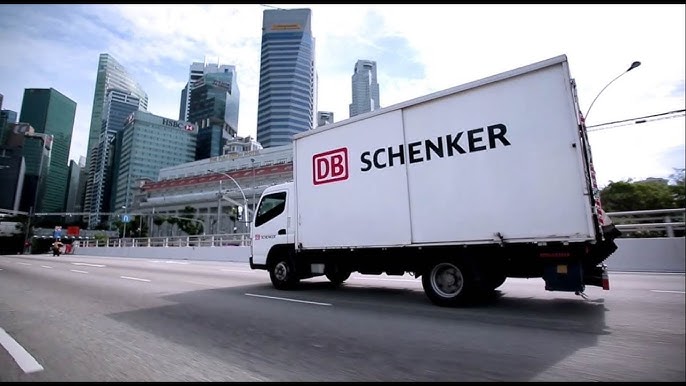
    German logistics firm DB Schenker on Monday announced plans to invest more than €100 million for a new zero-emissions logistics facility in Tampines, which is scheduled to be completed by the first half of 2025.

    Dubbed RedLion2, the 600,000-sqft facility will be the company’s largest investment in Singapore, surpassing the previous investment record for Red Lion, a S$163 million (€101 million ) warehouse opened in 2020 at the free trade zone of the Airport Logistics Park of Singapore.

    DB Schenker said the future facility aims to support the semiconductor and healthcare industries and will be designed to house advanced automation solutions, including intelligent conveyor systems, automated storage and retrieval systems, and autonomous guided vehicles.

    RedLion2 will also be equipped with several sustainable features, including over 4,000 solar panels, to ensure that the facility is carbon-negative. With the addition of RedLion2, DB Schenker’s facilities in Singapore will occupy over four million square feet of land across 17 facilities.

    The company said it plans to partner with local small and medium-sized enterprises to test new ideas within the logistics industry through an innovation sandbox. It currently has around 1,900 employees based in the city-state, with plans to add 600 staff in the next 7 years.

    Catherine Soo, cluster chief executive for Singapore and Malaysia, told local news why SIngapore was chosen for this expansion project: “We see a lot of companies relocating or expanding to Singapore, and we can complement them by providing a logistics surface for everyone to grow together. This drives us to put Singapore at a higher level of importance than other countries.”

    “Other countries in Asia-Pacific where we have operations are fighting for the same investment from us, but DB Schenker Singapore has been able to deliver a very strong track record,” she noted.

  • DHL promotes new head of global air freight

    DHL promotes new head of global air freight

    DHL Global Forwarding, the air and ocean freight specialist of DHL Group, has announced changes in its global leadership team with Thomas Mack, current executive vice president for air freight, set to move into a new senior advisor role. 

    Max Sauberschwarz, who currently holds the role of Senior Vice President Global StarBroker, DHL Global Forwarding’s air charter organisation, will assume the role of Head of Global Air Freight on 1 October 2023. 

    Max Sauberschwarz has more than 15 years of experience in logistics and has held several senior management roles in the air freight sector. He joined DHL Global Forwarding in 2019 as Senior Vice President Global StarBroker. 

    The two will report directly to Tim Scharwath, CEO of DHL Global Forwarding, during the transition, after which Mack will leave the company into retirement in October 2024. Thomas Mack joined the company five years ago as Head of Global Air Freight where he was heavily involved in transforming the organization into one of the world’s leading providers of integrated air freight services, working closely with DHL Express to leverage valuable synergies within the group.

  • High logistics costs hurt Vietnam’s economic competitiveness

    High logistics costs hurt Vietnam’s economic competitiveness

    Inadequate transport infrastructure and connectivity, and domestic enterprises’ low capacity and slow technology adoption and digital transformation are hindering the otherwise rapidly growing logistics industry, experts have said.

    The industry has grown rapidly along with the economy, trade, manufacturing, and e-commerce.

    The logistics industry is growing at an average of 14-16% a year and worth US$40-42 billion a year, said Tran Thanh Hai, Deputy Director of the Ministry of Industry and Trade’s Agency of Foreign Trade.

    Transport infrastructure has received large investments in recent years, with new seaports and airports being built. But the development has not been in lockstep and so failed to meet the growing demands of the logistics industry, Hai told a roundtable in Ho Chi Minh City on August 10.

    Many businesses are involved in logistics, but most are small or medium-sized with limited capital, information technology application, digital transformation, and human resources. This has led to high costs, he said.

    Dang Vu Thanh, Vice Chairman of the Vietnam Logistics Business Association, said the industry has yet to tap its potential fully.

    He pointed out that the poor transport infrastructure and connectivity between seaports, airports, warehouses, and industrial parks are hampering the development of the industry.

    He said that logistics costs are equivalent to around 18% of GDP, much higher than in other countries.

    He added that the high logistic costs reduce the competitiveness of the country’s exports and economy, and lowering them is a pressing concern.

    Mike Bhaskaran, group chief operating officer for digital technology at DP World, said to help businesses improve their trade capacity and support the development of logistics businesses, Vietnam needs to increase its visibility and transparency through promoting the development of the Internet of Things and GPS tracking system and improve its ability to predict market trends.

    On the business side, it must transform management technology to enhance automation, reduce delivery times and improve internal supply to reduce logistics costs, he added.

    The roundtable was held on the sidelines of the inaugural Vietnam International Logistics Exhibition that opened at the Saigon Exhibition and Convention Center on August 10.