Category: Logistics

Retail News Asia is committed to providing both local and global retailers with the latest Logistics news throughout the Asian market. This on a daily base.

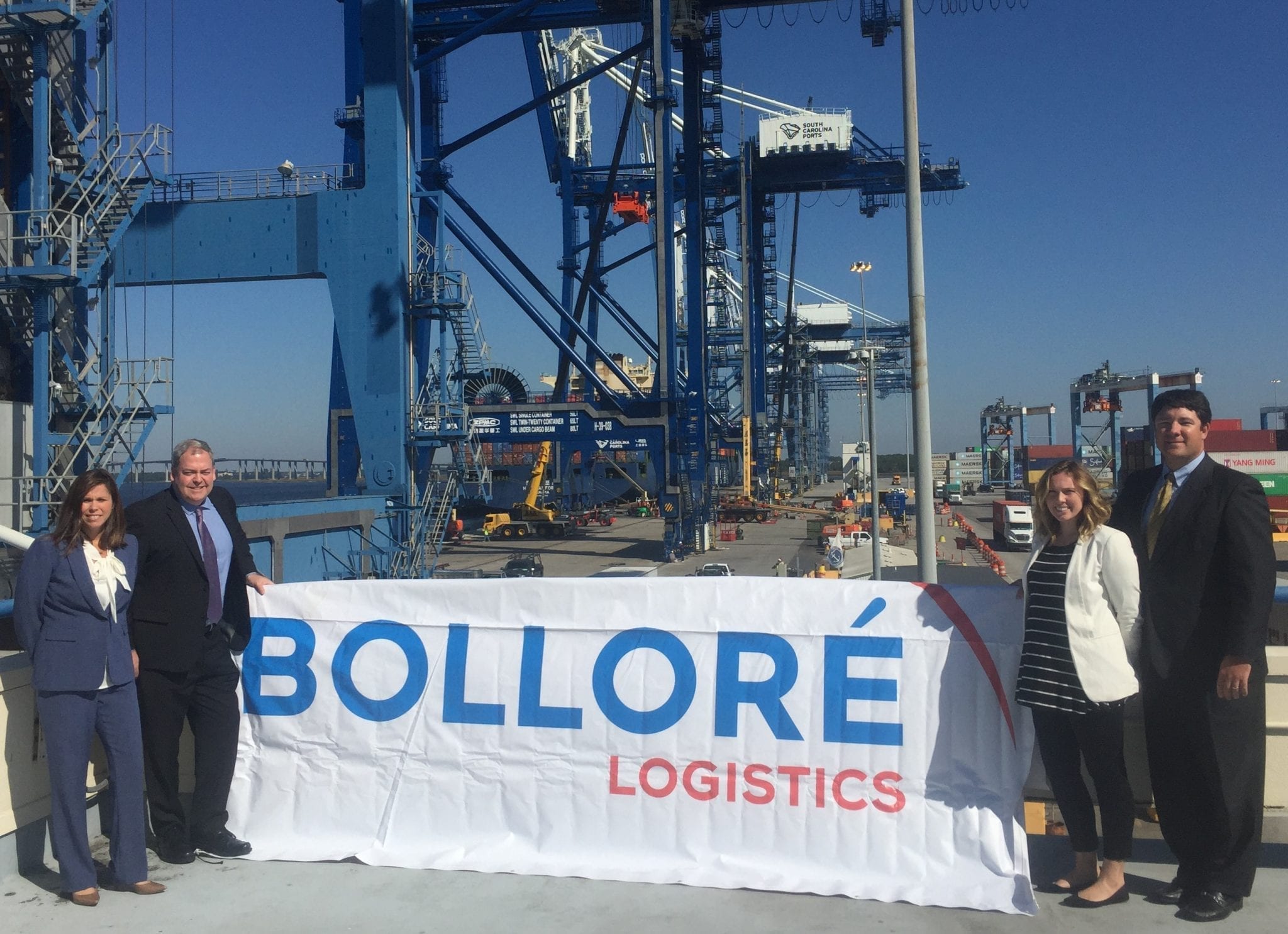
  • BOLLORÉ LOGISTICS Participates in the Breakbulk Europe Conference & Exhibition 2018

    BOLLORÉ LOGISTICS Participates in the Breakbulk Europe Conference & Exhibition 2018

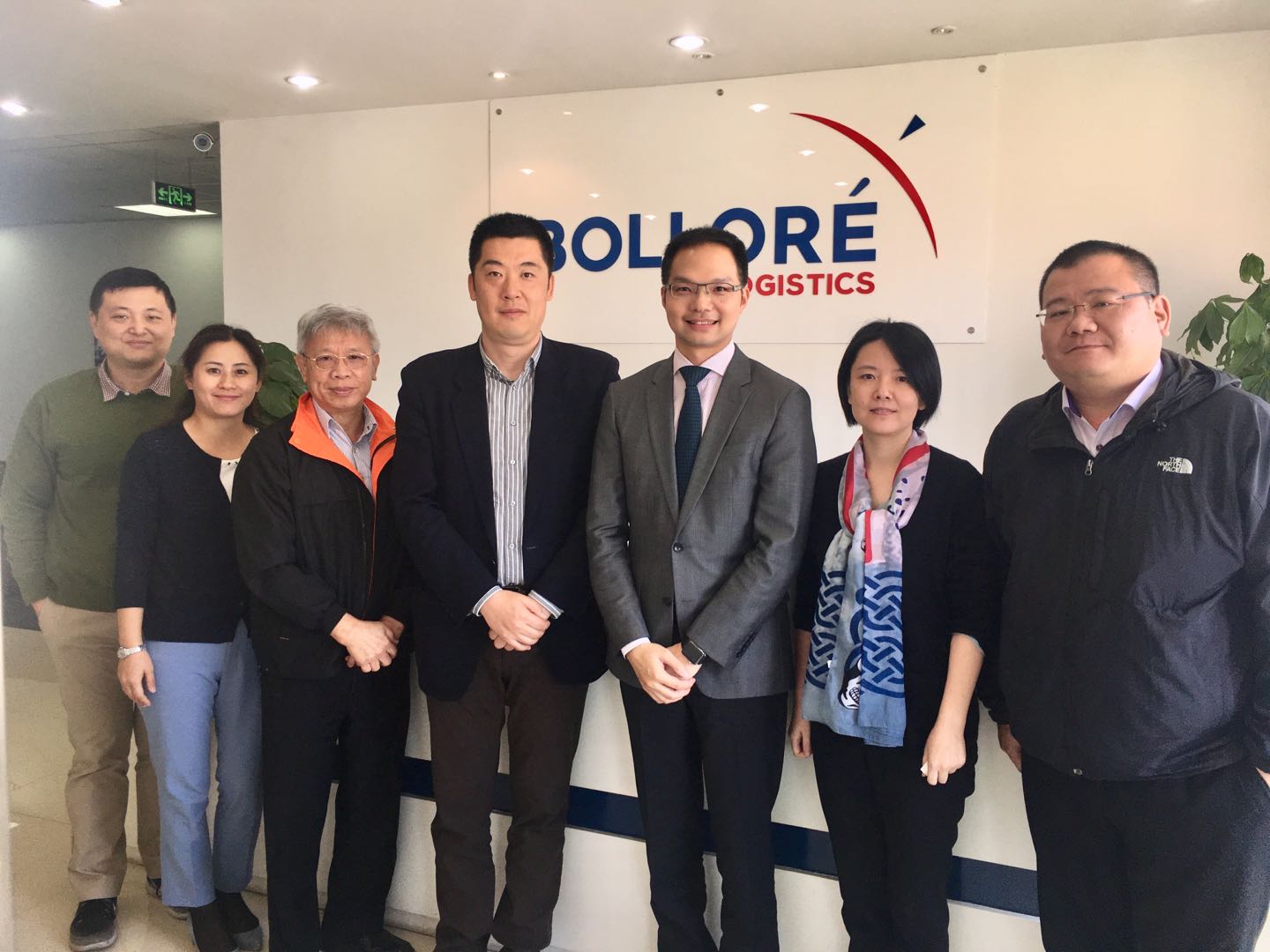
    Bolloré Transport & Logistics, one of the 10 world’s leading transport and logistics groups, will be present as an exhibitor at the next Breakbulk Conference, from 29-31 May in Bremen, Germany.

    This major event in Europe gathers companies involved in the shipping of heavy-lift, project cargo and traditional breakbulk cargoes. On this occasion, Bolloré Transport & Logistics is showcasing its tailormade solutions through its different brands: Bolloré Logistics, for industrial projects logistics, and Bolloré Ports for cargo handling and shipping services.

    BOLLORÉ LOGISTICS, an expert in Industrial Projects Logistics

    It is the 10th participation to the Breakbulk Europe Conference for Bolloré Logistics. This event will be the opportunity to share the latest news on our global project activities.

    Within the Project organization Bolloré Logistics continues to establish greater synergies, both commercially and operationally, between its regional project divisions in Europe, Asia, The Americas and Africa. In Europe the Industrial Projects teams are striving to mirror the organization of their key project customers and markets by increasing their footprint and expertise throughout the continent. The result of this can be seen today in terms of the dedicated industrial project branches implemented in the majority of key countries.

    “2017 saw more investment in specialized personnel, for example within our Engineering and Solutions department and we continue to invest in people with strong industry expertise and Project Logistics skills who can add value to our European Project organization.” said Philippe LEJEUNE, Industrial Projects Europe Director.

    “We strongly believe, as showcased in our recent advertising campaign that People are the key to our success, and this is especially so in the Industrial Project field. “added Philippe LEJEUNE.

    Bolloré Logistics proposes tailor-made solutions in sectors such as oil and gas, petrochemical and chemical, mining, construction and equipment and in various other industries.

    Its unique operational solutions meet stringent specifications requested by the major global players and the success of each project is supported, among other things, by this network of experts in Europe as well as all over the Bolloré Logistics network in the world.


  • China Tech Giants Bet on Untangling Logistics of Indonesian E-Commerce

    China Tech Giants Bet on Untangling Logistics of Indonesian E-Commerce

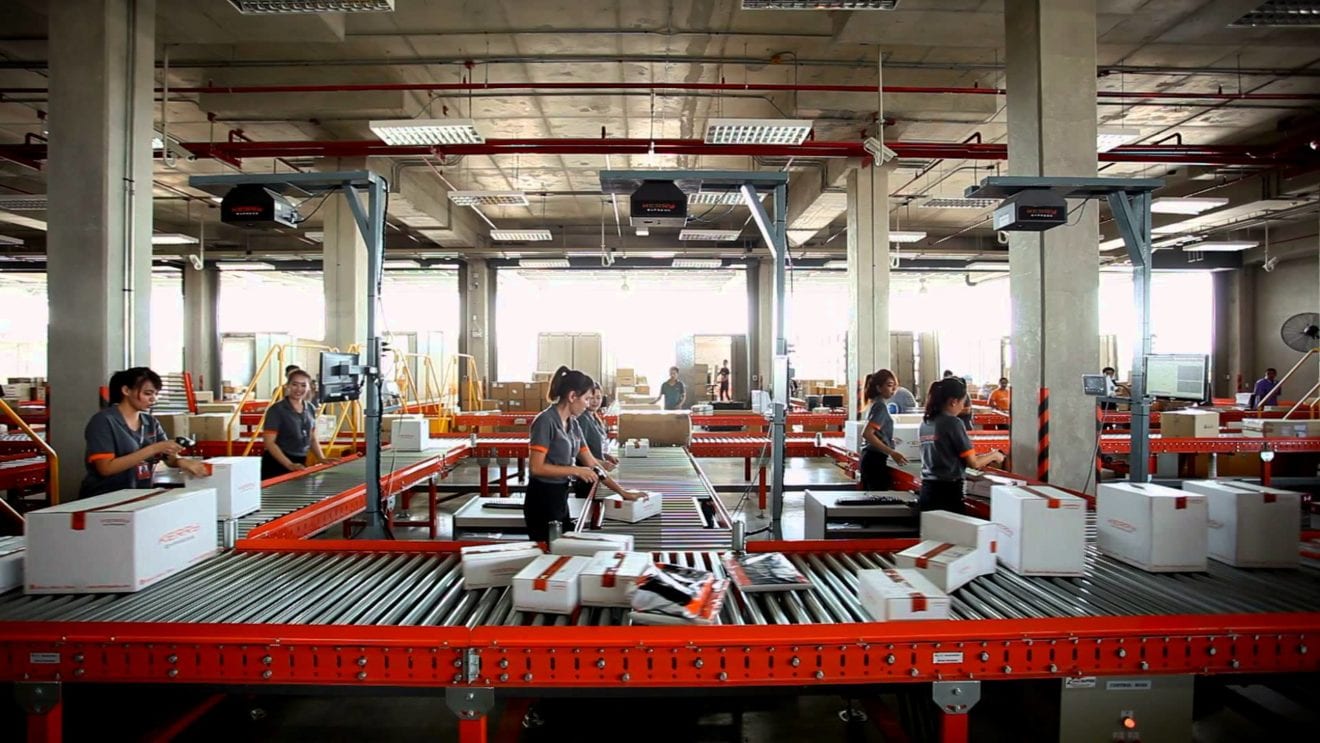
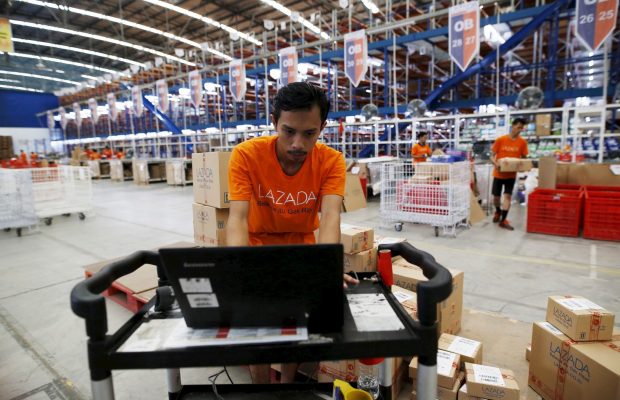
    In a warehouse on the outskirts of Indonesia’s capital, supervisors at e-commerce company Lazada use bikes or electric scooters to zip around a floor the size of four soccer fields, where up to 3,000 staff pack and dispatch goods around the clock.

    The warehouse is one of five that Lazada has opened across Indonesia to cut costs and expand its reach in an archipelago whose 17,000 islands are sprinkled across an area bigger than the European Union.

    Chinese tech firms, including Lazada’s top investor, Alibaba Group Holding, have poured at least $6 billion into nearly every aspect of Indonesian e-commerce.

    Lazada uses Alibaba’s inventory management systems and has tied up with ride-hailing companies, often using their motorbikes to deliver goods in a country with creaking infrastructure and traffic-clogged cities.

    The payoff could be huge. It is a market forecast to grow from about $7 billion last year to $63 billion by 2027, according to Morgan Stanley.

    “Indonesia, both in terms of the customers and behaviour, is a very unique challenge and we need to adapt,” Florian Holm, co-chief executive at Lazada Indonesia said.

    Lazada and Tokopedia, in which Alibaba is also an investor, dominate Indonesia in customer traffic, with more than 117 million monthly website visits each, according to data from e-commerce aggregator iPrice.

    Alibaba doubled its investment in loss-making Lazada to $4 billion in April, underscoring its global ambition to secure a bigger share of the e-commerce market.

    Between the investment and the rewards, however, lie enormous complexities.

    The World Bank has said logistical costs swallow up around a quarter of Indonesia’s gross domestic product, citing bottlenecks in supply chains, long dwelling times in ports and lengthy trade clearances.

    Lazada has opened warehouses in places like Balikpapan, on the coast of Borneo, to avoid hauling everything from Jakarta. Holm said that had in some cases reduced shipping costs by 90 percent. Competitive pressure is growing. Another Chinese heavyweight, JD.com, arrived in Indonesia in 2016. And the US giant Amazon, which opened a warehouse in Singapore last year, may be prepared to dip a toe into the Indonesian market soon.

    Chinese Influence

    Indonesia’s e-commerce sales are set to rise from 3 percent of retail activity now to 19 percent by 2027, Morgan Stanley estimates. The same report said there were 159 million smartphones in Indonesia at the end of 2016, a number that could rise to 275 million by 2021.

    Indonesia’s young population and room for improvement in transportation and communications add to the prospects for growth, the bank said.

    That has attracted other Chinese companies. Tencent Holdings, which owns regional e-commerce player SEA, has entered the fray.

    Tencent and JD.com have stakes in Indonesia’s ride-hailing firm Go-Jek, while JD.com has invested in online travel company Traveloka.

    But Usman Akhtar, a partner at Bain & Co in Jakarta, said Indonesian companies such as Blibli, backed by a unit of the Djarum group, remain a force.

    “I would not characterize Indonesia as turning into a replica of China’s e-commerce market, at least not yet,” said Usman, referring to how JD.com and Alibaba dominate in China. Kusumo Martanto, who heads Blibli, said that the company had seven warehouses in Indonesia with seven more planned, and said it was important for local e-commerce companies to compete against Chinese players.

    Alibaba founder Jack Ma is on an Indonesian government steering committee for e-commerce, advising on areas such as tax, cyber security and human resources.

    Indonesia’s communications minister, Rudiantara, said there was no conflict of interest in Ma’s role, describing him as a “guru” who could help sell the country’s potential.

    But some policies seem to be turning toward Ma’s home turf.

    Indonesia, which is trying to tackle a shortage of talent in the digital sector, dropped sponsorships for 20 students to study in places like Australia and the United States.

    Instead, 10 students will go to India and 10 to China to study this year “because the future of the digital economy is in China and India,” said the minister, who uses one name.

    Eying Amazon

    Caterine, a 30-year-old housewife who lives west of Jakarta, used to shop in conventional stores once a week, but after her baby was born six months ago, she has been shopping online two to three times a week for convenience.

    “I prefer online shopping because it is quick. I can just click and click and the goods will arrive,” she said, adding she mostly used Shopee and Tokopedia for goods such as diapers and clothing.

    Morgan Stanley said delivery times of all types across Indonesia are down to about 3 days from 10 days, while deliveries in big cities can take 24 hours or less.

    While in urban areas delivery times have greatly improved, other parts of Indonesia’s e-commerce supply chain are still inefficient, said Willson Cuaca, co-founder of East Ventures, a tech investment fund.

    “To send goods from point A to B, the logistics company needs at least two modes of transport,” he said, referring to the complications of operating across so many islands.

    Amazon, by contrast, prefers to control its own supply chains from start to finish. But entering a market like Indonesia could require it to revisit that strategy.

    Amazon Singapore did not respond to a request for comment on whether it had plans for Indonesia.

    Much of the U.S. giant’s international focus has been on developing its business in India, even though some view its entry into Singapore last year as a stepping stone for expansion in the region.

    “At this moment, I believe it is trying to test the market, by selling products through third-party sellers,” said Daniel Tumiwa of the Indonesian e-commerce Association.

    Zhang Li, who heads JD.com’s Indonesian joint venture with Provident Capital JD.ID, was not overly concerned about competition from the likes of Amazon.

    “E-commerce is a global and borderless business, so we have to prepare and do continuous improvement to make our customers happy,” Zhang said.

  • DHL conferred Best Logistics Service Provider – Express at the 2018 Asian Freight, Logistics and Supply Chain Awards

    DHL conferred Best Logistics Service Provider – Express at the 2018 Asian Freight, Logistics and Supply Chain Awards

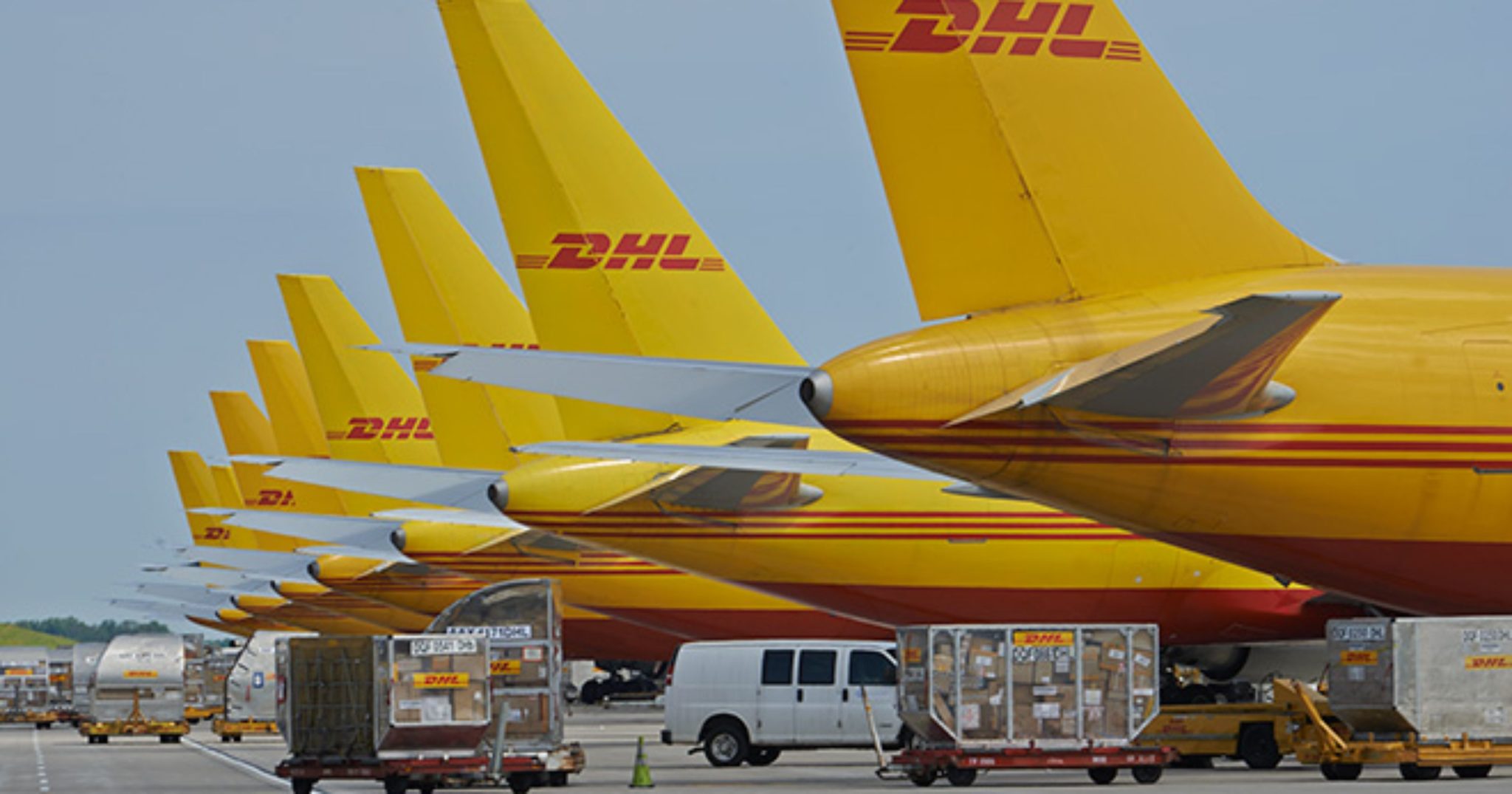
    DHL affirmed its position as the world’s leading logistics company when it was conferred Best Logistics Service Provider — Express for the 29th time at last night’s 30th Asian Freight, Logistics and Supply Chain Awards (AFLAS). The award was presented to DHL at a ceremony held yesterday in Shanghai, China.

    The awards come as DHL continues to invest significantly in the Asia Pacific region, in order to constantly improve its offerings in integrated logistics and boost customer satisfaction. The AFLAS are the only Asian logistics awards to be decided by customer votes alone, giving them a well-earned reputation as an authority on customer sentiment in the logistics industry.

    “We are humbled to be named the Best Logistics Service Provider — Express for the 29th time. We believe our customers see the real value we bring to them as we continue to invest in our people and infrastructure to deliver quality service such as the expansion of our Delhi Gateway and Central Asia Hub. These awards clearly demonstrate the trust our customers have in us — we have worked hard to earn their trust, and will continue to outperform the competition to exceed customers’ expectations,” said Ken Lee, CEO, DHL Express Asia Pacific.

    Wu Dong Ming, CEO of DHL Express China, said, “Winning this award is testament to the strength of our extensive international network and we are honored by the win. As we continue building on our achievements, we remain focused on our customers. We are constantly enhancing our infrastructure and air connectivity to deliver the best quality and customer experience every day.”

    The AFLAS Awards is organized by Asia Cargo News to honor companies in the logistics industry that exemplify excellence in leadership, as well as consistency in service quality, innovation, customer relationship management and reliability. Over 15,000 readers and e-news subscribers of Asia Cargo News were asked to nominate who they viewed as the best service providers.

  • Bolloré Logistics Awarded by IATA as CEIV Pharma in China

    Bolloré Logistics Awarded by IATA as CEIV Pharma in China

    Bolloré Logistics China was successfully awarded by the International Air Transport Association (IATA) as Center of Excellence for Independent Validators in Pharmaceutical Logistics (CEIV Pharma) at its platform located in the Pudong International Airport Logistics Park, in Shanghai, and became one of the first transport and logistics companies in China to receive this certification.

    Being certified CEIV Pharma by IATA, Bolloré Logistics China fully conforms to all applicable pharmaceutical standards expected from pharmaceutical manufacturers in terms of facilities, equipment, operations and staff and being capable to provide seamless cool chain transportation all along the supply chain.

    “This certification demonstrates our commitment on full compliance in handling pharmaceutical products and other temperature-sensitive commodities. Meanwhile, it will greatly reinforce our capability to further develop our core competency in transportation and logistics service for the healthcare industry,” said Jessie ZHOU, General Manager of Operations at Bolloré Logistics Shanghai.

    The CEIV certification will allow Bolloré Logistics China to have a strategic advantage in the China healthcare logistics market with a stronger, more competitive and enhanced air cargo service.

    This is new success shows Bolloré Logistics’ commitment to achieve the highest international quality standard in the global pharmaceutical supply chain for its customers, by continually improving its processes and infrastructures to be compliant with IATA CEIV Pharma standards. With Singapore, Australia, South Korea and now China certified, the aim of Bolloré Logistics is to deploy this action throughout its global network with on-going certifications on other sites in the Asia-Pacific region such as China Hong Kong and Japan.

    In Europe, Bolloré Logistics has already received the IATA CEIV Pharma certification for its Paris Roissy CDG platform (France) as well as its sites in Brussels (Belgium), Frankfurt (Germany) and Lisbon (Portugal).

    With its modern and innovative facilities, the excellence of its quality management system, the expertise of its teams and its multiple certifications, Bolloré Logistics is a major global player in the supply chain of pharmaceutical products.

  • Ninja Van ready to pounce on rivals in Singapore

    Ninja Van ready to pounce on rivals in Singapore

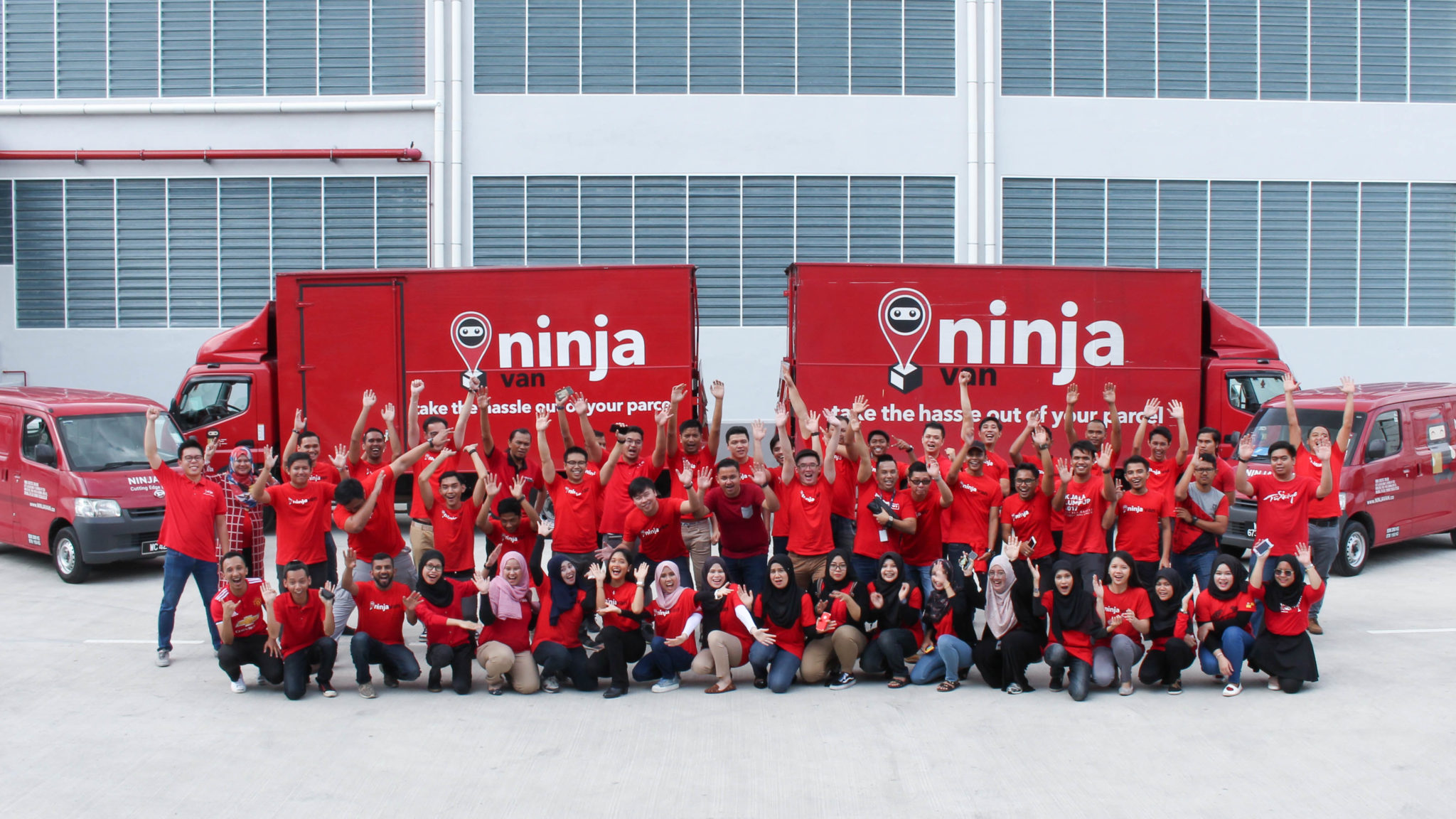
    Like the Japanese warrior it is named after, homegrown logistics tech startup Ninja Van is taking the fight to its rivals in its bid to become the top delivery e-commerce service here and in the region.

    For a start, Ninja Van plans to increase its parcel collection points to 500 by the end of the year — more than doubling its current number of 200 stations around the island. They are usually found near MRT stations and in shops, and the locations include Toa Payoh, Woodlands, Clementi, Punggol, and Orchard Road.

    To help enhance the customer’s delivery experience, it plans to give them a “live” option to redirect their parcels. Mr Lai Chang Wen, 31, Ninja Van’s co-founder and chief executive, said in an interview with TODAY that the service will be launched here before the end of the year, and will be gradually rolled out in other countries in South-east Asia.

    It will provide customers with information on when their parcels will arrive, and if they are unable to receive it in person, they can redirect it to a nearby Ninja Point, or request for it to be left at the door or neighbour’s house via the company’s website or mobile application.

    Mr Lai said this service is designed to cater to customers’ demands, making it “hassle-free”, and that it will help improve the collection experience.

    “We want to give customers more options, rather than just tracking,” he said.

    Currently, customers can also choose to self collect the parcels rather than have them delivered to their homes. Some collection points, such as those at shopping malls, are very “popular”, he added.

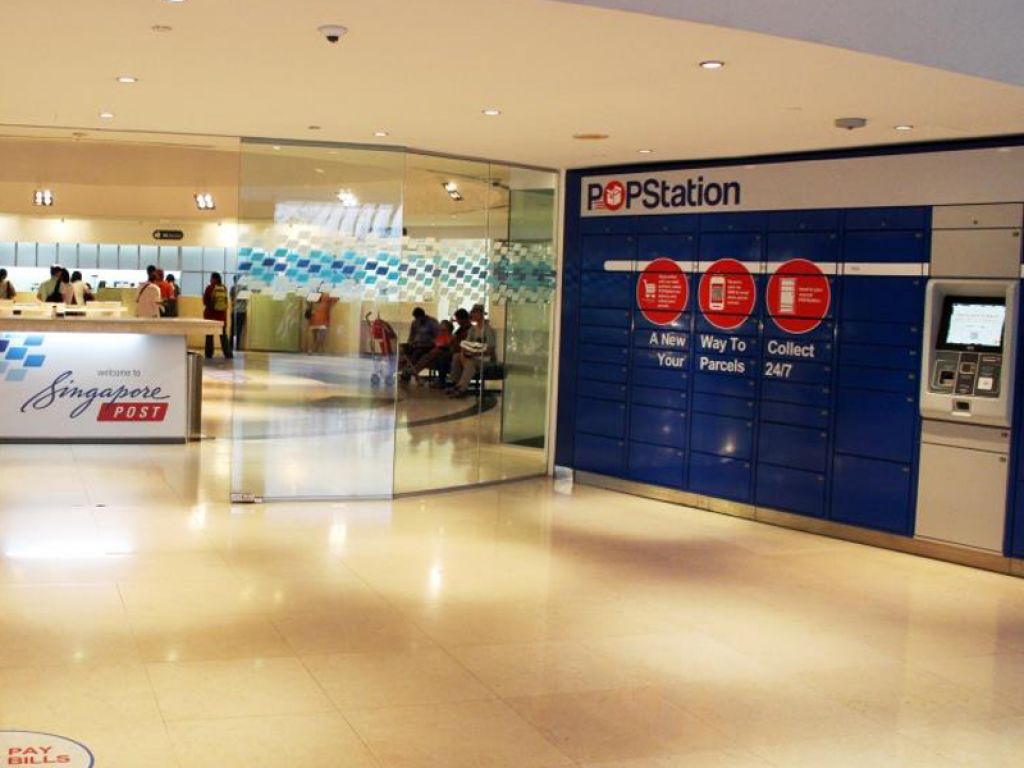
    The collection point service, known as Ninja Collect, includes automated parcel lockers called Ninja Box, as well as Ninja Points that allow for collection at retail shops.

    Ninja Van’s 500 points islandwide ensures that there is a pick-up point located within 500 metres from any residential home, said Mr Lai. TODAY understands that its rival, government-linked company Singapore Post (SingPost), has over 150 automated parcel lockers, called POPstations, in Singapore.

    While this push by Ninja Van could be seen as a threat to SingPost, Mr Lai insisted that both firms can “co-exist and challenge each other to keep improving”. He believes that Ninja Van’s e-commerce parcel delivery service is “on par” with SingPost’s.

    In the next three to five years, the firm will focus on strategies such as social commerce where customers shop on social media platforms such as Facebook, Instagram and Internet forums.

    He added: “We are looking at how we can allow mid-tier Korean cosmetic brands to sell (their products) in South-east Asia. For social commerce… the sellers need to find a way to ship the parcels. We provide that solution for them.”

    Ninja Van’s social commerce business is currently focused on Indonesia, Thailand and Vietnam. An expansion within the region would potentially increase their driver numbers by over 300 per cent, bringing the total count in the region to between 30,000 and 50,000 drivers.

    WE’RE A RHINOCEROS, NOT A UNICORN

    Founded here in 2014 by Mr Lai and his partners, Ninja Van has since expanded its business to the rest of South-east Asia, including Malaysia, Indonesia, Thailand, Vietnam, the Philippines, and Myanmar.

    The Singapore office employs 200 staff and 400 drivers, while its businesses overseas have a total of 2,000 full time staff and 10,000 drivers.

    Early this year, the tech company raised a record amount — believed to be over US$85 million (S$111.5 million) — in its series C funding round. It is believed to be the largest series C funding raised for the region.

    The development drew the attention of observers, who said that Ninja Van could be the next “unicorn”, which is a privately held startup company that is valued at US$1 billion or more.

    Ninja Van has raised more than US$115.5 million to date.

    Mr Lai said that the company’s expansion plans are “on track”. The startup currently covers about 80 per cent of South-east Asia, and with the funding, it can grow its network of depots, trucks, drivers and sorting spaces, he added.

    He also said that the firm is focused on South-east Asia for now. There are also no plans to diversify from its core logistics business, nor does it plan to pursue new projects such as ride hailing firm Grab’s e-wallet payment solution Grabpay, for instance.

    Dismissing talk that the company could be a “unicorn”, Mr Lai prefers for it to be seen as a rhinoceros instead.

    “A unicorn gives the connotation of being sexy, too prim and proper, and elusive,” he said.

    “A rhinoceros is more grounded. It’s rare but you can actually find it. It is a bit grungy, and dirty and real. That’s the business we are in.”

    LIVING THE DREAM?

    Looking to the future, Mr Lai said that Ninja Van needs to keep its digital and innovative culture alive and well in order to prevent it from being “disrupted” by competitors.

    Aside from its staff, technology is also a key part of its business. For example, in Vietnam, the company uses a “certain form of machine learning” and tech algorithms to identify addresses in the country and check if the location is accurate.

    While running a startup and being your own boss might sound like he is “living the dream”, Mr Lai, who did not have any experience in logistics when he co-founded Ninja Van, said that would-be entrepreneurs should not think that way.

    He said: “People join for the wrong reasons. They think it is very cool, but it is quite tiring. The real reason to start a company should be because you want learn, to challenge yourself, and to try to make a difference.”

    The busy entrepreneur works seven days a week, and he is always on his phone replying to messages and taking business calls. He only spends around 80 days a year in Singapore, with the rest of his time spent travelling around the region for his business.

    He added: “There is no line (between business and leisure). Whatever needs to be done, you do it.”
  • SingPost back in black with $23.9m profit and a bright future

    SingPost back in black with $23.9m profit and a bright future

    Singapore Post (SingPost) swung back into the black for its fiscal fourth quarter, booking profit of $23.9 million in the absence of one-off impairment charges in the corresponding period last year.

    Revenue for the three months to March 31 was also up 13.5 per cent to $367.5 million on growth in e-commerce-related activities across its postal and logistics segments, SingPost said. Earnings per share were up to 0.9 cent from a loss per share of 3.03 cents last year.

    For the full year ended March 31, SingPost booked a profit of $126.4 million on the back of $1.46 billion in revenue.

    The board recommended a final dividend of two cents per share to be paid out on July 31.

    For the fourth quarter last year, SingPost was hit with an impairment charge of $208.6 million related largely to the TradeGlobal and Postea acquisitions, as well as a property in Toh Guan, which SingPost highlighted was partially offset by a fair value gain on investment properties of $108.7 million, mainly for the SingPost Centre building.

    The postal segment’s revenue rose 18.2 per cent in the quarter and 15 per cent for the full year as strong growth in international mail revenue helped offset the decline in domestic mail revenue, SingPost said.

    Domestic mail revenue declined 6.6 per cent for the full year to $229.4 million, due to lower letter mail volumes with the “continued migration” towards electronic forms of communication.

    Revenue for SingPost’s e-commerce segment rose 15.7 per cent in the fourth quarter to $65.31 million, and was stable for the full year.

    “SingPost is well positioned to benefit from the strong growth in global e-commerce and last-mile deliveries as we progress to the next phase of our strategy,” said group chief executive Paul Coutts. “We continue to execute on our transformation and build on our partnership with Alibaba in e-commerce. We are integrating and scaling our e-commerce businesses in the United States and South-east Asia, as well as the rest of our overseas operations, and optimising the cost structure of the SingPost group.”

  • FedEx Malaysia trains eye on growth post-merger

    FedEx Malaysia trains eye on growth post-merger

    Following the merger of its parent company with rival TNT Express a year ago at the global level, FedEx Malaysia is now positioning itself for greater growth in the country.

    “Our aspiration is to always be better than before,” FedEx Malaysia managing director Chong Siang-Chung told us in an interview, saying the group is focused on sustainable growth and contributing to the country’s gross domestic product (GDP).

    While declining to share the specific details of its growth target, Chong alluded to projections on the country’s GDP growth as a benchmark. The World Bank sees Malaysia’s GDP growing at 5.8% this year, while Bank Negara Malaysia forecasts the growth rate to come in between 5.5% and 6%.

    FedEx Malaysia currently operates a fleet of over 200 trucks and vans in the country and flies two of its four aircraft from Malaysia on a daily basis. Globally, FedEx Corp operates a fleet of over 660 planes and 170,000 vehicles, and delivers some six million parcels a day.

    It has two Malaysian gateways — Kuala Lumpur International Airport and Penang International Airport — both part of the group’s AsiaOne network that connects 20 major cities in the Asia-Pacific region for next-day deliveries.

    FedEx Corp acquired TNT for €4.4 billion in May 2016, which it said was to strengthen its European road network.

    In Malaysia, the merger of the logistics service providers’ operations has been going smoothly, according to Chong. Integration of their ground operations, which began on July 31 last year, is already completed. Its sales operations will be integrated by June this year.

    “Our customers already know by now that when they make their orders through FedEx or TNT, vans carrying either brand may show up,” shared Chong. On top of that, customers have been able to enjoy earlier shipping and response times as a result of both brands’ immediate coverage expansion, he said.

    FedEx first established freight operations in Malaysia in 1989 and introduced express operations in 1993, while TNT has had a presence here since 1976.

    Chong joined FedEx Malaysia in 1998 before moving to TNT Malaysia in 2003 as a sales and marketing director. He was later appointed TNT Malaysia managing director for Malaysia and Brunei in 2011.

    According to him, the shared values of both FedEx Malaysia and TNT, which place emphasis on prioritising people, have smoothed the merging of operations and his transition into his current role, to which he was appointed in November 2017.

    Going forward, Chong said FedEx Malaysia still sees much excitement in the last-mile delivery segment due to the e-commerce boom, which the group views as an opportunity.

    “We get many requests to change delivery addresses and time based on what is convenient to customers,” Chong said. With that in mind, the group is leveraging on technology to address this need through FedEx Delivery Manager, which offers SMEs (small and medium enterprises) and e-retailers flexible delivery options.

    The group is unfazed by the intense competition in the domestic market among courier service providers, which has crimped margins for companies such as GD Express Carrier Bhd and Nationwide Express Holdings Bhd.

    “We see it as a good thing that the industry is attracting more and more players,” Chong said, noting that this signals business is growing.

    FedEx Malaysia sees its own value proposition in providing “total custodial services”, Chong said, particularly to SMEs, for which it has developed various shipping options that include cost-effective alternatives, and web-based solutions.

    Although the group has historically served mostly large multinational corporations, Chong shared that it has seen an increasing number of SMEs relying on its services for e-commerce deliveries.

    “Our current portfolio is quite balanced between SMEs and big businesses,” he said, adding that FedEx Malaysia is still largely focused on business-to-business transactions.

    A 2016 Asia-Pacific survey by FedEx, which focused on SMEs, found that most of these companies had limited knowledge of overseas markets. FedEx, therefore, found that it could act as a source of sharing knowledge, Chong said.

    As for challenges the group faces in Malaysia, he said customer requirements are growing increasingly sophisticated based on industry-specific needs.

    “Some of our customers, such as those in the healthcare supply chain, want to know more about how their parcels are being transported,” he said. To cater to such requests, one of the products it has developed is FedEx SenseAware, which allows customers to monitor the temperature, humidity, light exposure, barometric pressure and location of their shipments using data collected from multiple sensors.

    Chong also said FedEx Malaysia is committed to supporting the government’s initiatives under the national Logistics and Trade Facilitation Masterplan, which aims to make Malaysia the “preferred logistics gateway to Asia” by 2020.

    This includes the establishment of a Digital Free Trade Zone by the Malaysian government in partnership with Alibaba, which Chong welcomes as a measure to promote trade.

    “We also have a responsibility to support this initiative seeing as how it is expected to benefit the economy of Malaysia,” he said, adding that FedEx Malaysia would therefore continue to provide strong support to businesses and SMEs here as a logistics service provider.

  • DHL Hong Kong Air Trade Leading Index Q2 2018

    DHL Hong Kong Air Trade Leading Index Q2 2018

    The DHL Hong Kong Air Trade Leading Index has published its results for Q2 2018.

    Highlights of the DTI Q2 2018 include:

    • The overall trade outlook for Q2 2018 had a slight downward adjustment

    amid concerns over escalating trade conflict between the United States and

    China. Despite this, the latest DTI survey found that there are limited concerns

    about air trade and overall outlook for air trade is more positive, compared to

    the same period last year.

    • Outlook on air imports remains optimistic despite a modest dip from the

    previous quarter.

    • Air exports index dropped and is predicted to encounter challenges. Market demand has gained strength and turned positive in the Americas, but is countered by issues in Asia Pacific and Europe. • The Hong Kong government is planning to use its financial surplus to improve residents’ livelihoods. It is generally believed that this development will boost air import demand

    The DHL Hong Kong Air Trade Leading Index report is available at u.hkpc.org/dti_eng.

    The first indicator of its kind in Hong Kong, commissioned by DHL Express Hong Kong and compiled by the Hong Kong Productivity Council, the DHL Hong Kong Air Trade Leading Index aims to provide a forward looking perspective on overall air export and import trade volumes by analyzing key attributes of business demand.

  • FedEx to link Guangzhou and Memphis hubs with air bridge

    FedEx to link Guangzhou and Memphis hubs with air bridge

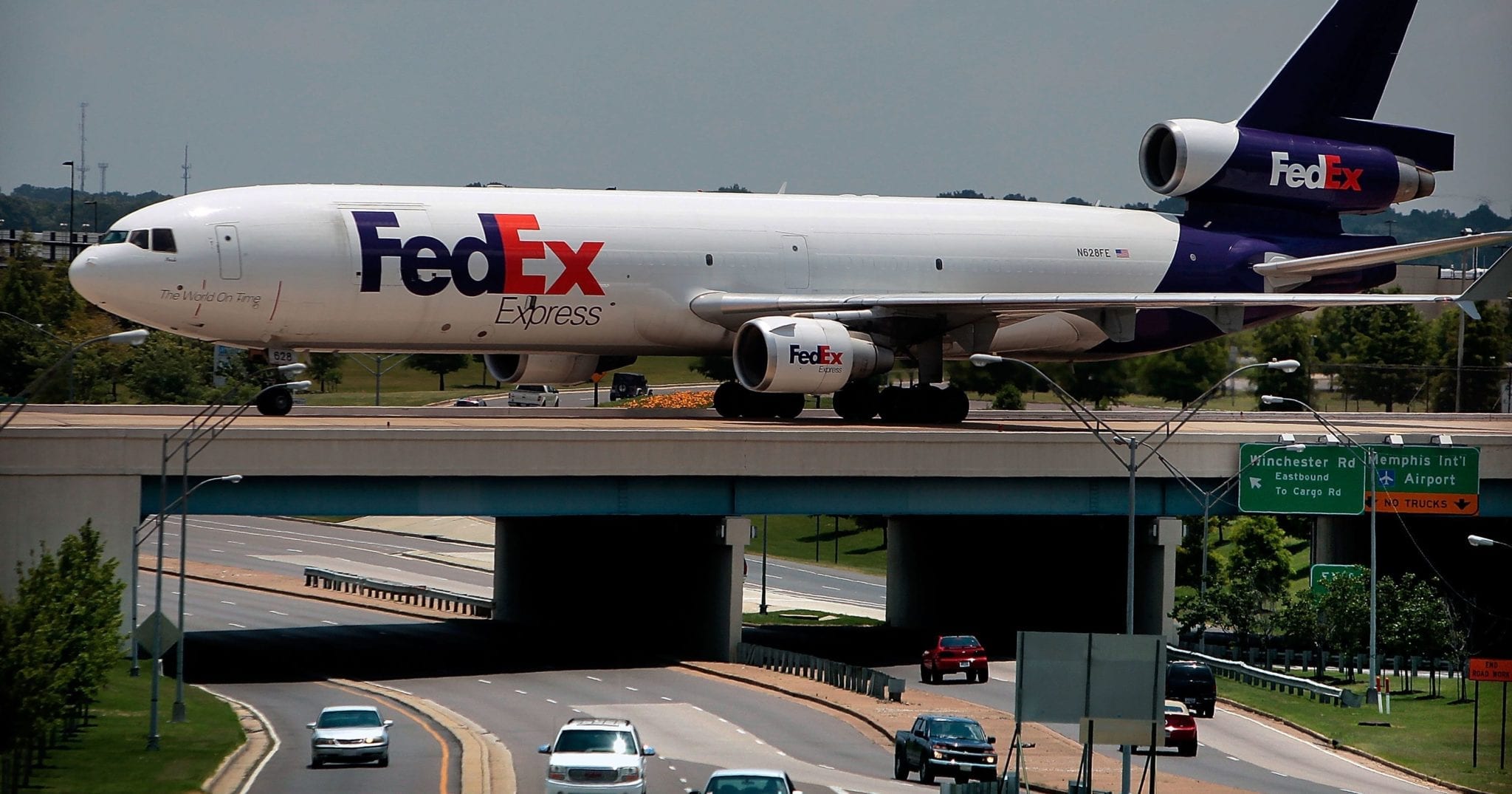
    FedEx Express has launched a new route connecting its Asia Pacific hub in Guangzhou with its global Memphis hub. Initially, an MD-11 freighter is being used for the five-times-per-week route, but it will be replaced with a B777 freighter in May, to meet increasing shipping demand.

    In April, the flight departing from Guangzhou stops in Osaka and Anchorage, but with the change of freighter in May, the Alaskan stop will be dropped on four of the five flights — the Saturday flight stops in Honolulu and Anchorage.

    “As our business continues to develop across the Asia Pacific region, we constantly adjust our network and routings to better meet dynamic market needs,” said Karen Reddington, president, Asia Pacific, FedEx Express.

    “Adding volume and a faster, more direct connection to our Memphis World Hub will give Asia Pacific businesses a stronger competitive advantage in connecting to customers in North America and beyond.“

    The express operator said that Asia Pacific region is predicted to grow at a rate of 6.5% in 2018, 2% faster than the projected global growth rate, according to the World Economic Forum.

    Meanwhile, Boeing forecasts that air cargo flowing from Asia to North America is expected to increase by 4.7% per year over the next 20 years.

    In addition, 2017 saw Guangdong’s total import and export value of goods grew by 8% year-on-year, while the total import and export value with the US grew by 10.4% year-on-year.

    FedEx Express launched two new routes last year – one connecting Liège, Belgium and Memphis, with stops in Seattle, Anchorageand Shanghai and another linking Shanghai and Oakland.

    Early this year, FedEx Express officially opened its FedEx Shanghai International Express and Cargo Hub, the second international hub in China.

    Currently, FedEx operates more than 250 flights per week in China, with more than 160 of these flights going through the FedEx Asia hub.

  • DHL expands airfreight operation in response to Asian demand

    DHL expands airfreight operation in response to Asian demand

    DHL Global Forwarding is expanding its round-the-world freighter operation to meet demand growth on Asian and transpacific trades.

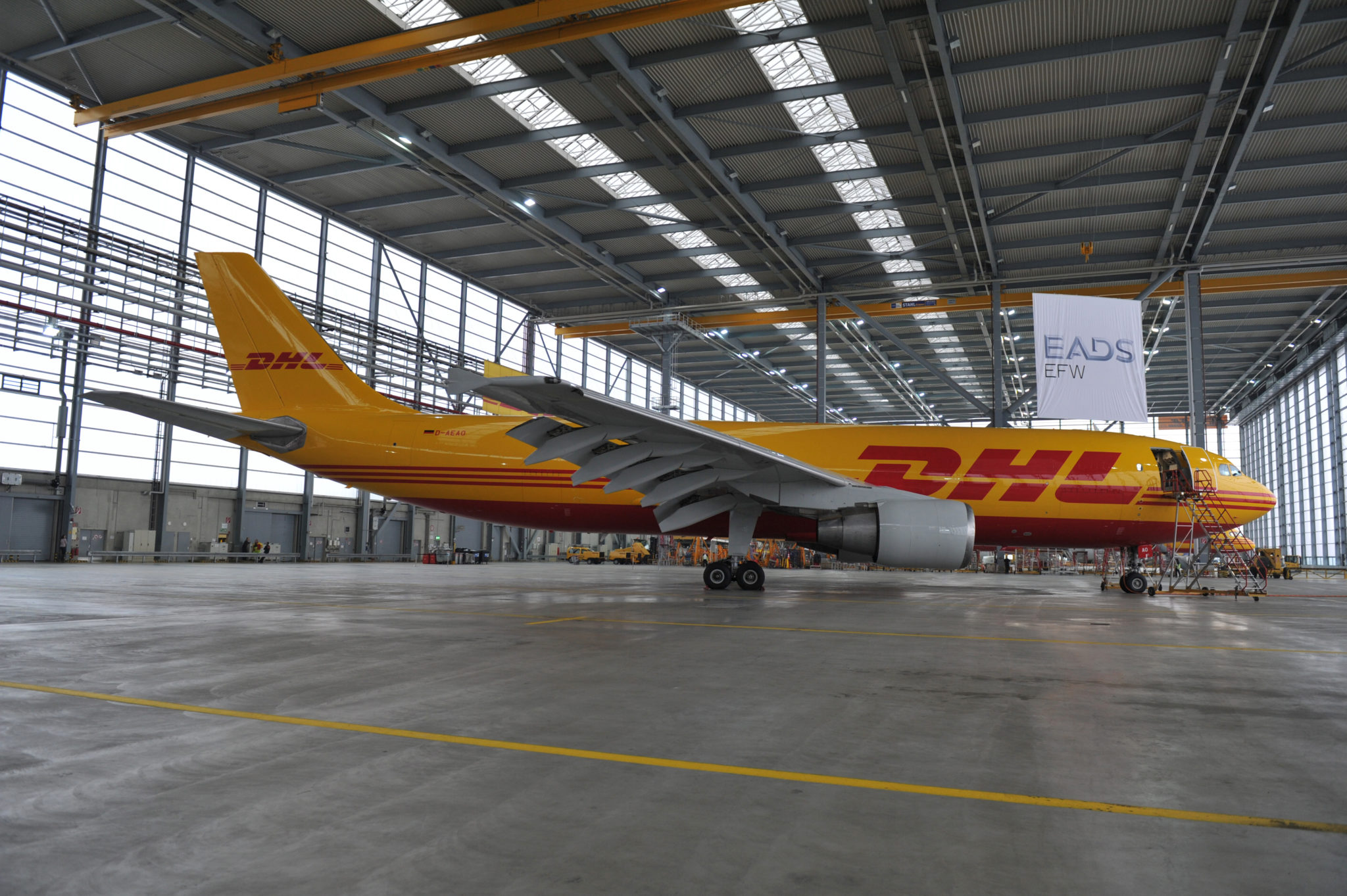
    The forwarding giant said that it would a deploy a second dedicated Boeing 747-400F — ACMI-leased through Atlas Air — to connect the US, Europe and Asia, following on from the launch of a first flight last year.

    The 100 tonne capacity flight will operate Shanghai Pudong to Cincinnati, from where it returns to Incheon, South Korea. Afterwards it will connect Korea to Wuxi, China continuing to Frankfurt-Hahn in Germany, and then back to Shanghai-Pudong Airport.

    Meanwhile, the operation launched last year will be re-routed to offer twice weekly departures from Wuxi to Frankfurt-Hahn.

    “The division is thus responding to strong growth in demand for air freight, chiefly for outbound services ex Asia and on the conventional transpacific route, fueled by almost all industries,” the forwarder said.

    DHL Global Forwarding chief executive Tim Scharwath said: “Demand is currently exceeding supply mainly due to the large economies performing strongly.

    “On major trade lanes volumes are high, but capacities are low – a trend that will continue. To increase our operational efficiency and to offer our customers the best-possible solution, we thus decided to create further capacities we have direct control over.”

    The forwarder said that increasing demand for airfreight capacities on Asian routes is fueled by all major industries, but specifically China’s electronics, electric motors, electrical and mechanical appliances as well as medical equipment companies are bolstering demand.

    China’s main export destinations are South Korea and Germany which are served by the new charter as well, but due to well-preforming global trade volumes are also increasing from the US and Europe.

    The positive development of world trade and its continuation is also clearly shown by the DHL Global Trade Barometer.

    The index recently increased to 66 points in March from 64 points in January. With an index value clearly above 50, the DHL Global Trade Barometer signals solid further growth for global trade for the next three months.

    “The gap between the well-performing world trade with a high demand for cargo space on the one hand, and at the same time a difficult capacity situation on the other side, has encouraged us in our decision to further deploy self-controlled capacity to the market,” added Scharwath.

    Last year a spate of freight forwarders began operating airfreight flights as they looked to meet a demand surge. Others expanded their block space agreements with airlines to meet the demand growth.

  • Airline cargo capacity rises faster than demand

    Airline cargo capacity rises faster than demand

    IATA says airfreight capacity rose faster than demand in March for the first time in 20 months. Demand rose 1.7 percent year-on-year, a drop of 5.0 percent over February, to produce the slowest growth in 22 months. The increase in global capacity fell to 4.4 percent from 6.3 percent in February.

    As forecast last month, IATA says the slowdown is due to the end of an inventory restocking cycle coupled with a “softening” of global trade.

    “We would caution against reading too much into the softening in seasonally adjusted volumes in recent months as yet,” said IATA economist David Oxley. “We continue to expect freight-tonne kilometres to grow in the region of 4-5 percent in 2018. However, the bigger picture is that the recent period of airfreight outperformance looks to be firmly behind us.”

    Airlines in all regions except Latin America reported year-on-year declines, with Africa falling 3.4 percent after reporting the fastest growth for 17 of the last 18 months; Asia-Pacific carriers produced growth of just 0.7 percent; European airlines’ traffic rose 1.0 percent as the € gain against the US$; Latin American airlines by comparison saw a 15.5 percent growth in volumes, in part due to an improved Brazilian economy; a growth of 0.8 percent by Middle East carriers in March was consistent with a “general weakening” over recent months; and North American airlines produced a 3.9 percent rise in traffic – although the US inventory-to-sales ratio rise in 2018 suggests an airfreight boost from restocking is over, says the Association.

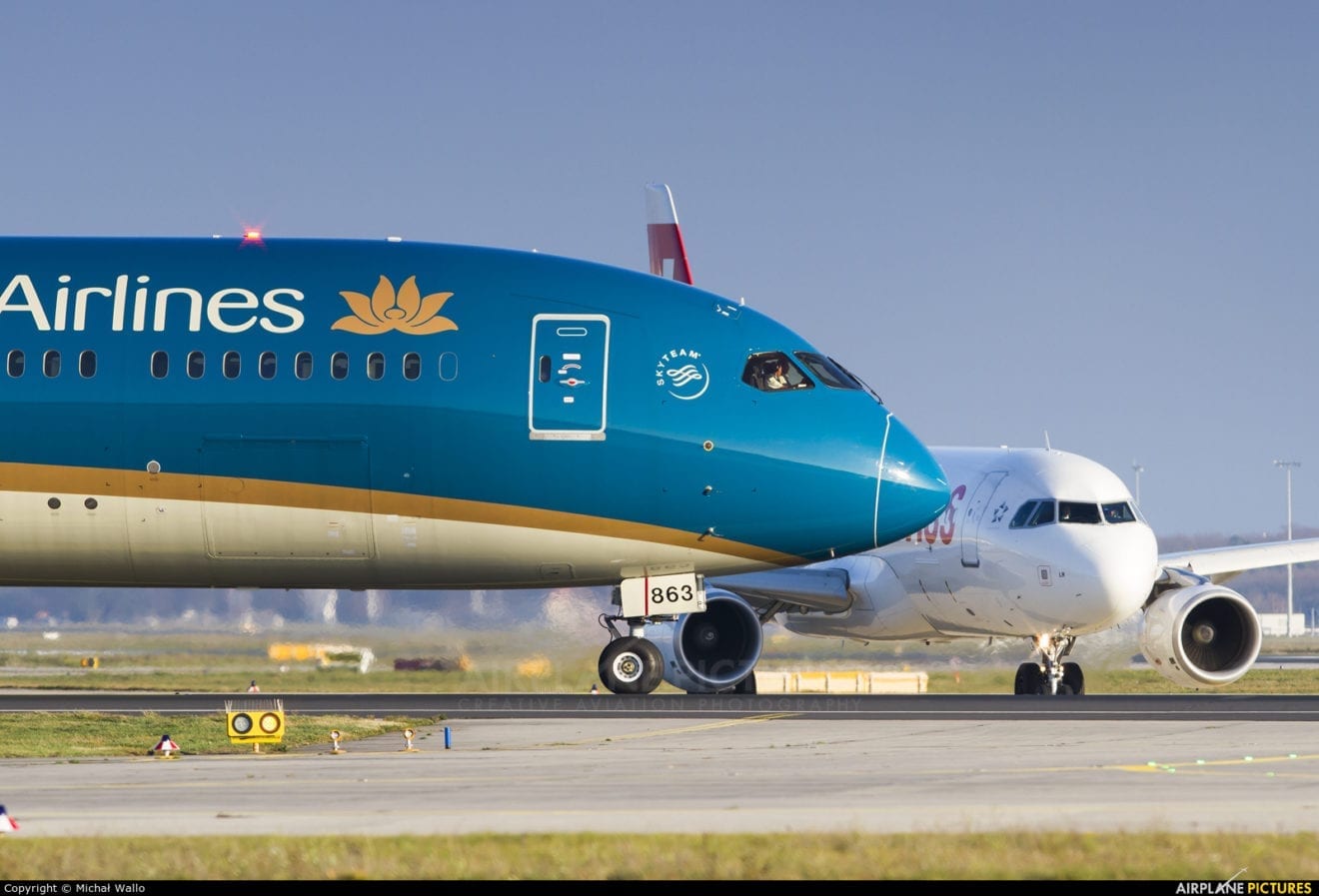
  • Vietnam Airlines considers creating cargo unit

    Vietnam Airlines considers creating cargo unit

    Vietnam has become a major manufacturing hub, providing an air freight opportunity for the state-owned carrier. Vietnam Airlines is looking to boost growth by starting a dedicated cargo unit, according to a company official.

    With companies such as Samsung annually producing billions of dollars worth of devices, there is an air freight opportunity for the national carrier, Vietnam Airlines CEO Duong Tri Thanh told.

    Investments by companies such as Samsung, LG and Nestle have fueled the country’s manufacturing sector and driven it to become one of the fastest growing in the region.

    Vietnam’s economy expanded by 7.38 percent in the first quarter of this year, the highest rate in a decade, according to the General Statistics Office. The country is looking to attract more visitors and develop tourism as a key industry.

    “We expect a higher number of international passengers, especially from Japan and Korea, and more middle-class passengers domestically, thanks to Vietnam’s fast economic growth,” Thanh said.

    The airline was rated among the 11 best major airlines in Asia by the 2018 Traveler’s Choice Awards, which collects travelers’ ratings from the past year in terms of legroom, customer service, cleanliness, food and beverages, comfort, value for money, check-in and boarding, and in-flight entertainment.

    Competing with the nation’s largest private carrier, VietJet, the state-owned airline is also focusing on attracting premium passengers at the front-end as faster economic growth drives incomes higher.

    Vietnam Airlines is planning a route to Los Angeles by late 2019 or early 2020. Last year, it formed a venture with Air France to add 17 more destinations in Europe to the existing three.

  • New deep-sea port to boost logistics capacity in Vietnam

    New deep-sea port to boost logistics capacity in Vietnam

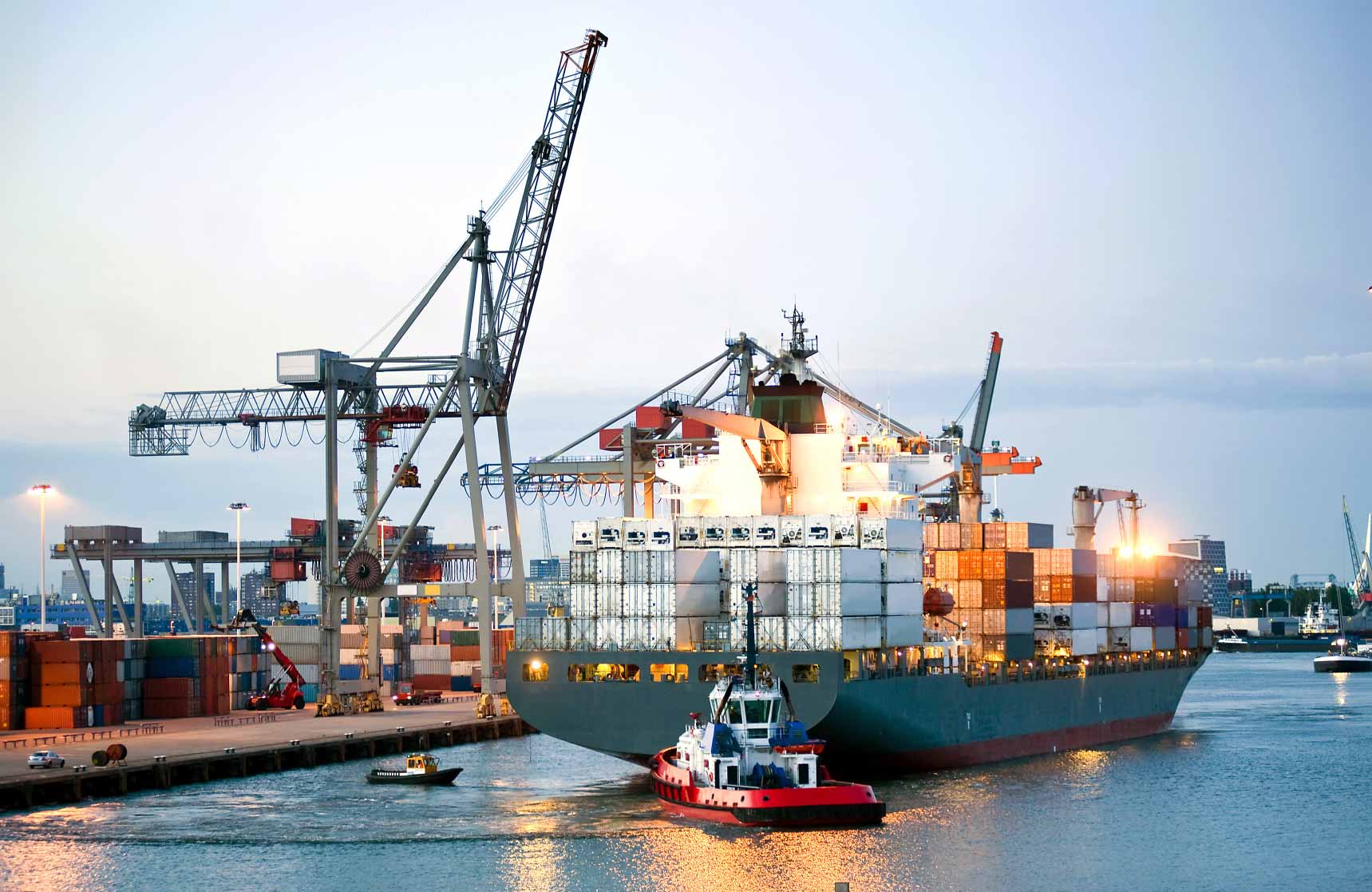
    The new terminal will double the current loading capacity of the biggest port in northern Vietnam. A new deep-water port is set to open this month in Vietnam’s northern city of Hai Phong.

    The city is a major sea gateway for Vietnam, but the existing port cannot receive large container ships as it lies on the Cam River, which is only seven meters deep.

    The new Lach Huyen International Gateway Port faces the sea, where the water is 14 meters deep.

    It stretches 750 meters (2,460 feet), which is double the length of Hai Phong Port, and has two container cranes.

    Work started on Lach Huyen Port in 2013 at an estimated cost of $1 billion, and when the first phase is completed on May 13, it will be able to handle around 300,000 20-foot equivalent units, or TEUs.

    That figure will rise to between 2-3 million TEUs in 2019, which is double the current capacity of Hai Phong Port.

    At a ceremony to mark the construction of Lach Huyen’s second phase in 2016, Prime Minister Nguyen Xuan Phuc said the new port “holds a key role in Vietnam’s maritime strategy”.

    Infrastructure to support the operation of the port has been taking shape, including an expressway connecting Hai Phong with the capital Hanoi that cuts travel time by half to roughly 90 minutes, and Southeast Asia’s longest cross-sea bridge, which opened to traffic in September last year.

    Spanning 15.63 kilometers (10 miles), the $523-million bridge connects Tan Vu Port to the new Lach Huyen Port.

    At a government meeting in Hanoi last month, PM Phuc said Vietnam’s logistics costs are putting a strain on local businesses and need to be cut in order to make firms more competitive.

    Vietnam’s logistics costs accounted for 20.9 percent of GDP in 2016, according to the World Bank, and were higher than regional peers China, Thailand and Japan.

    The reason for this is the cost of transporting goods via land, he said.

    In Vietnam, transportation accounts for 59 percent of all logistics costs, Deputy Minister of Industry and Trade Nguyen Van Cong told the meeting.

    The cost of transporting a 40-foot container by land from Hanoi to HCMC is about VND40 million ($1,785), which is 9.7 times more than transporting it by water and 2.5 times more than moving it by train, he said.

    According to a 2016 report released by the ministry, 77.2 percent of goods are transported by land in Vietnam, while just 5.22 percent go via water and 0.42 percent by train.

  • Continental extends inbound deal with Kerry Logistics

    Continental extends inbound deal with Kerry Logistics

    Kerry Logistics has secured a four-year extension to its contract with the tyre-making division of tier supplier Continental.

    The third-party logistics provider’s division in Germany will handle international ocean freight export of tyres and provide logistics services for Continental’s procurement of raw materials to production sites worldwide, mainly from Asia.

    Kerry Logistics’ German division has been working with Continental for more than 25 years in providing procurement operations for raw materials including rubber, carbon black and steel cord from Asian source countries including China, Thailand, Japan, Malaysia, Indonesia and India.

    Kerry has 40 logistics professionals managing the transport of materials from Asia to western Europe. Continental’s tyre division has seen an increase of more than 10% in materials moved in recent years. The 3PL said it was now organising logistics solutions for Continental sites in 13 countries and managing transport services, as well as partly acting as customs broker. In addition, Kerry Logistics is now providing warehousing and distribution solutions in China and the United Arab Emirates.

    “We are delighted to continue our cooperation with Kerry Logistics,” said Jorge Almeida, senior vice-president, rubber division purchasing and corporate indirect materials at Continental. “Kerry Logistics’ global network supports us in our growth strategy and expansion of our international business. The team in Bremen provides tailored solutions that meet our supply chain demands, leveraging our sourcing and export activities in multiple countries.”

  • CJ Logistics to launch Asia-Europe overland parcel delivery service

    CJ Logistics to launch Asia-Europe overland parcel delivery service

    South Korea’s top courier CJ Logistics Corp. will start a door-to-door overland parcel delivery service from China to Europe via railways and trucks.

    The company said it will start the Eurasia Bridge Service that uses both Trans China Railway trains and trucks to deliver containers directly from China to clients’ manufacturing plants and logistics centers in Europe.

    The service will use the train route connecting Chengdu, China to Lodz, Poland and Nuremberg, Germany then to Tilburg, the Netherlands. After containers arrive at each station, trucks will deliver cargos to final destinations located within 400 kilometers from the train stations.

    It is the first time for a courier company to offer a door-to-door parcel delivery service via trains and trucks in a route connecting Asia and Europe, according to CJ Logistics.

    For its new courier service, the Korean firm will be working with Rail Transportation Service Broker GmbH (RTSB), which operates railway services across Europe and the Commonwealth of Independent States (CIS) region.

    By using the Trans China Railway, the freight charge between Europe and Asia would drop to one-fifth of air shipping. It also would take only a third of the time needed for ship freight, said CJ Logistics. The company plans to increase its courier service routes from Asia to Europe to 52 and the reverse routes to 74. It also aims to expand its courier service to connect 30 major European cities and 24 Asian countries in the future.