Category: Logistics

Retail News Asia is committed to providing both local and global retailers with the latest Logistics news throughout the Asian market. This on a daily base.

  • Garuda adds 5 extra flights  after fire

    Garuda adds 5 extra flights after fire

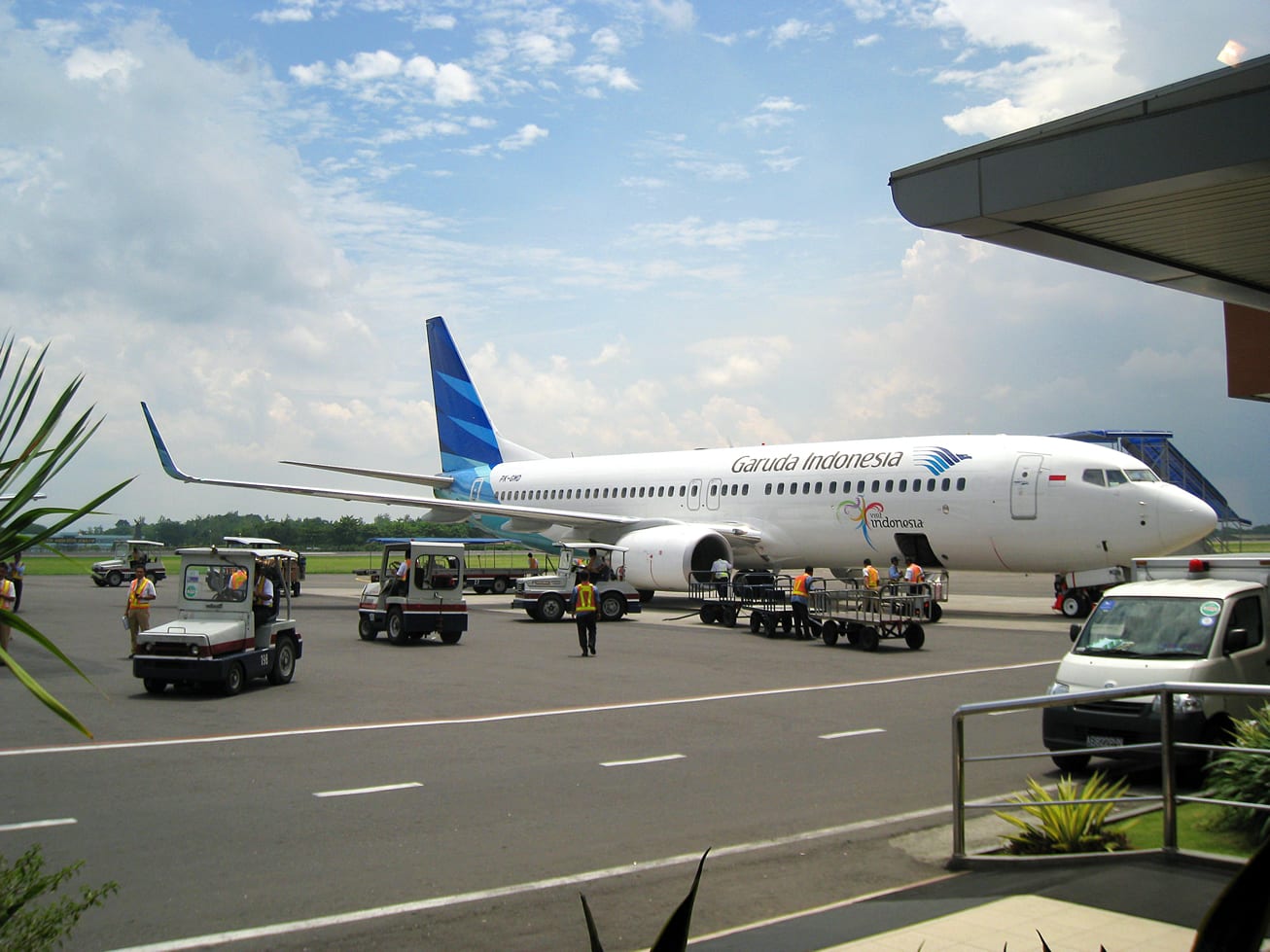
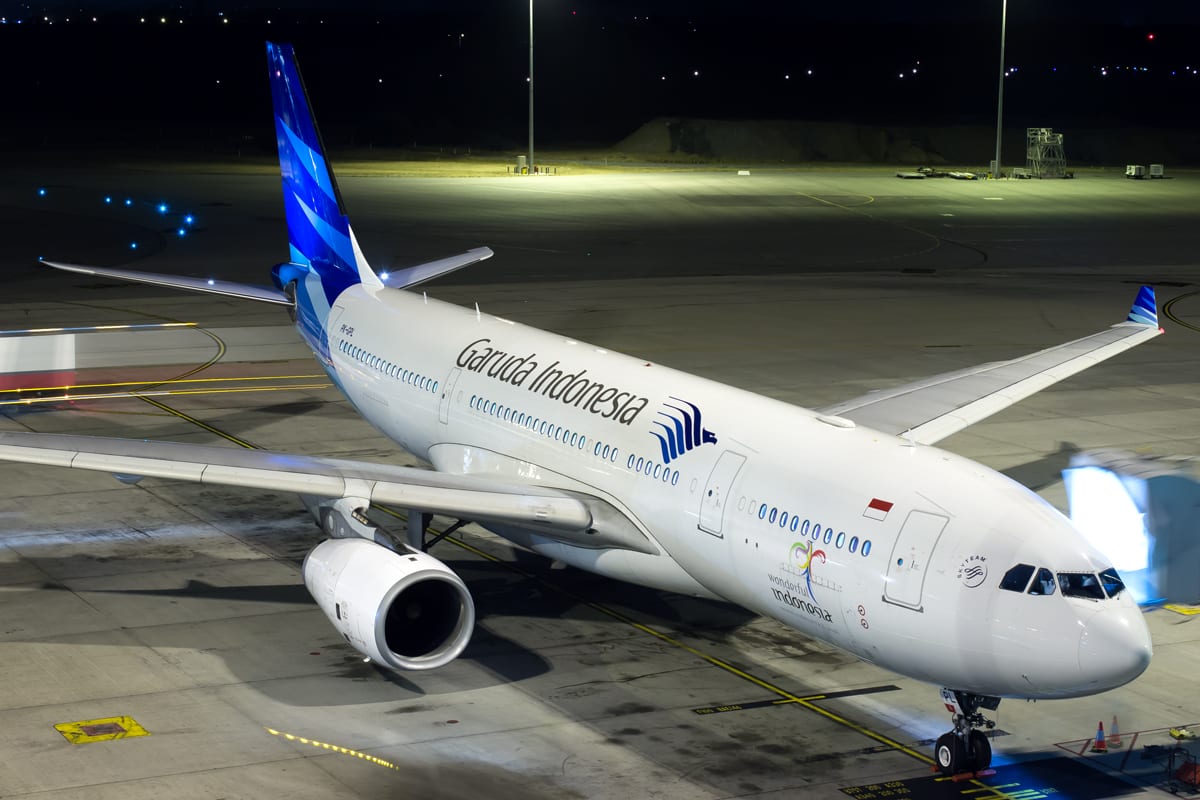
    National flag carrier Garuda Indonesia said on Monday that it had prepared five additional flights for passengers caught in delays and cancellations following a fire at Soekarno-Hatta International Airport’s Terminal 2E on Sunday morning.

    “We aim for all flights leaving this morning,” Garuda spokesperson Ikhsan Rosan said as quoted by tempo.co

    The additional flights will serve five routes from Jakarta to Batam, Riau; Jakarta to Semarang, Central Java; Jakarta to Pontianak, West Kalimantan; Jakarta to Surabaya, East Java and Jakarta to Denpasar, Bali.

    “We will also operate two wide-body planes, Boeing 747-400s, to carry passengers to Surabaya and Depansar,” Ikhsan added.

    Ikhsan admitted there were still several flights that were delayed until early this morning.

    “We put them [the passengers] up in hotels,” he said.

    He gave an assurance that the extra flights would not disrupt other regular flights.

    “Today’s flights will run normally as scheduled,” he said.

    A fire broke out in a VIP lounge at the airport on Sunday morning, causing disruption to departures and arrivals.

    Airport police suspect the fire was caused by an electrical short circuit in the lounge.

  • Indonesia’s Garuda partners with Cardig Air for air cargo management

    Indonesia’s Garuda partners with Cardig Air for air cargo management

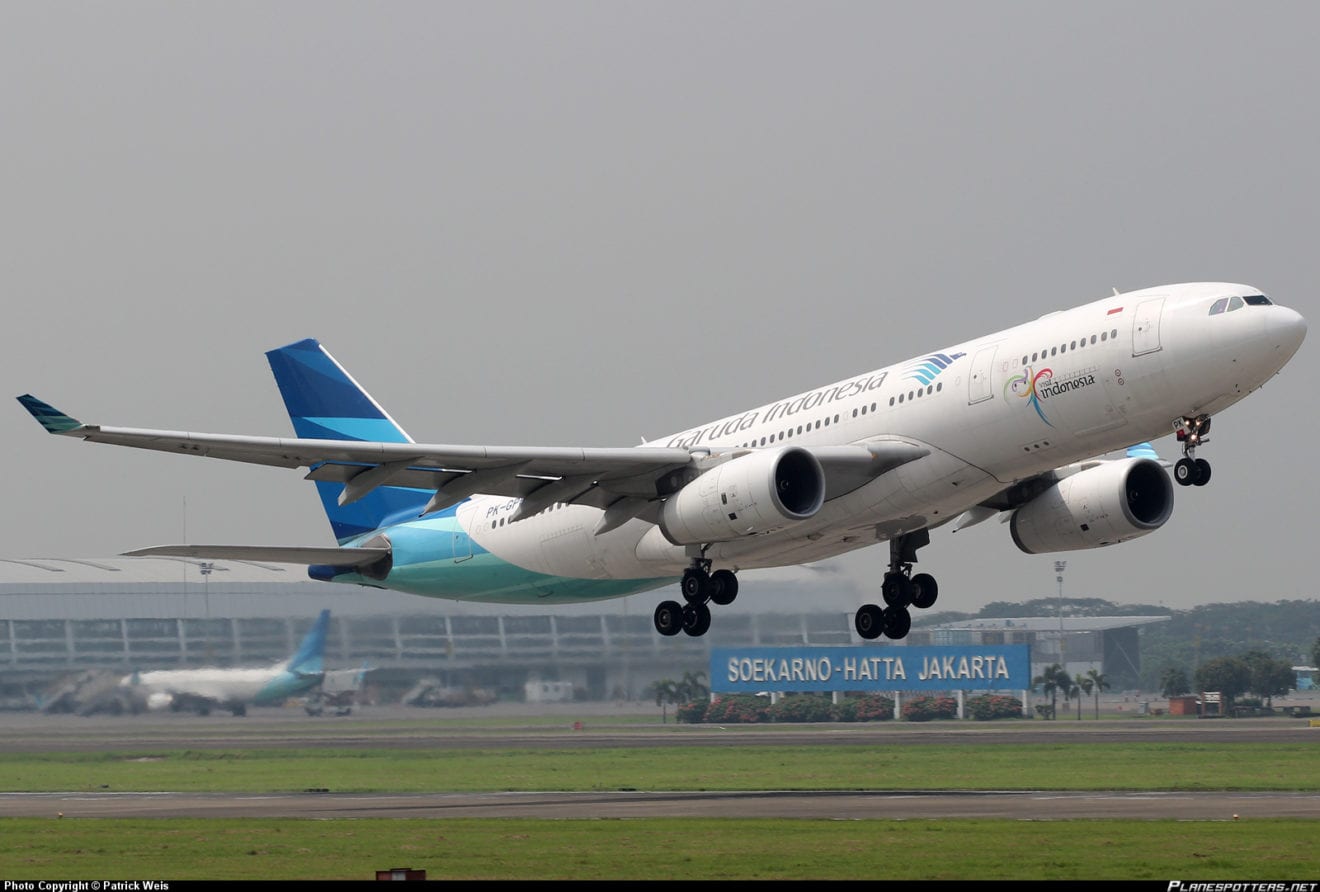
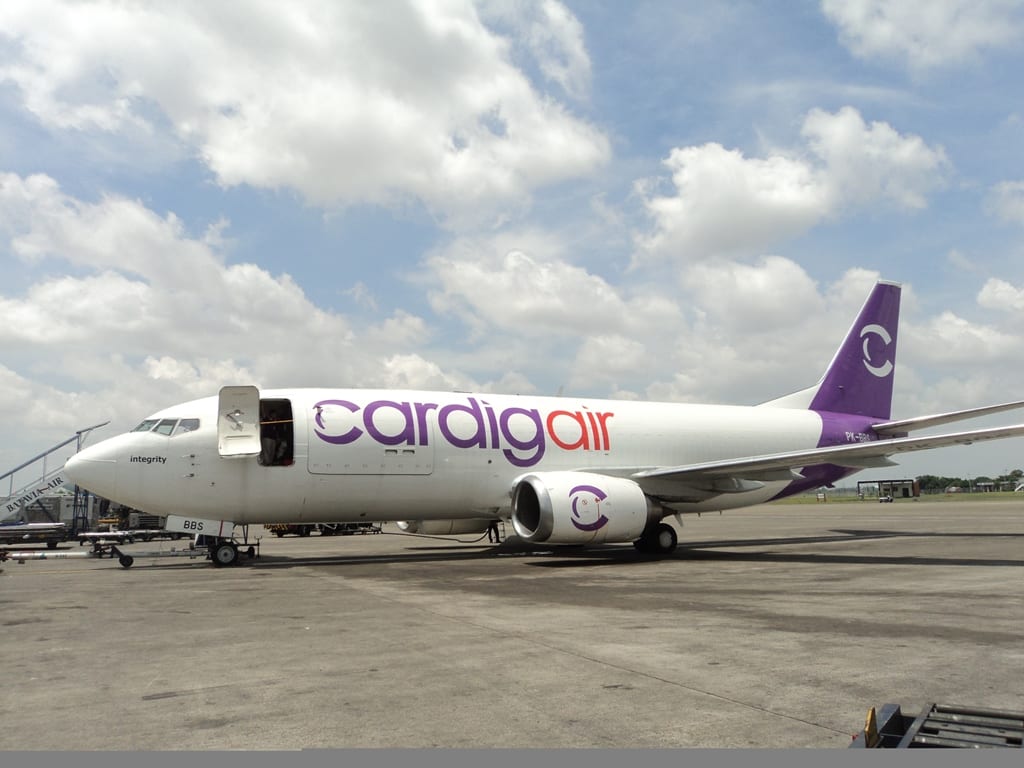
    Indonesia’s national airline Garuda Indonesia will be partnering with cargo airline Cardig Air that would involve the joint marketing and promotion of freight routes operated by both the airlines.

    In the first stage of the deal, Garuda will acquire the rights to sell freight space aboard Cardig Air flights that serve on routes to Surabaya, East Java, Denpasar, Bali, and Dili in Timor Leste, while Cardig will have the rights to market the cargo space of Garuda on a few domestic and international routes.

    Close to 70 cargo services across the archipelago, including in Medan, Jambi, Jakarta, Bandung, Yogyakarta, Surakarta, Semarang, Surabaya and Denpasar are currently operated by Garuda Indonesia cargo.

    Garuda Indonesia president director Arif Wibowo said: “The early stages of this new partnership includes marketing programs at service flights Surabaya – Denpasar – Dili, but in the future we will continue to develop cooperation with Air Cardig to develop these cargo shipments to other domestic and international routes that are currently not served by Garuda Indonesia Cargo ”

    According to the Jakarta Post, the partnership is expected to result in projected cargo revenues of $10m.

    Cardig Air CEO Boyke Subroto said: “This collaboration will provide many benefits and convenience to us, given the Garuda Indonesia has a fairly extensive flight network, a huge market, and Cargo Service Center (CSC), located in 76 domestic cities that can support the future development of Air Cardig.”

  • More global firms eye Philippines as training hub

    More global firms eye Philippines as training hub

    The Philippines has the potential to become a preferred training hub by multinational companies due to its English-speaking and skilled workforce, the Department of Trade and Industry (DTI) said.

    Trade Undersecretary Ponciano Manalo Jr. told reporters more companies are looking at the Philippines as the location for their training facilities because Filipinos can speak English well and can easily be trained.

    “The Philippines is beginning to be looked at as a training hub or training center,” he said.

    Among the companies interested in making the Philippines its training hub is aircraft manufacturer Airbus.

    Manalo and Trade Secretary Gregory Domingo met with representatives from Airbus during their visit to France earlier this month.

    Aside from Airbus, other companies engaged in aerospace as well as other sectors such as transportation and construction are also interested in setting up training facilities in the Philippines.

    At present, some firms engaged in the retail business have started undertaking training programs in the Philippines such as Japan’s Uniqlo and Sweden’s H&M.

    Uniqlo is bringing Japanese students in their Philippine outlets in order to train in English as a second language.

    H&M is likewise undertaking training activities in their retail outlets in the country.

    Given the interest by firms in making the Philippines the location of their training activities, Manalo said the DTI can include such in the government’s efforts to attract firms to locate in the country.

    “It (training) is turning out to be an opportunity that we can promote to firms,” he said.

    The Philippines’ young, English-speaking and skilled talent pool has often been cited as one of the reasons global companies to set up operations in the country.

  • Evergreen Line launches China-Surabaya service

    Evergreen Line launches China-Surabaya service

    In view of with the increasing market demand resulting from significant trade growth between China and the ASEAN countries, Evergreen Line is to partner with COSCO and China Shipping in launching a joint China-Surabaya Express (CSM) Service. This is Evergreen’s latest initiative to enhance its service on the Intra-Asian trade, the company said in its press release.

    The CSX service will employ four ships of 2,000-2,700 teu, including one each provided by Evergreen and CSCL and the remaining two by COSCO. The first sailing is planned to depart from Qingdao on the 20th of May, with the following the port rotation: Qingdao-Shanghai-Xiamen-Shekou-Pasir Gudang (Malysia)-Singapore-Surabaya (Indonesia)-Singapore-Qingdao.

    This weekly service covers major ports from China in the north to Malaysia and Indonesia in the south, providing regular and convenient links for regional trade and connecting to Evergreen’s global service network via Singapore.

    After the ASEAN-China Free Trade Area (ACFTA) was established in 2010, bilateral trade volumes have continued to rise. According to the statistics published by the Gerneral Administration of Customs in the PRC, its import and export trade with ASEAN grew by 8.3% to $480.4 billion in 2014. In addition, the ASEAN community has actively negotiated with China, Japan, South Korea, India, Australia and New Zealand to establish the Regional Comprehensive Economic Partnership (RCEP). It is believed that this significant development will further encourage free trade and have the effect of driving cargo growth within the Intra-Asia trade.

  • Thailand Post ‘s logistics arm aims to be Indochina hub

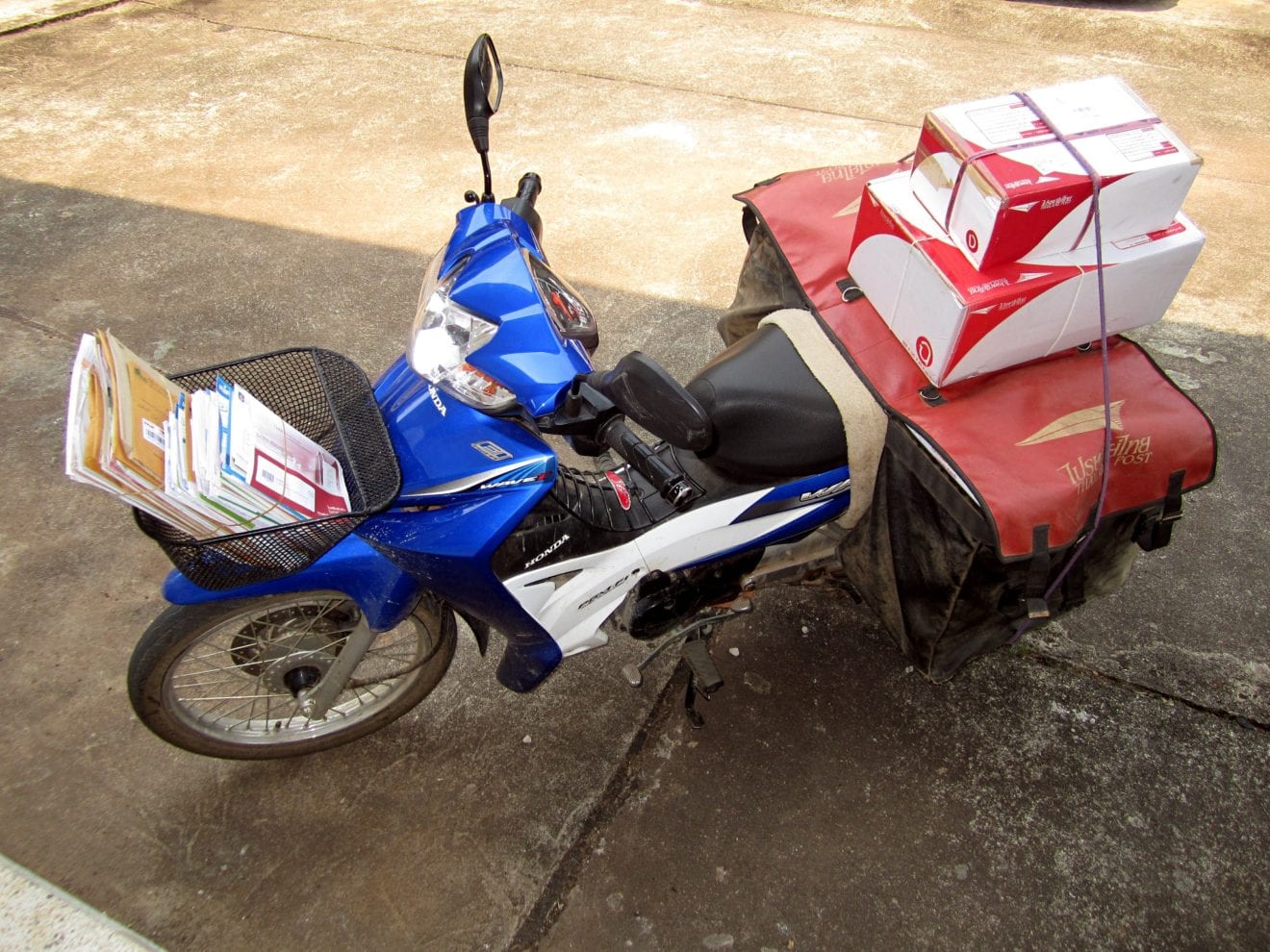
    Thailand Post ‘s logistics arm aims to be Indochina hub

    Warakan Srinualnad, chief executive officer of Thailand Post Distribution, said yesterday that the company aimed for Bt400 million in revenue in 2015 and expected to keep growing at 10 per cent per year. The company will expand to cover the whole Indochina region by 2017.

    The main target customers include providers of medicines and medical supplies, e-commerce and home shopping, banks and financial institutions, multinational companies and border traders.

    “The company already has customers such as the Government Pharmaceutical Organisation, the National Security Health Office and a home shopping company. As of now, most of our customers are government organisations. Our services are available for business-to-business, government-to-government, and business-to-government,” Warakan said.

    Thailand Post Distribution, a wholly owned subsidiary of Thailand Post, was established last year with registered capital of Bt350 million. It offers total logistical solutions including packing, warehousing, delivery and payment services for both private companies and government organisations.

    Warakan said the company was combining the strengths of Thailand Post with those of strategic partners in both fleet management and warehouses.

    Currently, the company has about eight fleet-management partners, with combined transport fleets of 500. Its warehouse partners include WHA Corporation, while its parent company, Thailand Post, and technology partners provide warehouse and transport management systems.

    Thailand Post Distribution has established its 20,000-square-metre warehouse network under Good Storage Practice standards, setting aside around 11,000sqm for temperature-controlled areas for storage of such products as pharmaceuticals, cosmetics and cosmeceuticals.

    The company also uses 10 of Thailand Post’s 16 warehouses and distribution centres located throughout the country. Its transport and distribution services adhere to Good Distribution Practice standards.

    “The services of Thailand Post and Thailand Post Distribution are complementary to each other. We act as strategic partners to use each other’s infrastructure and resources. For example, we can use Thailand Post’s 5,000 outlets [post offices, postal centres, and regional postal centres] to fulfil our services,” Warakan said.

    The logistics market in Thailand accounts for around 15-17 per cent of gross domestic product, Warakan said. The market is also growing in emerging areas, especially e-commerce.

    Piyawat Mahapauraya, senior executive vice president and acting president of Thailand Post, said its four main businesses were communications, logistics, retail and financial services. Thailand Post Distribution is now responsible for logistics.

  • CEVA Logistics Signs Enhanced Southeast Asia Logistics Agreement

    CEVA Logistics Signs Enhanced Southeast Asia Logistics Agreement

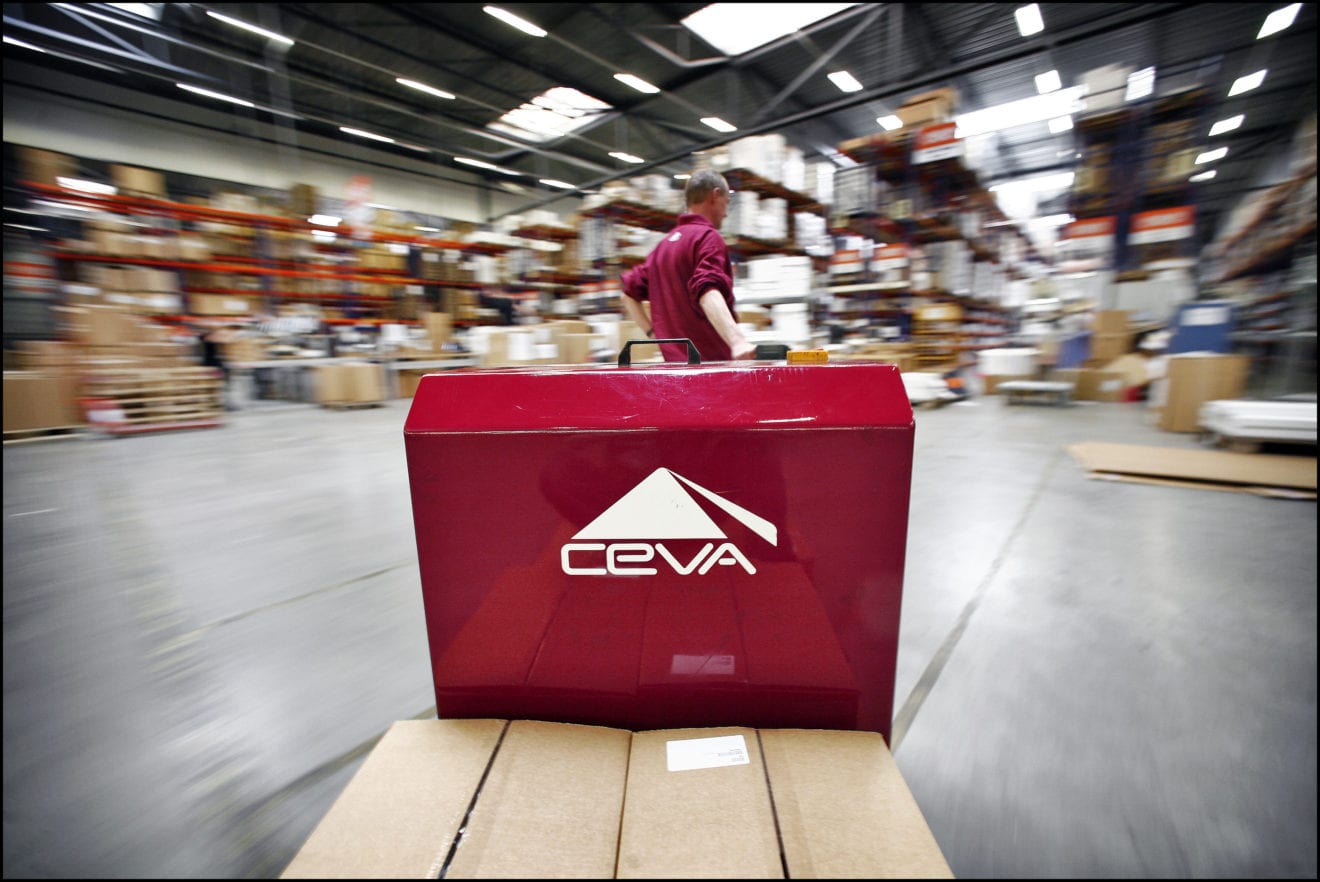
    In Addition To Growing Its Service Profile At Its Facilities In Portland, Oregon, And Chicago, The Company Has Opened New Distribution Facilities In Five Countries. Non-asset- basd supply chain management company CEVA Logistics has signed a contract to manage the Southeast Asia warehousing and distribution for the Valiram Group, a specialist retailer of luxury and lifestyle brands.

    Southern California-based CEVA started working with Valiram Group last year, providing warehousing and distribution services for their two brands, Victoria’s Secret in Thailand and Bath & Body Works in both Thailand and Indonesia.

    The new contract expands both of the brands into Thailand and Indonesia and tasks CEVA with handling warehouse management and other various services, such as price tagging and bundling, reverse logistics and time-specific delivery to retail stores for the company’s beauty, accessories and lingerie products.

    CEVA is directly involved in distribution and transport logistics for the store openings of Bath & Body Works—which was new to Valiram’s portfolio last year—opening several retail stores in both Southeast Asian countries.

    CEVA EXPANDS U.S., EUROPEAN AND ASIAN FOOTPRINT

    In addition to enhancing its service profile at its facilities in Portland, Oregon, and Chicago in the beginning of the year, the company has opened new distribution facilities in Poland, Italy, Canada, Malaysia, and Singapore, and began construction of a new 500,000 square-foot super site at Truganina, west of Melbourne, Australia.

    The new multi-user Australian facility will include four warehouses and will be the largest CEVA facility in the country when construction is completed later this year.

    “It is ideally located to support industrial, automotive and consumer and retail customers through its excellent access to Melbourne’s road and rail network, the Port of Melbourne and Melbourne International Airport,” the company says, adding that the new Australia facility “will be the centerpiece of CEVA’s growth plans in Australia and New Zealand.”

  • Garuda Indonesia trims London flights, boosts Amsterdam

    Garuda Indonesia trims London flights, boosts Amsterdam

    From July 22, Garuda’s London services drop from five-times-weekly via Amsterdam to three-times-weekly, and retain the Dutch detour in each direction.

    That’s also when the airline launches its newest route, Jakarta-Singapore-Amsterdam.

    Running three days per week, this offers travellers a total of six weekly Amsterdam-bound flights – up from five at present – with the return leg from the Netherlands skipping the Singapore stopover to fly non-stop to Jakarta.

    Flight schedule: Jakarta to London, Amsterdam

    On Tuesdays, Fridays and Sundays, Garuda’s Jakarta-Amsterdam-London flights (GA88) depart the Indonesian capital at 11:10pm to reach Amsterdam at 8:30am the following morning. After a two-hour transit, the onward flight pushes back at 10:30am and touches down in London at 10:35am local time.

    Returning via Amsterdam on Mondays, Wednesdays and Saturdays, GA89 is wheels-up from London at 12:25pm – arriving in Amsterdam at 2:45pm, continuing the journey at 4:45pm before landing in Jakarta at 11:50am the next morning.

    Wednesdays, Thursdays and Saturdays see the Jakarta-Singapore-Amsterdam services also flying the GA88 banner, leaving Jakarta at 8:50pm, reaching Singapore at 11:50pm, continuing the journey at 1:30am and then touching down in Amsterdam at 8:30am local time one day after initially departing.

    In reverse, the non-stop Amsterdam-Jakarta services take flight at 4:45pm on Thursdays, Fridays and Sundays as GA89, with passengers disembarking at 11:50am the following calendar day.

    What it means for Aussie transit passengers

    Garuda flies non-stop from Sydney, Melbourne and Perth to Jakarta, with passengers able to fly onwards from there to Amsterdam and London.

    Here’s what the new flight routings and timings mean for Aussie travellers taking the Kangaroo Route or zipping to Amsterdam for business or pleasure.

    Sydney, GA713/712: Flights to Jakarta on Wednesdays come with a five hour transit time, Friday flights offer transits of just 1hr 55m, Saturdays have a 7hr 20m transit while Sunday flights don’t provide same-day connections.

    Returning home, travellers will spend 11hr 50m on the ground at Jakarta’s Soekarno–Hatta International Airport on all days that the airline flies onwards to Sydney.

    Melbourne, GA717/716: Saturday flights provide an ideal connection with a gap of just 2hr 15m between flights, while on Tuesdays and Sundays that stretches to seven hours and on Thursdays you’ll arrive five minutes after the Europe-bound flight has already departed.

    After making the long journey from London or Amsterdam back to Jakarta, you’ll spend 10hr 40m in waiting before flying home to Melbourne on Mondays, Fridays and Saturdays – there’s no connection to Melbourne’s overnight flights on Wednesday evenings.

    Perth, GA725/724: Fly to Jakarta on Tuesdays and Sundays and you’ll have a brisk transit time of only 1hr 55m, although Thursdays and Saturday services don’t pair with an onward journey.

    It’s also bad news on the return with a staggering 22hr 15m wait in Jakarta when the airline has a Jakarta-Perth flight on the following day, so consider a short domestic hop across to Denpasar (Bali) and then journey home from there with Garuda that same afternoon.

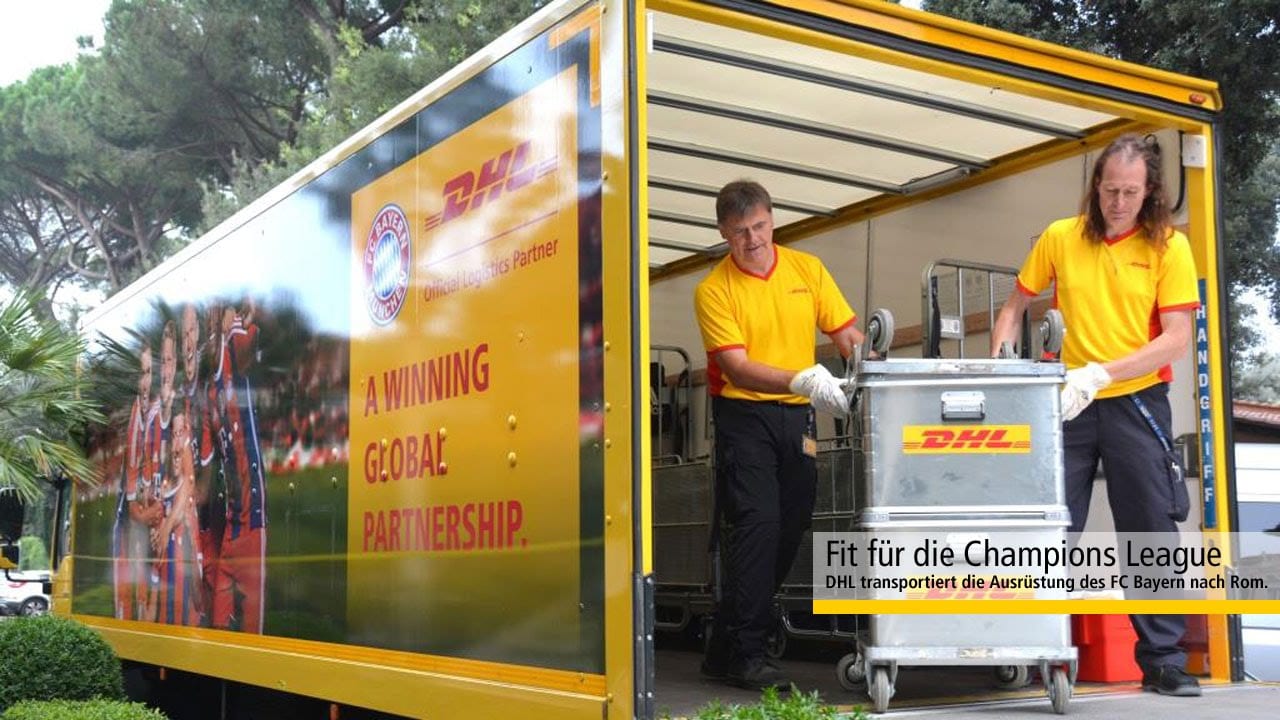
  • DHL providing E2E logistics for FC Bayern Munich’s online store

    DHL providing E2E logistics for FC Bayern Munich’s online store

    FC Bayern Munich is working with Alibaba’s Tmall Global and DHL eCommerce to launch an official FC Bayern Munich online flagship store for consumers in China.

    Through the new online store (https://fcb.tmall.hk), fans in China can now order a FC Bayern Munich jersey with their favourite player’s name and also purchase a variety of fan merchandise as well as “traditional German and Bavarian products”.

    Karl-Heinz Rummenigge, Executive Board Chairman of FC Bayern Munich, said: “Making our fan merchandise accessible is crucial to connect with our fans in China.”

    Jörg Wacker, Executive Board Member Internationalization and Strategy of FC Bayern Munich, added: “China continues to be our key focus market and plays an important role in our internationalization strategy. For our market entry in China, Tmall Global is the best platform since many of our fans already use the platform today. Together with our strategic partner DHL, we will ensure a fast delivery. This store is a big first step in expanding our touch points with our Chinese fan base and we will interact with our fans even more during our Audi Summer Tour China in July this year.“

    Jeff Zhang, President of China Retail Marketplaces of Alibaba Group, commented: “FC Bayern Munich, as one of the first football clubs launching their exclusive online flagship store on Tmall Global, will greatly reflect the diversity of brands and goods on the platform.”

    The six-year partnership between DHL and FC Bayern Munich will see DHL acting as the club’s exclusive logistics partner and full service provider for international e-commerce starting in China in 2015 with a planned roll-out across the Asia-Pacific region. DHL eCommerce will manage many aspects of FC Bayern Munich’s merchandising in China – working with Tmall Global on product listing, order management, fulfillment of orders, local distribution and returns, local customer service and market entry support.

    Thomas Kipp, CEO of DHL eCommerce, said: “There couldn’t be a better opportunity to demonstrate our expertise in e-commerce such as fulfillment and end-to-end delivery than launching the online flagship store of the world’s biggest football club, FC Bayern Munich, on the world’s biggest marketplace in China. We also have the added bonus to work even more closely with Tmall Global, China’s leading online retail platform.”

    FC Bayern Munich are one of the world’s biggest football clubs with over 255,000 members. They are also one of the most successful, having won five Champions League Titles, three Club World Cup trophies as well as 25 national championships. FC Bayern Munich are planning to return to China for a summer tour in July, when they will play three games: in Beijing, Shanghai and Guangzhou.

  • World-class duty-free coming to Myanmar airports

    World-class duty-free coming to Myanmar airports

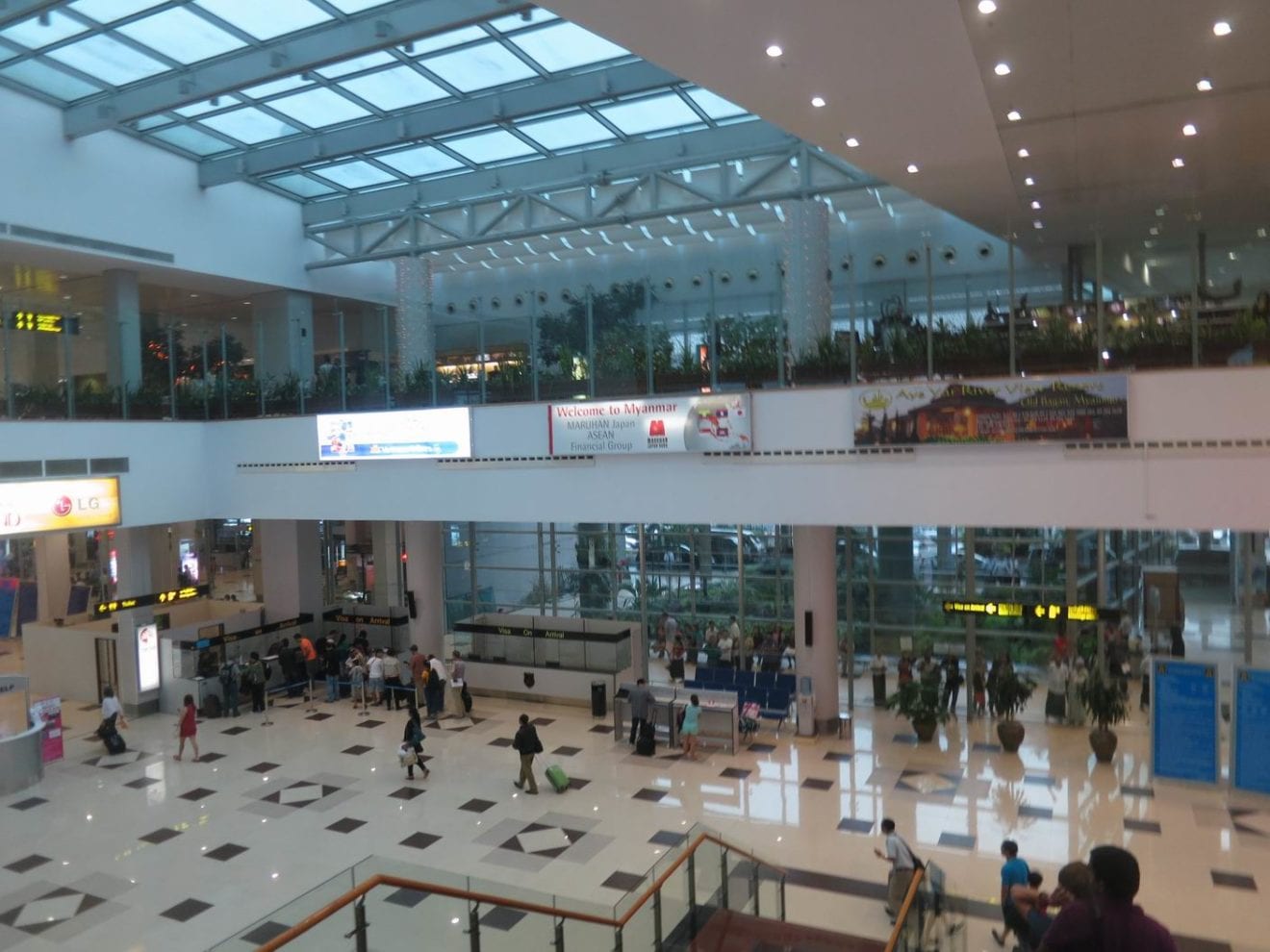
    Singapore Windsor Holdings has signed a 10-year agreement with DFS Group to develop and operate duty-free retail outlets at Yangon International Airport and Nay Pyi Taw International Airport.

    DFS Group is a Hong Kong-based luxury travel retailer, majority-owned by conglomerate Moët Hennessy Louis Vuitton (LVMH).

    “In addition to a duty-free store at Nay Pyi Taw International Airport, we will open duty-free outlets at the existing departure and arrival terminal of Yangon International Airport, followed by a much larger duty-free retail space when the new terminal at Yangon International Airport is completed towards the end of this year,” said a notice on the Singapore Exchange (SGX).

    By the end of 2015, Singapore Windsor will operate almost 2000 square metres of duty free retail space at the two airports. The notice did not mention plans to introduce duty-free services to Mandalay International Airport.

    The new international terminal in Yangon airport is expected to handle three times the current passenger traffic volume. Myanmar’s airports already offer duty-free alcohol and tobacco, but not yet to an international standard, according to the notice.

    DFS is headquartered in Hong Kong and has offices in Hawaii, Los Angeles, Shanghai, Singapore and Tokyo. Singapore Windsor is a Singapore-listed, Myanmar-focused company, with interests in telecom infrastructure construction, trading, distribution and retail, serviced offices, and car hire and rental services.

    Last week, the group’s wholly owned subsidiary SMI Auto Services signed a five-year franchise agreement with Europcar, to provide vehicle rental and limousine services throughout Myanmar. The deal is renewable for another five years, if both parties agree to it.

  • PAL adds seats to Manila-New York flights

    PAL adds seats to Manila-New York flights

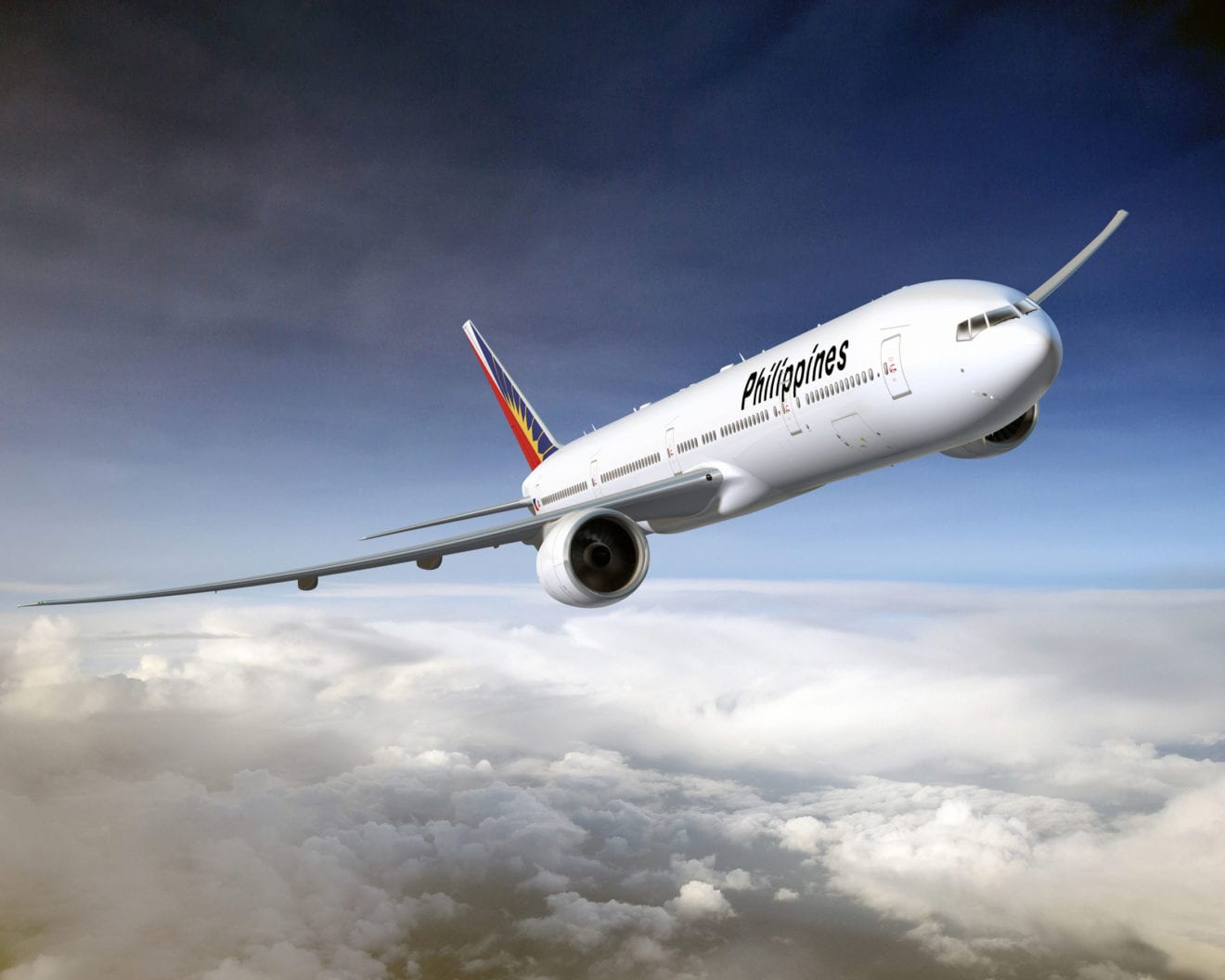
    Philippine Airlines (PAL) is increasing seat capacity for its Manila-New York flights by shifting to a bigger aircraft this month.

    PAL said, starting October 26, it will shift to the Boeing B777-300 for long-haul operations between the two cities.

    The B777 is a 370-seater (42 business/328 economy) state-of-the-art and fuel-efficient aircraft. PAL is current using the 254-seater Airbus A340s for its Manila-New York flights.

    “Using the B777 to the US Mainland enables us to achieve our goal of operating our long haul flights efficiently and economically. With this shift, passengers on the route will experience PAL’s trademark Filipino service in the comfort of the modern B777,” PAL president and chief operating officer Jaime Bautista said.

    PAL currently utilizes B777s for its San Francisco, Los Angeles, Vancouver and Toronto operations as well as select regional and international routes.

    The national flag carrier said it is taking delivery of two additional B777 units, slated to arrive in October and December 2016, respectively.

  • AirAsia X cuts frequency to optimise capacity

    AirAsia X cuts frequency to optimise capacity

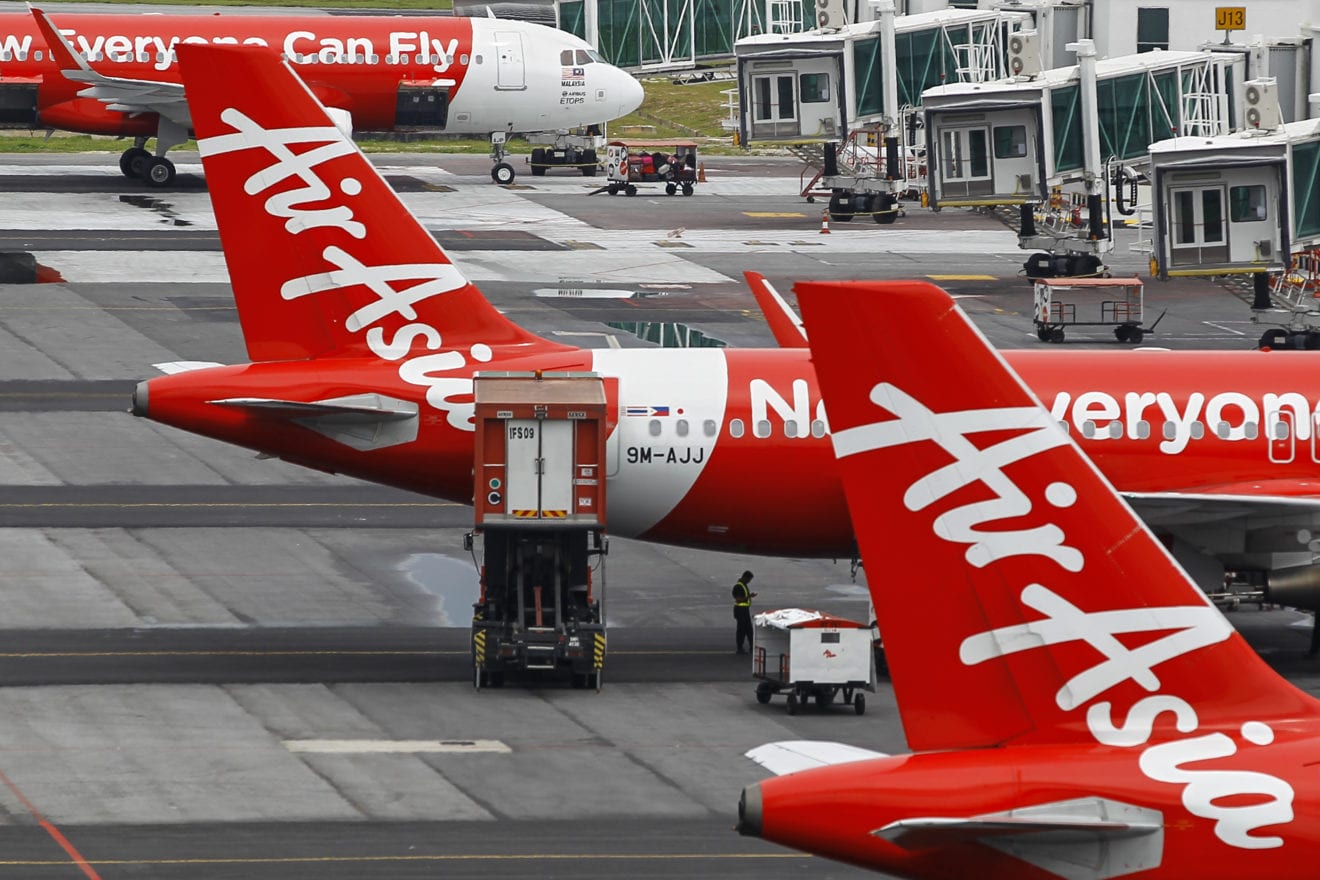
    AirAsia X Bhd (AAX), the long-haul, low cost airline affiliate of the AirAsia Bhd flew a total of 914,970 passengers in the first quarter, down 15% from 1.08 million passengers in the same quarter in 2014.

    According to AAX’s preliminary operating statistics released yesterday, the carrier recorded a load factor of 74% for the first quarter ended March 31, down 12 percentage points from a year ago.

    AAX said it had implemented frequency cut on certain routes, mainly China and Australia, and concurrently terminated loss-making routes – Adelaide and Nagoya – to optimise capacity in line with its turnaround strategy.

    It said the excess capacity from capacity management had been re-deployed to short-term wet lease and charter operations, to maximise revenue.

    AAX said its passenger traffic, as measured by revenue-passenger-KM (RPK), declined 17% year-on-year to 4,431 million in the first quarter from 5.34 billion in the same quarter last year, while available-seat-KM (ASK) capacity decreased by 3% to 6.02 billion.

    This was due to capacity management and slowdown in marketing activities during the first three months of this year with respect to the QZ 8501 incident in December 2014.

    “Consequently, year-on-year load factor during the quarter dropped 12 percentage points to 74% against 86% in the same period last year.

    “Current bookings trends are in line with expectations for a recovery in the second half of 2015,” the carrier said.

    In terms of fleet movement, AirAsia took deliveries of two A330-300s on operating lease during the quarter, bringing its total number of A330-300s to 25, compared with 19 a year earlier.

    On the associate companies, Thai AirAsia X registered strong loads of 82% for its first quarter, with 155,961 passengers carried, implying continued positive pick-up for the popular routes between Thailand, Japan, and South Korea.

    Thai AirAsia X currently operates 3 A330-300s while Indonesia AirAsia X has two A330-300s serving Bali-Taipei and Bali-Melbourne respectively.

  • Garuda to open flight to Germany and France

    Garuda to open flight to Germany and France

    PT Garuda Indoanesia Tbk. plans to open new routes to France and Germany this year to boost its income, Finance Director I.G.N. Askhara Dananiputra stated here on Tuesday.

    He noted that the routes would become operational between the second and third quarter this year after the delivery of the Boeing 777 that the national flag carrier has ordered.

    “We have ordered the Boeing 777 as in the same cost we would be more efficient if we use it to serve long-haul destinations rather than short- or middle-range destinations,” he pointed out after attending the signing of a hedging agreement between the company and four banks.

    The companys President Director, M. Arif Wibowo, noted that Germany and France had been chosen as the countries economic growth is more stable as compared to other European countries.

    “The European growth is still two to three percent with the biggest growth recorded by Germany and France. Frances growth is still lower than Germanys,” he elaborated.

    He noted that Garuda would fly to Paris in France and Frankfurt in Germany for the time being.

    He admitted to still calculating the possibility of operating direct flights due to the capability of runways in Indonesia which are not yet able to accommodate Boeing 777 maximally.

    In Indonesia, the take-off weight for a Boeing 777 class aircraft is only 329 tons while the maximum capability of the Boeing 777 reaches 351 tons.

    “Economically, this is not feasible. We are still calculating and finding ways with regard to destinations to get a higher income,” he remarked.

    To support the European routes, Garuda would deploy 10 aircraft providing dual and first class travel options on 18 aircraft to be delivered this year, he emphasized.

    Apart from opening new routes, Arif noted that Garuda would also increase the frequency. He further added that there will be four flights per week for destinations in France and Germany while there will be daily flights for the existing route such as to the Netherlands and England.

    With a capacity of 300 passengers, the Boeing 777 is expected to increase the number of passengers by 1.2 thousand per week or 62.4 thousand per year.

    “Apart from opening new routes in Europe, China and the Middle East, we will also expand our networks and streamline our operation schedules,” he added.

  • Singapore Customs seizes 700 bags

    Singapore Customs seizes 700 bags

    Singapore Customs has seized some 700 counterfeit women’s bags and wallets imported from China.

    Details of the brands were not officially released but the above image provided by Customs shows clearly distinguishable Cath Kidston branding on some of the seized goods. Other goods bore two other brand names.

    The bags and wallets were discovered during a routine inspection of a consignment of goods at the Tanjong Pagar Distripark.

    Singapore Customs has informed the brand owners of the detained goods and they can now institute infringement actions against the importer under the Trade Marks Act.

    “Singapore does not condone such illegal trading activities and will take firm action against importers of counterfeit goods, and continue to ensure a robust intellectual property rights enforcement regime in Singapore,” said Singapore Customs in a statement.

    Today’s seizure follows another on April 8 involving more than 2300 items including mobile phone accessories, watches, sunglasses, bags and wallets suspected to be counterfeit goods of popular brands. Those items had been air freighted in from China, and included fake Apple accessories, pictured below.

  • Good logistics key for SMEs to ride the global wave of ecommerce

    Good logistics key for SMEs to ride the global wave of ecommerce

    Online shopping is booming and will continue to grow exponentially – the global online retail market now tops USD1 trillion a year and is set to double within four years.

    Asia is at the centre of that consumer-led, technology-enabled revolution in e-commerce. China alone is tipped to exceed USD1 trillion in retail ecommerce sales in the next three years, making up more than 40 percent of the global ecommerce market.

    With this huge growth set to continue, all kinds of businesses in Asia can benefit from the new world of ecommerce. In fact, being a minnow in the world of big business no longer carries the disadvantage of size.

    A new study by Forrester Consulting found that cross-border e-commerce is a major revenue opportunity for small to mid-sized businesses (SMEs), but they can still be losing out because of logistics concerns. The question they must answer is – are the time and the cost of moving goods across borders going to be worth it for my business?

    Many SMEs in this region have already seized this opportunity. An eBay report on APEC SMEs, for example, showed that the average commercial seller on eBay exported to 36 countries.

    The good news for manufacturers is that the Forrester study showed that physical items dominate online purchases. Clothing and apparel are by the far the most popular, but books, consumer electronics, cosmetics and personal electronics are also frequently purchased.

    Concerns of consumers centre around reliability – how can they be assured that the goods they are buying are exactly what is advertised? What can they do about returns if they have a problem with the product?

    The Forrester research found shipping and logistics at the forefront of consumers’ minds when considering cross-border purchases. It cited shipping cost (51 percent) and long delivery time (47 percent) as the top two concerns.

    Many of the problems with e-commerce logistics are the result of deliberate policy choices by governments. They include high tariffs, cumbersome import procedures, or inefficient transport networks and infrastructure that do nothing to move goods across borders in the easiest and most cost effective way.

    Updating what are often “pre-internet” trade policies is crucial. One issue that is especially important is trade facilitation – making the movement of goods across borders easier and more efficient.
    Other research shows online mass merchants and marketplaces are the most popular destinations for online shoppers who want to buy clothing in China and Japan. In South Korea, mobile applications are key since almost one in three online clothing buyers last bought something via their smartphone.

    Trade facilitation, including customs modernization, can help resolve 21st century logistics issues that might otherwise prevent consumers from buying online from overseas companies.

    For example, the World Economic Forum estimates that cross-border activity by SMEs would jump by 60 to 80 percent if supply chain barriers were addressed.

    Raising the de minimis thresholds to a much higher level – above which full duties and value added tax is levied – would be an important first step in delivering greater economic benefits for SMEs. The current de minimis threshold in the European Union is just EUR22 , while many business groups recommend raising these thresholds globally to several hundred US dollars, if not USD1000.

    Increasing shipment processing hours to a 24 hours a day-customs clearance would also go a long way towards reassuring consumers and supporting ecommerce. So too would increase electronic filing of customs documents and e-payments, preferably through a single window.
    Yet feeling comfortable buying goods from an online supplier or website in your own country doesn’t always translate to cross-border purchases.

    The bottom line is that trade facilitation really does work for SMEs. A 2013 European University Institute working paper concluded “that the gains from trade facilitation accrue to large and small firms alike: all size classes of firms export more in response to improved trade facilitation.”

    Likewise, barriers faced by SMEs can be reduced or even eradicated with access to technology because it helps open doors, quickly and efficiently, to global markets.

    There is little doubt the opportunities for SMEs are out there. E-commerce clearly offers new opportunities for SMEs to expand their reach into overseas markets, but good logistics are key to realizing that opportunity.

    Improved trade facilitation is critical, and it’s the role of business and governments to work together to make that potential a reality for SMEs around the region.
  • Lawson, SG Holdings to offer new delivery service

    Lawson, SG Holdings to offer new delivery service

    Retailer Lawson Inc. and logistics company SG Holdings Co. are to begin a delivery service under a new alliance pitched at time-deprived workers and seniors.

    Lawson, a Tokyo-based convenience store operator, said on Tuesday that it will take a 51 percent stake in the new company to be created in June, with Kyoto-based SG Holdings, which runs Sagawa Express Co., holding the remaining 49 percent.

    They will work together to expand their customer base as demand for home delivery increases with a growing number of elderly people and more women opting to work rather than stay at home.