Retail News CRM

Category: Uncategorized

  • Vietnamese banks report Jan-Sept rise in bad debts

    Vietnamese banks report Jan-Sept rise in bad debts

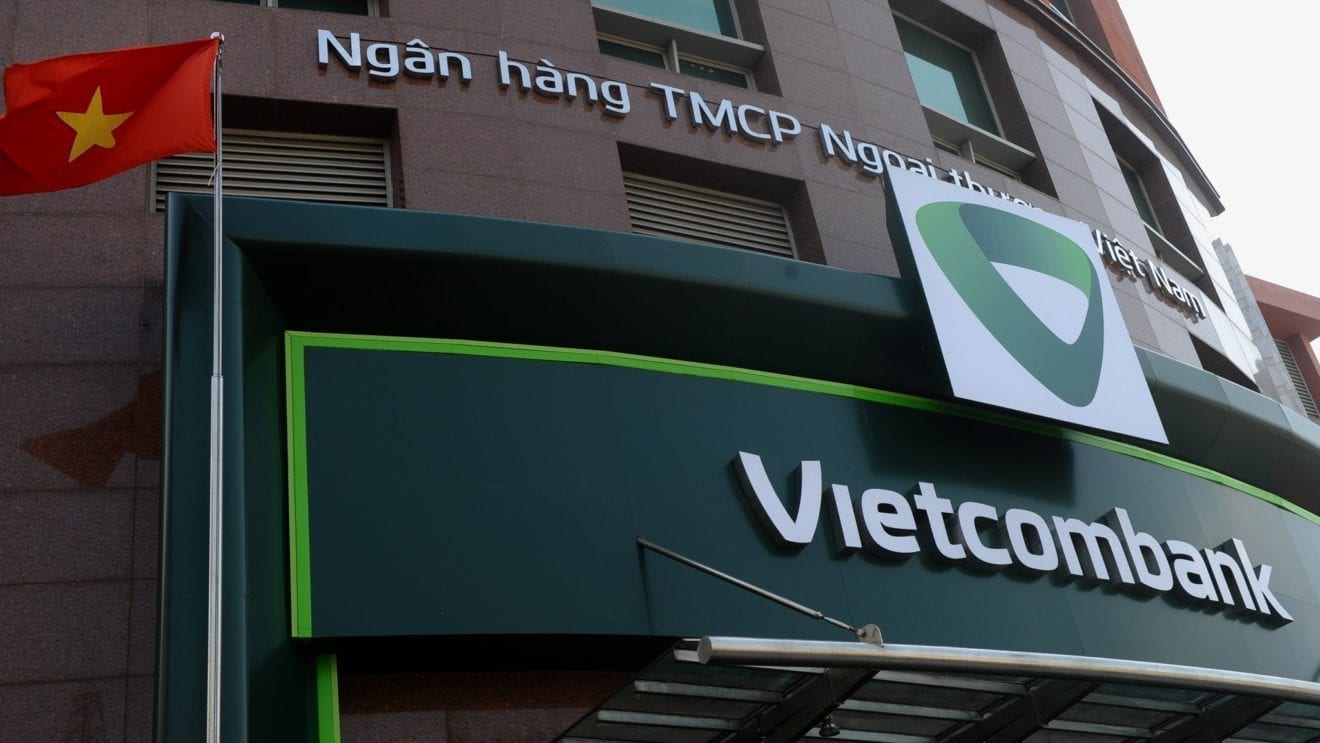
    Thirteen of 17 listed banks have seen their bad debts rise in the first 9 months of this year, according to banks’ financial reports. Experts blame this on recent credit growth, loose lending practices and accumulated old non-performing loans.

    Bad debts of VietinBank, the country’s second largest lender by assets, rose by 34.5 percent to nearly VND12.13 trillion ($519.82 million) in the first 9 months of this year.

    Group 5 debt, the worst category for potential loan losses, accounted for the largest proportion at 72 percent of the bank’s total bad debts. Group 5 debt was also the category with the biggest increase in the last 9 months, rising 68 percent to nearly VND8.74 trillion ($374.57 million).

    At BIDV, Vietnam’s biggest bank by assets, bad debts had totaled VND17 trillion ($728.65 million), a 21.1 percent increase over late 2017. However the bank’s bad debt ratio stood at 1.76 percent, well below the 3 percent danger limit set by the State Bank of Vietnam.

    The bad debt ratio of VPBank, meanwhile, rose to 4.7 percent by Q3, compared to 2017’s year-end figure of 3.39 percent. At the end of Q3, VPBank’s bad debt had increased by 52 percent compared to the beginning of the year, reaching VND9.4 trillion ($402.9 million)

    At Techcombank, total bad debt rose 33 percent between January and September, with Group 5 bad debt rising by 31 percent. Overall, the bad debt ratio on the bank’s loans rose to 2.05 percent from 1.61 percent at the beginning of the year. The bank’s bad debt is currently at VND3.43 trillion ($146.82 million).

    trillion VNDVietnamese banks’ bad debtas of September 201812.112.117179.49.43.43.4VietinbankBIDVVPBankTechcombank05101520BIDV● Bad debt: 17

    Banking expert Nguyen Tri Hieu said that the increase in bad debt was related to credit growth. New bad debt rises as banks increase lending and adopt looser lending practices, he said.

    The country’s credit growth in the first nine months of this year was 9.52 percent.

    Pham Hong Hai, CEO of HSBC Vietnam, said that from 2019 onwards, bad debt may re-emerge as a problem for banks after the recent credit growth and instability in global financial markets.

    State Bank of Vietnam Governor Le Minh Hung said recently that bad debts and potential bad debts of the sector amounted to 8.61 percent of total credit by the end of September.

    Vietnam’s banking sector posted an estimated 18.17 percent credit growth in 2017, according to the Ministry of Finance. It has targeted a credit growth of 17 percent this year.

  • LG Chem signs deal to distribute cancer drug

    LG Chem signs deal to distribute cancer drug

    LG Chem has partnered with U.S. bio company Cue Biopharma to develop immunotherapy drugs to treat cancer, the local company announced Monday. Immunotherapy drugs help patients fight diseases like cancer by enhancing their immune system. It is a relatively unusual form of cancer therapy that differs from the conventional approach of using medication to directly fight the cancer cells inside the human body.

    Based in Boston, Cue Biopharma is a Nasdaq-listed company that specializes in developing biologics for immunotherapy. The companies will co-develop and distribute three immunotherapy drugs which were previously developed by Cue Biopharma: its lead product CUE-101, currently in the preclinical stage, and two other cancer antigens that are at an earlier stage of development.

    Cue Biopharma’s core technology is the Immuno-STAT platform that inserts information about a specific cancer cell into a T cell, a white blood cell that will then find and attack the disease. Before the platform existed, T cells had to be pulled out of the human body to have the information injected into them, but Cue Biopharma’s technology allows the process to happen internally.

    Under the agreement, LG Chem will obtain exclusive distribution rights for the three treatments in Asia once they are fully developed. Cue Biopharma will take charge of distribution in other regions.

    LG will offer a maximum of $400 million to the U.S. bio company including milestone payments given at each stage of clinical testing in the development process. Once the treatments are commercialized, Cue Biopharma will additionally receive license fees proportional to sales in the Asia region while LG, in return, will receive royalties from the Asia sales.

    This is the first time in its three decades of history in the bio pharmaceuticals industry that LG Chem has partnered with another company to work on a new drug.

    “We are very pleased to enter this strategic collaboration with Cue Biopharma; it is more than a licensing deal, it is a partnership with a shared vision and great strategic fit,” said Dr. Son Jee-woong, president of LG Chem Life Sciences.

    For Cue Biopharma, the advantage of working with LG is its experience in developing and manufacturing bio pharmaceuticals in the past as well as its business know-how in the Asia region.

    Under the partnership, LG will also conduct development in mass production and quality control methods for the immunotherapy drugs.