Retail News CRM

Category: Uncategorized

  • SFFA and RPB Asia Announce Inaugural SG Food TechWeek

    SFFA and RPB Asia Announce Inaugural SG Food TechWeek

    s part of this year’s Speciality & Fine Food Asia (SFFA) and Restaurant, Pub & Bar Asia (RPB Asia) 2019 trade shows held from 17 – 19 July 2019 at Suntec Singapore, we are pleased to announce the inaugural SG Food Tech Week.

    Held over three days, SG Food Tech Week, developed in consultation with Edelman Predictive Intelligence Centre, will bring together the top minds in food and beverage technologies and consultancies with policy makers to uncover key challenges and opportunities in this space.

    The keynote session and panel discussions will focus on topics like block chain and its impact on supply chain management, big data trends and smart manufacturing and how to balance the power of predictive technologies with consumer privacy.*

    Themes for each session will also be co-curated by SFFA and RPB Asia’s panel of Industry Ambassadors to ensure that the content is relevant and tailored to the specific needs of participants.

    In addition, start-ups and SMEs in this space will also be invited to showcase their latest technologies in the second installment of the highly successful investor pitching series PITCH!. The competition will focus on spotlighting the latest technological solutions and innovations that tackle pressing hospitality challenges, streamline workflow and address the need for sustainability in various food production processes. PITCH! will be split into two different tracks focusing on hospitality and production solutions on day one and sustainability on day two, providing contestants with valuable face time with industry heavyweights, investors and mentors.


  • First UFC Gym opens at CityLink Mall, Singapore

    First UFC Gym opens at CityLink Mall, Singapore

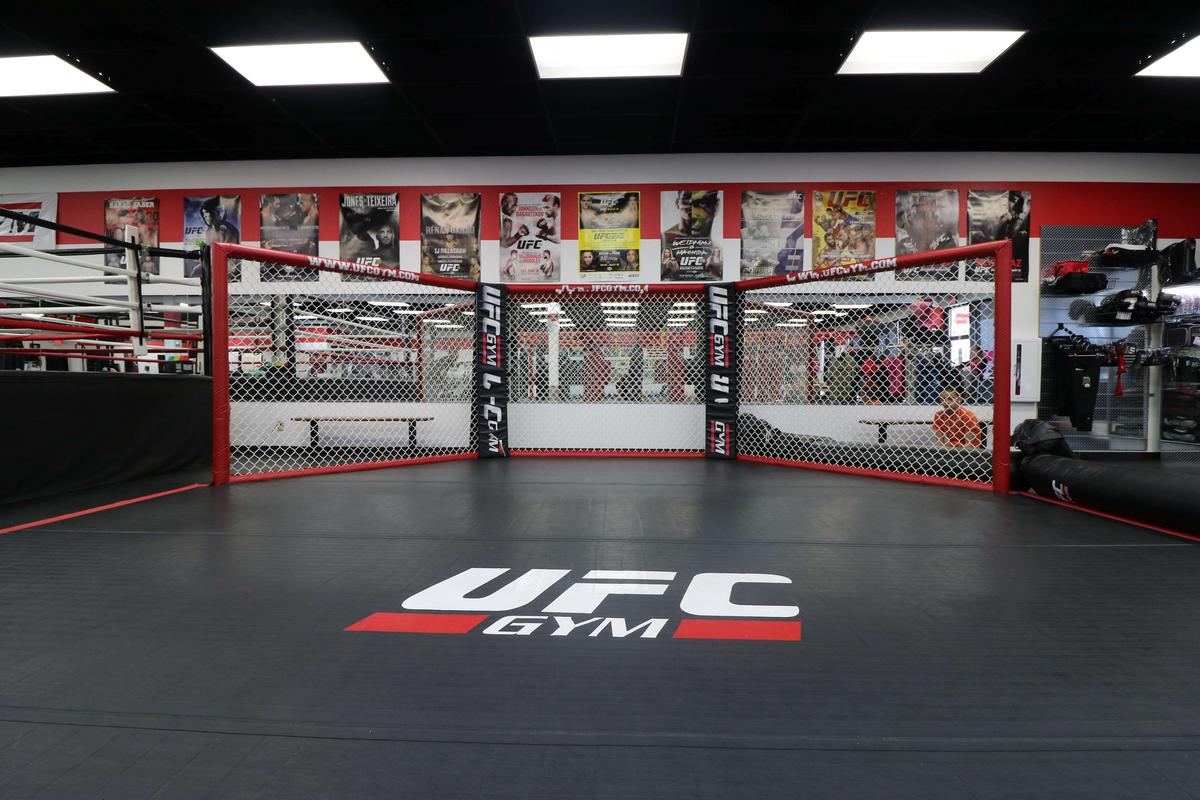
    UFC Gym Singapore has opened its first branch at CityLink Mall.

    The gym has been opened under a franchise agreement with local operator NF Fitness, which is planning to expand to 15 gyms during the next decade.

    “We will have access to best-qualified coaches, as well as top-notch gym-training equipment,” said Barnabas Huang, UFC Gym Singapore’s MD.

    The gym aims to combine MMA and fitness, including functional workouts (Daily Ultimate Training, TRX Suspension Training), MMA classes (boxing, kickboxing, Brazilian jiu-jitsu, muay thai) as well as group fitness classes (Zumba and yoga).

    It has gained more than 300 members since pre-sales began in January and about 1500 more are being targeted.

    UFC Singapore may face competition from other MMA academies in Singapore, such as Evolve MMA, Juggernaut Fight Club, Fight G and Impact MMA.

    The American gym chain already has more than 160 gyms in more than 14 countries.

  • NTC extends migration date to eight-digit landline numbers

    NTC extends migration date to eight-digit landline numbers

    The Philippines’ National Telecommunications Commission has extended the migration to eight digit landline numbers in the Greater Metro Manila area by six months, at the request of the banking industry.

    The Bankers Association of the Philippines (BAP) and the Credit Card Association of the Philippines (CCAP) have requested more time to prepare for the introduction of eight digit landline numbers by implementing the necessary changes to their operations and systems.

    As a result, the NTC has ordered local operators to extend the migration date to October 6 from March 18.

    Both Globe Telecom and PLDT have announced they will comply with the demand and informed customers of the delay.

    Globe Telecom has stated that until January 5, customers still incorrectly dialing an old 7-digit number will hear a special announcement stating that the format has been changed to 8 digits.

    The company has also pledged to continue remaining customers of the upcoming migration over all available channels – including SMS, email and social media – up to the deadline.

    “We will make the necessary adjustments when it comes to our internal systems and communication efforts to ensure smooth service continuity for all of our affected customers,” Globe general counsel Froilan Castelo said.

    “Our teams are continuously working closely with the NTC and other telcos to assist affected customers before, during, and after the migration.”

  • BA&SH expects to quadruple sales in Greater China

    BA&SH expects to quadruple sales in Greater China

    Affordable luxury brand BA&SH has marked the second anniversary of its launch in Asia by revealing plans to quadruple its sales in the region within two years and introduce a new store concept. Last year the company opened seven stores in Mainland China, three in Hong Kong and two in Macau, taking its Greater China footprint to 20 points of sale.

    “We are thrilled about Hong Kong hitting the podium already and convinced China has the potential to drive the brand’s growth in a near future,” says Isolde Andouard, BA&SH’s CEO for Apac.

    “Asian market accounts for 6 per cent of our global sales as of today and we are targeting to reach 17 per cent by 2020. We forecast to multiply our turnover fourfold within the next two years,” she said.

    Stores in Hong Kong and Mainland China achieved profitability after just three months of operation, allowing the brand to build a regional store pool contributing significantly to global results.

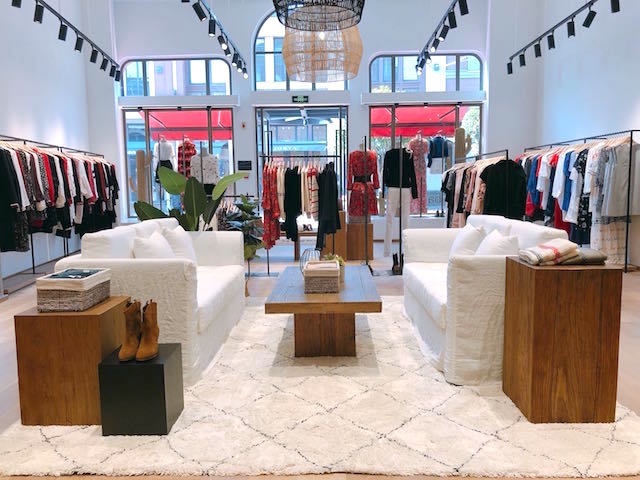
    BA&SH unveiled a new store concept in the US last September, located in New York City’s Nolita neighbourhood, a store designed around themes of friendship and customer experience.

    “We chose New York to test the water with this new concept as this retailtainment experience must be combined with a heavy digital approach and US is clearly ahead of time on this,” says the company’s global CEO Pierre Arnaud Grenade.

    “As the US and Asia are our two strongest focuses for the time being, Hong Kong will definitely be the second city to inaugurate this model.”

    Sustained investments from LVMH-sponsored L Catterton have been supporting BA&SH’s strong growth over the past years and a strong emphasis on Greater China was seen as critical to the brand’s globalisation.

    Hong Kong stores, the first of which opened almost two years ago, now rank within BA&SH’s top five worldwide in turnover. Andouard says that proves the BA&SH concept is a great fit for Asia, with the Hong Kong stores recording average like-for-like sales growth of more than 40 per cent year on year. Some stores in Greater China doubled their sales year on year.

    BA&SH has focused on opening boutiques in premium locations and already counts most of the city’s major retail property owners among their landlords – including Swire, Sun Hung Kai, Sands, Wharf, China Resources and Value Retail.

    “We didn’t bet on such a warm welcome from the local operators, because BA&SH is quite a new concept to Asia,” says Laura Marquant, strategy & development director Apac. “Yet we see the market is becoming more mature and is looking for the freshness BA&SH is offering.”

    E-commerce focus

    Meanwhile, on the strength of the Greater China success, BA&SH has expanded its reach online through Alibaba, opening a flagship on Tmall last June, less than a year after the brand launched in Mainland China.

    “As far as digital is concerned, New Retail and omnichannel are more than ever on the table, and the redesign of the brand’s Hong Kong website with new features and tools are the next steps to come,” says Andouard.

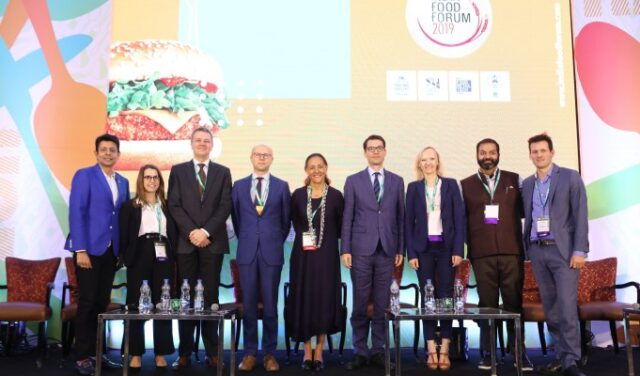
  • India Food Forum 2019: Alliance avenues with foreign partners to expand food market in India

    India Food Forum 2019: Alliance avenues with foreign partners to expand food market in India

    India Food Forum 2019 identified avenues for partnerships in food, beverages and food service industry with Ambassadors, Trade Commissioners and Consul Generals of several countries and highlighted how Embassies and Trade Commissions can play a more pro-active role to facilitate such alliances. Emerging as major market of the world, India offers huge opportunities for manufacturers, producers and providers of products and services from across the globe to sell here or partner with Indian companies to serve this market.

    Acceptance of multinational culture, a growing taste for foods from across the globe, increasing inflow of foreign nationals, willingness to experiment new cuisines and more over avenues to market new products further add to the opportunity.

    The session was moderated by Amit Lohani, Convener, FIFI.

  • China’s SMCP tops 1 billion euros revenue for first time

    China’s SMCP tops 1 billion euros revenue for first time

    Chinese-owned SMCP Group said that total company sales exceeded 1 billion euros in 2018, marking a revenue-first for the French fashion group. “With double-digit sales growth in 2018, SMCP posted a remarkable performance and continued to deliver on its strategic roadmap,” said Daniel Lalonde, SMCP’s Chief Executive Officer. For the year ending December 31, SMCP recorded sales increasing 13%, in line with its previously upgraded full-year 2018 guidance.

    Lalonde said the achievement signalled rapid sales increase was fuelled by online and digital, with the company working hard to fight market headwinds, which have taken out other European retailers in 2018.

    “Our performance throughout the year, and more particularly over the last quarter, demonstrates that SMCP is built on strong foundations and further illustrates the resilience of our business model in the midst of unprecedented market headwinds,” said Lalonde, in a press release.

    “I would also like to place a special emphasis on our significant progress in digital: it has been growing consistently and strongly over the past years and now represents nearly 15% of our total sales,” he added.

    The sales growth included a solid like-for-like sales growth of 3.7% for the twelve-month period “despite challenging market conditions in the fourth quarter,” which saw sales climb less, up 8%.

    Full-year reported sales were up 11.5%, including a negative currency impact of -1.6% reflecting the appreciation of the euro.
    Over the last twelve months, SMCP net openings reached 134 points of sale, including 102 directly operated stores, surpassing its annual target. By region, 59 stores were opened in APAC alone, the zone receiving the most new outlets compared to the Americas and Europe.

    In APAC, the group posted a strong double-digit sales growth of 18.2% at constant currency, driven by mainland China which generated over 20% of sales growth.

    The operator of French fashion brands Sandro, Maje and Claudie Pierlot said Sandro sales grew 6% in 2018, while Claudie Pierlot recorded a 7% increase. Maje was the biggest grower, up 10% for the year.

    For 2018, SMCP confirmed its adjusted EBITDA margin guidance at around 17%.

    Evelyne Chetrite and Judith Milgrom founded Sandro and Maje in Paris, in 1984 and 1998 respectively, and continue to provide creative direction for the brands. Claudie Pierlot was founded in 1984 by Claudie Pierlot and acquired by SMCP in 2009.

    SMCP was acquired China’s Shandong Ruyi in 2016.

  • Who visited Korea in 2018?

    Who visited Korea in 2018?

    Chinese visitor arrivals in South Korea rose 14.9 percent year-on-year in 2018 to 4,789,512, according to new Korea Tourism Organization figures. Chinese arrivals in December 2018 rose 25.2 percent year-on-year. The results confirm a sustained recovery in Chinese tourism from March 2018 as Korean-Chinese relationships improved in the wake of the THAAD anti-missile system dispute that had devastated Chinese tourism for the previous year.

    For the first two months of 2018 Chinese arrivals slumped 43.7 percent, heavily influencing the year-end result.

    However, the 2018 performance was still far short of pre-THAAD levels. In 2016, 8,067,722 Chinese visited South Korea, 68 percent more than the 2018 tally and a 46.8 percent share of total arrivals, compared to last year’s 31.2 percent.

    Japanese market buoyant but political concerns rise

    The Japanese tourism market was buoyant in 2018, rising 27.6 percent to 2,948,527, a 19.2 percent share of arrivals. December saw a 33.5 percent rise year-on-year.

    The combination of concerted Japanese visitor growth and a strong yen has been reflected in increased duty free spending. A report by The Korea Herald said that January 2019 sales to Japanese consumers at Lotte Duty Free’s flagship store in Myeong-dong, Seoul (the country’s biggest travel retail door) had surged 31 percent year-on-year, compared to 15 percent for all nationalities.

    The same report said that Shinsegae Duty Free’s Myeong-dong store posted a 53 percent rise in sales to Japanese shoppers during the same period, while overall turnover at the flagship fell 1 percent.

    But prospects for a continued boom in Japanese tourism may be marred by a worsening political dispute, this time between South Korea and Japan. A military row began on 20 December following an encounter between a Japanese plane and a South Korean destroyer.

    The Japanese claimed that the South Korean warship aimed its fire-control radar at the aircraft while the Koreans contend that the ship was rescuing a North Korean ship drifting in international waters.

    Several more ‘fly-buy’ incidents since then have escalated tensions, leading to fears that the row could “snowball into crisis”, as CNN wrote.

    Departures of Korean nationals (along with Chinese and Japanese the key components of the Korean travel retail industry consumer mix) rose 8.3 percent year-on-year in 2018 to 28,695,983 and 3.8 percent in December to 2,495,279. The year ended much weaker than it began – five of the first six months saw double-digit increases, all of the final six months were under 6 percent.

  • How to be a successful KOL in China?

    How to be a successful KOL in China?

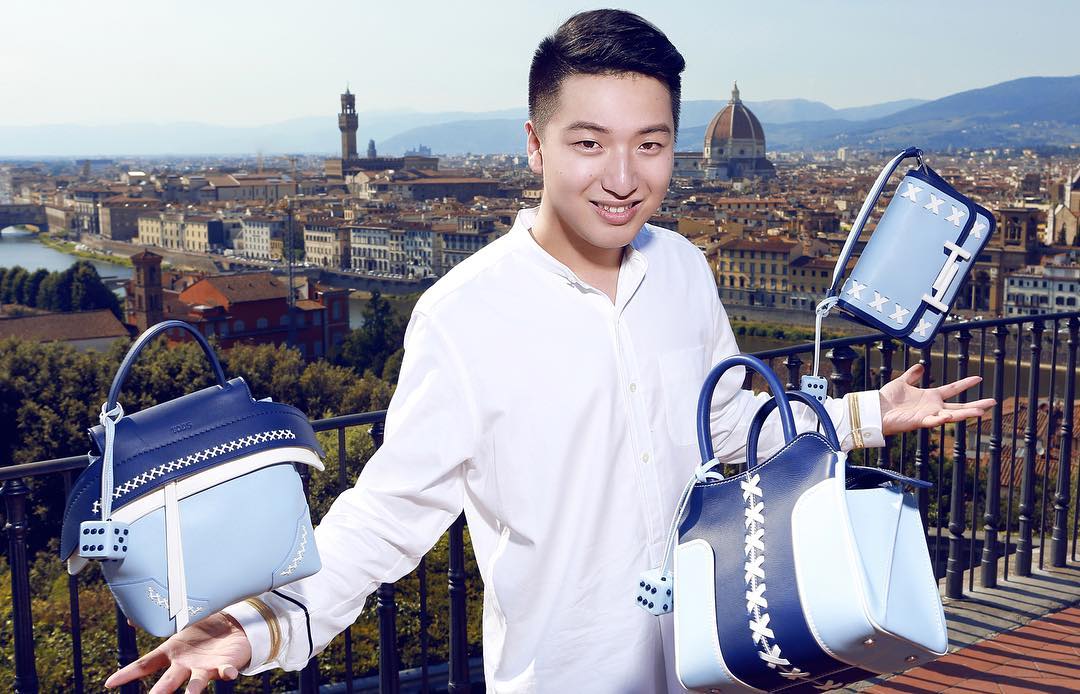
    Why luxury brands willing to expand in China seems to never get enough of  so-called KOLs (key opinion leaders) Tao Liang, nickname “Mr bags”, is a graduate of the University of Southern California and Columbia University. Although he is only 26-year-old, he has already become one of the most successful digital influencers in China, in terms of the ability to drive sales.

    People call him Mr Bags because Liang has an unapologetic love for handbags. So, he has worked on capsule collections with different luxury brands such as Givenchy, Longchamp and Montblanc, boasting a huge following on WeChat and Weibo, which are two of the largest social media networks in China. And he also knows how to sell them to his over 3.5 million readers on China’s biggest social media platform Weibo and more than 850,000 followers on WeChat, a microblogging messaging app.

    In just six minutes, Liang helped Tod’s sell 3.24 million RMB worth of handbags on his new Mini Program shop within WeChat, called “Baoshop.” The second collaboration between the Beijing-based fashion blogger and Tod’s, 500 pieces of the limited-edition “Wave” backpacks were created — double the amount from last year’s capsule collection.

    But how did Liang become a sort of “bag whisperer”? He says that when he was studying in the universities in Los Angeles and New York, he fell in love with luxury bags and loved going on shopping sprees with his friends. It didn’t take long for him to realize that he could turn his passion for handbags into a full-time job but even after he started getting some traction while still in the US, his parents were not entirely happy with his career choice. “Only after I started working with big brands and celebrities like Fan Bingbing they thought that perhaps this was a real business,” he says.

    One issue that often comes up with KOLs is authenticity. When you work with different brands, how do you maintain your integrity without alienating your fans, who trust your opinions to be genuine and unbiased? “This is key for me and I really try our best to maintain that,” says Liang. “One of my advantages is that until not long ago I was based in the US so I wasn’t exposed to all the brand partnerships and advertising that the KOLs were doing in China so my content was 100 per cent pure editorial, but then I started working with brands and get first hand information while also giving my followers the right information and guidance.”

    So how does Mr Bags, a young man with an innate fashion sense and an encyclopedic knowledge of handbags, guide his followers and win their trust? He only works with brands that his fans “naturally love” and turns down offers all the time. Liang’s fan base is mostly female, and he feels that being a man is not a hindrance. On the contrary, by virtue of being a guy, he is able to provide useful and unbiased advice.

    “My name is Mr Bags and lots of people find this name interesting but also confusing because generally bags are for women,” he says. “Normally when girls shop for a bag they don’t think too much and buy it right away, on impulse, so I help them think more rationally. For example, I categorize all the bags and tell them which ones are the classic pieces and the ones that have more staying power and the most iconic ones so I provide some logic behind their purchases. I think that as a guy I’m more objective and I can give them useful tips. I tell them that if you buy a bag that you can use in your life and enjoy it then you feel that your money is well spent and worth it.”

    Liang believes that his editorial work must come first.“Many people think that KOLs just have fancy lives and go everywhere for fun but in China we have so many channels, like WeChat and Weibo, so it’s really a lot,” he says. “I was just updating my channels on the way here. Editorial content is more important for me; 60 per cent of what we do is still editorial.”

    Achieving the right balance between authentic content and remunerative ad-driven projects is the key factor for being a successful KOL, something that is not always as easy as it seems but Liang has already mastered so far.

  • First Binance Blockchain Week Set for Singapore Next Month

    First Binance Blockchain Week Set for Singapore Next Month

    About 2,000 people from around the world are expected to attend the inaugural Binance Blockchain Week in Singapore on Jan. 19-22. The conference, which will take place at the Sands Expo and Convention Centre in Marina Bay Sands, is presented by Binance, the world’s leading cryptocurrency exchange.

    The high-profile event will serve as a platform to bring together regulators, investors, academics, entrepreneurs and technologists to discuss the current blockchain ecosystem and encourage sustainable growth in the industry.

    Binance Blockchain Week will feature more than 70 speakers, including thought leaders, top executives, academics and heads of state in a productive, yet exciting program filled with keynote speeches, panel discussions, fireside chats and exclusive networking events.

    Confirmed speakers include Changpeng Zhao, the founder and chief executive of Binance; Genping Liu, partner at Vertex Ventures; Justin Chow, head of business development, Asia at Cumberland; and Sonia Bashir Kabir, managing director of Microsoft Bangladesh, Myanmar, Nepal, Bhutan and Laos.

    “We are thrilled to host the first ever Binance Blockchain Week in Singapore, the finance and technology hub of Asia. Gathering the most notable players and thought leaders in blockchain, this will be a defining event. We look forward to many thought-provoking discussions and debates on how we can further work together to move the industry forward,” Zhao said.

    There will also be an expo featuring more than 50 booths for sponsors to showcase the best blockchain and cryptocurrency technologies.

    Secure Asset Funds for Users Hackathon

    The inaugural Binance SAFU Hackathon, which aims to seek innovative blockchain solutions to secure crypto assets, will take place at the offices of PricewaterhouseCoopers Singapore in Marina One East Tower on Jan. 19-20.

    The panel of judges includes PwC, blockchain accelerator program Tribe Accelerator and Binance Labs. Participants will have the opportunity to receive mentorships from senior leaders at companies such as the Ethereum Foundation, Primitive Ventures, Earn.com, Binance Labs and IDEO CoLab.

    Individuals and teams interested in participating in the event can submit their applications between Dec. 10 and Jan. 6.

    Twenty developer teams will be selected via pre-hackathons and direct registration on the event website. Pre-hackathons will be held around the world between December and early January.

    Only winning teams will qualify for free passes to the final SAFU Hackathon in Singapore.

    The teams winning the final will share a prize pool of $100,000 in Binance Coin (BNB) courtesy of Binance.

    For more information, check out the Binance Blockchain Week Facebook page or the cryptocurrency exchange’s Twitter profile.

  • Victoria’s Secret opens first flagship store in Australia

    Victoria’s Secret opens first flagship store in Australia

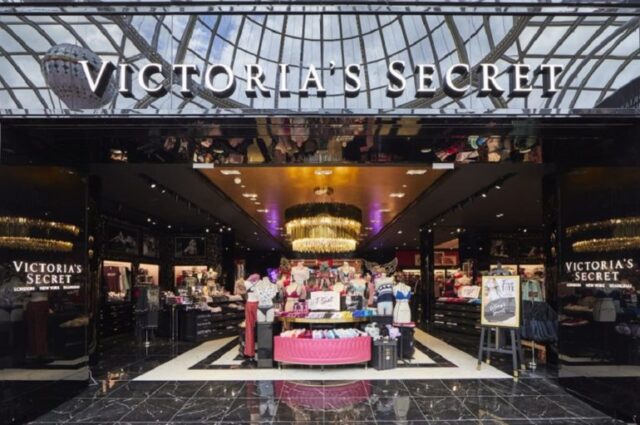
    Victoria’s Secret has opened its debut flagship store in Australia, the first store in the nation to offer the U.S. lingerie giant’s full range of apparel, innerwear and accessories. Located in Melbourne’s Chadstone Shopping Centre, the Victoria’s Secret store opened to much fanfare at 5:30 am local time, with a ribbon cutting ceremony last week.

    Some one thousand women camped outside and waited for a first look at the store, according to local media reports, with the first shoppers getting a $180 voucher.

    Designed to reflect the firm’s New York flagship store on Fifth Avenue, Victoria’s SecretMelbourne is fitted out the brand’s recognised pink, and hosts an in-store display that holds approximately 12,000 pairs of panties.

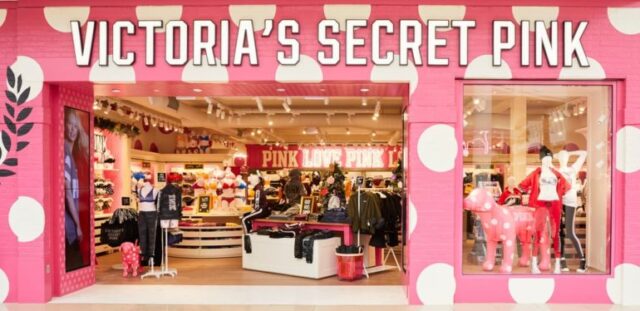
    There’s also a separate entrance for its Victoria’s Secret Pink collections.

    The new Australian store in addition sells Body by Victoria, Very Sexy, Dream Angels, Bombshell, cotton lingerie and Victoria’s Sport athleisure line.

    The Melbourne opening marks the first official Victoria’s Secret store in Australia, separating itself from concession stores inside malls and Australian airports that are limited to selling fragrance and cosmetics.

    Victoria’s Secret recently announced it had appointed fashion executive John Mehas as its new lingerie chief executive.

    Mehas will take over in January, replacing Jan Singer, who has now resigned.

    “Our number one priority is improving performance,” L Brands chairman and chief executive officer Leslie Wexner said at the time of announcing.

    “I am confident that, under John’s leadership, Victoria’s Secret Lingerie…will continue to be a powerhouse and will deliver products and experiences.”

    Victoria’s Secret operates 1600 stores globally.

  • Emart goes digital in high-tech Uiwang store

    Emart goes digital in high-tech Uiwang store

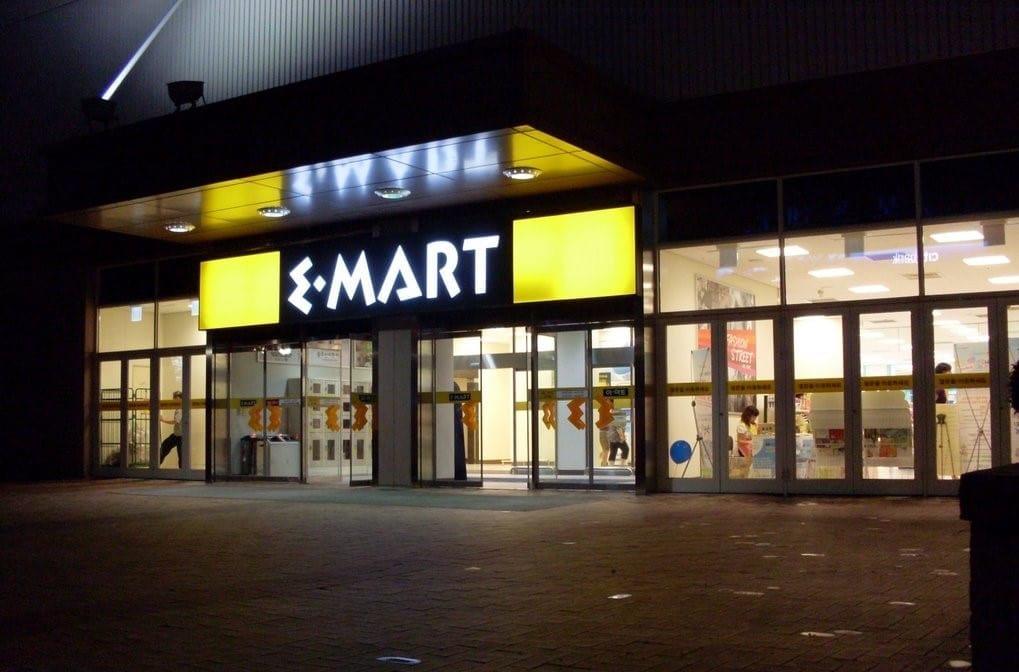
    Emart is going fully digital with its brand new Uiwang branch that will open in Gyeonggi tomorrow. Innovative features of the Uiwang branch – the first Emart store to open in 30 months – include digital displays instead of paper signs and guide robots that can escort customers to desired products. The Uiwang store will span 9,917 square meters (106,745 square feet) across two basement floors in a commercial building.

    “We will introduce a revolutionary format of offline stores that breaks away from tradition in order to meet the challenges of our fast-changing era,” read an Emart report.

    Going paper-free is a big change that Emart hopes will both appeal to customers and help management.

    Price labels will be digitalized and controlled by a central server in the Uiwang branch, allowing store managers to display and change prices with unprecedented ease and speed. The new store will also install digital signage, or electronic displays, alongside elevators, moving walkways and cashiers instead of paper posters for advertisement and notices.

    “By minimizing paper usage, we can provide consumers with a unique shopping experience while practicing green management and boosting productivity,“ read the Emart report.

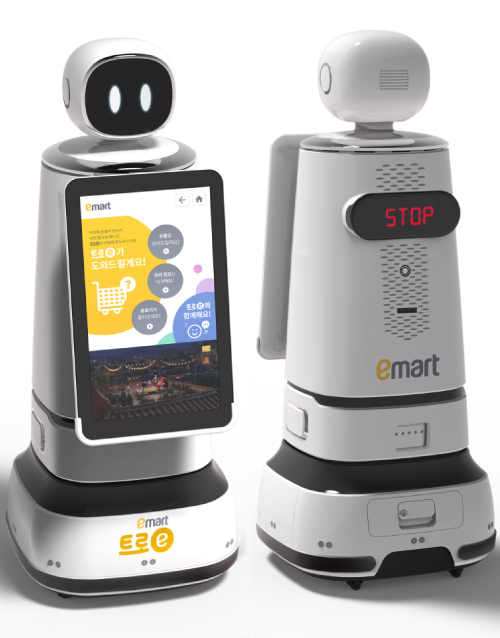
    The new Uiwang store will also be home to Tro.e, an autonomous robot equipped with a 27-inch touch screen that is capable of guiding consumers to desired products and making casual conversation. Like Pepper, a robot the company employed earlier this year at its Seongsu branch in eastern Seoul, Tro.e will only be available for a limited time on a test run at Uiwang.

    Emart developed Tro.e, named after the Swedish word tro, which means trust, together with Future Robot, one of the official robot providers for the PyeongChang Winter Olympics.

    The grocery section of the new store will only be located on the lower floor of the store, while the upper floor will host a variety of affiliated shops including Electro Mart, Pierrot Shopping, Daiz, Boots and a Kakao Friends Store.

    Emart will open a 660-square-meter “Culture Lounge” for customers to read books and purchase beverages.

    “We will continue striving to offer consumers a unique shopping experience with our distinctive products and digital shopping environment,” said a senior manager in charge of development at Emart.

  • Samsonite to support global fight against plastic bottles

    Samsonite to support global fight against plastic bottles

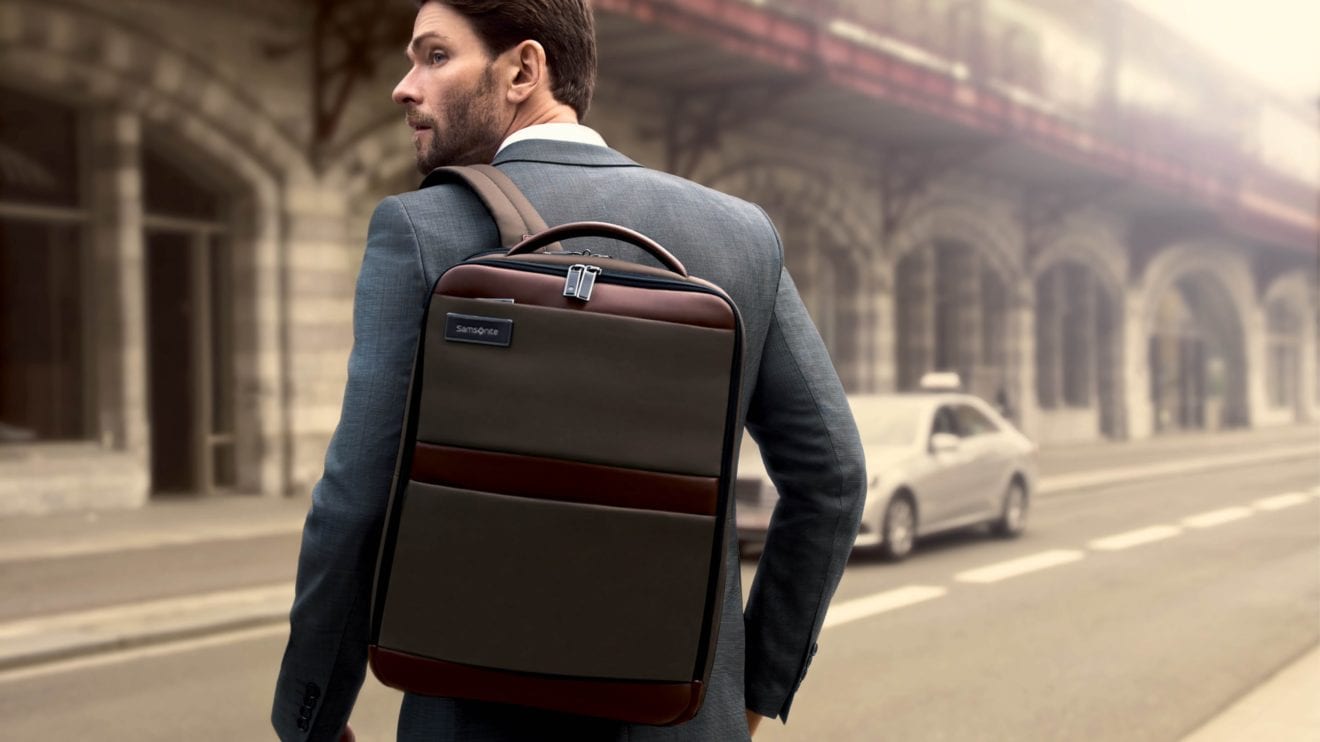
    Samsonite has launched an eco luggage collection for Asia made of Recyclex, a material comprising 100 per cent post-consumer recycled plastic (PET) bottles. As part of its public-facing environmental program, Samsonite has been working with one of its suppliers to create sustainable materials suitable for travel and lifestyle products. The company claims its new innovation Recyclex is as durable and reliable as Samsonite’s polyester fabric made from virgin materials, with the added benefit of reducing plastic waste.

    Subrata Dutta, president of Samsonite Asia Pacific said sustainability is a priority that runs through Samsonite’s products.

    “We recognise that travellers are increasingly aware of environmental protection and looking for ways to reduce their environmental footprint … We expect to generate stronger awareness of environmental protection in the market, and will continue to seek opportunities to maximise the use of recycled and recyclable materials in our products and packaging.”

    The products consumed more than 400,000 recycled plastic bottles in Asia. On some items, cork serves as an alternative for the polyurethane trim on the carry handles, logo, ID tag and back protection.

    Over the next two years, Samsonite will launch at least 30 product lines worldwide made from recycled materials such as rPET and recycled polypropylene.

  • Troubled Mr. Pizza heads for Kosdaq delisting

    Troubled Mr. Pizza heads for Kosdaq delisting

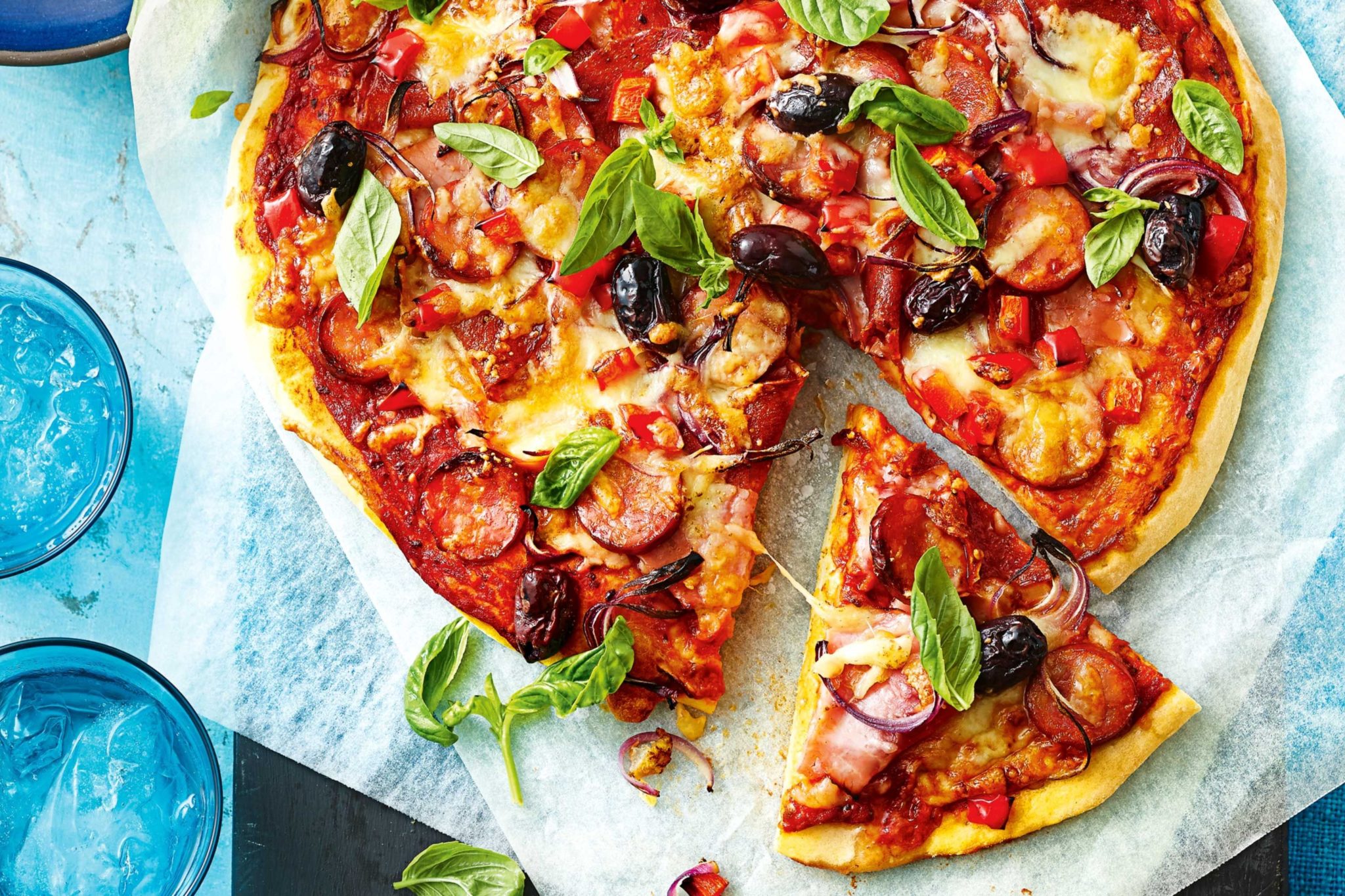
    Troubled pizza company MP Group may soon be delisted from the Kosdaq after nine years on the exchange. Korea Exchange announced Monday that a committee on corporate evaluation agreed to delist the company, which operates pizza franchise Mr. Pizza, from the secondary board. Another committee, which is specifically responsible for Kosdaq listings, will reach a final decision by Dec. 24 on whether to delist MP Group or grant it time to its improve performance.

    Chances are high that the MP Group will face delisting by the end of this month. The company had already been given 12 months last October to address issues of concern, but was unable to turn its finances around.

    MP Group recorded 11.14 billion won ($10.07 million) in net losses last year, according to the Financial Supervisory Service (FSS). The situation only improved somewhat this year, with the company reporting 1.04 billion won of net losses in the first three quarters of 2018.

    At the height of its popularity, Mr. Pizza was Korea’s largest pizza chain, with around 433 franchisees in 2014. Though the Mr. Pizza brand started off in Japan, it was in Korea where it became a huge success, riding a wave in the domestic pizza market.

    Jung Woo-hyun, a former chairman, introduced the first Mr. Pizza store in Korea in 1990 and eventually bought the Japanese parent in 1996. By August 2009, MP Group was listed on the Kosdaq.

    The pizza company’s affairs took a dramatic turn for the worse in 2016 when Jung made headlines for a series of alleged offenses, ranging from the physical assault of a security guard to fair-trade violations.

    As accusations continued to surface of Jung and the MP Group’s gapjil, or abuse of power, consumers turned their backs on the franchise. The reaction took a toll on MP Group’s profits, and the number of Mr. Pizza stores quickly dropped.

    The biggest blow came last July when Jung was arrested for embezzlement and breach of trust.

  • US, China trade war finally (temporary) stops

    US, China trade war finally (temporary) stops

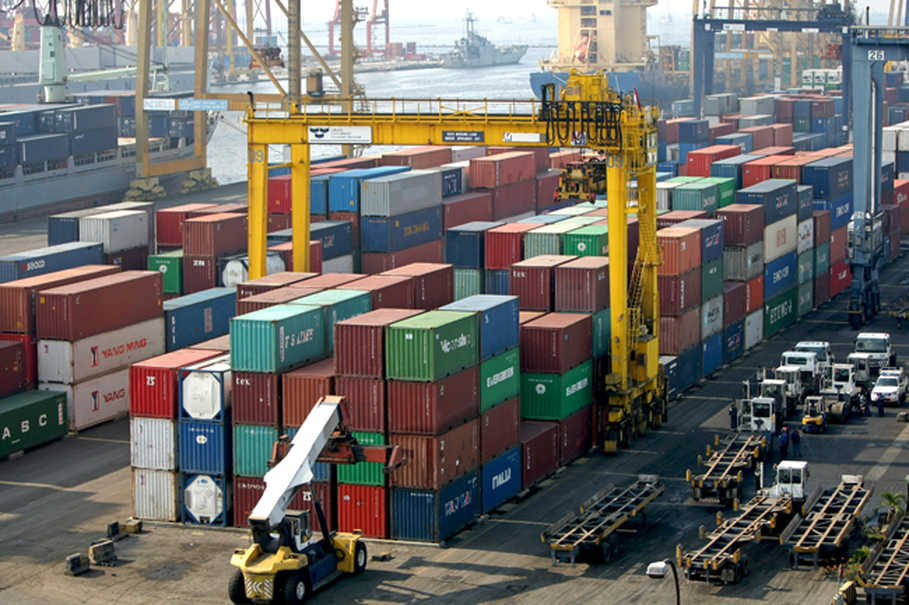
    China and the United States agreed to a ceasefire in their bitter trade war on Saturday after high-stakes talks in Argentina between US President Donald Trump and Chinese President Xi Jinping, including no escalated tariffs on Jan 1. Trump will leave tariffs on US$200 billion (RM835.8 billion) worth of Chinese imports at 10% at the beginning of the new year, agreeing to not raise them to 25% “at this time”, the White House said in a statement.

    “China will agree to purchase a not yet agreed upon, but very substantial, amount of agricultural, energy, industrial, and other product from the United States to reduce the trade imbalance between our two countries,“ it said.

    “China has agreed to start purchasing agricultural product from our farmers immediately.”

    The two leaders also agreed to immediately start talks on structural changes with respect to forced technology transfers, intellectual property protection, non-tariff barriers, cyber intrusions and cyber theft, services and agriculture, the White House said.

    Both countries agreed they will try to have this “transaction” completed within the next 90 days, but if this does not happen then the 10% tariffs will be raised to 25%, it added.

    The Chinese government’s top diplomat, state councillor Wang Yi, said the negotiations were conducted in a “friendly and candid atmosphere”.

    “The two presidents agreed that the two sides can and must get bilateral relations right,“ Wang said adding they agreed to further exchanges at appropriate times.

    “Discussion on economic and trade issues was very positive and constructive. The two heads of state reached consensus to halt the mutual increase of new tariffs,“ Wang said.

    “China is willing to increase imports in accordance with the needs of its domestic market and the people’s needs, including marketable products from the United States, to gradually ease the imbalance in two-way trade.”

    “The two sides agreed to mutually open their markets, and as China advances a new round of reforms, the United States’ legitimate concerns can be progressively resolved.”

    The two sides would “step up negotiations” toward full elimination of all additional tariffs, Wang said.

    The announcements came after Trump and Xi sat down with their aides for a working dinner at the end of a two-day gathering of world leaders in Buenos Aires, their dispute having unnerved global financial markets and weighed on the world economy.
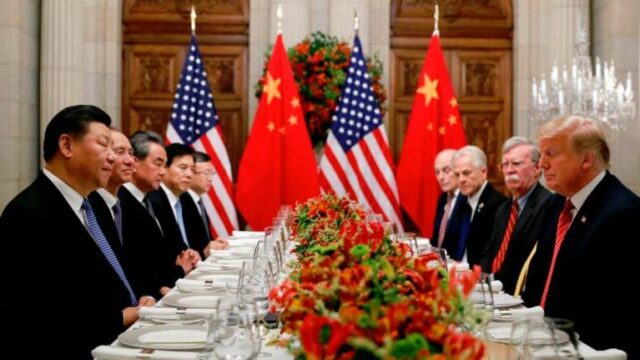
    After the 2½ hour meeting, White House chief economist Larry Kudlow said the talks went “very well,“ but offered no specifics as he boarded Air Force One headed home to Washington with Trump.

    China’s goal was to persuade Trump to abandon plans to raise tariffs on US$200 billion of Chinese goods to 25% in January, from 10% at present. Trump had threatened to do that, and possibly add tariffs on US$267 billion of imports, if there was no progress in the talks.

    With the United States and China clashing over commerce, financial markets will take their lead from the results of the talks, widely seen as the most important meeting of US and Chinese leaders in years.

    The encounter came shortly after the Group of 20 industrialised nations backed an overhaul of the World Trade Organisation, which regulates international trade disputes, marking a victory for Trump, a sharp critic of the organisation.

    Trump told Xi at the start of their meeting he hoped they would achieve “something great” on trade for both countries. He struck a positive note as he sat across from Xi, despite the US president’s earlier threats to impose new tariffs on Chinese imports as early as the next year.

    He suggested that the “incredible relationship” he and Xi had established would be “the very primary reason” they could make progress on trade.

  • Dolce & Gabbana chaos continues

    Dolce & Gabbana chaos continues

    Dolce & Gabbana has cancelled a high-profile catwalk show in Shanghai following an outcry over what many in China perceived to be a racist marketing campaign. The Italian brand products have now been dropped by e-commerce giants Alibaba, JD and Yoox Net-A-Porter. Leading Chinese e-commerce platforms Alibaba and JD.com were joined by Suning, VIPshop, Secoo and Netease in dropping the Italian fashion house’s products from sale.

    Hong Kong-based luxury department store operator Lane Crawford has also joined Chinese retailers in dropping Dolce & Gabbana products after it offended Chinese partners and internet users this week.

    Andrew Keith, president of Lane Crawford, told the Post: “With respect to our customers, we have taken the decision to remove Dolce & Gabbana from all stores in China, online and in Hong Kong.”

    The decision would take effect at 1pm on Friday, Lane Crawford said.

    Amazon China and Yoox Net-A-Porter have also removed products, with the latter dropping the brand from its Net-A-Porter, Mr Porter and Yoox.com platforms.

    Meanwhile, high-profile Chinese celebrities and KOLs including actors Li Bingbing, Chen Kun, Diliraba, Zhang Ziyi and actor-singer Huang Xiaoming were among a host of stars distancing themselves from the brand and vowing not to buy D&G products.

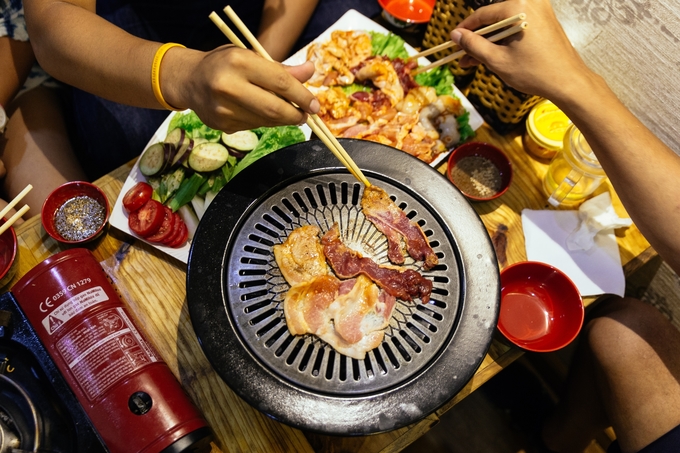
    A video posted on Weibo Monday of a Chinese model attempting to eat Italian food with chopsticks was taken down after less than 24 hours, but widely shared on both Chinese social media platforms and Instagram.

    The social media storm was made worse by comments attributed to Stefano Gabbana and Dolce & Gabbana’s official Instagram accounts on Wednesday, the day the brand’s #DGTheGreatShow catwalk presentation was scheduled to take place in Shanghai.

    In what Dolce & Gabbana claims was the result of a hack, the brand’s social media accounts featured derogatory comments about China and Chinese internet users.

    Though quickly removed, screenshots of the comments were widely shared on Chinese social media, along with the trending hashtag #BoycottDolce. The Weibo hashtag #DGTheGreatShowCancelled has been read 540 million times, and mentioned in 74,000 discussions.

    Show invitees have been informed that the 500-look runway event will no longer go ahead.

    China Bentley Modelling agency released an official statement saying 24 of their models who were booked to walk in D&G’s first Shanghai fashion show were boycotting the event.

    The Chinese government also stepped in with the Cultural and Tourism Department ordering Dolce & Gabbana to cancel the event just a few hours before it was scheduled to take place.

    Chinese consumers have flooded social media platforms Weibo and WeChat criticising the brand and posting videos and images of D&G products being destroyed, burned and used to clean floors and line animal litter trays. Security guards and police officers have been stationed outside Dolce & Gabbana stores in Beijing and Shanghai.

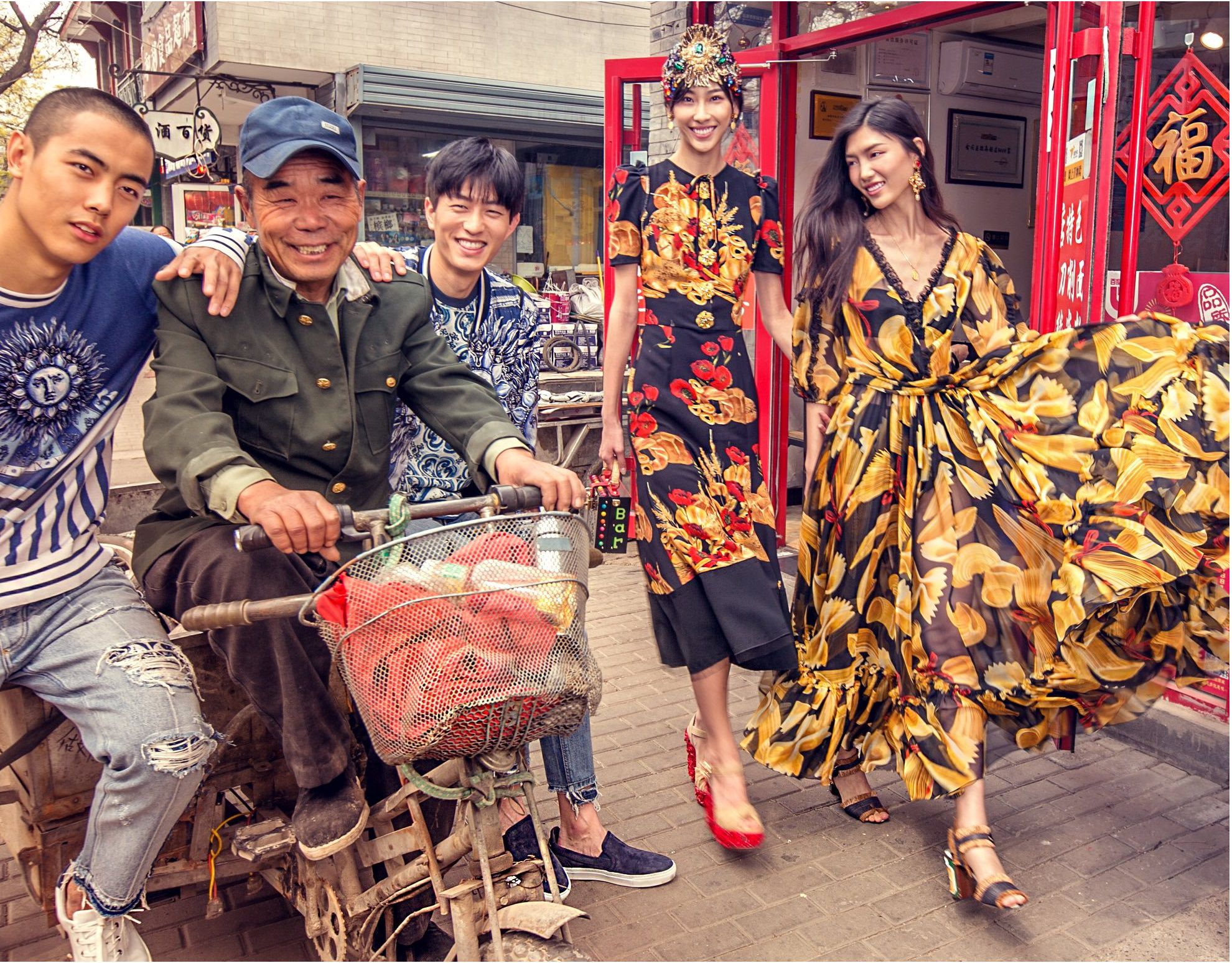
    This marks the second high-profile outcry over racist messaging from Dolce & Gabbana in only 18 months. A previous #DGLovesChina campaign depicted Beijing in a way that Chinese internet users felt looked backwards and underdeveloped.

    Both Gabbana and co-founder Domenico Dolce have been accused of making politically insensitive statements, from referring to babies conceived by in vitro fertilisation as “synthetic”, to refusing to support the right of gay parents to adopt.

    The duo has also described gladiator sandals as “slave sandals” and were quick to endorse First Lady Melania Trump.

    Gabbana in particular has a history of posting insensitive comments on social media, and came under fire for calling Selena Gomez “ugly” on Instagram in June, and the Kardashian family “the most cheap people in the world” in July.

    Though the designer duo have been known for using social media to voice their controversial opinions, upsetting Chinese consumers could have far-reaching commercial consequences.

    According to Bain & Company’s latest report on the luxury market, Chinese consumers account for an estimated 33 percent of global luxury goods spend, a share that is likely to hit 46 percent by 2025.

    Seeing as Chinese support can make or break a brand’s performance, how the label manages the controversy will be critical for its future success in the market.

    Dolce & Gabbana could not yet be reached in China or Milan for comment.

    According to a post published on Dolce & Gabbana’s Weibo account on November 21, the event has been rescheduled, and the brand has apologised for the inconvenience caused.

    Dolce & Gabbana reposted Gabbana’s ‘Not Me’ screenshot on its Weibo account, accompanied by the following statement, which mirrors the brand’s post on Instagram: “Our Instagram account has been hacked. So has the account of Stefano Gabbana. Our legal office is urgently investigating. We are very sorry for any distress caused by these unauthorised posts, comments and direct messages. We have nothing but respect for China and the people of China.”

    Last Friday, Dolce & Gabbana released a video of apologies, but the situation is not getting any better. The video was received as a way for the brand to preserve their own economic interests.

    Now, increasing attention has been given to similar episodes related to other brands, and media are populated with advertising campaigns, which show how while targeting overseas markets, lack of knowledge of local culture could be fatal to a business.

    Among the cases mentioned over the weekend, Chanel and its luxury boomerang, and Dior and Jennifer Lawrence featuring Mexican heritage without Mexican women (cultural appropriation), Zara and Nazi symbolism, and many more. However, Dolce & Gabbana case has been the first one with such global economic consequences.