Category: Uncategorized

  • New Daikin AC For EVs Can Extend Range By 50%

    New Daikin AC For EVs Can Extend Range By 50%

    Daikin which is the Japanese air conditioning major has revealed that it has developed an air conditioner that can help EVs extend their range by up to 50 per cent which is a huge gain. The report comes from Nikkei Asia, the Japanese financial daily. The report states that Daikin is preparing to commercialize the technology by 2025.

    Daikin claims that it has a refrigerant that has a boiling point of 40-degrees Celsius which is 10-15 degrees lower than most conventional products. This means it draws lesser power for compression which helps in turn dramatically improve the range of EVs. Daikin has made a bold claim saying that a car that will give 200 kilometers of range in Japan could do 300 kilometers if it was outfitted with this AC.

    The product is currently being verified for its performance and safety in operating conditions by the US industry group SAE international. Daikin, of course, isn’t just the biggest air conditioner maker from Japan but by sales, it’s the world number 1. Currently, it doesn’t operate in the automotive market, so this will mark its entry into the segment.

    Currently, many automakers like Tesla make the HVAC system on their own. In fact, many times Elon Musk has mused that if Tesla were to commercialize its HVAC for home use, it would be class-leading because of the break through’s it has made to make sure the system doesn’t compromise either on air quality, cooling and range at the same time.

  • North Asia Specialist Joins Indosuez Singapore

    North Asia Specialist Joins Indosuez Singapore

    He brings extensive knowledge of the regional wealth management industry, as well as the North Asia market, from his experience as a team leader for other global wealth managers.

    Indosuez, the global wealth management brand of Crédit Agricole Group, has appointed Alfred Low as the firm’s Head of North Asia Market and Strategic Partnerships in Singapore, effective September 2021, according to an announcement on Tuesday.

    Low joins the firm following senior management and advisory roles covering North Asia clients at HSBC Private Bank, Credit Suisse Private Bank, UBS Wealth Management, and Citigroup Private Bank. He previously held various functions with the Ministry of Trade and Industry in Singapore.

    Omar Shokur, Indosuez CEO, Asia, and Singapore branch manager, said the firm is committed to North Asia an is deepening its talent pool to better serve clients.

    North Asia, in particular, is one of the world’s fastest wealth creation region and is an important growth market for Indosuez, Shokur said.

    As of end-2020, the firm had €128 billion in assets under management.

  • 4 important things to do when starting an ecommerce business

    4 important things to do when starting an ecommerce business

    Creating a new ecommerce store is no longer an arduous task, as the processes to bring a store online have become more streamlined.

    You now have a variety of ecommerce out-of-the-box web builders pre-built with store pages, user login areas, payment systems, and promotional options. In most cases all you need to do is add your brand’s logo, upload your items on relevant pages, add a description, photo, and then set your price—you are ready to go!

    Although the process is easier than ever before, there is still a list of important prerequisites you need to research and implement before you launch your new site and create a new buzz in your chosen marketplace.

    1.           Choosing the right ecommerce website builder

    Most pre-packaged ecommerce stores are brilliant to put it simply. The architecture behind them is so good that even the lesser tech savvy of us out there can figure out how to create a fully operational store. However, that does not mean to say that you should just go out there and pick the first one you like the look of. And there are some good reasons why you need to choose the right one for your ecommerce project you need to take heed of.

    Although many ecommerce web builders are easy to set up, you may find that some features are not free. You should compare ecommerce platforms, use demos available, and take a close look at the monthly costs versus free tools that come with the package.

    The best ecommerce website builders, like Wix for example, offer free web hosting, 24/7 support, domain security via 128-bit SSL encryption HTTPS, and you can get a personalized business email with a custom domain name. You can even use the Wix business name generator and once you are happy with the name, you can then choose your domain name.

    Other sites may not offer the little things that matter, and save you time, which just complicates things and adds additional costs. Therefore, in the case of Wix, you are getting an all-in-one solution under one roof.

    2.           Create Social Media Profiles

    Social media is not just a way to promote your site, but it is also a way to build a brand presence. As long as you offer a top-quality service, you should get great reviews, and it also gives you a chance to connect personally with your customers via the comments section and personal messenger tools.


    Another reason social media is important is because each platform helps you to connect with different audience types, i.e., personalities, demographics, and those with varying buyer behaviors. Facebook, Instagram, Twitter, and Pinterest all have unique audiences and statistics.

    “Did you know? Shopping is a top priority for 48% of Pinterest users and Pinterest is most popular with women—especially moms (Source: blog.hootsuite.com)”

    It is these crucial facts about certain social media platforms that will determine whether your ecommerce product will fit or attract those using these platforms!

    3.           Use Consistent Marketing Messages

    Marketing is a strange game, and for those new to it, rookie mistakes are inevitable no matter how much you read up on the subject. That is, unless you have a marketing degree or experience in the field.

    Now marketing a product all seems straightforward, and in many respects it is. You are selling a product; it has unique selling points, and you need to highlight them. However, here is where it gets tricky causing your business to trip even when they have the best intentions in mind.

    Today we have little choice but to use multiple advertising and social media platforms. The problem is that messages across these platforms often get mixed up. Even large corporations are still guilty of sending out different brand/marketing messages across their digital and offline marketing platforms. By doing so, this only serves to confuse customers and tarnish your brand reputation.

    Therefore, the message here is clear—always remain consistent across every platform you use to project your brand name, be it Facebook, Google Ads, guest post blogging, or offline magazine/newspaper ads. And more importantly, ensure these messages match exactly what your website ‘says’, ‘displays’, and ‘offers’.

    4.           Customer Support

    The very last point to make is probably the most important for long-term success. Yet, we left it until the end because you need to get the above 3 points spot on before your customer services kick into action.

    In the past, ecommerce was great. You could set up a store, visitors come, they buy, and you kick back and enjoy the ride as your automated emails and online sales systems do all the hard work for you.

    Now while that worked in the past to some extent- having no live support, email support, after care, pre-sales care, and out of business hours support like chat bots used by Cebu Pacific. Without these vital customer care components in place, you could lose your clientele to your competition that have more efficient customer care solutions.

    Therefore, make sure you research customer services, how to scale your customer support, and how to reward as well as continue to retain your loyal customers. You should also look at how companies lost their reputation and ended up sinking ships because they implemented poor customer support solutions.




  • Apparel retailer Bossini reveals customer data hack

    Apparel retailer Bossini reveals customer data hack

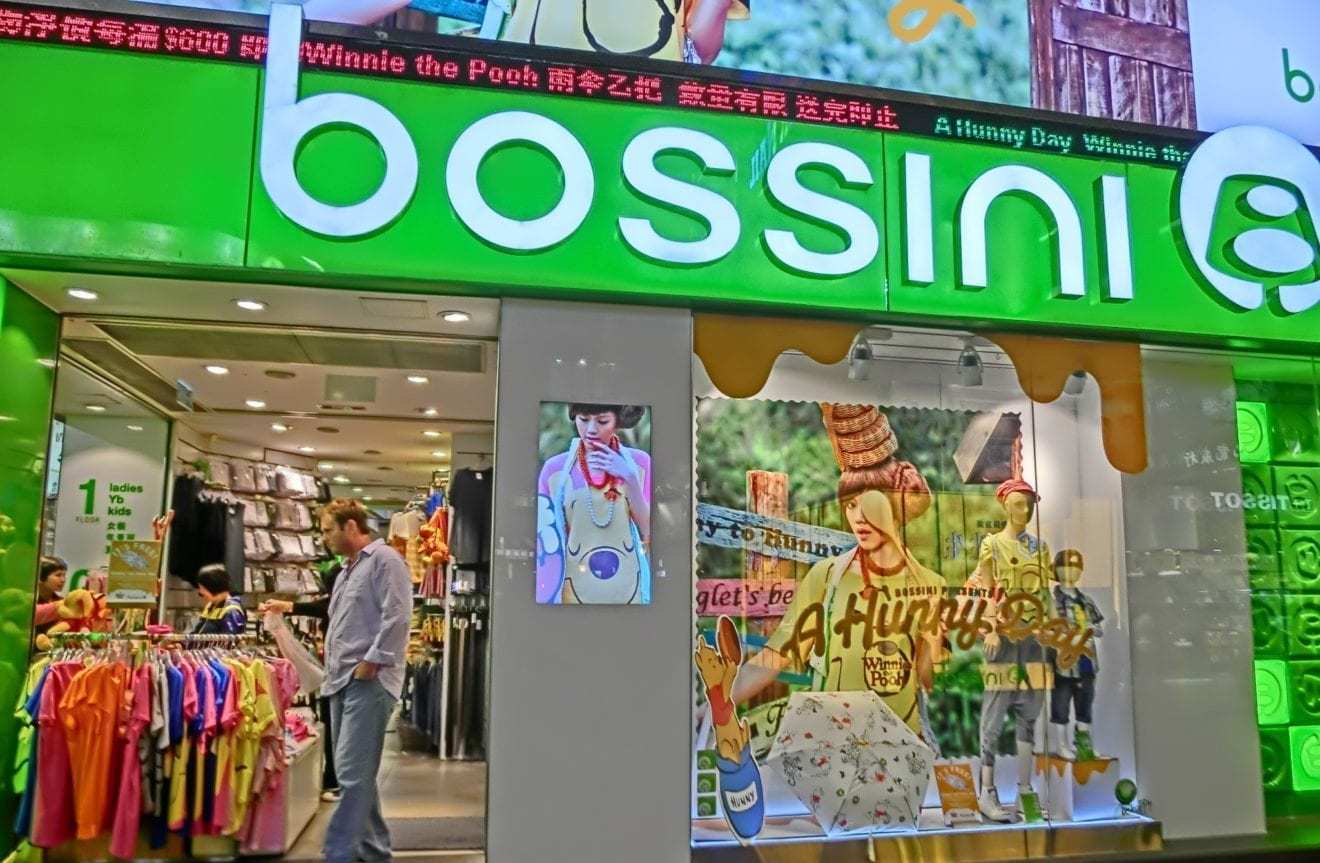
    Hong Kong-based apparel retailer Bossini says its database of loyalty program members and online customers was hacked earlier this month.

    The company says the information accessed without authorization on or around June 3 included customers’ names, addresses, phone numbers, email addresses, gender, age range and month of birth.

    “The leaked files do not contain any information on the identification card numbers and credit card numbers or payment information of these customers,” the company said in a statement released under the name of its chairman Bess Tsin.

    “Upon discovery, we took immediate action to contain the event and commenced a detailed investigation with the assistance of a leading cybersecurity firm. With the steps taken, we believe that the data breach situation has been contained.”

    Customers with concerns about the breach have been invited to email Bossini at the address customerservices@bossini.com for further information.

    Tsin said that for customers to complete a purchase on its website they are directed to a secure third-party payment gateway. No credit card information is stored by Bossini during any transactions either instore or online.

    Bossini has reported the data breach to Hong Kong police.

    “We will continue to monitor the security of our systems and take further steps as necessary and as of now, to the best of our knowledge and that of our cyber security adviser, we have substantially secured the company’s systems,” said Tsin.

  • Axa’s Architas Launches Asia Business

    Axa’s Architas Launches Asia Business

    The firm has launched a Hong Kong-based asset management business and made several appointments to support its growth.

    Architas, part of the global Axa group, was approved by Hong Kong regulators as an asset manager last week. The firm announced several appointments: Zaid Alrifai as head of Architas Asia; Mai Khanh Vo as chief investment officer; and Beatrice Jiang as head of legal and compliance.

    Alrifai joined Axa in 2009, and was most recently its Hong Kong-based head of business development. Mai, Axa Asia’s head of investment, joined the firm in 2017, after almost 19 years at Amundi Asset Management in France. Jiang joined the Axa in 2018 and was previously legal counsel at BNP Paribas Investment Partners.

    Supporting Architas Asia’s operations are offshore responsible officers Nicolas Deschamps, Architas global head of client group, and Jaime Arguello, global chief investment officer.

    The launch of our Hong Kong business is a key milestone in our mission to drive the growth of open-architecture investment solutions, said Matthieu André, who was appointed CEO of Architas in January. Previously, he was deputy CEO and chief strategic development officer of Axa Europe. He joined the firm in 1995.

    André said Architas’ move strategically supports Axa group’s unit-linked strategy in Asia by providing credible and independent fund selection.

    In 2017, Architas launched three Irish-domiciled globally diversified multi-manager funds as part of its regional offer in Asia. The firm recorded €35 billion in assets under management as of 31 December 2019.

  • Strict Thai curfew forces stores to close cross nation

    Strict Thai curfew forces stores to close cross nation

    Thailand’s government has imposed an overnight curfew effective tonight that will force the closure of tens of thousands of convenience stores and street vendors.

    The curfew will run from 10pm to 4am. During that time all Thais and visitors to the country must remain indoors, with exceptions only for emergency services, medical workers and patients.

    Further exemptions include the transportation of goods, farm produce, medical supplies, fuel, parcels, goods destined for export or import, vehicles transporting people to quarantine sites, shift workers, and people traveling to or from airports.

    People who breach the curfew face up to two years in jail and/or a fine of up to Bt40,000 (US$1200).

    A majority of Thailand’s 7-Eleven stores, and rival chains, in urban areas traditionally trade 24 hours a day serving shift workers and tourists, but as of tonight, they will be forced to close.

    The move follows a ban on restaurants and bars serving customers on-site and a total, indefinite liquor retailing ban in one northern province.

    Thailand’s usually vibrant tourist industry has been decimated by the coronavirus epidemic with foreigners now all but banned from entering the nation and lockdowns and social-distancing measures being enforced nationwide.

    In addition to the curfew, public transport will be suspended across Thailand from 9.30pm to 4am, from tonight onwards.

    As of Thursday, Thailand had reported 1875 cases or coronavirus and 15 fatalities.

  • HKTV Mall sets records as Hongkongers move online during coronavirus crisis

    HKTV Mall sets records as Hongkongers move online during coronavirus crisis

    HKTV Mall has achieved the highest monthly turnover of its six-year history in the wake of the coronavirus crisis.

    In a personal post on social media, HKTV Mall CEO Ricky Wong said the e-commerce company achieved sales of HKD482 million (US$62 million) last month, compared with HKD179 million ($23 million) in February last year.

    As Hongkongers choose to self-isolate and avoid crowds, constantly rising demand for daily essential supplies is fuelling a new wave of online shopping in the territory. Orders have surged year on year from an average of 12,300 a day to 32,600.

    During the initial days of the coronavirus outbreak in January, the epidemic sparked momentum for online shopping with HKTVmall experiencing a 64.7-per-cent uptick in its average orders to 22,400 a day. However, customers were met with prolonged waiting times for both end-to-end delivery and self pick-up, which prompted the retailer to expand its click-&-collect network to more than 100 additional locations in partnerships with various retail chains. This included HKTV Mall’s own O2O shops, its mobile pick-up trucks and other merchants’ pick-up points across the city.

    In a LinkedIn post, Wong said the company’s recent success was attributable to its ability to adapt during moments of crisis and said he hopes “all retailers in Hong Kong will take this opportunity to change their mindset and mode of operation to make more use of technology to alleviate pressure from landlords”.

    HKTV Mall now reigns as the top local operator in the market, despite facing tough competition with Alibaba and JD.com in the past, as local consumers favored cross-border shopping due to its low pricing. And, since the protest movement began last year, many locals have opted to boycott China businesses helping HKTV Mall to rise through the ranks. Wong’s pro-democratic stance helped the brand as well.

    HKTV Mall was one of the first local companies to source surgical masks as the city faced shortages early on in the coronavirus crisis. Wong bought a face mask machine at his own expense, paying four times its normal cost at US$200,000 (HK$1.56 million) and sourcing raw materials from a supplier in Taiwan in order to produce more than 1 million masks in just 30 days.

    The empathy the retailer showed towards Hong Kongers has since earned the brand top spot among local consumers on YouGov’s Brand Index, reflecting positive affiliation.

    Hong Kong has always been slow to adopt e-commerce given the city’s compact nature, rendering online shopping unnecessary, to say the least. Revenue from e-commerce only makes up 11 percent of Hong Kong’s total retail spend (SCMP, 2018) and only a quarter of Hong Kongers shop online (eShopworld, 2018) despite a high internet penetration. However, there is good growth potential in the digital space as it is forecast to expand at a CAGR of 10.2 percent by 2021 (China Daily, 2017).

    The epidemic has propelled changes in consumer behavior and accelerated adoption, although has left many single-channel retailers under pressure due to the absence of a digital presence. However retailers has been alert and responsive to the opportunity as we’ve witnessed many partnerships come to fruition between online platforms and local merchants to achieve quick turnarounds, such as Pandamart’s 15-minute deliveries with local traders, and ticketing system The Gulu, partnering with Sasa and Japan Home Centre in the distribution of masks.

  • AirAsia offers up to 30% off for flights from KL

    AirAsia offers up to 30% off for flights from KL

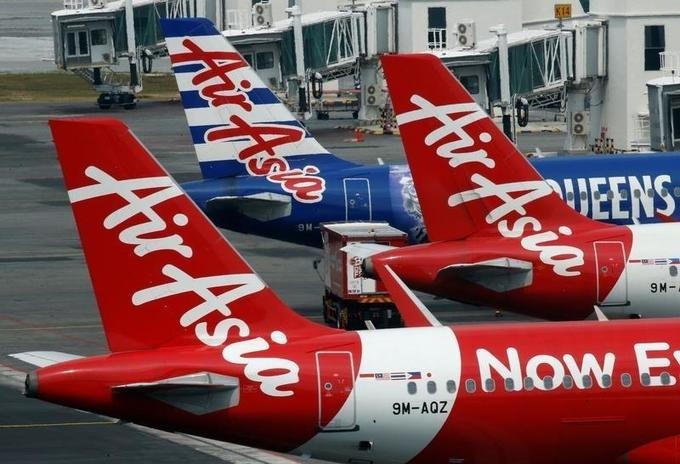
    AirAsia Group Bhd is offering 30% off all its flights out of Kuala Lumpur from now until Feb 23, except those operated by AirAsia India and AirAsia Japan.

    The special sale is for travel between Feb 24 and Sept 30.

    In a statement today, AirAsia said the discounted base fares are for short-haul flights from Kuala Lumpur to destinations such as Johor Baru, Bintulu, Kuantan, Maldives, Krabi and Kolkata.

    “Our goal is to make travel more affordable and seamless than ever before as we continue our transformation to become a leading online travel package platform — now offering much more than just airfares,” airasia.com CEO Karen Chan said.

  • AirAsia active, falls 2.52% on potential RM1.1b loss amid Covid-19 outbreak

    AirAsia active, falls 2.52% on potential RM1.1b loss amid Covid-19 outbreak

    Shares in low-cost carrier AirAsia Group Bhd (AAGB) fell by as much as 2.52% at mid-morning following a report by CGS-CIMB Research that flagged a potential core net loss of RM1.1 billion for the aviation group amid the ongoing Covid-19 outbreak.

    As of 10.45am, shares in AAGB fell 3 sen to RM1.16, giving the group a market capitalization of RM3.88 billion.

    AAGB saw 14.77 million shares traded and is the sixth most actively traded counter on Bursa Malaysia today.

    At the time of writing, AAGB is just one sen away from its one-year low of RM1.15 on Feb 4, 2020.

    CGS-CIMB Research had opined in a note to investors that it was expecting AAGB to post a core net loss of RM1.1 billion in the financial year ending Dec 31, 2020 (FY20), from its previous expectation of a RM147 million core net profit.

    This was due to the impacts of the Covid-19 outbreak on passenger movements, particularly as AAGB’s operations in Malaysia, Thailand and the Philippines have significant exposure to the North Asia region, which includes China.

    These impacts include lower passenger demand and yield.

    The research house had also slashed its target price (TP) on the low-cost carrier to RM1.03, from RM1.58 previously, while maintaining its hold call on the stock.

    The lower TP is based on a lower 2020 price-to-book value (P/BV) of 0.73 times (from 1 times), which is two standard deviations below its P/BV mean since 2013.

    “AAGB is less able to tolerate unexpected changes to demand and yields given that its profitability has already been ravaged by the higher cost of leasing planes, with virtually all of its planes having been sold and leased back in the past two years. AAGB has already lost its lustre among investors, and Covid-19 will turn conditions far more hostile,” CGS-CIMB said in a note Feb 17.

    In terms of analyst coverage, AAGB has 22 analysts covering it — with 10 sell calls, 10 hold calls and only two buy calls.

    Its consensus TP stands at RM1.41 — with TPs among the analysts ranging from RM1 to RM2.16.

  • Google brings iPhone support for an important security feature

    Google brings iPhone support for an important security feature

    In the age of digital security, two-factor authentication, or 2FA, is one of the most important lines of defense against a wide array of cybersecurity issues. Recently, Google released an update to let iPhone users take advantage of this tech a lot more easily.

    Need a refresher on what 2FA is? Basically, it’s a security system that requires two different authentication mechanisms to bypass, which are often based on something you know or have, such as a password or security key. Over decades, this technology has been integrated neatly into our lives, as the PIN code on your ATM card, perhaps, or, more recently, as those ubiquitous codes texted to you whenever you do basically anything.

    Several years ago, Google announced a new way of using 2FA, where your phone can act as its own security key, or one of the two factors you need to unlock your account. You might have run into this system if you’ve recently tried to reset your Gmail password from your computer—you were probably able to reset it just by interacting with a notification on your phone. The system is super simple, easy to use, fast, and secure.

  • Muji launching in Vietnam

    Muji launching in Vietnam

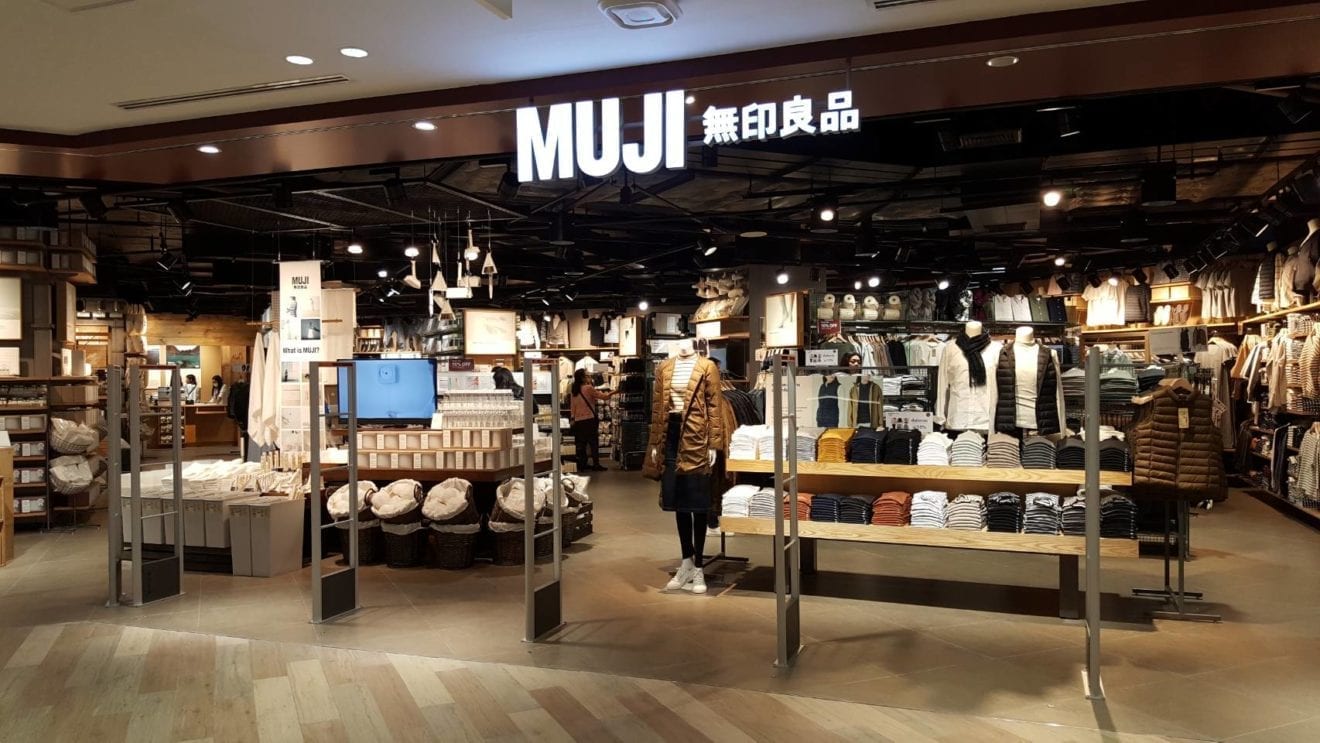
    The first Muji Vietnam store is set to open within three months, a year after the Japanese household goods and apparel chain established an office in the country.

    As we reported last February, Muji Vietnam Ltd was registered and headquartered in Ho Chi Minh City.

    According to a source from property company Savills, the new Muji store will open in the city’s commercial center, occupying a 3900sqm space. Muji Vietnam will feature clothing, stationery, homewares, skincare products and other goods.

    The store’s location and exact opening date have yet to be disclosed.

    Besides Muji, other international brands including sports-goods retailer JD, fashion label Champion, cosmetics chain Sephora, food chains Hawker Chan and Din Tai Fung and K-pop merchandise retailer SM Entertainment are also expected to enter Vietnam this year.

  • Retail grocery market in Asia is expecting a double-digit growth

    Retail grocery market in Asia is expecting a double-digit growth

    The global grocery market is at high by the influence of Asian grocery market. Though there has been certain stagnation in growth in Western Europe and North America, the overall global grocery sales set to reach about US 10 trillion by the year 2023 that includes half of the additional sales which will mainly be from Asia. The grocery industry in the Western Europe and North America are struggling to sustain their positive growth in a saturated market, the worldwide grocery business is doubtful to weaken. Asia which is home to the world’s fastest growing economies can see a rapid rise in the grocery business globally and is expected to create additional USD 1.9 trillion retail grocery sales by 2023.

    Since 2011, the global grocery industry of USD 8.77 trillion had grown by 6.9 percent annually according to the market researchers. According to the IGD which was released by the leading grocery training and research charity in December 2018 had focused on the positive trigger which the Asian markets are creating over the global trade. According to IGD report, nearly half or about 44% of the extra sales is actually expected from Asian market while, additional USD 1.9 trillion of the sales is projected by 20 global players from 2018 to 2023 which is around 28% extra sales. The sales in Asia keep growing in demand and is likely to add about 47% of additional spend over the groceries from 2018 to 2023. Many physical casinos have also come up with table games also.

    Due to the high fixed costs, thin margins and the need to handle different products, the grocery retail is still under pressure. The grocery business had dropped in several mature economies due to the market saturation and the increased competition from a lower priced format like dollar stores and the discount chains. About 20-50 % of the market share in Germany had been captured by the discounters. It’s also rapidly increasing in Ireland, Netherland, US and Canada as well.

    The changes in consumer behavior to opt for a specialty store or a convenient one had also reduced the sales in mandatory supermarket brands. Though most of the popular supermarket chains provide hundreds to thousands of items for the broad choice of their customers, customers are now looking for the selected product category throughout the board. Now customers trying to avoid the one stop shopping choices which they earlier used to have in various multiple retail outlets that also include the drug stores, online, warehouse clubs, dollar stores etc. They mainly focus on value-for-spent which has to be highest while making any kind of purchase.

    The US has observed shirking in the market share of their traditional grocers. According to a study, the grocery store openings had dropped by about 28.8 percent year after year in 2017. Similarly, the biggest players in Britain have been left with 68.5 % against 76.3% combined market share which was about 5 years ago. According to the industry data, the grocery sales have just risen by 2% in saturated and mature economies over the last decade and more than half of the profits from 2012 to 2017 have taken a blow.

    According to a recent study which was carried out in December 2018, it had claimed that the sales in Western Europe and the US may take a hit from US $200 billion to US $700 billion without taking any measure to get adopted to automation or consumers personalization, as consumers opt for alternative options like the discount stores, farmers markets and the online segments by the year 2026.

    Though there is a slowdown in the Western Europe, the European grocery market has an existing euro 191 billion which is expected to reach about euro 228 billion by the year 2022 which will be 16% of the global grocery sales. This growth in the global grocery sales is mainly expected to come from the East and central European economies like Russia, Poland and Romania.

    All of these countries are getting benefited by the liberalization of the economy and have better integration with various European countries. Countries like Japan, China and Korea have emerged to be the biggest growth triggers for the grocery sales in Asia. China which is actually the 2nd largest market in the US is expected to be a global leader by 2022 with a growth rate of 32.6%. According to the IGD report the top 10 global retailers by their revenues will be in Asia and will show higher growth in the next 5 years.

    The GDP in Indonesia, Pakistan, India, Vietnam, Philippines continues to improve due to which their contribution to the global growth is significant. With the modernization in trade and the retail infrastructure, the overall business environment has become easy. The grocery retail is expected to reach about US 700 billion by the year 2022 in India which is currently ranging from US 440 billion to the US 600 billion. When we consider the grocery trade format in Asia it includes the specialty, small hypermarkets, convenience stores, stores close to the workplace or the residential hubs etc. The convenience stores are growing their sales at a faster rate in Asia with the changing shopping habits of the customers and increased store networks.

    According to the IGD’s forecast these are expected to grow at a rate of 6.6% every year till 2022. In most of the Asian countries, the retail partnerships have also improved to a great extent. With the latest developments in technology and the self checkout technology it’s now very easy to manage the grocery retail operations in much efficient and cost-effective ways. According to the latest study, the global beverage sales and online food sales is expected to rise by 80% in the next 5 years that in turn results in keen decline by 2022 in the traditional form of brick and mortar sales. In Asia the online grocery shoppers are at a leading rate with 37% of buyers from Asia- Pacific when compared to the buyers from Europe which are just 13%.


  • Cebu Pacific offers discounted fares for some local

    Cebu Pacific offers discounted fares for some local

    Cebu Pacific is offering fares as low as P99 for local flights originating from Cagayan de Oro, Cebu and Clark, the airline announced Saturday.

    The so-called seat sale for domestic flights begins Saturday, Nov. 23, and runs until Monday, Nov. 25, with travel period between Jan. 1 and March 31, 2020.

    For international flights, the promo ends on Wednesday, Nov. 27., for travel between Dec. 10, 2019, and May 31 next year.

    The P99 price point is offered for flights departing Cebu for cities such as Bacolod, Boracay (Caticlan), Cagayan De Oro, Clark, Coron (Busunaga), Davao, General Santos, Iloilo, and Puerto Princesa, and more.

    The cheapest flights coming from Manila are P499 heading to Bacolod or Iloilo.

  • Virgin Australia cuts domestic and international routes

    Virgin Australia cuts domestic and international routes

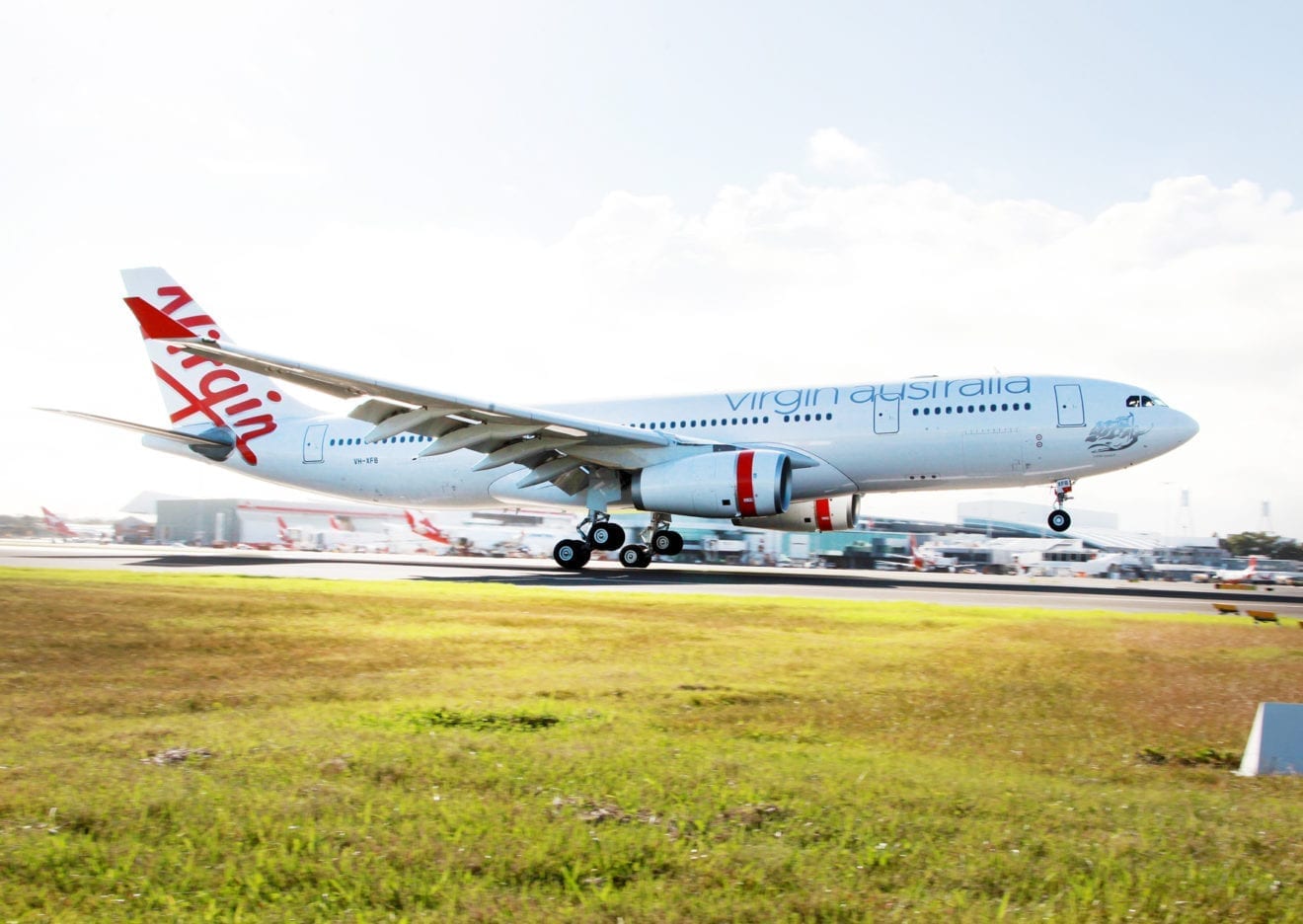
    Virgin Australia Airlines is exiting some domestic and international routes in a bid to cut costs and clawback savings for its bottom line. Flights from Sydney to Christchurch and Hong Kong to Melbourne will stop operating from April and February 2020.

    Domestic routes set to face the chop are Canberra to Perth from 6 December 2019 and Gold Coast to Perth from 19 January 2020.

    Virgin Australia’s low-budget airline Tigerair will also be dropping three domestic routes: Brisbane to Darwin and Proserpine to Sydney will be cut from 3 February 2020, while Tigerair’s Adelaide to Brisbane route will cease from 29 March 2020.

    The major airline will begin dropping earmarked routes from as early as December this year but will also be introducing or re-introducing some routes from early 2020.

    Virgin’s Brisbane to Haneda, Japan route will commence from 29 March 2020 and the Melbourne to Denpasar route will be reintroduced on the same date.

    In today’s statement, Virgin CEO Paul Scurrah said: “Some of today’s changes respond to shifting demand on some routes, and others are about refocusing Virgin Australia and Tigerair Australia on the destinations we feel they are best suited.”

    The changes are designed to lift Virgin Australia’s profitability for the 2020 financial year, according to a statement released today by Virgin.

    “In the Australian context, for airlines, there’s the headwinds that we just can’t control, or can only partially control.

    “Fuel is a big issue for us,” he added.

    “Currency going down is actually really bad for us because most of the bills we pay are in US dollars.”

    The flights between Melbourne and Hong Kong have been cut as a result of political unrest, Scurrah indicated in a statement.

    “Demand for the Hong Kong route has declined in line with the political landscape and we feel this is now best serviced through a single daily Sydney-Hong Kong service.”

    “The Airbus A330 currently operating the Melbourne-Hong Kong services will be re-deployed onto our daily Brisbane-Haneda flights commencing in March 2020, where we expect strong demand,” Scurrah said.

    Virgin is also scaling back the Sydney to Tamworth flights from twice a day to six times a week and the Auckland to Sydney flights from 19 return flights a week to 14.

    It will also add four more flights a week from Sydney to Port Macquarie and replace Tigerair’s Adelaide to Brisbane flights with five extra services a week.

  • MAS Warns Against Lee Hsien Loong Bitcoin Scam

    MAS Warns Against Lee Hsien Loong Bitcoin Scam

    The Monetary Authority of Singapore warned the public about a website using fabricated comments from Prime Minister Lee Hsien Loong to solicit investments in bitcoin.

    The website not only used fabricated comments but also attempted to impersonate a news page from a local media organization, the Monetary Authority of Singapore (MAS) added.

    The information on the website is highly deceptive and misleading. The statements attributed to PM Lee are completely false, said MAS in a media statement last Friday. The site tries to get readers to provide credit card or bank account information, plus payments into a trading platform, which would automatically initiate trades on the client’s behalf.

    Members of the public are advised to exercise extreme caution and avoid providing any financial or personal information on the forms linked from the website, MAS added. Members of the public who suspect that an investment could be fraudulent or misused for other unlawful activities should report such cases to the police, the regulator said.

    Since last year, MAS has issued at least four consumer advisories on such fraudulent websites that use the names and photographs of ministers and other prominent people in Singapore to solicit bitcoin investments. The ministers included Emeritus Senior Minister Goh Chok Tong and Deputy Prime Minister Heng Swee Keat.