Blog

  • Taubman Asia names new president

    Taubman Asia names new president

    Taubman Asia president Peter Sharp has resigned after almost three years in the role.

    Parent Taubman Centers has announced Sharp’s replacement will be Paul Wright, executive VP and global head of leasing, who will relocate to Hong Kong and take up the new role on January 1.

    “We thank Peter for his contributions and his steadfast commitment to driving the company’s growth in Asia,” said Robert Taubman, chairman, president and CEO of Taubman.

    a

    “Paul’s significant relationships with global retailers and partners, and his knowledge of the Asia market, has been an important part of our business in the US and abroad,” said Taubman. “This promotion is the natural next step for Paul, and his competencies will be essential as we prepare to open Starfield Anseong in South Korea in 2020 and evaluate other opportunities in the region.”

    Wright, joined Taubman Asia in 2006. During his tenure, he led the leasing program for the company’s ground-up development properties in China — CityOn. Xi’an (opened April, 2016) and CityOn.Zhengzhou (opened March, 2017), as well as Starfield Hanam (pictured) in South Korea (opened September, 2016). He also led leasing of IFC Mall in South Korea, a center for which Taubman Asia previously provided leasing and management services.

    Prior to joining Taubman Asia, Wright worked with Citta Management Limited where he was responsible for leasing, property management and retail operations at the Taipei 101 Mall. He also held management roles with Lendlease Corporation in Asia and Jones Lang Wootton in Perth and Sydney. An Australian, Wright speaks Mandarin Chinese and English.

  • Louis Vuitton launches online offers in Singapore and Malaysia

    Louis Vuitton launches online offers in Singapore and Malaysia

    Global luxury fashion brand Louis Vuitton has launched an e-commerce offer specifically for Singapore and Malaysia.

    Exclusive products will feature on the brand’s new online service, as well as its ready-to-wear items for men and women, bags, leather goods, shoes, accessories, luggage and fragrances, now available for purchase in the territory at louisvuitton.com.

    The e-commerce store is expected to offer limited edition colorways of popular Louis Vuitton leather goods, as well as hot stamping and engraving personalization services.

    The store’s “White Glove Service” offers complimentary same-day or next-day delivery, with a “Click and Collect” option also available.

  • Coffee Day enters Joint Venture with Japanese retailer

    Coffee Day enters Joint Venture with Japanese retailer

    Indian cafe chain Coffee Day has partnered with Japanese sales-floor support-service business Impact HD to grow its retail network in India.

    The joint venture plans to rapidly build market share in the region’s neighborhood retailing sector, launching a minimum of 450 Coffee Day Essentials branded stores in quick succession.

    Coffee Day Group holds a 51 percent controlling share in the joint venture.

    “With about three times the population of Japan in the same standard of living as the Japanese, the multi-retail market environment in which food and daily necessities are purchased on a daily basis remains unexplored,” read a statement released by Impact HD. “In India, kirana stores account for 98 percent of the total, and the remaining 2 percent are hypermarkets and supermarkets that incorporate foreign capital and know-how.”

    The joint venture will convert lagging Cafe Coffee Day cafes into Coffee Day Essentials neighborhood convenience stores.

    The Impact HD JV was among the last major decisions made by Coffee Day Group founder and chairman VG Siddhartha before he took his own life in July.

  • Lawson plans massive store rollout in Philippines

    Lawson plans massive store rollout in Philippines

    Lawson Philippines plans to grow its network from just 50 stores to about 500 within five years.

    The planned expansion leans on a new agreement between the firm and local partner Ayala Corp.

    Lawson had previously partnered with another local firm, Puregold Price Club, with an earlier rollout schedule. Plans were stymied when Puregold pulled out of the deal last year.

    Lawson may also collaborate with its new partner’s e-commerce business, including making its store network available as shop-and-drop outlets.

    According to reporting in Nikkei, Lawson oversees 2547 offshore locations as of August, up 30 percent from last year, with the majority being in China.

  • DBS Mulls Second Attempt at Indonesian Bank M&A

    DBS Mulls Second Attempt at Indonesian Bank M&A

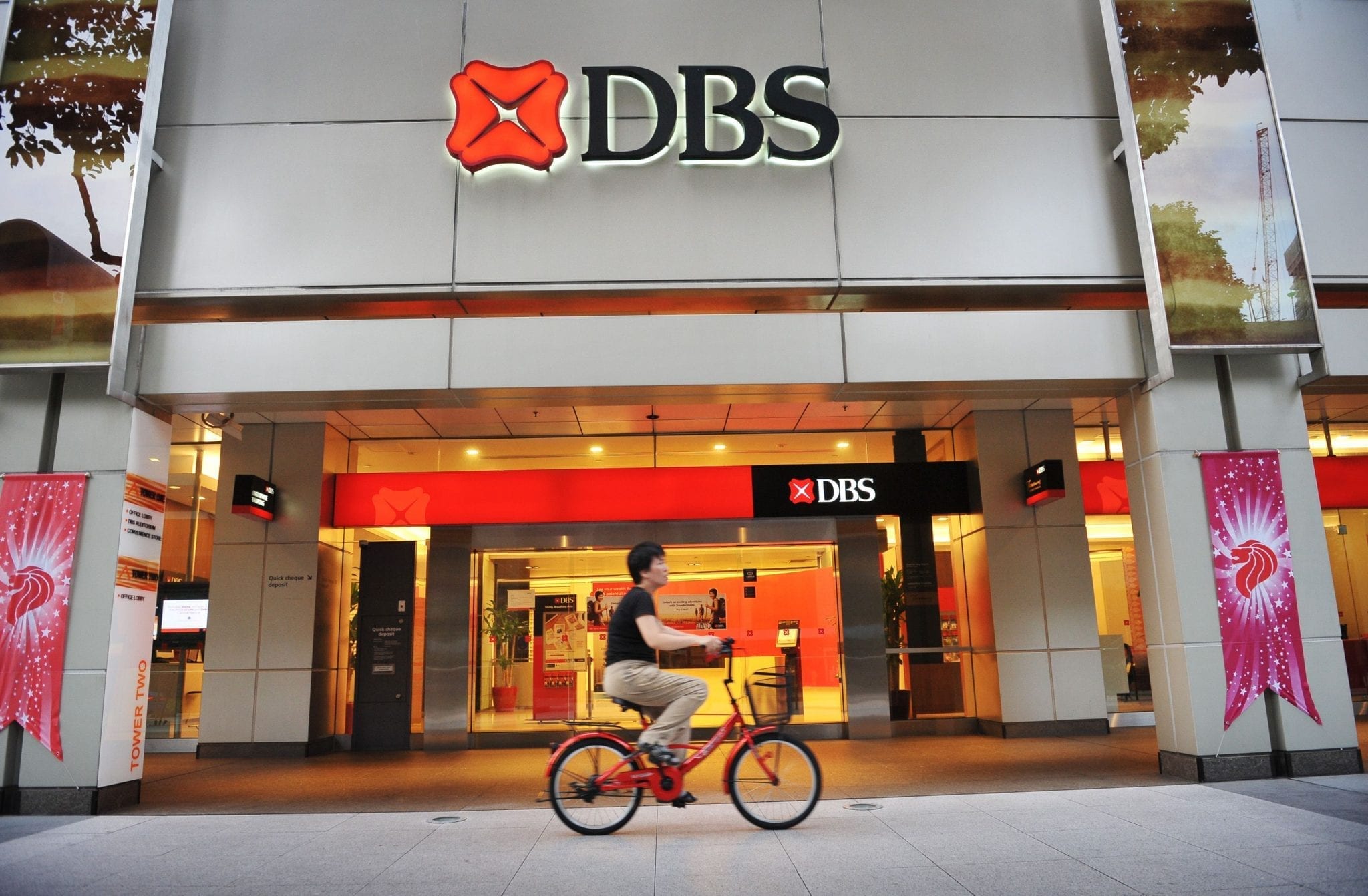
    Considerations are being made at DBS on whether or not to submit a bid for Indonesian lender Bank Permata – its second attempt to enter the Southeast Asian market through an acquisition.

    DBS has not yet concluded its decision on whether or not to bid for the bank valued at $2.4 billion, according to a report citing anonymous sources. The submission deadline is believed to be due in about a month.

    Should it decide to pursue the acquisition, DBS will face competition from OCBC and Sumitomo Mitsui Financial Group. Bank Permata’s current major shareholders include Standard Chartered (45 percent) and PT Astra International (45 percent).

    Should DBS proceed, it will mark the second attempt at acquiring a major Indonesian bank. In 2013, DBS failed to acquire PT Bank Danamon Indonesia with its $6.5 billion bid following a change to foreign ownership rules. The Indonesian lender was subsequently acquired by Mitsubishi UFJ earlier this year.

  • HSBC Reviewing Bank’s Equities Team

    HSBC Reviewing Bank’s Equities Team

    HSBC will be reviewing its global equities sales and trading business as it tries to slash costs under Noel Quinn, raising the chances of more job cuts.

    With HSBC’s interim chief Noel Quinn looking to ax 10,000 jobs in Europe, the bank may look to sell or shut down its equities sales and trading business. Some of these headcount cuts could come from the sale of its French retail bank.

    Equity desks are becoming more automated — it wouldn’t be a shock if they take more bodies out,» said an investment banker, who was quoted on Sunday. Global equities revenues were $1.2bn (£930m) last year, representing about 2 percent of group revenues.

    Any job cuts implemented as part of the latest plan would come on top of 4,700 redundancies that HSBC recently announced, according to a report. The lender is struggling with thinning profits amid a challenging environment characterized by low-interest rates, trade conflicts, and Brexit uncertainty.  The bank’s global headcount stands at about 238,000.

    The planned cuts mark the lender’s most ambitious attempt to rein in costs in years, as it would result in a substantial reduction in HSBC’s current headcount. Observers also see it as a move by Quinn to make his mark on the bank, post the exit of John Flint, the previous chief.

    We’ve known for years that we need to do something about our cost base, the largest component of which is people — now we are finally grasping the nettle, said two sources quoted in the Financial Times article.

    There’s some very hard modeling going on. We are asking why we have so many people in Europe when we’ve got double-digit returns in parts of Asia, they added.

    Despite heavy cuts, the London-based bank with a strong franchise in Asia wants to hire more than 600 staff by the end of 2022 for the business in the Asia-Pacific region, said Kevin Martin, regional head of retail banking and wealth management who was quoted in «Bloomberg».

  • GreyOrange deploys advanced 12000 per hour Sorter for QuadX

    GreyOrange deploys advanced 12000 per hour Sorter for QuadX

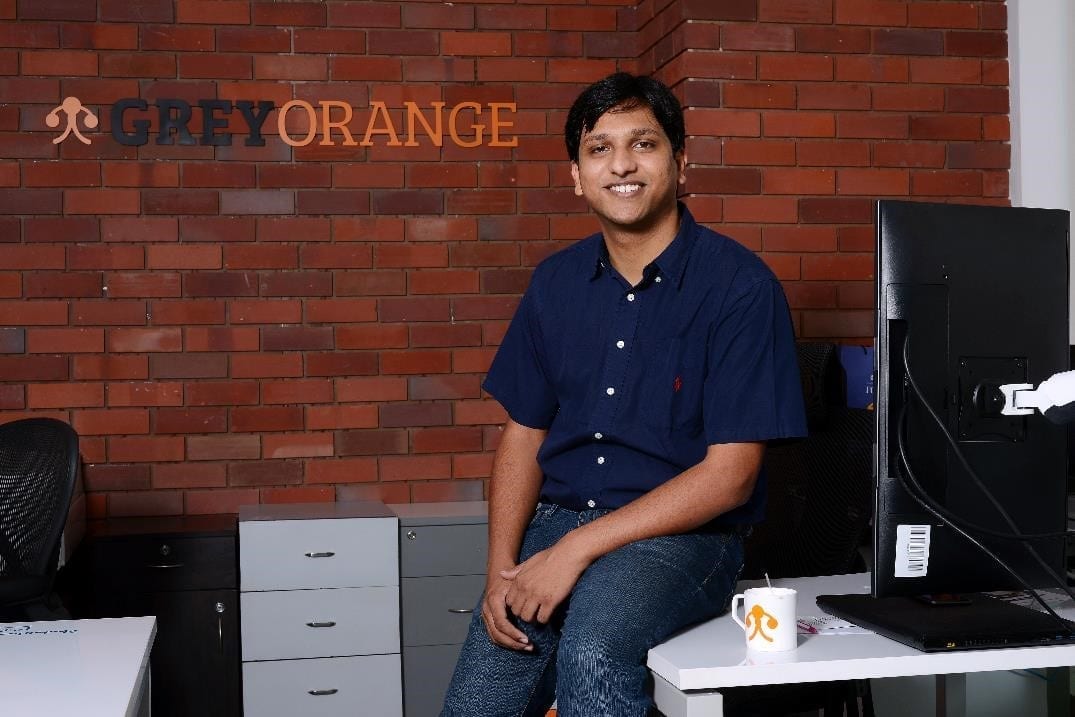
    GreyOrange, a global company that delivers an advanced software and Maximum Life robotics platform, leveraging AI and machine learning to orchestrate supply chains for companies worldwide, today announced the deployment of its 12,000 picks per hour Sorter. The new sorter is a first-of-its kind automated solution by GreyOrange for QuadX, Philippines. Established in 2015, QuadX Inc., headquartered in Manila, is one of the fastest-growing names in the Philippines specializing in cross-border digital logistics and e-commerce payment processing. GreyOrange, with its multiregional presence and multi-industry expertise, currently operates over 42 Sorter sites across India and APAC.

    The GreyOrange Flexible Automation system has been deployed to provide an enhanced and seamless shopping experience for customers, along with the ease of payment and delivery. The 12,000 per hour Sorter, is a combination of two 6,000 per hour sorters, each having 11 arms and capable of sorting up to 480 and 240 unique destinations with and without pre-sorting respectively. It can sort up to 150,000 packages within 12 hours of operation. Pasig City, Metro Manila, Philippines is GreyOrange’s first site in the country and QuadX’s first-ever installation of an automated sorting facility system.

    Speaking about the partnership, Vivekanand, Country Manager, India & APAC, Grey Orange said, “GreyOrange technology will help QuadX realize their vision of re-inventing the shopping experience for customers by optimizing operations and throughput. By effectively sorting packages for the company’s hubs across Manila and the Philippines, this solution will help QuadX meet customers’ order delivery timelines more efficiently and complete orders with less manpower than before.”

    “QuadX believes in transforming shopping experiences for customers by taking the anxiety out of payment and delivery and making online shopping a hassle-free experience. That way, merchants can focus on selling and buyers can have a seamless checkout process in their online journey,” said Ms. Patricia Jacinto, Director of Operations, QuadX. “We are delighted to partner with GreyOrange and we hope that through this partnership, we will be able to leverage the company’s niche expertise to master the growing complexities of customer needs and optimize fulfillment performance while also controlling costs.”

    the logistics sector is expected to reach over PHP 970 billion by the year 2023, suggesting good news for GreyOrange – and for all companies interested in modernizing logistics. Due to this growth, fulfillment centers are turning to technology and robotics to increase efficiency, accuracy and overall productivity.

    GreyOrange is the only Fulfillment Orchestration Platform that combines Always-Solving Intelligence™ and Maximum-Life Robotics™ to optimize fulfillment decisions in real time so customers can keep promises while lowering costs and capturing more revenue. Our always-solving application platform, GreyMatter, orchestrates robots, people, promises, inventory and data to continuously adapt and accelerate accurate fulfillment in distribution centers and warehouses.

  • Tigers continues global growth with new mega hub facility in Rotterdam

    Tigers continues global growth with new mega hub facility in Rotterdam

    Tigers is building a new mega-hub facility in Rotterdam, the Netherlands, as global customer demand and the e-commerce sector continue to grow.

    The multi-million-Euro mega-hub is currently under construction and is scheduled to be officially opened in April 2020, providing another flagship location for Tigers in Europe.

    “Rotterdam is the biggest port in Europe and a key gateway to the continent for the supply chain, which is why Tigers has been based there for the past 20 years,” said Shahar Ayash, Managing Director – UK and Europe, Tigers.

    “The mega hub will be an advanced omnichannel fulfillment center and Tigers’ biggest single operation in Europe, which is being built with longevity and sustainability in mind.

    “E-commerce has also been a huge factor in this development with 70 percent of orders processed in Rotterdam related to the e-commerce sector, which is set for even further future growth.”

    The new mega-hub will replace Tigers’ existing Rotterdam facility and will be more than 550,000 sqft, have 60,000 pallet positions, and 550,000 bin locations.

    The hub is also being built with solar panels on the roof to create a sustainable structure and will be equipped with Tigers’ Cloud-based SmartHub:Connect technology.

    “The new facility will be just 10km from the Port of Rotterdam with close proximity to major road and rail networks, making it strategically located for both first and final mile,” said Ryan Balic, Regional Director Sales, Europe, Tigers.

    “The mega hub will allow our customers to accommodate organic growth and benefit from state-of-the-art facilities, including enhanced security features, multiple storages and picking processes, dedicated B2C returns and VAS processing areas, and an increased number of conveyor scan-pack stations.”

    The Rotterdam mega-hub is part of an ongoing global expansion plan for Hong Kong-headquartered Tigers, and the facility is being constructed by a real estate developer, DHG.

  • South East Asia to See Online Spending Triple

    South East Asia to See Online Spending Triple

    A report into spending habits in South East Asia suggests that internet shopping numbers will see a huge surge in the next few years. Overall, it is expected that the amount of money spent online here will triple by the year 2025.

    The facts and figures

    This data comes from a report called Riding the Digital Wave: Southeast Asia’s Discovery Generation. It was produced by Facebook, together with the global management consultancy firm Bain & Company.

    They suggest that by 2025, there will be 310 million people in the region who buy online. The estimated average spend of these digital consumers has been calculated as being US$390. These numbers were compiled following a survey of almost 13,000 consumers from the following countries: Malaysia, the Philippines, Singapore, Thailand and Vietnam. They also interviewed over 30 of the region’s CEOs and venture capitalists.

    The rate of growth in this part of Asia is reflected in the number of digital consumers that have been active in recent years. From 90 million people buying online in 2015 to 250 million in 2018, the number has been rapidly increasing. In terms of the average spend on internet purchases, in 2018 it was noted as being $125. This means that the amount spent is expected to increase at an even faster rate than the number of consumers.

    What other online industries are growing?

    Other areas of online activity are also booming in this part of the world. For example, the growing number of cryptocurrency users makes this one of the regions where Bitcoin and other virtual currencies are most popular. This has led to national authorities issuing regulations in Singapore, Indonesia and Malaysia in recent months.

    The CoinDesk Invest event in Asia also revealed that an increasing number of fundraising campaigns for new cryptocurrencies now take place in this region. In the second quarter of 2019, 26% of these campaigns were carried out in Asia, compared to 41% in Europe.

    Online gambling is another subject that has captured the imagination of many residents of South East Asia. Casino sites like the popular Manekichi casino give players in Asia easy access to stylish slots games such as Jammin’ Jars, Book of Wild and Starburst. With this sector showing growth worldwide, it’ll be interesting to see how South East Asia will make it their own.

    What else can we learn from this?

    This interesting report also covered some other important areas. For example, it showed that 67% of the region’s online consumers don’t know what exactly they are looking for when they start searching on the internet. Around half of them look to discover new products and brands on social media.

    Sandhya Devanathan is the country managing director for Facebook in Singapore. She said that 75% of the survey respondents from the country were open to the idea of exploring new brands or buying online from a number of different brands. Devanathan pointed out that “nobody shops the same way twice”. This means that online businesses need to think about designing with consumer discovery more in mind.

    The report also mentioned the need to focus on loyalty programmes. Consumers who are signed up to a programme like this are reported to be 45% more likely to act as a champion in recommending the brand to friends and family, as well as being 20% more likely to spend more money.

    Another intriguing statistic was that 40% of respondents say that in the last year they had tried an internet shop that they never heard of before. The main reasons for doing this include seeing good reviews, discovering interesting deals and finding attractive products.

    These facts and figures suggest that there is a bright future ahead for online retailers who understand how to attract and retain new consumers.

  • New distributor for Salomon Singapore

    New distributor for Salomon Singapore

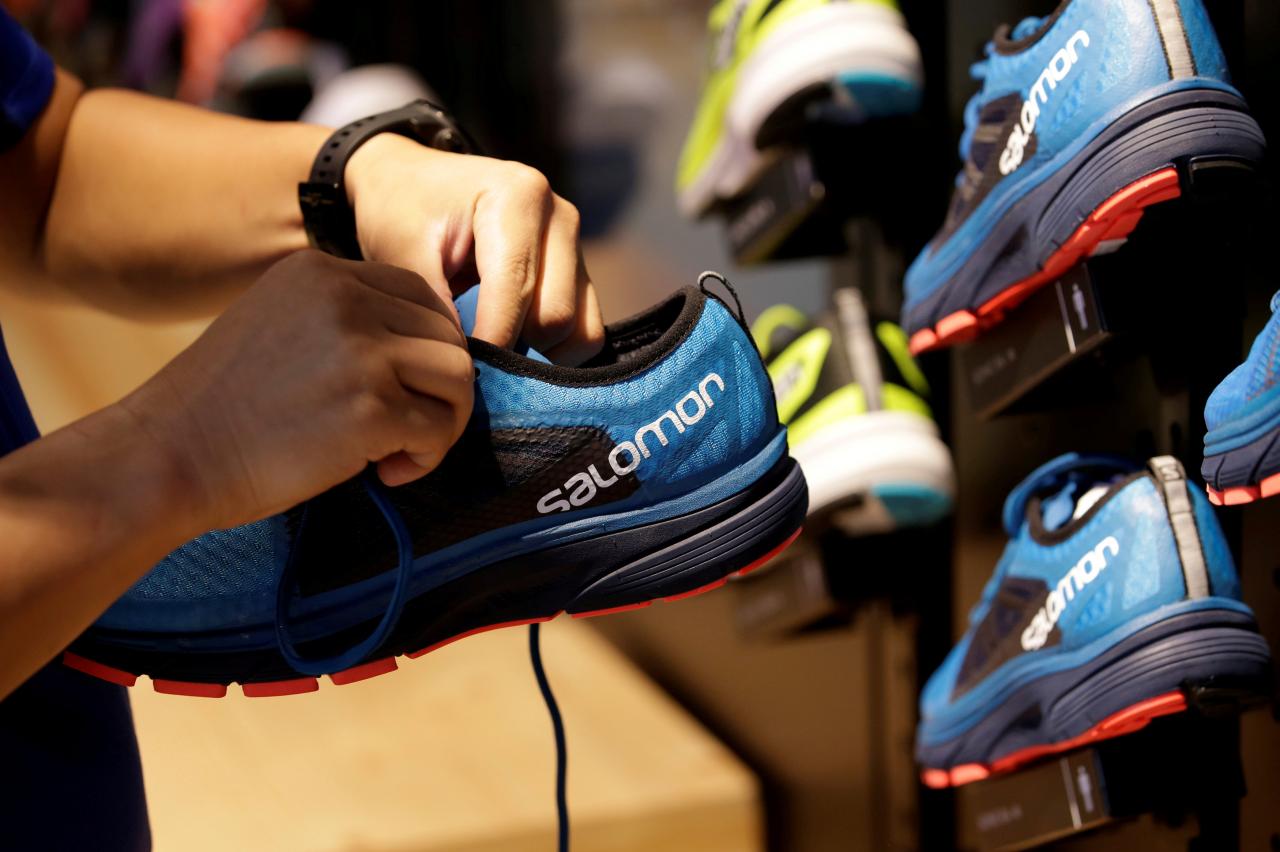
    Salomon in Singapore has chosen sports retailer Outdoor Venture as its official distributor.

    The Salomon Singapore selection will range from trail running, hiking and performance to apparel. Trail running products are already available across Outdoor Venture’s LivActiv and Running Lab retail outlets. Road Running gear will be sold exclusively at Outdoor Venture-owned stores in January next year.

    “The Salomon trail running line fits perfectly with Outdoor Venture’s portfolio,” said Walter Tan,

    MD at Outdoor Venture. “In our increasingly urbanized society, more and more

    people are heading back to nature in their leisure time. Salomon is a world leader in trail running, and we are excited to be bringing this brand to Singaporeans.

    “We want to give Singaporeans every incentive to reconnect with the great outdoors, and trail running is a great way to do that in a time-efficient manner,” he said.

    Founded in 947 in France, Salomon has been producing and selling premium footwear, winter sports and mountaineering equipment, and sportswear in more than 40 countries.

    Outdoor Venture is a privately owned company based in Singapore, distributing sports gear from major brands, including The North Face and Helly Hansen and now Salomon in Singapore.

  • AirAsia’s inflight WiFi is getting faster

    AirAsia’s inflight WiFi is getting faster

    WiFi on planes is the next-gen convenience, or potential annoyance, depending on your attitude to people being ‘connected’ all around you. But for business people, parents with families or bored flyers, it will be a welcome addition to the low-cost flying experience.

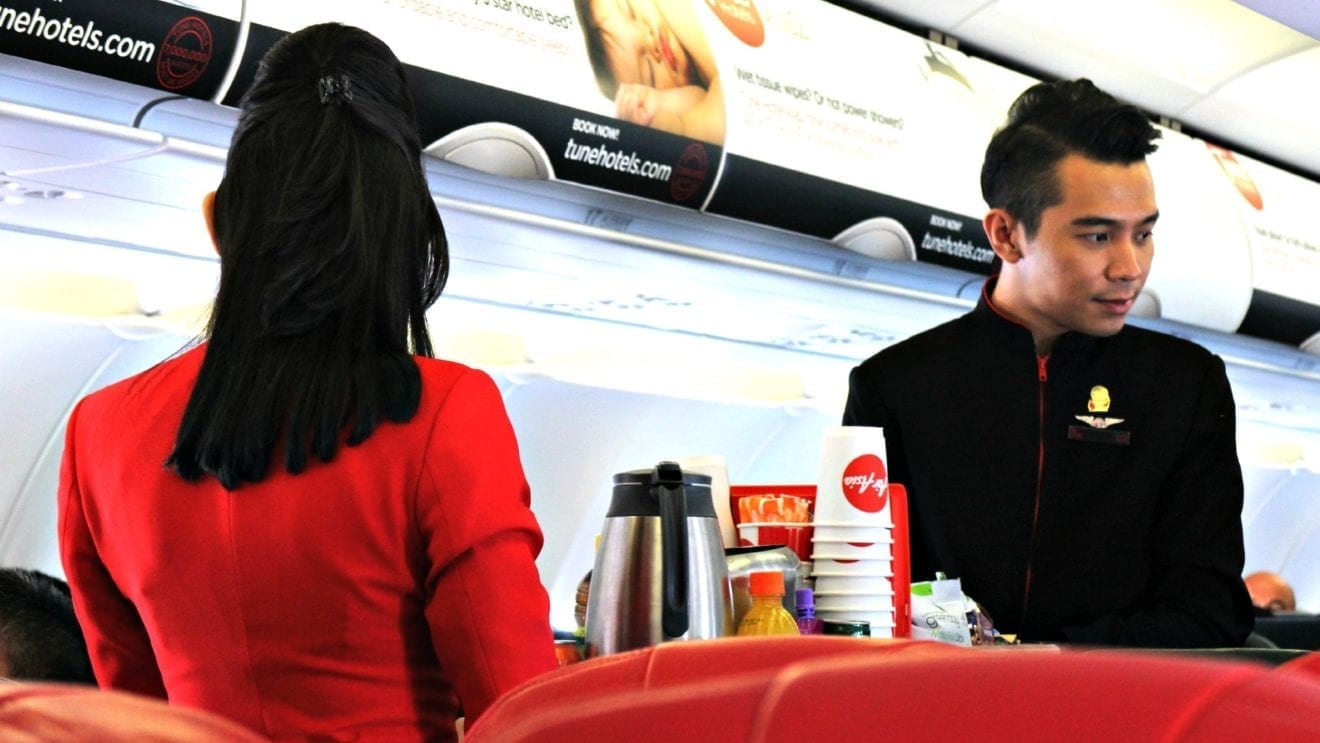
    Now, passengers, onboard AirAsia can look forward to an “enhanced inflight entertainment and connectivity experience” with the low-cost airlines’ recently upgraded WiFi services.

    Six AirAsia Malaysia planes and two aircraft operated by Thai AirAsia have now been equipped with Inmarsat’s high-speed Ka-band platform, GX Aviation. AirAsia Group president (RedBeat Ventures) Aireen Omar said this development is the “next logical step” for the airline.

    AirAsia formerly carried a system called ‘Rokki’ but has phased that out in preference to the newer, faster system.

    “As the pioneer of low coast inflight WiFi in the region, we are always looking for ways to redefine the digital inflight experience for our guests.”

    Guests will be able to stay connected throughout their journey and perform data-intensive activities, including live streaming. Ka-band claims to provide connectivity beyond basic broadband, supporting real-time video, music streaming and more.

    The AirAsia WiFi Internet plans range between 9 Ringgit (65 baht) and 58 Ringgit (420 baht) with the most basic plan capped at 10MB speed. There is also the top of the range 200MB plan which is best for streaming.

    The service will be rolled out to the rest of the Air Asia fleet over the next 12 months.

    The Thaiger tried out the new system on a flight from Kuala Lumpur to Phuket on Tuesday. We were only using the 10MB speed internet but was perfectly adequate for our work and saving documents in the ‘cloud’.

  • Habit Burger Grill Opens in Korea

    Habit Burger Grill Opens in Korea

    America’s Habit Burger Grill is eyeing South Korea expansion in partnership with consulting firm Bridging Culture Worldwide.

    “South Korea, with its savvy consumers, open-minded culture and interest in global brands is an ideal marketplace for The Habit Burger Grill’s expansion,” said John Phillips, chief global business partnership officer at the company.

    He said Habit Burger Grill wants to attract multi-unit franchise partners and ensure mutual success for both parties.

    With the partnership, Bridging Culture Worldwide will support The Habit Burger chain with its international expansion plans in Asia-Pacific region.

    Founder and CEO of Bridging Culture Worldwide, Don Southerton, said: “South Korea has embraced premium western brands and The Habit Burger Grill delivers exactly what consumers are seeking – great food and excellent service. With its distinctive fresh-off-the-grill Charburger and hand-crafted sandwiches, fresh salads and other menu items, we know South Koreans will appreciate all that The Habit Burger Grill has to offer,”.

    Bridging Culture Worldwide is a business consultancy providing strategic planning and market entry service to Korea-based global businesses as well as support for western firms entering Korea.

  • South Korean convenience-store chain CU to accept cryptocurrency

    South Korean convenience-store chain CU to accept cryptocurrency

    Major South Korean convenience-store chain CU is preparing to accept payments in cryptocurrency.

    The chain, which operates more than 13,000 outlets in the country, will use the Chai payment system to trade in Terra, a won-backed stablecoin that has garnered investment from many large Korean firms.

    CU parent firm BGF Retail partnered with Chai earlier this week to allow buyers to pay by presenting a barcode from the Chai mobile app.

    Terra co-founder Do Kwon told CCN Korea that low-margin businesses struggle to accept volatile cryptocurrencies such as Bitcoin. In other regions, retailers often deal with exchanges to convert cryptocurrency payments to money on the spot.

    “Moving forward, Chai will continue to lessen the burden on franchisees and increase the merit of consumers through partnerships with various companies like CU convenience store with an on and offline infrastructure,” said Chai Corporation president Han Chang-joon in a statement translated by CCN.

  • LVMH results down off Hong Kong protest effect

    LVMH results down off Hong Kong protest effect

    Luxury goods group LVMH has shrugged off the impact of the recent Hong Kong protests and global economic uncertainty, recording a 19 percent increase in sales of leather goods and fashion during the third quarter.

    The Paris-headquartered group singled out its Louis Vuitton and Christian Dior brands as major contributors to the rise, describing their performance as “remarkable.’.

    Analysts at Bloomberg said the group’s performance allays some concerns about the effects of the Hong Kong disruptions, “showing that the Chinese demand that is increasingly driving growth in the industry remains robust”.

    In short, while Mainland Chinese consumers are shunning Hong Kong, they are still buying goods elsewhere, including at home where tariffs have eased.

    In August, the month when protests closed Hong Kong International Airport and inbound tourist numbers plummeted, luxury goods sales in the territory plunged about 40 percent and some retailers have flagged even greater declines in the subsequent weeks.

    “We believe that the bulk of the Hong Kong weakness has been compensated in other markets,” Citi analyst Thomas Chauvet said in a note, as reported by Bloomberg. “This sets the bar pretty high for peers.”

    LVMH’s share price surged 5.5 percent after the results were released this week and the stock is up by about 45 percent year to date.

    Overall group sales – including through its Sephora cosmetics division – rose 11 percent to US$14.6 billion, well ahead of analyst predictions of around 9 percent.

    “The US and Europe saw good progress in the third quarter, as did Asia, despite the difficult context in Hong Kong,” the company said in an earnings statement.

  • McDonald’s Singapore sleepwear deal crashes app

    McDonald’s Singapore sleepwear deal crashes app

    A deal by McDonald’s Singapore offering free sleepwear along with McNuggets and McWings delivery orders crashed the brand’s delivery app and site within an hour, angering customers.

    The deal went live on Monday October at 6pm, offering a set of limited-edition free-sized men’s or women’s pajamas with a bonus sleeping mask for customers who entered a promo code.

    Online commentators blamed McDonald’s for being insufficiently prepared for the surge in traffic, with some suspecting the firm had deliberately taken down the site rather than admit the sleepwear was out of stock.

    Fans are getting a second chance to purchase the limited edition loungewear later today.