Blog

  • Vietnam coffee chains ready for a marketshare battle

    Vietnam coffee chains ready for a marketshare battle

    Major Vietnam coffee chains are targeting new customers by adopting take-away business models on city streets.

    In Ho Chi Minh City, the largest of the local Vietnam coffee chains, Highlands Coffee, which is majority-owned by Jollibee Foods, has been selling its product in coffee booths set up at roadsides from 7am – 9am when traffic is at its busiest.

    According to Highland’s staff, the company will be building more sidewalk trolleys to serve the increasing needs of customers on the road, most of whom drive motorcycles. Instead of going into the coffee shops, customers now can just stop on the roadside and grab a coffee to go.

    Other major coffee brands, including Passio and Vinacafe, set up morning coffee booths on some busy streets a few months ago. As the new model is easy to run and needs low-cost investment, the Vietnam coffee chains have been able to lower their prices to attract more customers.

    Targeting low- and middle-income customers, Vietnamese coffee company Trung Nguyen has recently launched a small-scale coffee franchise called E-Coffee. According to Vo Thi Ha, communications director of Trung Nguyen Group, the takeaway coffee model only costs around one-eighth of a normal store’s investment.

    “As the mid and high-end segments become increasingly saturated, the affordable and low-income groups are increasingly seen as potential revenue generators. This consumer segment is large and easy to serve, so could generate big profits because of low investment costs, as long as businesses find the right model,” a marketing expert in Ho Chi Minh City told local newspaper VN Express.

    However, Coffee Bike director, Do Quoc Anh, described the current street-trolley coffee business model as unprofessional and unsustainable. He said if it was not developed properly and carefully, it would die out as a trend.
  • Myntra hires tailors as delivery agents to reduce returns

    Myntra hires tailors as delivery agents to reduce returns

    Myntra, a Flipkart-owned Indian fashion platform has roped in local tailors to pick up packages from warehouses and deliver to customers to mend the sales gap caused by the return of ill-fitting clothes.

    The move is set to minimize business losses by cutting down on the return of clothes and refunds, says GlobalData, a data and analytics company.

    Tying up with local tailors in apparel delivery is not a new concept and companies such as Raymond and Birla-owned Abof.com took initiatives to partner with local tailors as the last-mile delivery agent.

    Shagun Sachdeva, a consumer insights analyst at GlobalData, says Myntra started offering alteration services in Bengaluru back in 2016.

    “The company is now looking to address the discomfort of consumers in searching for tailors for altering purposes. This is aimed at mending the sales gap and at the same time improving customer satisfaction by fixing fitting flaws on the doorstep.”

    According to GlobalData, online retail in India accounted for US$17.2 billion in 2017 and is projected to reach $69.9 billion by 2022.

    In line with this growth, the online retailing of clothing in India grew exponentially in the last few years, reaching $5 billion last year, owing to increasing penetration of the internet and discounts offered by online retailers.

    The market is currently fragmented, with market leader Amazon commanding just 5 percent market share across all categories. Therefore, in order to break the clutter, companies such as Myntra are finding innovative ways to please the customers.

    Sachdeva says Myntra has reduced its losses from $96 million in 2017 to $22 million last year and aims to turn itself profitable down the line.

    “Such loss-reducing measures might be helpful.”

  • Burberry Hong Kong targets sales hit

    Burberry Hong Kong targets sales hit

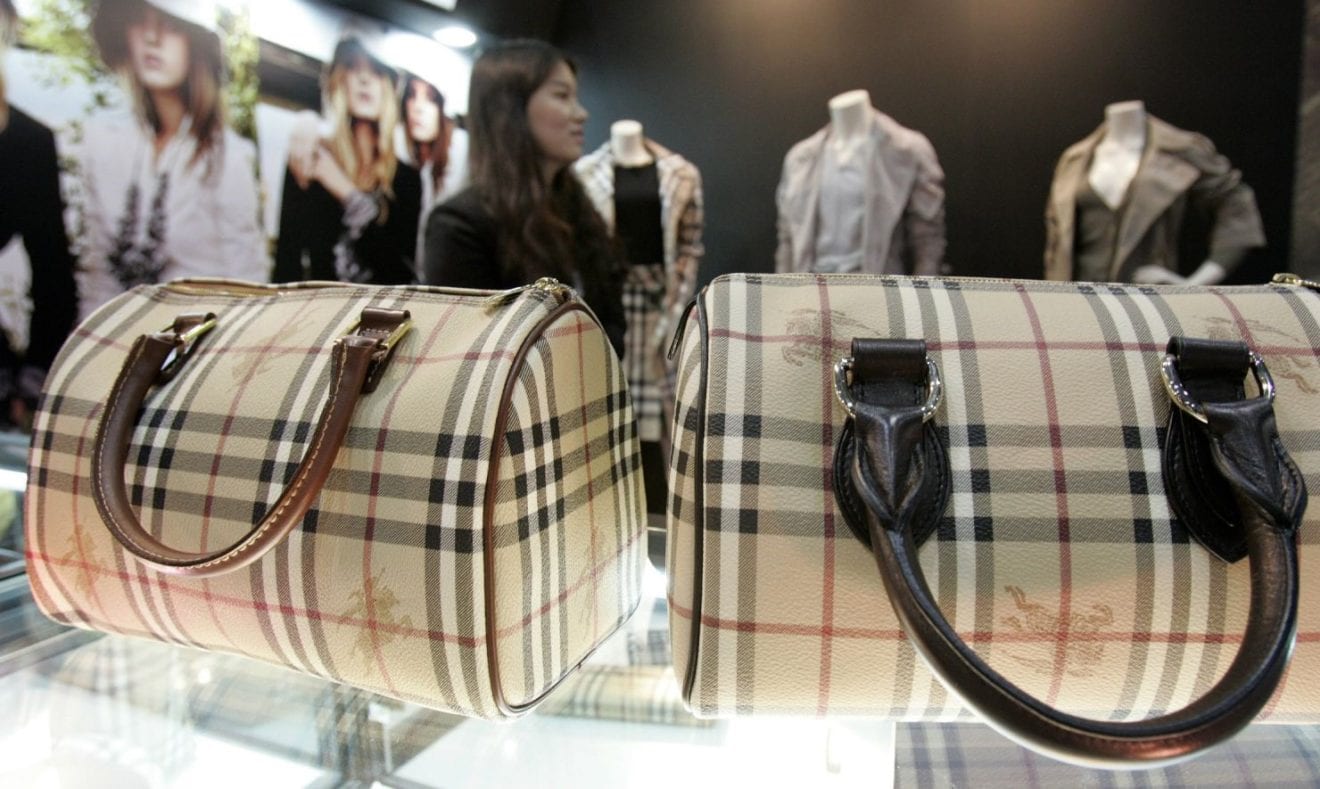
    Analysts are warning that Burberry Hong Kong is bracing for a £100 million hit on sales from the city’s ongoing disorder.

    Burberry has declined to comment on the research note issued by Jefferies and reported by The Telegraph newspaper in London, and further by Retail Gazette.

    As Hong Kong’s protests continue, retail sales have plummeted due to falling visitor numbers. The luxury sector has been hardest hit with sales down between 40 percent and 50 percent brand by brand.

    The Jefferies analysts have projected that Burberry Hong Kong sales are likely to be £100 million lower in the year to next April. However, they added that as much as 50 percent of that shortfall could be mitigated by increased sales in Europe and other parts of Asia.

    Burberry Hong Kong has 10 stores and the city accounts for about 8 percent of group sales.

    Flavio Cereda, a Jefferies analyst, said the seasonal nature of Burberry’s offer exposed it to challenges not faced by other luxury brands, such as, for example, watch houses.

    “The problem with having ready-to-wear in stores which are not shifting is that the stock is seasonal so it’s a pressing problem because it will hit markdowns pretty soon,” Cereda said.

    “You’ve got two issues; you’ve got to divert deliveries and then you’ve got to think about what to do with all the stock in the stores because it’s not selling.

    “The simple solution is don’t deliver stuff to Hong Kong anymore, there’s no point. Or if you’re going to deliver 500 jackets, then deliver 50 instead and ship the rest of them off to Mainland China.”

  • Tablez launches OshKosh in India

    Tablez launches OshKosh in India

    US children’s-clothing brand OshKosh B’gosh is launching in India in partnership with local retail group Tablez.

    With the new launch, OshKosh in India will offer a wide selection of kid items, including its headline products the World’s Best Overalls and Heritage Logo Hoodies. Pricing will range between INR499 (US$7) to INR2499 ($35).

    Adeeb Ahamed, MD at Tablez, said OshKosh will launch on online platform Myntra, which will enable OshKosh to reach a large expanse of the fashion-conscious consumers across the country.

    “The brand has great potential to become a leader in the kids wear segment in the market,” he said.

    Founded in 1895, OshKosh B’gosh is known for its signature kid-friendly style which is rooted in denim and an optimistic color palette.

    Before launching OshKosh in India, Tablez has introduced other major brands to India, including Springfield, Toys R Us, and Yoyoso. Tablez currently operates more than 70 outlets globally and plans to expand to 300 outlets next year.

  • Big C opens first store in Cambodia

    Big C opens first store in Cambodia

    Supermarket chain Big C has opened its first store in Cambodia.

    The firm has opened on a more-than 2ha site in Poipet, a booming town on the Thai/Cambodian border, with a reported investment of US$6.8 million and offering more than 1200 jobs.

    A statement on the firm’s Facebook page reported by the Khmer Times read: “A soft opening for the Poipet Hypermarket was held under our vision to be the leading Thai retailer with customers at heart.”

    Cambodia is now the fourth country Big C operates in, following Thailand, Vietnam and Laos.

  • Uniqlo ready to open 60th store in Philippines

    Uniqlo ready to open 60th store in Philippines

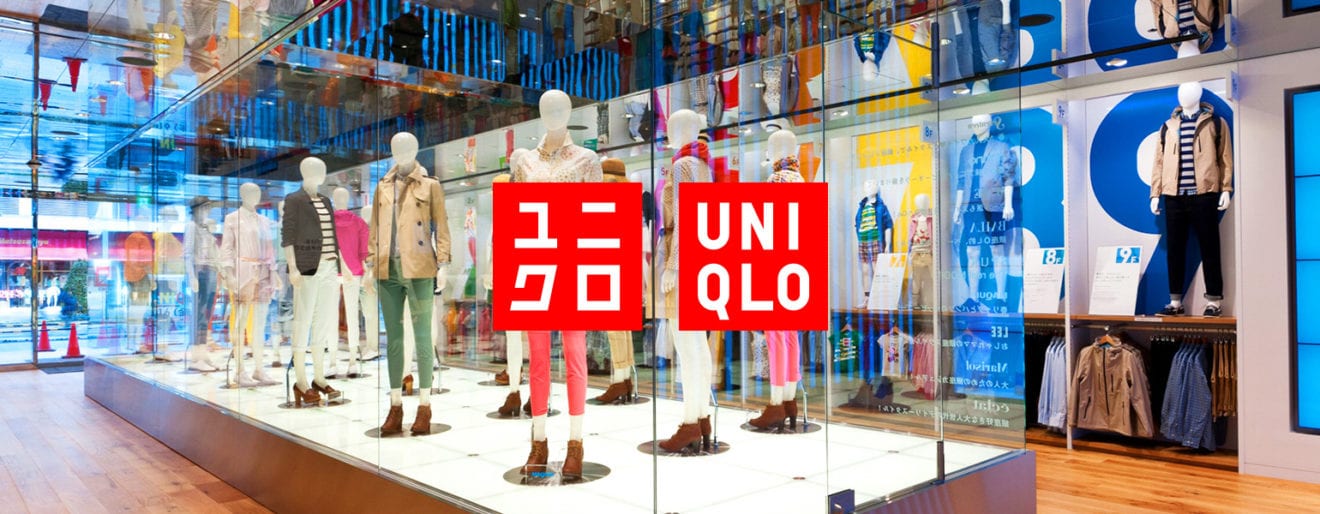
    Uniqlo Philippines will open its 60th store next week, at Ayala Malls Capitol Central in Bacolod.

    The Japanese fast-fashion brand has been undertaking a rapid rollout of stores in the country with the latest store – to open on October 18 – the ninth in the Visayas region and the second in Bacolod. Its global flagship store in Glorietta 5, Makati City is the biggest store in the Philippines and in Southeast Asia.

    “We really see and feel the warm reception of the people from your community,” Uniqlo Philippines marketing head Camille Pacis told the Philippine News Agency. “That’s why we are expanding more. We recognize the growth and the potential of Bacolod.

    “(This) marks the growing commitment of Uniqlo to provide simple, innovative, and high-quality clothing to the Filipinos. In all our existing stores, the reception of our customers has been very good.”

    Uniqlo Philippines will partner with the Negrense Volunteers for Change (NVC) Foundation in a charitable outreach to donate clothing to two communities within the city.

  • Natura chooses Malaysia for Asian debut

    Natura chooses Malaysia for Asian debut

    Global cosmetics firm Natura has launched its business in Malaysia with a pop-up store in Sunway Pyramid, Petaling Jaya.

    The pop-up store will serve to introduce the brand and its products to consumers via a series of interactive experiences, including a skincare interactive wall, free skin and hair analysis, a fragrance personality analyzer, and a pampering hand massage during a VR adventure through the Amazon forest.

    In Malaysia, Natura products will be available to customers through the brand’s online store, with plans to launch a social selling channel now underway. The brand also engages in relationship selling and will open physical stores.

    Around 300 items from the Natura portfolio will be offered under the brands Ekos, Chronos, Lumina, Mamae e Bebe and Natura Homem – as well as fragrances from the Brazilian Perfumery House. All the firm’s products are 100 percent vegan.

    “We see great opportunity for Natura in Malaysia, with its millions of diverse consumers which have for decades been purchasing through many different channels,” said Natura International head Daniel Silveira. “We are confident that our omnichannel strategy will be well-received in Malaysia, bringing a wide variety of products to customers as well as providing a great platform for growth for our business across the region. More importantly, we are excited about working with local partners across Asia as a force for change to build a more sustainable future.”

    The brand is now looking at building its business across Asia. Last year Natura bought the Australian skincare brand Aesop, which already has an extensive network of stores across Asia.

  • India has world’s cheapest mobile data rates

    India has world’s cheapest mobile data rates

    Cable.co.uk analyzed 6,313 mobile data plans from 230 different countries from October to November 2018.

    For India’s market, 57 mobile data plans were analyzed and found that the lowest rate per 1GB in the country was 1.41 Rupees ($0.02) while the highest was at 98.83 Rupees ($1.41).

    “A country whose young population has a particularly high technological awareness, India offers a vibrant smartphone market, with strong adoption and many competitors. Data, therefore, is quite staggeringly cheap,” the report mentioned.

    India is home to more than 430 million smartphone users and is the second-largest smartphone market in the world, with China being the first.

    Other countries with cheap mobile data packages include Kyrgyzstan at $0.27, Kazakhstan at $0.49, Ukraine at $0.51, and Rwanda at $0.56.

  • Australian enterprise markets show optimism in 5G adoption

    Australian enterprise markets show optimism in 5G adoption

    With 5G being available in the enterprise market, it is expected to generate around AUD45 billion ($31.1 billion) in value per year by the mid-2020s. The economic earnings will come from next-generation application development, IT services, platforms, and connectivity.

    In fact, a survey by the research company found 68% of IT and business leaders consider 5G as an integral part of their business strategy to make progress. Half of these respondents said it is as important for future development as it is for supporting existing services.

    The company stated that what future services are mainly expecting in 5G are the large data transfer capabilities, more reliable connectivity, and lower latency 5G will offer. This will provide a unity to change software architectures to account for real-time services and cloud-based AI architectures.

    The top three barriers to 5G investment cited were integration with current systems (34 percent); a lack of business cases (23 percent); and security concerns (17 percent). A lack of skills is also an issue with more than 25 percent indicating they will be looking for an outsourcing partner for developing services.

    Almost half of businesses surveyed assume the number of connected devices running on internal systems to increase at least five times within five years. Telsyte said the jump is powering innovation and experimentation in the IoT segment, as it found that one in four companies have already IoT-capable devices, but no formal strategy around them.

  • SK Telecom signs series of MoUs for greater smart city solutions

    SK Telecom signs series of MoUs for greater smart city solutions

    The South Korean Telecommunications operator announced the signing of the Memorandums of understanding (MoUs) with the Incheon Free Economic Zone (IFEZ) Authority and some others who are planning to build smart infrastructure with 5G and self-driving elements.

    The deals are meant to strengthen the country’s position in smart city development with regards to 5G network deployment, autonomous vehicles, and connected hospitals.

    “We will work closely with the IFEZ Authority to accelerate the IFEZ’s transition to a smart city powered by SK Telecom’s 5G network and mobility technologies,” said Park Jin-hyo, the operator’s CTO.

    As part of the deal, SK Telecom is expected to create a machine-readable HD map of the IFEZ area (which is comprised of Yeongjong, Cheongna, and Songdo) with information to help support autonomous vehicles. This information includes road conditions, lanes, and speed limits.

    “The HD map will b built with Dynamic Data Platform, a 5G-based real-time update solution for HD maps. Dynamic Data Platform automatically updates HD maps upon receiving road observation data from Advanced Driver Assistance Systems (ADAS) over 5G network,” said Jin-hyo.

    He added, “SK Telecom plans to install ADAS and 5G communication modules to public transport vehicles and official government cars in the IFEZ area to detect all changes in the road environment.”

    Both parties aim to work together to achieve smarter and safer transportation by taking into account the policies that will be put in place. In order to do this, they aim to build a data hub that will enable them to oversee the floating population.

    Another deal that was devised, was between SK Telecom and Yonsei University Health System which will provide 5G network solutions and smart technology to hospitals. The smart hospital that is in the making is forecasted to be opened by the beginning of 2020.

    “The 5G-powered digital hospital will be equipped with SK Telecom’s Ai speaker- NUGU- to enable patients with physical difficulties to easily control their beds, lighting, and TV with their voice. They can even use NUGU Call service to get medical assistance in case of emergencies,” SK Telecom stated.

    The hospital is also expected to have AR-powered indoor navigated which will use 3D mapping technologies to “enhance the convenience of patients and visitors”.

    This will allow patients in isolation wards to receive visitors through holographic projections. Additionally, facial recognition will be used on medical worker to ensure greater safety and security for the patients. “Unlike other access control systems that require some kind of contact – fingerprint, pass, etc- the face recognition system allows contact-free entry to help reduce the risk of infection”.

    They also plan to create an incubator for startups called Venturepolis which will be based in Songdo. Venturepolis will support startups that work with smart office solutions.

  • Vincom Retail unveils three shopping centre plans

    Vincom Retail unveils three shopping centre plans

    Vietnam’s Vincom Retail has announced three new Vincom Mega Mall shopping centres.

    Two of the new properties will be located in Hanoi and the third in Ho Chi Minh City, the country’s commercial capital.

    Located in one of the largest real estate projects in Hanoi, Vincom Mega Mall Ocean Park will occupy 56,000sqm, and serve up to 1.5 million customers annually. Vincom says the mall’s design was influenced by “subterranean movements” and the blue waterfront.

    Also in Hanoi, Vincom Mega Mall Smart City will feature a design concept inspired by future technology trends. The new shopping centre will cover 68,000sqm and has a catchment of 1.8 million potential customers, primarily millennials.

    The third shopping centre, Vincom Mega Mall Grand Park, will open in District 9 of Ho Chi Minh City. The mall will occupy 48,000sqm of commercial space, over five floors and one basement level.

    Vincom Retail’s deputy director of sales and marketing, Tran Thu Hien, said there are four key elements the company believes will secure Vincom Mega Mall’s success: the product structure, customer base, tenancy partnerships and inspirational marketing.

    According to real estate company CBRE, Hanoi and Ho Chi Minh City will potentially become on the top three retail markets in Asia-Pacific.

  • Telstra launches first 5G device in Australia

    Telstra launches first 5G device in Australia

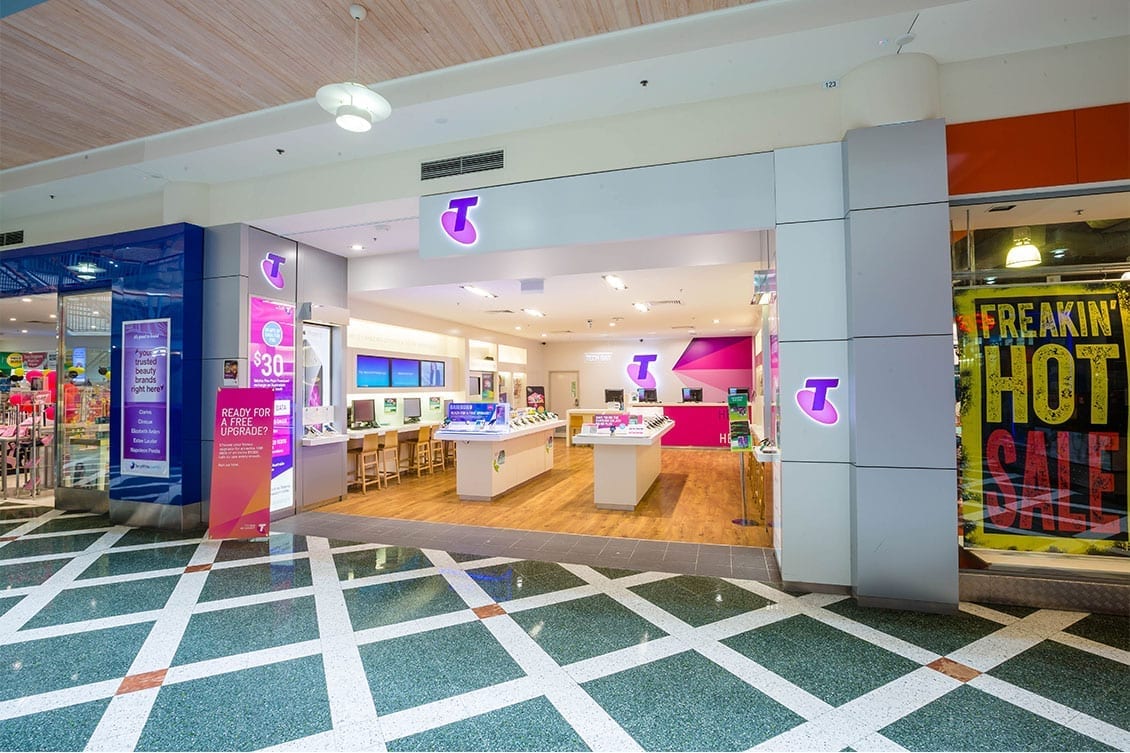
    The Australian-based company began marketing its broadband plans for the new HTC 5G Hub and will soon start selling the Samsung Galaxy S10 5G. They also plan to introduce their mobile plans for the new technology by the end of June.

    The company said it would offer free 5G access for around 12 months.

    “We have already started building our 5G coverage in some areas and, as we did with 3G and 4G, we will progressively roll out the new technology over time,” said Telstra’s chief executive officer Andrew Penn in a statement.

    The operator is currently working on rolling out 5G in ten cities and plans to expand the coverage to around 35 other cities within the next 12 months.

    Telstra turned on 5G base stations back in December 2018 in some parts of Sydney and Melbourne all of which amounted to 187 5G-compatible sites in the two cities.

    They acquired 3.6GHz spectrum for AUD 386 million. The company claims to have around 60Mhz of contiguous 5G spectrum in Australia’s major capital cities and around between 50 to 80Mhz of contiguous spectrum in regional areas.

    “Our launch of the HTC 5G Hub is the moment 5G becomes a reality for Australian consumers,” said Penn.

    “Since 2016, we have been working with some of the world’s leading technology brands to ensure Australians are among the first in the world to be able to access 5G.”

  • SoftBank turns to Nokia for commercial 5G offering

    SoftBank turns to Nokia for commercial 5G offering

    As an existing supplier of multiple technologies to SoftBank, Nokia’s selection for 5G Radio re-enforces the strong relationship between the two companies, as SoftBank turn to Nokia’s end to end portfolio for 5G.  Nokia’s 5G AirScale supports multiple frequencies, in both distributed and centralized architectures, giving SoftBank tremendous flexibility in its network evolution.

    Nokia’s 5G AirScale will be deployed across Japan, bringing 5G RAN to businesses and consumers alike. The 5G investment will benefit consumers by bringing them a 5G enhanced Mobile BroadBand (eMBB) service, with 5G Ultra-Reliable Low Latency Connectivity (URLLC) and enhanced Machine Type Communication (eMTC) enabling multiple new applications and services for industries in the 5G era.

    John Harrington, Head of Nokia Japan, said, “We are delighted to continue our long-term relationship with SoftBank and to be working with them as a trusted end to end partner at such an important milestone in the transformation to 5G. We are committed  helping SoftBank launch its commercial 5G network.”

    Nokia now has 38 5G commercial contracts, including 20 with named customers. These contracts well illustrate the vendor’s strong thought leadership in 5G. Nokia will continue to be one of the best partners for customers by providing an end-to-end solution and contribute to transform both networks and businesses.

  • Cinia and MegaFon to develop new Arctic telecom infrastructure

    Cinia and MegaFon to develop new Arctic telecom infrastructure

    The arctic is one of the most environmentally protected areas in the world, making permits for laying cables to be very difficult to obtain.

    Ari-Jussi Knaapila, CEO of Cinia, said, “The Arctic cable will contribute to the socio-economic development of the Arctic areas. The cale is an environmentally sustainable way to boost global, regional and local economies. At the same time, the cable will connect three continents, covering approximately 85 percent of the world’s population.”

    The new route will offer low latency, physical diversity and high network availability which will serve the markets of Europe, some parts of Russia, Japan and North America.

    CEO of MegaFon, Gevork Vermishyan said, “MegaFon is proud to join a major international infrastructure project that will not only connect several continents via the Arctic but also will benefit MEgaFon as a leader of digital opportunities by enabling the development of network infrastructure for customers in the Arctic region and the Far East.”

  • South Korea discloses number of 5G subscribers

    South Korea discloses number of 5G subscribers

    Consumers have however filed some complaints related to the coverage and speed of 5G. The main problem was that mobile devices were displaying a 5G symbol when users on LTE were near base stations compatible with 5G. The Ministry confirmed that facing such issues is very normal given that operators are still building base stations and upgrading software.

    A total of 54,202 5G base stations have been deployed so far, an increase of 7 per cent from 22 April, however coverage in the country was still restricted to urban and more populous areas.

    Korea has been pioneering the journey to 5G deployment, being one of the first in the world to offer 5G to mobile consumers. Operators in the country had also launched commercial 5G services to businesses using mobile routers.

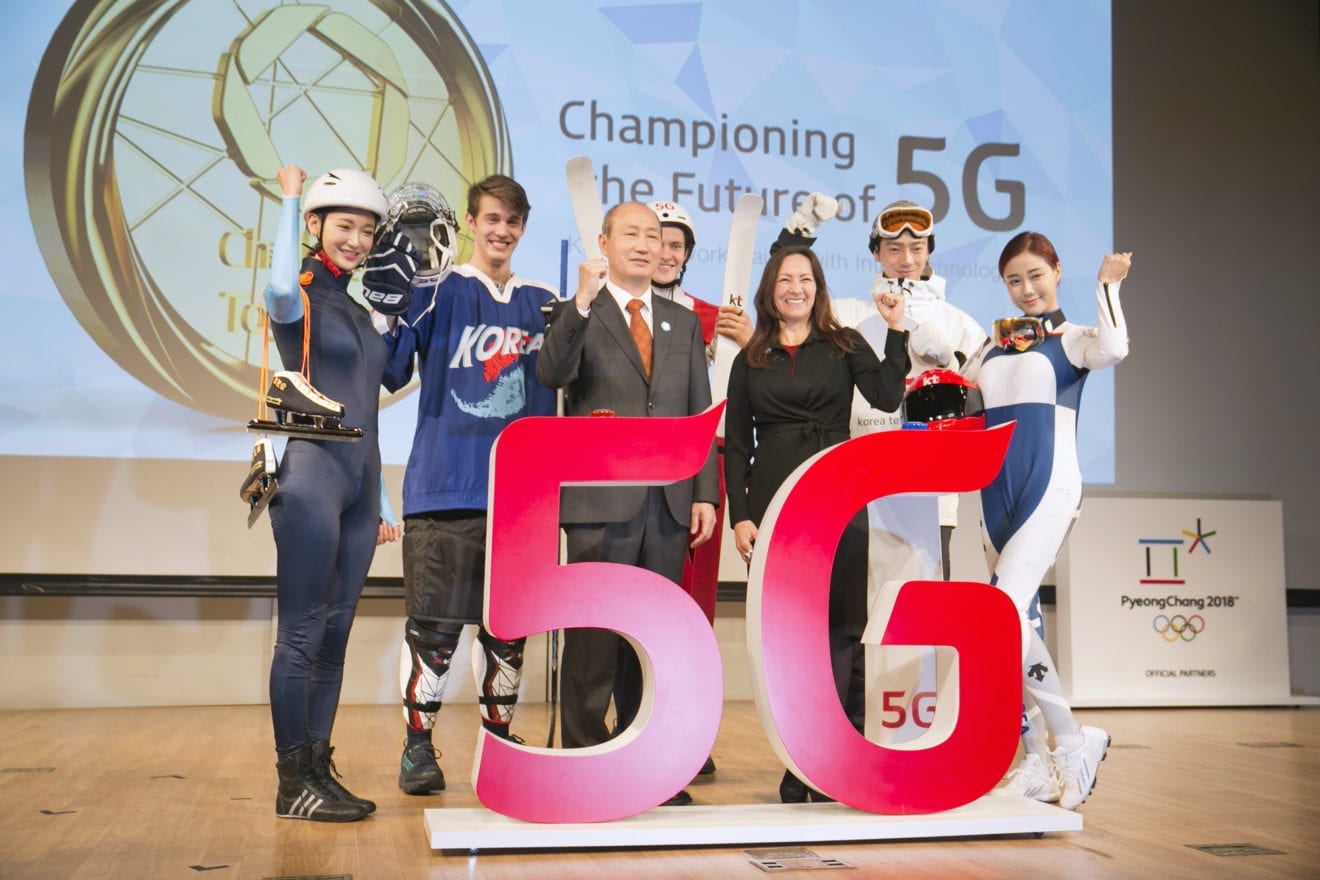
    Out of the 260,000 subscribers, KT, the country’s second largest operator, has announced it secured 100,000 subscribers so farm whereas SKT and LG Uplus are yet to reveal their figures.