Blog

  • Singapore startup Tuzo wants to help retailers hyper-personalise stores

    Singapore startup Tuzo wants to help retailers hyper-personalise stores

    Singaporean tech startup Tuzo is using AI to help retailers hyper personalize stores.

    The firm is focused on harnessing artificial intelligence and machine learning to help retailers tailor shopping experiences to their shoppers’ preferences, using real-time web browsing and shopping data. The hyper-personalized experiences are designed not only to help increase revenues for retailers, but also to generate data and shopper insights to help plan demand.

    “We have seen conversions go up by up to 50 percent, and basket size up by up to 40 percent in a large department store while the customer satisfaction with our BraFit solution was as high as 90 percent,” said Tuzo CEO Mohit Agrawal.

    Tuzo has solutions for apparel, lingerie, beauty, bags, footwear and jewelry – and is targeting department stores, offline fashion retailers and online stores. Tuzo also helps retailers digitize their inventory by tagging the products automatically for catalog creation using computer visuals. It also offers a visual search product, which allows shoppers to search for an item just by taking or uploading a picture, and a style advisor that engages with shoppers at a personal level by advising a complete look based on shopper preferences, retailer inventory and fashion trends.

    “Tuzo leverages algorithms developed using AI and machine learning to bring together the shopper preference, fit and global/regional fashion trends,” said company co-founder Sudhir Jha. “Tuzo solutions drive the omnichannel efforts of retailers. Tuzo will continue to invest in the development of cutting-edge technologies for the retail industry.”

    In its next phase of growth, Tuzo is planning to help hyper personalize stores in other Southeast Asian countries.

  • Starbucks buys stake in retail-technology startup Brightloom

    Starbucks buys stake in retail-technology startup Brightloom

    Starbucks Coffee Company has announced a deal with Brightloom (formerly Eatsa), a San Francisco and Seattle tech company that is working to create a best-in-class end-to-end digital customer experience platform for the restaurant industry.

    Starbucks is granting Brightloom a software license to select components of Starbucks’ proprietary digital flywheel software. In connection with the licensing agreement, Starbucks will take an equity stake in Brightloom and receive a seat on the company’s board of directors.

    Brightloom will combine its existing technology assets with software licensed from Starbucks’ digital flywheel. The combination will lead to the development of a cloud-based software solution for the restaurant industry that will connect customers to their favorite restaurant brands – particularly valuable given the recent hypergrowth of mobile ordering and third-party delivery platforms.

    Brightloom plans on making the software solutions available to Starbucks’ global license partners and will open this platform up to the entire restaurant industry of merchants. Starbucks will continue to drive software development of the Starbucks digital flywheel for all its company-operated markets.

    “We’re delighted to partner with Brightloom and drive a broad innovation agenda that extends relevant customer experiences from brick-and-mortar to a digital-mobile customer connection,” said Starbucks CEO Kevin Johnson.

    “At Starbucks, we have experienced first-hand the power that comes through digital customer connections that are relevant to the customer. The results we’ve seen in customer loyalty and frequency within our digital ecosystem speak for themselves, and we’re excited to apply these innovations toward an industry solution that elevates the customer experience across the restaurant industry.”

  • Jaguar Confirms J-Pace SUV In The Works

    Jaguar Confirms J-Pace SUV In The Works

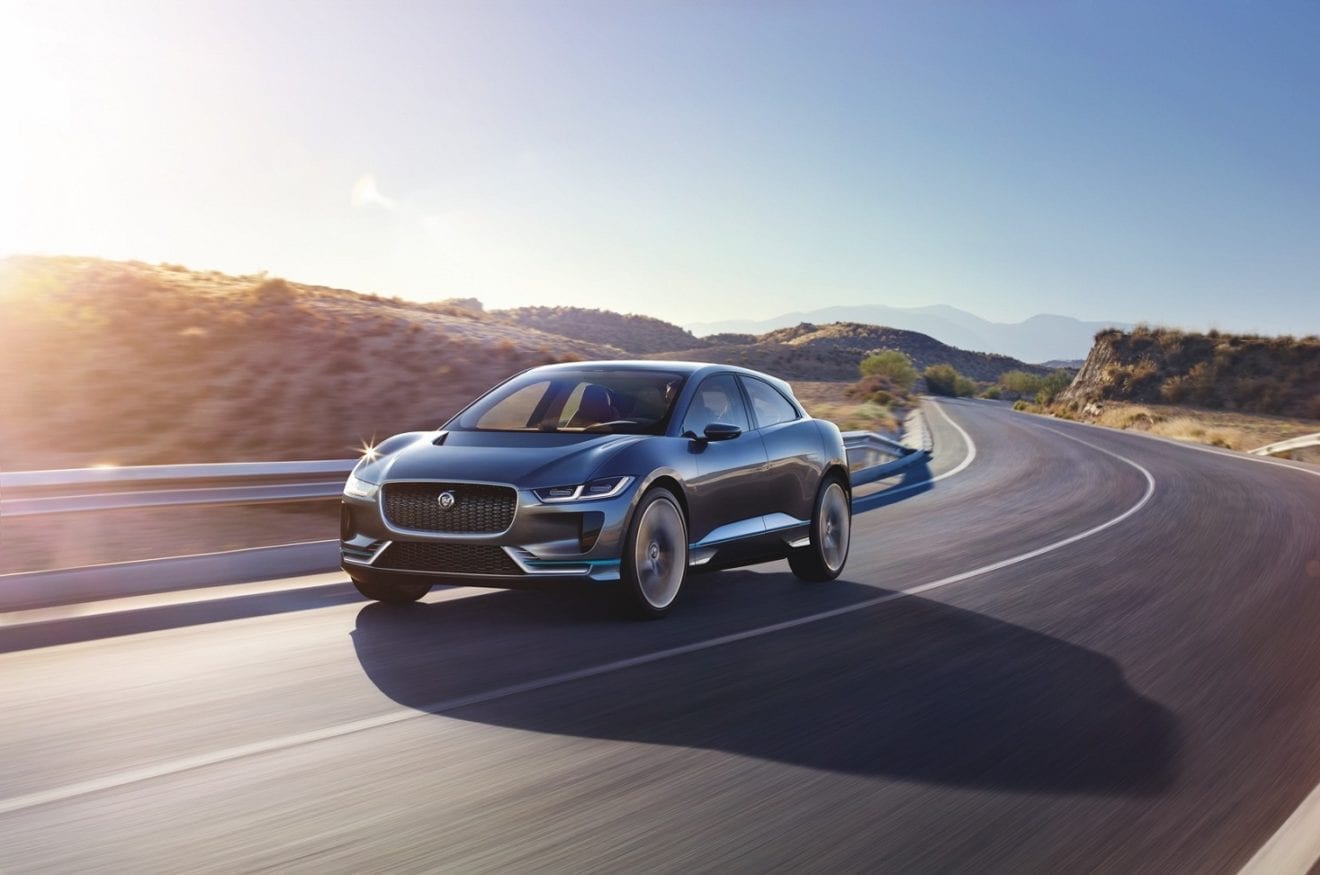
    Jaguar has confirmed that the J-Pace SUV is in the works and a select few got a chance to see what the car is like. The J-Pace will be positioned above the F-Pace and it is likely to be underpinned by the MLA platform which will also spawn the next-generation Land Rover and its hardware will be developed with electrification in mind. The company had already announced its electrification plan worldwide. Every new Jaguar Land Rover model line will be electrified from 2020, giving customers more choice. The company is also set to introduce a portfolio of electrified products across our model range, embracing fully electric, plug-in hybrid and mild hybrid vehicles and that has already started with the I-Pace.

    There are more cars coming through and this includes the replacements for the current XE and F-Type. Of course, there’s also the all-electric version of the flagship sedan, XJ, which is set to make its mark in the market very soon. the model all-electric XJ which will succeed the combustion version which rolled off the production line for the last time on July 5.

    Codenamed Road Rover, the new generation Jaguar XJ will also get cosmetic changes along with the electric motor. Reports suggest that the XJ will be turned in to a five-door sedan instead of the current 4-door body. It is understood that the design layout for the new XJ is ready and the company will soon start working on it. This new design language will also be seen in the future Jaguar models.

    Additionally, considerably less expensive ‘baby Jags’ (possibly badged A-Pace or B-Pace) have not been ruled out. Dr. Ralph Speth, Jaguar CEO also stressed that Jaguar (plus sister manufacturer, Land Rover) are definitely not for sale to Peugeot-Citroen, Fiat-Chrysler, Hyundai-Kia or any other motor manufacturing companies.

  • Body Shop Malaysia and Vietnam operator to list

    Body Shop Malaysia and Vietnam operator to list

    The retailer and distributor of The Body Shop products in Malaysia since 1984 has yet to fix the issue price and the opening and closing dates of the IPO. But local news reports have suggested the IPO may raise up to MYR200 million (US$48.6 million).

    InNature has indicated plans to use any IPO proceeds for capital expenditure, working capital and new business development.

    The firm has 89 locations in Malaysia and 26 in Vietnam, including online platforms. It plans to enter Cambodia later this year.

  • LVMH sales up despite global tensions

    LVMH sales up despite global tensions

    Luxury brand owner LVMH has reported a solid 15 percent increase in sales in the first half of this year, shrugging off gloomy consumer sentiment in many markets.

    The parent of Louis Vuitton, Christian Dior, Bulgari, Sephora, DFS, Moet and a raft of other brands recorded sales of €25.1 billion. Organic growth was 12 percent ahead of the same period a year earlier.

    Second-quarter growth was also up by 15 percent of the beginning of the year, with the US, Asia and Europe all showing good growth and an obvious rebound in France in the second quarter.

    While the company noted a slowdown in demand in Hong Kong and Macau over the past few months, its DFS department-store subsidiary recorded “good” performance during the first half of the year.

    Profit from recurring operations was €5.295 billion for the first half, up by 14 percent, with operating margin reaching 21.1 percent – about the same as last year.

    “These results once again illustrate the effectiveness of our strategy and the exceptional desirability of our Maisons, whose products transcend time,” said chairman and CEO Bernard Arnault.

    “Their constant demand for quality and their consistently refreshed creativity are key to LVMH’s success, always guided by a long-term vision, combining exemplarity and responsibility in all the company’s actions. Despite buoyant demand, we will continue to manage costs and remain vigilant into the second half of the year. We are therefore entering the second half of the year with confidence and count on the talent of our teams and their shared entrepreneurial passion to further increase, once again in 2019, our leadership in the world of high-quality products.”

    The company’s fashion and leather goods business group recorded organic sales growth of 18 percent and profit from recurring operations was up 17 percent. The Louis Vuitton brand business achieved growth in all businesses and regions. Christian Dior had “a remarkable performance during the first half,” the company said, with its new 30 Montaigne line a standout.

    The selective retailing business group achieved organic revenue growth of 8 percent, with profit from recurring operations up 17 percent. Within that group, Sephora recorded strong revenue growth and gained market share in all of its locations, LVMH reported.

  • Mercedes-Benz India To Hike Car Prices By 3% From August

    Mercedes-Benz India To Hike Car Prices By 3% From August

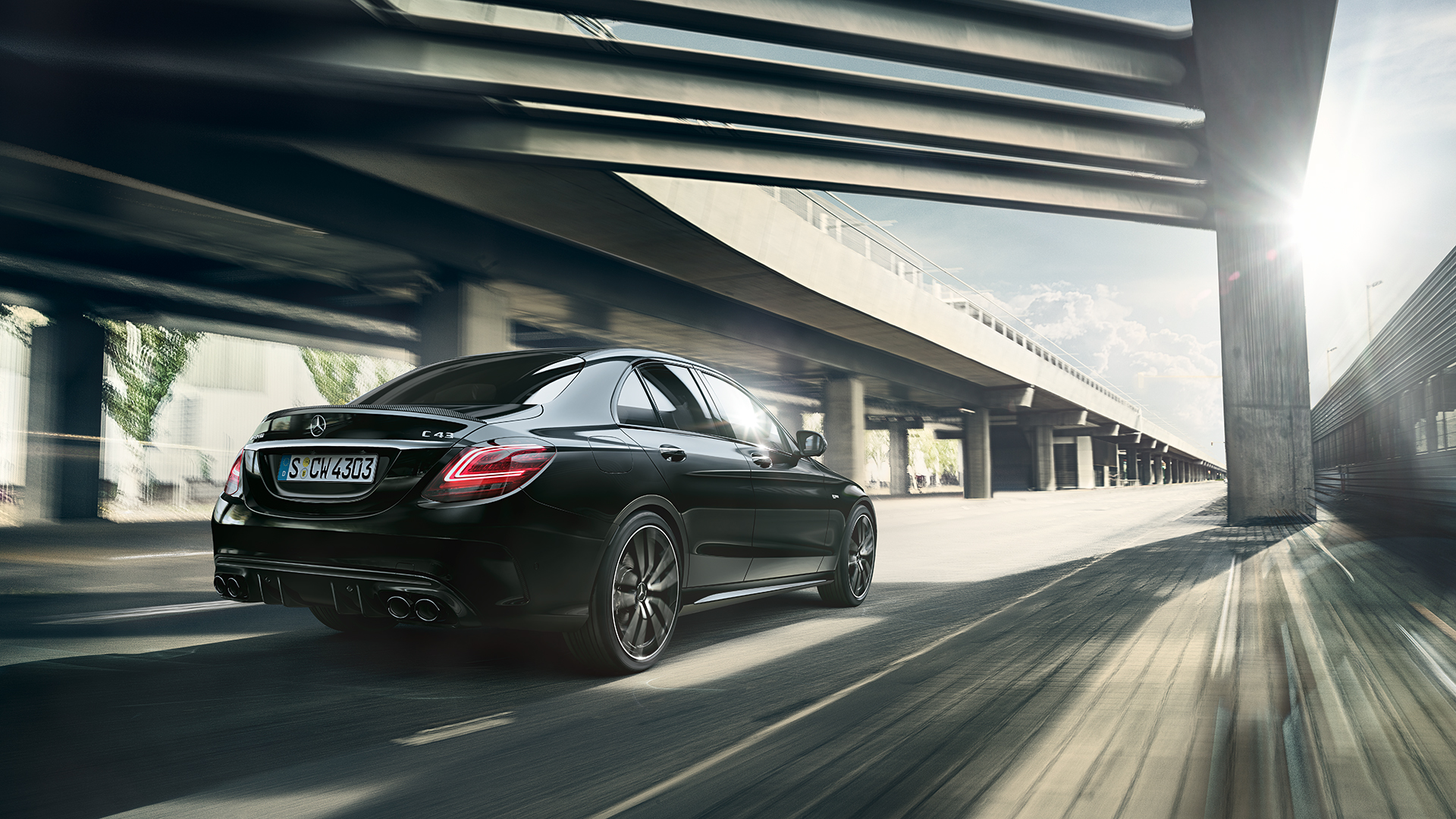
    Mercedes-Benz India has announced an increase in prices for select model range in India. With effect from August 2019, select Mercedes-Benz cars will see an upward revision in prices, up to 3 percent across the model range. While the company hasn’t shared the list of models that will see the price hike next month, the carmaker does mention that the current increase in customs duty on automotive parts and additional cess and excise duty on fuel has led to the price hike.

    Martin Schwenk, Managing Director & CEO, Mercedes-Benz India said, “As the leading luxury automobile maker in India, we have been relentlessly working on offering the best of products and industry benchmark customer service and ownership experience. However, a hike in customs duty on automotive parts, compounded by an increase in excise duty, and cess on fuel have had a significant impact on our bottom line. We were left with fewer options, but to make some necessary price adjustments to our product range at the moment to offset the impact of the rising input costs.”

    Last time the carmaker announced a price hike in India was back in September 2018, along with several other carmakers, after the value of the Indian Rupee reaches almost 73 compared to the US dollar.

    Recently, Mercedes-Benz India also reported a sales decline of 18.60 percent in the Indian market in the first half of the calendar year 2019. The company has sold 6561 units in the January-June period this year against 8061 units which were sold in the same period a year ago.

  • APAC Banks Face More Competition From Disruptors

    APAC Banks Face More Competition From Disruptors

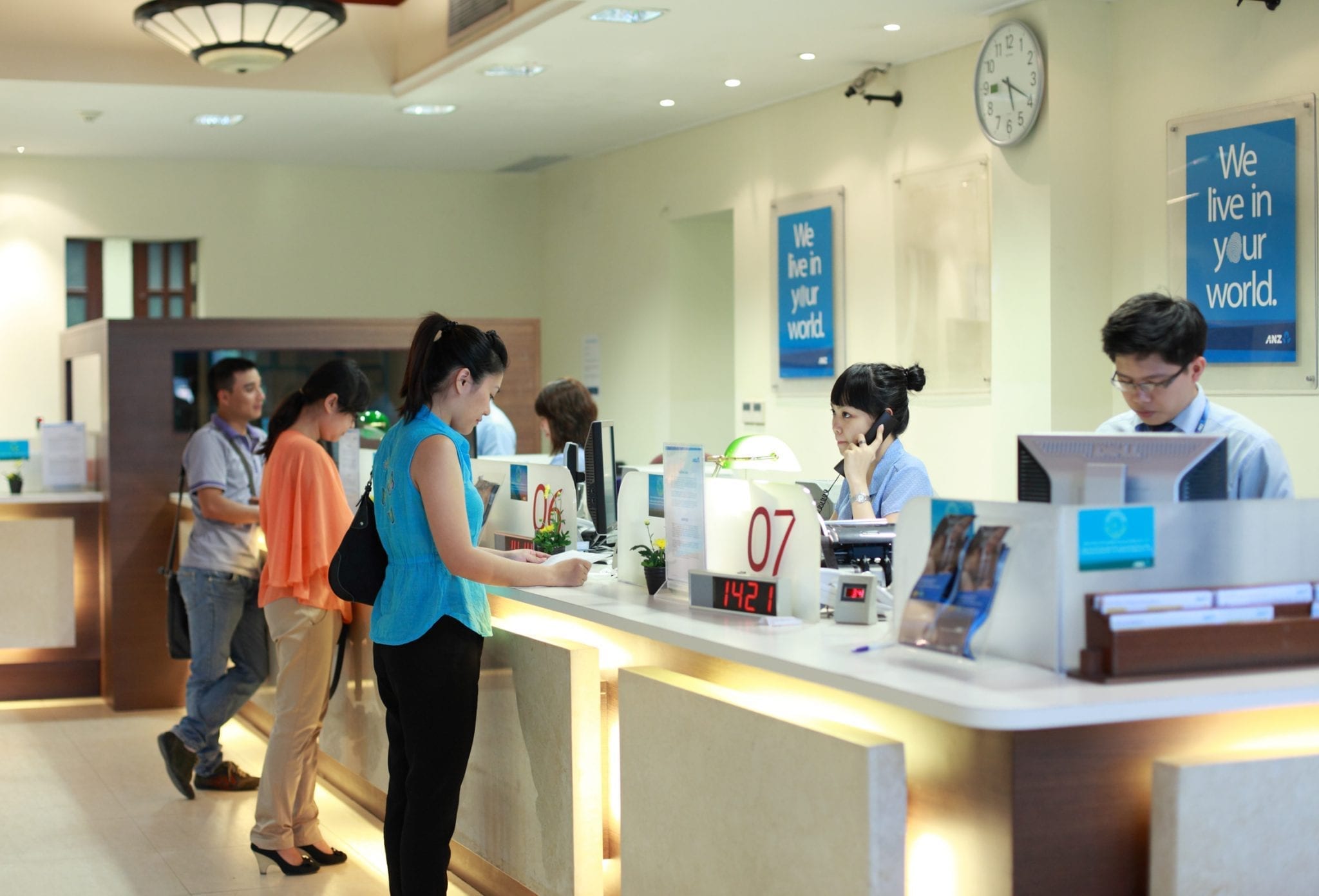
    Technology and e-commerce disruptors such as Google, Alibaba and Apple are considered the biggest threat to banks, followed by payment players and Neo-banks, says Asia’s bankers.

    In markets where mobile payments have already taken root, banks and payment processors are battling tech companies on two fronts. They are working to retain their own retail card and current-account customers and attract new users to their apps and e-wallets. They also need to get and keep merchants on their side if they are to reap the economies of scale from a high-volume, low-margin sector, according to a study by The Economist Intelligence Unit commissioned by Swiss software firm Temenos.

    The survey, entitled «A Whole New World: How technology is driving the evolution of intelligent banking in Asia-Pacific», found that competition is intensifying between established retail banks and the technology and e-commerce disruptors that threaten to carve up the payment solutions market. Big tech giants Google, Alibaba and Apple are considered the biggest threat to banks (32 percent), followed by payment players such as PayPal, Ripple, and Alipay (28 percent) and Neo-banks such as Volt Bank, Varo Money and Monzo (25 percent).

    With these threats top of mind, 37 percent of Asia-Pacific bankers see mastering digital marketing and engagement as their top strategic priority by 2020.

    Asia-Pacific bankers are acutely aware of the race they find themselves in against technology giants that have the capital and scale to take market share from established players. Neo-banks are not far behind and have the flexibility to outmaneuver major banks on the margins. To remain relevant, retain customers and appeal to the evolving demands of younger generations, banks must master digital engagement, and quickly, said  Martin Frick, Managing Director of APAC at Temenos, in a media statement on Tuesday.

    To counter the possibility of losing customers to non-traditional banking competitors, some banks are following a “2 app” approach in order to counter non-traditional banking competitors. For example, Singapore’s DBS bank has its traditional banking phone app and PayLah!, an app that is used for transactions and lifestyle services. With over 1 million users for its PayLah! app, DBS DBS believes more users would come on board for its trusted data privacy and security measures.

    In contrast, big tech competition could struggle to ensure the trust of traditional bank users because of the high possibility of data leaks that have occurred in the past in the tech industry.

    One of the main issues being brought forward from the survey is how to regulate banking effectively across the APAC region. The survey highlighted the dangers of a deregulated banking environment with the dominance of the WeChat Pay and AliPay duopoly in China. Sopnendu Mohanty of the Monetary Authority of Singapore argues that a common data policy would be beneficial for the APAC region.

    A regional regulatory banking policy would be effective in creating a balanced and transparent intelligent banking industry, the survey highlights. The European Union’s General Data Protection Regulation could be an inspiration for how to push forward such regulatory oversight in the APAC region. These standards would be easier to implement in the digital economy than in the physical economy.

    Regulation across the region has developed disparately. In Australia, open banking is being driven by the government to increase competition within established regulatory frameworks. In other parts of Asia-Pacific, such as Singapore, open banking is primarily being driven by the players themselves propelled by their desire to remain competitive and resulting in a need for retrospective regulation. In China, tighter licensing and data protection rules are set to diminish Alipay and WeChat Pay’s duopoly across the broader region.

  • Uber Freight Launches In Germany

    Uber Freight Launches In Germany

    U.S. ride-hailing company Uber is launching a freight platform in Germany, taking on local technology startups in a race to grab a share of Europe’s $500 billion trucking market.

    Germany will be Uber Freight’s second European market to go live after the Netherlands, an executive told Reuters, adding that the firm would consider expanding elsewhere in Europe once the new German operations were running smoothly.

    In the United States, Uber Freight connects 48 states and generates more than $125 million in quarterly revenues.

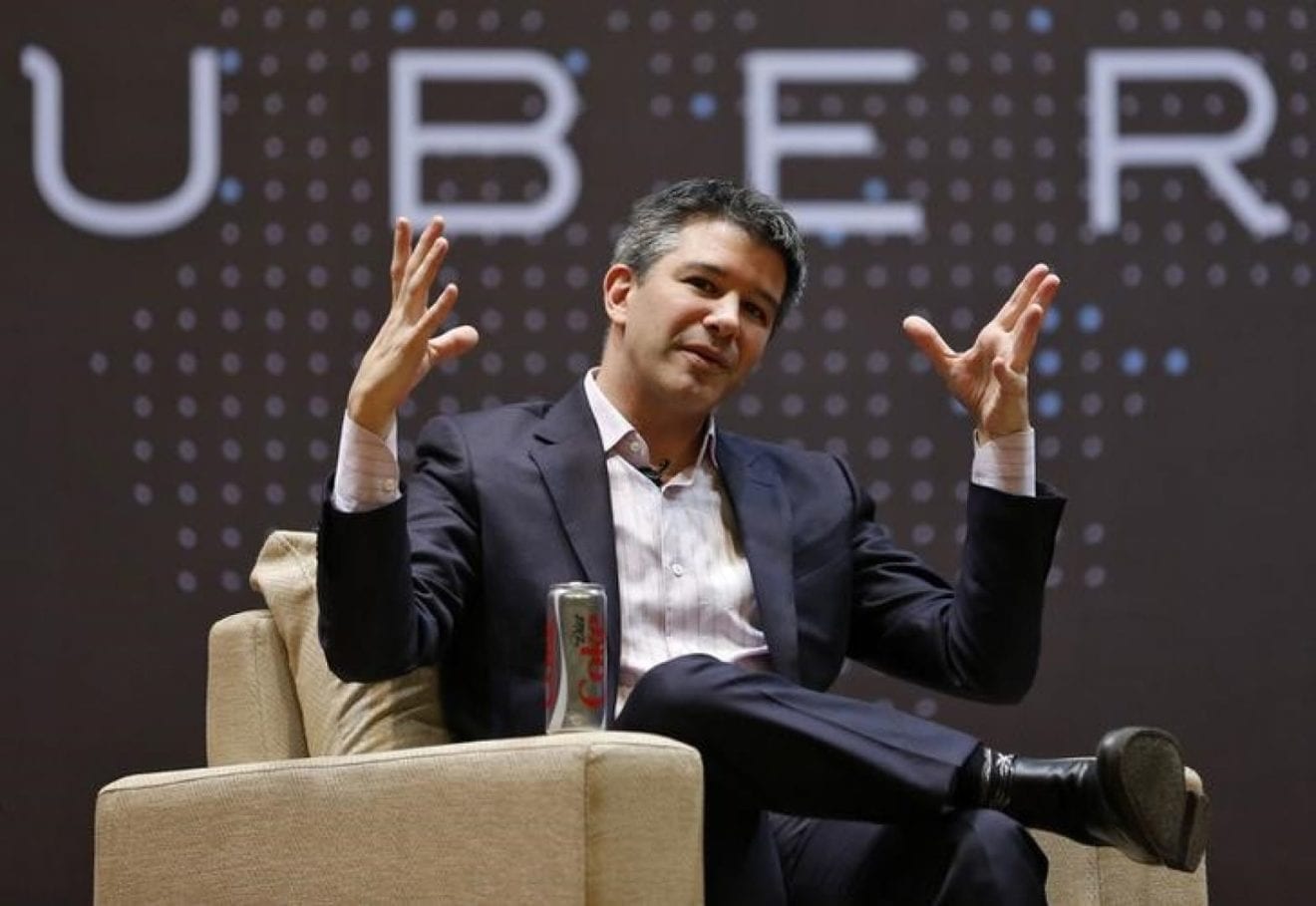
    Uber’s bid, under its founder Travis Kalanick, to establish its ride-hailing services in Germany met intractable opposition from taxi companies, politicians and the courts.

    Under Kalanick’s successor, Dara Khosrowshawi, Uber has consulted German officials and industry to win support for its freight business, said Daniel Buczkowski, Uber Freight’s head of European expansion.

    “After the change in leadership, we really engaged in doing the right thing,” Buczkowski, who is German, told Reuters.

    Uber will compete with local players, including Berlin-based startup sennder, which has raised $70 million from private equity house Lakestar and other investors, and which already has a wider presence in Europe.

    Uber and sennder aim to digitalize an industry dominated by firms running 10 or fewer trucks and to improve efficiency – trucks are empty for 21% of the distance they travel. Real-time tracking of consignments and payment automation will make life easier for shippers and hauliers, tech platforms say.

    “The key to getting a lot of value out of this industry is understanding how to use those empty kilometers,” said Nicolaus Schefenacker, a co-founder of sennder, which was set up in 2016.

    He told Reuters that, as its network expanded, it was easier to model and forecast traffic flows to ensure consignments found the right truck at the right price.

    Unlike Uber’s ride-hailing app or its food-delivery service, Uber Freight will operate as a middle-man in a market with an established pricing structure.

    It will make money from the margin between the price paid by the shipper and the amount it pays on to the trucker, insulating it from the type of complaints made by many ride-hailing drivers who say they struggle to earn a decent income.

    Given the fragmented nature of the freight forwarding market, a single player was unlikely to dominate but regional players might emerge, said one investor who backed sennder.

    Uber, with a stock market capitalization of $74 billion, aims to adapt its model used in the United States, where many truck drivers are sole operators, to Europe, where small, family-run firms dominate.

    The apps still face challenges, ranging from environmental issues confronting an industry that runs on diesel to ensuring drivers are not overworked with long hours on the road.

    The industry also needs new recruits, with the World Bank estimating two-thirds of German drivers will retire over the next decade, threatening a shortage in capacity for an industry that handles more than 70% of freight.

    “The problem that we see today is that we are not using the assets that we have efficiently,” Buczkowski said, adding this was what apps like Uber Freight would seek to address in Germany, and in other European nations in future.

  • KFC invests millions in drive-thru-only restaurants

    KFC invests millions in drive-thru-only restaurants

    Quick service restaurant KFC announced last week it is investing $1.5 million in a “completely new concept for the fast-food industry” – a first of its kind drive-thru-only restaurant.

    Located in Newcastle, NSW, the store will feature five lanes and will utilize new technology to improve efficiency and speed in order from the on-site kitchen.

    Customers will be able to order and pay via the KFC app or website before arriving at the restaurant, and they will receive a four digit code to enter on a touchscreen receiver when they pull up to concept store, which sends the order to be prepared.

    Construction started in late June, and the restaurant is set to open in early November. The company said it potentially will roll out more drive-thru-only locations across Australia.

    “Drive-Thru Only is the latest example of KFC’s commitment to innovation, and to giving Aussies the most delicious and fresh chicken possible,” KFC Australia’s chief marketing officer Kristi Woolrych said.

    “We’re dedicated to continually building on our customer offering, that we’re always providing delicious and fresh meals, in the most convenient way to meet their busy lifestyles.”

    The store was conceptualized after KFC saw its e-commerce offering surge in popularity, with online ordering growing 100 per cent year on year for the last five years straight.

  • Sands Macao Fashion Week 2019 insights

    Sands Macao Fashion Week 2019 insights

    Sands Resorts Macao will host the Sands Macao Fashion Week 2019 from October 17 to 23 with a week of fashion shows, exhibitions and promotions.

    The event, being held for the third time, is designed to showcase the many retail outlets at Sands Shoppes Macao and the upcoming autumn/winter collections. Apart from the opening night invitation-only event, all other events are free and open to the general public. With approximately 850 stores, Sands Shoppes Macao is the territory’s largest duty-free luxury-shopping experience.

    Sands Macao Fashion Week 2019 will feature a packed program, showcasing leading luxury and lifestyle brands across The Shoppes at Venetian, The Shoppes at Four Seasons, The Shoppes at Cotai Central and The Shoppes at Parisian. The week will be launched with a glamorous event for VIP guests, media and key industry influencers.

    Aimed at both the fashion industry and the general public, Sands Macao Fashion Week 2019 will present a series of ready-to-wear group runway shows spotlighting current collections together with various retail workshops and initiatives across the integrated resort.

    As with the two previous events, outstanding local designers hosted by the Macau Productivity and Technology Transfer Center (CPTTM) will again be invited to participate in Sands Macao Fashion Week 2019 as part of Sands China Ltd.’s ongoing campaign to support Macao’s cultural and creative industries.

    “Following its launch two years ago, Sands Macao Fashion Week continues to go from strength to strength,” said Las Vegas Sands Corp’s executive VP of global retail, David Sylvester.

    “As with the previous editions, this year’s SMFW will represent a celebration of all things fashion, taking in some of the biggest brands alongside boutique labels, with a spotlight on Macao’s homegrown fashion industry. We’re anticipating a thrilling week.”

    Sands Macao Fashion Week 2019 will also feature offers and exclusive promotions on a wide range of products.

  • Country Manager, Levi Aron leaving Deliveroo

    Country Manager, Levi Aron leaving Deliveroo

    Deliveroo’s country manager in Australia, Levi Aron, is leaving the food delivery company after nearly four years at the helm of the business Down Under.

    Merten Wulfert, managing director of APAC and the Middle East, will take over the day-to-day management of the food delivery service in Australia, while the company looks for a new country manager.

    Greg Ellis, former CEO of REA Group and Scout24, will also become senior adviser to Deliveroo Australia, and is expected to aid the company’s next phase of growth and expansion.

    Aron joined Deliveroo in August 2015 as country manager for Australia, and launched Deliveroo in the market in November of the same year. Under his leadership, the food delivery platform has grown to work with 11,000 restaurants across 13 Australian cities. It has 8000 riders and reaches 11 million Australians.

    Deliveroo plans to take the company’s growth to the next level by focusing on increasing restaurant selection, rolling out more virtual brands for restaurants to increase selection for customers and sales for restaurants and providing the best service to customers and riders.

    In a statement announcing his departure on Friday, July 19, Aron said he plans to pursue external opportunities.

  • First Blockchain-Based Remittance in Philippines Completed

    First Blockchain-Based Remittance in Philippines Completed

    Major Philippines lender Union Bank has completed the first-ever blockchain-based remittance in the nation from OCBC in Singapore.

    The bank reportedly used an Ethereum-powered liquidity management system alongside its own proprietary i2i platform to complete the transaction from OCBC as a pilot. The funds were remitted to an account holder at Cantilan Bank in Surigao del Sur, a southeastern province.

    Chief fintech officer of the Monetary Authority of Singapore Sopnendu Mohantynoted that the city-state’s regulator had been exploring blockchain-based payments since 2016.

    We are excited to see this potential being realized, with cross-border payments that are cheaper, faster, and safer through the i2i network, he said.

    Rural banks have limited access to financial networks and a lag for remittances to be credited—five to seven days. Non-bank remittance counters offer faster execution but at a higher and sometimes unbearable cost for the relevant market segment.

    On the other hand, the crypto-based platform which the aforementioned banks used, Adhara, allows users to settle real-time payments at low cost and high efficiency by tokenizing assets and smart contracts on an Ethereum-based ledger.

  • Popeyes China planning over 1500 restaurants openings

    Popeyes China planning over 1500 restaurants openings

    Popeyes Louisiana Kitchen is set to develop and open more than 1500 Popeyes restaurants in Mainland China over the next 10 years.

    Popeyes China will be the last of Restaurant Brands International’s three major brands to enter the Chinese market. Burger King has operated in the territory since 2005, and it now has more than 1000 locations in China.

    “We’re very excited to grow the Popeyes brand in the Chinese market,” said Restaurant Brands International COO Josh Kobza. “We look forward to bringing our great tasting chicken, biscuits, sides and beautiful new restaurants to our guests in China with our partner, TFI TAB Food Investments.”

    Popeyes operates more than 3100 locations in more than 25 countries worldwide, including the United States and Canada. The commencement of Popeyes China operations is subject to regulatory clearances.

  • China key driver for Hermes sales growth

    China key driver for Hermes sales growth

    Chinese consumers have been credited with driving a 14.7 per cent rise in Hermes’ sales in the June quarter.

    While the Sino-US trade war may have been impacting on many brands, subduing consumer confidence and generating uncertainty, the French luxury leather retailer seems immune to the tempest.

    Sales reached €1.67 billion, exceeding analysts forecasts, with first-half sales totalling €3.28 billion.

    “Hermes sales were very dynamic in the first half of 2019, in all regions and in all business lines,” said CEO Axel Dumas.

    The fastest-growing region, however, was Asia (excluding Japan) where sales soared 18.6 per cent in the second quarter, excluding currency effects. Hermes referred to “positive momentum in continental China and double-digit growth in all other countries in the area” in a statement.

    Eric du Halgouet, Hermes’ finance director, said sales in Hong Kong rose by a double-digit rate during the first half year, despite the impact of June’s pro-democracy demonstrations when two of the company’s stores had to close briefly.

    Sales in Japan rose by nearly 10 per cent.

    Sales of the company’s core business lines, including handbags, rose by 12.2 per cent, while ready-to-wear fashion and accessories achieved 16.9 per cent growth.

    Jewellery and homewares posted the highest growth, at 21 per cent.

    In the statement, Hermes said that despite growing economic, geopolitical and monetary uncertainties around the world, the group confirms an ambitious goal for revenue growth in the medium term, at constant exchange rates.

  • ‘Grooming men’ brings opportunities for retailers

    ‘Grooming men’ brings opportunities for retailers

    Men who lavishly invest in fashion and beauty – so-called grooming men -have emerged as new flagship customers for the South Korean retail industry.

    Those who open their wallets without hesitation to improve their appearance are working hard to groom themselves, a thought that was unimaginable in the past, with emphasis on whitening, anti-aging and waxing.

    In the first half of this year, men focused on anti-aging products that slow down aging, and waxing related products, according to an analysis by Gmarket, an online shopping site.

    In the same period, men purchased 53 per cent more eye cream, 94 per cent more hand-and-foot mask packs, and 12 per cent more eye and lip patches compared to last year.

    Younger grooming men preferred pack or patch products that can provide intensive care to specific parts of the body.

    An analysis of the increase in sales of hand-and-foot masks by age showed that purchases among those in their 20s and 30s were 4.6 times higher and 3.8 times higher, respectively, than the average. Meanwhile the share of eye- and lip-patch purchases among those in their 20s and 30s were 13 per cent and 62 per cent, respectively.

    Many men care about whitening and waxing, according to the survey. In the first half of this year, overall sales of waxing products rose 17 per cent from a year earlier, while men’s purchases increased by 130 per cent.

    The retail industry is welcoming the ‘grooming men.’

    The Hyundai Department Store operates a “Hyundai Men’s” boutique, where male customers can purchase all the necessary products within one store, including fashion, beauty and electronics, at its Trade Center and Pangyo branches.

    Thanks to such services, sales at the men’s boutique at the Pangyo branch in the first half of this year rose 15.1 per cent from the same period last year, compared to 10.6 per cent at its Trade Center branch.

    “Men’s interest in fashion and beauty can now be seen in daily life,” a retail industry source said, adding that investment in appearance is diversifying beyond fashion and accessories.