Blog

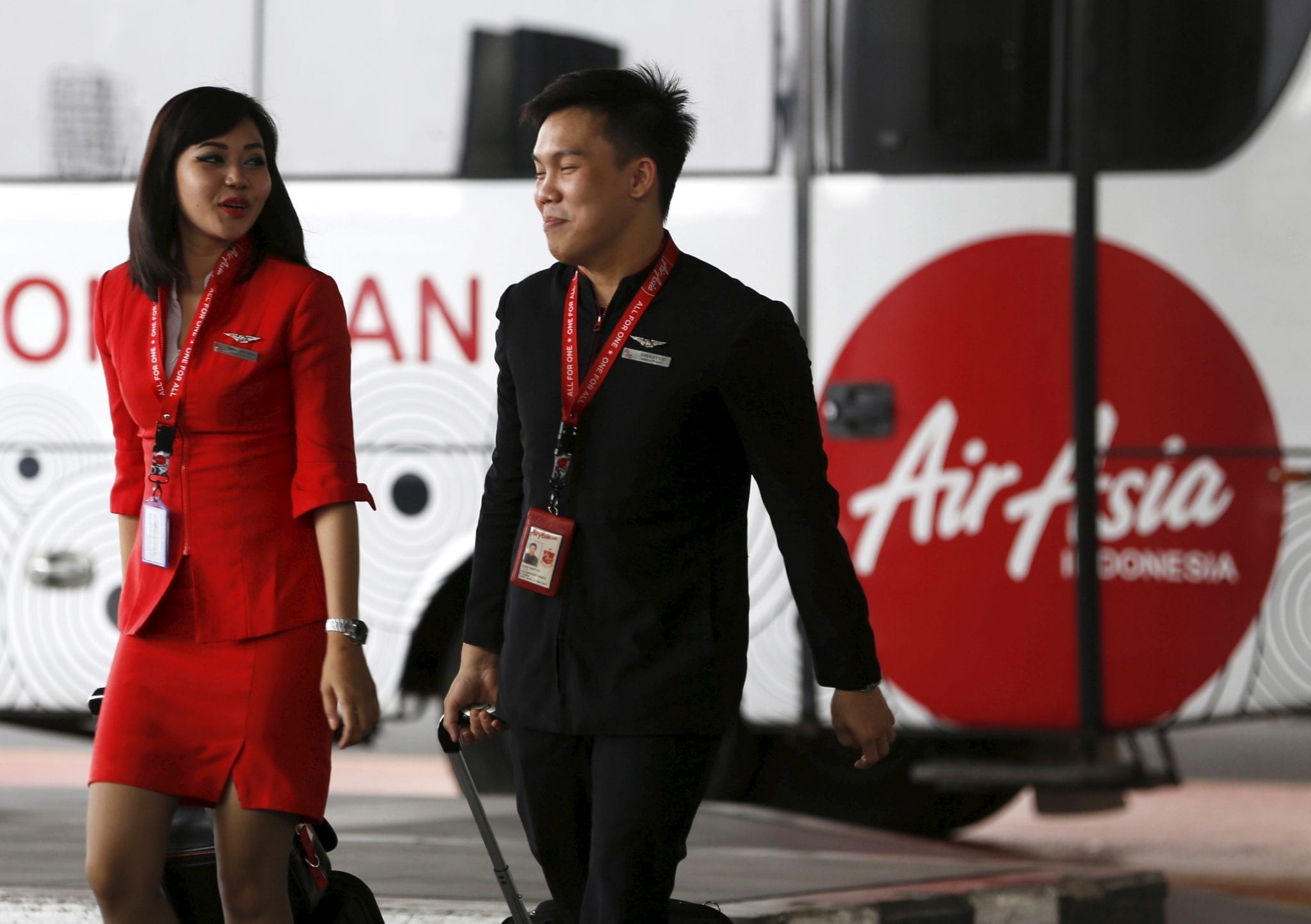
  • AirAsia ordered to pay at least $9.9 million to Malaysia Airports

    AirAsia ordered to pay at least $9.9 million to Malaysia Airports

    The Malaysian High Court in Kuala Lumpur has ordered AirAsia and AirAsia X to pay operator Malaysian Airport Sepang (MA Sepang) MYR40.73 million ($9.9 million) in unpaid passenger service charges after ruling in favor of the national airport operator.

    The LCC was also ordered to pay MYR972,381 and MYR24,000 for late payment and lawsuit fees, respectively.

    In retaliation, AirAsia Group CEO Tony Fernandes took to Twitter and posted photos of beehives at the airport, as well as uneven parking aprons at Kuala Lumpur International Airport (KLIA) Terminal 2, known as KLIA2. Since moving to KLIA2 in 2014, AirAsia has been very unsatisfied with terminal design and facilities.

    MA Sepang, a subsidiary of Malaysia Airports Holdings Bhd (MAHB) first sued AirAsia and AirAsia X in December 2018 for unpaid passenger service charges after the former raised the charges from MYR50 to MYR73. AirAsia refused to charge its passengers the increased rate as it said the facilities at KLIA2 were sub-standard. The LCC later countersued MAHB in January 2019 for losses and damages incurred by both airlines because of operational disruptions at KLIA2.

    The High Court also dismissed AirAsia’s appeal against the Malaysian Aviation Commission for failing to mediate the issue between the two parties, as regulations stipulate.

    “We will continue to fight the battle on behalf of all Malaysians and travelers to Malaysia,” Fernandes said in his posts, adding he hopes MAHB will act like a partner.

  • Mainland China retail sales surge in June

    Mainland China retail sales surge in June

    Motor vehicles and the 6.18 shopping festival spurred a healthy increase in Mainland China retail sales in June.

    Official government figures show a 9.8 per cent year-on-year increase for the month, higher than the 8.6 per cent of May and 8.4 per cent for the first half year.

    Summer Wang, an equity analyst at Jefferies, said auto sales surged due to deep discounts on older models ahead of stricter State VI emission standards which took effect on July 1, and the 6.18 Shopping Festival  which drove cosmetics, jewellery and appliance sales. Small-ticket items like food and daily goods also outperformed.

    Urban Mainland China retail sales grew 9.8 per cent, ahead of the 8.3 per cent year-to-date figure, reaching RMB2.896 trillion (US$421 billion) in June, while rural retail sales grew by 10.1 per cent, ahead of 9.1 per cent for the half year.

    Cosmetics sales grew by 22.5 per cent, cars by 17.2 per cent and daily goods by 12.3 per cent.

    “We believe the beauty category is continuing to benefit from functional premiumisation, as consumers – both women and metrosexual men – are willing to pay a premium for a tangible improvement in appearance,” said Wang.

    “Most discretionary categories saw improvement as well, including gold and jewellery (up 7.8 per cent), home appliances (up 7.7 per cent) and apparel and footwear (up 5.2 per cent).”

    By channel, online retail goods sales kept momentum with a robust 21.6 per cent year-on-year growth during the first half of the year, accounting for 19.6 per cent of Mainland China retail sales.

  • Apple’s Tim Cook has a clear replacement

    Apple’s Tim Cook has a clear replacement

    August 24th marks eight years since Steve Jobs stepped down as CEO of Apple and Tim Cook assumed the position’s full responsibilities. The company has since more than doubled its market value and sold products to millions of customers across the globe. But with growth now slowing, Bloomberg suggests a clear successor to Tim Cook has begun emerging, even though the latter is unlikely to step down anytime soon Chief Design Officer Jony Ive was often considered to be the most important person at Apple after Tim Cook. But following the announcement last month that he was departing the company to start up.

    a design studio, this position appears to have been filled by Chief Operating Officer Jeff Williams who is currently seen as the perfect Tim Cook replacement. Speaking on the condition of anonymity, many current and former colleagues described Williams as a “modest, disciplined, demanding leader in the current CEO’s style.” Since taking over the role of COO – a title once held by Tim Cook – he has prioritized operational efficiency and worked closely with suppliers across the globe. Williams has also adopted a more hands-on role when it comes to product development and schedules weekly reviews for future products to track progress and brief CEO Cook of developments. These meetings are officially called New Product Reviews but some employees now call them “Jeff Reviews.”

    The COO, just like Cook, is very good at watching and listing to other employees. He has built up the reputation of being soft-spoken but when required, Williams isn’t afraid of asking sharp questions or insisting on further improvements until Apple’s standards are met. This is especially the case when it comes to the design teams. Williams “comes from the operations side, and the metrics being applied there often have very little meaning in design.” Because of this, he isn’t always as understanding when things aren’t up to scratch, although colleagues say he doesn’t quite have the temper of Steve Jobs. Back when Apple was developing AirPods, the executive purposely continued wearing wired EarPods until he was happy with the fit of their wireless counterparts to get his point across rather than creating a storm inside the company.

    Williams currently overseers Apple’s entire supply chain, fitness and health research and app development, AppleCare customer support, and the development of all hardware products including the next-gen iPhones. Before taking over as COO, however, Williams primary focus was the first Apple Watch which quickly became his biggest test at the company. Mere months before the original’s release in April 2015, some employees testing the wearable began reporting allergic reactions to the type of nickel Apple had used. This is a common issue in the watch industry but Williams chose to scrap the thousands of devices that had already been produced in favor of restarting production from scratch with a different metal.

    Around this time, the now-COO also had to deal with another issue regarding the company’s Taptic Engine. The feature, which was a priority for Williams and allowed the Watch to vibrate more quietly than the counterpart used inside phones, was prone to corrosion which ultimately led to long-term failure. Instead of shipping the wearables, Williams decided to gift the affected models to employees and fix the issue ahead of release.

    The move led to delays and made the Apple Watch difficult to find shortly after launch. Nevertheless, it avoided potentially defective units hitting shelves and was ultimately the right move for consumers.

    Over the past few years, Apple has completely transformed the way it operates with the help of Tim Cook. Product design used to be the priority but the company’s operations team now appears to be running the show and influencing every other department. According to a former senior Apple executive, Jeff Williams is “the closest thing at the company to Tim Cook, and you’ll get more of that. If you think Cook is doing a good job, then it’s a good choice.” Another person who knows him said, “Jeff is 95% operations and 5% product.”

    This strategy has worked incredibly well for the company over the past few years but, with growth slowing, many now wonder if it’s sustainable. Michael Gartenberg, a former Apple marketing executive, believes “one doesn’t necessarily need a visionary as CEO of Apple as long as there’s a visionary in the company that the CEO can work with. had Jony Ive. The question is, with Ive gone, who is the visionary at the company that can guide the next big thing?”

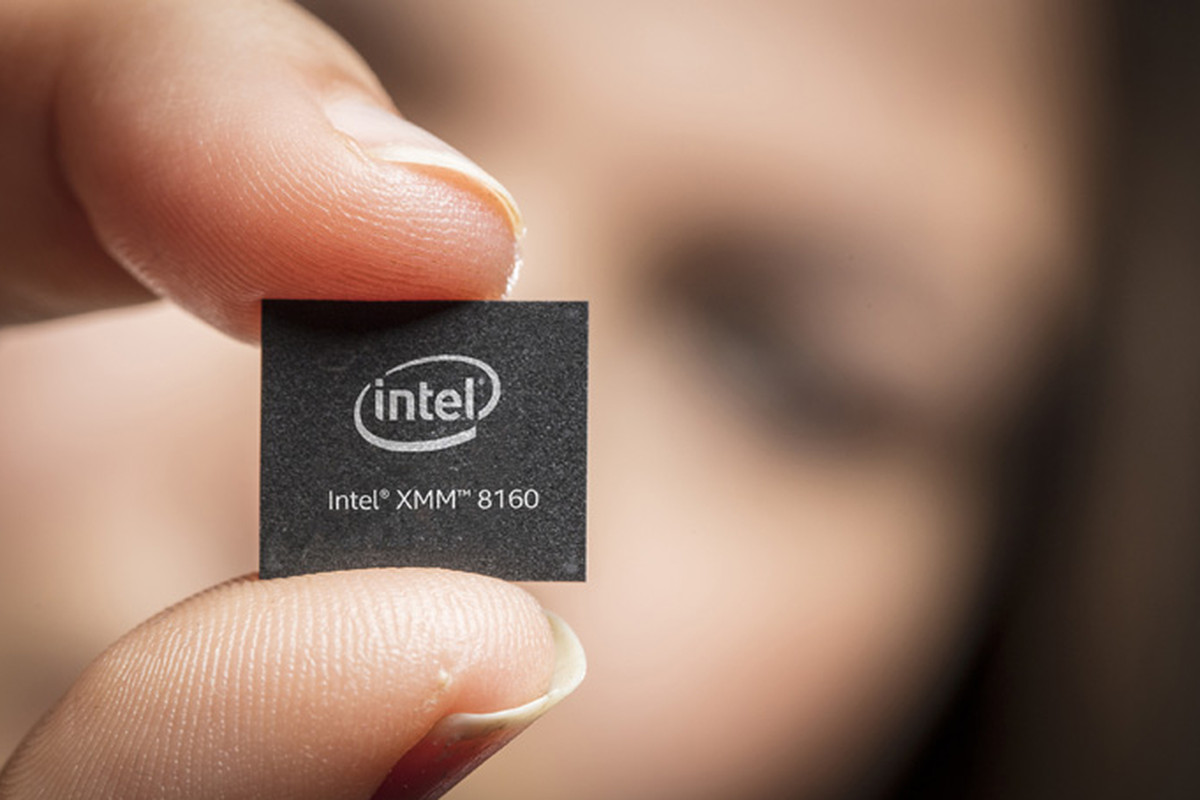
  • Apple reportedly is close to buying Intel’s modem chip business

    Apple reportedly is close to buying Intel’s modem chip business

    By April of this year, Apple was desperate. It was embroiled in a fight with Qualcomm that was playing out in numerous lawsuits including one that was taking place in San Diego with billions of dollars at stake. With Qualcomm apparently unwilling to sell it 5G modem chips, Apple was relying on Intel, the company that supplied it with the 4G LTE modem chips used on the 2018 iPhones. But there were questions about whether Intel could deliver a 5G modem chip in time for Apple to release a 5G iPhone by 2020.

    On April 7th, Intel said that it would be able to supply Apple with its 5G modem chip in time for the first 5G iPhone to be launched next year. But just nine days later, while closing arguments were taking place during the trial in San Diego, a blockbuster announcement was made; Apple agreed to pay Qualcomm an undisclosed amount (believed to be $4.5 billion) and in return Qualcomm gave Apple a six-year license (with an option for two additional years) and a multi-year chip supply agreement. All lawsuits were dropped. Intel could see which way the wind was blowing and later that same day, the chipmaker announced that it was quitting the 5G smartphone modem business. And last month, the rumors started about Apple buying Intel’s smartphone modem business. Such an acquisition, if completed, would help Apple achieve its goal of producing its own modem chips.

    The talks between Apple and Intel have heated up to the point where they are now classified as “advanced.” The deal, said to be valued at $1 billion or more, could be announced as soon as next week. This would be a big transaction for Apple as the company usually makes small purchases. For example, in 2012 Apple bought biometrics firm AuthenTec for $356 million and Touch ID debuted a year later on the iPhone 5s. In 2015, Apple paid a reported $20 million for imaging firm LinX. The acquisition helped Apple immediately step up its camera game.  The most money that Apple has ever shelled out to buy another company was the $3 billion it spent to buy Beats Audio in 2014. While most of these deals had almost immediate payoffs for Apple, even with Intel’s smartphone modem chip business, it might not be until 2022 or 2023 before Apple is able to be self-sufficient in this area.

    Apple has been hiring engineers, including some from Intel, and plans on opening an office in San Diego with 1,200 employees. If a deal is reached, Intel will be getting rid of a business that has been losing $1 billion a year. And while it will no longer be producing chips for smartphones, it will still work on 5G based components for other devices. Meanwhile, Apple is looking to move in-house as much of the iPhone’s supply chain as possible. Last year it spent $600 million to purchase facilities and engineers from Dialog Semiconductors so that it could start producing internally the battery-management chips that it had been buying from Dialog in the past.

    While Apple appears to have this deal locked up, when Intel first announced that it was exiting the business, it received indications of interest from other companies. Should Apple and Intel fail to come to an agreement, another buyer could step in to take Apple’s place. Meanwhile, investors rightly regard this as potentially bad news for Qualcomm. When the story broke after the 4 pm EDT close of the NYSE, Qualcomm’s shares dropped 1.8% to $74.55.

    If Apple ends up buying Intel’s smartphone modem chip business, it can easily afford it. After accounting for debt, Apple had $113 billion of cash available as of March 30th when its fiscal second-quarter came to an end.

  • Luckin Coffee plans expansion into India and Middle East

    Luckin Coffee plans expansion into India and Middle East

    China’s Luckin Coffee wants to expand into India and the Middle East.

    The company has signed a memorandum of understanding to create a joint venture with Kuwait-based Americana Group which will open stores across the Greater Middle East and India. No further details have been released, according to Reuters.

    Luckin, which sells coffee by app from a fast-growing network of stores and pick-up points across China’s main cities, raised US$561 million by listing in the US in May. It says it will open 2500 stores this year.

    Americana Group operates 1800 restaurants and 29 restaurants and food factories in the Middle East. It has franchises for a raft of fast-food and quick-service restaurant brands including KFC, TGI Fridays, Pizza Hut, Hardees, Baskin Robbins, Costa Coffee, Krispy Kreme, Red Lobster, Grand Cafe, Maestro, Longhorn Steakhouse and Chicken Tikka.

    It operates in 20 markets and boasts a payroll of 60,000. Besides the Middle East, the company has KFC and Pizza Hut stores in Kazakhstan and KFC stores in Morocco.

    “This collaboration represents Luckin Coffee’s first step toward bringing its leading products from China to the world,” said Luckin Coffee founder and CEO Jenny Qian Zhiya in a statement.

    Earlier this month, the hitherto coffee-focused company announced it would launch a tea brand, Xiaolu.

  • Singapore’s CapitaLand Mall Trust boosts property revenue

    Singapore’s CapitaLand Mall Trust boosts property revenue

    CapitaLand Mall Trust (CMT), has achieved net property income (NPI) of S$273.3 million for the half year to June 30.

    That represents a 10-per-cent increase on the same period last year, boosted by the 100-per-cent contribution of Westgate, of which the trust acquired the balance 70 per cent interest during the fourth quarter of last financial year.

    Tony Tan, CEO of CapitaLand Mall Trust Management Limited (CMTML), which manages CMT, said the trust would receive a further boost from the second half of this year from the opening of the new Funan mall on June 28.

    “The contributions from Westgate and Funan are expected to anchor CMT’s steady financial performance while we embark on the rejuvenation of Lot One Shoppers’ Mall starting from the third quarter of 2019,” said Tan.

    “Proposed works include expanding the footprint of the public library to enhance the mall’s community focus and reformatting the cinema to house smaller screens that better serve moviegoers’ demands for variety.”

    Tan said that against a backdrop of a slowing Singapore economy, the trust remains cautious in its outlook.

    “Competition for the consumer wallet is expected to stay keen with the progressive opening of new malls, although the supply of new retail space is projected to taper off from 2020. As a proactive REIT manager, we will continue to review our portfolio for possibilities to create value through acquisition and development opportunities.”

    For the second quarter, CMT’s gross revenue and NPI rose 10.6 per cent and 10.2 per cent respectively year-on-year. The improvement in gross revenue was mainly due to the completion of the acquisition of the Westgate stake on November 1, which contributed $18.4 million to gross revenue. Funan’s reopening on 28 June 2019, after a three-year redevelopment, contributed $900,000 to the total gross revenue of the group. The increase was partially offset by lower gross revenue from Sembawang Shopping Centre, which was divested on June 18 last year.

    CMT owns and invests in 15 shopping malls, primarily in Singapore: Tampines Mall, Junction 8, Funan, IMM Building, Plaza Singapura, Bugis Junction, JCube, Raffles City Singapore (40-per-cent interest), Lot One Shoppers’ Mall, 90 out of 91 strata lots in Bukit Panjang Plaza, The Atrium@Orchard, Clarke Quay, Bugis+, Bedok Mall and Westgate. As at June 30, CMT owned 12.3 per cent of CapitaLand Retail China Trust.

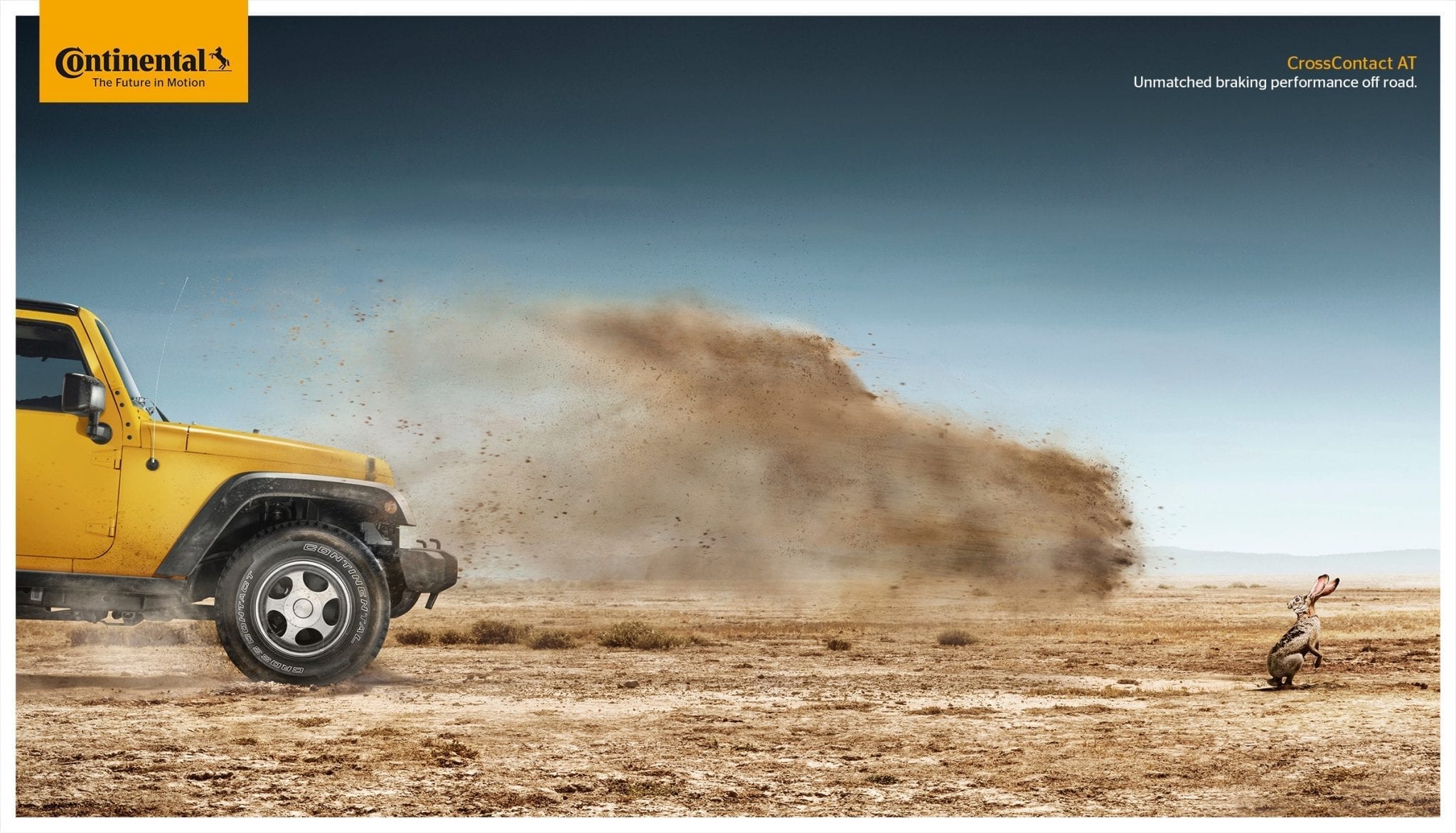
  • Germany’s Continental, Jungheinrich Hit Brakes As Auto Sector Slows

    Germany’s Continental, Jungheinrich Hit Brakes As Auto Sector Slows

    A slowing auto sector prompted profit warnings from supplier Continental and paint systems producer Duerr late on Monday.Jungheinrich also lowered its outlook citing a downturn in the forklift truck  sector. It marked a fourth profit warning from Continental in 16 months, while French rival Faurecia on Tuesday stuck to its guidance. “The main reason is the continued decline in the global production of passenger cars and light vehicles,” Continental said, adding that car production will likely drop by 5% rather than remain flat.

    Despite the negative news Continental shares were up 4.6% at 0925 GMT.”The market is telling us that in the short run, the worst has been priced in,” said Evercore ISI analyst Arndt Ellinghorst.

    “The magnitude of the cut is worse than we were expecting and bodes poorly for the remainder of earnings season and 2020 outlooks.”

    Continental is due to release earnings on August 7.

    Duerr, which produces woodworking equipment and paint systems for the auto industry, said lower payment receipts from the auto sector had eaten into its free cashflow in the first half.

    The company, which is due to release first-half results on August 7, said its EBIT margin guidance of 7%-8% for 2020 is under review.

    Jungheinrich said there had been a sharp drop in customer investment.

    “This is due to the gloomier macroeconomic environment and the related current developments in the market for material handling equipment,” said Jungheinrich, which is due to release results on August 8.

  • LG to supply flexible OLED displays for the iPhone XII in 2020

    LG to supply flexible OLED displays for the iPhone XII in 2020

    LG is being fast-tracked to become Apple’s second OLED display supplier for the iPhone XII models in 2020, breaking Samsung’s current monopoly. The E6 line in its Korean factory has reportedly been cleared for operation, and Apple hoped to get whatever quality yield LG can muster.

    Those would increase the average selling price of LG’s displays by 10% which is not an insignificant amount as far as these things go. Unfortunately, the number of OLED panels with the needed quality that LG’s conveyor belts are currently able to churn out is not very large.
    So far, LG panels have been used for repairs of the new iPhones, and with the inauguration of the E6 plant we might see some of the top quality batches make it in the 2019 iPhones. LG apparently won’t be fully ready to supplement Samsung before the 2020 crop, however. According to Jeong Seo-hee, chief financial officer of LG Display:
    In any case, with the help of Apple’s credit lines, LG should quickly be able to ramp up production, as the team from Cupertino is in a desperate need of at least one more OLED screen supplier to avoid the monopolistic prices that Samsung is charging.
    Rumors pegged an iPhone X panel to cost about $100, or about a third of the handset’s bill of materials, and we can only guess how much Samsung charges for the 6.5″ iPhone XS Max display, given that its Apple Repair charge alone comes up to $329.
  • AirAsia X opens up on Hawk-less pair of A330neos

    AirAsia X opens up on Hawk-less pair of A330neos

    When the first AirAsia X Airbus A330neo was unveiled at the Paris Air Show amid much discussion about Airbus’ ‘sub-economy’ ultra-narrow seating strategy, two surprises awaited on board — or, rather, didn’t await.

    At last year’s Farnborough Air Show, AirAsia X Group Chief Executive Officer Kamarudin Meranun (now chairman of AirAsia) confirmed to Runway Girl Network that the airline planned to take Mirus’ Hawk long-range version and Collins’ Minipod for its A330neos. Yet on board the two seating products were neither of those.

    It turns out this first aircraft is one of a pair of leased jets from Avalon that Thai AirAsia X is taking earlier than the hundred that will come directly from Airbus. “AirAsia currently has 66 Airbus A330neo aircraft on order. In addition, AirAsia’s fast-growing long-haul affiliate AirAsia X Thailand will take delivery of an additional two leased aircraft in the coming months,” AirAsia X Group CEO Nadda Buranasiri explained to RGN.

    The airline’s head of group communications later followed up to confirm that those 66 aircraft are firm orders, with the additional 2018 Farnborough Air Show order of “34 currently MOU [Memorandum of Understanding] and under review”.

    Mirus confirmed to RGN that the seat on the Avalon aircraft was not the long-range version of the short-range Hawk seat that AirAsia uses on its Airbus A320s, and Buranasiri confirmed that “The two Airbus A330neo aircraft on lease from Avolon have been fitted with the Zodiac UK Aura Lite in Premium Flatbed and Geven Piuma AQ in economy.”

    But Buranasiri also flagged potential evolution in AirAsia X’s passenger experience. “The seating and cabin configuration for AirAsia’s Airbus A330neo aircrafts on order is subject to change. We are currently reviewing cabin space and configuration options on the new Airbus A330neo. This includes options for a new premium and economy class seat.”

    AirAsia X’s Thai operation will put its first A330neo into service at the end of July, with routes expected to include Japan, Korea and Australia, although schedules have not yet been published.

    But starting next year, more A330neos will arrive with AirAsia X, and the company has been expansive with its promises of “new and exciting destinations such as to Eastern Europe and North Asia”, according to Buranasiri.

    Within Europe, the airline previously flew to London Gatwick and Stansted as well as Paris Orly with elderly A340-300 aircraft, but with both countries charging relatively high departure tax rates, and costs higher in Western Europe, an Eastern Europe strategy could make good sense for AirAsia. Indeed, a partnership with an airline like Wizz Air to provide feed on the European end of the longhaul flight would make much sense.

    “Our current network strategy is focused on medium haul — five to nine hours — meaning nine-abreast is a comfortable option. Nine abreast on the A330neo gives very similar levels of personal comfort for each guest even compared to other aircraft options with full service carriers,” Buranasiri argued, and with AirAsia’s reasonable legroom combined with the decision of many full service airlines to go nine-abreast on their 787s and ten-abreast on their 777s, this is a fair suggestion.

    More crucially, perhaps, “Nine abreast on the A330neo drives the aircraft economics to allow us to maintain the lowest CASK [cost per available seat kilometre] and therefore deliver the lowest fares to our guests. This brings more guests the opportunity to fly and this mission will continue for our long haul market strategy,” Buranasiri said.

    Given that the passenger experience will be relatively similar to its existing widebody fleet, the efficiency of the A330neo AirAsia X expects is impressive. “The aircraft will reduce our fuel burn by 11% on every trip, and with extended range help us to open up new and exciting destinations,” compared with the existing A330ceo fleet, Buranasiri said.

    AirAsia X has always been very up front about what it offers, and with one-way fares for the 6h20m Bangkok to Tokyo even a few days out at an impressive 79€ (US$89), AirAsia X’s simple way to purchase a second seat for passengers who would want or need to, and the angled lie-flat seats up front at around a 3-4x multiplier of economy, it’s hard to criticize the value for money of its ultra-narrow seats — whoever makes them.
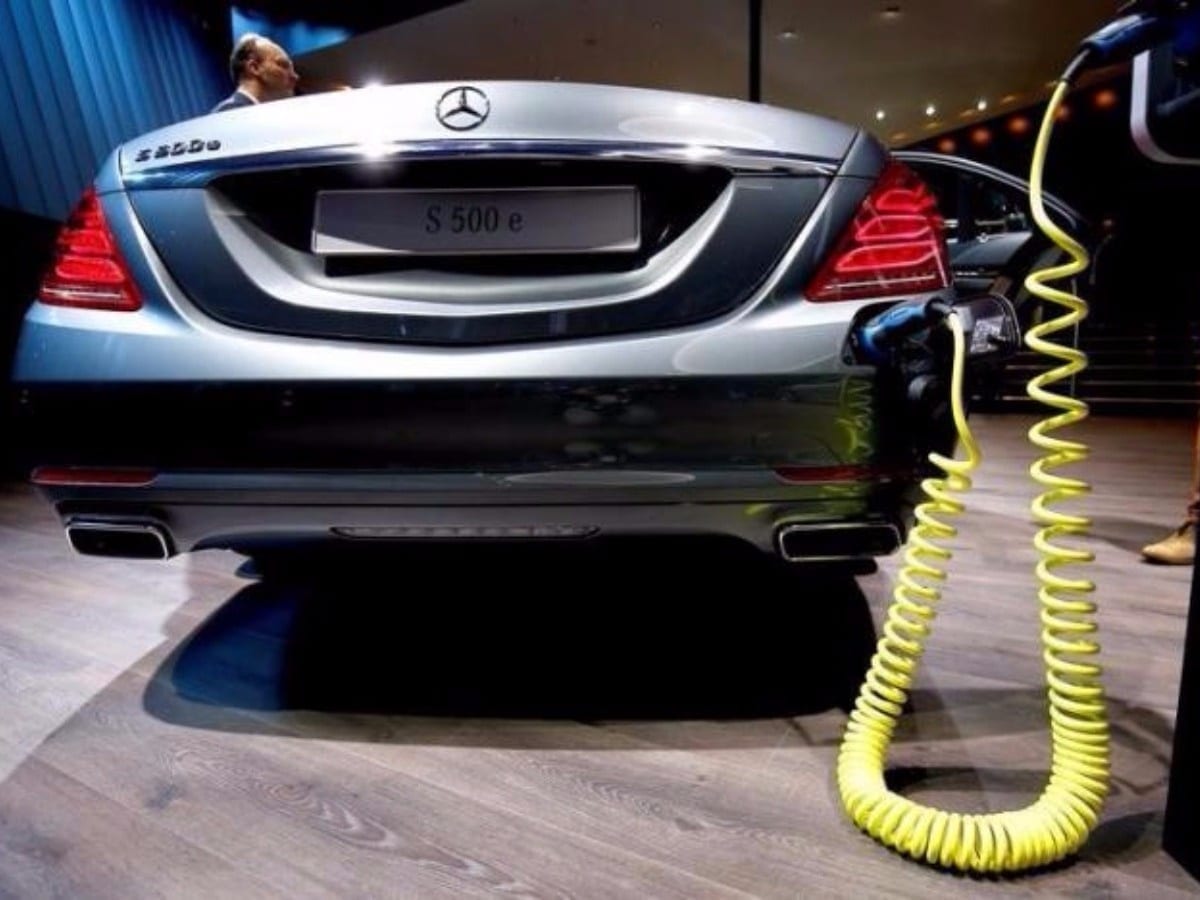
  • China’s BAIC Buys 5% Daimler Stake To Cement Alliance

    China’s BAIC Buys 5% Daimler Stake To Cement Alliance

    China’s Beijing Automotive Group Co Ltd (BAIC) has bought a 5% stake in Daimler, cementing their long-standing alliance after China’s Geely emerged as a potential rival by also taking a stake in the German automaker.

    BAIC has been Daimler’s main partner in China for years, operating Mercedes-Benz factories in Beijing through Beijing Benz Automotive.

    But last year Li Shufu, the chairman of Zhejiang Geely Holding, bought a 9.69% stake in the German company with the aim of forging an alliance to develop electric and self-driving cars.

    “This step reinforces our alignment with, and strong support for, Daimler’s management and strategy,” BAIC chairman Heyi Xu said on Tuesday.

    Reuters reported in May that BAIC was seeking to buy a stake of up to 5% in Daimler as a way to secure its investment in Beijing Benz Automotive.

    Daimler, which since 2013 has held a stake in BAIC’s Hong Kong-listed unit, said it welcomed BAIC’s investment.

    “The purchase of Daimler shares by BAIC will strengthen the cooperation between BAIC and Daimler,” said Jefferies analyst Patrick Yuan.

    “From this point of view, the possibility of Daimler increasing its stake in the Beijing Mercedes-Benz joint venture will be greatly reduced, which will benefit the shareholders of BAIC’s listed companies.”

    Shares in Daimler rose by more than 2.5%, while BAIC’s listed subsidiaries, BAIC Motor Corp and BAIC BluePark New Energy Technology, climbed by more than 3% and 5% respectively after the news.

    The high cost of electric car batteries has made it hard for automakers to build affordable zero-emissions vehicles, leading several of them to strike alliances with Chinese partners.

    Stuttgart-based Daimler in March agreed to build the next generation of Smart-branded city cars together with Geely, which is based in Hangzhou.

    Daimler has reassured BAIC that any new industrial alliances involving Mercedes and a Chinese partner would only happen after a consensus is found with BAIC.

    Geely declined to comment on the BAIC-Daimler deal but referred to past statements which said it was committed to long-term investment and healthy collaboration with Daimler.

    Daimler shares have lost about 30% of their value since Li Shufu disclosed his stake, hit by a string of profit warnings linked to a slowing auto market and diesel emissions costs.

  • Japanese retailer Daiso Launching in New Jersey

    Japanese retailer Daiso Launching in New Jersey

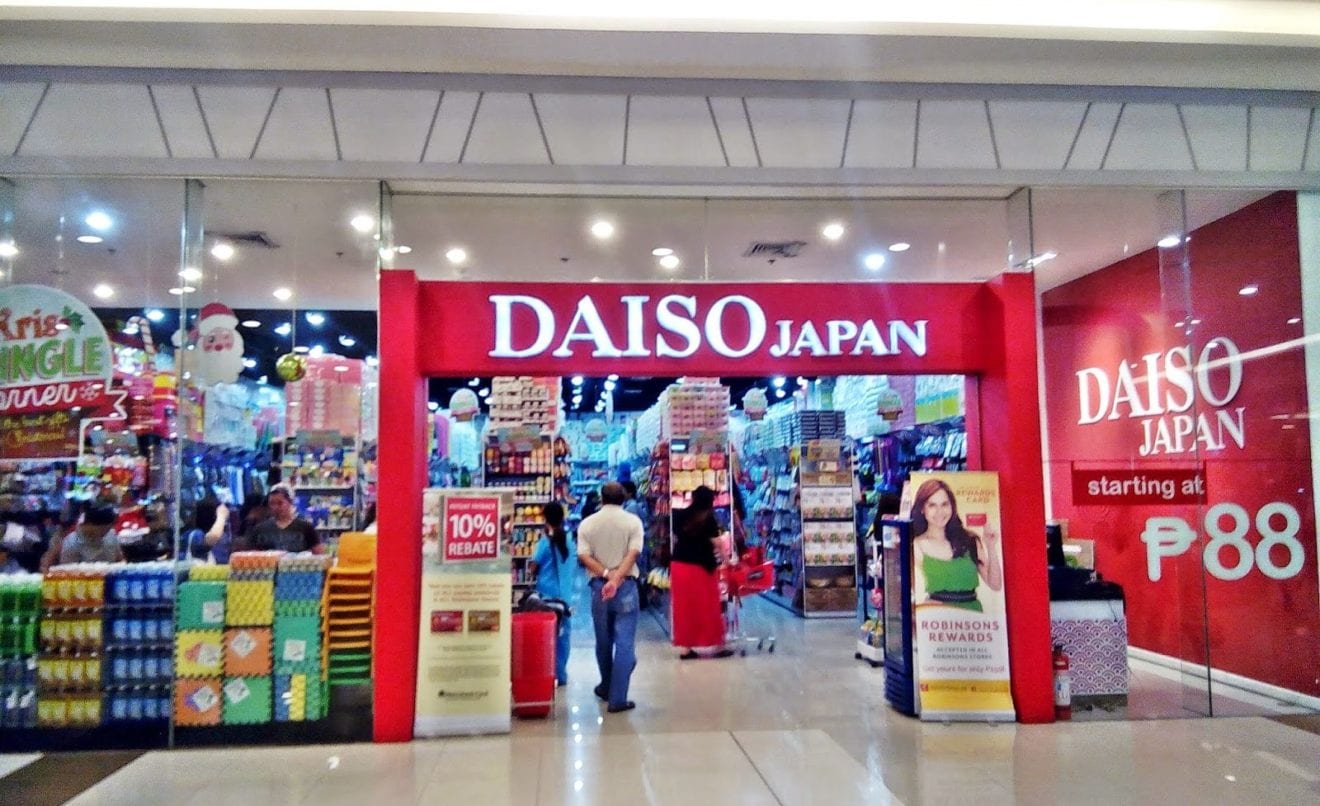
    Budget Japanese retailer Daiso will launch its first New Jersey store in Edgewater.

    The store will open on August 3 as the second Daiso store in the Tri-State area. Daiso is quickly expanding its presence on the East Coast, with this location opening within just five months of the very first store in Flushing, New York last March. Three more Daiso stores are scheduled to open in the area this year.

    The 7000sqft Daiso New Jersey store will feature products and styles including back-to-school, entertaining and organising supplies, and thousands of products including kitchenware, beauty supplies, stationery, gift wrap, greeting cards, electronics accessories, unique gift items, snacks, and party goods.

    Daiso Japan averages 10 to 20 new store openings globally every month.

  • AirAsia launches three new routes for Jakarta flights

    AirAsia launches three new routes for Jakarta flights

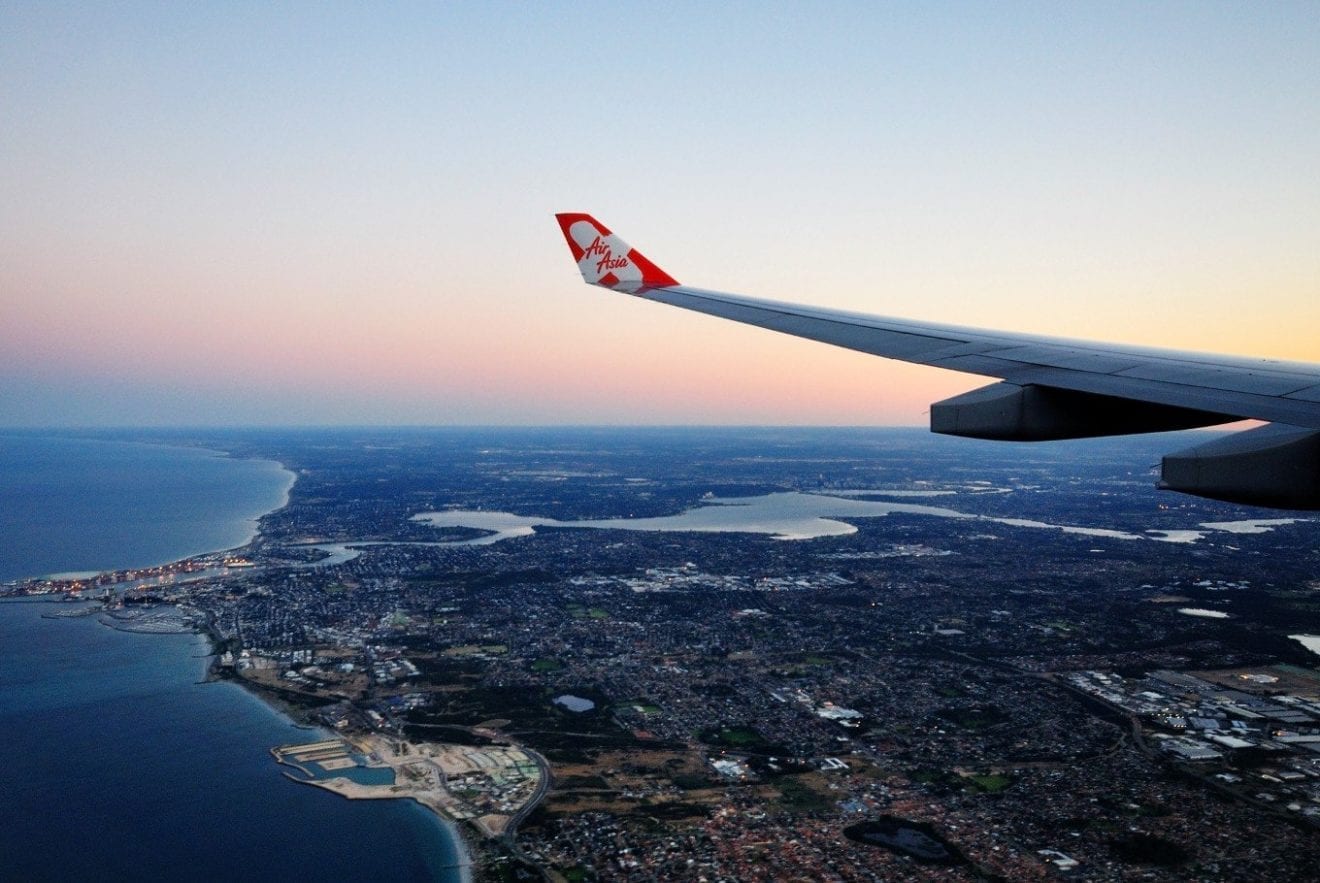
    Low-cost carrier AirAsia is launching three new routes for direct flights from Jakarta to Sorong, West Papua; Lombok, West Nusa Tenggara; and Semarang, Central Java. These flights will start operating on Sept. 1 using the Airbus A320 plane with a 180 seat capacity.

    The airline is offering a special price for a one-way ticket for these flights starting from Rp 2.7 million (US$193.97) for Jakarta – Sorong, Rp 634,000 for Jakarta – Lombok, and Rp 341,000 for Jakarta – Semarang. All of these flights are available through airasia.com or the AirAsia mobile apps. The offer is available starting from July 20 to 28 for flights from Sept. 1 to Oct. 26.

    AirAsia Indonesia CEO Dendy Kurniawan said that his company was currently focusing on expanding its domestic and international routes.

    “We showed our commitment to provide affordable and high-quality flights through this offer,” Dendy said through a written statement.

    According to Dendy, the ticket includes 15kg checked baggage for passengers.

    “We hope that our service will be able to boost economic growth, especially in tourism,” Dendy said.

  • Alibaba’s flash sale and marketing platform Juhuasuan has launched

    Alibaba’s flash sale and marketing platform Juhuasuan has launched

    Alibaba’s flash sale and marketing platform Juhuasuan has launched an upgraded version of Jutudi, a digital initiative to help Chinese farmers optimise their supply chain and offer consumers better deals.

    Juhuasuan is Alibaba’s sales and digital marketing platform, enabling brands and merchants to broaden their reach to consumer segmentations across China through online and offline campaigns. Brands design and hold flash sales through the platform, using analytics and recommendations powered by Juhuasuan, to identify the most preferred product assortment for targeted regional consumers. It also offers a group-buying option to offer limited-time best deals to consumers.

    The Jutudi initiative first debuted in 2014, allowing consumers to become “virtual farmers” by “purchasing” a small plot of land online from the growers. The farmers would ship the produce to the consumer when the crop ripened. The new Jutudi moves to help boost farmers’ digital competitiveness, offering farmers and cooperatives science-backed analytics to improve their crop and supply chain management.

    Currently, 20 different cooperatives from a dozen provinces around China have joined the initiative. The plan is to widen the reach to at least 1,000 farming cooperatives within two years.

    “Going beyond flash sales and promotional campaigns, the new Jutudi offers the farmers a solution that taps into the Alibaba digital economy, giving farmers broader opportunities to move their produce,” said Tmall and Taobao marketing GM Liu Bo. “Supported by the entire Alibaba ecosystem, Jutudi uses the algorithm from Alibaba Cloud to help farmers plan their crops and harvest. Our smart-logistic network, Cainiao, offers expedited delivery services to ensure freshness. Moreover, consumers can take advantage of flash sales on Juhuasuan to get the best bargains.”

    One example is peaches from Hubei Province – by collaborating with Juhuasuan, peach growers there sold 100 tons of fresh peaches within just two hours last month. The performance encouraged the farmers to embrace other digital tools offered by the Alibaba ecosystem, such as leveraging Alibaba Cloud’s AI technology to standardise their crop management. As a result, costs for the farmers decreased by 10 per cent.

    Juhuasuan further boosted the region’s value chains by connecting the peach growers to Three Squirrels, a China-based food conglomerate and snack maker that turned fresh peaches into popular dried fruit snack packets to be sold on Taobao and Tmall.

    Based on Juhuasuan’s flash sale and collective buying model, Jutudi lets consumers pre-order agricultural products before the harvest. The platform works directly with the cooperatives or the farmers. By bypassing the middlemen and traditional wholesalers and distributors, subsequent savings are passed on to consumers. For many items, the discounts can be 30- to 50-per-cent lower than regular prices.

    For farmers, the pre-sale model confers a higher degree of certainty that at least a portion of their crop will be sold. Once orders have been locked down, the farmers can harvest and pick fruits or vegetables according to the orders they’ve received. This can help prevent surpluses or shortages, and also reduces cost. Another benefit of the model is that consumers can always get fresh, in-season produce. According to the platform, the farm-to-table journey time can be as short as 48 hours once the order has been placed.

    Harnessing consumer insights from Tmall and Taobao, as well as data from Alibaba Cloud, Jutudi can boost farmers’ ability to forecast what would be popular in the coming year and approximately how much to plant to meet future demand. Traditionally, farmers plan their crop based on sales of the previous season. This often incurs the risk of overproduction or underproduction. However, by using data and scientific insights provided by Jutudi, farmers can more accurately predict the next hot items. Such predictions are especially crucial for farmers of specialty crops to capture niche market share.

    An example is the pumpkin growers in desert areas of Gansu province. Based on data and shopping trends provided by the platform, farmers now know through some light processing, they can turn the whole pumpkins into easy-to-carry microwave meals targeting office workers. The explosive popularity of these pumpkin meals have encouraged pumpkin farmers to double their crop area from the current 396 acres in preparation for next year’s sales.

    Juhuasuan has successfully promoted an array of agricultural products. In the past six months, through flash sales, 330 tons of lychees from Hainan Province, 165 acres of fresh roses and 3 million mandarin oranges from Yunnan Province were completely sold out within 72 hours.

  • World AI Leaders from Dell Technologies, Rolls-Royce and Kryon, among others, discuss AI Strategies in Singapore

    World AI Leaders from Dell Technologies, Rolls-Royce and Kryon, among others, discuss AI Strategies in Singapore

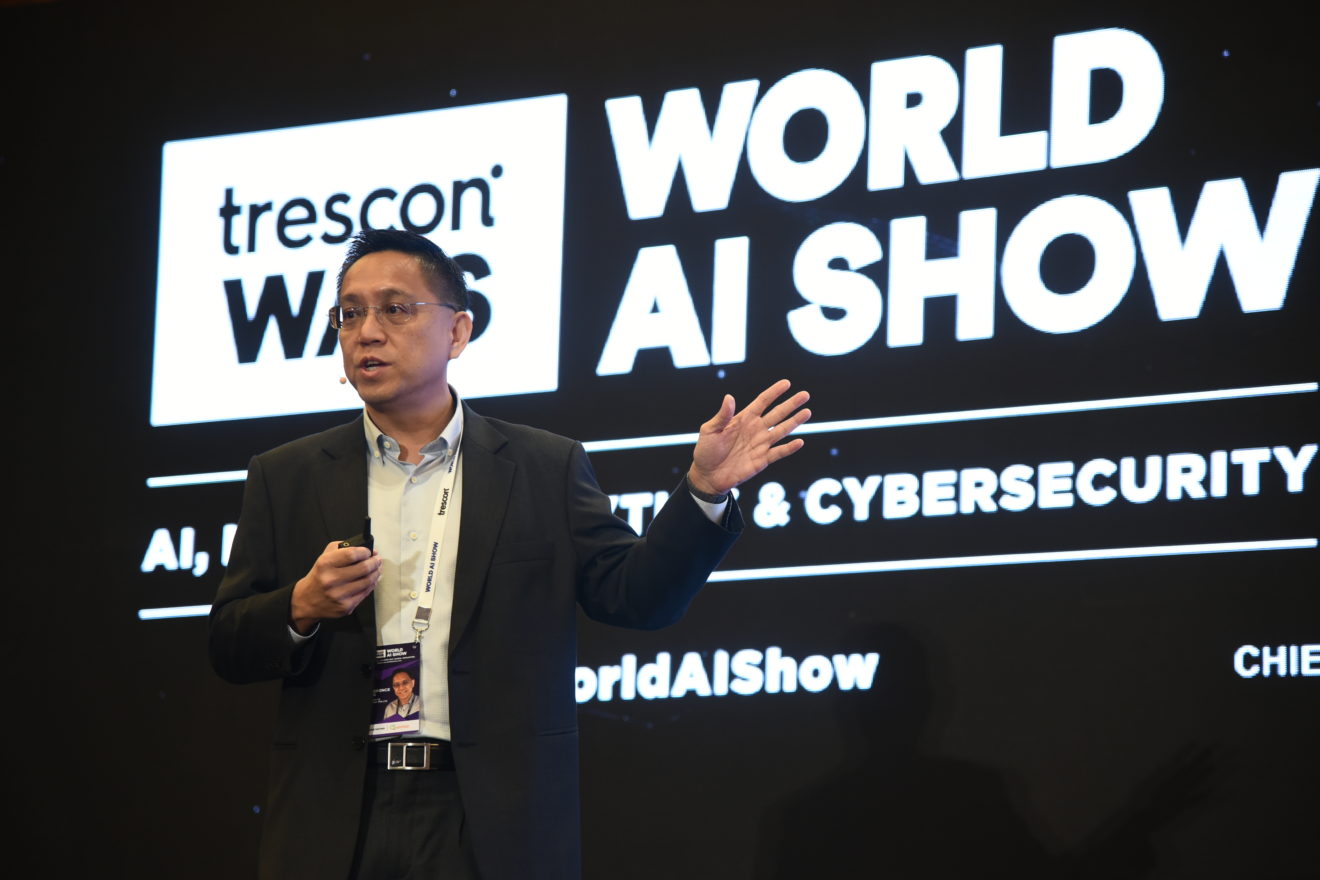
    Given its infrastructure capacity, education system and investor-friendly laws, Singapore has all the right ingredients to nurture a robust AI ecosystem that could be the cornerstone for the small island’s economic upswing. According to a recent report by Accenture, AI could add up to US$215 billion in gross value across 11 industries in Singapore by 2035. With the Singapore government’s vehement efforts to foster initiatives in the AI space, the nation was the ideal location to host the 9th edition of the global World AI Show series that had hit the ground running for the second time in Singapore on 24 July 2019. The show was organised by international business events and consulting firm, Trescon.

    “Singapore is one of the top locations for AI and Robotics investments. Our mission was to fuel Singapore’s AI startup ecosystem by bringing in some of the world’s best AI innovators, solution providers, startups and investors to foster business opportunities for the Singapore government as well as regional and international companies”, said Mohammed Saleem, CEO of Trescon.

    300+ top industry leaders from the AI community came together to share their insights on how AI is transcending as a core enabling technology that can power multiple sectors.

    Top speakers for the event included Dr Terence Hung, Chief of Future Intelligence Technologies, Rolls-Royce Singapore Pte Ltd; Sutowo Wong, Director, Analytics & Information Management Division, Data Analytics Group, Ministry of Health; Dragana Beara, Portfolio Messaging Director, Asia Pacific and Japan, Dell Technologies; Prof Nadia Magnenat Thalmann, Director (IMI), NTU, Singapore and Founder & Director, Miralab of University of Geneva, Switzerland and Guido Jouret, Chief Digital Officer of ABB among other top speakers.

    In her keynote speech, Dragana Beara quoted, “Most of the AI development right now is done to create collaborative AI to augment us and give us an ability to leverage our humanity. Everything tedious, difficult or that we are not good at, like computing or getting insights from huge data sets is something we are going to outsource to the AI system.”

    The show also featured a workshop session from Warren Ledingham from Kryon who took the audience through a technical deep-dive session on ‘How to Save 80% of Your Automation Implementation Time’, and an almost human-like Robot interaction between Professor Nadia Magnenat Thalmann and her female humanoid social robot Nadine, that can remember past conversations.

    The global pitch competition for startups in the future-tech space, Startup Grand Slam, was the highlight of the show. Opu Labs, Inc, a digital solutions provider for skin health analysis won the Startup Grand Slam pitch competition and Trsts as runner-up.

    World AI Show – Singapore 2019 was sponsored by Lead Partner, Dell Technologies Platinum Partner, Kanerika; Workshop Partner, Kryon; Gold Partner, Darktrace, Silver Partner, DDN Storage; Badge Partner, QualityKiosk Technologies, Premier Bronze Partner, ADVANCE.AI


  • Former Citigroup MD James Perry joins Zilingo as the Company’s First CFO

    Former Citigroup MD James Perry joins Zilingo as the Company’s First CFO

    Leading fashion technology platform Zilingo announces today the appointment of James Perry as its first Chief Financial Officer (CFO). The former Managing Director and Head of Technology Investment Banking for Asia Pacific at Citigroup has over 20 years of experience in corporate finance, having helped clients raise over US$150 billion, including 40 IPOs in the US and Hong Kong; and advised technology companies on over US$80 billion in M&A transactions across six continents.

    Earlier this year, Zilingo closed a US$226 million Series D funding round and the company has seen a meteoric rise over the last few years on the back of its technology platform that powers the fashion value chain end to end and provides fashion business with unprecedented access to the technology and services needed to scale efficiently.

    As Zilingo continues its growth in markets including the Philippines, Indonesia, Australia and the US, James will be part of the experienced management team that drives the business to scale rapidly and sustainably.

    Ankiti Bose, Chief Executive Officer and co-founder, Zilingo commented:

    “We are thrilled to welcome James into our leadership team as we expand our horizons and take the company global. It’s a very exciting time for us.”

    James Perry, Chief Financial Officer, Zilingo said:

    “I’m excited to join the Zilingo team. I have seen hundreds of technology companies over my years in banking, Zilingo stands out as an innovator bringing technology and transparency to an industry that has changed little since the industrial revolution. Zilingo is led by one of the most energetic and visionary teams I’ve come across and I look forward to being a part of this journey.”