Blog

  • Tinder swipes left on the Google Play Store’s payment platform

    Tinder swipes left on the Google Play Store’s payment platform

    Dating app Tinder has a UI designed to allow users to make quick decisions on whom to meet. In fact, it has become part of pop culture. Swiping to the right on a profile indicates that you are interested in that person while swiping to the left means that you have no interest. According to Bloomberg, which cited research done by Macquarie analyst Ben Schachter, Tinder’s parent company is swiping left on the Google Play Store’s in-app subscription platform. Similar to music streamer Spotify’s complaint against Apple, Tinder’s parent company, the Match Group, objects to Google taking a 30% cut of in-app revenue generated in its app storefront.

    Spotify took its complaint to the European Union’s competition commission which has opened an antitrust investigation against Apple. But there is a huge difference between iOS and Android. Those using the former are essentially forced to use the App Store while Android users can easily sideload apps. That could be the difference between being called a monopoly or just an opportunist.

    Apple responded by noting that the 30% cut that Spotify CEO Daniel Ek keeps mentioning actually drops to 15% after a year. As a result, Apple claims that a cut of 15% is being applied to only 680,000 Spotify members. These are subscribers who upgraded from the free tier to the premium tier of service between 2014-2016. After that time period, Spotify stopped allowing iOS users to upgrade through Apple’s in-app payment system (iAP). Instead, payments for upgrades must be through Spotify’s website.

    Similarly, those using Tinder are being asked to enter their credit card information directly into Tinder’s own payment platform. While Tinder is free, you are limited to 100 right swipes a day. With Tinder Plus and Tinder Gold, you get unlimited swipes and a few other perks as well. Tinder Gold also allows users to see who has swiped right on their profile. The latter costs $12 per month for a six-month subscription or $10 per month for a year’s subscription. And Match Group has included an ingenious plan to keep subscribers wedded (see what we did there) to its own platform. After the first payment is made through Match Group, every subsequent payment will automatically take subscribers to the platform bypassing the Google Play Store’s payment system.

    If all of this sounds familiar, and for reasons other than Spotify’s complaints against Apple, it could be that what is happening with Tinder reminds you of what Epic Games did with Fortnite. One of the most popular video games ever, Fortnite had to be sideloaded from Epic Games’ own website to be installed on Android devices. This was done to avoid the 30% cut of revenue that Google would have taken on in-app subscriptions.

    More companies are looking to avoid both the App Store and Google Play Store in-app payment systems. Last December, Netflix stopped allowing new and returning subscribers using iOS to pay for their subscriptions using the App Store. And even Apple’s own customers are concerned that the tech giant is forcing them to pay more for apps because of its 30% cut. In fact, a large number of iOS users are part of a class-action suit that claims Apple’s role as a monopoly is forcing them to pay more for apps. The U.S. Supreme Court ruled in May that the suit can continue. Apple argued that it merely distributes apps sold to iOS users by third-party developers. That position helped it win a unanimous verdict from the United States Court of Appeals for the Ninth Circuit, in San Francisco. But the Supreme Court decided that Apple is actually more than just a distributor of apps and cited the contracts it signs with these developers as proof of that.

    Both Google and Apple argue that they are providing a high-profile storefront for developers to sell their apps and that they aren’t being unreasonable for asking them to make contributions to the eco-systems that allow their apps to thrive.
  • Render shows that Vivo could be taking the next step toward a full-screen design

    Render shows that Vivo could be taking the next step toward a full-screen design

    Ever since phone manufacturers started to find alternatives for the placement of the selfie camera on their phones, the industry has been moving toward the Holy Grail; a 100% screen-to-body ratio. Former Apple design chief Sir Jony Ive admitted a few years ago that he wanted an iPhone that looked like a single sheet of glass. First, he states that earlier this year Samsung canceled a project called Full-Display 2.0. The team working on this project was trying to develop a phone that was all screen without a notch, punch-hole or a cutout.

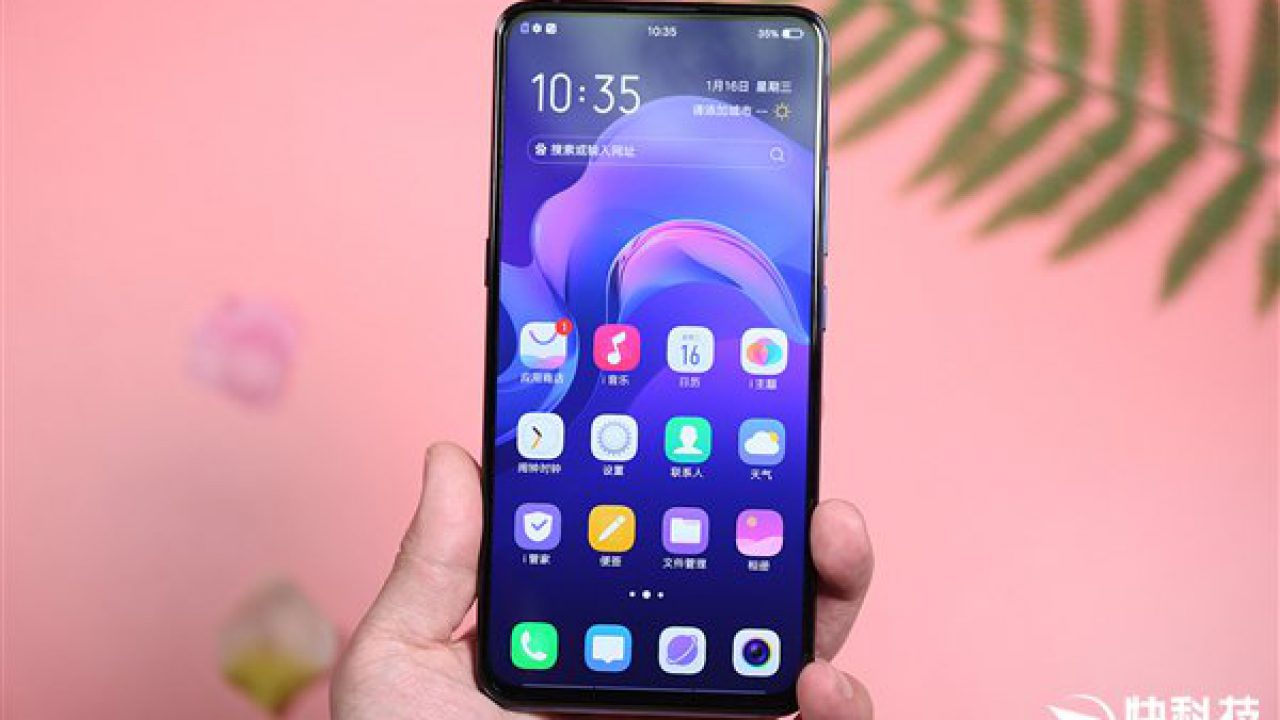
    This decision, according to Ice Universe, was a “serious mistake” on Samsung’s part. Why? Because manufacturers in China have been working toward the goal of producing a phone sporting a full-display. And it would appear from a render that was included in the tweet, that Vivo is going to take the next step toward releasing a full-screen phone with the Vivo NEX 2. The render shows a phone with curved edges with no side bezels or side buttons.  There is an extremely thin bezel at the top and a small chin at the bottom. Since the original NEX featured a pop-up selfie camera, we can expect more of the same with the sequel. Or perhaps there is an in-display camera.

    Even though Vivo isn’t expected to sell the NEX 2 in the states, it is important to see what some of the innovative Chinese manufacturers are doing. That’s because a phone doesn’t have to be sold in the U.S. to start a new design trend. For example, the 2016 Xiaomi Mi Mix and its edge-to-edge display influenced the designs of some phone manufacturers who do sell their devices in the states.

    With in-display fingerprint scanners already here and in-display selfie cameras on the way, it might not be terribly long before we see a handset with a screen-to-body ratio approaching 100%.

  • Leaked photo shows Nokia feature phone running a special version of Android

    Leaked photo shows Nokia feature phone running a special version of Android

    Do you remember the last feature phone you owned before getting a smartphone? Once you purchased a smartphone, you figured that you would never consider buying a feature phone again. But suppose you could purchase such a device powered by Android? 9to5Google posted a photograph today that it received from an anonymous source. The image shows a device that resembles a Nokia feature phone running the Android operating system. The phone doesn’t use a touchscreen for navigation and relies instead on a d-pad, number keys and some other buttons (how could we have been so primitive back then). There is no app switcher on the device.

    The handset was created by Nokia. Some of the markings on the number keys seem to dovetail with ones used on earlier Nokia phones. The home screen features a microphone icon near the top of the display; while this is indeed Google’s microphone icon, it isn’t clear whether it will be used to make requests of Google Assistant or to ask questions to Google Search. Some app icons can be seen on the bottom of the display for the camera, Chrome Browser, and YouTube. There is also an unknown icon showing white arrows in a green circle, one pointing right and the other left. A yellow flap can be seen on the left side of the circle. The square in the middle is most likely the app drawer; navigating to that icon will show you all of the available apps on the phone

    On the upper part of the display from the center to the right corner is the status bar that shows the status of the network being used (4G in this case), a signal strength bar, battery indicator and the time. On the bottom, there are three options, “Alert,” “Select,” and “Settings.” The first option might be used instead of the non-existent pull-down notification shade to receive notifications and alerts. The photo also shows that the phone is hidden under a rubber case. Ironically, Android was originally developed for non-touchscreen handsets. The word is that when then Apple-CEO Steve Jobs unveiled the original iPhone in January 2007, developers quickly changed paths and turned Android into an operating system for touchscreen phones.
    There is no indication when (or even if) such a phone will be produced. Without having to power a large touchscreen, battery life would probably be stellar, even with a much smaller capacity battery than what you might find on what passes for a low-end Android phone these days (actually, some budget Android phones, like the Moto G7 Power, possess large batteries). And the price would most likely undercut any touchscreen Android phone available today.
    HMD Global, which has the right to use the Nokia name on mobile phones through 2024, brought back the popular Nokia 3310 feature phone in 2017. The original was one of the best-selling phones of all time with sales of 126 million units. The newer version of the phone had some updated specs including a 2.4-inch color screen, a 2MP rear camera, and a microSD slot. And while the battery sports a rather low capacity of 1200mAh battery, on a feature phone like the Nokia 3310, that is enough to keep the device running for a long time between charges.
    This might be something that will appeal to those seeking a backup phone or a cheap phone for the kids. And since it will run on Android, it should have a lot more functionality than that LG Dare you used to carry around.
  • Verizon launches its fifth 5G device in its fifth 5G market

    Verizon launches its fifth 5G device in its fifth 5G market

    Verizon is taking another small step today towards a nationwide 5G coverage dream that continues to seem so annoyingly distant by expanding the list of cities embracing the next standard in mobile connectivity to five. As expected, St. Paul, Minnesota is joining Denver, Chicago, Minneapolis, and Providence, but fret not, as this sluggish rollout is about to substantially speed up.

    Big Red is not giving up on its rather ambitious goal of spreading the 5G love to “more than” 30 cities by the end of the year, although some of those locations remain under wraps and there are no words on future release dates. It’s also important to highlight Verizon’s “true” 5G Ultra Wideband network is only accessible in certain parts of the five aforementioned cities for the time being.

    As far as St. Paul is concerned, the new ultra-low latency and insanely high download speeds are available in “parts” of Downtown, Lowertown, and West Seventh neighborhoods “around” landmarks including the Minnesota Children’s Museum, the Minnesota Museum of American Art, the Fitzgerald Theater, Cathedral Hill Park, and the Alexander Ramsey House. That doesn’t exactly sound impressive, but it’s a start.

    Besides, the nation’s largest wireless service provider promises your 5G device will be able to seamlessly switch to 4G LTE connectivity where a 5G signal is out of reach. Speaking of devices, the Inseego 5G MiFi M1000 hotspot is exclusively available for Verizon subscribers starting today at an outright price of $650.

    This is the fifth 5G-enabled gadget released by Verizon, targeting both businesses and everyday consumers. The ultra-advanced hotspot allows up to 15 devices to connect simultaneously, supporting “near real-time” virtual reality and augmented reality experiences, as well as 4K and 8K video streaming with “near real-time downloads and virtually no buffering delays.”

    If $650 feels a little rich for your blood, you can get that price point down to $499.99 with a two-year contract or pay $27.08 a month for two years. Don’t forget you also need to pay a little something extra on your monthly plan to actually get 5G access.

  • App adds Google Assistant functionality to your Samsung Galaxy Watch

    App adds Google Assistant functionality to your Samsung Galaxy Watch

    So let’s say that you’re currently rocking the Samsung Galaxy Watch and you’re not happy with the virtual assistant on the timepiece. After all, Bixby is an acquired taste. And since the watches are running Tizen, well the Google Assistant is out. Or is it? According to Android Police, the GAssist.net app can help you put much of the Google Assistant’s functionality on your Tizen powered timepiece. You will need to visit the Galaxy Store to load the app on your watch and the Google Play Store to load the companion Android app on your phone.

    Installation is a bit complex It will require you to store on your phone a file generated from the Google Cloud Platform website. A YouTube video was created to show you how this is accomplished. You can find that video in the slideshow at the bottom of this article. Once that is done and the correct apps are stored on the watch and phone, the apps themselves will guide you through the remainder of the setup.

    Keep in mind that you won’t be able to access the Assistant by saying a hot word. Activation is accomplished by opening the app and tapping on the word ‘Listen.’ You also can’t use the app to control other functions on the watch, like timers and alarms. But you can use it to handle the requests and demands that you would normally turn over to Google Assistant including turning on or off smart appliances and get the weather. Some Reddit posters say that it opens faster than Google Assistant does on Wear OS devices. And you can allow your watch to receive personal results on the GAssist.net app (after installation of course) by opening Google Assistant on your phone and clicking on the icon at the bottom left of the screen. From there, click on your profile at the top right of the display. Tap on the Assistant tab and scroll down to Assistant devices. You should see a listing for Galaxy Watch. Tap on it and allow personal results.

    The Samsung Galaxy Watch Active 2 could be introduced during the same August 7th Samsung Unpacked event that will unwrap the Galaxy Note 10 line. The device will come with an electrocardiogram (ECG) monitor, although that feature requires FDA approval which might not come until the middle of 2020.

  • Toyota, BYD Team Up To Develop Battery EVs

    Toyota, BYD Team Up To Develop Battery EVs

    Toyota Motor said it would develop battery electric vehicles (EVs) and batteries with BYD Co Ltd, in a sign it was ramping up partnerships with Chinese players as planned to build affordable EVs for the world’s top auto market. In a joint statement, Toyota and the Chinese electric automaker said on Friday that they would develop sedans and sport utility vehicles, which would then be sold under the Toyota brand in China before 2025.

    Earlier this week, Toyota announced it was teaming up with China’s Contemporary Amerex Technology Co Ltd (CATL) to supply and develop batteries for lower-emission vehicles.

    Widely considered a late comer in embracing battery EVs versus rivals including Nissan, Toyota had flagged in June that it aimed to get half of its global sales from EVs, including gasoline hybrids, by 2025, five years ahead of schedule.But to meet this accelerated timeline, Toyota, Japan’s top automaker, would need more-than-expected batteries, prompting it to look beyond Panasonic Corp, its long-time partner in battery development, to secure supply.

    These measures come amid a breakneck growth in the zero-emission vehicle market, with tighter global emissions regulations expected to shift even more drivers away from gasoline engine vehicles in the coming decades. In China, Toyota is planning to launch its first battery EV, a version of its C-HR/IZOA compact crossover, next year.

  • Aston Martin’s Biggest Investor Offers To Buy Another 3% Stake

    Aston Martin’s Biggest Investor Offers To Buy Another 3% Stake

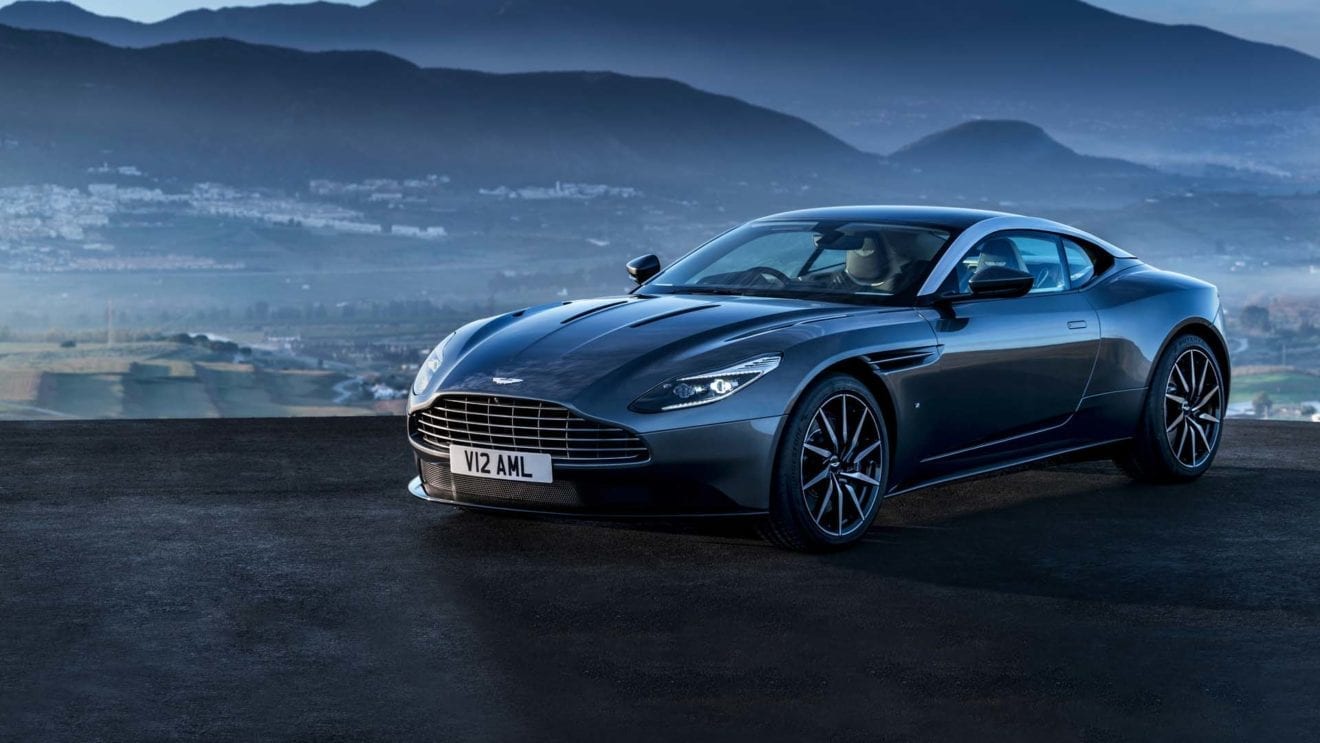
    The biggest investor in Aston Martin offered on Friday to buy another 3 per cent stake in the luxury carmaker, whose shares have slumped since listing last year. Strategic European Investment Group, part of the Italian private equity group Invest industrial, already owns 31 per cent of Aston Martin. It only wants to buy a maximum 3 per cent more, but has to make an offer to all shareholders due to its already large holding. It confirmed it is offering to pay 10 pounds ($12.53) per share.

    Aston Martin has struggled since it listed in October last year. Its shares, down 21 per cent so far this year, closed Thursday at 963 pence, valuing the business at 2.18 billion pounds.

    The company’s recent results have been hit by a need to invest more in its manufacturing plants and expand its vehicle offering, leading to higher costs.

  • Hyundai Mobis Builds Camera System To Replace Vehicle Side Mirrors

    Hyundai Mobis Builds Camera System To Replace Vehicle Side Mirrors

    South Korea’s largest auto parts maker Hyundai Mobis on Sunday said it has developed a camera monitoring system that will replace side-view mirrors in next-generation vehicles. With the advanced sensor technology, Hyundai Mobis has joined a couple of global future mobility developers and it aims to export the technology to carmakers, Yonhap news agency reported.

    Three high-performance camera sensors inside the vehicle will not only increase driving safety by significantly reducing blind spots, and but also improve fuel efficiency as side-view mirrors will be hidden inside the car, Hyundai Mobis said in a statement.

    “The paradigm shift to the future car is demanding both functional and design upgrades of all core components, which have been taken for granted until today,” Vice President Gregory Baratoff in charge of autonomous vehicle development at Hyundai Mobis said in the statement.

    The company will not only develop element technologies, like sensors and solutions based on them, but also the core parts portfolio that it has already secured in accordance with the future car era, he said.

  • Bali bakery Starter Lab to open in Singapore

    Bali bakery Starter Lab to open in Singapore

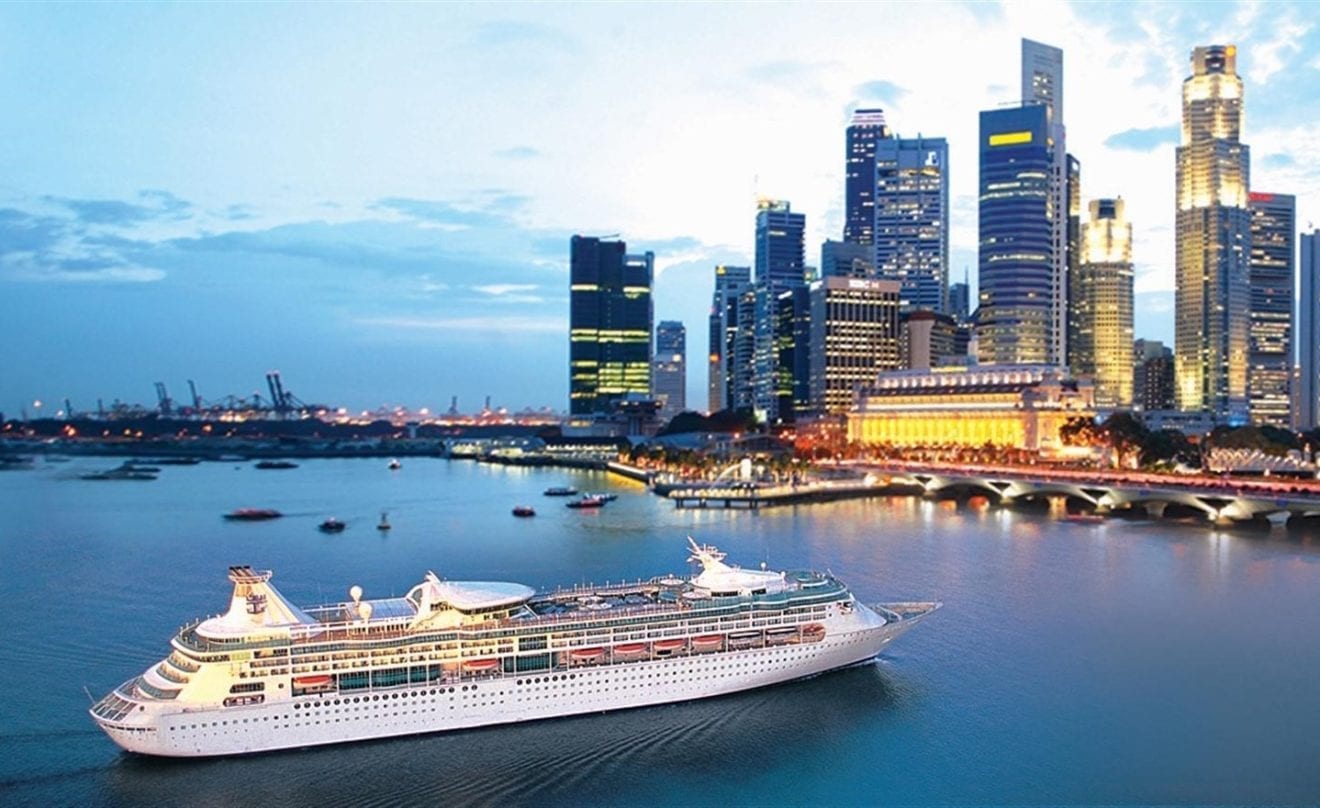
    Bali-based bakery Starter Lab is opening its first overseas branch in Singapore.

    Located at 721 Havelock Road, Singapore’s Starter Lab will be able to host up to 35 people around a communal table and bars, offering take-away coffee and bread.

    Its menu is expected to feature seven types of sourdough loaves each day, and flavours such as Rosemary Lemon and Sea Salt Sourdough, Garlic Confit & Parmesan, as well as Salted Egg & Curry Leaf.

    There will also be sandwiches and pastries on the menu, banana bread, scones and cookies.

    Starter Lab has already launched pop-ups in Singapore, including at Camp Kilo Charcoal Club.

    Founded by Emerson Manibo, who worked at NYC’s three Michelin-starred restaurant Per Se, Della Fattoria and Tartine Bakery, Starter Lab is famous for its American-style sourdough bread.

  • Positive outlook for Singapore retail leasing sector

    Positive outlook for Singapore retail leasing sector

    Ongoing investment-sale activity for malls suggests a positive outlook for the Singapore retail leasing sector, reports Edmund Tie & Company – especially for properties well connected to public transport and offering experiential and activity-based retail options.

    In a report Q2 2019 Real Estate Times for the Singapore market, the property company projects islandwide rental growth will be mixed, ranging from a 2 per cent decline to a 2 per cent increase this year. The low supply pipeline from next year onwards is likely to provide some underlying support to occupancy rates and rental levels.

    Investment market 

    For the second consecutive quarter, investment transaction value (of properties valued above S$100 million) jumped more than 52 per cent quarter on quarter with two transactions totalling $961 million. The largest sale was Chinatown Point for $520 million to a foreign institutional investor.

    The net supply of space fell by about 78 per cent as fewer projects were completed. As such, islandwide occupancy declined slightly by 0.4 percentage points to 90.1 per cent in the first quarter, however, the opening of Funan mall with 325,000sqft net lettable area – with 95 per cent of space pre-leased – is not expected to significantly impact occupancy rates in the second quarter.

    Rental rates 

    Singapore retail leasing rates across the different market segments remained largely flat, as occupancy rates remained high for malls located in prime positions. Upper-storey retail in the Orchard Road/Scotts Road area likely fell slightly due to weakened tourist spending, while the prime malls in the suburban areas continue to attract major brand retailers and new-to-market brands.

    The net demand and supply for retail spaces in suburban areas slowed in the first quarter, with the occupancy rate down marginally.  Prime-located malls with easy transportation access and a diverse and well-managed tenant mix continued to perform relatively well.

    New openings included Cafe Amazon outlets at Jewel Changi and Jurong Point Shopping Centre, and Xing Fu Tang (a Taiwanese bubble tea chain) opened a permanent store at Century Square in the second quarter.

    New space supply pipeline 

    From the third quarter of this year through to 2022, some 1.1 million sqft of retail space is expected to come onstream, with the majority of that to be completed in the second half of this year. The largest will be the Paya Lebar Quarter mall of about 313,000sqft.

    The average annual pipeline of known projects from next year through to 2022 is less than 150,000sqft, which is substantially below the three- and five-year average.

  • SMCP launched Sandro on Farfetch

    SMCP launched Sandro on Farfetch

    Fashion group SMCP is to launch its Sandro brand on Farfetch. The Chinese-controlled, French-based affordable luxury retailer says the 13 million-plus clients per month around the world that Farfetch attracts will be an ideal partner to enable Sandro to address a wider, premium customer base.

    “We are delighted with this new partnership with one of the major digital players of the luxury sector,” said Sandro CEO Isabelle Allouch.  “We are convinced that having our products on Farfetch will contribute to Sandro’s digital expansion across the globe, positioning it as a high-end luxury brand and enhancing its worldwide visibility and awareness.”

    She said the partnership marks a key milestone in the global roll-out of SMCP’s digital strategy, bringing together online and offline shopping.

    “It perfectly complements the group’s growing digital presence alongside the successful global deployment of our own websites, and further diversifies its digital sales channels, enabling the group to reach more than 190 countries across the world.”

    The partnership comes just three months after the announcement of a landmark partnership with JD.

  • Beiersdorf’s Best-Selling Brands Record Over 300% YoY Sales Growth on Shopee

    Beiersdorf’s Best-Selling Brands Record Over 300% YoY Sales Growth on Shopee

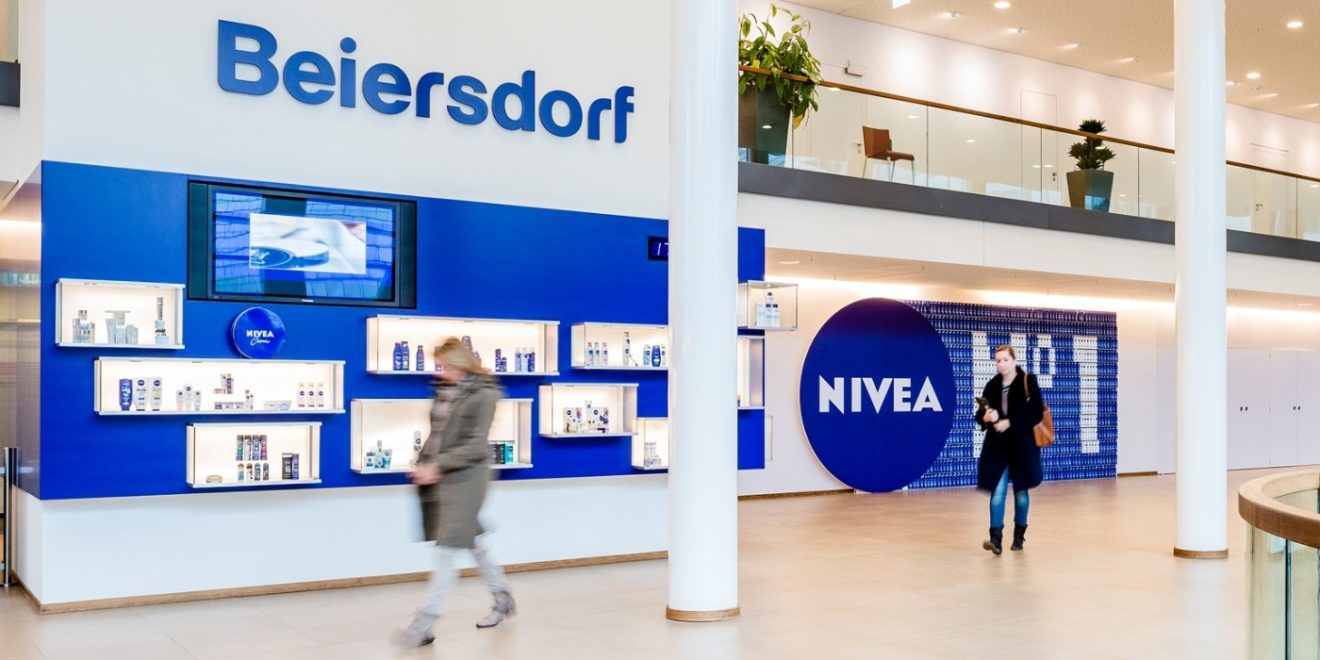
    Shopee, the leading e-commerce platform in Southeast Asia and Taiwan and Beiersdorf, a global skin care company, cement their long-term regional partnership with the launch of a brand new campaign, ‘Win the Day with NIVEA and EUCERIN’, engaging close to over 200 million users across the region.

    This comes on the back of Beiersdorf’s 1st anniversary with Shopee. Sales of Beiersdorf’s top brands, NIVEA and EUCERIN, across Southeast Asia increased by more than 300% year-on-year, demonstrating Beiersdorf’s successful foray into e-commerce and Shopee’s commitment to deliver the best outcomes for brands.

    Cornelius Becker, Managing Director of Beiersdorf South East Asia said, “The past year with Shopee has been a resounding success. We have seen a significant boost in sales and our partnership with Shopee has helped to strengthen our overall online presence as well as reach out to new consumer segments. With that, I am happy to announce our new campaign ‘Win the Day with NIVEA and EUCERIN’, providing customers easy access to our most-loved products.”

    A champion in empowering brands and sellers across Southeast Asia, Shopee provides Beiersdorf key operational and marketing solutions to drive sales and bolster consumer engagement. This includes exclusive in-app branding to boost brand image and visibility, as well as in-app consumer games to give shoppers an entertaining online shopping experience.

    “Our continued partnership with Beiersdorf is a demonstration of our commitment to bring consumers the quality products they seek, and to elevate the user experience through exciting and meaningful features. Such partnerships are vital to us as consumers today increasingly look towards online platforms such as Shopee to access their favourite brands and products,” said Ian Ho, Regional Managing Director, Shopee.

    The campaign, “Win the Day with NIVEA and EUCERIN”, aims to help consumers, especially the younger consumer segment, kick-start a daily skin care regime to help protect their skin against various problems and to ultimately boost one’s confidence. Consumers are able to purchase a wide variety of products including moisturisers, face cleansers and deodorants. Highlights of the campaign include:

    • Discounts and Promotions: Enjoy 25% off all NIVEA, EUCERIN and Hansaplast products. Get $5 off $25 and $8 off $40 vouchers.
    • Daily Prize Giveaways: Free travel size NIVEA Professional Micellar Water (125ml) with every purchase
    • Skincare Pro-Tips: Look forward to daily skincare pro-tips, great for those new to a skincare routine or for anyone who simply wants to know how to take better care of their skin.

    All NIVEA and EUCERIN products can be found via the Beiersdorf Official Store on Shopee, under Shopee Mall, which offers 15-days free returns, 100% authenticity, and free shipping on orders over $25.

  • Taiwan’s Crowd-pleasing KiKi Noodle Bar Launching in Hong Kong at IFC Mall

    Taiwan’s Crowd-pleasing KiKi Noodle Bar Launching in Hong Kong at IFC Mall

    Taiwan’s famed KiKi Noodle Bar (KiKi Tea) is launching in Hong Kong in late-July at ifc Mall in Central. In collaboration with renowned Hong Kong hospitality group Lai Sun Dining, the brand expands internationally to Hong Kong following last year’s phenomenal successful debut in Taipei – endorsed by celebrities including superstar actress Shu Qi.

    The Hong Kong flagship also opens hot-on-the-heels of a Shanghai branch last month.

    International expansion of dedicated KiKi Noodle Bar (KiKi Tea)branches builds on the Hong Kong success story of the brand’s iconic sun-dried KiKi Noodles, handmade from just flour and water, popular for being 100% natural and healthy, and authentic Taiwanese tea and bubbles sensation KiKi Tea.

    To celebrate the Hong Kong launch, Michelin three-starred Chef Albert Au Kwok Keung has created two exclusive KiKi noodle dishes complementing the brand’s menu of signature dishes and KiKi teas.

    Chef Au’s adaptation of KiKi’s popular sun-dried, handmade noodles is showcased with KiKi Meat Dumpling Mixed Noodles, Scallion Oil; and classic Chinese favourite, Abalone and Fish Maw Noodles in Chicken Soup.

    Signature dishes at KiKi Noodle Bar (KiKi Tea) meanwhile include ‘instagrammable’ crowd-pleaser Stir-fried Minced Pork Mixed Noodles with Chive Flowers and Fermented Black Bean, with black beans sprinkled atop to mimic fly heads, mixed with crunching chive flowers, chili and savoury stir-fried minced pork; Sichuan Spicy Tofu Noodles in Soup, Duck Blood and Sliced Pork packing a punch of spice; and comforting classic KiKi Dan Dan Noodles.

    Complementing dishes is a KiKi Tea menu of bubble-teas brewed from a traditional Taiwanese recipe, headlined by classic favourites such as refreshing Pineapple Green Teapresso; and Winter Melon Tea, pairing with Sichuan-pepper-flavoured “pearls” and fluffy cream mousse.

    To celebrate the ifc Mall opening, new tea specialties to beat the summer heat are also to be unveiled. Peach Oolong Tea topped with Mango Cream Mousse and Coconut Jelly is made with signature Taiwanese Irwin mango, for distinct sweetness and refreshing taste; and Winter Melon Tea, Aiyu Jelly and Coconut Jelly  is inspired by Taiwan’s favourite summer cooler, winter melon tea.

    The sweet craze extends to classic tea-style desserts including Earl Grey Chiffon Cake with Brown Sugar Pearls and Chestnut Mont Blanc. 

    KiKi Noodle Bar (KiKi Tea) seats 32 over around 700 sq ft on Podium Level Two of ifc Mall. Interior design is in neutral and rustic colour for a sense of Zen courtyard minimalism as a restful haven in the heart of Central.  Communal oak tables foster a sense of warmth encouraging customer interaction.

    A pre-opening promotion is launched at KiKi Tea @ Sun’s Bazaar at Pacific Place mall offers diners spending at least HK$500 vouchers worth HK$50 to spend at the new KiKi Noodle Bar (KiKi Tea) at ifc Mall.

  • Lenovo Experience Store opens in Singapore

    Lenovo Experience Store opens in Singapore

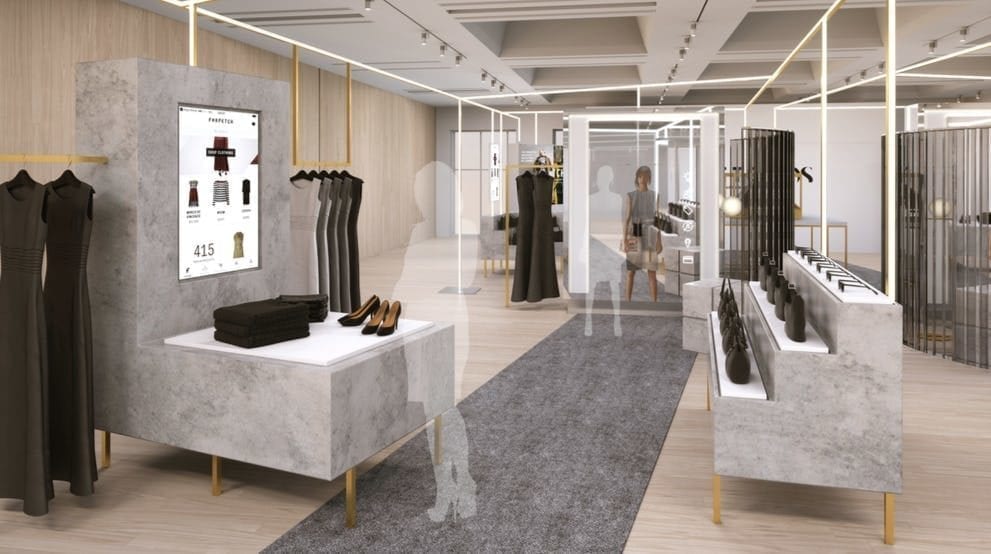
    Lenovo has opened an Experience Store opens at Singapore’s Funan mall, offering an online-to-offline experience.

    The 4500sqft store has dedicated areas for product showcases, workshops and pop-up events.

    “The opening of our new flagship store, together with the launch of the four new devices, embodies our Intelligent Transformation strategy to bring a new experience to our customers in Singapore,” said Eddie Ang, Lenovo Singapore’s country GM.

    “We hope this Lenovo Experience Store will be a platform, where we can continue to build meaningful relationships with our customers and provide them with new and engaging ways to experience our brand.”

    Smart Retail is applied by using solutions to track footfall analytics and optimization. The data captured can map areas frequented by customers and calculate the average amount of time spent at each. This can help in planning the positioning of store employees to provide assistance.

    In-store cameras and product webcams that capture facial expressions will help in understanding customer preferences and their reactions to the various products. Analyzing the data can also showcase demographic trends among customers and assist stores to push targeted content that is relevant.

    Self-service kiosks will be available in-store to drive automation and free up employees to provide personalized services, where required.

    Products are also tagged with radio-frequency identification tags, supplying store employees with inventory information right at their fingertips through their hand-held tablets.

  • Lotte Duty Free online sales up

    Lotte Duty Free online sales up

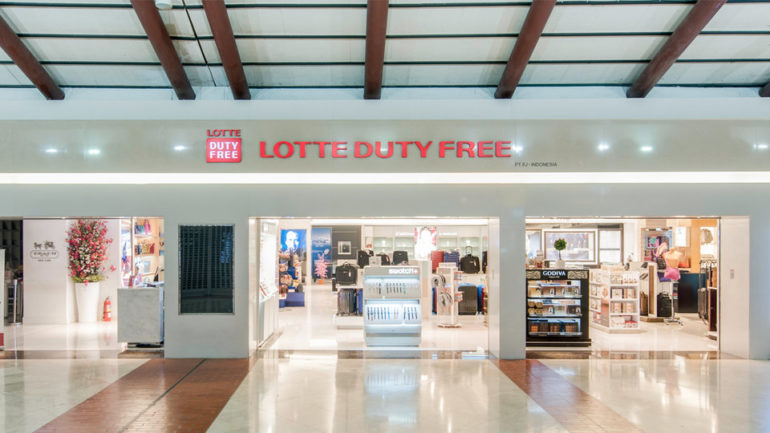
    Online store sales at Lotte Duty Free (LDF) increased by 49 percent year on year to KRW1.4 trillion (US$1.85 billion) during the first half of this year.

    The firm is targeting total online sales of KRW2.9 trillion ($2.46 billion) by the end of the year, following around KRW2 trillion in sales last year – an increase of 46.3 percent over 2017 results. It welcomes an average of 5.4 million active users per month on its retail platform and is on track to take in 30 percent of its total revenues from online sales within five years.

    LDF’s online store offers roughly 87,000 products from almost 2000 brands, around 324 of which are Korean-industry-exclusives such as Filorga, Eve Lom, S. Maria Novella, Barbour, Dr. Martens, Crocs, Joseph&Stacey, Primage, and Lucky Chouette.

    According to the firm, it is the only online duty free operator supporting four languages – Korean, English, Japanese, and Chinese (both simplified and traditional). The addition of traditional Chinese characters in September last year contributed to a 291 percent boost from countries using the character set, including Taiwan, Singapore and Hong Kong.

    The online platform has recently introduced several measures to improve its online services. It monitors real-time congestion levels at its Incheon Airport pick-up counters and has recently relaxed conditions for online VIP membership. The firm has also been conspicuously targeting a younger market with partnerships with other online platforms – supermarket Market Kurly and fashion retailer W Concept – popular with that demographic. Lotte also markets throughout its subsidiary platforms via other Lotte-branded online services.