Blog

  • Meal Temple Group invests in Myanmar with Freshgora

    Meal Temple Group invests in Myanmar with Freshgora

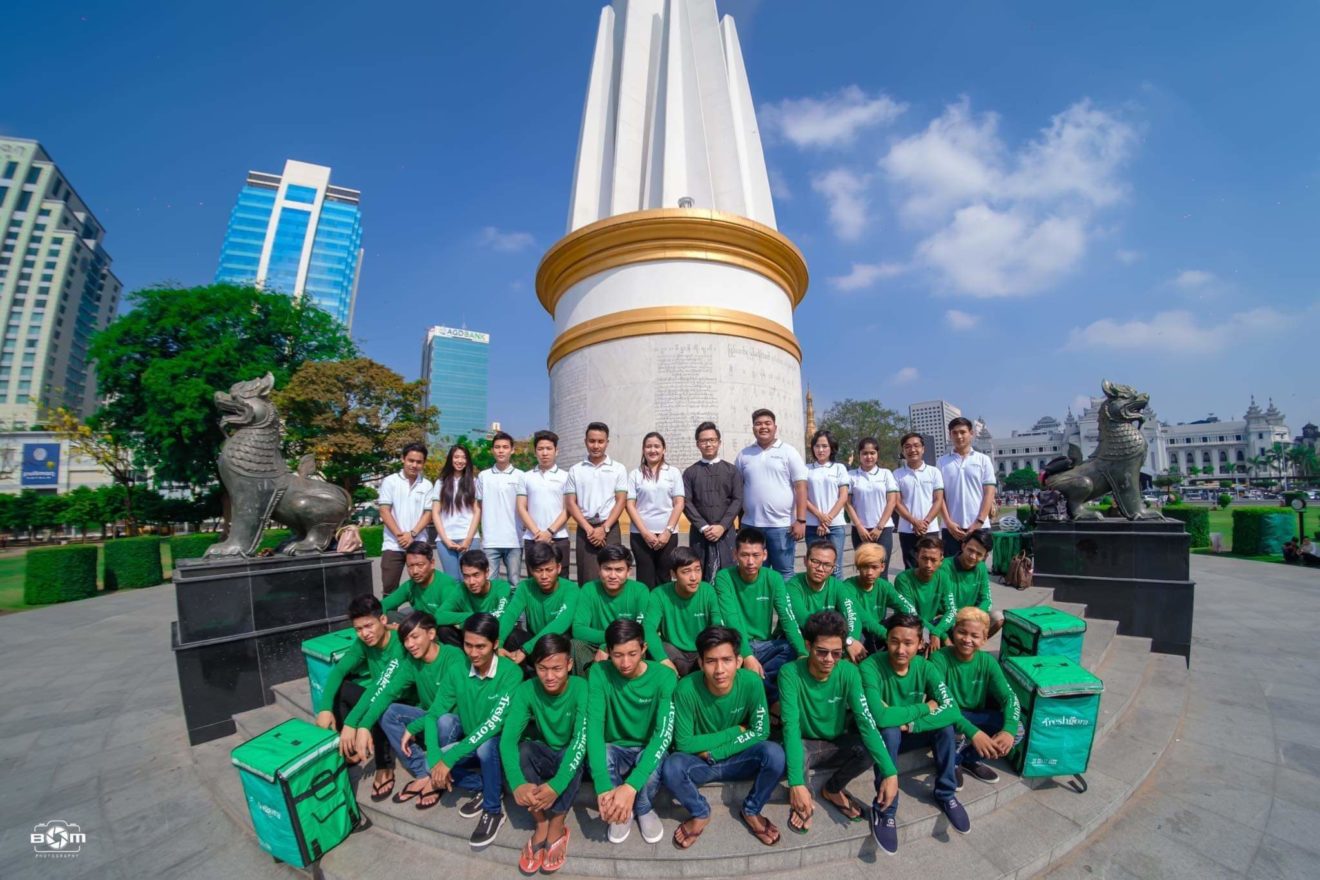
    Meal Temple Group, the leading startup in food delivery and logistics in Cambodia and Laos is continuing its expansion in the region by partnering FreshGora.com in Myanmar, after raising seed stage funds less than a year ago. Freshgora.com is a local startup based in Yangon, Myanmar, offering many on demand services through its online based mobile application and website. Meal Temple Group is the leading food delivery service in Cambodia and Laos, expanding its logistics offer to local businesses as well and offering its customers more new services.

    Both companies just entered an agreement to address the market in Myanmar and expand its operations nationally. With more than 55 million people, including more than 6 million in the Yangon
    metropolitan area, Myanmar is one of the fastest growing markets in South-East Asia. Freshgora.com, is a young startup from Yangon, that started less than a year ago, and already achieved to get over the rate of more than 100 deliveries a day in Yangon, offering food deliveries from restaurants and local markets in less than one hour through its own fleet of drivers. Sharing common vision, challenges and opportunities as Meal Temple Group in Cambodia or Laos, Daniel Htut, the founder, and its team, will benefit from Maxime Rosburger, Meal Temple Group’s founder,
    and their 5 years experience in the market.

    Daniel Htut says “We are really excited to partner with Meal Temple Group and offer our customers in Myanmar more services, support and perks, and be guided by Maxime and his team on how to sustain our growth in the market. After only 8 months, we are already tackling the largest local players, with a clean approach on technology, user experience and interface as well as customer
    service. We are also really inspired by Meal Temple Group’s vision on electric vehicles and social impact ambition.”

    The local entity will continue to operate as Freshgora, adding more services along the way, and working together with Meal Temple Group for an on demand super app for frontier markets of Asia in the long run. Meal Temple Group is looking to address more than 100 million people in frontier markets of Asia by the end of the year, and grow its technology to a super app model.

  • Pirata Group to launch new temakeria concept

    Pirata Group to launch new temakeria concept

    Japanese temakeria restaurant concept TMK is set to open on Hong Kong’s Hollywood Road in mid-July.

    The Pirata Group brand is being positioned as a “ballsy temakeria offering a wild experience and finger-licking good food”. The new venue’s executive chef Miguel Huelamo, supported by Japanese head chef Takeshi Suzuki, are offering a selection of classic and signature temaki rolls as well as sushi, fresh-from-the-sea sashimi and reimagined takes on traditional Japanese dishes.

    “TMK is a missing piece in Hong Kong’s F&B market,” said Pirata Group cofounder Christian Talpo, the creative force behind TMK. “A unique, one-of-a-kind punk-inspired restaurant that paves the way for novel all-day dining and late-night experiences.”

    Promotional material for the restaurant promise “a lawless venue where tattooed bikers and black-clad punks are served a varied selection of sake, Japanese highballs and craft beer”. Inspired by the exuberance and irreverence of punk rock, TMK will feature a “headbanging soundtrack and a dive-bar-styled interior”.

  • UOB Expands SME Accelerator Program

    UOB Expands SME Accelerator Program

    UOB has announced that it is bringing its business transformation program to Malaysia, following successful editions held in Singapore (2018) and Thailand(2019), the bank announced on Friday.

    The three-month-long «Jom Transformation Program» run by UOB innovation accelerator The Finlab aims to help businesses in Malaysia adopt technology to drive productivity and growth.

    As part of the program, they will be matched with technology partners to address their concerns and to pilot the implementation of the solution. Participants will be able to gain the skills and knowledge in areas such as business process re-engineering and digital marketing, the bank said.

    Businesses will also be matched with mentors, including the Chinese Chamber of Commerce & Industry of Kuala Lumpur & Selangor, the Malaysian Association of Tour and Travel Agents, Maxis, the Malaysia Digital Economy Corporation and SME Corporation Malaysia, who will be able to advise them on how to increase operational efficiency, expand and scale across Southeast Asia,

    Malaysian businesses will be able to tap the combined knowledge, experience and networks of these organizations to accelerate their transformation process, Pauline Sim, co-head, The FinLab, said

  • Naver’s Latest Move and the Rise of New Payment Methods in Japan

    Naver’s Latest Move and the Rise of New Payment Methods in Japan

    Trends come and go in the retail world, but one which undoubtedly appears to be here to stay is the shift in how consumers now choose to pay for goods and services.

    Physical cash has played an important part in retail for decades, but a recent announcement involving South Korean internet firm Naver has put a spotlight on how new payment methods are becoming increasingly common in Japan.

    Mobile payments system

    Earlier this month it was confirmed that the company has launched a mobile payments system which can be used in Japanese stores. According to the Korea Herald, the Naver Pay service now features a tool known as Cross-Border, which allows people to make payments via a QR code on their smartphone or tablet.

    Naver Pay chief Choi Jin-woo told the media outlet that the move was the company’s “first step” into Japan and was based around providing a “convenient service” to customers wherever they are.

    While it is thought that the move will help Koreans travelling to the country, the announcement is also arguably another sign of the major changes being seen in how people pay for different items across the world.

    Going cashless

    A huge number of countries have embraced the idea of going cashless by using new payment methods, with the likes of Canada, Sweden and the UK thought to be among those leading the way.

    The types of services which have made the move possible include Google Pay, Apple Pay and, of course, the likes of PayPal. The latter is thought to have a total user base of 277 million accounts, with 255 million of those being consumers.

    Many businesses have worked hard to keep up with the consumer appetite for new payment options, and evidence of this can be seen in a range of sectors. For example, Amazon Pay allows people to use payment methods linked to their Amazon account to pay for services on other sites. In addition, this site offering Japanese NetBet casino games gives users a chance to make deposits via a range of means including Neteller, Skrill, Entropay and Trustly. Companies like Subway and Expedia have even flirted with cryptocurrency in the past too.

    Set for growth

    According to payment technology provider InComm, it is thought that around 20 per cent of all payments in Japan are currently made with methods other than cash, and it is thought that the government is keen to boost this further in the next six years. When did the organization reveal this? In an announcement that it had partnered with DFS to launch barcode payment solutions in the country.

    The world of payments is undoubtedly changing, and it will be fascinating to see whether all of the innovations emerging in Japan will ultimately mean the country rises up the rankings when it comes to going cashless. In addition, it will be vital that retailers can stay on top of these trends to ensure they can continue to meet consumer demand.

  • Bose to launch new wireless headphones with voice-activated Alexa

    Bose to launch new wireless headphones with voice-activated Alexa

    Headphones with support for digital assistants like Alexa, Google Assistant and Siri have become trivial in the last couple of years. However, most of these headphones will only allow users to wake up the digital assistant by pushing a dedicated button.

    Apple and Samsung are the only companies that have recently introduced the ability to use voice activation to wake up the assistant implemented into a pair of headphones, though support is limited to a certain set of commands.

    The reason headphones manufacturers weren’t able to implement such a feature yet is due to the limited battery life of their products. In order to detect the wake word, headphones must use the battery to keep the microphone enabled all the time, which would drastically reduce the overall battery life. Luckily, a company called Knowles Corp. has managed to design a new chip that enables wireless headphones to reply to Amazon’s Alexa digital assistant by saying its name, Reuters reports. Basically, you will no longer have to press a button to activate Alexa, you will simply have to say its name.

    The new chip is power-efficient and includes a microphone and digital signal processor, as well as a reference design that will allow headphone manufacturers to add support for Alexa into their products.

    Knowles confirmed that Anker and LinkPlay will use its new chip and Alexa design to release headphones with voice-activated Alexa support, which will replace the traditional push-button versions.

    Bose will also launch a pair of headphones with voice-activated Alexa support later this month, although Knowles didn’t explicitly say whether or not they will be based on its chip.

  • Bose pop-up store opens at Changi Airport, Singapore

    Bose pop-up store opens at Changi Airport, Singapore

    A Bose pop-up store has opened at Changi Airport’s Terminal 3 Transit Departure Hall.

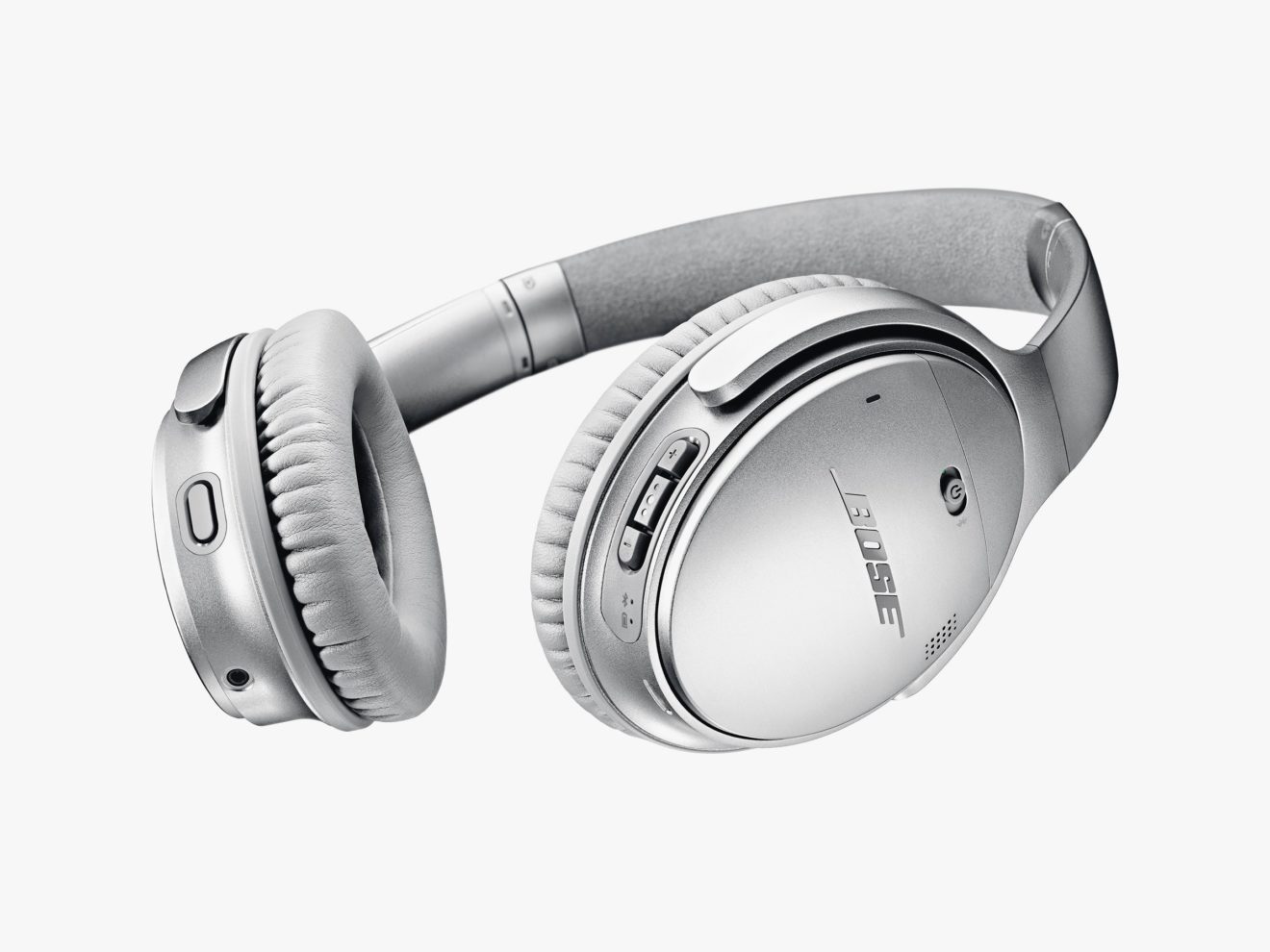
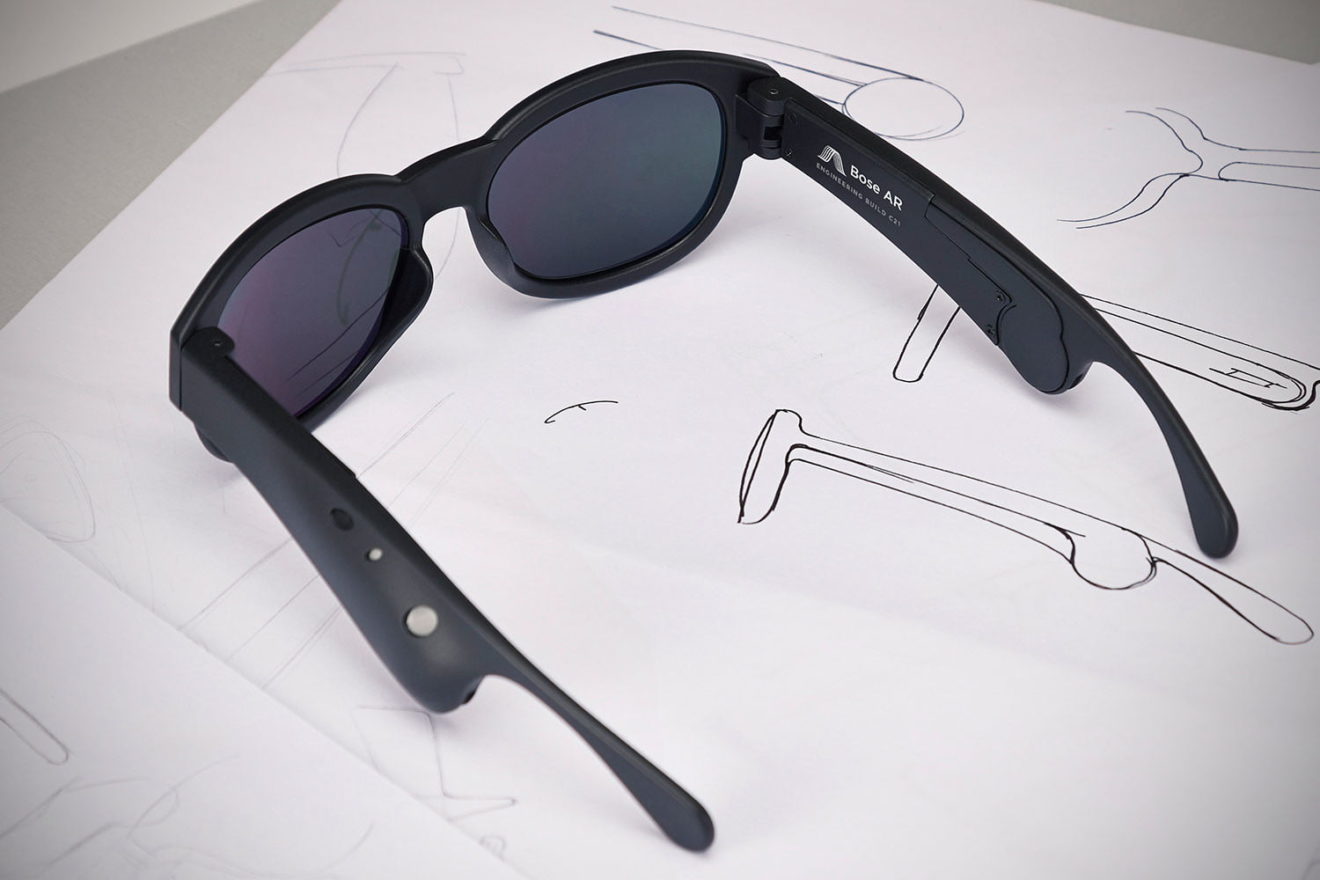
    Trading until June 30, the store will give travellers the chance to experience and own Bose’s first audio sunglasses equipped with Bose AR capability, and to try out its latest noise-cancellation headphones.

    The Bose pop-up store features two zones that let travellers experience Bose products. In one, travellers get to try Bose Frames – the first audio sunglasses from Bose – and go on virtual adventures across different scenes while a soundtrack plays from the device.

    In the other zone, travellers can try out Bose’s latest headphones in sound domes.

    The pop-up store also has a photo booth where visitors can snap and upload pictures of themselves with the Bose Frames for a chance to win a pair of Bose Frames.

    “This technologically savvy pop-up store is an exciting collaboration between Bose and Changi,” said Teo Chew Hoon, group senior VP of airside concessions at Changi Airport Group.

    “As an international hub for travellers, Changi Airport, and by extension Singapore, is the perfect location for the Asia-Pacific launch of our latest product, the Bose Frames,” said Christian Rojas, market development leader, focus market development at Bose.

    “Through engaging travel retail concepts like this, we are confident that the authentic Bose experience will be showcased and look forward to bringing high-quality sound to transit travellers at Changi Airport.”

  • Target sales sagging further for Wesfarmers

    Target sales sagging further for Wesfarmers

    Wesfarmers says full-year earnings from its department stores could fall by as much as $103 million after sales at the struggling Target chain fell by 2.3 per cent so far in the second half.

    The Perth-based conglomerate, which reports its full-year results on August 27, says Target’s comparable sales for the five months to May fell 2.3 per cent on the prior corresponding period and by 0.7 per cent over the year so far.

    Although sales at stablemate Kmart have stabilised in the second half, Target dragged down the unit as a whole and Wesfarmers says the latter’s “current offer requires ongoing repositioning” despite continued efforts to turn around the chain.

    Combined full-year earnings from two stores’ continuing operations are now expected to be between $515 million and $565 million, as much as 17 per cent down on last year’s $618 million.

    Wesfarmers managing director Rob Scott says the Kmart Group’s second-half performance had been disappointing, but that it would benefit from increased investment in online and digital initiatives.

    The company said on Thursday it was feeling the pressure from increased pricing competition and cautious consumer sentiment, and admitted various changes at Kmart had also resulted in a temporary shortage of goods on shelves.

    Mr Scott told investors in a separate briefing there had been no notable lift in consumer sentiment after the May federal election, though the onset of colder weather had been welcome boost for sales.

    “The seasonal changeover is a key driver of sales… (so) the cold weather has been helpful (even if) some of the cold weather took a while to arrive,” Mr Scott said.

    Wesfarmers announced in June last year it was scaling back its Target business, cutting the size or number of stores in the chain to achieve a 20 per cent overall reduction in footprint by 2023.

    Mr Scott said on Thursday the repositioning of the department store network, which will include the introduction of more Kmart stores, had allowed its chains to compliment each other instead of competing for space and customers

    Mr Scott told investors he expected further improvement after Kmart finishes cycling out DVD sales.

    Wesfarmers’ first-half profit soared to $4.5 billion from $212 million in the prior corresponding period due to $3 billion in one-off items following the demerger of supermarket Coles, and the sale of Bengalla, Kmart Tyre and Auto Service, and Quadrant Energy.

    The conglomerate has since embarked on a number of acquisitions, including a $776 move for lithium developer Kidman Resources, and a so-far unsuccessful approach for rare earths miner Lynas.

    This week it continued its spending spree this week with the $230 million acquisition of online retailer Catch Group, which will be rolled into the Kmart Group.

    Mr Scott told analysts the company felt “the time was right” to act on opportunities.

    “On the acquisition side, I know we’ve announced a few things in recent months, but I think it’s important not to get too carried away by that activity,” he said.

    “We’re talking a very very small proportion of out market capitalisation, and indeed capex.”

    Mr Scott said the proposed investment in Kidman was grounded in long-term advantages.

    “We don’t know what the long-term price of lithium is going to be …what we do know is that … (the proposed acquisition) is going to be one of the lowest-cost providers globally of lithium hydroxide,” Mr Scott said.

    Shares in Wesfarmers were worth $38.25 before trade on Thursday and have climbed by 18.72 per cent, or $6.03, so far in 2019.

  • Ducati Hong Kong opens Kowloon store

    Ducati Hong Kong opens Kowloon store

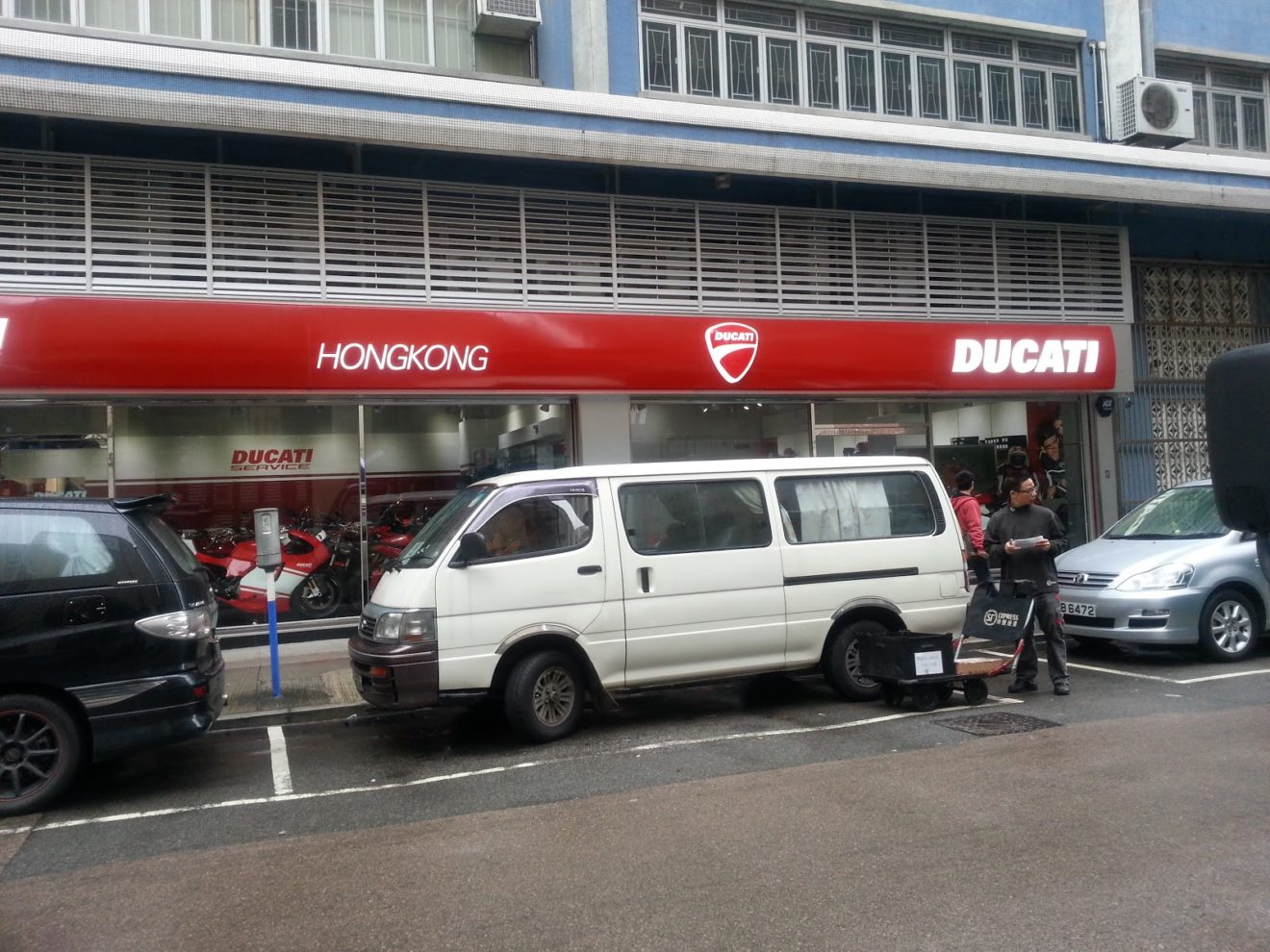
    Ducati Hong Kong has opened a new store in Kowloon.

    The store launch, focused solely on Borgo Panigale-built bikes, serves to expand Ducati’s presence in Hong Kong. The new showroom, opened by sole Ducati importer in the territory Ho Wun Cars, is designed to offer customers a full brand immersion experience.

    The entire Ducati range is represented in the venue, which includes a comprehensive section dedicated to apparel and accessories and a social area for the Ducati Owners Club Hong Kong.

    “Hong Kong is one of the most premium markets for Ducati in Asia,” said the brand’s marketing director for Asia Pacific Stefano Campaci. “The city itself is not only one of the world’s main economic hubs, making it an aspirational point of reference in terms of lifestyle, but it is also home to one of Ducati’s most sophisticated clientele in the world. Last year, for example, 50 per cent of Ducati motorcycles sold in Hong Kong were superbikes, many of which were sold to our numerous local collectors.

    “It is therefore fundamental for Ducati to be represented at the highest level, and this new showroom marks a step forward in this direction.”

  • Apple’s Shazam app updated with new Pop Up functionality

    Apple’s Shazam app updated with new Pop Up functionality

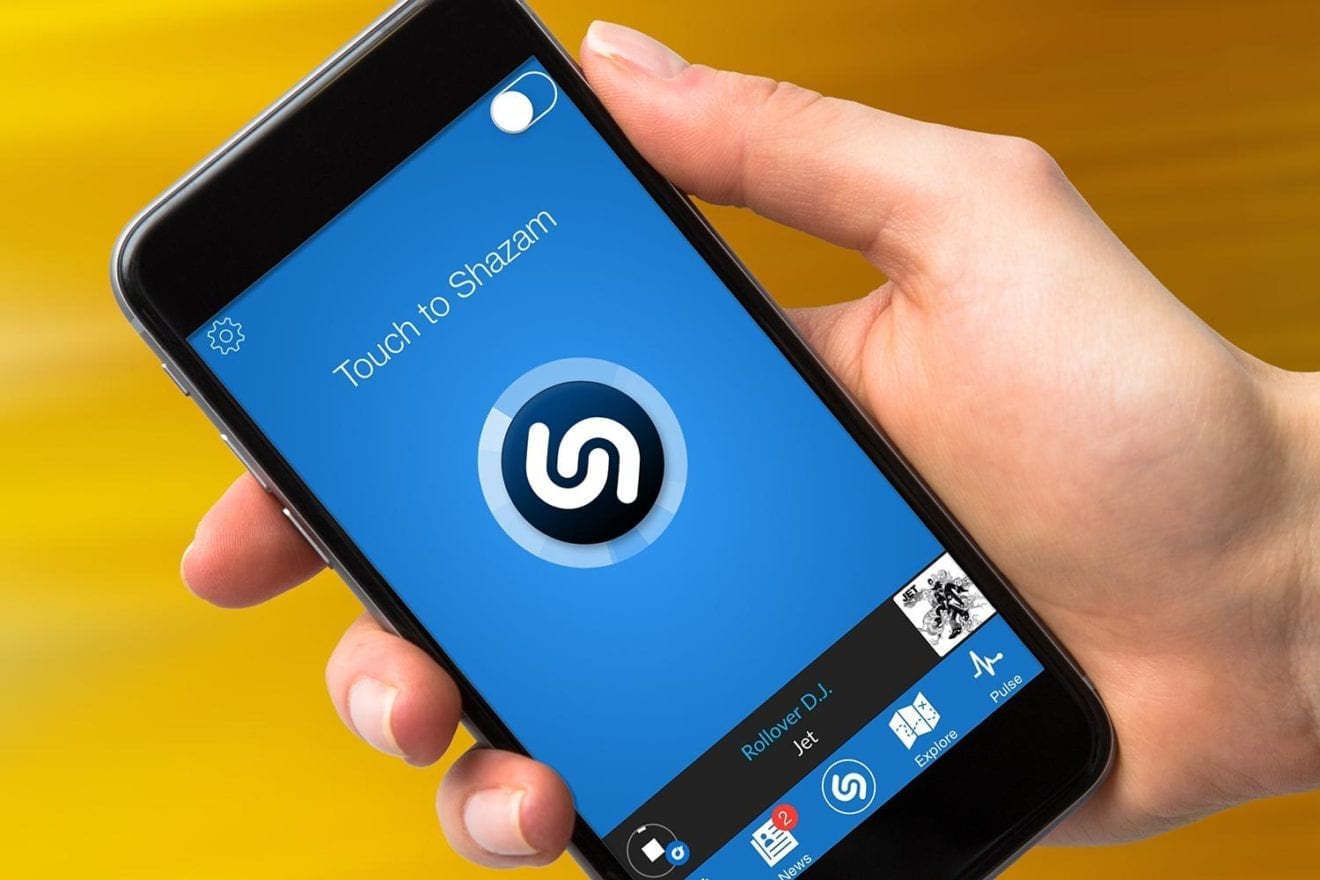
    Recently acquired by Apple, Shazam is bringing new features to its users, although this time only Android users will benefit from the changes. A new Pop Up functionality has just been added to Shazam for Android, which will allow users to identify songs playing in third-party apps without having to leave the app.

    In order to benefit from the new feature, you’ll have to enable a new floating button that is overlaid on the screen. When the new button is enabled, you will see a persistent notification in the notification drawer, which can be used to trigger it. Whenever you wish to use Shazam to identify a song, simply tap on the Pop Up floating button.

    Of course, you will be able to dismiss both the button and the persistent notification by simply dragging the button at the lower part of the screen to make it disappear. If you want to make the persistent notification go away, you will have to switch off feature from the Shazam settings menu or by swiping down the notification and tap on Turn Off.

    The new Pop Up functionality is available in the latest version of Shazam for Android, which has already been uploaded in the Google Play Store. If you have the app installed, a new update should be available for download.

  • Muji to lower prices on 1100 household and grocery items

    Muji to lower prices on 1100 household and grocery items

    Muji household goods store owner Ryohin Keikaku will drop prices on around 1100 products from late August.

    The price reductions will affect 116 product ranges, including clothes, underwear, tableware, confectionery and furniture. The mark downs are the result of new streamlined production and distribution processes adopted by the firm, as well as reselected production areas and materials.

    Examples of the price reductions released by the company include an 11.2 per cent drop in the cost of a set of three “Ashinari Chokkaku Kutsushita” socks and a saving of up to ¥20 on “Pochigashi” candy and cookie packs.

  • H&M’s & Other Stories Launching on Tmall

    H&M’s & Other Stories Launching on Tmall

    H&M Group’s womenswear brand & Other Stories will launch a Tmall flagship store in the fall, making the Alibaba Group-owned B2C online marketplace the label’s first official sales channel in China.

    The Tmall store will offer collections designed by its three ateliers in Paris, Stockholm and Los Angeles, ranging from shoes, bags and jewelry to accessories and ready-to-wear items, according to a release.

    “This collaboration marks another important milestone in our long-standing partnership with H&M Group brands, and we look forward to continue working together to bring elevated shopping experiences to Chinese consumers,” said Jessica Liu, GM of Tmall Fashion and Luxury.

    & Other Stories will be the fourth H&M brand to join Tmall, following the Swedish fashion group’s namesake H&M brand and home-accessories brand H&M Home last year. H&M’s street-style label Monki opened a flagship store in 2016. The fast-fashion giant also owns denim lines Weekday and Cheap Monday, boutique-style label Cos, as well as the fashion-and-lifestyle brand Arket.

    “We look forward to the launch this autumn and can’t wait to get to know our Chinese customers and seeing their interpretations of our wardrobe treasures,” & Other Stories MD Sanna Lindberg said.

    Launched in 2013, & Other Stories operates 70 stores worldwide, while its online shop currently delivers to 15 countries in Europe, the U.S. and Korea.

  • The iPhone XR 2 may have the best battery life of any iPhone

    The iPhone XR 2 may have the best battery life of any iPhone

    Tucked in an electronics industry report about the supplier of batteries for the upcoming iPhone XR sequel we find the actual capacity of the pack in the tentatively named XR 2. The source muses that Apple may be done with hardware and iOS optimizations, and seems to be now betting on larger battery packs to make its phones last longer on a charge, just like Samsung or Huawei are doing.

    The iPhone XR 2 battery pack orders are reportedly granted to China’s ATL (Amperex) which are the same guys that got the order for non-exploding Galaxy Note 7 packs after the infamous Samsung SDI batteries started catching on fire. The new battery capacity is said to be 3110 mAh, which would make the iPhone XR’s successor with the largest single-cell battery pack in an iPhone ever.
    While this is just a 5% increase over the 2942 mAh capacity in the iPhone XR, the XR 2 is also expected to come with Apple’s A13 processor made with a second generation 7nm process that should reduce battery draw further.
    Coupled with the new pack and the frugal display resolution, the iPhone XR (2019) should therefore last longer on a charge than the already best in that regard iPhone XR. It scored more than 11 hours of screen-on time in our grueling test, ahead of any iPhone we have tested so far. The XR 2 may very well break the 12-hour mark which would place it in a special endurance club of its own, and not only among phones in the iOS camp.
    Here’s how the iPhone XR (2019) may look like, as rendered by graphics artist Hasan Kaymak based on rumors, leaked CAD drawings, and analyst expectations.
  • Uber Unveils Next-Generation Volvo Self-Driving Car

    Uber Unveils Next-Generation Volvo Self-Driving Car

    Uber Technologies Inc unveiled its newest Volvo self-driving car in Washington on Wednesday as it works to eventually deploy vehicles without drivers under some limited conditions. Uber said the new production XC90 will be assembled by Volvo Cars in Sweden and have human controls like steering wheels and brake pedals, but also with factory-installed steering and braking systems designed for computer rather than human control.

    Uber Advanced Technologies Group chief scientist Raquel Urtasun showed off the company’s artificial intelligence technology that allows it to drive autonomously for long distances on highways without maps and “on the fly” to plot its course and navigate construction zones.”Our goal is get each one of you to where you want to go much better, much safer, cheaper,” Urtasun said.As the race to push out autonomous cars across the globe heats up, other companies are also working to deploy self-driving vehicles in limited areas.

    Ford Motor Co’s majority-owned autonomous vehicle unit, Argo AI, launched its new fleet of self-driving test vehicles – Ford Fusion Hybrid – in Detroit on Wednesday, expanding to five U.S cities.The No 2 U.S automaker also opened a research centre in Tel Aviv, joining a growing number of major automakers and suppliers setting up shop in Israel’s tech hub.General Motors Co in January 2018 sought permission from U.S regulators to deploy a ride-sharing fleet of driverless cars without steering wheels or other human controls before the end of 2019, but is still struggling to win regulatory approval

    Alphabet Inc’s Waymo unit is operating a robotaxi service in Arizona and said last month it is partnering with Lyft Inc to serve more riders.South Korea’s Hyundai Motor Co and Kia Motors Corp both said they would invest in the self-driving car software startup Aurora and speed up development of their respective autonomous vehicle technologies.Carmakers have struggled to maintain profit margins faced with the rising costs of making electric, connected and autonomous cars.

    As a result, they are setting up alliances and lining up outside investors to combat spiralling development costs.Previously, Uber had purchased about 250 Volvo XC90 SUVs and retrofitted them for self-driving use.The new vehicles – known by the internal code number 519G and under development for several years – are safer, more reliable and will replace the older vehicles in Uber’s fleet “soon,” according to Eric Meyhofer, the head of Uber’s Advanced Technologies Group.”This is about going to production,” Meyhofer said in an interview at an Uber conference in Washington on Tuesday.The new vehicle also has several backup systems for both steering and braking functions as well as backup battery power and new cybersecurity systems.

    Uber is not ready to deploy vehicles without human controls, Meyhofer said.”We’re still in a real hybrid state,” he said “We have to get there and we’re not going to get to thousands of cars in a city overnight. It’s going to be a slower introduction.”The new XC90 vehicles have an interior fish-eye camera to scan for lost items, Uber said.

    They also do not have sunroofs since the self-driving vehicles have large sensors on the roof and are equipped with auto-close doors to prevent an unsafe departure.Uber, which has taken delivery of about a dozen prototypes of the new vehicle, but has not yet deployed them on public roads, said the car’s “self-driving system will one day allow for safe, reliable autonomous ridesharing without the need” for a safety driver.Asked if Uber will deploy self-driving cars without safety drivers in limited areas in the next few years, Meyhofer said: “Yes – way before that.” But he added that Uber wants to be in “the good graces of public trust and regulatory trust” before making the business decision to deploy.In December, Uber resumed limited self-driving car testing on public roads in Pittsburgh, nine months after it suspended the program following a deadly accident in Arizona.In March 2018, authorities in Arizona suspended Uber’s ability to test its self-driving cars after one of its XC90 cars hit and killed a woman crossing the street at night in the Phoenix suburb of Tempe, then Uber’s largest testing hub.

    The crash was the first death attributed to a self-driving vehicle.In March 2019, prosecutors in Arizona said the company was not criminally liable in the crash and would not pursue charges.

    Uber has since ended testing in Arizona, but plans to eventually resume testing in Toronto and San Francisco, Meyhofer said.The death prompted significant safety concerns about the nascent self-driving car industry, which is racing to get vehicles into commercial use.Volvo Cars Chief Executive Hakan Samuelsson said in a statement that “by the middle of the next decade, we expect one-third of all cars we sell to be fully autonomous.”Volvo Cars, which is owned by China’s Geely Automobile Holdings Ltd, will use a similar autonomous base vehicle concept for the introduction of its first commercially available autonomous drive technology in the early 2020s.Volvo and Uber said in 2017 that the rideshare company planned to buy up to 24,000 self-driving cars from Volvo from 2019 to 2021 using the self-driving system developed by Uber’s Advanced Technologies Group.

    An Uber spokeswoman said Tuesday that the company plans “to work with Volvo on tens of thousands of vehicles in the future.”

  • Topshop parent wins lifeline in crucial vote

    Topshop parent wins lifeline in crucial vote

    Topshop parent Arcadia Group has been given a lifeline by its creditors and landlords after a Company Voluntary Arrangement (CVA) was approved yesterday.

    The vote was delayed last week after it became clear it would not gain the 75 per cent approval needed to proceed. However it appears a change of heart by the pension regulatory body secured the arrangement.

    Arcadia Group is now free to close a further 23 stores and will receive reduced rent on nearly 200 others.

    CEO Ian Grabiner said he is confident about the group’s future now the deal has been accepted, promising to provide customers “with the very best multi-channel experience, deliver the fashion trends that they demand, and ultimately inspire a renewed loyalty to our brands that will support the long-term growth of our business”.

    “After many months of engaging with all our key stakeholders, taking on board their feedback, and sharing our turnaround plans, the future of Arcadia, our thousands of colleagues, and our extensive supplier base is now on a much firmer footing,” he said.

    “From today, with the right structure in place to reduce our cost base and create a stable financial platform for the group, we can execute our business turnaround plan to drive growth through our digital and wholesale channels, while ensuring our store portfolio remains at the heart of our customer offer.”

    However Chloe Collins, senior retail analyst at GlobalData, said that although Arcadia’s CVA has been approved, it is not surprising it faced backlash from some landlords who have doubts about the retailer’s future.

    “Arcadia’s leading brands – Topshop and Topman – still have a strong following among millennials, however many of the other, such as Miss Selfridge and Dorothy Perkins, are now irrelevant in a highly saturated market and chances of revival are slim, leading landlords to question whether other retailers could offer their spaces more longevity,” she said.

    “The decision to add Topshop and Topman to Asos’ branded offer as part of Arcadia’s turnaround plan is wise to increase the brand’s reach, especially internationally. However it is crucial that the £60 million invested into advancing Arcadia’s digital platforms includes competitive and convenient delivery methods to rival Asos and maintain traction on the brand’s individual sites.”

    Collins said the £75 million invested by Green into its physical stores will be too thinly spread as even after the planned closures Arcadia will have around 500 stores left.

    “These stores have been neglected for far too long and are now unable to match competition which moves in favour of experience-led shopping.”

  • Facebook’s Study program pays for information about the apps you use

    Facebook’s Study program pays for information about the apps you use

    Facebook announced today that it has launched a new app for Android users called Study from Facebook. The app will be used to help the company conduct market research and all participants will be paid. This isn’t an app that you can download from the Google Play Store at any time. Instead, Facebook will be running ads online and if you click on one, you can register to download Study. But you still have to qualify, and if you do, the app will then show up in the Play Store like magic.

    Those who do sign up will learn how the app works and what information it will collect. As the late Robin Williams might have said, “Transparency. What a concept.” Facebook also is now sensitive to the use of teen data and will require that those installing Study be 18 years of age or older. And yes, participants will be able to opt out at any time. Right now, the program will be available only in the U.S. and India.

    Facebook says that the information it collects will include:v
    • Apps you’ve installed on your phone.
    • How much time you’ve spend on each app.
    • The country you live in, the device you use and the type of network your phone runs on.
    • App features that you employ.

    The Study app will not collect user ID’s, passwords, or content stored on your phone. The information is not sold to third parties, used to serve optimized ads, or added to a user’s Facebook account if they have one.

    “Approaching market research in a responsible way is really important. Transparency and handling people’s information responsibly have guided how we’ve built Study from Facebook. We plan to take this same approach going forward with other market research projects that help us understand how people use different products and services.”-Facebook

    While Facebook doesn’t say how much it will pay you for this data, it does say that participants will earn money for sharing how they use apps.