Blog

  • Aldi food truck delivering Healthy Food to Football Clubs

    Aldi food truck delivering Healthy Food to Football Clubs

    Discount grocer Aldi is bringing its new food truck to MiniRoos football clubs across Australia to offer kids healthy food options.

    The Mighty Mini Chefs Food Truck has an accompanying app with interactive games for kids to create healthy lunch box based on their daily activities.

    From June 1, Aldi’s food truck will begin visiting 14 football clubs, from Yeppoon in Queensland to Wodonga in Victoria.

    “For the clubs that the truck visits, ALDI MiniRoos participants will be able to play on an app to learn about food and how it impacts their day-to-day lives,” the retailer said in a blog post on Friday.

    “For any kids that don’t get a chance to experience the Mighty Mini Chefs Food Truck, we have the MiniRoos Mighty Menu on hand to inspire parents and children to cook nutritious meals. Created in partnership with the Caltex Socceroos’ chef and nutritionist, Vinicus Capovilla, the seven day menu is full of easy, affordable and healthy meals. The MiniRoos Mighty Menu has been a mighty success, with families all over the country discovering that eating well doesn’t have to be hard work and that healthy foods taste great.”

    The supermarket giant’s three-year partnership with Australia’s largest football program for kids, the MiniRoos, has helped the retailer reach a broader section of the community. The discount grocer partnered with Football Federation Australia on creating fun ALDI MiniRoos sessions that will help kids develop new skills and meet new friends.

    The retailer recently added Sam Kerr, Westfield Matilda’s and Perth Glory player, as an Aldi MiniRoos ambassador.

  • Poney flagship Store in KL opens at Central iCity

    Poney flagship Store in KL opens at Central iCity

    Malaysian childrenswear retailer Poney has opened a flagship store in the new Central iCity shopping centre.

    Poney Group has three brands – Poney, Baby Poney and Poney Enfants, offering apparel and accessories for newborns, toddlers and children aged up to 12 years old.

    The new boutique displays the full range in a bright, light setting, located next to Trudy & Teddy.

    Central iCity is the first shopping centre in Malaysia’s capital city to be opened by Thailand’s Central Group. It also features a Sogo department store and Malaysia’s 500th (and the world’s 15,000th) AS Watson store.

    Founded in 1992 by Albert Tan and his wife Sharon Ng, Poney Group began with consignment counters inside department stores before opening its first boutique in The Mines Shopping Mall in 1997. A flagship store opened in Suria KLCC two years later.

    The company has since expanded in Malaysia and offshore into markets including Singapore, China, Indonesia and the Middle East.

  • McDonald’s China Teams up loyalty program with Ele.me app

    McDonald’s China Teams up loyalty program with Ele.me app

    McDonald’s customers in China can now earn loyalty points when they order a Big Mac or Filet-o-Fish through Ele.me, Alibaba Group’s on-demand delivery platform.

    Ele.me users can activate a McDonald’s membership card with just one click on the app to earn loyalty points for purchases and receive vouchers worth up to RMB 88.5 (US$12.80). The fast-food giant attracted nearly 20,000 new members on its first day of launching the service on May 20, while single-day orders increased about 20 per cent week-on-week, McDonald’s China said.

    McDonald’s China is one of the first restaurant chains to pilot the new Ele.me service, one of the app’s latest tools to help the food-and-beverage sector seamlessly connect their online and offline operations.

    “McDonald’s is an important strategic partner for us, and we are thrilled to fully integrate their loyalty program with our platform. We look forward to continuing to work together to improve the delivery experience for consumers and provide even more services, benefits and perks,” said Hu Xiaoyu, VP of Ele.me.

    There are more than 3100 McDonald’s restaurants in Mainland China, more than 2000 of which also have a virtual presence on Ele.me. McDonald’s China launched its membership program last year, rewarding members for purchases made in-store or via its app and mini-program. It now counts more than 75 million members.

    “Integrating our loyalty program with Ele.me helps us provide more customers with a complete set of membership services and benefits, which ultimately enhances the delivery experience,” said Emily Pang, head of brand extension at McDonald’s China.

    Also among the first batch of global restaurant chains to bring their membership program to Ele.me are Burger King, Dairy Queen and Papa Johns, all of which reported higher sales in the 30 days that followed their launch. Burger King was the first to opt in last November, and has since attracted 2 million new members, with members contributing to nearly 40 percent of its gross merchandise volume on Ele.me.

    Ele.me plans to roll out even more features, such as birthday perks and member-only sales campaigns, to “bring more value to every purchase,” Hu said.

  • Logistics heading to personalisation in digital era

    Logistics heading to personalisation in digital era

    The biggest trend in logistics right now is arguably not artificial intelligence, blockchain or even visibility, it’s hyper-personalization – which is ushering in a new era of delivery once only accessible to big global companies and corporates.

    For Asia’s legions of entrepreneurs and small businesses – more than 70 percent of whom are now exporting beyond Asia Pacific – personalization offers new opportunities to compete and create competitive advantage.

    Already, the transport and logistics industry is at a threshold moment in terms of the use of personalization – the ability to dynamically and uniquely tailor the shipping experience to any customer or individual.

    Yet while many micro-businesses believe in the power of personalisation for their brand – allowing consumers to choose the color of a dress, say, or add a monogram to a handbag – far fewer know that tapping new customization and personalization strategies in logistics is easier than ever.

    So just how can Asia’s small businesses deliver greater personalization in the shipping experience? And use logistics to gain ground against often older, larger or more established brands?

    Logistics made just for you

    FedEx, for example, has always operated beyond the norms of what’s expected for a shipping company. We know that our company is more than just packages shipped – it’s what we deliver that matters, such as dreams when a start-up sends out its first packages; joy at Chinese New Year; even hope when shipping relief supplies.

    What’s more, while the most important aspect of the growing US$4.5 trillion e-commerce economy is shipping, we recognize that to many, it’s largely invisible.

    So what’s changing and what’s important when it comes to customization and personalization, in a world where 11 percent of global GDP is already directly attributable to digital technologies?

    The first step is to change our mental model that logistics is something that happens after services and products are sold.

    Just as WeChathas evolved into a billion-dollar ecosystem of apps, products and services creating hyper-personalized experiences from start to finish – be it in food, clothing, paying utility bills or even shipping a package using the likes of FedEx, so too is the delivery experience starting sooner.

    For instance, we now help SME e-tailers at the frontend to close more business on their website, or on the backend in after-sales service, matching shipping strategies with customer needs.

    Innovation itself is also more mobile – it’s estimated that around 90 percent of logistics today happens behind the mobile phone – meaning that we must deliver differently.

    Our ‘new normal’ of personalized logistics is all about connecting customers with greater convenience – same-day deliveries, more ‘last mile” choices including self-collection locations; even new, advanced tracking that can nickname shipments and create personal ‘watch lists’.

    Visibility is yet another way to personalize the shipping experience – since knowing the status of packages and having control over them is at the top of any customer’s wish list. Take FedEx Delivery Manager for instance, which can request delivery notifications, sign for deliveries in advance, have shipments delivered to a secure location, suspend deliveries and more.

    Here, hyper-personalization is about driving greater flexibility – with the ability to customize and select day and delivery options – usually at no extra cost to an SME or its customers.

    More than ever, consumers want more from their supply chain and logistics – the ability to return goods to a physical location; the ability to get a text message saying goods are about to be delivered; track product requirements online; vary the delivery window and location, even the ability to “click and collect” – collecting goods from a secure location like a locker box or a 7-Eleven store.

    We’ve also seen growth in customisation and postponement which is giving SMEs more options to manage inventories more efficiently. By delaying product packaging and assembly for as long as possible, exact customer specifications can be met whenever products are needed.

    But that’s just the start. Our industry is at a tipping point, barely scratching the surface of what’s possible as customers expect more, and demand more.

    The personalisation of everything

    The future of logistics is set to be ‘personalised everything’.

    Already, shipping is moving further away from a generic or one-size-fits all approach to a highly personalised pattern of world commerce – with the ability to customise, flex and individualise delivery in ways that are just only beginning to become clear.

    Just as brands that create a personalised experience are growing two to three times faster than their peers – and seeing revenue increases of up to 10 per cent[4] – so too will small businesses be able to create one-of-a-kind supply chains that help them grow, compete and connect globally.

    As Alan Kay once said: “The best way to predict the future is to invent it” – so we are working on a number of technology innovations that will further change the way we do business and the way we serve our customers. But what can we expect to see?

    Among a multitude of on-demand style innovation, the day is coming where the ultimate personalised logistics accessory of the future will be the ability to book a shipment by talking to your digital personal assistant.

    Picture a small business customer initiating the process, answering questions from the digital assistant, hands-free and paper-free, to complete a booking with a courier – or robots, zipping to your home or SME office to pick up the package.

    So why should Asia’s entrepreneurs and SMEs care?

    Such hyper personalisation innovation – existing or futuristic – is impressive. We are at an unprecedented moment in history in terms of connectivity, where more and more consumers are becoming hyper-connected across multiple devices – ranging from mobiles to smart phones to wearables and even home appliances.

    This personalisation of connectivity – where we’ve moved from walking among 100,000 products in a store to accessing more than 10 million products on a phone – is giving today’s small businesses the opportunity to compete on customer experience on a scale never seen before.

    This year is shaping up to be a banner year for small businesses – four in five of whom are already using e-commerce, and 64 per cent of which expect to see an increase in e-commerce revenue in the next year.

    As we move closer to 2020 – a year when customer experience is expected to overtake price and product as the number the key brand differentiator – the opportunity for Asia’s SMEs is now.

    The ability to compete on customer experience using hyper personalisation is open to businesses of all sizes. And it may just be small businesses that win the future battle for personalisation.


  • New CEO For Zara Owned Inditex

    New CEO For Zara Owned Inditex

    Zara owner Inditex has named chief operating officer Carlos Crespo as its new chief executive to spearhead a bigger push into e-commerce.

    Crespo will continue in his existing position until his appointment as CEO becomes effective in July, when he will begin taking some of the responsibilities currently held by executive chairman and current CEO Pablo Isla, the company announced.

    The appointment of Crespo, who oversaw the integration of Inditex’s online and bricks-and-mortar stores, puts an emphasis on the retail giant’s digital efforts amid changing consumer habits.

    Isla said Crespo’s contribution to the company in this new role will be vital “at a time marked by Inditex’s strategic digital transformation and far-reaching commitment to sustainability”.

    Isla, who until now has held the positions of both chairman and CEO, will continue to lead the apparel company as executive chair. Crespo will work with Isla to define the overall company strategy, Inditex said.

    The new chief joined Inditex in 2001 as the head of accounting policies in the finance department. Going forward, he will be responsible for technology, procurement and sustainability.

    “I am very excited to play a role at this important time for the company in which digital transformation and sustainability in all its manifestations represent exciting challenges,” Crespo said.

    Last year, Isla announced all products from all Inditex’s brands will be made available online by 2020, including markets where it does not have any stores.

    Other than Zara, the world’s largest clothing retailer also sells the brands Pull & Bear, Massimo Dutti, Bershka, Stradivarius, Oysho and Uterque across its network of almost 7,500 physical shops. It also operates online in 49 markets.

    Isla also said all of the group’s brands will be adopting an integrated stock management system by 2020 in all the countries where there is a physical store presence.

  • AirAsia appoints Kris Taute to global communications role based in Kuala Lumpur

    AirAsia appoints Kris Taute to global communications role based in Kuala Lumpur

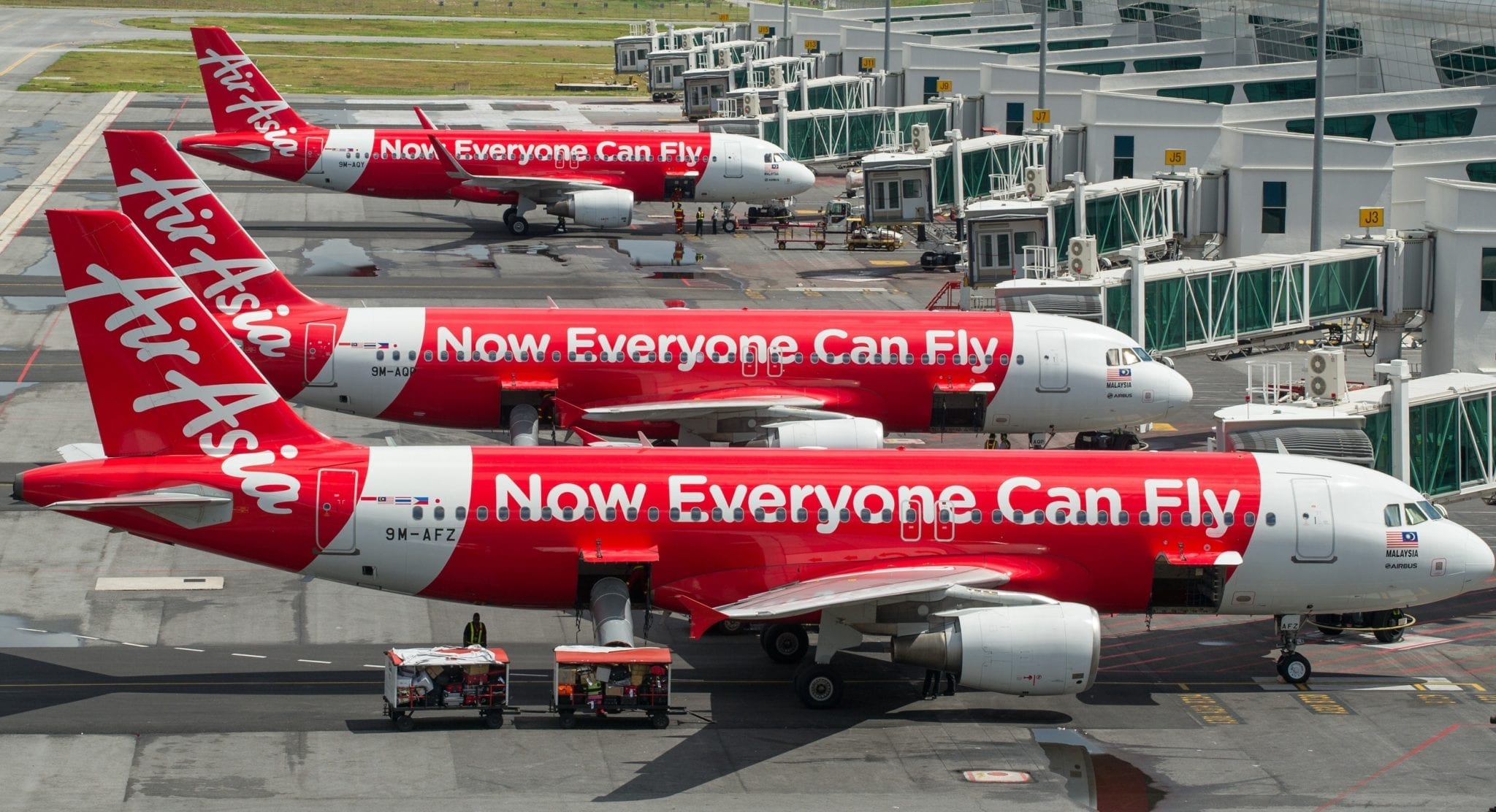
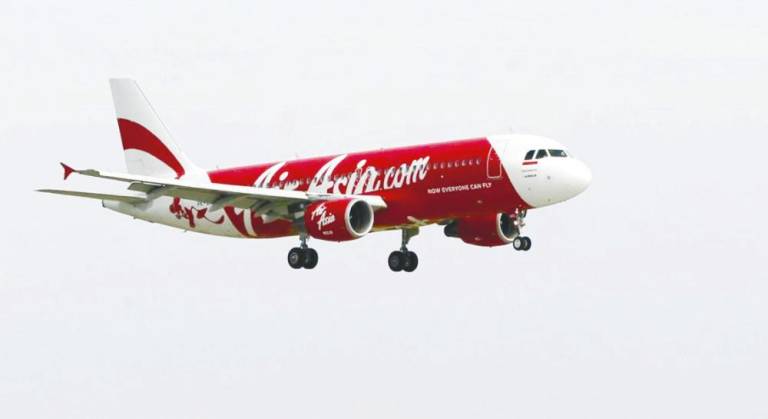
    AirAsia Australia PR and communications manager Kris Taute has moved to the airline’s Kuala Lumpur headquarters for a new global communications role.

    Taute had joined Air Asia last year, moving from the New South Wales state government, having worked for both Transport for NSW and for the state tourism body.

    In his new role as group manager communications for editorial, Taute will be responsible for the editorial communications of the airlines and its subsidiaries including  AirAsia and AirAsia X group of airlines, as well as lifestyle brands such as AirAsia Big Loyalty, travel360.com, Vidi, BigPay, RedCargo Logistics, Rokki, and Ourshop.

    In addition, Daphne Cheah is now ASEAN communications manager moving from a previous role as regional head green and sustainability.

    Taute has been replaced by Sarah Quinn who moves from Destination NSW and takes charge as PR and communication manager for AirAsia Australia.

  • Apple iOS 12.3.1 update released to fix iMessage and VoLTE issues

    Apple iOS 12.3.1 update released to fix iMessage and VoLTE issues

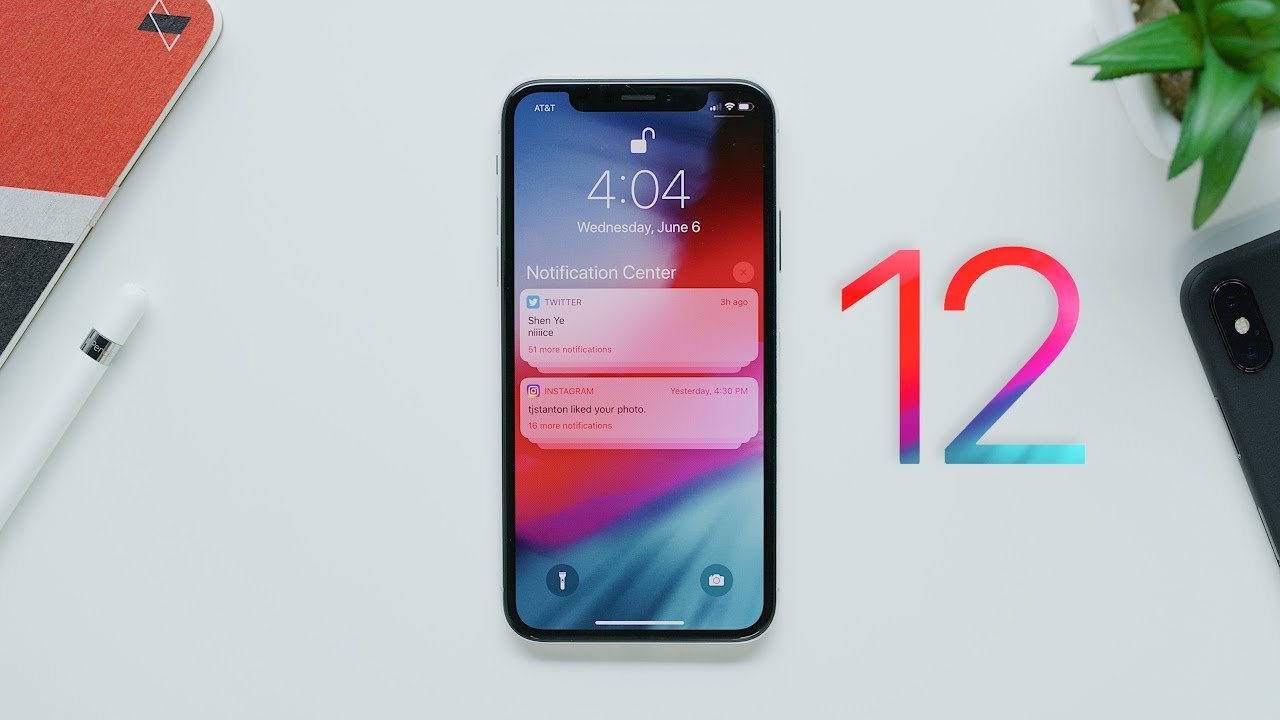
    Apple has just released another iOS update, which addresses a couple of issues that many iPhone users have complained of lately. If you’re rocking an iPhone as your daily driver, you should be able to see a notification on your device letting you know that you can download iOS 12.3.1, the latest firmware software released by Apple.

    As far as the contents of the update go, Apple says that iOS 12.3.1, which was released just two weeks after iOS 12.3, addresses an issue that could prevent iPhone users from making or receiving VoLTE (voice over LTE) calls.

    Also, the update fixes many of the problems in the Messages app, including those that could cause messages from unknown senders to pop up in one’s conversation list even though the Filter Unknown Senders option is enabled.

    Another Messages fix should solve another bug with Messages, which could prevent the Report Junk link from appearing in the app’s threads from unknown senders.

    In other news, Apple is gearing up for the next major iOS 13 updates. Keep in mind though that Apple hasn’t yet confirmed anything about iOS 13, so take it with a tint of salt until the update is announced.

  • Stosa Cucine opens first Singaporian store

    Stosa Cucine opens first Singaporian store

    Italian kitchen-design studio Stosa Cucine has opened its first store in Singapore.

    Located at the Apex @ Henderson building, the showroom spans 140sqm, displaying four kitchen models: Aliant, Natural, Infinity, and Aleve, for customers to experience.

    Products on display add a hi-tech touch to the kitchen as well as a functional solution for shelves, baskets and drawers.

    Customers can also get personalized options and design their own Stosa Cucine kitchens.

    The brand says it chose Singapore for its first international store because the city is one of the world’s most cosmopolitan, and an important hub for international trade.

    After Singapore, Stosa Cucine plans to expand into other Asian markets.

  • Vietnam considering mobile money trials this year

    Vietnam considering mobile money trials this year

    Vietnam’s Ministry of Information and Communication has held an international workshop on the ability of mobile money to promote financial inclusion, as part of preparations for potential mobile money trails.

    The two-day workshop was designed to provide a comprehensive overview of mobile money, and put forward recommendations for Vietnam’s adoption of the technology.

    At the event, Minister of Information and Communication Nguyen Manh Hung said the government is evaluating approving mobile money trials this year, the report states.

    Vietnam would become the 91st nation in the world to adopt mobile money services, the minister said. By the end of last year, nearly 900 million people in 90 nations were using mobile money services to conduct transactions worth around $1.3 billion per day.

    The minister also noted that mobile money will help promote cashless payment in a market were only around 40% of the population have bank accounts but mobile penetration is well over 100%, and will allow low-income people in remote or hard to reach areas to access paid online services.

  • Globe digitally transforms Semirara Island

    Globe digitally transforms Semirara Island

    The Philippines’ Globe Telecom worked with the nation’s largest coal producer Semirara Mining and Power Corporation (SMPC) to digitally transform Semirara Island in Antique.

    The 55 square kilometer island is home to the Philippines’ richest coal reserves, and is home to a number of coal workers and their families who rely on mobile connectivity a digital applications in their daily life.

    As part of the project, Globe, SMPC and the local government collaborated to upgrade all mobile towers in the island with LTE technology.

    The partners are also adopting a modern payroll solution for the mining company in collaboration with Ant Financial subsidiary Mynt and Ayala that takes advantage of Globe’s GCash mobile money service.

    In addition, Globe will work with public and private high schools in the island on digitally-enabled education initiatives.

    The Digital Thumbprint Program, developed by Globe in conjunction with Singtel and its Australian subsidiary Optus, has already been used to aid the education of 1.9 million students across the Philippines.

  • Philippines publishes common tower rules

    Philippines publishes common tower rules

    The Philippines’ Department of ICT has published the rules and regulations for the new common tower provider regime with the goal of building or converting at least 2,500 common towers across the nation.

    The rules will pave the way for deployments in properties owned by the departments, other government agencies, and hard-to-access areas identified by the market’s mobile operators.

    With the rules, the DICT has committed to streamlining the issue of licenses for the deployment of telecommunications equipment in towers not built by the independent tower companies participating in the scheme.

    They also seek to encourage voluntary sharing of towers by incumbent mobile operators by offering incentives in the form of allowing companies to build passive infrastructure in government properties and to enable operators to offer, transfer and convey existing tower resources to tower sharing entities.

    Independent tower companies participating in the scheme will need to be at least 20% owned or in a consortium with companies with at least five years of experience constructing, owning, operating and/or maintaining towers.

    They must also be wholly independent of mobile operators to ensure they offer non-discriminatory access and have reached agreements with the DICT and secured the required permits.

    The DICT said that to date 22 tower companies have signed memoranda of understanding with the department over the common tower initiative.

    “This is the starting point of more comprehensive policy for our initiative on passive infrastructure sharing. This will help tower firms to acquaint themselves in our telco industry,” DICT acting secretary Eliseo M. Rio Jr. said.

  • Telenor Myanmar signs partnership with TikTok

    Telenor Myanmar signs partnership with TikTok

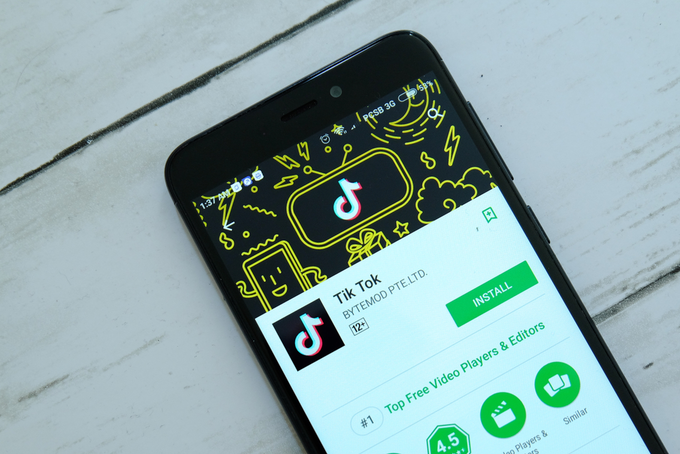
    Telenor Myanmar has become the market’s first official partner for short-form video sharing platform TikTok, and introduced a new mobile data plan to support the partnership.

    The operator has introduced the new Sate Kyite Kyi plan, which will offer mobile video content from TikTok and Myanmar’s other most popular video apps – including YouTube, Viu and MyanFlix – at a rate of 1 kyat ($0.00065) per megabyte.

    Users will be able to subscribe to the plan over SMS, via the MyTelenor app or WowBox content platform with subscription fees of 499 kyats per week. The plan will not be auto-renewed and must be resubscribed to at the end of each week of service.

    “We are very excited to become the first official local partner of TikTok in Myanmar. Sate Kyite Kyi is the very first result of the agreement between us and the top video apps and we are delighted to add TikTok to our partners’ list for this innovative data plan,” Telenor Myanmar head of digital services Chan May Ling said.

    “It will be the one of a kind data plans in Myanmar, providing users with a one-stop shop solution where they can enjoy all of their favorite videos. As you all know, Telenor Myanmar has been offering the best and most affordable products and services since its inception in Myanmar to ease users’ daily lives and we promise that we will come up with many more innovative services from this partnership.”

  • Humans cause 90% of cloud data breaches

    Humans cause 90% of cloud data breaches

    Incidents in public cloud infrastructure are more likely to happen because of a customer’s employees rather than actions carried out by cloud providers, according to a new Kaspersky Lab report.

    Companies expect cloud providers to be responsible for the safety of data stored on their cloud platforms, the report found. However, around 90% of corporate data breaches in the cloud happen due to social engineering techniques targeting customers’ employees, not because of problems caused by the cloud provider.

    Cloud adoption allows organizations to benefit from more agile business processes, reduced capex and faster IT provision. However, they also worry about cloud infrastructure continuity and the security of their data. At least a third of both SMB and enterprise companies are concerned about incidents affecting IT infrastructure hosted by a third party. The consequences of an incident may make the benefits of cloud redundant and instead evoke painful commercial and reputational risks.

    Even though organizations are primarily worried about the integrity of external cloud platforms, they are more likely to be affected by weaknesses far closer to home. A third of incidents (33%) in the cloud are caused by social engineering techniques affecting employee behavior, while only 11% can be blamed on the actions of a cloud provider.

    The survey shows there is still room for improvement to ensure adequate cybersecurity measures are in place when working with third parties. Only 39%  of SMBs and half (47% ) of enterprises have implemented tailored protection for the cloud. This may be the result of businesses largely relying on a cloud infrastructure provider for cybersecurity. Alternatively, they could have false confidence that standard endpoint protection works smoothly within cloud environments without diminishing the benefits of cloud.

    “The first step for any business when migrating to public cloud is to understand who is responsible for their business data and the workloads held in it,” Kaspersky Lab VP of global sales Maxim Frolov said.

    “Cloud providers normally have dedicated cybersecurity measures in place to protect their platforms and customers, but when a threat is on the customer’s side, it is no longer the provider’s responsibility. Our research shows that companies should be more attentive to the cybersecurity hygiene of their employees and take measures that will protect their cloud environment from the inside.”

  • AirAsia, beyond 1Q19 and headline numbers

    AirAsia, beyond 1Q19 and headline numbers

    Tan Sri Tony Fernandes tweeted two months ago that AirAsia Group Bhd will have its “best year” in 2019, and so far headline numbers look okay, if not promising, at least for the first quarter ended March 30, 2019 (1QFY19). Jet fuel prices are at around its hedging price — 52% of its fuel needs in FY19 has been hedged at an effective exercise price of around US$78 (RM326.82) of jet fuel — while passenger load factor is expected to stay solid at 87.9%. The group chief executive officer (CEO) has also hinted that its Asean joint ventures would “perform well”.

    Notwithstanding that, AirAsia’s share price has been underweight so far this year ahead of the release of its 1QFY19 results, scheduled on Wednesday, probably because investors remain wary after the airline’s biggest loss-making quarter last year.

    MFRS16 on pricier sale-leaseback model

    AirAsia made two sale-leaseback deals with BBAM Ltd Partnership for US$1.185 billion (RM4.62 billion) in 2018 and Castlelake LP worth US$768 million (RM3.17 billion) in 2019 to lease back a combination of 108 planes to free up cash, pare debt and fund its digital venture.

    The higher operating lease expenses partly caused AirAsia’s RM394.97 million loss in 4QFY18, despite its 6.2% year-on-year (y-o-y) rise in revenue to RM2.82 billion on the back of a 16% jump in passenger count. Other main factors were higher fuel costs and a stronger US dollar against the ringgit in the period — both of which retreated temporarily in 1Q this year.

    But in 1QFY19, AirAsia will adopt the Malaysian Financial Reporting Standards 16 (MFRS16). This accounting practice recognises all lease assets and liabilities, including planes that are currently treated as off balance sheet operating leases.

    With the change, AirAsia’s operating lease expenses — which rose 73% y-o-y to RM1.13 billion in FY18 because of the sale-leaseback model — will be removed from the calculation.

    On the flip side, estimates show that MFRS16 will result in AirAsia’s profit before tax retreating by around RM400 million y-o-y for the whole of FY19. It may also front-load the lease expense of these planes at a depreciation of around RM3.5 billion and interest expense of RM1.1 billion in the same period.

    Fernandes, in his Twitter account, said the adoption of MFRS16 has no impact on the airliner’s cash position, arguing that the non-cash impact is “not very material” at around RM35 million a year.

    CGSCIMB Research, in an April 8 note, estimated that the group would book a net gain of RM174.3 million from the Castlelake deal in its profit and loss statement, with net cash proceeds of around RM891 million.

    Still, AirAsia is set to expand its fleet size from 226 planes in 2018 to 399 units in 2024, as it fully adopts the sale-leaseback structure from this year onwards. With 244 planes this year, AirAsia will book over RM11 billion of lease assets and liabilities on its balance sheet, while net gearing is expected to jump to 1.5 times. Analysts, meanwhile, confirmed that AirAsia management has guided there will be another special dividend this year, although the quantum has yet to be determined.

    AirAsia is committed to pay special dividends every two years. Recall its bumper FY18, which declared total dividends of 64 sen, inclusive of a 40 sen special dividend in 3QFY18, for a total of over RM2.14 billion.

    As at end of last year, AirAsia held cash equivalents of RM3.35 billion. TA Research in a note dated May 9 published its in-house estimate of AirAsia’s FY19 total dividend at 70 sen per share, ahead of the conclusion of the Castlelake deal.

    Others are more conservative until 1QFY19’s results are out. Full-year dividend estimates among analysts covering the stock, according to Bloomberg, average at 15.5 sen. CGSCIMB’s special dividend assumption was trimmed to 13 sen per share, from 19 sen per share previously, after lowering expectations on net cash proceeds from the Castlelake deal.

    Of 17 analyst calls on Bloomberg, AirAsia has seven “buy”, six “hold” and four “sell”. Twelve-month target prices (TPs), which range from RM1.50 to RM5.20, average at RM2.84. Of the total TPs, 35% were below its last close of RM2.45.

    The group, meanwhile, announced on April 26 that it is seeking shareholders’ approval for the proposed share buy-back of up to 10% of its total issued share. The last time it did so was in 2015.

    As in the past, AirAsia’s minority shareholders may approve both the special payout and the share buy-back.

    Beyond 1QFY19, the strengthening of the greenback against the ringgit and rising fuel costs are some of the things to watch out for. Amid strong load factors across its subsidiaries, market competition continues to put pressure on yields.

    In the horizon is the group’s digital venture, which Fernandes appears to be quite stoked about, given the number of his tweets referring to it of late. Come Wednesday, AirAsia could provide a breakdown of its digital businesses, which includes mobile payment app BigPay and one-stop travel platform, AirAsia.com.

    Fernandes told investors as early as March 1 to “look out” for AirAsia’s 1QFY19 results, which will provide a gauge on its operational changes. With its digital venture and changing market movements thrown into the mix, it remains to be seen if the stock will stay a darling among investors in the long run.

  • China is experiencing a convenience-store Expansion

    China is experiencing a convenience-store Expansion

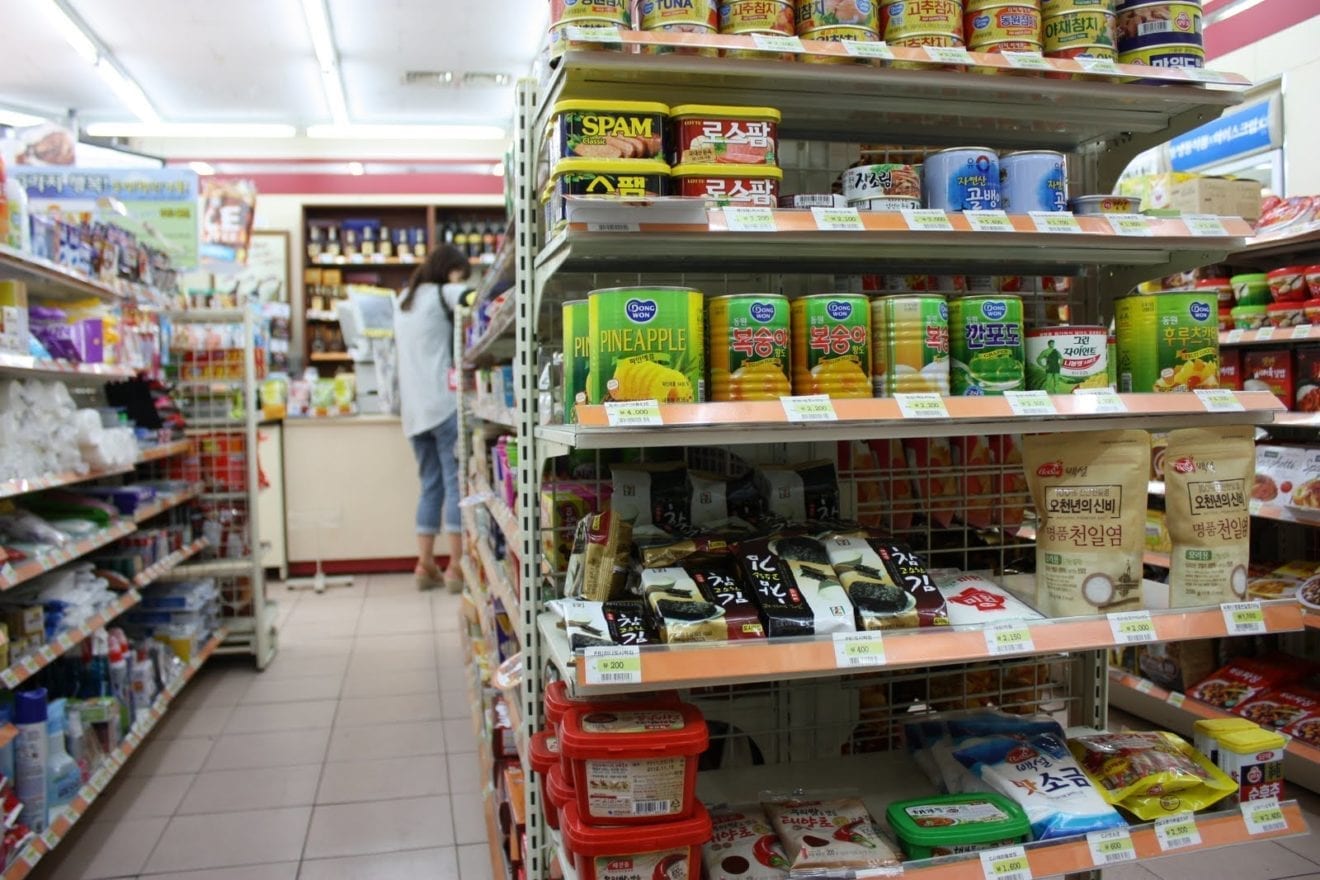
    China is experiencing a convenience-store boom.

    Nearly 12,000 new convenience stores were opened on the mainland last year, according to the China Urban Convenience Store Index, an increase of 18 percent.

    The index, released by the China Chain Store and Franchise Association, showed that new convenience stores took up 62 percent of all new openings in the territory. Around two-thirds of these were opened under a franchise arrangement.

    Typically, franchised convenience stores in China show a return on investment at the two-year mark.

    While first-tier cities are thought to have reached saturation point in terms of convenience-store market penetration, the field remains open for second and third-tier cities.

    “There is a big potential for more regional players to deepen their market penetration,” said secretary general of the China Chain Store & Franchise Association Peipei Liang, adding that hypermarket operators are now turning to smaller-scale and community stores for a new growth point.

    Association figures show that the top 100 chain stores reached sales of CNY240 billion (US$34.9 billion), and an increase of 7.7 percent on the previous year’s results. These players also benefited from a 55.5 percent increase in online revenue.