Blog

  • Verizon Media unveils Hong Kong expansion plans

    Verizon Media unveils Hong Kong expansion plans

    Verizon Media has announced an aggressive expansion program for Hong Kong for the next 180 days and the year ahead, including the expansion of its Yahoo Studio in the market.

    The studio will be equipped with audio-visual production equipment for creating HD videos with virtual settings and advanced motion capture capabilities to deliver broadcaster grade production.

    The studio produces Yahoo TV live programs including celebrity talk shows and Engadget Updates.

    “The new studio can unleash video creativity, enabling us to produce more live programs, HD videos with 3D virtual settings, and e-commerce shows,” said Lorraine Cheung, head of audience at Verizon Media. Live programs include finance, tech, lifestyle, and entertainment programs.

    Cheung said the company will unveil its first virtual character this July. The virtual character will not only be a Yahoo KOL but also a co-host of Yahoo’s homegrown TV programs. “The character aims to enhance overall user experience via more fun interaction, turning media into a two-way conversation.”

    In addition, Verizon Media is bringing its new Yahoo Rewards membership program to Hong Kong. The program will allow users to earn points with their daily online engagement such as polling, following groups, e-shopping, and content consumption on Yahoo App.

    The company plans to roll out a Good Deeds Good Life campaign to the app, which will allow users to earn points by engaging in social causes that benefit the community.

    Verizon Media recently unveiled a first-of-its-kind virtual reality advertising offering for demand-side platform users, which aims to help advertisers seamlessly extend existing display and video assets into VR environments.

    “We see huge potential in AR and VR technology on improving engagement of ad and branded content. Our focus is to introduce the technology and facilitate the market adoption.” Verizon Media Hong Kong senior director for APAC ad creative technology Roger Li said.

    Verizon Media, a division of Verizon, was renamed from Oath in 2019. “The purpose of Verizon Media is to transform how people stay informed and entertained, communicate, and transact,” said Rico Chan, managing director of Verizon Media Hong Kong, Japan and INSEA. “The company’s priorities include growing our member-centric ecosystem, building brands B2B customers love and trust, as well as videofy our brands and platforms.”

  • Arm cuts ties with Huawei

    Arm cuts ties with Huawei

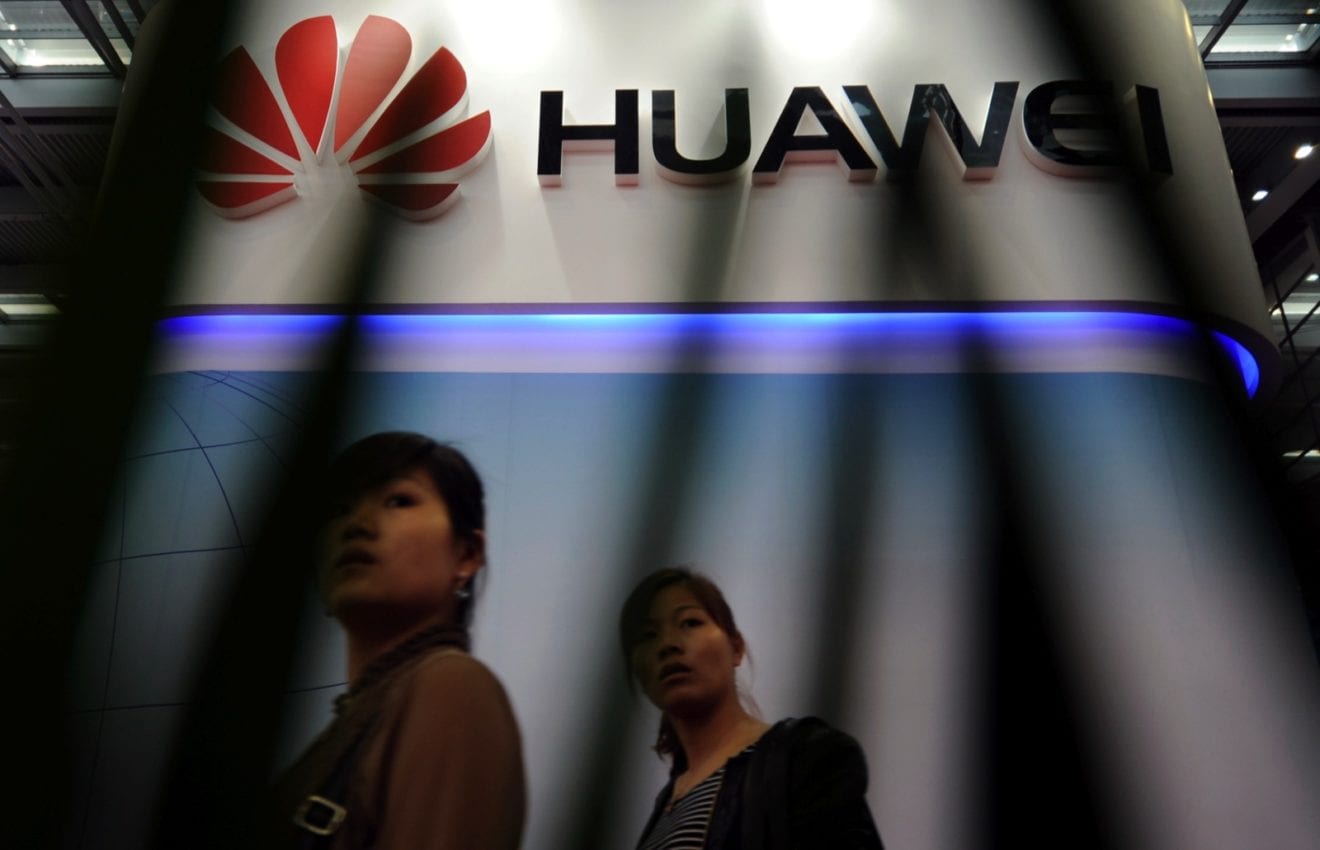
    In the latest development in the ever-churning Huawei news cycle, chipmaker Arm is suspending business with the Chinese vendor to comply with the US restrictions.

    The BBC reported Wednesday that Arm sent out a company memo that said its employees must discontinue “all active contracts, and any pending engagements” with Huawei and its subsidiaries. The memo also said that Arm’s designs contained “U.S. origin technology,” which it believes is affected by the Trump administration’s ban.

    Losing Arm’s technology would be a big blow to Huawei in the smartphone sector. Huawei, currently the second-largest smartphone vendor behind Samsung, uses Arm’s mobile device processors as the key element of its smartphones.

    “Arm is complying with the latest restrictions set forth by the US government and is having ongoing conversations with the appropriate US government agencies to ensure we remain compliant,” according to Arm’s statement.

    “Arm values its relationship with our longtime partner HiSilicon (Huawei’s chip arm), and we are hopeful for a swift resolution on this matter.”

    Last week, the Trump administration blocked Huawei from buying goods made from 25% or more of U.S.-originated technologies or materials, and previously accused the world’s largest telecommunications vendor of being a spy for the Chinese government via backdoors in its telecom gear.

    On Tuesday, the US Department of Commerce’s Bureau of Industry and Security (BIS) announced it would allow some companies to continue to do business with Huawei under specific conditions. The BIS said it would issue a temporary general license (TGL) to Huawei and its 68 affiliates to authorize some U.S. telecom companies to continue to engage in export transactions with Huawei for the next 90 days, which took some of the immediate heat off of Huawei.

    Google had announced that it would no longer allow access to software updates for its Android operating system and apps that are used in Huawei’s smartphones and tablets, but reversed course after the BIS decision was announced.

    In other Huawei news, Panasonic said on Wednesday that it would stop shipments to Huawei of some of its components, but that won’t have as big an impact as losing Arm.

    Huawei said its own operating system for smartphones and tablets would be operational this fall, but would only use it if the company no longer has access to Google’s Android and Microsoft Windows’ operating systems.

  • Valve launches Steam Chat app for Smartphones

    Valve launches Steam Chat app for Smartphones

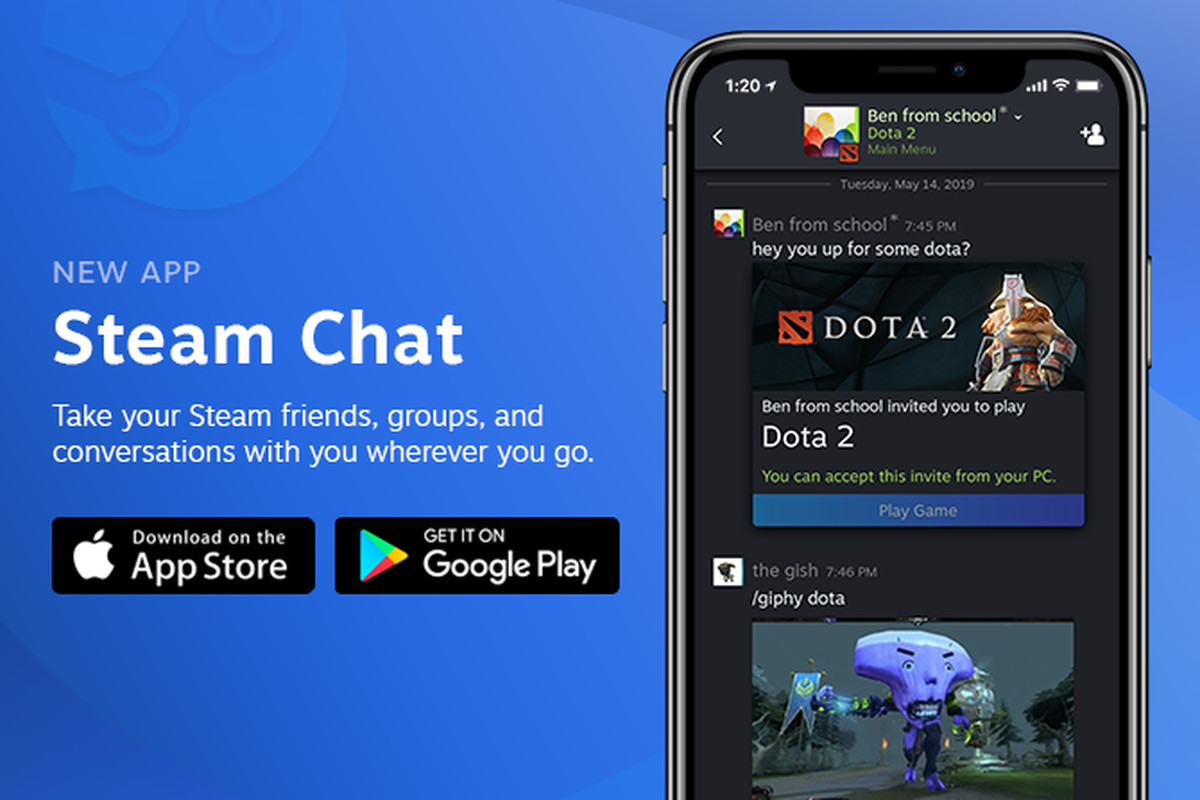
    After bringing Steam Link app to gamers and the option play all games from their Steam library on mobile phones, Valve releases another app that’s meant to modernized Steam chat experience. The new Steam Chat mobile app is now available for free on both Android and iOS platforms via Google Play Store and App Store.

    Among the many features it offers, it’s worth mentioning the customizable notifications, which will prevent users from missing a message or game invite. These notifications can be customized per friend, group chat, and chat channel.

    Obviously, you’ll be able to see who’s in game or online before you start chatting with your Steam friends. Furthermore, Valve promises a rich experience thanks to higher fidelity links, videos, tweets, GIFs, Giphy, Steam emoticons, and more.

    The Steam Chat mobile app will also allow users to add new friends on Steam with a link. You’ll just need to generate an invite link to send via text or email. Last but not least, the app features support for group chats.

  • U Mobile contracts Nokia for Single RAN deployment

    U Mobile contracts Nokia for Single RAN deployment

    Malaysia’s U Mobile has contracted Nokia to help the operator expand the delivery of mobile data services across the nation.

    Under the three year agreement, U Mobile will deploy a Nokia Single RAN network at greenfield locations across Malaysia, as well as microwave and IP-based mobile transport technologies.

    The deployment will enable U Mobile to end its reliance on RAN sharing agreements by extending its own footprint across Malaysia.

    Both companies also plan to collaborate on a live 5G network trial later this year aimed at demonstrating enhanced mobile broadband capabilities, as well as 5G use cases such as VR streaming and e-sports.

    “U Mobile has been aggressively expanding our network across Malaysia in our drive to bring our customers a superior experience. We are delighted to be able to leverage on Nokia’s expertise in our network expansion journey,” U Mobile CTO Woon Ooi Yuen said.

    “We are of course also looking forward to working with Nokia as part of our Road To 5G Strategy. We have in our plan to conduct several 5G live trials with Nokia later this year for various use cases. Currently, we already have in place Nokia’s AirScale base stations which are 5G-ready and hence, ready for trials.”

  • Mislatel cleared to receive congressional franchise

    Mislatel cleared to receive congressional franchise

    China Telecom backed joint venture Mislatel Corporation has been cleared to secure a congressional franchise to become the Philippines’ third mobile player.

    Mislatel, the joint venture established with businesses owned by Philippines tycoon Dennis Uy, has received congressional approval to acquire the franchise owned by Mindanao Islamic Telephone Co.

    The National Telecommunications Commission will now make preparations to issue a certificate of public convenience and necessity and an allocation of spectrum for the operator. The allocation is expected to be complete by mid-June.

    But Mislatel will first be required to pay a 25.7 billion peso bond, which it will need to forfeit if it does not meet its rollout and other commitments to the government.

    These commitments include achieving 84% population coverage within five years, and reaching a minimum average internet speed of 27Mbps within the first year of operations, increasing to 55Mbps after this time.

    Mislatel won the selection process to become the market’s third major player in November last year. But the company was recently forced to postpone its planned launch date in early 2021 due to delays receiving the congressional franchise.

  • Spar International to expand into China

    Spar International to expand into China

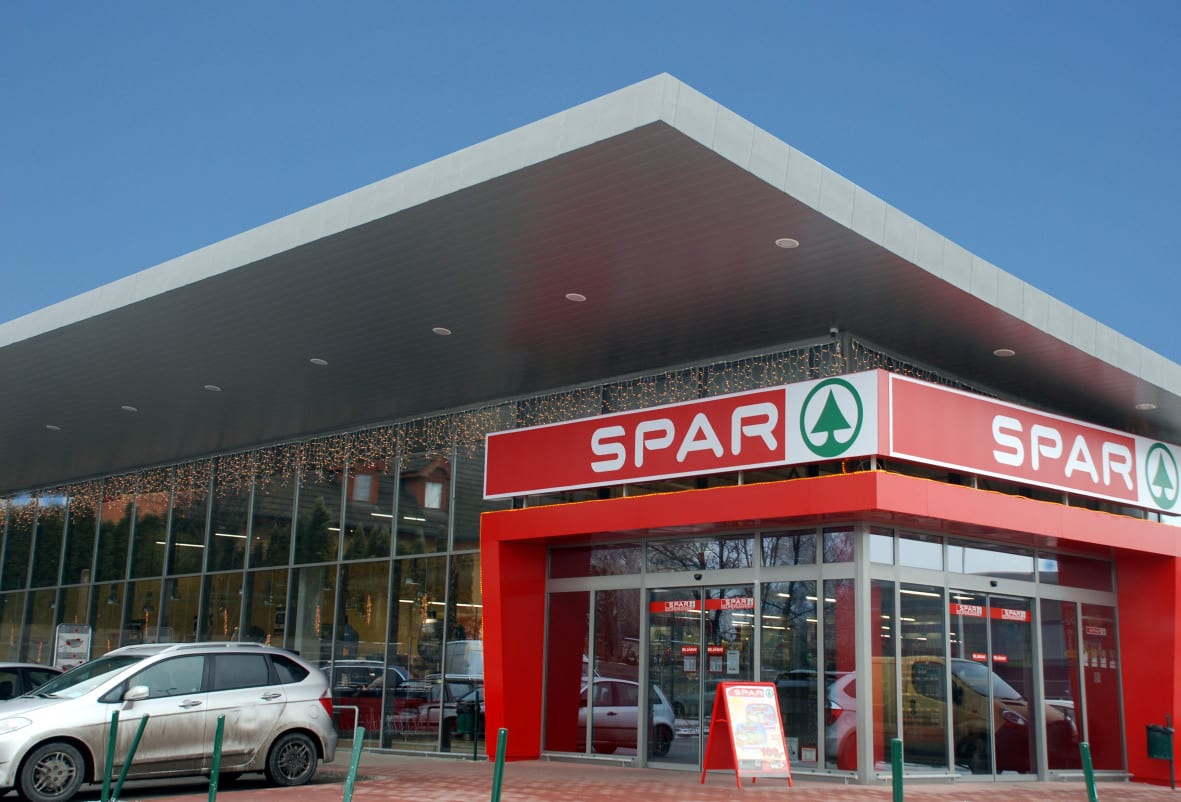
    Grocery retail franchise Spar International will open more than 150,000sqm of retail sales space in China this year.

    The firm’s store-development plans include compact hypermarkets and a “new generation” of supermarkets in Northern and Southern China.

    Spar International, which operates more than 13,000 stores in 48 countries worldwide, is coming off a strong financial year with global sales of €35.8 billion (US$40 billion). The group launched 335 new locations last year, and entered four new countries.

    “Our strong network of Spar partners and supply chains across four continents gives the brand a competitive advantage in an increasingly global marketplace,” said Spar CEO Tobias Wasmuht, “while our multi-format strategy allows us to respond to changing customer needs.

    “Our continuous compound annual growth of 5.2 per cent over the last three years creates a strong platform to build from for the future and indicates that our ‘Better Together’ strategy, launched in 2016, continues to deliver for the organisation, our partners and our customers.”

    The Spar brand is present in seven Asia Pacific territories, with €1.96 billion ($2.2 billion) in sales achieved from 573 stores last year. Spar China’s footprint accounted for 830,043sqm and sales of €1.5 billion ($1.67 billion) during the financial year, with particularly strong growth in the Shandong and Guangdong provinces. The firm’s Thailand operations expanded to 45 stores and recorded a sales growth of 96.2 per cent.

  • Massive leak exposed personal data of 49 million Instagram Accounts

    Massive leak exposed personal data of 49 million Instagram Accounts

    An Instagram database containing the private information of 49 million members, was accidentally left exposed on Amazon Web Services. The database could have been viewed by anyone since it did not have a password for protection. The accounts in the database included those belonging to Instagram influencers, celebrities, and corporate brand accounts and contained their biographies, profile pictures, number of followers, location (city and country), phone numbers and email addresses.

    The leak was discovered by security researcher Anurag Sen, who then contacted TechCrunch to help find the owner of the database. As it turns out, the information belonged to a social-media firm in India called Chtrbox that pays influencers to put up sponsored content on their Instagram accounts. The data included a ranking of each influencer depending on the number of followers they each have and the response to their posts by other Instagram members. While Chtrbox hasn’t commented yet on the matter, the database has since been taken offline.

    Facebook bought Instagram in April 2012 for approximately $1 billion and said that it will investigate the incident.

  • Android Q will support wide-color gamuts

    Android Q will support wide-color gamuts

    Google announced that Android will be gaining system-wide support for wide color gamut images starting with Android 10 Q. The next version of Android will allow you to capture, view, and easily share pictures with wide color gamuts. This will introduce more richness in terms of color reproduction compared to the standard sRGB color space.

    All things considered, Android’s adoption of wide color gamuts comes across as a rather logical move that reflects on the advancements we’ve witnessed in imaging technology, in terms of both camera and display improvements. As more and more devices these days come along with screens excellently-calibrated to the sRGB standard, but also support wider gamuts, supporting these more realistic color spaces right off the bat in stock Android signals an important milestone for Android as an operating system and its gradual shift towards quality-of-life enhancements.

    At Android, we have been working to make wide color photography happen end-to-end, e.g. more bits and bigger gamuts. This means, eventually users will be able to capture the richness of the scenes, share wide color pictures with friends and view wide color pictures on their phones.

    What color spaces are we talking about? Android Q will most certainly support Display P3 and Adobe RGB, with the door being left ajar for other wide-color gamuts as well.  Of course, developers will have to update their apps and make sure they support wide-color gamut content once Android Q launches this summer, and in order to ease up this change, the company has rounded up a few do’s and don’ts of adapting to wide color gamuts. Probably the most important requirement is that apps should never assume an sRGB color profile of any external image it gets and should check the ICC color profile embedded in the image file.

    Of course, not every app would end up adopting wide-color gamuts, and Google advises that developers at least be color-correct, meaning that they should take the necessary steps to decode wide-color images to sRGB.

    You can test if your device is Display P3 compatible by opening out this image – if you see a faint Android logo, your display supports the Display P3 color space; otherwise, if you see a solid red square, then either your device or your browser is not compatible. Some devices that should display the image correctly are Apple’s latest iPhones, which will do that straight in the browser, while others like Samsung’s Galaxy S10 series will only do that if you download the image and view it in the stock gallery. You can also check out this website for more comparison images.

  • Farmers staff go on Strike

    Farmers staff go on Strike

    Employees of local department store chain Farmers have walked off the job in the first of a series of planned actions to combat the retailer’s reliance on an “unfair performance pay system”, according to First Union.

    Workers gave Farmers an ‘F’ for payment issues, including the performance pay system that keeps wages down, as well as Farmers’ refusal to pay a living wage.

    Staff will be wearing an “F for Farmers: Farmers Workers Deserve a Living Wage” sticker on their shirt at 40 of the retail chain’s 56 stores, according to NZ Herald.

    “Eighty per cent of Farmers workers are on less than the Living Wage,” First Union retail, finance and commerce divisional secretary Tali Williams said, calling the business’s pay rates an embarrassment.

    “Minimum wages are not enough to live on. Farmers is well behind other major retailers with its pay rates.

    “What’s worse is that Farmers is one of the only major retailers with a performance pay system that actively keeps wages down.”

    Farmers workers typically start on around the minimum wage ($16.50 an hour), but the retailer’s pay scale tends to end at around $17.50 with any further pay increases tied to staff performance.

    This is not the first strike the retailer has faced in recent memory, with similar actions taken by staff last year.

    First Union’s ‘Worth It’ campaign, started in April 2018, aims to encourage business to pay a living wage of $20.55 per hour to employees to assist the almost 20 per cent of New Zealand workers who are at risk in insecure or low-paid jobs.

    “Farmers needs to listen to their own family values and return to the bargaining table with a Living Wage for workers and their families,” Williams said.

  • Vinomofo seeks to satisfy Singaporeans

    Vinomofo seeks to satisfy Singaporeans

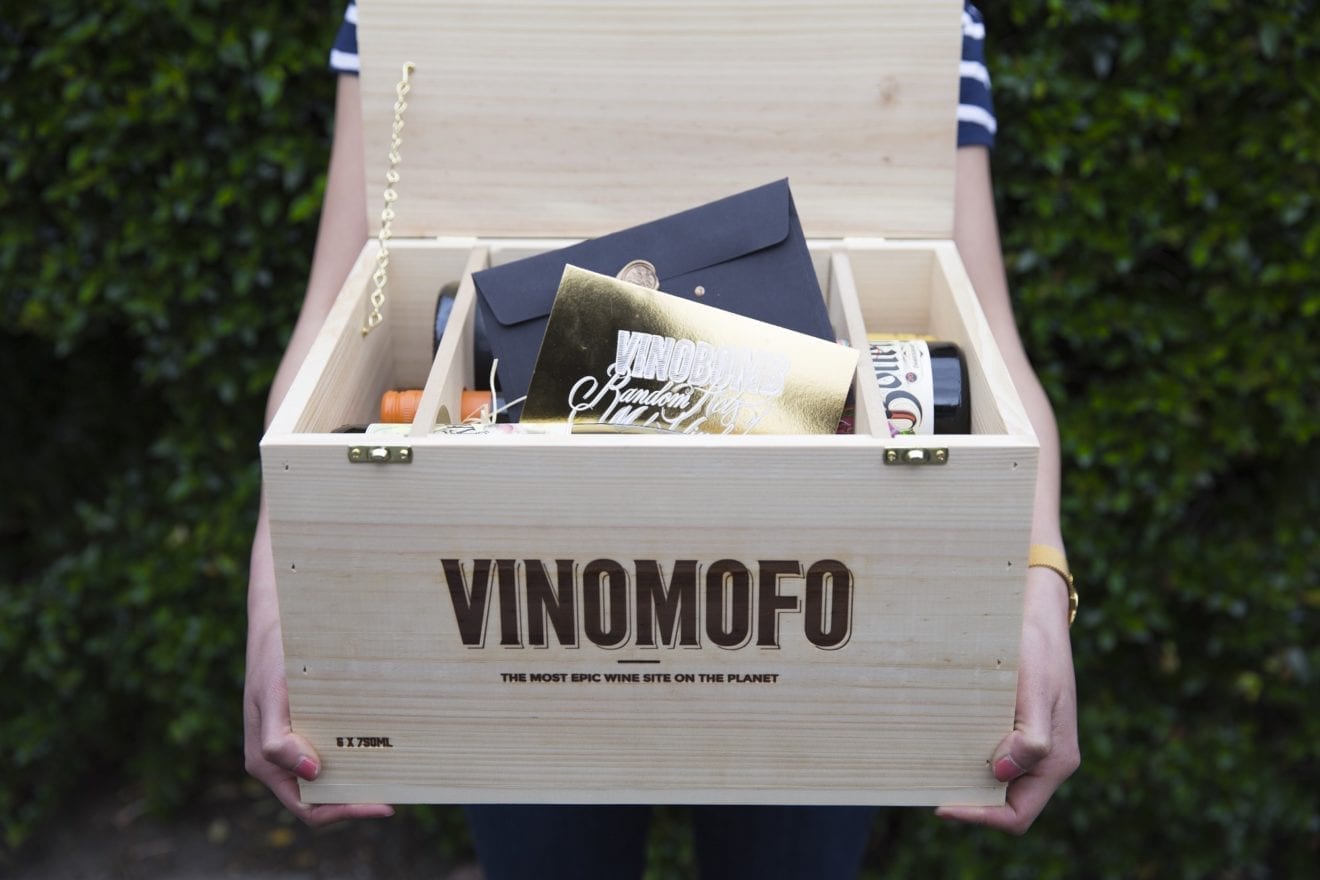
    Online wine business Vinomofo has appointed its first employee in Singapore, fortifying its growth strategy in the region.

    “We like to build out our community and business in person as much as possible, and Michael’s appointment will help us do that,” Dry said.

    The US is Vinomofo’s next area of expansion. According to Dry, the company is in “advanced discussions” to launch in the region, but he said there is always the possibility Vinomofo will launch in another market first.

    “There are lots of interesting opportunities popping up at the moment, so all I can say is stay tuned,” Dry said.

    Online wine business Vinomofo has appointed its first employee in Singapore, fortifying its growth strategy in the region.

    Michael Parmeter has been appointed general manager of Singapore, and will look after ground operations, strategic growth, merchandise and local area marketing.

    According to Parmeter, his main task is to streamline local operations in the region and be a point of contact on the ground, from talking with locals about what they are drinking, and helping ensure the right wines are sent to Singapore, through to overseeing and handling, storage and final stage of delivery.

    “A major opportunity for the Singaporean market is attributed to the thirst for knowledge in the region,” Parmeter said.

    “We have found our mofos in Singapore are keen to try new varietals and learn about wine in general, which perfectly suits our operation.”

    Vinomofo chief executive and co-founder Justin Dry  said that Singapore is a “great market” for the business, and that Parmeter’s appointment will assist with expanding operations in the region in the near term and getting into the corporate wine sales market, where he has experience.

    “We like to build out our community and business in person as much as possible, and Michael’s appointment will help us do that,” Dry said.

    The US is Vinomofo’s next area of expansion. According to Dry, the company is in “advanced discussions” to launch in the region, but he said there is always the possibility Vinomofo will launch in another market first.

    “There are lots of interesting opportunities popping up at the moment, so all I can say is stay tuned,” Dry said.

  • H&M LGBTQI range celebrates ‘love for all’

    H&M LGBTQI range celebrates ‘love for all’

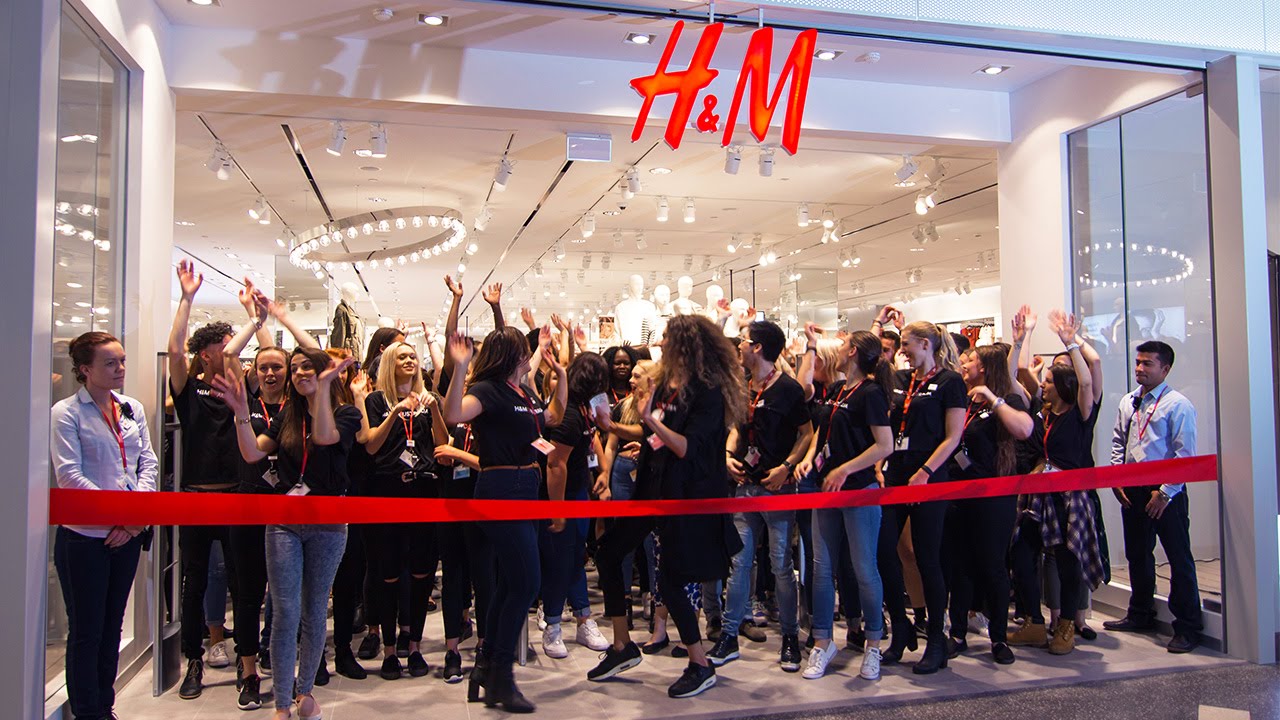
    Global fashion retailer H&M is supporting “love for all” with a new capsule collection celebrating equality.

    The H&M LGBTQI range will be available in selected stores worldwide and on hm.com from this month.

    Celebrating “everybody’s right to love whoever they want”, the fast-fashion brand’s show of support for LGBTQI equality is a capsule collection for women, men and non-binary individuals. The range features slogan t-shirts, sportswear-inspired garments and fun accessories.

    “We wanted to create a certain vibe with a colourful collection – vibrant, statement-making and joyful,” said H&M’s head of design Emily Bjorkeheim. “There´s actually a lot of mixing and matching that can be done, which reinforces H&M’s messages of inclusivity and equality. Anyone can find their favourite piece and simply wear it with self-confidence.”

    The H&M LGBTQI capsule collection includes tops and t-shirts with graphic prints championing diversity, equality and pride as well as rainbow colours. Silhouettes range from cropped and boxy to body-hugging and sporty – all with a retro nod while remaining modern in expression.

    “H&M strives to be a mirror of global society, one that fully embraces a central message of ‘Love for All’, standing up for people’s right to love whoever they want, wherever they are,” said H&M’s global marketing and communications director Sara Spannar. “We are proud to continue our support for LGBTQI equality by celebrating love and raising awareness about the fight for equal rights, diversity and inclusivity.”

    H&M is donating 10 per cent of capsule sales to the UN Free & Equal campaign for equal rights and fair treatment for lesbian, gay, bi, trans and intersex people around the world.

  • Jamie Oliver’s UK restaurant chain collapses

    Jamie Oliver’s UK restaurant chain collapses

    International outlets, such as those in Hong Kong, Singapore and Thailand, will continue to trade.

    Jamie Oliver’s UK restaurant chain has collapsed – but the international outlets remain trading for now.

    “I am deeply saddened by this outcome and would like to thank all of the staff and our suppliers who have put their hearts and souls into this business for over a decade,” said Oliver, who rose to fame as a television celebrity chef before founding a network of high-street restaurants in 2008.

    “I appreciate how difficult this is for everyone affected.”

    Jamie Oliver’s UK restaurant chain employed about 1300 people in 25 outlets bearing the brands Jamie’s Italian, Barbecoa steakhouse and Jamie Oliver’s Diner. They are now in administration.

    UK news media reported the process did not affect the business’ international operations which are largely run by local franchise partners. They include restaurants in Causeway Bay and Harbour City, in Hong Kong, at VivoCity and on Orchard Road in Singapore; and at Bangkok’s Siam Discovery.

    High-street restaurant chains have been hampered by a rough trading environment in recent years, in both the UK and the US. In the UK, rival operator Boparan Restaurant Group revealed plans in March to shutter more than a third of its outlets, trading under the Giraffe and Ed’s Easy Diner brands. Other operators, including Prezzo, Strada, Gourmet Burger Kitchen and Carluccio’s all closed stores last year.

    In the US, casual dining chains like Applebee’s, TGI Friday’s and Ruby Tuesday have scaled back their networks.

    The collapse of Jamie Oliver’s UK restaurant chain this week follows a rescue attempt last year in which the company entered a company voluntary arrangement with landlords to close some stores and reduce rents on others in a bid to continue trading.

    But the company has now succumbed to intense competition, rising costs and a tough consumer market.

  • Chinese consumers adore pre-owned shopping online

    Chinese consumers adore pre-owned shopping online

    More and more mainlanders are using apps and websites to shop for pre-owned products.

    The popularity of shopping for pre-owned products online is on the rise in China, a trend being driven by a new consumer focus on sustainability and the rise of “recommerce” super apps, which integrate all possible functions related to shopping for secondhand goods.

    China has a nascent but fast-growing secondhand market, according to the China Center for Internet Economy Research, a Beijing-based research think tank, which estimates the size of the market at RMB 500 billion (US$71.1 billion) in 2017. It predicts that number will double by 2020. And monthly active users on recommerce platforms in China grew 46.4 per cent last year, almost double the growth rate of the users in the overall e-commerce sector, according to US research firm Nielsen reported.

    Despite those big numbers, China’s recommerce boom is only beginning. Compared to mature recommerce markets in the west, where secondhand markets (including used cars) sometimes account for as much as 10 per cent of GDP, China’s second-hand market was about 0.6 per cent of GDP in 2017.

    Some factors unique to China are behind its potential to close the gap: Firstly, the purchase of pre-owned items was once a taboo – because it was seen as a sign of financial struggle and was, therefore, a source of social shame. Now, it is considered smart shopping. Secondly, improved standards of living are a recent phenomenon in China. They’re just decades old, following in line with the country’s “reform and opening” since 1979. But as the ability for Chinese consumers to accumulate more climbs with their spending power, the market for secondhand goods grows as well.

    Sustainability is the new black

    Cost-conscious shopping aside, Chinese consumers these days are increasingly focused on sustainability, and that is driving the secondhand goods market as well. A Mintel survey showed that more than half of urban Chinese consumers buy or rent second-hand products because it is good for the environment. Among a trendsetting subset of that group – well-educated, sophisticated shoppers –  the percentage climbs to 63 per cent and trumps affordability as the top reason to participate in recommerce.

    Chinese millennials, in particular, are emphasising rational consumption and sustainability in their shopping habits. According to survey data from Sootoo Institute, which researches the internet sector in China, 50 per cent of recommerce-platform users in China are under the age of 24, while 34 per cent are between 25 and 30. More than 60 per cent of the total 200 million users on Alibaba Group’s recommerce platform, Idle Fish (or Xianyu in Mandarin), the largest such platform in China, were born after 1990.

    Perhaps it is not surprising, then, that recommerce platforms such as Idle Fish have built-in features to encourage and reward sustainability. Idle Fish has partnered with Alibaba affiliate company Ant Financial to offer users access to its sustainability mini-program, “Ant Forest,” which is featured on Ant Financial’s mobile-payments platform Alipay. Users can redeem points awarded by Ant Forest for recycling to have trees planted by Ant Financial in China. The total recycling activity on Idle Fish last year translated into the planting of about 230,000 trees.

    Super apps and ‘Fish Ponds’

    Recommerce in China is unique also for the way in which Chinese consumers shop for pre-owned items. Super apps, such as Taobao and Tmall, are the preferred online destinations for commerce because they offer channels for all kinds of shopping. The same goes for Idle Fish, which allows users to buy, rent, give away or even donate their unwanted things in every conceivable product category. For consumers in the US to do the same, they would need to separately use the Rent the Runway, eBay, ThredUp, Goodwill and Facebook (marketplace) apps.

    Then there’s the community and entertainment aspects of the recommerce shopping experience in China. While secondhand shopping in the west is typically a transaction-driven experience, in China, it is a social one. For example, Idle Fish’s “Fish Ponds” are micro-communities within the app that group users by common hobbies, such as fishing, photography or fitness. Within each “pond,” users exchange information about their hobby and post used items for sale. Besides the pond, there is even a separate channel for celebrities, where they sell their personal items to followers. This is particularly popular for luxury shoppers, who trust the authenticity of items owned by celebrities and aspire to follow their fashion tastes.

    The play for brands

    Brands should not overlook the opportunity to capture loyal customers in this new generation of environmentally conscious consumers in China. Some, such as Swedish fast-fashion brand H&M, are already doing just that. H&M has partnered with Idle Fish to give shoppers credit to spend on its Tmall flagship store for each bag of used clothing or textiles they give back to the brand for recycling or repurposing.

    In the future, the “recycling-and-reward” steps will also be additional consumer-engagement points that brands can leverage to increase boost loyalty. Also, we will likely see more brands open official stores on recommerce platforms, making recycling part of the usual shopping journey. The chance to shop vintage styles could increase brand loyalty. For example, brands could offer pre-owned jeans on recommerce platforms while accepting trade-ins from customers, offering another way to maintain connection beyond the initial sale of new items.

  • Aston Martin Celebrates 50 Years Of James Bond Movie

    Aston Martin Celebrates 50 Years Of James Bond Movie

    The Aston Martin DBS Superleggera is set to become the newest James Bond-inspired car, thanks to the most recent collaboration between Aston Martin and EON Productions. To celebrate the 50th anniversary of the James Bond film, On Her Majesty’s Secret Service, 50 ‘On Her Majesty’s Secret Service’ DBS Superleggera special edition cars will be sold. Painted Olive Green to match the original 1969 Aston Martin DBS driven by James Bond in the movie, the new models will take bring in a brutish elegance to the DBS Superleggera. It is 50 years since filming began for the sixth James Bond film, which told the story of Bond villain ‘Blofeld’ and his ongoing attempts to hold the world to ransom. The 1969 Aston Martin DBS was James Bond’s perfect partner to save the world.

    Andy Palmer, Aston Martin Lagonda President and Group Chief Executive Officer, said, “Aston Martin is synonymous with James Bond and the DBS from On Her Majesty’s Secret Service has provided great inspiration to the team tasked with creating this very special edition. This new DBS Superleggera will be an extremely distinguished ‘brute in a suit’, designed to capture the essence of the iconic DBS from the 1969 film but with a 5.2 litre twin-turbo V12, 715bhp engine!”

    The 5.2-liter twin-turbo V12 on the DBS Superleggera engine is set low and as far back in the chassis as possible to optimize the center-of-gravity and weight distribution, this high-performance engine develops 725PS at 6500rpm and 900Nm from 1800-5000rpm. Detailed tuning of the V12 together with an exhausting strategy with active valves and quad tailpipes ensures that the DBS Superleggera is audible wherever it goes.

    The special edition DBS Superleggera boasts carbon fiber, splitter, aero blade and unique diamond turned and forged wheels. A bespoke metal grille featuring six bright horizontal vanes, adorns the front of the limited-edition car to replicate the distinctive feature of the DBS featured in On Her Majesty’s Secret Service. The exterior paint surface is enhanced with body colored contrails and roof. Bearing commemorative side strakes and unique touches throughout, the car is every inch ‘007’.

    On the inside, the DBS Superleggera is trimmed in pure black leather, accented by grey blend Alcantara, as in the original 1969 DBS. The cockpit is accented in red, inspired by the red-trimmed glovebox in the original car, which held 007’s telescopic-sight rifle.

    The 50 owners of this James Bond Special Edition will have the option to select a bespoke designed drinks case which fits into the boot space. The black drinks case opens via the bright metal clasp to reveal the matching red felt-lined interior, with space for two bottles of champagne and four champagne flutes.

    Each of the 50 On Her Majesty’s Secret Service DBS Superleggera special editions will retail at 300,007 Euros, with first deliveries to customers commencing in Q4 2019

  • Google Calendar update adds Dark Mode for Android users

    Google Calendar update adds Dark Mode for Android users

    Google has just announced that the long-awaited dark mode is now rolling out on Android for two of its apps: Calendar and Keep. Ahead of Android Q’s release, Google has decided to bring dark mode to many apps. We learned last week that Google Keep will be getting the feature, but Calendar is a bit of a surprise.

    The announcement contains a couple of screenshots showing both Calendar and Keep apps with dark mode enabled. If you want to start using it on Google Calendar, you should head to Settings / General / Theme, and select Dark mode. It’s much easier to enable it in Google Keep; simply go to Settings and choose Enable Dark Mode.

    Now, it’s worth mentioning that dark mode for Calendar is only supported on device running Android Nougat and higher. Also, if you have Android Q preview installed on your phone, you’ll be able to set the entire OS in dark mode by default. The same goes for Google Keep with one exception, dark mode will work on all devices powered by Android Lollipop and later.

    According to Google, the update that brings dark mode to Calendar and Keep apps will be rolled out to compatible Android devices over the course of 15 days. The rollout has already begun on May 16 for Google Calendar, while Google Keep will get it starting today, May 20.