Blog

  • Tapestry plans Network Expansion in Asia

    Tapestry plans Network Expansion in Asia

    Tapestry, the parent of Coach, Kate Spade and Stuart Weitzman, plans to open about 100 stores in Asia this year, most of them in China.

    The company is focusing its growth on regions where it believes it is underrepresented, namely Greater China, Southeast Asia and Europe.

    According to the company’s latest results filing, it plans to open between 60 and 70 new Kate Spade stores this year and another 30 for Stuart Weitzman.

    “China has emerged as the second-largest luxury market in the world according to Euromonitor, and we expect the country to continue to drive growth for Coach, and Tapestry, over the foreseeable future,” the company said.

    Coach’s comparable-store sales rose by 1 per cent during the third quarter, or by 2 per cent on a constant-currency basis, driven by strong international growth and increased online sales.

    Strong consumer demand has fuelled sustained growth for the business in China during recent years and that trend continued in the third quarter when sales growth there outperformed that of other geographical markets.

    Third-quarter revenue reached US$1.3 billion.

  • Harley-Davidson To Enter 250-500 cc Motorcycle Segment In 2020

    Harley-Davidson To Enter 250-500 cc Motorcycle Segment In 2020

    American motorcycle maker, Harley-Davidson has an expansive plan to enter newer segments in the years to come, one of which will be the entry-level 250-500 cc space that will arrive as early as next year. While the manufacturer has already shared plans of an adventure motorcycle, electric bike and other offerings, the latest development confirms that the company is also eyeing the entry-level premium motorcycle segment, which will give it a boost in emerging markets across the globe. The announcement comes Harley’s President & CEO – Matt Levatich, who confirmed the development as part of the “More Roads to Harley-Davidson” growth plan. The new small capacity motorcycles will cater to several high emerging growth markets including India.

    Speaking at the recently held earnings call, Matt Levatich said, “More Roads progress in Q1 included steps towards a partnership for a premium small displacement offering in Asia, to expand our reach in that region. We are just over a year away from launching our first model that will help provide access to millions of customers in emerging markets in the region.”

    It was a bold move when Harley-Davidson introduced the Street 750 and Street 500 globally as its most affordable offerings in 2013. The entry-level cruisers gave the manufacturer better presence in several emerging markets where the aspirational brand was now reachable. With the 250-500 cc segment, Harley will be taking on a number of players most important of which is Royal Enfield that currently rules this space in India.

    Globally too, the Chennai-based bike maker has been expanding its presence and has been vocal of its plans to lead the middleweight motorcycle segment. The new Interceptor 650 and the Continental GT 650 come close to the Harley Street range in pricing and displacement. In addition, there are also the offerings that will be spawned under the Triumph-Bajaj partnership which reportedly includes a small capacity Street Twin. BMW, KTM, Yamaha, and Honda are already present in this space.

    Smaller capacity offerings then certainly will be an exciting space in the years to come and offer a big room for Harley-Davidson to grow. The company’s smallest motorcycle globally is the Street 500, and the new 250-300 cc motorcycle could be a smaller Street badged bike. Expect to see Harley’s trademark V-Twin layout for the motor that will be Euro 5/BS6 compliant, with the motor high on torque. Expect it to look like the quintessential Harley in design, which is a big part of the sell for the buyer.

    Speaking of which, the smaller-capacity Harleys will be targeted at young buyers looking to establish a connection with the iconic brand, without spending too much money. It will also help the brand build volumes globally, which means standardized production for better economies of scale. More details on the new Harley will be available in the coming months and we do hope to hear something official at the Intermot or EICMA motorcycle shows later in the year.

  • Qualcomm and Intel comply with the White House ban

    Qualcomm and Intel comply with the White House ban

    As if the maker of the world’s most popular mobile operating system cutting you off wasn’t unpleasant enough for Huawei, US chip makers will also be forced to do so, or risk the wrath of the current White House administration.

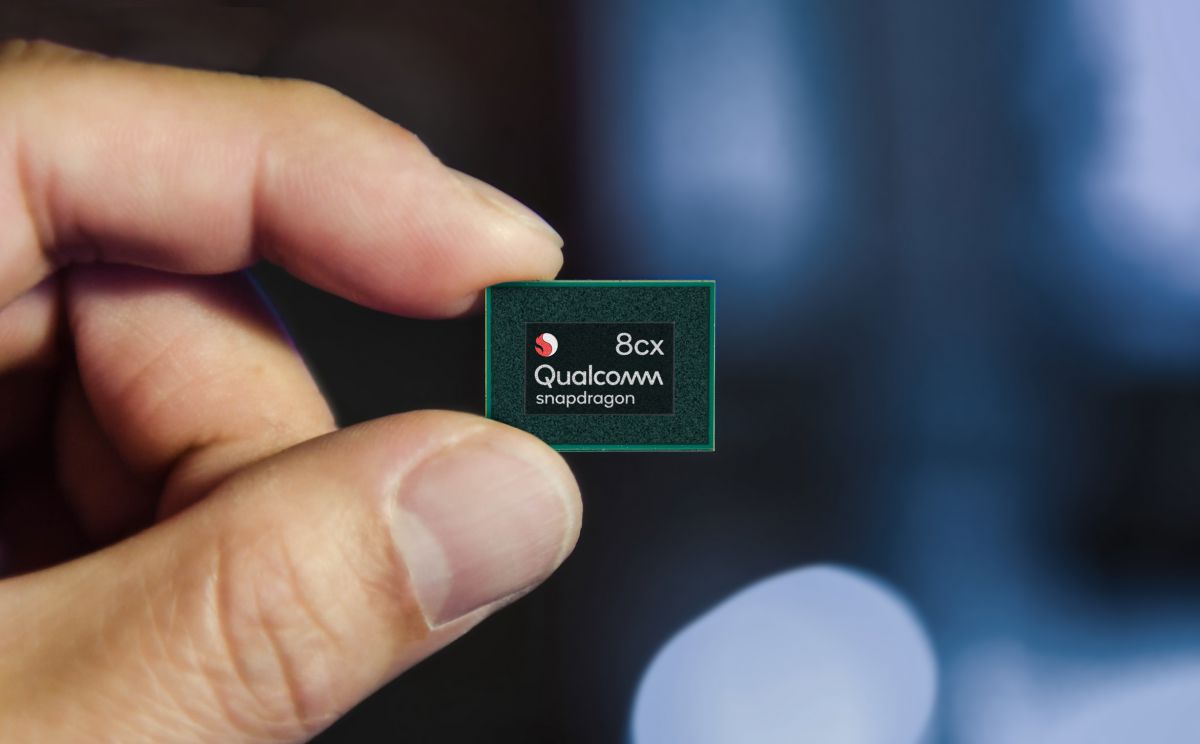
    Qualcomm, the maker of all things Snapdragon and 4G/5G modems, as well as Broadcom, a supplier of Wi-fi and other connectivity chips, will also have to deal with the administration’s thinly veiled restrictions for doing business with precisely Huawei.

    Intel is in the mix, too, just when Huawei laptops started getting glowing tech reviews for their design, battery longevity, and value-for-money configurations. Infineon, the German modem maker that Intel bought in 2011, has also received marching orders to cut supply to Huawei effective immediately.

    Needless to say, Huawei makes its own mobile processors and has a 5G connectivity modem already in retail devices, so it wouldn’t be as worried about US chip makers shunning its business. Moreover, it has apparently anticipated the chip ban and stockpiled a three-month supply, but Google’s move is potentially much more devastating as it will be hard to find a replacement.

    Not of the Android system per se, as Huawei has been working on an alternative for a while now, but for the apps it launches. On the plus side, excellent phones like the P30 Pro may become much cheaper now. Morbid humor, but Google isn’t cutting Huawei off completely until Android Q rolls in. That is a few short months from now, though, so it will be interesting to follow China’s reaction to this hostile US attitude and Huawei’s ban as collateral damage in the larger trade war between the two nations.

  • Tesla Reduces Prices On Model S and X Amid Stock Slump

    Tesla Reduces Prices On Model S and X Amid Stock Slump

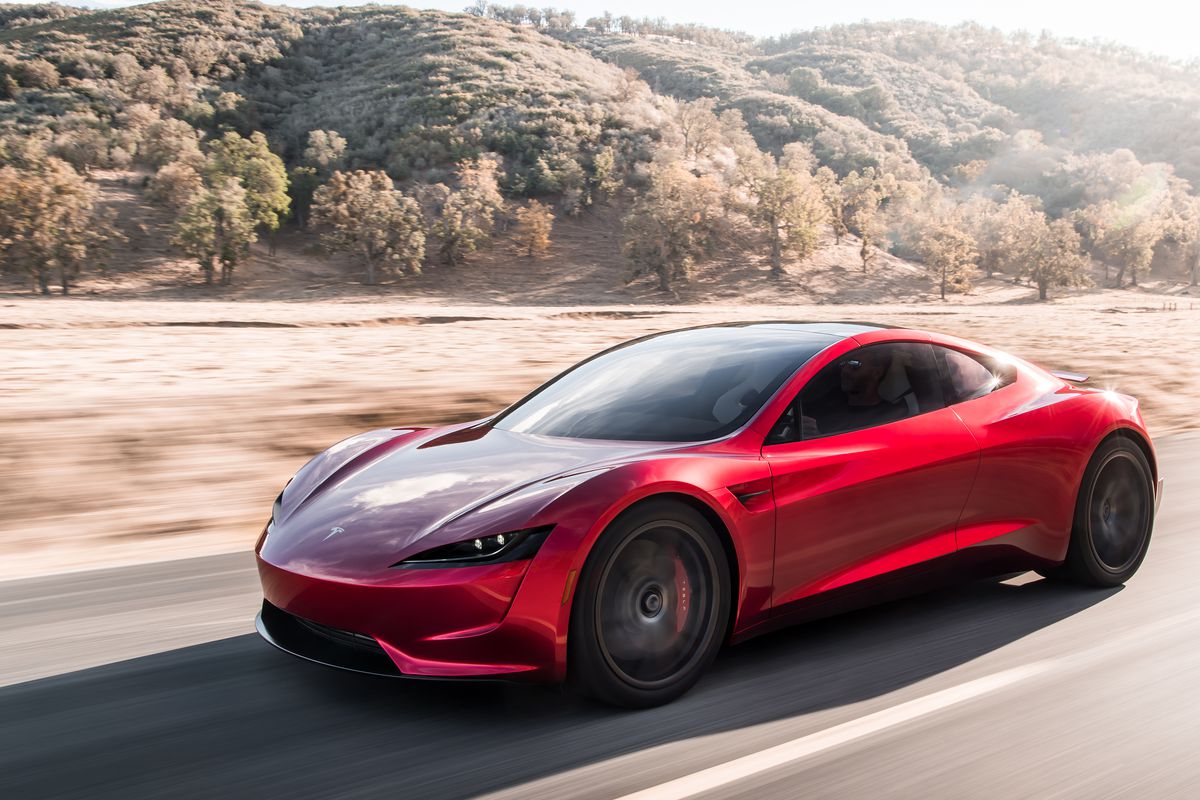
    Faced with a slumping stock price and questions about demand for its vehicles, Tesla has lowered the U.S. base prices of its two most expensive models. The company on Monday cut $3,000 from the price of the Model S sedan and $2,000 from the Model X SUV. Tesla said in a statement that it periodically adjusts prices and available options like other car companies. The decreases offset price increases from a month ago when Tesla offered longer battery range and added a new drive system and suspension. The statement didn’t say if slowing sales influenced the decision.

    The Model S now starts at $71,250 while the X starts at $71,950. Both prices don’t include federal and state tax credits.

    The moves come as Tesla’s stock is under pressure and has at times dropped below $200 per share. Several analysts have questioned whether the company can sell enough cars to cover its expenses without dipping into cash reserves.

    Shares traded Tuesday afternoon at $205.62, up slightly from Monday’s closing price. They are down more than 38 percent so far this year, cutting the company’s market value more than $20 billion to $36.5 billion. On Monday the shares hit their lowest point since late 2016.

    Tesla said in a statement that the reductions are about 2% to 3% on the S and X. The company last week raised the price of its top-selling Model 3 by $400, pushing the base price to $35,400. “By any reasonable standard, these small changes are not newsworthy,” the company said in a statement.

    On Monday Wedbush analyst Daniel Ives wrote in a client note that he has concerns about Tesla’s growth prospects and underlying demand for the Model 3 during the coming quarters.

    Ives called Tesla a “code red” situation. “We have continued concerns around Tesla’s ability to balance this ‘perfect storm’ of softer demand and profitability concerns, which will weigh on shares until Musk & Co. prove otherwise in terms of delivering solid results over the coming quarters,” Ives wrote, referring to CEO Elon Musk.

    Palo Alto, California-based Tesla said last month it lost $702.1 million in the first quarter, among its worst quarters in two years. Sales tumbled 31% in the period. Musk predicted another loss in the second quarter but said Tesla would be profitable again by the third quarter.

    In January, the automaker cut its prices by $2,000 per vehicle, acknowledging that the pending expiration of a $7,500 federal tax credit for its electric cars will hurt sales. The credit is gradually being phased out for Tesla by the end of the year.

  • Sony launches cheaper noise-canceling wireless headphones

    Sony launches cheaper noise-canceling wireless headphones

    If you’re in the market for a pair of premium noise-canceling headphones, there aren’t a lot of options in the $300-$350 price range. Two companies have distinguished themselves for bringing top-notch products to audiophiles: Bose and Sony.

    Still, if you can’t afford to pay for a pair of Sony WH-1000XM3 or Bose QuietComfort 35 Series II, a new pair of noise-canceling headphones will be available for purchase for a much lower price.

    Sony’s WH-XB900N offer a more accessible alternative for those who need noise-canceling technology. They cost just $250 and offer similar features as the company’s premium 1000XM3 headphones, plus extra bass (hence the XB model name).

    Design-wise, they feature a foldable design and touch panel controls on the headphone housing. Of course, Sony’s WH-XB900N Extra Bass wireless headphones include a built-in microphone for use with Google Assistant. They also pack NFC (Near Field Communication) and Bluetooth connectivity.

    As far as battery life goes, Sony claims its new headphones should offer up to 30 hours of playback time on a single charge. Also, a charge of around 4 hours will keep the headphones powered all day, which is quite impressive.

  • Land Rover Discovery 2020 Sport Details Out

    Land Rover Discovery 2020 Sport Details Out

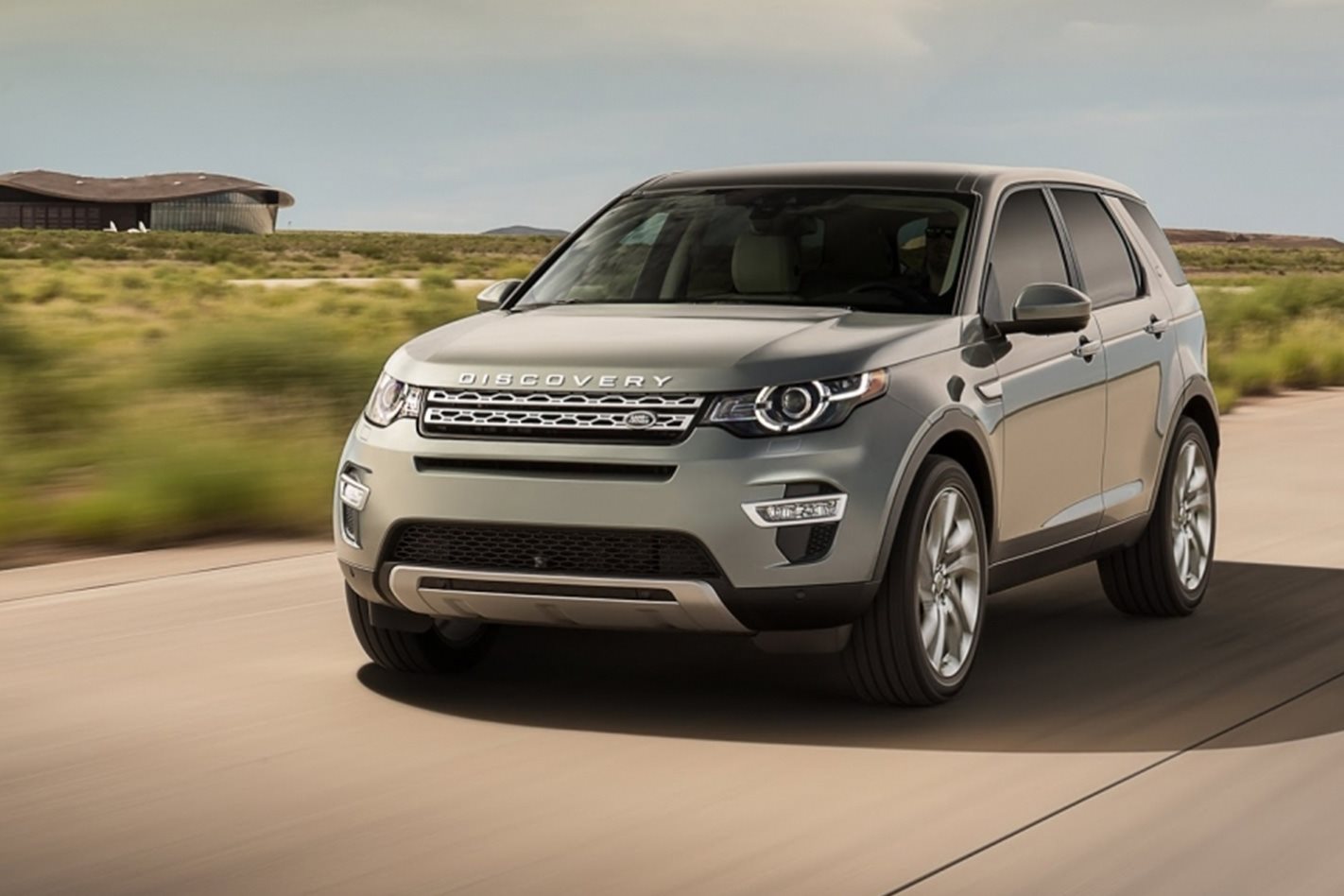
    Jaguar Land Rover has introduced the 2020 Discovery Sport compact premium SUV and it will be launched in the international markets later this year. According to the company, the new 2020 Discovery Sport strikes a balance between a bold evolution of the original design and the familiarity that comes with no-compromise capability. The trademark design, including the clamshell hood, rising beltline and tapered roof are still very much part of the SUV, but there is an evolution to the design and it certainly looks bolder than before. It gets new front and rear bumpers, grille design and LED lights, which makes it look both sporty and sophisticated.

    Built on the new Land Rover Premium Transverse Architecture (PTA), the 2020 Discovery Sport provides greater versatility and refinement with a new body that is 13 percent stiffer than its predecessor and, together with rigidly-mounted subframes, and the company says that it is now quieter thanks to reduced noise and vibration intrusion into the cabin.

    Inside, the spacious 5+2 interior has been transformed with a completely new infotainment interface and the latest connectivity, plus a more flexible seating arrangement with up to 24 combinations. A new powertrain lineup for 2020 now includes the electrified option of a 48-volt 296 horses developing mild-hybrid (MHEV) engine. The hybrid system uses an engine-mounted belt-integrated starter generator to harvest energy normally lost during deceleration and stores it in an under-floor battery. At speeds below 18 kmph, the engine is designed to shut off when the driver applies the brakes. When pulling away, the stored energy is redeployed to assist the engine under acceleration.

    Gerry McGovern, Land Rover Chief Design Officer said, “Building on the success of the original Discovery Sport, this beautifully proportioned vehicle has been refined, enhancing its characterful exterior which compliments the engaging nature of the interior space,”

    Customers can choose from 12 premium exterior paint colors and the option of a black contrast roof. All S, SE and HSE models feature silver atlas detailing on the grille, tailgate finisher, and badging scripts, while purposeful R-Dynamic vehicles feature Shadow Atlas exterior accents, contrast stitching on the steering wheel and branded treadplates inside.

    The 2020 Discovery Sport comes with the TouchPro  infotainment system as standard, while there’s wireless charging available up front

    The new center console and introduction of more premium materials throughout adds a bit of refinement. There’s a three-spoke multifunction steering wheel with capacitive switches, an easy-to-read instrument cluster and a 10-inch Touch Pro infotainment system, all of which are now standard.

    New seats across each of the three rows provide improved comfort and versatility, thanks to the second row 40:20:40 split fold and slide functionality, boosting the possible number of seat combinations to 246. Massage functionality is now also offered for the first time on Discovery Sport in the front row providing improved comfort.

    The 2020 Discovery Sport now gets new cup holders and repositioned storage spaces for third-row passengers, while USB and 12-volt charge points (in total, six and three, respectively) are located throughout the cabin. Front row occupants get to use wireless charging for compatible devices. There’s also a 4G Wi-Fi hotspot, an advanced and responsive Land Rover InControl Touch Pro infotainment, fitted standard, which is also available with Apple CarPlay and Android Auto.

    Alongside a new key fob design, owners can add a powered tailgate and the Land Rover Activity Key – all intended to streamline the customer experience. These are available with a series of accessory packs that offer added functionality to the vehicle practicality, connectivity, driver assistance and parking. All-new optional Pet Pack accessories are designed to improve the Discovery Sport experience for owners and pets, alike.

    A new smart rearview mirror, first debuted on the new Range Rover Evoque, called ‘ClearSight Rear View’ is also available on the Discovery Sport for the first time; transforming the rearview mirror into an HD video screen at the touch of a button to display a rear-facing camera feed onto the mirror ensuring the driver’s view remains unrestricted by passengers or large items in the back. The new system also provides a wider 50-degree field of vision using a camera positioned above the rear window and delivers clearer visibility in low light conditions. Another new technology called ‘ClearSight Ground View’ has also been introduced to help drivers navigate high city curbs or tackle rough terrain by projecting camera imagery that offers a virtual 180-degree view beneath the vehicle onto the central touchscreen. This is the realization of ‘Transparent Bonnet’ technology, first previewed by Land Rover in 2014.

    A suite of advanced driver assistance systems is offered across all models, including Adaptive Cruise Control with Steering Assist, which centers the vehicle in the lane based on road markings as well as maintains a following distance from the vehicle in front. Other available advanced driver assistance technologies include Lane Keep Assist, Autonomous Emergency Braking and Driver Condition Monitor.

    Of course, the company will launch the car in India but it won’t be this year. Land Rover will look at the second half of 2020 to bring this car into the Indian market.

  • Huawei finally has had enough of U.S. bullying

    Huawei finally has had enough of U.S. bullying

    The Trump administration gave Huawei a temporary license allowing it to source parts and components from U.S. firms for three months. Just last Thursday, the company and 68 of its affiliates were placed on the Commerce Department’s Bureau of Industry and Security (BIS) Entity list. Companies on the list are prevented from sourcing U.S. components and parts without a license issued by the U.S. government. The 90-day reprieve will allow the company to buy supplies from U.S. firms that are “necessary to maintain and support existing and currently fully operational networks and equipment, including software updates and patches.” Google today followed suit, promising to send Android updates to the manufacturer through August 19th.
    Huawei is not exactly jumping up and down over its short-term reprieve. The company said today that it was victimized by U.S. “bullying.” Being placed on the Entity List followed years of accusations from U.S. lawmakers concerned that Huawei was spying, or could be forced to spy on American consumers and corporations on behalf of the communist Chinese government. Amid fears that Huawei devices and networking equipment contain a backdoor that can send intelligence to Beijing, Huawei was declared a threat to U.S. national security as far back as 2012. Over the last year, as global mobile carriers started building out their 5G networks, the Trump administration has continually warned allies not to use the firm’s networking gear. This recommendation has been heeded by Australia, Japan, and New Zealand.
    Last week, Huawei chairman Liang Hua visited the U.K.; regulators in the country are deciding whether to allow the company’s 5G networking equipment to be used there. Liang told the media that Huawei would sign a “no-spy” contract with any country.
    The battle between the U.S. and Huawei escalated earlier this year when the U.S. Department of Justice slapped the company with a 13 count indictment. Huawei, two affiliates (Huawei Device USA and Skycom Tech) and CFO Meng Wanzhou were charged with committing various bank-related crimes. The U.S. said that the company tried to cover up business it did with Iran, violating international economic sanctions placed on the country. At the same time, the U.S. charged the manufacturer with stealing trade secrets from T-Mobile. Huawei was already found guilty in a civil court of stealing parts from the carrier’s Tappy robot used to test smartphones and was ordered to pay T-Mobile nearly $5 million dollars.
    Huawei shipped over 200 million handsets last year and was the second largest smartphone manufacturer in the world during the first quarter of this year. The company hoped to take over the top spot from Samsung next year, but obviously, that is now in question depending on what happens following the three-month reprieve. While Huawei is expected to roll out its own operating system this fall with native support for all Android apps, the company’s Google Play Store replacement won’t include popular American based apps such as YouTube, Twitter, Instagram, and WhatsApp. The question isn’t whether these replacements will go over in China, but whether they will satisfy users outside of Huawei’s home market where it sells 49% of its phones (according to Q1 stats).
    And while Huawei is confident in its ability to replace U.S. hardware, software, and components that it might no longer have access to in 90-days, it still has to replace $11 billion in parts purchased from U.S. companies last year such as Qualcomm, Intel and Micron Technologies. Yes, Huawei designs its own chips, but it uses software from U.S. companies to do this. Chip experts say that Huawei is still a few years away from being totally self-reliant in this area.
  • Android Q beta now available for OnePlus 7 Owners

    Android Q beta now available for OnePlus 7 Owners

    Here is some good news for developers and risk takers who just purchased the OnePlus 7 or OnePlus 7 Pro. The latest Android Q beta (which is number 3) is now available for the phones. OnePlus announced this on its blog and pointed out that “this build of Android Q is best suited for developers and early adopters.” Why? Because beta versions of the software are often filled with more bugs than a Raid test facility. And if the OnePlus 7 or OnePlus 7 Pro is your new daily driver, who wants to deal with a problem that prevents you from using an important feature on the phone?

    Speaking of problems, there are some known issues with the third Android Q beta preview. The Ambient Display, which uses machine learning to learn how bright or dim you like the display to look under certain conditions, is not working. There are also some problems with system stability, and texts can’t be sent when the Voice over LTE setting is enabled. The gestures used to navigate the phone also don’t work, and neither does Recovery mode. OnePlus also points out that some apps might not work the way you expect them to with this beta release.

    Some warnings. While signing up to join the Android Q beta program on a Pixel is a simple and easy procedure that allows you to receive updates OTA from the first beta build you receive, signing up for the OnePlus 7 or OnePlus 7 Pro requires that you load a zip file, and then flash the necessary files. All of the directions can be found on the OnePlus blog, including how to put your phone back on track to receive stable builds OTA. Either way, you will lose all of the data stored on the device so you might want to back up your data first.

    If you’ve done this before and are very familiar with flashing a ROM on a phone, this might not be so difficult. But if you’ve never done this before, a mistake could lead you to accidentally brick your phone. If you decide to proceed, make sure that your OnePlus 7 or OnePlus 7 Pro has at least 30% battery life and 3GB of storage available or higher.

  • Nissan India Extends Service Support To Cyclone-Affected Customers In Odisha

    Nissan India Extends Service Support To Cyclone-Affected Customers In Odisha

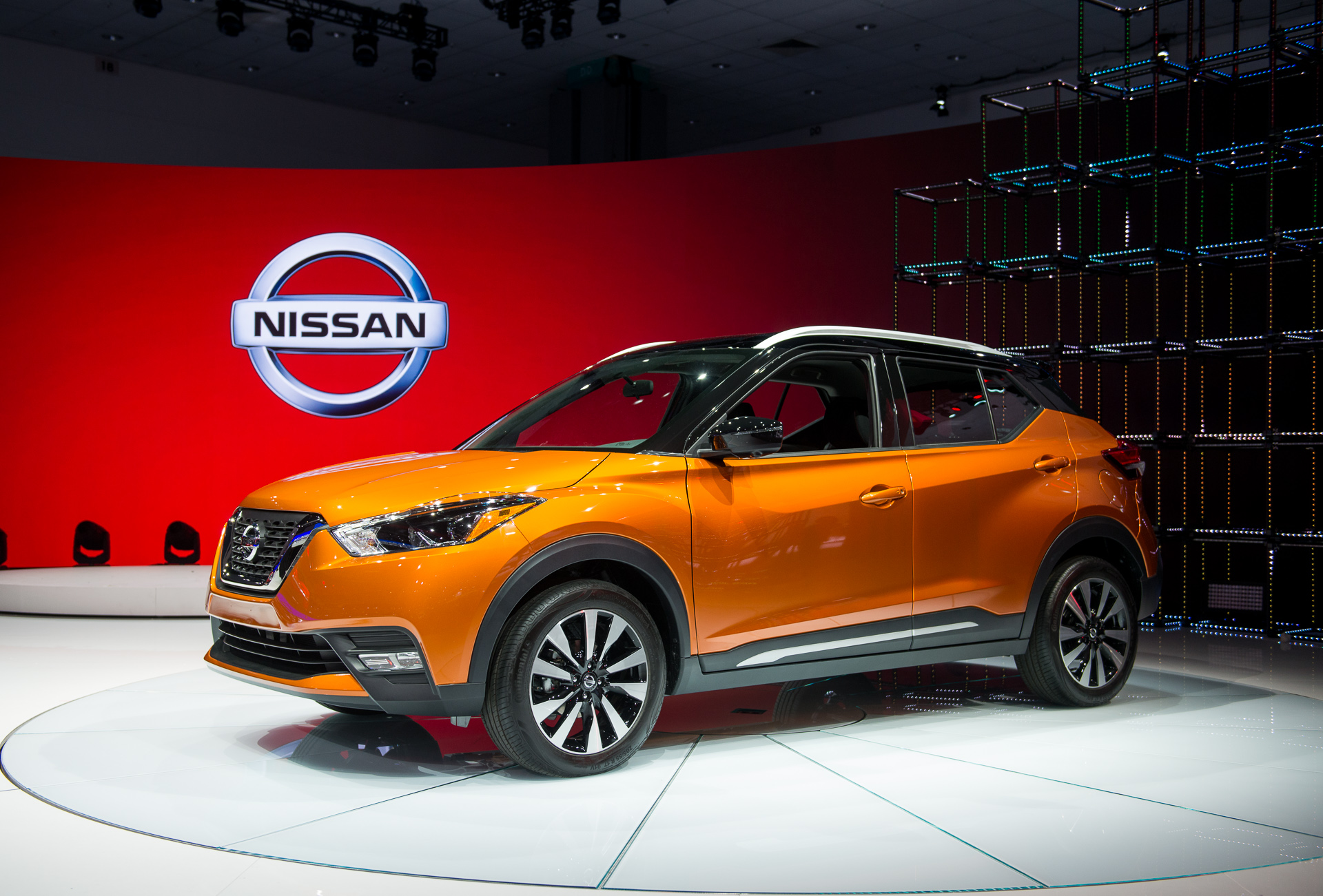
    Cyclone Fani has been devastating for people in Odisha and several vehicles have gotten damaged as well. Carmakers are running special service program for their customers in Odisha. Nissan India has also stepped forward to extend support to its customers affected by cyclone Fani. The company has sent special emergency repair teams in Bhubaneshwar and Cuttack and additional trained manpower will be deployed from its dealerships to expedite repair turnaround time. Free towing service is also being offered to customers and repairs will be carried out under the guidance of Nissan technical experts.

    Speaking about the initiative, Atul Aggarwal, General Manager – After Sales, Nissan Motor India Pvt Ltd. said, “As a responsible corporate, we are taking required measures to ensure that our customers can safely travel in this critical time. With the support of our technical experts and dealers, we have ramped up our services to be there for our customers.”

    Nissan customers can call at the 24X7 Toll-free helpdesk number – 1800-209-3456 for any assistance related to their cyclone-affected Nissan and Datsun vehicles. Other carmakers like Maruti Suzuki, Hyundai, and Tata Motors among others have also taken special initiatives to provide easy service to cyclone-affected customers.

  • Microsoft brings redesigned Apple Watch notifications for Outlook

    Microsoft brings redesigned Apple Watch notifications for Outlook

    A quick heads up for those of you who are using Outlook for iOS on a regular basis. It looks like Microsoft has decided to revamp the Outlook notifications for Apple Watch, so if own the wearable device, you should start seeing them after you download the latest update.

    As per Microsoft’s announcement, the new notifications should allow Apple Watch users to see important emails, reminders, as well as detailed event information via Outlook calendar. It’s the only important change included in the update, at least according to the official changelog from the App Store.

    This is the third Outlook update aimed at Apple Watch users that Microsoft releases this month, but that doesn’t mean that other platforms have been neglected.

    Microsoft revealed last week important new features that will be coming to Outlook for Android and iOS soon, including the option to select favorite persons and notifications, Office Lens upgrades and a couple of other nifty improvements.

  • Microsoft adds requested new feature for the Your Phone Companion

    Microsoft adds requested new feature for the Your Phone Companion

    Microsoft’s Your Phone Companion app allows users to sync their Android phone with their Windows 10 PC. Texts, notifications, and photos can be sent to your desktop or laptop from any phone running Android 7 or higher. With certain Android handsets including the OnePlus 6, OnePlus 6T, the Samsung Galaxy S10e, Galaxy S10, Galaxy S10+, Samsung Galaxy S8, Samsung Galaxy S8+, Samsung Galaxy S9, Samsung Galaxy S9+, Galaxy Note 8 and Galaxy Note 9, apps can be mirrored on the PC as well.

    Previously, the app worked using a Wi-Fi connection only. However, a tweet sent on Friday from Microsoft Lead Project Manager Roberto Bojorquez revealed that an update pushed out to the Your Phone Companion app allows your phone and Windows 10 desktop to sync using mobile data. The new capability surfaces on version 3.8.4 of the mobile app, although the version currently in the Google Play Store is version 3.4.8. Once the new version is installed on your Android phone, open the settings and enable “sync over mobile data” by using the toggle switch. The update also brings a new icon for the app.

    As we pointed out earlier this year, there is a way to have the app work in reverse and send content from a Windows 10 PC to your Android phone. This requires you to install the Your Phone Companion app and the Microsoft Edge mobile browser on your phone. Web pages and other content you were viewing using the desktop version of Edge can be shared to the mobile version of the browser on your phone.

  • Impossible Foods Teams Up with Honbo for Taikoo Place food truck

    Impossible Foods Teams Up with Honbo for Taikoo Place food truck

    Vegetable-based meat product retailer Impossible Foods is partnering with Hong Kong business hub Taikoo Place and various restaurant partners in a food truck charity initiative taking place from May to July.

    Since launching on May 6 with Pici, Impossible Foods’ truck has been gearing up to serve recipes from grassroots burger restaurant Honbo to residents and workers at Taikoo Place.

    From May 20 to June 14, customers of the Impossible x Honbo food truck can select from a range of the brand’s “Impossible” burgers alongside fries and drinks. 10 per cent of all proceeds will go Sai Kung-based charity Catherine’s Puppies, which works to rescue and rehome stray dogs.

    From mid-July, Impossible Foods and Taikoo Place will launch their next partnership with Hong Kong’s “greenest caterer”, Invisible Kitchen. The group will cater for planned Swire Properties events inviting members of the public to “Discover Taikoo Place” while promoting its sustainable foods concept to the wider community.

    Impossible Foods is now serving its plant-based meat products in more than 7000 restaurants across the US, Hong Kong, Macau and Singapore.

  • Indian grocery chains merging to create nation wide network

    Indian grocery chains merging to create nation wide network

    Two regional Indian grocery retail chains are effectively merging, creating a national player.

    Spencer’s Retail, part of RP Sanjiv Goenka Group, says it will pay US$42.76 million to acquire upmarket grocery chain Nature’s Basket from Godrej Industries.

    The deal will give Spencer’s access to the western part of India through 36 stores of Nature’s Basket in Mumbai, Pune and Bengaluru, according to Shashwat Goenka, head of RPG. It will also strengthen the company’s omnichannel capability.

    Tanya Dubash, executive director and chief brand officer at Godrej Group, said the sale would unlock “the immense potential of the Nature’s Basket brand” allowing it to grow faster.

    “We have passed on the torch to owners who have prioritised retail in their portfolio strategy and have the relevant ecosystems to take the business to the next level,” she said.

    Nature’s Basket was launched in 2005.

    Goenka said the Nature’s Basket stores are located in prime residential locations, have a high sales throughput per square feet, and will add to the top line of Spencer‘s grocery portfolio.

    “Nature’s Basket has a strong portfolio of private-label brands which has huge traction with its consumers. We believe there is huge potential to expand this to Spencer’s stores. It also has a strong e-commerce presence, and we believe that fits in well with our omni-channel strategy.”

    He said both chains were positioned as experiential grocery retailers and there were many synergies in the acquisition.

  • Asus delivers Android 9.0 Pie to another ZenFone smartphone

    Asus delivers Android 9.0 Pie to another ZenFone smartphone

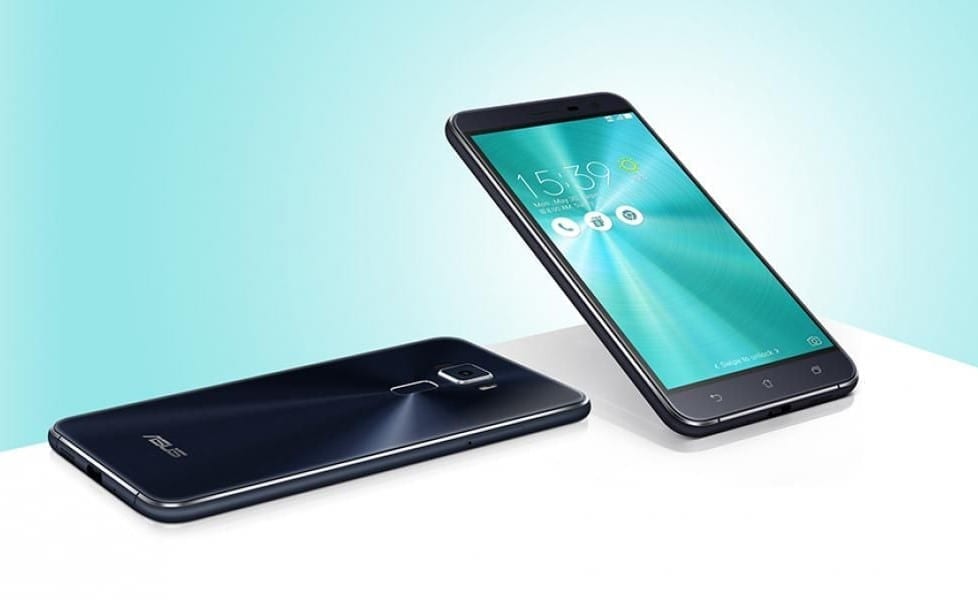
    Asus promised a few months ago that it will update some of its ZenFone smartphones to Android 9.0 Pie, but only partially delivered. Today is the day that another part of the promise is fulfilled, as the ZenFone Max M2 is now receiving the long-awaited Android 9.0 Pie update.

    Initially slated for an April 15 rollout, the Asus ZenFone Max M2 Android 9.0 Pie update is now being deployed in the United States. If you own the budget-friendly smartphone, you can head Settings / System / System updates and check if there’s a new firmware available.

    Besides all the changes that Android 9.0 Pie brings, the update adds the May security patch and a new version of the Google Mobile Services (GMS). As Asus points out, the servers are pushing the update in batches, so it may take some days for everyone to receive it.

    Asus announced two months ago that two other ZenFone smartphones aside from the ZenFone Max M2 will receive Android 9.0 Pie updates by mid-April: ZenFone Max Pro M1 and ZenFone Max Pro M2.

    As a matter of fact, the majority of ZenFone 4 and ZenFone 5 smartphones are expected to receive Android 9.0 Pie updates this. Of course, the ROG Phone will get the software upgrade as well, we just don’t know when.

  • B&O’s refreshed Beoplay H9 headphones come with Killer Features

    B&O’s refreshed Beoplay H9 headphones come with Killer Features

    After (narrowly) beating Apple to the punch with super-expensive “truly wireless” earbuds supporting wireless charging functionality, Bang & Olufsen is shifting its attention to the premium Beoplay line of wireless over-ear headphones to release a refreshed H9 model. This is already available in the US at the same price as its H9i predecessor, bringing a couple of important upgrades to the table.

    First, there’s a new dedicated button allowing B&O Beoplay H9 users to summon Google Assistant and get it to do stuff by voice commands. The built-in digital assistant does not replace touch controls altogether, though, so you can still use gestures directly on the ear cups to seamlessly navigate your listening experience.
    The other major improvement comes in the battery life department, where the Beoplay H9 headphones are making a pretty ambitious promise. Namely, you should be able to squeeze up to a whopping 25 hours of uninterrupted play time from these bad boys, compared to the “modest” 18-hour maximum endurance advertised for the H9i. What’s impressive is that Bang & Olufsen has somehow managed to make this leap while retaining the exact dimensions and weight of the H9i.
    Speaking of things retained, the Beoplay H9 features the same old (and great) active noise cancellation technology, “expertly tuned” acoustics performance, and Transparency Mode functionality for when you don’t want to feel isolated from your surroundings. Available in Matte Black and Argilla Bright colors with the super-premium build quality and a self-proclaimed focus on craft, the H9 headphones are priced at $500, which is certainly not affordable… but also not shocking.
    Just like the H9i, the Google Assistant-enabled H9 have a pretty clear target audience that cares more about B&O brand recognition and stature than objectively comparing the value for money delivered by these headphones with those of the cheaper Bose QuietComfort 35 II or Sony WH1000XM3.