Blog

  • Mercedes-AMG CLA 35 4MATIC Teased Ahead Of Official Debut

    Mercedes-AMG CLA 35 4MATIC Teased Ahead Of Official Debut

    Mercedes-Benz has recently put out a new teaser announcing the imminent arrival of the Mercedes-AMG CLA 35. The new teaser photo released by the German automaker on social media gives us a glimpse of the car’s rear section, mainly just the new LED taillamp along with the ‘CLA 35’ badging, and a partially visible boot-mounted rear spoiler. And knowing Mercedes, the Stuttgart-based carmaker will be coming out with several more teaser images before revealing the actual car. While the carmaker has already unveiled the new 2020 Mercedes-Benz CLA, the next obvious choice had to be the AMG model, by the looks of it we won’t have to wait very long. In fact, it’s possibly the car will be showcased at the upcoming New York Auto Show 2019.

    The upcoming Mercedes-AMG CLA 35 4MATIC will come powered by a 2.0-litre turbocharged four-cylinder engine. The motor is tuned to churn out 302 bhp and develops 400 Nm of peak torque. The engine comes mated to a seven-speed dual-clutch automatic gearbox along with the company’s 4Matic all-wheel-drive system. This will make the AMG CLA 35 the most powerful CLA model yet, of course, that is until the new CLA 45 is launched.

    Based on the spy photos we have seen so far, the upcoming Mercedes-AMG CLA 35 appears to be very similar to the regular new-gen CLA sedan and is likely to feature a single slat grille with the large three-pointed star at the centre. The test mule also came with LED headlamps, black alloys, a black roof, black ORVMs, LED taillamps and a dual exhaust system.

  • Maruti Suzuki Celerio And Celerio X Updated With New Safety Features

    Maruti Suzuki Celerio And Celerio X Updated With New Safety Features

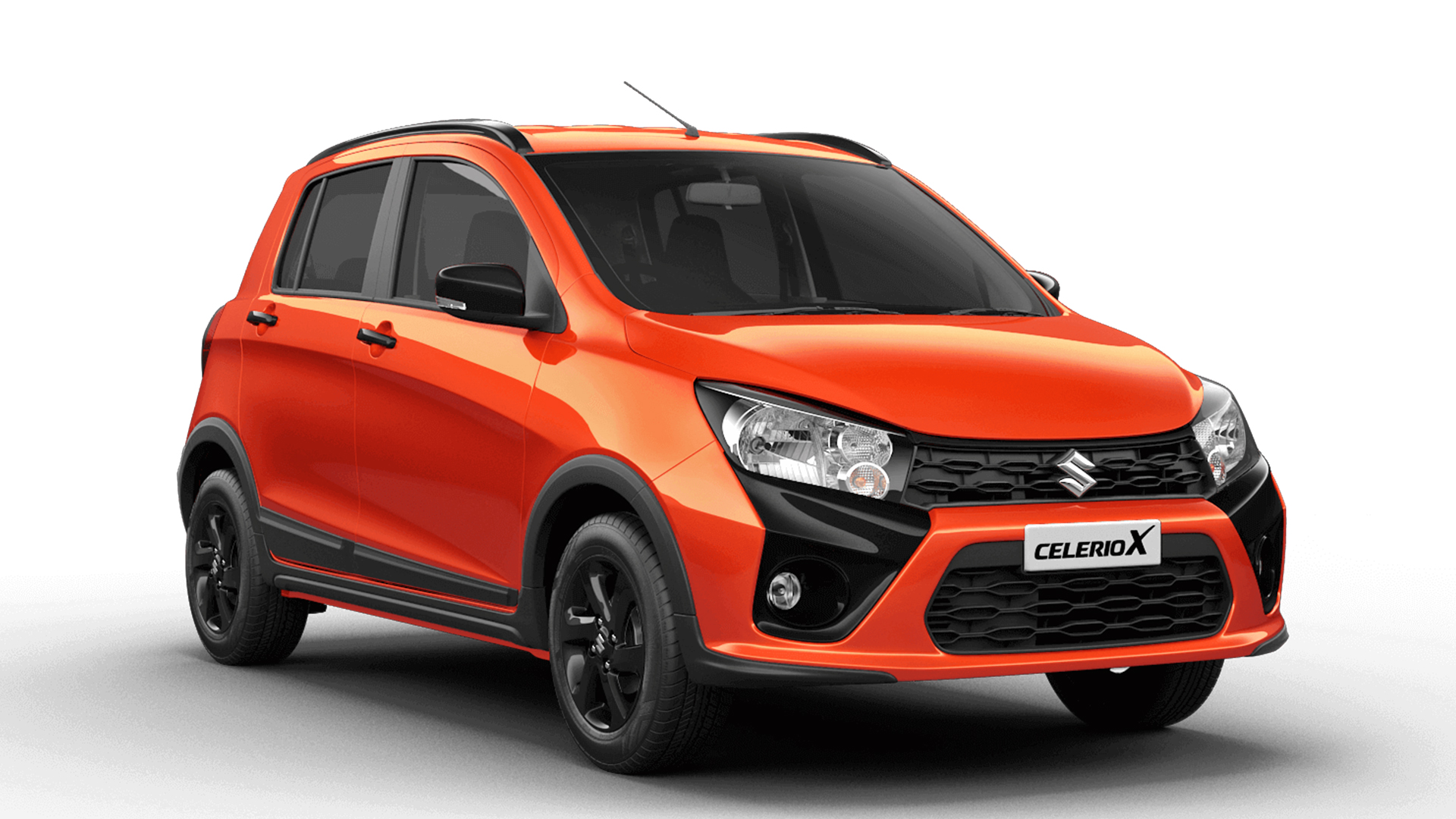
    The Maruti Suzuki Celerio and the Celerio X hatchbacks are the latest offerings from the manufacturer to get additional safety kit to meet the upcoming safety norms. As part of the upgrade, the Celerio and its cross-hatch sibling now get ABS with EBD, speed alert system, driver and passenger seatbelt reminder, rear parking sensors as standard across all variants. The driver side airbag was already a standard feature on the offering. With the additional kit, the Celerio range has a slight bump in prices as well and now starts at ₹ 4.31 lakh for the base LXi trim. The Celerio X, meanwhile, starts at ₹ 4.80 lakheeco.

    Apart from the new safety features, the Maruti Suzuki Celerio and the Celerio X get no other changes, both visually and on the feature front. Power too, comes from the same 1.0-litre K-Series, three-cylinder, petrol motor tuned for 67 bhp and 90 Nm of peak torque. The motor is paired with a 5-speed manual gearbox with the AMT unit available as optional. The Celerio also comes with a factory-fitted CNG kit that is offered on the mid-trim manual version.

    The updated Celerio joins the Eeco in the latest set of Maruti Suzuki cars to get the mandatory safety features. More recently, the automaker announced the availability of the new Ciaz sedan powered by the 1.5-litre diesel engine. The new motor replaces the tried and tested 1.3-litre Fiat-sourced Multijet engine that powered nearly all of Maruti’s diesel range for over a decade. The new 1.5-litre oil burner has been developed in-house by Suzuki and is tuned to churn out 94 bhp and 225 Nm of peak torque. The motor is paired with a 6-speed gearbox and returns an ARAI claimed fuel efficiency figure of 26.82 kmpl, one of the best in the segment.

  • Bentley Bentayga V8 Design Series Unveiled

    Bentley Bentayga V8 Design Series Unveiled

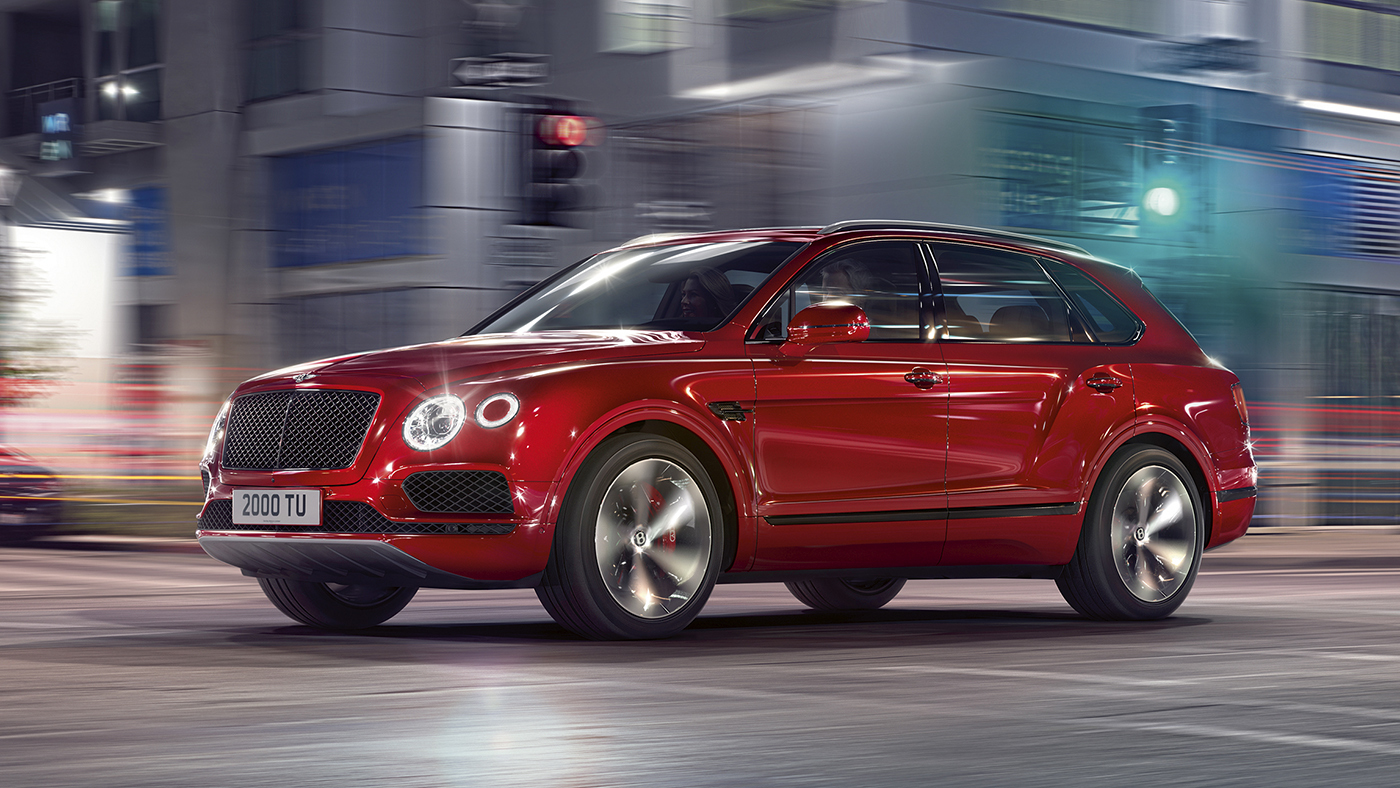
    Bentley is introducing a new special edition model to the Bentayga range and is calling it the V8 Design Series. The changes on the Bentley Bentayga V8 Design Series are limited to aesthetics in a bid to enhance its road presence. Bentley has taken the standard V8 variant and has updated it with special colour schemes and finish from Mulliner on the exterior as well as inside the cabin.

    On the outside, the bumper is finished in body colour and there are gloss black exhaust pipes at the rear. The seven-spoke alloy wheels are finished in dark gray and get monochromatic treatment which goes well with the shade. On the inside, the owner has the option to choose from a range of dual-tone colour options including red, orange, white and Blue and the accents are available as part of the design for the first time. The dashboard and console get contrasting accents as well and there is the Design Series badging on the seatbacks. The Bentley Bentayga V8 Design Series also features carbon-fibre palette running the length of the dashboard and similar trim on the doors.

    Mechanically, the Bentley Bentayga will remain identical to the V8 standard version. It is powered by a 4.0-litre V8 motor which churns out 542 bhp at 6000 rpm and 770 Nm of peak torque between 2000 rpm and 4500 rpm. It takes 4.5 seconds to clock triple-digit speed and the top speed is limited to 290 kmph.

  • Focals smartglasses could give us a glimpse at Apple’s next big thing

    Focals smartglasses could give us a glimpse at Apple’s next big thing

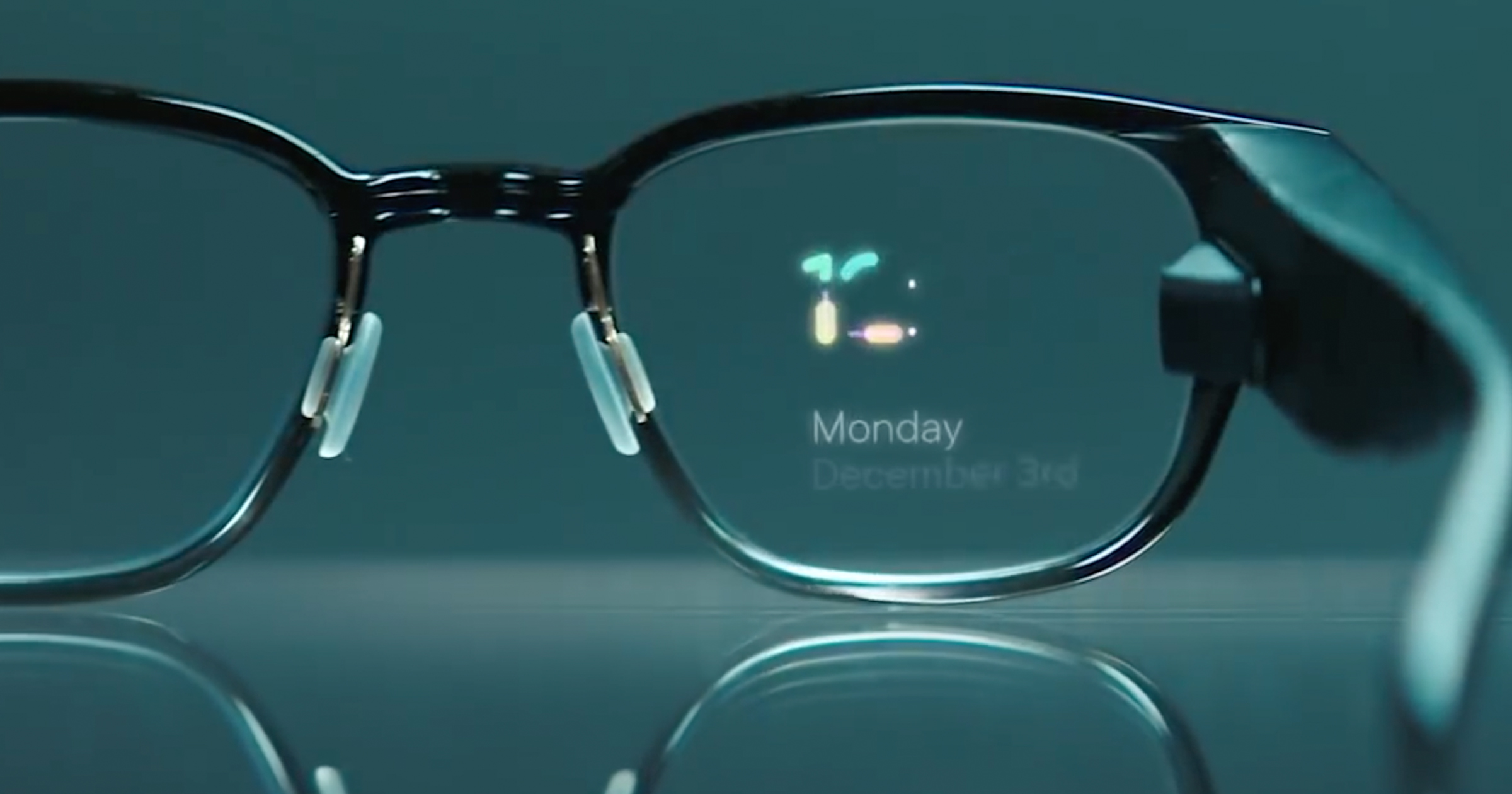
    North’s Focals smartglasses look nothing like the original version of Google Glass, which is a good thing. In fact, if you didn’t know any better, you’d think that they were just an ordinary pair of spectacles. But Focals feature Alexa integration allowing you to hear the latest news, view the weather forecast, stream music, control the smart appliances in your home, and more. The glasses will also show you upcoming appointments from your calendar, let you arrange for an Uber, send a text and navigate with turn-by-turn directions. Focals can be controlled through the use of the ring-like “Loop” which is a four-directional joystick that you wear on your finger to interact with the glasses.

    Focals were launched last October and are priced at $599 and up. Prescription lenses cost an additional $200. Personal sizing is required, which means that if you want to buy a pair, you will have to visit one of the company’s showrooms in Brooklyn or Toronto. There are also pop-up locations where this can be done. For example, from today through April 9th, the company can fit you in San Francisco. April 10th and 11th, a pop-up location will be open in Santa Clara. You can book an appointment for any of the locations through the Focals web site.

    The Focals smartglasses have limited functionality; the company says that it did this so that users won’t be distracted from the things right in front of them. But that doesn’t mean that new functions aren’t being added. Thanks to a new update, when a Focals wearer is listening to streaming music from Spotify, he/she can now skip a song, adjust the volume of a connected device like a phone or speaker, and see the title of the song and the name of the artist. And the volume of the music can be controlled even when the display is off, by using the Loop. The update also gives Focals the ability to recommend the fastest transit route for a user’s morning and evening commutes, and the it will also show any delays. The device will calculate an Estimated Time of Arrival (ETA) and share it with the user’s contacts.

    With a feature called Rewind, the Focals smartglasses can be used to make a voice recording of a meeting. Afterwards, North will send out an email containing a transcript of the meeting along with a recording of the get together. Since Focals are made to the exact specifications of the wearer, it isn’t easy just to take them off and give the glasses to a friend to check them out. So North came up with something it calls Lenscast. The latter puts your Focals’ display on top of the live camera feed from your smartphone to show others how Focals work. The glasses use Bluetooth to pair with your iOS or Android phone, and charge using a special carrying case.

    Last month, reliable Apple analyst Ming-Chi Kuo of TF International said that he expects mass production of the company’s AR glasses to begin no later than the second quarter of 2020. At least with the first version of the device, Apple is reportedly going to play it safe by having its glasses access the processor, GPS, memory chip and other components belonging to a user’s iPhone.

    Many consider smartglasses to be the next big thing. Nearly two years ago, analyst Gene Munster said that the wearable will be bigger than the iPhone.

  • Get incredible Google Home Hub discounts

    Get incredible Google Home Hub discounts

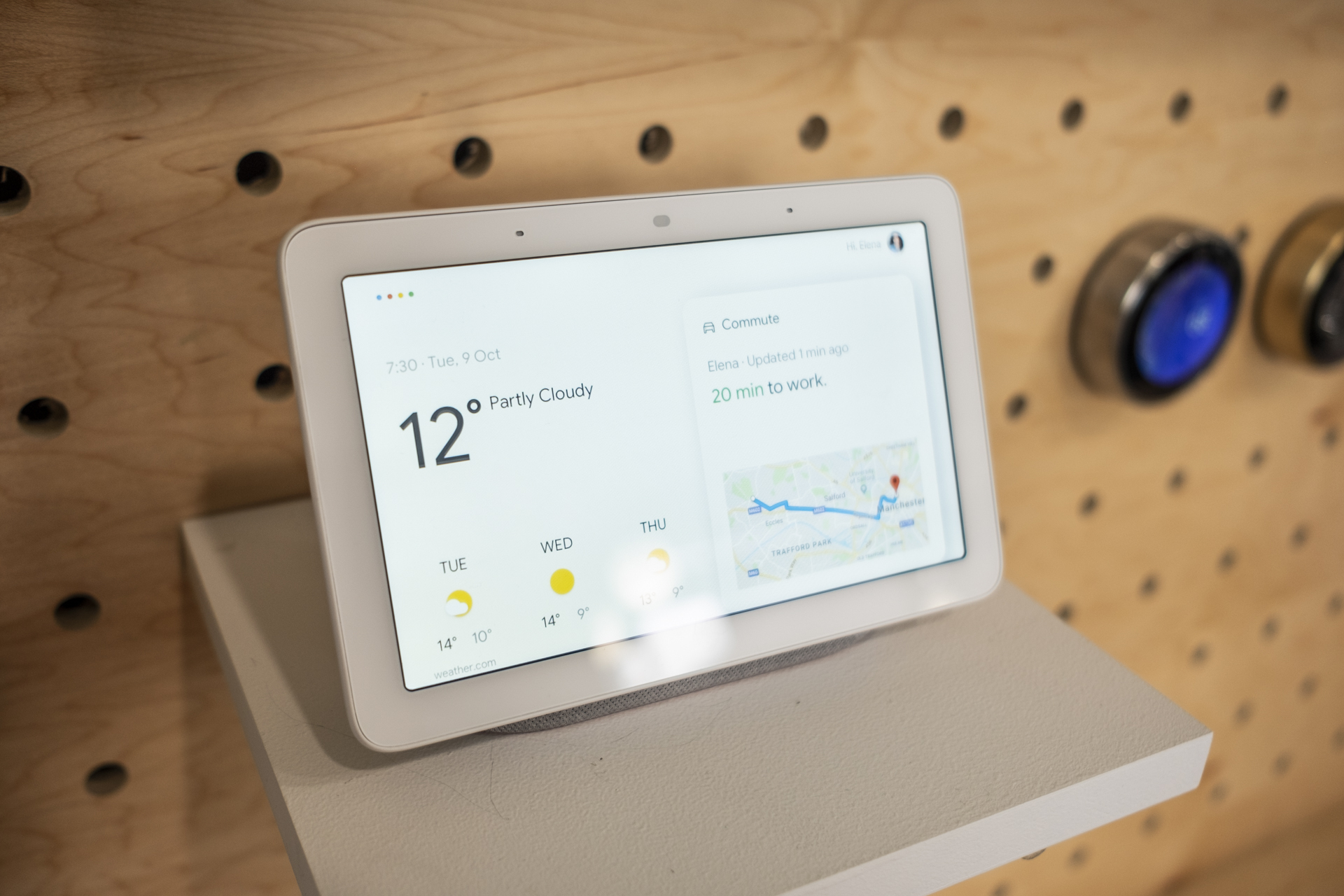
    Even though it earned pretty good reviews after seeing daylight just six months ago and presumably contributed to Google’s thriving smart speaker sales numbers during the final quarter of 2018, the Home Hub has been massively discounted lately more times than we can count on the fingers of one hand.

    Right now, the Google Assistant-powered smart display is back up to its $149 list price at both its manufacturer’s official US e-store and third-party retailers like Best Buy, but one self-described “social shopping marketplace” has this extremely versatile and convenient product on sale at a big markdown yet again.

    The “catch” is you need to purchase two units to save a frankly unbelievable amount of money. Basically, you’re looking at a two-for-one or buy-one-get-one-free type of deal, as this heavily discounted Google Home Hub two-pack in black currently costs $153.95, or a hair over the aforementioned regular price of a single device. You’ll want to hurry, though, as the promotion, also known as a power deal in MassGenie user lingo, is set to expire within just four hours of the time of this writing.

    If you’d like to get something nice for yourself and a friend, a family member, or a special someone, today’s super-limited offer effectively brings the price of a Google Home Hub down to $77. Meanwhile, for only three extra bucks, you can purchase just the one smart display in your choice of Chalk or Charcoal paint jobs, although you have even less time to jump on that particular deal.

    For those unfamiliar with what this bad boy can do, suffice to say it’s essentially a smart speaker with a touchscreen… and smart home hub capabilities. You can watch YouTube videos, stream music, control various smart home accessories, and get answers to your most burning questions, all without ever lifting a finger.

  • Will last night’s GPS date-based rollover ?

    Will last night’s GPS date-based rollover ?

    Most likely you won’t be affected, but due to the strange way that Global Positioning Systems (GPS) measure time, some devices were at risk of being reset yesterday at 7:59 pm EDT. GPS systems affected could be reset back to January 6th, 1980. This is a risk because devices using GPS measure time by counting weeks, but they only have enough storage to count 1,024 weeks (nearly 20 years).

    The last time GPS systems were in this position was back in August 1999. Most of the public had never even heard of GPS back then, and it wasn’t until apps like Google Maps brought GPS into consumers’ hands that the public became aware of it.

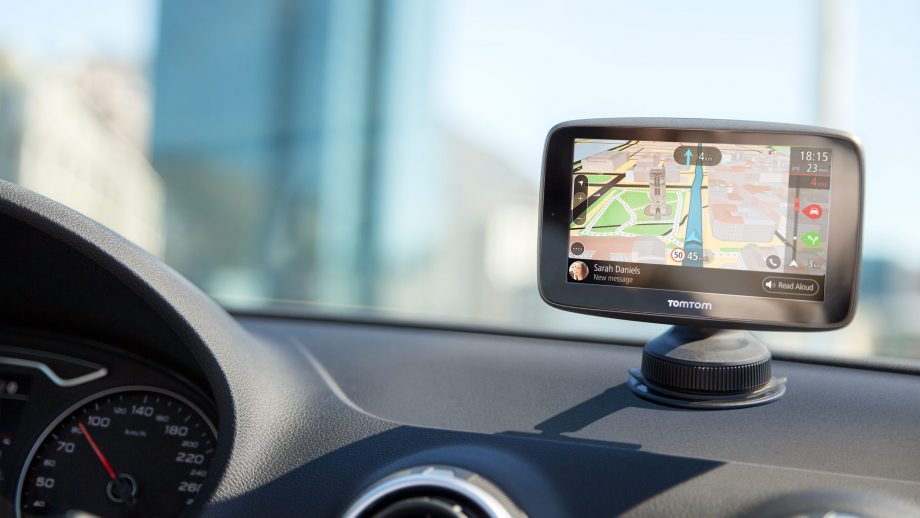
    We wouldn’t be too consumed with angst. The Department of Homeland Security’s Cyber and Infrastructure division says that as long as your device is less than ten years old, or if you have updated this device over the years, your GPS driven app should be safe to use. In other words, if you are using a 2008 T-Mobile G1 as your daily driver for some reason, and never installed any Google Maps updates, the app might not be of much help today. Mapping and navigation firm TomTom said on its website that those who frequently update their devices have nothing to worry about, but others could find it impossible to navigate using GPS.

    The DHS’ Cyber and Infrastructure unit notes that “A nanosecond error in GPS Time can equate to one foot of position (ranging) error.” In other words, if you are counting on a GPS driven device or app to get you from point “A” to point “B,” blindly following the directions on an affected device could land you at point “C.”

    Many industries depend on GPS these days, including some that weren’t around ten years ago like ride sharing (Uber, Lyft). Considering how much more important GPS is to the global economy these days, newer devices have been updated and can now count weeks using 13 bits of data instead of 10. This means that you shouldn’t have to worry about the GPS on your mobile device resetting until 2176.

  • Twitter tests new labels that help users

    Twitter tests new labels that help users

    Twitter is reportedly looking at different ways to allow users to edit their tweets after they have been posted. It also appears that there are some other features being tested. A tweet disseminated by Twitter today reads, “We want it to be easy to follow and join conversations on Twitter. We’re testing out labels on replies: author mentioned and following. If you see them, let us know what you think!”

    The “author” label will be applied to replies tweeted by the person who kicked off a particular thread. This will allow users to see if a particular response in a thread came from the person who wrote the original tweet. The “mentioned” label will be attached to a reply from a Twitter user whose “handle” was mentioned in a thread’s original tweet. The “following” label will appear on a reply tweeted by a Twitter member who follows the original author in a thread.

    Only a limited number of Twitter users have seen these labels employed. Since the new features aren’t found in the latest version of Twitter in the Google Play Store (v7.79), they might be rolling out via a server-side update.

    While the Labels being tested by Twitter might help users understand what is going on in a particular thread, we would imagine that most Twitter subscribers would prefer to have the ability to edit their own tweets instead.

  • European Union Says BMW, Daimler, VW Colluded To Limit Emissions Technology

    European Union Says BMW, Daimler, VW Colluded To Limit Emissions Technology

    European Union authorities said Friday that German automakers BMW, Daimler and Volkswagen colluded to limit the development of emissions-cleaning technology in cars. The finding adds to the car industry’s woes after Volkswagen in 2015 admitted to cheating on emissions tests in the U.S., which led to a worldwide reevaluation of how cars are tested and how to limit emissions to make air cleaner and fight climate change.

    The EU antitrust regulator said that after an in-depth investigation, it found that BMW, Daimler and Volkswagen, including its Audi and Porsche units, broke EU laws from 2006 to 2014 by illegally agreeing among themselves to limit the roll-out of the technology. The technology helps eliminate nitrogen oxides, which can be harmful to human health, from both gasoline and diesel passenger cars.

    The alleged actions could have limited Europeans’ opportunities to buy less polluting cars, but would not have affected price, the EU said. It did not explain how the companies might have profited.

    The probe is separate from other legal procedures against carmakers for allegedly breaching environmental laws or using illegal software in car engines. EU authorities raided the offices of the three companies in October 2017 and opened their investigation on this case in September last year.

    BMW said discussions among engineers were meant to improve exhaust gas technologies and that the whole industry was aware of these talks. It said they did not involve any secret agreements or intend to hurt customers.

    Daimler said it was cooperating with the EU and does not expect to receive a fine. Volkswagen said it was also cooperating and would issue a statement once it has reviewed the EU investigation. The EU noted that its preliminary findings do not prejudge the final outcome of the investigation.

    The case comes after Volkswagen admitted four year ago to using software in diesel car engines to cheat on U.S. emissions tests. It has set aside some 27.4 billion euros ($32 billion) for fines, settlements, recalls and buybacks. Former CEO Martin Winterkorn was criminally charged by U.S. authorities but cannot be extradited; Audi’s division head was jailed.

    Renewed scrutiny of diesel emissions revealed that cars from other automakers also showed higher diesel emissions in everyday driving than during testing, thanks in part to regulatory loopholes that let automakers turn down the emissions controls to avoid engine damage under certain conditions. The EU subsequently tightened its testing procedures.

    Anti-trust fines can be steep. In 2016 and 2017 the EU Commission imposed a fine of 3.8 billion euros after it found that six truck makers had colluded on pricing, the timing of introduction of emissions technologies and the passing on of costs for emissions compliance to customers.

  • Snapchat announces Snap Games and Snap Originals programs

    Snapchat announces Snap Games and Snap Originals programs

    Snap, the company behind the Snapchat social network and services, announced earlier today a host of new features that will come to its mobile apps in the coming weeks. During its Snap Partner Summit, the social network company revealed two new programs that will be available to all Snapchat users, Snap Games, and Snap Originals.

    Another major announcement concerns important improvements to the popular Snap Lenses. Also, a new set of development tools grouped together as Snap Kit, which will allow developers to include Snapchat functionality directly in their apps. But let’s start with the first major feature that Snapchat users will be given access to very soon: Snap Games. The new feature will be available right from the Chat bar within the Snapchat app on Android and iOS devices.

    What’s really interesting about Snap Games is that you won’t have to install anything. Also, you’ll be able to see all your friends who are playing games, send them a message, play with them instantly and even talk like with voice chat.

    Initially, Snap Games will be available with six mobile games: Bitmoji Party, Tiny Royale, Snake Squad, C.A.T.S. Drift Race, Zombie Rescue Squad, and Alphabear Hustle. Since Snap Games will begin rolling out for Android smartphones and iPhones today, you can expect to be able to check out the new feature very soon.

    Snapchat starts offering original shows watchable on the go

    Snap Originals is a series of shows such as documentaries, comedies, and teen dramas, which, as the name suggests, will be original. Snap also mentions that this original content will clearly stand out from the rest because of the way they’re told: “they’re personal, intimate, and made for the way you use your phone today.”

    No less than 10 shows will be available at launch for those who want to check out Snap Originals: Two Sides, Can’t Talk Now, Sneakerheads, Commanders, Denton’s Death Date, While Black, BuzzFeed, Dead of Night, Compton Dreams, and Stranded with Sam and Colby.

    The new Snap Originals will be available starting this week, but more series will be added in the coming months. Remember that you can watch these shows anywhere you are directly from your smartphone, as long as you have access to the internet.

    Snapchat Lenses get upgraded to the next level

    As far as the Lenses go, Snap announced that in just over a year after the feature was made available to users, more than 400,000 Lenses have been created by the Snapchat community. Moreover, users have played over 15 billion times with these Lenses.

    To advance Lenses to the next level, Snap announced the addition of Creator Profiles, a new way to help Lens Creators to showcase their work and learn more about their audience.

    Also, Snap introduced an easier method to find the right Lenses when you need them. Simply press and hold on your camera screen to scan the world around you. For example, you can scan a math problem to get the answer, or a product to see it listed on Amazon and learn about its price. You can even scan your dog to give it glasses, or a song to see who sings it.

    Last but not least, Lens Studio has been updated to include more templates for those creators who prefer augmented reality over traditional Lenses, including Landmarkers. The update adds new templates for hand-tracking, body-tracking, and more, which can be used to create Lenses that might pop up when Snapchat users use Scan.
    But there are more changes coming to Snapchat, such as App Stories, which allow users to share content directly from the Snapchat camera to a Story inside another app. And for creators, there are a few new kits that will allow them to share their custom stickers from their favorite services directly on a Snap.

    The Creative Kit, Bitmoji Kit, and Ad Kit are now available for creators, each allowing Snapchat users to interact easier than ever with customized Snaps.

    As mentioned earlier, all features announced today by Snap will be available starting this week, but some Snap Originals shows will go live in the coming months.

  • Google Maps is using Waze Features

    Google Maps is using Waze Features

    Google paid almost a billion dollars for the popular Israel-based Waze navigation app back in 2013, but curiously enough, the search giant took an awfully long time to integrate some of the basic features of its daughter service into the main Maps platform.

    For instance, Google Maps users barely started seeing options to report crashes and speed traps added to their navigation service of choice a few months ago, with a wider rollout of these two features subsequently noticed and a handy third option seemingly enabled as we speak. As usual, we’re looking at a staggered release, with a handful of screenshots shared by Android Police proving some people can add reports of crashes, speed traps, andslowdowns, while others are still waiting to get the first two parts of the incident reporting functionality.
    With the traffic slowdown feature, also known as congestion in certain regions, Google Maps users should be able to contribute to a smoother navigation experience, with more realistic ETAs and helpful re-routing suggestions during peak hours. Along with the crash and speed trap reporting functionality, this will make Google Maps bear an even stronger resemblance to Waze, possibly escalating speculation that something might be going on soon.
    Of course, unlike services like Google Plus, Inbox, or Allo, Waze is actually beloved and actively used by millions of people around the world. Specifically, more than 90 million drivers, according to the company’s latest official count, spending an average of 438 minutes in the app each and every month. That’s not something you can afford to throw away very easily, so we’re guessing Google Maps and Waze will remain separate but increasingly similar for many years to come.
  • Fitbit partners with Snapchat to make Apple Watch owners jealous

    Fitbit partners with Snapchat to make Apple Watch owners jealous

    Fitbit may have joined the “true” smartwatch game a bit late compared to Samsung or Apple, but after a somewhat slow start in this potential-brimming market, the Versa seems to have put the company on the right track. The world’s second-largest smartwatch vendor took quite a risk by developing its wearable software from scratch rather than adopting Google’s Wear OS, but this proprietary platform continues to grow at a healthy pace in terms of capabilities and ease of use.

    Of course, everyone needs high-profile partners to boost the appeal and trendiness of today’s wearable devices, and Fitbit’s newest ally in its fight against Apple and Samsung is as high-profile as they come. We’re talking about Snap, the company behind one of the world’s most popular social networks.

    Snapchat users who just so happen to own a Fitbit Versa, Versa Lite, or Ionic as well can now connect their Bitmoji account to their smartwatch to display their “personal emoji” on their wrist. For those unfamiliar with the Bitmoji app, we should probably mention the experience is very similar to what Apple offers with Memoji and Animoji on iPhones and Samsung’s own AR Emoji experiments for recent high-end Galaxy handsets.

    Obviously, the main difference is you can have fun with Bitmoji on both Android and iOS, as well as on Fitbit devices starting today. Your cartoon avatar will show up on the “first-ever” Bitmoji clock face (once you download it from the Fitbit App Gallery, that is), aiming to motivate you to be more active, help you create healthier habits, and celebrate personal achievements.

    While unlikely to be as expressive as its smartphone counterpart, your wrist Bitmoji promises to support more than 50 fun clock face variations, changing throughout your day to reflect your activity and progress towards your fitness goals. For instance, your personal emoji will wave hello to start your day, dance with your alarm clock to annoy help you wake up in a better mood, throw confetti after you hit your daily step objective, meditate when you’re totally relaxed and zen, carry an umbrella if there’s a chance of rain, and much more.

    That definitely sounds like something Apple Watch and Samsung Galaxy Watch owners could also appreciate, but for the time being, all we can do is wait and see if there are any Memoji or AR Emoji expansions planned for the near future.

  • Samsung forecasts massive Q1 profit decline

    Samsung forecasts massive Q1 profit decline

    Samsung is not only the world’s top smartphone vendor, but also the number one chipmaker and the largest television manufacturer out there. Despite all these incredible accomplishments and supremacy over several branches of the tech industry, the company seems to be going through somewhat of a rough patch.

    While we’re obviously not talking about the kind of trouble LG or Sony’s mobile divisions have been facing for a number of years now, it’s certainly worrying when quarterly profits go down 60 percent over the course of 12 months. Samsung’s full Q1 2019 financial results are not in yet, but if today’s earnings guidance pans out (which usually appears to be the case), consolidated sales for this January – March timeframe will circle 52 trillion Korean won, with operating profit sitting at around 6.2 trillion won.

    Those figures roughly equate to $45.7 billion and $5.5 billion respectively today, comparing rather unfavorably to over 60 trillion won in revenue and nearly 16 trillion won in profits reported this time last year for 2018’s first calendar quarter. The estimated Q1 2019 sales and profit scores are also down 12 and 42 percent respectively from Q4 2018, which was hardly considered a good quarter for Samsung.

    Until the tech giant releases the final, detailed numbers for 2019’s first 90 days later this month, breaking down the results by individual business, we can make several educated guesses as to what went “wrong” this past quarter. For starters, the company’s global smartphone shipments have been declining for a few quarters, and the Galaxy S10 family was probably released a little too late to reverse that trend. Or perhaps the newest flagships are not significantly more popular than their predecessors after all.

    Meanwhile, it’s important to point out that Samsung’s semiconductor business proved by far the most profitable among the company’s different branches lately, losing quite a bit of steam as demand for memory chips continues to drop. Samsung basically sells its chips to every major smartphone vendor today, so the market slowdown has impacted the company in a number of ways. Last but not least, weak iPhone sales probably took a toll on Samsung’s financials from an OLED display supply standpoint as well. Of course, at the end of the day quarter, the Korea-based tech giant still earned $5.5 billion, which is certainly nothing to sneeze at.

  • Maruti Suzuki Cuts Vehicle Production By Around Half

    Maruti Suzuki Cuts Vehicle Production By Around Half

    The country’s largest car maker Maruti Suzuki India (MSI) cut vehicle production by around 21 per cent across its factories in March due to subdued demand. The auto major produced a total of 1,36,201 units in March, including Super Carry LCV, down 20.9 per cent from 1,72,195 units in the year-ago period, it said in a regulatory filing. The production of passenger vehicles, including Alto, Swift, Dzire and Vitara Brezza, declined by 20.6 per cent to 1,35,236 units as compared with 1,70,328 units in March 2018.

    The compact segment saw 7.5 per cent decline in production to 81,163 units, while utility vehicle witnessed a drop of 26.4 per cent to 17,719 units in March.

    However, production of vans rose by 6 per cent to 15,710 units last month as compared with 14,822 units in March 2018.

    When contacted, MSI declined to comment on the reason for decrease in production.

    In February, MSI had cut production by over 8 per cent to 1,48,959 units from 1,62,524 units produced in the year-ago period.

    In January, the company had reported a total production of 1,83,064 units, up 15.6 per cent from 1,58,396 units produced in January 2018.

    MSI’s installed manufacturing capacity at its two plants in Gurgaon and Manesar stands at 15.5 lakh units per annum. Besides, the Suzuki-owned Hansalpur (Gujarat) plant also has an installed capacity of 2.5 lakh units from the first line.

    The second production line has been commissioned at the plant, but is yet to reach its peak capacity of 2.5 lakh units per annum.

  • Apple poached one of Google’s best AI specialists recently

    Apple poached one of Google’s best AI specialists recently

    We all get to see changes in market share percentages, sales numbers and all sorts of data showing how competing companies on the mobile market exchange blows all over the world. In California’s Silicon Valley there is another, less covered fight going on between the tech giants that call it home: the war for talent. There are only a few people at the top of each field and if you want to be the best, you have to get them.

    It seems that Apple did just that last month, CNBC reports, as it managed to bring a very important specialist to Cupertino. His name is Ian Goodfellow and for the last two years, he was a Senior Staff Research Scientist with a focus on machine learning at Google. Since March, however, he’s the Director of Machine Learning in the Special Projects Group at Apple, according to his LinkedIn profile.

    Just by comparing the two titles, Senior Staff versus Director, you get an idea about why Ian might have taken the job at Apple. Of course, we have no doubt that the new position came with a significant salary bump as well. Which seems completely justified considering his expertise. According to his own summary, Goodfellow is “an industry leader in machine learning”, and while that might sound a bit cocky, it’s not wrong. Ian has co-authored tens of publications about machine learning, including the book Deep Learning. He’s also invented multiple machine-learning algorithms that we’re not even going to try to describe here.

    As you might have noticed if you’re following closely the mobile technology scene, AI and machine learning are already deeply integrated within smartphones and other gadgets. This makes it harder to guess what exactly is Ian going to work on as part of Apple’s Special Projects Group. Is he tasked with the development of a brand new product? Is the “special project” making Siri actually useful? Are we going to see even more AI in Apple’s upcoming smartphone cameras? With a company the size of Apple, the possibilities are endless.

    It will take months, if not years before we see the results of Mr. Goodfellow’s work at Apple, but one thing is certain, the move is a huge win for Apple and an equally huge loss for Google. It’s not like AI geniuses are dime a dozen. At least we shouldn’t see any regression in Google Assistant if that’s any consolation.

  • Elon Musk Loses $1 Billion In Two Minutes

    Elon Musk Loses $1 Billion In Two Minutes

    Elon Musk saw $1.1 billion wiped from his net worth in the first two minutes of New York trading as Tesla Inc. shares sank as much as 11 percent.

    The fall cut his net worth to $22.3 billion on the Bloomberg Billionaires Index as of 9:32 a.m. The electric-car maker had reported a record decline in deliveries during the first quarter, down to 63,000 vehicles in the three months that ended in March, from 90,966 in the fourth quarter.

    About $10 billion of Musk’s fortune is derived from Tesla with approximately $13 billion coming from his stake in closely held rocket business Space Exploration Technologies Corp., according to calculations by the ranking.