Blog

  • MG Hector’s Connectivity Features Unveiled

    MG Hector’s Connectivity Features Unveiled

    MG Motor India today unveiled the cabin features of its upcoming SUV MG Hector. Touted as the company’s first internet car, the upcoming MG Hector will come with a new advanced connectivity system called i-Smart next-generation system, a complete integrated solution that combines software, hardware, connectivity, services and application. The system has been developed in collaboration with several technological partners like Cisco, Unlimit, and Microsoft among others. The iSmart connectivity system comes with advanced technology, smart application, built-in Apps, Artificial Intelligence (AI), Smart Features, Voice Assist, and Infotainment.

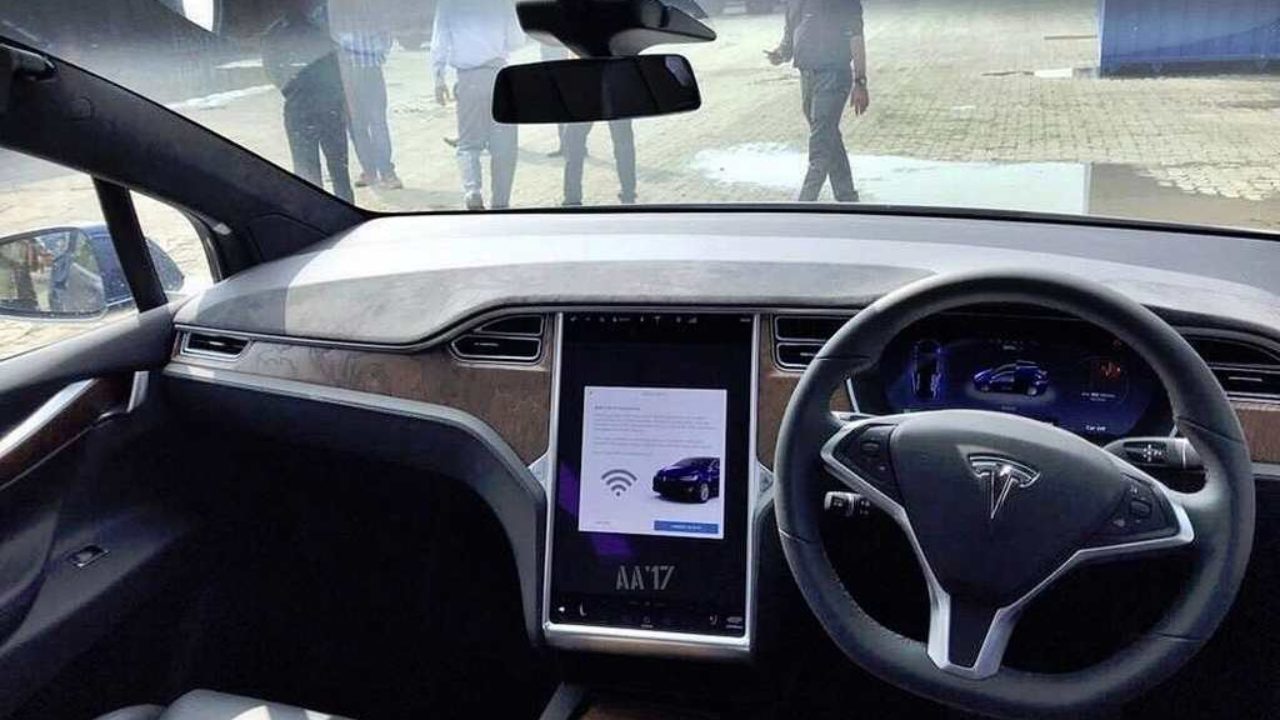
    The command centre of the system is a vertically-mounted 10.4-inch ultra large Full-HD infotainment display that comes with pre-loaded entertainment content and allows you to manage complete vehicle settings. MG says that the display screen can withstand the high temperatures of Indian weather conditions. For full-time connectivity, the system also comes with a first machine to machine embedded sim, along with the SUV Internet Protocol version 6 makes it 5G-ready, making it future-proof. The system offers features like – Real-Time Navigation, Remote Location, Geo-Fencing, Emergency Response and much more.

    Furthermore, with smart connectivity, the MG Hector will also be getting software updates via over-the-air (OTA) downloads, like firmware and features updates much like any smartphone. Also, as mentioned earlier, the car will come with pre-loaded apps like – TomTom IQ Maps, Gaana Premium, and AccuWeather app among others. In fact, MG Motor India will be offering its customer free data too for the first few years. The system itself is well-secured by Microsoft, which will be the Cloud provider for MG Motor.

    One of the key features and most important features offered in the MG Hector is its voice command system. Powered by China’s conversational AI provider Nuance, the system is designed to use voice commands to access multiple in-car functions like close or opening sunroof, control climate control, navigations and more. In fact, the system can even understand the Indian accent to make it suitable for the Indian market. Like Google Assistance, the Voice Assist system can be accessed by saying ‘Hello MG’ and is capable of handling over 100 functions. The Hector also comes with an eCall emergency response system that sends an emergency alert to MG’s customer management centre, called Pulse Hub and any registered phones, in the case of an accident. Also, in the event of the airbags being deployed, the system triggers a series of emergency response actions.

    The iSMART Next Gen is supported by the iSMART mobile App. MG iSMART App is feature-rich like none other in the Indian market. The car gets scanned each time the App is opened, and information includes location of car, tyre pressure, or if the doors are locked or not. Owner can use the remote app to directly lock or unlock doors, turn on ignition and switch on the air-conditioner.

    The all-new MG Hector is slated to be launched in second quarter of 2019. The SUV will come with premium interior and features like – with power adjustable seats, cruise control, electronic parking brake, and 360-degree camera. We also know that the SUV will come with a panoramic sunroof, which the company claims will be the largest in the segment. The SUV will come in both petrol and diesel powertrains – 1.5-litre petrol engine and a 2.0-litre diesel motor.

  • Hyundai Venue Subcompact SUV Launch Date Revealed

    Hyundai Venue Subcompact SUV Launch Date Revealed

    Hyundai has been teasing its new subcompact SUV – the Venue for quite some time now and we’ve even got details about the company testing the car around the country. While we already know, that the car will be revealed in India on April 17, 2019, coinciding with its public reveal at the 2019 New York Motor Show, we now have details on when the car will be launched in the country. Hyundai will launch the Venue subcompact SUV in India on May 21, 2019. The Venue will be the company’s first subcompact SUV in India and will rival the likes of the Maruti Suzuki Vitara Brezza, Tata Nexon, Ford EcoSport and even the Mahindra XUV300. While Hyundai’s entry into the subcompact SUV segment is delayed, the company is going to pack the Venue with a ton of features making it India’s first connected car.

    The Hyundai Venue will get the company’s ‘BlueLink’ connected technology and it will have 10 India-only features with a total of 33 connectivity features. Some of the features that BlueLink will offer in India are geo-fencing, speed alerts, SOS, panic notifications, destination sharing, and road-side assistance and so on. Hyundai said that it has tested its BlueLink technology rigorously in India, keeping the conditions in mind along with the needs of the customers. This also includes voice guidance and recognition in Indian-accented English which means that the software will be able to recognise spoken English from different regions in India. The Hyundai Venue will also have remote-control operated functions such as climate control, horn and headlamps on, vehicle status, engine start/stop and so on. The best thing is that Hyundai BlueLink can use your smartphone interface as a remote control.

    Hyundai BlueLink will also have a tamper-proof eSIM which will be provided by Vodafone Idea and a cloud based voice recognition platform from Global AI Company, which will offer real time traffic navigation and live local search as well. Features such as panic and medical assistance, geo-fencing and stolen vehicle notification will sit well with customers in India.

    The company has not yet revealed the engines that it will offer, but we have gotten a glimpse of what the front end of the car would look like. The leaked images revealed the upright stance of the Hyundai Venue, while the rear gets a massive ‘H’ badge in the centre with the ‘Venue’ moniker, and the very Polo-esque squared-off taillights along the lines of the Carlino concept. The tailgate also carries the ‘Turbo’ badge and ‘SX’, the latter denoting the range-topping variant.

    Under the hood, the new Hyundai Venue will be available with a 1.4-litre petrol and 1.4-litre diesel engine options. The turbo badge that was on the tailgate holds special importance, which nearly confirms the a 1.0-litre turbocharged petrol engine for the SUV, and will come paired with a 7-speed dual-clutch automatic transmission.

  • Infiniti Qs Inspiration Teased Ahead Of 2019 Shanghai Auto Show

    Infiniti Qs Inspiration Teased Ahead Of 2019 Shanghai Auto Show

    Infiniti will reveal a new sports sedan concept, based on an all-new flexible architecture developed specifically to accommodate electrified powertrains, at Auto Shanghai 2019. The concept offers a new perspective on the sports sedan and also previews a forthcoming electrified Infiniti production model. It’s called the Qs Inspiration concept and it draws inspiration from the company’s DNA.

    With the Qs Inspiration, Infiniti confirms a new form of design language from Infiniti which we will see on its future electric cars. The Qs is inspired by the art and modern architecture of Japan. Inside, the minimalist cabin combines striking artistry and craftsmanship, and it features two distinct zones – a clutter-free cockpit designed to engage the driver, and a relaxed passenger zone that make the most of the generous interior space.

    Christian Meunier, Chairman of Infiniti, comments, “Electrification creates a range of new possibilities for sedans, with new powertrains and vehicle architectures letting us imagine how this type of car could be reinvigorated and adapted to fit the changing needs and tastes of drivers.”

  • Logitech unveils affordable Smart Keyboard alternatives for Apple iPad PROs

    Logitech unveils affordable Smart Keyboard alternatives for Apple iPad PROs

    Logitech makes some of the best third-party accessories for iPhones and iPads, a few of which can even be purchased directly from Apple at very competitive prices. Just think of the $69.95 Logitech Crayon, which substantially undercuts the $99 and up Apple Pencil. Or the $69.95 Logitech Powered wireless charging stand, or $130 and up Logitech Slim Combos with detachable keyboards for previous-generation iPad Pros

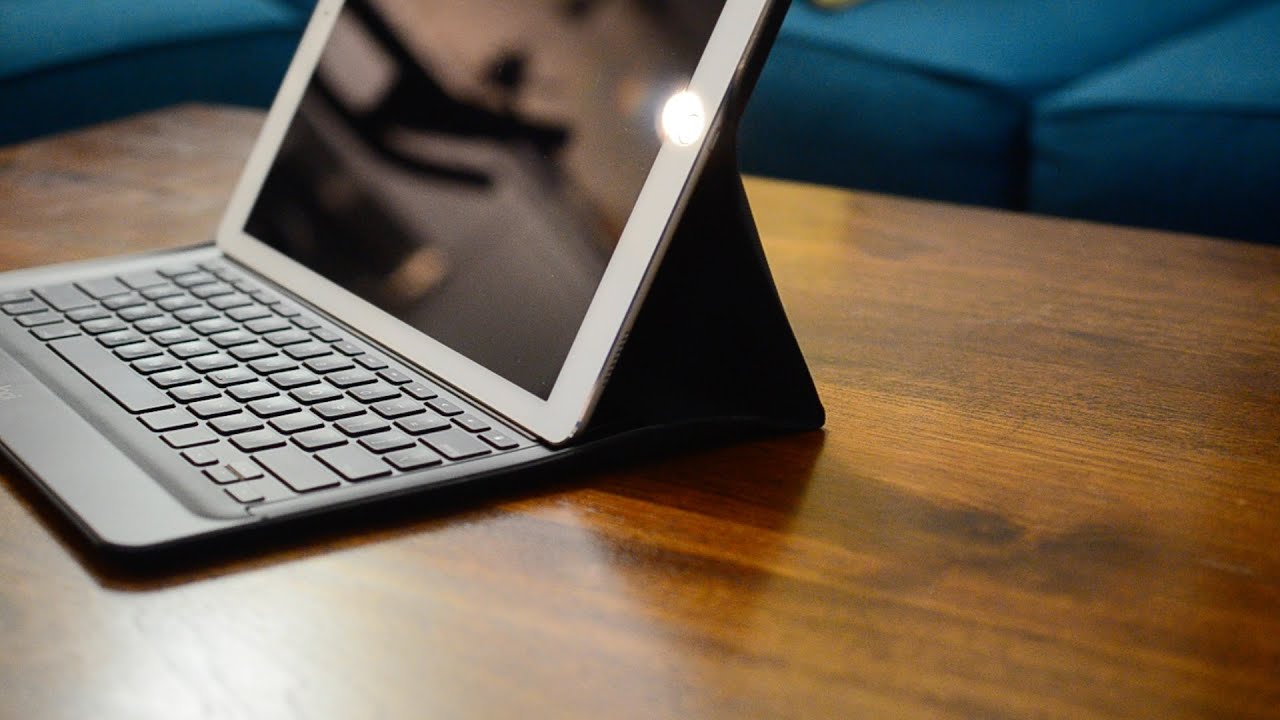
    Oddly enough, Logitech still doesn’t sell any keyboard accessories tailor-made for Apple’s newest iPad Pro models, but that’s finally set to change later this month. The Slim Folio Pro looks and sounds extremely similar to the first-party Smart Keyboard Folio, starting however at only $119.99. That’s a whopping 60 bucks cheaper than Apple’s own 11-inch option, while the Logitech Slim Folio Pro for 2018’s 12.9-inch iPad Pro will cost $129.99, compared to the $199 price tag of its Apple-made counterpart.

    Impressively enough, it doesn’t seem like Logitech has had to cut many corners or make any big compromises to go this low in terms of retail prices, as the Slim Folio Pro ticks all the essential boxes of a robust “all-in-one case”… and then some. You get both front and back protection against scuffs, scratches, and spills for your new 11 or 12.9-inch iPad Pro, an “edge-to-edge” backlit keyboard design aimed at stellar productivity, and even a special magnetic latch to safely store your Apple Pencil when not in use.

    Without a doubt, the best thing about this overall top-notch Smart Keyboard alternative is its battery life, rated at “up to three months” on a single charge. The Slim Folio Pro is also pretty versatile, enabling comfortable typing, sketching, and reading experiences by propping up your iPad Pro, sliding underneath it, or effortlessly folding back.

    The only possible drawback is the use of Bluetooth technology to wirelessly connect to Apple’s latest powerhouses rather than leveraging their magnetic Smart Connectors. But Bluetooth keyboards can be reliable too, so if you want to save a few bucks, you should definitely consider the Logitech Slim Folio Pro… when it actually goes on sale.

  • Bolloré Logistics’ Osaka Office Certified CEIV Pharma by IATA at Kansai Int’l Airport

    Bolloré Logistics’ Osaka Office Certified CEIV Pharma by IATA at Kansai Int’l Airport

    On March 31st, 2019, Bolloré Logistics Japan was successfully certified by the International Air Transport Association (IATA) as Center of Excellence for Independent Validators in Pharmaceutical Logistics (CEIV Pharma) at its platform located in the Kansai International Airport (KIX), in Osaka. The certification is a globally recognized and standardized certification for healthcare airfreight shipments. Bolloré Logistics Japan began the certification process according to the IATA CEIV Pharma standards in the second quarter of 2017. The CEIV Pharma certification will allow Bolloré Logistics Japan to have a strategic advantage in the healthcare logistics market with a stronger, more competitive and enhanced air cargo service.

    “Earning the CEIV Pharma certification demonstrates our ability to successfully build and deploy a team of experts who are fully capable to offer end-to-end logistics solution for the pharmaceutical related temperature sensitive products through the Kansai International Airport (KIX). In the near future, we are also keen to acquire the same certification in Haneda Airport (Tokyo) in order for us to expand the expertise nationwide,” said Goro UMEZAWA, Sales Manager at Bolloré Logistics Japan.

    This new success shows our commitment to achieve the highest international quality standard in the global pharmaceutical supply chain for its customers, by continually improving our processes and infrastructures to be compliant with IATA CEIV Pharma standards. With Australia, Singapore, South Korea, China and now Japan certified, the aim of Bolloré Logistics is to deploy this action throughout its global network with on-going certifications on other sites in the Asia-Pacific region
    such as China Hong Kong.

    In Europe, Bolloré Logistics has already received the IATA CEIV Pharma certification for its Paris Roissy CDG platform (France) as well as its sites in Brussels (Belgium), Frankfurt (Germany) and Lisbon (Portugal). The International Air Transport Association (IATA) created Center of Excellence for Independent Validators in Pharmaceutical Logistics (CEIV Pharma) in 2014. It aims to set the industrial standard for air cargo supply chain in pharmaceutical handling excellence. It addresses industry’s need for more safety, security, compliance and efficiency, by the creation of a globally consistent and recognized pharmaceutical product handling certification. CEIV Pharma encompasses, or even supersedes, many of the existing pharmaceutical standards and guidelines, such as IATA Temperature Control Regulations (TCR), European Union Good Distribution Practices (EU GDP), World Health Organization Annex 5, United States Pharmacopeia Standards.

  • Swatch wins trademark lawsuit against Apple

    Swatch wins trademark lawsuit against Apple

    Swatch is no stranger to legal battles with giants like Apple and Samsung, and to some success, we might add. The Swiss company filed a lawsuit against Samsung two months ago, because the South Korean company copied Swatch’s trademark on its smartwatch faces. However, Swatch was sued by Apple two years ago for a similar reason. The Cupertino-based company claimed in the lawsuit that Swatch’s logo – “Tick different,” which is etched on some of its smartwatches, strongly resemble its famous “Think different” slogan.

    Unfortunately for Apple, a Swiss court has just ruled in Swatch’s favor over the use of its “Tick different” logo. Apparently, the court doesn’t think that Swatch’s slogan infringes on Apple’s own logo, but even if they are very similar, the Swiss company claims the “Think Different” advertising campaign wasn’t too popular in Switzerland to warrant protection.

    The Federal Administrative Court has agreed with Swatch and said that Apple hasn’t given the court enough documents that would back up its case. Of course, Swatch wouldn’t stand a chance in the United States where the “Think Different” advertising campaign remains one the most famous in the company’s history.

  • Spotify and Apple Music were very important to the music industry Last Year

    Spotify and Apple Music were very important to the music industry Last Year

    It’s okay to dance now that the 2019 IFPI Global Music Report is out. The report from The International Federation of the Phonographic Industry shows that a 32.9% increase in paid streaming revenues helped drive a similar increase in total streaming revenue last year. Streaming now accounts for 46.9% of the music industry. Overall, the global music market increased its top line by 9.7% last year to $19.1 billion and revenue from streaming music came to $8.9 billion, up from $6.7 billion in 2017. Streaming was obviously very important to the music industry during 2018. That is especially true since last year music downloads and physical music sales declined 21.2% and 10.1%, respectively.

    As 2018 came to an end, there were 255 million people around the world paying monthly for streaming music. The leading provider globally was Spotify, with 87 million paying subscribers. Apple Music came in second. In the U.S., growth in streaming music revenue came to 33.4% last year, while sales of physical music (records, CDs) declined 22.1%. In the states, the fastest growth came from the paid streaming segment.

    “Streaming revenues, particularly from paid subscriptions, continued to grow in 2018, with all regions posting growth in this area. Overall, growth trends were more diverse across different markets.”-IFPI

    The top two music streamers in the world, Spotify and Apple, are at odds over the 30% that Apple charges Spotify subscribers who pay monthly through the App Store. As we told you last month, Spotify has filed a complaint with the European Commission over this so-called “Apple Tax.” This is why individual Spotify subscriptions cost $12.99 on the App Store as opposed to the usual $9.99 price. With Apple Music available from the iOS app storefront for only $9.99 a month, Spotify claims Apple is giving its own music streaming app a major advantage.

  • OneDrive for iOS update brings deeper functionality

    OneDrive for iOS update brings deeper functionality

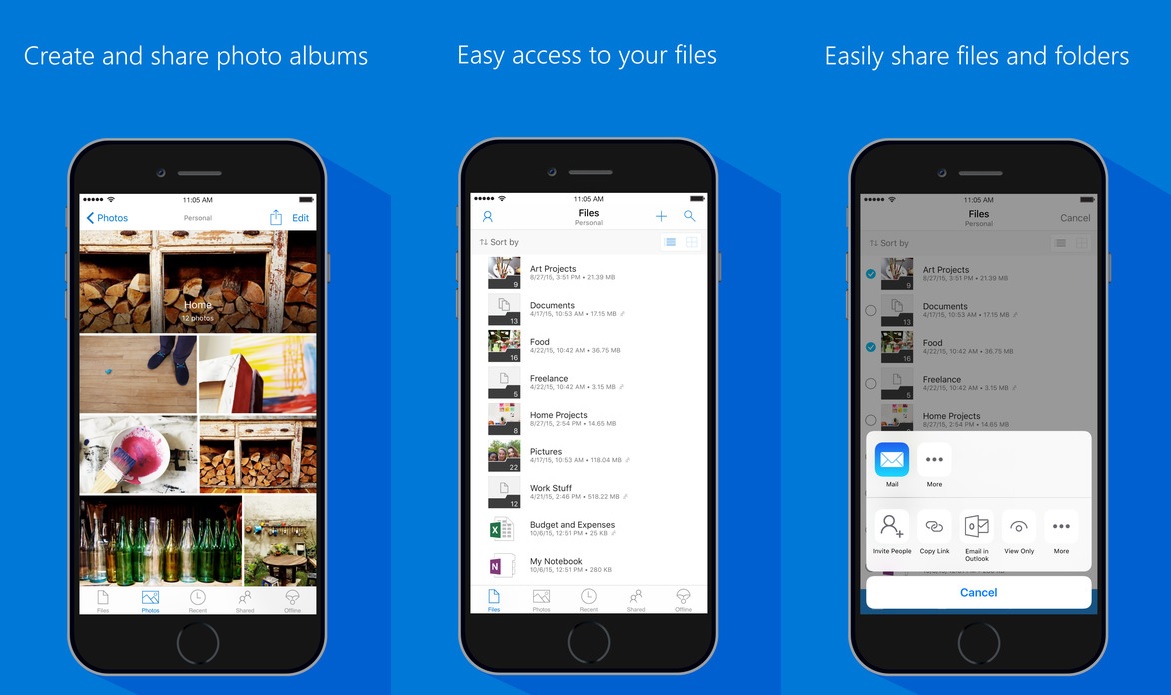
    In between bug squashing and adding new features, OneDrive benefits from a steady flow of updates meant to enhance user experience. The latest update brings support for specific features aimed at iPhone users like Siri Shortcuts. You can turn on shortcuts by heading to Settings / Siri & Search, which will allow you to use your voice for various tasks.

    For example, you can say “Hey Siri, scan a business card” and the app should do it for you. Of course, you can scan anything from a document or photo to a whiteboard if the need arises. But Siri Shortcuts is not the only new addition to this OneDrive build.

    The official changelog mentions that the VoiceOver experience in the Shared paged has been fine-tuned, which means it should now behave a little more human and more accessible. Also, a minor issue in the iMessage where the app’s icons were showing up pixelated has been addressed.

    The final change introduced in the update targets business users, but something rather minor. The name of the Sites view has been changed to Libraries, but that’s about all there is, the feature should work the same.

  • Google’s mobile payment service expands to more banks

    Google’s mobile payment service expands to more banks

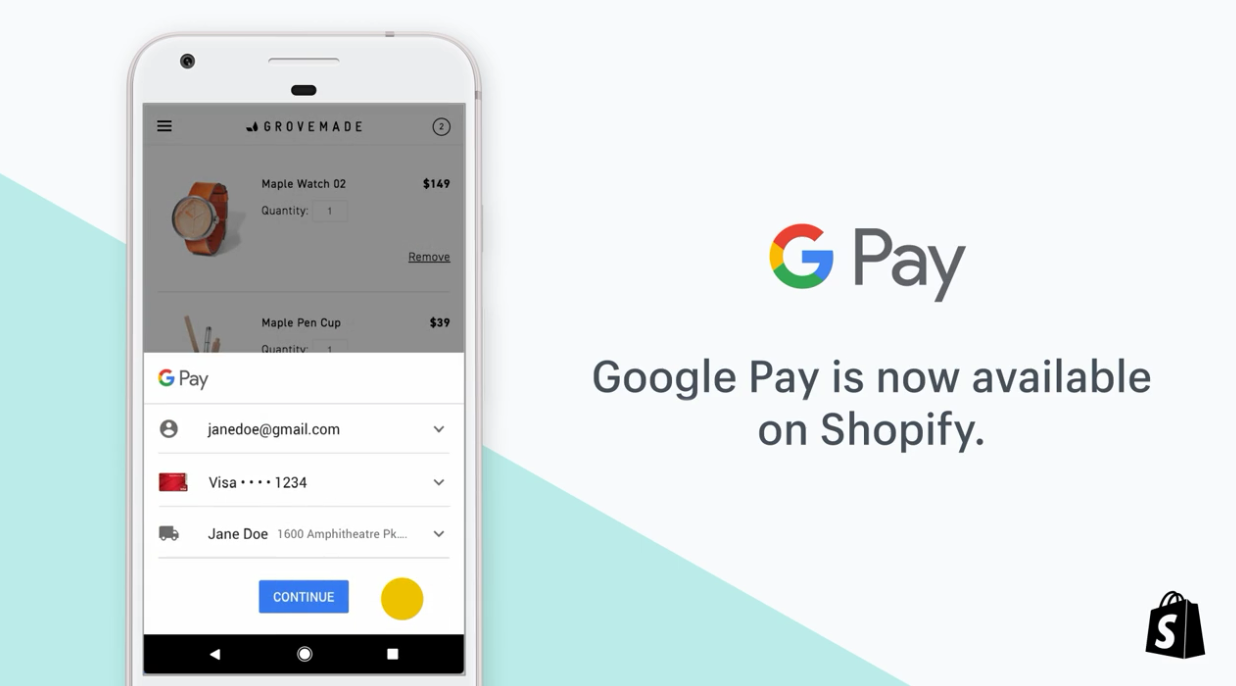
    If you’re anxious to use Google Pay, but can’t because your bank doesn’t yet support the mobile payment service, you’ll be happy to know that Google is working hard to bring the product to as many consumers as possible. At least in the United States.

    We’re back with the monthly list of banks and credit unions that are about to receive Google Pay support, and this time there are only 15 of them. If your bank is among them, but you still can’t use the service, then give a few days. Without further ado, here is the full list of banks and financial institutions that should now offer Google Pay support.

    American State Bank & Trust Company, Commercial Bank, Community First Bank of Indiana, First National Bank of Paragould, Generations Bank (AR), Generations Bank (NY), Greensboro Municipal Federal Credit Union, Harvard State Bank, Heartland State Bank, Minnesota National Bank, People’s Bank of Commerce, PrimeWay Federal Credit Union, Spring Bank, Tampa State Bank, Walden Savings Bank, and Zellco Federal Credit Union.

    To find out if your bank or card works for in-store purchases with Google Pay on your phone, you should check out the full list from the service’s support site.

  • 4 Reasons Why Crypto Transactions Could Dominate the Payment Markets in the Future

    4 Reasons Why Crypto Transactions Could Dominate the Payment Markets in the Future

    Over time, the position of the payment markets in the global economy has been invariably shaped and defined by the traditional payment systems. However, as with all technologies, it is not without its pitfalls.
    While these payment systems are equipped to handle the level of transactions well enough, they still have several faults. Thus, in the bid to survive the rapid pace at which revolution is taking place globally, the payments market had to accept the innovative power wielded by cryptocurrencies.

    As a result, these traditional payment systems have to compete with cryptocurrencies for dominance. However, given the pace at which crypto adoption is going, experts believe that crypto transactions could dominate the payments market at some point in the future.
    Let’s see why.

    Crypto Transactions have Blockchain Technology as their Backbone

    With blockchain technology being the primary backbone of crypto transactions, the payments market get to experience innovations in various ways. One such way is decentralization. No one wants to wake up to find their accounts frozen for something they are not aware of. Centralized services do this to people — with central authorities in control, there is limited freedom for flexibility in transactions. PayPal, for instance, imposes daily transaction limits on users and sometimes suffers from delayed services due to many glitches.

    Blockchain technology, on the other hand, is glitch-free. Furthermore, there are no limits as users get to transfer as much money as they want to anyone they want. This, of course, is a recipe for a high influx of people into the payments market.

    Let’s Talk About Scalability

    No one wants to wait for several hours or days before getting their transactions confirmed. A slow system can be really frustrating. This is where crypto transactions stand out. Created as an electronic cash system, they are better equipped to deal with the high demand for services.

    Cyber Security

    The evolution of technology means that keeping one’s transactions and accounts protected from prying eyes is quite difficult. This is particularly true of traditional online transactions.
    With the immutable force of tamper-proof ledger system offered by blockchain, crypto transactions are safe from these threats. Blockchain technology works in such a way that transactions and data can only be added to it but cannot be altered afterward.
    Thus, with crypto transactions, chances of intercepting transfers or installing malicious software are curtailed. This is particularly the case with crypto transactions performed through cold wallets and decentralized exchanges.

    The Future is Going Cashless

    The world is increasingly adopting digital economy which means that soon fiat currencies could be ditched and replaced with different forms of electronic cash systems. The fact that cryptocurrencies were introduced to the world as digital money means they could one day be the way to go. Even though the possibility of crypto transactions being used with different businesses is limited at the moment, the future appears to be bright. In fact, cryptocurrencies like Ripple and Stellar are gradually making the cut in larger circles.
    IBM, for example, recently announced that it was adopting Stellar as its native currency. This is definitely a move in the right direction for all cryptocurrencies.

    Learn more about crypto transactions and related subjects by checking out the infographic originally published at Bitcoinfy.net.

  • Chanel Opens Flagship Store in Seoul

    Chanel Opens Flagship Store in Seoul

    A new Chanel South Korea flagship has opened in Seoul.

    The Cheongdam-dong boutique opening provided the opportunity for the brand to unveil its latest ready-to-wear collection alongside its capsule accessories collaboration with musician Pharrell Williams, who performed at the event.

    The capsule collection is a bright combination of pop music and street-art motifs, and is currently selling at the new Seoul store, pending global release on April 4.

  • AirAsia prepares to fly to Japan starting in July

    AirAsia prepares to fly to Japan starting in July

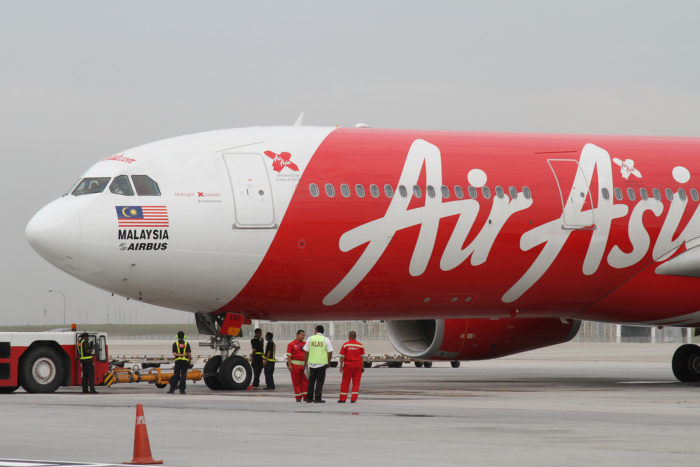
    Budget carrier AirAsia Philippines is launching its first flights to Japan on July 1 this year. The carrier, a unit of Malaysia’s AirAsia Berhad, said in a statement over the weekend that it would link its Manila hub to Osaka, paving the way for direct flights to Japan.

    “The launch of direct flights between the Philippines and Japan is a milestone occasion, and we’re excited to connect our capital, Manila, with Osaka,” said AirAsia Philippines President and CEO Dexter Comendador.

    “We are also excited to welcome guests from Osaka and its neighboring regions to the Philippines. This international route will contribute to the government’s target of 8.2 million visitors this year,” he added.

    Similar to the launch of other new routes, the budget airline said it would offer promotional fares at P1,990 for a one way ticket.

    For the whole of 2018, AirAsia Philippines carried 6.87 million passengers, a gain of 30 percent.

    Capacity for the year also rose 34 percent as it increased its fleet of Airbus A320s to 22 planes in 2018 versus 17 aircraft the previous year.

    AirAsia Philippines was established in 2012 with a fleet of two A320s operating out of Clark International Airport.

    Since then, it has opened new hubs, including Manila’s Ninoy Aquino International Airport and Mactan Cebu International Airport.

    At present, it flies to 13 international destinations from Manila in the Philippines, including Kuala Lumpur, Kota Kinabalu, Bangkok, Bali, Seoul, Taipei, Kaohsiung, Shanghai, Guangzhou, Shenzhen, Hong Kong, Macau and Ho Chi Minh City.


  • Fritz Hansen Opens First Store in China

    Fritz Hansen Opens First Store in China

    Furniture firm Fritz Hansen has launched a Jaime Hayon-designed showroom in the Chinese city of Xi’an.

    The new 1000sqm gallery, represents a stage in the brand’s ambition to become the largest Danish brand in China, is Fritz Hansen’s first store in China and its largest in the world.

    “You always need to find a way to be new, never done before – you need to create an experience,” said Fritz Hansen’s Asia CEO Dario Reicherl in an interview with Dezeen. “Through a series of steps, I believe we can be the biggest Danish brand in China in a couple of years.”

    The gallery/store is designed to resemble a temple with high ceilings, warm-hued walls and vaulted walkways created by the Spanish designer. Furniture on display is arranged in living room-style set-ups. Fourteen more intimate show spaces are accessible by a grand staircase.

    “Like in a labyrinth, you start to discover the little areas and each one has the furniture of Fritz Hansen,” said designer Jaime Hayon, “from the historical ones to the new ones I have designed, and pieces from other designers. The lighting and everything has been composed together with some art, carpeting, plants and small objects. So in this way we can inspire the client.”

    “China is the second biggest luxury market in the world, soon overtaking the US,” according to the brand’s executive VP of sales and marketing Lars Hardboe Galsgaard. “It will definitely be the biggest market and economy in the world in terms of private consumption and commercial consumption within a few years. So if you look at that marketplace, we needed to move here. We need to be part of that and we need to be part of defining design, furniture and lifestyle in China.”

  • Minimum wage increase Kicked off in April

    Minimum wage increase Kicked off in April

    The minimum wage increase announced by the government last December is set to kick in on April 1. Starting Monday, the adult minimum wage will rise from the current rate of $16.50 per hour to $17.70 per hour.

    This means that businesses that have adult employees earning less than $17.70 an hour are legally required to increase their wage rates.

    Businesses will need to advise the employee of this and record the change in writing, such as by drafting a ‘Variation Letter’ for the employee to sign.

    The industry association advises employers should keep a copy for their records in case of an audit by the Labour Inspectors.

    The minimum rates apply to all employees whether they work full-time, part-time or casually and whether they are paid a wage for time worked, a salary, partly or wholly on a commission basis, or for what they produce (piece rates).

    The minimum adult rate applies to any employee aged 16 years and over unless they are eligible for the ‘starting-out’ wage or the ‘training’ wage.

    There is no legal minimum rate for employees aged 15 years or younger.

    If a business has salaried employees, it will need to make sure the employees’total remuneration meets minimum wage requirements for each individual pay period, taking into account any overtime, meetings, or time spent opening and closing stores.

    While the new minimum wage will likely put pressure on other business costs, the association said there are a number of ways to combat this, and to incentivise employees other than simple pay increases.

  • Subway strikes delivery deal with Uber Eats In New Zealand

    Subway strikes delivery deal with Uber Eats In New Zealand

    Subway has struck a deal with Uber Eats to offer delivery from more than 100 restaurants in select New Zealand cities. Chris Churchmichael, country director for Subway New Zealand, said the agreement would allow Subway restaurants to tap into the rapidly growing delivery market in New Zealand, at breakfast, lunch, dinner and anytime in between.

    “We know Kiwis want freshly-made and nutritious delivery choices, however, having their favorite Subway foot long meal delivered hasn’t been an option until now,” Churchmichael said.

    Church Michael said all the Subway favorites like meatball and pork riblet will be available for delivery along with fresh new choices like spicy buffalo chicken with blue cheese dressing and smashed falafel with tsatziki.

    “Searches for ‘nutritious’ options in the app are increasing and Subway is the perfect partner to help us respond to this demand and provide a greater selection of delicious meals to eaters whether they are at work, home or even the park,” said Andy Bowie, Uber Eats country manager for New Zealand.

    Subway recently unveiled a brand refresh to modernize its offerings and a new website that highlights key supplier stories and educates customers about the chain’s fresh ingredients.

    According to Subway, its new “Real Fresh” website aims to give guests a look behind the scenes at some local growers and suppliers who support the business from all over New Zealand.

    Ben Miles, senior manager for brand marketing at Subway, said the sandwich chain is a strong supporter of Kiwi produce. Some of their supply partners include local business Yarrows, which has supplied Subway New Zealand with their dough for more than 20 years and NZ brand Tegel, which has partnered with Subway since the brand opened its first restaurant in the country in 1995 and now supplies restaurants with a range of chicken and turkey products.

    “We estimate we’re one of the largest national purchasers of fresh produce in New Zealand and we’re committed to supporting farmers, growers and producers around the nation,” Miles said.

    “We wanted to shine a light on the incredible work they do, bringing the fresh factor to our restaurants multiple times a week.”

    Miles said many of the company’s customers are unaware that their fresh vegetables are sliced and prepared in-restaurant before serving, so this information is also shared on the site.

    “We also know it’s important to our guests that each ingredient in their sub is of the highest quality – for both freshness and taste,” he said. “We’ve been making considerable changes to our menu and we’re committed to ensuring as many of our ingredients as possible are locally sourced.”

    The Real Fresh website was recently awarded a Gold Ava Digital Award, an international competition reorganizing excellence in website design and creative.