Blog

  • Drop in Hong Kong retail sales

    Drop in Hong Kong retail sales

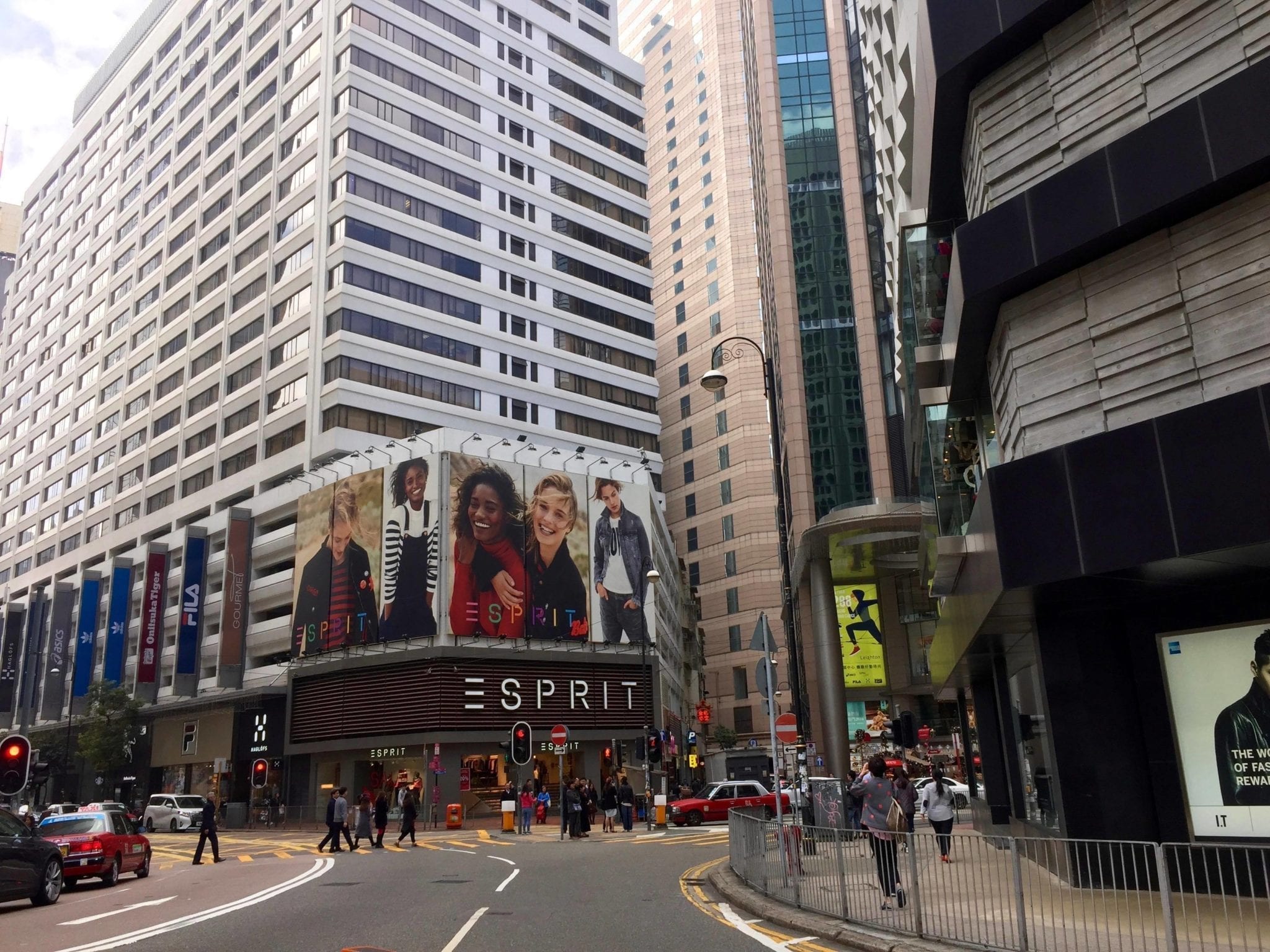
    Hong Kong retail sales fell 1.6 per cent in the first two months of this year.

    February’s sales were always expected to be down on last year due to the timing of Lunar New Year. They fell 10.1 per cent, while the revised figure for January was an increase of 7 per cent.

    As always, the Census and Statistics Department (C&SD) warned not to read too much into either month’s performance alone, asserting the combined January-February figures for each year provide a more accurate assessment of the state of retail sales growth.

    A government spokesman said the weak performance of retail sales in recent months reflected that consumer sentiment remained cautious amid “various external uncertainties”.

    “The near-term outlook for retail sales should continue to be affected by moderating global economic growth and various external uncertainties, but the full-employment situation and the sustained growth in inbound tourism should provide some support.”

    After netting out the effect of price changes over the same period, Hong Kong retail sales for the first two months of the year decreased by 1.8 per cent year on year.

    Combining the two months, sales of jewellery, watches and clocks decreased by 2.8 per cent. Other categories to fall included apparel down 3.7 per cent; food, alcoholic drinks and tobacco down 1 per cent; electrical goods and other consumer durable goods down 18.3 per cent; Chinese drugs and herbs down 1.7 per cent; and optical shops, down 2 per cent.

    However sales of medicines and cosmetics increased by 2.3 per cent; department store sales rose 4.2 per cent; supermarket sales by 1.5 per cent; footwear and accessories by 1.3 per cent; furniture and fixtures by 3.4 per cent; and books, newspapers, stationery and gifts by 1.7 per cent.

    The C&SD estimated the value of retail sales decreased by 0.6 per cent during the three months to February compared with the preceding three months, while the volume declined by 1.2 per cent.


  • Mexican investor Bought three quarters of Restaurant Brands

    Mexican investor Bought three quarters of Restaurant Brands

    Restaurant Brands has announced Mexican investor Finaccess Capital SA de CV now has a controlling stake in the company after acquiring three quarters of the company’s shares.

    The deal closed on March 26 following Finaccess’ offer through its subsidiary, Global Valar SL, for up to 75 per cent of Restaurant Brands New Zealand shares at NZ$9.45 cash per share.

    Finaccess informed Restaurant Brands, the New Zealand franchise operator of Pizza Hut, KFC and Carl’s Jr, on Tuesday that it has paid shareholders for shares taken up under the partial takeover.

    The Mexico-based company, which also has a stake in AmRest, which operates KFC and Pizza Hut among other brands across Europe and China, said in its offer letter last year that it chose not to make a full takeover bid because there were benefits to Restaurant Brands remaining on the NZX and ASX.

    “By remaining a public company, Restaurant Brands will have access to capital to fund future growth while also providing existing shareholders an opportunity to continue participating in the business over the long term,” Finaccess said at the time.

    Restaurant Brands today also announced the appointment of Jose Pares Gutierrez and Emilio Fullaondo Botella as directors, and resignation of Stephen Copulos, Vicky Taylor and David Beguely as directors.

    As required by the NZX Listing Rules, Gutierrez and Botella will each stand for re-election at Restaurant Brands’ next annual meeting of shareholders.

    Ted van Arkel and Hamish Stevens will each remain on the board as independent directors, and Van Arkel will continue as chairman, until Restaurant Brands’ next annual meeting of shareholders on July 10. Both have announced their intention to retire as directors at the conclusion of that meeting.

    Gutierrez, the CEO of Global Valar SL and its parent, Finaccess Capital, is also the chairman of the board and a proprietary director of AmRest Holdings SE, the director of the board of Crown Imports, Chicago, Il, vice chairman of the board of MMI, Toronto, Canada, director of the Board of DIFA, Mexico, and former member of the Beer Chamber of Mexico.

    Botella, a senior executive with over 23 years of experience in the beer industry, has previously worked in a number of finance roles for Grupo Modelo, including four years as chief financial officer.

    Following the acquisition of Grupo Modelo by AB InBev in 2013, Gutierrez oversaw significant cultural and organisational changes at AB InBev (Mexico) as vice president, human resources (to 2017) and vice president, Projects until his resignation in January 2019.

  • China, Hong Kong, Kowloon Team Heads Change at UBS

    China, Hong Kong, Kowloon Team Heads Change at UBS

    Following a realignment of its senior regional management last week, Swiss bank UBS has now rejigged its middle management, or country team heads as they are referred to at the bank.

    Kenny Wai, country team head for Kowloon, has resigned from the bank after seven years with UBS having previously been a desk head for both the Hong Kong and China International markets. In May 2018, Wai was made country team head for Hong Kong when Adeline Chien was promoted to a larger role as head of Hong Kong. Prior to UBS, Wai worked variously in compliance and as a client advisor, most recently at Merrill Lynch.

    His responsibilities will be taken up by Wai Man Chiu who joined UBS last year from Hang Seng Bank where she led a team of 30 colleagues. When she assumed the role of country team head at UBS, several members of her team from Hang Seng followed her to the Swiss bank. Most notable amongst them were desk head Jonathon Yeung and client advisors Aubrey Cheung, Connie Chan, and Raymond Yung.

    According to an internal memo seen from Marina Lui, the newly appointed head of wealth management China, she confirms the resignation of Wu Ya Ju, country team head of China International. Wu had been with UBS since 1996, starting as a client advisor with the bank. She is believed to be retiring from the industry. Also retiring is Philip Mak, country team head Hong Kong Domestic.

  • Indian online grocer BigBasket raises Millions for next Phase

    Indian online grocer BigBasket raises Millions for next Phase

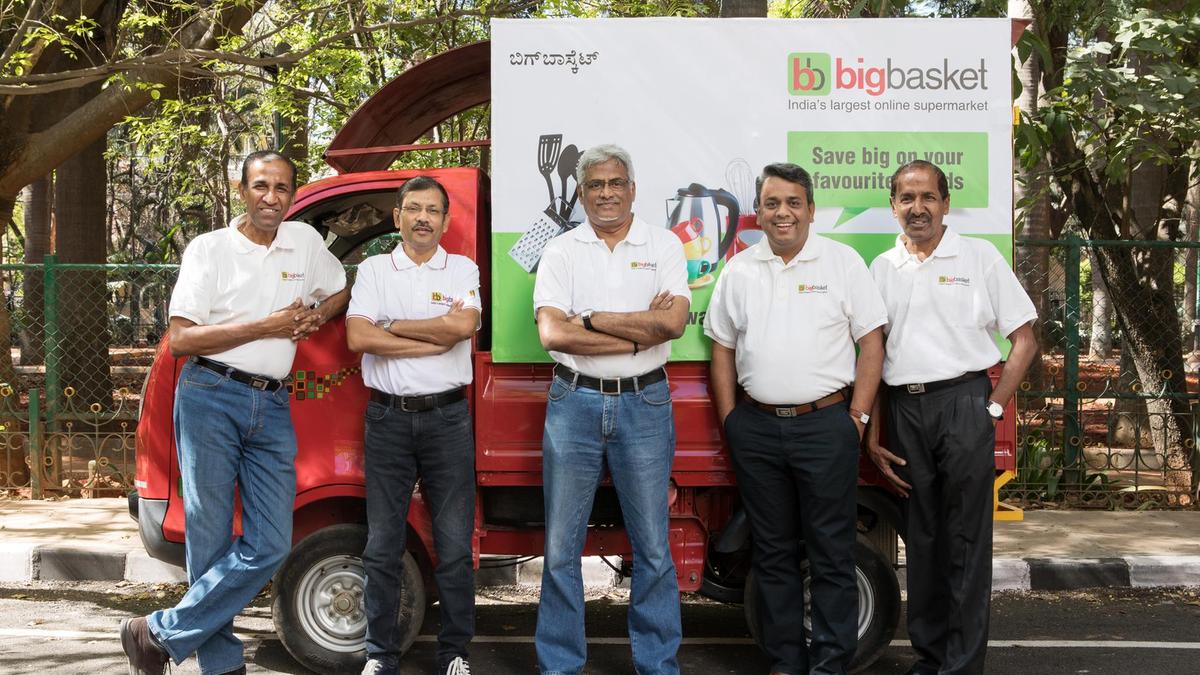
    Indian online grocery platform BigBasket has raised investment capital of about US$150 million.

    The investors include South Korean Mirae Asset Management (at about $60 million), the UK’s CDC Group (at $40 million), and existing investor Alibaba (about $50 million). The investment figures were shown in documents submitted to the Ministry of Corporate Affairs.

    BigBasket received $300 million in February last year from Alibaba and other investors and has been discussing seeking further funding since last November. The firm aims to generate revenues of the equivalent of $2.5 billion by next year.

    The online-grocery market is burgeoning in India, and accounts for a sizeable proportion of unorganised retail in the country.

  • KResearch revises downward its 2019 economic projection to 3.7 percent

    KResearch revises downward its 2019 economic projection to 3.7 percent

    KResearch held a panel discussion on “Measuring the Thai Economic Temperature after Election” on Tuesday April 2, 2019. According to KResearch poll conducted among members of the general public and the business sector before and after the election, it was found that the election has given a boost to confidence. Nevertheless, close attention should be paid to the formation of the new government which may influence the confidence.

    Ms. Nattaporn Triratanasirikul, KResearch Assistant Managing Director, holds the view that, “No matter how the government is formed, Thailand will be challenged by the global economic slowdown which will, in turn, affect its exports. The new government has to expedite the implementation of economic stimulus policies under the FY2019 budget, including the passing of the FY2020 budget bill. If the new government can be formed within June 2019 and the economic stimuli can be implemented as expected, household consumption will be boosted by 0.2-0.4 percent of GDP, and the Thai economy in 2H19 will be brighter than in 1H19.”

    However, KResearch has revised downward its growth forecast for the 2019 Thai economy to 3.7 percent, or within a band of 3.2-3.9 percent, from the 4.0 percent pace before. The new economic growth projection reflects an expected slowdown in Thai exports resulting from the economic downturn in Thailand’s key trade partners despite better-than-expected improvements seen in the US-China trade dispute. KResearch has also cut its export growth projection for 2019 to 3.2 percent from previously 4.5 percent, and its 2019 import growth forecast to 4.3 percent from 5.3 percent.

    For the outlook of domestic interest rates, Ms. Nattaporn expects the policy rate to be kept at the 1.75 percent throughout this year. High liquidity in local commercial banks and the banks’ approach to gradually approve loans currently should not intensify the competition in the commercial banks’ interest rates. As for the movement of Thai Baht, KResearch forecasts that the Thai Baht will weaken and move within the range of THB31.20-32.50 per dollar.  Factors deserve close attention are domestic issues, especially, political and economic situations.

  • VF Corp names Daughter Company Kontoor Brands

    VF Corp names Daughter Company Kontoor Brands

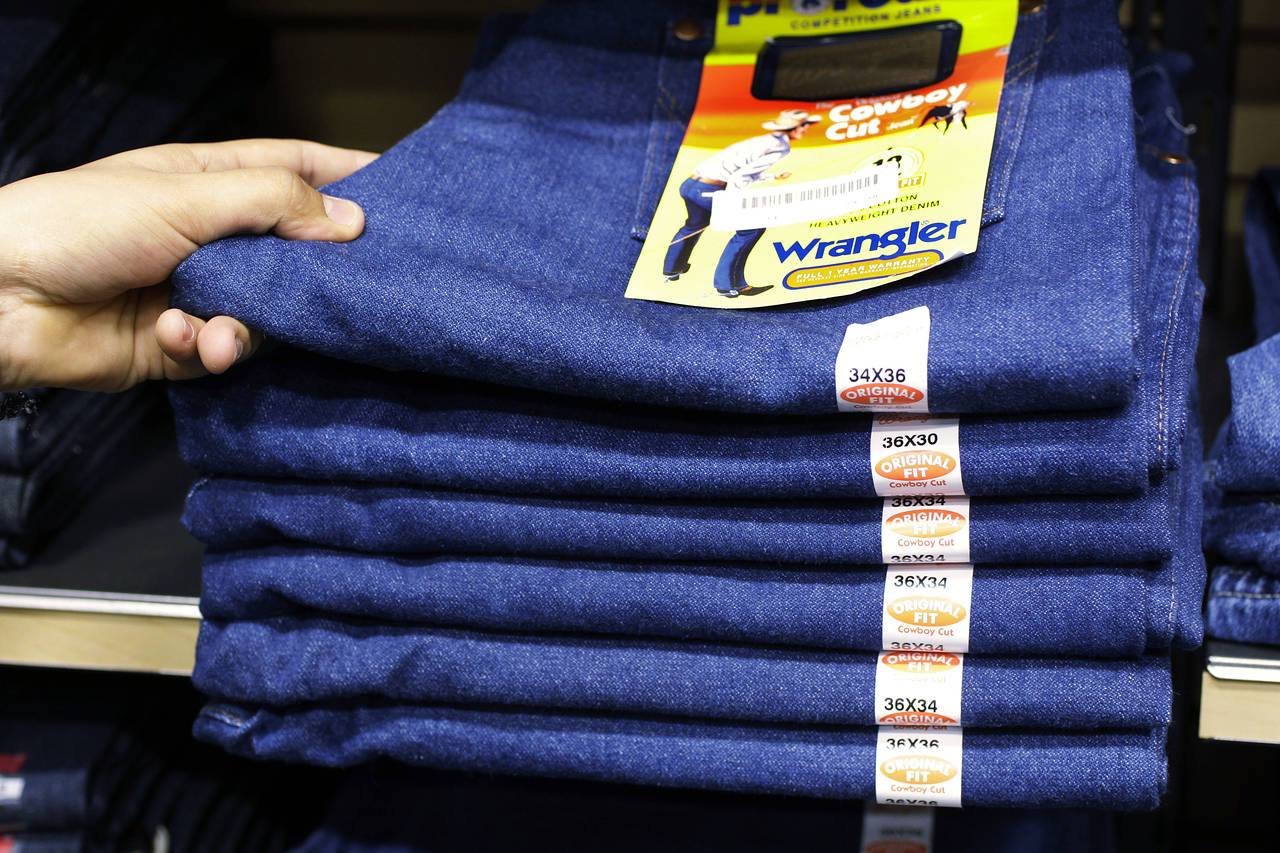
    Kontoor Brands – that’s the name chosen for the denim-led fashion business being spun off by VF Corporation next month.

    The US branded lifestyle apparel, footwear and accessories company released an update on the plan, announcing its has filed the necessary regulatory paperwork to start the process rolling.

    Kontoor Brands, to be publicly listed, will take over the Wrangler, Lee and Rock & Republic brands, along with VF’s outlet business.

    “Our teams across VF have made tremendous progress to prepare for the successful separation of Kontoor Brands from VF and this filing is a significant next step in this process,” said Steve Rendle, chairman, president and CEO of VF Corporation. “We are highly confident that the separation is the best path forward for both organisations to achieve even greater potential and enhance long-term shareholder value.”

    He said the split is on track to be completed next month, subject to final approval by VF’s board, customary regulatory approvals, and tax and legal considerations.

    “Today’s filing marks an important milestone in the process of establishing Kontoor Brands as an independent company,” said Scott Baxter, named CEO of Kontoor Brands. “As we prepare for life as a separate, publicly traded organisation, I am confident that Kontoor Brands is strongly positioned to thrive as a leader in the global apparel industry and deliver long-term value for all of our stakeholders.”

    VF’s decision to split the business in two was announced last August. Rendle said at the time that since 2017, the company had been reshaping of its brand portfolio to better position the company for long-term success. In that time, VF had bought Williamson-Dickie, and the Icebreaker and Altra brands, and sold Nautica and its Licensed Sports Group, including the Majestic brand. The brands that will remain in VF’s portfolio include Vans, The North Face, JanSport, Timberland, Smartwool and Eagle Creek.

  • Gome Retail’s loss soars tenfold After Restructuring

    Gome Retail’s loss soars tenfold After Restructuring

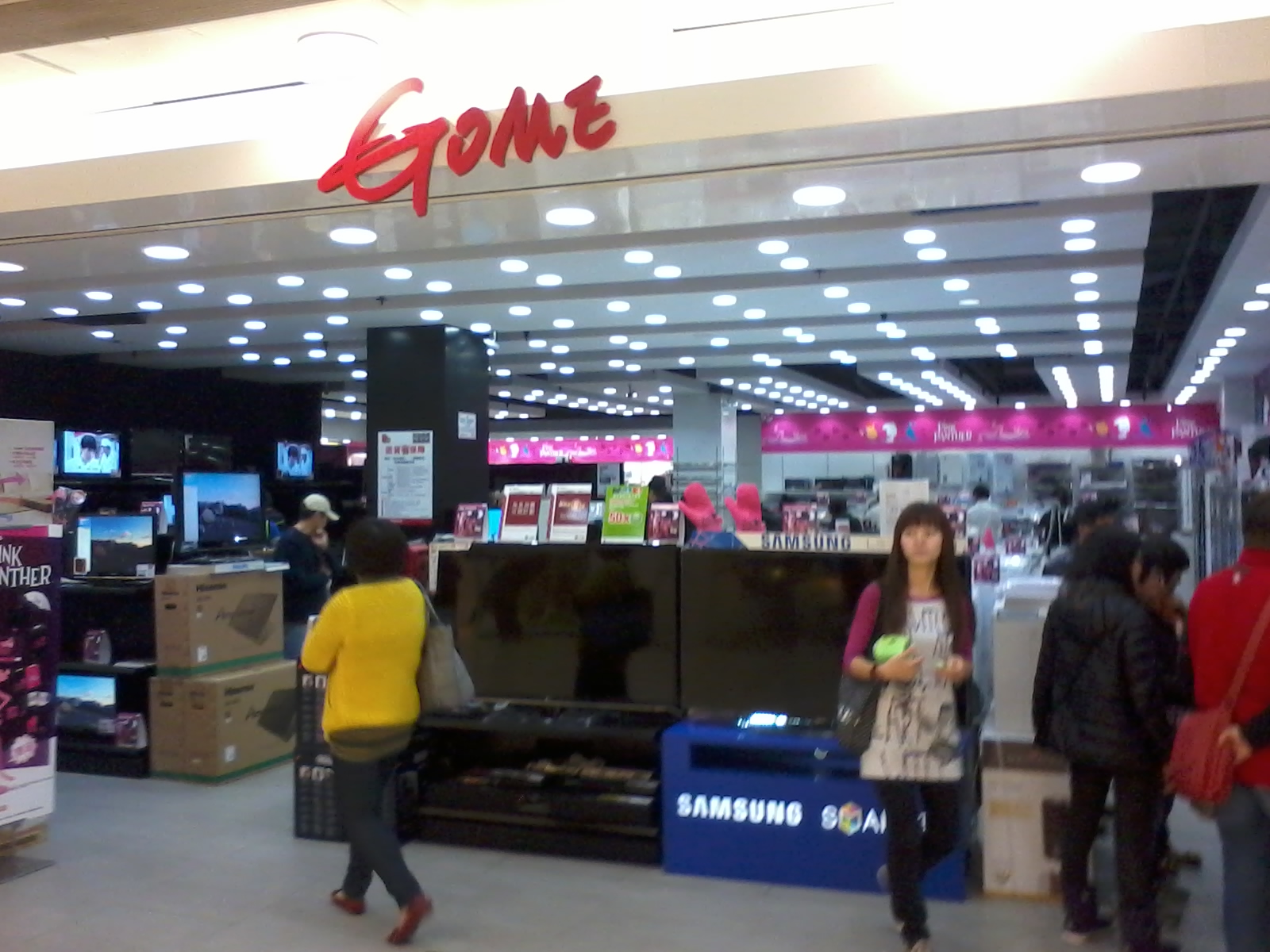
    Gome Retail’s loss tenfold last year to RMB4.887 billion (US$728 million), compared with RMB450 million in the previous year.

    The loss – projected early last month in a profit warning – was largely due to massive write downs as the once brick-and-mortar based retailer continued its transformation into a New-Retail-era business, with its focus moving online. On a day-to-day trading basis, the company has almost broken even.

    During the reporting period, GMV (gross merchandise volume) from its ME Shop increased by 368 per cent, while GMV from new businesses such as home solution and integration of kitchen cabinets with electrical appliances increased by 116 per cent and from smart products by 89 per cent. Services GMV rose by 51 per cent.

    “The booming new business indicates that the group’s strategic transformation is progressing well,” the company said in an earnings statement.

    Overall sales revenue fell 10 per cent to RMB64.356 billion, and consolidated gross profit margin of 16.8 per cent was down on the 18.26 per cent of 2017.

    “Looking forward, Gome will continue to focus on major large-scale integrated flagship store projects in the first- and second-tier cities in an effort to provide one-stop comprehensive household solution, from home appliance to decoration, construction and household services,” the Hong Kong-listed company said.

    The group expects to open 16 large-scale integrated flagship stores and 200 home-decoration materials and home furnishing shops this year.

    “Gome will step up the output of its supply-chain service in the third- to sixth-tier cities to achieve swift development of store coverage in county-level cities, with an emphasis on franchising. It is expected that 500 franchise “new retail stores” and 200 self-operating county-level stores will be opened this year.”

  • Gmail is getting scheduled send time and Smart Compose is now on more devices

    Gmail is getting scheduled send time and Smart Compose is now on more devices

    Amidst all the absurd products Google is “announcing” as part of its April Fools campaign, there is also legitimate news coming from the company. With a post on its blog, Google is making official its Smart Compose functionality available for all Android devices with Gmail (iOS support “coming soon”). The feature had already appeared with an update on some devices besides Pixel smartphones, but today marks its broader release.

    For those unfamiliar with Smart Compose, it helps you type in your emails faster by suggesting phrases with which you can autocomplete your sentences. Unsurprisingly, the feature is powered by Google’s AI and its suggestions are based not only on the context of the email but on your writing style as well. So if you’re commonly using certain phrases in your emails, it shouldn’t take long before Smart Compose starts offering them as soon as you type in the first word or two.

    Another, this time “brand new” feature coming to Gmail is scheduled email sending. Once it’s available to you, there will be an arrow next to the send button through which you can select “Schedule send” and choose a date and time when you want your email to be sent. We assume the implementation for the Gmail app will be similar.

    This is a very convenient feature that has many use cases: preparing emails for when you’re going to be out of the office, on a plane or on vacation. Of course, you’ll also have the option to cancel the email at any point before its departure date and time. Considering it’s not a very complex one, we’re surprised it took so long for Google to implement it.

    It matters not, however, as now your Gmail client is gaining new features to make your life easier. How long will it be before we can just say “OK, Google, reply to all my emails.” and not have to bother at all?

  • Over 1 million Xiaomi Mi 9 units have already shipped worldwide

    Over 1 million Xiaomi Mi 9 units have already shipped worldwide

    Just over one month after the Mi 9 flagship was first announced, Chinese smartphone brand Xiaomi has today revealed that it has already shipped over one million units of its latest premium device.

    The majority of these devices were undoubtedly supplied to consumers in China, where Xiaomi conducts roughly 60% of its business and where the smartphone was made available to purchase just days after its unveiling. Europe, however, is becoming increasingly important for Xiaomi – sales surged over 415% in the region last year – and likely played a big role in the phone’s short-term success.

    The Xiaomi Mi 9, which retails at just €449 across Europe, offers a variety of impressive features such as a large 6.4-inch AMOLED display manufactured by Samsung, Qualcomm’s Snapdragon 855, up to 128GB of storage, and as much as 8GB of RAM. The smartphone also includes a 3,300mAh battery, support for extremely fast 20W wireless charging, and Android 9 Pie straight out of the box.

    Alongside the Mi 9, Xiaomi also sells two other devices in the form of the cheaper Mi 9 SE and the more expensive Mi 9 Explorer Edition. The sales figures for these two models weren’t broken down, but Xiaomi did confirm that they push the total number of Mi 9 sales to 1.5 million units, an even bigger achievement for the low-cost brand.

  • Apple cuts the prices of its devices in China

    Apple cuts the prices of its devices in China

    Earlier this year, there were quite a few reasons why Apple decided to cut the wholesale price of the 2018 iPhone models in China. First, the strength of the U.S. Dollar against the Chinese Yuan forced Apple to price the ‘more affordable’ iPhone XR higher than the premium-priced Huawei Mate 20 Pro in China. When the dollar is stronger against the Yuan, it means that Apple gets fewer dollars back when it converts the Yuans it receives from sales of its products in China. At this point, Apple has a choice; it can keep pricing the same and suffer the consequences, or it can lower its prices in China and take a hit to its margins.

    In addition, a rise of Chinese nationalism hurt iPhone sales as consumers in the country protested the U.S.-China trade war and the U.S. government’s treatment of Huawei. There was the overall sluggishness in the smartphone market due to high prices, lack of innovation and high penetration rates for smartphones. Lower sales in China of iPhone models forced Apple to cut its revenue guidance for the fiscal first quarter, leading to a selloff in the company’s stock. At the time, Apple CEO Tim Cook said, “If you look at our results, our shortfall is over 100 percent from iPhone and it’s primarily in greater China.” As it turned out, Apple ended up shipping 20% fewer iPhone units to China during the three month period, and its overall revenue in the market declined by 28% or $5 billion.

    Caixin reports today that Apple has made another bold pricing move in China, this time slashing prices of certain devices in the company’s own online and physical stores by as much as 6%. The affected products include iPhones, iPads, AirPods and Macs. For example, in China’s version of the Apple Store, the 64GB iPhone XR is now priced at 6,199 Yuan (equivalent to $924 USD at current exchange rates), a 4.6% decline from the 6,499 Yuan that the phone was listed at just a few days ago. The price cut took 500 Yuan ($74.50 USD) off the prices of the iPhone XS and iPhone XS Max.

    This is why Apple cut its prices in China today

    However, unlike the previous price cut in China, this time the reason has nothing to do with the supply-demand balance. Starting today, new regulations dropped the value-added tax (VAT) for manufacturers in China to 13% from 16%. This gives Apple some leeway to lower the pricing of Apple devices in the country. Still, consumers in China often find better pricing for the company’s products online. Prices for the iPhone XS Max and iPhone XS declined by as much as 2,000 Yuan ($298 USD) last month on these sites due to tepid sales of the phones. E-commerce firms in China such as Tmall and JD.com have now cut their prices on the 2018 iPhone models twice this year.

    It wasn’t until 2009 that a Chinese wireless provider offered the Apple iPhone to consumers. Before the iPhone 3GS became available from China Unicom, iPhone models could only be purchased from the black market.

  • Renault Captur 2019 Launched With More Safety Features

    Renault Captur 2019 Launched With More Safety Features

    Renault India has introduced the updated Captur in India with more safety features with prices starting at ₹ 9.50 lakh (ex-showroom, Delhi). The compact SUV now meets the upcoming safety regulations, and as a result, gets a number of new active and passive tech on board as standard. In addition, the RXL and the RXT trims have been discontinued on the 2019 Renault Captur. The SUV is now offered in two variants – RXE and the range-topping Platine – available with both petrol and diesel engine options.

    All variants now come with a rear parking sensor, driver and passenger seatbelt and a speed alert system to meet the new safety norms. Renault India says the model is certified to “exceed frontal, lateral and pedestrian safety and is compliant with safety features stipulated by the Indian authorities.” The new norms will be implemented across all vehicles from October 2019. The car uses a reinforced body shell that increases torsional rigidity to ensure occupant safety. Othe safety systems on include ABS with EBD, Brake Assist, height adjustable seatbelts, ISOFIX child seat anchor, and more.

    In terms of features, the Renault Captur continues to come diamond-cut alloy wheels, LED headlamps, 7-inch touchscreen infotainment system that supports Apple CarPlay and Android Auto, as well as voice recognition. The cabin also comes with newly upholstered seats, cruise control, multi-function steering wheel, and more.

    In terms of power, the Renault Captur uses the 1.5-litre petrol engine that churns out 104 bhp and 142 Nm of peak torque, while paired with a 5-speed manual gearbox. The petrol motor returns an ARAI certified fuel efficiency of 13.87 kmpl. The diesel version uses a 1.5-litre CRDi engine as well that develops 108 bhp and 240 Nm of peak torque, while paired with a 6-speed manual transmission. The diesel returns a fuel economy of 20.37 kmpl.
  • Telstra launches tiered loyalty program

    Telstra launches tiered loyalty program

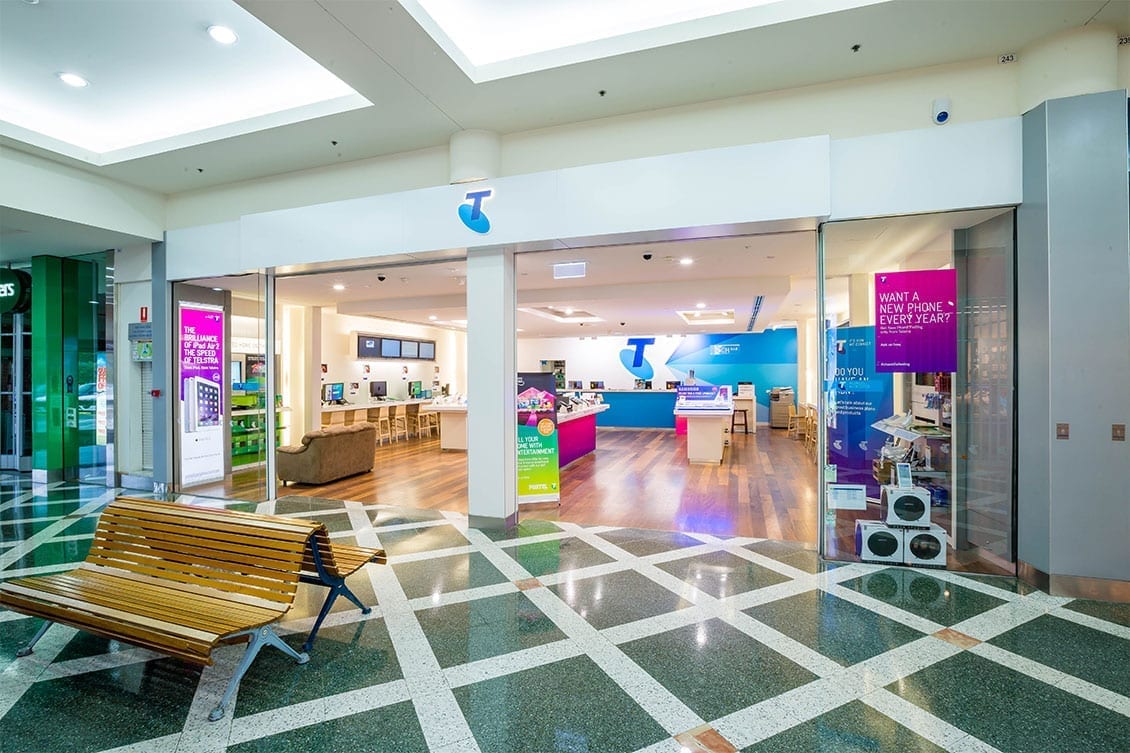
    Australia’s Telstra has announced a new tier-based loyalty program designed to allow customers to earn points for every dollar they spend with the operator.

    The Telstra Plus program will be available to both prepaid and postpaid customers. Members will accumulate points they will be able to exchange for discounts on new devices and accessories.

    Through partnerships, Telstra will also offer access to benefits such as discounted sport and movie tickets and complementary extras.

    Membership to the tiered system will be calculated based on spend over the previous 12 months. The higher tier services include benefits such as priority call handling and 24×7 tech support, as well as yet to be announced entertainment bonuses.

    Telstra CEO Andy Penn said Telstra plans to extend the new offering to its roughly 8 million customers from May.

    “Every service, subscription or hardware repayment will see customers earn points towards new technology, and we think that’s a pretty powerful offer,” he said.

    “The first 5G devices will be available with Telstra soon, opening up even more opportunities for Australians to get more out of life through technology and helping our customers take advantage of all our network has to offer… In addition to the better value we provide our customers through our larger network coverage and data speeds, we’re upping the ante through rewarding our customers for their loyalty over time.”

  • Dialog Axiata announces 5G pilot service

    Dialog Axiata announces 5G pilot service

    Sri Lanka’s Dialog Axiata has launched what it says is South Asia’s first fully standards based 5G pilot service in collaboration with Huawei.

    The successful demonstration involved the use of the operator’s Huawei-based RAN and core network with the most current 5G non-standalone architecture to transmit data to a 5G smartphone.

    Dialog Axiata group chief executive Supun Weerasinghe said the trial marks another step towards the operator’s introduction of 5G in the region. The operator has to date upgraded over 20% of its base stations to support Massive MIMO technology, giving them 5G ready status.

    “The success of South Asia’s first demonstration of a mobile 5G service is yet another milestone following our launch of a fully functional pre-commercial 5G network and builds on our significant investments into high speed broadband network infrastructure in Sri Lanka,” he said.

    “Dialog will continue to deliver on its promise of delivering the future today by leveraging the unique capabilities of 5G technology, to spearhead the country’s transformation into a regional technology hub.”

    Dialog Axiata launched its pre-commercial 5G network at the end of last year, demonstrating South Asia’s first fully functional and standards compliant 5G transmission using commercial grade base stations.

  • Vivent Les Vins Libre Festival 2019 – A Celebration of Natural Wines

    Vivent Les Vins Libre Festival 2019 – A Celebration of Natural Wines

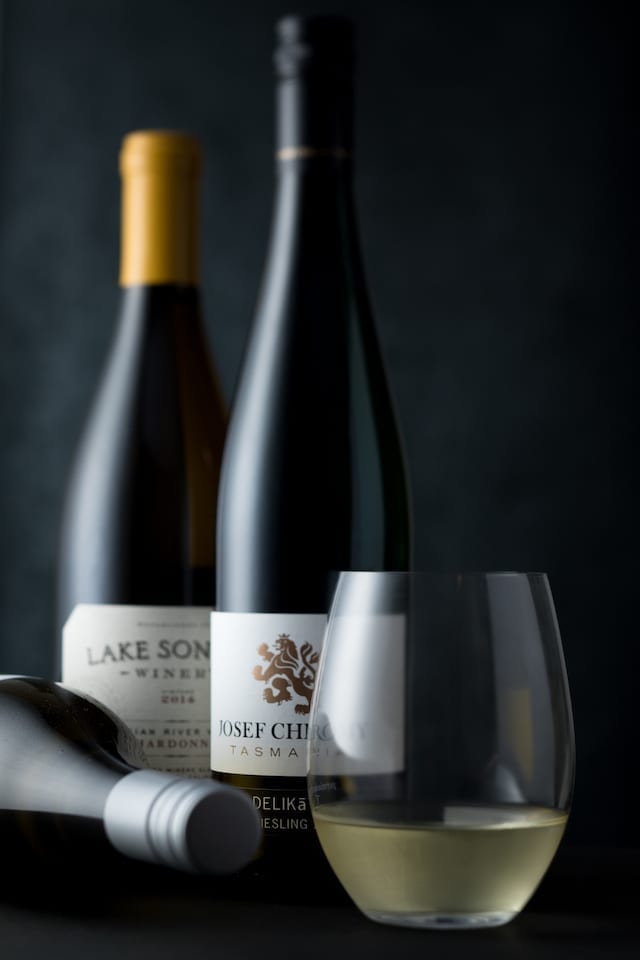
    For the first time in Singapore, come drink and be merry as you learn from some of the best natural winemakers at the Vivent Les Vins Libre (VLVL) Festival 2019.

    Meaning “Live Free Wine”, the Les Vivent les Vins Libres is a collective of natural winemakers with a common goal — to share their passion for natural wines and winemaking philosophy.

    Since it started a little more than a decade ago, natural winemakers have gathered every June in Paris showcasing their wine and fuelling their passion. And as the natural wine movement grew, the group decided to bring this annual gathering out of France to share and spread their love for natural wines with the rest of the world, including Amsterdam, Bruxelles, New York, Montreal and Hong Kong over the years.

    And for the first time, the VLVL Festival is travelling to the sunny island of Singapore.

    Brought to you by Drunken Farmer, this three-day event will host 19 winemakers and is set to excite wine enthusiasts from Singapore and around the region.

    WHEN:
    13 – 15 April 2019

    13 – 14 April:
    Paired food and wine tastings at various restaurants around Singapore, including three of Spa Esprit Group’s very own dining establishments — Bochinche, Tippling Club and Ding Dong

    15 April:
    11am – 6pm: Wine tasting and masterclasses
    S$25 per pax.

    6pm – 11pm: Wine Down with the Farmers
    Expect a merry night with food, drinks and lots of good vibes with DJ Titus spinning tunes throughout the night. For more infomation, visit the Wine Down with the Farmers Facebook page (https://www.facebook.com/events/689790524751121/)

    HIGHLIGHTS: 
    Three Masterclasses featuring all 19 wine makers. Each session covers a different topic focusing on natural wines and consists of a meet-and-greet session as well as a chance to interact with the different wine makers. A S$25 cover charge gets you a tasting glass to sample over 90 labels offered.

  • Coco Republic Expands Into New Zealand

    Coco Republic Expands Into New Zealand

    After almost 40 years in business, upmarket furniture brand Coco Republic is set to open the doors to its first ever international store in New Zealand mid-year.

    The 1000sqm store will be located within Westfield Newmarket, the brand’s second shopping centre location.

    “I think we’ve got a very steady approach to growth, and we’re really now in a position that when a unique and compelling proposition presents itself such as this one, we’re not forcing our growth, we’re just taking advantage of those opportunities,” Coco Republic’s CEO Nicholas Foster told.

    According to Foster, the Newmarket site brings together the best of Coco Republic’s destination and boutique offerings. This will include the brand’s chic in-store cafe, L’Americano.

    “Newmarket is going to be incredibly convenient for our core customer demographic in Auckland,” he said.

    “We’ve also secured a site that gives us prime ground level frontage to Broadway, the main arterial road through Newmarket and having a large footprint in that centre will allow us to curate a range of over 300 products to be showcased in that facility. We’re also going to take the food and beverage into that environment.”

    For the last few years, Foster says the furniture brand has focused on several key areas of the business, including investing in in-house design and sourcing teams and attracting talented local interior designers.

    Coco Republic has also been working on offering customers an elevated in-store experience.

    “We’re focused on delivering a unique and inspiring retail experience, where customers come into our showrooms and enjoy being part of the experience. That’s where we’ve also invested in food and beverage in L’Americano, particularly for our larger design centres,” Foster explained.

    “People often come in half a day or a whole day and get inspired and work out their design solutions and enjoy the extension by having a light lunch or a coffee.”

    “We’ve been on an exciting growth strategy over the last few years. We’re a premium aspirational design services brand but we’ve consciously focused on ensuring that we remain accessible from a customer’s perspective.”

    The business has also spent some time investing in its supply chain to increase its speed to market. There is a new 11,000sqm logistics hub in the Quarry in Greystanes too, which will form the basis of logistics for Coco Republic, sister brand Max Sparrow and New Zealand distribution.