Blog

  • YSL opens pop-up store to celebrates Valentine’s Day

    YSL opens pop-up store to celebrates Valentine’s Day

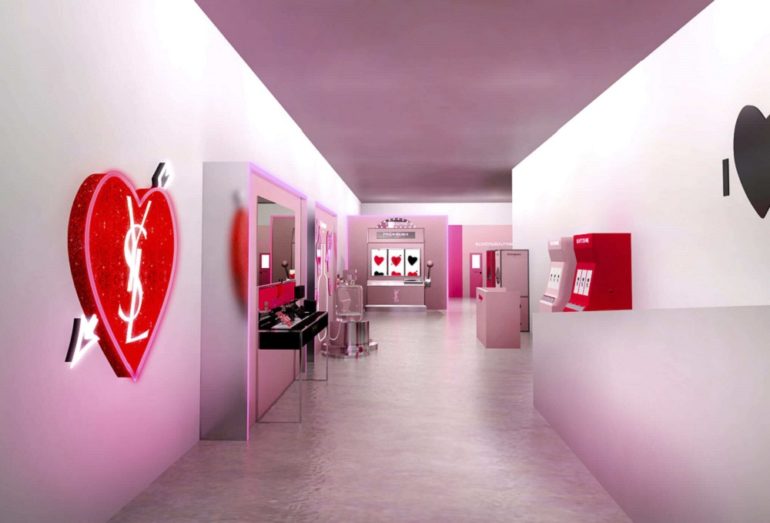
    YSL launched a limited store for Valentine’s Day 2019 in Central, Hong Kong, featuring on WhatsApp sticker, photo booth, and games. Obviously, pink and cosmetics are many girls’ favourite. So pink lovers will fall in love with YSL latest limited pop-up store in Central as the store is fully decorated in pink. Not only visitors will have the opportunity to get the cosmetics products, but they will also be able to take Instagrammable photos in front of different props and beautiful background.

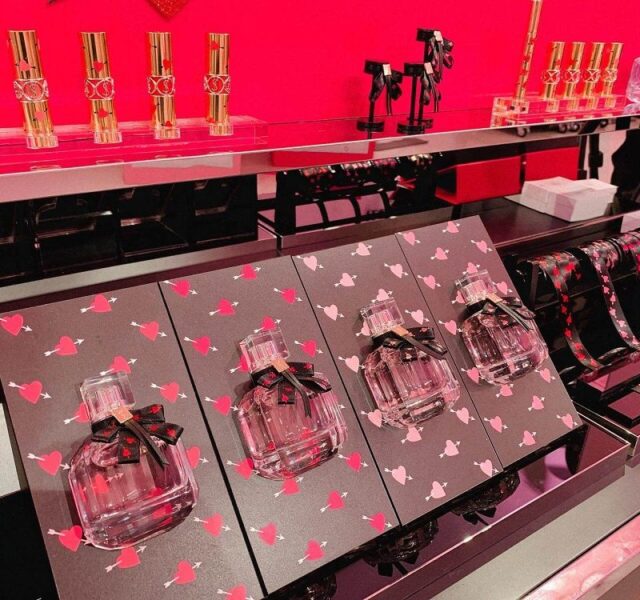
    To participate in this event, visitor only need to register online to get a designated QR code and go during the reserved time slot. In addition to taking pretty pictures, visitors can also try YSL new collection of perfumes, blush, and lipsticks.

    One of the most attractive activities is to tailor-made unique WhatsApp stickers.

    In addition, making WhatsApp stickers, printing photos or buying any products in the pop-up provides points for playing the YSL’s clip doll machine. The higher the points, the more opportunities, so you can clip away YSL cosmetics products and take them home.

    The pop-up closes its doors just after Valentine’s Day.

  • Vietnamese car maker plans private share issue

    Vietnamese car maker plans private share issue

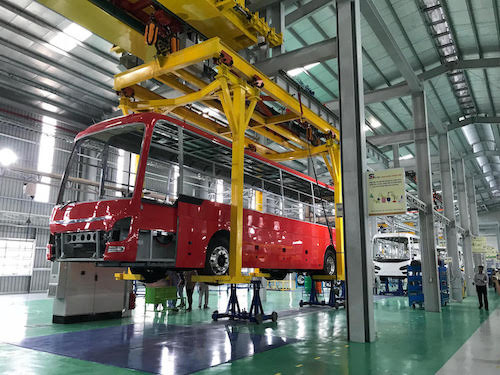
    Truong Hai Auto Corporation (THACO) is planning to issue more than 30.3 million shares to a strategic shareholder. The company is currently collecting shareholders’ opinions on a draft resolution to authorize a private placement worth an estimated total of VND3.89 trillion ($167.19 million) to Jardine Cycle & Carriage, a Singaporean diversified conglomerate that specializes in investment in car manufacturing.

    The share issue aims to raise additional capital to finance THACO’s investment and business plans this year, the company said in a circular issued to shareholders last week.

    The 30.3 million shares proposed in this placement make up 1.82 percent of THACO’s current chartered capital, and will raise the Singaporean shareholder’s stake in the car manufacturer to 26.57 percent.

    The share ownership of remaining shareholders will remain unchanged. Currently, 6.8 percent of THACO is owned by billionaire Tran Ba Duong, founder and chairman of the company, and another 60.6 percent by Tran Oanh JSC, a holding company owned by Duong and his family.

    The shares are expected to be issued soon after the State Securities Commission has confirmed the receipt of all documentation regarding the private placement.

    Dong Nai-based THACO was established as an auto and commercial vehicle maker in 1997. It has a plant in central province of Quang Nam and 89 showrooms and 53 dealerships.

    It makes trucks and buses and assembles cars for brands like Kia (South Korea), Mazda (Japan), and Peugeot (France).

    Jardine Cycle & Carriage Ltd, which is part of the Jardine Group of companies, has a diverse business portfolio. They have long term shareholdings in major manufacturers such as Jakarta based Astra International, as well as other interests in the refrigeration, cement and milk business.

    In Singapore, Jardine C&C is best known as the retailer of Mercedes Benz, Mitsubishi, Kia, Citroen, DS, and Maxus motor vehicles. The company has a current market capitalisation of S$14.55 billion (US$10.71 billion).

  • Mercedes back in No. 4 spot on E-class sales in Korea

    Mercedes back in No. 4 spot on E-class sales in Korea

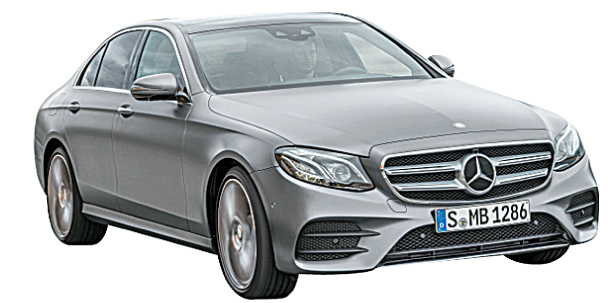
    Mercedes-Benz outsold local carmakers in Korea to finish fourth in domestic sales in January, industry data showed Monday. The Korean unit of the German automaker sold 5,796 vehicles last month, equal to 4 percent of the total 114,632 vehicles. The sum places it fourth after Hyundai Motor (31.2 percent), Kia Motors (22.8 percent) and SsangYong Motor (6.1 percent).

    January sales for Mercedes-Benz Korea shrank 22.8 percent compared with the month before, but they were still higher than the monthly sales by Renault Samsung Motors (3.5 percent) and GM Korea (3.1 percent).

    The last time that the German brand reached No. 4 in monthly sales was back in April last year, a ranking that followed the closure of a local assembly plant by GM Korea two months earlier. Mercedes-Benz defended the ranking for three months before slipping to No. 6 in May last year.

    In yearly sales, Mercedes-Benz Korea sold 70,798 units for a market share of 4.5 percent last year, behind Renault Samsung (5.7 percent) and GM Korea (5.5 percent).

    Industry watchers attribute the sales increase to the success of the E-Class. January sales of the lineup were the 12th highest at 3,392 units, a number meaning that one E-Class vehicle was sold for every three Grandeur autos from Hyundai Motor purchased.

    The E-Class cars outsold Genesis, an independent brand launched by Hyundai that is pitted as its domestic rival, last year.

    The “diesel-gate” scandal that pounded German brands also helped promote the E-Class, which are mostly gasoline cars,

    “This year, BMW and Audi are scheduled to release new sedans, and a full-change Genesis G80 is also due soon,” one source noted. “This will likely affect the sales of the E-Class.”

  • Starbucks Malaysia celebrates Reserve’s success

    Starbucks Malaysia celebrates Reserve’s success

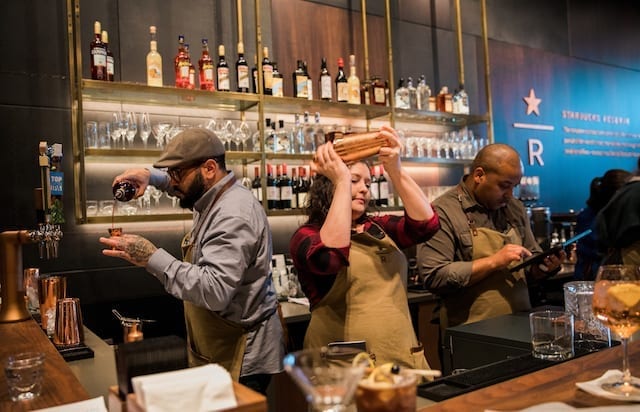
    Starbucks Malaysia plans to open two or three of its premium Reserve concept stores annually. The brand’s eighth Starbucks Reserve store opened at the end of last month, a 5000sqft flagship at Berjaya Times Square, three years after the first outlet launched at The Gardens Mall.

    “We did not anticipate such a strong reception for the new concept store”, said Starbucks Malaysia & Brunei MD Sydney Quays. “We were surprised because a lot of people were interested to learn about coffee and the various ways of brewing.

    “This is what inspired us to open more Starbucks Reserve stores. The opening of the Starbucks Reserve Berjaya Times Square amplifies our passion for coffee and our ongoing commitment to continue providing unprecedented coffee experiences and knowledge to the Malaysian community, while fostering a culture of human connection”, he said.

    The new rollout schedule aims to cater to Starbucks’ loyal customers’ burgeoning interest in coffee. The brand is planning 30 Starbucks outlets per year including the Reserve venues, as well as regular stores, drive-thrus and small-format stores.

  • Vietnam prosecutors support Grab appeal against Vinasun

    Vietnam prosecutors support Grab appeal against Vinasun

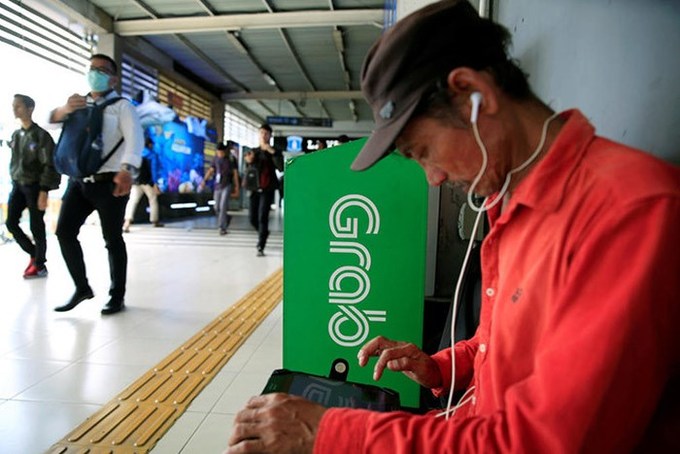
    Prosecutors in Ho Chi Minh City have appealed a verdict ordering Grab to pay compensation to domestic taxi firm Vinasun. They want the appeal court to quash the order requiring the Singapore ride-hailing firm to pay VND4.8 billion ($206,000) in compensation for alleged losses and reject all of Vinasun’s demands. Grab violated a pilot transport ministry scheme and government decree for ride-hailing services, according to the verdict.

    But the prosecutors argue this is groundless since Grab is a passenger transport firm licensed by competent authorities under the pilot scheme and its activities did not violate the law.

    They also dismiss the contention that Grab had caused Vinasun losses of nearly VND42 billion ($1.81 million) as one-sided with no practical or legal basis since it was based solely on an assessment by the court-appointed Cuu Long Inspection Company.

    “In reality, Vinasun’s decline in revenue involves many factors such as the corporate governance capability and the government’s policies and laws.”

    “Therefore, Vinasun’s demand for compensation from Grab is completely groundless.”

    They say Grab’s business activities are legal and Vinasun’s decline in revenues and profits have been partially due to consumers switching to Grab as they found the ride-hailing firm’s services to be superior to those provided by Vinasun and other traditional taxi firms.

    “Grab did not violate the law, there is no causal link between Grab’s allegedly illegal activities and Vinasun’s losses, Grab is not at fault.”

    Vinasun filed the suit against Grab at the HCMC People’s Court in June 2017, accusing it of abusing the Ministry of Transport’s pilot scheme and committing violations.

    The trial began last February, but was adjourned several times before the court last December accepted parts of Vinasun’s demands and ordered Grab to pay the compensation. Grab has appealed.

  • L’Oreal Asia Pacific sales reported soars

    L’Oreal Asia Pacific sales reported soars

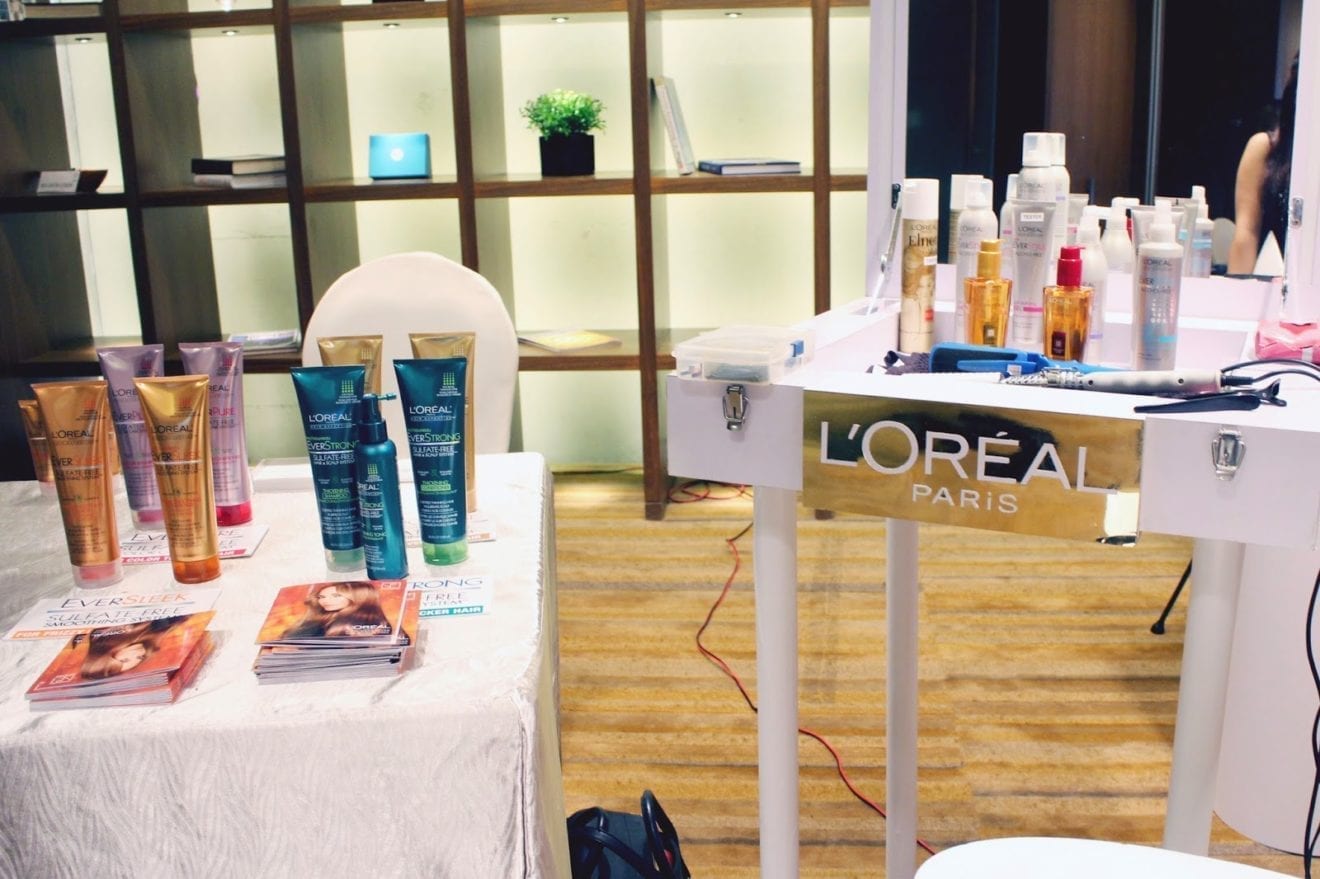
    L’Oreal Asia Pacific sales soared by a staggering 24.1 per cent on a like-for-like basis last year. Asia was the beauty behemoth’s fastest-growing market with all divisions of the business winning market share from rivals in the region. “The dynamism of Chinese consumers, combined with the good performance of premium brands and rapid growth in several other Southeast Asian markets as well as in travel retail, were the [region’s] main growth drivers,” the company said in an earnings statement.

    Singles Day in the fourth quarter especially boosted sales in China, along with the acquisition of Stylenanda in June.

    L’Oreal Asia Pacific sales, driven by China, overtook L’Oreal’s North America business, with sales exceeding €7 billion.

    Globally, L’Oreal achieved sales of €26.9 billion (US$30.3 billion) last year, an improvement of 7.1 per cent on a like-for-like basis and 8 per cent at constant exchange rates. Net profit reached €3.89 billion euros, an increase of 8.8 per cent.

    L’Oreal’s chairman and CEO Jean-Paul Agon said the results represented the company’s best year of growth since 2007, achieved in a beauty market which had “accelerated significantly” last year.

    All divisions achieved growth, with the standouts being L’Oreal Luxe and Active Cosmetics, which both recorded double-digit sales increases. In the Luxe division, the larger brands led the way, with Lancome sales crossing the €3 billion threshold. The Active Cosmetics division achieved its highest growth for more than 10 years.

    Consumer products sales, led by L’Oreal Paris and Maybelline New York, achieved solid growth and professional products a “modest increase” thanks to a significant acceleration in the final quarter, the company said.

    A growing investment in e-commerce is paying off, with sales online up 40.6 per cent last year, now accounting for 11 per cent of group sales.

    And travel retail broke the €2 billion barrier, increasing by 27.1 per cent.

    L’Oreal reported its gross margin increased significantly and, even after strong investments in research, innovation, and business drivers, its operating margin set a new record at 18.3 per cent of sales.

  • Samsung to pay its biggest tax bill ever as profits rise

    Samsung to pay its biggest tax bill ever as profits rise

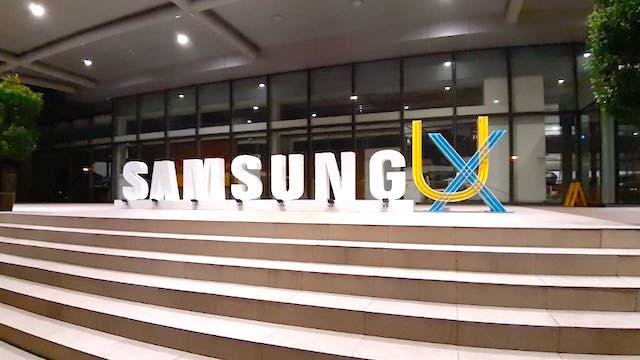
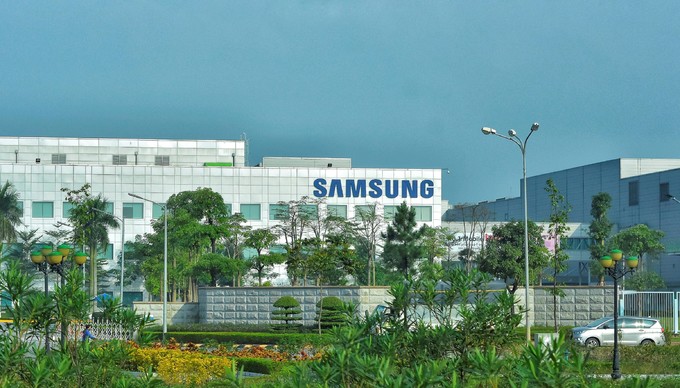
    Samsung Electronics is expected to pay 16.8 trillion won ($15 billion) in corporate taxes this year, up 20.1 percent from a year earlier, due to its record earnings, its regulatory briefing showed Monday. It is expected to cough up 28.6 percent of its operating profits, which reached an all-time high of 58.9 trillion won in 2018, according to its consolidated financial statement.

    The estimated tax amount is the highest amount ever for the company, 2.4 times the number from 2015 and over 14 times from 2009, its past reports showed.

  • Vietnamese firm seeks main investor status in Long Thanh airport

    Vietnamese firm seeks main investor status in Long Thanh airport

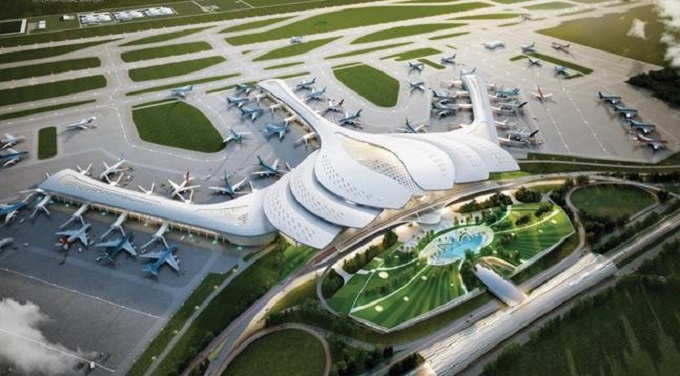
    The Airports Corporation of Vietnam (ACV) desires to be the main investor in the Long Thanh International Airport. ACV, which operates 21 airports in the country, has proposed that it contributes more than a quarter of the $5.4 billion needed to build the new Long Thanh International Airport. Lai Xuan Thanh, chairman of ACV, said that the corporation is ready to contribute $1-1.5 billion needed for the first phase of the mega airport to be built in Dong Nai Province, neighboring HCMC.

    In a proposal to the Ministry of Transport, ACV has said that its initial contribution will be used for major components of the airport including the terminal, runways, parking lots and cargo areas, worth a total of $3.77 billion, according to the Vietnamese government’s website.

    The airport operator is currently working with the Ministry of Transport and Dong Nai authorities on acquiring about 1,800 hectares for the first phase of the airport.

    Most of the targeted area is now covered by plantations belonging to the Dong Nai Rubber Corporation where 200 families reside.

    The Ministry of Transport has asked the consultancy consortium of the airport, JFV, to finish an environmental impact report next month.

    The consortium, comprising of three Japanese, one French and two Vietnamese companies, will also need to submit the feasibility report for the airport by June.

    In turn, the ministry “will submit the feasibility report to the National Assembly in October. If it is approved, bidding will start in 2020 and construction in 2021,” Transport Minister Nguyen Van The told local media recently.

    The Long Thanh International Airport, to be built in three phases over three decades, is set to become Vietnam’s largest airport.

    The first part is scheduled for completion in 2025, when the new airport will be able to handle 25 million passengers a year. The next two phases will run from 2030 to 2035 and from 2040 to 2050.

    Experts have previously warned that the construction cost of the airport could double every five years.

    Lying 40 kilometers east of HCMC, the airport is expected to take up the overflow from the largest existing airport in the country, Tan Son Nhat International Airport.

    Once completed, Long Thanh International Airport will have an annual capacity of 100 million passengers and five million tons of cargo.

    The tourism surge of recent years in Vietnam has resulted in demands for an upgrade of existing airports and construction of new ones.

    The country welcomed 12.5 million air passengers last year, up 14.4 percent from 2017, according to the General Statistics Office.

  • JC Penney to stop selling home appliances

    JC Penney to stop selling home appliances

    Struggling department store chain JC Penney announced it will exit its home appliances business, and some of its furniture business, while revamping the layout of its stores to focus on clothing sales to boost profits. The company, which hasn’t turned a profit since 2010 and has forecast several more years of losses, said it would stop selling major appliances in February “to better meet customer expectations, improve financial performance and drive profitable growth.”

    JC Penney’s appliances business was a pet project of former CEO Marvin Ellison. The company will also stop selling furniture in majority of its stores and will now only be available in select stores in Puerto Rico and online.

    The announcement is the first major change by new CEO Jill Soltau since she joined the embattled retailer late last year.

    According to JC Penney, they are now finalising new layout options, including reduction of store space previously dedicated to appliance and furniture showrooms to maximise efficiencies, reduce inventory and create an enhanced shopping experience that inspires repeat shopping trips.

    “Optimising the allocation of store space will enable us to prioritise and focus on the company’s legacy strengths in apparel and soft home furnishings, which represent higher margin opportunities,” the company said.

    The company further announced customers can still purchase major appliances in stores and online until February 28 and receive free basic delivery and installation on new model purchases over $299. All protection plans and manufacturer’s warranty agreements will remain in effect for the applicable warranty period.

  • The Shilla Duty Free partners with comics strip artists

    The Shilla Duty Free partners with comics strip artists

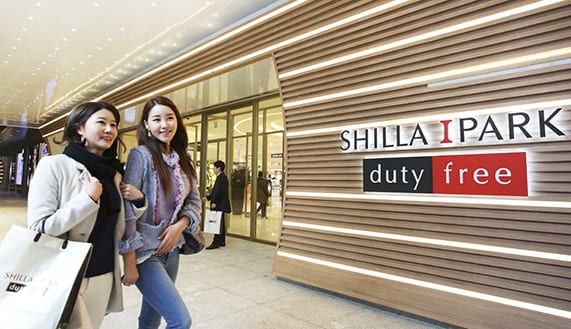
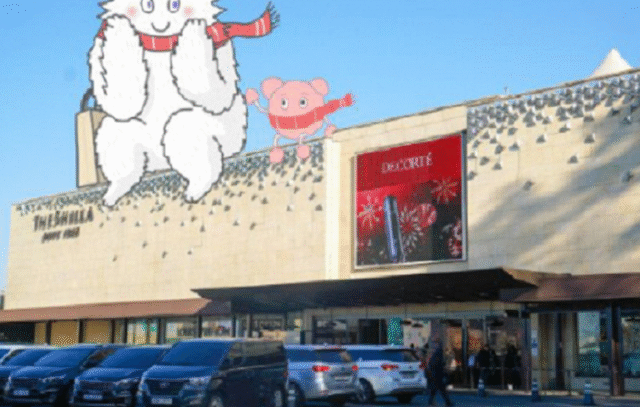
    The Shilla Duty Free is partnering with popular Chinese webtoon artists to boost its appeal to travelling Chinese shoppers. The travel retailer said that this is the first marketing partnership of its kind in the Korean duty free industry. Webtoons have become an increasingly influential media tool to connect closely with consumers, Shilla noted. “Unlike traditional advertisements, webtoons use storytelling that is easily relatable while utilising artists’ existing fandom.”

    The partnership with two webtoon artists, Niu Hong Hong (牛轰轰) and Ruo Guan (弱冠), specifically targets Chinese women in their 20s to 30s – The Shilla Duty Free’s main customer base (as the charts below show, visitors between 21 and 40 made up 57.3 percent of Chinese arrivals in South Korea last year and those between 21 and 30 almost 31 percent).

    Shilla’s stores are being featured in webtoons and the contents promoted through each artist’s social media platforms.

    Real-time comments such as “I would like to shop there”; “I should visit there during my next visit to Korea”; and “I like the store interior” appear on the webtoons.

    Besides introducing The Shilla Duty Free shops, the webtoons also highlight nine local eateries near the retailer’s flagship Seoul Store, showcasing the surrounding area as a local attraction. Since 2016, The Shilla Duty Free has promoted its local communities by introducing nearby restaurants through various channels such as The Shilla Online Duty Free in Chinese and its official Weibo account.

    A spokesperson said, “The partnership with Chinese webtoon artists is a first in the industry. We expect to be able to connect better with Chinese customers. Creative marketing like this will be continued during the peak seasons such as Chinese Lunar New Year, the Mid-Autumn Festival and the National Day of China, to broaden the communication with our customers.”

  • D&G opens boutique in Osaka Japan

    D&G opens boutique in Osaka Japan

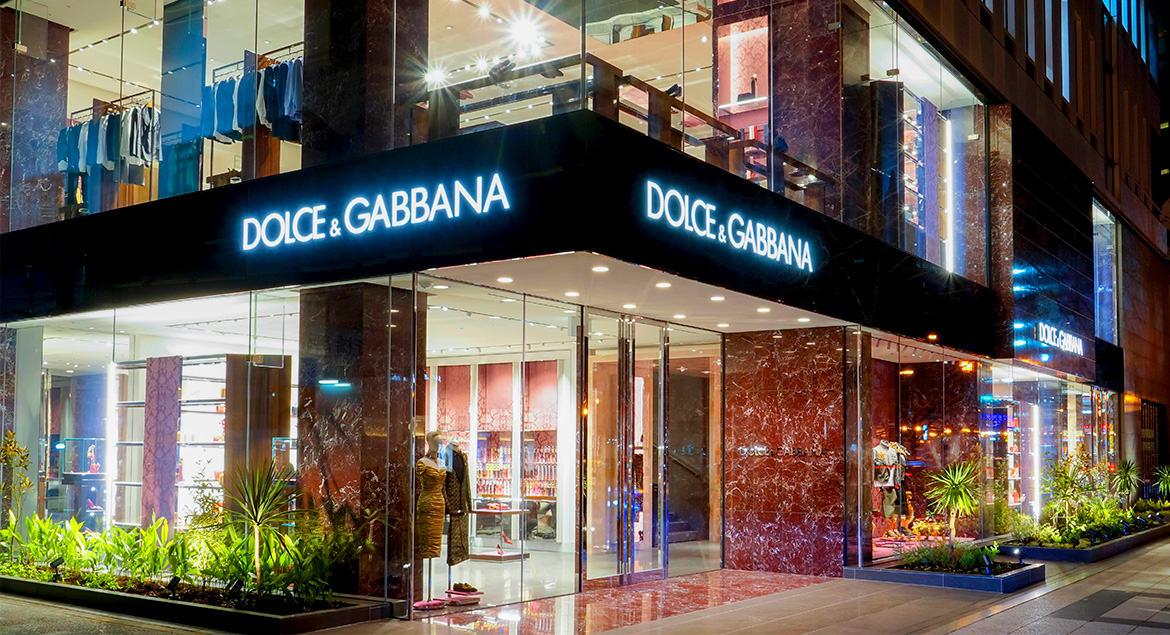
    Luxury brand Dolce & Gabbana has opened a new D&G Osaka store. The two-level, 905sqm #DGLovesOsaka boutique at Midosuji is designed to reflect the unique local features of Osaka while still representing the brand’s heritage, with red marble and pink onyx finishings touched off by pink rugs and wallpaper. A large baroque-styled mirror is a centrepiece of the decor.

    The #DGLovesOsaka boutique stocks ready-to-wear collections and accessories for men, women, and children.

  • Dapper Dan is holding Gucci accountable for controversial “blackface sweater”

    Dapper Dan is holding Gucci accountable for controversial “blackface sweater”

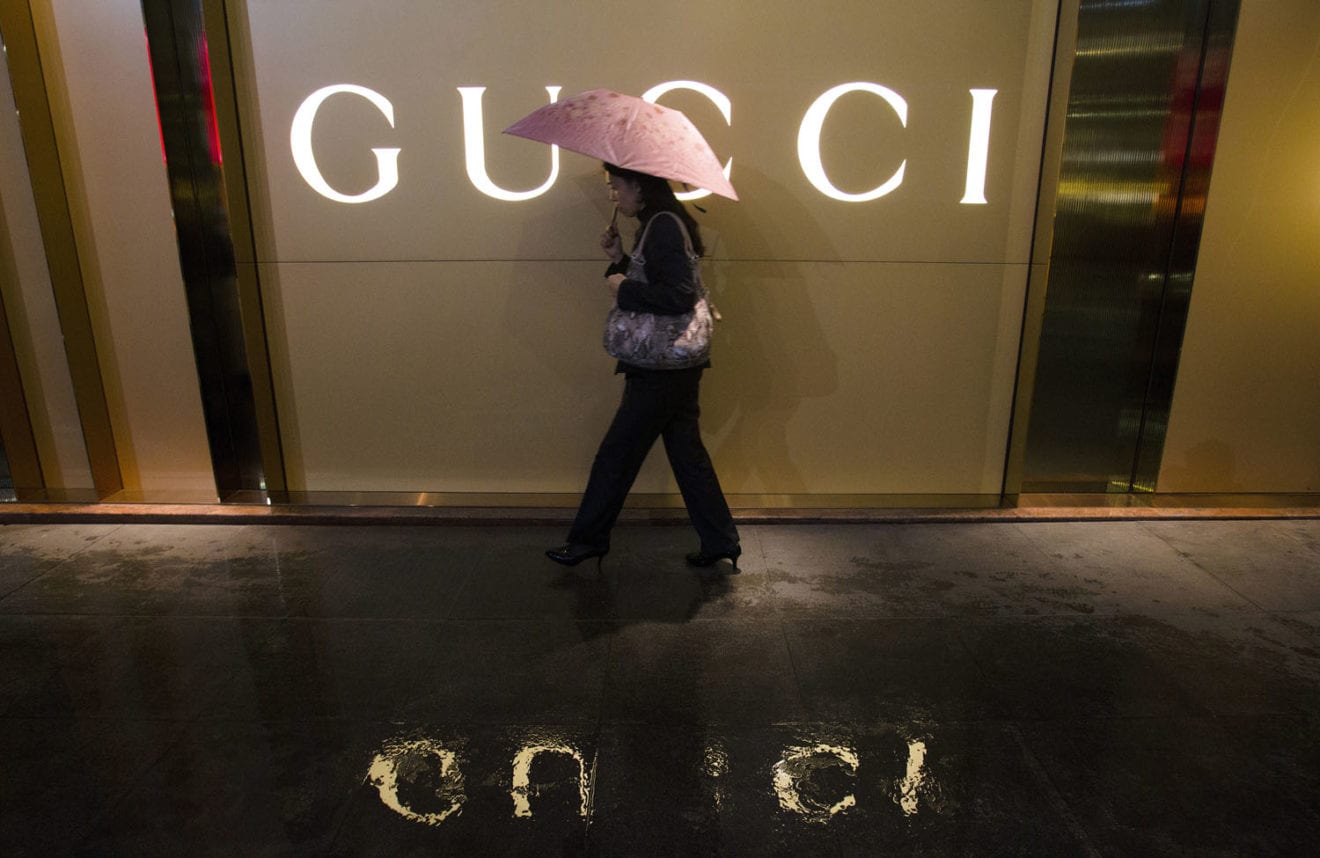
    Renowned Harlem fashion designer and tailor Dapper Dan’s relationship with Gucci through the years has been a rocky road. After gaining notoriety for knocking off the Italian house’s logo in his designs throughout the ’80s and ’90s, the tables turned in 2017, when Alessandro Michele was taken to task for knocking off one of Dap’s designs in his Cruise 2018 collection.

    However, all’s well that ends well: Both parties made peace and began working together. Not only did Dapper Dan collaborate with Gucci on a vintage hip-hop-inspired capsule collection and lookbook, the Kering-owned luxury label underwrote his brand new studio and atelier in Harlem, also making him the face of a special tailoring campaign.

    As lovely of a story as this is, it might not wind up with a happy ending. Just last week, Gucci apologized for (and pulled from shelves) an $890 sweater that resembled blackface. After several days of impassioned conversation among fans on social media, the brand released a statement, saying: “Gucci deeply apologizes for the offense caused by the wool balaclava jumper … We consider diversity to be a fundamental value to be fully upheld, respected and at the forefront of every decision we make. We are fully committed to increasing diversity throughout our organization and turning this incident into a powerful learning moment for the Gucci team and beyond.”

    While acknowledging the misstep and the need to prioritize diversity is a step in the right direction, the situation did not sit well with Dapper Dan. On Sunday, he posted a statement of his own on Instagram, insinuating that his partnership with Gucci may be on thin ice. “I am a Black man before I am a brand,” he wrote. “Another fashion house has gotten it outrageously wrong. There is no excuse nor apology that can erase this kind of insult. The CEO of Gucci has agreed to come from Italy to Harlem this week to meet with me, along with members of the community and other industry leaders. There cannot be inclusivity without accountability. I will hold everyone accountable.”

    Gucci made a concerted effort to make things right with Dap — and, seemingly, to educate themselves about both his neighborhood and his culture — the last time they were at odds, but this understandably hits very close to home, and could certainly cause major issues within their business partnership.

    Whatever the outcome, this case only underscores the dire need for more inclusion and diversity in the industry, as the frequency with which fashion brands slip up in regards to racism only gets higher by the day. It’s a change that needs to be implemented immediately, and hopefully Gucci will set an example for its industry peers, as it’s already been known to do in other areas.

  • Sears gets away from bankruptcy

    Sears gets away from bankruptcy

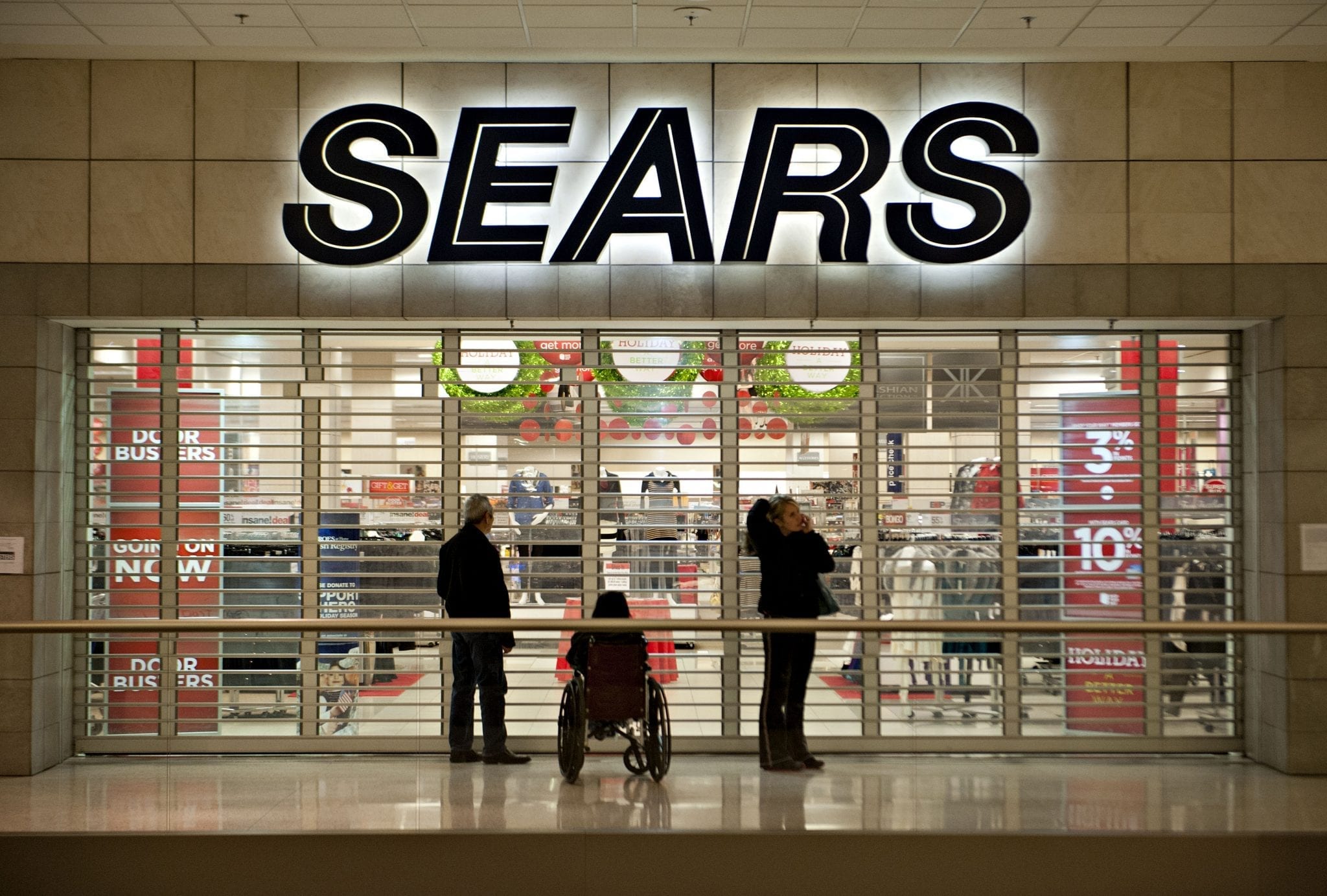
    Sears Holdings chair Edward Lampert’s US$5.2 billion bid to save 425 Sears and Kmart stores and roughly 45,000 jobs from liquidation was approved by a US bankruptcy court judge last week. Lampert’s bid, which he made through his hedge fund ESL Investments Inc., was approved by Judge Robert Drain after a hearing spanning several days in a White Plains, NY, federal bankruptcy court.

    Terms of the sale allow for some litigation to continue against Lampert and ESL.

    Drain said that Lampert, the only bidder offering to keep Sears alive, had been subjected to substantial verbal abuse during the proceedings, with critics characterising the Sears chairman’s plan a scheme to rob the company and its creditors of assets.

    “He is a wealthy individual and a big boy and I guess he can take it,” Drain said, adding that some of the abuse may have been justified.

    As CEO and chairman, Lampert’s time at Sears led to cost-cutting efforts that had resulted in a decline in sales, store closures, and inventory reductions.

    He arranged the US$11 billion merger between Sears and discounter Kmart in 2005 and tried for years to boost business.

    The company’s restructuring officer Mohsin Meghji and company directors Bill Transier and Alan Carr were among those questioned on the witness stand during the court hearing on Lampert’s offer.

    Lampert, who stepped down as CEO when the department store chain filed for bankruptcy in October last year, remained the retailer’s chairman, largest shareholder and creditor. A restructuring committee of independent directors negotiated with Lampert and his advisers.

    Lampert’s offer, which had been rejected more than once, came after the retailer had been pushed to the brink of liquidation multiple times. In the end, he increased his initial offer by $800 million, largely in the assumption of Sears’ bills for taxes and merchandise.

    As per a report, Drain grew impatient as the proceedings wore on Thursday, when a creditor’s committee lawyer argued an objection to the takeover bid.

    It added money owed to lawyers, bankers and other advisers working on the retailer’s bankruptcy case also proved contentious as Sears lacked enough money to meet all its obligations.

    The report added Lampert still remains exposed to lawsuits related to certain transactions he engaged in while leading Sears before filing for bankruptcy.

  • Samsung dreams of a future filled with 8K TVs

    Samsung dreams of a future filled with 8K TVs

    Samsung Electronics will expand its lineup of 8K televisions this year, hoping to launch the premium products in 60 countries around the world. 8K televisions have four times more pixels than 4K, which until recently was the most cutting-edge screen a high-end television could have. When compared to a 4K TV, 8K screens are brighter with more color contrast and sharper edges. Samsung released its first 8K television last year.

    Han Jong-hee, Samsung’s president in charge of the visual display business, said in a press conference Friday that he expects 2019 to mark the start of a new era where 8K becomes the new norm in the high-end television market.

    “4K grew to take up 60 percent [of all Samsung TV sales] in five years – I expect 8K to show a similar level of performance, maybe faster considering how tech develops so fast these days in all sectors including content and displays,” he said at the event held in Samsung’s Suwon complex in Gyeonggi.

    The company’s 2019 goal for 8K TVs is to reach a double-digit year-on-year growth rate for market share in the local high-end TV sector. Han says the goal is “reachable,” adding that half of the large Samsung televisions sold in the country after November were 8K. That month, Samsung started local sales of the product.

    Regarding its global business, the QLED 8K started selling in Europe, Korea, the United States and Russia last year. Tomorrow, the company will unveil new models for 2019 at the Samsung Forum, a showcase event for clients that simultaneously takes place in various regions around the world.

    This year’s plan is to launch sales in 60 countries.

    Whereas last year the QLED 8K lineup came with four size variations with the largest at 85 inches, this year there will be six variations with the largest at 98 inches. The new sizes are in line with Samsung’s strategy to continue strengthening its lineup of massive TVs to keep a competitive edge in the high-end price sector.

    It remains to be seen whether Han’s optimistic views on 8K television will come to fruition as quickly as he projects. Even if 8K TVs exist, the higher definition and the high price it comes at won’t be of much use if video content remains at the 4K level.

    “5G networks will spread this year and the demand for 8K content will go up as well,” responded Han when asked about the problem. Han particularly expressed anticipation for the 2020 Tokyo Olympics. Japan’s national broadcaster NHK plans to live stream the games worldwide in 8K.

  • H&M profit drops due to online investment

    H&M profit drops due to online investment

    H&M profit dropped in the year to November 30, the Swedish fast-fashion retailer blaming investment in its online business for the decline. The world’s second largest clothing retailer embarked on a transformation program last year, investing heavily in logistics and digital technology aiming to improve the shopping experience and product range. This included an upgrade in its mobile app, faster deliveries and the rollout of click-and-collect.

    The company is also working on a new H&M concept store.

    In the last three months of its financial year, the company spent around US$48.5 million on logistics and technology, including resolving problems it flagged earlier last year.

    H&M CEO Karl-Johan Persson said the upgrade in the company’s logistics systems inevitably resulted in increased costs but will lead to a range of improvements for customers.

    “Against a backdrop of rapid changes in the fashion industry, in 2018 we accelerated our transformation to future proof our business, ending a challenging year for the H&M Group and the sector with strong signals that we are on track,” he said.

    Persson said it may have been a challenging year for H&M and the industry but after a difficult first half, there were signs the company’s transformation efforts were beginning to take effect.

    H&M posted a 5 per cent increase in full-year revenue to $22.7 billion, while in local currencies, net sales rose by 3 per cent. Profit fell by 21.8 per cent to $1.36 billion from the same period last year.

    Online sales rose 22 per cent to SEK 30 billion ($3.2 billion) and now comprise 14.5 per cent of the company’s total revenue.

    “With a stronger customer offering and the ongoing improvements in buying and logistics, we expect this trend to continue,” Persson said.

    “While this performance is still some way off the targets that we set at the beginning of 2018, these positive signals confirm we’re making progress across all our strategic focus areas: to create the best customer offering; a fast, efficient and flexible product flow; a stable scalable tech foundation; and adding new growth through store and online expansion.”

    According to Persson, the company opened three new fulfilment centres in the fourth quarter with a total of around 230,000sqm so it can offer customers faster deliveries and a wider assortment while reducing the capacity constraints that slowed them down in some markets in 2018.

    “We have also completed our online transition with investments in 2018, enabling us to successfully migrate online in Germany to the new platform earlier in January 2019,” he said. “With this, all H&M online markets are now on the new platform.”

    Persson said the difficulties with the logistics upgrade in some of their markets earlier in 2018 led to additional costs in the fourth quarter.

    “Applying lessons learned, we have not increased investments to secure upcoming transitions.”

    He added that while these initiatives have a short-term impact on margin, they will lead to continued improvements for their customers, driving increased profitability in the long term.

    “With the transformation now underway, capital expenditure will reduce this year compared to last and we will continue to shift the balance of our investments towards digital.

    “Changing consumer behaviour and technological innovation will continue to transform how and when people shop, we are building a business with the flexibility to respond to this constant evolution.”