Blog

  • HMV saved by Sunrise Records, but some stores will close

    HMV saved by Sunrise Records, but some stores will close

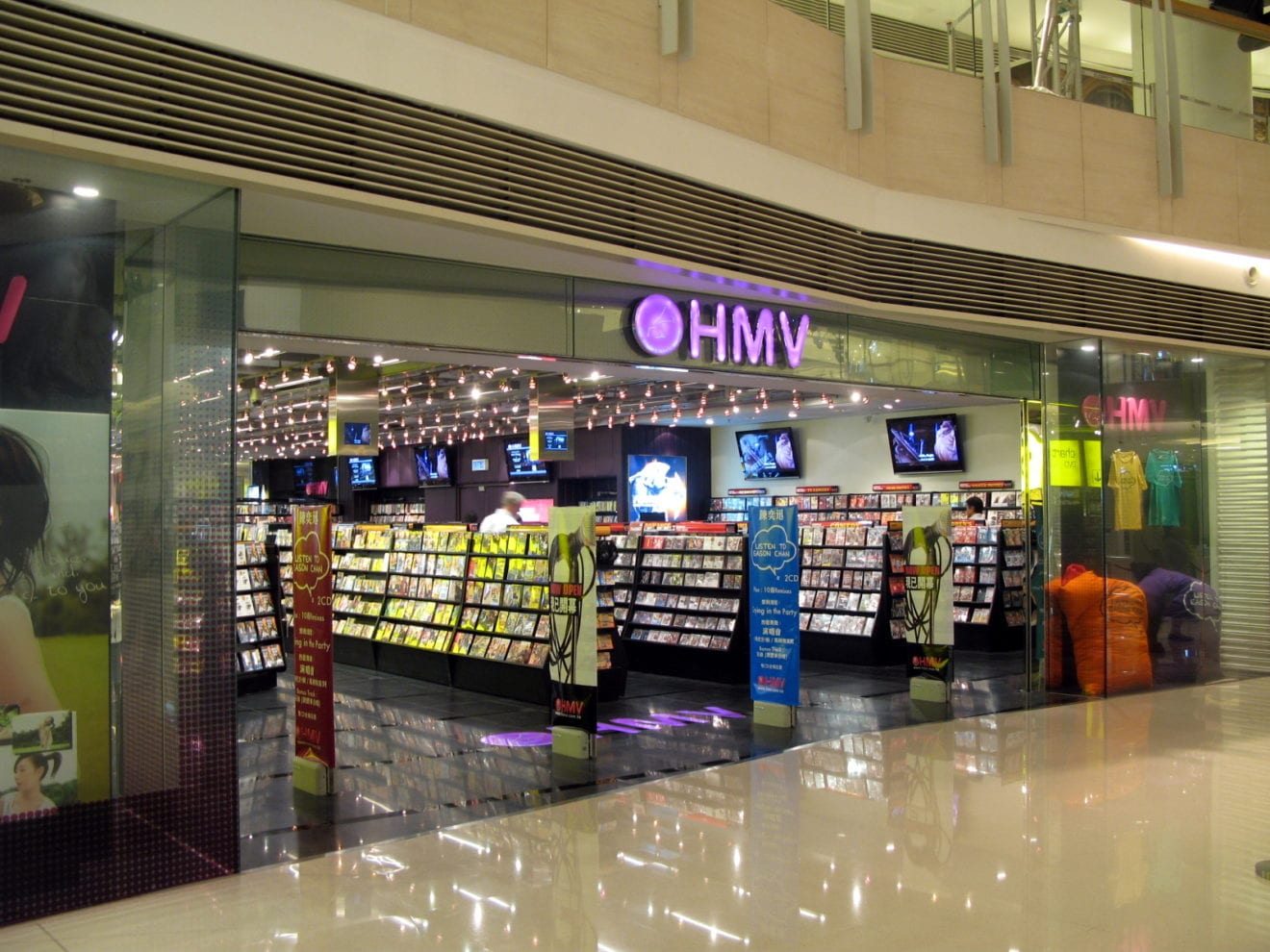
    Canadian firm Sunrise Records has emerged as the buyer of collapsed music chain HMV, beating competition including Sports Direct owner Mike Ashley. The firm will buy 100 stores out of administration, securing 1,487 jobs. But 27 stores will close, resulting in 455 redundancies. Sunrise Records chief executive Doug Putman said he was “delighted to acquire the most iconic music and entertainment business in the UK.”

    No price was given.

    Canadian entrepreneur Mr Putman, 34, bought the retail chain Sunrise Records in 2014. He previously bought HMV’s Canadian business in 2017, expanding his small chain into a national operation with 80 outlets.

    Mr Putman is also President of Everest Toys, the largest toys and games distribution company in North America. He said that HMV was a “fantastic, heritage brand”. He also said the chain would be looking to stock more vinyl records, in response to customer demand.

    HMV owner Hilco, which took the company out of its first administration in 2013, has blamed a “tsunami” of retail challenges for the latest collapse.

    These include business rate levels and the increasing use of streaming services to deliver music and movies.

    HMV sold 31% of all physical music in the UK in 2018 and 23% of all DVDs, with its market share growing month by month throughout the year.

    However, the music industry expects physical entertainment sales to shrink by another 17% this year.

    Will Wright, partner at KPMG and joint administrator said: “We are pleased to confirm this sale which, after a complex process, secures the continued trading of the majority of the business.

    “Our immediate concern is now to support those employees that have unfortunately been made redundant.”
  • Kendall Jenner signed agreement with Penshoppe

    Kendall Jenner signed agreement with Penshoppe

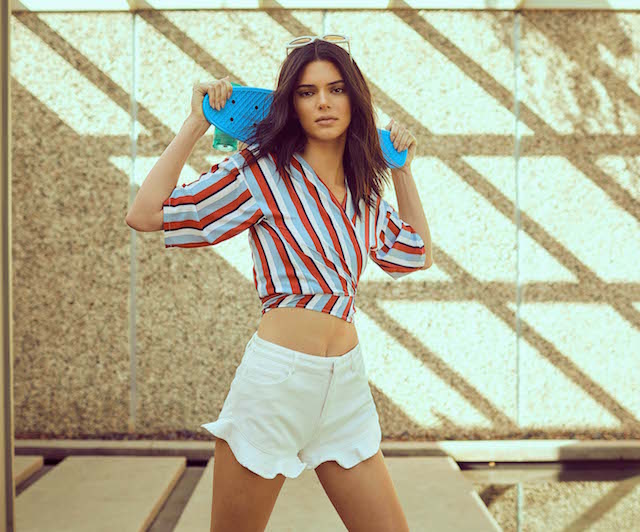
    Global fashion retail brand Penshoppe has unveiled the latest addition to its roster of international ambassadors – 23-year-old world’s highest-paid supermodel and one of the most followed celebrities on social media, Kendall Jenner. The model initially appeared on Penshoppe’s DenimLab campaign in 2015, and is now headlining the brand’s Spring Summer 2019 Campaign with Zayn Malik, Paris Jackson, Nam Joo Hyuk and Sandara Park.

    “As we move from strength to strength, we couldn’t think of a better addition to our growing list of global ambassadors”, said Golden ABC’s VP for brand management Jeff Bascon. “It’s good to have you back, Kendall!”


    Penshoppe has more than 400 locations across Bahrain, Cambodia, Indonesia, Saudi Arabia, Myanmar, Thailand, Vietnam and the Philippines. The brand is available online in Singapore, Malaysia, Hong Kong, Taiwan and Indonesia.

  • Rimowa collaborates with Alex Israel for its latest suitcase

    Rimowa collaborates with Alex Israel for its latest suitcase

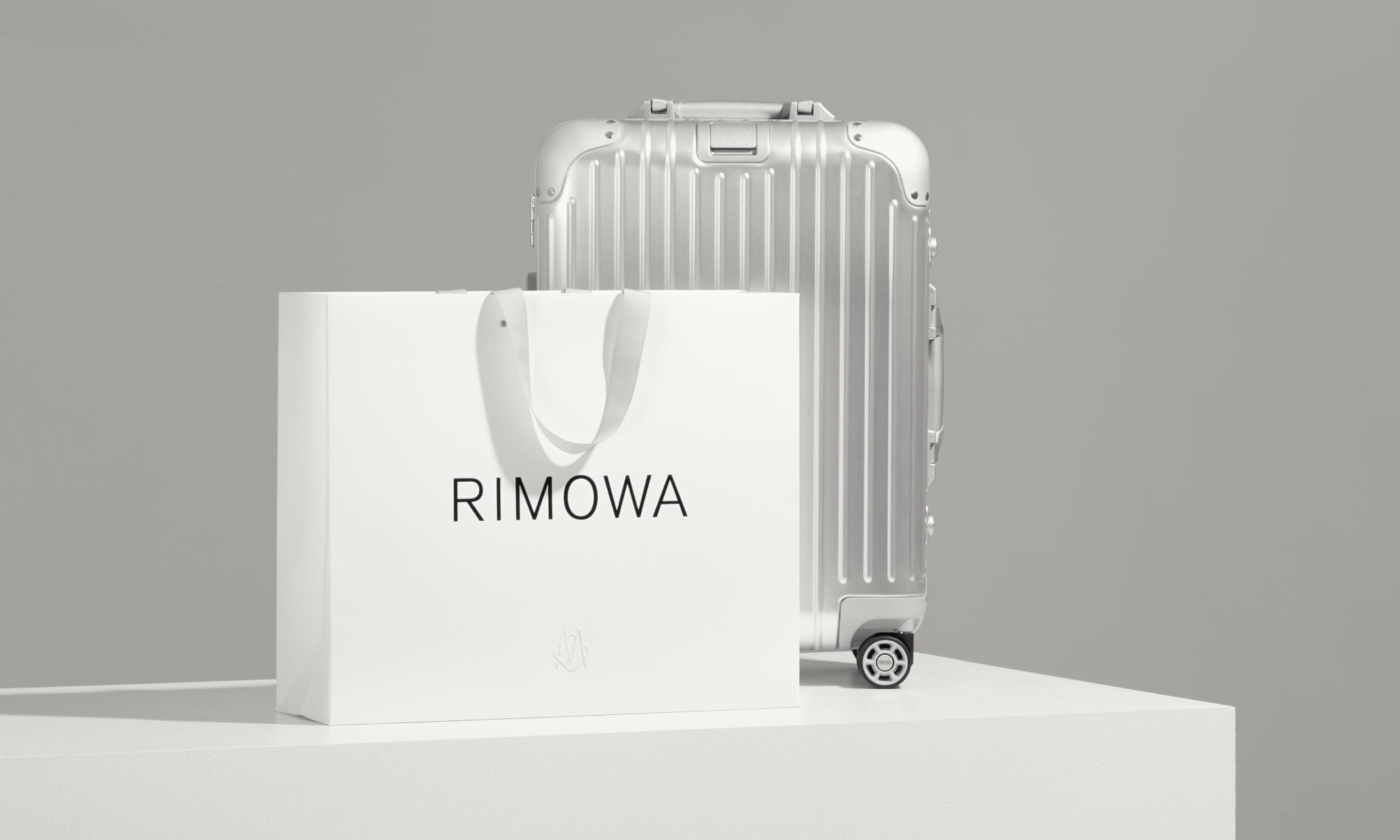
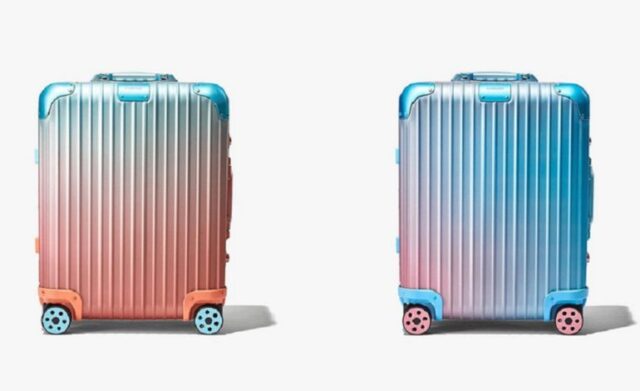
    Alexandre Arnault of Rimowa has just taken to Instagram to tease the luggage purveyor’s latest collaborative suitcase. Set for a full reveal at this year’s Frieze Art Fair, the suitcases are in collaboration with multimedia artist Alex Israel. Inspired by his home town of Los Angeles, the luggage sees the signature use of blue and red hues — inspired by the adored sunsets of the West Coast.

    The suitcases’ exterior shell and wheels are essentially treated with tones of blue, light purple, pink and light orange in a faded finish to reflect the colors of the vibrant sky in Los Angeles during sunset and sunrise.

    The suitcases will come in two color options. One will predominantly be in a gradient sky-blue – fading to flamingo-pink, while the other color option sees the complete opposite.

    Both suitcases will be officially unveiled at the Frieze Art Fair in Los Angeles via a pop-up beginning February 14.

  • French bakery Brioche Doree to debut in India

    French bakery Brioche Doree to debut in India

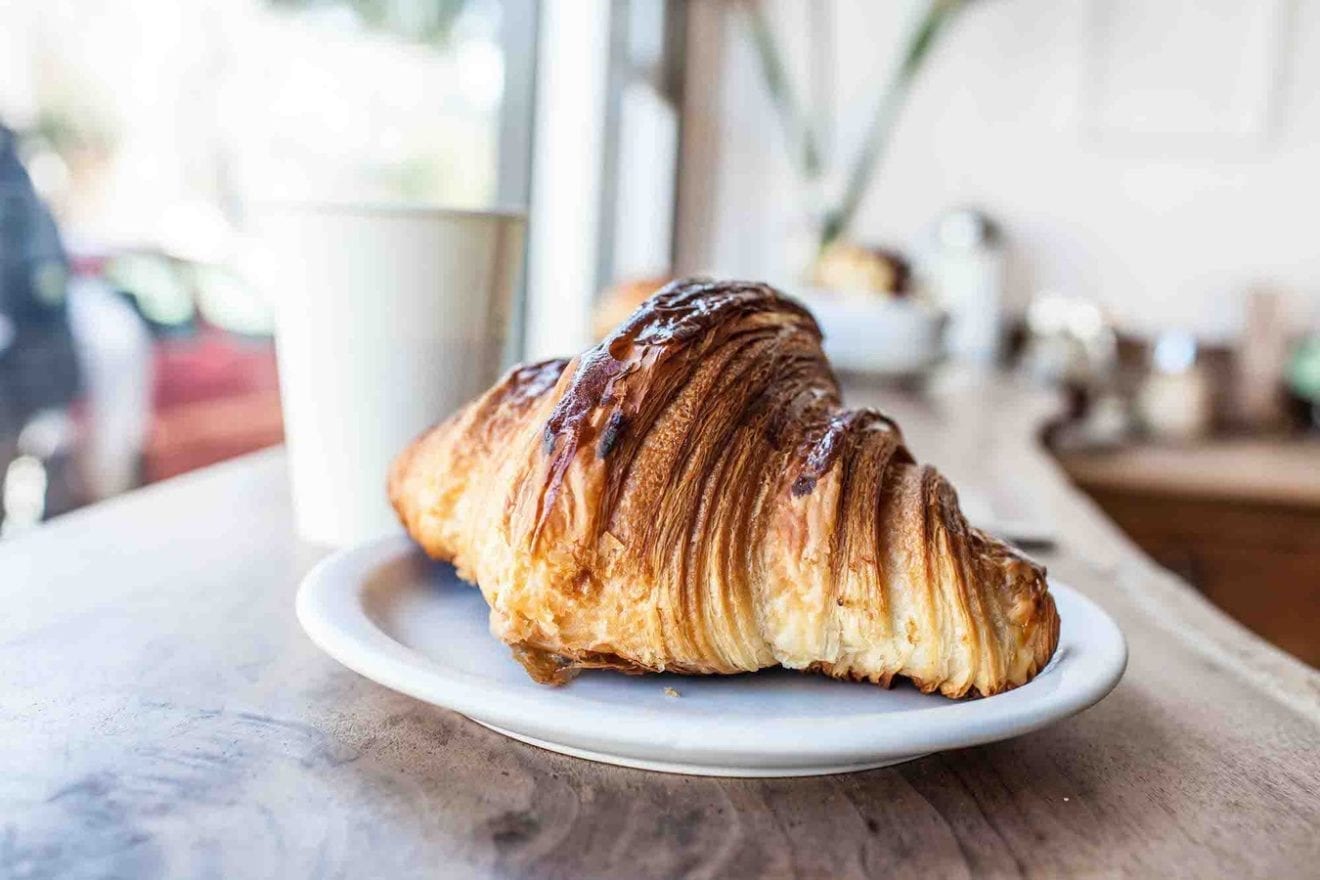
    French Bakery Brioche Doree on Saturday launched its first store in India in partnership with HR Bakers, promoted by Haldiram Managing Director (MD) Ashish Agarwal. The store is in Connaught Place. “Internationally acclaimed Parisian French Bakery Brioche Doree launched its first exclusive store in India with HR Bakers at Connaught Place, New Delhi,” the statement said.

    According to a HR Baker statement, the Haldiram MD entered into a “master franchise agreement” with the French brand.

    “Brioche Doree is known to be the second largest bakery/cafe chain in the world. The store of the brand in India has been curated in 100 percent vegetarian avatar,” it said.

    Agarwal has invested about Rs 4-5 crore in the brand and said HR Bakers is open to exploring more synergistic tieups with other brands.

    Agarwal said four more outlets in the National Capital Region and other markets are expected in the first year of operations.

    The outlet has started serving delicacies French Bakery is known for.

  • Courts Asia continues negative trend as Malaysian sales tank

    Courts Asia continues negative trend as Malaysian sales tank

    Group sales fell 6.2 per cent to $175.3 million, largely due to a 22.2 per cent decline in Malaysian sales measured in ringgit with lower consumer demand for goods and services.  Singapore sales, which account for three-quarters of the business’ overall sales, slipped a negligible 0.7 per cent, while the company’s Indonesian woes continued. Although the market accounts for just 3.4 per cent of Courts Asia’s sales, revenue fell 7.3 per cent in local currency. Courts Asia is already taking steps to stem losses in Indonesia, recently announcing the closure of one of its megastores and the downsizing of another.

    Japanese electronics retailer Nojima Corp lodged a takeover bid for Courts Asia last month, conditional only on the formal acceptance by Courts Asia’s majority shareholder  Singapore Retail Group, which has already indicated its acceptance. The Japanese company plans a strategic review of the business and will consider delisting it.

    Meanwhile, Courts Asia says it will continue to endeavour to improve efficiencies in its Malaysian business to improve productivity and return to profit. Twelve underperforming stores have already been closed reducing the network to 54.

  • Korea automobile production falls for 3rd year in 2018

    Korea automobile production falls for 3rd year in 2018

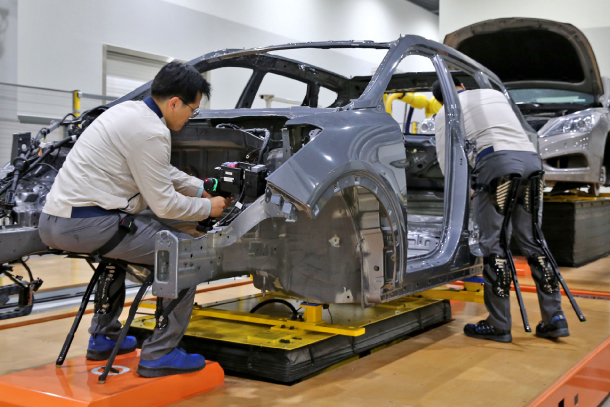
    Korea’s auto production tumbled for a third consecutive year in 2018 amid weaker domestic and global demand, data showed Sunday. According to the data by the Korea Automobile Manufacturers Association (KAMA), Korea produced 4.03 million vehicles last year, down 2.1 percent from the previous year. The figure has been decreasing over the past three years from 4.56 million in 2015 to 4.23 million in 2016 and 4.12 in 2017.

    The 2018 figure put Korea as the seventh-largest car manufacturing country in the world, down one notch from the previous year, according to the association.

    Korea became the world’s fifth-largest maker of cars in 2005 and retained the ranking until 2015. But India edged out Korea to stand at the world’s sixth in 2016 and 2017. Last year, Korea fell behind Mexico.

    China was found to produce the largest number of vehicles in 2018, with 27.81 million followed by the United States, Japan, Germany and India.

    Korea’s total car exports also fell to 2.45 million vehicles last year from the previous year’s 2.53 million, the KAMA said, adding that the country accounted for 4.1 percent of the world’s car production in 2018, down 0.1 percentage point from a year earlier.

    “Contentious labor-management relations, as well as stiff labor market conditions, among others, appear to negatively affect local carmakers’ competitiveness,” the association said in a release, calling for state support and business innovation.

  • Marks & Spencer India to open six more stores in next 60 days

    Marks & Spencer India to open six more stores in next 60 days

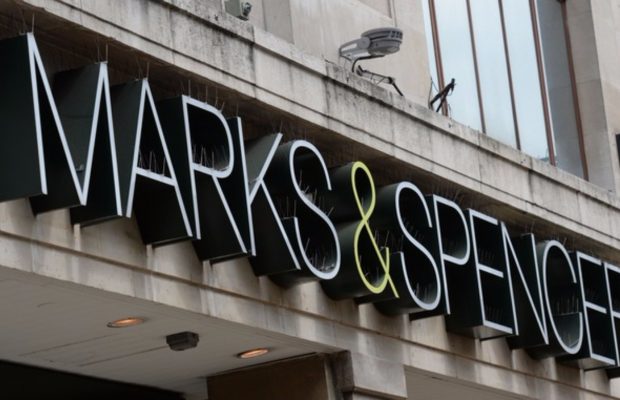
    British multinational retailer Marks & Spencer (M&S) is on an aggressive pace here and is opening six more stores in the next two months alone, a top company official has said.

    According to a report, Marks & Spencer has opened its first store here way back in 2001 and in April 2008 signed a joint venture agreement with Reliance Retail to form Marks & Spencer Reliance India.

    It now has 71 stores across 30 cities like New Delhi, Amritsar, Mumbai, Pune, Kolkata, Bangalore, Chennai, Kochi, Bhopal, Kanpur, Hyderabad and Chandigarh among others.

    “India has become increasingly an important market for us. We are now the largest market for M&S outside of our home market. We are 71 stores today and we continue to invest in this market. We opened nine stores in the last six months and it is our intention to open six more in the next 60 days,” James Munson, managing Director, Marks & Spencer Reliance India said in an interview.

    Internationally, Marks & Spencer hawks its products in 57 markets across 400 stores and an online presence in 33 markets.

    Munson further said they would look to maintain that expansion pace in the next year as well and said, “there are no other markets which are expanding the way we are expanding here”.

    Of the 71 stores here, 10 are standalone beauty and lingerie stores , including two it opened in the last nine months and said half of the stores it plans to open in the next 60 days would also be for the same.

    The company clocked a revenue of Rs 908 crore last year and has been growing at a CAGR of 24 percent over the last five years, Munson said.

    It had clocked a 9 percent growth in the same store sales last year.

    A fifth of the turnover comes from outside the major metros, he said.

    It sources 30 percent of its products from locally and India is a sourcing base for the wider British market as well.

    M&S has partnered with other e-commerce players like Amazon and Flipkart over the last few years and he said its a strong area of growth and this year they are expecting 75 percent growth in online sales.

    However, the contribution from online to its revenues is still quite small here, unlike in Britain where it’s targeting 30 percent online sales.

    M&S has developed a rethink campaign specifically for this market, a first globally where a campaign has been designed for the local market.

    In Britain, food is a popular segment for the company but Munson said there are no plans at present to introduce food here.

  • Consumer’s Guide To Selecting The Perfect Office Chair

    Consumer’s Guide To Selecting The Perfect Office Chair

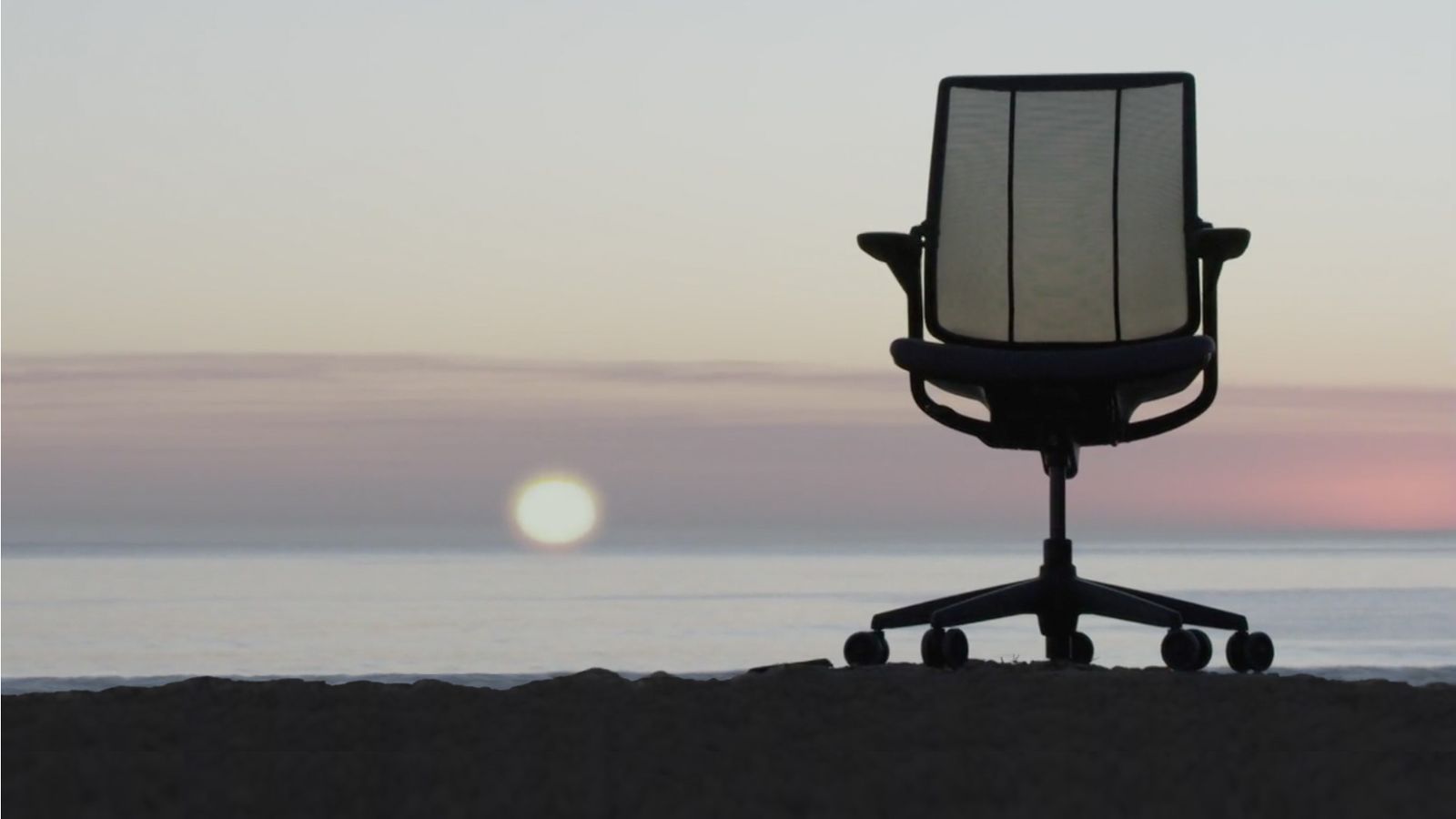
    If you work in an office environment be it on a full time or part-time basis, then you must be aware of how much time you spend on that office chair. But ironically, most businesses opt to spend a greater percentage of their furniture expense allocations money on an office desk as opposed to a chair. All this while forgetting the vital role played by quality office chairs on the health, general well-being and productivity at work. Therefore, it’s only fair that you purchase an office chair that’s both supportive and comfortable.

    But before deciding on one, here are a few considerations that should keep in mind;

    Don’t Forget To Examine The Fabric

    What’s important in a piece of fabric if you’re not going to wear it? Well, believe it or not, fabric plays a critical role in determining the quality of an office chair. It’s responsible for maintaining the breath-ability of the chair such that it doesn’t get too hot or cold. This can become extremely uncomfortable especially after long hours of sitting on it. Additionally, still on the fabric, ensure that it comes with a quality cushion to protect the person sitting on it from feeling the hard base of the chair.

    How Adjustable Is it?

    The best description of a perfect office chair revolves around its adjust-ability. Take time to check if the chair can be tilted backward for a more relaxed position, adjusted in height depending on the occupant for better use of the desk and the armrest should be adjustable as well. So when sourcing out for an office chair for sale, ensure to look out for such features. In most cases, these office chairs come with dial-controlled features that allow users to adjust with ease. However, there are still others that allow manual control, which is still okay.

    How Flexible Is The Base?

    While the market is mainly filled wheel-based chairs, you should give special considerations when selecting one. There are specific wheels made specifically for carpets, tiles and even wooden floors. Remember the ability to roll freely gives users the flexibility they require to reach out for stuff around the office. While at it, also ensure that the base can swivel freely to allow you access to various parts of the work desk.

    Does It Have Lumbar Support?

    Remember the back is one of the most important parts of the body when it comes to working in an office setting that requires a lot of sitting. Therefore you have to take care of it. Therefore a quality office chair should offer nothing less but good support for the lower back. If possible go for one with an adjustable lumbar to suit the needs of different users. This helps to prevent back strains that can affect the quality of work.

    To Conclude

    Selecting the correct office that’s not only comfortable but also offers solutions and cushion to back issues is vital for productivity in the workplace. All this can be made possible if you pay close attention to the fabric used, examine its flexibility and ensuring it has an adjustable lumbar support.


  • Asia-Pacific boosts Estee Lauder revenue

    Asia-Pacific boosts Estee Lauder revenue

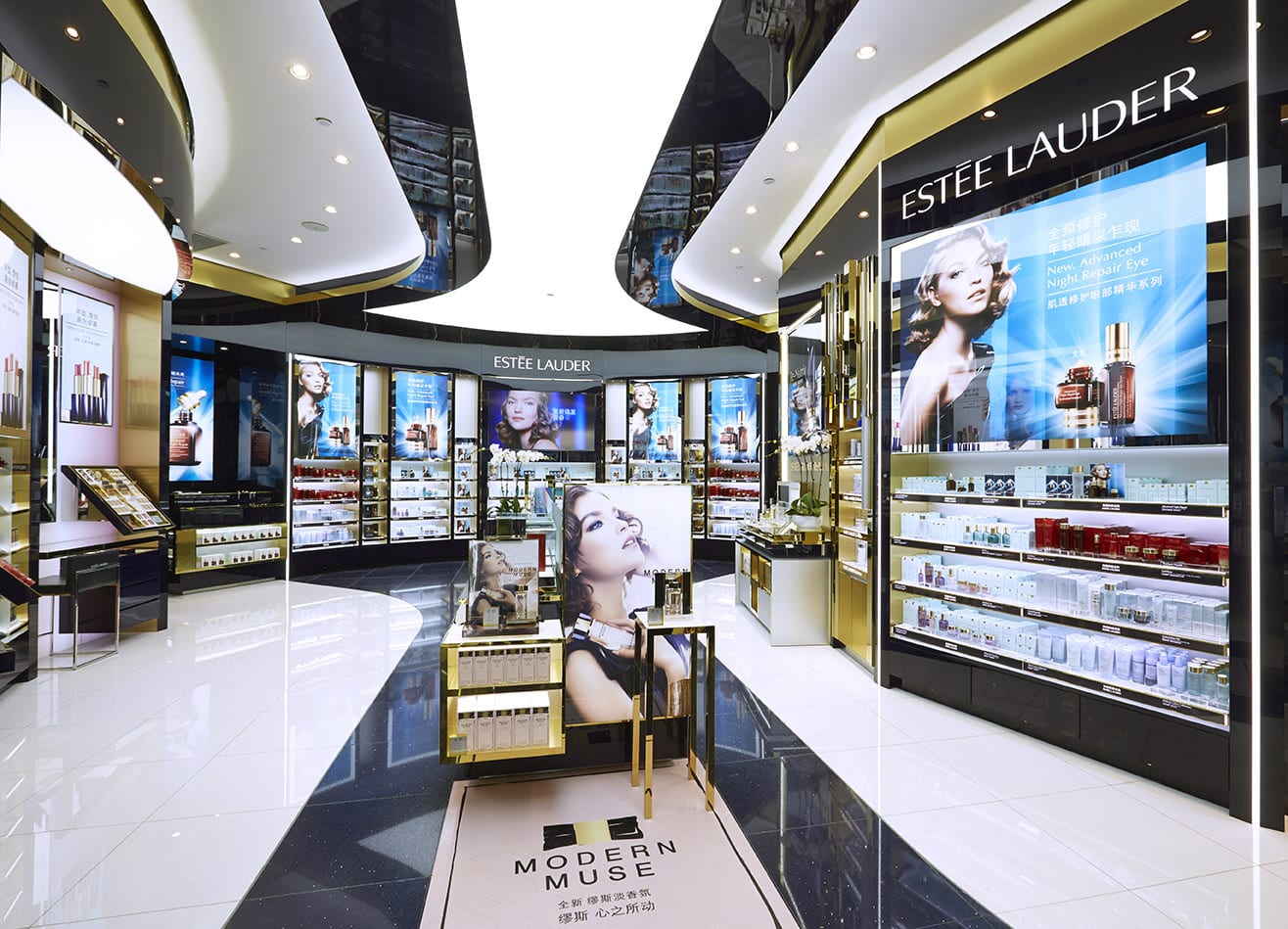
    Estee Lauder Asia-Pacific sales achieved double-digit growth in the December quarter. The beauty giant says the growth was broadbased, with nearly half of the markets in the region growing by double digits. “China, Hong Kong and Japan continued to deliver strong growth, and Korea net sales accelerated. Prestige beauty in China accelerated and the company continued to build share,” the company said in a statement.

    “[We] generated double-digit net sales growth in virtually every major product category and channel. Operating income increased, primarily due to higher net sales.”

    Globally, Estee Lauder sales exceeded US$4 billion for the first time, up 7 per cent from the same time a year earlier. Net earnings rose to $573 million compared with $123 million last year.

    “We delivered an excellent performance in our fiscal second quarter,” said president and CEO Fabrizio Freda. “Importantly, this was our eighth consecutive quarter of impressive net sales growth that met or exceeded our long-term goal, all while navigating many global macro issues.

    “Our sustained progress is the result of our multiple engines of growth strategy, and demonstrates our agility in moving resources to the best global opportunities,” he said.

    The strongest growth engines during the quarter included the skin care category globally, the Estee Lauder Asia-Pacific business, online and travel retail channels, and most brands, including Estee Lauder, La Mer, Mac and the company’s artisanal fragrance brands.

    “Despite a volatile and challenging backdrop, we are optimistic about our company’s long-term outlook. We are very well-positioned to build share in global prestige beauty,” Freda said.

    “We plan to increase our investments during the next six months behind our successful innovations, high-quality products, compelling digital advertising and effective commercial execution, while also enhancing our capabilities to strengthen our industry leadership and deliver long-term profitable growth.”

  • Miniso teams up with cartoon network’s Adventure Time

    Miniso teams up with cartoon network’s Adventure Time

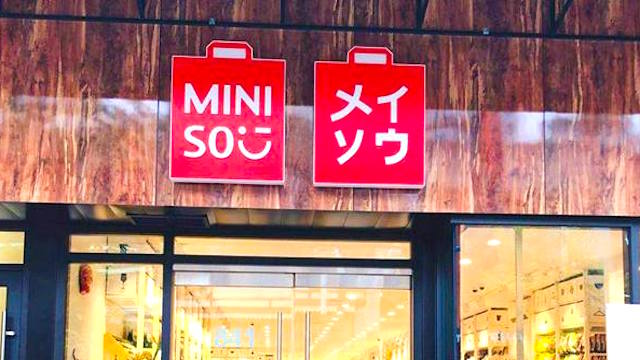
    Miniso has teamed up with Cartoon Network to present an epic 264-item collection of Adventure Time products in its stores across 62 territories around the world. From Europe to Asia, and Africa to North America and South America, the retailer is stacking its shelves with items featuring iconic characters including Finn, Jake, BMO and Lumpy Space Princess.

    Launching this month as part of a phased global rollout, Adventure Time fans will be able to enjoy an immersive in-store experience with the collection, which will be comprised of plushies, stationery, gifts and accessories such as backpacks and cosmetics. In the near future, the collection will add even more items as well as expand to additional territories.

    “The scale of this range demonstrates the popularity and enduring qualities of the Adventure Time franchise globally,” said Vikram Sharma, Vice President of Cartoon Network Enterprises, Asia Pacific.

    “Miniso has been a great partner for us. And when they wanted a brand that could provide young fans with an instantly-recognizable and fun association, Adventure Time was the obvious, mathematical choice!”

    Meanwhile, a new wave of merchandise from We Bare Bears – another Cartoon Network property – will also be in stores alongside Adventure Time.

    After impressive sales during the initial collaboration during 2018, more than 200 new and refreshed Bears’ items will be available in Miniso stores this month.

  • Walmart bets on India despite change in FDI norms

    Walmart bets on India despite change in FDI norms

    American retail giant Walmart and its Indian e-tail major Flipkart are betting big on India despite the revised norms for Foreign Direct Investment (FDI) in e-commerce, the companies said. “Walmart’s and Flipkart’s commitment to India is deep and long term. Despite the recent changes in regulations, we remain optimistic about the country,” the regional Chief Executive Officer of Walmart Asia and Canada Dirk Van den Berghe told IANS in a statement in New Delhi.

    The companies will continue to focus on creating “sustained economic growth and bringing sustainable benefits to India, including employment generation, supporting small businesses and farmers, and growing Indian exports to Walmart’s global markets”, added Berghe, who is also the retail giant’s Executive Vice President.

    Walmart’s assertion on the company’s commitment to India came after American investment bank Morgan Stanley in a report on Monday said the former might exit the country after the new FDI norms in e-commerce came into force on February 1.

    “An exit is likely, not completely out of the question, with the Indian e-commerce market becoming more complicated,” the New York-based financial services firm said in its report titled “Assessing Flipkart Risk to Walmart EPS (earnings per share)”.

    In May last year, Walmart bought 77 percent equity stake in Flipkart for a whopping US$ 16 billion (Rs 1,16,256 crore).

    The revised FDI norms in e-commerce, however, have tightened the noose around the businesses of the country’s leading e-tailers – Walmart-owned Flipkart and Indian arm of American e-commerce giant Amazon.

    The policy revisions, issued by the Ministry of Commerce and Industry on December 26, 2018, barred e-commerce platforms providing a marketplace from exercising control or ownership over the inventory and forbids any company to sell its products exclusively on an e-commerce platforms alone.

    The e-tail companies are now working towards changing the ownership of their inventory, so as to comply with the norms.

  • Tenant reshuffles bring good revenue for CapitaLand Retail China

    Tenant reshuffles bring good revenue for CapitaLand Retail China

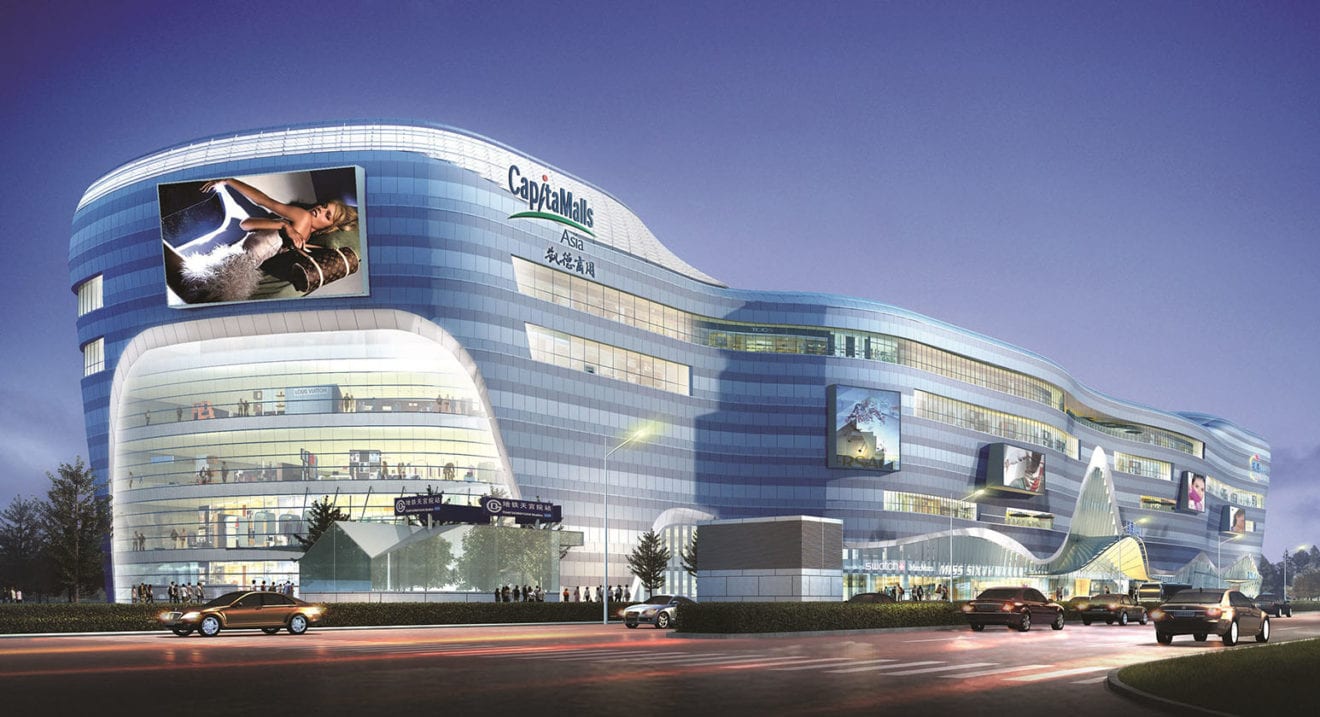
    CapitaLand Retail China boosted its distributable income by 9.4 per cent last year on the back of a new acquisition and improved performance of multi-tenanted malls. CapitaLand Retail China Trust Management (CRCTML), the manager of CapitaLand Retail China Trust (CRCT), reported a distributable income of S$99.7 million (US$73.5 billion) for the year.

    “CRCT delivered a resilient set of results in FY2018 on the back of strong operating performance,” said CRCTML CEO Tan Tze Wooi.

    Portfolio occupancy as at December 31 was 97.5 per cent and rental reversion was 10.9 per cent. Tenants’ sales at its multi-tenanted malls grew by 18.8 per cent year on year, while shopper traffic was up by 19.4 per cent.

    With the addition of Rock Square in the full-year figures for the first time, CRCT’s investment property value rose by 17.8 per cent to RMB13.993 billion (US$2.07 billion) as at the end of the year.

    CRCTML chairman Soh Kim Soon said China’s retail sales rose by 9 per cent last year.

    “China’s more moderate pace of growth is reflective of an economy undergoing transition and its long-term fundamentals remain positive. We are confident that CRCT’s quality family-oriented shopping malls will continue to benefit from China’s growing middle class and policies implemented to stimulate the economy,” he said.

    Highlights of the year included:

      • CapitaMall Wangjing posted a rental reversion of 15.7 per cent after converting 4700sqm of anchor tenant space on Level 4 to specialty stores. The mall’s Level 8 rental income will rise by around 50 per cent after transforming 500sqm of common area into leasable space for coworking operator Ucommune.
      • CapitaMall Xinnan netted 17.9 per cent in rental reversion by reconfiguring its Basement 1 space to accommodate more popular brands.
      • Since acquisition, Rock Square has achieved four consecutive quarters of rental reversions above 20 per cent and a double-digit year-on-year increase in average sales per square metre for specialty stores.

    Wooi said that in order to further optimise the portfolio, CRCT has entered into a bundle deal in Hohhot with unrelated third parties to divest CapitaMall Saihan and acquire a new mall that is double in size and has “a longer balance tenure”.

    “Given the new mall’s higher growth potential, CRCT will be in an even stronger position to tap Hohhot’s promising retail growth. The deal is structured to minimise income disruption as the closure and divestment of CapitaMall Saihan will take place after the new mall is operational in the second half of the 2020 [financial year]. Supported by CRCT’s strong financial position, we will continue to explore suitable acquisition opportunities to grow and rejuvenate our portfolio,” Wooi concluded .

  • Reliance India buys additional stake in Future101, Genesis Colors

    Reliance India buys additional stake in Future101, Genesis Colors

    Billionaire Mukesh Ambani-led Reliance Industries has raised its stake in luxury apparel firms Future101 Design and Genesis Colors to strengthen its foothold in retail industry. Reliance Brands Ltd (RBL), a unit of RIL, “has acquired a further stake of 2.5 percent in Future101 Design Pvt Ltd on February 7, 2019, for a consideration of Rs 1.99 crore, taking its total stake in Future101 to 15 percent,” the company said in a regulatory filing.

    According to a report, also, Reliance Retail Ventures Ltd (RRVL), a separate subsidiary of the company, acquired a further stake of 9.44 percent in Genesis Colors Ltd (GCL), for Rs 45 crore taking its total stake in GCL to 29.07 percent on the enhanced capital.

    “Consequently, the stake of RBL in GCL shall be 43.66 percent and the aggregate equity shareholding of RRVL and RBL in GCL stands at 72.73 percent,” it said.

    Reliance said the acquisitions will help it to strengthen its foothold in the retail industry and support its long-term strategy to enhance its value in the industry.

    No regulatory approvals were required for the acquisition of shares and the investment does not fall within related party transaction, it added.

    The company had in July last year bought 12.5 percent stake in Future101, which is engaged in manufacturing, distribution, and sale of luxury apparels in India, for Rs 9.50 crore.

    Future101 reported an annual turnover of Rs 22.18 crore in 2017-18.

    In September 2018, RRVL had acquired a 16.31 percent stake in GCL, which owns fashion label Satya Paul, for Rs 34.80 crore. RRVL, through unit RBL, already held a 49.46 percent stake in GCL.

    That month, RRVL invested a total of Rs 57.03 crore in five other companies that sell branded readymade garments, bags, footwear, cosmetics and accessories.

    It bought a 2.07 percent stake in Genesis Luxury Fashion Pvt Ltd for Rs 3.37 crore, taking its holding in the company to 49.37 percent. Genesis Luxury Fashion distributes premium brands such as Jimmy Choo, Armani, Paul Smith and Bottega Veneta.

    It also bought 50 percent stake each in GLF Lifestyle Brands Pvt Ltd and Genesis La Mode Pvt Ltd for Rs 38.45 crore and Rs 10.57 crore, respectively.

    Besides, it acquired 50 percent each of GML India Fashion Pvt Ltd and GLB Body Care Pvt Ltd for Rs 4.48 crore and Rs 16 lakh, respectively.

  • Vietnamese startup launches platform for hiring blockchain talents

    Vietnamese startup launches platform for hiring blockchain talents

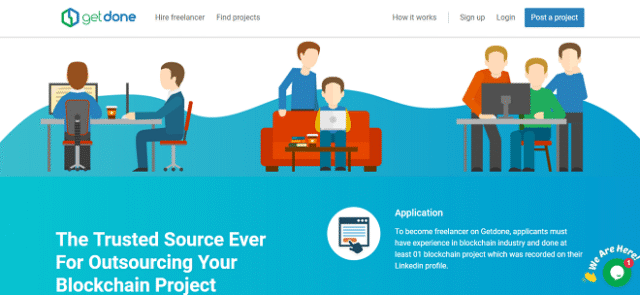
    Getdone is a platform that connects blockchain talents, who can work as full-time employees or freelancers, to global clients in blockchain industry. This platform is the universal version of freelancerviet.vn, a leading freelancer platform in Vietnam. It lists 300,000 freelancers in various categories, with a focus on blockchain and AI technology. Getdone provides innovative solutions based on a combination of the two emerging technologies to improve security and payment speed, transaction fees and reliability of talent profiles and overcome the language barrier.

    In Vietnam, the number of job searches related to cryptocurrency and blockchain doubled in 2018. However, blockchain engineers and developers currently account for only 2-5 percent of the IT workforce, according to TopDev’s annual report last August.

    Upwork’s newest quarterly index of the hottest skills in the U.S. freelance job market ranks blockchain first out of 20.

    For this reason, Getdone entered the market with the mission to be a part of the solution of hiring blockchain talent including engineers, developers, and others.The shortage of blockchain developers continued in the fourth quarter of last year even as blockchain products doubled. The demand for employees in blockchain is so high that employers and clients need to find ways to work around a shortage.

    The smart contract on the Getdone platform cuts off third parties’ intermediary role to reduce commissions and ensure security and quick payment.

    Besides, AI technology with self-recommendation function based on automatic data analysis will help connect clients and qualified job seekers.

    AI also proposes an average budget for a project to help clients understand reference budgets when they need to hire blockchain talents, and an average rate per hour of work based on a candidate’s profile.

    It will create a standard framework for the freelance job market, avoid devaluation and protect the benefits of both blockchain talents and clients.

    The new-user-support tool will help new applicants find jobs more easily through the test system. A new talent who joins the site and gets a high-test score will still get a job despite having no previous work history on Getdone.

    Getdone will provide a live language translation tool to break the language barrier and help talents work across the world. Getdone accepts payments in more than 20 cryptocurrencies and foreign currencies.

    A hedging mechanism helps stabilize the value of cryptocurrencies used at Getdone. When choosing a talent, the company deposits a sum of money with the crypto token by the time talents complete their work within a few days to several months.

    In 2018 freelancerviet won Ho Chi Minh City’s Best Innovation Project award and the Asian Rice Bowl Startup Award in the Best AI and Machine Learning Application category from NEF (New Enterprises Foundation) and MaGIC (Malaysian Global Innovation & Creativity Center).

    Getdone is also one of three Vietnamese representatives to beat thousands of competitors from across the world to qualify for the Elevator Pitch Competition, a global contest organized by the Hongkong Science and Technology Center.

  • Foot Locker buys out Goat Group stake

    Foot Locker buys out Goat Group stake

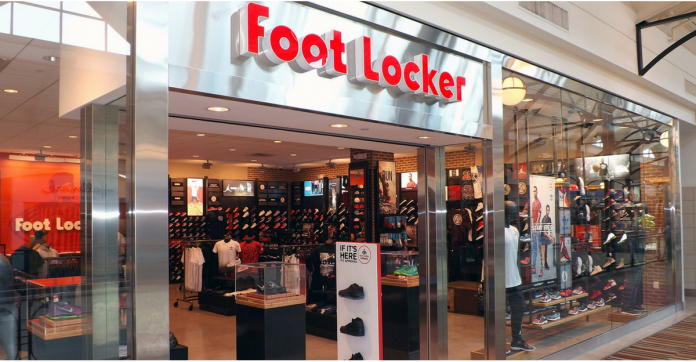
    Specialty athletic retailer Foot Locker is making a US$100 million strategic minority investment in Goat Group, a managed marketplace for authentic sneakers operating the Goat and Flight Club brands. The partners expect to make joint efforts across digital and physical retail platforms to create exclusive experiences for their customers in an attempt to elevate customer engagement. The investment is also expected to help accelerate Goat Group’s global operations, expanding its omnichannel experience and innovative technologies.

    “At Foot Locker we are constantly looking at new ways to elevate our customer experience and bring sneaker and youth culture to people around the world”, said Foot Locker’s chairman and CEO Richard Johnson. “We are excited to leverage Goat Group’s technology to further innovate the sneaker buying experience and utilise their best-in-class online marketplace to help meet the ever-growing global demand for the latest product.

    “Together, Foot Locker and Goat Group’s shared commitment to trust and authenticity in the sneaker industry will provide consumers with unparalleled experiences and diversified offerings,” said Johnson.

    “In 2015, we pioneered the ship-to-verify model with a mission to bring a seamless and safe customer experience to the secondary sneaker market,” said Goat Group’s co-founder and CEO Eddy Lu. “With more than 3000 retail locations, Foot Locker will support our primarily digital presence with physical access points worldwide, bringing more value to our community of buyers and sellers. Having Foot Locker as a strategic partner will also expand our business as we continue to scale our operations both domestically and internationally.”

    Scott Martin, Foot Locker’s senior VP for strategy and store development, will join Goat Group’s board of directors.

    The Goat Group deal follows Foot Locker’s recent investments in innovative, digital-first companies including leading women’s luxury activewear brand Carbon38; tactical play and children’s lifestyle brand Super Heroic; and footwear design academy Pensole.

    Foot Locker’s investment will bring the total raised by Goat Group to $197.6 million since it was founded in 2015.