Blog

  • UNIQLO x ALEXANDER WANG Collection to be launced on November 9

    UNIQLO x ALEXANDER WANG Collection to be launced on November 9

    UNIQLO announced that it will launch the new UNIQLO and ALEXANDER WANG collaboration line in 20 countries and regions around the world on 9 November. In Singapore, the collection will first launch online at UNIQLO.com on 8 November and it will be available in stores from 9 November. The full range will be available at UNIQLO Orchard Central Global Flagship Store and through UNIQLO.com. Selected items will be available at all UNIQLO stores. The range takes the UNIQLO HEATTECH concept of enjoying light and fashionable dressing even in cold seasons and expresses it with new ideas, creating LifeWear that presents HEATTECH as more stylish wear.

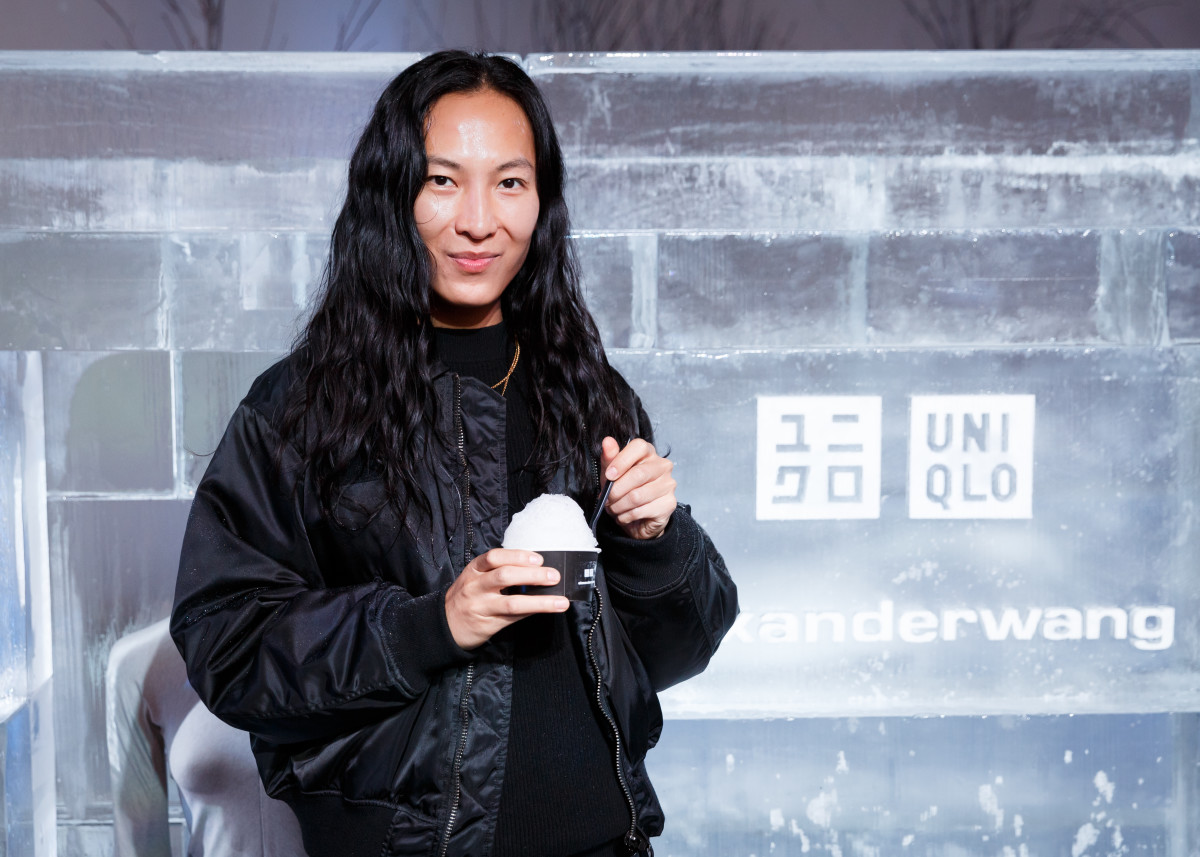
    Two images from the launch campaign Warmth Reimagined depict products in an ice block. The metaphorical visual aims to express the thought that HEATTECH transcends the cold and is warm enough to melt away the ice it is encased in. The campaign speaks to the idea that, even though these items are technically ‘innerwear,’ they may be worn as ‘outerwear’ or as visible layers. There is no reason to hide these beautiful, warming garments. Hence Warmth Reimagined.

    The new collection of HEATTECH and HEATTECH Extra Warm items comprises fashionable innerwear with the original functionality of HEATTECH, allowing the wearer to be warm and stylish even in cold seasons. The silhouettes are sharp and slim overall, while the women’s tank top features a unique back design and can be styled with other pieces from the collection. HEATTECH underwear is available in both men’s and women’s lines for the first time. The men’s items include both briefs and boxers, while the women’s range has a bra and shorts. The waist is adorned with a logo, a design element for wearers to casually show.

    The collaboration line includes a range of colours from Alexander Wang’s classic black to neon green. The line also incorporates neo-futuristic elements and sporty styling, such as glossy rib materials reminiscent of 80s fashion. The visual presentation of the comfortable, bias weave fabric is another characteristic of this collection. The fabric itself uniquely changes with body movement, with V-shaped patterns appearing on the surface.
  • JD China Will Launch Flagship U.S. Store on Google This Year

    JD China Will Launch Flagship U.S. Store on Google This Year

    Chinese e-commerce platform JD is preparing to launch a flagship US store on Google. The move will allow JD, the second largest online retailer in China, to sell directly to American consumers by the end of the year, despite the emergence of potential new trade restrictions between the US and China.

    Google, which has been making moves to build a strong presence in e-commerce via its planned Google Shopping platform, purchased a US$550 million shareholding in JD this year. JD meanwhile is eyeing global markets as consumption slows in its home market. It is already selling in the US through partner and major investor Walmart.

    JD Logistics’s director of strategy Bao Yan said: “When Google Shopping launches, JD will have a flagship store. We are shipping from US fulfillment centers to US end-customers.”

    JD operates warehouse and delivery services in Los Angeles and has plans to expand its US-based facilities with several new fulfillment centres, ahead of opening its store on Google.

    Google, moving to compete with Amazon, will be responsible for payment and order processing for the enterprise.

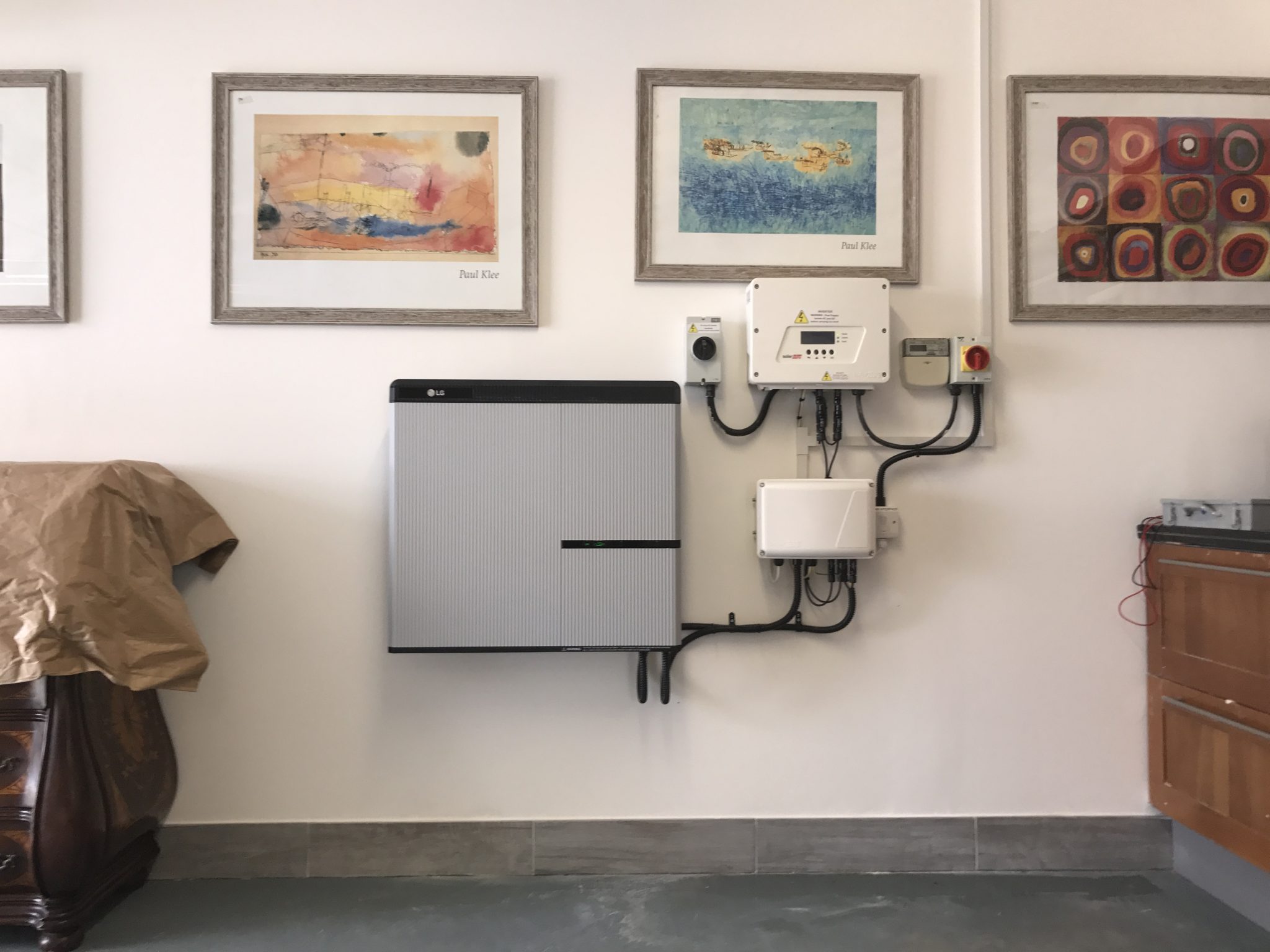
  • LG Chem to build China facility

    LG Chem to build China facility

    LG Chem said Tuesday that it will invest 2.1 trillion won ($1.8 billion) by 2023 to build electric vehicle batteries in China in the latest move to meet growing demand for batteries for zero-emissions cars. Korea’s top chemical company said it has broken ground on a three-story plant on the 198,300-square-meter (49 acre) site in Nanjing in southeastern China.

    The plant is set to roll out electric vehicle batteries that can power more than 500,000 electric vehicles. The first phase of production is set to begin late next year.

    An electric vehicle equipped with LG Chem batteries can travel about 320 kilometers (198 miles) on a single charge, according to LG Chem.

    LG Chem Vice Chairman and CEO Park Jin-soo said the second plant in China will allow the company to better meet rapidly growing global demand.

    LG Chem has another electric vehicle battery plant in Nanjing. It also operates electric vehicle battery plants in Korea, the United States and Poland.

    The electric vehicle battery market has been on the rise as automakers around the world race to go electric due to tightened regulations on greenhouse gas emissions, which scientists say are to blame for global warming.

    Currently, LG Chem is a key supplier of batteries to U.S. auto giant General Motors, Volvo and Renault, as well as Korea’s largest carmaker, Hyundai Motor, and its smaller affiliate, Kia Motors.

  • Shopee becomes top e-commerce in Vietnam in Q3

    Shopee becomes top e-commerce in Vietnam in Q3

    Shopee has become the leading Vietnam e-commerce market player, followed by Lazada and Tiki. The report published by Iprice Insight, ranks the top 50 Vietnam e-commerce market players based on their average quarterly traffic, mobile application ranking, social media followers and number of staff, using data collected in July.

    The report shows that during the quarter, Shopee had a monthly average traffic of 34.5 million visitors while Lazada, which had topped the list since the second quarter of last year, achieved 30.2 million.

    Other players in the Top 5 included local company Tiki, with 29.4 million visitors a month, Sendo with 20.7 million, and Adayroi with 5.3 million.

    All of the top four platforms have foreign investment.

    Iprice predicts significant changes during the next quarter when the platforms offer more promotions to stimulate shopping as year-end approaches.

    The Vietnam e-commerce market has been growing fiercely, with revenue forecast to reach US$10 billion by 2022.

  • Vietnam retains current price ceilings on domestic flights

    Vietnam retains current price ceilings on domestic flights

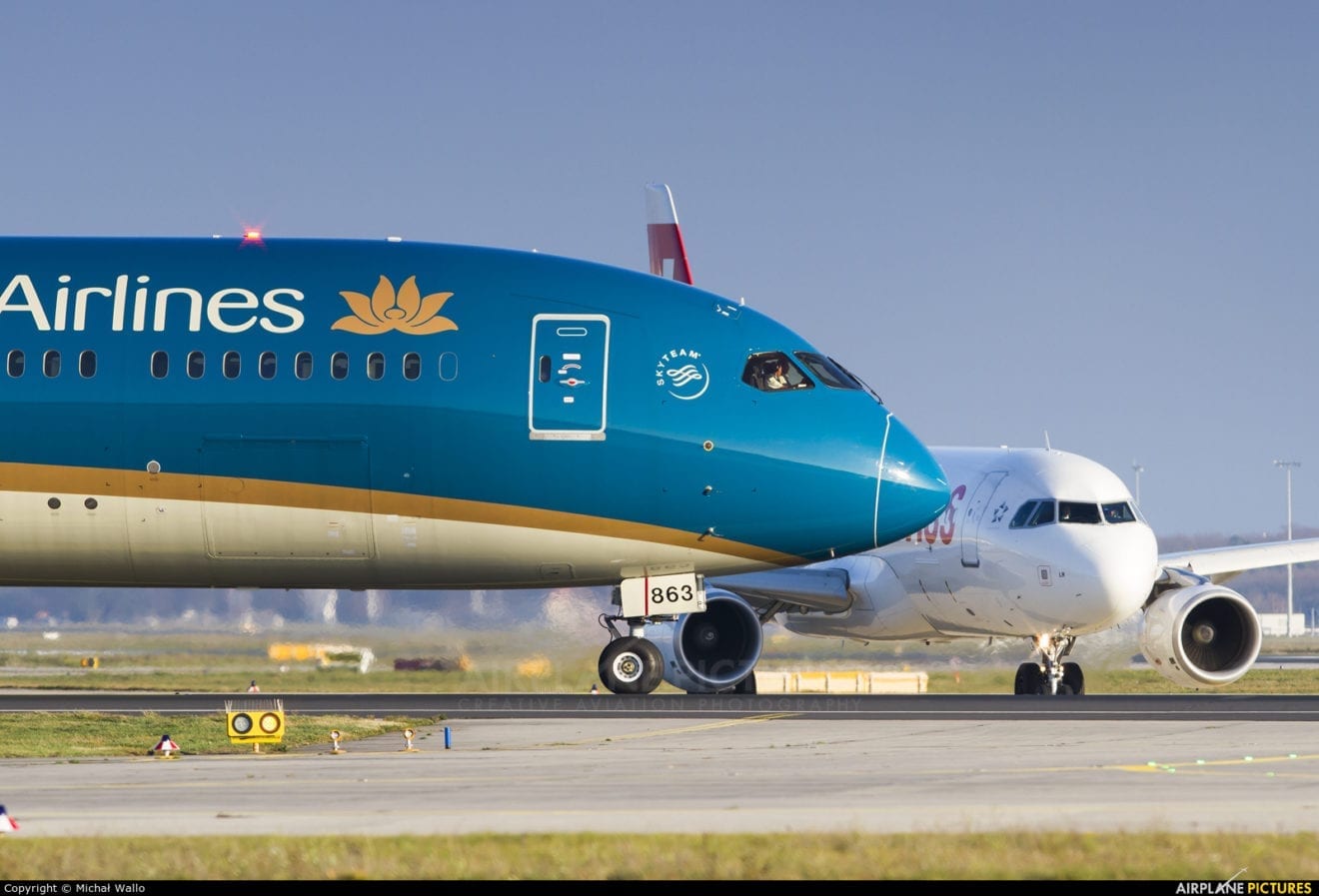
    While several carriers want the price ceilings for domestic flights raised, inflation concerns have prevailed, for now. The current price ceiling, fixed by the Transport Ministry in August 2015, is set to remain unchanged for the time being as a new draft circular on air transportation rates.

    Under the draft circular on air transportation prices, prices for five different classifications range from VND1.6 million ($68) to VND3.75 million ($160) per one-way ticket.

    The lowest ceiling applies to flights for distances of 500 kilometers and less to remote rural areas, islands and mountainous areas that require a socioeconomic development boost.

    The highest price ceiling of VND3.75 million ($160) applies for flights of more than 1,280 kilometers.

    The maximum service charges listed above are for economy seats, not including value added tax and other charges like baggage, service and security fees.

    In July, several carriers had suggested that the price ceilings be raised since fuel prices were higher than when the current ceilings were introduced in 2015.

    But the Civil Aviation Administration of Vietnam (CAAV) advised that current price levels be maintained to follow the government’s directive on curbing inflation.

    As of now, the ticket prices listed by carriers are 76-79 percent of the ceiling.

    The CAAV acknowledged that the ceiling prices need to be adjusted, especially for long flights, adding that it will re-assess the situation next year and propose new price brackets if needed.

    Vietnam’s aviation industry has been booming in recent years. The country served more than 94 million air passengers in 2017, up 16 percent from the previous year, including 13 million foreigners.

  • Samsung offers laptop with millennial style

    Samsung offers laptop with millennial style

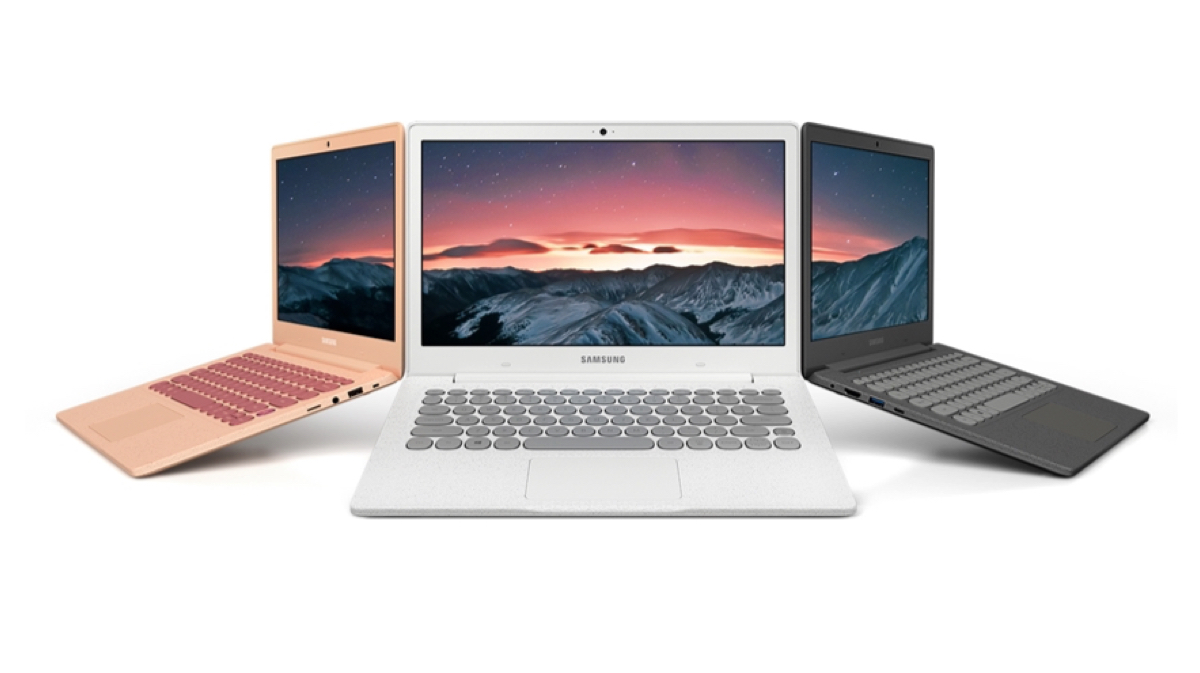
    Samsung Electronics introduced on Monday a laptop it believes will appeal to millennials.  The 13.3-inch computer, the Samsung Notebook Flash, has rounded key caps reminiscent of old typewriters. Its palm rest has a coarse fabric, not conventional metal, which feels comparatively warm, Samsung explained.  The new device is based on the Windows 10 operating system.

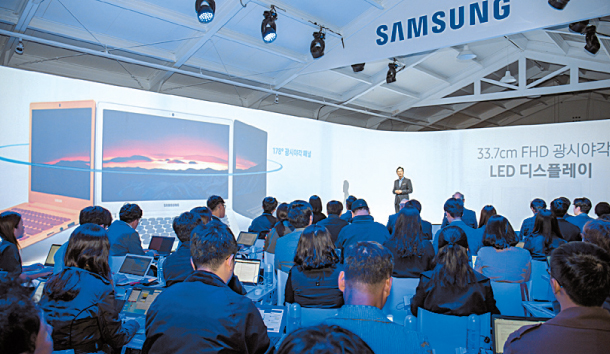
    “We worked with Samsung Design Europe to come up with a refined European model that millennials would want,” said Lee Min-chul, managing director of the company’s PC business unit at a launch event in northern Seoul on Monday.

    The laptop comes in three cover designs: linen white, twill charcoal and soft coral. It is powered by Intel’s latest gigabit WiFi chip, rated for download speeds of up to 1.7 gigabytes per second – a speed that Lee says is currently the fastest.

    The laptop supports universal flash storage, a flash storage that achieves five times the reading speeds of MicroSD technology.

    Fingerprint login capabilities and a secret folder, in which the user can save important files, contribute to a high level of security.

    But at 1.37 kilograms (three pounds), the new device is relatively heavy, weighing much more than typical one kilogram ultra-light laptops.

    For Samsung, a top global vendor of smartphones, semiconductors and TVs, laptops are a weak spot.

    The tech giant ranks behind the six largest players – HP, Lenovo, Dell, Apple, Asus and Acer. Those six have about 89 percent of the global market, according to TrendForce in a February report.

    Samsung, LG and others make up the remaining 11 percent.

    Samsung currently retails laptops only in Korea, the United States, China and Brazil. A full 45 percent of all laptops sold globally are sold in these markets.

    Samsung’s annual shipment of laptops totals about 3.2 million units, according to the company.

    The target for Flash laptop sales in the four target markets is one million units.

    Despite its minimal global presence, Samsung is committed to the laptop business, said Lee, citing the device’s “connectivity” with other devices.

    “PCs are central when it comes to IT devices they support – such as monitors, printers and even mobile phones,” Lee said.

    Laptops have been evolving in different ways in recent years, and Samsung wants to develop hybrid products, including laptops with foldable displays.

    “But it’s not only about hardware. It’s important to provide new usability,” he added.

    Coming in two storage sizes – 64 gigabytes and 128 gigabytes – the Flash laptop carries a price tag of 810,000 won ($717).

    But a model specifically designed for wireless operator KT can be purchased for 8,000 won per month on a 36-month subscription with KT’s internet service and the Olleh internet protocol TV.

  • New fashion inspiration for young South Koreans

    New fashion inspiration for young South Koreans

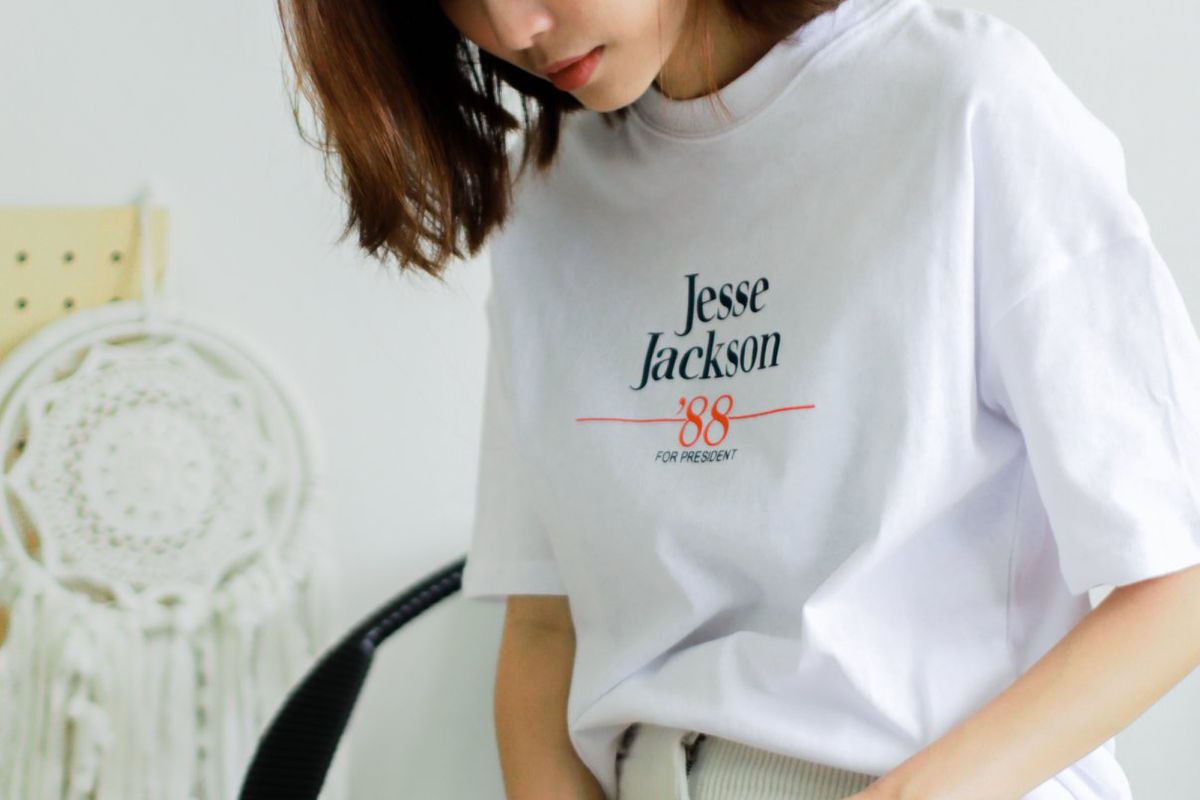
    Among young South Koreans, civic rights activist and Democratic presidential nominee Jesse Jackson’s 1988 campaign T-shirts and French fashion brand Balenciaga’s Bernie Sanders-inspired caps are some of the hottest fashion items at the moment. “What size is it?” “Has it been sold yet?” Comments like these quickly appear when well-kept secondhand Bernie Sanders caps are put up for sale in online communities, as a brand new one could cost nearly US$310.

    Celebrities like actor Ha Yeon-soo and singer HyunA have been seen sporting the Balenciaga cap, the design of which has been inspired by US politician Bernie Sanders’ 2016 presidential campaign logo.

    The Jesse Jackson-inspired T-shirts appear within reach for a wider demographic, as they are sold at a much cheaper price, ranging between 10,000 and 20,000 won.

    Other than being seen as fashionable, the two items share another thing in common. They are both inspired by progressive US presidential campaigns from the past, yet their origins receive little to no attention from South Korean consumers.

    The comments from major Web portal Naver speak volumes.

    “It hugs my body perfectly,” one comment about Jesse Jackson T-shirts read, while another said, “It goes well with my denim.”

    YouTuber Seni, who specializes in makeup and fashion, did a video on a hip-hop festival look in September, which she complete with the Bernie Sanders-inspired Balenciaga cap.

    During the video, the YouTuber got ready for a music festival but the background knowledge behind the cap’s design did not take center stage.

    Online fashion retailer Yuiiyuii, which sells Jesse Jackson T-shirts, says it’s mostly the design of the shirt that has gained popularity despite its originally political nature.

    “Not just Jesse Jackson but other T-shirts with similar fonts and colors gained popularity beginning around last summer.”

    While the two figures once contended for the leadership of the United States, their profile in Korea is not as strong as other US political figures such as President Obama and former Democratic presidential nominee Hillary Clinton.

    On a rare occasion in September, Jesse Jackson met with President Moon Jae-in during his visit to New York to attend the United Nations General Assembly.

    During the meeting, Jackson praised Moon’s North Korea policy and called the South Korean president a “breath of fresh air,” adding Moon was following in the footsteps of South African President Nelson Mandela and South Korean President Kim Dae-jung.

  • Amorepacific Group to expand in Australia

    Amorepacific Group to expand in Australia

    Amorepacific Group, the L’Oreal of Korea, is ramping up its presence in the Australian and New Zealand markets, as demand for Korean beauty products remains unabated. Over the last several months, the company has set up a head office in Melbourne under the direction of country manager Caroline Dunlop, launched its global luxury brands Amorepacific and Laneige at Mecca Cosmetica and Sephora, respectively, and opened two bricks-and-mortar stores under the banner of its popular natural beauty brand Innisfree in Melbourne. A third Innisfree store is due to open before the end of the year.

    Amorepacific Group said it will continue to further ramp up its expansion into the Oceania region after having closely studying the Australia and New Zealand beauty markets and their customers for several years. The company noted that Australia ranks among the the top five countries in the world for average cosmetics spending per person.

    “Australian and New Zealand customers are beauty conscious; taking great interest in global beauty trends and cosmetic ingredients. They also put a significant amount of time and effort into taking care of and protecting their skin against environmental factors in the region. In addition, their preference for natural makeup and healthy skin has led to a growing interest in K-beauty,” the group said in a statement.

    Amorepacific is far from the only beauty retailer moving to capitalise on the booming beauty sector, but it may be better equipped than most to do so. The company is Korea’s oldest and largest beauty business, recording around US$6 billion ($8.5 billion) in annual sales, and has a physical presence in Asia, North America, Europe and Oceania.

    “I am so pleased to introduce Amorepacific Group’s global brands … to Australia and New Zealand this year,” Dunlop said.

    “These much-loved brands have enthralled customers around the world, and K-beauty has grown into a beauty category in its own right. As a K-beauty leader, Amorepacific Group is driving innovative beauty trends globally. Through Amorepacific Group, customers will be able to experience and benefit from the long-established expertise and true essence of Asian Beauty.”

  • Hyundai brings wearable robotics to factories

    Hyundai brings wearable robotics to factories

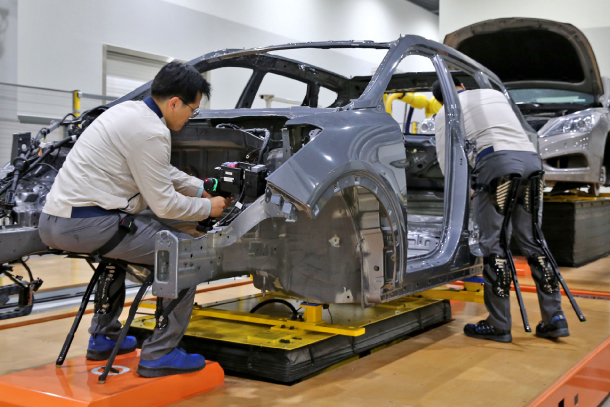
    The Hyundai Motor Group will expand the use of wearable robots at its facilities as it works to make robotics a major source of revenue, the company said Monday. Since September, Korea’s largest automaker has been testing the Hyundai Chairless Exoskeleton (H-CEX) at its North American factory. The H-CEX is an assistive robot for workers who have to stay in a seated position throughout the day. By the end of this year, the carmaker will introduce the Hyundai Vest Exoskeleton (H-VEX) at the same facility.

    The H-CEX, the first wearable developed by Hyundai for use at production sites, reduces the use of waist and lower body muscles by 80 percent, reducing the fatigue that results from being in the same seated position for a long period of time, Hyundai said in statement. The soon-to-be introduced H-VEX exoskeleton is for workers in jobs that require a lot of arm lifting. The machine vest will support the upper body and protect neck and shoulder muscles.

    “By expanding test applications, we hope to prove the technological effectiveness of our wearable robots,” Hyundai said in statement.

    The two exoskeletons were developed by Hyundai’s robotics team, established in May after the company named robotics as one of its five pillars for the future.

    The team is preparing to launch other robots focusing on three main areas: wearables, service robots and mobility robots.

    Hyundai is gearing up to test a hotel robot capable of providing room service and guiding guests. It will be introduced at the Haevichi Hotel & Resort on Jeju Island and at the Rolling Hills Hotel in Hwaseong, Gyeonggi, from the end of this year.

    A car-selling robot with natural language conversation capabilities and artificial intelligence will be prototyped by early next year. By 2020, the automaker plans to introduce a robot that can autonomously charge electric vehicles at charging stations.

    “We believe that robotics could be a solution not only for mobility but also for production in areas suffering from population decline,” a spokesperson for Hyundai said. “We plan to make notable achievements in robotics using technological data we have accumulated while developing autonomous cars.”

    Hyundai is not the only automobile maker bringing exoskeletons to assembly lines. U.S. automaker Ford has tested EksoVest, an upper-body assisting wearable jointly developed with Ekso Bionics. It was introduced at two U.S. factories in November last year. Ford announced in August a plan to bring the robot to 15 plants globally.

    German automakers BMW and Audi are also developing wearable aids for factory workers.

    According to market tracker BIS, the world’s wearable robot market is due to grow by 50 times from $96 million in 2016 to $4.65 billion by 2026.

  • China Mobile Hong Kong names IoT startup competition finalists

    China Mobile Hong Kong names IoT startup competition finalists

    China Mobile Hong Kong has announced the four finalists who will represent Hong Kong in the semi-finals of the China Mobile OneNET Start-ups Marathon Competition later this month.

    Bravolinear Tech, IOTANET, Peacify and Stoneroad IOT will compete with IoT experts from across mainland China during the semi-final competition in Chongqing.

    Bravolinear Tech has developed a narrowband IoT (NB-IoT) based intelligent sensor system for elderly care. IOTANET developed a class consortium blockchain for smart community and device sharing. Peacify is working on a wearable device for monitoring the health of newborn babies. Stoneroad is applying IoT technology to monitor the health of trees on public property.

    The four companies won the first Hong Kong version of the marathon competition, which parent company China Mobile Limited has held in China for the past two years.

    China Mobile Hong Kong worked with HKSTP, the Communications Association of Hong Kong (CAHK) and the Hong Kong Wireless Technology Industry Association (WTIA) to organise the event.

    The startups competed with six other hand-picked teams of entrepreneurs. The teams were provided with free training sessions and technical support before the finals of the Hong Kong contest, which took place last month.

    Each of the four winners will receive a HK$50,000 seed fund as well as being invited to participate in the semi-final competition.

    The Hong Kong version of the competition was designed to align with the HKSAR government’s Smart City Blueprint. It focused on the six key themes of smart transportation, smart living, smart environment, smart city, smart government, and smart finance.

  • Blockchain used for inter-carrier settlements in PoC trial

    Blockchain used for inter-carrier settlements in PoC trial

    Members of the International Telecoms Week (ITW) Global Leaders’ Forum (GLF), including PCCW Global and Telstra, have completed a proof of concept trial demonstrating how blockchain technology can transform inter-carrier settlement by streamlining complex transactions.

    The two operators as well as Colt Technology Services, BT, Orange and Telefonica, demonstrated the viability of a platform capable of settling voice transactions between operators within minutes rather than hours.

    The demonstration represents the first proof of concept blockchain trial to involve a multi-lateral series of relationships within the wholesale telecoms sector. It was the latest in a series of trials carried out by CLF members in collaboration with technology partner Clear, a blockchain specialist.

    The proof of concept was able to demonstrate that live data feeds could be successfully input into a distributed ledger, enabling traffic to be automatically verified and settled between two carriers.

    In a statement, the GLF said it is now reviewing its options over a potential governance structure to further develop the technology and implement a solution for the entire industry.

    “This latest PoC signals nothing less than the future of telecoms, whereby intensive manual practices can be securely automated across the wholesale ecosystem,” Colt Technology Services CEO Carl Grivner said.

    “This is a major step forward by Colt and its partners, meaning we can now invest further resources into driving both our and our customers’ businesses forward using the power of blockchain.”

  • BSNL, Nokia to collaborate on public safety networking

    BSNL, Nokia to collaborate on public safety networking

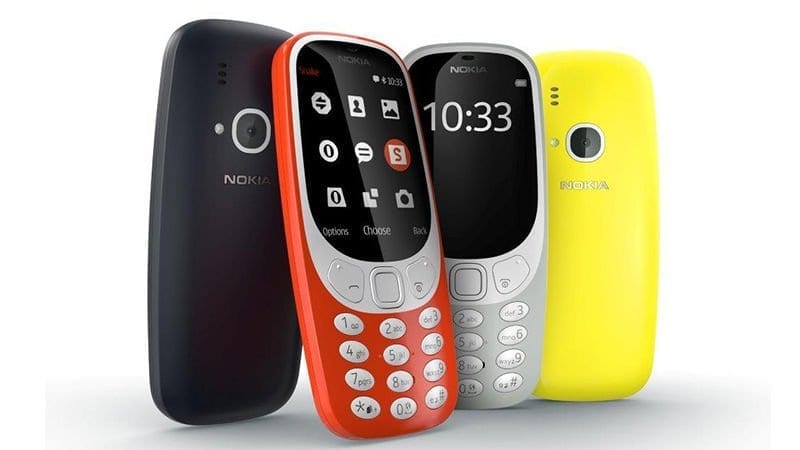
    Nokia and Indian state-owned operator BSNL are expanding their relationship with an agreement to jointly explore opportunities in the public safety sector.

    Under the agreement, Nokia will become BSNL’s OEM technology partner for public safety projects in support of the government’s efforts to advance public safety standards in the country.

    The two companies will explore developing solutions for first responders based on Nokia‘s ViTrust line of critical communications products.

    This will include the Nokia Ultra Compact Network, a portable solution designed to allow the deployment of a mission critical LTE mobile broadband network within minutes of arrival.

    The companies will explore opportunities in industry segments including smart cities, border enforcement, and mines and quarries in remote areas, and will work with India’s National Disaster Response Force (NDRF) to augment public safety communications systems with LTE technology.

    “As a trusted telecom service provider, BSNL is committed to providing the best technology solutions for public safety professionals,” BSNL chairman and managing director Anuam Srivasta said.

    “Our technology partnership with Nokia is a crucial step in this direction. We have a longstanding working relationship with Nokia, and this project starts a new chapter in our journey. Nokia’s innovation and leadership in mission-critical communications will allow us to deliver a best-in-class public safety network.”

    Last week the two companies announced another collaboration aimed at using LTE technology to improve operational efficiency at Nokia’s Chennai manufacturing plant.

  • 18 hours queue for Jollibee London opening

    18 hours queue for Jollibee London opening

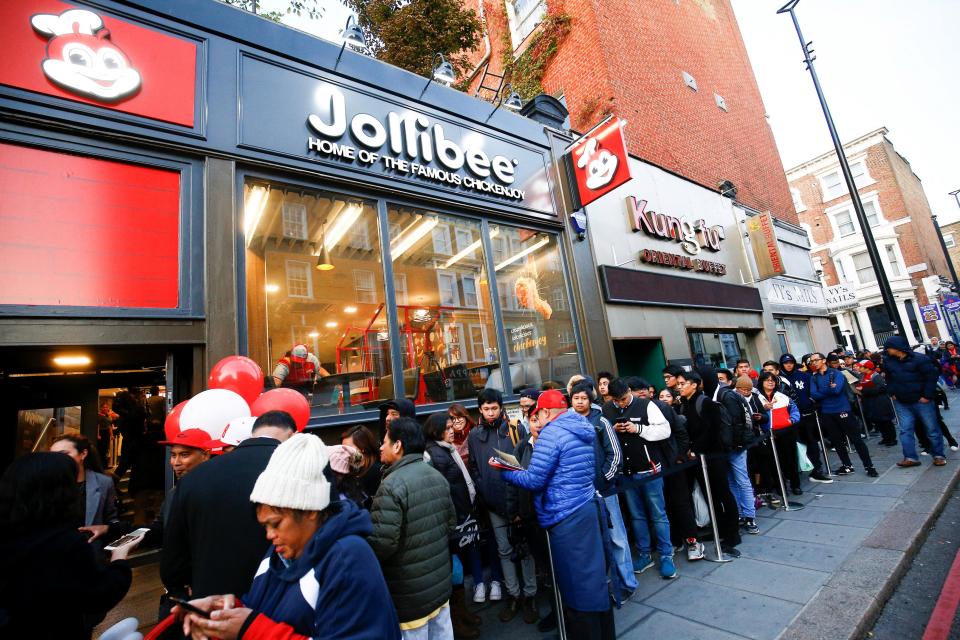
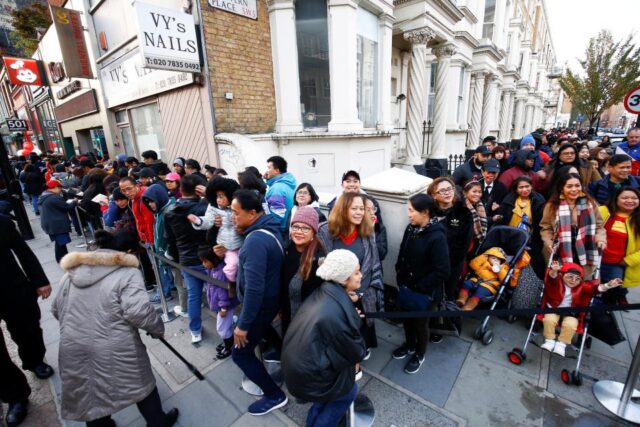
    Jollibee opened its first fast-food restaurant in London on Sunday, drawing queues of expat Filipinos who braved the autumn chill overnight to be among the first locally to savour Chicken Joy and burgers. According to mainstream news media, “thousands” of Filipinos visited the Jollibee London restaurant, located in Earl’s Court.

    Ernesto Tanmantiong, CEO of Jollibee Foods, said at a press briefing on the site that the crowds at the London store demonstrated the depth of customer loyalty to the brand which was helping the company reach its ambition of expanding all over the globe. He wants Jollibee to one day become the world’s largest fast-food operator.

    “Today, we are at number 11 or 12, depending on [our] stock price. To achieve that dream, we will require an aggressive expansion coming from strong organic growth and strategic acquisitions.”

    Jollibee plans to open 50 stores across Europe during the next five years, with Spain and Italy the priority markets after the UK, where it would target large cities.

    “We believe we can be successful in the UK because of two factors,” added Dennis Flores, head of international business in Europe, Middle East, Asia and Australia. “We know our flagship product is Chicken Joy and the UK is the largest fried chicken [market] in Europe.”

  • Vietnamese taxi firm to get support in lawsuit against Grab

    Vietnamese taxi firm to get support in lawsuit against Grab

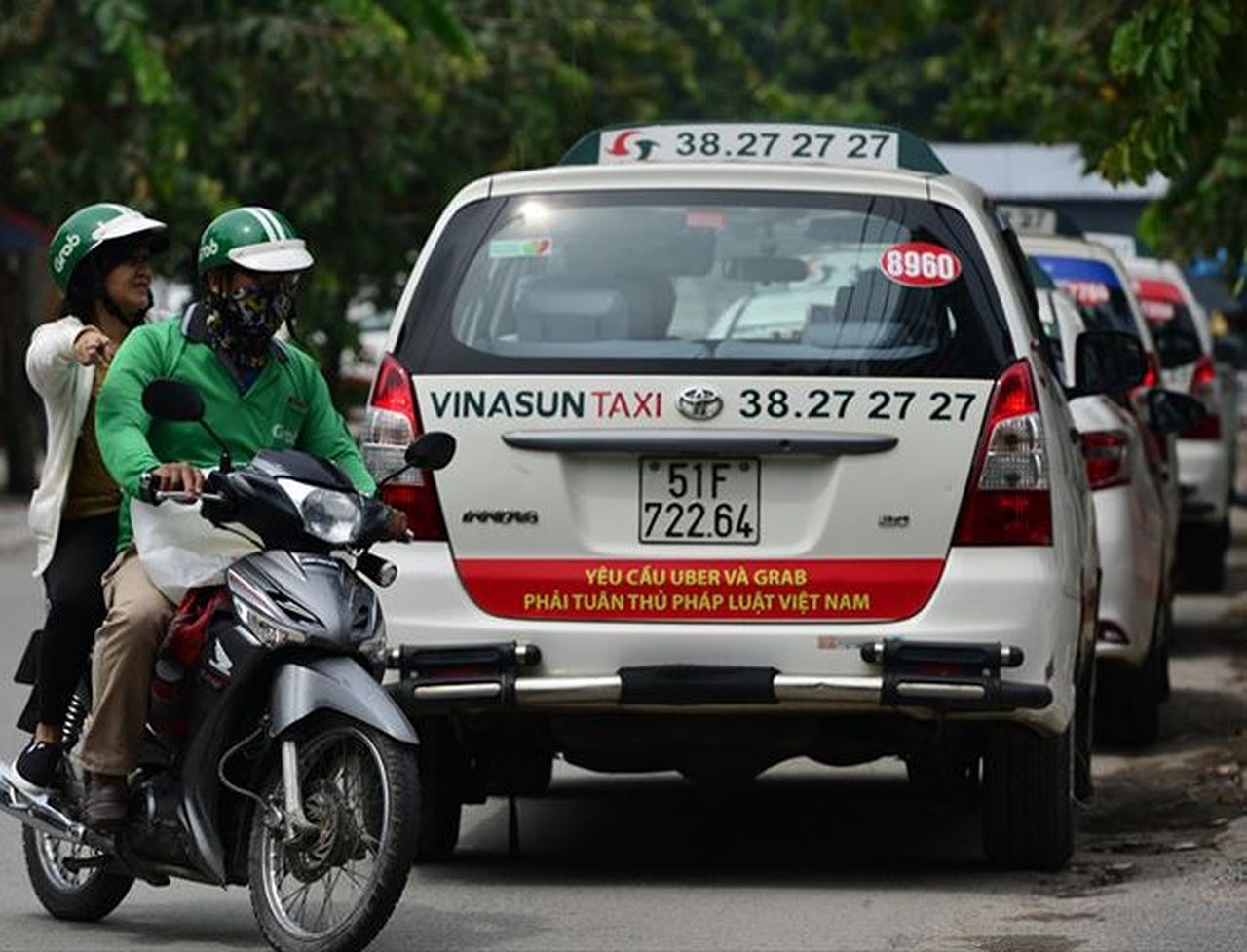
    Prosecutors have argued in a trial in HCMC that Grab must pay Vinasun compensation for losses it caused through “unhealthy competition.” At a hearing Tuesday the city People’s Procuracy rejected ride-hailing firm Grab’s argument that the court had no jurisdiction over the case, saying it does since it is a commercial dispute.

    Prosecutors also asked the judges to deny Grab’s request to summon representatives of Vietnam’s Ministry of Transport, other companies participating in the ministry’s pilot scheme for ride-hailing services and the company responsible for estimating Vinasun’s losses.

    As for Grab’s claim it is a tech firm and not a taxi company, they said since the firm directly assigns drivers, sets fares, sets regulations for drivers, and offers promotions, there is enough reason to dismiss this too.

    “Vinasun’s demand for compensation for reduced profits is well founded since Grab was dishonest in its business declaration and ran promotions in contravention of regulations, causing over 70 percent of Vinasun’s customers to switch to Grab due to lower fares.”

    Vinasun’s after-tax profit was nearly VND320 billion ($13.7 million) in 2015 and VND295 billion ($12.63 million) in 2016, but dropped to VND53 billion ($2.27 million) in the first half of 2017, by which time over 8,000 drivers had quit and hundreds of cars had stopped running due to a lack of drivers.

    Prosecutors asked the court to accept Vinasun’s petition for compensation of VND42 billion (nearly $1.8 million) in one payment.

    Grab continued to insist the case did not come under the court’s jurisdiction and that it is a tech firm.

    Dismissing the claim it had caused losses to Vinasun, Grab cited market research purporting Vinasun has been losing customers due to other reasons such as driver’s attitude, long waiting time and declining car quality.

    Vinasun filed the suit against Grab at the HCMC People’s Court in June last year accusing the Malaysia-based firm of abusing the Ministry of Transport’s pilot scheme and committing violations.

    Claiming Grab’s illegal activities had caused damages to it, Vinasun claimed to have suffered losses of nearly VND76 billion ($3.25 million) in 2016 and the first half of 2017, of which nearly VND42 billion (nearly $1.8 million) was caused by Grab.

    The trial began last February, but was first adjourned a month later due to the need for more evidence and again last month when Grab protested against the evaluation of Vinasun’s losses and refused to attend.

    The court is scheduled to hand down its verdict next Monday.

  • Clarks Shoes new store design showcased in Singapore store

    Clarks Shoes new store design showcased in Singapore store

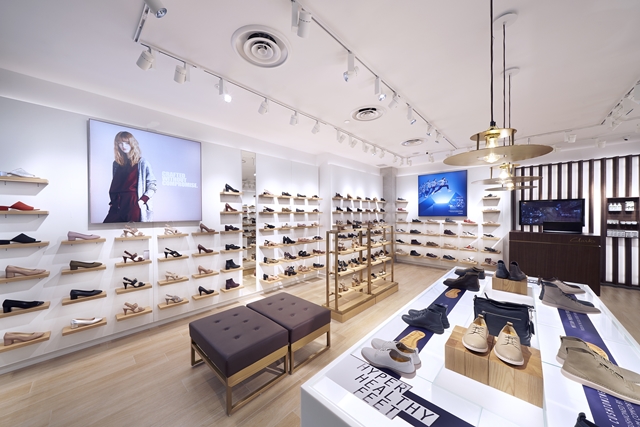
    Singapore’s first Clarks Pure concept store opened its doors today, described as “a classic, understated and uncluttered retail space which reflects the brand’s history and modern spirit”. The new Clarks Singapore store is located in the Ion Orchard shopping centre. It is the first Pure store to be opened by the footwear brand in Southeast Asia and follows successful launches in Manchester and Glasgow, in the UK.

    Guillaume Nagy, president SEA & Oceania, at Clarks, said the store is designed to breath a new personality into the brand. It will be rolled out in other Southeast Asian markets during coming months.

    “We want to offer this elevated brand experience with the Pure store design,” said Nagy. “Singapore has an incredibly dynamic retail environment and we know the extension of Pure to Ion Orchard will be well received by existing and potential consumers. It is the first retail initial initiative of many to be implemented in the city state, turning Singapore into our flagship market and a centre of excellence for the region”

    Nagy said the focus of the store design was to make the shoe the star and to tell immersive stories that resonate with consumers.

    “Pure helps us achieve both in a way that is authentic to Clarks.”

    The new Clarks Singapore store features classic leather buttonback seats on birch floors and soothing neutral colours. It uses natural materials such as oak and timber to build on the themes of simplicity and honesty.

    Light boxes and opal resin podiums create a gallery-like display space for the collections. Brand and campaign imagery are displayed within the store for enhanced storytelling, while large-scale lightboxes draw consumers in and communicate key brand messages.

    The concept was designed by Stiff & Trevillion, whose spokesperson said Pure was chosen as the concept because it links to honesty.

    “Clarks uses honest design and materials in its shoes and we wanted the store design to reflect that through the use of natural materials and truthful lighting.”