Blog

  • Fast fashion retailer Giordano sales surge in Hong Kong

    Fast fashion retailer Giordano sales surge in Hong Kong

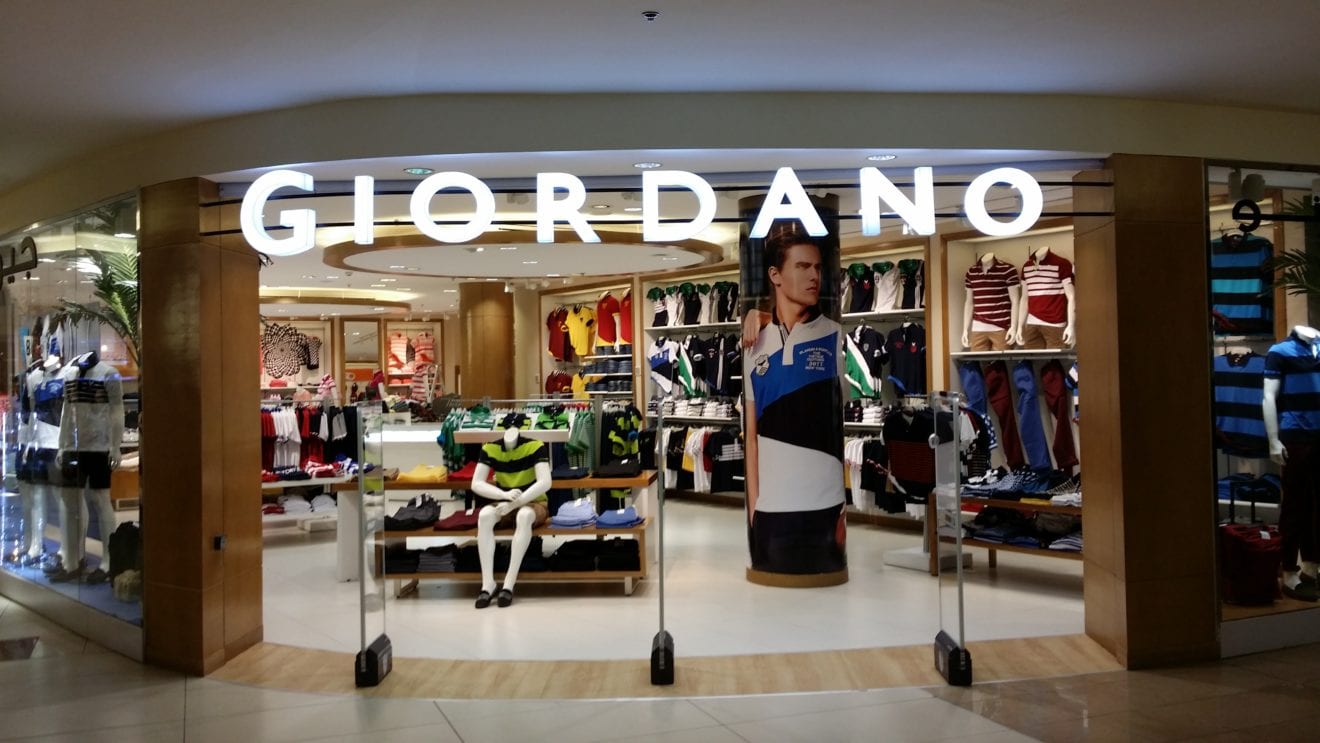
    Giordano sales slid 5.2 per cent in the September quarter, according to a trading update by the fast-fashion retailer. Translated into constant currency basis, sales declined by 6.9 per cent, the company said. “We saw a sharp decline in sales as a result of dampened consumer confidence since June throughout the Asia Pacific region,” said chairman and CEO Peter Lau.

    Group comparable-store sales slipped by 2.8 per cent.

    However, Giordano sales in Hong Kong and Macau bucked the trend, rising by HK$2 million on a same-store basis in the quarter and by $6 million for the nine months to the end of September, reaching $226 million and $703 million respectively.

    Mainland China sales fell $30 million to $251 million.

    Lau said core Giordano lines accounted for 84.6 per cent of total brand sales. The company’s premium womenswear brand, Giordano Ladies, posted comp-stores growth of 3.3 per cent.

  • Volvo shifts its safety strategy for self-driving world

    Volvo shifts its safety strategy for self-driving world

    In Swedish, “safety” translates to “säkerhet,” but for employees of one of Sweden’s biggest employers, it might as well translate to “Volvo.”

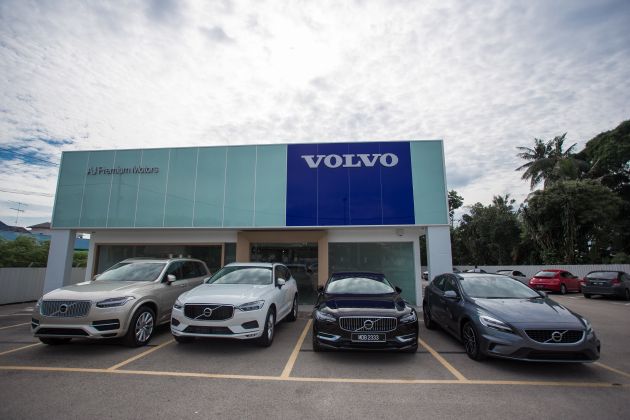
    The automaker, owned by Zhejiang Geely Holding Group of China, is fiercely protective of its reputation in safety. But in an age of autonomous driving and advanced sensor technology, Volvo’s top safety experts are increasingly navigating a blurry line between driving safely and being driven.

    “We’re very focused that you as a driver know that you’re in charge, [and] not giving you so much support that you question who’s in charge,” said Malin Ekholm, director of the Car Safety Center at Volvo Cars headquarters in Gothenburg, Sweden. “It’s nudging rather than giving the feeling of taking over.”

    With a bevy of new tools to ensure passenger safety, the automaker’s safety strategy is shifting from passenger protection to accident prediction and avoidance, Ekholm said.

    New technology, tools

    Volvo has a well-developed apparatus in safety research.

    Its safety center, created in the 1970s, runs crash tests and shares information with Swedish road authorities to document accidents and crashes, so that engineers can better understand scenarios they must guard against.

    But the rise of autonomous and connected-vehicle technology, as well as digital simulation technology used to pioneer self-driving vehicles, have augmented researchers’ approach to safety. Now, for instance, in addition to crash tests, vehicle safety systems run through nearly 30,000 accident simulations.

    Volvo’s increasing investment in autonomous r&d — including a recently expanded Silicon Valley operation — also increases the capabilities of its advanced safety team. Volvo’s City Safety package, for instance, incorporates a front-facing camera to recognize pedestrians, bicyclists and oncoming vehicles and deploy automatic emergency braking to avoid collisions.

    The “sensors and cameras were there, so we could use it,” Ekholm said.

    Avoiding accidents

    Increasing use of advanced technology is shifting Volvo safety researchers’ approach from mitigating accidents through restraint devices to predicting and preventing accidents.

    “More and more, we need to help you avoid the crash,” Ekholm said. Researchers, she said, are asking how automakers can support drivers so the motorists never encounter critical situations.

    Part of the solution is supplying more information on potential hazards through the use of connected technology. In Sweden, the carmaker uses vehicle-to-vehicle technology to send warnings about low-friction roads or hazard-light detection to oncoming traffic.

    But a larger focus is on human behavior, often in response to semi-autonomous technology that lulls drivers into a false sense of security.

    The automaker’s semi-autonomous Pilot Assist system, for instance, is intended to reduce fatigue on long trips, but can be abused if drivers fail to keep their attention on the road. Ekholm has responded by expanding the company’s safety team to include human behavior and biomechanical researchers.

    As vehicles become increasingly automated, Volvo’s researchers will need to pick and choose where the technology can enhance the company’s safety standards.

    “Autonomous has so many aspects to it,” Ekholm said. “What we focus on is the safety research.”

  • PetroVietnam says Tokyo Gas may help with power plant project in Vietnam

    PetroVietnam says Tokyo Gas may help with power plant project in Vietnam

    Tokyo Gas is interested in cooperating with Vietnam’s PetroVietnam Power Corp (PV Power) to develop a natural gas-fired power project in the Southeast Asian country. On Friday, PV Power’s parent said that Tokyo Gas wants to help secure long-term liquefied natural gas supplies and funds for the construction of the Nhon Trach 3 & 4 power plants in the southern province of Dong Nai, state-run Vietnam Oil and Gas Group said in a statement on its website.

    Tokyo Gas did not immediately respond to a request for comment made via its website.

    The statement follows a meeting between senior executives from PV Power and Tokyo Gas in Hanoi this week, PV Power said.

    The two plants, with a combined capacity of 1,500 megawatts, would be operational from 2020, according to PV Power.

  • Coffee shop in South Korea start closing down

    Coffee shop in South Korea start closing down

    South Korea’s once burgeoning franchised coffee shop market has reached saturation point – and the fallout has become extreme. According to a report, one in 10 South Korea coffee shops closed their doors last year – the equivalent of more than 1000 stores.

    Lee Kyung-hee of the Korea Business Strategy Institute described the situation as “a coffee war”.

    “While restaurants and even convenience stores are adding coffee on the menu to sell, the coffee war is intensifying as now even offices own espresso machines,” he said.

    Citing local corporate tracker CEO Score, the paper reported that the number of franchisees in Korea hit 87,540 as of the end of last year, based on a list of 118 franchise brands registered with the Korea Franchise Association.

    Of those, 11,198 were coffee and beverage stores, representing the third largest sector of the South Korean franchise market behind convenience stores and fried chicken restaurants.

    South Korea coffee franchises are being hit by convenience stores developing takeaway coffee services at prices as low as 1000 won (US90 cents) in the case of 7-Eleven, or about a quarter of the price of a Starbucks coffee. The country’s 1000+ Starbucks stores are not included in the data because they are company owned.

    Local chains have been cutting store networks and staff numbers to remain competitive.

    Seven-year-old chain Cafe Droptop, which has 240 stores, has cut its employee count by about one fifth. Caffe Bene applied for court protection from bankruptcy early this year having struggled in both its home market and abroad and is closing domestic stores.

  • This Year’s Finest Watch Creations in Singapore

    This Year’s Finest Watch Creations in Singapore

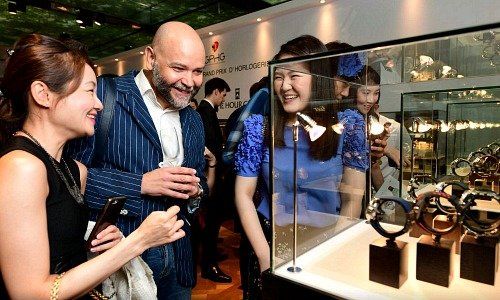
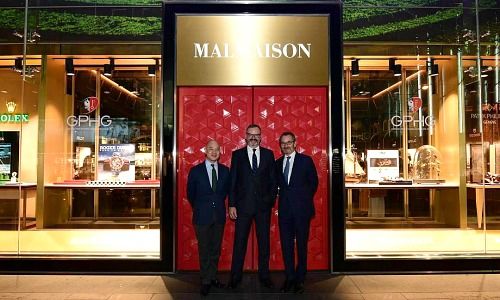
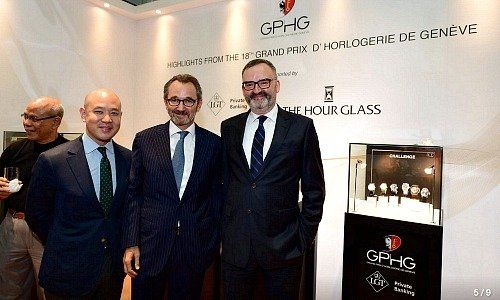
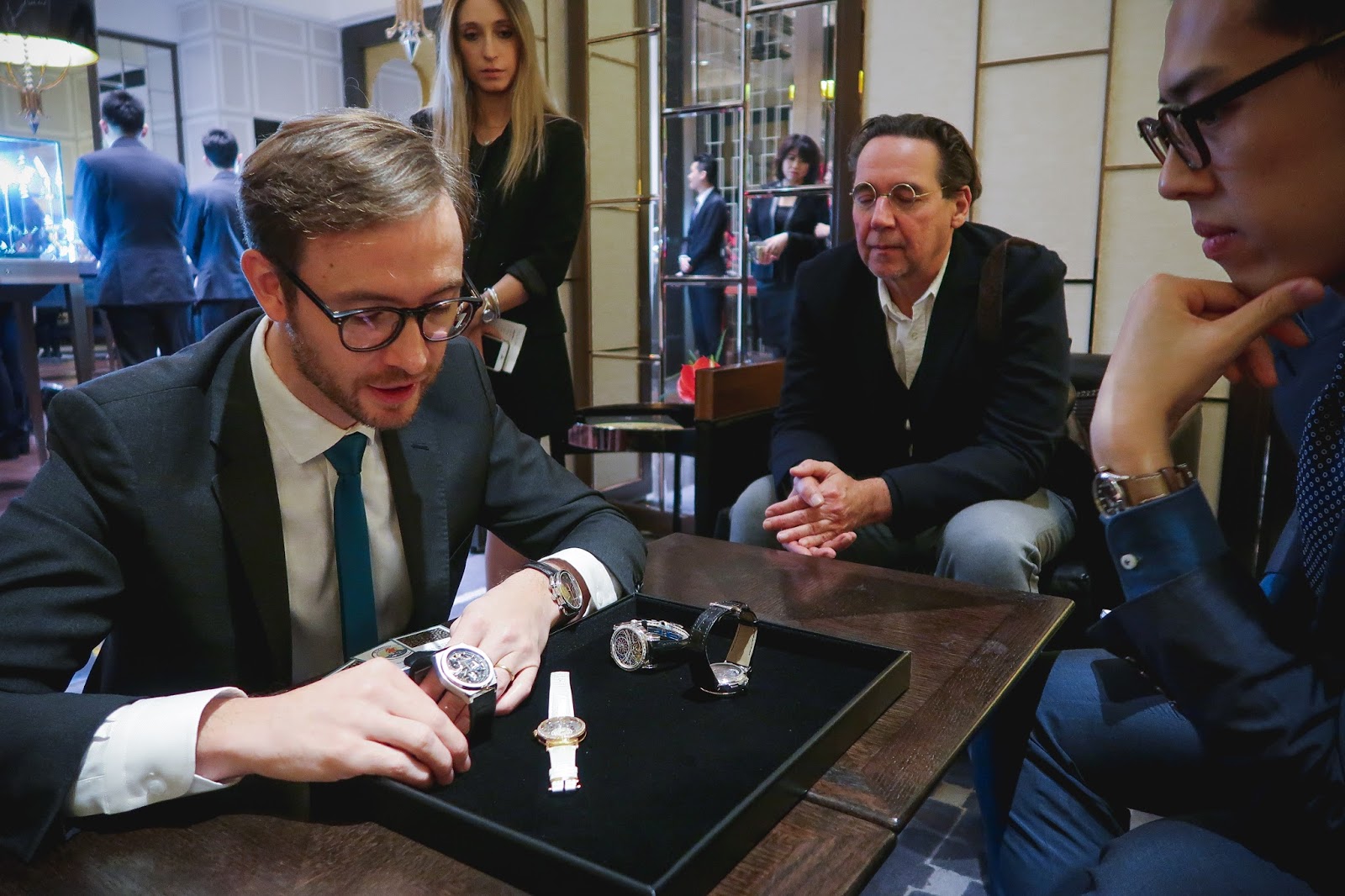
    Malmaison boutique by The Hour Glass in the heart of Orchard Road hosts the exceptional exhibition featuring the 72 pre-selected watches. After Venice and Hong Kong, the 72 watches pre-selected by the jury of the 18th Grand Prix d’Horlogerie de Genève (GPHG) are being exhibited from October 17th to 21st in Singapore by renowned retailer The Hour Glass, within the splendid setting of its Malmaison boutique on Orchard Road.

    On show for five days within this stunning environment imbued with art and culture, the exhibition open to the public welcomes visitors eager to admire the year’s finest watch creations, competing to win the prestigious “Aiguille d’Or” Grand Prix or one of the 16 awards to be handed out in Geneva on November 9th.

    “Our organizational mission to advance watch culture necessitates us to devote resources to deepen our engagement with the watch collecting community both in Singapore and in the region,” Michael Tay, Group Managing Director of Singapore’s leading watch retailer and member of the jury of the GPHG 2018, said.

    Rare Opportunity

    The principal partner of the GPHG, LGT Private Banking, is also taking part in the event by choosing to offer its clients exclusive initiation sessions into the technical and artistic finesse of the timepieces on show, in the company of watchmaking experts.

    A rare opportunity for these end customers to admire within a single location the diversity of today’s watchmaking creativity expressed through models by more than 40 different brands.

    Annual Salute

    Created in 2001 and overseen since 2011 by a foundation recognised as a public interest organisation, the GPHG is intended as an annual salute to the excellence of the contemporary watchmaking art.

  • Castore Hong Kong prepares for debut next month

    Castore Hong Kong prepares for debut next month

    Castore Hong Kong is set to launch next month. The British sportswear brand will launch websites in Hong Kong, South Korea, Singapore and Japan, and will sell its men’s sportswear range in Hong Kong through local partner Harvey Nichols.

    Harvey Nichols merchandising manager, menswear Marco Lau said Castore creates cutting-edge fitness apparel for athletes who demand both function and style.

    “The multi-purpose use of Castore kit, from outdoor running to indoor gym training, appeals to the Hong Kong consumer and we have no doubt the brand will be a great success.”

    Castore’s head of Asia, David Wakely, said Asia offers a huge opportunity for Castore.

    “The brand has been incredibly well received to date by customers across the region and we are very excited to continue our growth going forward.”

    Co-founder Tom Beahon said the brand’s customers in Asia tend to be professionals, either locals or expats, who take their fitness very seriously.

    “So the demographic fit is perfect for us. We see huge potential among the residents and the millions of tourists who visit Hong Kong and are actively looking at locations to open a standalone Castore Hong Kong store.

    “Sales in Asia are growing at 400 per cent a year and are on track to account for 40 per cent of international sales in the next 12 months.”

  • Alipay will be available in Seoul taxis via kakao pay beginning January 2019

    Alipay will be available in Seoul taxis via kakao pay beginning January 2019

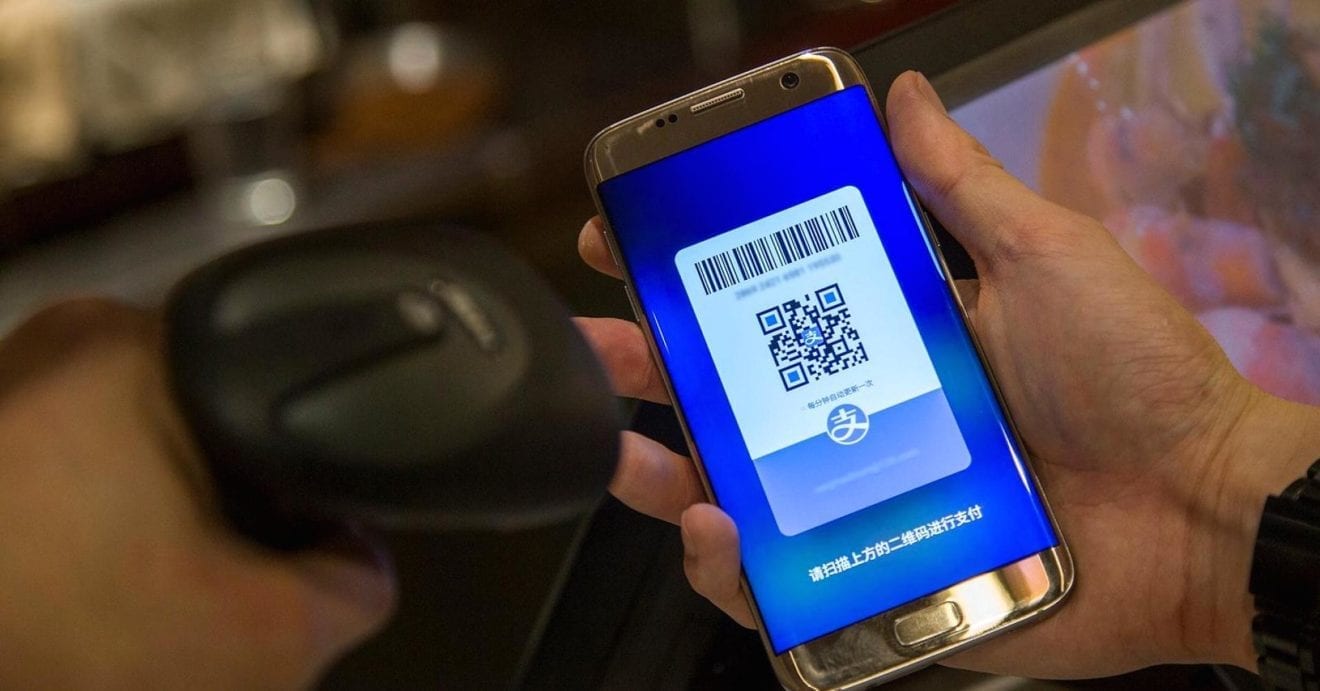
    Following the introduction of QR-code payment in more than 71,000 taxis in Seoul, all taxis in Seoul will accept Alipay beginning in January 2019. Alipay, the world’s largest online and mobile payment platform, operated by Ant Financial Services Group, can be used by Chinese tourists to pay for taxis in Seoul via its strategic partner kakaopay, which acts as system integrator. In the near future, local users will also be able to pay taxi fare via kakaopay.

    Alipay has been collaborating with kakaopay, a Korean mobile payment service, to further promote mobile payment services in the country. Last year, Ant Financial Services Group formed a strategic partnership with kakaopay. Since then, both Alipay and kakaopay have been working to integrate with all partner merchants in Korea. Earlier, Alipay enabled its payment service for taxis in the Pyeongchang and Gangneung areas where the Winter Olympics were hosted in February.

    Presently, Alipay is accepted by taxis in more than 15 countries and regions for Chinese users around the world, including China, Korea, Singapore, Malaysia, the U.S., Italy and Australia. Alipay is now available in more than 90% of taxis in primary and secondary cities in China. In addition, 75% of taxis in Singapore accept Alipay, providing a convenient payment method for Chinese tourists.

  • Sunway Malls wins best in Asia award

    Sunway Malls wins best in Asia award

    Sunway Malls has been recognised as one of Malaysia’s best companies to work for in Asia. HR Asia, Asia’s most authoritative publication for senior HR professionals – created the HR Asia Best Companies to Work for in Asia platform, where best practices and inner workings of companies are investigated to understand what distinguishes them from the rest. The Awards covered 12 markets across the region, and culminated with an award ceremony recently to celebrate the winners.

    Sunway Malls’ vision is “to create experiences that enrich lives” and this vision is extended to our external stakeholders and our employees. Sunway has 4 core values as the guiding factors to our vision; Integrity, Humility, Excellence and Togetherness. Through constant innovation and brain storms, the company take into account the employees’ needs and aim to provide to our best of ability.

    Their first mall, Sunway Pyramid is 21 this year. Sunway Carnival, opened in 2007, is undergoing expansion, Sunway Giza is our friendly community mall opened in 2009 whilst their newer malls are Sunway Putra Mall and Sunway Velocity Mall. To date, Sunway has amassed 54 renowned international and national awards.

  • Mastercard and HKTaxi teamed up for clients’ Rewards Program

    Mastercard and HKTaxi teamed up for clients’ Rewards Program

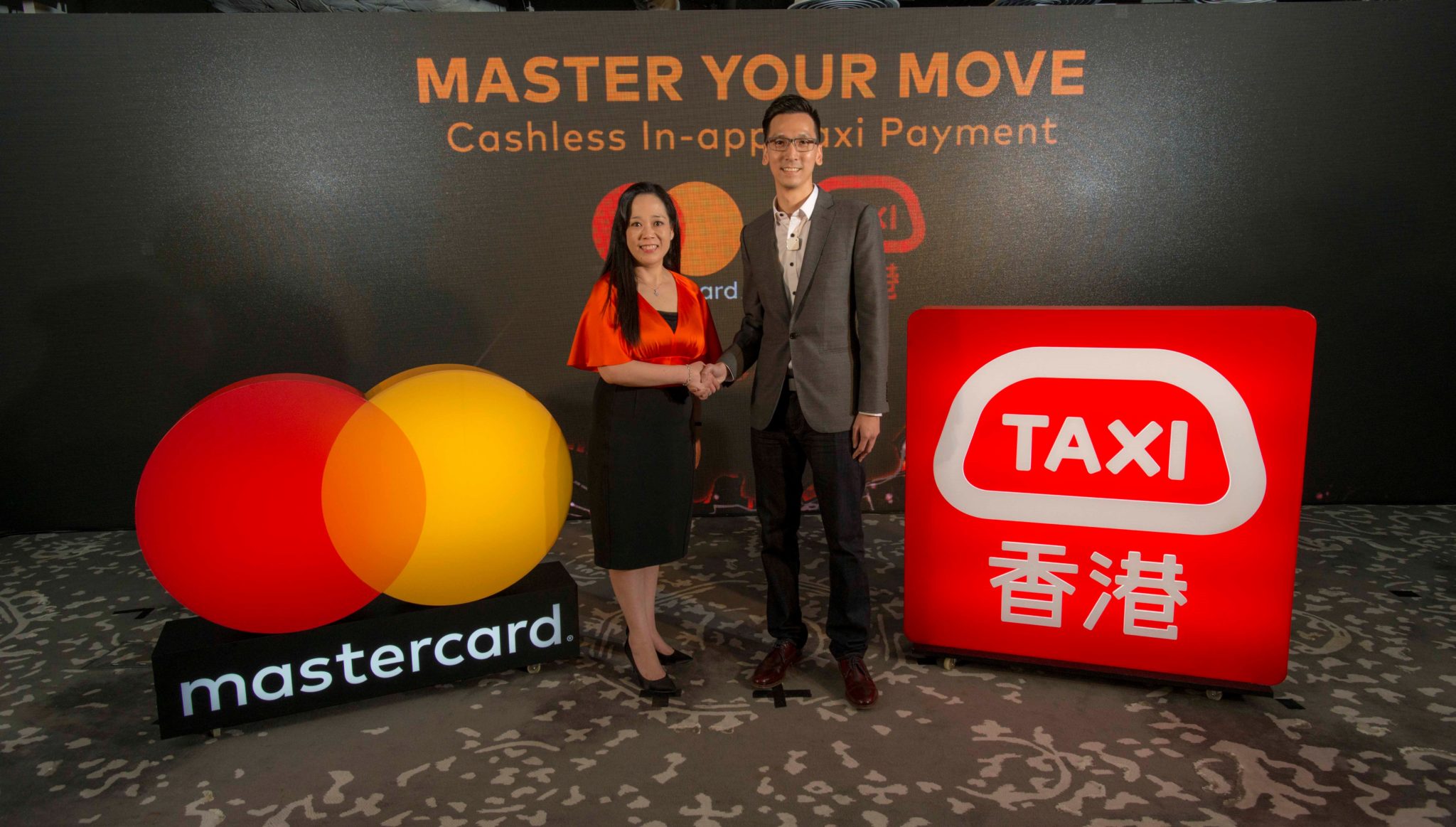
    Mastercard and local taxi-hailing app HKTaxi bring a new rewarding experience to Hongkongers by introducing the city’s first taxi ride rewards program, creating more value and excitement for passengers to enjoy safe, fast and convenient cashless payment all over the city. While earning rewards through dining and shopping are not uncommon in the city, the concept of earning rewards through taxi rides marks a breakthrough in the taxi industry.

    As part of the ongoing collaboration, Mastercard cardholders can exclusively earn a 5% rebate in “Taxi Dollars” when paying for taxi rides with Mastercard via HKTaxi from now until December 31, 2018. The earned Taxi Dollars can be used to pay for future HKTaxi rides, which will surely make travelers look forward to every journey they take.

    “HKTaxi shares the same vision with Mastercard in building a cashless society and making Hongkongers’ lives more secure and convenient through technology,” said Kay Lui, co-founder, HKTaxi. “We are proud to launch the city’s first taxi ride rewards program that endows passengers with Taxi Dollars, an enthralling and breakthrough concept that not only benefits the Hong Kong people but also takes the taxi industry to a whole new level.”

    “Mastercard aims to take care of cardholders’ needs and provides them with the best service every day,” said Helena Chen, managing director, Hong Kong and Macau, Mastercard. “Mastercard continues to bring safe, fast and convenient in-app digital payments experience to Hongkongers through its technology. The launch of the pioneering Taxi Dollars privilege enables taxi riders to further enjoy the secure and cash-free experience. More importantly, Mastercard aspires to push forward the development of digital payments in Hong Kong.”

    With the world’s fastest and most reliable global payments network, Mastercard cardholders can enjoy safe, fast, convenient, and rewarding journeys with the city’s first taxi ride rewards program.


  • DFS launches 10th anniversary edition of Masters of Time

    DFS launches 10th anniversary edition of Masters of Time

    DFS Group (DFS), the world’s leading luxury travel retailer, is launching the tenth edition of its world-leading Masters of Time exhibition this December, with a special anniversary collection that highlights craftsmanship, design and innovation. This year’s exhibition, titled “Masters of Time X”, will be unveiled during a two-day gala weekend at T Galleria by DFS, Macau, Shoppes at Four Seasons, featuring the finest watches and jewelry from some of the world’s most renowned brands including several pieces created especially in celebration of the event.

    Masters of Time is recognized as the world’s premier retail exhibition of luxury timepieces and jewelry, and is a signature event in DFS’ Masters Series, which showcases DFS’ leadership and innovation in curating and creating exceptional experiences across its five pillars of luxury: Wines and Spirits, Beauty and Fragrances, Watches and Jewelry, Fashion and Accessories, and Food and Gifts. Created by DFS in 2008 to bring the very best brands in the world of watchmaking, and their ambassadors, together with enthusiasts and collectors alike, the event is traditionally hosted each year in the exciting shopping enclave of Macau.

    The anniversary Masters of Time X collection represents the most exclusive selection of watches and jewelry that DFS has ever presented to its customers, with each piece chosen by its expert merchant teams after more than a year of meticulous searching. Masters of Time X showcases the height of craftsmanship as well as the best of design and innovation for both men and women, featuring over 450 exceptional, rare watches and exclusive jewelry masterpieces from 30 world-famous brands including Bulgari, Franck Muller, Hublot, IWC, Jaquet Droz, Piaget, Roger Dubuis, Tag Heuer, Ulysse Nardin and Zenith. This year, in commemoration of the milestone tenth edition, several pieces have been created especially for DFS and Masters of Time.

    A curated selection of fine jewelry will also be featured as part of the Masters of Time X collection. Highlights include Bulgari’s “Diva’s Dream” set, Tiffany “Paper Flowers” necklace, Piaget’s “Sunny Side of Life Golden Spirit” cuff bracelet, Boucheron’s “Plume de Paon & Hopi” set and Tasaki’s “Ritz Paris Par Tasaki ‘Elégance’” necklace.

    “As we enter our tenth year of DFS’ Masters of Time, the desires of our customers have never been more central to our carefully curated collection. We have worked with some of the most famous brands in the world to create and select masterpieces to captivate experienced collectors and first-time buyers alike,” said Matthew Green, DFS Group Senior Vice President, Watches and Jewelry. “This is a collection worthy of this milestone anniversary, and we are delighted to welcome new and existing customers to discover something truly unforgettable at Masters of Time X.”

    The Masters of Time X collection will be unveiled during a two-day gala weekend at T Galleria by DFS, Macau, Shoppes at Four Seasons from December 7-9. The collection will be available for viewing and purchase in Macau from December 7, 2018 until end-February 2019.

    In commemoration of Masters of Time’s tenth anniversary, new locations have been added to the event’s agenda to reach DFS customers outside of Macau. In September, Masters of Time X was pre-launched to European customers at DFS’ flagship store in Venice, T Fondaco dei Tedeschi, followed by immersive dinners in Chengdu and Shanghai in October, all featuring a selection of bespoke and rare watch and jewelry pieces. In 2019, the Masters of Time X collection will travel to a selection of DFS T Galleria stores around the world.

  • L Catterton makes exit from China mall operator Sasseur

    L Catterton makes exit from China mall operator Sasseur

    International private equity firm L Catterton has substantially divested from Chinese mall operator Sasseur Cayman Holding. The firm has reduced its shareholding from 58.86 per cent to just 1.36 per cent, as part of ongoing efforts to optimise its portfolio. Sasseur Cayman is the sponsor of listed Sasseur Reit.

    L Catterton Asia chairman Ravi Thakran said: “We continue to strongly believe in the long-term growth prospects of Sasseur and the opportunities it offers to investors in terms of exposure to China’s fast-growing outlet mall industry. We will continue to support the company’s growth initiatives as a Sasseur shareholder.”

    In a separate statement, Sasseur said that growth prospects for China’s outlet sector remain solid – projected to expand at approximately 25 per cent annually for the next five years – with the fastest sales growth among the retail segments in China, even outpacing that of e-commerce.

  • GreyOrange installs advanced Sorters across Asia from Saudi Arabia to the Philippines ahead of world’s busiest shopping days

    GreyOrange installs advanced Sorters across Asia from Saudi Arabia to the Philippines ahead of world’s busiest shopping days

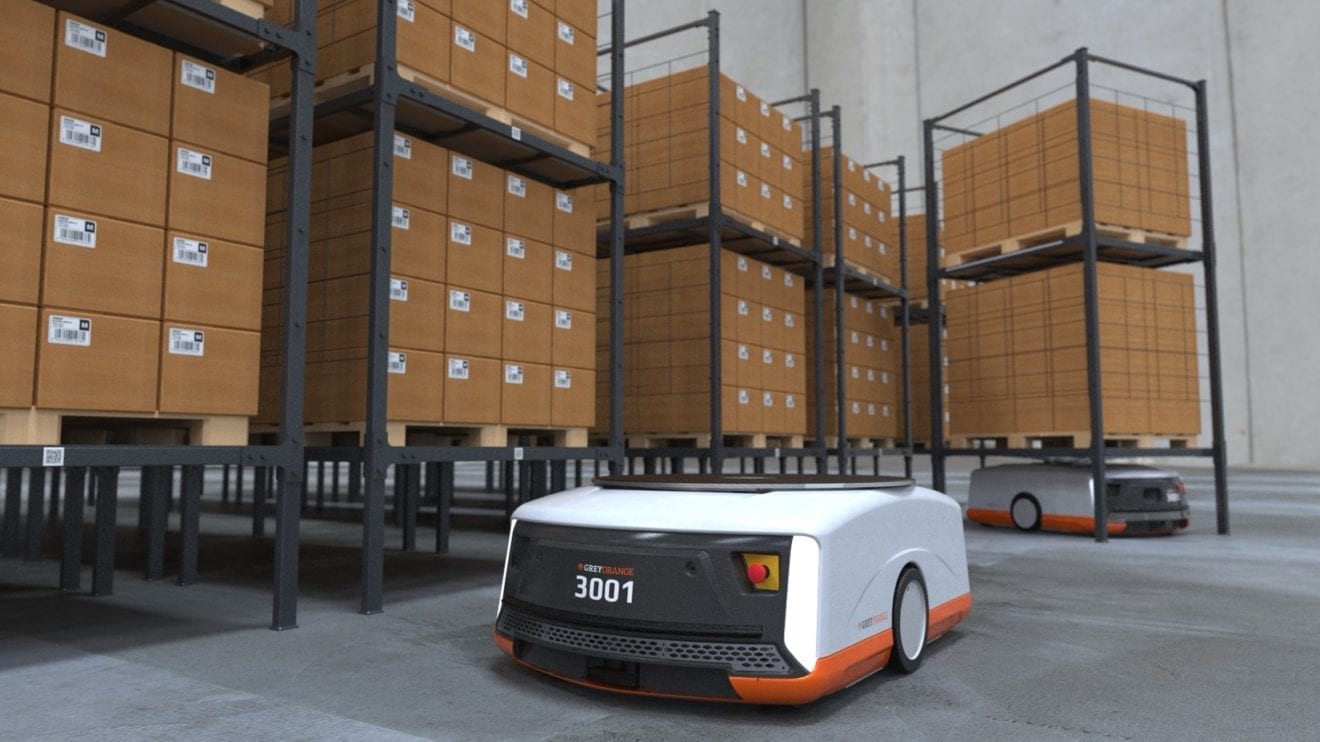
    Robotics and warehouse automation company GreyOrange announced plans for the installation of its newest Linear Sorters in several locations across Asia; in Saudi Arabia, India and the Philippines. Equipped with advanced software, these high-speed Linear Sorters will deliver the flexibility and scalability required by retail, FMCG, e-commerce and third-party logistics(3PL) operators to manage high volumes for e-commerce and omnichannel distribution.

    These companies anticipate and have planned to cope with the high volumes over the next months for the ongoing festive season around Diwali and the world’s biggest ecommerce event – Singles Day on 11 November. Logistics operators across Asia are expecting that the surge in volumes would follow through Black Friday and Cyber Monday sales at the end of November, and through the Christmas and year-end shopping season.

    In Riyadh, a leading express courier company in the Kingdom of Saudi Arabia has acquired the latest sortation system from GreyOrangeTM for its customised configurations; as such automation contributes immensely in improving productivity in managing parcels for distribution across the Middle East.

    One of the world’s leading FMCG companies in India, has deployed a high-end GreyOrange sortation system at its distribution center near Mumbai. The company specialises in Food, Home Care, Personal Care and Refreshment products and numerous brands. The Sorter will handle some of its categories including leading household brands. It will result in faster fulfilment and reduce turnaround times.

    Nalin Advani, CEO – Asia-Pacific, GreyOrange said, “The growth in e-commerce across Asia has taken many by surprise. With annual growth rates of 12-18% in many markets, e-commerce and third party logistics operations need Sorters that can deliver the high performance they want in terms of throughput and the versatility of a scalable and responsive supply chain.”

    Another unique sortation system has been installed in a large distribution center near Mumbai. It is mainly used as an Order Consolidation Item Sorter for fashion store retail distribution to over 1000 stores in India. This single Sorter performs double duty sorting for both its inbound load as well as consolidating the outbound load.

    In the Philippines, one of the country’s fastest growing logistics company that provides innovative solutions for e-commerce payments and deliveries, has installed a GreyOrange sortation system to handle its fast-growing volume of parcels. At this central facility in Manila, the sorter will auto-sort the parcels for 480 destinations and hubs across the Philippines.

  • Vietjet and Japan Airlines to Commence Code share Ticket Sales

    Vietjet and Japan Airlines to Commence Code share Ticket Sales

    New-age airline Vietjet and Japan Airlines (JAL) has announced that both carriers` will begin sales of their codeshare flights starting Tuesday, 23 October 2018.

    This follows a formal partnership agreement between both parties in 2017, in which Vietjet and JAL signed a Memorandum of Understanding for commercial cooperation. The two airlines now offer codeshare flights on domestic destinations in Vietnam and on international flights between Vietnam and Japan.

    Applicable routes operated by Vietjet include domestic flights connecting Ho Chi Minh City and Hanoi; Ho Chi Minh City and Da Nang; Hanoi and Da Nang; and international flights linking Kansai with Hanoi. The codeshare flights will be available for travel from 28 October 2018, while the Kansai to Hanoi route specifically commences operation on 8 November 2018.

    According to the agreement, Vietjet and JAL aims to continue expanding their codeshare routes in the near future, including other flight services between Japan and Vietnam as well as JAL’s domestic flights, and Vietjet’s domestic flights.

    Vietjet, the largest domestic airline in Vietnam, started its flight services in 2011 and now operates an expanding network all over Vietnam and Asia. Offering convenient and friendly services with reasonable fares and many other attractive add-on services, Vietjet has succeeded in creating new demands in Vietnam. As a new-age carrier, it also offers top-class service called “SkyBoss”, which has been very well received among passengers expecting quality service.


  • Taxi or not? Vietnam debate rages over Grab status

    Taxi or not? Vietnam debate rages over Grab status

    Transport authorities and taxi associations have reiterated that ride-hailing firm Grab should be treated as a taxi service, but experts disagree. Nguyen Cong Hung, vice chairman of the Vietnam Automobile Transportation Association (VATA), said at a recent meeting that it was incorrect to identify Grab as an electronic contract service firm.

    Hung said that legal experts have affirmed that Grab and other ride-hailing services are taxi services, and ordering a car service via a phone call or a phone app are only superficially different modalities.

    While some people believe that calling Grab a taxi service will hinder the development of technology, Hung disagreed.

    “Identifying a car service as traditional taxi or technology taxi will guarantee authorities management power and fairness in terms of their responsibilities. Whichever service applies technology will have higher profits,” he added.

    Echoing Hung, chairman of the Ho Chi Minh City Taxi Association, Ta Long Hy, said that any service which sets transport fees collects money and spends a large amount of money on discounts is a transportation service, and not merely a software company.

    Hy said that all car services that are 9-seaters or lower are taxi services in nature. “The Ministry of Transport should not create an exclusive playing field for a service that is basically a taxi service.”

    He proposed that 9-seater or lower car services, whether Grab or traditional taxis, be identified by a mark on their license plates or a larger registration label on the car’s windshield.

    Earlier this month, the Transport Ministry released the latest draft of a transportation management decree under which under 9-seater car services be registered as taxi firms before they can apply ride-hailing technologies.

    This means that Grab and other ride-hailing firms would have to register their services again as a taxi business and comply with corresponding legal responsibilities regarding their operating licenses, drivers’ profiles and tax duties.

    Should the decree be passed, Grab and other ride-hailing cars will have to put a sticker labeled “taxi” on their windshields and carry a taxi legend on the top.

    The draft goes against many experts’ requests to treat ride-healing services as a new business model that is different from traditional taxi service.

    Nguyen Dinh Cung, director of the Central Institute of Economic Management (CIEM), had said earlier that firms that primarily used software cannot be called a transportation business.

    Cung said that the government should encourage new investment forms or business models with an open and fair environment in keeping with Industry 4.0 trends.

    Lawyer Truong Thanh Duc said that the Ministry of Transport has been making changes with recent drafts without having a consistent viewpoint.

    The fact the ministry wants to identify ride-hailing services as taxi firms is against the government’s policy of prioritizing technology development in the Fourth Industrial Revolution, he said.

    Marketing expert Do Hoa said that Grab and other ride-hailing services should be managed under a new law specifically written for technological services.

    Traditional regulations related to taxi firms are not appropriate for Grab, as it is not a transport company, he said.

    The heated debates and struggles between ride-hailing cars and traditional taxis have not cooled after the exit of Uber from the Southeast Asian market in March. Taxi firms have continued to complain about the unfair competition they are facing.

    They have also joined hands to fight the market onslaught of ride-hailing firms.

    Grab has consistently been denying that it is a taxi firm, saying it only provides technological solutions to transport services.

    The debate over Grab’s status as transport company is hardly new in Vietnam. Vietnam’s top taxi company Vinasun sued Grab for $1.84 million in losses, citing “unhealthy competition”.

    In Vietnam, local cab firms like Mai Linh and Vinasun have to pay value added tax (VAT) of 10 percent and corporate income tax of 20 percent, while Grab only have to pay some 3 percent.

    The ride-hailing market in Vietnam has seen new entrants after Uber’s departure, including Fastgo and GoViet, which is an affiliate of Indonesia’s Gojek.

    Current market dominator Grab has expanded its services to include GrabFood, a food delivery service, and GrabCar Business, targeting the corporate sector.

    These moves pose further challenges for long-standing taxi firms like Mai Linh, Taxi Group and Vinasun.

  • Two thirds of the company wrong in measuring customer loyalty

    Two thirds of the company wrong in measuring customer loyalty

    A commissioned study conducted by Forrester Consulting on behalf of Collinson, a global leader in loyalty and benefits, reveals that the majority of organisations do not understand what is driving customer loyalty, and are therefore putting customer relationships and profitability at risk.

    Surveying decision-makers in organisations with revenue exceeding US$300 million, respondents graded their programmes based on a series of measures and also shared their key goals and challenges. The study surveyed and compared the results for a multitude of countries and regions in Asia Pacific (APAC), including Hong Kong, mainland China, Singapore, Indonesia, Japan, Korea and Australia.

    The research found that two thirds (65 per cent) of those surveyed markets in APAC do not understand why their customers are loyal to their organisations. Almost 7 out of 10 (67 per cent) reported that they do not have a proper framework in place to measure loyalty in the context of overall business performance. Remarkably, the research also found a misalignment between the loyalty objectives and the measurement criteria used to determine the effectiveness of their loyalty success.

    Three reasons why organisations may be struggling with customer loyalty

    1. Loyalty strategy without clearly defined business objectives and appropriate metrics

    Loyalty success is led by a holistic loyalty strategy with clear defined goals and measurement framework which needs to be embedded consistently across an organisation.

    Less than half (49%) of the APAC respondents have clearly defined business goals and objectives to define their loyalty proposition, where Hong Kong and Japan have the highest percentage (55%) compared with 39% of respondents in Singapore. Only 40% have cohesive customer loyalty strategy that spans multiple functions and is a top strategic initiative with C-level support.

    From the research, we found there is a clear discrepancy between what people are trying to achieve through their loyalty programmes and the KPIs in places to measure the performance in relation to their objectives.

    The key loyalty objectives and performance metrics shared by our respondents for their customer loyalty programme in APAC are misaligned as shown below:

    Key loyalty objectives The metrics for measurement
    1 Acquiring new customers (53%) Customer satisfaction (62%)
    2 Retaining existing customer (47%) Customer engagement (59%)
    3 Enriching customer relationships (46%) Customer retention rate (57%)
    4 Improving the customer experience (37%) Loyalty programme enrolments (57%)
    5 Increase customer advocacy (35%) Sales & revenue (57%)

    Without appropriate metrics, it could be difficult to know which areas need improvement and understand the impact of customer loyalty on overall business performance.

    1. Without a single customer view to harness data potential

    To appeal to the modern, choice-rich consumers, it is important to engage them at an individual level which means collecting all appropriate data across the customer journey.

    The research found that three-fifths (60%) of respondents in APAC do not have centralised business rules to incorporate all sources of customer data into a single customer view. Less than a half (48%) collect a wide enough range of customer data to run deep analyses, where only 26% of them automate advanced data analytics to optimise their customer strategy, and 35% would use predictive modelling to identify the right existing dynamic content based on customer behaviour.

    Predictive modelling enables brands to make better decisions and run more effective programmes where China has the highest percentage (47%) compared with the rest of respondents in Asia Pacific to harness the value of data for providing personalized offers for each member. It is vital to recognise each customer preference and behaviour to provide a personalised experience that stands out from the competition. This can only be done when brands continuously collect the right information about their customers and using it effectively, to understand what makes them tick.

    1. Competitive differentiation

    Loyalty programmes with reward, point and VIP schemes have been pervasive for years. These tactics are still frequently employed, but the effectiveness is uncertain when they are deployed without a sound loyalty strategy. From the research, we found that brands continue to see competitive differentiation as being vital, with two thirds (66%) of loyalty practitioners in APAC reporting that is a critical or high priority.

    72% in Asia Pacific, 78% in Hong Kong, Indonesia and Korea respondents planned to increase funding for developing new loyalty programme benefits and rewards.  Embracing partnerships with like-minded brands, who can offer unique experiences and access to their customer base, will enhance and strengthen the member’s engagement. It enables partner brands to expand their knowledge of the customer through an integrated cross analysis of buyer behaviour and preferences for personalized, curated communications to increases sales leveraged through the partnership.

    Mary English, Executive Vice President, APAC of Collinson, says, “A clearly defined loyalty strategy provides the foundation to design a proposition for continuous engagement with your customers in a relevant and meaningful way. Data is the fuel for ongoing loyalty to a brand with heavy weighting on a well-structured single customer view to capture, measure, gain insights, and personalise the dialogue with their customers.  Organisations need to put loyalty back on track by becoming better aligned in terms of their objectives, what they measure, and how to differentiate their programmes. There is really no ‘one size fits all’ approach and each organisation must identify their brand’s unique, valuable assets in formulating a strategy that is regularly reviewed and updated to the changing behaviours of their customers.”

    “Creating formalised processes and employing dedicated resources can be a valuable investment and demonstrate your company’s commitment to loyalty. It is logical for companies to consider ‘connected loyalty’ as a goal of their strategy. Customers who feel connected to the organisation become fans, not just purchasers of their products and services. The latter may simply be shopping out of habit or convenience, whereas fans will go out of their way for the brands they love.”