Blog

  • KitKat opens Osaka shop for made-to-order premium chocolate bars

    KitKat opens Osaka shop for made-to-order premium chocolate bars

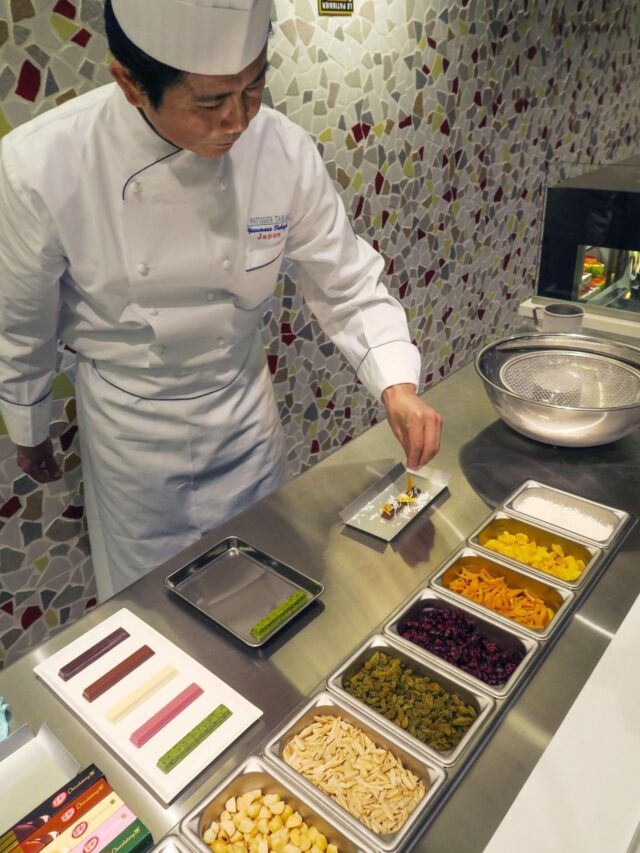
    Nestle Japan has opened a permanent made-to-order Kit Kat store in Osaka. The new specialty store is the first and only permanent location in Japan where personalised Kit Kats can be made. It offers customised creations chilled on-the-spot with liquid nitrogen, with customers choosing from three types of chocolate and nine toppings.

    The store is located just outside Nankai Electric Railway’s Namba Station, a prominent Osaka sightseeing location, given the expected popularity of bespoke Kit Kats among tourists.

    Japan has developed a reputation internationally for its unique Kit Kat flavours, which have proved popular with visitors to the country. The confectionery originally comes from the UK.

    Nestle Japan says its made-to-order Kit Kats are sold from ¥702 (US$6.25).

  • Tmall’s “See Now, BuyNow” Show Kicks Off 2018 11.11 Global Shopping Festival

    Tmall’s “See Now, BuyNow” Show Kicks Off 2018 11.11 Global Shopping Festival

    Tmall, the largest B2C ecommerce platform for global and domestic brands and retailers in China, hosted its “See Now, Buy Now” Tmall Collection Fashion Show during the weekend in Beijing, kicking off the month-long lead-up celebration to Alibaba Group’s 2018 11.11 Global Shopping Festival.

    This year – the festival’s 10th anniversary – its fashion show added a new interactive element. In addition to popular “See Now” and “Buy Now” features that allow viewers to purchase items shown on the runway instantly from their mobile phones, this year’s fashion show also introduced an innovative feature, “Play Now”. “Play Now” gives viewers the chance to vote for their favorite outfits to create a trend report that would provide insights and instant feedback to participating brands.

    “Tmall Collection is our annual extravaganza to showcase the hottest trends in fashion. We created the ‘See Now, Buy Now’ concept two years ago, and we are excited to boost consumer engagement to a new level with the ‘Play Now’ feature, enabling viewers to share their views with brands real-time,” said Jessica Liu, President of Tmall Fashion and Luxury.  “The ‘See Now, Buy Now’ show provides a powerful sales channel for the world’s leading brands and also has the potential to reshape the fashion industry with the interactive component tailored for the always-online Chinese millennials.”

    The four-hour “See Now, Buy Now” show featured an impressive lineup of more than 60 international and domestic brands showcasing their latest collections, including Estée Lauder, Levi’s, Adidas, Guess, I.T, M.A.C.., G-Star Raw, and Swatch. More top luxury brands participated in the event than ever before, including Stella McCartney, Burberry, MCM, La Perla, Giuseppe Zanotti, and Stuart Weitzman.

    To celebrate the 10th anniversary of the 11.11 Global Shopping Festival, the fashion show also featured a special segment highlighting crossover products that are specifically designed for the Festival. Celebrities participating in the show this year included American fashion designers Anna Sui and Jason Wu, American singer Jaden Smith, and Chinese singer Chris Lee.

    The live runway show had attracted over 57 million online viewership, more than tripling that of last year. It was broadcast live on 10 platforms, including the Taobao app, Alibaba’s video platform Youku, social media platform Weibo, and short video app Tik Tok.

  • BMW expands recall on fire risk to 1.6 million diesel vehicles

    BMW expands recall on fire risk to 1.6 million diesel vehicles

    BMW is recalling about 1.6 million diesel cars to fix a potential fire hazard in their engines, expanding repairs from just under half a million vehicles in Europe and Asia. The voluntary service action follows a BMW investigation that found coolant could leak from the car’s exhaust recirculation unit. The defect can lead to sparks while driving and cause fires in “in extreme cases,” the automaker said Tuesday in a statement.

    South Korea’s government, after reports of 40 fires this year, asked drivers to keep vehicles off roads until undergoing checks. Police also raided the automaker’s office in Seoul to probe the safety issue, after videos of cars engulfed by fire went viral.

    The vehicles affected — diesels with four- and six-cylinder engines — were produced between 2010 and 2017, BMW said.

    After the initial recall announced in August, BMW’s internal investigation found more vehicles with similar technical setups. The company said it will replace the components as necessary.

    BMW last month cut its profit forecast, blaming an increase in warranty provisions alongside trade tensions and pricing pressure.

  • Nok Air launches international direct flights from Phuket to Chengdu

    Nok Air launches international direct flights from Phuket to Chengdu

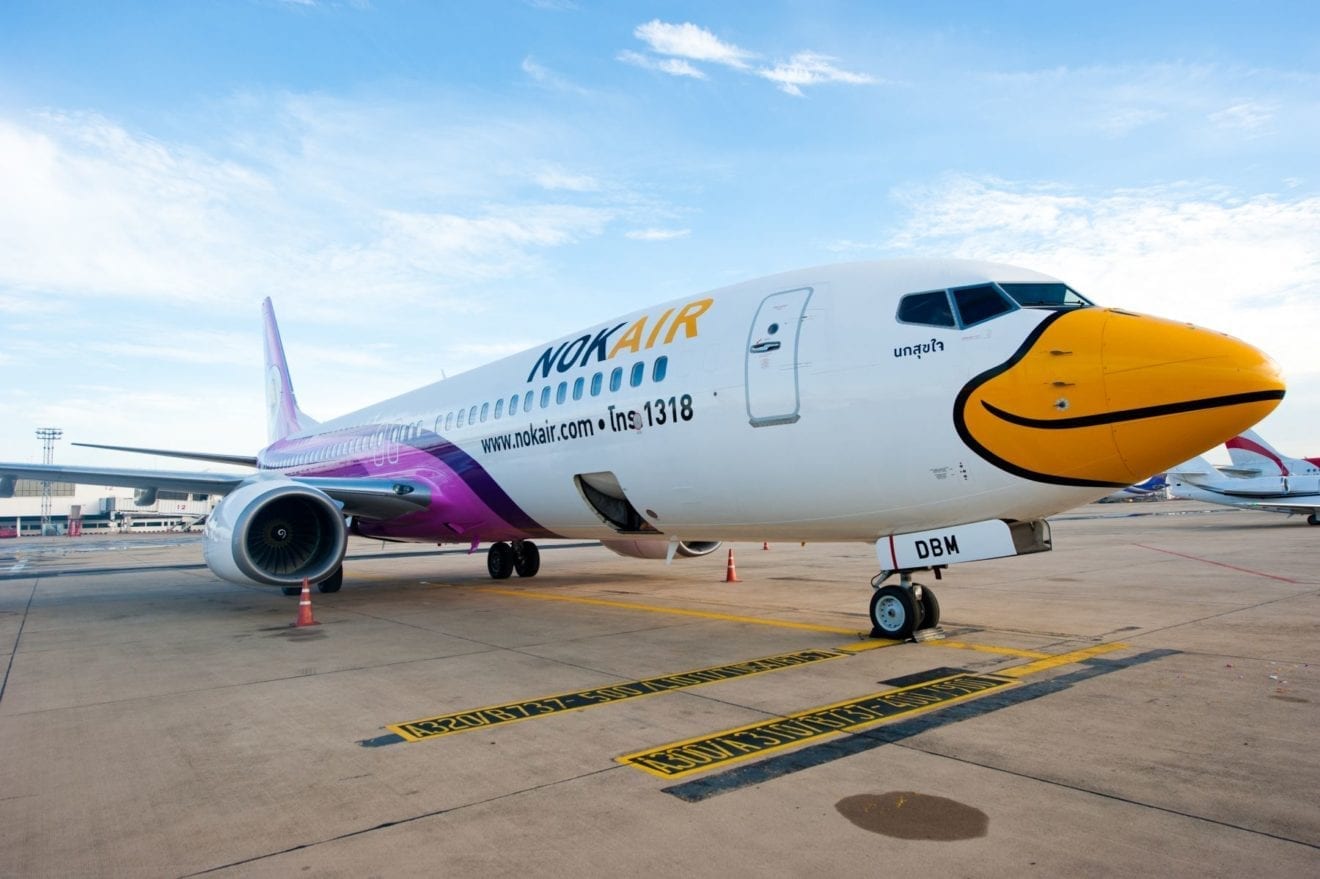
    Nok Air launches the daily international direct flight, Phuket-Chengdu, aiming to offer passengers the most impressive travel experience Nok Air always commits itself to impress all travelers lifestyle. To offer Chinese passengers the best experience, Nok Air has just launched the new daily direct flight from Phuket to Chengdu, China, 7 flights a week (1 round-trip flight/day) starting from 4,000 baht with free of charge baggage allowance of 20 kilograms and free Royal Orchid Plus (ROP) mileage earning from THAI Airways.

    Nok Air also provides various routes to China which include Zhengzhou, Nanning and ‘Phuket-Chengdu’ as the latest one with more than 500,000 Chinese passengers in the last year.Phuket-Chengdu and Chengdu-Phuket tickets are available on www.nokair.com from October 8th 2018.

  • 2019 Ducati Panigale V4 R Spotted

    2019 Ducati Panigale V4 R Spotted

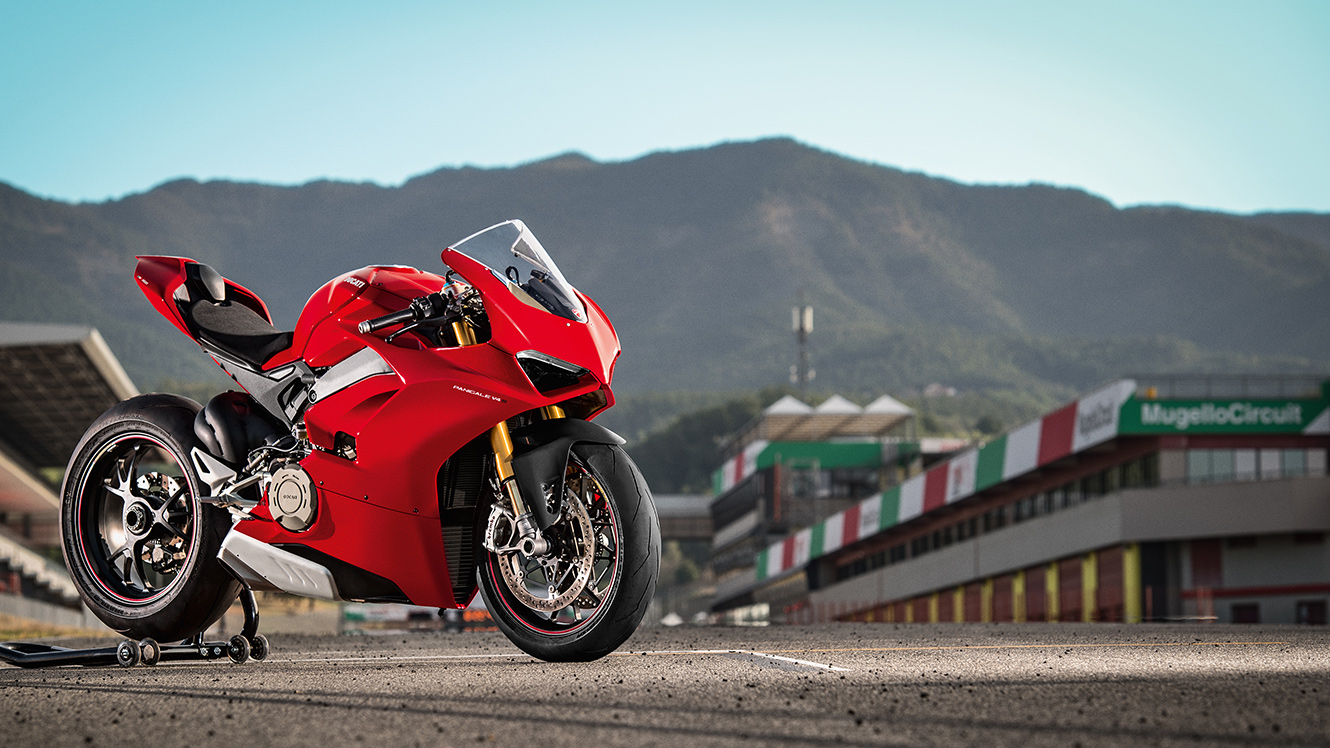
    The Ducati Panigale V4 R is the downsized, 1,000 cc version of the Ducati Panigale V4, and will be Ducati’s weapon of choice in superbike racing for some time now. The current Panigale V4’s 1,194 cc engine overshoots the displacement limit for the World Superbike Championship (WSBK) for four-cylinder models, so an engine meeting the WSBK homologation requirements was imminent. Latest spy shots show exactly such an example of the V4 R undergoing test runs at an undisclosed location. The bike seen in the spy pictures appear to be the race-spec variant of the new model, although Ducati will certainly introduce a road-legal model of the V4 R as well.

    The spy shots reveal that the V4 R has a different fairing design than the Panigale V4, with a pair of gill-like openings on the side (quite like the BMW S 1000 RR). The fairing also has a number of mounting points that may be used for adding winglets which are now allowed for WSBK racing. Also seen is a dry clutch on the test bike, although this clutch could only be available on the race-spec bike, rather than the street bike. The test bike also sports lightweight magnesium-forged Marchesini wheels, and what seem to be Brembo brakes. The spy shots also reveal a reworked exhaust system which seems to be more compact than the stock exhaust system on the current Panigale V4.

    So far, there’s no indication when the V4 R will be launched and what its pricing will be. The production-spec model of the Ducati Panigale V4 R is expected to be unveiled at the EICMA show in Milan next month, followed by the model’s launch in Europe. We expect Ducati India to introduce the road version of the V4 R in India sometime next year.

  • DHL Express ranked as one of the world’s best Employers

    DHL Express ranked as one of the world’s best Employers

    DHL Express, the world leader in logistics and express delivery, has been recognised as the sixth best place to work globally in a 2018 employer ranking from Great Place to Work and FORTUNE. Every year, Great Place to Work®, a global people analytics and consulting firm, assesses the work experience of employees through their certification program. In 2018, more than 7,000 organisations participated in the survey process, representing the voices of 12 million employees worldwide. From that pool of companies, the 25 World’s Best Workplaces have been selected. The assessment criteria are built around the core criterion of Trust, analysing the relationship of employees with management, other employees and to their jobs.

    “At DHL Express, we build our business strategy around our motivated people”, says Ken Allen, CEO, DHL Express. “We believe that employee motivation directly results in customer satisfaction and loyalty which brings business success. Our more than 100,000 employees are the biggest asset we have. This is why it is amazing to see that our investment in our people shows a sustainable impact.”

    “Our HR strategy is looking holistically across the entire employee journey”, says Regine Buettner, Executive Vice President HR, Global & Europe, DHL Express. “While establishing a customer-first mindset across the organisation, we make sure that we meet the needs of our employees so they have their best day at work every day. ‘Respect & Results’ is the principle guiding our actions and decisions, it reflects that while we create a trustful work environment, we sustain a high-performance mentality. A culture of engagement and recognition happens by design, not by default. While HR has a strategic, enabling and consulting role, it requires our leaders to actively shape the culture and our employees to live it on a daily business.”

    “Congratulations to the World’s Best workplaces. It is a big challenge to build a high-trust culture that is great for employees in many countries across the globe. These organisations have bold leaders who have risen to the challenge – they are the vanguard showing millions of organisations worldwide that is possible and desirable to create a great place to work for all,” says Great Place to Work’s CEO, Michael Bush.

    In Asia Pacific, DHL Express was also ranked second on the list of Asia’s Best Multinational Workplaces 2018, by Great Place to Work®. This accolade was presented in recognition of the company’s commitment to providing strong, caring and innovative culture.

    The Great Place to Work® ranking of the 25 World’s Best Workplaces can be found here. The ranking of Asia’s Best Multinational Workplaces 2018 can be found here.

  • CITIC Telecom CTC opens cloud centers in London and Moscow

    CITIC Telecom CTC opens cloud centers in London and Moscow

    CITIC Telecom CPC, a subsidiary of CITIC Telecom International Holdings Limited, is launching new connected SmartCLOUD Services Center in Moscow and London. Stephen Ho, CEO of CITIC Telecom CPC, said the ‘Europe & Russia Cloud Ring’ will be crucial for European-based enterprises who are looking to invest in and explore the emerging market and business opportunities in mainland China.

    The two new sites will provide enterprise customers with scalable multi-cloud connectivity with full disaster recovery capability and intra-city, inter-city and cross-boundary redundancies. They will also provide round-the-clock professional support optimizing customers’ IT investment, achieving a faster response time and ensuring business continuity.

    The move follows the company’s recent debut of two cloud centers in Frankfurt, Germany, and Cape Town, South Africa. The company now has 18 cloud centers across Asia Pacific, America, South Africa, Europe and Russia.

    Mavenir creates open RAN ecosystem

    Mavenir has announced an Open RAN partner ecosystem that includes MTI, Tecore Networks, Baicells, NEC, AceAxis, KMW, Benetel, CommScope, Blue Danube Systems and Airrays.

    The move aims to provide more options and makes it easy for operators to deploy an innovative, flexible cloud-based Open RAN solution, the company said.

    Mavenir will act as the end-to-end systems integrator simplifying the engagement for operators and creating an offering that is on par with the traditional, hardware centric proprietary vendors.

    Juniper Networks invests $2m in Corero

    Corero Networks said it has secured a $2 million investment from Juniper Networks.

    The investment follows the pair’s recently signed multi-year global resale partnership, under which Juniper will resell and support Corero’s SmartWall DDoS protection software products and services.

    ServiceNow taps NTT Com to launch two data centers in Japan

    ServiceNow is building two new data centers in Tokyo and Osaka through a partnership with NTT Communications to provide high-performing and high-availability cloud services to enterprises in Japan.

    The two data centers being built by NTT Com are expected to be ready in the first half of 2019.

    The new Japanese data centers are expected to enhance the ServiceNow Nonstop Cloud, which has been designed to support the availability and scalability of services and processes for global enterprises.

    The new data centers will add to ServiceNow’s existing nine data center pairs, which are set up across five continents to meet customers’ location and data sovereignty needs.

  • Samsung buys Spanish AI firm Zhilabs in prep for 5G

    Samsung buys Spanish AI firm Zhilabs in prep for 5G

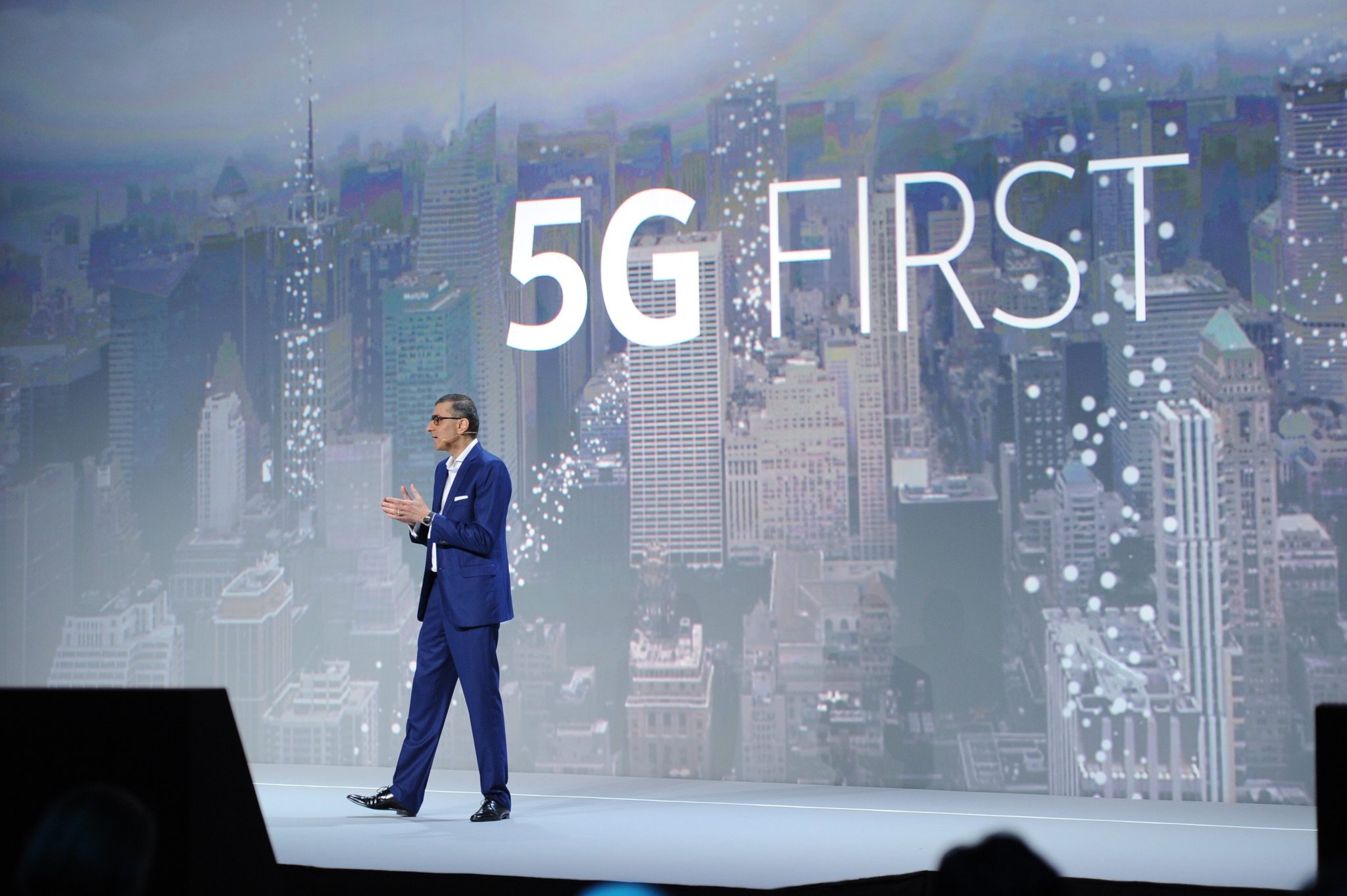
    Samsung Electronics announced that it has acquired Barcelona-based artificial intelligence startup Zhilabs in a bid to further enhance its 5G capabilities.

    Financial details of the deal were not disclosed.

    Zhilabs will be fully owned by Samsung, but it will continue to operate independently under its own management, the South Korean vendor said in a statement.

    Zhilabs provides AI-based network and service analytics solutions and its products are used by telecoms carriers including Celcom, Maxis, NTT East, Telenor, O2, Vodafone, TIM, and Telefonica.

    Samsung said AI-based automation will play a central role in the introduction of new services driven by 5G, such as industrial Internet of Things (IoT) and connected cars, as carriers seek to implement new automated solutions and network virtualization features.

    “5G will enable unprecedented services that generate exponentially greater data traffic, for which automated and intelligent network analytics tools are vital,” said Youngky Kim, president and head of networks business at Samsung Electronics.

    “The acquisition of Zhilabs will enable Samsung to help carriers meet these demands to measure and ensure the quality of each subscriber’s service experience.”

    The acquisition of Zhilabs is also part of the company’s pledge, announced in August, to invest 25 trillion won ($22 billion) in AI, 5G, automotive electronics components and biopharmaceuticals technologies.

  • Dialog Axiata to establish 5G innovation center

    Dialog Axiata to establish 5G innovation center

    Sri Lanka’s Dialog Axiata has teamed up with Ericsson to establish the market’s first 5G innovation center.

    The new center will seek to encourage Sri Lankans to develop innovative IoT and ICT technologies and solutions. It will engage in collaborative research with local universities and global institutions.

    Researchers and entrepreneurs will be able to use the center’s facilities to design and develop prototypes and conduct verification testing. Developers, academics and ecosystem partners will also be able to test 5G capabilities on-site.

    The center will be backed by investments of over 500 million rupees ($2.89 million) in connectivity, equipment and infrastructure, the two companies said.

    “The 5G Innovation Center is another milestone in Dialog’s Technology leadership as we prepare to commercially launch 5G, ahead of the rest of South Asia,” Dialog Axiata group CEO Supun Weerashinghe said.

    “5G sets a capable environment to help fast track IoT developments along with next generation video and robot/manufacturing automation. Advancing the transformational technology of 5G in Sri Lanka will enable exciting possibilities across education, health, agriculture and manufacturing and also harness entrepreneurship and provide a springboard for in-country talent.”

  • Ericsson, LimeLight to collaborate on content delivery

    Ericsson, LimeLight to collaborate on content delivery

    Ericsson has announced an agreement with Limelight Networks to add content delivery capabilities to its new Ericsson Unified Delivery Network (UDN) platform.

    Ericsson aims to develop UDN as a webscale edge delivery network, and is using the agreement with Limelight Networks to add content delivery as the first application built on the platform.

    Edge computing promises to address rapid increasing demand for data by leveraging distributed infrastructure to support low laency applications such as IoT, gaming and virtual reality.

    “We are always looking for ways to improve the performance and reach of our network,” LimeLight Networks CEO Bob Lento said.

    “The strength of Ericsson’s partnerships with communications service providers through the UDN Network is a key component of this agreement that enable us to offer even better reach and performance for our customers. We are delighted to work with Ericsson on this initiative.”

    According to Frost and Sullivan principal analyst Dan Rayburn, edge computing and content delivery are a powerful combination.

    “Combining content delivery technologies with an edge cloud platform that’s distributed inside ISPs is one of the best ways to guarantee optimal performance and allow application providers to use edge services to improve the end-user experience,” he said.

  • India allocates license-free 5-GHz spectrum

    India allocates license-free 5-GHz spectrum

    The Indian government has freed up spectrum in the 5-GHz frequency band for use in the provision of license free Wi-Fi and short range 5G services.

    The government has issued a notification stating that no license will be required to establish or operate wireless equipment for the provision of low power wireless systems including radio local area networks, in parts of the 5-GHz band.

    The directive covers spectrum in the range of 5150-MHz to 5250-MHz; 5250-MHz to 5350-MHz; 5470-MHz to 5725-MHz; and 5725-MHz to 5875-MHz, and is designed to support short range communications such as for providing coverage for apartment buildings or shopping centers.

    This frequency range is used for the provision of Wi-Fi services worldwide, and can also be used to augment capacity for 5G services, according to SN Gupta, secretary general of the ITU’s APT foundation of India.

    It will support the government’s goal of improving Wi-Fi coverage nationwide. Under the Bharat Net program, the government plans to roll out 10 million Wi-Fi hotspots across the country in rural areas, and is in discussions with the market’s telecoms operators to augment Wi-Fi coverage in urban areas.

  • Dialog Axiata launches VoWiFi

    Dialog Axiata launches VoWiFi

    Sri Lanka’s Dialog Axiata has launched what it says is the nation’s first voice over Wi-Fi calling service. The operator’s VoWiFi service does not require a third party app to be installed and allows calls to be received over Wi-Fi as if they were standard incoming calls.

    Dialog Axiata is offering five Huawei smartphones that support the VoWiFi service, and plans to extend it to other VoWiFi supported handsets from Samsung, Apple and other vendors in the near future.

    “Dialog is committed to delivering the latest in technology and connectivity to all Sri Lankans, and VoWiFi is another key step in offering next generation solutions to our customers,” Dialog Axiata CTO Pradeep De Almeida said.

    “We started this journey by enhancing the infrastructure in our network and migrating to a new state-of-the-art core network. For our customers, this means a better experience through greater agility and flexibility.”

  • MV Agusta F4 Claudio Limited Edition Model Unveiled

    MV Agusta F4 Claudio Limited Edition Model Unveiled

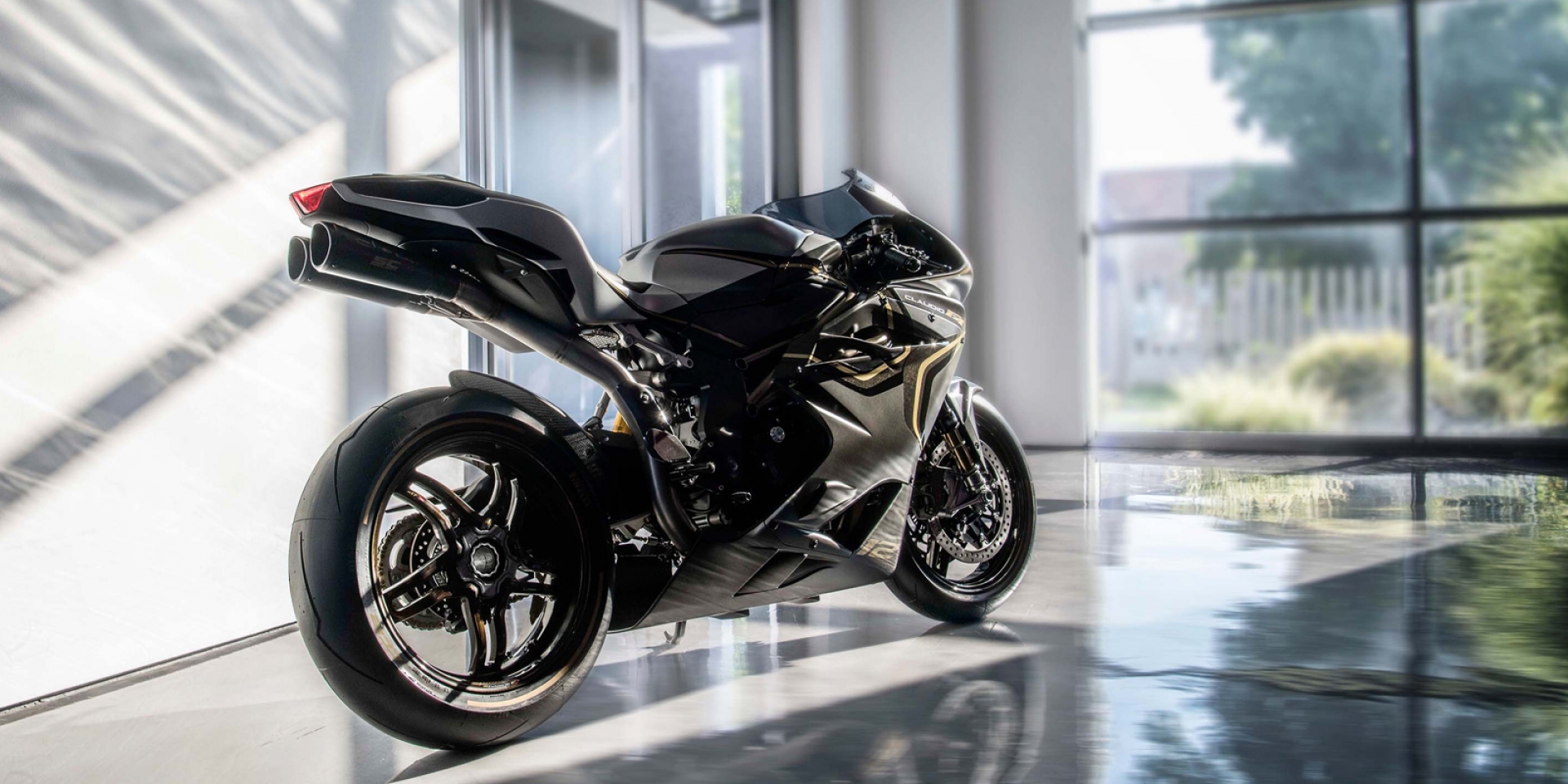
    The MV Agusta F4 Claudio pays homage to Claudio Castiglioni, the man credited with reviving the MV Agusta brand in the 1990s. Claudio played a huge role in the Italian motorcycle industry, and in the successes of brands like Ducati, Cagiva and Husqvarna over the decades. But it’s his time with MV Agusta for which he’s best known and celebrated for. Under his leadership, MV Agusta was revived producing the F4 750 superbike, designed by Massimo Tamburini. And that bike became the basis for a range of new high-end machines, including the Brutale and the F3. The current F4 is set to be replaced by an all-new model to cope with new emission regulations, and as a last hurrah, a final special edition model honouring Claudio Castiglioni has been unveiled.

    The MV Agusta F4 Claudio, as it’s called, is a proper limited edition model with all the high-end components and equipment befitting a homage model. The technical base of the model is taken from the MV Agusta F4 RC, and shares many of the features seen on the MV Agusta model that competes in the World Superbike Championship. The engine has titanium connecting rods and the crankshaft has been specifically designed and balanced, and the combustion chamber has radially-set valves. With the bike set-up for track, maximum power is rated at 212 bhp, kicking in at 13,450 rpm, with a peak torque of 115 Nm at 9,300 rpm. With the standard road-legal set up, maximum power still touches 205 bhp.

    The F4 Claudio sports dual exit titanium SC-Project racing exhaust system with a dedicated control unit. There’s a wide range of electronics with four maps on offer, which can be selected instantaneously via the racing push-buttons. The braking system includes Brembo Stilema 4-piston Monobloc radial calipers gripping twin 320 mm front discs, and top-spec Ohlins shock absorbers are said to provide maximum performance on both road and track.

    A lot of carbon fibre has been used to keep the bike’s weight low, including a full carbon fibre fairing and lightweight carbon wheels. Titanium has also been used in the bolts and screws, with CNC-machined aluminium alloys used extensively on functional components such as the triple clamp, height-adjustable footpegs, brake and clutch levers, and brake fluid reservoir plugs and filler cap. The ‘Claudio’ is limited to just 200 bikes, and price is expected to be exclusive, with a probable announcement at the EICMA show in Milan next month.

  • New 2018 Hyundai Santro Launched In India

    New 2018 Hyundai Santro Launched In India

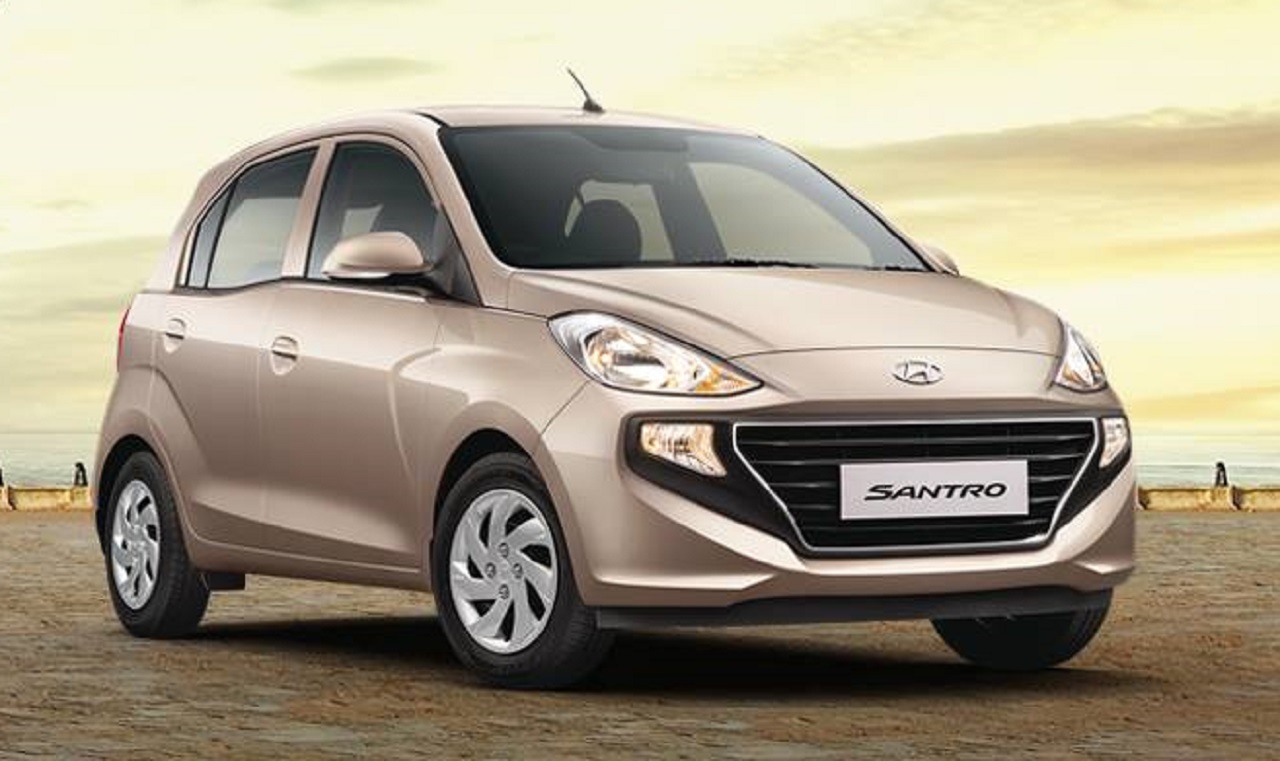
    Hyundai India has launched the all-new 2018 Hyundai Santro in India at a starting price of Rs 3.89 lakh. The new Santro will be available in five variants for the petrol manual version while the petrol automatic and the CNG manual versions gets two variants each. The new Hyundai Santro Prices for the petrol manual range from Rs 3.89-5.45 lakh while the ones for the petrol automatic AMT range from Rs 5.18-5.46 lakh. The new 2018 Hyundai Santro CNG is priced at Rs 5.23-5.64 lakh. The new Hyundai Santro will take on the likes of the Maruti Suzuki Celerio, the Tata Tiago and the Renault Kwid 1-litre apart from the likes of the Maruti Suzuki Wagon R, a new version of which will be launched very soon. The new Hyundai Santro will be slotted in between the Hyundai Eon and the Hyundai Grand i10. Here is a detailed table with all the prices below.

    The Hyundai Santro will be powered by a 1.1-litre, 4-cylinder, naturally aspirated engine, which makes 69 bhp of peak power and 99 Nm of peak torque when powered by petrol. The petrol engine is mated to a 5-speed manual or a new 5-speed AMT gearbox that has been developed by Hyundai in-house. The petrol engine, in both manual and AMT guise are fuel efficient and the Hyundai Santro Mileage is 20.3 kmpl.

    Hyundai Santro Price In India
    Variant Price (ex-showroom, Delhi)
    Santro D-Lite ₹ 3,89,900
    Santro Era ₹ 4,24,900
    Santro Magna ₹ 4,57,900
    Santro Magna AMT ₹ 5,18,900
    Santro Magna CNG ₹ 5,23,900
    Santro Sportz ₹ 4,99,900
    Santro Sportz AMT ₹ 5,46,900
    Santro Sportz CNG ₹ 5,64,900
    Santro Asta ₹ 5,45,900

    There is also a new Hyundai Santro CNG version on offer straight from the factory that makes 59 bhp of peak power and 84 Nm of peak torque. The engine is mated to a 8 kg CNG tank that is mounted in the boot of the Hyundai Santro. The new CNG version of the new Hyundai Santro will offer 30.48 km/kg of fuel economy on CNG fuel. The CNG version also gets duel ECUs to provide a seamless switch between petrol and CNG along with a matrix injector and a filter valve for better performance and more safety respectively.

    The Hyundai Santro gets five variants i.e. D-Lite, Era, Magna, Sportz and the top of the line Asta. The car is available in seven colour options ranging from a bright blue, red or green to the more sombre whites, greys and golds. The new Santro gets no alloy wheels, LED daytime running lights or projector headlamps abut it does get 14-inch wheels as standard along with a set of silver wheelcaps on the higher spec versions while the lower variants will get plain silver wheels with small wheel-hub covers.

    The overall design on the new Santro is quite contemporary. Athough Hyundai claims that the Santro is a tall-boy design, the design is actually a great blend of the conventional Santro tall-boy look and a very typical entry level hatchback. The new Santro also gets a flat back with two mid-set tail lamps. The tail lamps too are conventional and not LED versions. The Santro is also much larger than its predecessor measuring in at 3610 mm in length, 1645 mm in width and 1560 mm in height. The wheelbase on the new Santro is now at 2400 mm and it does offer best in class rear legspace.

    On the inside, the new Hyundai Santro offers a range of features like a 7-inch touchscreen infotainment system that offers mirrolink and Bluetooth connectivity. The infotainment system also offers the likes of Apple CarPlay aad Android Auto. The new Hyundai Santro also gets rear AC vents – another first in class feature, but does not get climate control. The new Hyundai Santro will also offer a single driver side airbag as standard on all models but will offer a secondary passenger side airbag only on the Asta model. While all variants of th Hyundai Santo will get a beige and grey interior, the Diana Green version in the Asta model will get an all-black interior along with colour matched interior trim and colour matched green seatbelts.

    Hyundai Santro Engine Specifications

    Hyundai Santro Petrol CNG
    Engine 1.1-litre petrol 1.1-litre petrol + CNG
    Max Power 68 bhp @ 5500 rpm 58 bhp @ 5500 rpm
    Max Torque 99 Nm @ 4500 rpm 84 Nm @ 4500 rpm
    Transmission 5-Speed MT/AMT 5-Speed MT
    Fuel Efficiency 20.3 kmpl 30.48 km/kg

    Speaking at the world premiere of the all new Hyundai Santro, Mr. Y K Koo, MD & CEO, Hyundai India said, “Today is a Historic moment as we announce the world premiere of the all new Santro. The Hyundai Santro is an iconic and legendary brand in India that has won the hearts of millions of customers for last two decades. The magic of Santro continues with The all new Santro receiving overwhelming response in less than two weeks.”

    The all-new 2018 Hyundai Santro has already received over 23,500 bookings in just 12 days even before individuals had the chance to see the new car in the metal. Although these bookings were exclusively available online, bookings at dealerships have also officially begun today. The introductory pricing will only be applicable for the first 50,000 customers. Considering the fact that Hyundai will only be making about 10,000 units of the new Santro every month, expect waiting periods of a few weeks to follow. Currently, over 30 per cent of all bookings for the new 2018 Hyundai Santro are for the AMT model.

  • Fiat Chrysler Sells Magneti Marelli For $7.1 Billion

    Fiat Chrysler Sells Magneti Marelli For $7.1 Billion

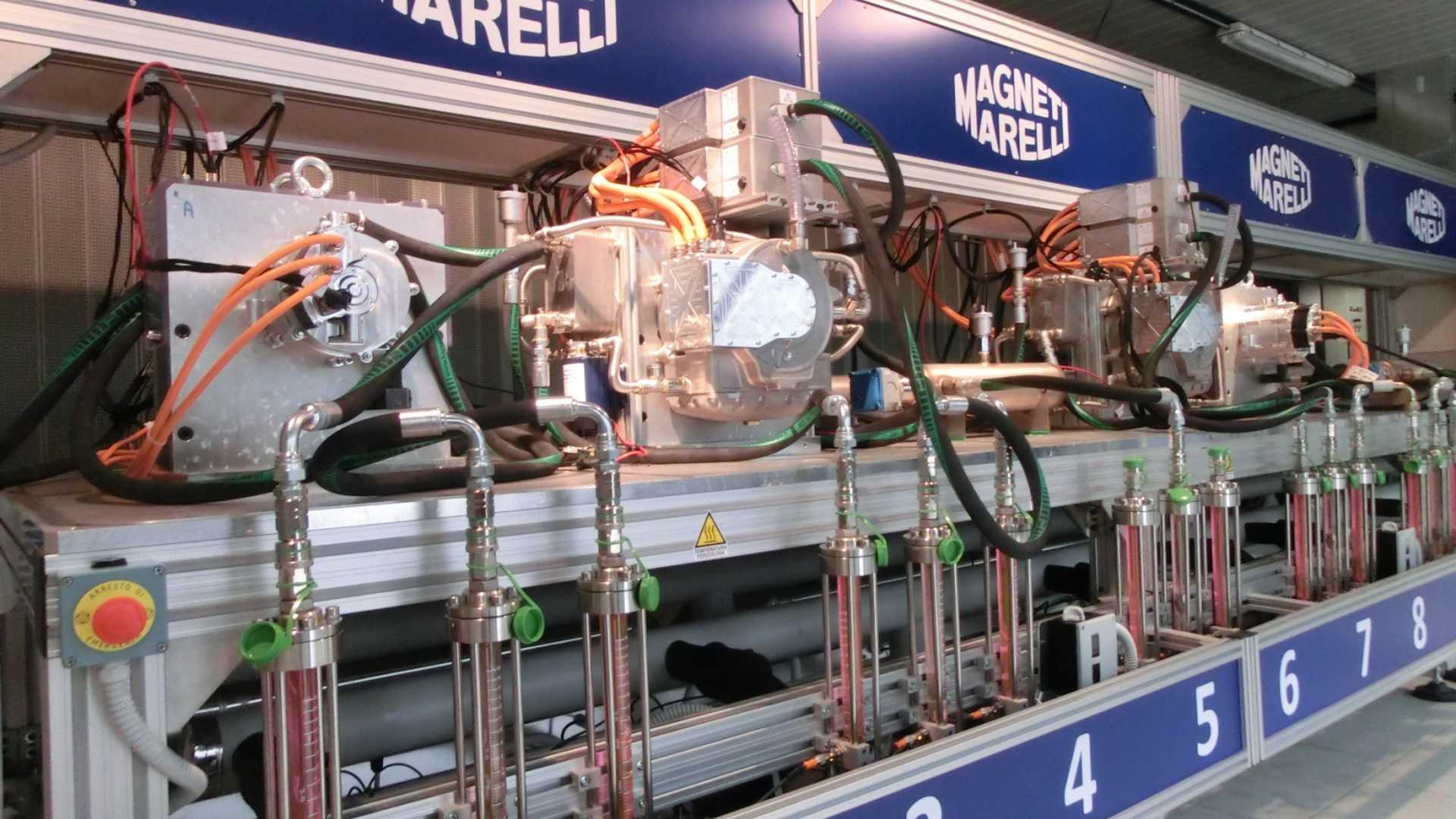
    Fiat Chrysler Automobiles has announced that it has entered into a definitive agreement to sell its automotive components business Magneti Marelli S.p.A. to CK Holdings Co., Ltd, a holding company of Calsonic Kansei Corporation. Following the closing of the Transaction, CK Holdings will be renamed as Magneti Marelli CK Holdings. The combined businesses of Calsonic Kansei and Magneti Marelli will create the world’s 7th largest global independent automotive components supplier based on total revenues.

    The agreement represents a transaction value of 6.2 billion Euros ($7.1 billion). The Transaction is expected to close in the first half of 2019 and is subject to regulatory approvals and other customary closing conditions. The new entity will operate out of nearly 200 facilities and R&D centres across Europe, Japan, the Americas, and Asia Pacific.

    FCA has also agreed to a multi-year supply agreement that will further strengthen a mutually beneficial relationship for both Magneti Marelli and FCA’s expanding model range and which will sustain Magneti Marelli’s Italian business operations, positioning it strongly for continued growth and success in the future. The combined company will be led by Beda Bolzenius, currently CEO of Calsonic Kansei, based in Japan. Ermanno Ferrari, CEO of Magneti Marelli, will join the Magneti Marelli CK Holdings board.

    Mike Manley, CEO of FCA, said: “Having carefully examined a range of options to enable Magneti Marelli to express its full potential in the next phase of its development, this combination with Calsonic Kansei has emerged as an ideal opportunity to accelerate Magneti Marelli’s future growth for the benefit of its customers and its outstanding people. The combined business will continue to be among FCA’s most important business partners and we would like to see that relationship grow even further in the future. The transaction also recognises the full strategic value of Magneti Marelli and is another important step in our relentless focus on value creation.”