Blog

  • Chagees Expansion Spree Boosts Revenue but Dents Profits: Inside the Chinese Tea Giants Strategy

    Chagees Expansion Spree Boosts Revenue but Dents Profits: Inside the Chinese Tea Giants Strategy

    Chagee, the acclaimed Chinese tea chain, has experienced yet another boost in revenues, despite the ongoing expansion of its stores seeming to take a toll on its profit margins.

    Currently, Chagee owns a staggering 7531 teahouses, located primarily in Greater China, but also expanding internationally. Ending its first fiscal quarter of the year on a high note, Chagee reported revenues of RMB3.54 billion (US$514.1 million), indicating a rise from RMB3.39 billion during the same quarter in the previous year. Nonetheless, despite the hike in revenues, the company faced a 33.9 per cent dip in profits during the same period.

    Teahouse Business Dynamics

    Franchise-owned teahouses form the core of Chagee’s business model, contributing to a significant 77.4 per cent of the total revenue, while the remaining revenue comes from teahouses directly owned by the company.

    Although the Greater China region constitutes a whopping 95 per cent of Chagee’s business operations, by the end of the quarter, Chagee had marked its presence in seven additional countries. The most recent expansions saw Chagee breaking into markets in the United States, Vietnam, and the Philippines.

    Chagee’s Vision for the Future

    Founder and CEO of Chagee, Zhang Junjie, shared his view for the company’s future with investors. He expressed his commitment to focus on operational details, emphasizing that these granular aspects hold significant value to their consumers. He noted that the company’s ability to weather various business cycles is directly tied to genuine consumer recognition, and this forms the cornerstone of their objective for the current year – to perfect every single consumer touchpoint.

    Zhang Junjie expressed his confidence that Chagee is entering a phase of mature, steady, and sustainable growth. He ended his remarks by stating his assurance in every step the company is undertaking towards the future.

    Questions & Answers

    What is the revenue of Chagee for the first fiscal quarter of the year?
    Chagee reported revenues of RMB3.54 billion (US$514.1 million) for the first fiscal quarter of the year.

    What percentage of Chagee’s total revenue comes from franchised teahouses?
    Franchise-owned teahouses contribute to 77.4 per cent of Chagee’s total revenue.

    What is the major goal of Chagee for the current year?
    Chagee’s major goal for the current year is to perfect every single consumer touchpoint, according to founder and CEO Zhang Junjie.

  • Abercrombie & Fitch Conquers Asia: Opens New Store in Manilas SM Mall of Asia

    Abercrombie & Fitch Conquers Asia: Opens New Store in Manilas SM Mall of Asia

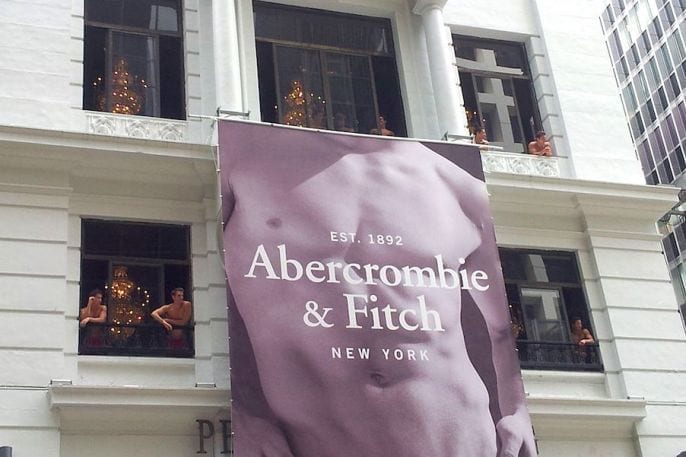
    Abercrombie & Fitch, the well-known American fashion label, has extended its global reach with the opening of a new store in the Philippines. Nestled within the bustling SM Mall of Asia, this marks a significant milestone for the brand’s continued foray into the Asian market.

    Continued Expansion into Asia

    Abercrombie & Fitch’s expansion into Asia has been strategic and steady. The brand recently widened its presence in India through a strategic franchise agreement with Myntra Jabong India Private. Besides this, it also established a retail presence in Jakarta and further added three Abercrombie & Fitch and Hollister stores in Hong Kong.

    To facilitate this expansion across Southeast Asia, Abercrombie & Fitch has partnered with MAP Group, a leading retail partner in the region. Steven Sare, Abercrombie & Fitch’s Managing Director for Asia-Pacific, expressed his delight at the warm reception the brand received at the SM Mall of Asia. He praised the new retail store’s aesthetic appeal and thanked his global team for their unwavering support during the rollout.

    Future Endeavors and Financial Highlights

    While the physical store is now open, Abercrombie & Fitch’s official website for the Philippines is still under development. The brand’s increased focus on expanding its Asian presence has been highly profitable. Abercrombie & Fitch Co, the controlling group, reported sales of US$46.5 million in the Asia-Pacific region in its fiscal first quarter. This represents a 24% increase from the previous year, making it the fastest-growing region for the group.

    Questions & Answers

    Where is Abercrombie & Fitch’s newest store located?
    The latest Abercrombie & Fitch store has opened in the SM Mall of Asia, Philippines.

    Who is Abercrombie & Fitch’s retail partner for Southeast Asia expansion?
    Abercrombie & Fitch’s is partnering with MAP Group for its Southeast Asia expansion.

    How has the brand’s expansion into Asia impacted its financial performance?
    The brand’s expansion into Asia has resulted in a significant boost to its sales. Abercrombie & Fitch Co reported US$46.5 million in sales in the Asia-Pacific region in the fiscal first quarter, marking a 24% increase from the previous year.

  • Barbara Werschine Takes the Helm at Lanvin: A Luxury Brands New Era Begins

    Barbara Werschine Takes the Helm at Lanvin: A Luxury Brands New Era Begins

    Lanvin Group has announced the appointment of Barbara Werschine as the new Chief Executive Officer (CEO) of Lanvin. This strategic decision is part of the luxury fashion group’s initiative to bolster Lanvin’s global standing and promote growth.

    Barbara Werschine Heading Lanvin’s Strategic Direction

    Werschine will take charge of Lanvin’s strategic guidance, steering its international growth and enhancing the brand’s status in the global luxury marketplace. With over two decades of experience in the luxury industry, Werschine has previously occupied high-ranking positions at several renowned fashion establishments.

    She transitions to Lanvin from her prior role as CEO of Eric Bompard, a French cashmere specialist brand. During her tenure there, she streamlined the brand’s modernization efforts while also enhancing its financial performance. Earlier in her career, Werschine was a part of the executive committee at Hermes, as director of leather goods collections. Her professional journey also includes leadership and product development roles at Celine, Louis Vuitton, and Zadig & Voltaire.

    Building on Heritage and Driving Growth

    Lanvin Group’s decision to appoint Werschine reflects its aspiration to capitalize on the house’s legacy while implementing a contemporary growth strategy and expediting its international expansion. With headquarters in Shanghai and Milan, Lanvin Group controls a range of luxury brands, including Lanvin, Wolford, Sergio Rossi, and St John Knits.

    The executive shift comes amid the group’s navigation of a challenging luxury market. Lanvin Group registered a revenue of €240.5 million (US$277.4 million) from continuing operations for FY25, marking a 17.6% decrease year-on-year. The group attributed this downturn to reduced consumer demand and continued instability in primary markets.

    The group earlier this year strategically divested the Italian luxury menswear brand Caruso. This was a step towards streamlining focus on its core brands and enhancing operational efficiency in the face of persistent instability in the global luxury sector.

    Questions & Answers

    Who is the new CEO of Lanvin?
    Barbara Werschine has been appointed as the new CEO of Lanvin.

    What are the responsibilities of Barbara Werschine in her new role?
    Werschine will be in charge of Lanvin’s strategic direction, leading its international expansion and efforts to enhance the brand’s presence in the global luxury market.

    Why did Lanvin Group’s revenue decrease in FY25?
    The decrease in revenue was due to weaker consumer demand and ongoing market volatility.

  • Naora Opens Its Doors: A Membership-Based Global Sailing Journey Across 183+ Destinations

    Naora Opens Its Doors: A Membership-Based Global Sailing Journey Across 183+ Destinations

    From the outer reefs of the Maldives to the hidden anchorages of Raja Ampat, from the wild coast of Patagonia to the Society Islands of the South Pacific — NAORA offers its members a world that goes far beyond what any itinerary can contain.

    Anchored in a remote bay in the Azores, the only light coming from a sky full of stars. Diving the outer reefs of the Maldives, where the coral runs so deep you cannot see the bottom. Watching the sun rise over the Society Islands from a deck that is still warm from the night before. These are not highlights from a travel itinerary. They are Tuesday for a NAORA member.

    Today, NAORA announces its launch: a private, invitation-only sailing expedition membership that gives a curated circle of modern explorers flexible, recurring access to a continuously moving global journey spanning 183+ destinations and 45,000+ nautical miles over five years. It is the most ambitious membership-based sailing concept ever brought to market — and it is built, from the hull up, for people who are not satisfied with what a hotel can offer.

    45,000+ Nautical Miles. Five Years. One Continuous World.

    The NAORA route is not a circuit of popular anchorages. It is not designed around tourism seasons or marina availability. It is designed around one thing: putting its members in the most extraordinary places on earth at the moment those places are most extraordinary.

    The route follows trade winds and seasonal weather patterns, refined over 25+ years of accumulated offshore sailing knowledge. It begins in the Mediterranean — the Balearics, Sardinia, the Adriatic, the Aegean — before crossing the Atlantic via the Canary Islands and Cape Verde. From the Caribbean, it passes through the Panama Canal into the Pacific. Southeast Asia. The Maldives. The Indian Ocean. The Red Sea. The South Pacific. Patagonia. And back again — a five-year loop that never quite repeats, because the world does not.

    Each leg is timed with the prevailing wind systems and anchored in each region during its peak season. Members who join the Mediterranean leg experience the sea at its most vivid. Those who join for the Indian Ocean leg arrive during the perfect sailing window. Those who make the South Pacific passage with NAORA experience one of the most transcendent crossings available to any sailor, private or otherwise.

    And at every stage, NAORA members are not experiencing these places as tourists. They are experiencing them as people who belong there — because the crew does, the captain does, and the community does.

    The Vessel: Home on the Open Ocean

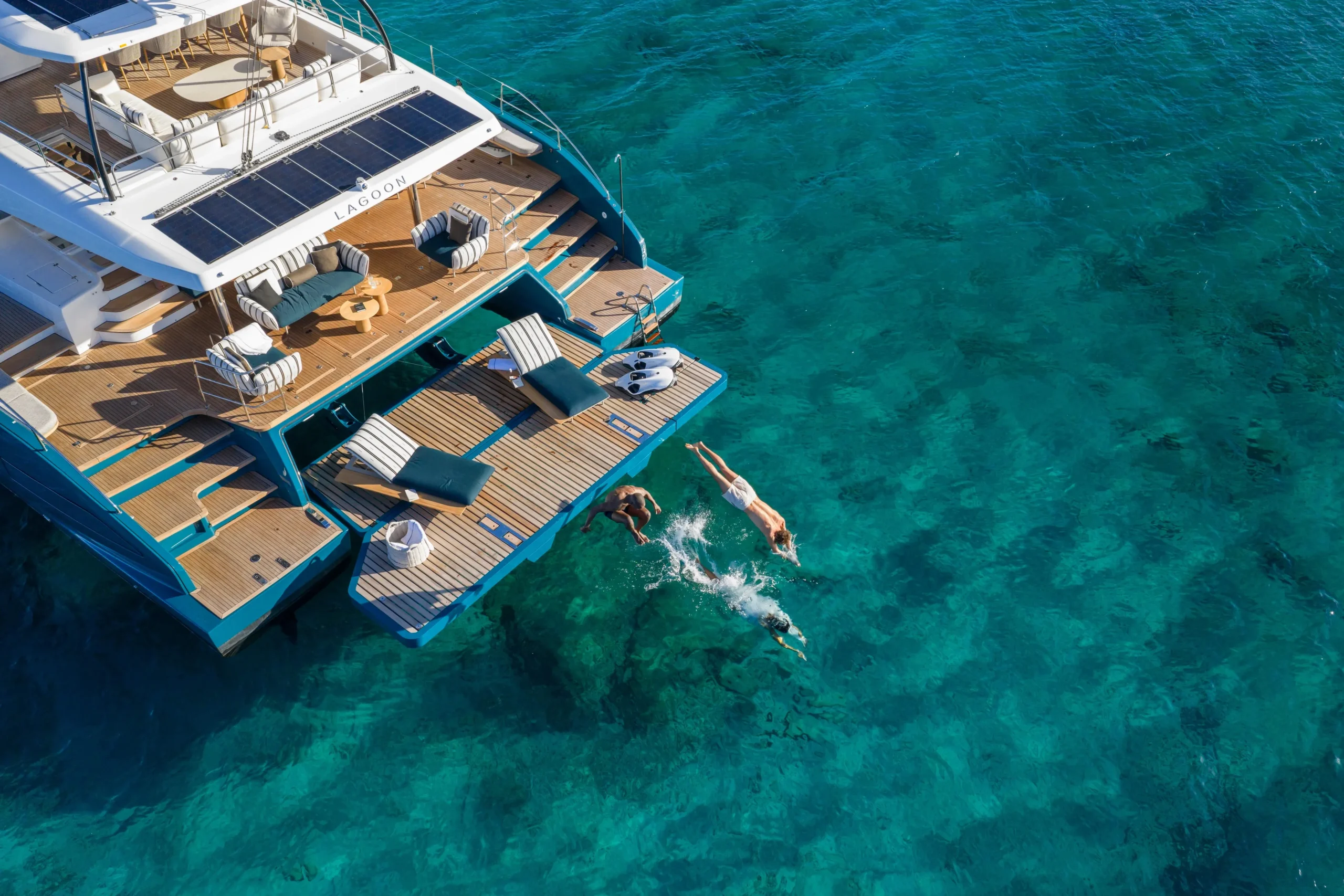
    Every NAORA journey takes place aboard the Lagoon Eighty2 — one of the largest production catamarans in the world, built for exactly the kind of long, deep, ocean-crossing lifestyle that NAORA is designed around. At nearly 24 metres in length, with a displacement of 66 tonnes and a sail area of 340 square metres, the Thira 80 is not a day-tripper. It is an offshore passage-maker of the highest order, wrapped in the interiors of a luxury private villa.

    Six to seven private en-suite double cabins. Wide teak decks for morning yoga and midnight conversations. A salon designed for the kind of dinner party that only happens when the nearest land is two hundred miles away. A professional galley from which a private chef produces three-course meals with ingredients sourced at every port. The Thira 80 is, quite simply, one of the finest environments in which a human being can spend time — and it is moving, always, toward somewhere remarkable.

    The catamaran design is not a compromise. It is the correct answer for this model. Two to three times the living space of a monohull of equivalent length. Minimal heel, smooth passages, dramatically reduced motion sickness. Wide decks and a shallow draft that allows NAORA to anchor in remote bays that deeper-keeled vessels cannot access. The Thira 80 delivers comfort without sacrificing reach — which means NAORA members can go further, stay longer, and arrive more refreshed than any comparable vessel would allow.

    “We don’t discover places. We return to them. That is the difference NAORA members will feel from day one. — The NAORA Founders”

    The Destinations Others Cannot Reach

    There is a version of global travel that is available to anyone with a credit card and a premium booking platform. Beautiful hotels in beautiful places, populated by other people with beautiful credit cards. NAORA is not that. NAORA is the version of global travel that requires local knowledge, earned trust, and years of relationship-building to access.

    The founding team has spent 11 years across Southeast Asia — not as tourists, but as residents. They have friendships in fishing villages that do not appear on any map, and access to anchorages that are not listed in any cruising guide. They know the chef at the restaurant that has no sign. They know the fisherman who knows the reef that the dive boats have not found yet. They have sat at tables in communities that most travellers will never find, not because of money, but because of time.

    That accumulated knowledge and those relationships are what NAORA members are buying access to when they join. Not a boat. Not a route. A world that the founding team has spent decades learning to navigate — and that deepens, for every member, with every return.

    On Board Life: Designed, Not Improvised

    The NAORA onboard experience is curated with the same level of intention as the route itself. Water sports equipment is maintained to professional standard — diving gear, kites, paddleboards, and exploration tenders are available whenever conditions allow. Shore excursions are arranged in advance, drawing on local networks to provide cultural access and private experiences that are unavailable to independent travellers.

    The community aboard NAORA is deliberately international. Members speak French, German, Spanish, Arabic, Mandarin, Dutch, and many other languages — but English is the official language of all navigation, safety briefings, and crew communication. The diversity of the community is a feature, not a coincidence. When extraordinary people from extraordinary backgrounds share an extraordinary environment, what results is a quality of conversation and connection that no land-based club or conference can replicate.

    Between voyages, the community continues. Regional gatherings in key cities. Private dinners. Cultural events at port. NAORA is not a place its members visit. It is a world they belong to.

    Membership: The Door Is Open

    NAORA membership is structured in three tiers. Coastal members receive approximately one week of access per year — an introduction to the vessel, the community, and the rhythm of offshore life. Offshore members receive approximately 40 days per year, building lasting relationships and experiencing the full depth of the expedition. Navigator members receive approximately 90 days per year, with priority on route selection and scheduling, and a level of integration into the NAORA world that is closer to a second home than a holiday.

    A one-time entry fee of €3,000–5,000 opens the door. Annual fees range from €9,000 for Coastal membership to €59,000 for Navigator access. Extended and bespoke arrangements are available for members who want a more permanent presence within the system.

    Every membership begins with a private conversation. Not a sales call. A conversation. NAORA wants to understand who you are and what you are looking for. You want to understand where the boat is going and who is aboard. Only from that mutual understanding does the question of membership arise.

    To begin that conversation, visit www.naora.world

    About NAORA — NAORA is a membership-based private sailing expedition founded by four Belgian adventurers with 25+ years of offshore sailing expertise. Its five-year global journey spans 183+ destinations and 45,000+ nautical miles, covering the Mediterranean, Atlantic, Caribbean, Indian Ocean, Southeast Asia, and South Pacific. Membership tiers — Coastal, Offshore, and Navigator — offer flexible, recurring access to life at sea aboard the Fountaine Pajot Thira 80, one of the largest luxury production catamarans in the world. NAORA is not a travel company. It is a new category of living.

  • Segafredo Brews Bold Move: Italian Espresso Hits Shelves in 900+ Woolworths Stores Across Australia

    Segafredo Brews Bold Move: Italian Espresso Hits Shelves in 900+ Woolworths Stores Across Australia

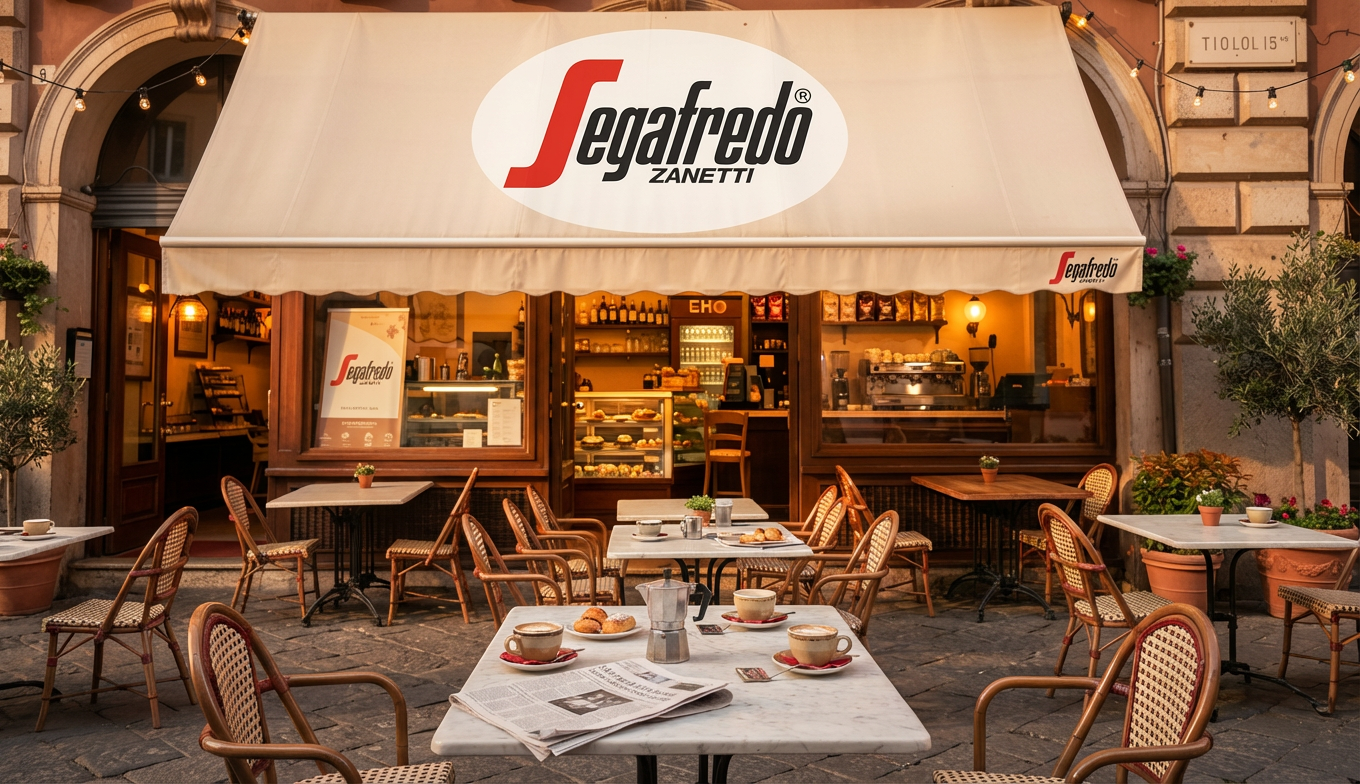
    Italian espresso company, Segafredo, has extended its reach into the Australian retail grocery market with a new product lineup. Over 900 Woolworths stores nationwide and their online platform will carry the brand that has been supplying Australian cafes since 1973. Now, Segafredo is venturing into the Fast-Moving Consumer Goods (FMCG) sector.

    Segafredo’s New Lineup

    The new offering includes eight products, all formulated with the tastes and preferences of Australian consumers in mind. The selection includes locally roasted whole coffee beans, coffee capsules, and instant coffee.

    The whole coffee bean selection is available in 700g packages at $30 each. It includes three options originating from the bold, dark Casa roast that is known for its “full-bodied intensity”. This variety is made with the Arabica Emozioni blend that offers hints of nuts and chocolate. There’s also a medium-roasted Intermezzo blend with a smooth, balanced palate.

    The brand offers 10-packs of capsules for home brewing at $8 each. The offerings include Arabica Supremo, the Classico signature blend, and Intenso.

    Also available is a 100g range of instant coffee, priced at $12. Customers can choose between a smooth, granulated Classic variety or a rich, freeze-dried Gold blend with a lingering aromatic finish.

    Reaction from Segafredo

    Rob Collier, Managing Director of Segafredo Bean Alliance Australia, expressed his excitement about the brand’s expansion into Woolworths. He stated that after being a staple in Australia’s cafe culture for over 25 years, this step marked a significant milestone for Segafredo. Collier also expressed that they have developed a range of blends and flavors that are likely to resonate with discerning consumers and are eager to become part of Australians’ everyday coffee rituals.

    This retail expansion aligns with the launch of Segafredo’s new global marketing initiative, ‘Take Your Shot’. This campaign features several public figures representing different product categories and consumer habits. Aggie Vlotman from Segafredo Bean Alliance Australia stated that the aim is to position Segafredo as a constant, quality coffee brand that aligns with the rhythm of Australians’ daily lives.

    Established in 1973 in Bologna by Massimo Zanetti, Segafredo has grown from a traditional Italian roasting house into one of the world’s leading coffee companies, now operating in over 110 countries worldwide.

    Questions & Answers

    What is the price range of Segafredo’s new product lineup?
    The price range is from $8 for a 10-pack of coffee capsules to $30 for a 700g package of whole coffee beans.

    What flavors or blends are included in Segafredo’s new product lineup?
    The lineup includes Arabica Emozioni blend, medium-roasted Intermezzo blend, Arabica Supremo, Classico signature blend, and Intenso.

    What is Segafredo’s new marketing initiative?
    The new initiative, ‘Take Your Shot’, aims to position Segafredo as a constant, quality coffee brand that aligns with the rhythm of Australians’ daily lives.

  • New Leadership Horizons: Nigel Parsons Takes Reins as Asahi’s Europe and International Division CEO

    New Leadership Horizons: Nigel Parsons Takes Reins as Asahi’s Europe and International Division CEO

    Nigel Parsons has been announced as the new CEO of Asahi’s Europe and International (AEI) segment, succeeding Dragos Constantinescu who is set to leave his position at the end of June. Parsons is slated to officially take over during the latter part of this year. In the interim period, Andrew Bailey, AEI’s CFO, will fulfill the CEO responsibilities.

    Parsons’ appointment has been attributed to his vast leadership skills spanning human resources, commercial, and multi-category operations within the organization and the wider Fast-Moving Consumer Goods (FMCG) industry. His tenure with Asahi Beverages began in 2021 when he took up the CEO position in the lifestyle beverages division. Most recently, Parsons held the Chief Commercial Officer (CCO) role for Oceania, where he supervised commercial operations in Australia and New Zealand.

    Atsushi Katsuki, the President and Group CEO of Asahi Group Holdings, has lauded Parsons for his proven capability in driving sustainable growth. Katsuki expressed his confidence that under Parsons’ guidance, AEI would progress its strategic objectives in complete harmony with the group’s medium to long-term management policies, thereby enhancing value creation across their business portfolio.

    Questions & Answers

    Who has been appointed as the new CEO of Asahi’s Europe and International division?
    Nigel Parsons has been appointed the new CEO of Asahi’s Europe and International division.

    Who will serve as acting CEO during the transition period?
    Andrew Bailey, the CFO of AEI, will serve as acting CEO during the transition period.

    What roles has Nigel Parsons held within the Asahi Group?
    Nigel Parsons joined Asahi Beverages in 2021 as CEO of its lifestyle beverages division, and most recently served as the Chief Commercial Officer for Oceania, overseeing operations in Australia and New Zealand.

  • Ferrero Expands Beyond Sweets: Innovation and Brand Extension Fuel Retailer Growth Opportunities

    Ferrero Expands Beyond Sweets: Innovation and Brand Extension Fuel Retailer Growth Opportunities

    Ferrero, a globally recognized confectionery brand, is venturing into new categories, offering retailers a chance to expand their growth. The company’s commitment to quality, local manufacturing, and exceptional execution is supporting this expansion. As Ferrero broadens its reach, it is capturing growth across diverse formats and consumption opportunities.

    Expanding Beyond Confectionery

    Ferrero’s move beyond confectionery into the broader packaged food sector was revealed by Nick Dawes, Sales Director at Ferrero Australia. Dawes emphasized that this expansion is not just about introducing new products, but also about unlocking new occasions and driving incremental growth. This strategy is reinforced by strong brand equity, innovation, and a continued dedication to quality, which facilitates recognition, trial, and repeat purchases across categories. Ferrero is capitalizing on its established trust among shoppers as it extends its brands into new categories.

    A significant development area for Ferrero is frozen desserts, where the company is making its mark with brands like Ferrero Rocher, Raffaello, Kinder Bueno, and Kinder Chocolate Ice Cream. These brands offer new consumption opportunities and support incremental growth. Nutella, another iconic Ferrero product, is contributing significantly, with its range now including spreads, biscuits, and frozen bakery items. These additions encourage cross-category purchases and increase basket value, supported by Ferrero’s local manufacturing facility in Lithgow. The Lithgow facility is also championing sustainable production while maintaining high-quality standards.

    Embracing Sustainable Manufacturing

    The Lithgow site recently installed a vertical electric hazelnut roaster, a global first, which has cut gas usage by almost 90%. Additionally, a rooftop solar array provides up to 20% of the facility’s electricity, demonstrating Ferrero’s commitment to continuous improvement and emission reduction in its manufacturing process.

    Recognizing shifting consumer preferences, Ferrero is innovating with targeted products such as Tic Tac Two Sugar Free and expanding into the health-conscious segment with Fulfil Protein Bars. Kinder, another beloved brand, is also evolving with new formats and product innovations, catering to different life stages and consumption occasions without compromising on quality.

    As Arslan Shah, ANZ Head of Supply Chain, points out, execution is crucial. Enhancements in demand planning, forecasting, and logistics flexibility are improving product availability and in-store performance. Ferrero is working on managing demand fluctuations more efficiently to ensure that products are available when and where customers expect them.

    With its strong brand equity, focus on quality, ongoing innovation, and commitment to sustainable manufacturing, Ferrero is well-positioned to assist retailers in achieving sustainable, long-term growth beyond confectionery.

    Questions & Answers

    What new categories is Ferrero venturing into?
    Ferrero is expanding into broader sweet-packaged food categories, frozen desserts, and health-conscious options.

    How is Ferrero’s Lithgow manufacturing site contributing to sustainable production?
    The site has installed a vertical electric hazelnut roaster that reduces gas usage by nearly 90% and a rooftop solar array that generates up to 20% of the site’s electricity needs.

    What strategies is Ferrero employing to handle demand fluctuations?
    Ferrero is combining stronger planning with a flexible logistics model to build a resilient and responsive supply chain.

  • Siam Piwat Elevates Luxury Ecosystem with Global Giants: A Bid to Become Thailands Hub for High-Net-Worth Clients

    Siam Piwat Elevates Luxury Ecosystem with Global Giants: A Bid to Become Thailands Hub for High-Net-Worth Clients

    Siam Piwat Group, a leading Thai developer and operator of renowned shopping outlets like Siam Paragon, Siam Center, and Siam Discovery, has announced a strategic alliance with four major luxury brands: Belmond, Galeries Lafayette, Insignia, and MJets. The partnership aims to establish a “borderless” ecosystem, providing high-end travel, shopping, and lifestyle services for their affluent clients. This collaboration is expected to reinforce Siam Piwat’s Global Privilege Partnership and take its ‘Global Luxury Ecosystem’ to the next level.

    Strategic Collaboration for Luxury Market

    The group, which controls over 70% of Thailand’s luxury market, aims to connect private aviation, ultra-luxury hotels and resorts, premier department stores, and bespoke lifestyle services, all under a single network of privileges available both domestically and internationally. Saruntorn Asaves, the first executive VP of customer centricity and relationship at Siam Piwat, outlined the group’s strategy as being centered on “co-creation and collaboration” with global partners to create unique experiences for both Thai and international customers.

    Siam Piwat’s expertise in serving high-net-worth individuals is demonstrated through its OneSiam membership base. Asaves reported that, in 2025, high-net-worth members spent over 1 million baht per transaction, with their annual spending exceeding average customers by 35 times. She emphasized this as proof of the “immense and unrivalled purchasing power” of their top-tier clients.

    Introducing New Partnerships

    The newly onboarded partners in the Global Privilege network contribute their expertise in various fields. Belmond, an LVMH Group member, provides an assortment of ultra-luxury properties and train journeys; Galeries Lafayette offers its flagship Paris Haussmann department store; Insignia contributes high-end lifestyle and membership services; and MJets offers private aviation and airport lounge access.

    These collaborations promise to offer unique services to OneSiam members. For instance, Belmond will provide personalized travel planning and VIP welcoming at their hotels and trains. Insignia will offer 24/7 bespoke services, including access to exclusive events and hard-to-obtain restaurant reservations. MJets aims to offer private jet services, premium lounges, and chauffeur transfers from the runway to Siam Piwat’s properties. Lastly, Galeries Lafayette will extend exclusive hospitality to Siam Piwat members, including complimentary gifts, VIP lounge access, and expedited tax refunds with qualifying purchases.

    Questions & Answers

    What is the main purpose of Siam Piwat’s strategic collaboration with Belmond, Galeries Lafayette, Insignia, and MJets?
    The main goal of this alliance is to create a “borderless” ecosystem that combines high-end travel, shopping, and lifestyle services for their affluent clients, both in Thailand and internationally.

    What special offers will be available to OneSiam members as a result of these partnerships?
    OneSiam members will have access to personalized travel planning, VIP welcomes at hotels and trains, 24/7 bespoke services, private jet services, access to premium lounges, chauffeur transfers, and complimentary gifts and VIP lounge access at Galeries Lafayette with qualifying purchases.

    How does Siaw Piwat plan to serve high-net-worth individuals?
    Siam Piwat plans to connect private aviation, ultra-luxury hotels and resorts, premier department stores, and bespoke lifestyle services under a single network of privileges, thereby providing a holistic luxury lifestyle experience to high-net-worth individuals.

  • Modella Capital Scoops Up Danish Retailer Flying Tiger, Eyeing Global Expansion

    Modella Capital Scoops Up Danish Retailer Flying Tiger, Eyeing Global Expansion

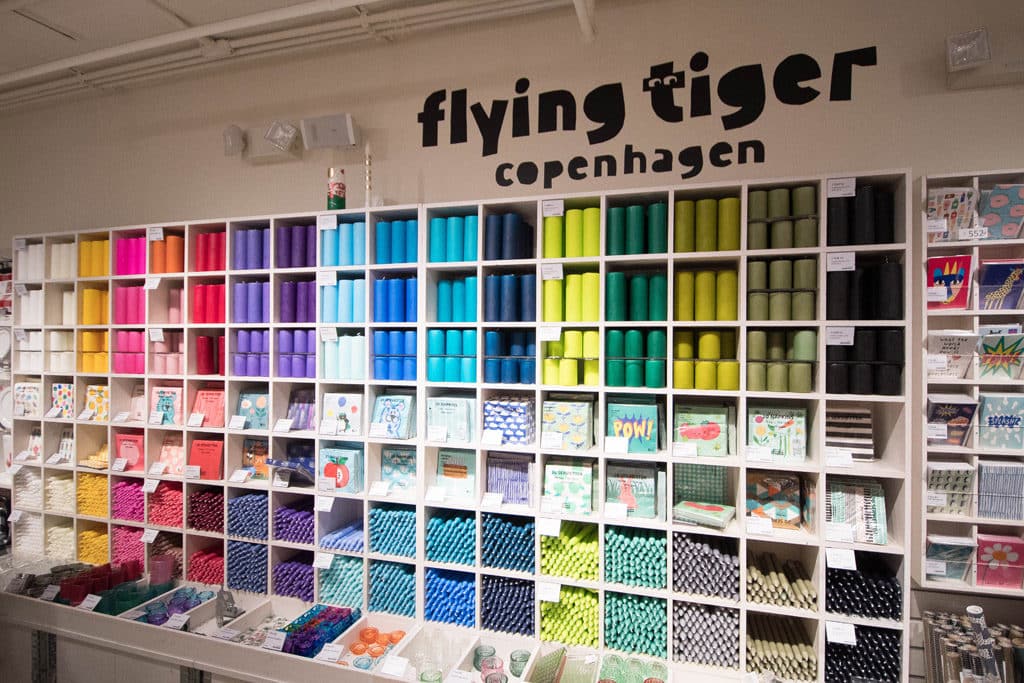
    Flying Tiger Copenhagen, a Danish variety store chain renowned for its affordable home goods and craft kits, has been acquired by Modella Capital, a UK-based private equity firm. Established in 1995, Flying Tiger Copenhagen operates nearly 1000 outlets in over 40 markets. Since last year, the chain has been managed by Danske Bank, Nordea, and its leadership team as part of a debt restructuring effort.

    Modella Capital’s First Acquisition Outside The UK

    TG Jones’s owner, Modella Capital, also owns Claire’s and The Original Factory Shop, both of which declared bankruptcy earlier this year. This acquisition of Flying Tiger Copenhagen signifies Modella’s initial venture beyond the UK.

    Modella’s Managing Director, Joseph Price, lauded Flying Tiger Copenhagen’s unique product offering and strong retail brand, which has garnered a loyal customer base spanning over 40 countries. “Flying Tiger Copenhagen is a business with tremendous potential. We are delighted to invest in its future, and we eagerly anticipate collaborating closely with the management team to furnish the stability, capital, and retail expertise the business requires to realize its growth plan,” stated Price.

    The chair of Flying Tiger, John Dueholm, declared that the management team had been dedicated to identifying the most suitable long-term proprietor for the business. He expressed confidence that Modella is “exceptionally well-positioned” as the new primary shareholder.

    Modella Capital pledged to back Flying Tiger’s expansion strategy, which includes adding over 700 franchise stores by the year 2030. The financial conditions of the agreement were not made public.

    Questions & Answers

    What does Flying Tiger Copenhagen specialize in?
    Flying Tiger Copenhagen is a variety store chain recognized for its affordable home goods and craft kits.

    Who has purchased Flying Tiger Copenhagen?
    The UK-based private equity investor, Modella Capital has acquired Flying Tiger Copenhagen.

    How does Modella Capital plan to support Flying Tiger Copenhagen’s growth?
    Modella Capital plans to support Flying Tiger’s expansion strategy, including the addition of more than 700 franchise outlets by 2030.

  • EU Slaps Chinese Retailer Temu with $232M Fine for Failing to Halt Sale of Illegal Products

    EU Slaps Chinese Retailer Temu with $232M Fine for Failing to Halt Sale of Illegal Products

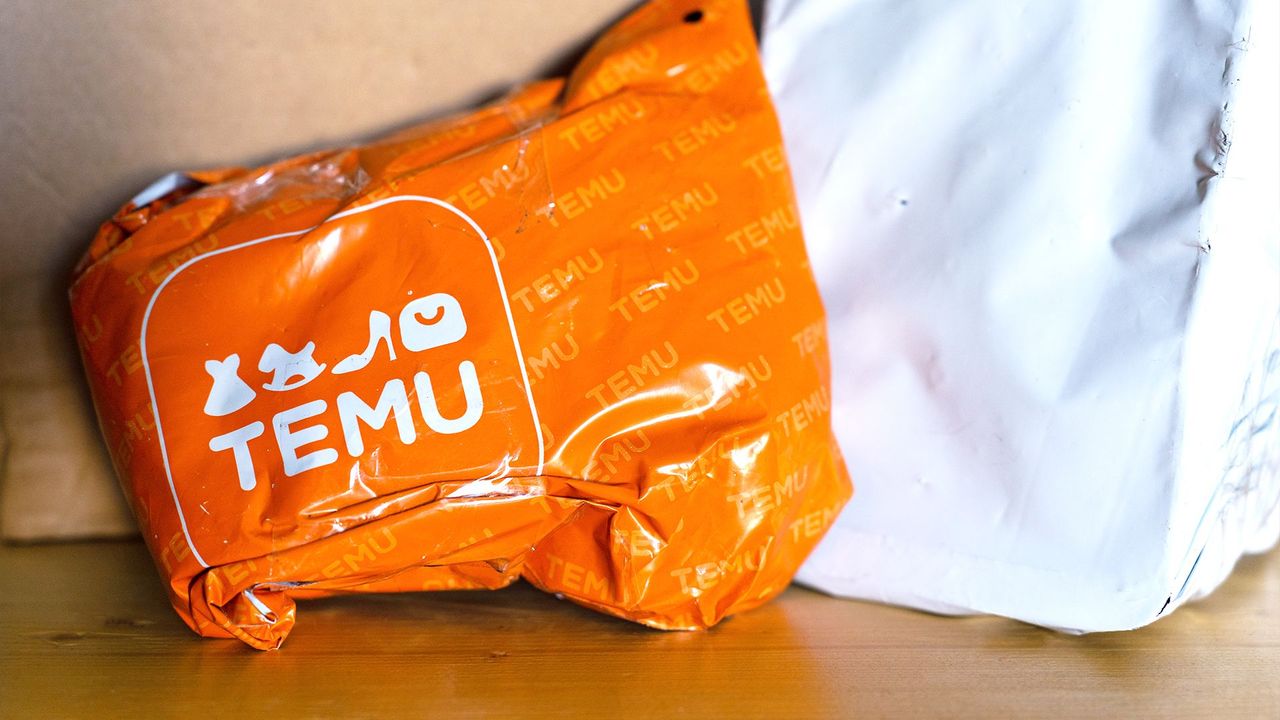
    Temu, a prominent Chinese online retailer, has been penalized with a €200 million (US$232 million) fine by European Union (EU) tech regulators for their apparent laxity in addressing the sale of prohibited products on its platform. The judgement came as part of an extensive investigation’s initial phase, conducted under the guidelines of the Digital Services Act. This legal standard necessitates major online companies to exert more effort to suppress unlawful and harmful content on their platforms.

    The ongoing probe began almost two years ago and could result in additional sanctions in the coming months. Temu came under the regulators’ lens after BEUC, a pan-European consumers’ organization, and 17 of its national members lodged complaints against them.

    EU Commission’s Allegations Against Temu

    The EU executive, the European Commission, criticized Temu for its perceived failure to systematically identify, scrutinize, and gauge the ramifications of illegal products marketed on its site, which consequently posed a threat to consumers within the EU. The commission also reproached Temu for its apparent lack of assessment in how its recommendation systems and product marketing strategies, led by affiliated influencers, could escalate the risk of illegal product sales.

    Despite the regulatory judgement, Temu maintained its disagreement with the European Commission’s decision, deeming the imposed fine to be excessive. In their official statement, Temu acknowledged the objectives of the Digital Services Act and the necessity for solid, uniform regulations throughout the digital industry. However, the company argued that the decision was based on their initial DSA evaluation in 2024 and does not exhibit the current state of their systems.

    Temu confirmed that they have been actively engaged with the Commission throughout the process and have since amplified their efforts to bolster risk assessment, platform governance, and user protection initiatives. They also expressed their intent to maintain engagement with regulators and are contemplating all potential responses to the matter.

    Commission Awaits Temu’s Action Plan

    The Commission has given Temu until August 28 to submit a comprehensive action plan for regulator appraisal, and a decision regarding the company’s compliance with the DSA is anticipated in two months. EU tech chief Henna Virkkunen emphasized the importance of risk management under the DSA and noted that the decision sends a powerful message to Temu.

    She also confirmed that regulators will persist in investigating whether Temu’s service design is excessively addictive and if it continues to sell prohibited products. The access of Temu’s recommenders and researchers to data is also under scrutiny. Non-compliance with DSA rules may result in penalties amounting to as high as 6% of the company’s global annual turnover.

    Temu’s penalty is the second instance of DSA violation, following a €120 million fine imposed on Elon Musk’s social media network, X, last December.

    Questions & Answers

    What is the reason behind Temu’s €200 million fine?
    The European Union tech regulators have fined Temu for their perceived failure in preventing the sale of illegal products on their platform, as per the guidelines of the Digital Services Act.

    What are the potential implications for Temu if they do not comply with the DSA?
    If Temu fails to comply with the DSA, they could face further penalties, including fines amounting to as much as 6% of their global annual turnover.

    What further steps has the Commission required of Temu?
    The Commission has given Temu until August 28 to deliver an action plan for regulator assessment, which will determine whether the company has adequately complied with the Digital Services Act.

  • Skims Embarks on Global Expansion, Set to Unveil First Greater China Flagship Store in Hong Kong

    Skims Embarks on Global Expansion, Set to Unveil First Greater China Flagship Store in Hong Kong

    As part of its ongoing global growth strategy, Skims, the shapewear and apparel brand, has announced plans to launch its first flagship store in Greater China. This major milestone will be located in Hong Kong’s bustling Times Square in Causeway Bay, with the opening scheduled for November later this year. The venture will be a collaboration with renowned retailer Lane Crawford.

    Skims, renowned for its signature neutral-toned interiors and minimalist store design, is looking forward to making a significant mark on the retail landscape in Hong Kong. The brand’s co-founder and CEO, Jens Grede, has pinpointed the city as a prime spot for the brand’s physical retail growth. Skims’ commitment to this strategic expansion underscores the importance of Hong Kong as a key player in the global market.

    Launched in 2019 by Kim Kardashian, Emma Grede, and Jens Grede, Skims initially focused on providing direct-to-consumer shapewear. However, the brand has since diversified its offerings to include underwear, loungewear, and general apparel. Skims prides itself on producing items that cater to a wide selection of body types, placing a particular emphasis on technical fabric development and product innovation.

    The upcoming opening in Hong Kong builds upon the strong partnership between Skims and Lane Crawford, which has been pivotal in expanding the brand’s reach. In 2024, Skims made its debut in Mainland China, thanks to a pop-up activation at the Chengdu International Finance Square, facilitated by this partnership.

    Lane Crawford, headquartered in Hong Kong, operates six department stores – four in Hong Kong and two in Mainland China. The retailer, with a robust online presence, specializes in fashion, accessories, jewelry, beauty, and homewares.

    This development coincides with a resurgence of international fashion and lifestyle brands seeking prime retail locations in Hong Kong’s main shopping districts. This trend has been buoyed by a recovery in both tourism and consumer spending in the region.

    Questions & Answers

    When and where will Skims open its first Greater China flagship store?
    The store is scheduled to open in November at Times Square in Causeway Bay, Hong Kong.

    Who are the founders of Skims?
    Skims was founded in 2019 by Kim Kardashian, Emma Grede and Jens Grede.

    What is the focus of Skims products?
    Skims focuses on products designed for a broad range of body types, with an emphasis on technical fabric development and product innovation.

  • Haidilao’s Pig Blood Curd Now Available Island-Wide as Singapore Lifts 27-Year Ban

    Haidilao’s Pig Blood Curd Now Available Island-Wide as Singapore Lifts 27-Year Ban

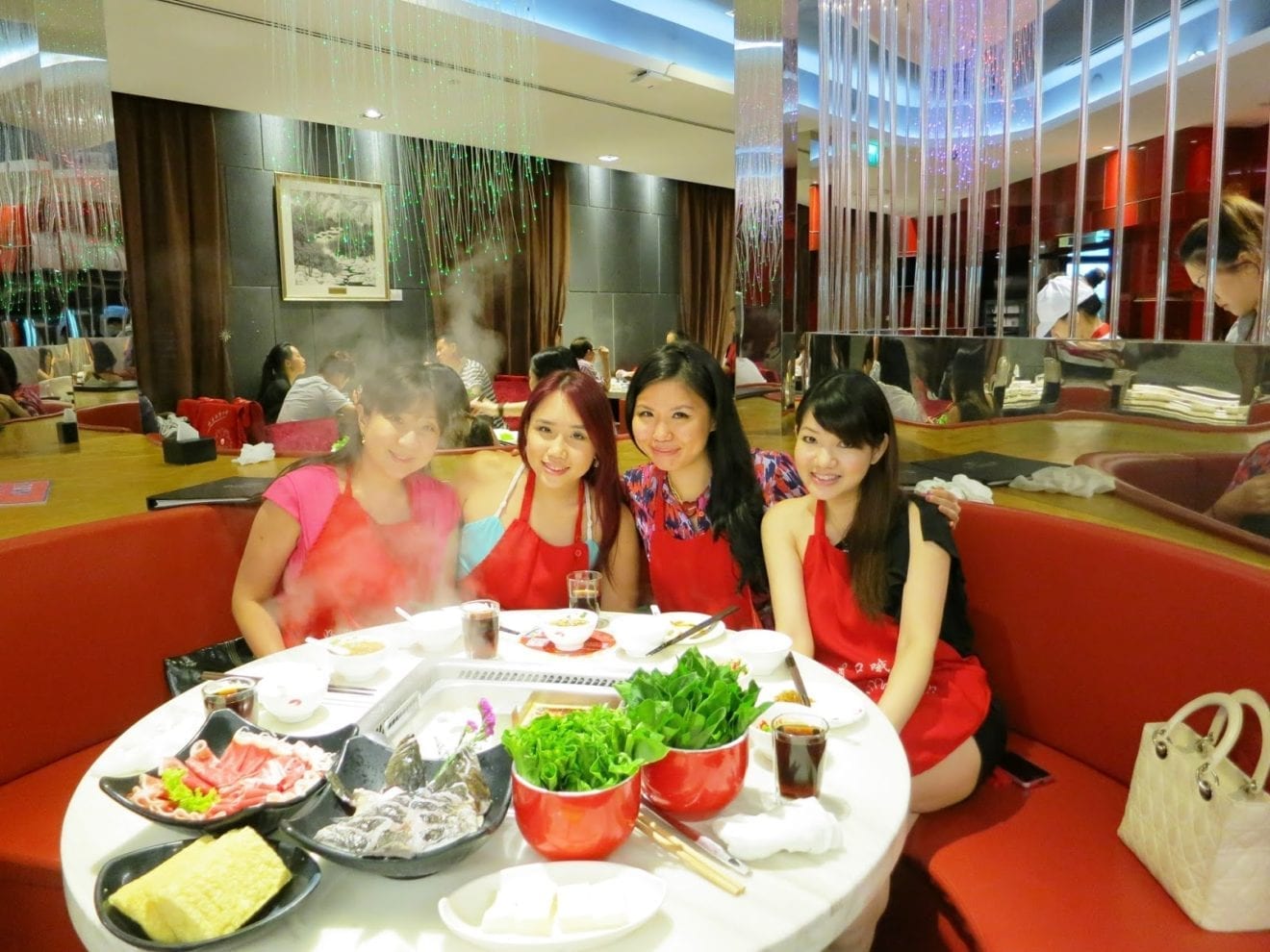
    Haidilao, the renowned hotpot chain, has recently begun offering pig blood curd across all its Singapore locations, marking the end of a 27-year prohibition. In an announcement made on social media last Tuesday, Haidilao Singapore revealed that the dish would be available from May 28.

    The specialty will retail at S$8 per serving at its outlet in Marina Bay Sands, while all other locations will offer the dish at S$6 per serving. Moreover, Haidilao has launched a promotional offer valid until June 30, which slashes the prices to S$4 and S$3 per serving respectively, subject to stock availability.

    Previously, Singapore had implemented a ban on animal blood food products, including pig blood and duck blood, following the 1999 Nipah virus outbreak. However, the tide turned in April when the Singapore Food Agency authorised the importation of heat-treated pig blood products from Bangkhla Pig Slaughterhouse, a recognised supplier based in Thailand.

    Questions & Answers

    Why has Haidilao started serving pig blood curd in Singapore?
    Haidilao has introduced pig blood curd to its Singapore menu following the city-state’s decision to lift a 27-year ban on animal blood food products.

    What is the price for a serving of pig blood curd at Haidilao?
    At Haidilao’s Marina Bay Sands outlet, pig blood curd is priced at S$8 per serving. However, all other locations serve it at S$6 per serving.

    Why was there a ban on animal blood food products in Singapore?
    The ban was put in place following the Nipah virus outbreak in 1999, which led to the prohibition of animal blood food products, including pig and duck blood, in order to protect public health.

  • Korean Air Marks Half a Century of Flying High on the Seoul-Zurich Route: A Legacy of Connection and Culture

    Korean Air Marks Half a Century of Flying High on the Seoul-Zurich Route: A Legacy of Connection and Culture

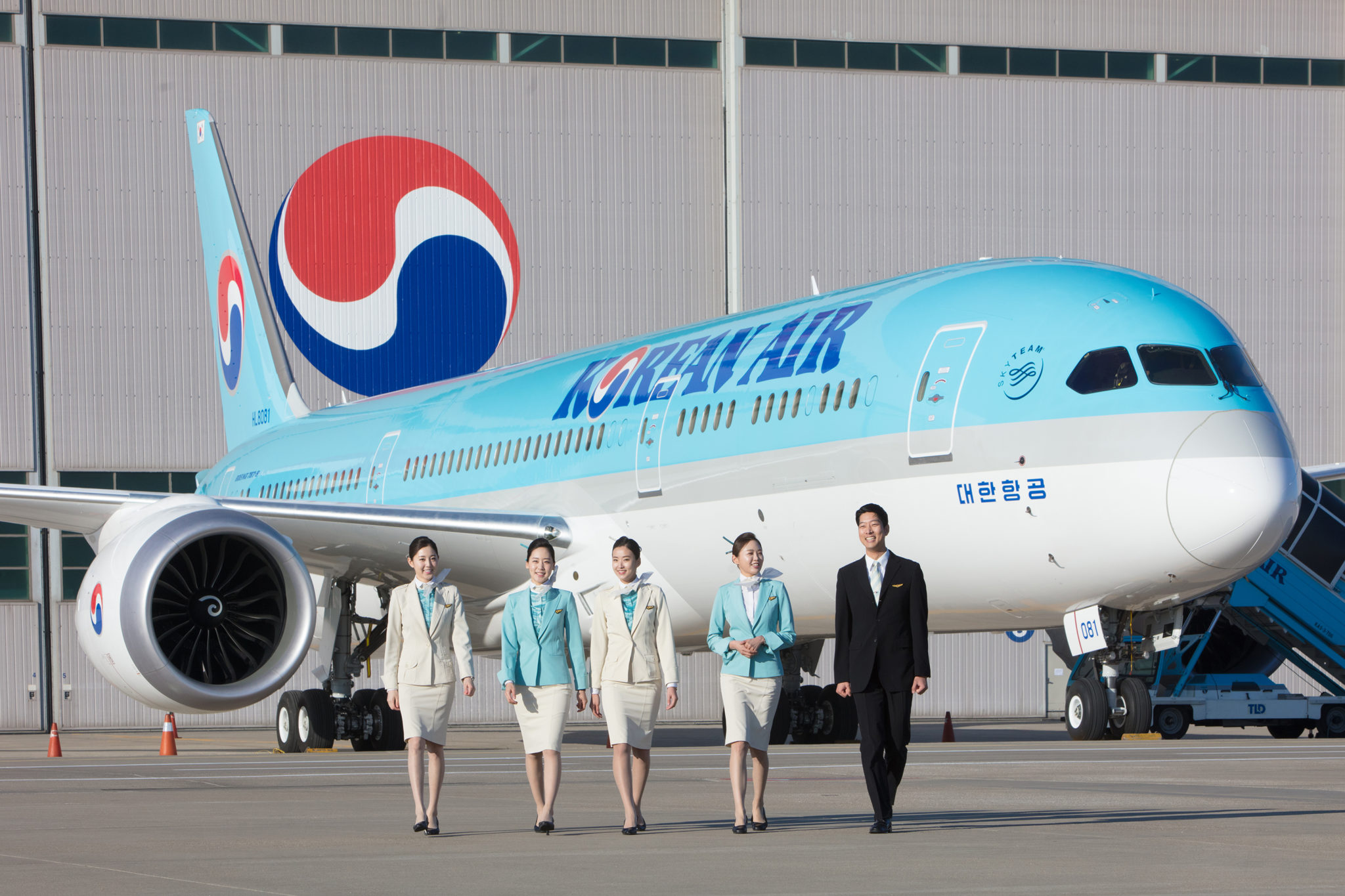
    Korean Air celebrates its golden jubilee of the Seoul-Zurich route, highlighting half a century of unifying Korea and Switzerland through travel and cultural exchange.

    In honor of this significant achievement, a gala reception was held at Zurich’s Widder Hotel on May 27. About 70 esteemed attendees, including Woosik Shin, the Chargé d’Affaires of the Republic of Korea to Switzerland, Stefan Gross, the Chief Commercial Officer of Zurich Airport, and prominent members from the Swiss-Korean community, graced the occasion. Representing Korean Air were Jungho Choi, the Executive Vice President and Head of Sales, Sukwoo Lee, the Managing Vice President of Passenger Sales, and Euisuk Byun, the Regional Manager for Switzerland.

    Seoul-Zurich Route: A Long-standing Bridge Between Two Nations

    Korean Air pioneered the first direct flight between Korea and Switzerland on July 14, 1976, with the launch of the Seoul-Zurich route. Over half a century, the route has played a crucial role in fostering bilateral ties, and catalyzing business, tourism, and cultural exchanges between the two nations.

    The airline constantly broadens its reach via Zurich, one of its fundamental European entry points. A recent collaboration with Swiss Federal Railways (SBB) has led to the launch of a Rail & Fly service, facilitating seamless post-flight journey to major Swiss cities from Zurich Airport for passengers.

    To elevate the passenger experience, Korean Air plans to deploy its Boeing 787-10 Dreamliner on the Zurich route from June 2, 2026. This aircraft, furnished with the latest Prestige Suites 2.0, promises superior privacy and an exquisite cabin interior inspired by Korean traditional design. The revamped Economy Class cabin also offers improved comfort, with a seat pitch of 32 inches and a recline angle of 120 degrees.

    Looking Ahead: Korean Air’s Commitment to the Future

    With a legacy of five decades of secure operations and customer trust, Korean Air remains dedicated to boosting the Zurich route as an integral fragment of its European network. The airline is unwavering in its commitment to service innovation and network connectivity, with a view to maintaining the route as a pivotal bridge between Korea and Switzerland for many more decades.

    Jungho Choi, Executive Vice President and Head of Sales, emphasized the airline’s steadfast dedication to linking Korea with Europe’s core. He stated, “As we look towards the next 50 years of operations, our focus remains firmly on upholding the highest standards of safety, comfort, and premium service for our customers.”

    Questions & Answers

    What does the Seoul-Zurich route signify for Korean Air?
    The Seoul-Zurich route symbolizes Korean Air’s enduring commitment to establishing a connection between Korea and the heart of Europe.

    What new developments are in store for the Seoul-Zurich route?
    Korean Air plans to introduce its Boeing 787-10 Dreamliner, offering superior privacy and comfort, on the Zurich route from June 2, 2026. The airline also recently launched a Rail & Fly service in collaboration with Swiss Federal Railways.

    How has the Seoul-Zurich route impacted bilateral relations between Korea and Switzerland?
    The Seoul-Zurich route has significantly strengthened bilateral relations and promoted business, tourism, and cultural exchanges between the two nations over the past 50 years.

  • Vietnam Fuel Prices Plunge Amid Global Rate Fall: Transition to Green Energy in Focus

    Vietnam Fuel Prices Plunge Amid Global Rate Fall: Transition to Green Energy in Focus

    In response to decreasing global rates, Vietnam has adjusted its fuel prices downwards as of Thursday afternoon. RON95 gasoline, the country’s most commonly used fuel, decreased by 5.4%, taking it from its price last week to VND24,150 (US$0.54) per liter. Other fuels have also seen a reduction in their prices: Biofuel E5 RON92 has dropped 4.5% to VND23,250, while Diesel has witnessed a 3.9% decline to VND27,650.

    Global Fuel Market Influences

    The global fuel market has experienced substantial changes recently due to a variety of factors. These include the ongoing negotiations between the U.S. and Iran and the increased U.S. inflation, which is driven by significant fluctuations in energy prices. This information is based on reports from the Ministry of Industry and Trade and the Ministry of Finance. For instance, RON95 gasoline saw a decrease of 9.2%, bringing it to $127 per barrel, diesel dropped 5.5% to $146.70, and mazut decreased by 9.2%, making it US$655.20 per ton.

    New Fuel Sales and Implementation

    Starting June 1, E10 RON95 gasoline will be available for sale on a larger scale, replacing the mineral-based RON 95. E5 RON92 gasoline will remain available until the end of 2030. The Deputy Minister of Industry and Trade, Nguyen Sinh Nhat Tan, stated that the decision to sell mineral-based gasoline and biofuel simultaneously over the past few years was intended to assist the market in adjusting gradually and to support businesses in enhancing their distribution infrastructure.

    However, Tan also mentioned that based on international experience, maintaining a large variety of fuel types over an extended period could lead to higher logistics, storage, and distribution costs, difficulties for retailers, and a reduction in the effectiveness of transitioning to green energy. He reassured that the switch to E10 gasoline has been well assessed by regulators and does not impose restrictions or limit consumers’ choices. According to compatibility assessments, most cars and motorcycles in Vietnam can use E10 gasoline, as per manufacturers’ recommendations.

    Questions & Answers

    What are the new prices of various fuels in Vietnam?
    The price of RON95 gasoline has dropped 5.4% to VND24,150 per liter, Biofuel E5 RON92 has fallen 4.5% to VND23,250, while Diesel has declined 3.9% to VND27,650.

    What will replace mineral-based RON 95, and when will this happen?
    E10 RON95 gasoline will replace mineral-based RON 95 starting June 1. E5 RON92 gasoline will continue to be sold until the end of 2030.

    What potential problems could arise from maintaining a variety of fuel types for a long period?
    According to Deputy Minister of Industry and Trade Nguyen Sinh Nhat Tan, maintaining a variety of fuel types for an extended period could lead to issues such as increased logistics, storage, and distribution costs, difficulties for retailers, and reduced effectiveness in transitioning to green energy.

  • Vietnams Gold Prices Take a Hit, Nears January Low as Global Rates Tumble

    Vietnams Gold Prices Take a Hit, Nears January Low as Global Rates Tumble

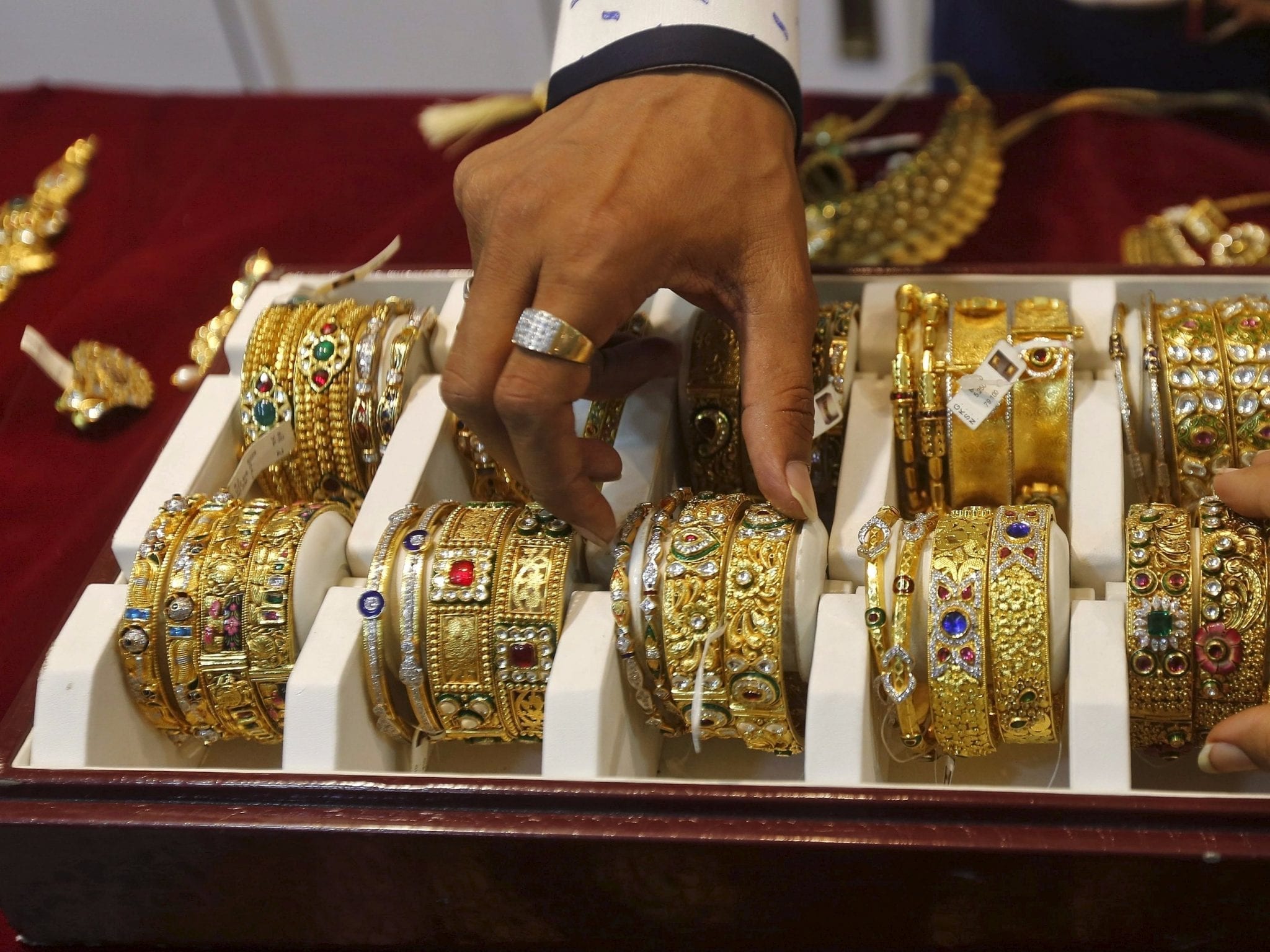
    Gold prices in Vietnam witnessed a significant fall on Thursday, reflecting the global trend in the precious metal’s value. This drop extended the morning’s losses, with the gold bar from Saigon Jewelry Company registering a decline of 0.94% from its morning value, settling at VND157.5 million (US$5,982.68) per tael by 3:28 pm. For reference, a tael is equivalent to 37.5 grams or 1.2 ounces.

    Notable Changes in Gold Value

    This decrease marks a considerable plunge of 1.99% compared to the preceding day. Concurrently, the value of gold rings also dipped by 1.62% within the same 24-hour span. Despite the sharp fall on Thursday, gold prices in Vietnam have experienced an overall increase of 3% since the beginning of the year. However, the current values are hovering around the lowest since the onset of 2020.

    Global Gold Price Trends

    On a global scale, gold prices hit a two-month low on Thursday. This drop was attributed to several factors, including the strengthening of the U.S. dollar following recent attacks on Iran, and the resultant surge in oil prices. These developments sparked concerns about potential inflation, hence casting a shadow on the interest rate outlook.

    At one point, spot gold fell by 1.5%, reaching a value of $4,388.76 per ounce, representing its lowest value since late March. Similarly, U.S. gold futures for June delivery also saw a decline of 1.4%, settling at $4,386.

    Recent military strikes in Iran, carried out by the U.S. military, targeted a military site believed to pose a threat to U.S. forces and commercial shipping in the Strait of Hormuz. These actions took place just hours after President Donald Trump dismissed an Iranian report concerning a deal to restore traffic through the strategic waterway.

    Questions & Answers

    What impact did recent global events have on gold prices in Vietnam?
    Recent global events, including U.S. military strikes in Iran, led to a strengthening of the U.S. dollar and an increase in oil prices. These factors contributed to a significant drop in gold prices, both in Vietnam and globally.

    By how much did gold prices in Vietnam fall on Thursday?
    The value of gold in Vietnam decreased significantly on Thursday, with a notable drop of 1.99% from the previous day.

    What is the current trend in gold prices in Vietnam this year?
    Despite the recent dip, gold prices in Vietnam have seen a net increase of 3% since the start of the year. However, current prices are near the lowest recorded in early January.