Blog

  • Manulife Singapore Pioneers Multi-Cancer Screening for Insured, Spearheading Preventive Healthcare Revolution

    Manulife Singapore Pioneers Multi-Cancer Screening for Insured, Spearheading Preventive Healthcare Revolution

    Manulife Singapore is intensifying its commitment to preventative healthcare and lifespan enhancement solutions via a new partnership with Guardant Health, a precision oncology expert. This strategy makes Manulife the pioneer insurance firm in Singapore to provide the Shield™ multi-cancer detection (MCD) blood test, available to eligible customers from May 2026.

    This collaboration is part of a broader Asian alliance between the two companies, covering Singapore, Hong Kong, and the Philippines. The partnership reiterates Manulife’s overarching strategy of amalgamating health protection with long-term wealth and lifespan planning.

    Emphasizing Proactive Detection

    Designed to screen ten prevalent cancers with a single blood draw, the Shield™ MCD lab-crafted test underscores several cancers with high fatality rates in Singapore. The test was recently awarded the “Oncology Product Innovation of the Year” title at the Healthcare Asia Medtech Awards and received the Breakthrough Device Designation by the US Food and Drug Administration (FDA).

    This partnership advances the pre-existing relationship between Manulife and Guardant Health, as the latter already offers the Guardant360® Liquid test for advanced solid tumours to customers in Singapore.

    Longevity as a Focal Point

    The partnership evidences an increasing emphasis on preventative care and healthy ageing among insurers as Asia’s populace demographic shift. “As longevity increases, the primary concern is the quality of those extended years,” stated Benoit Meslet, President and CEO of Manulife Singapore. “Providing customers with early insights into their health enables them to make informed decisions today for a healthier tomorrow.”

    Singapore is one of the fastest-ageing societies in Asia, with healthcare systems prioritising preventative and personalised care. In 2024, cancer was the predominant cause of death in Singapore, accounting for over a quarter of all fatalities.

    Manulife’s initiative aligns with the findings from the 2025 Asia Care Survey, showing that over half of Singapore consumers perceive cancer as the hardest illness to prevent.

    Questions & Answers

    What is the new collaboration between Manulife Singapore and Guardant Health about?

    The collaboration aims to offer the Shield™ multi-cancer detection (MCD) blood test to eligible Manulife customers in Singapore, aiding in the early detection of ten common cancers.

    How does this partnership align with Manulife’s broader strategy?

    This partnership coincides with Manulife’s broader strategy of blending health protection with long-term wealth and lifespan planning. It underscores the insurer’s emphasis on preventative care and healthy ageing.

    What insights does the 2025 Asia Care Survey provide?

    The survey reveals that over half of Singapore consumers consider cancer as the most difficult disease to prevent, indicating the importance of early detection and preventative healthcare.

  • Wealthy Families Go Global: UBS Reveals Surge in Diversification and AI Investment Strategies

    Wealthy Families Go Global: UBS Reveals Surge in Diversification and AI Investment Strategies

    Geopolitical uncertainties, economic recession concerns, and increasing skepticism around the supremacy of the U.S. dollar are leading to a shift in the investment strategies of affluent families globally. The new Global Family Office Report from UBS reveals that more family offices are considering strategic alterations to their portfolios than ever before.

    Investment Diversification Amid Global Uncertainties

    The report sheds light on how investors are adjusting their portfolios in response to geopolitical instabilities and structural risks. UBS’ survey, which involved 307 global family offices across over 30 markets, each with an average net worth of $2.7 billion, shows that 60% of respondents are planning to amend their strategic asset allocation within the next year. The focal point of this repositioning is wider diversification across regions, currencies, and asset types, along with an increased emphasis on long-term thematic investments.

    Artificial Intelligence (AI) remains a particularly attractive investment opportunity. The report finds that 65% of family offices have made investments throughout the entire AI value chain, spanning from data centers and software platforms to semiconductor manufacturers. Although valuations are high, many investors intend to boost or maintain their exposure in this arena.

    Investment Themes and Succession Planning Challenges

    Family offices are also showing keen interest in investments related to infrastructure, energy, and commodities, while cryptocurrencies are seen as a more niche allocation. The survey found that only 44% of invested family offices currently consider digital assets as part of their strategic asset allocation, with actual portfolio exposures remaining relatively modest.

    In terms of governance and succession planning, many family offices are falling short. The report shows that only about a third have a clearly defined succession plan, and just 27% are preparing the next generation in an organized manner for future leadership roles.

    Family offices in North Asia are leaning towards a technology-driven and globally diversified investment strategy, with 74% of their investments related to AI. Southeast Asian family offices are even more invested in AI, with 88% already invested in the sector.

    Questions & Answers

    What is the main investment focus of family offices according to the UBS report?
    The main focus is on broader diversification across regions, currencies, and asset types, along with an increased emphasis on long-term thematic investments, especially in Artificial Intelligence.

    How are family offices approaching the issue of succession planning?
    The report reveals that only about a third of family offices have a clearly defined succession plan in place, and just 27% are preparing the next generation for future leadership roles in an organized manner.

    What is the stance of family offices on cryptocurrencies?
    Cryptocurrencies are considered more of a niche allocation. Only 44% of the family offices that have made investments currently consider digital assets as part of their strategic asset allocation.

  • Standard Chartered Pioneers in Chinas Market with First Bond Futures Trade

    Standard Chartered Pioneers in Chinas Market with First Bond Futures Trade

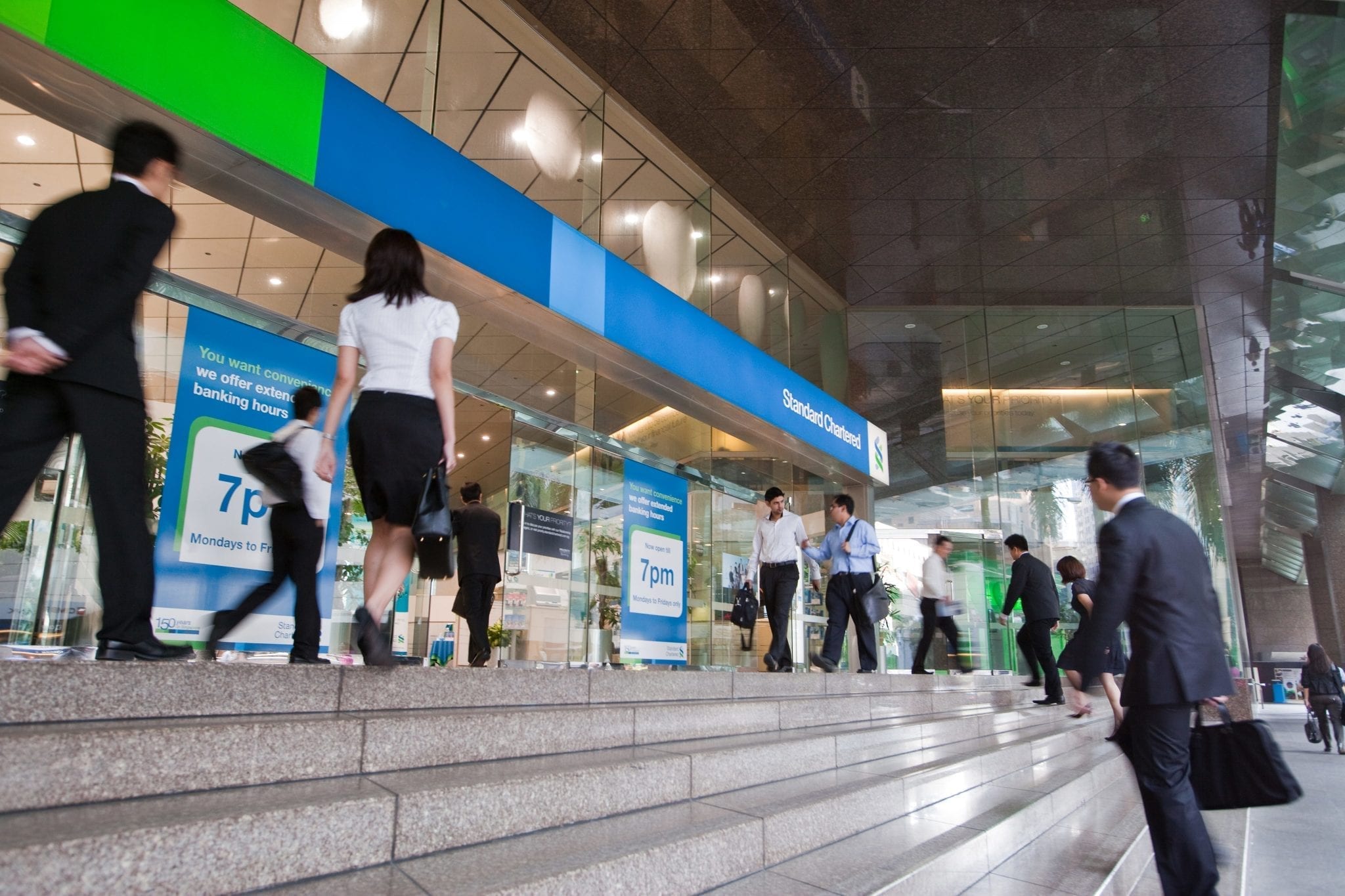
    Standard Chartered Bank China (SCB China) recently completed its first-ever Qualified Foreign Investor (QFI) investment in China Government Bond (CGB) Futures following the market’s recent opening. The bank served in dual roles, both as the QFI’s custodian and futures margin depository bank. This service facilitated the comprehensive execution of the trade.

    Opening Up of China’s Capital Markets

    On April 24, 2026, the China Securities Regulatory Commission, the People’s Bank of China, and the State Administration of Foreign Exchange sanctioned QFIs to trade in CGB futures for hedging purposes. This move opened up broader access to onshore risk management tools. Jerry Zhang, the Global Head of Banks and Broker Dealers & Head of Coverage for Greater China & North Asia, noted that Standard Chartered was among the first six banks authorized to participate in CGB futures. He explained that this development is a significant step towards the continued opening of China’s capital markets. It also satisfies the high demand from global institutional investors for improved risk management and portfolio diversification tools. Zhang asserted that, with its robust cross-border connectivity, Standard Chartered is ideally positioned to assist clients in efficiently and effectively executing their investment strategies in China.

    Pierre Mengal, the Regional Head of Financing & Securities Services for Greater China & North Asia, expressed that this initial transaction’s completion just over a month after the market opening highlights their strong collaboration with local regulators and partners, as well as their expertise in China market access schemes. He echoed that this also showcases the strength and consistency of their services and operations developed over decades of on-the-ground presence. Mengal concluded by saying that they are eager to enable more global investors to access China’s capital markets with speed and assurance.

    Standard Chartered’s Long-standing Presence in China

    Standard Chartered initiated its custodial business in China’s capital markets as early as 1992 and has since been a leading custodian in both inbound and outbound schemes. In 2018, Standard Chartered China became the first international bank to receive a domestic fund custody license. Since then, it has been custodizing products from local brokers, fund managers, and wholly foreign-owned enterprises, developing a unique proposition to facilitate collaboration between local and overseas investors.

    Questions & Answers

    What was the significance of the recent QFI investment completed by SCB China?
    The completion of this investment signifies the opening of China’s capital markets, promoting broader access to onshore risk management tools and catering to the strong demand from global investors.

    What roles did Standard Chartered play in this transaction?
    Standard Chartered acted as both the custodian and futures margin depository bank for the QFI, facilitating the comprehensive execution of the trade.

    How is Standard Chartered China positioned in the Chinese market?
    Standard Chartered has been a leading custodian in China’s capital markets since 1992 and was the first international bank to receive a domestic fund custody license in 2018. It has built a unique proposition of facilitating collaboration between local and overseas investors.

  • Fonterras Positive Momentum Continues with $1.5B Q3 Operating Profits Despite Global Uncertainties

    Fonterras Positive Momentum Continues with $1.5B Q3 Operating Profits Despite Global Uncertainties

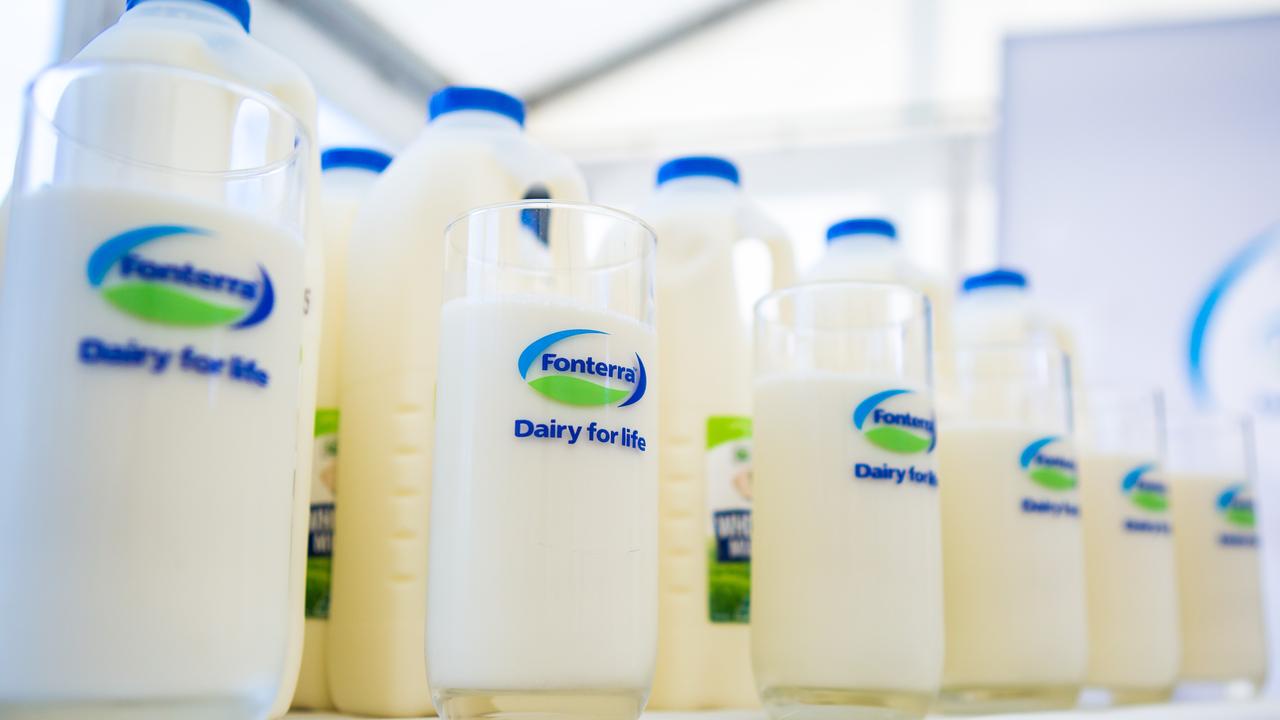
    New Zealand-based dairy cooperative, Fonterra, is exuding optimism about its future performance amid global uncertainties. The company’s third quarter results showed a promising $1.5 billion in operating profits, marking an impressive year-on-year increase of $85 million.

    Fonterra’s Stellar Performance

    Richard Allen, Fonterra’s CEO, proudly announced this significant achievement, describing the results as another demonstration of their strength. Despite the disruption of global supply chains, the company has seen a substantial rise in milk production this season. The organization’s sales book is well contracted, and its shipping volumes have been robust, recording the highest third-quarter shipment volumes in the past decade.

    Allen became the CEO succeeding a 25-year veteran, Miles Hurrell, who declared his retirement in December. Looking forward, Allen expects the company’s high milk collections to persist, much like the current season.

    “Our in-market sales teams foresee robust demand from across all regions amid possible fluctuations. This expectation is mirrored in our opening forecast range,” Allen stated.

    Resilience Amid Challenges

    Despite the approaching final quarter of the financial year, Allen expresses confidence in the company’s ability to maintain its momentum. He acknowledges the uncertainty prompted by the ongoing conflict in the Middle East and other global challenges, such as cost inflation and shipping disruptions.

    “Like our farmers and many others worldwide, we are navigating these challenges. However, we are confident that our deep relationships with customers and logistics partners will continue to assist us in overcoming these obstacles,” he commented.

    Questions & Answers

    What is Fonterra’s latest operating profit?
    Fonterra reported a $1.5 billion operating profit for its third fiscal quarter, growing its profits by $85 million year-on-year.

    What challenges is Fonterra facing?
    Fonterra is dealing with global challenges such as cost inflation, shipping disruptions, and uncertainties caused by the ongoing conflict in the Middle East.

    Despite the challenges, how does Fonterra view its future performance?
    Fonterra is optimistic about its future performance. The company expects to maintain its strong momentum, anchored by high milk collections and robust demand from all regions. They also express confidence in their deep relationships with customers and logistics partners that will help them navigate the current global challenges.

  • How Integrated Banking Solutions Improve E-commerce Business

    How Integrated Banking Solutions Improve E-commerce Business

    Running an e-commerce business today means juggling multiple moving parts at once. Teams typically handle online payments, manage refunds, track inventory, navigate delivery timelines, and a plethora of other tasks—every one of which relies on timely, accurate financial data. The problem is, these financial processes are often fragmented. Business owners find themselves hopping between apps, platforms, and spreadsheets just to get a clear picture of their cash flow.

    Fortunately for growing e-commerce ventures, integrated banking serves as an ideal solution. In essence, integrated banking refers to the seamless connection between a business’s banking services and its operational tools, whether that’s an e-commerce platform, accounting software, or payment processor. Rather than managing each system separately, integration allows data to flow across platforms in real time and thus improves visibility and control.

    As more businesses across different industries adopt this approach, it’s becoming clear that integrated banking isn’t just a technical upgrade—it’s a strategic asset, especially in the fast-moving world of online retail. This feature explores how integrated online business banking solutions like those of Maya Bank in the Philippines can directly support and improve the way an e-commerce business operates. Here’s how they’ll help you stay agile, efficient, and responsive as competition in e-commerce spaces grows fierce:

    1) Faster and More Reliable Transactions

    Delays in processing payments or the need to issue refunds can quickly erode trust with your customers. One of the best ways to reduce that risk involves using an integrated banking solution to link your store directly with your bank’s systems. This ensures that transactions post more quickly and with fewer errors. Funds move in and out with less manual handling, which then lowers your chances of discrepancies or bottlenecks.

    Both suppliers and customers will appreciate your being able to move faster without compromising reliability, so you can expect better overall operational flow and a stronger reputation as a result.

    2) Improved Cash Flow Management

    Without clear insight into where your money is coming from and where it’s going, financial planning becomes guesswork. Integrated banking tools give you real-time access to your transaction data and make it easier to monitor your cash flow as it changes throughout the day or week.

    The improved visibility helps you plan ahead more effectively, avoid overspending, and respond quickly to dips in revenue or unexpected expenses. Sales can fluctuate rapidly for e-commerce businesses, so having a live view of your financial health is especially valuable.

    3) Seamless Checkout Experience

    By the time customers reach the checkout page, you can expect that every extra step or delay will only increase the risk of cart abandonment. They want to be able to pay with a method they prefer, and they want to do it quickly, with little to no security risk.

    With an integrated banking system, you can configure your site to support a wide range of secure payment methods—credit cards, digital wallets, bank transfers—without relying on multiple disconnected tools. The result is a faster and more flexible payment experience that sets your store apart from competitors.

    4) Simplified Accounting and Compliance

    Regular transaction tracking shouldn’t require hours of back-office effort. Sales and payment data flow directly into your accounting system when you utilize integrated banking, and this minimizes the need for manual entry and the risk of inconsistencies. You’ll save time and also keep more accurate records for when tax season or regulatory audits roll around. If your business handles an especially high volume of transactions, automation can spell the difference between staying compliant and scrambling to catch up.

    5) Better Fraud Protection and Security

    Cyber threats are a growing concern in the digital economy, and e-commerce platforms are frequent targets. An integrated banking system will tap into your bank’s built-in security infrastructure—such as fraud detection algorithms, encryption protocols, and identity verification—to strengthen protection for every transaction. Integration ensures these tools work in sync with your sales platform to reduce vulnerabilities and give both you and your customers greater peace of mind.

    6) Reliable Access to Financing

    A healthy credit line can be essential when managing seasonal demand, restocking inventory, or funding growth initiatives. Integrated banking makes it easier for lenders to evaluate your financial standing by providing a clear, ongoing record of your business performance. Some platforms even offer prequalified financing based on real-time transaction data. With better access to funding, you’ll be better equipped to seize new opportunities without derailing your day-to-day operations.

    7) Automation for Greater Operational Efficiency

    If you can find a way to handle routine financial tasks automatically, your team will be able to gain back time to focus on strategy and service. You can use an integrated system to automate everything from invoice generation and payment reminders to bank reconciliation and supplier payouts. That way, you won’t need to oversee anything manually and will also likely have to deal with less human error. Your overall operations will become not just faster but also more consistent—key advantages when you’re in a fast-moving sector like online retail.

    Now that digital commerce is evolving so rapidly, integration is becoming a strategic necessity for businesses of every size. Embrace integrated banking solutions today and get a good start at building a more responsive, secure, and future-ready e-commerce business.

  • Not a Cruise. Not a Charter. NAORA Introduces a New Category of Luxury Living on the Ocean

    Not a Cruise. Not a Charter. NAORA Introduces a New Category of Luxury Living on the Ocean

    The access economy has transformed aviation, hospitality, and private clubs. Now it is coming for the sea — and the result is unlike anything luxury travel has produced before.

    There are cruises. There are charters. There is yacht ownership. And now, there is NAORA — a private sailing membership that sits entirely outside all three, offering something the luxury travel market has never produced at sea: a world that keeps moving, even when you don’t.

    NAORA today announces its official launch as a membership-based global expedition — an ongoing, curated journey aboard an 80-foot luxury catamaran that members can access on their own schedule, year after year, season after season. It is a living system built around the principle that the most discerning travellers do not want more destinations. They want a world that knows them.

    The timing is not accidental. The access economy — the model that gave us fractional jet ownership, private members clubs, and curated travel networks — has been quietly reshaping premium consumption for more than a decade. Soho House showed that community could be built around recurring access to a physical space. NetJets showed that the right to use an asset, without owning it, could be more desirable than ownership itself. Pelorus and Inspirato showed that the highest-end travellers were moving away from transactions and toward relationships. NAORA takes all three of these lessons and applies them to the one frontier the access economy had not yet touched: the open ocean.

    The Quiet Failure of High-End Travel

    To understand what NAORA is offering, it helps to understand what it is replacing. For all the investments that luxury travel brands have made in service, design, and exclusivity over the past two decades, the fundamental model has remained unchanged. A guest arrives. They are looked after with extraordinary care. They leave. The hotel or vessel resets for the next arrival. The relationship ends.

    This model works beautifully at the mid-to-high end of the market. But at the very top — among the founders, investors, and globally mobile professionals who have been everywhere and done everything — it has a structural limitation that no amount of service excellence can overcome. Every experience begins from zero. There is no continuity. There is no community. There is no sense that the place you are returning to has been waiting for you.

    NAORA changes this. Fundamentally, structurally, and permanently.

    What It Actually Feels Like to Be a NAORA Member

    Imagine boarding in Barcelona on a Tuesday morning. The Lagoon Eighty2 is moored in the marina, gleaming in the early sun. The captain meets you at the gangway. The chef has already sourced the ingredients for your preferred breakfast. Your cabin is prepared to your specifications — the same specifications that were on file from your last visit, six months ago in the Caribbean.

    Over the next two weeks, you sail the Balearics. You anchor off the coast of Sardinia in a bay that does not appear on any tourist map. You dive a reef system that your captain has been returning to for fifteen years. You eat better than you would in any restaurant, cooked by a chef who knows your preferences by heart. You have conversations on deck at midnight that you will remember for the rest of your life — with fellow members who were drawn here by the same restless curiosity that brought you.

    Then life calls. A board meeting. A school event. A deal that cannot wait. You disembark in Palma, take a car to the airport, and return to your world. Your NAORA membership continues. The vessel continues. The community continues. Three months later, you rejoin in Martinique. The crew knows your name. Your preferences are on file. The journey picks up exactly where it left off.

    This is not a holiday. It is a recurring relationship with a world that moves.

    “NAORA is a lifestyle position. Members don’t buy access to a boat. They join a world that reflects who they are.”

    The Vessel: Where the Experience Lives

    The Lagoon Eighty2 is the physical heart of everything NAORA offers. At nearly 24 metres in length with a beam exceeding 11 metres, it is one of the most spacious private sailing vessels available — offering two to three times the living area of a monohull of equivalent length, with the exceptional stability that only a catamaran at this scale can deliver.

    The interiors are designed around the idea that comfort is not a feature — it is the product. Six to seven private en-suite double cabins. Expansive salon spaces filled with natural light. Open-air deck areas that blur the line between interior and ocean. A kitchen from which a private chef produces meals to restaurant standard, provisioned fresh at every port of call. The effect is closer to a private villa that happens to move than to any vessel most people have experienced.

    A dedicated crew of four, captain, 1st mate, chef, and stewardess — is aboard at all times. Diving, kitesurfing, paddleboarding, and exploration by tender are available on request. What happens on board, and who is aboard, is held in complete confidence. NAORA has no social media presence featuring its members. No photos are shared. No names are mentioned. The community is built on trust, not visibility.

    Soho House. NetJets. Now NAORA.

    In positioning, NAORA draws comparison not to maritime competitors — there are none at this level — but to the models it most closely resembles. Private members clubs like Soho House and The Arts Club built identity-driven communities around recurring access to physical spaces with curated programming. Luxury travel networks like Inspirato and Pelorus offered experiential access without ownership. Fractional ownership programmes like NetJets applied time-based access to high-value assets.

    NAORA takes the best element of each: the identity and community of a members club, the experiential depth of a curated travel network, and the flexibility of fractional access — and delivers all three simultaneously, aboard a single extraordinary vessel moving continuously through the most beautiful waters in the world.

    The difference, at its core, is the ocean. A Soho House does not move. A NetJets flight lasts four hours. A NAORA membership lasts a lifetime — and the world it gives access to becomes more beautiful, more familiar, and more meaningful with every return.

    Who Joins. Why They Stay.

    NAORA attracts a specific kind of person — not defined by net worth alone, but by a particular relationship to experience and belonging. Founders who have built the freedom to move and are searching for a community that matches their depth. Family office principals who want a lifestyle vehicle that is as sophisticated as their professional world. Location-independent professionals who have outgrown the five-star hotel and the luxury charter, and who are ready for something that cannot simply be booked.

    What keeps them is not the vessel, beautiful as it is. It is the compounding. The relationships that form when the same people share extraordinary experiences across multiple voyages, multiple years, multiple oceans. The inside references. The shared history. The knowledge that somewhere in the world, a boat is moving through remarkable waters — and that your place on it is waiting.

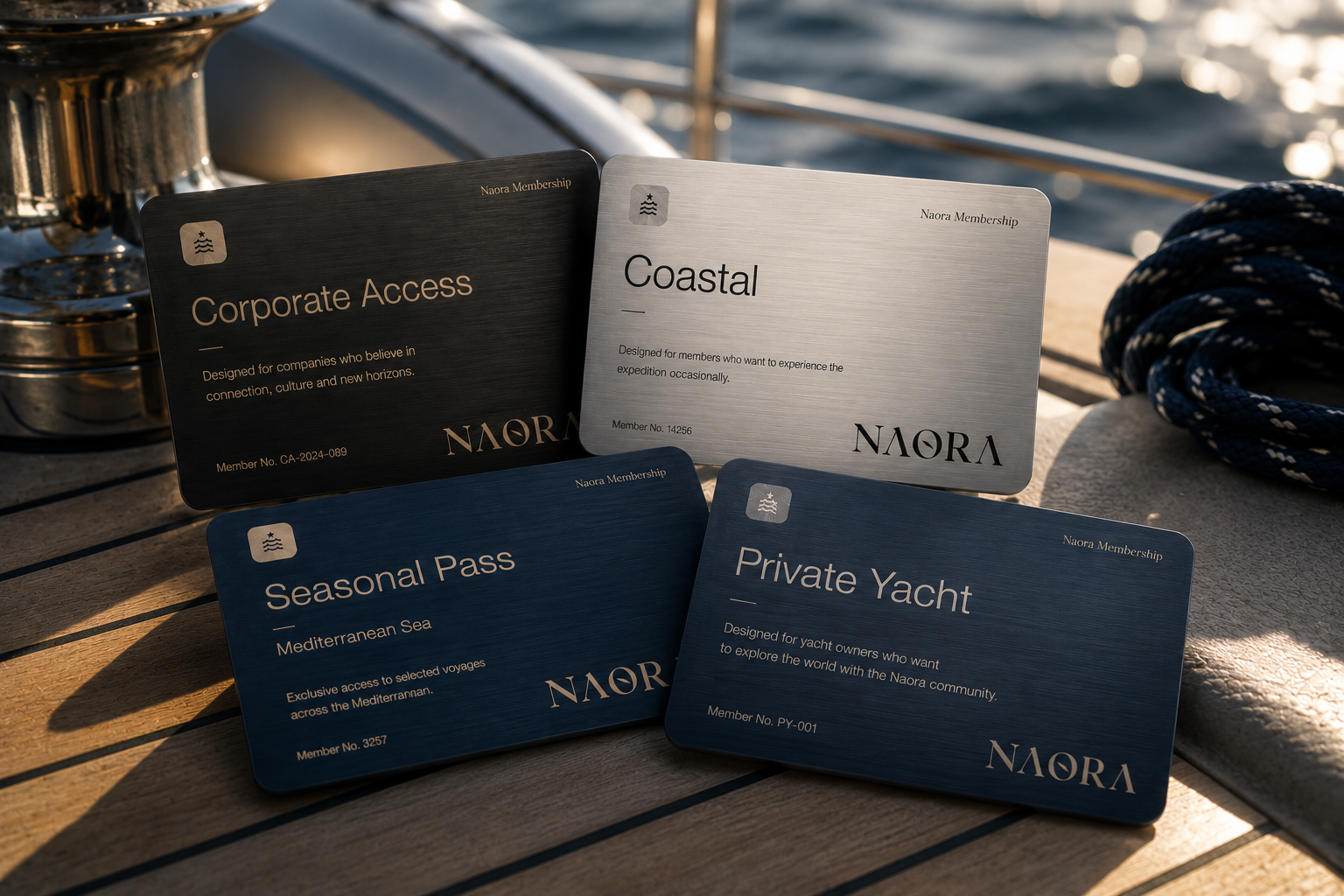
    Membership is by invitation only. Entry fees start from €3,000, with annual access fees from €9,000 to €59,000. The route spans 183+ destinations across five years, following the seasons across the Mediterranean, Atlantic, Caribbean, Indian Ocean, Southeast Asia, and South Pacific.

    Every membership begins with a conversation. Begin yours at www.naora.world.
  • Pinduoduos Parent, PDD Holdings, Experiences Slump Amid Economic Weakness and Intense E-commerce Competition in China

    Pinduoduos Parent, PDD Holdings, Experiences Slump Amid Economic Weakness and Intense E-commerce Competition in China

    Chinese e-commerce powerhouse, PDD Holdings, recently experienced a significant drop in first-quarter profits along with revenues falling short of projections. This is largely attributed to a sluggish economy dampening demand for their domestic operations. The underperformance sent the company’s share value plummeting by 10% on Wednesday.

    China’s retail sector, being the world’s second-largest, has had difficulties drawing in consumers. This is primarily due to a protracted property crisis and worries over job security and wage growth, which have collectively undermined spending power. This, in turn, has negatively affected the demand for companies like PDD.

    Stiff Market Competition and Aggressive Investments

    PDD’s domestic discount marketplace, Pinduoduo, faces fierce competition from rivals such as JD, Alibaba, and other discount retailers like ByteDance’s Douyin. These competitors have been employing aggressive pricing strategies to attract customers.

    In addition to its domestic operations, PDD also manages the international e-commerce platform, Temu. The company has been making substantial investments in its supply chain network to enhance delivery speeds and broaden product categories, in hopes of enticing more shoppers.

    In an effort to build a new self-operated brand called Xinpinmu, the company announced in March that it would invest 100 billion yuan (US$14.8 billion) over the next three years. This move aims to integrate Pinduoduo’s supply chain resources with Temu.

    These aggressive investment strategies have resulted in a surge in PDD’s expenses, which in turn has weighed down its net income, causing a 15% reduction to 12.5 billion yuan for the quarter ending March 31.

    Regulatory Scrutiny and Model Feasibility

    Temu has grown in popularity as a platform for shoppers seeking low-priced items, capturing demand from lower-income households worldwide.

    However, the company’s model of delivering inexpensive goods directly to customers from China is encountering increased regulatory oversight. Temu’s operations have traditionally depended on duty waivers for low-value parcels in many jurisdictions.

    Changes in international regulations, such as the US abolition of the duty-free exemption on parcels valued under $800 last year, and the EU’s decision to eliminate its duty-free allowance on parcels under 150 euros ($174.57) as of July this year, pose questions about the sustainability of the current business model.

    Questions & Answers

    What is causing PDD’s revenue to fall short of estimates?
    The decrease in PDD’s revenue is primarily due to a sluggish economy that is affecting consumer demand for its domestic operations.

    How is PDD responding to the competitive e-commerce market?
    PDD is making substantial investments in its supply chain network to enhance delivery speeds and broaden product categories, in hopes of enticing more shoppers.

    How might changes in international duty regulations affect PDD’s business model?
    Changes in international regulations, such as the abolition of duty-free allowances on low-value parcels, could impact PDD’s current business model of delivering inexpensive goods directly from China and may require the company to adapt its operations accordingly.

  • Zus Coffee Makes Bold Move into Indonesian Market, Amplifying Southeast Asia Presence

    Zus Coffee Makes Bold Move into Indonesian Market, Amplifying Southeast Asia Presence

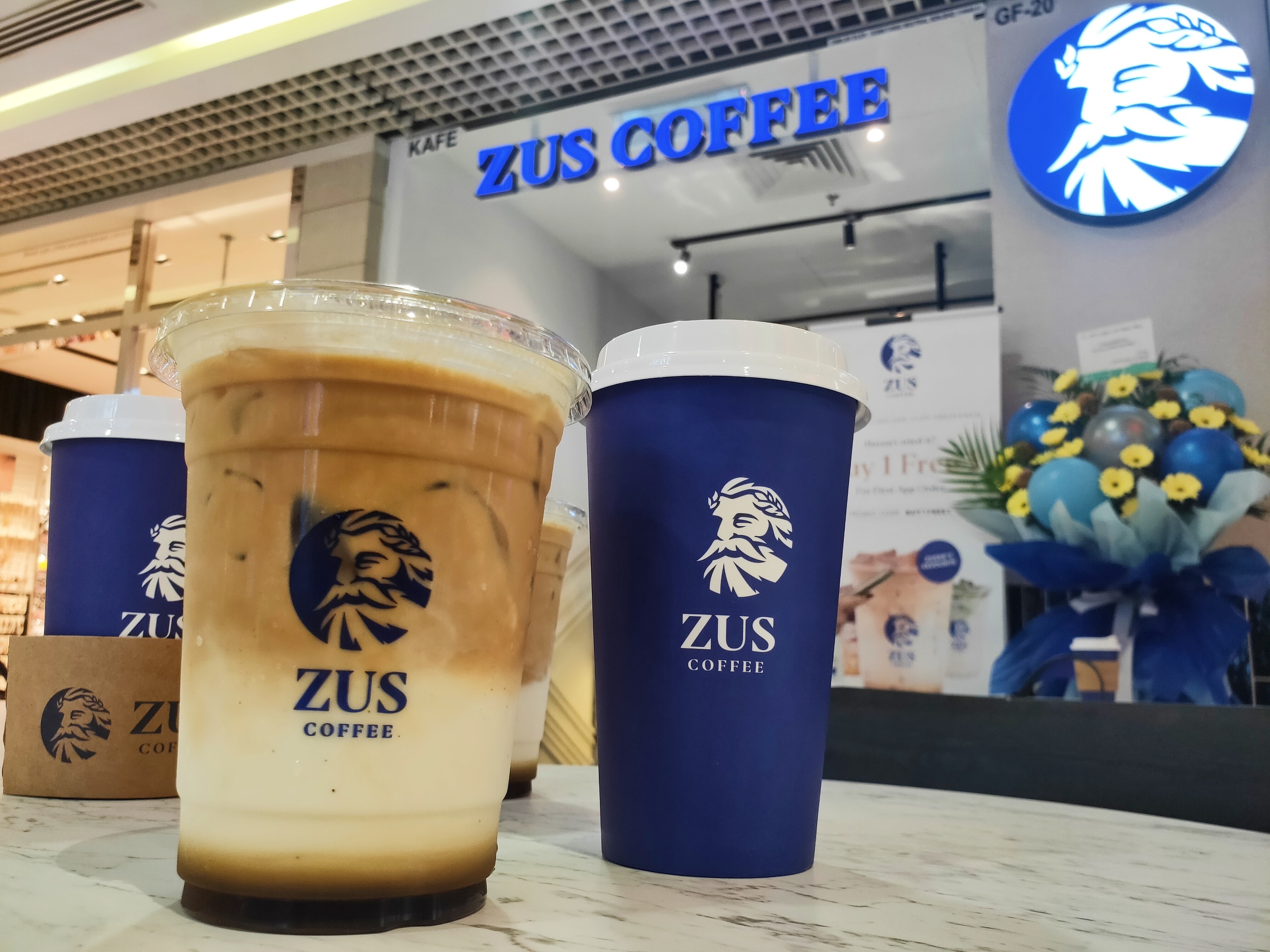
    Malaysia’s well-known coffee chain, Zus Coffee, has made its debut in Indonesia, marking its first venture into Jakarta. The launch marks yet another step in the company’s ambitious strategy to expand across Southeast Asia.

    The opening of the new store in Puri Indah Mall is the result of a collaboration with Kapal Api Group. This latest venture follows Zus Coffee’s successful expansions into other Southeast Asian countries, including the Philippines, Singapore, Brunei, and Thailand.

    Zus Coffee, established in 2019, began as a delivery-centric coffee kiosk operation. Since then, it has rapidly grown, fueled by the integration of a technologically advanced model that includes app-based ordering, pickup, and delivery services. Currently, Zus Coffee operates over a thousand stores throughout the region.

    According to Venon Tian, Group COO of Zus Coffee, Indonesia holds significant strategic value due to its rich coffee culture and an ever-changing consumer demand. As part of its expansion strategy, localisation remains a vital component, with the introduction of market-specific beverages alongside its main menu offerings.

    Over the years, Zus Coffee has solidified its position as one of Malaysia’s largest coffee chains and has emerged as a strong contender to the global giant, Starbucks. An investment of US$57.27 million (RM250 million) has been further secured by the company to facilitate its regional growth in 2024.

    As part of its expansion strategy, the company launched its inaugural stores in Thailand last year, planning to inaugurate 200 new stores across Southeast Asia. Parent company Zuspresso has set ambitious targets to add a minimum of 107 outlets in Malaysia, around 80 in the Philippines, and six in Singapore this year.

    Questions & Answers

    What is Zus Coffee’s expansion strategy?
    Zus Coffee is focusing on expanding across Southeast Asia, having already established a presence in countries like the Philippines, Singapore, Brunei, Thailand, and now Indonesia.

    How does Zus Coffee approach new markets?
    Zus Coffee has a strategy of localisation as it enters new markets. This involves introducing market-specific beverages alongside its core menu offerings to cater to local tastes and preferences.

    What kind of investment has Zus Coffee secured for its future growth?
    Zus Coffee has secured an investment of US$57.27 million (RM250 million) to support its regional growth in 2024.

  • Air China Cargo Boosts A350F Freighter Fleet to 10 with New Purchase Agreement

    Air China Cargo Boosts A350F Freighter Fleet to 10 with New Purchase Agreement

    Air China Cargo Co., Ltd. has cemented a deal with Airbus to procure an additional four A350F freighters. This agreement expands the company’s total order for this aircraft model to 10 units, supplementing the six A350F freighters previously ordered in November 2025.

    A Strategic Move

    The recent acquisition emphasizes the company’s strategy to optimize its fleet composition and enhance transportation capacity. Wang Hongyan, Air China Cargo’s Vice President, shared that the decision will enable them to align more effectively with international air cargo market demands, providing a robust groundwork for the company’s long-term consistent growth.

    Airbus’ EVP Sales of the Commercial Aircraft business, Benoît de Saint-Exupéry, lauded Air China Cargo’s move to augment its A350F freighter order. According to him, this decision signifies the company’s unwavering confidence in Airbus products and solidifies the A350F’s leading stature as the next-generation freighter.

    Air China Cargo initiated the integration of Airbus freighters into its fleet at the close of 2023. It currently manages a fleet of eight Airbus A330-200P2F aircraft. The forthcoming inclusion of the A350F freighter will supplement the A330-200P2F freighters, maximizing their benefits on long-haul and medium-to-long-haul routes.

    The Sophistication of the A350F

    The A350F, designed to be the most advanced cargo aircraft globally, caters to the evolving needs of the international air freight market. Its range capability extends up to 8,700 kilometers with a payload capacity of up to 111 tonnes, allowing operators to utilize it on international long-haul routes. Over 70% of the A350F comprises advanced materials, making it 46 tons lighter than competitive aircraft.

    The A350F features the latest Rolls-Royce Trent XWB-97 engines, promising up to a 20% reduction in fuel consumption and carbon emissions compared to previous generation aircraft with similar payload-range capabilities. As the only freighter that fully adheres to ICAO’s 2027 CO₂ emission standards, the A350F is capable of operating with up to 50% Sustainable Aviation Fuel (SAF) upon entry-to-service, aiming for 100% capability by 2030.

    As of the end of April 2026, the A350F garnered 101 orders from 14 customers.

    Questions & Answers

    How many total A350F freighters has Air China Cargo ordered?
    Air China Cargo has ordered a total of 10 A350F freighters from Airbus.

    What is the range and payload capacity of the A350F?
    The A350F has a range capacity of up to 8,700 kilometers and can carry a payload of up to 111 tonnes.

    What is the unique feature of the A350F in regard to emission standards?
    The A350F is the only freighter that fully meets the ICAO’s 2027 CO₂ emission standards. It can operate with up to 50% sustainable aviation fuel upon entry-to-service, with an aim to achieve 100% capability by 2030.

  • Palace Streetwear Breaks Into Mainland China with a Stylish Shanghai Store Debut

    Palace Streetwear Breaks Into Mainland China with a Stylish Shanghai Store Debut

    British streetwear brand, Palace, is set to inaugurate its first independent retail store in Mainland China, within the historic district of Zhangyuan in Shanghai.

    The store, which opens its doors to the public this Friday, draws inspiration from the traditional elements of Yuyuan Garden. It incorporates features reminiscent of the garden’s ponds, pavilions, and meandering paths. In an effort to maintain the authenticity and historic charm of the locale, the original facade of the garden has been preserved. The store’s entrance is marked by Palace’s iconic, mirrored tri-ferg logo suspended above it. The logo, a creation of Fergus Purcell, takes its cues from the Penrose Triangle, a work of Swedish artist Oscar Reutersvärd. The logo’s placement creates an illusion of angling downward from the building’s roofline.

    A Timely Debut

    Gareth Skewis, the founder of Palace, expressed that his frequent visits to China over the past two decades gave him the conviction that the time was right for the brand to make its debut in Mainland China. Skewis pointed out that the present cultural milieu, particularly the state of skateboarding and the contemporary youth culture in China, factored into his decision.

    The interior of the store is a showcase of architectural elegance with limestone and stone tile finishes. It also flaunts LED columns and accents of gold and red, a nod to traditional Chinese rituals. The store’s design incorporates a pavilion-like structure at its heart, thus extending the garden concept throughout the space.

    A Special Collection Launch

    To celebrate the store’s grand opening, Palace will introduce a Shanghai-exclusive capsule collection. The collection includes an array of items such as biker jackets, sports jerseys, hoodies, T-shirts, and accessories. The products are branded with a playful ‘Shang-Hi’ logo and a waving hand motif.

    Questions & Answers

    Where is Palace’s first independent store in Mainland China located?
    The store is located in the historic district of Zhangyuan in Shanghai.

    What is the design concept of the store?
    The store’s design draws inspiration from the traditional elements of Yuyuan Garden, with features reminiscent of the garden’s ponds, pavilions, and meandering paths integrated into the store’s layout.

    What special launch is coinciding with the store’s opening?
    To mark the store’s opening, Palace will introduce a Shanghai-exclusive capsule collection, featuring items like biker jackets, sports jerseys, hoodies, T-shirts, and accessories branded with a ‘Shang-Hi’ logo and a waving hand motif.

  • Malaysia Rattles Bullion Trade with 10% Duty on Gold Bar Imports

    Malaysia Rattles Bullion Trade with 10% Duty on Gold Bar Imports

    In the latest regulatory development, Malaysia has imposed a 10% import duty on certain inbound shipments of gold bars. This unexpected decision has jolted the nation’s gold trade, with effects felt since early May, as per anonymous reports from traders and dealers. Consequently, some shipments have been detained at customs or rerouted due to the absence of a corresponding rise in local gold prices, which rendered the imports unprofitable.

    The Impact on Customers

    Bank Muamalat Malaysia, a local Islamic bank offering gold investment products, has stated that the imposition of a 10% import tax on bullion will inevitably be transferred to customers. This could lead to a considerable price hike for investors. For instance, purchasing a one-kilogram bar via a Malaysian bank after June 8 could cost approximately MYR45,000 (US$11,300) more than it would have a week before.

    A representative from the Royal Malaysian Customs Department has noted that the Ministry of Finance plans to discuss the issue of “minted gold products” imports with industry leaders.

    Increasing Interest in Gold

    The value of gold surged to a record high earlier this year, stoking investor interest in the precious metal, including in Asia. In response to this trend, several Malaysian banks have debuted gold investment products over the past year. Furthermore, bullion logistics firm, Loomis AB, has established a vault near the nation’s capital to cater to the growing demand.

    According to the country’s Department of Statistics, Malaysia imported around US$2.5 billion worth of non-monetary gold up until April this year.

    This move by the Malaysian government mirrors a similar abrupt shift in import policies in India, the world’s second-largest gold and silver market. This change has yielded a domino effect across its metals and currency markets.

    Questions & Answers

    How has Malaysia’s imposition of a 10% import duty on gold bars affected the bullion trade?
    This move has disrupted the bullion trade, with some shipments being held at customs or diverted due to the increased cost, which, without a corresponding rise in local gold prices, made the imports unprofitable.

    What is the likely impact of this decision on customers?
    Bank Muamalat Malaysia has indicated that the imposition of this import tax will eventually be passed on to the customers, leading to increased prices for investors.

    Has there been a change in the demand for gold?
    Yes, there has been a growing interest in gold, spurred by its record high value earlier this year. In response, several Malaysian banks have launched gold investment products, and bullion logistics company, Loomis AB, has opened a vault near the country’s capital.

  • Vietnam Surpasses Italy to Become 10th Largest Global Steel Producer

    Vietnam Surpasses Italy to Become 10th Largest Global Steel Producer

    In April, Vietnam emerged as the 10th top crude steel producer in the world with an estimated production of 2.1 million tonnes. This landmark achievement marks the first time Vietnam has entered the top ten, surpassing Italy, as per the World Steel Association’s data.

    Growth of Vietnam’s Steel Sector

    During the first quarter of 2026, Vietnam’s crude steel production reached 8.5 million tonnes, marking an 8.4% rise from the previous year. The growth of Vietnam’s steel sector has been both quick and diverse. Initially, domestic manufacturers relied heavily on imported billets for the production of construction steel in the early 2000s.

    However, significant progress has been made since 2010, with the industry achieving self-sufficiency. At present, Vietnam is capable of manufacturing a wide array of steel products that cater to sectors like mechanical engineering, shipbuilding, energy, and defense.

    Prominent steel companies have launched large-scale and modern steel complexes. Noteworthy among these is Hoa Phat Group’s Hoa Phat Dung Quat Iron and Steel Integrated Complex. The facility is renowned for producing top-tier, specialized steel products such as engineering steel, tire cord steel, welding wire, spring steel, crane steel, prestressed steel, and rail steel for high-speed railways.

    Vietnam’s Position in the Global Steel Market

    In comparison to the 20 million tonnes produced in 2023, Vietnam’s crude steel output increased to 24.6 million tonnes in the previous year. This placed the country as the leading crude steel producer in Southeast Asia and the 11th globally.

    Hoa Phat, one of the country’s significant steel producers, contributed to 44.7% of the total production, equivalent to 11 million tonnes. The company’s annual yield is projected to rise by 30% year-on-year to exceed 14 million tonnes this year.

    Questions & Answers

    What position did Vietnam secure in the global ranking of crude steel producers in April?
    Vietnam emerged as the 10th top crude steel producer in the world in April.

    What significant transformation has Vietnam’s steel sector undergone since the early 2000s?
    From relying heavily on imported billets for construction steel in the early 2000s, Vietnam’s steel sector has achieved self-sufficiency and can now produce a wide array of steel products.

    What is the projected annual yield of Hoa Phat for this year?
    Hoa Phat’s annual yield is expected to surpass 14 million tonnes this year, marking a 30% year-on-year increase.

  • US Dollar Tumbles Against Vietnamese Dong Amid Global Currency Shuffles

    US Dollar Tumbles Against Vietnamese Dong Amid Global Currency Shuffles

    On Wednesday morning, the U.S. dollar experienced a decrease in value against the Vietnamese dong, while also falling against other major currencies. The greenback was sold by Vietcombank at VND26,393, marking a minimal decrease of 0.004% from its value on Tuesday. However, on the black market, the currency experienced a slight increase of 0.12%, reaching a rate of around VND26,502.

    Global Currency Fluctuations

    Worldwide, the U.S. dollar managed to maintain the gains it accrued on Tuesday. This followed Iran’s announcement that the U.S. had breached a ceasefire agreement. The dollar index, a measurement of the dollar’s value against six other currencies including the yen, remained relatively stable on Wednesday at 99.11. This comes after the index saw an increase of 0.15% in the previous trading session.

    In terms of other currencies, the Euro saw a slight increase in its value against the U.S. dollar to $1.1637. The Australian dollar, however, saw a decrease of 0.09% to $0.7160, reversing earlier gains. Additionally, New Zealand’s dollar saw a substantial increase of 0.6%, taking its value to $0.5873 against the U.S. dollar.

    The Japanese yen saw a minor increase in its value to 159.28 per U.S. dollar. However, it remained near the 160 level, a threshold that many market participants consider to be a warning sign for intervention in order to support it.

    Questions & Answers

    What has been the recent trend in the value of the U.S. dollar against the Vietnamese dong?
    On Wednesday, the U.S. dollar experienced a marginal decrease in value against the Vietnamese dong, with Vietcombank selling the greenback at VND26,393, a 0.004% dip from Tuesday.

    What happened to the U.S. dollar’s value on a global scale?
    Globally, the U.S. dollar was able to maintain its gains from Tuesday following Iran’s announcement of a U.S. ceasefire violation.

    How did other major currencies perform against the U.S. dollar?
    While the Euro and New Zealand’s dollar saw increases in their value against the U.S. dollar, the Australian dollar experienced a decrease. The Japanese yen saw a slight increase but stayed near a level that causes concern for many market participants.

  • Ex-DBS Bank Manager Swindles $1M in Deceptive Schemes: Lands 6.5 Years Jail Sentence

    Ex-DBS Bank Manager Swindles $1M in Deceptive Schemes: Lands 6.5 Years Jail Sentence

    A former manager of DBS Bank, Singapore’s most prominent financial institution, who swindled seven individuals out of nearly SGD1.4 million (US$1.09 million), including his own uncle, has been handed down a six-and-a-half-year prison sentence. Benjamin Chung Hiang Wee, aged 32, admitted guilt in April to six charges of fraud involving five victims, who were tricked into parting with more than SGD1 million. The amount each individual victim relinquished ranged from SGD66,550 to SGD441,850.

    Financial Misconduct

    In addition to fraud, Chung confessed to engaging in criminal conduct by mishandling monetary benefits. On not less than 32 instances spanning from April 2023 to April 2024, Chung transferred in excess of SGD823,000 of his illicit gains from his bank accounts to other accounts.

    Chung commenced his role as a wealth planning manager in January 2019 and was dismissed in November 2023 due to violations of certain confidential regulatory requirements pertinent to his position as a financial advisor.

    During earlier court proceedings, it was revealed that the most significant sum of money he defrauded (SGD441,850) was from his 62-year-old uncle, a casual laborer.

    Victims of Deception

    Part of Chung’s job involved suggesting and marketing financial products from insurance company Manulife (Singapore). He successfully convinced his uncle that a “two-year fixed deposit scheme” would yield between 4% and 5% interest.

    “The funds were used to fund his online gambling,” deputy public prosecutor Joseph Gwee informed the court. “He had no intention of opening a fixed deposit account,” he added. The uncle transferred investments from a different bank to assist his nephew, only to later realize that he had been duped.

    The court was informed that Chung had perpetrated similar fraudulent acts on multiple occasions between February 2022 and April 2024, defrauding other victims in the process.

    His crimes were exposed in 2024 when law enforcement discovered he had exploited the bank’s reputation to solicit funds from various clients for alleged loans and fixed deposit schemes.

    On May 6, 2024, Chung turned himself in to the authorities and was promptly apprehended. In April, it was revealed during court proceedings that he had reimbursed more than SGD231,000 to five victims, including his uncle.

    Questions & Answers

    **What was Benjamin Chung Hiang Wee’s position at DBS Bank?**
    Chung was a wealth planning manager at DBS Bank.

    **What is the total amount Chung defrauded from individuals?**
    Chung defrauded nearly SGD1.4 million (US$1.09 million) from seven individuals.

    **How was Chung’s fraudulent activity uncovered?**
    Chung’s fraudulent activity was uncovered when law enforcement learned that he had misused the bank’s name to solicit money from various customers under the guise of loans and fixed deposit schemes.

  • Riding the Health Wave: Yum China Doubles Down on KPRO Stores Amid Rising Demand for Low-Calorie Meals

    Riding the Health Wave: Yum China Doubles Down on KPRO Stores Amid Rising Demand for Low-Calorie Meals

    Yum China, the company responsible for managing KFC and Pizza Hut chains across the nation, is broadening its reach by doubling its KPRO stores. The KPRO stores, which specialize in low-calorie meals, are set to reach 600 by the end of this year, following a rise in health-conscious consumer demand. KPRO’s offerings include nutritiously balanced meals such as protein-rich sandwiches and yogurt-based smoothies.

    An Emphasis on Health and Nutrition

    Yum China’s CEO, Joey Wat, emphasized the importance of satisfying meals that are also nutritious during a recent earnings brief. KPRO’s nourishing menu caters to this by providing consumers with clear calorie information, thereby enabling informed decisions. The cost for these healthier meal options varies from CNY30 to CNY50 (US$4.41–7.36) per meal.

    Yum China dedicated seven years to understanding the market for lighter meals before inaugurating its first KPRO store in Guangzhou in late 2024. By 2025, fueled by the escalating demand for healthier alternatives, the number of KPRO stores reached 200, strategically located adjacent to KFC chains.

    Chen Xiao, CEO of Shanghai Yacheng Culture, a provider of marketing and branding services, pointed out that the surge in young consumers keen on nutritionally balanced food offers international brands a significant advantage. These well-established brands can easily attract customers, particularly as restaurant chains can effectively reach out to a wide consumer base.

    The Growing Trend of Light Meals

    According to a report by research firm NCBD and Shanghai Expo Finefood, the number of Chinese consumers opting for light meals has skyrocketed from 2 million in 2017 to over 32.5 million by 2025. The report further stated that 40% of these consumers consume such meals at least thrice a week.

    Chen predicted that China’s light-meal sector could rake in about CNY100 billion in annual sales this year alone. On a similar note, Wat articulated the potential profitability of the segment, stating that the targeted 600 KPRO stores could boost the sales of their parent KFC chains by approximately CNY1 billion ($147.17 million) per year.

    However, Yum China is not the only player in the health food segment. Other chains such as Murvey LF and Moosang, operating about 600 and 400 stores respectively, are also prominent in the light meals market.

    Ending the first quarter of 2026 on a high, Yum China reported a net profit of $309 million, a 6% increase from the previous year. Their first-quarter revenue also saw a 10% rise, amounting to $3.3 billion.

    Questions & Answers

    **What is the expansion target for KPRO stores by the end of this year?**
    Yum China intends to double its KPRO stores to a total of 600 by year’s end.

    **What is the expected annual sales from China’s light-meal market this year according to Chen Xiao?**
    Chen Xiao predicted that the light-meal market could generate about CNY100 billion in annual sales.

    **What was Yum China’s net profit for the first quarter of 2026?**
    Yum China reported a net profit of $309 million for the first quarter of 2026, marking a 6% increase year-on-year.