Blog

  • Shiros First Hong Kong Outlet: An Experiential Fragrance Haven at K11 Musea

    Shiros First Hong Kong Outlet: An Experiential Fragrance Haven at K11 Musea

    Shiro, a renowned Japanese fragrance company, recently launched its inaugural store in Hong Kong, incorporating an immersive shopping experience that focuses on in-store fragrance creation.

    The store, located in K11 Musea, showcases an interior design that pays homage to local materials and traditions. Bamboo scaffolding and metal, symbols of Hong Kong’s historical architecture and residential buildings, are prominently featured within the space.

    Discovering the Zero Blender Lab

    A highlight of the store is the Zero Blender Lab, a unique feature that allows customers to design their own personalized fragrance mists. This innovative concept employs prototype scent materials from Shiro’s product development cycle, which would otherwise be discarded.

    Shiro’s initiative aligns with their longstanding commitment to zero waste, a policy they have embraced since 2024 in their product development and store design. As stated by the brand, the Zero Blender Lab offers customers the opportunity to experiment with blending fragrances, all within a setting inspired by the Research and Development room of their Minnano-Sunagawa Factory in Sunagawa, Hokkaido. Shiro aims to provide an experience that mirrors the work of a professional perfumer.

    Founded in Hokkaido, Japan in 2009, Shiro not only specializes in fragrances, but also offers a variety of complementary services through their Shiro Life, Shiro Café, and Shiro Beauty businesses.

    Questions & Answers

    What is unique about Shiro’s new store in Hong Kong?
    The new store offers an immersive shopping experience, with a focus on in-store fragrance creation. It features the Zero Blender Lab, where customers can create their own fragrance mists using scent materials that would otherwise be discarded.

    What is Shiro’s commitment to sustainability?
    Since 2024, Shiro has been striving towards achieving zero waste in both their product development and store design. The Zero Blender Lab is an example of this, as it reuses prototype scent materials that would typically be discarded.

    What other businesses does Shiro operate?
    Besides fragrances, Shiro also runs complementary businesses, including Shiro Life, Shiro Café, and Shiro Beauty, offering a comprehensive lifestyle experience for their customers.

  • Singapore Retail Sales Soar in March with Robust Online Presence and Recreational Goods Demand

    Singapore Retail Sales Soar in March with Robust Online Presence and Recreational Goods Demand

    The retail sector in Singapore experienced further growth in March, building on the momentum gained in February. The Department of Statistics reports a 3.3% year-on-year increase in retail sales for March, not counting motor vehicles, parts, and accessories. This follows a significant 11.3% surge in February.

    The estimated total value of retail sales for the period was SG$3.8 billion (US$2.98 billion), with nearly a fifth (18.9%) coming from online sales. On a seasonally adjusted basis, retail sales also saw a 3.3% increase in March compared to the preceding month.

    Performance Across Various Sectors

    The growth in March was broad-based, with most sectors recording year-on-year sales growth. Recreational goods led the way with a 13.1% increase, followed by computer and telecommunications equipment, which saw an 11.9% boost, partly attributed to higher mobile phone sales.

    Other sectors that experienced single-digit growth include watches and jewelry, apparel and footwear, cosmetics and medical goods, supermarkets, and convenience stores.

    However, not all sectors fared well. Sales of food and alcohol saw a 6% drop, department stores reported a 5.7% decrease, and furniture and household equipment sales fell by 1.9%.

    Meanwhile, food and beverage services noted a 2.3% rise in sales during March, sustaining the upward trend seen in February.

    Questions & Answers

    What was the overall retail sales growth in Singapore in March?
    The overall retail sales in Singapore grew by 3.3% year-on-year in March.

    Which sectors recorded the highest sales growth in March?
    Recreational goods and computer and telecommunications equipment sectors recorded the highest sales growth in March, with an increase of 13.1% and 11.9% respectively.

    Did all sectors experience growth in March?
    No, sales in the food and alcohol, department store, and furniture and household equipment sectors experienced declines in March.

  • End of an Era: Singapores Beloved PaperMarket Set to Close Final Store After 20-Year Journey

    End of an Era: Singapores Beloved PaperMarket Set to Close Final Store After 20-Year Journey

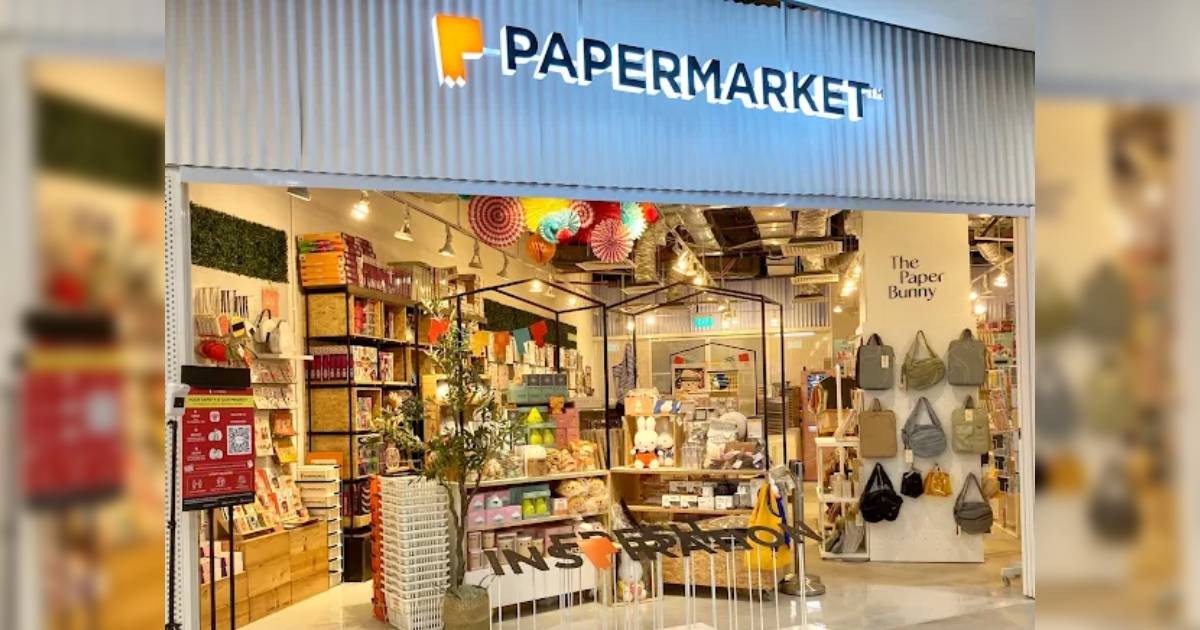
    After two decades of operation, PaperMarket, a Singaporean lifestyle and craft brand, has announced plans to shutter its final physical location. Amid challenging business conditions, the local retailer has decided to refocus its efforts on its digital storefront.

    A Tough Decision for a Small Business

    In a recent statement, PaperMarket shared the tough decision to close its last brick-and-mortar outlet. “We’ve done everything possible to keep running,” the statement reads, “but due to escalating costs, it’s no longer feasible for us to carry on as a modest, locally established brand.”

    Despite the closure of their physical store, PaperMarket assured its customers that online operations will continue. They further clarified that the physical store would remain open till May 31, 2026.

    Established in 2005 by entrepreneur Elaine Ong, PaperMarket is renowned for its craft supplies including stickers, stationery, DIY kits, and scrapbooking materials. It also offers a diverse range of lifestyle products from labels such as Lynk Artisan, Muzik Tiger, and Baggu. Before the impending closure, PaperMarket had outlets in popular locations such as Raffles City and Plaza Singapura malls.

    A Farewell Sale and Emotional Goodbyes

    To mark the closure, PaperMarket has launched a clearance sale with discounts reaching up to 70%, and it is also selling its store fixtures and furniture.

    The announcement of the store closure elicited a surge of emotional responses online. Many social media users expressed their sorrow at the news, reminiscing about their experiences with the brand. One Instagram user commented, “Sad to see spaces like PaperMarket go… they’ve inspired so many people to create and gift with meaning.”

    Questions & Answers

    Why is PaperMarket closing its final physical store?
    PaperMarket has cited financial reasons for its closure, stating that rising costs make it unsustainable for the small, locally established brand to continue its brick-and-mortar operations.

    When is the final day of operation for PaperMarket’s physical store?
    The physical store of PaperMarket is scheduled to close on May 31, 2026.

    What is the future of PaperMarket post the physical store closure?
    After the closure of its physical store, PaperMarket plans to continue its operations online, focusing on its digital storefront.

  • Decade-Old BBQ & Hotpot Restaurant Closes Following Surge of Negative Online Reviews

    Decade-Old BBQ & Hotpot Restaurant Closes Following Surge of Negative Online Reviews

    For over a decade, a small-town barbecue and hotpot restaurant enjoyed a regular and content clientele, primarily consisting of employees from a neighboring industrial park. The eatery was particularly bustling over the weekends, basking in the laudatory comments of its patrons, until an unfavorable online review sent shockwaves through its reputation.

    The Power of Social Media

    The advent of various Facebook pages and groups disseminating information and instigating discussions about the local area introduced an unforeseen variable to the restaurant’s business operations. While these platforms initially focused on benign topics such as local weather or picturesque landscapes, they soon evolved into forums for promoting new businesses, including milk tea shops and eateries in the vicinity. One day, a disparaging post targeting the barbecue and hotpot restaurant surfaced in one of these groups. The review characterized the food as “overpriced” and “mediocre,” encouraging patrons to explore “better and cheaper” alternatives.

    This single review unleashed a flood of negative feedback, severely tarnishing the restaurant’s hard-earned reputation. The previously steady stream of customers trickled to a halt, and, unable to recover from the sudden downturn, the establishment was soon compelled to close its doors.

    The Dark Side of Food Reviewers

    This incident underscores the growing concern among many restaurateurs regarding the disproportionate influence wielded by self-proclaimed food reviewers active on platforms such as TikTok and YouTube. Questions arise regarding the legitimacy of these reviewers’ authority to critique an establishment and the objectivity of their assessments. For instance, when reviewing pricing, do they account for factors like portion sizes, the quality of ingredients, or prevailing market rates?

    Taste, being a highly subjective matter, varies significantly from person to person. The certainty with which these reviewers label a dish as appealing or repugnant potentially sways their audience’s opinion, often without them having sampled the food themselves.

    In the current digital age, where smartphones equip ordinary individuals with the power to document, judge, and “expose” others, we must tread with caution. While these online exposés may help spotlight unhygienic or exploitative practices, they also pose the risk of damaging the reputation of legitimate establishments through orchestrated smear campaigns.

    Questions & Answers

    What impact did the unfavorable review have on the barbecue and hotpot restaurant?
    The negative review led to a surge of similar feedback, causing a significant decline in the customer footfall. Unable to recover from the reputational damage, the restaurant was forced to close down.

    What concerns do restaurant owners have about food reviewers on platforms like TikTok and YouTube?
    Restaurateurs worry about the credibility and objectivity of these self-proclaimed reviewers. They question whether these reviewers consider factors like portion sizes, ingredient quality, or market rates when critiquing pricing and how they confidently label food as good or bad without accounting for varying taste preferences.

    What are the potential risks associated with the power of judgment that smartphones provide individuals?
    While smartphones can help highlight unethical business practices, they also risk damaging legitimate businesses through potential smear campaigns.

  • US Dollar Grows Stronger Against Vietnamese Dong Amid Global Currency Shifts

    US Dollar Grows Stronger Against Vietnamese Dong Amid Global Currency Shifts

    The U.S. dollar started Wednesday on a stronger note against the Vietnamese dong while simultaneously displaying a slight weakness against other major global currencies. The greenback was traded at VND26,368 by Vietcombank, marking an increase of 0.008% from the previous day. Meanwhile, on the black market, the currency experienced a minor drop of 0.09%, bringing it down to approximately VND26,644.

    Vietnam’s Position and Global Market Movements

    The State Bank of Vietnam reacted by increasing its reference rate by 0.008% to VND25,113. Internationally, the dollar seemed to step back against most of the other major currencies, mostly due to the anticipation of a possible agreement with Iran by the United States. Concurrently, the yen demonstrated a consistent weakening trend, inching closer to the point where Tokyo once had to intervene.

    The dollar index, a measurement of the greenback’s standing relative to a combination of six currencies, fell slightly by 0.01%, rounding off to 98.299.

    Performance against Other Currencies

    The euro and sterling both showed approximately 0.2% growth over the course of the day, trading at $1.1714 and $1.35685 respectively. The Australian dollar also showed an upward trend, fetching $0.7208, which accounted for an increase of nearly 0.4% in early trading. Similarly, the New Zealand dollar saw an increase of 0.3%, making it trade at $0.5905.

    In the case of the yen, the dollar was traded at 157.62 yen. Despite the ongoing fall in oil prices, this was still substantially higher than last week’s intervention low, marking a decrease of 0.17% from U.S. levels.

    Questions & Answers

    What was the trading value of the U.S. dollar against the Vietnamese dong?
    The value of the U.S. dollar against the Vietnamese dong was VND26,368.

    How did the euro and sterling perform against the U.S. dollar?
    Both the euro and sterling displayed an increase of approximately 0.2% against the U.S. dollar.

    What was the change in the dollar index?
    The dollar index, which measures the U.S. dollar’s strength against six other major currencies, fell slightly by 0.01%.

  • Coupang Bounces Back: Q1 Shows Promising Growth Amidst Ongoing Recovery Efforts

    Coupang Bounces Back: Q1 Shows Promising Growth Amidst Ongoing Recovery Efforts

    Coupang, the South Korean e-commerce giant, has made a steady start to Fiscal Year 2026, according to its first quarter results. The data indicates a slow but steady recovery following disruptions experienced towards the end of last year.

    Stronger Financial Performance

    The Q1 results unveiled a noticeable growth in the company’s revenue, which rose to $8.5 billion. This marks an 8 percent year-over-year increase, slightly outpacing analysts’ expectations. Coupang’s financial performance improved during February and March, following a less-than-stellar beginning to the year.

    Management indicated that January was the most challenging month, with a decline in order frequency, membership engagement, and overall customer interactions. However, these metrics consistently improved throughout the quarter, pointing towards a positive trend.

    Despite this promising uptick in performance, executives were quick to point out that the recovery process is not yet fully complete. According to founder Bom Kim, the company is committed to enhancing the customer experience that initially attracted shoppers to Coupang. The focus is not only on product commerce but also on the development of new offerings.

    Challenges and Future Prospects

    While the revenue showed positive growth during the quarter, the company’s profitability took a hit. Lower earnings were reported, driven by a variety of temporary factors and investment-related activities. The company’s management cited multiple pressures that are currently impacting margins, including increased promotional campaigns to re-engage customers during this recovery phase.

    Coupang remains optimistic about its future, reiterating its commitment to expanding new offerings and penetrating international markets, despite the potential impact on profitability. In Taiwan, for example, the company is laying the groundwork for an enhanced customer experience.

    Kim highlighted the company’s last-mile delivery network, which guarantees next-day delivery, saying it now covers the majority of their volume and is continuously expanding. This initiative is still in its early stages in Taiwan, but early feedback from customers has been overwhelmingly positive.

    Looking forward, Coupang is anticipating continued improvement during the second quarter with minimal lingering effects from previous disruptions.

    Questions & Answers

    What challenges did Coupang face in the beginning of Fiscal Year 2026?
    Coupang faced disruptions that resulted in a weak start to the year, particularly in January. Order frequency, membership engagement, and customer interactions declined during this period.

    How is Coupang planning to improve customer experience?
    Coupang’s founder, Bom Kim, stated that the company is focusing on enhancing the shopping experience that initially attracted customers to Coupang. This will involve improvements in product commerce as well as the development of new offerings.

    What are Coupang’s plans for expansion in international markets?
    Coupang has reaffirmed its commitment to scaling newer offerings and expanding into international markets, despite potential impacts on profitability. One such expansion is in Taiwan, where the company is working on enhancing its customer experience and expanding its last-mile delivery network.

  • Grab Powers Through 2026 with Record Q1 Results and Bold Expansion Beyond Southeast Asia

    Grab Powers Through 2026 with Record Q1 Results and Bold Expansion Beyond Southeast Asia

    Southeast Asian superapp, Grab, has reported its strongest first quarter to date, with plans to expand beyond its home market for the first time. It plans to do so with an investment of $600 million.

    Grab’s CEO and co-founder, Anthony Tan, expressed his satisfaction with the results, stating that the company achieved its objective of starting 2026 robustly. Grab recorded a revenue of US$955 million for the first quarter, which ended on March 31, representing a year-on-year increase of 24%. Its adjusted EBITDA reached US$154 million, up by 46% from the same period in the previous year, marking the company’s seventeenth consecutive quarter of EBITDA growth.

    Despite the period being typically quiet due to the Ramadan fasting month and Lunar New Year celebrations, the company managed to increase its number of monthly transacting users by 16% to 51.6 million.

    Growth Across Segments

    The overall gross merchandise value of Grab’s deliveries and mobility segments rose to US$6.1 billion in the quarter, with the delivery sector growing by 25% and mobility by 23%, year-on-year. The company’s financial services also observed a 43% leap in revenue to US$107 million.

    However, the company faces operational challenges due to the regional surge in fuel prices—an issue with no straightforward solution for a business model that depends on daily refuelling by millions of driver-partners. To navigate this issue, Grab launched various initiatives in March, including multi-partner fuel discount programs and restructuring incentive models to maximize driver earnings. Grab also collaborated with governments to ensure driver-partners could access available transport-worker fuel subsidies.

    Recently, Grab became the first platform to offer point-to-point cross-border taxi services between Singapore and Malaysia, one of the world’s busiest international land border crossings.

    Expansion Plans

    During the quarter, Grab agreed to acquire Delivery Hero’s foodpanda delivery business in Taiwan for US$600 million in cash. This represents Grab’s first expansion beyond Southeast Asia in its 14-year history. The acquisition is expected to be finalised in the second half of the year, expanding Grab’s presence across 21 cities. Upon completion, Grab would hold a market share of just over 50%, positioning it as a formidable competitor to Uber Eats.

    Moving forward, Grab’s full-year guidance remains unchanged, with predictions of 20% to 22% growth in revenue and 40% to 44% growth in adjusted EBITDA. The company expects in-demand GMV growth in each remaining quarter of this year.

    Questions & Answers

    What is Grab’s first quarter revenue for 2026?
    Grab reported a revenue of US$955 million for the first quarter of 2026.

    What operational challenges is Grab facing?
    Grab is facing operational challenges due to the regional surge in fuel prices affecting millions of its driver-partners.

    What is Grab’s expansion plan?
    Grab plans to acquire Delivery Hero’s foodpanda delivery business in Taiwan, marking its first expansion beyond Southeast Asia.

  • Electrolux Gains Competitive Edge with New Apac Head, Dyson Prodigy Bernard Chong

    Electrolux Gains Competitive Edge with New Apac Head, Dyson Prodigy Bernard Chong

    Bernard Chong has been named the new leader of the Asia-Pacific (APAC) region for Electrolux Group. His tenure will commence from the first day of June. Formerly serving as the president of Greater China at Dyson, Chong proactively oversaw operations and managed a workforce of over a thousand employees.

    A New Chapter at Bangkok

    With his office in Bangkok, Chong will be rendering reports directly to Yannick Fierling, the CEO of Electrolux Group. “I am pleased to welcome Bernard to our team,” Fierling stated. “Throughout his career, Bernard has demonstrated his ability to build brands and execute successful turnarounds, leveraging his unique approach of merging market insights, data-driven strategy, and unyielding focus. His skills will be of great value to our team. I look forward to seeing him drive the region and working with him.”

    Chong possesses a diverse and rich work history, having held several senior leadership positions across Asia and Europe. His experience spans various markets, including Southeast Asia, Portugal, and Japan. Previously, he has also collaborated with renowned organizations such as Sony Mobile Communications and Nike Southeast Asia.

    Recent Developments at Electrolux

    In other recent news, Electrolux’s Kelvinator, a seller of electronics and appliances such as refrigerators, air conditioners, and washing machines, was acquired by Indian retailer Reliance Industries last year.

    Questions & Answers

    Who has been appointed as the new head of the APAC region for Electrolux Group?
    Bernard Chong has been appointed as the new head of the APAC region for Electrolux Group.

    What are some of the previous organizations that Bernard Chong has worked with?
    Bernard Chong has previously worked with Dyson, Sony Mobile Communications, and Nike Southeast Asia.

    Who acquired Electrolux’s Kelvinator last year?
    Electrolux’s Kelvinator was acquired by Indian retailer Reliance Industries last year.

  • Turmoil in Thailand: Livestream Durian Sales Spark Controversy Over Pricing Amid Surplus

    Turmoil in Thailand: Livestream Durian Sales Spark Controversy Over Pricing Amid Surplus

    Last Tuesday, a significant event took place, featuring Suphajee Suthumpun, Thailand’s deputy prime minister and commerce minister, and one of the country’s most influential online merchants, Pimrypie. Pimrypie is recognized for her diverse range of products, from her brand of fish sauce to luxurious perfumes. The occasion was held in anticipation of a 33% increase in Thailand’s durian production this year, and it attracted approximately 800,000 viewers. Within hours, it generated roughly 200,000 orders. However, the announcement of the price sparked a significant controversy.

    Concerns Over Low Pricing

    Farmers expressed apprehension that the government’s indication of a low price could set a maximum price instead of a minimum price for wholesalers. They argued that the significant discount could depress farm gate prices in an already burdened season. Puk Pimsorn, a durian seller who sources directly from orchards, argued that selling durians for 100 baht per kilogram would result in retailer losses, particularly at 100 baht per fruit. This pricing could impact the market by driving consumers towards cheaper options over quality produce, leaving other sellers unable to compete without suffering losses.

    Sommai Panasri, a durian shop owner, shared similar concerns, suggesting the campaign would further strain durian retailers already struggling with economic slowdown, rising fuel costs, and expensive transportation. Additionally, Panusak Saipanich, president of the Thai Durian Association, noted that a retail price of 100 baht left farmers with meagre or no profit once logistics and middleman fees were accounted for.

    Despite the growing backlash, Pimrypie clarified that the livestream intended to support durian growers and highlight the sector’s challenges, not to distort market pricing. She added that she had never organized such a vast campaign before and had incurred personal losses exceeding 10 million baht from the sales.

    Government Response and Durian Market Conditions

    The Ministry of Commerce responded swiftly to the controversy. A deputy spokesman clarified that the promotion only applied to “secondary-grade” fruits with visual imperfections. Suphajee distanced herself from the campaign, stating the ministry only sets standards and does not organize or endorse individual sales promotions. She noted the 100-baht price as a “sales-promotion technique,” not a value indicator, and reassured that market prices remain satisfactory.

    Durian is one of Thailand’s most profitable agricultural exports. The country is currently preparing for a potential excess, caused by increased cultivation due to strong prices in the late 2010s. This year’s rise in output is being exacerbated by global economic uncertainty, which is making consumers more cautious, increasing transport costs, and extreme heat, which is expected to yield smaller, lower-grade fruits.

    Competition is also intensifying, particularly as Vietnam expands its market share, now holding over 40% of the market within just three years. Meanwhile, Malaysia, though it exports smaller volumes, has built a reputation for high-quality durians that command higher prices.

    Despite the stable prices of Thai export-grade durians and the market not collapsing, the sector is preparing for a significant test in May when peak harvest volumes are expected to arrive. To mitigate potential issues, the commerce minister has outlined a strategy aimed at stabilizing prices and supporting growers by increasing domestic consumption and expanding overseas sales.

    Questions & Answers

    What is the controversy regarding the durian market in Thailand?
    There were concerns that the government’s indication of a low price for durians might set a maximum rather than a minimum price for wholesalers, which could potentially depress prices at farm gates.

    What was Pimrypie’s response to the backlash on the livestream?
    Pimrypie clarified that the livestream was intended to support durian growers and highlight the sector’s difficulties, not to distort market pricing. She revealed that she had incurred personal losses exceeding 10 million baht from the sales.

    What is the government’s approach to mitigate potential issues in the durian market?
    The government’s strategy involves stabilizing prices and supporting growers by increasing domestic consumption and expanding overseas sales. The plan includes expanding export routes, investing in storage and processing, and training farmers in live commerce and content creation to reduce reliance on middlemen.


  • HSBC Profit Falters Amid UK Fraud Charge and Rising Middle East Tensions

    HSBC Profit Falters Amid UK Fraud Charge and Rising Middle East Tensions

    HSBC Holdings Plc recently announced financial results that fell short of projections, impacted by unexpected fraud-related charges in the UK and escalating economic uncertainties due to the Middle East conflict.

    Financial Outcome Below Expectations

    In the first quarter, HSBC’s pretax profit plummeted to $9.4 billion, falling short of the anticipated $9.6 billion. Despite the disappointing results, resilience was observed in the bank’s wealth and Hong Kong sectors. The bank’s net interest income outlook also experienced an upswing, which provided some balance to the outcome.

    The London-headquartered bank reported $1.3 billion in anticipated credit losses for the quarter, a major component of which was a $400 million charge associated with a fraudulent securitization exposure involving a UK financial sponsor. Furthermore, HSBC had to manage a $400 million fallout related to the collapsed mortgage lender MFS.

    The bank also noted a $300 million augmentation in allowances due to a worsening global economic forecast triggered by the initiation of strife in the Middle East.

    Revenue and Net Interest Income Experience Growth

    Despite the challenges, HSBC’s revenue observed a 6% increase year-on-year to $18.62 billion, surpassing estimates. This was largely due to robust wealth fees and other income. Simultaneously, net interest income also experienced an 8% growth year-on-year, reaching $8.9 billion. However, operating expenses mirrored this increase, also growing by 8% as a result of inflation, forex, increased planned expenditure, and performance-related pay.

    The bank flagged potential risks associated with the Middle East conflict such as surging oil prices, heightened inflation, and a significant GDP slowdown. Should these factors transpire, the bank warned of a “mid-to-high single digit percentage” negative impact on its pre-tax profit.

    Although HSBC maintained its target return on tangible equity (RoTE) of 17%, it cautioned that the negative repercussions of the Middle East crisis, if realized, could potentially push RoTE, excluding significant items, below this target in 2026. The annualized RoTE for the reported quarter, excluding items, was 18.7%.

    HSBC expressed confidence in its commitment to deliver $1.5 billion in annualized cost reduction by the end of June 2026. The board also approved its first interim dividend for 2026 of 10 cents per share.

    Questions & Answers

    What was the pretax profit for HSBC in the first quarter?
    HSBC’s pretax profit for the first quarter was $9.4 billion.

    What financial impact was caused by the Middle East conflict on HSBC?
    HSBC noted a $300 million increase in allowances related to a worsening global economic forecast due to the conflict in the Middle East.

    What is HSBC’s target return on tangible equity (RoTE)?
    HSBC has maintained its targeted return on tangible equity of 17%.

  • Vietnams Gold Market Springs Back: A Resurgence Fueled by Global Bullion Rates and Weaker Dollar

    Vietnams Gold Market Springs Back: A Resurgence Fueled by Global Bullion Rates and Weaker Dollar

    In Vietnam, gold prices rebounded on Wednesday morning from a four-month low, invigorated by a surge in global bullion rates. Saigon Jewelry Company saw an increase of 1.52% in its gold bar price, climbing to VND167.5 million (US$6,365.32) per tael. This upturn comes after the price had hit its lowest point since January 19th on the previous Tuesday.

    Meanwhile, the price of gold rings followed a similar upward trend, rising to VND167 million per tael. For reference, a tael is equivalent to 37.5 grams or 1.2 ounces.

    Global Gold Prices and Influencing Factors

    Internationally, gold prices experienced an increase of over 1% on Wednesday. This was propelled by a weakening dollar and a decrease in oil prices, which alleviated concerns of inflation and protracted high interest rates. Another contributing factor was the burgeoning hope for peace between the United States and Iran.

    Spot gold experienced a rise of 1.7%, costing $4,633.31 per ounce, while U.S. gold futures for June delivery also jumped 1.7% to $4,643.20.

    The former U.S. President Donald Trump announced a temporary halt to an operation assisting ships through the Strait of Hormuz on Tuesday. This decision was influenced by advancements toward a comprehensive agreement with Iran. Following the announcement, the U.S. dollar and crude oil prices declined. This led to a situation where dollar-priced metals became cheaper for holders of other currencies.

    Kelvin Wong, a senior market analyst at OANDA, shared insights on the situation. He suggested that any resurfacing of tensions could lead to profit-taking in gold prices, or short-term speculators unwinding their near-term net long position in gold.

    Questions & Answers

    What is behind the recent rebound in Vietnam’s gold prices?
    The rebound in Vietnam’s gold prices is largely due to an increase in global bullion rates.

    What factors are contributing to the rise in global gold prices?
    Factors such as a weakening dollar, easing oil prices, and the prospect of a peace deal between the United States and Iran are contributing to the rise in global gold prices.

    How could a potential re-escalation of tension between the United States and Iran impact gold prices?
    If tensions were to surge again, there is a possibility that it could lead to profit-taking in gold prices or short-term speculators unwinding their near-term net long position in gold.

  • Citi Strengthens Bonds with Vietnam: A New Era of Financial Growth and Digital Transformation

    Citi Strengthens Bonds with Vietnam: A New Era of Financial Growth and Digital Transformation

    Catherine Simmons, a significant figure in the U.S.-ASEAN Business Council, shared her insights following a recent delegation visit to Hanoi. Simmons discussed the importance of the visit, the financial sector’s key messages, and Citi’s future forecasts for Vietnam.

    Assessing the Importance of the Delegation Visit

    Simmons classified the visit as both relevant and substantive. It provided the first opportunity for a public-private dialogue between the freshly appointed Vietnamese government and the U.S. business community, allowing for an early engagement to reaffirm the private sector’s commitment to Vietnam’s ongoing development.

    The visit saw the participation of 52 U.S. companies and 120 delegates, showcasing the strong and growing interest in Vietnam. Not only is Vietnam perceived as a strategic supply chain hub and a domestic market with a population over 100 million, but it’s also viewed as a key long-term growth opportunity in the region.

    As for Citi, the delegation visit provided an excellent opportunity to strengthen its relationship with policymakers and reinforce its long-standing commitment to Vietnam.

    Key Takeaways from the Dialogue with Vietnamese Government

    During the discussions, the financial services industry – represented by Citi, ClearOne, Manulife, Warburg Pincus, Mastercard, and Visa – highlighted the importance of a modern, connected, and robust financial system for economic infrastructure. They expressed their support for Vietnam’s initiatives to further digital transformation, regulatory modernization, and innovation in both public and private sectors.

    The group also urged for ongoing consultations with industry stakeholders as Vietnam formulates laws and policies that will impact the financial markets. They showed their readiness to offer technical expertise and practical solutions to issues concerning settlement infrastructure, payments interoperability, cross-border data flows, and alignment with international standards.

    These issues are crucial to Vietnam at this time as the country is at a critical development stage. As it integrates deeper into the global markets, it will need a more advanced financial infrastructure to sustain increasing investment flows, broader capital market participation, and the evolving needs of a rapidly changing digital economy.

    Questions & Answers

    What was the Vietnamese government’s reaction to the delegation’s recommendations?
    The Vietnamese Prime Minister, Le Minh Hung, assured that the government is committed to rapid and sustainable growth. He emphasized that science, technology, innovation, and digital transformation are at the core of their development strategy and called on ministries and agencies to address the issues raised by the delegation promptly.

    What does this visit signify for Citi’s future in Vietnam?
    The visit gave Citi an opportunity to strengthen its relationships with various government ministries and agencies in Vietnam. In addition to providing financial services, the bank contributes to policy dialogue, supports market development, and facilitates connections to global capital and trade flows. Citi views Vietnam as a strategically important market with significant opportunities to support the country’s growth as reforms continue.

    What is the potential impact of the delegation’s visit on the U.S.-Vietnam relations?
    The delegation’s visit signifies an important step towards strengthening U.S.-Vietnam relations. Its success has laid the groundwork for continued engagement between policymakers and the business community, reflecting Vietnam’s clear ambition to modernize and strengthen economic competitiveness.

  • Unlock Summer 2026 with Vietjet: 11 million promo fares, up to 100% off base fares and gold rewards

    Unlock Summer 2026 with Vietjet: 11 million promo fares, up to 100% off base fares and gold rewards

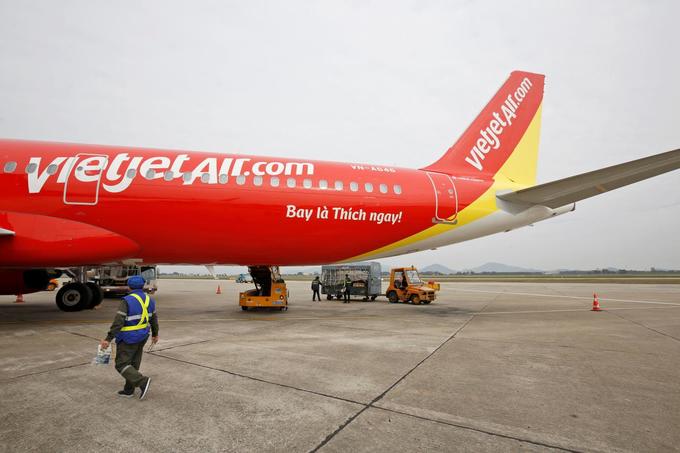
    Vietjet is rolling out a major Summer 2026 promotion, offering 11 million tickets with discounts of up to 100% on base fares. Promotional fares are available for booking from now until 00:59 on 8 May 2026. As part of the campaign, Vietjet is offering 10 million Deluxe tickets at 30% off (excluding taxes and fees) across its flight network for travel through 31 August 2026 (*). Passengers can enjoy the offer by applying promo code SALE55DLX during booking. Deluxe fares include up to 20kg of checked baggage, complimentary seat selection, and flexible itinerary changes.

    In addition, one million Eco tickets are available at 100% off (excluding taxes and fees) with promo code SALE55, valid across all Vietjet routes for travel between 5 September 2026 and 31 March 2027 (*). Passengers booking Eco fares during the promotion will also receive 20kg of complimentary checked baggage.

    For travellers in Singapore, the promotion presents an ideal opportunity to plan their next Vietnam getaway, with Vietjet’s direct services from Singapore to Ho Chi Minh City, Hanoi, Da Nang and Phu Quoc. From vibrant city breaks and cultural escapes to relaxing beach holidays, travellers can choose from a wide range of destinations or plan longer multi-stop journeys across Vietnam.
    To further enhance the summer campaign, passengers who complete a successful booking between now and 19 May 2026 (GMT+8) will receive a lucky draw entry code for the “Fly Vietjet, Strike Gold” program (**). Prizes include one tael of 999.9 gold, silver, e-vouchers worth up to VND 15 million (approx. SGD 725), and other rewards.

    With an extensive network spanning Vietnam and key international destinations, Vietjet continues to connect travellers to vibrant cities in Southeast Asia, as well as Australia, China, India, Japan, South Korea, and beyond. The airline invites passengers to explore new destinations and cultural experiences this summer.

    On board, Vietjet offers a selection of fresh, hot meals and signature Vietnamese dishes such as pho, banh mi, and Vietnamese iced coffee, alongside a variety of international cuisine. Flights are operated by a modern fleet and supported by professional cabin crews, delivering a comfortable and enjoyable travel experience.

    (*) Travel periods and conditions may vary by route. Blackout dates may apply. Please refer here.
    (**) For more details about the “Fly Vietjet, Strike Gold” program, please refer here.

  • Nykaa Faces $210K Lawsuit for Alleged Copyright Violation on Instagram Reels

    Nykaa Faces $210K Lawsuit for Alleged Copyright Violation on Instagram Reels

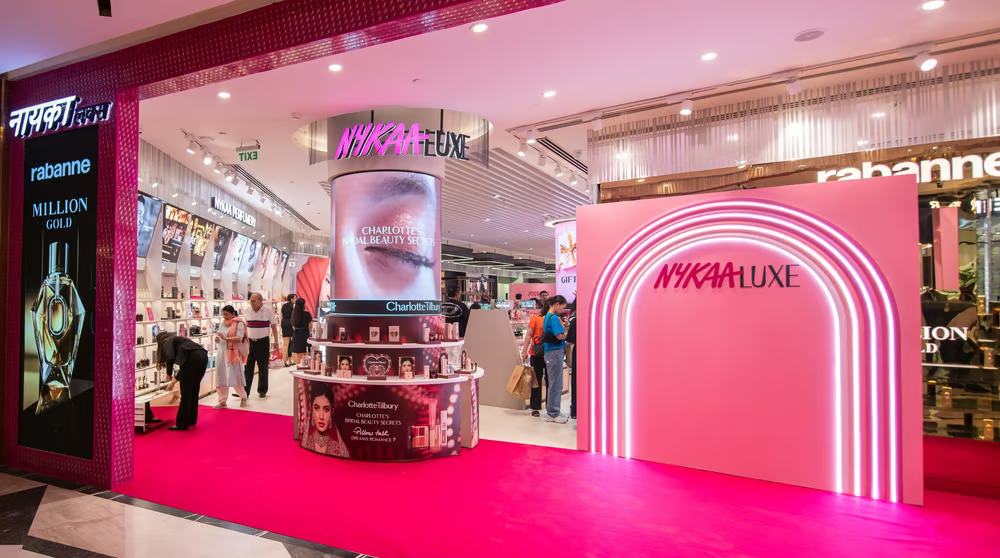
    Zee Entertainment, an entertainment company based in India, has initiated a lawsuit against Nykaa, a fashion and beauty retailer. The entertainment company has accused Nykaa of using its copyrighted songs in promotional reels on Instagram, without the necessary permissions. As a result, Zee Entertainment is seeking $210,000 in damages.

    Zee’s Licensing Agreement with Meta Platforms

    According to the lawsuit filed with the Delhi High Court on April 3, Zee Entertainment holds a licensing agreement with Meta Platforms. This agreement permits individuals to use Zee’s music for non-commercial purposes in their Instagram posts. However, Zee alleges that Nykaa has violated this agreement by using various copyrighted songs to advertise products to its millions of followers on Instagram.

    The lawsuit in question is not available to the public. Both Nykaa and Zee Entertainment have refrained from commenting on the issue.

    Social media platforms such as Instagram, a Meta product, have seen a surge in their use for advertising purposes. Brands now frequently employ short-video formats, often accompanied by popular music, to promote their goods.

    Removal of Flagged Links

    The lawsuit filed by Zee Entertainment cites 12 specific Instagram posts where Nykaa allegedly used Zee’s licensed music unlawfully. Following a brief hearing on Thursday, Nykaa’s legal representative informed the court that the 12 flagged links had been removed.

    Zee’s lawsuit, which spans over 900 pages, asserts that Nykaa utilized the music “without procuring any permissions or authorizations” from the entertainment company. The lawsuit advances a claim for 20 million rupees (approximately $209,742) as compensation for Nykaa’s illicit use of Zee’s music.

    The legal dispute between these two major companies could potentially have broader consequences. Aditya Gupta, a partner at Ira Law in India, suggests that “Marketing departments often use content available on music libraries without reading the fine print of the Instagram terms” and that the court’s decision could “provide much-needed clarity.”

    Questions & Answers

    What is the basis of Zee Entertainment’s lawsuit against Nykaa?
    Zee Entertainment alleges that Nykaa has used its copyrighted music in promotional Instagram reels without the necessary permissions, thereby violating Zee’s licensing agreement with Meta Platforms.

    What action has Nykaa taken in response to the lawsuit?
    Nykaa has removed the 12 specific Instagram posts flagged in Zee’s lawsuit, as reported by their legal representative in court.

    What are the potential implications of this case?
    The case could have wider consequences, potentially affecting the way marketing departments utilize content from music libraries. The decision could also provide clarity regarding the use of such content under Instagram’s terms.

  • China’s Retail Titan Meiyijia Debuts in Vietnam as Ohmee, Eyes Southeast Asia Expansion

    China’s Retail Titan Meiyijia Debuts in Vietnam as Ohmee, Eyes Southeast Asia Expansion

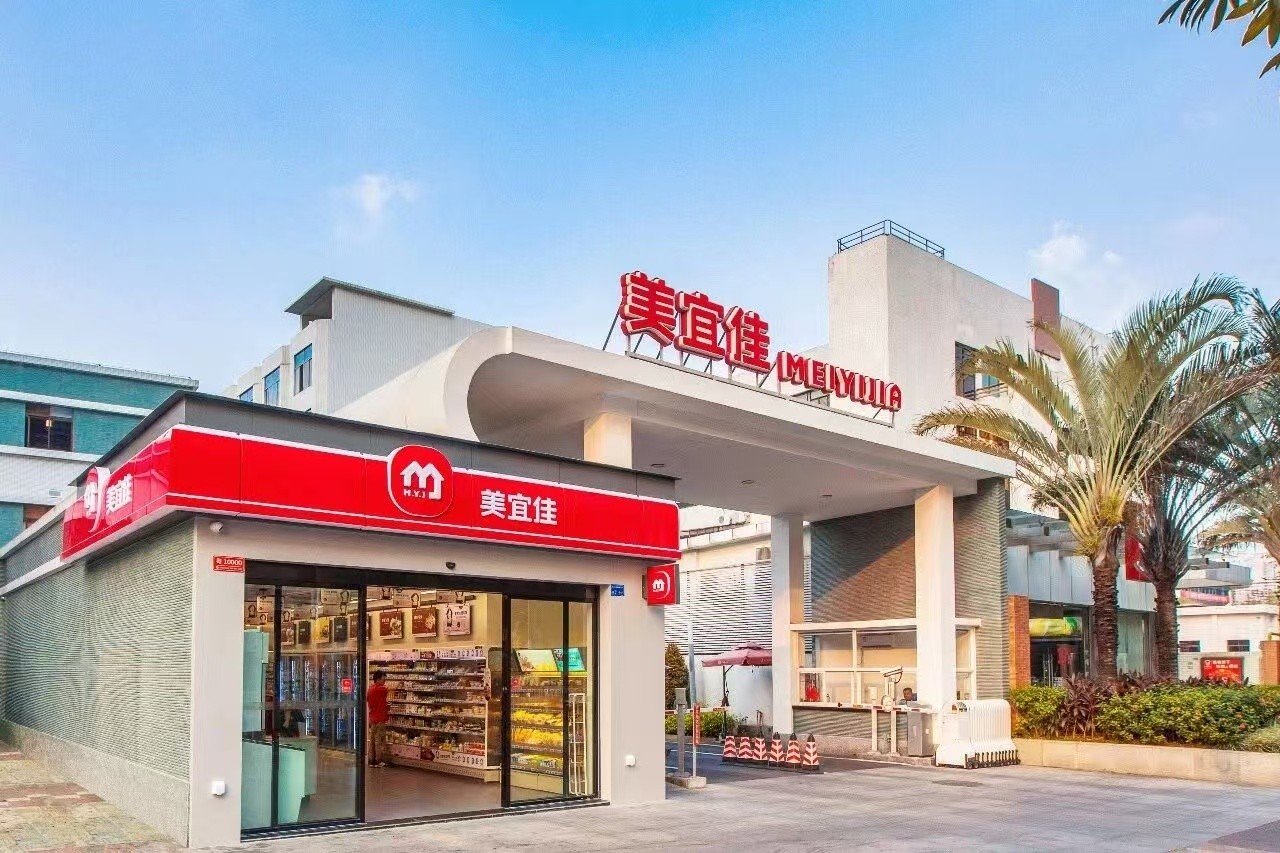
    China’s leading convenience store chain, Meiyijia, is propelling its expansion into Southeast Asia with the launch of its first stores in Vietnam under a fresh international brand, Ohmee.

    Marking the company’s maiden retail venture beyond China, three stores have already been established in Vietnam’s capital city, Hanoi. Ohmee has plans for further growth through franchising, adopting the successful business model that allowed Meiyijia to rapidly scale to a massive network of stores within its domestic market.

    Meiyijia’s Impressive Growth

    Meiyijia, birthed in Guangdong in 1997, has evolved into one of China’s most powerful convenience store chains. It boasts a vast network exceeding 40,000 stores. The key drivers of the company’s domestic growth have been its dense urban coverage and high supply chain efficiency.

    The Retail Landscape in Vietnam

    The convenience store market in Vietnam is dominated by major chains such as Circle K, GS25, Ministop, and 7-Eleven. With its entry into this competitive market, Meiyijia, under its Ohmee brand, intends to make a significant impact. Reports suggest that the company’s expansionary activities are not limited to Vietnam, with Malaysia also being on their radar.

    Questions & Answers

    What is Meiyijia’s new overseas brand called?
    The new overseas brand is called Ohmee.

    Where has Meiyijia opened its first stores outside of China?
    Meiyijia has opened its first stores outside of China in Vietnam’s capital, Hanoi.

    Which other Southeast Asian country is Meiyijia reportedly expanding into?
    Meiyijia is reportedly expanding into Malaysia.