Blog

  • Revitalized Toys R Us Hong Kong Celebrates 40 Years with Fresh Experiential Zones and Exclusive Brands

    Revitalized Toys R Us Hong Kong Celebrates 40 Years with Fresh Experiential Zones and Exclusive Brands

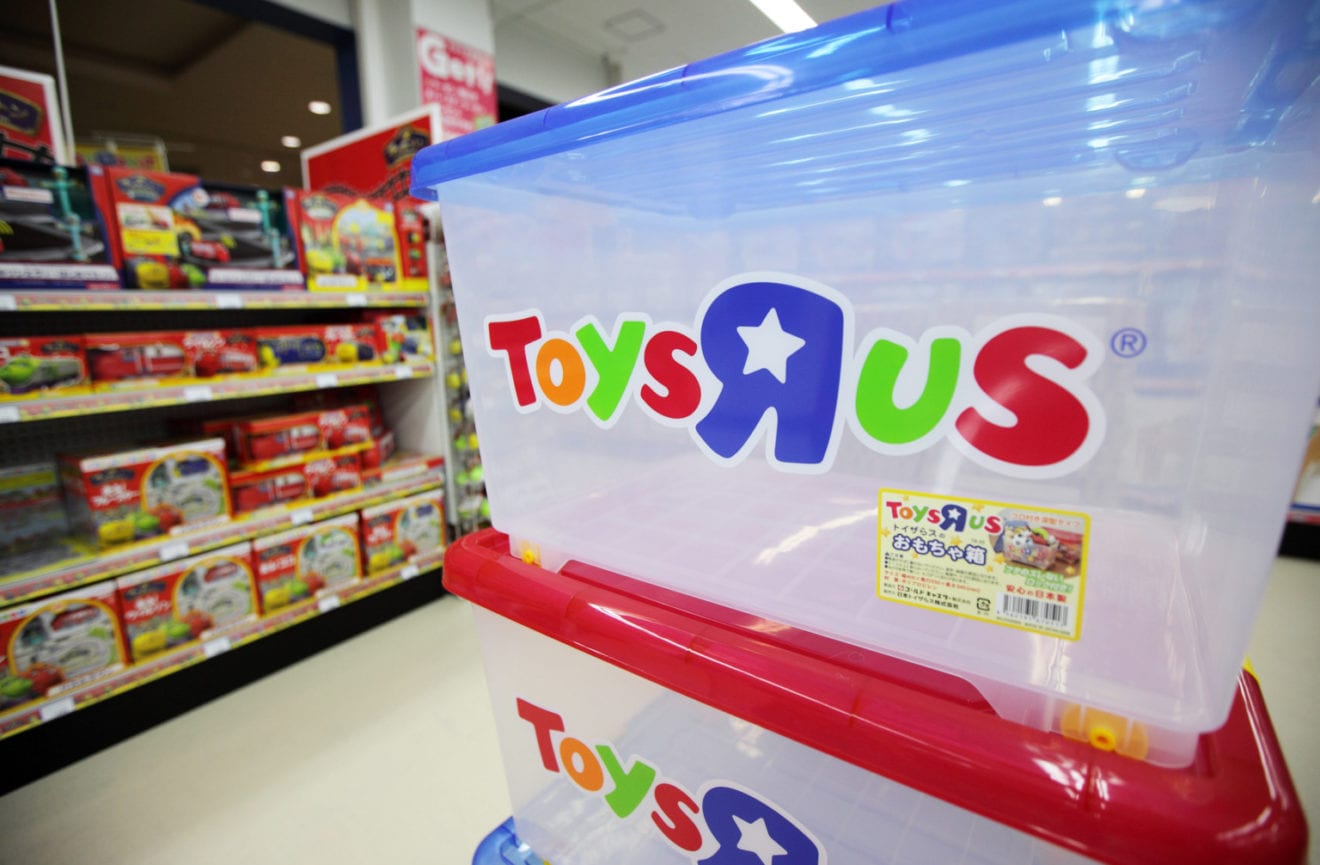
    To commemorate its 40th anniversary in Hong Kong, Toys R Us Asia has unveiled a transformed version of its flagship store in the Ocean Terminal, Tsim Sha Tsui. The store originally opened in 1986 and has been revamped to feature nine new in-store themed concepts and interactive zones.

    Store-in-Store Concepts and Themed Zones

    The remodelled flagship store now showcases dedicated branded areas for popular franchises such as Pokémon, Tomica, Bandai, Lego, Nintendo, Sanrio, Sylvanian Families, Transformers, and VTech. This development includes the introduction of several concepts to the Hong Kong market for the first time. These new features include an integrated Pokémon Play Lab and a Tomica Brand Store, which boasts a collection of over 2,000 die-cast models.

    The CEO of Toys R Us Asia, Leo Tsoi, shared his insights on the upgrade. He said, “Toys R Us is in tune with the increased demand for pop culture and emotionally resonant items from children, Gen Z, and ‘Kidults’. We are committed to introducing animation IPs, collaborative merchandise, and proprietary products. Our aim is to craft more meaningful play and collectible experiences tailored for consumers in Hong Kong and across Asia.”

    Additional Features

    As well as the branded areas, the flagship store also features a Nintendo gaming trial zone, a Sanrio-themed retail space, and a play area for VTech and LeapFrog designed for parent-child interaction. The store creatively incorporates themed zones that reflect local culture and current trends.

    With more than 450 stores across 10 markets, Toys R Us Asia’s focus is on integrating retail with interactive and experiential elements. The revamped Hong Kong flagship store exemplifies this approach. It also exemplifies Toys R Us Asia’s strategic move to expand its appeal beyond children, reaching out to adult collectors and a broader segment of consumers.

    Questions & Answers

    What significant changes have been made to the flagship Toys R Us store in Hong Kong?
    The store has been upgraded to include nine new in-store themed concepts and interactive zones. It also features an integrated Pokémon Play Lab and a Tomica Brand Store, which are first-time additions to the Hong Kong market.

    What is the strategic focus of Toys R Us Asia?
    Toys R Us Asia is focused on integrating retail with interactive and experiential elements. They also aim to broaden their appeal beyond children to include adult collectors and a wider consumer market.

    Who are the target consumers for the revamped Toys R Us store?
    The revamped store targets not only children but also Gen Z and ‘Kidults’ – adults who have an affinity for items traditionally aimed at children. The store also seeks to provide experiences tailored to the specific needs of consumers in Hong Kong and across Asia.

  • Reliance Retail Ups Beauty Game with Acquisition of Priyanka Chopra Jonas’s Anomaly

    Reliance Retail Ups Beauty Game with Acquisition of Priyanka Chopra Jonas’s Anomaly

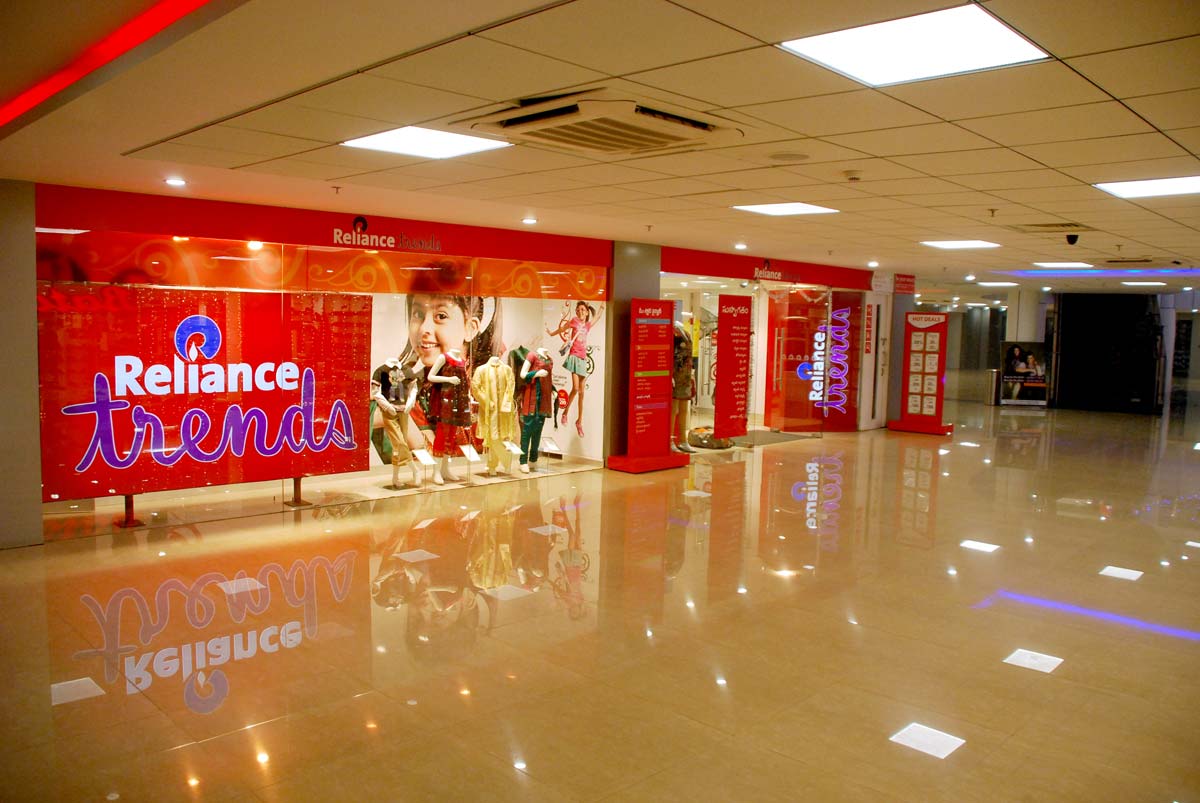
    Reliance Retail, the premier retailer in India, has recently added the Anomaly haircare brand, owned by globally renowned actor Priyanka Chopra Jonas, to its portfolio.

    Strategic Acquisition of Anomaly

    Anomaly was established by Chopra Jonas in 2021. It offers a range of affordable vegan haircare products that are sold globally. The brand was acquired from Maesa, a U.S.-based beauty company. The acquisition marks a strategic move for Reliance Retail as it continues to diversify its range of offerings with cutting-edge, fast-growing beauty brands.

    Isha Ambani, Executive Director at Reliance Retail Ventures, commented on the acquisition. She stated that Anomaly’s powerful global presence, commitment to clean formulation, and affordable pricing make it a valuable addition to the company’s ecosystem. Ambani sees substantial potential for growth in a collaborative effort with Chopra Jonas, aiming to expand Anomaly’s market in India by capitalizing on Reliance Retail’s omnichannel capabilities and deep consumer insight, while also increasing the brand’s international footprint.

    Plans for Expansion

    Reliance Retail intends to concentrate on expanding Anomaly’s presence in India. The company will also work towards increasing the brand’s market in North America, the United Kingdom, and the Middle East.

    Chopra Jonas expressed her excitement about the new journey Anomaly embarks on following the acquisition by Reliance Retail. She remarked that what started as a deeply personal endeavor has now evolved into a brand with a significant purpose and global ambitions.

    Questions & Answers

    What is Anomaly and who owns it?
    Anomaly is a vegan haircare brand that was founded in 2021 by the world-renowned actor Priyanka Chopra Jonas.

    Who acquired Anomaly?
    Anomaly was recently acquired by Reliance Retail, the largest retailer in India.

    What are Reliance Retail’s plans for Anomaly?
    Reliance Retail plans to expand Anomaly’s presence in India using its omnichannel capabilities and deep consumer insights. It also aims to increase the brand’s market in North America, the United Kingdom, and the Middle East.

  • SM Home Revolutionizes Retail with Innovative Store Concept in Makati Flagship Overhaul

    SM Home Revolutionizes Retail with Innovative Store Concept in Makati Flagship Overhaul

    SM Home, the popular home and living subsidiary of Philippine retail giant SM, is set to unveil its freshly redesigned Makati flagship store this week. This debut also marks the commencement of a wider overhaul of SM Home’s retail format.

    Innovation in Store Design

    The Makati branch is the pioneer location to be revamped under SM Home’s novel framework, with plans to apply the same blueprint to SM Home Aura and SM Home Megamall stores in the near future.

    The redesigned stores feature a meticulously reconfigured layout, segmenting the store into dedicated zones for kitchen, dining, living, bedroom, bathroom, storage, laundry, cleaning, and a gift registry. This restructure aims to offer a streamlined, efficient shopping experience for customers.

    Beyond Visual Appeal

    Janice Yang, Business Unit Head at SM Home, emphasized that the modifications extend beyond mere aesthetic enhancements. These changes include thorough product curation, brand identity revamp, and a comprehensive transformation of the overall in-store experience.

    The innovative concept keenly blends core household essentials with more “aspirational products”. This fusion allows customers to make everyday purchases and more significant, higher-value investments within a single retail environment.

    Commitment to Customer Satisfaction

    Yang added, “We are rebuilding SM Home, starting with Makati, because Filipinos deserve a home store that is built for real life.” This statement resonates with SM Home’s commitment to offering its customers a retail experience tailored to their real-life needs and preferences.

    With over 70 nationwide locations, SM Home aims to gradually extend this novel retail format to its other stores nationwide.

    Questions & Answers

    What is the new store layout of SM Home’s redesigned stores?
    The newly designed stores are divided into dedicated zones for kitchen, dining, living, bedroom, bathroom, storage, laundry, cleaning, and a gift registry.

    What changes were made in the SM Home’s store redesign?
    The redesign includes a complete overhaul of the store layout, product curation, brand identity revamp, and an overall transformation of the in-store experience.

    What is the objective behind SM Home’s store redesign?
    SM Home aims to offer Filipinos a home store experience that is built for real life, combining everyday household essentials and higher-value aspirational products in a single retail environment.

  • Weight-Loss Medications Boost Mint and Gum Sales: Hershey Rides the ‘Ozempic Breath’ Wave

    Weight-Loss Medications Boost Mint and Gum Sales: Hershey Rides the ‘Ozempic Breath’ Wave

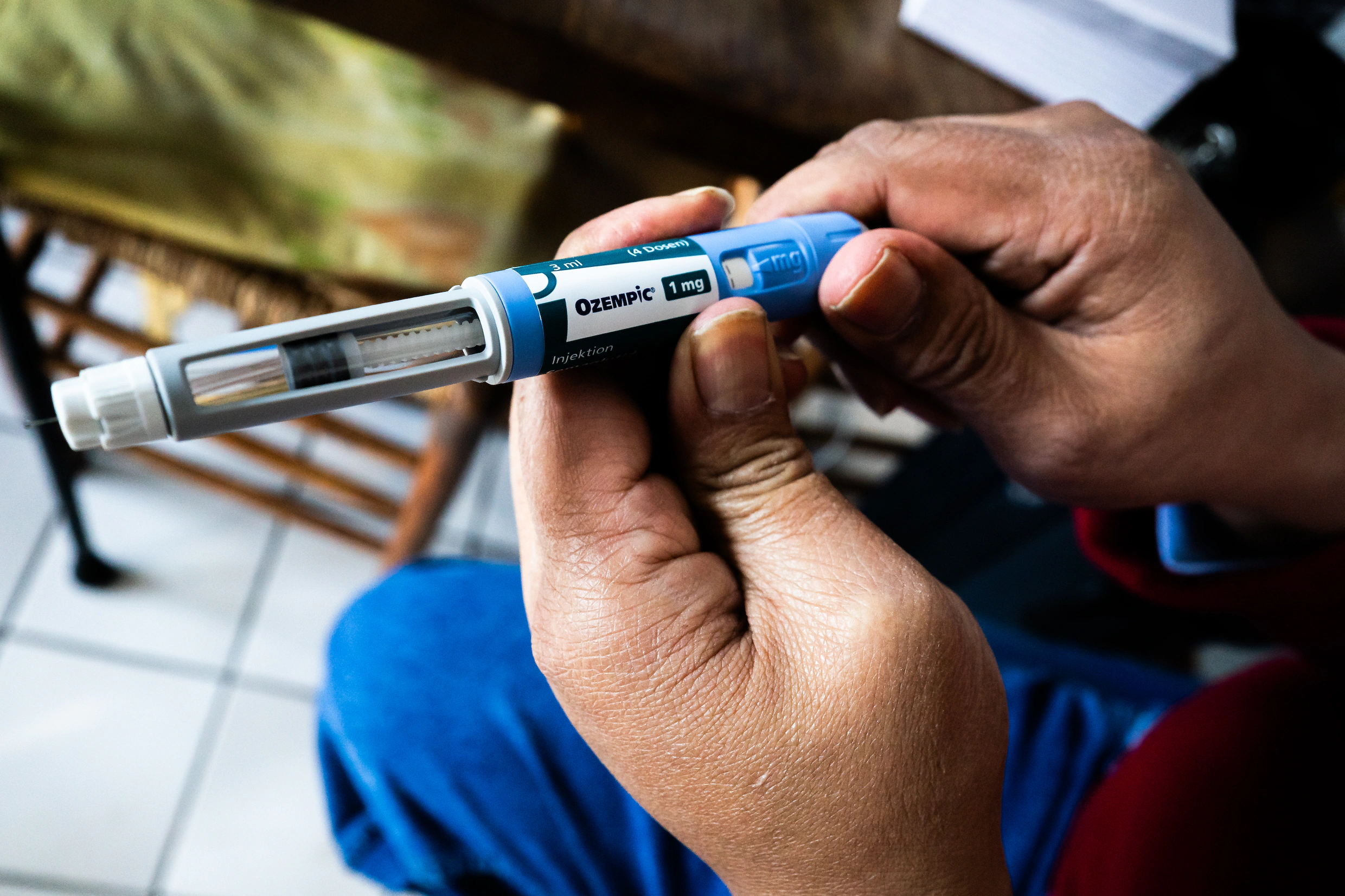
    The Hershey Company recently highlighted a surprising uptick in their sales of mints and gum, which they attribute to the rising prevalence of weight-loss drugs and the consequent shift in consumers’ snacking habits. The company noted that the demand for products that freshen breath has grown in tandem with the trends toward “functional snacking” associated with the consumption of medications like Ozempic and Wegovy.

    Kirk Tanner, Hershey’s CEO, stated, “We’ve noticed a robust demand for gum and mints as they benefit from the tailwinds of functional snacking, influenced by the adoption of GLP-1 medications.” He also pointed out that the retail sales for Ice Breakers, the company’s third-largest confection brand, saw an increase of over 8% during the quarter.

    While the Hershey Company did not directly associate this trend with specific side effects, it is worth noting that some consumers taking GLP-1 medications have reported experiencing halitosis, colloquially referred to as ‘Ozempic breath’. Medical professionals suggest that this could be due to dry mouth resulting from dehydration or changes in saliva production, notwithstanding the fact that it is not officially listed as a side effect.

    This shift in consumption habits has not only impacted the mint and gum market but has also influenced other sections of the snacking industry. For instance, premium chocolate manufacturer Lindt & Sprungli has reported a marked increase in US sales among GLP-1 users. Similarly, Magnum Ice Cream Company has noticed that the trend is bolstering the demand for smaller, higher-quality snacks.

    Peter ter Kulve, the CEO of Magnum Ice Cream Company, said, “As consumers who use GLP-1s are eliminating lower-quality snacking options first, categories such as premium chocolate, premium ice cream, and protein snacks could potentially acquire a larger share of the overall snacking market.”

    Questions & Answers

    **What has been the trend in Hershey’s sales of mints and gum?**
    Hershey’s has observed an unexpected surge in their sales of mints and gum, which they attribute to changing consumption patterns due to the increased use of weight-loss drugs.

    **What are the potential reasons for the ‘bad breath’ experienced by some users of GLP-1 medications?**
    Medical professionals suggest that the bad breath experienced by some users of GLP-1 medications could be due to dry mouth resulting from dehydration or changes in saliva production.

    **How has the shift in snacking habits influenced other sectors of the snacking industry?**
    The shift in consumption patterns is supporting the demand for smaller, higher-quality snacks in other sectors of the industry. Companies like Lindt & Sprungli and Magnum Ice Cream Company have reported increased sales among users of GLP-1 medications.

  • Grab Defies Fuel Crisis with Double-Digit Growth: Record Earnings and Soaring Demand in Q1

    Grab Defies Fuel Crisis with Double-Digit Growth: Record Earnings and Soaring Demand in Q1

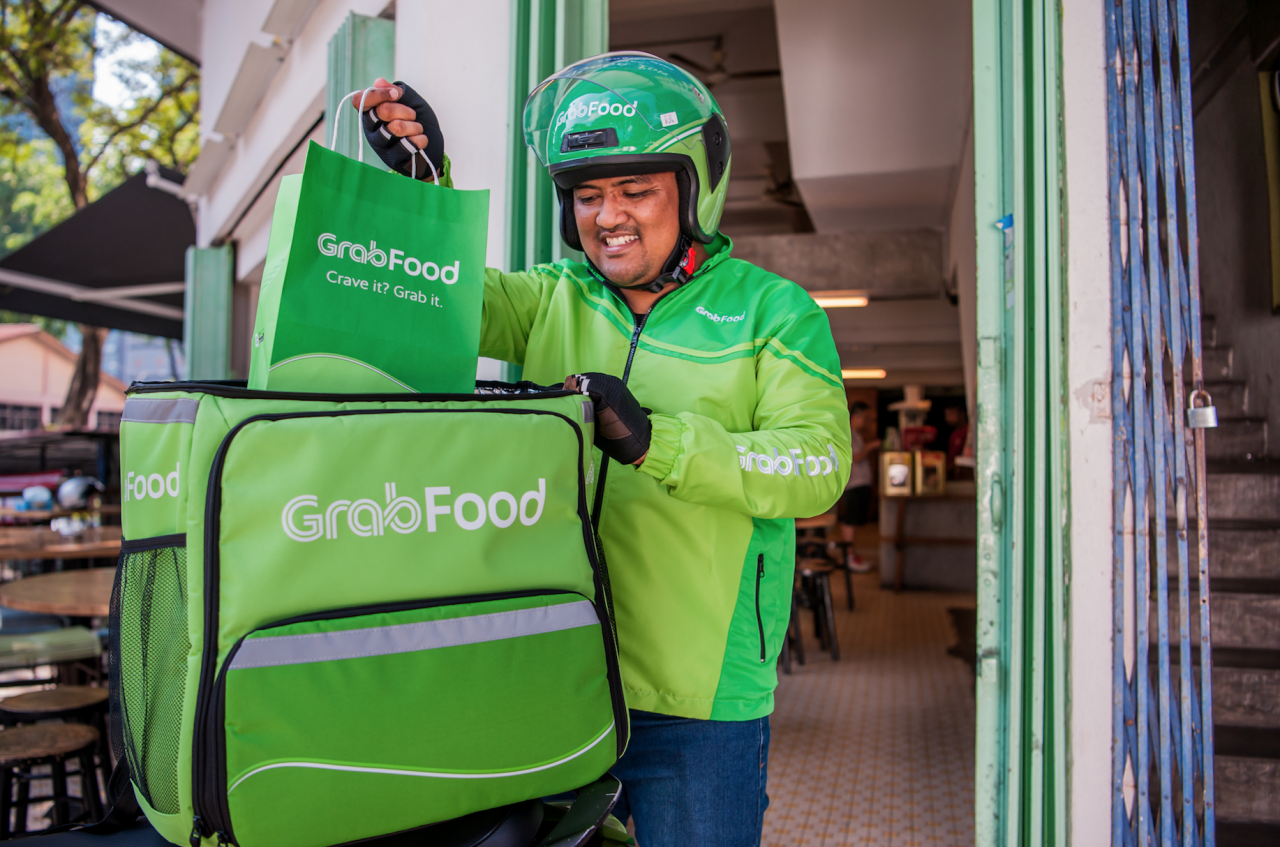
    Singapore-based Grab Holdings kicked off the new financial year on a high note, reporting double-digit growth in its first-quarter revenue and earnings, reflecting the company’s robust resilience in the face of market fluctuations.

    Impressive First-Quarter Results

    Grab’s revenue for the first quarter, ending March 31, climbed by 24%, amounting to US$955 million. This represents a 19% increase when considered on a constant currency basis.

    The gross value of the company’s on-demand merchandise, a key indicator of transactions from Grab’s mobility and delivery branches, also witnessed a significant jump. It surged by 24% according to reported figures and 21% on a constant currency basis.

    The firm recorded a striking 46% increase in its Adjusted EBITDA, reaching a record-setting figure of $154 million. Profits also displayed an upward trend, going from $10 million in the previous year to $120 million.

    Grab’s Group CEO and Co-founder, Anthony Tan, attributed these strong outcomes to the resilience of the company’s platform, particularly in the face of Southeast Asia’s unpredictable macroeconomic climate, which is currently grappling with a fuel crisis.

    Supporting Driver-Partners Amid Rising Fuel Prices

    Grab acknowledged an increase in its on-demand incentives during the quarter. This move was taken to bolster the earnings of driver-partners as fuel costs across the region spiral upwards. It also aimed to cater to the increased demand during the festive season.

    Segment-Wise Performance

    Looking at the performance of different sectors, the delivery revenue witnessed a 23% surge, totaling $510 million. The mobility revenue increased by 19%, amounting to $337 million. The financial services sector also saw a boost in revenue, with a 43% rise that led to $107 million.

    Outlook for the Full Year

    For the upcoming year, Grab maintains its revenue forecast, predicting a figure between $4.04 billion and $4.10 billion, indicating a 20-22% rise. The Adjusted EBITDA is also expected to grow by 40-44%.

    As the company moves forward, it reaffirms its commitment to ensuring durable, profitable growth while standing in solidarity with its communities. According to Tan, the company plans to leverage AI to deliver hyper-personalized experiences for users while creating more sustainable earning opportunities for ecosystem partners.

    Expansion Beyond Southeast Asia

    Earlier this year, Grab made its debut outside Southeast Asia by acquiring Delivery Hero’s Foodpanda business in Taiwan for $600 million.

    Questions & Answers

    What was Grab’s first-quarter revenue?
    Grab’s revenue for the first quarter was US$955 million, representing a 24% increase.

    What steps has Grab taken to support its driver-partners amid the fuel crisis?
    Grab has increased its on-demand incentives to bolster the earnings of driver-partners affected by rising fuel costs.

    What are Grab’s revenue predictions for the upcoming year?
    Grab estimates its revenue to be between $4.04 billion and $4.10 billion, indicating a 20-22% rise.

  • PepsiCo NZ Revolutionizes Snack Game with Mini Canisters and Bluebird Crackers: Trustworthy Brands in Exciting New Formats

    PepsiCo NZ Revolutionizes Snack Game with Mini Canisters and Bluebird Crackers: Trustworthy Brands in Exciting New Formats

    PepsiCo New Zealand has announced the addition of two innovative product offerings to its popular snack portfolio. The new product lines include Bluebird-branded crackers and a ‘Mini Canister’ range, marking a significant shift in the company’s strategy as they move their existing flavour profiles across varied food categories and packaging formats.

    Product Rollout

    The new additions consist of two distinctive formats: Mini Canisters priced at an RRP of NZ$4.99 and Bluebird Crackers at an RRP of $3.79. The Mini Canisters comprise smaller versions of fan-favourite snacks such as Doritos Cheese Supreme, Grain Waves Sour Cream & Chives, and Cheetos Cheese & Bacon, all conveniently packaged in portable containers.

    On the other hand, the Bluebird Crackers consist of oven-baked biscuits. They’ve been designed to incorporate flavours previously unique to the company’s potato chip range. These flavours include Cheddar Cheese, Salt & Vinegar, Sour Cream & Chives, and Crispy Chicken.

    Both the Mini Canister and Bluebird Cracker ranges will be made available throughout major supermarkets across the country, offering consumers wide access to these new snack options.

    Meeting Consumer Needs

    Lee Kent, GM of NZ Foods at PepsiCo, shared insights about the new product launches. According to Kent, the company’s latest offerings reflect the preferences of Kiwi consumers who value choice, convenience, and the trust they place in familiar brands that continue to innovate.

    Kent further expressed PepsiCo’s commitment to growing its snack category through these new products. The ultimate goal, he shared, is to continue introducing fresh, relevant innovations that meet and exceed consumer needs and expectations.

    Questions & Answers

    What are the new product lines PepsiCo New Zealand has introduced?
    PepsiCo New Zealand has launched two new product lines – Bluebird-branded crackers and a ‘Mini Canister’ range.

    What does this expansion indicate for the company?
    This expansion marks a shift in the company’s strategy as they move their existing flavour profiles across different food categories and packaging formats.

    Where will the new snack ranges be available?
    Both the Mini Canister and Bluebird Cracker ranges will be distributed through major supermarkets nationwide.

  • OCBC Bolsters Southeast Asia Presence with Major Acquisition from HSBC Indonesia’s Retail Banking Business

    OCBC Bolsters Southeast Asia Presence with Major Acquisition from HSBC Indonesia’s Retail Banking Business

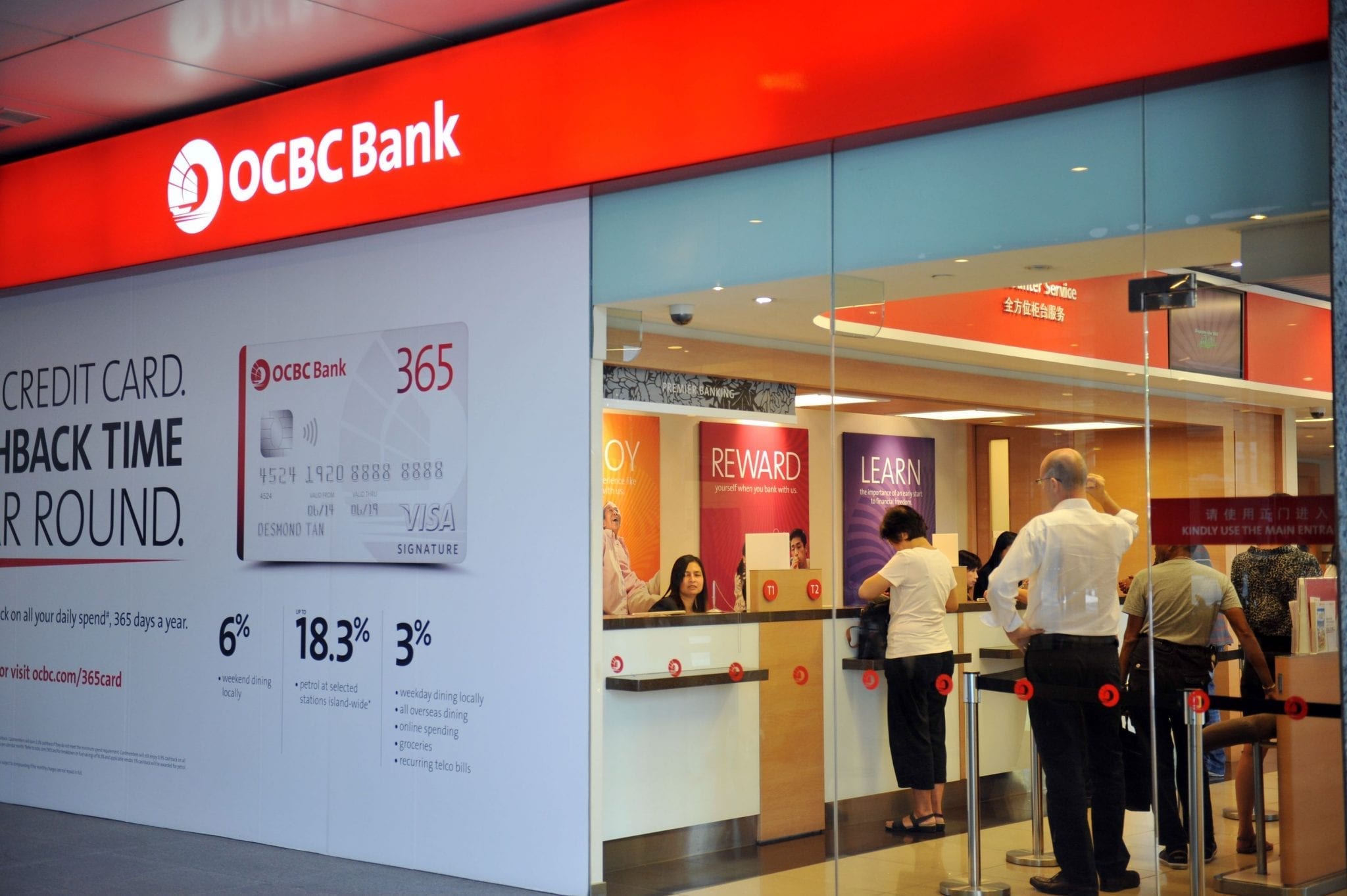
    In a strategic move to bolster its foothold in Southeast Asia’s most significant economy, OCBC has entered into an agreement to procure HSBC’s retail banking and wealth management operations based in Indonesia.

    The Acquisition Details

    OCBC’s Indonesian subsidiary will take over the International Wealth and Premier Banking (IWPB) business of HSBC Indonesia, which includes its assets and liabilities. This acquisition will introduce approximately 336,000 customers to OCBC’s clientele, along with S$6.6 billion (US$4.9 billion) in assets under management (AUM).

    The transaction comprises customer deposits, investment products like mutual funds, bonds, and insurance, in addition to credit cards and retail loans. Furthermore, a small loan book amounting to roughly S$0.3 billion is also set to be transferred.

    OCBC has stated that the ultimate purchase price will be contingent on the net asset value of the business at the time of completion, along with a possible premium of up to S$0.48 billion, subjected to necessary adjustments. The deal is anticipated to be concluded by the second quarter of 2027, with the major bank planning to fund it internally.

    Strategic Expansion in Indonesia

    The purchase plays a significant role in OCBC’s broader scheme to enhance its wealth management prowess and deepen its roots in Indonesia, a critical growth market for the bank.

    OCBC highlighted the significance of IWPB Indonesia, stating it as one of the country’s largest foreign-owned retail banking and wealth platforms. The business currently operates through a network of 261 branches and has garnered widespread recognition in the wealth management sector.

    The completion of the deal is projected to elevate OCBC Indonesia’s AUM by approximately 25% and multiply its credit card balances by over 150%. It will also add an estimated 1,300 employees to its existing workforce.

    In the words of Group CEO Tan Teck Long, the acquisition is in line with the bank’s ‘Next Frontier’ strategy, which emphasizes enlarging its regional franchise and fostering growth in its wealth business.

    Questions & Answers

    What is the projected impact of the acquisition on OCBC Indonesia’s AUM and credit card balances?
    With the completion of the deal, OCBC Indonesia’s AUM is expected to increase by about 25%, and its credit card balances are anticipated to rise by more than 150%.

    What components of HSBC Indonesia are included in the transaction?
    The transaction involves customer deposits, investment products, credit cards, and retail loans from HSBC Indonesia. Additionally, a small loan book worth roughly S$0.3 billion will also be transferred.

    When is the deal expected to be finalized, and how will it be funded?
    The acquisition is planned to be concluded by the second quarter of 2027, with OCBC intending to finance it internally.

  • Skyrocketing Lychee Prices: A Sweet Yet Sour Tale Amid Plummeting Yields

    Skyrocketing Lychee Prices: A Sweet Yet Sour Tale Amid Plummeting Yields

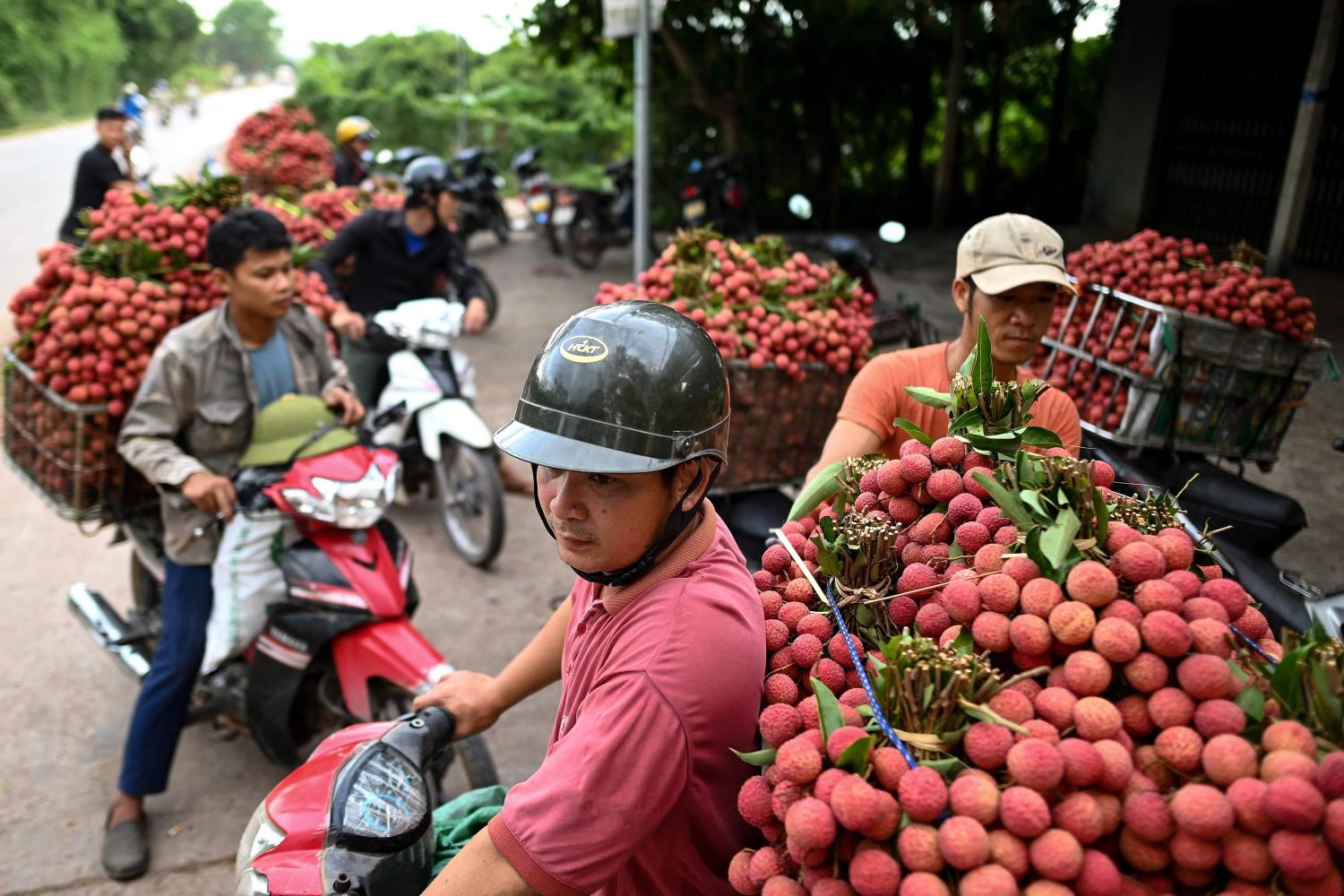
    The cost of lychees has increased by 20% compared to last year due to a decline in production brought about by unfavorable weather conditions. This information comes from Manh, a lychee orchard owner in the Thanh Ha Commune, Hai Phong City, who has seen his yield decrease by 30%, even though he recently sold a ton of the fruit for VND95,000 (US$3.61) per kilogram.

    Harvest Decline

    Pham Thi Van, a fellow farmer in the region, has reported a similar experience. She has only been able to harvest a ton of fruit so far this season, which is only half of last year’s yield.

    Although prices have dropped slightly since mid-April before the harvest, they remain at their highest in years, according to Van.

    Rising Profits

    In the Central Highlands province of Dak Lak, lychees are selling between VND60,000-80,000 per kilogram at the farm gate, which is considerably higher than in previous years. An orchard owner in the province confirmed that profits have increased as traders are proactively sourcing supply and placing advance orders.

    In Ho Chi Minh City, lychees from Dak Lak are selling for VND140,000-150,000 per kilogram, while specialty egg-shaped lychees from Thanh Ha are selling for VND150,000-180,000 per kilogram. Some stores that transport lychees by air to preserve freshness are charging as much as VND210,000.

    Weather Impact

    The Hai Phong Department of Crop Production and Plant Protection has said that the city has approximately 9,350 hectares of lychee trees, with 35% currently bearing fruit. According to them, a milder winter combined with a lack of cold weather has affected the flowering and fruit set rates of the lychee trees.

    Local authorities have advised farmers to improve crop care procedures and are urging businesses to collaborate with farmers to ensure a stable supply.

    Questions & Answers

    What has caused the increase in lychee prices?
    Poor weather conditions have resulted in a decrease in lychee production, leading to a 20% increase in the cost of the fruit.

    What measures are being taken to ensure a stable supply of lychees?
    Local authorities are encouraging better crop care techniques and pushing for partnerships between farmers and businesses to maintain a steady supply.

    How has the weather impacted the yield of lychee trees?
    A milder winter and a lack of cold weather have negatively impacted the flowering and fruit set rates of the lychee trees, leading to lower yields.

  • Lanvin Takes Strides Towards Stability in Q2 Despite Falling Sales: The Power of Restructuring Examined

    Lanvin Takes Strides Towards Stability in Q2 Despite Falling Sales: The Power of Restructuring Examined

    In the words of Zhen Huang, Chairman, Lanvin experienced a steadier second half following a tumultuous year where restructuring efforts started to show promise. Sales for the brand itself, however, observed a downturn of nearly a third.

    The Current Economic Climate and Restructuring Efforts

    Huang explained that despite the tough macroeconomic environment, the company continued to simplify its operations and bolster the long-term position of its brands.

    The luxury conglomerate, a parent to brands like Lanvin, Wolford, Sergio Rossi, and St John, clocked in a full-year revenue of US$281 million, witnessing an 18% dip compared to the previous year.

    This decrease in revenue mirrored a weakened demand in key markets, including EMEA and Greater China. This was also a result of ongoing plans such as shutting down stores and undertaking renovations.

    The gross profit stood at $164 million, yielding a margin of 58%. Meanwhile, the adjusted EBITDA (earnings before interest, taxes, depreciation, and amortisation) loss slightly reduced to $105.5 million.

    Performance of Individual Brands

    Among all the brands under the group’s umbrella, Lanvin saw the most significant decline with a 30% drop in revenue, which amounted to $68 million.

    Wolford followed suite with a 14% dip in revenue, amounting to $89.1 million. However, the company noticed an uptick in performance in the second half of the year, backed by a robust product inventory and a 19% surge in wholesale revenue.

    Sergio Rossi also experienced a decline in revenue by 30%, bringing it down to $35.2 million.

    Contrarily, St John demonstrated resilience as its revenue experienced a minor 1% drop, amounting to $91.5 million. The brand saw growth in the North American region and an increase in wholesale and e-commerce sales.

    Huang expressed optimism regarding the upward momentum observed in the second half of the year and remained hopeful about the group’s ability to yield sustainable growth over time.

    Questions & Answers

    What was the full-year revenue of the luxury group?
    The group reported a full-year revenue of US$281 million.

    Which brand under the group’s umbrella recorded the sharpest decline in revenue?
    Lanvin recorded the sharpest decline in revenue with a 30% fall.

    Which brand proved to be more resilient and saw growth?
    St John demonstrated resilience by maintaining its revenue with only a 1% drop and experiencing growth in North America with stronger wholesale and e-commerce sales.

  • KFC China Rides High on Delivery Boom, Yet Battles Margin Squeeze

    KFC China Rides High on Delivery Boom, Yet Battles Margin Squeeze

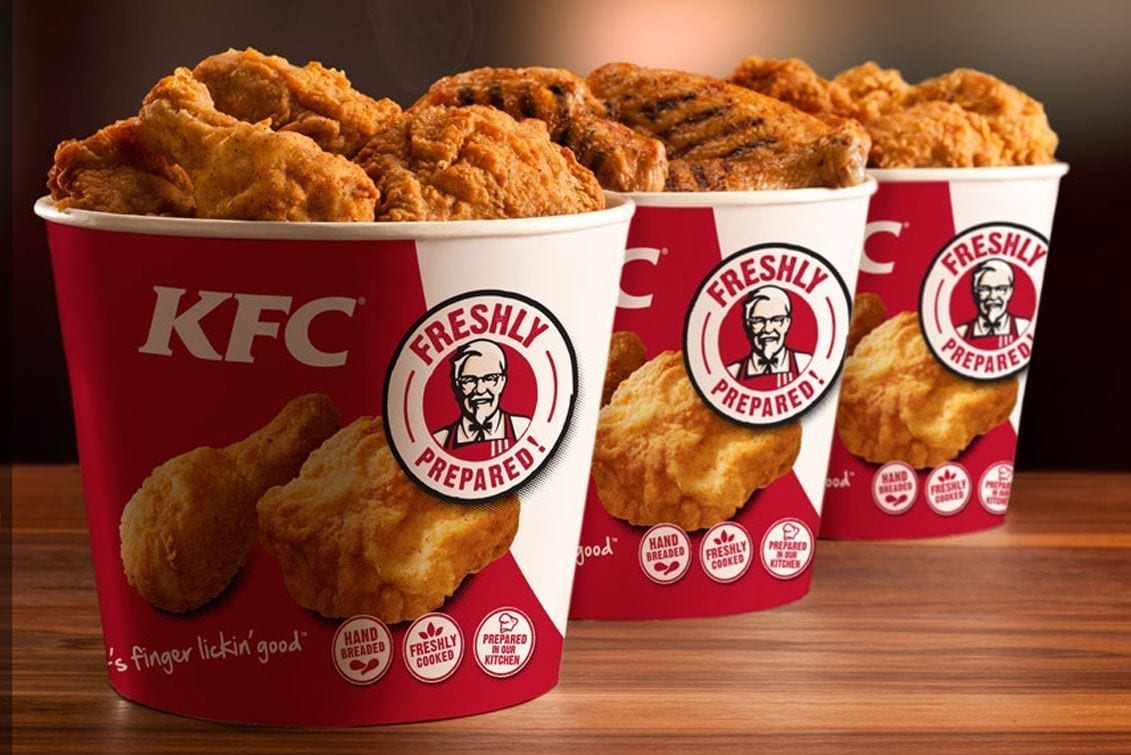
    The surge in food deliveries is significantly transforming KFC China, the country’s top restaurant brand, leading to increased sales but tighter profit margins.

    Delivery sales for the brand witnessed a year-on-year growth of 33%, making up approximately 55% of total sales, a significant increase from 43% the previous year, according to parent company Yum China.

    Adrian Ding, the CFO of Yum China, communicated to investors during the earnings call that they consider this a sustainable trend.

    Despite Yum China’s same-store sales remaining constant, the launch of new outlets increased sales by 4%, and the operating profit rose 12% to US$447 million.

    The food delivery sector in China has seen fierce competition in recent times. E-commerce powerhouses Alibaba and JD have been actively striving to dominate the market share by offering enticing deals and discounts on a variety of menu items, including ice cream, takeaway coffees, and KFC’s signature fried chicken.

    A trend referred to as “instant retail,” which involves delivery of goods within an hour, has attracted the attention of Chinese regulators. They have consistently cautioned against extreme competitive practices among food delivery firms.

    While the growth in deliveries has boosted sales, it has also put pressure on profit margins since Yum China subsidizes them in collaboration with tech companies. Ding indicated that margins would have contracted by 190 basis points due to the increased costs associated with delivery drivers. However, about half of this impact was offset by operational improvements in other areas of the business. The company anticipates a margin expansion throughout the entire year.

    During the earnings call, company executives noted that subsidies for delivery apps have recently decreased, and these apps are now focusing more on larger food orders. “We appreciate this shift and believe it will positively impact our industry in the long run,” stated CEO Joey Wat. The executives also shared that delivery driver expenses account for approximately 30% of the company’s labour costs. Yum China also operates the Chinese divisions of Pizza Hut, Taco Bell, and other restaurants.

    Questions & Answers

    How much have delivery sales grown for KFC China?
    Delivery sales for KFC China have grown by 33% year-on-year.

    What is the impact of the growth in food deliveries on Yum China’s profit margins?
    While the surge in food deliveries has led to increased sales, it is also exerting pressure on profit margins due to the company’s decision to subsidize them.

    What percentage of labour costs at Yum China is attributed to delivery driver expenses?
    Delivery driver expenses account for roughly 30% of the company’s labour costs.

  • Ikea’s Strategic Shift: Smaller Stores Propel China Expansion

    Ikea’s Strategic Shift: Smaller Stores Propel China Expansion

    Swedish furniture giant, Ikea, is intensifying its expansion strategy in China by launching a more compact store model in the eastern part of Beijing. This move is part of the company’s shift from its traditional large-scale stores towards smaller and more accessible locations.

    The New Small-Format Store

    The new Ikea outlet is managed by the Ingka Group and situated in Beijing’s Tongzhou District. It spans over an area of approximately 1,500 square meters, quite a downsize from the standard Ikea store which generally covers around 30,000 square meters. Despite its smaller size, the store still offers an impressive assortment of about 3,000 products.

    Ikea’s latest outlet puts more emphasis on services like home planning, rather than maintaining a large-scale inventory on-site. This innovative approach marks Ikea’s fifth presence in Beijing, and its inaugural location in the city’s eastern region. It also signifies a broader shift in the way the company is tackling the market.

    Shifting from Megastores to Compact, Accessible Locations

    Instead of depending on large-scale destination stores, Ikea is pivoting towards smaller, more accessible locations that are in closer proximity to residential areas.

    Javier Quiñones, the global commercial manager at Ingka Group, commented on this strategic shift. He noted, “The one-size-fits-all approach no longer applies. This makes our current expansion more relevant. We are getting closer to more people than ever, and continually learning how to fine-tune our offerings and presence.”

    This compact store model has already been successfully piloted in Shenzhen, with plans to introduce similar outlets across other major cities.

    Ikea’s Global Expansion

    So far in the current year, Ikea has inaugurated 21 new outlets worldwide, with sizes ranging from a few hundred square meters to over 4,000 square meters. These new outlets are spread across Europe, North America, and Asia. The company also plans to unveil additional locations in forthcoming months.

    Questions & Answers

    What is the size of the new Ikea store in eastern Beijing?

    The new Ikea store in eastern Beijing covers approximately 1,500 square meters.

    What differentiates the new Ikea store from the traditional ones?

    The new Ikea store emphasizes more on services like home planning rather than maintaining a large on-site inventory, and it’s located closer to residential areas.

    How many new Ikea locations have opened globally this year?

    Ikea has opened 21 new locations globally this year.

  • Vietnam Airlines Sees 30% Q1 Profit Surge to $171M Amid Strong Tet Demand and European Expansion

    Vietnam Airlines Sees 30% Q1 Profit Surge to $171M Amid Strong Tet Demand and European Expansion

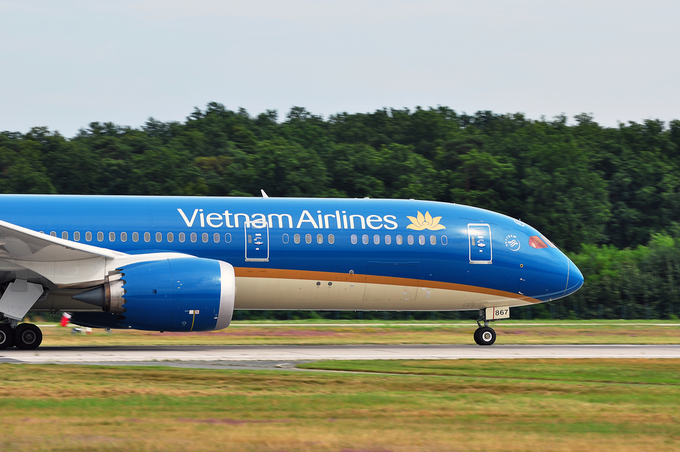
    In the first quarter, Vietnam Airlines experienced a surge in pre-tax profits, reaching over VND4.5 trillion (US$171 million), a 30% increase compared to the same period last year. This substantial growth is attributed to high demand during the Tet holiday and the introduction of new European routes.

    Rising Revenue

    The airline’s consolidated revenues witnessed a 23% rise, totaling VND37.5 trillion. The Lunar New Year’s peak travel season, typically spanning from mid-January to mid-February, contributed significantly to this growth. Daily flights during this period numbered between 660 and 670, marking a 13% increase from the previous Tet season in 2025.

    New European Destinations

    International expansion also significantly bolstered the airline’s performance, especially the addition of fresh European destinations to its schedule. The revenue from international services experienced a 28.6% increase, a stark contrast to the mere 2.9% uptick in domestic revenues.

    At present, Vietnam Airlines operates 11 direct flights to Europe. It has plans to launch a Hanoi-Amsterdam service in June and boost the Hanoi-Moscow service to four flights each week from July, up from the current three flights per week.

    In the first quarter, the airline transported over 6.9 million passengers across nearly 43,000 flights, showing a year-on-year growth of 12% and 11% respectively.

    Future Concerns

    Despite the turbulence in global energy markets caused by conflicts in the Middle East since early March, Vietnam Airlines’ performance in the first quarter remained largely unaffected. However, the airline foresees potential challenges in the second quarter due to rising fuel prices.

    By late April, Jet A1 fuel prices were estimated at $190-220 per barrel, approximately three times the regular levels, occasionally even exceeding $240. A $1 per barrel increase in fuel prices adds an additional VND300 billion to Vietnam Airlines’ yearly costs.

    In response to these challenges, the airline plans to maintain flexible operations and optimize crucial domestic and international routes.

    Questions & Answers

    What factors contributed to the surge in Vietnam Airlines’ pre-tax profits?
    The significant increase in pre-tax profits can be attributed to high demand during the Tet holiday and the addition of new European routes.

    How is Vietnam Airlines planning to handle the potential challenges due to rising fuel costs?
    The airline plans to maintain flexible operations and optimize key domestic and international routes to mitigate risks associated with increasing fuel prices.

    What future plans does Vietnam Airlines have for its European services?
    The airline plans to launch a Hanoi-Amsterdam service in June and increase the frequency of the Hanoi-Moscow service to four times per week, up from the current three, starting from July.

  • 3Coins Launches Largest Flagship Store in Hong Kong’s Kai Tak, Showcasing Japan’s Finest Goods

    3Coins Launches Largest Flagship Store in Hong Kong’s Kai Tak, Showcasing Japan’s Finest Goods

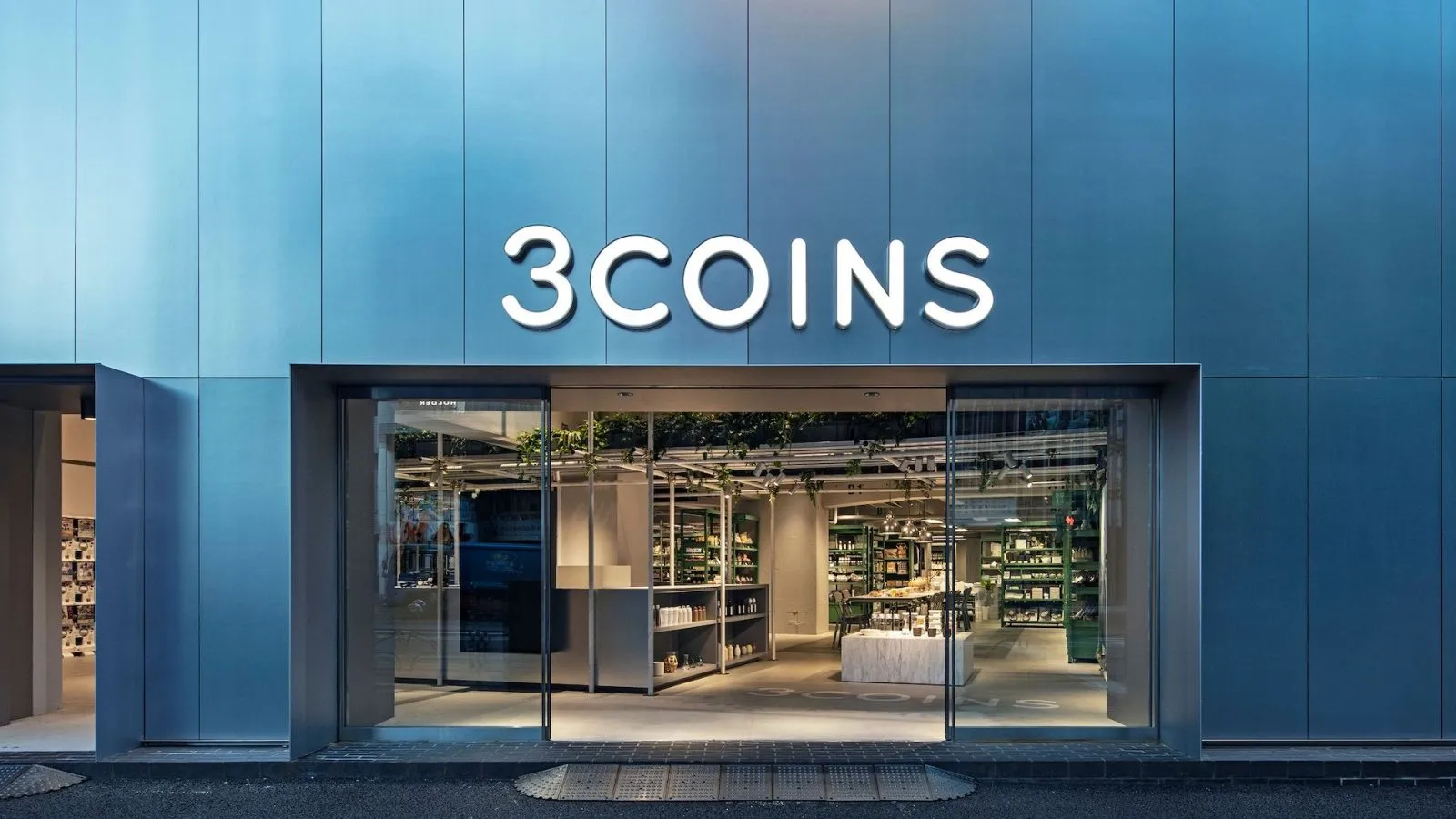
    Japanese discount retail chain, 3Coins, has expanded its global presence by unveiling its most substantial flagship store in Hong Kong. The new location is nestled in the Airside district of Kai Tak, providing a massive retail space of 5,100 square feet.

    A Wide Array of Products

    This massive store features an extensive variety of more than 2,500 items. Customers will have a plethora of choices from storage solutions to household items, accessories, and even seasonal goods. The store aims to meet a wide range of consumer needs and expectations.

    Unique Store Features

    In addition to its broad product range, the flagship store has several unique attributes, including a dedicated section showcasing an assortment of ‘Made in Japan’ food items, a unique pet zone, and a travel-themed area that pays tribute to Kai Tak’s aviation history.

    The store’s design also prioritizes the comfort and convenience of its shoppers. Wider walkways have been integrated into the store layout, enabling shoppers with pets to move around effortlessly.

    Developing Connections

    Yaichi, the operator of 3Coins in Hong Kong, noted that the store’s launch signifies more than just the expansion of the retail chain. “This is another step in building not just stores, but platforms where Japanese brands can establish significant connections with overseas consumers,” Yaichi said.

    3Coins, since its founding in 1994, has been recognised for its “plus-value” concept, with most items generally priced around JPY$300.

    Questions & Answers

    What is the size of the new 3Coins flagship store in Hong Kong?
    The new 3Coins flagship store in Hong Kong provides a massive retail space of 5,100 square feet.

    What unique features does the 3Coins store in Hong Kong offer?
    In addition to its broad product range, the store offers a variety of ‘Made in Japan’ food items, a unique pet zone, and a travel-themed area that pays tribute to Kai Tak’s aviation history.

    What is 3Coins’ “plus-value” concept?
    The “plus-value” concept of 3Coins refers to the retailer’s pricing strategy of offering most items at around JPY$300.

  • Balenciaga Unveils First Duplex Flagship Store in Hong Kong: A New Level of Luxury at K11 Musea

    Balenciaga Unveils First Duplex Flagship Store in Hong Kong: A New Level of Luxury at K11 Musea

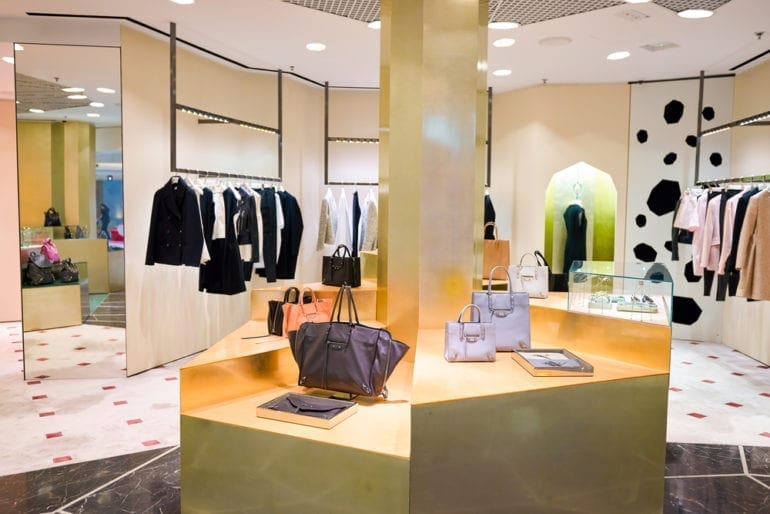
    Balenciaga, the luxury fashion brand, has launched its first ever two-level flagship store at K11 Musea, located in the bustling Tsim Sha Tsui district of Hong Kong.

    Details of the New Store

    Occupying a generous 461 square meters of retail space spread over two levels, the store offers a vantage point over Salisbury Road. The interior design cleverly juxtaposes industrial materials with high-end luxury finishes, a design concept that the brand refers to as its ‘Raw Architecture’ aesthetic.

    The store’s extensive inventory includes both men’s and women’s ready-to-wear collections, footwear, bags, accessories, jewelry, and eyewear. It also features products exclusive to this store.

    Innovative Features

    In addition, the new flagship store includes an exclusive area for Very Important Clients, designed for private appointments. This is a first for Balenciaga in Hong Kong. The design of this area takes inspiration from the fitting rooms of Balenciaga’s Paris Couture Store.

    Part of a Wider Luxury Brand Upgrade

    This launch comes as part of a larger luxury brand upgrade program at K11 Musea. In recent times, the retail complex has seen significant store upgrades from other high-end brands including Audemars Piguet, Van Cleef & Arpels, and Dior Beauty.

    Furthermore, K11 Musea has recently become home to the Delvaux Hong Kong flagship store and the largest Tory Burch store in the city, as part of its ongoing efforts to enhance its luxury brand portfolio.

    Questions & Answers

    What is unique about the new Balenciaga store in Hong Kong?
    The new store is Balenciaga’s first two-level flagship store in Hong Kong. It also introduces a private appointment area for Very Important Clients, a first for Balenciaga in the city.

    What is the ‘Raw Architecture’ aesthetic?
    ‘Raw Architecture’ refers to Balenciaga’s signature design style that combines industrial materials with high-end luxury finishes.

    What is the significance of the store’s location at K11 Musea?
    The store’s location at K11 Musea is significant as the retail complex is currently undergoing a luxury brand upgrade program. The complex is home to a number of high-end brands and is actively enhancing its luxury brand portfolio.

  • E-Commerce Boom Sparks Exodus from Hanoi’s Prime Retail Spaces Despite Slashed Rents

    E-Commerce Boom Sparks Exodus from Hanoi’s Prime Retail Spaces Despite Slashed Rents

    Despite steep rent discounts offered by landlords, numerous stores in prime retail locations in Hanoi are shutting down, unable to withstand the pressure from the burgeoning e-commerce industry. Last month, Thai Hoang, a 39-year-old retailer, abandoned his spacious 40-square-meter clothing store on Thai Ha Street, a renowned fashion destination in the city. Even when faced with a 6% reduction on the monthly rent of VND35 million (approximately USD1,330), declining sales led Hoang to relocate his business online.

    A Shift in Retail Trends

    Several businesses situated on prominent retail streets such as Thai Ha, Kim Ma, and Hue have followed a similar trajectory in recent months, vacating their premises despite landlords’ desperate attempts at retention through double-digit discounts. On Kim Ma and Nguyen Thai Hoc Streets, well-known for their blend of fashion stores and food and beverage outlets, a significant number of “for lease” and “for sale” signs can be observed.

    Mai Loan, an experienced property broker in Hanoi, identifies the townhouse segment as being in a prolonged slump, with small, narrow properties with limited parking struggling to maintain viability even in prime locations.

    Not Just a Temporary Setback

    Statistics from the online listing platform Batdongsan indicate a 22% drop in private housing interest in Hanoi since the end of last year, with average asking rents for townhouses in certain areas dropping by 13-37% from their 2025 peaks.

    Mai Vo, director of retail services at property consultancy CBRE Vietnam, suggests that this lack of tenants in prime locations is not a temporary downturn but signifies a major market shift. In the past, businesses were willing to pay premium prices for central street locations for branding purposes. However, the rise of e-commerce and integrated shopping malls has drastically altered consumer behavior, diminishing the allure of standalone retail outlets.

    The Market Rebalances

    In response to this shift, landlords are compelled to reduce rents to retain tenants. “Adjusting rents is a sign that the market is rebalancing,” Vo added. Rapidly rising rents in previous years have also reduced the competitiveness of townhouses, with many properties deteriorating and unable to meet branding requirements, thus becoming less appealing.

    Hoang Nguyet Minh, general director of property consultancy Cushman & Wakefield Vietnam, added that the pressure from stringent urban management and sidewalk regulations had also made it difficult for many food businesses to continue operating in small, narrow spaces. However, she believes that this presents an opportune moment to secure prime business locations as the market currently has ample affordable supply.

    Questions & Answers

    Why are retail businesses in Hanoi vacating their premises?
    Many businesses are struggling to survive amid the e-commerce boom, with declining sales forcing them to relocate their businesses online.

    What factors are leading to this trend?
    The rise of e-commerce and integrated shopping malls have significantly affected consumer behavior, reducing the attractiveness of standalone retail outlets, even in prime locations.

    How is the market responding to this shift?
    The market is responding by rebalancing, with landlords reducing rents to retain tenants. Meanwhile, businesses are adapting by shifting their focus to online sales.