Blog

  • AEON Shares Double Happiness at 18th Money Expo Bangkok

    AEON Shares Double Happiness at 18th Money Expo Bangkok

    AEON Thana Sinsap (Thailand) Public Company Limited is preparing to offer a variety of promotions at the 18th Money Expo Bangkok. AEON will be on hand to provide products and information on a variety of financial services, including Personal Loans; Your Cash; AEON Auto Loan; Cash Advance, AEON member applications and the special promotion with Honda motorcycle installment plans, with 0.89% interest rate for 48 months or a gold installment loan with 0% interest rate for 6 months. In addition, AEON shares double happiness to customers who spend according to the conditions. 1st Happiness is a chance for instant win, round trip Thai Airways ticket from Bangkok to Japan for 2 persons or a 1 Baht/15.16 grams gold necklace valued 20,020 THB, 2nd Happiness is Big C gift vouchers, Harry Handed doll pillow, Valentino Rudy summer bags and much more.

    There will also be performances from famous singers on all three days, led by Khun Tom Room 39,Khun Ice Saranyu and Khun Kong Saharat joining the promotion-packed at 18th Money Expo Bangkok from May 10-13 at Impact Muang Thong Thani, 2-3 Challenger Hall.

  • Lotus Launches The New Exige Sport 410

    Lotus Launches The New Exige Sport 410

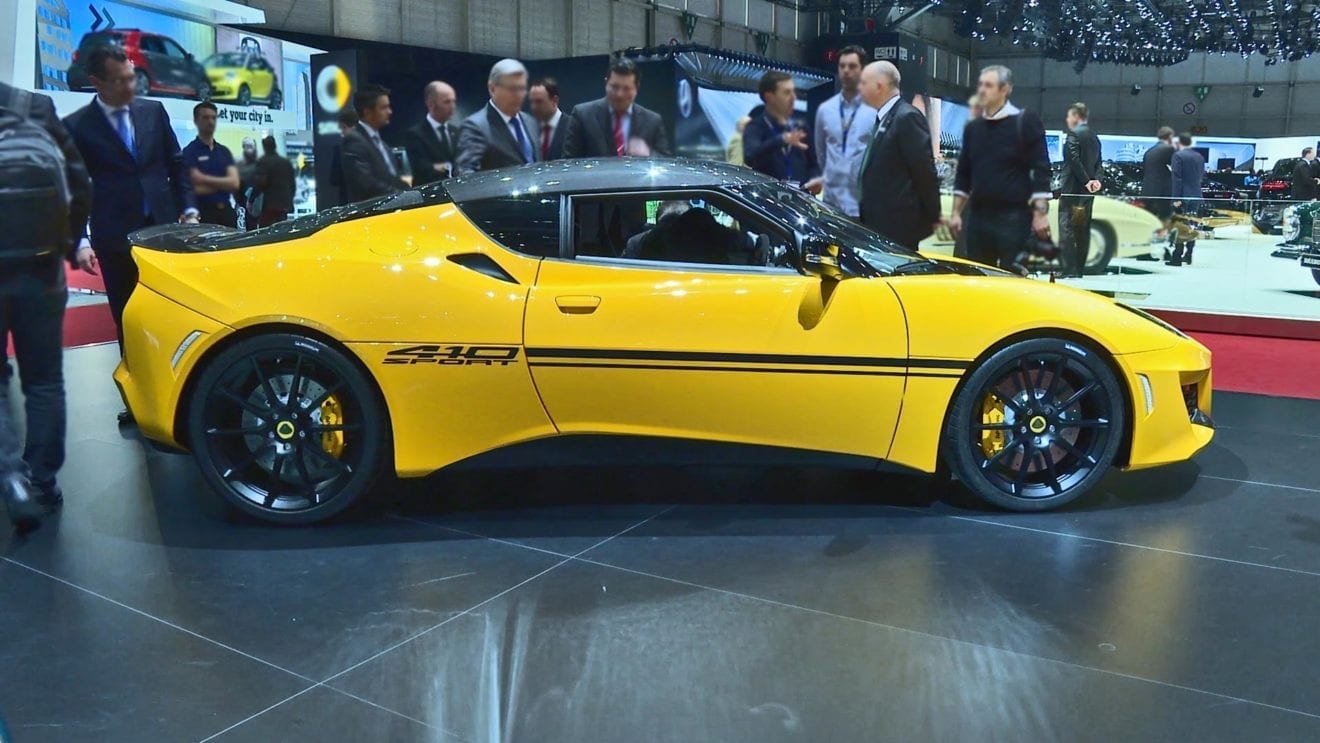
    With a stunning combination of raw speed and real-world ability, the Lotus Exige Sport 410 joins a line-up like no other to complete the Exige family of peerless sports cars.

    Starting with the revised Exige Sport 350, the comprehensive Exige range now includes the new Exige Sport 410 and culminates with the extreme Exige Cup 430: each at a distinct price point, performance level and degree of motorsport focus.

    Developed directly from the track focused Exige Cup 430, the Exige Sport 410 is designed to be the ultimate road drive, unrivalled in its class.

    This latest addition to the Exige range packs the advanced chassis, suspension and powertrain set-up from its more powerful stablemate, the track focused Exige Cup 430, with a recalibrated engine producing 410 hp (416 PS) at 7,000 rpm and 420 Nm (310 lbft) on tap from 3,000 rpm to 7000 rpm. The high-performance 3.5-litre, supercharged and charge cooled V6 engine combined with a dry weight of just 1,054 kg (lightest possible dry) delivers a class-leading power to weight ratio of 389 hp / tonne, and makes the Exige Sport 410 the lightest V6 Exige ever.

    Capable of 0-60 mph in just 3.3 seconds, it records fierce in-gear acceleration before reaching a top speed of 180 mph / 290 km/h (Coupe configuration) – equal to the range-topping Exige Cup 430.

    The Exige Sport 410 has been developed to generate 150 kg of downforce, sharing design cues from the Exige Cup 430, adopting a visually arresting revised lightweight front clam panel incorporating wider grilles and carbon fibre air curtains and front splitter.

    As with all Lotus cars, the Exige Sport 410 has outstanding handling and lightweight agility engineered into its very DNA. Conveying an extraordinary level of tactility and precision, it’s developed to perform at its very best with maximum enjoyment and driver feedback on the road.

    Jean-Marc Gales, CEO, Group Lotus plc said, “With every new Lotus we look to move the bar higher and apply technology and development ideas drawn from top-of-the-range models. Our agility as a company means that the lessons learnt today can quickly be incorporated into the cars of tomorrow and the Exige Sport 410 is a perfect example of this. We have taken the Exige Cup 430, the ultimate track-centric Exige, and developed it into the perfect road orientated sports car, ensuring that we stay ahead of rivals when it comes to cars that deliver a truly engaging analogue driving experience.”

    Completing the update to the entire Exige range, the new front clam design also transitions across to the Exige Sport 350, giving a visual refresh to the entry-level model in the Exige line-up.

    Both the Exige Sport 410 and Exige Sport 350 are available in Coupe and Roadster configurations, with the Roadster having a lightweight black removable soft-top which can be easily stowed within the car for open-top driving. The Roadster configuration is not available for the Exige Cup 430.

    The Exige Sport 410 – forged through development

    Reflecting its Sport nomenclature, the new Exige Sport 410 treads the fine balance of cars that retain their focus on road driving yet remain supremely responsive and agile. Whilst Lotus’ Cup variants are developed with circuit driving at heart, the Sport models are tuned to provide the perfect balance of performance, agility and power delivery for the road.

    Working from Lotus’ standpoint as the leader in lightweight design, every gram has been justified, from the standard lightweight carbon front splitter and access panel at the front to the carbon side pods, tailgate and wing at the rear.

    Distinctive in its appearance, thanks to wider aperture grilles in the new front clam panel, the Exige Sport 410’s revised aero configuration provides total downforce of 150 kg (60 kg at the front and 90 kg at the rear); developed through extensive CFD modelling and wind tunnel testing in order to preserve the car’s handling balance and high-speed stability.

    The front splitter helps separate and speed airflow under the car, and the inclusion of air curtain elements into the front clam panel efficiently moves air through to the front wheel cavities to help reduce turbulence and drag created by the front wheels. In addition, the enlarged front clam panel openings, with wider radiator apertures, aid cooling. At the rear, the extended Aluminium diffuser, combined with the new high-mounted wing all contribute to the Exige Sport 410’s enhanced downforce.

    The Exige Sport 410 uses the Exige Cup 430’s 3.5-litre supercharged V6 engine with supercharger and water-to-air charge cooler, calibrated to generate 410 hp (416 PS) at 7,000 rpm and 420 Nm (310 lbft) of torque from 3,000 rpm to 7,000 rpm. The latest addition to the range also employs the oil cooler configuration and larger clutch from the Exige Cup 430, perfectly matched to the close-ratio, six-speed manual transmission with exposed-gear-change linkage.

    Befitting an industry benchmark, the Exige Sport 410 takes the chassis, suspension and dampers from the Exige Cup 430, re-tuning the three-way adjustable Nitron dampers for a road bias and to suit the car’s revised aerodynamic set-up. These can be customised to the driver’s precise requirements (rebound and low and high-speed compression) along with the Eibach adjustable front and rear anti-roll bars, fitted as standard, which complete the car’s class-leading chassis set-up.

    The Exige Sport 410 is fitted with Michelin Pilot Sport Cup 2 tyres (285/30 ZR18 rear and 215/45 ZR17 front), 20 mm wider at the rear deliver improved traction and work in harmony with the car’s ultra-lightweight forged alloy wheels, which are available in either black or silver. Braking is courtesy of AP Racing, with forged, four-piston calipers and performance two-piece J-hook brake discs. With a higher thermal capacity and improved bite, these discs have better debris clearance and impart consistent pedal feel with greater stopping power.

    Performance options for the Exige Sport 410 include a full exhaust system in titanium, removing 10 kg from beyond the rear axle, and a number of high-gloss, visible weave carbon fibre components including instrument binnacle, sill covers, barge boards and roof. A host of motorsport-centric options are also available including electrical cut-off and fire extinguisher controls, airbag deletion, a non-airbag steering wheel, 4-point harnesses and a dealer fit FIA compliant roll cage.

    Centre of attention in the cabin is Lotus’ acclaimed open-gate manual gearshift design giving quick and precise changes. The fine detailing continues with an Alcantara® steering wheel and Lotus’ own carbon fibre sports seats trimmed with either a combination of Alcantara® and leather or optional full leather, both featuring contrast stitching.

    The optional Interior Colour Pack (in a choice of four colours) provides contrasting surrounds to the transmission console, HVAC surround, carbon seat eyelets and electric window bezels. As standard, the centre console and dashboard are trimmed in Alcantara® with the door cards, a combination of Alcantara® and leather. Air conditioning and an integrated entertainment system including iPod® connectivity and Bluetooth® functionality can also be specified.

    Lotus Exclusive

    The new Exige Sport 410 can be personalised through the popular Lotus Exclusive programme. Combining traditional British craftsmanship with modern design, the service inspires customers to spend time tailoring the character of their Lotus with a comprehensive array of options.
  • Don Chicken Vietnam adding more restaurants

    Don Chicken Vietnam adding more restaurants

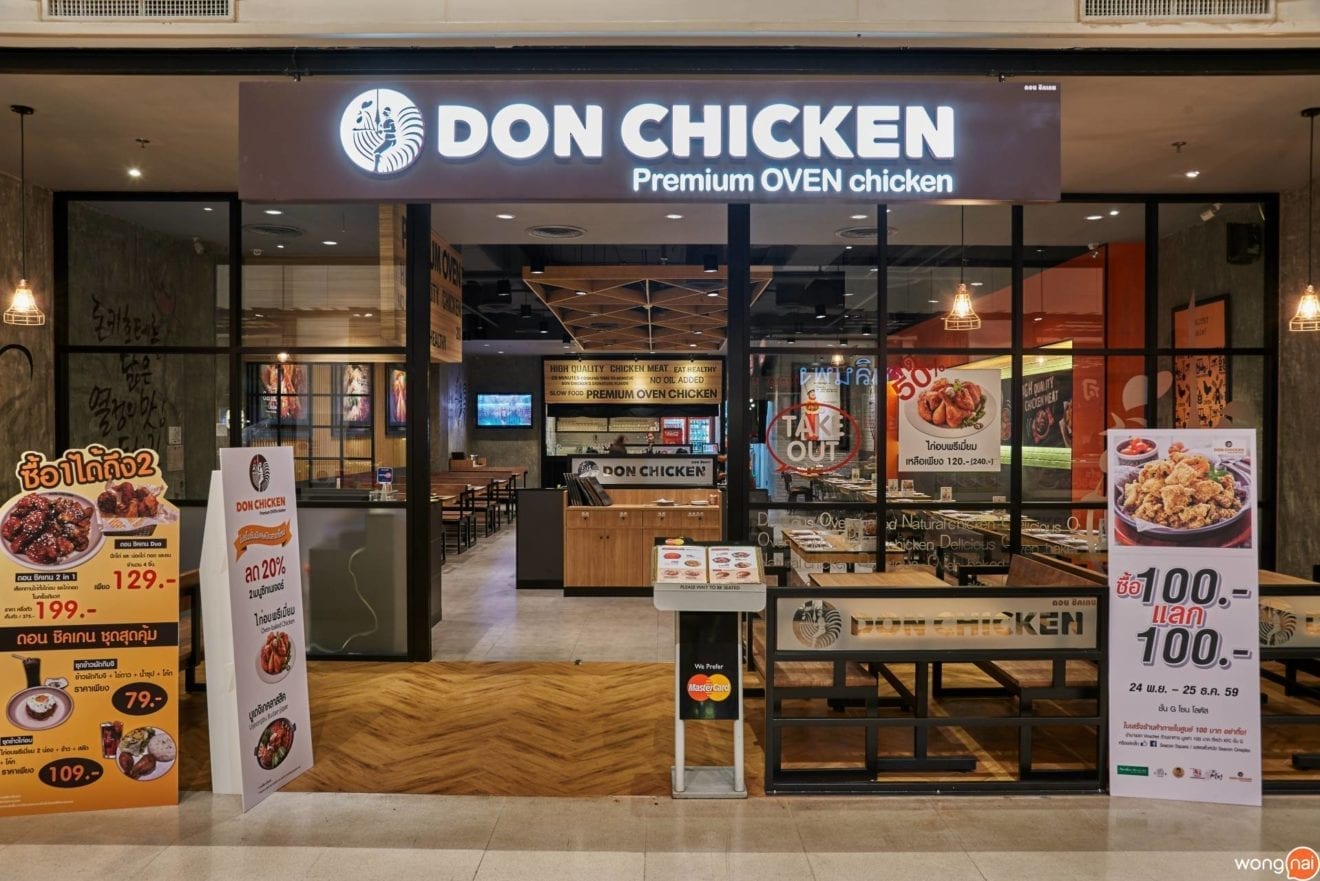
    Don Chicken Vietnam is planning to expand its Hanoi portfolio through franchising.

    There are two branches of the Korean fast-food chain in the capital, one in Vincom Royal City.

    As a first move for its expansion in Hanoi and the north, Don Chicken has launched an event to find partners experienced in the dining sector, and will offer franchisees training and marketing support.

    Founded by Apgujeong Group in 2007, Don Chicken has 400 stores across Korea and has also expanded into China and Thailand.

    Don Chicken opened its first store in Vietnam in 2015, in Ho Chi Minh City. It started franchising from 2016 and now has 13 stores nationwide.

  • Amazon opens another fulfilment centre in Sydney

    Amazon opens another fulfilment centre in Sydney

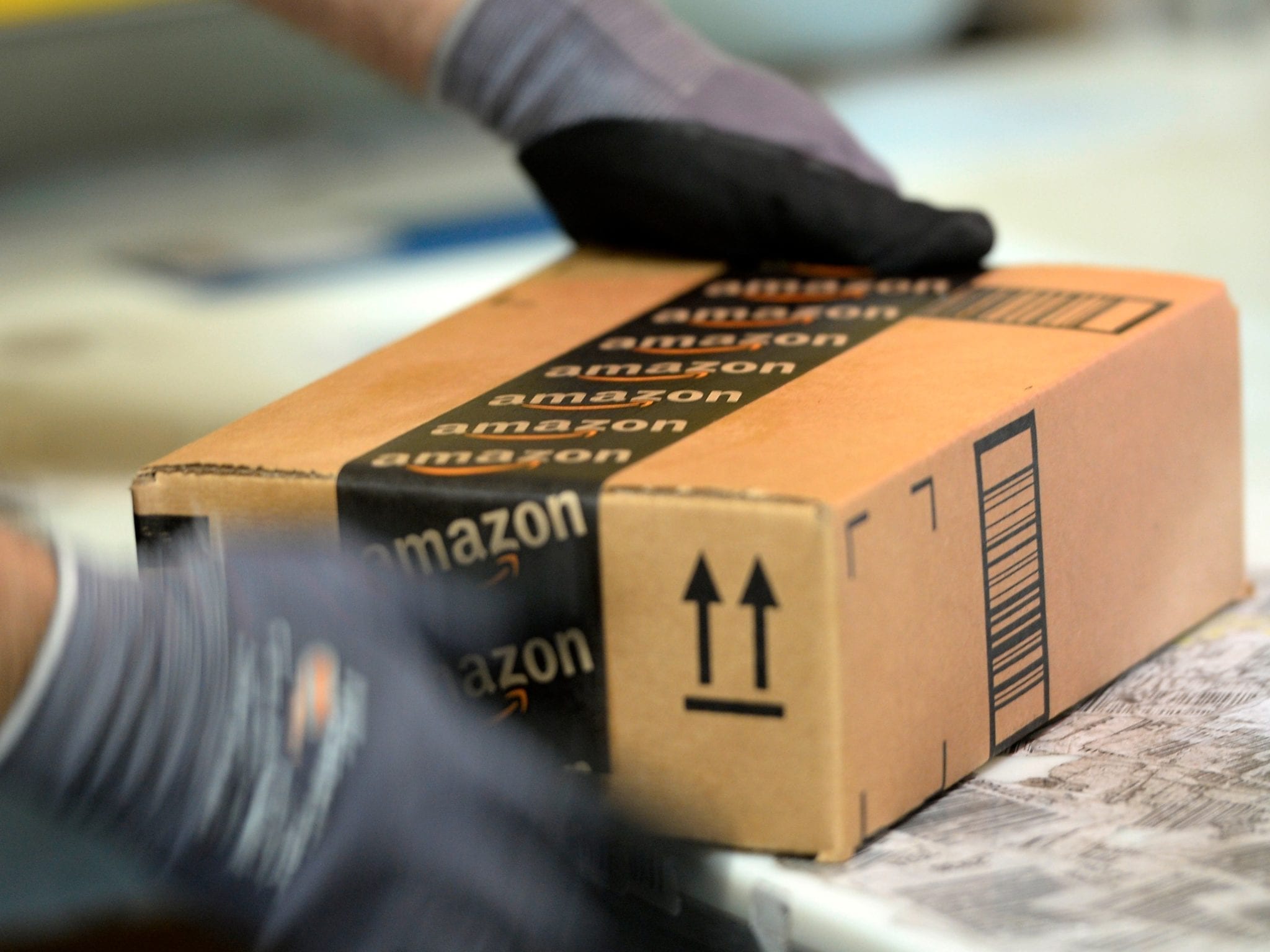
    Amazon is opening a second fulfilment centre to speed up delivery to customers across Australia, as the US-based company expands its e-commerce business Down Under.

    The 43,000sqm fulfilment centre in Moorebank, South West Sydney, is planned to start operations in the second half of 2018.

    “We are thrilled to be establishing our next fulfilment centre in Sydney and working with incredible people in the local community around Moorebank,” said Robert Bruce, Amazon Australia’s operations director.

    “Sydney represents another important development for our growth strategy in Australia, following a steady and progressive increase in customer demand.”

    Together with Amazon’s Dandenong South fulfilment centre, which opened in December 2017, the second warehouse, located within easy access to the M5 and M7 motorways, will allow Amazon to handle current and future customer demand and speed up delivery to customers across the country.

    “This investment will benefit both customers and the local economy by generating new jobs and providing small and medium sized Australian businesses who sell on amazon.com.au and use our Fulfilment by Amazon program, with an opportunity to more easily access millions of customers across the country,” Bruce said.

    Amazon will begin recruiting immediately for a range of roles including operations, support and technical specialists, adding to the more than 1,200 people it currently employs in Australia.

    Since launching its online retail offering in Australia late last year, Amazon has since released new products into the market, including Alexa and Amazon Echo, Amazon Music Unlimited as well as Fulfilment by Amazon, which allows Australian sellers to outsource their pick, pack and shipping process to Amazon logistics.

    Amazon Prime is expected to launch in Australia in mid-2018.

  • AirAsia takes flight with AFF Suzuki Cup 2018 as official supporter

    AirAsia takes flight with AFF Suzuki Cup 2018 as official supporter

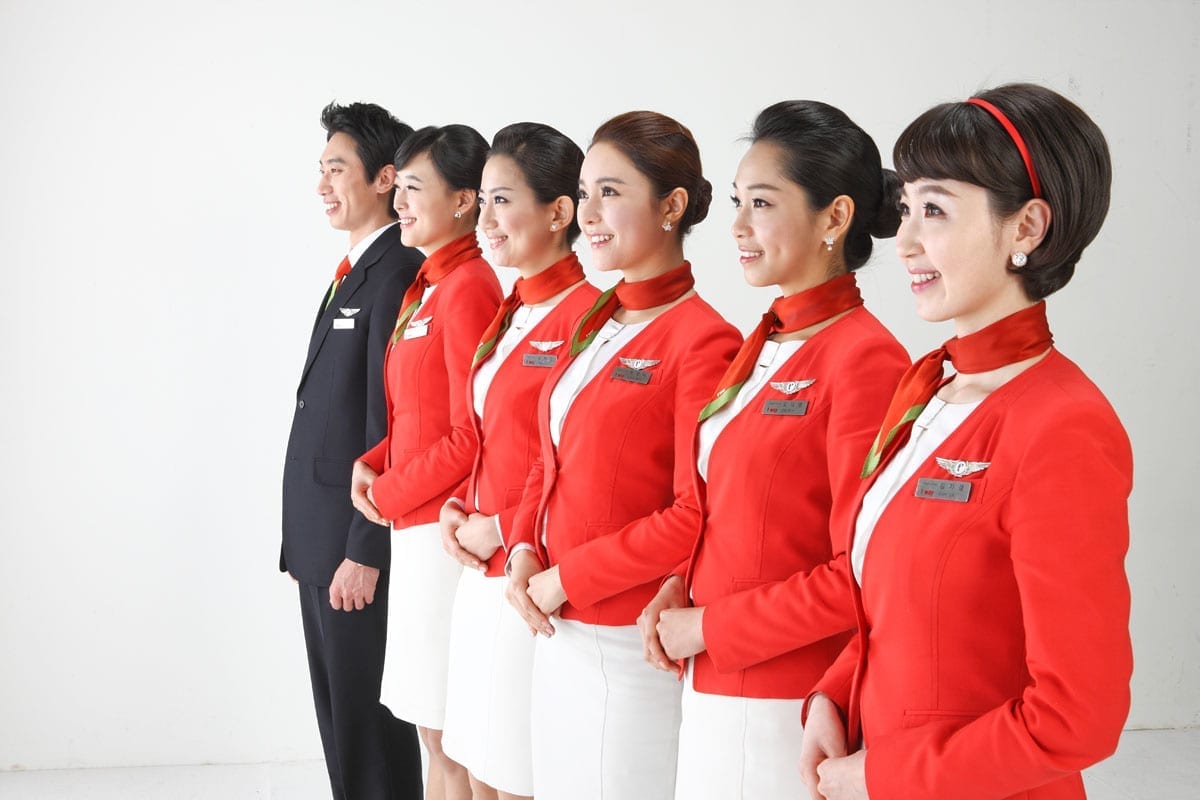
    AirAsia has partnered with AFF Suzuki Cup 2018 to become the official supporter of the football competition for the first time. Its sponsorship comes at a time when the tournament will undergo changes to its format, in a bid to drive greater fan engagement and offer players with more exposure in their home countries.

    Among the list of sponsors and supporters include title sponsor Suzuki, official sponsors Men’s Biore and Yanmar, as well as regional supporter Grand Sport. According to AirAsia’s group CEO Tony Fernandes, football is the people’s game and AirAsia is the people’s airline. “We look forward to supporting the sport in ASEAN in a meaningful way and hope one day soon, we will have an ASEAN club championship to raise the game here further,” Fernandes said.

    His Royal Highness Sultan Haji Ahmad Shah, president of the ASEAN Football Federation, said With AirAsia’s support, it is confident that this year’s AFF Suzuki Cup will be one of the “most successful” and engaging for fans across the region.

    “We are proud to partner such a strong and established brand like AirAsia whose reputation as an innovative, value-driven, and high-performing carrier dovetails with Southeast Asia’s crown jewel football tournament,” he added. A+M has reached out to AirAsia for additional details.

    This comes after the ASEAN Football Federation recently unveiled a new visual identity for the competition, which contains four colour schemes – magenta (depicting passion and energy), cyan (represents a fresh beginning), green (the vibrancy of a football pitch) as well as blue (topography of the region). AFF’s long-term commercial partner, Lagardère Sports, managed the overall process of creating the new tournament visuals.

  • T-Mobile and Sprint announce merger plans

    T-Mobile and Sprint announce merger plans

    US operators T-Mobile US and Sprint have announced an agreement to merge in an all-stock combination. The combined company will be named T-Mobile, will initially serve some 127 million customers, and will be led by current T-Mobile US CEO John Legere.

    The deal is an important step toward 5G for both companies, which were facing some big capex bills if they tried to do it alone. While the integration of the two companies’ networks will be quite a task, the fact that they can combine their 5G buildout efforts at an earlier stage will surely help a lot.

    Well, it will if the deal gets approved relatively quickly. So now that the companies have made up their minds, all eyes will turn toward the Trump administration’s regulators and, umm, twitter. The last time T-Mobile US and Sprint were close to a deal, regulators threw ice water on the concept. There are reasons to expect the situation to be different this time, but there is plenty of uncertainty in just what the response will be.

    As for the deal, each Sprint shareholder will receive 0.10256 T-Mobile share per Sprint share, which puts the total enterprise value of the combined company at $146 billion. DT’s share of the company will be about 42%, while Japan’s Softbank would own 27%, the rest being publicly traded. Synergies of about $6 billion in annual cost savings are anticipated.

    One sector that probably would in some ways have preferred to not have a deal is the metro fiber infrastructure space, which would understandably like to build out four 5G backhaul networks rather than three. But on the other hand, what they might see is one effort start earlier with the funding to do it right rather than two efforts trailing the field and cutting corners.

  • DHL expands e-commerce fulfillment internationally

    DHL expands e-commerce fulfillment internationally

    DHL Parcel and DHL eCommerce are now offering online retailers a global solution for their e-commerce fulfillment needs with a global fulfillment platform and new fulfillment centers in the UK, Americas and Southeast Asia,emphasizing once again Deutsche Post DHL Group’s aspiration to become one of the leading global providers in e-commerce logistics. Through DHL’s unique family of divisions Deutsche Post DHL Group is the most international company worldwide, present across 220 countries and territories and online retailers are able to leverage the Group’s strong global footprint for their e-commerce retail strategy.

    Today’s e-commerce market is placing aggressive demands on the retailer to provide fast fulfillment and delivery, and doing so without increasing costs. This is simply not possible for most merchants because they lack capital or the ability to manage the complexity. DHL has built a new IT platform that provides seamless access to a network of fulfillment centers and is closely integrated with DHL’s shipping capabilities to allow our customers to meet their fulfillment and shipping requirements in a much more efficient fashion. DHL is investing in this platform as well as in expanding its fulfillment centers in key international markets, enabling retailers to reach their consumers worldwide.

    “Without seamless and reliable logistics processes, the current e-commerce boom would be inconceivable. The physical storage of ordered goods, their picking and packaging, the global shipping and delivery to the end-user’s front door or desired address — we now offer all of this in even more markets and from one single source,” says Jürgen Gerdes, CEO of the Post – eCommerce – Parcel division at Deutsche Post DHL Group. “By further internationalizing our fulfillment portfolio we will be able to do even more to help online retailers tap into new regions and benefit from the global e-commerce boom.”

    With existing fulfillment centers in the U.S., Mexico, Colombia, Hong Kong, India, Australia, Germany, and now in the United Kingdom and Southeast Asia, DHL already covers major e-commerce markets with its own presence and will expand these further in the future. Situated near London on an area of about 6,500 square meters, the latest addition to the fulfillment network in the English town of Radlett, offers great potential for same-day processing for the Greater London area due to the center’s good transport links. Apart from the center in Radlett, DHL is already working on the expansion of its fulfillment centers across other European markets, like the Netherlands, Poland or Switzerland.

    The new IT platform allows DHL to provide online retailers with access to all of these important e-commerce regions from a single source. This ensures simple and secure data synchronization as well as an easy connection to new business locations or regions since a reintegration is no longer required. “Online retailers don’t have to look for new logistics partners anymore if they want to expand their international reach,” Gerdes says. By directly integrating the new DHL solution into the webshop of the relevant retailer, the business can access different reporting options in real time and view current order data, for example, or the stock of individual products.

    More and more retailers and companies recognize the increasing importance of smooth fulfillment processes because traditional approaches that are aligned with individual sales channels have long since failed to satisfy the purchasing habits and expectations of modern consumers. Today’s consumers not only want to be able to shop at any time and in any place, but also want to have their goods delivered at any time and in any place. Without the behind-the-scenes logistics processes that effectively orchestrate the movement of goods through multiple sales channels, and a highly fragmented fulfillment landscape hassle a free shopping experience would not be possible for the consumer.

  • Bharti Airtel launches wholesale voice digital platform

    Bharti Airtel launches wholesale voice digital platform

    India’s Bharti Airtel has launched what it says is a first-of-its-kind carrier digital platform for wholesale voice services.

    The new Global Voice service will allow global operators to enter wholesale voice arrangements with Airtel at the click of a button.

    The platform will offer paperless sign-up, quick voice interconnects and real-time traffic analysis for carriers worldwide.

    Customers will be able to buy voice termination services from Airtel and propose sell rates for their target markets.

    Airtel said Global Voice can reduce on-boarding time to a matter of hours. It also offers live rates for routes across the world for faster decision making during traffic exchange.

    Users will also be able to access various real-time online reports based on usage analytics tracking KPIs such as traffic, traffic rates and payments for a selected destination.

    Airtel also plans to soon provision a single window on the digital platform for product discovery, on-boarding, billing, payment, enquiry, and support across multiple B2B products.“

    “This is yet another digital innovation from Airtel to empower our customers, who can now leverage Airtel’s global voice network on a real-time basis with high quality voice termination,” Airtel director and CEO for global voice and data Ajay Chitkara said.

    “The platform will bring enhanced efficiency, convenience, agility and transparency and further strengthen our position as the preferred partner for customers across the world.”

    Airtel’s worldwide network covers 250,000 route kilometers across 50 countries in five continents and already terminates 23 billion voice minutes globally.

  • Sephora creates long queues during new shop opening

    Sephora creates long queues during new shop opening

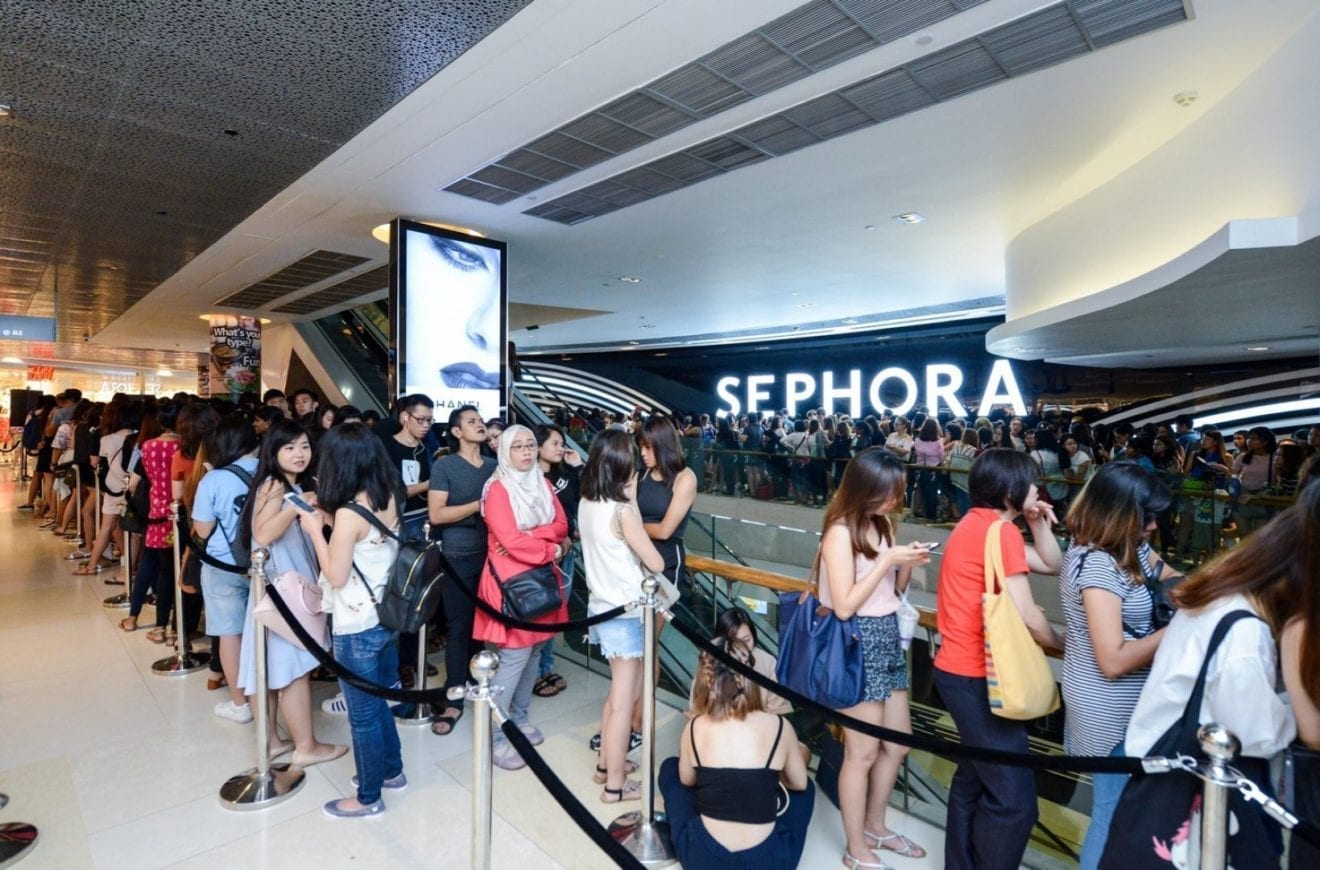
    Sephora has drawn a crowd to the opening of its first store of the year in Queensland, as shoppers queued overnight to access the international cosmetics giant’s new Robina Town Centre store.

    At one point on Thursday morning the line outside the new location was more than 300 metres long, snaking around to adjacent areas of the centre.

    The launch is a good start for the business, which expanded to Australia in 2015, after it announced last month that it would open the Gold Coast location, drawing in customers with new virtual artists that allow visitors to try on products virtually in-store.

    Its decidedly less positive for Sephora’s competitors though, of which there are many.

    Myer, David Jones, Priceline and L’Occitane all have stores in QIC’s Robina Town Centre, signalling yet another increase in competitive pressure in the beauty sector.

    “Sephora always generates great crowds because they are the undisputed global beauty leaders and people are always keen to try out and play with their wide selection of brands,” Savills’ Leighton Hunziker said of the opening.

    It’s not the first-time international entrants have drawn big crowds, when others like H&M, Zara and Forever 21 opened their stores in Sydney’s Pitt St Mall shoppers flocked, creating queues that lasted for days.

    But increasing competition and subdued consumer sentiment have put pressure on established beauty retailers in recent months, driving elevated levels of discounting in the sector that’s weighing on margins.

    Reporting its half-year financials last month, Priceline owner Australian Pharmaceuticals Industries said lacklustre beauty sales had driven a 1.7 per cent decline in comparable store sales in the first-half.

    “The amount of discounting and competition that has emerged inside the health and beauty sector has ramped up significantly,” API chief executive and managing director Richard Vincent said in April, revealing that price deflation was between 3-4 per cent in the half.

    For the likes of Myer and David Jones the growing influence of international competitors is particularly disruptive, given the already weakened statuses of both businesses.

    Louise Grimmer, a lecturer in marketing at the University of Tasmania, said customers are increasingly turning to specialists in the beauty category over department stores in search of education and personalisation.

    “Increasingly we are witnessing consumers abandoning department stores for specialist retailers such as Sephora,” Grimmer said.

    “If they weren’t already, department stores should be on notice that customers now demand much more than has been on offer. They want high levels of customer service, knowledgeable staff, specialist product offerings and a multichannel experience.”

    Robina Town Centre is Sephora’s 14th Australian store, and alongside the continued expansion of other international beauty brands such as Mecca and MAC, its unlikely competition will ease any time soon.

  • QSR Brands considering IPO

    QSR Brands considering IPO

    Malaysian fast-food group QSR Brands is mulling an IPO to raise around MR2 billion (US$509.6 million).

    QSR Brands operates the KFC and Pizza Hut restaurant franchises in Malaysia and is part owned by private equity firm CVC Capital Partners, which is looking to exit the business.

    Shareholder Johor Corp president/CEO Kamaruzzaman Abu Kassim says it would like to see this happen no later than November. Johor Corp is the investment arm of Malaysia’s Johor state.

    The listing would be the largest IPO in Malaysia since integrated petrochemical producer Lotte Chemical Titan Holding raised $878 million last July. The move has been planned since 2016, reports Reuters, with the company hiring Citigroup, Credit Suisse and another bank to lead the exercise.

    The estimated market capitalisation of QSR would be about MR6 billion after listing, Kamaruzzaman says. “Further details will have to be worked out with various parties.”

    The  QSR Brands IPO was part of an “exit plan” for CVC and fellow investor the Employees Provident Fund when QSR was privatised in 2013.

  • DHL adds second around-the-world flight connecting Asia

    DHL adds second around-the-world flight connecting Asia

    DHL Global Forwarding, the leading international provider of air, sea and road freight services, today announced the launch of its second around-the-world scheduled flight, to connect Asia, Europe and the US. This is in response to the strong growth in demand for air freight capacity, chiefly for outbound services from Asia and on the popular transpacific route. The Boeing 747-400F freighter will operate a South Korea-China-Europe-China service, in addition to transpacific east- and westbound flights that includes Shanghai, China, and Cincinnati, USA.

    With a capacity of more than 100 tons per flight, the bi-weekly scheduled flights provide significant and reliable capacity on the transpacific route from Shanghai, China to Cincinnati, USA from where it continues to Incheon, South Korea. Following which, it will connect Incheon, South Korea with Wuxi, China and continue on to Frankfurt-Hahn in West Germany, before returning to Shanghai, China. The service will depart twice per week at each airport.

    “We have been seeing an increasing demand for air freight capacities on Asian routes. China remains the largest global trading partner of South Korea , Germany and the USA, with China becoming the second nation to top US$600 billion in trade with the USA in 2017. China is Germany’s largest source of import at US$120 billion and its third largest export market at US$105 billion. For South Korea, China is its top import and export country, accounting for close to 25% of its global trade in 2017 , said Kelvin Leung, CEO of DHL Global Forwarding Asia Pacific.

    ” To facilitate timely and safe movement of goods between the countries, efficient and reliable logistics infrastructure and services are key . The new scheduled flights will streamline the transportation process, thereby optimizing our customers’ supply chains and improving their products’ time to market in today’s highly competitive business environment”, Leung added.

    Results from the latest DHL Global Trade Barometer indicate that overall trade index for China recently increased by 2 points from January 2018, and the overall trade index in South Korea remaining well over 50 points at 69, signaling a positive growth for both markets in Q2 2018 which will continue to fuel demand for air freight services.

  • LG U+ teams with Netflix to promote unlimited mobile plan

    LG U+ teams with Netflix to promote unlimited mobile plan

    To promote its unlimited mobile data service, South Korea’s LG U+ has entered an agreement with Netflix to offer three months’ free service to customers signing up until the end of June.

    LG U+ launched what it says is the South Korean market’s first truly unlimited (non-speed capped) LTE mobile data plans in February.

    As a promotion for the unlimited services, eligible customers signing up to the unlimited high-speed mobile data plan will be given a complementary three month subscription to Netflix.

    The subscription covers Netflix’ basic plan, which allows for streaming of HD content on up to two screens simultaneously, as well as the ability to resume watching a show or movie from where they left off while switching devices.

    The unlimited data plan also allows users to share up to 40GB of data per month with family members or friends.

    “After introducing the unlimited high-speed data plan, we are continuously enriching our content offering, such as the recently-launched U+ Professional Baseball and U+ Golf, so that users can maximize their joy from the plan,” said LG U+ director of marketing Nam-soo said. “This promotion with Netflix further benefits customers under this plan.”

    The deal could meanwhile help Netflix further build traction with its South Korean operations. Netflix first entered the Korean market in 2016 and has been building a line-up of original Korean programming.

  • Singtel, Razer to create SEA’s largest e-payments network

    Singtel, Razer to create SEA’s largest e-payments network

    Singtel Group and gaming hardware manufacturer Razer have entered an agreement to collaborate in the areas of e-payments, eSports and gaming related digital media and telecoms services in the Southeast Asian region.

    The two companies will seek to capitalize on the growth of the mobile payments market in Southeast Asia, which is predicted to be worth around $32 billion by 2021.

    As part of the partnership, the companies aim to create the largest e-payments network in Southeast Asia by enabling the interoperability of their respective e-payments systems to create an integrated regional network.

    Singtel Group has already announced plans to interconnect the mobile wallets of Singtel and its network of regional mobile associates into an interoperable platform linking over 50 million wallet users.

    Razer meanwhile recently announced plans to acquire MOL Global, the operator of one of the largest e-payment networks in the region, for $61 million. MOL Global handled over $1.1 billion of digital payments in 2017.

    The two companies also plan to leverage Singtel’s regional footprint to develop the Southeast Asian eSports ecosystem and community. The companies will hold joint activities including regional invitational events and seek to cultivate eSports talent.

    Finally, the two companies will explore the development of gaming-related telecommunications and digital media products and services such as broadband plans, mobile services and eSports content for customers in the region.

    As a Group devoted to connectivity, we are making a big push to create an ecosystem of digital services for our customers. Digital services from mobile payments to entertainment have become a big part of their lives, especially the millennials,” Singtel International CEO Arthur Lang said.

    “Our collaboration with Razer, which shares our vision on e-payments and eSports, will help advance our goal to empower customers to spend seamlessly across borders and experience the thrill of eSports. We look forward to working with gaming partners and supporting community initiatives to grow eSports in the region.”

  • AirAsia India CEO steps down

    AirAsia India CEO steps down

    AirAsia India Managing Director and Chief Executive Officer (CEO) Amar Abrol is stepping down after being in his current job for almost two years, and will move back to Malaysia to be based at the group’s head office.

    Abrol “had expressed his desire to return to Malaysia to be closer to his family. The Board of AirAsia India would like to thank him for his contributions and will work closely with him to ensure a smooth transition,” AirAsia India said in a statement.

    Before joining as the CEO of AirAsia India, a joint-venture between AirAsia Bhd and India’s Tata Sons conglomerate, Abrol was the CEO of financial products start-up Tune Money.

    He had replaced Mittu Chandilya, who was handpicked by Air Asia Group chief Tan Sri Tony Fernandes in 2013 to head AirAsia India.

    AirAsia India, which started operations in mid-2014, has a fleet of 18 aircraft and serves 19 destinations in India.

    The airline carried more than 1.46 million passengers between January and March this year and recorded a load factor or 83 per cent.

    The budget carrier competes with IndiGo, SpiceJet and GoAir in India’s growing air travel market.

  • Japan’s KDDI sets sights on extended reality

    Japan’s KDDI sets sights on extended reality

    KDDI is branching out into the emerging world of extended reality (XR) – which includes virtual reality, augmented reality and mixed reality – by forging partnership with US-based Osterhout Design Group (ODG) to jointly plan and develop XR-based smartglasses for the Japanese market.

    The Japanese operator is also teaming with various partners to conduct business trials and create XR services as the company moves toward developing new business operations using virtual characters and other XR technologies to create new business models for the coming era of widespread 5G use.

    The partnership with ODG, announced last week, will see KDDI help with the development of domestic Japanese products using the R-9 smartglasses developed by ODG. The operator will help optimize the potential of smartglasses for the Japanese domestic market through practical testing.

    According to KDDI, the R-9 smartglasses to be used in future verification tests are equipped with the Qualcomm’s Snapdragon 835 chipset and compatible with an AR/VR app that enables stand-alone position tracking for users.

    The R-9 smartglasses will feature a wide 50° viewing angle, and will be compatible with wide-screen displays using 22:9 and 16:9 aspect ratios. The R-9 smartglasses will also include dual stereo cameras; front camera with 13-megapixel resolution; and simultaneous Localization and Mapping (SLAM) compatibility.

    KDDI and ODG also plan to work with Qualcomm toward equipping future models with a modem function to bring cellular communications capability to smartglasses in addition to existing Wi-Fi functionality.

    KDDI and various partner companies, such as Japan Airlines, plan to begin practical testing of smartglasses in Japan in June.

    Collaborating with partners to create virtual characters and XR services

    In a separate announcement, KDDI said it is planning to start conducting business trials on the XR technologies with various partner companies beginning this month.

    Through business trials with various partner firms and applications of this technology, KDDI aims to create worlds in which people and virtual characters can communicate interactively.

    So far KDDI has worked with Crypton Future Media for the development of the Miku☆Sampo AR application. Moving forward, the operator plans to expand the AR presentation developed through Miku☆Sampo to enable users to communicate more naturally with the character.

    This will be accomplished through virtual character development capabilities unique to AI, which enable the character to recognize and understand objects and sounds, etc., in the surrounding environment, KDDI said.

    In addition, this project will include a real-time image recognition engine provided by Couger. Couger will also cooperate with virtual character AI-related technology.

    KDDI’s announcements signal the increased interests from telecoms operators in VR/AR. According to GlobalData, telecoms operators – who have a key role in enabling VR/AR services as providers of broadband and mobile network services – are exploring  revenue opportunities in VR/AR that are beyond 5G data and connectivity.