Blog

  • Valentino goes red in Indonesia

    Valentino goes red in Indonesia

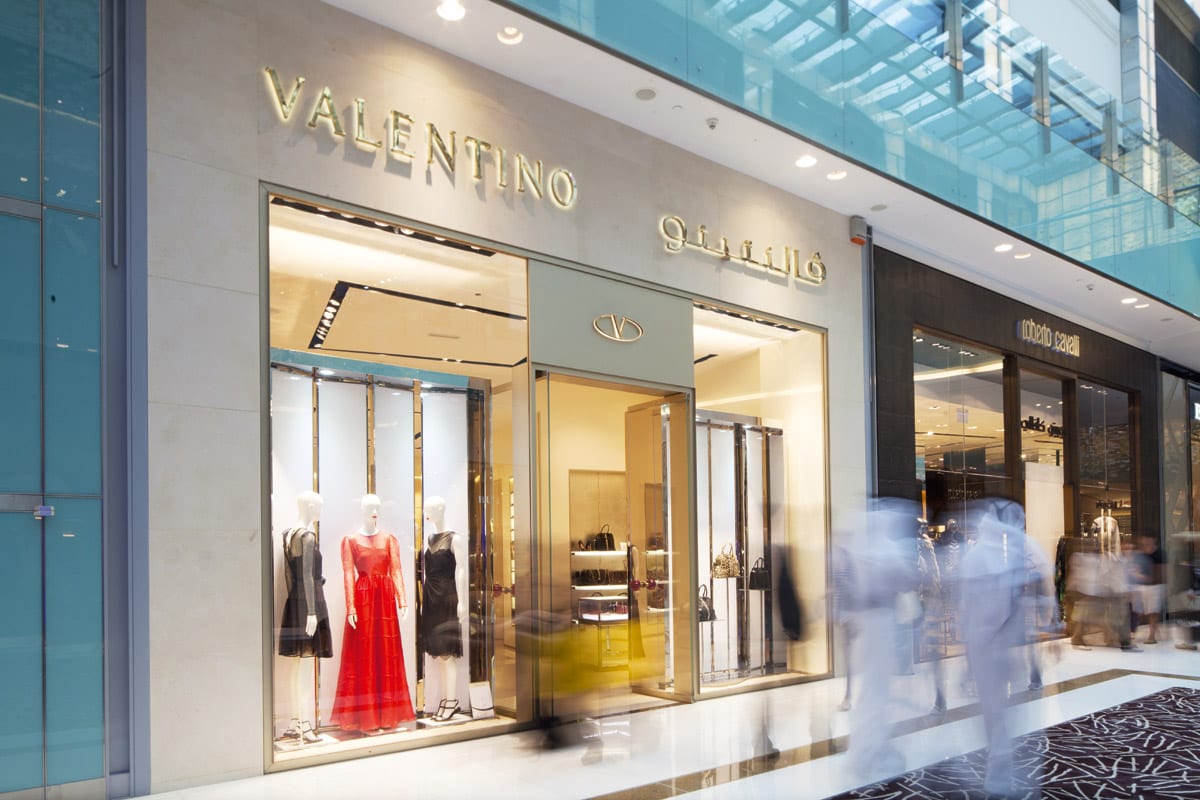
    Fashion brand Valentino Indonesia has opened a RedValentino boutique at Plaza Indonesia in central Jakarta.

    Valentino creative director Pierpaolo Piccioli has developed the store concept together with British architect David Chipperfield.

    Evoking the atmosphere of a traditional Italian palazzo (square), the store has been designed to complement the product displays through the discreet use of opulent materials

  • Shopee teams up with DHL eCommerce in Thailand to offer a seamless delivery experience

    Shopee teams up with DHL eCommerce in Thailand to offer a seamless delivery experience

    DHL eCommerce, a division of the world’s leading logistics company, Deutsche Post DHL Group, is partnering with Shopee, the leading e-commerce platform in Southeast Asia and Taiwan, to offer greater convenience and choice to Shopee users in Thailand. Sellers on Shopee can now access over 500 DHL ServicePoints across Thailand to drop off their parcels and have them delivered to their shoppers across Thailand. Alternatively, sellers can also arrange a pickup from DHL for door-to-door delivery service to their buyers.

    “We are thrilled to be partnering Shopee to offer greater ease, choice and control over  the online delivery experience. Shoppers’ expectations are growing with regards to their entire purchasing experience — they expect a great and seamless experience from the time they click to purchase until the goods are received. A recent report states that 60% of consumers purchased from one online merchant over another because delivery options were more convenient for their needs, highlighting the pivotal role of delivery in the overall online shopping experience[1] ,” says Kiattichai Pitpreecha, Managing Director, Southeast Asia, DHL eCommerce. 

    “Shopee is excited to work with DHL eCommerce and we are confident that our users will benefit from the suite of services and features offered by DHL. We aim to become the online shopping destination of choice in all our markets and will continue to explore synergies between the two companies to make both buying and selling on Shopee as easy and seamless as possible,” says Terence Pang, Chief Operating Officer of Shopee.

    DHL’s domestic delivery network in Thailand offers high quality delivery service and a range of other services, such as easy IT and API integration, end-to-end tracking, delivery insurance, cash on delivery and more, tailored for the booming e-commerce industry. This enables sellers and leading brands on Shopee to efficiently reach out to customers across the country. Shoppers on the other hand will benefit from the consistent quality and convenience of delivery options. DHL eCommerce will also be growing its ServicePoint footprint in Thailand to over a thousand in the coming months to offer increased touchpoints with users.

    To mark the start of the partnership, Shopee and DHL will be extending a limited period free shipping promotion. Shopee sellers can enjoy free shipping nationwide (terms and conditions apply) from now until 30 June 2018 when they select DHL as the logistics provide for their shipments.

  • China Present at the 2018 Automotive Logistics China Conference

    China Present at the 2018 Automotive Logistics China Conference

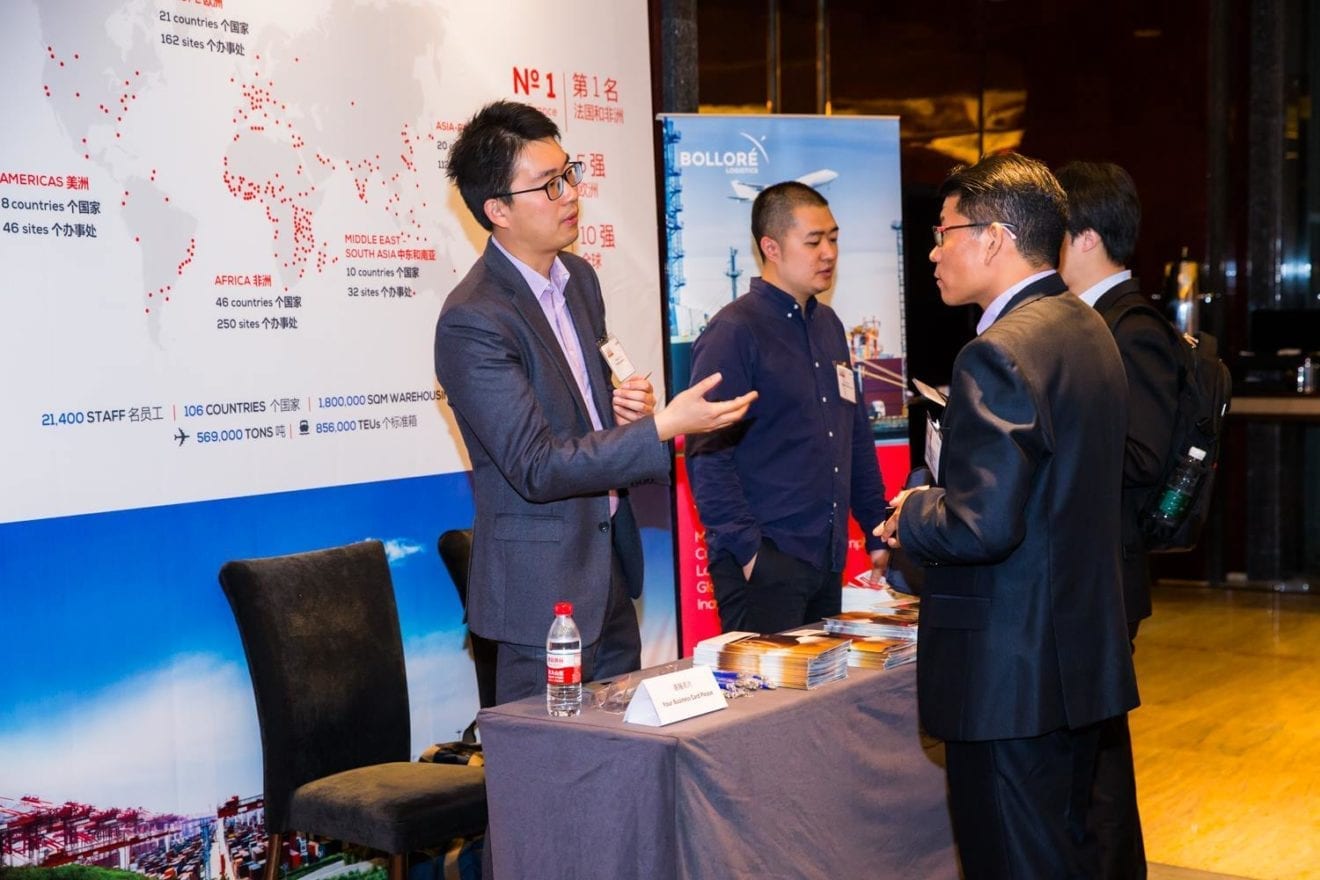
    Bolloré Logistics China successfully presented its automotive competency at the Automotive Logistics China Conference in Chengdu as a Silver Sponsor during April 17-19, 2018.

    More than 500 participants from automotive industry joined the conference including experts from automotive manufacturers, parts suppliers, and representatives from logistics companies as well as government officials. Jointly held by China Federation of Logistics & Purchasing (CFLP) and British magazine Automotive Logistics, the conference shared the latest logistics solutions for production parts, finished vehicles and aftermarket spare parts, covering the upstream and downstream of automotive industry.

    Bolloré Logistics’ automotive logistics solution experts from North China, South China, Central China and Japan gathered at our silver sponsor booth. Our presence reinforced our brand recognition in the automotive industry and our agile and professional solutions were communicated to a wide audience where many commercial opportunities were identified.

    “At the booth, we were happy to see lots of industry players showing their interest towards our solutions and recognizing the Bolloré Logistics brand,” said Steven Sun, Automotive Product Manager at Bolloré Logistics Greater China. “What’s more important is that by organizing this event, our teams are joining forces to strengthen our competitiveness,” Steven added.

    Following the event, a cross-regional automotive team meeting was held at Bolloré Logistics Chengdu office to discuss the optimization strategy for automotive business development in the company. By sharing the local market information and intelligence, our automotive network was further enhanced and leveraged.

    “One of our greatest strengths is having a world-spanning network and industry know-how staff specialized in automotive that are directly plugged into local teams and sector partners”, says Warren Wang, Bolloré Logistics Greater China Vertical Market Director.

    Bolloré Logistics China had a very productive time in Chengdu and would like to thank the team for having worked towards a successful event, as well as our customers and prospects who took the time to visit us at our booth. By mobilizing the automotive team in Greater China and Asia-Pacific region, Bolloré Logistics demonstrated the active determination to play a bigger role in the automotive industry sector.

  • Mercury Home Textile Sews Up Deal with Manhattan Associates

    Mercury Home Textile Sews Up Deal with Manhattan Associates

    Mercury Home Textile has selected Manhattan Associates, to optimise order fulfilment across its international, multi-channel retail operation and to serve as a foundation for its transition to an omnichannel business model with Manhattan’s Warehouse Management Solution (WMS).

    With more than 2,600 franchised stores in China and hundreds of partner stores across Europe, the Middle East, North America and Southeast Asia, Mercury Home Textile’s store network is complemented by a fast-expanding ecommerce operation which contributed almost half of the company’s revenue in 2017 and earned it the “Sales Champion” accolade for the home textile category on Alibaba’s Tmall.com marketplace during the most recent Double 11 shopping festival.

    Mercury Home Textile selected Manhattan based on the company’s track record of working with many of the world’s leading brands, its omnichannel commerce vision and the ability of its solutions to drive margin enhancement. Manhattan’s solutions will replace Mercury Home Textile’s legacy supply chain technologies and will fully integrate with the company’s other enterprise systems.

    Meng Yuanyuan, CIO at Mercury Home Textile, said, “The Manhattan solution will provide us with a common, scalable platform to underpin our domestic and international growth as we transition to an omnichannel model. It will improve visibility of inventory and data, increase product availability and drive operational efficiency improvements across our global supply network. With a more flexible fulfilment approach and improved service levels, we will be able to drive customer loyalty, revenue and profitability.”

    Stone Chen, General Manager of Manhattan Associates, Greater China said: “Our platform will create exceptional value for Mercury Home Textile. As its footprint expands, Mercury Home Textile can be confident in its ability to organise and optimise operations, speed the flow of goods and information, and enjoy flawless execution across inventory, labour and space.”


  • China boost for McDonald’s appetite

    China boost for McDonald’s appetite

    A strong performance in China, partly offset by continued challenges in South Korea, helped build first-quarter momentum for McDonald’s Corporation.

    President/CEO Steve Easterbrook says the restaurant group has had 11 consecutive quarters of positive comparable sales and a fifth consecutive quarter of positive guest counts.

    Highlights for the first quarter, to the end of March, included a 5.5 per cent rise in global comparable sales and 0.8 per cent in global comparable guest counts.

    A strategic refranchising initiative resulted in consolidated revenues dropping 9 per cent (15 per cent in constant currencies).

    Systemwide sales increased 7 per cent in constant currencies, while consolidated operating income increased 5 per cent (flat in constant currencies) because of growth in franchised margin dollars, offset by the impact of the refranchising initiative

    Comparable sales for the international lead segment increased 7.8 per cent for the quarter, reflecting positive results across all markets. The segment’s operating income grew 21 per cent (9 per cent in constant currencies), fuelled by sales-driven improvements in franchised margin dollars.

  • Vietjet further expands with new routes to Taiwan and South Korea

    Vietjet further expands with new routes to Taiwan and South Korea

    Vietjet continues its Asian expansion program with the launch of two new international routes: Hanoi – Taichung (Taiwan) and Danang – Daegu (South Korea). Tickets have started selling for the two routes which will meet the traveling demand of both locals and tourists and contribute to regional trade and integration promotion.

    The Hanoi – Taichung route will be operated with 5 return flights per week on every Monday, Wednesday, Friday, Saturday and Sundayfrom June 22, 2018 with around two and a half hours flight time per leg. The flight departs from Hanoi at 13:00 and arrive in Taichung at 16:30 (local time). The return flight takes off at 17:30 (local time) in Taichung and lands in Hanoi at 19:20.

    The Danang – Daegu route will be operated on a daily basis from July 19, 2018 with around four and a quarter hour flight time per leg. The flight will depart from Danang at 00:15 and arrive in Daegu at 06:30 (local time). The return flight will take off at Daegu at 07:30 (local time) and lands in Danang at 10:00 every day.

    With 6 routes serving Taiwan including HCMC – Taipei; Hanoi – Taipei; HCMC – Kaohsiung; Hanoi – Kaohsiung; HCMC – Tainan; HCMC – Taichung, Vietjet is the airline flying the most Taiwanese destinations from Vietnam.

    Daegu is the fourth largest city of South Korea, after Seoul, Busan and Incheon. With a convenient and diversified transportation system, Daegu is connected with many major cities of South Korea. Palgongsan Mountain, Cosmos Land or many famous parks including Apsan Park, Woobang Tower, Daegu Arboretum, Mangwoo Park, Gyeongsan-gamyeong and Gukchaebosang Memorial Park are the most favourite tourist attractions in Daegu.

    Aiming to be a “Consumer Airline”, Vietjet is continually opening new routes, adding more aircraft, investing in modern technology and offering more added-on products and services to serve all demands of customers. Vietjet is a pioneering airline that is loved by many for its exciting promotional and entertainment programs, especially during the festive season. With high-quality services, diverse ticket classes and special low-fare tickets, Vietjet offers its passengers flying experiences on new aircraft with comfy seats, delicious hot meals, beautiful and friendly cabin crews, and other interesting added-on services.

  • Coach boosts Tapestry’s sales results

    Coach boosts Tapestry’s sales results

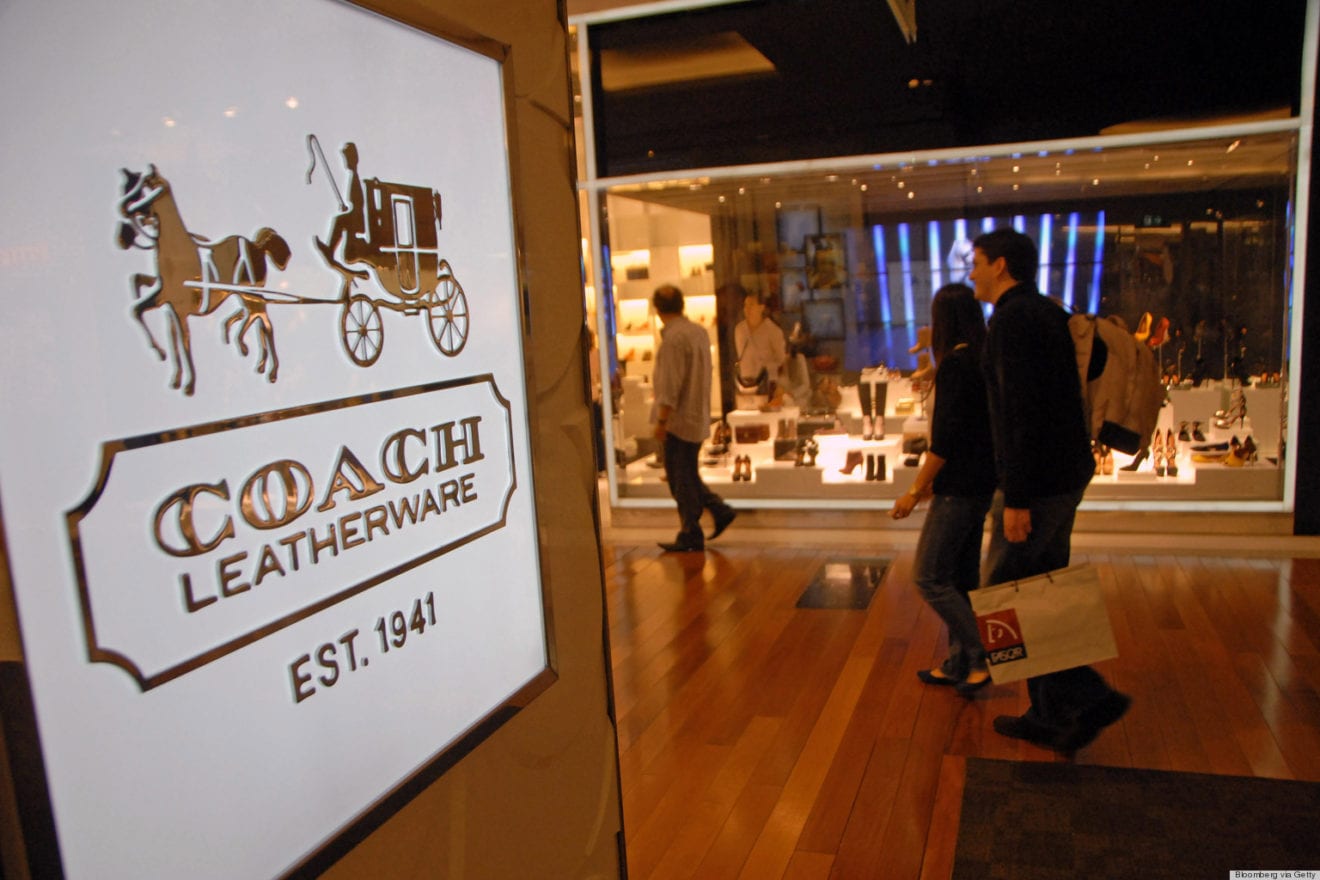
    Luxury fashion giant, Tapestry, has posted solid third quarter growth, boosted by strong sales from its Coach brand.

    Tapestry posted a 33 per cent increase in net sales for the quarter ending March 31 to $1.32 billion compared to the previous corresponding period, and relatively strong results from Coach where overall sales rose six per cent.

    Same-store sales for its Kate Spade brand, however, plunged nine per cent in the quarter because of a decline in online revenue. The company also posted its Stuart Weitzman’s profit margin was hurt by production delays and weaker sales of older shoes.

    The company’s operating income for the quarter was $159 million on a reported basis, while operating margin plunged 12.0 per cent compared to the 15.2 per cent in the prior year. On a non-GAAP basis, operating income was $184 million, an increase of 14 per cent from the previous year, while operating margin was 13.9 per cent from the 16.3 per cent in last year’s third quarter.

    Victor Luis, Tapestry chief executive, said their solid third quarter performance was consistent with their expectations, as they achieved double-digit increases in sales and earnings per share.

    “Results were driven by continued growth at Coach, where comparable store sales rose, led by outperformance in North America, and reflected our strong offering, including the successful global relaunch of Signature in retail,” Luis said. “We leveraged these sales gains, tightly controlling costs, and delivered operating income growth ahead of the top line increase.”

    During the quarter, the company has completed the buybacks of the Coach business in Australia and New Zealand as well as the Stuart Weitzman business in Northern China, while also taking operational control of the Kate Spade joint ventures for Mainland China, Hong Kong, Macau and Taiwan.

    Tapestry also gave an updated guidance that offered reason for optimism about Kate Spade. It now expects that acquisition to create $45 million in synergies, up from the $30 to $35 million it outlined in previous guidance. The company has also stated it now also expects Kate Spade to contribute $145 million in operating income for the year, higher than the $130 to $140 million in earlier guidance.

    According to Neil Saunders, managing director of GlobalData Retail, the bounce in Tapestry’s results that comes from Coach where sales growth accelerated to 5.9 per cent on a total basis and three per cent on a global comparable basis is encouraging,

    “In our view, this indicates that the Coach brand continues to gain ground across the demographic spectrum,” Saunders said. “From our own brand tracking, we are particularly encouraged to see growing interest among younger consumers – something that is helping to fuel strong numbers in the e-commerce division.”

    Saunders said on the product front, they believe that the current range is compelling.

    “The recent relaunch of the Signature collection – which features an interlocking ‘C’ motif – has been particularly successful, with popular products like the Charlie Carryall tote doing well. In our opinion, the popularity of the iconic ‘C’ signature design shows how much the brand image of Coach has strengthened over the past year or so,” he said.

    He added that looking ahead, they think that the economic environment will continue to be supportive into the next quarter, as residual tax refunds and bonuses come through.

    “However, thereafter these benefits will wane, putting some downward pressure on growth,” he said. “However, as the underlying fundamentals of Coach remain strong, growth will remain good – with a possible boost in fall thanks to an expanded collaboration with Selena Gomez.”

    Overall, he said, Tapestry is currently a mixed bag of businesses.

    “However, all are headed in the right direction and this gives us confidence the group will fulfil its ambition of becoming a strong luxury lifestyle company.”

  • How updating Privacy Settings will affect Businesses

    How updating Privacy Settings will affect Businesses

    You may have suddenly started receiving privacy updates from all the internet sites, apps and services you use. That’s because the European Union’s General Data Protection Regulation becomes law on May 25, 2018. It’s the clearest statement yet from any regulator on what consequences companies could face in dealing with their customers’ personal data.

    The regulation has been introduced to counter the power and prevalence of data collection and online surveillance techniques. It contains strict new rules of data protection, and severe penalties for breaches.

    The regulations apply to the data processing activities of any business that is a data processor (like US-based Amazon Web Services or India-based Habiledata) or data controller (like Ebay and Facebook) with an establishment in the EU.

    It also applies to any processor or controller, wherever they are located, that is processing the personal data of EU residents. This is regardless of where that data is processed and is irrespective of whether payment is required.

    By forcing non-EU companies to comply, the EU is ensuring that EU and non-EU businesses compete on the same terms.

    How it will affect businesses

    Australian businesses will not be forced to comply with or fall foul of the new data regulation merely because they maintain websites accessible in the EU. However, those with an office in the EU, or whose website is aimed at or tracks the data of EU residents, will be affected.

    These include businesses with an EU footprint, for example retailer Harvey Norman operates in Ireland, Croatia and Slovenia. It also covers data processors in Australia whose business includes EU or EU based clients, and startups which trade globally.

    Australian businesses may benefit from the fact that the new rules are consistent with the Australian Privacy Principles. Both promote transparency and accountability in information handling and require businesses to notify of any privacy breaches.

    By contrast, businesses in countries where data handling requirements are less comprehensive (notably the US) will have to make changes to become compliant.

    Nevertheless, the new EU law will impose new burdens on Australian businesses. For example, the EU laws specify encryption and pseudonymisation – where personally identifiable information is replaced by one or more pseudonyms – to ensure data is not identifiable.

    The new EU law will also change the standard practices of online businesses by outlawing pre-ticked boxes, required consent and bundled consent. Businesses must now seek (in clear and plain language), and individuals must give, active, specific, free and informed consent to each purpose for which their data is collected.

    The data law also require all businesses to demonstrate that they have procedures for notifying regulators and customers of data compromises: within 72 hours in the case of high risk breaches and without undue delay in all cases.

    How it will affect consumers

    The EU law includes new or enhanced rights for individuals. Many have no equivalents in other jurisdictions, including Australia.

    People have a right to demand that businesses erase and cease disseminating personal information, and to halt its processing. However, this “right to be forgotten” is balanced against the public interest in the information remaining available.

    The right to data portability in the legislation enables individuals to obtain personal information they have given by consent to one controller in a “structured, commonly used, machine-readable format” and transfer it to another. This will make it easier for customers to switch between businesses.

    However these rights impose regulatory burdens on businesses. It may be technically and organisationally difficult without sophisticated and expensive data handling processes.

    For businesses that rely on things like cloud backup and third party customer support, deleting or making copies of transferable data will be difficult.

    The commercial value of data is such that some companies may simply try to avoid the consequences of the new EU laws by processing information outside the EU, and applying different standards of data protection to customers depending on their location. Facebook has done this.

    On the other hand, given how complex double standards can be to apply in practice, they may simply make the EU rules the new normal of global privacy. In that case businesses should be using it as an opportunity to build more sustainable business models in the emerging era of respect for privacy.

  • Hugo Boss performing well

    Hugo Boss performing well

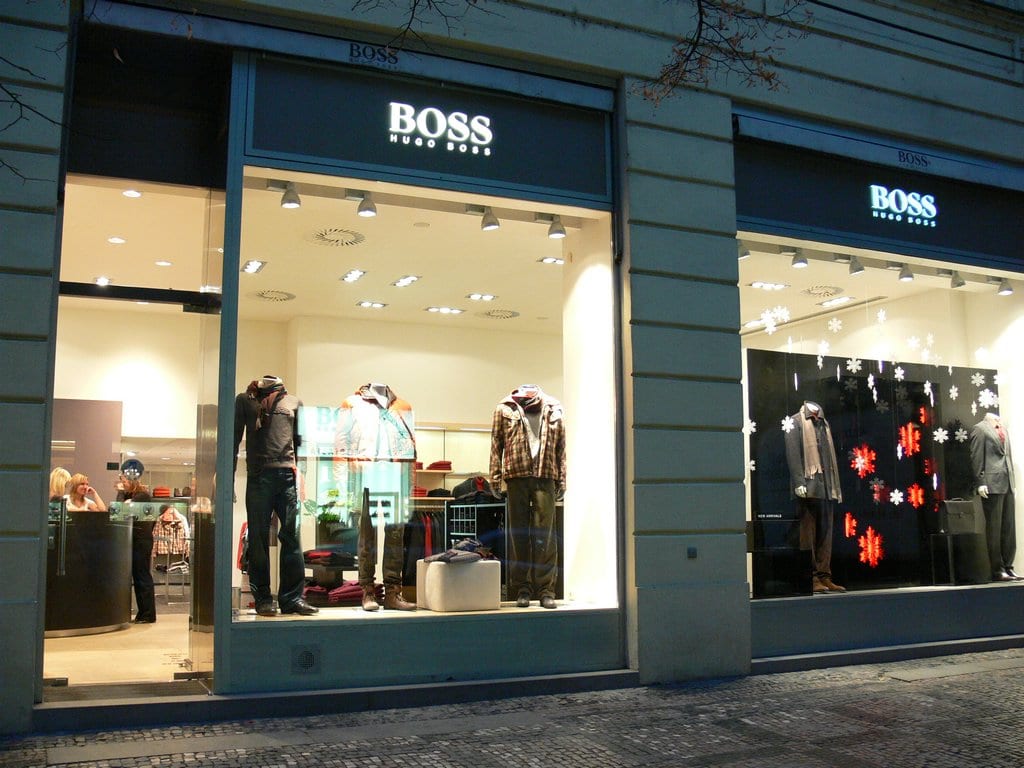
    German fashion house Hugo Boss has posted better-than-expected sales growth helped by a pick up in sales in China and North and Latin America.

    The business posted a five per cent increase in sales for the first quarter to €650 million (AUD$1.03bn), in currency adjusted terms, boosted by strong growth in China and the Americas. Operating profit has increased slightly at €99 million (AUD$158m) compared to the previous corresponding period, confirming its 2018 outlook.

    Investments in product quality, the digital transformation of the business model and the strong euro have curbed the profit increase.

    Mark Langer, Hugo Boss CEO, said that thanks to the its performance in the first quarter of 2018, they are feeling more confident that the business will achieve its sales and earnings targets for the full year.

    “The strong increase in the group’s own retail business shows that our new collections are being well received by customers,” Langer said. “Our investments in the quality of our products and the desirability of our brands are therefore paying off.”

    Langer said the substantial progress achieved in their online business is also encouraging.

    “This positive performance strengthens our confidence that we will achieve our sales and earnings targets for the full year.”

    Hugo Boss has been making efforts to take the brand more upmarket and expand in womenswear and refocused on premium men’s clothing.

  • Alibaba Cloud enters partnership with ASL

    Alibaba Cloud enters partnership with ASL

    Alibaba Cloud and Hong Kong IT service provider Automated Systems Limited (ASL) have entered a strategic partnership aimed at facilitating the development of the cloud market in Hong Kong and Macau.

    Under the collaboration, both companies will collaborate on areas including go-to-market, solution creation, and cloud security services.

    The companies will also invest to create joint teams that will offer innovative cloud solutions and services for businesses in the two markets.

    Alibaba Cloud will contribute security solutions and services for ASL’s Security Operation Center Plus offering. The two companies will also establish a joint solution lab working on new offerings for the healthcare, property, financial services and other industries.

    Meanwhile Alibaba Cloud will provide ASL with support to create a technical team to handle presales, solutions architecture and solution delivery, and ASL will acquire cloud talent through the Alibaba Cloud Associate and Alibaba Cloud Professional certification programs.

    “We are excited to work closely with Alibaba Cloud, the leading digital transformation expert in the world,” ASL executive director and CEO Wang Yeou said.

    “The partnership will further our mutual vision of fostering the development of the cloud market in Hong Kong and Macau. In the age of cloud computing and digital transformation, this partnership will build and strengthen ASL’s brand and position as a leading and industry-specific cloud service provider in Hong Kong and Macau.”

  • YSL Beaute goes high-tech

    YSL Beaute goes high-tech

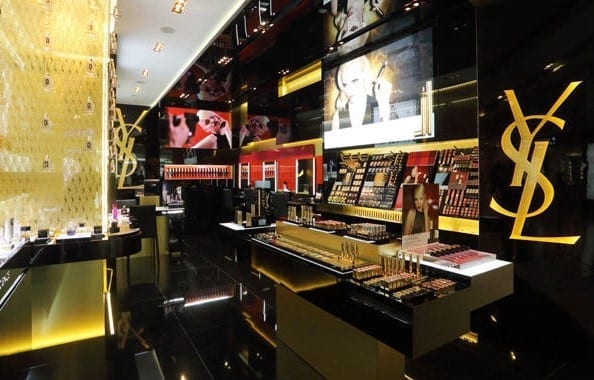
    YSL Beaute teamed with Tencent and marketing group Mindshare for the launch of its Mon Paris Couture perfume in Hong Kong.

    It was the first time in the colony a luxury make-up brand has used facial-recognition technology in a WeChat mini program.

    Consumers visiting YSL’s pop-up store at Harbour City, Tsim Sha Tsui, were able to create their own personalised perfume in a specially engraved bottle. To avoid a queue as has happened previously, a “Mon Paris ID” was created for each participant for use before and during the event for personalised shopping experiences.

    Before the event, participants could upload their headshots via WeChat, linked to YSL Beaute’s mini-program for both WeChat and Weixin users, or a web page for local digital users.

    An interactive panel using Tencent technology could verify customers by recognising their faces, with the system able to automatically arrange, create and engrave the perfume bottles within seconds.

  • Asia Pacific helps Under Armour to get up

    Asia Pacific helps Under Armour to get up

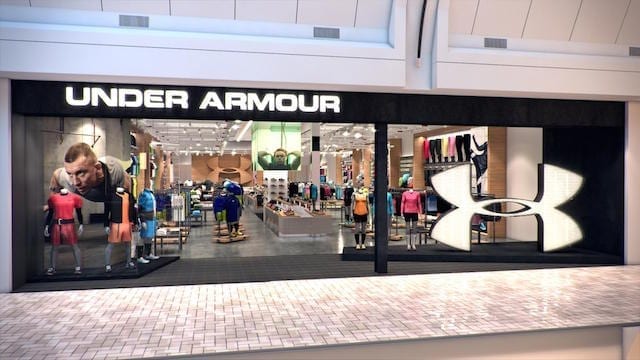
    US-based sportswear brand Under Armour has unveiled better than expected first quarter revenue growth of 6 per cent to US$1.2 billion, as weakness in its home market was offset by growing momentum overseas.

    Asia Pacific was the strongest individual operating region for the business, with sales increasing by 28 per cent, currency corrected.

    However, Under Armour booked a net loss of $30 million in the first quarter, although excluding $37 million in costs associated with its restructuring plan net income was $1 million.

    North American revenue declined by 1 per cent in currency corrected terms while its international business saw sales increase by 27 per cent, up 19 per cent in currency corrected terms.

    Under Armour chairman and CEO Kevin Plank affirmed the company’s $20-30 million operating income guidance for 2018 on Tuesday in the US.

    “Our first quarter results demonstrate measured progress against our focus on operational excellence and becoming a better company,” Plank said.

    “As we continue to build our global brand by delivering innovative performance products to our athletes, amplifying our story, further strengthening our go-to-market process, and leveraging our systems to create even deeper consumer connections – we remain confident in our ability to deliver on our full year targets.”

    GlobalData Retail MD Neil Saunders said that while there are some positives in the latest result the figures still give the impression that the business has “run out of steam”.

    “Overall revenue looks good enough with a 5.8 per cent increase in sales,” he said.

    “However, all of this comes from newer markets where Under Armour is buying growth through expansion. There is nothing wrong with this strategy, but it comes with costs attached – which means the contribution to the bottom line is less than impressive.”

    Saunders says Under Armour’s poor performance is solely of the brand’s own making.

    “Within North America, we believe that Under Armour’s image is still off-pitch and that its brand strategy remains extremely muddled. Strategically and in terms of its store and distribution footprint, it is clear that Under Armour wants to be a strong lifestyle brand with a wide reach.

    Indeed, recent partnerships, such as the collaboration with rapper A$AP Rocky, suggest a push to appeal to younger demographics more interested in fashion than sports.”

    Saunders says most consumers do not see Under Armour as a lifestyle brand; they see it as a specialist sports performance brand.

    “This limits Under Armour’s ambitions and means that many of the lifestyle initiatives it pursues fall on stony ground. The brand needs to have a much clearer identity, possibility by using sub-brands, before it can gain wider acceptance. Throwing out new products and lines before this clarity is developed is folly.”

    He also believes “the masculine nature of the brand” has made it hard to expand its reach to women.

    “While store design, marketing, and products remain male-focused, Under Armour will continue to struggle with women. This is a lost opportunity as female sports and fitness remain a fast-growth part of the market.”

    He says Under Armour is paying the price for growing too fast and has too broad a set of ambitions.

    “The result is a company that lacks a clear vision or point of view. In today’s crowded marketplace this has made it indistinct and easy to overlook. Until this is remedied, growth will remain problematic.”

  • Apple acknowledge iPhone challenges

    Apple acknowledge iPhone challenges

    Analysis of the latest Apple sales figures shows that tech giant remains a phenomenal company, but it needs to regain the magic spark that used to be its hallmark.

    As usual, Apple’s performance is good on both the top and bottom lines. Revenue for the quarter jumped by almost 16 per cent, an impressive increase given last year’s strong results. Even more impressive was the 25.3 per cent leap in net income, an uplift that came despite a higher level of spending on research and development.

    But as good as the headline numbers are, there are some less satisfactory nuances in the underlying dynamics driving them. Foremost among these are sales of the iPhone. On the surface, revenue from iPhone sales, which rose by 14 per cent, looks strong. However, this is mostly pushed up by higher average prices rather than volume. Indeed, in unit sales terms, the number of iPhones sold rose by just 3 per cent over the same period last year.

    Given the high raw numbers that sit behind a 3 per cent unit uplift, such a criticism may seem petty. However, the second quarter last year was a weak one for the iPhone with sales down in both volume and value terms. As such, we would expect a much bigger uplift this time around. That this didn’t materialise, and that unit growth is well below the run rate for new phone launches, signals that the replacement cycle is slowing down. In essence, we maintain our view that Apple is struggling to persuade many consumers to update their phones.

    Failure to wow

    As I’ve have said before, this relative slowdown in iPhone sales is largely a function of Apple’s inability to come up with meaningful and valuable innovations that wow consumers. No matter how Apple tries to spin it, the iPhone X is essentially an incremental product that lacks the excitement and newness earlier models brought to the market.

    The same logic applies to many other product lines, including iPads and Apple Watch. These are good, quality items, however they are simply not impressing the market and Apple is losing its lustre in terms of producing compelling products. Apple has moved from a position of ‘must have this and must have it now’ to ‘might buy this at some point in the future’.

    Price increases may mitigate this but, ultimately, such a shift can only ever result in a softer sales performance.

    Adding new products, such as HomePod, into the mix provides potential new sources of revenue.

    However, with launches to date, Apple is not disrupting the market like it used to. HomePod is a case in point. Here, despite good technical specifications and design credentials, Apple was a latecomer to the smart speaker market. This crimped sales and puts Apple in direct competition with both Google and Amazon – against both of which it does not have a clear and compelling unique selling point. While we believe Apple can take a share of this market, we do not think it can win a decisive victory in the battle with other tech firms.

    One area of relative success, at least in revenue terms, is services. However, this is an area where we think Apple needs to push harder. Amazon is successfully creating an ecosystem of services through Prime. Apple needs to do something similar by building on its Apple Music subscription and its App Store offering. Content is a big growth area and is becoming increasingly linked to devices. Apple needs to play more heavily in this space both to generate new opportunities but also to defend its own device business.

  • Megaport supporting Google Cloud Partner Interconnect

    Megaport supporting Google Cloud Partner Interconnect

    Australia-based network as a service (NaaS) provider Megaport has introduced support for Google Cloud’s Partner Interconnect with its global SDN.

    The new service will allow Megaport customers to provide connectivity from their facility to the nearest Google edge PoP.

    Customers can select from a range of sub-rate interface speeds varying from 50Mbps up to 10Gpbs.

    The Partner Interconnect service is available across the Megaport SDN, which spans over 200 data centers globally. Megaport is enabling deeper integration between the SDN and Google Cloud via its API to enable provisioning of network capacity to Google virtual private clouds.

    “Scalable connectivity to Google Cloud Platform ensures that cloud-enabled applications perform to meet mission-critical business requirements,” Megaport CEO Vincent English said.

    “Google Cloud brings tremendous value to the Megaport Ecosystem and empowers our customers to address a wide variety of business needs. We have been working with Google Cloud since our inception and we are excited to grow and evolve our integration to ensure the next generation of business growth.”

    Megaport also recently announced a partnership with Colt Data Centre Services to allow Colt customers to access direct connectivity to a range of major cloud service providers via the Megaport SDN.

  • Lotte Shopping closing down

    Lotte Shopping closing down

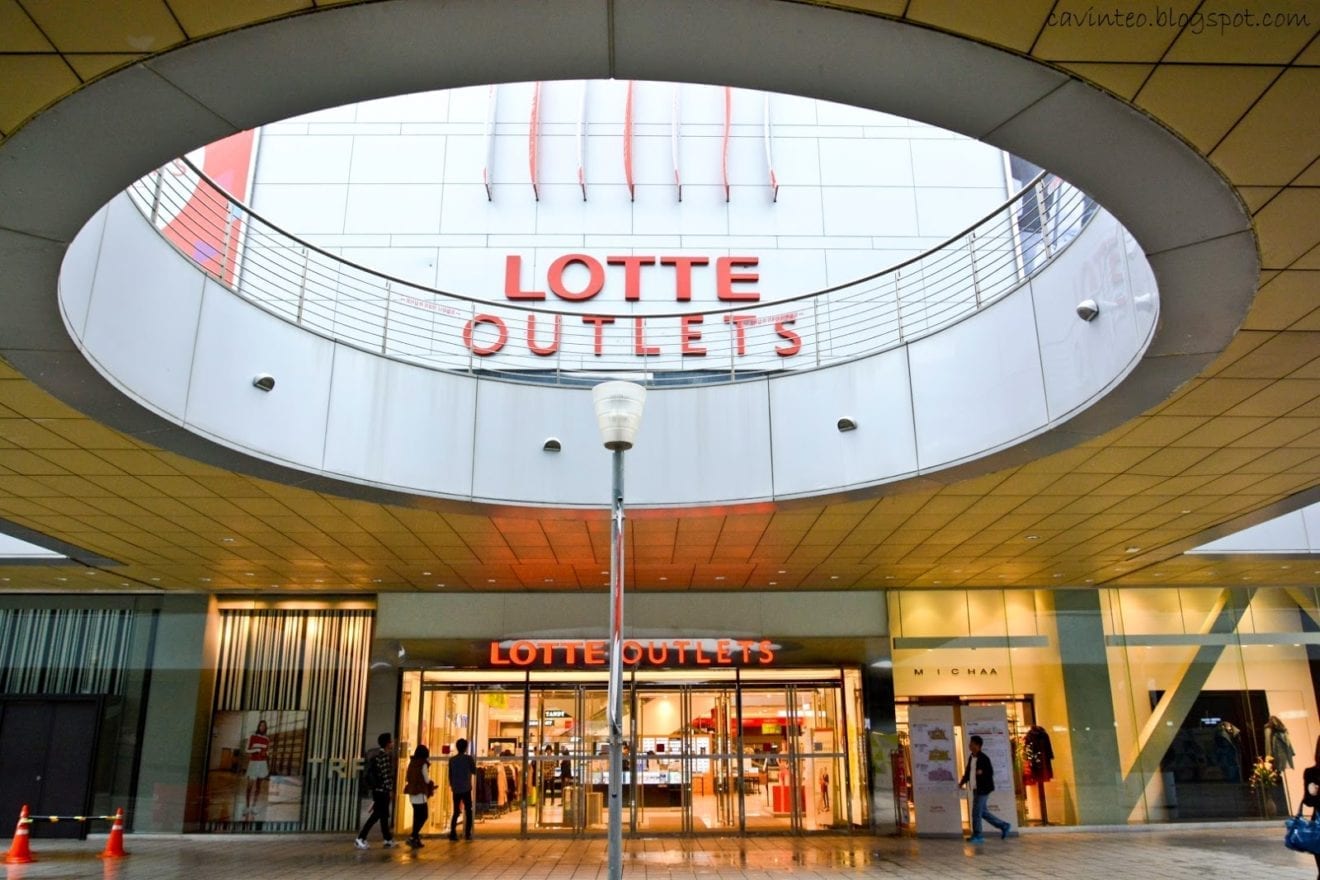
    Lotte Shopping is trying to offload its department store annexed to Anyang train station, 20km from Seoul.

    It is said to be in the final stage of closing a deal with shopping mall group Enter Six to either sell or transfer its lease rights on the store, reports Pulse.

    With nine floors above ground and one below, Lotte Department Store Anyang is connected to the Anyang station and is within walking distance of an intercity bus terminal.

    After opening in 2002, the branch was the only major shopping mall in the area, but sales nosedived after Lotte Department Store’s Pyeongchon branch opened in March 2012. The two Lotte department stores are only 2.8km apart. The retailer still has nearly half of its 30-year lease term left on the Anyang building.

    Lotte Shopping is shutting down its poor-performing stores. Meanwhile, E-mart, the big-box store chain of Shinsegae, also has been scaling back.