Blog

  • Many Korean goods to receive Vietnam tax exemption

    Many Korean goods to receive Vietnam tax exemption

    Many goods imported from the Republic of Korea (RoK) into Việt Nam will be exempted from import taxes in 2018, due to the Việt Nam-Korea Free Trade Agreement (VKFTA).

    The Government recently issued Decree No149/2017/NĐ-CP, which regulates a new special preferential import tariff, as agreed upon in the VKFTA, and to be put in place between 2018 and 2022.

    Under the decree, import taxes imposed on 704 types of products imported from the RoK to Việt Nam, will be eliminated in 2018. The groups of commodities that will enjoy tax exemptions this year are mainly in seafood, wheat flour, confectionery, diesel fuel, jet fuel, paint, laundry detergent, plastic, iron and steel products, power machinery and equipment, and electronic products.

    In 2018, an additional 653 products imported from the RoK will also have their tax rates lowered from last year.

    The preferential tax rates will be applied to commodities directly transported from the RoK to Việt Nam. The goods must also meet origin regulations, as stated in the agreement, and exporters must provide certificates of origin in a form stipulated by the Vietnamese Ministry of Industry and Trade.

    This year, Việt Nam has set several new preferential import tariffs to implement bilateral and multilateral FTAs with partner countries and territories, such as mainland China, Hong Kong, Japan and RoK.

    Under the Việt Nam-Japan Economic Partnership Agreement (VJEPA) and the ASEAN-Japan Comprehensive Economic Partnership Agreement (AJCEP) for 2016-19, nearly 4,000 import tariff lines for many groups of commodities imported from Japan will be also eliminated this year.


  • Chengdu’s first unmanned supermarket closed down

    Chengdu’s first unmanned supermarket closed down

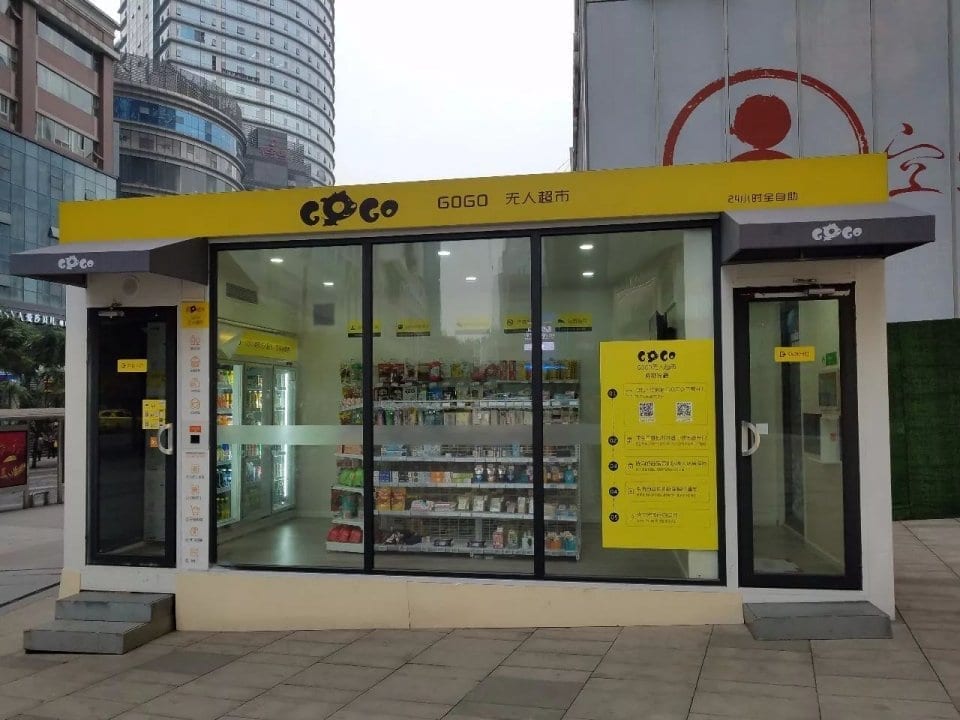
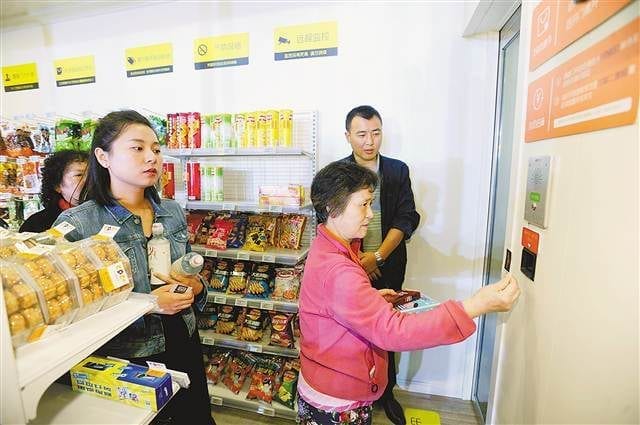
    After just four months, Chengdu’s first unmanned supermarket, Gogo Nobody, has reportedly shut down.

    This follows the unmanned shelf project Gogo Small, run by the same Chengdu-based startup Xiao Mang Guo Technology, closing down in November.

    It is reported that at least 30 employees have not been paid on time, one claiming they had not received payment since November.

    A Xiao Mang Guo spokesman says the unmanned supermarket is only “temporarily closed” and will be re-opened after its facial-recognition system has been upgraded.

    However, he did admit the company had misjudged the market, forcing it to terminate the unmanned shelf project. “In hindsight, the project expanded way too fast.”

    He also acknowledged the issue of backpay, saying the company is sorting out its financial problems and will handle the unpaid wages by April or May. “We did violate the regulations, and we apologise … We will not avoid any responsibilities.”

    Originally the company planned to open 500 Gogo supermarkets in commercial complexes across China, and establish 500 unmanned shelves near business districts and office buildings.

  • Singapore lags Japan and China with e-commerce use

    Singapore lags Japan and China with e-commerce use

    In contrast with data about digital transformation and government’s engagement in promoting digital solutions for retail, Singaporeans have not fully embraced e-commerce.

    Credit Suisse data show that Singapore falls behind China, US, and Japan in terms of e-commerce usage.

    In 2017, Singapore e-commerce comprised 5% of the country’s total retail.

    Meanwhile, e-commerce comprised 23% of total retail in China and 8% of retail in the US.

    Singapore still beat other ASEAN countries, however. The proportion of e-commerce in total retail in Indonesia is at 3%, nearly 2% in Malaysia and Thailand, and 1% in Vietnam and the Philippines.

    Those data also do not match with marketers’ opinions that frame those markets as a huge opportunity given the slow development of retail physical infrastructure. The fact that most brands are present in the main cities only, and cannot reach the remote areas yet, places e-commerce  as a complementary service to compensate the offline retail.

    However, those data show that there is still a long way to go. Definitely, millennials in those areas are tech-savvy, but the lack of sophisticated infrastructure slow down the process.

    Credit Suisse said with 158 million middle class consumers, ASEAN is often seen as the next frontier for the e-commerce market, but e-tailing — online retailing — is still at China’s levels in 2010.

    The firm said the entry of Chinese tech giants could change the ASEAN e-commerce scene significantly.

  • Finland becomes the first country to offer Chinese travelers a completely cashless experience

    Finland becomes the first country to offer Chinese travelers a completely cashless experience

    Alipay, the world’s largest mobile payment and lifestyle platform, operated by Ant Financial Services Group, today announced that a group of Chinese travelers have concluded the first ever cashless journey to Finland, with all transactions throughout their trip made via their Alipay accounts. From booking flights, making local retail purchases in Helsinki, and dining out, to visiting museums, experiencing recreational activities, and managing transportation, as well as receiving an instant tax refund at the airport, Finland becomes the first country outside China where Alipay users can make all payments with their smartphones, and enjoy their trip without worrying about cash and language barriers, just as they would at home in China.

    To encourage future seamless, cashless journeys, Alipay has also teamed up with Lähitaksi, one of Finland’s major taxi companies. Alipay will be made available on all 1,250 Lähitaksi taxis in Helsinki and the city’s surrounding towns before the Chinese Lunar New Year holidays later this month.

    “More and more Chinese travelers have been asking whether our taxis accept Alipay, which is why we decided to launch this payment method and provide our Chinese passengers a better experience during their time in Helsinki,” said Heidi Säynäjoki, Marketing Manager of LähiTaksi. Since 2017, Alipay has also been made available at the Airport Taxi in Helsinki and in taxis and buses operated by local taxi company Santa Line across Finland’s northernmost region, Lapland.

    The group of eight Chinese tourists who visited Finland were selected from an online social media campaign initiated by Alipay at the end of 2017. The selected group commenced on a 6-day trip, visiting the cities of Rovaniemi and Helsinki in mid-January to experience the cashless journey, flying Finnair and staying in Nova Skyland Hotel in Rovaniemi and IHG’s Holiday Inn Helsinki’s City Centre, leveraging Alipay’s in-app outbound tourism service platform to find nearby merchants, collect coupons and enjoy exclusive offers. All the merchants accept Alipay for online reservation and onsite spending. Finnair became the first airline in the world to accept mobile payments for in-flight purchases when it began accepting Alipay on flights between Helsinki and Shanghai in January 2017.

    Zoe Cai, 28, a housewife and frequent overseas tourist from Guangdong Province, said, “I didn’t expect us to be able to use Alipay almost everywhere in Finland. I brought some cash with me, but the only place I got to use it was in a supermarket in Rovaniemi. At first, we were surprised when so many merchants accepted Alipay, but after this experience, we may be surprised if a merchant doesn’t accept Alipay when we travel next time.”

    Retail shops in popular overseas destinations have benefited from the rise of China’s middle-class over the last decade. An increase in disposal income has led to a greater interest to travel abroad, where Chinese tourists enjoy experiencing different cultures, exotic cuisines and new adventures. Alipay has now become a must-have tool for overseas merchants to provide Chinese tourists with a seamless traveling experience.

    Paavo Virkkunen, Executive Vice President of Finland’s national tourism board Visit Finland, said, “Alipay was first made available in Finland in December 2016. I am glad to see it is widely accepted among Finnish merchants today, and it demonstrates Finland’s commitment to ensure that Chinese visitors leave our country with an unforgettable experience.” Official statistics of Visit Finland show that China is Finland’s fifth largest source of tourist arrivals. ePassi is Alipay’s local partner in providing tailor-made solutions for various types of Finnish merchants to accept Alipay across the country.

    Alipay is focused on upgrading the overseas Chinese travelers’ experience throughout their visit, enabling a cashless journey via mobile payment, thus omitting language and currency barriers. It offers Chinese consumers their most preferred payment method and offers greater convenience during their travels, particularly when making transactions with overseas bricks-and-mortar merchants. Alipay is now accepted by merchants across 38 countries and regions who connect with travelers via the Alipay marketing platform and accept payments in stores and online.

  • SM scraps Goldilocks acquisition deal

    SM scraps Goldilocks acquisition deal

    SM Retail, a subsidiary of SM Investment Corporation (SMIC), has called off a planned acquisition of Goldilocks Bakeshop chain in the Philippines.

    This follows the Philippine Competition Commission (PCC) approving the takeover just last month.

    Citing changes in the business environment, SMIC corporate secretary Elmer Serrano has confirmed that SM Retail has backed out of the deal, saying it was a joint agreement.

    SMIC, through SM Prime Holdings (SMPHI), runs nearly 70 SM Malls in the Philippines, while Goldilocks has a network of more than 500 stores, some of which are in SM Malls. The acquisition would have made Goldilocks a subsidiary of SM Retail.

    Both parties had committed to address potential competition issues when submitting details of the proposal to the PCC. Concerns included the possibility of limited retail space in SM Malls for Goldilocks’ competitors. There were also concerns SM Retail might gain access to competitors’ sales information.

  • US subscription rental service Le Tote expands with China debut

    US subscription rental service Le Tote expands with China debut

    American subscription fashion rental service Le Tote is making its international debut with Le Tote China.

    The San Francisco-based company said the launch is still in beta phase with a full roll out expected to the China public in spring 2018.

    Le Tote is the first US subscription service to launch in China, according to the company, in a press release.

    “To be the first US subscription service in China, the largest e-commerce market in the world, is an opportunity that is both humbling and exhilarating,” said Rakesh Tondon, Le Tote Co-Founder and CEO.

    “Regulatory restrictions are particularly tough and our partnership with Clement allows us to enter a market that so few venture-backed companies have been able to penetrate. With the launch of Le Tote China, we’re now able to reach a target demographic of over 400 million women – and we’re still in the early days of the country’s middle-class boom.”

    Le Tote has partnered with Chinese retail veteran, Clement Tang, to facilitate the Asian move, naming Tang Le Tote China CEO. Tang also invested in the subsidiary, leading the investment for Le Tote China.

    Tang worked for almost twenty years at Belle International, the largest shoe retailer in China, having most recently served as Executive Director and President, until the firm was acquired for $6.8 million.

    Providing women with the ability to rent unlimited clothing and accessories for a flat monthly fee, Le Tote China will provide the same service as its US operator. Tote has leveraged its domestic business model, proprietary technology and in-house talent to transpose the service for the international market. Starting small, some 3,000 ‘Founding Members’ have been selected to participate in the launch, with others placed on a waiting list.

    “China is a nuanced market with its own cultural norms, standards and expectations. We can’t simply cut and paste the Le Tote experience,” said Clement Tang, Le Tote China CEO.

    “We are eager to work with the Founding Members to deeply understand the market and deliver a service that truly resonates. We know that the average per capita income in China is growing 10% year over year and 60% of disposable income is spent on fashion. The Chinese consumer is primed and ready for the future of retail, but has not yet had access to a solution like ours.”

    Le Tote China is headquartered in Shenzhen with satellite offices in Beijing and Hong Kong. The distribution centre is in Dongguan, with plans to expand to Beijing and Shanghai as well.

  • Who’s travelling to Japan?

    Who’s travelling to Japan?

    Japan’s tourism bonanza shows no signs of abating. The country welcomed a record 28.6 million visitors from abroad in 2017, an increase of 19.3% on the year. Travelers also spent significantly more: 4.4 trillion yen ($39.68 billion), up 17.8%.

    So, where are all of these people coming from? Where are they going? And what are they spending their money on?

    The numbers clearly show geographical proximity is a major factor. Mainland China was the No. 1 source of visitors to Japan last year, accounting for 7.35 million, or 25.6% of the total. South Koreans were close behind at 7.14 million, or 24.8%.

    Back in 2007, only 942,439 Chinese tourists came to Japan. But over the next decade, the figure soared by 680.5%.

    Traffic from Taiwan and Hong Kong was also brisk in 2017: the former accounted for 4.56 million visitors, or 15.9%, while the tally from the latter came to 2.23 million, or 7.7%.

    Although China has played a big role in the tourism boom, it is only part of the story.

    Japan has seen exponential growth in the number of tourists from South East Asia. In terms of sheer growth rate from 2007 to 2017, Vietnam actually led the pack, with an 868% increase over 10 years. Arrivals from Thailand surged 489.3%, while those from Indonesia jumped 448.7%.

    What is interesting is also to see where do they go. As for where international travelers stayed in 2017, the usual destinations came out on top: Tokyo, Osaka, Hokkaido and Kyoto. But in terms of growth from the previous year, Tokyo ranked only 33rd out of the country’s 47 prefectures, with Osaka placing 22nd, Hokkaido 26th and Kyoto 19th.

    Oita Prefecture, in the Kyushu region, logged the biggest rise in overseas visitors. Known for its popular hot springs, Beppu Onsen and Yufuin, the prefecture appears to be capitalizing on tourists’ growing tendency to favor uniquely Japanese experiences over shopping.

    Next up was Saga Prefecture, which is now served by more direct, budget flights from Asian cities. Saga is adjacent to another popular destination, Fukuoka Prefecture, making the area a convenient option with ample accommodations.

    At No. 3 was Aomori Prefecture, in the northeastern Tohoku region. This was partly thanks to international carriers: China’s Okay Airways opened a direct flight from Tianjin to Aomori in May, and Korean Air also increased its flights. “Overseas tourists are going to places like open air hot springs by the seaside or hotels with no electricity for visitors — destinations even Japanese people don’t visit that much,” said Akihiko Tamura, commissioner of the Japan Tourism Agency.

    Few will be surprised to find that Chinese tourists topped the spending ranking, forking out an average of 230,382 yen per person in 2017. The bulk of that money went toward shopping.

    Visitors from the U.K. and Australia, meanwhile, spent the most on food and drinks as well as hotels. Visitors from Spain, France and Italy shelled out the most on transportation.

    South Koreans, on the other hand, placed at the bottom of the rankings for hotels, food and drinks, transport and shopping — and, naturally, overall spending. Yet this does not mean they are frugal travelers: since Japan is only a brief flight away, they tend to stay for shorter periods than tourists from other countries, limiting their spending.

  • Ralph Lauren sales mix figures

    Ralph Lauren sales mix figures

    The latest Ralph Lauren sales figures come with a mixed dose of both optimism and pessimism.

    The pessimism is from the continued slide in sales, which tumbled on both a total and comparable basis. More optimistically, the drop in sales is now flattening out, with some of the decline deliberately engineered as the company looks to rebuild its brand.

    According to the apparel brand, US sales fell 10 per cent in the last quarter of last year, although this was mitigated a little by a 28 per cent increase in Mainland China. The company reported a net loss of $81.8 million, largely due to a taxation issue.

    Starting on the bright side, it is clear that the long run decline in sales is easing. Admittedly there are some factors – such as very soft prior year comparatives – that have aided this trend, but even so, performance is improving. It is particularly encouraging that much of the decline is now deliberately engineered rather than just a function of Ralph Lauren being out of step with consumer demand. The pullback from department stores and a reduction in shipments to off-price channels have both taken their toll on the revenue line, but they are essential steps on the path to rebuilding brand equity.

    A reduction in discounting is also to be applauded, even if this dampened sales numbers over the holiday period. The impact on margins has been good, and we believe that a reduction in promotional activity is helping to strengthen Ralph Lauren’s brand image. That said, as has been seen from other luxury brands that have pulled back from the discounting drug, there is pain before recovery. In our view, Ralph Lauren remains in the painful phase, and it is unlikely to see improvements until well into this calendar year.

    The margin gains, along with some action on costs, has resulted in a much better bottom line performance. At operating level, profits rose by 47.5 per cent this quarter. Its net loss for the period was down to increased tax provisions rather than operational issues, we are not unduly alarmed by the slip.

    For all the good news, Ralph Lauren still has much more work to do before it is back to full health. Our data shows that while there has been a moderate improvement in brand perception, Ralph Lauren has not regained all of the ground it lost over the past ten years and is a long way from where a luxury brand of its kind should be.

    The main brand issues are still clarity and relevance. Many consumers are unclear about what Ralph Lauren stands for or what it has to offer; therefore, they do not see the brand as being entirely relevant to them. In a sense, Ralph Lauren has simply slipped off the radar of many shoppers. Much of this is down to the lack of coherence across the various parts of Ralph Lauren’s business. There are still too many parts to the offer, and they are disjointed and confusing. Steps are being taken to correct this, but it is clear that much more work needs to be done.

    North America challenge

    The problem is most acute in North America, where the brand is arguably at its most ubiquitous. With comparables in the region down by 10 per cent, the scale of the problem is evident. Of particular concern is the 27 per cent slide in retail e-commerce sales. Given the strength of the channel over the holiday period, this is a terrible result and underlines the fact that Ralph Lauren has a great deal more work to do in streamlining and strengthening this part of the operation.

    We note that it has recently taken on new hires in this area, including talent from Burberry.

    However, the lack of progress on e-commerce is as much a function of brand issues as it is to do with online execution. Both need to be corrected before growth can come.

    Overall, we are encouraged that Ralph Lauren is now on the right path. However, we are also cognisant that the road to recovery is long, and winding.

  • Thailand Central Group to pursue online growth

    Thailand Central Group to pursue online growth

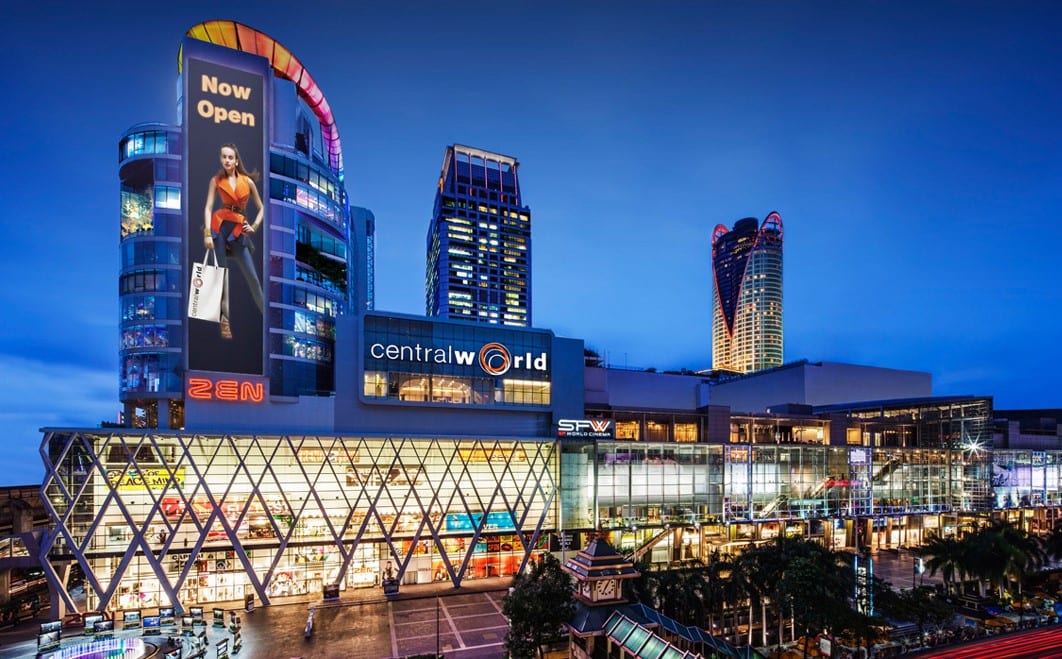
    The company with the biggest grip on Thailand’s brick-and-mortar retail market is expecting a partnership with China’s JD.com Inc. to pursue online growth.

    Central Group, which controls Thailand’s biggest operator of shopping malls and department stores, expects online sales to account for as much as 15 percent of its revenue in five years, from 2 percent now. The partnership with JD will help it compete in South East Asia’s booming e-commerce market and also open up businesses opportunities in China, Chief Executive Officer Tos Chirathivat said in an interview.

    With an empire that also includes hotels, supermarkets and restaurants, Central Group is counting on online growth to help drive sales. The company first announced its $500 million joint venture with JD in September 2017, teaming up with China’s second-largest e-commerce operator. Tos estimates that online retail in Thailand could rise fivefold to 10 percent of the market as the country of nearly 70 million develops and access to the web spreads through smartphones.

    “We obviously want to be the leading player in the 10 percent so it doesn’t really matter what kind of percent of the group it is,” Tos said in the Jan. 3 interview at his Bangkok office. “The important thing is to be the leader in the market itself.”

    Central Group and JD are competing in an increasingly crowded market, with Alibaba Group Holding Ltd. expanding in South East Asia through Lazada while Amazon.com Inc. kicked off with a beachhead in Singapore last year.

    Southeast Asia is home to more than 600 million people and the region’s internet economy, which includes e-commerce, online travel and ride-hailing, may grow fourfold by 2025 from an estimate of $50 billion in 2017, according to a joint research report by Google and Temasek Holdings Pte.

    While Central Group is a privately-held investment arm of the Chirathivat family, the company controls a number of publicly traded businesses. Central Pattana Pcl is a mall developer, Central Plaza Hotel Pcl operates resorts and restaurants, Robinson Pcl has a chain of department stores and COL Pcl does office supplies.

    All four gained in 2017, with Central Pattana surging 50 percent in 2017, Central Plaza jumping 47 percent and COL more than doubling, all outperforming Thailand’s benchmark SET Index.

    Outside the country, Central Group owns Italian luxury department store La Rinascente, Danish retailer Illum and in 2016 acquired the Big C hypermarket chain in Vietnam.

    Central Group is targeting annual revenue growth of 13 percent in 2018 based on the company’s five-year strategy plan, said Tos. That number may be higher with mergers and acquisitions, and the company could consider deals in the billions of dollars if the opportunity is right, he said.

    Local sentiment is helping the company, with consumer spending in Thailand picking up after the October cremation of late King Bhumibol Adulyadej ended the nation’s yearlong mourning period.

    “If the trend continues like this then this year should be good,” said Tos.

  • FENDI Opens in Singapore ION Orchard

    FENDI Opens in Singapore ION Orchard

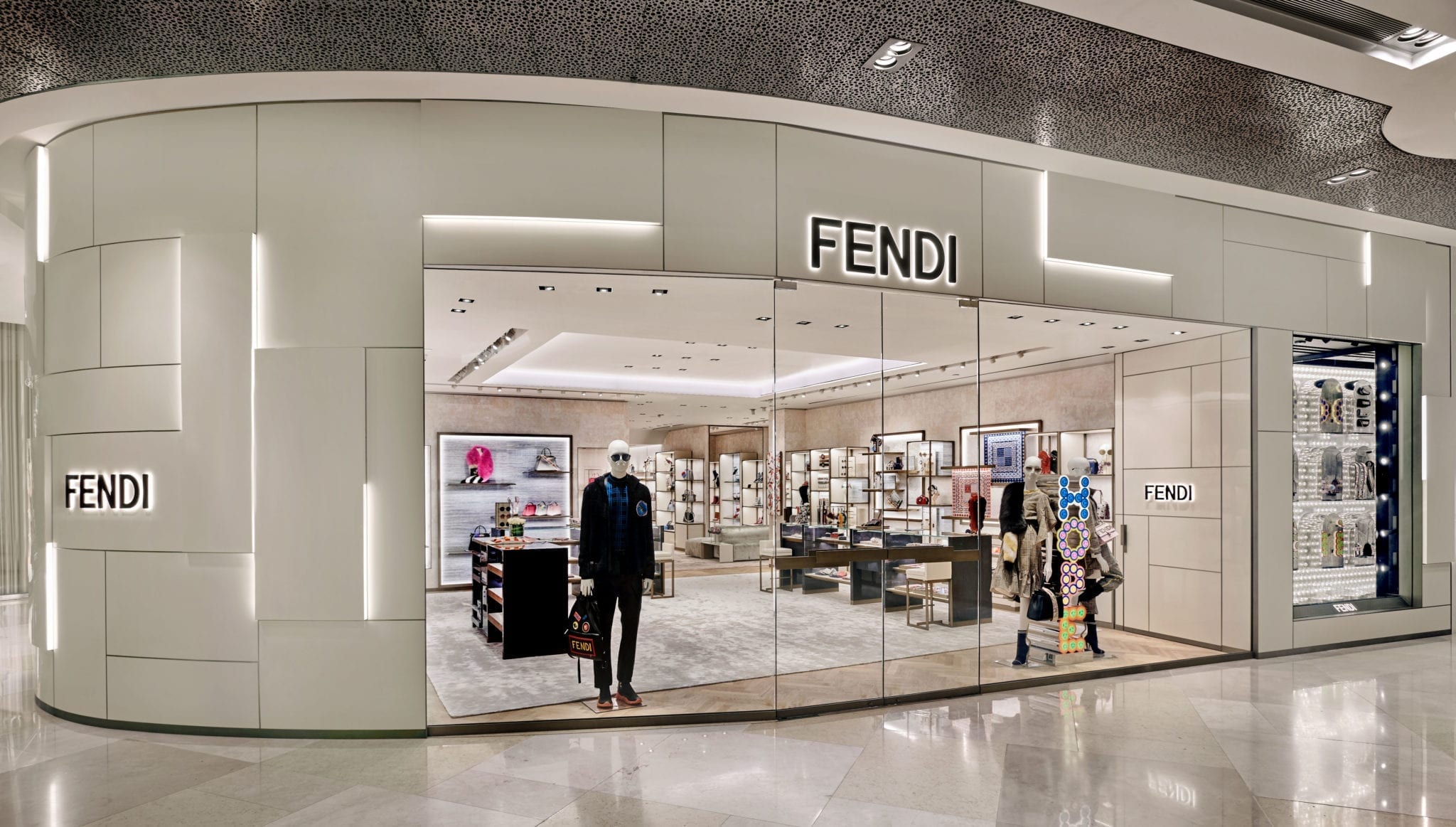
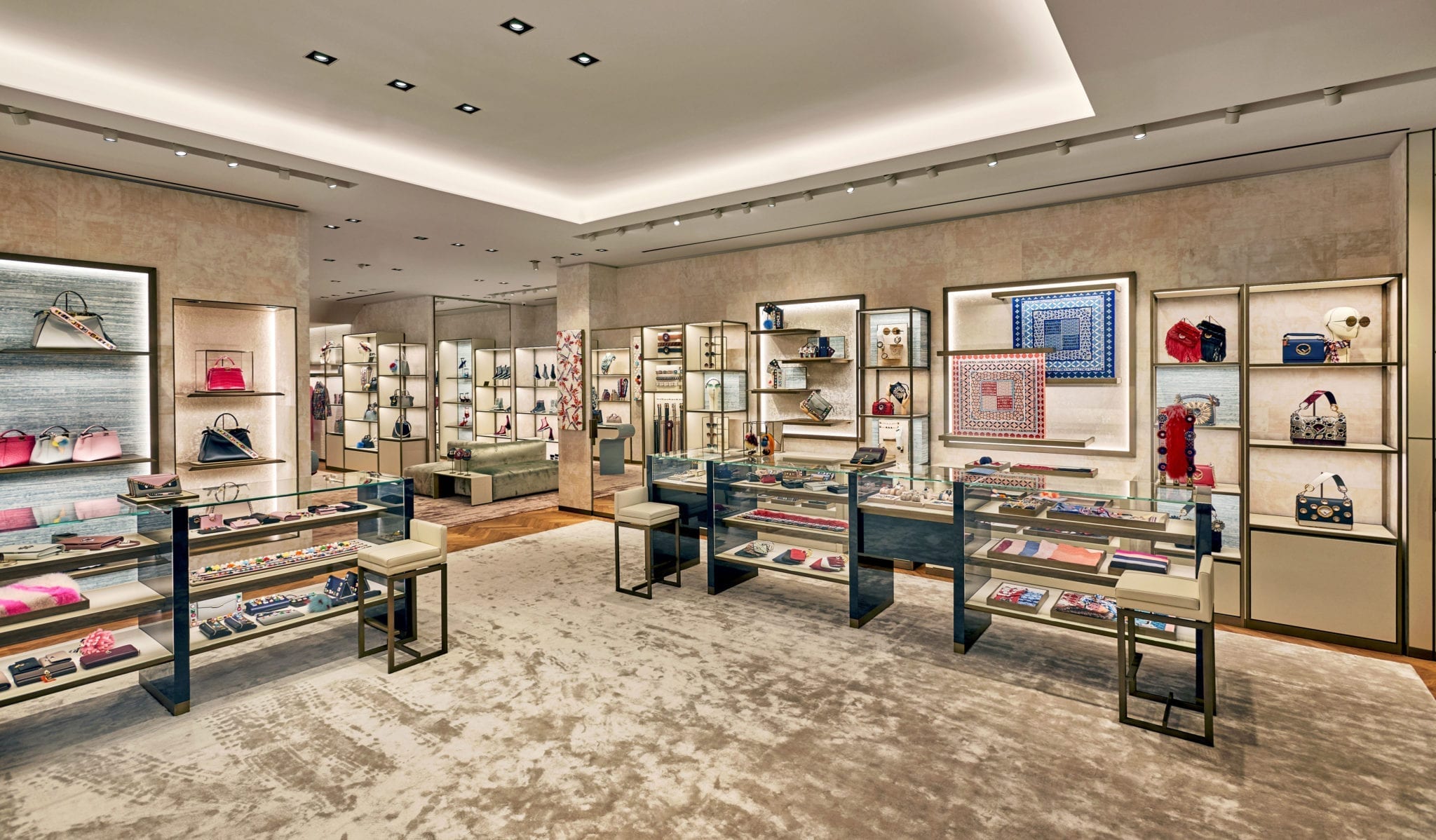
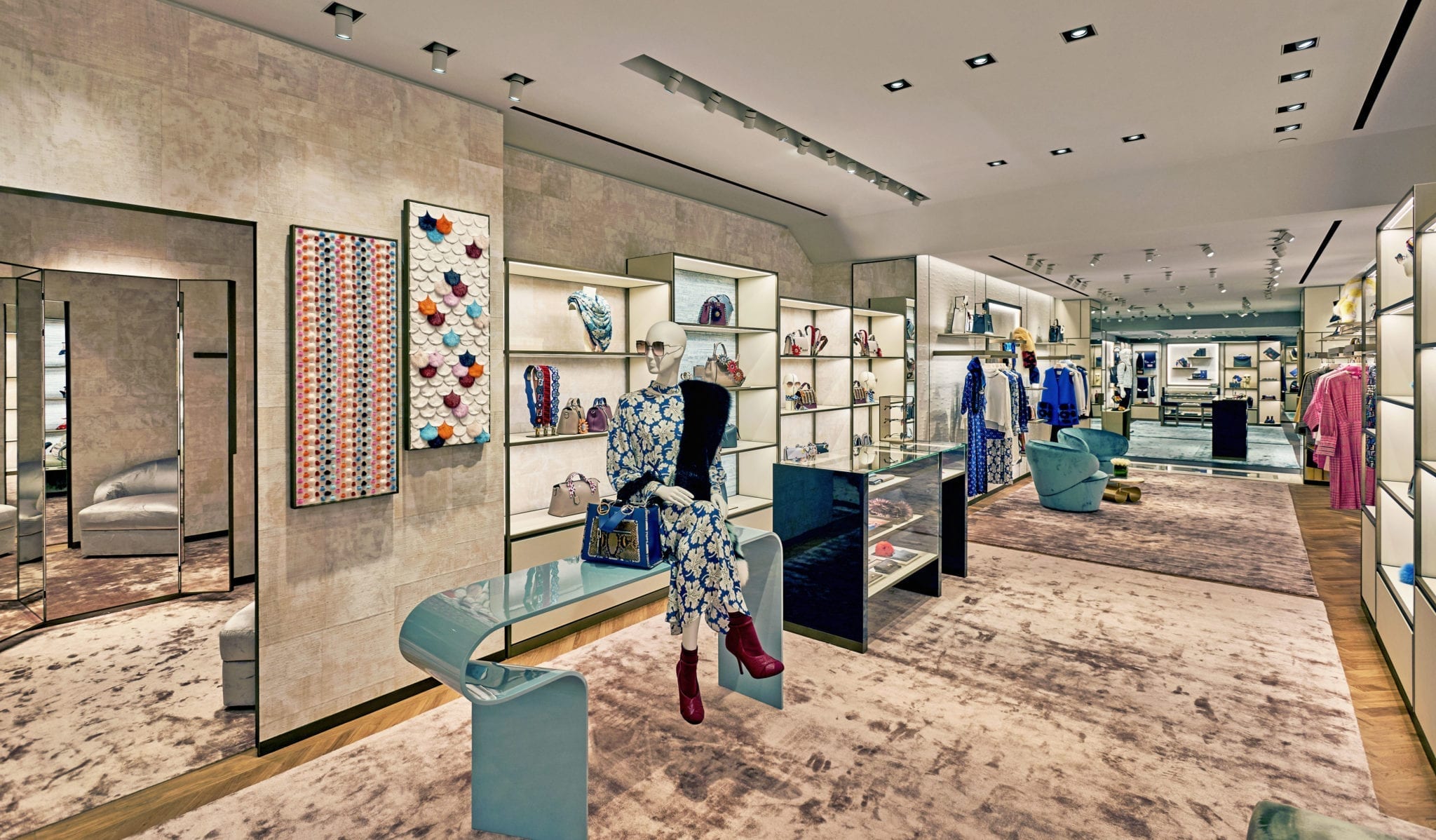
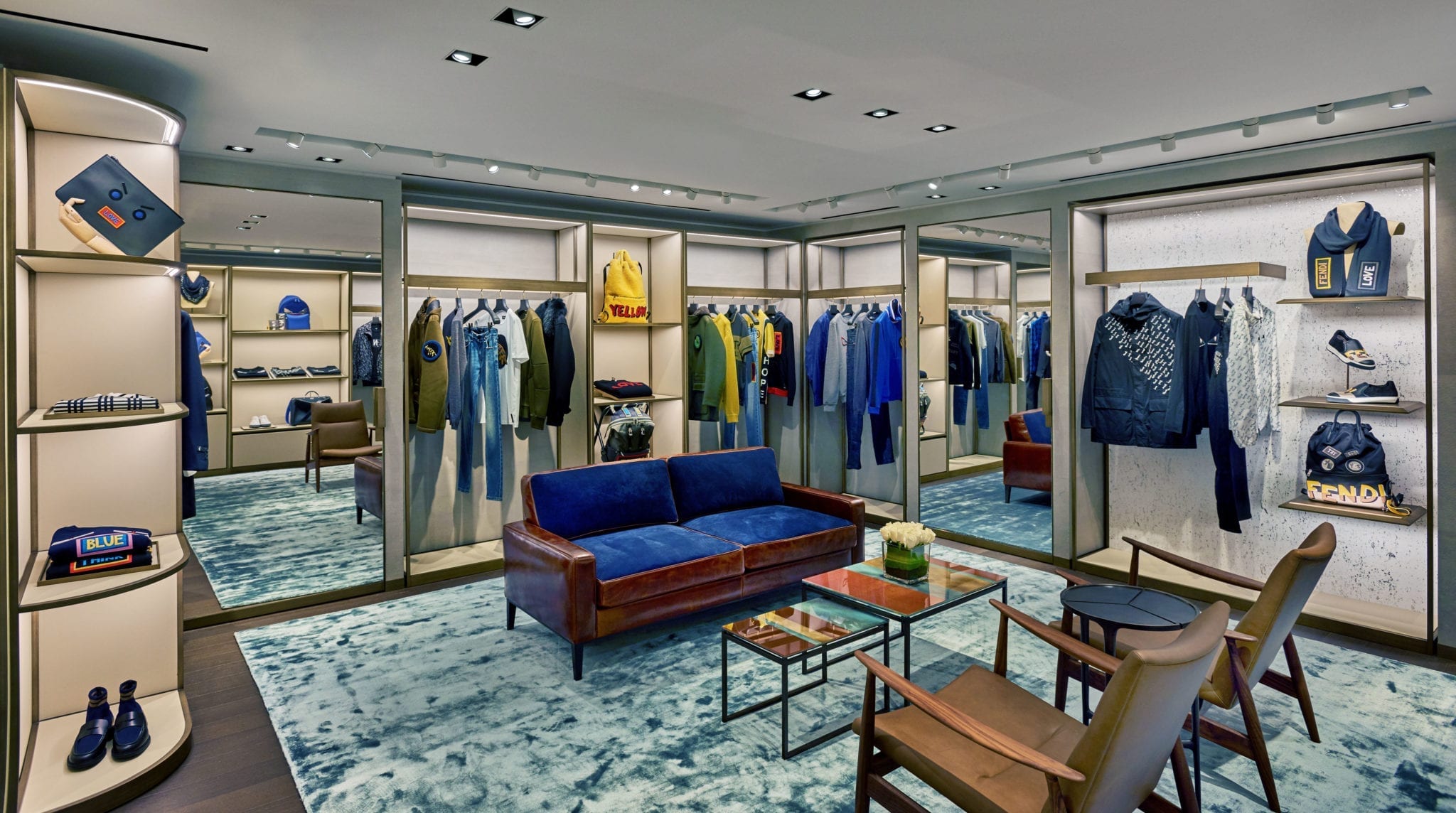
    FENDI opened a brand new store in ION Orchard, right in the heart of the main shopping area in Singapore. The new store has a refreshed store concept, reflecting the culmination of its continuous research of highest standards in store design highlighting its deep heritage.


    The ION Orchard store will be the first store on Orchard road to have a full men’s universe collection, featuring Ready-to-Wear, Shoes, Leather Goods, and Accessories.

    At the same time, FENDI will be launching a new travelling pop-up store in Singapore. The FENDI Kiosk is inspired by the city of Rome and will travel to other parts of Asia, after Singapore. The FENDI Kiosk will be available in ION Orchard from 2 to 18 February.

  • Zara mocked in Asia for selling £70 ‘lungi’ – a ‘Thai grandpa’s uniform’

    Zara mocked in Asia for selling £70 ‘lungi’ – a ‘Thai grandpa’s uniform’

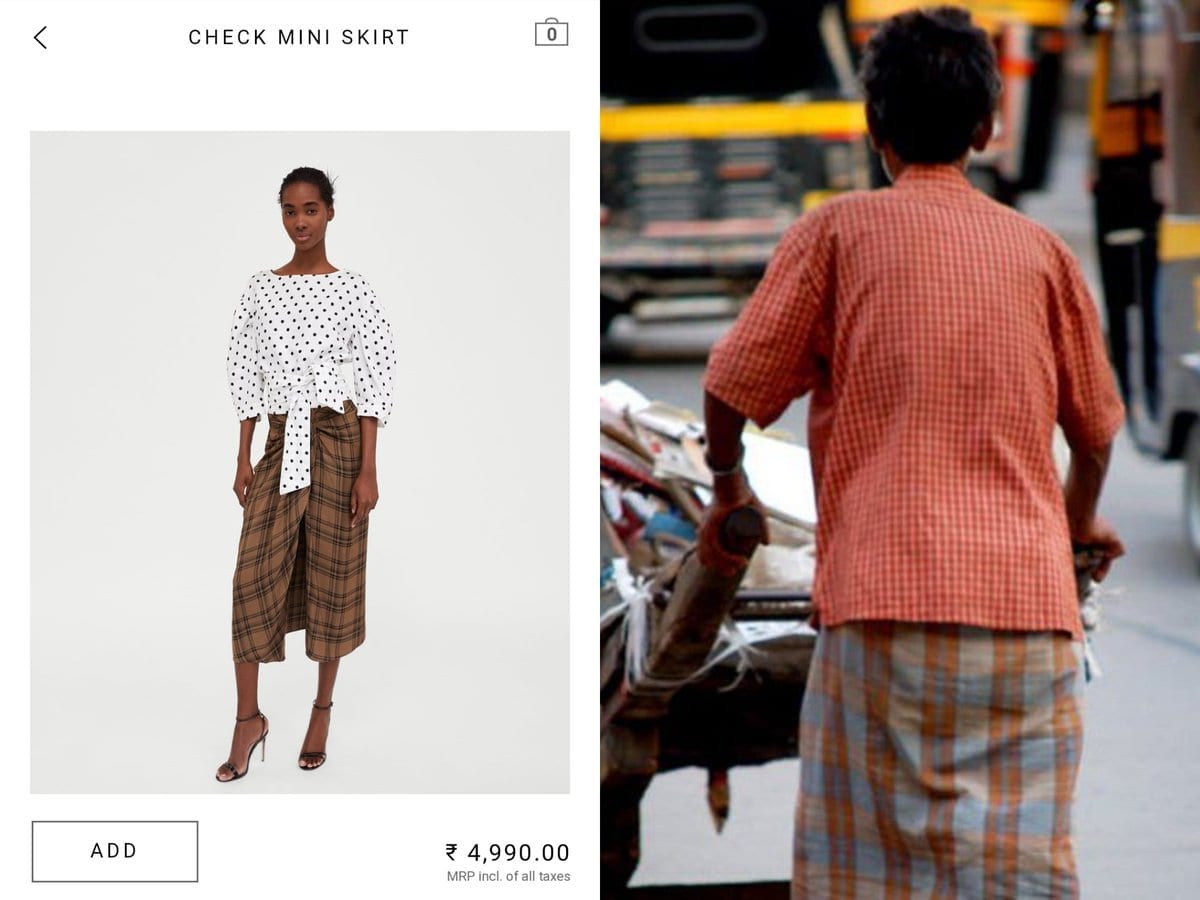
    High street retailer Zara has been widely mocked for marketing a £70 checked skirt which bears a striking resemblance to a cheap sarong worn by Asian grandfathers.

    The fashion brand’s description of the new mink-coloured garment as a “check mini skirt” with “draped detail in the front” sparked laughter across Asia, where social media users pointed out the similarities with the traditional “lungi” worn by their fathers, uncles and grandfathers.

    The lungi is a piece of cloth wrapped around the waist and tied at the front, that has been popular among men in the warmer climes of South and Southeast Asia for generations. It can be picked up in the markets of Thailand, Burma or Bangladesh for a few pounds.

    “Hate to break it to you Zara, but that’s a lungi,” wrote India’s Hindustan Times newspaper, adding that the LungiWala online retailer offered very similar garments for just £4.

    “In other places, it would be available for much cheaper than that. We should know, we’ve seen our fair share of them: we even have a dance for it. (‘Lungi dance’, anyone?)”.

    Meanwhile, Asia-based Coconuts media described the skirt as looking like a “Thai Grandpa’s uniform” commonly used for modesty when washing outside.

    Many social media users made a joke of it.

    “Zara selling lungis is..exactly how my indian mum will be luring my dad to go shopping next weekend,” wrote Australian Twitter user Sarath Chandra.

    Others, however, were upset that the fashion brand had used the design without referencing its origins. Elizabeth Segran, a writer who said she grew up in Singapore, Malaysia and Indonesia, accused the company of failing to acknowledge that the skirt was inspired by the Asian lungi.

    “I am not the only one who is a little peeved by this casual cultural appropriation. Asian Twitter just went up in arms,” she wrote for US magazine Fast Company.

  • H&M hoping to recover profits from its Tmall launching

    H&M hoping to recover profits from its Tmall launching

    Stung by a profit slump, the H&M group is pinning its hopes on China by launching a store on Alibaba’s Tmall next month.

    As well, the Swedish fast-fashion retailer is targeting India, Saudi Arabia and the UAE with new digital stores this year.

    Releasing its full-year report yesterday, H&M admits it has been struggling to keep pace with evolving shopping habits that have depressed sales in its physical stores.

    Sales grew 4 per cent last year but profit after taxes slumped 13 per cent, with CEO Karl-Johan Persson saying the fashion industry is “changing fast”.

    “At the heart of the transformation is digitalisation, and it is driving the need to transform and rethink faster and faster,” he says.

    With physical stores in 69 markets, H&M has an online presence in 43.

    Full-year global sales (to November 30) including VAT increased by 4 per cent to SEK231 billion (US$29 billion). This was a 3 per cent rise in local currencies. Sales excluding VAT reached SEK200 billion.

    Gross profit increased to SEK108 billion, corresponding to a gross margin of 54 per cent, down from 55.2 per cent the previous year.

    Profit after financial items amounted to SEK20.8 billion, down from SEK24 billion. The group’s profit after tax amounted to SEK16 billion, down from SEK18.6 billion.

    Final-quarter fall

    For the fourth quarter, H&M group sales including VAT were down 4 per cent to SEK58.4 billion (2 per cent in local currencies). Sales excluding VAT fell from SEK52.7 billion to SEK50.4 billion.

    Gross profit fell to SEK27.9 billion from SEK30 billion, corresponding to a gross margin of 55.4 per cent (57 per cent). Profit after financial items amounted to SEK4.8 billion, down from SEK7.4 billion.

    Profit after tax was SEK3.9 billion, down from SEK5.9 billion.

    Weak store sales led to increased markdowns and handling costs, impacting the quarter’s results.

    During the year H&M opened 479 stores (497 the previous year) and closed 91 (70), resulting in a net addition of 388 outlets. Eight online markets were launched and the brand entered five new markets. It ended the year with 69 sales markets, 43 of them including an online presence.

    This year the group plans to add about 390 stores to its network and close about 170, a net addition of about 220 stores. On Tmall it will have both H&M and H&M Home.

    At home in Sweden it will also introduce the Afound brand, an off-price marketplace offering products from fashion and lifestyle brands.

  • YouTube most dominant video platform in APAC

    YouTube most dominant video platform in APAC

    According to the research firm, YouTube has a penetration of 81 per cent across the region, higher than anywhere else in the world and the global average, which stands at 78 per cent.

    Nearly half of of digital video viewers, or 576.8 million people, will regularly watch video via the YouTube app or website this year, a number that is expected to grow by 13.4 per cent this year.

    Both India and Indonesia were said to be the fastest growing mobile video markets in the region this year, increasing by 25.3 per cent  and 18.2 per cent respectively.

    EMarketer pinned YouTube’s rapid ascension on the growth of video mobile usage over the past five years. The number of people watching videos on their mobile is expected to increase by 14.5 per cent this year after encountering double-sigit growth over recent years.

    However, China, a market where YouTube is banned, remains the gaping hole in YouTube’s APAC growth.

    There, video viewership remains dominated by Youku, Tencent, iQiyi, LeTV and Sohu, while penetration is expected to reach 65.8 per cent in 2018.

    “YouTube usage is on the rise and has become the most popular video streaming service throughout Asia-Pacific, except in China where it is censored,” said Oscar Orozco, senior forecasting analyst at eMarketer.

    “While regional Netflix adoption is still low, awareness and intent to subscribe is growing. We expect Netflix adoption will continue to expand, while at the same time providing much-needed competition and influence on local streaming providers.”

  • Fujifilm to cut 10,000 jobs at subsidiary amid Xerox takeover

    Fujifilm to cut 10,000 jobs at subsidiary amid Xerox takeover

    Japanese technology firm Fujifilm on Wednesday announced 10,000 job cuts by March 2020 at its Fuji Xerox subsidiary, which it said was facing an “increasingly severe” market environment.

    In a major shake-up, Fujifilm also announced it would be combining Fuji Xerox with US giant Xerox, bringing both companies under its umbrella to create what it said was the world’s largest “document solutions company” by revenue.

    As part of a cost-cutting package that it hopes will save 50 billion yen (RM1.793 billion), Fujifilm announced “personnel reductions of 10,000 people domestically and overseas” at Fuji Xerox.

    Founded in 1934, Fujifilm became synonymous with the photography business but has since expanded into cosmetics and medical equipment.

    Fuji Xerox, which manufactures printers and copiers for offices mainly in Asia and the Oceania regions, employs around 46,000 people in total.

    “It is expected that this combination will generate a large number of synergies,” said Fujifilm in a statement, with Fuji Xerox mainly doing business in Japan and Asia and Xerox in the US and Europe.

    Xerox had faced a revolt from two major shareholders, Carl Icahn and Darwin Deason, who between them control 15 percent of the company.

    They recently published a joint letter urging the company to consider selling itself and calling for the immediate replacement of its CEO.

    The restructuring will have an impact on Fujifilm’s operating income, the firm said, revising down its forecasts for the current fiscal year to 130 million yen from 185 million yen.

    Net profit however was forecast to rise to 140 million yen from 125 million yen due to one-off gains from sales of investment securities.

  • EZbuy to have more product offering

    EZbuy to have more product offering

    Singapore’s first global shopping platform EZbuy says it plans to almost double its product offering to 6 million items from brands and sellers in Korea, Taiwan and the US.

    It will bring on board a further 100,000 merchants by the end of the year.

    Its Korea Marketplace offers more than 10,000 items such as streetwear, cosmetics and personal care products. Traffic growth in Singapore for the K-beauty collection has increased more than 100-fold since its launch last year. Top-selling brands include 3CE, April Skin, Etude House, Laneige and Pony Effect.

    The Taiwan Marketplace offers the Buy-For-Me service both on the website and mobile app. Its top products include Biffido, ChiaTe, I-mei, Kiki, Kuaiche and OK Tea (food and snacks); Gracegift, OB Design and Stay Real (fashion, bags, shoes and accessories); and Hanaka Flower, Kose, MKUP and Oguma (health and beauty).

    EZbuy says demand has soared for consumer goods from the US. Best-selling brands on its USA Marketplace include Coach, Forever 21, Gap, Kate Spade and Under Armour (fashionwear and accessories); ColourPop and Sephora (cosmetics); and Mother and Kids (beauty and health supplements).