Blog

  • Ogilvy & Mather wins Pizza Hut in Singapore

    Ogilvy & Mather wins Pizza Hut in Singapore

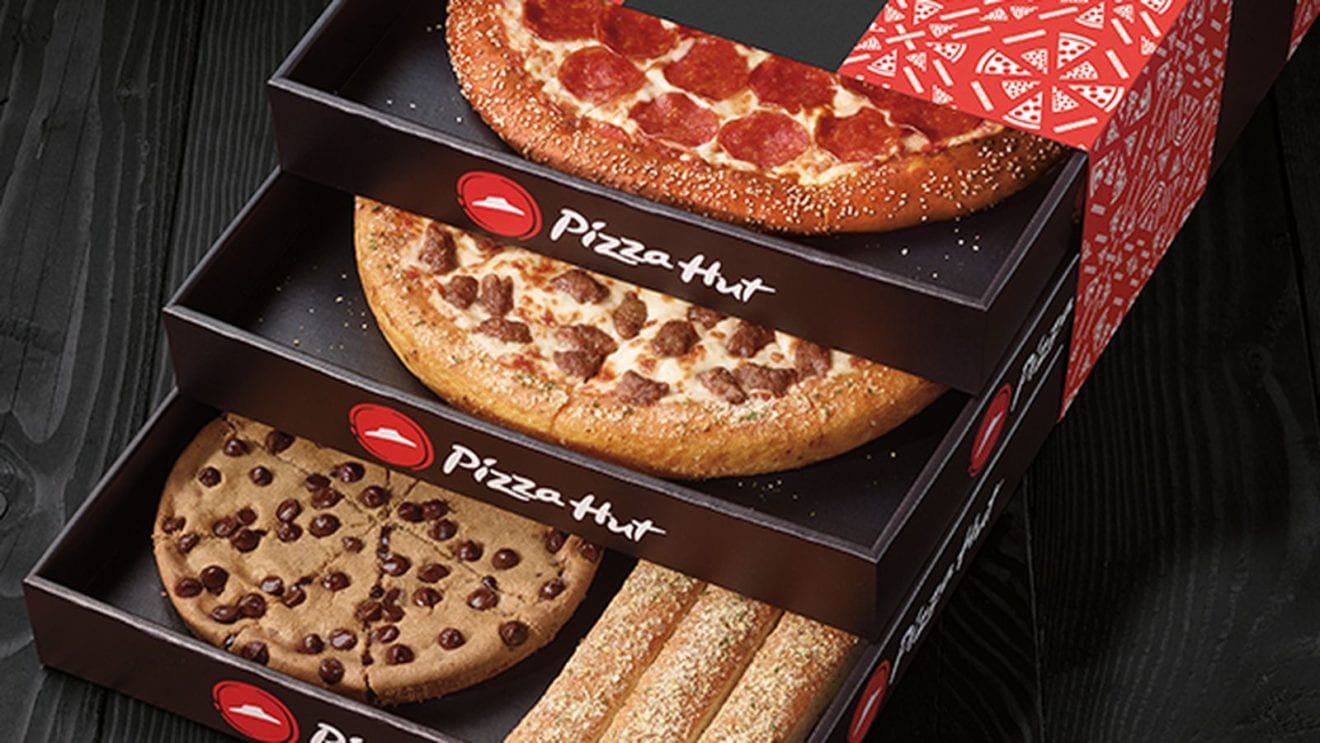
    Ogilvy & Mather Singapore has won the local creative account for Pizza Hut following a pitch.

    The agency-of-record account marks an extension of Ogilvy’s regional creative brief with the restaurant chain’s parent company Yum! Brands.

    Ogilvy did not specify a contract period and instead said the account would be with them until  “discontinued”.

    Although sister WPP agency J. Walter Thompson previously held the AOR role for Pizza Hut in Singapore from 2012, the agency has said it was not the incumbent on the account and did not pitch.

    In a press statement, Ogilvy said it will be tasked with “localising Pizza Hut’s global brand positioning and driving integrated marketing communications”.

    This includes creative strategy, campaign execution, and social media programs aimed at “rekindling brand love from Singaporeans”.

    “Ogilvy has demonstrated a strategic understanding of the nuances of the Singapore market, the Pizza Hut brand and audience, and delivered creative that embodies our new global brand positioning and how we can clearly differentiate from the competition,” said Merrill Pereyra, chief executive officer of QSR Brands (M) Holdings – the local operator of Yum!

    “Having already enjoyed working with KFC in Singapore for three years, we couldn’t be more thrilled to grow our remit with Yum! Brands and to now embark on this creative journey with Pizza Hut as a result of winning the recent pitch. Iconic brands are built across channels, touchpoints and over time – days, months, years,” said Chris Riley, group chairman, Ogilvy Singapore.

    “It is this type of multifaceted, integrated work that really excites our team and we believe will give us the opportunity to make the Pizza Hut brand matter even more with consumers.”


  • Heidi Klum Intimate Solutions is now available in India

    Heidi Klum Intimate Solutions is now available in India

    International Top Model, Heidi Klum Intimate Solutions are available in India exclusively on The Clothing Rental, This collection answers your need to feel effortlessly comfortable every day. The Clothing Rental has got the rights to sell Heidi Klum Intimate Solutions.

    Celebrities and Top Models often wear stunning outfits that are always under the microscope, the world watches in awe as they walk down the red carpet in their effortless chic gowns. Stylist’s best kept secret solutions such as the Dressing Tape: a double-sided tape that sticks on to the garment and the skin while holding a strapless dress, deep neckline or a low back dress in place.  Similarly a low back cannot afford to show the inner garment causing a blunder in press.

    Heidi Klum Intimate Solutions offers multiple options such as the Low Back Converter that can be hooked on to existing bra and lower the back neckline by couple of inches, the wing bra that sticks to the sides or the deep plunge that can be stuck on with a plunge in the front.

    The Clothing Rental, India’s first portal to rent and retail, started in 2005, The Clothing Rental has been a secret destination for the film and media industry professionals. A favorite of top stylists, celebrities and fashionistas The Clothing Rental has dressed the best names in the country with its fashion forward merchandise.

    While the price range of the solutions falls between INR 800 to INR 2800, thus making the international fashion affordable and easily available.

    According to Shilpa Bhatia, Founder, The Clothing Rental, “We cater to top stylists in the country who are dressing up some of the best names in the world, they have a constant need for such merchandise. Bringing it closer to home and offering a much needed variety. The packaging is super cute in glossy hot pink and the pricing is similar to what you would pay on your trip abroad.”

    Tips on purchasing these Intimate Solutions

    1 – Lower Back Converter – When wearing a deep-neck dress, opt for a lower back converter which will make the straps invisible.

    2 – Wing Bra – While wearing a backless dress always opt for a Wing Bra, which is a backless and a strapless bra with clear adhesive wings that are adjustable. It Includes one set of adhesive wing tape that can be reused by simply saving the protectors.

    3 – Plunge Bra – This type of bra is a must-have for low cut tops and push-up padding for added contour, thus making it a perfect option for plunging necklines. It is adorned with attachable straps, u-shaped plunging neckline and contour cups with underwire support.

  • Mori Building and teamLab to launch “MORI Building DIGITAL ART MUSEUM teamLab Borderless” in Odaiba, Tokyo this summer

    Mori Building and teamLab to launch “MORI Building DIGITAL ART MUSEUM teamLab Borderless” in Odaiba, Tokyo this summer

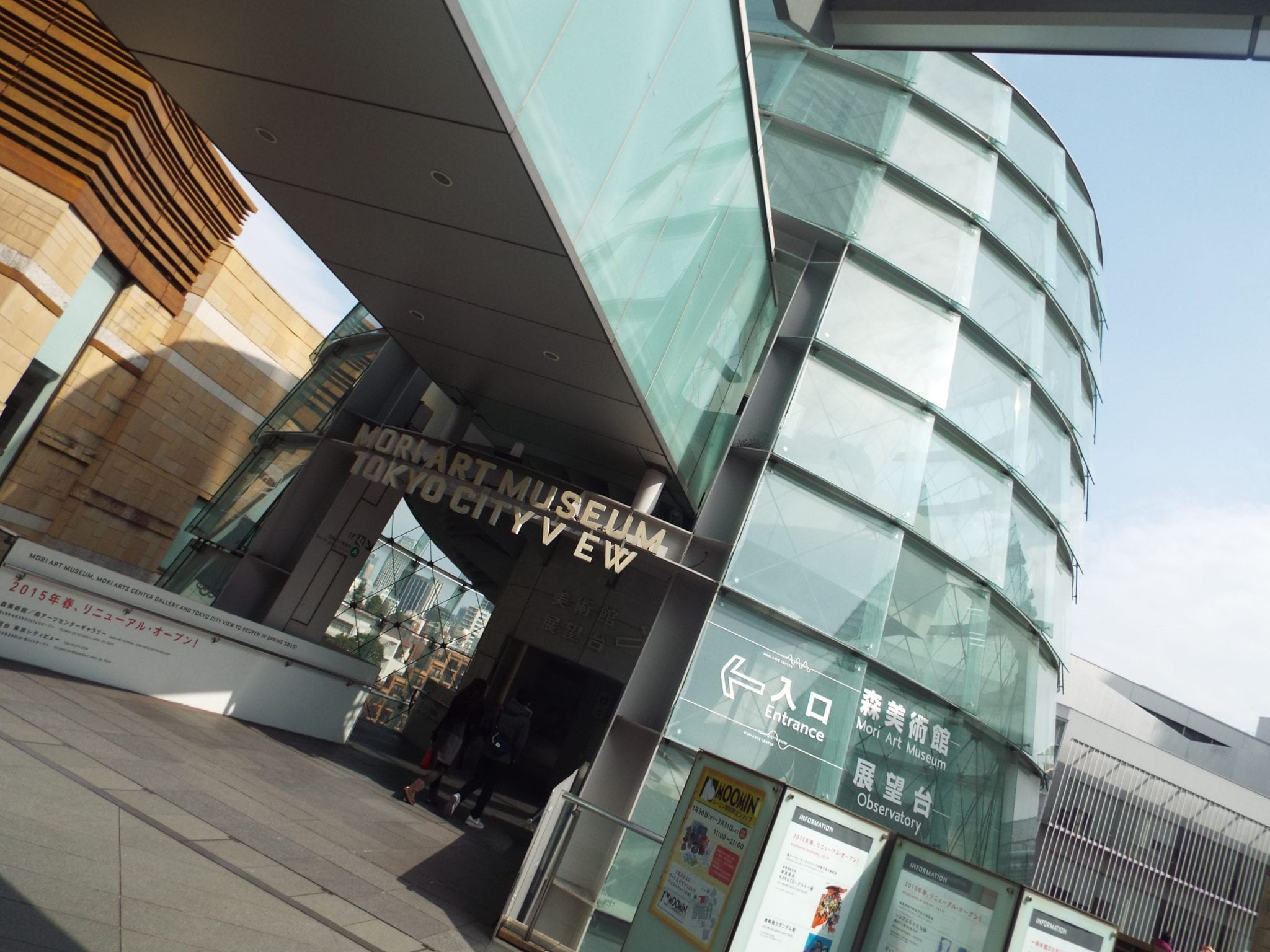
    Mori Building, a leading urban developer in Tokyo, and the art collective teamLab today announced that they will jointly open “MORI Building DIGITAL ART MUSEUM teamLab Borderless,” a full-scale digital art museum in the Palette Town complex of Odaiba, Tokyo in the summer of 2018. The all-new museum concept is a collaborative initiative between Mori Building, a noted supporter of culture and art, and teamLab, an interdisciplinary creative group that utilizes the digital technologies to express art.

    The museum, teamLab’s first permanent exhibition and flagship facility in Tokyo, will boast a massive 10,000 square meters of labyrinthine floor space. The word “Borderless” expresses the museum’s aim to tear down the borders between “one art and another,” “art and visitors” and “oneself and others” by allowing visitors to melt into the art and become part of it. Mori Building and teamLab hope that their groundbreaking museum will inspire people to create enlightened new values and innovative new social frameworks.

    Mori Building actively works to integrate art in cities, including by staging important cultural activities. In the view of the company, cities vitally need culture and art to expand their magnetic power to attract creative people and enterprises from throughout the world.

    teamLab aims to explore a new relationship between humans and the world through art. The collective’s collaborative practice seeks to liberate art from physical constrictions and transcend boundaries in contemporary society, where the border between technologies and creativity is coming fuzzy.

    Through their collaboration, Mori Building and teamLab aim to create a unique destination that enhances the magnetic power of Tokyo toward 2020 and beyond.

  • Ericsson rings up huge losses in 2017

    Ericsson rings up huge losses in 2017

    Swedish telecoms giant Ericsson said Wednesday that it rang up huge losses last year as network competition, restructuring costs and investment in lightning-fast 5G technology pushed it deeply into the red.

    The news sent Ericsson’s share price tumbling nearly nine percent on the Stockholm stock exchange in early trading, in a flat market.

    Ericsson said in a statement it booked net loss of 35.1 billion kronor (3.6 billion euros, US$4.4 billion) in 2017, compared with profit of 1.9 billion kronor the year before.

    The group also booked an underlying or operating loss of 38.1 billion kronor last year after profit of 6.3 billion kronor in 2016, while revenues dropped by 10% to 201.3 billion kronor, the statement said.

    “The focus during 2017 has been on reshaping overall strategy and on improving company structure and performance,” explained chief executive Borje Ekholm.

    “2017 was also the year when 5G went from vision to real business opportunities while we at the same time had good traction for our 4G portfolio,” he continued.

    “We are fully committed to our plans and our targets and expect to see tangible results of our turnaround in 2018.”

    Below target

    In the fourth quarter alone, Ericsson’s net loss widened to 18.9 billion kronor from a loss of 1.6 billion kronor a year earlier, while sales slumped by 12% to 57.2 billion kronor.

    “The fourth quarter was in line with our overall expectation, with gradual improving performance in networks and continued significant losses in digital services. The result is however far below our long-term ambition,” CEO Ekholm said.

    Earlier this month, Ericsson had announced that writedowns of 14.2 billion kronor would be booked in the fourth quarter, originating mainly from goodwill from investments made a decade ago.

    Investors fled after the earnings report was published.

    “When I look at the order book there’s not a lot of meat on the bone in there … I’m surprised the (share price) fall is so steep, but it’s an automated-traded share,” Jonas Olavi of Alfred Berg investment bank said.

    “Ericsson needs to turn over every rock in the search for new sources of income,” Mikael Tornwall, telecoms expert for daily Svenska Dagbladet, said.

    Ericsson said it had reduced the number of its employees and external workforce by 10,000 during the fourth quarter, part of its restructuring plan aimed at cost savings of 10 billion kronor by mid-2018.

  • Innisfree Vietnam to set footprint in online presence

    Innisfree Vietnam to set footprint in online presence

    Innisfree Vietnam today launches its first official online store, on Lazada.

    The South Korean cosmetics brand is offering its full range of products on the site, including bodycare, make-up tools, skincare and men’s categories.

    Online customers will be offered frequent promotions as well as gifts for bulk orders, says Innisfree.

    In its two years, Innisfree Vietnam has opened three stores in Vietnam, all in Ho Chi Minh City.

  • Coca-Cola brings back the Clay Dolls for Chinese New Year

    Coca-Cola brings back the Clay Dolls for Chinese New Year

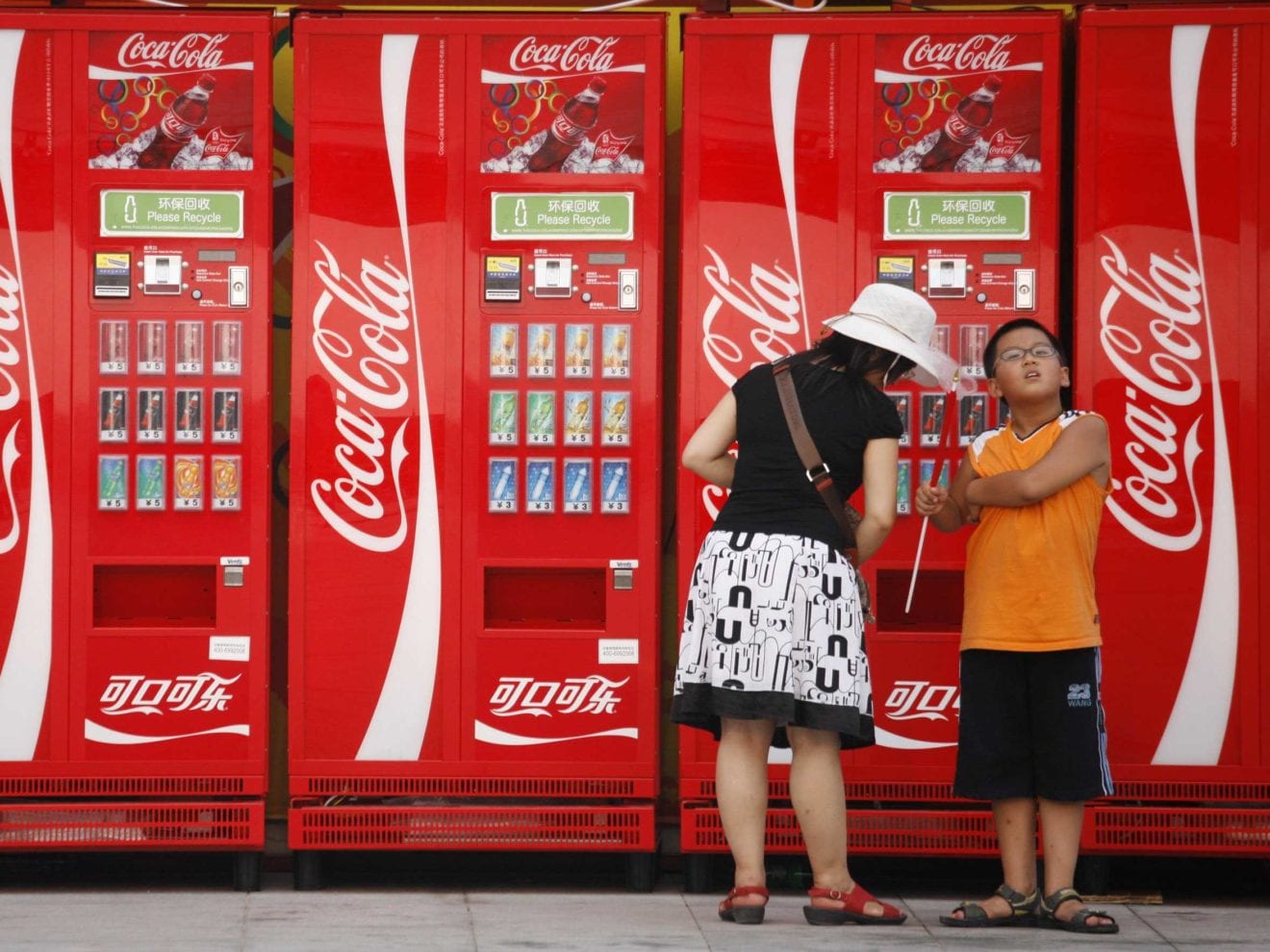
    Coca-Cola China has once again revived its festive ‘Clay Doll’ figures to help promote Chinese New Year festivities.

    The commercial from McCann Shanghai features “evolved and refreshed” versions of the animated dolls, which first appeared in Coca-Cola festive campaigns in 2001.

    Modelled on Chinese traditional folk dolls, the brand usually depicts the pair as gleefully trying to find ways to help bring loved-ones together at holiday time.

    For the 2018 campaign, the Clay Dolls are shown causing mischief around a family dinner table in order to create moments of closeness.

    The full campaign will see the dolls depicted on Coca-Cola packaging, while the ad will be shown on TV, in-store, on OOH, cinema and digital channels.

    The campaign also continues the use of virtual Red Packets, which Coca-Cola launched on the Alipay platform last year, where consumers click to win real money – with amounts ranging from 0.1 to 99 RMB.

    “We’ve found our Chinese audience to be strongly empathetic towards these characters and their cultural significance for Chinese New Year, having been associated with CocaCola for nearly 17 years”, said Richard Cotton, head of creative excellence and content, Coca-Cola China.

    “They are Chinese New Year’s mischievous secret helpers and their characters reflect the spirit of the celebration, which is joyful and exuberant.”

  • McDonald’s to open 1,000 new restaurants, speed up tech upgrades

    McDonald’s to open 1,000 new restaurants, speed up tech upgrades

    Burger chain McDonald’s announced it will open about 1,000 new McDonald’s restaurants starting 2018 after posting strong sales and earnings for the fourth quarter ending December 31, 2017 fueled by strong interest in its value promotions and new menu items.

    Kevin Ozan, McDonald’s chief financial officer, said it is part of their development plans for 2018 to open about 1,000 new McDonald’s restaurants, 75 per cent of which will be funded by their expanded network of developmental licensees and affiliates around the world.

    Ozan added they also plan to continue making meaningful investments in technology to modernise the company’s customer experience and redefine convenience.

    “I’m confident that now is the opportune time to strategically invest in our business and our restaurants to drive profitable growth and become an even better McDonald’s,” he said.

    McDonald’s posted a 5.5 per cent increase in global same-store sales for the quarter, it’s fastest pace in six years. Systemwide sales increased eight per cent in constant currencies.

    In the US, fourth quarter comparable sales increased 4.5 per cent as a result of strong performance of core menu items featured under the McPick2 platform and beverage value, as well as strong consumer response to the new Buttermilk Crispy Tenders and delivery. Operating income for the quarter increased four per cent, reflecting higher franchised margin dollars and G&A savings, partly offset by lower company-operated margin dollars.

    Comparable sales for the international lead segment increased 6.0 per cent for the quarter, led by continued momentum in the UK and Canada, as well as positive results across all other markets. The segment’s operating income increased 14 per cent (seven per cent in constant currencies), fueled by sales-driven improvements in franchised margin dollars.

    Due to the impact of the company’s strategic refranchising initiative, McDonald’s stated its consolidated revenues decreased 11 per cent.

    Steve Easterbrook, McDonald’s president and CEO, said 2017 was a strong year for McDonald’s.

    “Customers responded to the many ways we are making their experience more convenient and enjoyable,” Easterbrook said. “We served more customers more often, achieved our best comparable sales performance in six years, gained share in markets around the world and made tremendous progress with growth platforms such as delivery, mobile order and pay and Experience of the Future.”

    On January 25, 2018, the company’s Board of Directors declared a quarterly cash dividend of $1.01 per share of common stock payable on March 15, 2018.

  • Latest telco Yoodo targets niche online shoppers segment

    Latest telco Yoodo targets niche online shoppers segment

    Yoodo, a new telco which made its debut in the Malaysian market today, is offering customised mobile plans via an online platform especially targeted at the digitally savvy population.

    The telco allows customers to customise their plans by choosing their preferred voice, data, messaging and content offerings–all of which can be done online via its mobile application which is currently available on Google Play Store and Apple App Store. It offers up to 100GB of data, 2,000 mins of voice and 2000 SMSes—from which customers can customise their plans according to their needs.

    A package with data, voice and sms ranges from between RM28 and RM182.

    “Traditional mobile operators design plans based on what they want to sell the customers, developing various plans and features that don’t fit most customer’s individual needs. We’ve flipped that on it’s head and enabled users to customise their own mobile plans, with everything done online to give our customers full control, because frankly, they would do it better,” said the telco’s head, Farid Yunus on Yoodo’s concept.

    With no brick and mortar outlets in place, customers will have to sign up, activate and authenticate their SIM cards via the mobile app, and the SIM will then be delivered to them for free in between one to three days.

    Meanwhile, customers who opt for premium delivery which costs RM15, will receive their SIM cards within two hours. The premium delivery is only available within the Klang Valley, at this juncture.

    As for payment options, bill payments will be auto deducted from customer’s registered credit and debit card.

    For its roaming services, Yoodo offers the Roam Like Home service which enables users to use their domestic data plan while roaming. The service is currently available in 12 countries which includes Bangladesh, India, Myanmar, Singapore, Brunei, Indonesia, Nepal, Sri Lanka, Cambodia, Laos, the Philippines and Thailand.

    Yoodo is owned and operated by Celcom Axiata Bhd and leverages on Celcom’s network.

    “There is a distinction between Yoodo and Celcom. Yes, we are owned and operated by Celcom, but we really operate independently. Essentially we are like a start-up and they funded us… in a way we are a guinea pig to try something new… to try something different not just with a different technology, a different mindset, different rules, different governance even,” Farid explained on the connection between Yoodo and the country’s oldest mobile telecommunications provider.

    Yoodo will also be leveraging on fellow overseas telco subsidiaries of Axiata such as Dialog, Ideas and others, for its roaming services.

    The telco is targeting the digital savvy segment, particularly online shoppers.

    “Well we did our initial research, there are about five million Malaysians who regularly shop online and this is our target market,” explained Farid.

    He said for starters, he “will be happy” if the telco could hit 200,000 subscribers by year end.

  • QSR Brands to open 30 more KFC outlets nationwide this year

    QSR Brands to open 30 more KFC outlets nationwide this year

    QSR Brands Malaysia Holdings is investing more than RM100 million (US$25.6 million) into opening at least 35 KFC outlets this year.

    MD Datuk Mohamed Azahari Mohamed Kamil says the company will spend between RM3 million and RM4 million for each outlet, and also plans to enhance 200 restaurants.

    “We see the economic fundamentals growing well this year,” he said at the launch of the KFC Golden Egg Crunch product in Kuala Lumpur.

    “We believe there is a lot of potential in KFC and Pizza Hut, and that this will be a good year for us to capitalise on our growth for both chains.”

    QSR Brands restaurant division CEO Merrill Pereyra says that over the past five years the company has invested nearly RM1 billion for both KFC and Pizza Hut, with a focus on the Malaysian market. The company is the franchisee of more than 750 KFC restaurants in Brunei, Cambodia, Malaysia and Singapore, and also runs Pizza Hut in Malaysia (370 restaurants) and Singapore (75).

  • Hyundai hopes bigger, revamped Santa Fe SUV will reverse U.S. sales slump

    Hyundai hopes bigger, revamped Santa Fe SUV will reverse U.S. sales slump

    Hyundai Motor unveiled on Tuesday a re-designed Santa Fe, hoping the first makeover of the sport utility vehicle (SUV) in six years will help rectify a sales slowdown at the South Korean automaker, especially in the key U.S. market.

    The revamped version of its top-selling SUV in the United States and South Korea features a longer, more voluminous body than its predecessor while boasting advanced safety features such as warnings on approaching objects from the rear when a car stops.

    The two-row, five-seater SUV was unveiled to South Korean media at a “preview” event, before its official launch in February in the home market.

    While Hyundai did not disclose other details, a source said the model comes with a 2.0-liter and a 2.2-liter diesel engine, a more fuel-efficient eight-speed transmission and semi-autonomous driving features used in its Genesis premium sedans.

    “The new Santa Fe will be a bread and butter model for us this year,” the Hyundai insider said on condition of anonymity since he is not authorized to speak to the media.

    “We have high hopes for the model,” he said. Hyundai Motor declined to comment.

    Hyundai Motor reported last week its worst annual earnings in seven years, battered by its delayed response to the burgeoning SUV market and a diplomatic row with China.

    A firmer local currency also adds to the woes of the automaker, as it is eating into its profits repatriated from overseas and hurts the price competitiveness of its exports in the United States and other markets.

    “The mission of the Santa Fe is to recover Hyundai’s U.S. market share. It carries a big burden on its shoulder,” said Ko Tae-bong, a senior auto analyst at Hi Investment & Securities. The U.S. sales of the aging Santa Fe slumped 25 percent last year even as U.S. industry SUV and truck sales rose 4 percent.

    The model, expected in the U.S. market in the third quarter of this year, will be also “key to recovering the utilization rate of Hyundai’s factory in Alabama”, Ko said.

    Hyundai’s U.S. sales fell 12 percent last year, making it the worst performer among automakers in that market, hit by the conservative design of the Sonata and the Elantra sedans and an absence of a broadbased SUV line-up.

    Hyundai, which has three SUV models – Kona, Tucson and Santa Fe – has said it would diversify its SUV line-up by launching a mini-SUV and a large SUV.

  • Hooters Hong Kong to face legal action from unpaid rent

    Hooters Hong Kong to face legal action from unpaid rent

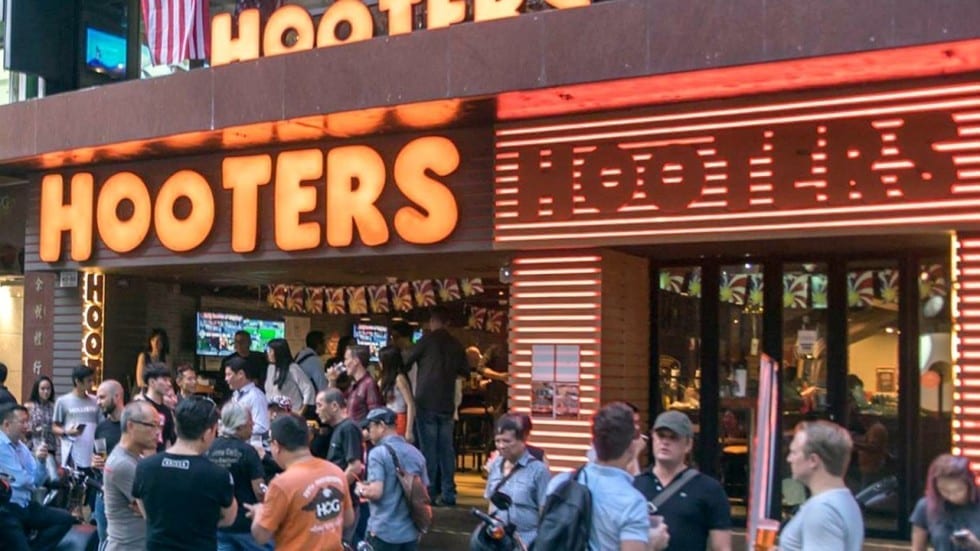
    Again accused of failing to keep abreast of rent payments, Hooters Hong Kong is facing legal action and eviction from its Wyndham Street premises in Central.

    A writ filed by landlord Dor Fook last week says the American restaurant chain has failed to pay nearly HK$1.52 million (US$194,300) in rent since October.

    The document says Hooters Restaurants signed a 10-year lease in March 2016 for its ground-floor venue, agreeing to pay $330,000 a month for the first year. It also signed a five-year lease for a room above the shop, agreeing to a monthly rent of $24,000 for the first year.

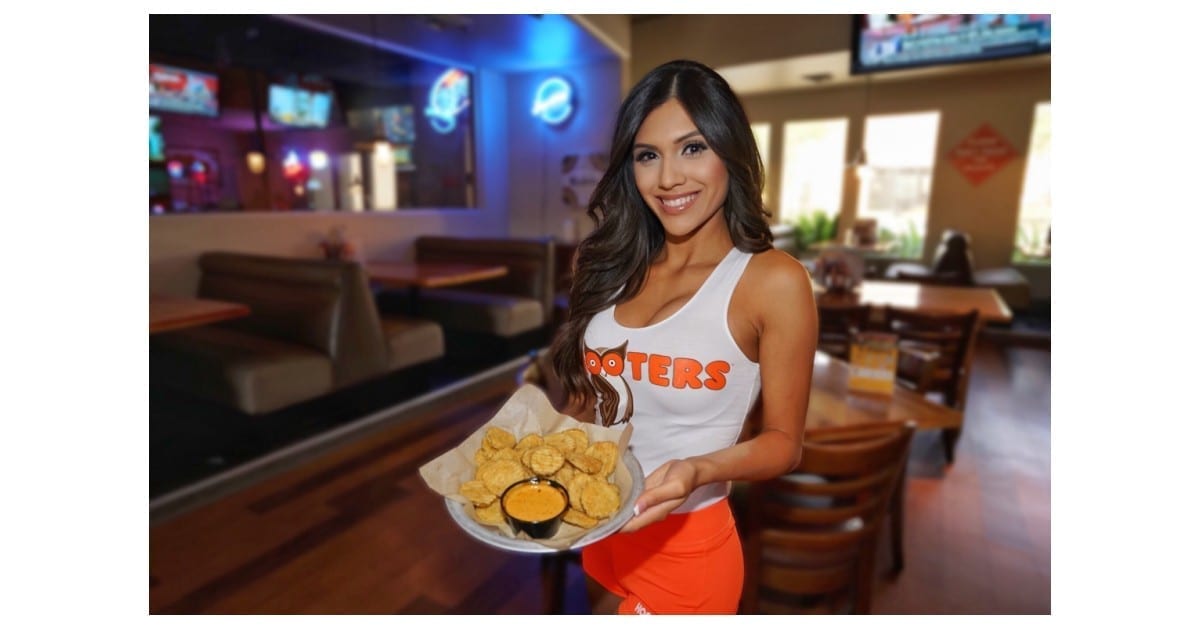
    Known for its buxom female servers in skimpy outfits, the restaurant is accused of not paying its rent and rates for the two spaces, constituting a repudiation of the lease.

    Seeking to repossess the premises, the landlord will also claim $371,700 for every month the restaurant stays put, starting from this month, and $17,932 a month for rates.

    This follows a previous threat of eviction in September, when Dor Fook lodged a legal bid for $1.13 million, about three months’ rent. Hooters Asia president Daniel Yong then said the company had paid off all its outstanding debt the day before the bid.

    However, it is reported this week that Yong has left the company.

  • AdParlor closes down Indian offices and moves staffs

    AdParlor closes down Indian offices and moves staffs

    Digital consultancy AdParlor has restructured its South Asian operation after shutting down offices in India.

    The global firm previously had two bases in Delhi and Mumbai to service its telecommunications clients Airtel and the Axiata owned-Robi and Dialog.

    However, in a bid to bring a ” localised presence” to the telcos’ South Asian markets, AdParlor has now decentralised its India hub and moved operations out into Nepal, Sri Lanka and Bangladesh. The Indian office have since been removed from the company’s website, while the new bases have still to be added at the time of publication.

    According to AdParlor Asia chief executive officer Matt Sutton, all 10 staff from India have either been redeployed to the new markets or will stay to maintain unspecified “shared services”.

    A spokesman for AdParlor added: “AdParlor Asia Pacific confirms that the organisation has decentralised its operations from India to South Asia – with localised presence in Nepal, Sri Lanka and Bangladesh now set up in order to service our clients in as seamless a manner as possible, bringing our teams closer to our clients’ businesses in those markets.

    “The South Asian operations were previously set-up in India to support our clients in those neighbouring countries. We will be investing further in those markets throughout 2018.

    “The talent and expertise we have in the market will be redeployed within the AdParlor Asia Pacific business in the South East Asian region, whilst shared services will continue to be managed out of India. We are also committed to investing in these markets and are nurturing digital talent there with an open headcount of 30.”

    AdParlor’s parent company AdKnowledge has been part of a joint venture with the Malaysian telco giant Axiata in Asia since 2016.

    A year ago, Axiata completed a major merger with the Indian-based Bharti in Bangladesh, bringing AdParlor’s three clients together under one umbrella in the market.

    According to Sutton, the Asia operation currently has a 30-strong “open headcount” and is growing across the region.

    However, last year, following the departure of AdKnowledge’s chief revenue officer Damien Lavin, the company also said it had an “open headcount” of 45 people across the markets.

    Currently, the company has offices in Singapore, Hong Kong, Thailand, Malaysia, Indonesia, Korea, Philippines and Taiwan.

  • COCA Restaurant returns to Malaysia after years of absence

    COCA Restaurant returns to Malaysia after years of absence

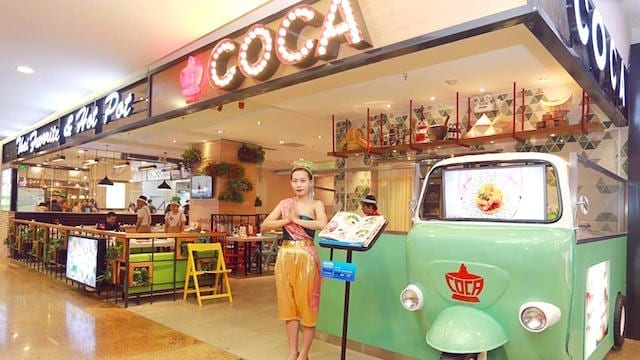
    Thai dining chain Coca Restaurant is returning to Malaysia with plans to open four outlets in the next three years.

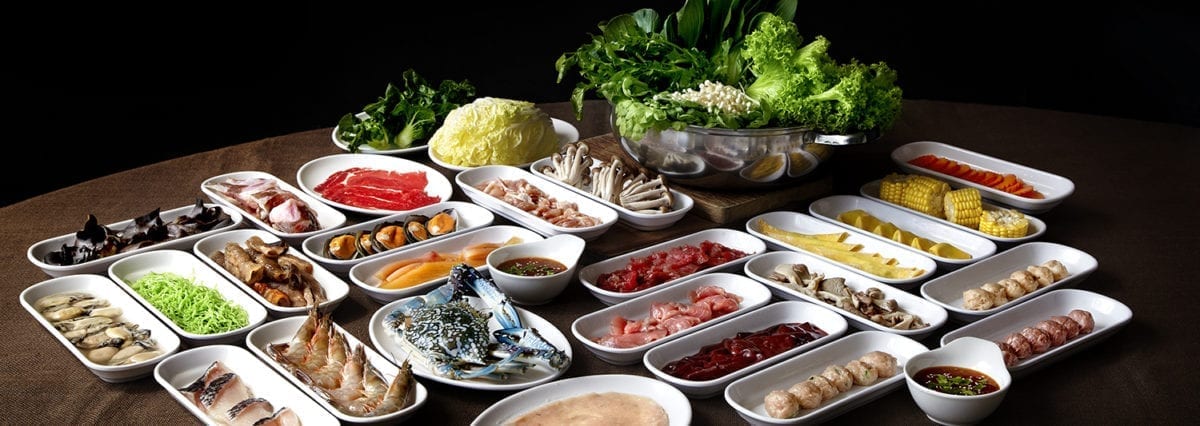
    First up will be an outlet in the Bangsar Shopping Centre in Kuala Lumpur seating about 100 diners and serving an à la carte menu of Thai/Cantonese cuisine along with Coca’s signature hot pot, creative stock broths (including one being created exclusively for Malaysia) and suki sauce.

    Chefs will focus on freshness, including live seafood and premium beef.

    Absent from Malaysia for seven years after a 20-year stretch, Coca returns with a change of partnership and a new strategy to open in upmarket malls as well as introduce freestanding restaurants – a strategy it has used over the past seven years in Thailand, Singapore, Japan, Vietnam and Indonesia.

  • Bollore Logistics Acquires Global Solutions In Denmark

    Bollore Logistics Acquires Global Solutions In Denmark

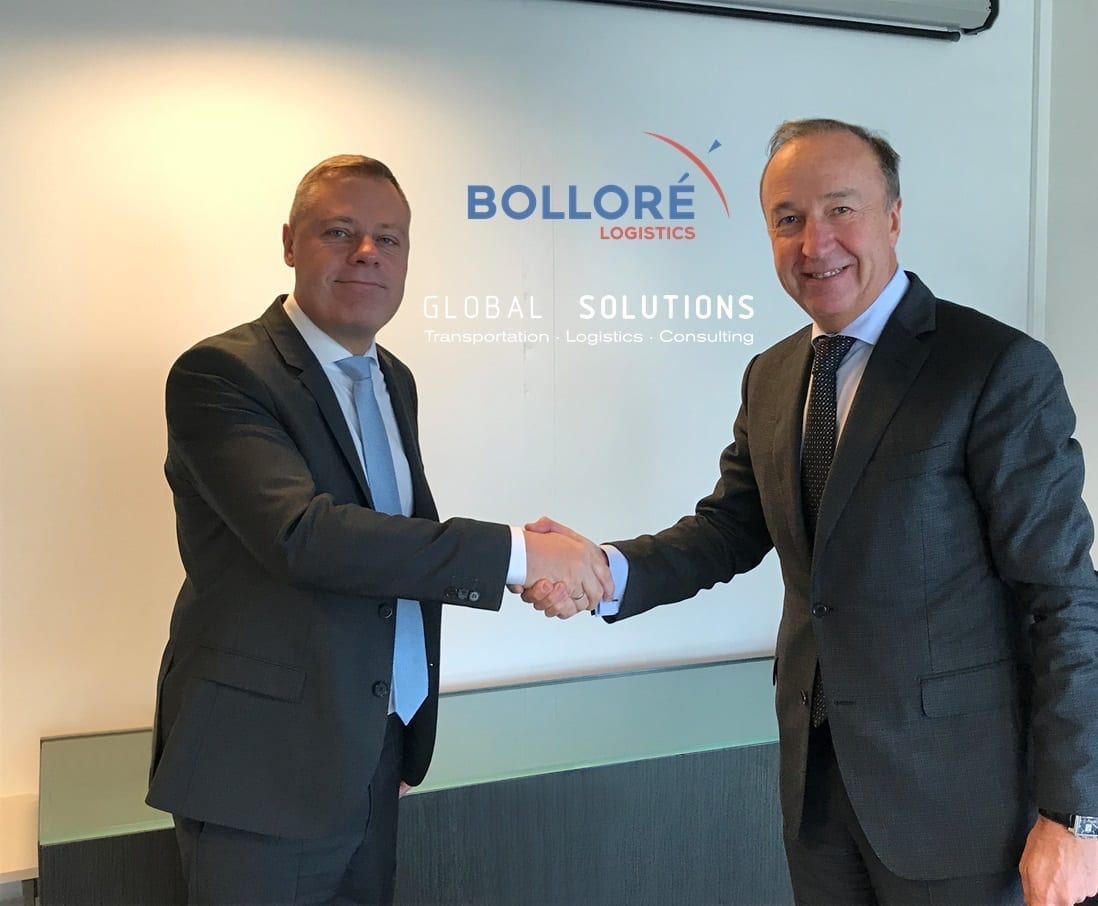
    This acquisition is part of Bolloré Logistics’ strategic development through external growth. As one of the five international freight forwarding and logistics leaders in Europe, it continues to enhance and strengthen its international network. In Europe, it now has 165 sites in 22 countries with a combined headcount of 5,500.

    This latest transaction will expand further Bolloré Logistics’ global end-to-end offering in the Scandinavian markets. Already established in Norway, it now benefits from Denmark’s Global Solutions network, which has been operating on the Danish market for 11 years, with triple expertise in the airfreight, seafreight and express business
    lines, particularly on the Europe-Asia axis. Global Solutions, now Bolloré Logistics brand, has two offices: an office at Copenhagen airport, and its headquarters in Vejle, the country’s logistics hub.

    For Henri Le Gouis, CEO Europe of Bolloré Logistics, “this new location will enable us to better serve our key account customers in Denmark and more generally in Scandinavia. We will support Danish companies in their international development and logistics projects, particularly in Africa, the continent of the future with strong market opportunities, where we operate as the 1st integrated logistics network. ”

    “We are also aiming to strengthen our range of solutions and services for the Aid & Relief sector, which is strongly represented in Denmark” adds David Smith, CEO Northern Europe of Bolloré Logistics. Thomas Toubro, Managing Director -Founder of Global Solutions, expressed himself “satisfied and honored to be now part of the big Bolloré’s family group. I am very confident for the future, and believe in our ability to elevate Bolloré Logistics to the rank of the leading transport and logistics operators in Scandinavia. “

  • Mitsui Sumitomo Insurance Welfare Foundation awards grants for innovative research on senior citizen welfare and traffic safety

    Mitsui Sumitomo Insurance Welfare Foundation awards grants for innovative research on senior citizen welfare and traffic safety

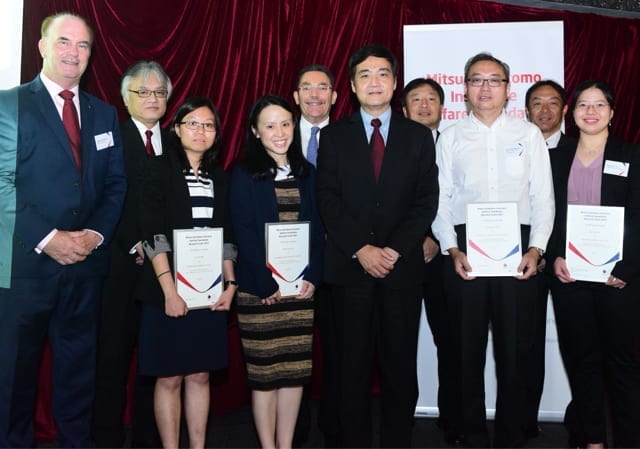
    The Mitsui Sumitomo Insurance Welfare Foundation (“MSIWF”) is pleased to announce today the award of four grants for innovative solutions focusing on senior citizen welfare and traffic safety at the 11th MSIWF Research Grant Awards 2017 ceremony held at Hotel Michael, Sentosa, Singapore.

    The research grants, amounting to SGD38,948 awarded to four researchers in Singapore, focus on impactful research that could support the diagnosis of elderly men with lower urinary tract symptoms; the development of a non-intrusive fall detection monitoring system for the elderly; the adoption of appropriate child car restraints; and improving the elderly’s adherence to their treatment regimen.

    In addition to the award of these grants, the Foundation has also made a commitment to donate 200 smart walking stick holders known as Qanemates to the elderly in Singapore and Japan. Designed by two young Singaporean inventors, Seng Ian Hao (aged 14) and Seng Ing Le (aged 12), Qanemate has won numerous national and international innovation awards, including the most recent 2017 Ageing Asia Innovation of the Year Award and the Singapore LTA Engineering Challenge Award.

    Founded in 1975 by the Mitsui Sumitomo Insurance Company in Japan, MSIWF advocates for budding and inter-disciplinary research focused on the growing ageing population and the rising concerns over traffic safety in Asia.
    This year marks the 11th year of this prestigious grant since its establishment in Singapore. To date, the Foundation has supported a total of 42 projects with a value of over SGD400,000. In total, it has awarded 2,022 grants with a value of over JPY2,339 million (approximately SGD28.2 million) in Japan, Singapore and Thailand since 1975.

    Following a rigorous selection process, the 2017 winners in Singapore are:
    • Dr Neo Shu Hui, Resident at Singapore General Hospital, for her research in determining the effectiveness of incorporating visual analogue uroflowmetry score (VAUS) in primary care physicians’ evaluation process of elderly men with lower urinary tract symptoms to achieve a cost effective, easily administered and non-invasive tool that could potentially reduce unnecessary referrals to specialists;
    • Dr Chong Shu-Ling, Staff Physician, Department of Emergency Medicine, at KK Women’s and Children’s Hospital, for her research on understanding parental knowledge and beliefs on the use (or the lack of use) of child car restraints, in order to create the right approach when communicating to parents on child car safety;
    • Professor Tan Kok Kiong at National University of Singapore, for the development of a wearable, non-intrusive, and location-based fall detection monitoring system for the elderly. The wearable device utilises an accelerometer and an additional level of sound-based detection to enhance the accuracy of fall detection;
    • Ms Lim Zhiying, Senior Medical Social Worker at Singapore General Hospital, for her research to better understand elderly patients’ perspectives of their illnesses and adherence (or non-adherence) to their treatment regimens, particularly those with multiple chronic illnesses and differing physical dependency who require multiple medications daily.

    Mr Alan J. Wilson, Regional CEO of MSIG Holdings (Asia) Pte Ltd, commented: “We are delighted to continue serving the communities we are immersed in, by protecting the things that matter to them. Through the Foundation, we hope to offer meaningful support to advance impactful research that can address the region’s growing concerns of caring for a rapidly ageing population, and road traffic fatalities that have put at risk or claimed many lives each year.”

    In 2017, a total of 193 applications were received in Japan, Singapore, and Thailand. Of these, 40 projects (including nine from Singapore and Thailand) were selected, and four from Singapore were awarded research grants worth SGD38,948.