Blog

  • Vietnam-China trade likely to reach $100 billion

    Vietnam-China trade likely to reach $100 billion

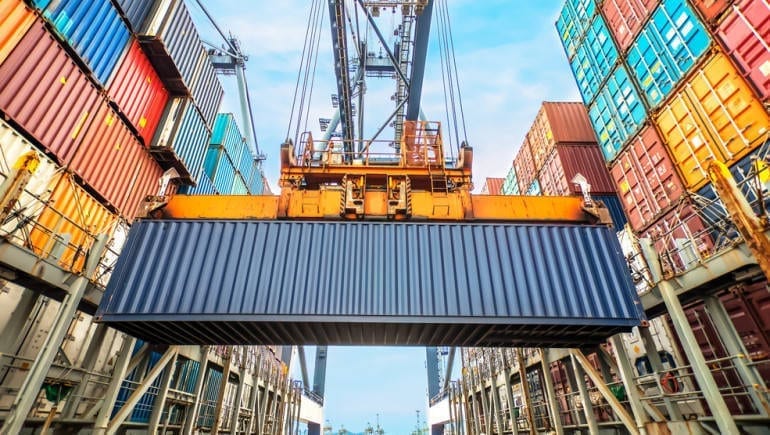
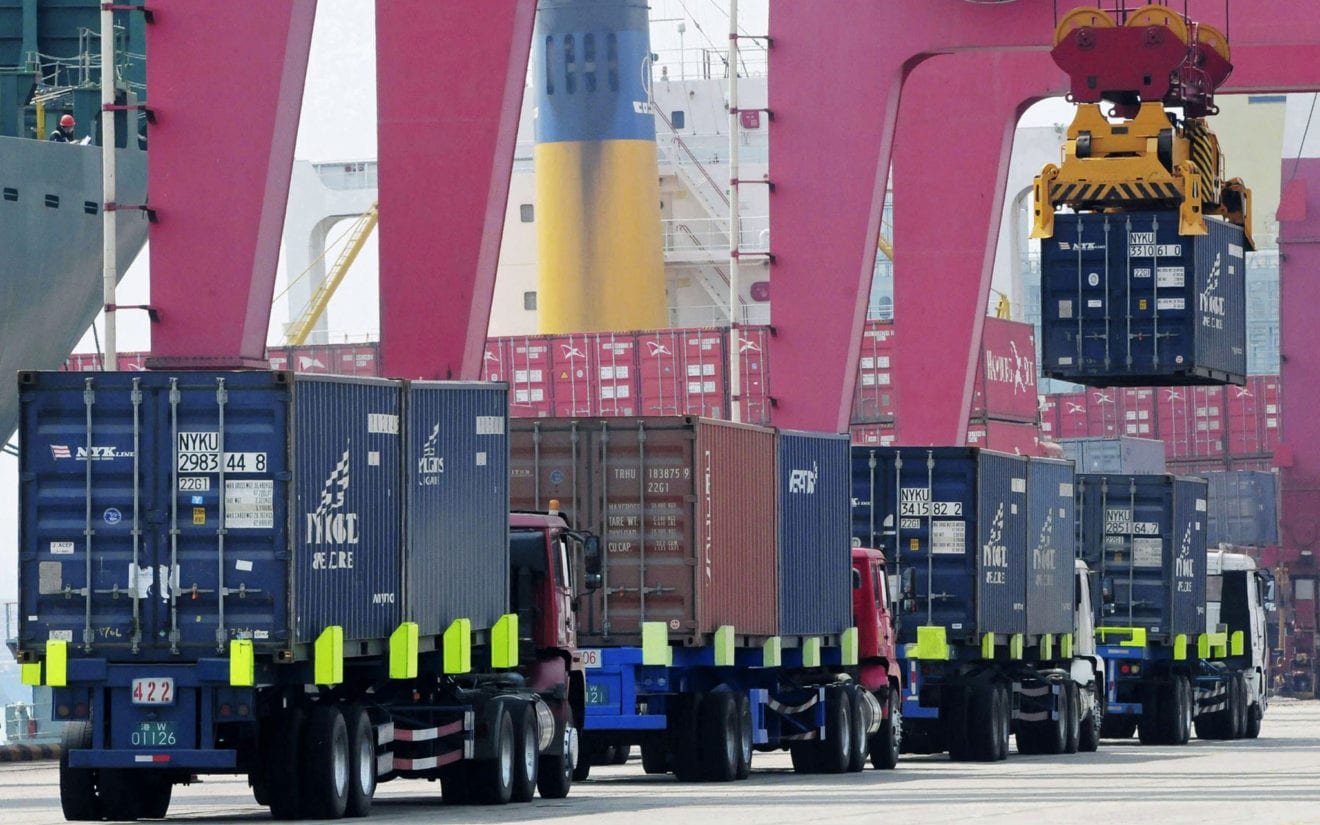
    Bilateral trade between Việt Nam and China will touch a record high of US$100 billion this year, after reaching $93.69 billion last year, experts predict.

    Last year’s two-way trade was $21.79 billion higher than in 2016 and accounted for 22 per cent of Việt Nam’s total import-export value, according to statistics from the General Department of Customs.

    Vietnamese exports to China experienced a significant yearly increase of 61.5 per cent to over $35.46 billion. That helped to reduce Việt Nam’s trade deficit with China to $22.76 billion last year from $28 billion in 2016.

    Telephones, a major item of export, recorded the highest turnover of $7.15 billion, up $6.35 billion compared to that of the previous year, according to the latest data.

    Last year also saw 13 staple products with export earnings of more than $1 billion, up by six staples against the previous year. The new items include seafood, with nearly $1.1 billion in export earnings, rice ($1.02 billion), rubber ($1.44 billion) and footwear ($1.14 billion).

    The Ministry of Industry and Trade says bilateral trade ties between the two countries have been growing in the past few years.

    China is one of Việt Nam’s largest trade partners and is also a key export market, the ministry said.

    Besides trade, China is currently one of the 10 biggest foreign investors in Việt Nam, with a total registered investment capital of more than $12.1 billion.

    During a visit to China last May, President Trần Đại Quang urged Vietnamese and Chinese firms to continue initiating innovative ideas to create a new momentum for bilateral economic partnership.

    He suggested Chinese companies invest in infrastructure, logistics and electronics and support industries while protecting the environment and engaging in social activities in Việt Nam.

    President Quang asked the two sides to facilitate access to each other’s markets.


  • Alibaba’s Hema supermarket chain to open more stores

    Alibaba’s Hema supermarket chain to open more stores

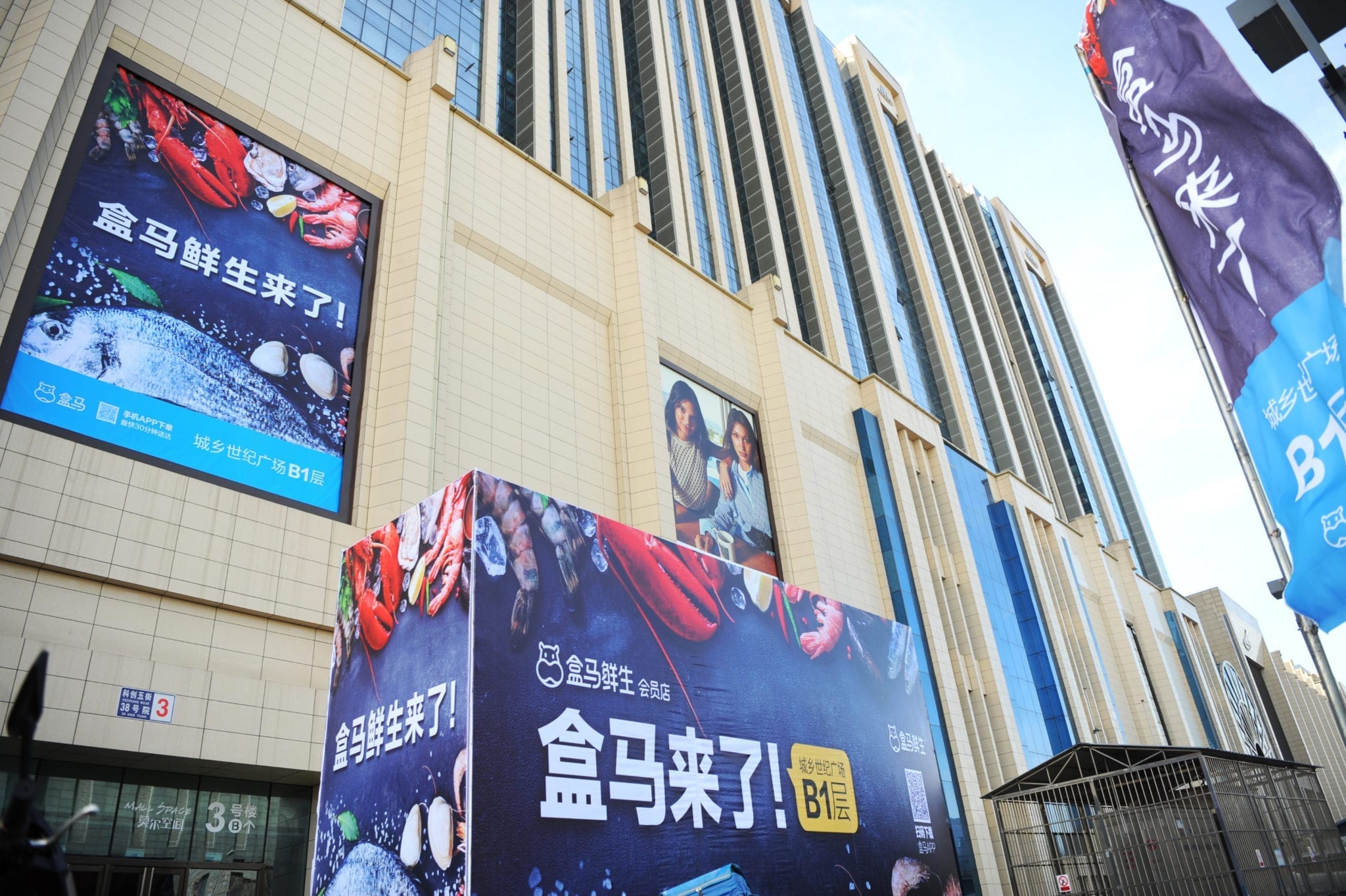
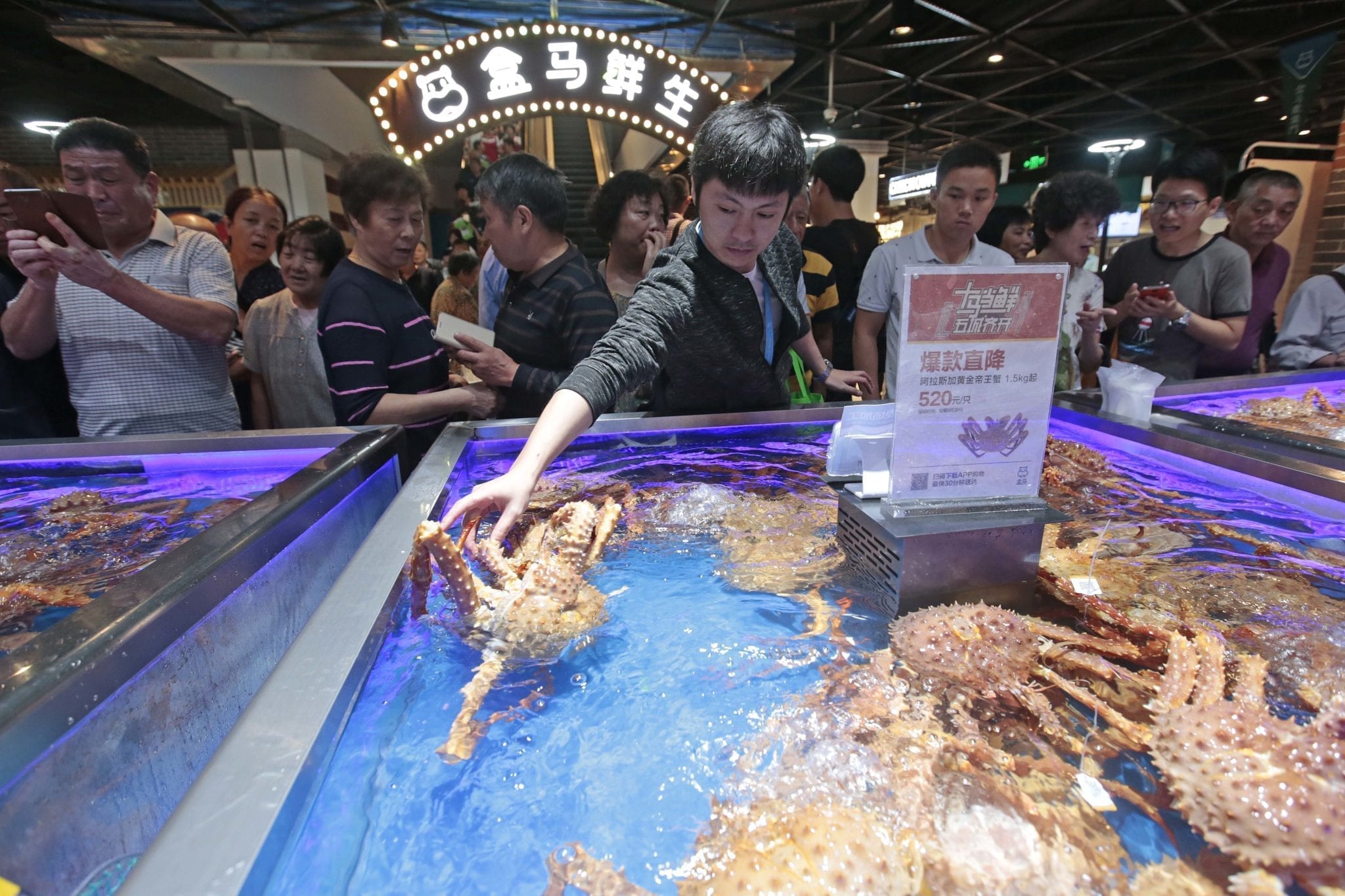
    Alibaba’s Hema supermarket says it will open three stores in the Chinese city of Xian by the end of this year.

    The offline supermarket’s expansion into the northwestern Chinese city follows an announcement that it will add 30 locations in Beijing by year-end, rapidly expanding its store count in the capital to 35 from the current five.

    The Beijing and Xian expansion, together, more than doubles Hema’s presence – currently 26 stores in seven Chinese cities, including 14 in Shanghai, five in Beijing, two in Ningpo, two in Hangzhou, and one each in Shenzhen, Suzhou and the Southwest city of Guiyang.

    Launched in March 2015, the ‘new retail’-driven supermarket is the purest manifestation of Alibaba’s ambitions to marry online with offline, offering consumers a “more-efficient and flexible” shopping experience.

    It starts with a mobile app that allows for researching of products while consumers browse the store. All payments are handled through Alipay, the mobile-payments platform owned by Alibaba’s related company Ant Financial. To improve consumers’ experience, the data collected from transactions is used to personalise recommendations, while geographic data helps to plan the most efficient delivery routes. Residents living within a 3km radius of a Hema store can have their groceries delivered to their doors as quickly as 30 minutes after ordering.

    Government partnership

    Expanding Alibaba’s Hema supermarket in Xian is part of a series of pacts Alibaba Group signed with the city government on Tuesday, including a memorandum of understanding for Alibaba’s new Silk Road headquarters, which the company will build in the city in the next few years. The two parties signed a total of 11 strategic partnership agreements spanning cloud computing, smart logistics, New Retail and financial services.

    Tianhua Zhong, vice president of Alibaba Group, said the partnership with the city government has been progressing smoothly since talks began last summer, adding that the next stage of collaboration will focus on five areas: e-commerce and new retail, City Brain projects, accessible financial services, smart logistics and culture and entertainment.al

    In addition to being the historic gateway to the Silk Road, “Xian is an important part of the ‘Belt and Road’ initiative, and building our Silk Road headquarters [in the city] will help to expand Alibaba’s reach in the midwest, in addition to economic zones along the [modern-day] Silk Road,” added Zhong.

    The Belt and Road Initiative, announced by Chinese President Xi Jinping in 2013, is an ambitious, US$90-billion infrastructure project to connect Asia, the Middle East, Europe, and Africa through global trade.

    Earlier this year, Xian became the first city in China to have its entire subway system accept mobile payments via Alipay – passengers can pass through subway gates simply by scanning a QR code. Upcoming collaboration projects with Ant Financial, Alibaba’s related company and operator of Alipay, include allowing cabs throughout the city to receive payments using the digital wallet, as well as providing accessible credit and financing options to the thousands of small and midsized businesses based in Xian.

    “With this agreement, Cainiao will work with Xian City to build a smart logistics hub for the northwestern region, which would serve the needs of the Belt and Road Initiative. Delivery speed in the midwest has a chance of becoming on par with eastern regions,” said Zhong.

    Alibaba’s logistics arm, Cainiao Network, is expected to invest RMB1 billion in the logistics hub, which would house the unit’s cutting-edge technologies such as automated production lines, AGV robots and robotic arms. Constructions are slated to begin this year and to be put into use before the 11.11 Global Shopping Festival comes around in 2019.

  • Bitcoin Use Under Scrutiny in Indonesia

    Bitcoin Use Under Scrutiny in Indonesia

    Indonesian authorities are investigating the use of bitcoin in the holiday island of Bali, amid warnings by the central bank over the risks posed by virtual currencies, an official said.

    The probe started after the central bank on Dec. 7 issued a regulation banning the use of cryptocurrencies in payment systems, said Causa Iman Karana, head of Bank Indonesia’s representative office in Bali.

    “We found out from some postings on social media that Bali appeared to have become a haven for bitcoin transactions,” said Causa, adding that central bank officials and police went undercover at the end of 2017 to investigate scores of businesses in Bali advertising online that they offered bitcoin payment services.

    The team found two cafes still using bitcoin as a means of payment, but 44 businesses including car rental outlets, hotels, travel companies and jewelry stores, prevgiously offering the service, had now stopped, he said.

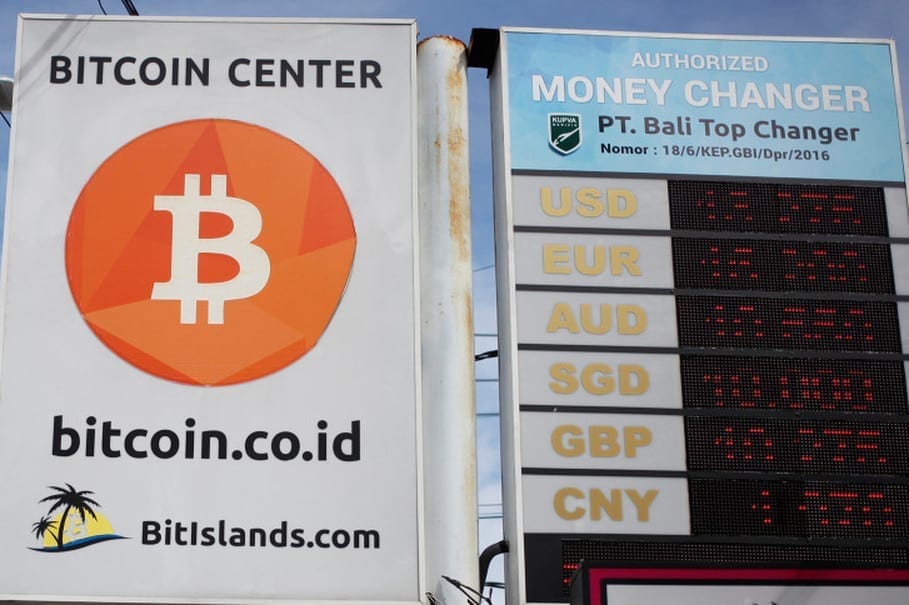
    A Bitcoin sign is seen in Kuta on the resort island of Bali, Indonesia January 18, 2018. Picture taken January 18, 2018. REUTERS/Nyimas Laula

    One of the cafes used bitcoin only for transactions of more than Rp 243,000 ($18), or about 0.001 bitcoin. A single transaction took about one and a half hours to be processed and included a fee of Rp 123,000 so this had discouraged its wider use for payments, Causa said.

    The official declined to name the businesses because he was still waiting for further instructions from Bank Indonesia in Jakarta.

    “The next step is we will ban them as mandated by the law. We ask them not to use it anymore. Along with the National Police’s Criminal Investigation Unit (Bareskrim), we will enforce the rule that all transactions in Indonesia must use rupiah.”

    Some locals in Bali said bitcoin was being used mainly by foreigners on the island, which is Indonesia’s tourism hub and has a large expatriate community.

    Bank Indonesia has called ownership of virtual currencies high risk and prone to speculation, because no authority takes responsibility or officially administers them and because there is no underlying asset to be the basis for the price.

    Virtual currencies could also be used in money laundering and terrorism funding, and could have an impact on the stability of the financial system and causes losses for society, it has said.

    While trading has not be regulated so far, the central bank has said it was looking into the issue.

    Regulators around the world have been grappling with how to address risks posed by cryptocurrencies, as bitcoin, the world’s most popular virtual currency, soared more than 1,700 percent last year.

    Prices have plummeted since South Korea said last week it may ban domestic cryptocurrency exchanges.

    Bitcoin.co.id, an Indonesian online cryptocurrency exchange, said on its website that bitcoin was trading at Rp 162.70 million per unit after losing around a quarter of it value this week.

  • Vietnam is world’s second largest shoes exporter

    Vietnam is world’s second largest shoes exporter

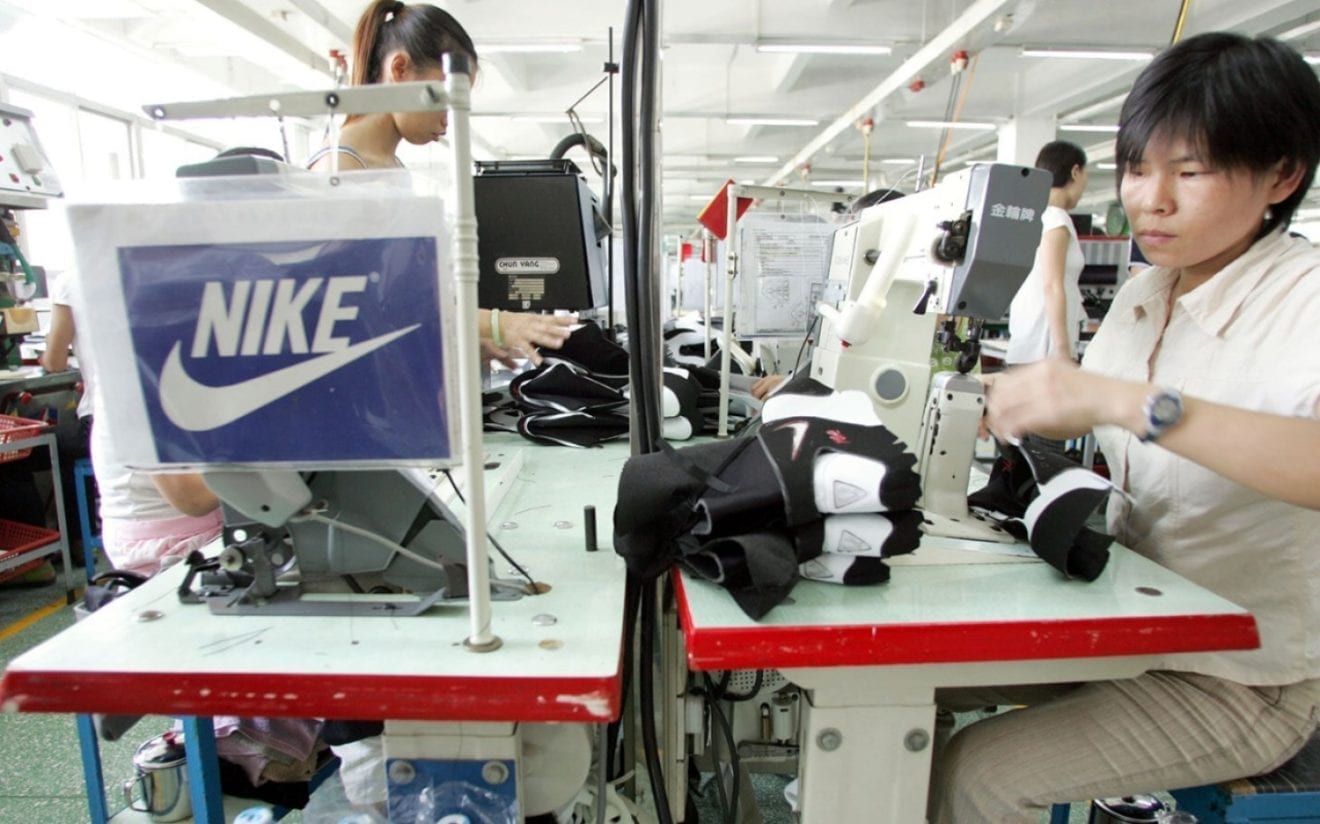
    Of 23 billion pairs of shoes sold worldwide in 2017, Việt Nam exported over one billion pairs, continuing to maintain the second position (after China) in shoes export.

    According to the latest statistics of the World Footwear Magazine in 2017, Việt Nam continued to rank second among the top 10 largest footwear exporters, with 1.02 billion pairs of shoes, equivalent to 7.4 per cent of the global footwear supply, said Diệp Thành Kiệt, vice chairman of the Việt Nam Leather, Footwear and Handbag Association (LEFASO).

    China still maintained the top position in exporting shoes, with 9.31 billion pairs, representing 67.3 per cent of the total 23 billion pairs of shoes the world consumed in 2017.

    Asia continued to be recognised as the world’s leading region in the production and consumption of footwear throughout the world.

    Meanwhile, the United States was the largest footwear importer; the country imported 2.34 billion pairs of shoes last year, accounting for 19.6 per cent of global footwear consumption.

    Export of Việt Nam’s backpacks and handbags continued to rise, to make it to the top five countries exporting these products in the world today.

    In 2017, the export turnover of backpacks and handbags in Việt Nam was estimated at US$3.3 billion, accounting for 5.5 per cent of global production, but only about one-seventh as compared to China’s supply.

    Kiệt said the biggest challenge for the domestic footwear-handbags industry was the low level of technology application in management and production, as compared to regional and foreign direct investment (FDI) enterprises.

    The labour productivity of domestic enterprises was only equal to 60-70 per cent of FDI enterprises. Most domestic firms have not joined the global supply chain; meanwhile, international brands usually tend to deeply control the global supply chain. In addition, labour costs in Việt Nam were rising significantly, Kiệt added.

    Not only interfering in the price of the goods, importers were now gradually intervening in the traceability of raw materials and factories supplying machinery for production.

    On the other hand, the time taken for supplying goods, product confidentiality, the level of technology used, and advantages of raw material supply are given priority to help consumers select where to place an order and process production, Kiệt said.


  • First GS25 convenience store opens in HCMC

    First GS25 convenience store opens in HCMC

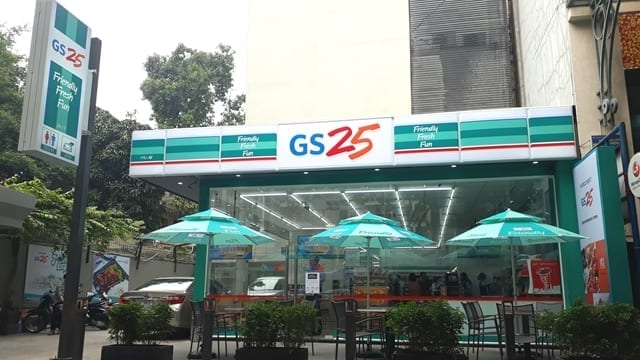
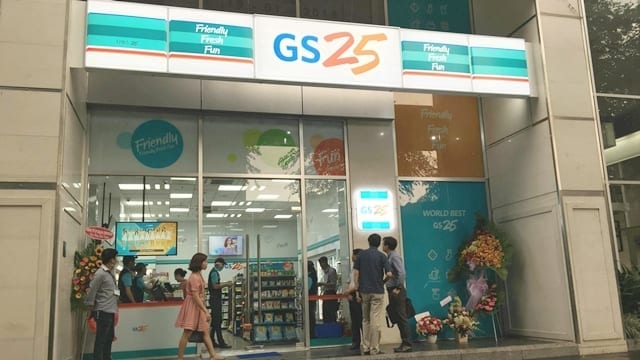
    Convenience store GS25 Vietnam officially opened the doors of its first store in Ho Chi Minh City today.

    Spread over 87sqm, the store is located on the ground floor of Empress Tower on Hai Ba Trung Street in District 3, close to the city’s CBD.

    Three more stores will open this month, including on sites at Truong Dinh Street, inside M Plaza, and Viettel Tower.


    Targeting Vietnamese customers in their 20s and 30s who are familiar with Hallyu, GS25 offers Korean food and products.

    All the stores have cooking and eating stations and sell food including Korean-style fried chicken, dumplings, cup rice, and tteokbokki (spicy rice cakes), as well as boxed lunches.

    Local dishes such as banh mi and sticky rice, and freshly brewed coffee will also be served.

    All dishes are made at a local factory overseen by GS25 standards.

    GS25 CEO Cho Yoon Sung believes Vietnam’s high economic growth rate makes it a good starting point for the company’s overseas expansion.

    The chain also plans to launch in other Asian markets, such as Cambodia and China.

    GS25 Vietnam is a joint venture between Korea’s GS Retail and Vietnam’s Son Kim Group.

  • Indonesian Gov’t to Lower Income Tax for Conventional, Online SMEs

    Indonesian Gov’t to Lower Income Tax for Conventional, Online SMEs

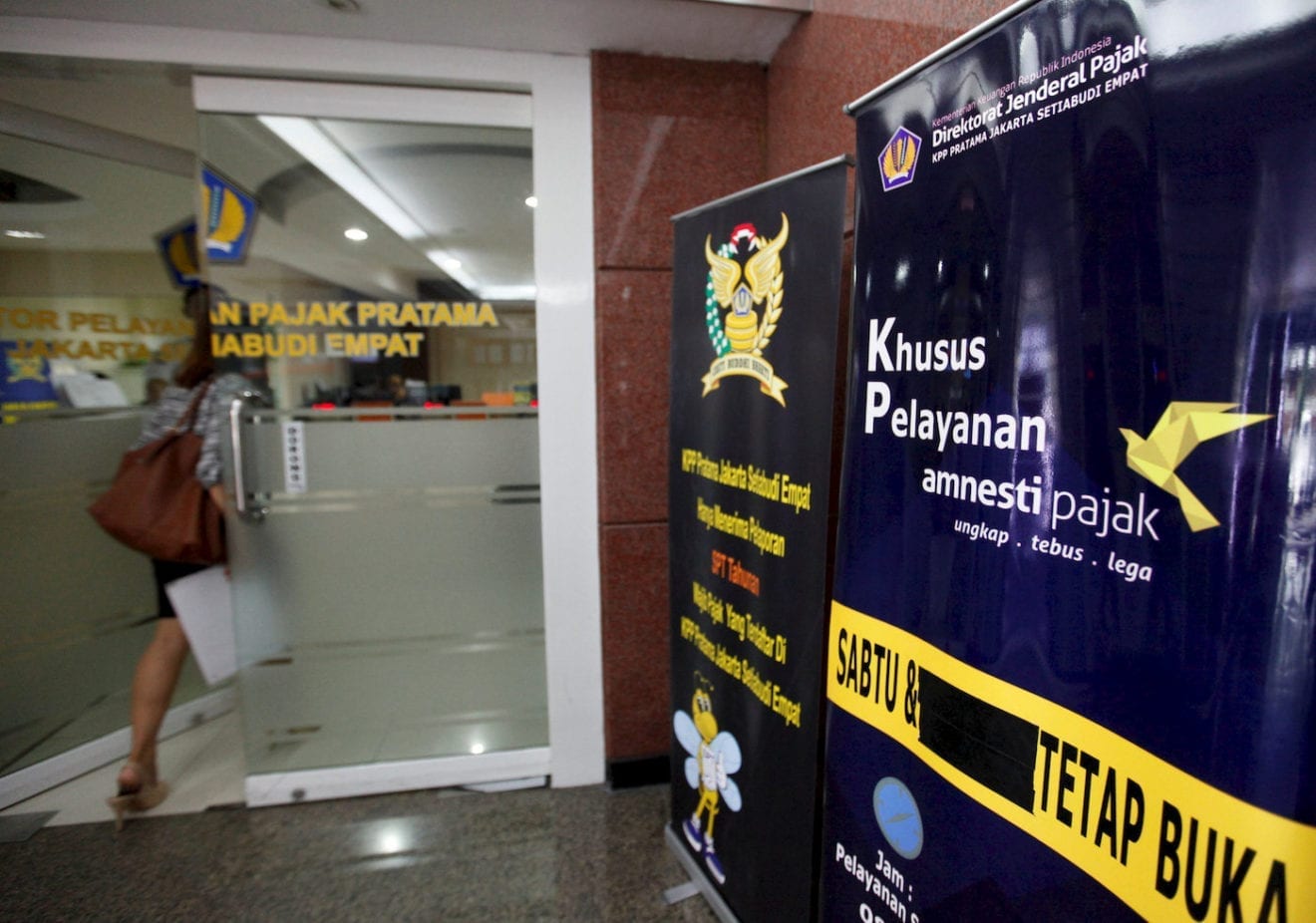
    Indonesia will cut final income tax on small and medium enterprises by half and also impose taxes on e-commerce businesses to even the playing field between traditional brick and mortar and digital businesses, Finance Minister Sri Mulyani Indrawati said on Friday last week (19/01).

    Under a current regulation, businesses earning less than Rp 4.8 billion ($360,600) a year are exempted from paying income tax and value added tax. They only have to pay a final tax of 1 percent of their total sales. The current income tax rate stands at 25 percent of profit, while the VAT is at 10 percent of sales.

    “We are currently formulating [the rules] with the players […] The basic principle is to have the playing of field on the same level,” Sri Mulyani told reporters.

    The minister said the government is planning to lower the income tax for small and medium enterprises (SME) to 0.5 percent of their sales. SMEs or individuals selling exclusively on e-commerce marketplaces will also be required to pay the tax.

    Sri Mulyani said the sales threshold will also be lowered.

    In the e-commerce roadmap rolled out in 2016 as part of the 14th economic policy reform package, the government expects up to $130 billion in e-commerce transactions in 2020.

    “The majority of supplier merchants [for the e-commerce business] are SMEs. We are planning to revise the government regulation to lower the level,” Sri Mulyani said, adding that the regulation will not burden businesses.

    The government has also included an income tax reduction for SMEs to be implemented in this year’s state budget.

    Sri Mulyani said the process of collecting the tax has not been decided yet.

    The Ministry of Finance is currently formulating details on future tax regulations on e-commerce businesses. The government aims to issue the regulation by mid-year, as it is still coordinating with other related ministries and agencies.

  • Dunkin’ Donuts Unveils Next Generation Concept Store in the US

    Dunkin’ Donuts Unveils Next Generation Concept Store in the US

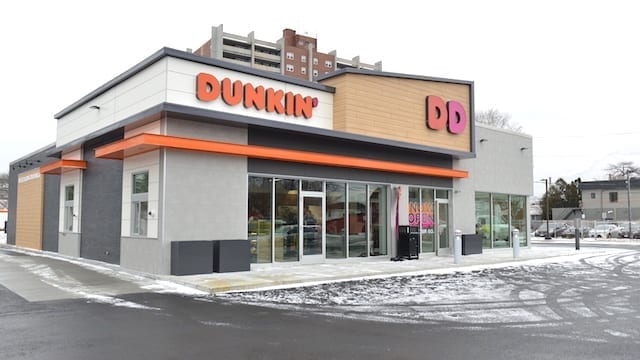
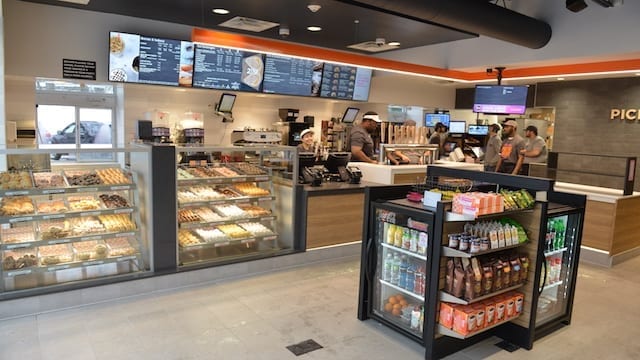
    Dunkin’ Donuts US has unveiled its next generation concept store – in the city where it opened its very first outlet 68 years ago.

    The new store, in Quincy, Massachusetts, features what the brand describes as “a modern atmosphere” and new and innovative technologies and design elements – including the first drive-thru exclusively for mobile ordering.

    The “On-the-Go drive-thru lane” allows members of the Dunkin’ Donuts loyalty program DD Perks who order ahead via a mobile app to bypass the ordering lane and merge straight into the line for the pickup window.

    The interior design uses lighter colored materials, an open layout and natural light to create an approachable, positive and energetic environment.

    And a new tap system has been designed to pour eight types of cold beverages such as coffees, iced teas, cold brew coffee and nitro-infused cold-brew coffee.

    Later this year, Dunkin’ Donuts will introduce digital kiosks allowing customers to order with or without the help of a staff member, while a mobile pick-up area will allow DD Perks members to order ahead via an app, reducing the time waiting in-store.

    New uniforms are also revealed in the Quincy store, including headwear designed in partnership with lifestyle brand Life is Good. Staff t-shirts feature slogans such as “Fuelled by Positive Energy,” and “Drink Coffee. Be Awesome”.

    The new 2200sqft Quincy stores is located about 1.6km from the original Dunkin’ Donuts US location and is the first of 30 or more new and remodelled Dunkin’ Donuts US restaurants that will test variations of the new design this year.

    The final Dunkin’ Donuts store design will be unveiled once testing is complete. The Quincy store is also one of a select number of restaurants testing new signage that refers to the brand simply as “Dunkin’.”

    “The launch of our next generation concept store marks one of the most important moments in Dunkin’ Donuts’ growth as an on-the-go, beverage-led brand,” said Dave Hoffmann, president of Dunkin’ Donuts US and Canada. “We have worked closely with our franchisee community to create a positive, energetic atmosphere for our guests that remains true to our heritage, while emphasising and enhancing the unparalleled convenience, digital innovation and restaurant excellence that distinguishes Dunkin’. We are thrilled to begin the New Year with such an exciting milestone for our brand, and look forward to rolling out Dunkin’ Donuts’ store of the future to our guests in all of our communities.”

  • Phú Yên ready for an explosion of tourism

    Phú Yên ready for an explosion of tourism

    Investors should turn the potential of central coastal Phú Yên Province into money, Prime Minister Nguyễn Xuân Phúc said on Friday.

    Speaking at the largest investment promotion conference held in the province, Phúc asked the locality to continue to use tourism as its development momentum.

    “The province should attract big and prestigious investors while diversifying and improving tourism quality,” he said. “It should also enhance links with other localities inside and outside the country.”

    Phú Yên has a north-south road system, railway, airways and seaway. It also has diversified natural resources, including sea economic sectors, hi-tech agriculture, agro-forestry, minerals and renewable energies.

    Phúc highlighted the advantages of the province and its dynamic authorities in welcoming “sunrise” development.

    The PM said he valued the province’s efforts in developing economic infrastructure and improving the investment environment.

    “With its advantages and hard-working people, Phú Yên can surely achieve sustainable and rapid development in the central and Central Highlands regions,” he said.

    Phúc urged Phú Yên to ensure stability, transparency and equal competition in accessing resources and business opportunities. It should also pay attention to start-ups, especially by young people in the rural areas.

    “Phú Yên was requested to follow the country’s reform flow as well as taking advantages of the Fourth Industrial Revolution in management, building e-governance and removing bureaucracy,” he added.

    The province was asked to quickly resolve investment barriers, while improving its provincial competitiveness index (PCI) and public administrative performance index (PAPI) and become known as trustworthy.

    He said Phú Yên should enhance regional associations, especially with Bình Định, Khánh Hòa, Lâm Đồng and Đắk Lắk which could supplement advantages for the province.

    It could also mobilise social resources to attract investment of clean and hi-tech industries.

    He expected the province to develop seafood and prevent illegal exploitation. Businesses and investors should protect the environment and traditional culture.

    Secretary of the provincial Party Committee, Huỳnh Tấn Việt, said the province had strong commitments to helping investors.

    Between 2011-17, Phú Yên received 284 investment projects, including 19 foreign direct investments with total registered capital of US$6 billion.

    “The province will give priorities to sea eco-tourism, culture and building distinctive tourism products,” Việt said.

    “Phú Yên will also focus on key sectors of finance, logistics, information and telecommunications; support industries, energy and agro-forestry processing.”

    Việt added that the province would seek investment in urban infrastructure, housing and real estate and establish special cultivation areas with post-harvest and processing technologies.“Investors in the province are our citizens. Their success will be ours,” he added.

    At the event, the provincial People’s Committee approved 17 investment licences worth a total of  VNĐ12.4 trillion ($558 million) and signed memoranda of understanding with others.

    These have been big scale projects, contributing to the province’s development and providing jobs for local people.

    On the same day, PM Phúc attended the inauguration of the Đà Rằng- Sông Chùa Bridges to ease congestion at the south of Tuy Hòa City and expanding Phú Yên Urban Area.

    The Ministry of Culture, Sports and Tourism also announced the PM’s decision to approve development planning of Xuân Đài Bay National Tourism Area by 2030.

    Accordingly, Phú Yên will develop the area based on its advantages of the Gành Đá Đĩa (Sea Cliff of Stone Plates) to develop national tourism products.

    More than 500 delegates, including those from 260 domestic and international enterprises attended the conference.
     

  • ChikuChiku Cafe Hong Kong to feature hedgehog

    ChikuChiku Cafe Hong Kong to feature hedgehog

    Hedgehogs in dollhouses are central to the new first-for-Japan concept ChikuChiku Cafe, which translates as “prickly cafe”.

    Set up in Shibuya by the Shiikugakari company, ChikuChiku (also known as the Hedgehog Home and Cafe) allows patrons to feed, touch and take photos with its cute inmates.

    There are 10 different abodes for the hedgehogs including dining rooms, bedrooms, bathrooms, a garden, a Japanese-style room and a classroom, plus a large “cityscape” in the centre of the cafe where the hedgehogs take a walk.


    There are plans for ongoing updates for the hedgehog houses.

    Children 12 years and younger need to be accompanied by adults at the cafe, while children six years and younger are not allowed to touch the animals.

    Other terms of service as listed on the cafe’s website include:

    • ● We charge for the table by the hour. If you have a reservation, your ticket is valid for one hour only. Even when you are late for the reservation time, please leave us on schedule. If you visit without a reservation, you can stay for one hour starting from the time on your receipt.Drinks are available at a self-service vending machine. Please sterilise your hands each time before you have drinks after having touched the hedgehogs.
      ● Hedgehogs may bite your fingers, etc, if in a bad mood. The tip to keep the hedgehogs in a good mood is to pet them gently.
      ● Hedgehogs hate strong lights. Please refrain from flash photography.
      ● Hedgehogs are very timid.
      ● Hedgehogs may bristle their spines when they hear sounds or voices above them, or when they are in the shade of your hands or face.
      ● Please do not look into the hedgehogs suddenly, and pet them gently.
      ● Hedgehogs have a great attachment to their house. We recommend you pet the hedgehogs in their house without lifting or carrying them.
      ● Hedgehogs may get surprised by sounds or lights, and get upset by unfamiliar smells.
      ● Hedgehogs may get injured severely when they fall from high places.
  • WTO gives US deadline to fix anti-China practices

    WTO gives US deadline to fix anti-China practices

    A World Trade Organization arbitrator on Friday gave Washington until August 22 to implement a prior ruling faulting the anti-dumping measures taken against Chinese products.

    The WTO’s Dispute Settlement Body ruled last May that some of the US anti-dumping practices were inconsistent with international trade rules.

    Arbitrator Simon Farbenbloom said in a report that it was “reasonable” to expect the United States to implement the ruling within 15 months.

    “The reasonable period of time for implementation will expire on Aug 22, 2018,” he said.

    The case dates back to December 2013, when China filed a dispute against the United States, taking issue with the way Washington assesses whether exports have been “dumped” at unfairly low prices onto the US market.

    The use of anti-dumping duties are permitted under international trade rules as long as they adhere to strict conditions, and disputes over their use are often brought before the WTO’s Dispute Settlement Body.

    In this specific case, China alleged that the United States, in violation of WTO rules, was continuing a practice known as “zeroing”, which calculates the price of imports compared to the normal value in the United States to determine predatory pricing.

    In October 2016, a panel of WTO experts found largely in China’s favour in the case, including on the issue of “zeroing”.

    The United States, which has repeatedly lost cases before the WTO over its calculation method, said in June 2017 that it would implement the panel’s recommendations, saying it would do so within a “reasonable” time frame.

    This prompted China to ask the WTO to appoint an arbitrator to set an end date.

    The 162-member Geneva-based WTO aims to create a level playing field in global trade, although US President Donald Trump’s trade envoys maintain the organisation has given unfair advantages to China at the expense of the United States.

  • Google, Temasek Coming in as New Investors in Indonesia’s Go-Jek

    Google, Temasek Coming in as New Investors in Indonesia’s Go-Jek

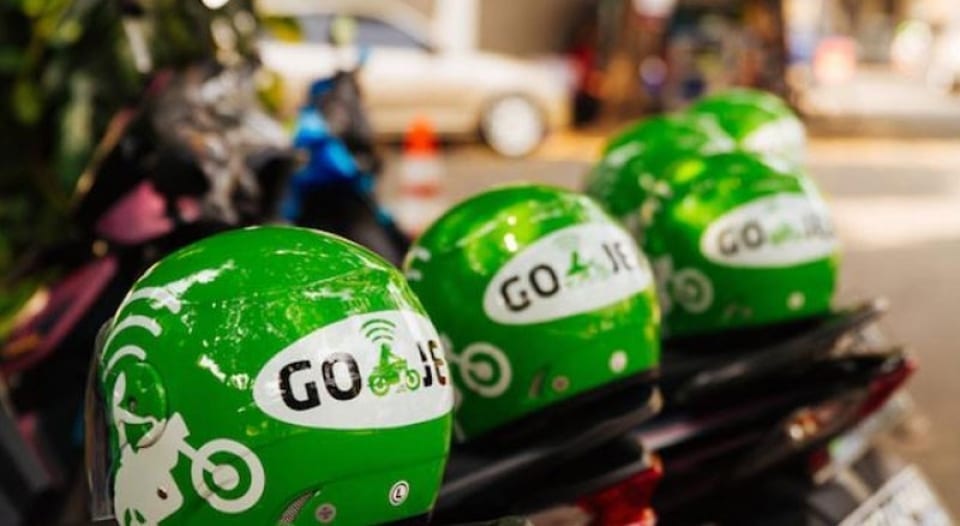
    Google, Singapore state investor Temasek Holdings and Chinese online platform Meituan-Dianping are investing in a fundraising round of Indonesian ride-hailing startup Go-Jek, sources familiar with the matter said.

    Go-Jek’s existing investors, such as global private equity firms KKR & Co and Warburg Pincus, are also participating in the funding round, which is raising about $1.2 billion in total, the sources said.

    They said the funding round opened last year and is expected to close in a few weeks.

    The funding by prominent investors including Google gives Go-Jek greater firepower to tackle competition at home from Grab and Uber Technologies, which are viewing Indonesia, Southeast Asia’s most populous country, as a large potential market.

    “As a strategic investor, Google can add a lot to Go-Jek’s business,” said one source.

    It was not immediately clear how much the investors are pumping in individually.

    Google, KKR, Warburg and Temasek declined to comment. Meituan-Dianping and Go-Jek did not immediately respond to requests for comment. The people declined to be identified as they were not authorized to speak to the media.

    Go-Jek, which began as a ride-hailing app for motorcycle taxis, operates mainly in Indonesia but is developing a food delivery business. Its mobile payment business, Go-Pay, is also growing rapidly.

    Reuters reported last year that JD.com was investing about $100 million in Go-Jek. This followed an investment by Chinese social media and online entertainment firm Tencent Holdings, which is also an investor in JD.com.

  • EMart’s M-Lounge to sell electric mini-vehicles

    EMart’s M-Lounge to sell electric mini-vehicles

    South Korea’s discount store E-Mart, a unit of retail conglomerate Shinsegae Group, has started selling electric mini-vehicles.

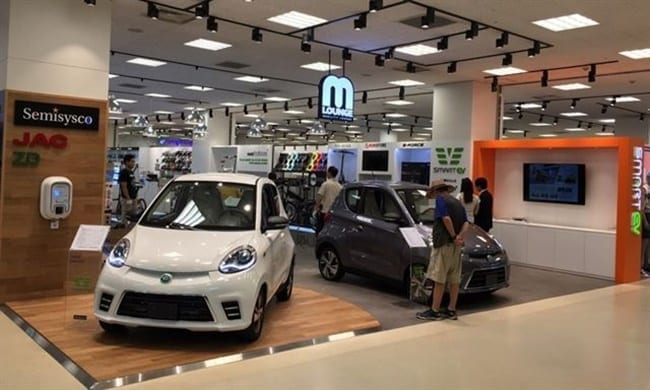
    E-Mart says it has expanded its M Lounge network to seven shops across Korea to sell electric bicycles and EVs.

    Introduced at its Yeongdeungpo store last March to introduce its e-mobility lineup, M Lounge now sells E-Mart’s private-brand e-bike Pedelec and other brands such as Mando Footloose and Maskali, as well as Air Wheel (electric wheel) and iBoat (electric kickboard). It has also started taking orders for the Zhi Dou two-seater electric car from China, which can run up to 150㎞ on a single charge.

    Cleared by regulatory authorities last month, the vehicle is expected to be priced at KW13 to 14 million (US$13,000).

    E-Mart aims to install M Lounge at up to 20 key stores across the country.

  • Nissan’s ePower tech coming to U.S. vehicle

    Nissan’s ePower tech coming to U.S. vehicle

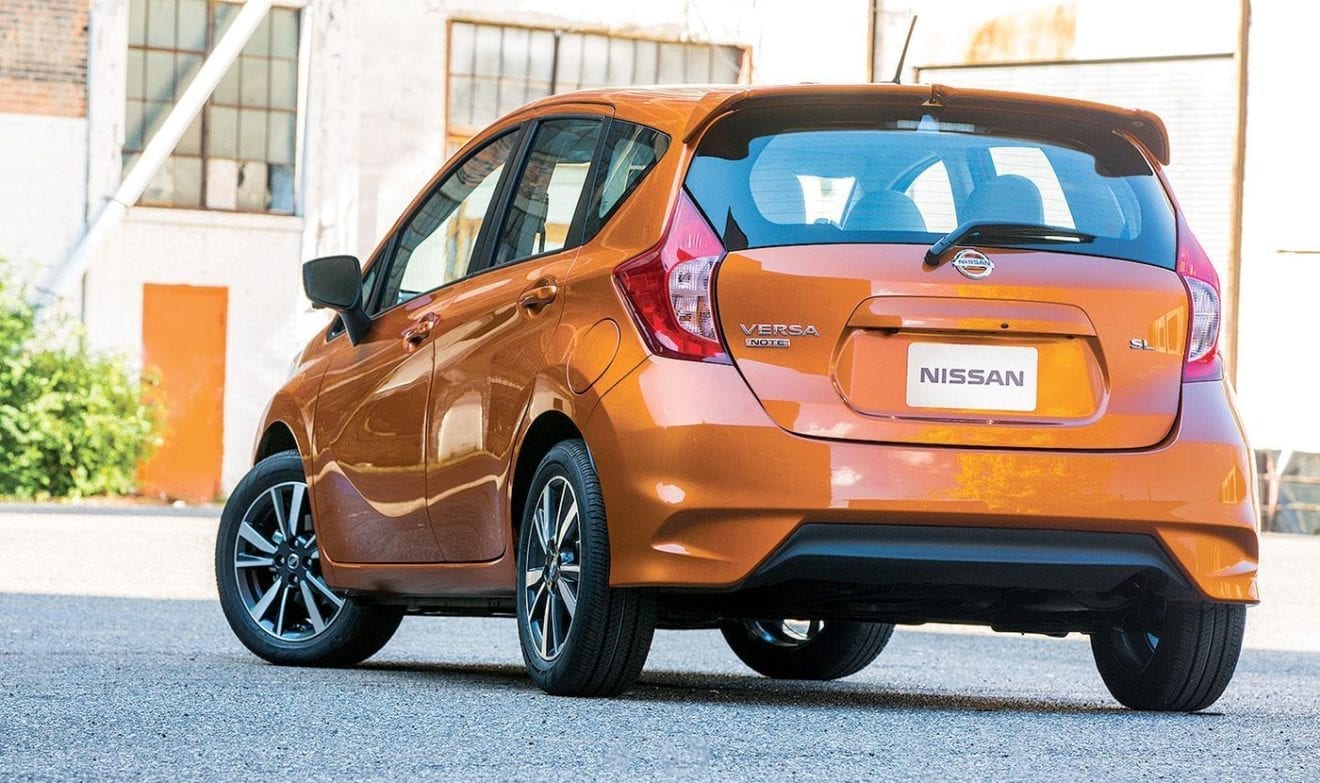
    Startled by enthusiastic consumer demand for ePower in Japan last year, Nissan Motor Co. now plans to introduce the electric motor-powered technology to its vehicles in the U.S.

    But unlike its Japanese application in the humble subcompact Note, Nissan will more likely use ePower here as an option on higher-end vehicles, said Philippe Klein, the automaker’s chief planning officer said last week.

    Klein did not say which Nissan brand products might receive ePower but suggested it will begin with higher-priced nameplates that can absorb the added cost of the powertrain.

    Meanwhile, Klein’s boss, Nissan CEO Hiroto Saikawa said that Infiniti will begin offering ePower in the near future. Saikawa said ePower will play a key role in Infiniti’s move to almost completely electrify its lineup starting in 2021.

    The technology, essentially a range extender, appears on the Note in Japan.

    Saikawa said that every Infiniti that appears in or after 2021 will either be a full electric vehicle or have an ePower powertrain.

    The technology reached the market in Japan as a powertrain option on the Note in late 2016. But in 2017, its first full year of availability, it had a 65 percent take rate on the car, Klein said.

    “Our strategy is to expand to other vehicles and to other markets,” Klein said. “It’s not only for small vehicles. We’re going to go to bigger vehicles.”

    The system is essentially a range extender in which an electric motor propels the vehicle at all times. A battery provides the power for the motor. A gasoline engine is used to charge the battery when necessary.

    The system delivers a fuel economy rating of about 77 mpg under Japan’s testing protocol, which is not comparable to U.S. testing methods.

    But Klein said fuel economy is only half the attraction to consumers. A second appeal is the powertrain’s exhilarating acceleration, he said, which is something that will appeal to buyers of any vehicle.

    “One part of it is the rational — lower gas costs. The other issue is emotional,” he said. “The driving experience is very close to that of an electric vehicle. Contrary to a conventional hybrid, you have the smooth acceleration of an electric vehicle.”

    Klein said that ePower has helped Nissan increase the revenue generated by the Note, and also has allowed Nissan to reposition the Note in Japan as a more upscale model.

    He added that Nissan believes the technology also provides an alternative to diesel powertrains in Europe.

    The company is considering offering ePower there as regulations make it harder to sell diesel vehicles.

    Its immediate benefit as a new source of fuel economy is not so clear for the U.S. market, he said. “But the benefits of being emotional and fun to drive might apply in the U.S. for some categories of vehicles,” he said. “So it’s part of the strategy.”

  • Jaymart cryptocurrency to “feel lovely” in launching day

    Jaymart cryptocurrency to “feel lovely” in launching day

    Thailand’s J-Ventures, a subsidiary of electronics retailer Jaymart, is to launch a cryptocurrency on Valentine’s day as means of raising US$20 million.

    There are no clear regulations in Thailand at this time relating to cryptocurrencies, which can be traded on the Thailand Digital Asset Exchange (TDAX) and Thailand Bitcoin Exchange (BX).

    J-Ventures says it will hold an ICO (Internet Coin Offering) of 100 million JFin tokens, each with a face value at launch of 20 cents, from February 14 to 28.  A further 200 million virtual tokens will be kept in reserve for later use.

    The Jaymart cryptocurrency will be accepted as currency in Jaymart stores and traded on the two exchanges.

    The funds raised in the offering will be used by another Jaymart subsidiary J Fintech to develop a digital lending platform using blockchain technology

    “Jaymart’s loan service business has a large growth potential,” explained J-Ventures CEO Thanawat Lertwattanarak. “Therefore, we need to create an ecosystem, develop a customer database and provide a new channel for people to access loans more easily.”

  • New shopping centre in India combines contemporary architecture with traditional styles

    New shopping centre in India combines contemporary architecture with traditional styles

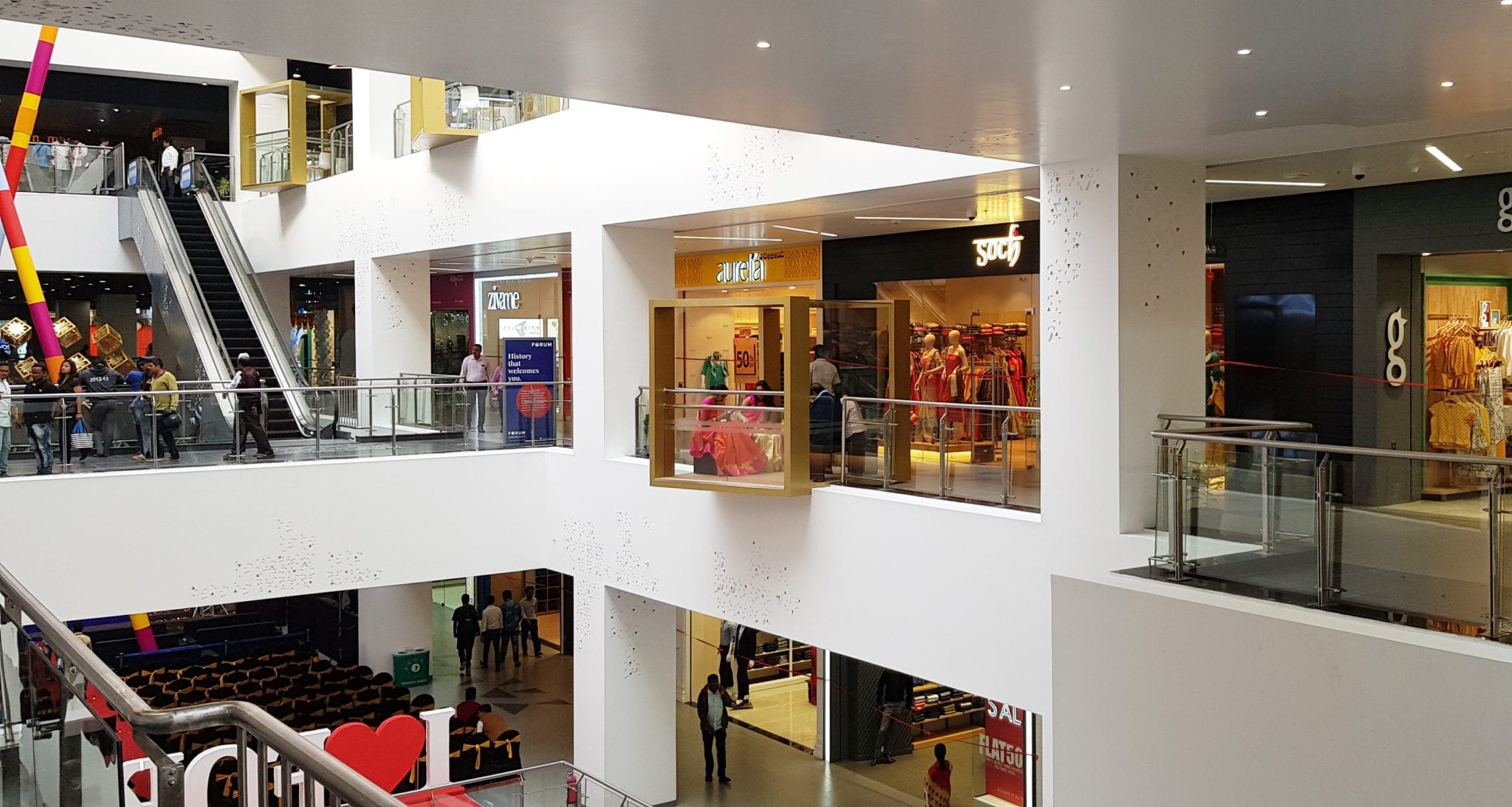
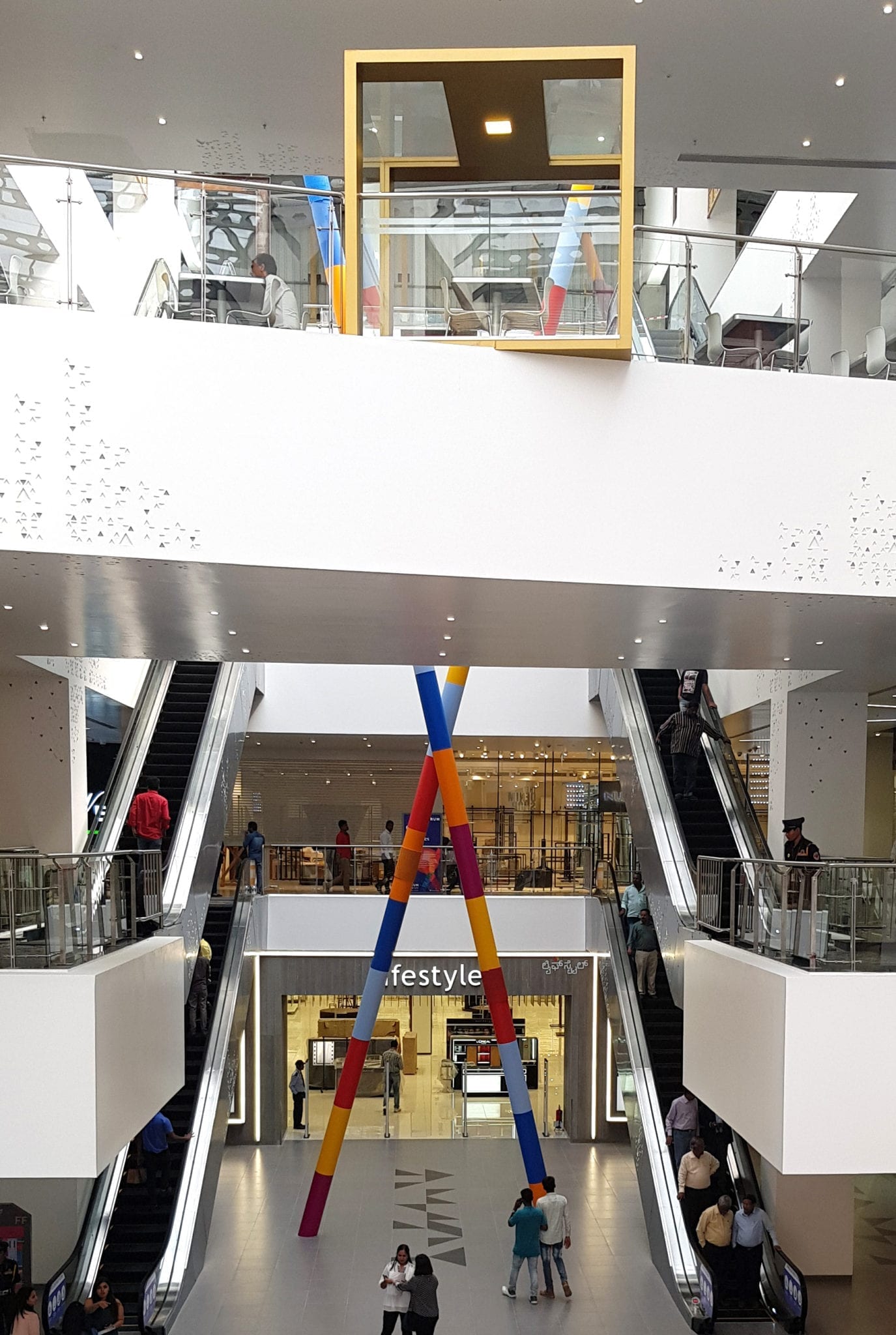
    A shopping mall designed by international consultant Broadway Malyan has opened in India. The firm was appointed by Prestige Group to design the interior fit-out and exterior façade of Forum Mall, Mysuru.


    The shopping mall comprises 54,000 sqm of space, and is home to over 150 local and international brands, with big names such as H&M, Nike, Levi’s and Apple all taking space within the mall. It also includes a hypermarket and department stores, and leisure needs are catered for through the inclusion of a multiplex, gaming arcade and range of restaurants and cafes.


    The interior design was inspired by local culture, including celebrations such as the Dussehra and Holi festivals, landmarks such as Mysore Palace, and textures and materials including Mysore Peta, Sarees and Jali Stonework. These design references have been merged with a modern style to create a unique retail environment.


    Ankit Kamboj, associate director at Broadway Malyan, said: “Our challenge was to combine cultural elements with a contemporary, clean architectural style. The balance is important; both aspects should complement rather than detract from each other.


    “By designing the façade and interiors we have been able to ensure that the same design approach is followed throughout to create a strong identity for the mall.


    “Significant growth is expected in the retail sector in the city and Forum Mall looks set to capitalise on this by offering a new type of retail and lifestyle destination for local residents to enjoy.”


    The interior design is underpinned by simple, white plaster on a number of core surfaces such as the ceilings, main pillars and escalators. By using this neutral approach, the featured elements stand out more. Depth and texture is added to the design the ways in which various materials, patterns and light is used.

     Kolam drawings, which is a style specific to the south of India, are printed over floors, glass balustrades and pavements to add further distinction and also help with wayfinding by highlighting key areas such as the entrances, lifts and public squares.

    Prestige Group is one of the leading developers in India with a range of landmark developments throughout the country. As well as retail schemes, they deliver residential, commercial and hospitality projects. Retail is one of Broadway Malyan’s core areas of expertise, and the firm is currently providing advice for a number of projects throughout India, from small, niche retail projects through to large malls and out of town shopping destinations.