Blog

  • MRCB-Quill REIT’s Q4 net profit down 80% on deficit in revaluation

    MRCB-Quill REIT’s Q4 net profit down 80% on deficit in revaluation

    MRCB-Quill REIT’s (MQREIT) net profit for the fourth quarter ended Dec 31, 2017 plunged 80% on a RM18.2 million deficit in revaluation of its investment properties.

    It made a net profit of RM3.3 million for the quarter under review, compared with Rm16.9 million for the same quarter in 2016.

    This was on 18.3% higher revenue of RM46.1 million, compared with RM38.9 million for the same quarter in 2016.

    The REIT comprises of 10 buildings worth a market value of RM2.2 billion as at Dec 31, 2017.

    In 2017, 14% of MQREIT’s total net lettable area was due for renewal.

    As at Dec 31, 2017, MQREIT successfully renewed approximately 80% of these leases. It is now in active negotiations for the renewal of leases due in 1Q 2018.

    In its filing with Bursa Malaysia, MQREIT said the Klang Valley office market is expected to remain challenging and for 2018, they will focus on asset management and leasing strategies that are centred on tenant retention.

    For the 12 month period ended Dec 31, 2017, MQREIT registered a 11.4% jump in net profit to RM9.9 million, compared with RM62.8 million for the same period in 2016.

    Revenue for the period was 32.8% higher at RM181.5 million, compared with RM136.7 million in 2016.

    Its share price gained one sen to RM1.22 today, with 131,200 shares changing hands.

  • Google to open e-suite office in Shenzhen

    Google to open e-suite office in Shenzhen

    A month after announcing plans to open its first AI lab in China, Google is expanding again through a move into Shenzhen.

    The U.S. tech giant has opened an office in the Chinese city, which borders Hong Kong and known for being a global hardware hub. This is not a fully-blown Google campus, instead the company has taken up space within a serviced office starting this week.

    “We have many important clients and partners in Shenzhen. We are setting up this e-suite office to be able to communicate and work with them better,” a spokesperson said in a statement confirming the news.

    Shenzhen is home to Tencent, the $500 billion firm behind WeChat, and mobile giants Huawei and ZTE, while the likes of Alibaba and Baidu are also present. The city has a thriving maker community, which includes global hardware accelerator program HAX.

    Google currently has offices in Shanghai and Beijing.

    There’s much to dig into around the search giant’s upcoming China-based AI lab, which taps into China’s growing AI talent pool and could signal a move to developing China-focused products. That, plus the re-launch of Google Translate app in China last year, gave fuel to the idea that the firm is ‘back’ in China. The Shenzhen presence is a more subtle development, a nod to the importance of the city for Google’s business.

    The Shenzhen office is likely to be used by a number of teams that already spend a lot of time in the city. Google decided that something more permanent was preferable to working out of hotels or public spaces. The firm’s China-based sales team, its hardware team and those in logistics, sourcing, supply are most likely to make use of it.

    Further down the line it seems possible that Google might opt for an office space that is more permanent — and more Googly — but for now we understand that there’s no timeline for that.

    The Shenzhen base also reflects Google’s position following its $1.1 billion deal to acquire a large chunk of HTC’s smartphone business. As a report from The Information recently noted, Google has also ramped up its hardware efforts in China. Its headcount for its Shanghai-based hardware engineering jumped to more than 100 from just 20 one year ago, the publication said.

    “I expect Google to make its Home products and more in Shenzhen. No doubt they have staff visiting frequently,” Benjamin Joffe, General Partner at HAX said.

    “Considering the push they had at CES and the fact that they are expanding the product line there will probably be more Googlers to join the ranks of Apple, Amazon and other companies’ staff in the watering holes and eateries of Shenzhen, in Nanshan or Futian,” he added.

  • Uniqlo to expand to Sweden

    Uniqlo to expand to Sweden

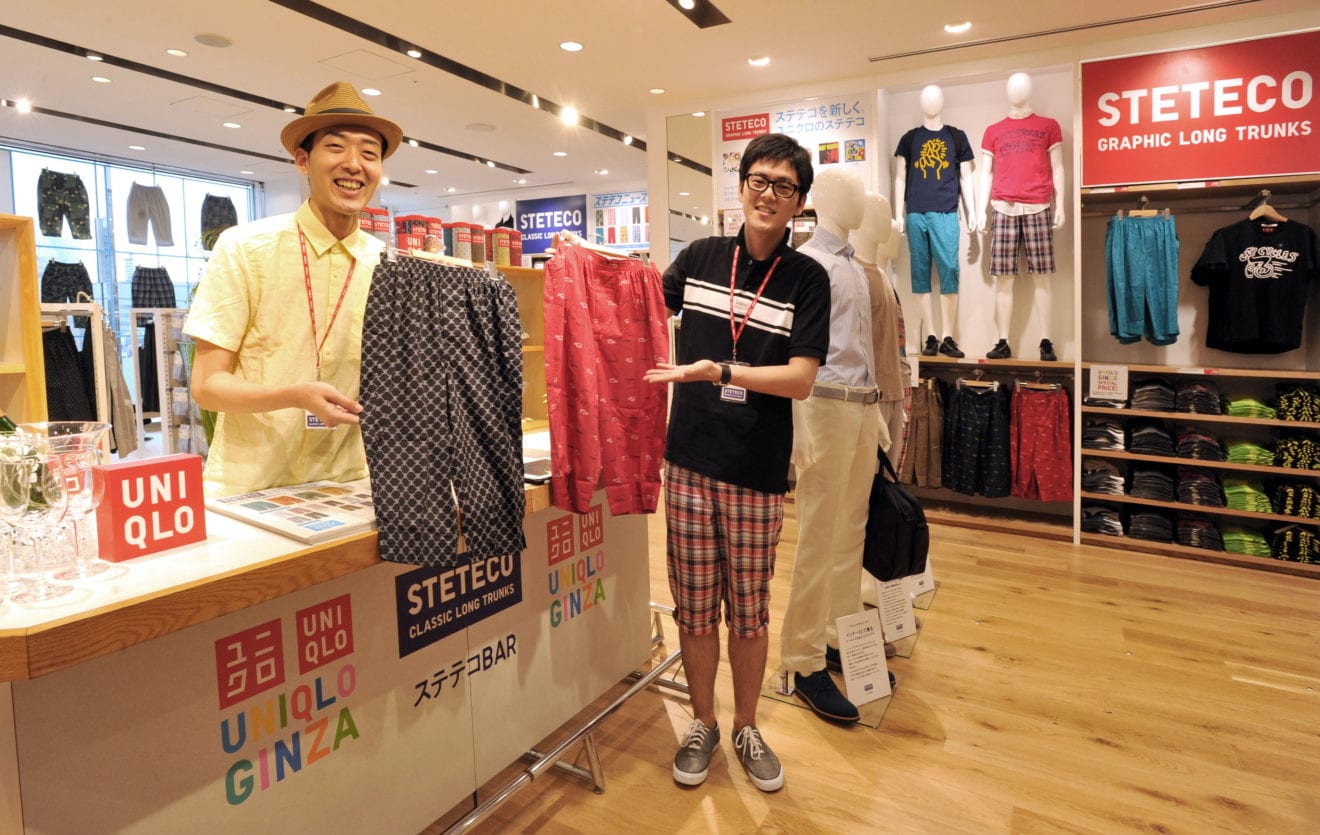
    Japan’s Fast Retailing plans to launch its Uniqlo clothing brand in Sweden with an initial store in Stockholm this year.

    Taking on its rival H&M in its home market, it marks the cut-price brand’s debut in the Nordic region.

    Uniqlo has fewer than 70 stores in all of Europe, and Fast Retailing CEO Tadashi Yanai says he wants to overtake H&M and Zara parent Inditex of Spain as the world’s top apparel retailer.

  • Vietnam car market slump continues

    Vietnam car market slump continues

    Việt Nam spent more than US$2.15 billion importing 94,000 cars last year, marking a year-on-year decrease of 16.8 per cent in volume and 9.6 per cent in value.

    This was revealed by the General Statistics Office.

    The domestic automobile market witnessed many uncertainties last year. Notably, in the first half of the year, after the tax rate of complete built-up units (CBUs) import from ASEAN countries dropped to 30 per cent, the auto import turnover remained constantly high. However, in the second half of the year, the import turnover fell to low levels in both quantity and value.

    The uncertainty of CBUs auto import turnover in 2017 clearly reflects the evolution of the market.

    The decline in turnover shows a paradox. The car import market in 2017 benefited from the import tax of Southeast Asian-origin vehicles down by 10 per cent (to 30 per cent) and car import tax from countries enjoying the status of the Most Favoured Nation decreased by five per cent. With such a decrease, the auto import turnover should have accelerated; however, the figures remarkably reduced.

    Meanwhile, the tax rate of CBUs imported from ASEAN countries has officially reduced to zero per cent from January 1. But the market is yet to recover.

    According to Nikkei Asian Review, Toyota said on Tuesday that it has halted all production for export to the Vietnamese market. The Japanese automaker manufactures locally in Việt Nam, but imports from Thailand, Indonesia and Japan account for some one-fifth of what it sells in the market, or 1,000 units every month. Models imported include the Hilux pickup trucks, Yaris subcompacts, sports utility vehicle Fortuner and luxury car Lexus.

    “The Vietnamese market slowed down last year clearly because consumers refrained from buying as they waited for the tariff removal at the end of 2017,” Toyota Motors Thailand President Michinobu Sugata told reporters in Bangkok.

    Indeed, auto sales in Việt Nam between January and November last year slumped 10 per cent to 245,000 units. “We were anticipating a big jump in 2018, but due to the non-tariff barriers set by the Vietnamese government we cannot export to the market at all,” he said.

    Announced in October, Decree 116 requires emission and safety tests to be conducted on every batch of automobile to be imported. In the past, only the first shipment of each model would be tested. One emission test could take two months and cost up to $10,000, according to a statement of the Japanese Chamber of Commerce and Industry in Việt Nam.

    The decree also requires all models to obtain a Vehicle Type Approval certification issued by authorities of the exporting country. VTA certifications are to show that the vehicle meets standards of the country it will be sold in and is normally issued by domestic entities of the exporting country.

    Since the decree was announced, major exporters from Japan, Thailand and the United States have expressed concerns that it would become impossible for them to sell in Việt Nam.

    Phạm Anh Tuấn, head of the Vietnam Automobile Manufacturers’ Association (VAMA)’s Policy Subcommittee, told Việt Nam News that car manufacturers had not imported cars since January 1. The Vietnamese automobile market currently had only a few vehicles that were imported by the end of 2017, he said.

    For Toyota Motor Việt Nam, the latest import was towards the end of October last year.

    Tuấn also said VAMA had sent a letter of petition four times to the government regarding the content related to Decree 116.

    “VAMA would like the Government to delay the enforcement of the regulations on the import of cars in Decree 116 for six months to help its members prepare well in time. In addition to this, VAMA also proposed to revise the regulation that requires auto importers to submit Vehicle Type Approval certification of automakers as well as changing the requirements for conducting tests on each batch of imported cars,” said Tuấn.


  • Samsung Galaxy A8 Series Launched in Malaysia, Retails From RM1799

    Samsung Galaxy A8 Series Launched in Malaysia, Retails From RM1799

    Samsung has officially announced the arrival of the new Galaxy A8 (2018) in Malaysia. The Galaxy A8 (2018) and Galaxy A8+ (2018) are the company’s new mid-range offerings, featuring IP68-rated bodies and a new dual front camera setup, and will retail from RM1799.

    While they may be positioned as mid-range devices, Samsung has actually trickled down quite a number of flagship features to the new Galaxy A8 (2018) devices. In fact, the two phones even feature a dual-camera setup at the front, allowing for Live Focus for selfies – something the flagship Galaxy S8 and Note 8 devices do not offer.

    The Galaxy A8 also feature the Infinity Display with slim bezels: the A8 sports a 5.6-inch 18.5:9 Super AMOLED display, while the A8+ features a larger 6-inch panel; both phones boast Full HD+ 2220 x 1080 resolutions.

    The dual front camera, on the other hand, are made up of 16MP + 8MP sensors. The front cameras feature Live Focus, which simulates a shallow depth of field in your selfie shots. The rear camera, on the other hand, is a 16MP f/1.7 shooter with phase detection autofocus.

    Rounding out the specifications of the Galaxy A8 and A8+ are an unspecified Exynos octa-core processor paired with 4GB (A8) or 6GB (A8+) of RAM, 32GB (A8) or 64GB (A8+) of expandable storage, IP68 water and dust resistance, a 3,000mAh battery (3,500mAh on the Galaxy A8+), and Android 7.1.1 Nougat out of the box.

    The two phones run Android 7.1.1 out of the box, and feature a fingerprint scanner USB Type C fast charging, Bixby, and the Dual Messenger feature.

    The Samsung Galaxy A8 (2018) and Galaxy A8+ (2018) will be available in three colours (Black, Gold, and Orchid Grey) and will retail for RM1799 and RM2499 respectively. They will go on sale nationwide from 19 January onwards, and there will also be an early bird promo from 19-21 January, where those who buy the Galaxy A8 phones will receive a free 64GB Samsung Evo Plus microSD card and a 10000mAh power bank with Type C connector.

  • RM1b contraband cigarettes seized by Customs in 2017

    RM1b contraband cigarettes seized by Customs in 2017

    The Royal Customs Department seized contraband cigarettes with RM1 billion worth of taxes last year as the authority intensified actions to curb the rise of illicit tobacco products and the government incurs billions in revenue lost.

    The high price of cigarettes makes Malaysia a haven for contraband smugglers and retailers who reap huge profits as locals seek cheaper alternatives. Malaysia’s long coastline makes monitoring of the entry of illicit cigarettes more difficult.

    Customs DG Datuk Seri Subromaniam Tholasy said the non-duty cigarettes were seized while they were being transported and retail shops. “For the whole of last year, we seized cigarettes with close to RM1 billion in duties and taxes,” he said.

    Subromaniam also said recently Selangor’s Customs confiscated contraband liquor and cigarettes valued almost RM500,000 with RM2.25 million of unpaid taxes.

    Confederation of Malaysian Tobacco Manufacturers had reported the sector would not be able to withstand a price rise for cigarettes due to the widespread sales of illegal tobacco products.

    Malaysia’s legal cigarette market has dwarfed to less than 50% over the last 13 years as illegal cigarette consumption rose to about 57.1%, or 10 billion, out of 18 billion sticks in 2016.

    Contraband cigarettes are sold between RM4 and RM5 per pack, almost 400% cheaper compared to RM17 for the famous brands. Cigarette taxes

    had increased 110% over the last five years.

    It is estimated the government lost billions in tax revenue due to the mushrooming of contraband cigarettes. Excise tax for each stick could be between 28 sen and 40 sen per stick, and with an estimated 10 billion sticks of unpaid taxes, the government is losing a fortune.

    Subromaniam said the Customs is taking a different approach to overcome the sale and distribution of contraband cigarettes.

    “Previously, we go from shop to shop and check, and conduct raids. But, these methods are time consuming and expensive.

    “Now what we are focusing on is stopping the supply of the products to the sellers. Basically, we want to cut the distribution at the roots,” he said, adding that the department was also taking actions against the sale of cigarettes boxes that carried fake “tax paid” stickers.

    Subromaniam said the department had suspended the services of 30 foreign agents who had been bringing liquor and cigarettes.

    “We found out that they made a false declaration and we have halted their services with immediate effect.

    “Show-cause letters will be sent to all 30 foreign agents by next week. So, if they don’t respond accordingly, we will take the necessary action,” he said.

    The Finance Ministry in the third quarter of 2017 (3Q17) said indirect tax collection dropped 7.3% to RM14.6 billion, from RM15.7 billion in 3Q16 due to lower excise duties collection, particularly from the locally manufactured cigarettes.

    Cigarette companies like British American Tobacco (M) Bhd had ceased its local manufacturing operation, citing high excise environment and the sharp rise of illegal cigarettes.

  • Pharmacity to open 500 more stores in Vietnam

    Pharmacity to open 500 more stores in Vietnam

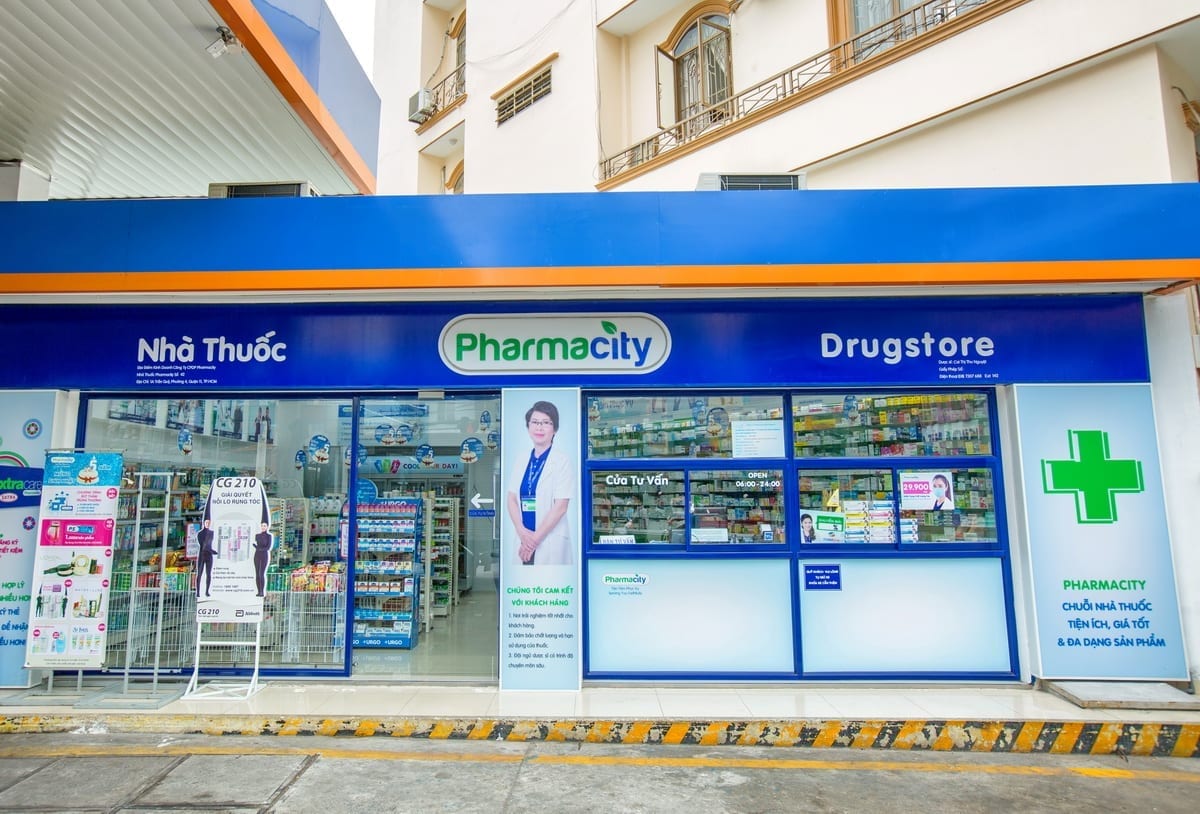
    Vietnam’s retail drugstore chain Pharmacity plans to open 500 stores by 2023.

    It has opened six more stores in Ho Chi Minh City this month, expanding its network to 71 to become the largest pharmacy chain in Vietnam.

    Over the next two years, Pharmacity plans to boost its store numbers to 200. It also has an online store.

    Modern retail drugstores have become popular in Vietnam, according to a new report from VN Research. It says Phano Pharmacy is the second-largest chain with 60 stores, Medicare has 59 while Dairy Farm-owned Guardian has 49.

    Mobile device retail giant Mobile World (The Gioi Di Dong) last month acquired a 40 per cent stake in the Phuc An Khang pharmacy chain, changing the name to An Khang. Mobile World plans to raise its ownership to 60 per cent and open up to 500 stores nationwide.

  • Rise of local Malaysian cosmetic brands

    Rise of local Malaysian cosmetic brands

    Malaysian make-up brands and skincare products are now coming to the fore.

    Cushion foundation by So.Lek. Picture credit: Instagram So.Lek

    When it comes to make-up, local beauty enthusiasts tend to look for products offered by global brands such as L’Oreal, Estee Lauder, NARS, Maybelline, Urban Decay and Bobbi Brown.

    Meanwhile, the younger crowd, heavily influenced by Korean music and drama series, will go for branded Korean make-up and skincare used by their favourite celebrities.

    However, there is a new breed of beauty consumers. Rather than looking up to cosmetics giants from the United States, the European Union, Australia, Japan and Korea, they prefer to buy make-up products from independent local entrepreneurs.

    CULT STATUS

    Homegrown cosmetic brands started becoming popular when Instagram, Facebook and Twitter started became a norm in our society.

    They are mainly founded by fashion entrepreneurs, professional make-up artists and celebrities as well as social media influencers.

    According to a 2016 research on personal care and cosmetics products in Malaysia done by the United States International Trade Administration, while some big local manufacturers produce and own their house brands, a growing number of local players turn to local cosmetic manufacturers and focus on contract or private labelling.

    These homegrown brands work on a non-traditional and more personalised marketing strategy i.e. the brand founder is also the spokesperson or “The Face” on billboard advertisements, etc. They sell their products mainly via their own online portal or other established retail platforms such as FashionValet, mySMINK, Zalora and Pretty Suci.

    Although operating on a small-scale, some have managed to penetrate international markets or have their brands placed in established retail stores, pharmacies or global departmental stores.

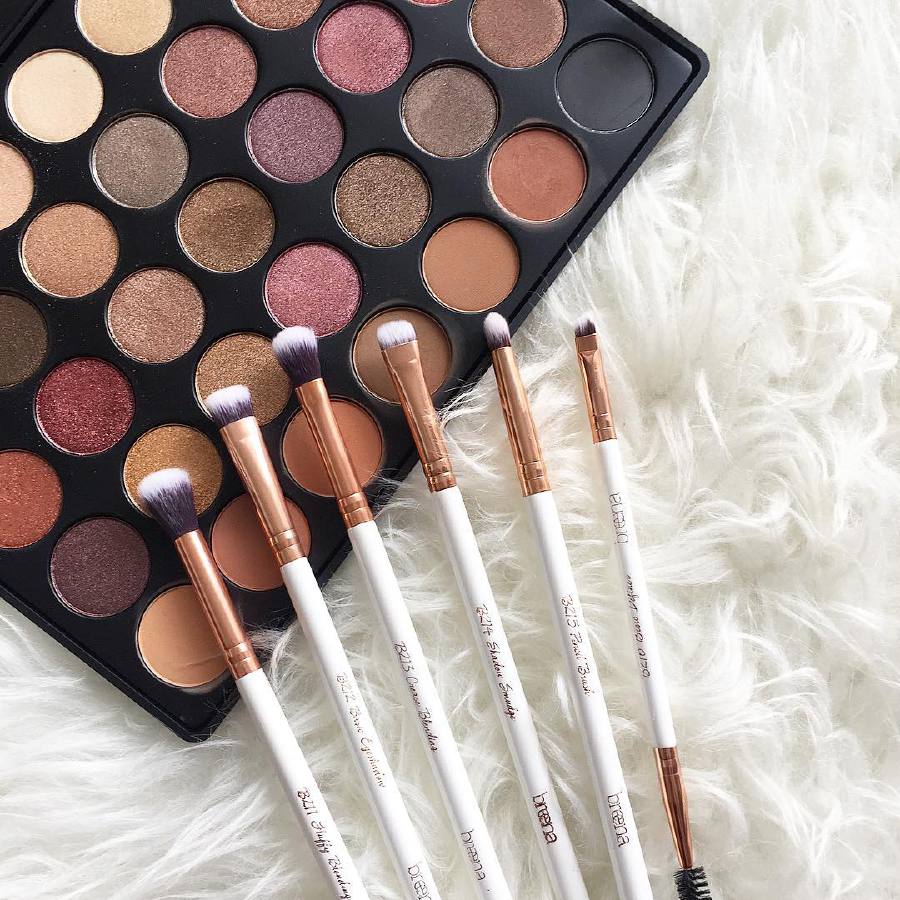
    Breena Beauty was among the earliest independent brands in the scene. Founded by well-known blogger Sabrina Tajuddin in 2014, the brand took off with a stellar make-up tool called face luxe brush.

    Can Can’s Beauty was created in 2015 and is known for lipsticks that are suitable for dark-skinned women. Fame Cosmetics and Stage Cosmetics (founded in 2008) are cult favourites, particularly among professional make-up artists.

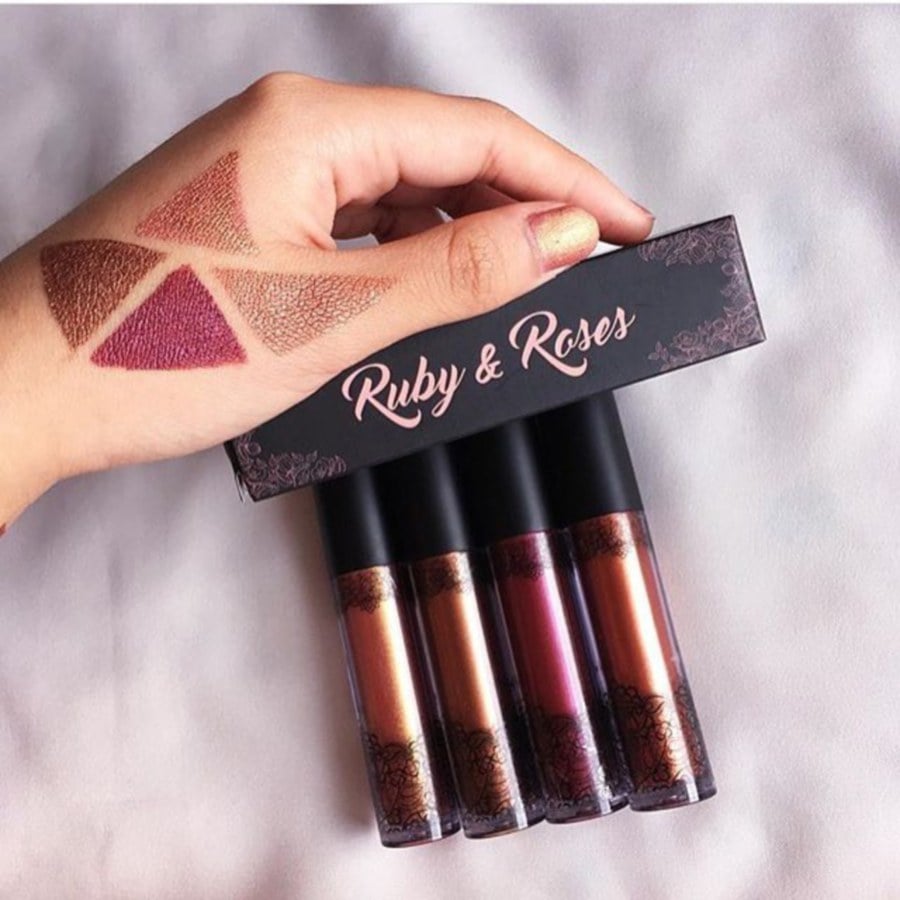
    Year 2016 saw the establishment of a string of new local brands such as Velvet Vanity (known for liquid lipsticks), DIDA For Women (known for matte lip creams inspired by luxurious designer lipsticks), Zhuco Cosmetics (Sabah-based brand known for rainbow-coloured highlighter), Chique Cosmetics (synonymous with fun-looking product packaging) and the Malay influenced So.Lek with its Gincu (lipstick) line and cushion foundation.

    Singer and television host Hunnymadu launched Madu Cosmetics that same year, offering The Artist Collection matte lipsticks named after her favourite songs.

    In December last year, celebrity make-up artist Syed Faizal Syed Noh launched Pipi by Syedskillereyes, a new addition to its Syedskillereyes make-up range that was first introduced in 2016. Pipi (cheek) is a chic cheek palette combining contour, blush and highlighter and is currently retailing on FashionValet.

    The latest label to jump on the brandwagon is OhMostWanted Cosmeceuticals by actress Nora Danish. Launched early this year, it combines both cosmetics and pharmaceutical properties formulated by local aesthetics doctors.

    HALAL FACTOR

    Halal and wuduk (ablution)-friendly elements are significant marketing factors in some local cosmetics brands such as SimplySiti (founded by singer Datuk Seri Siti Nurhaliza Tarudin), Ronasutra, Zawara, Nurayysa Beauty and Sugarbelle Cosmetics.

    Shah Alam-based Sugarbelle Cosmetics is among the cult brands on Instagram. It was founded by social media moguls and Muslimah fashion entrepreneurs Sharifah Nabilla Al-Yahya Syed Sheh a.k.a. Belle Al-Yahya (founder of Bella Ammara) and Eyqa Sulaiman of Sugarscarf.

    Starting with its first product, a creamy liquid lipstick, the brand has grown by leaps and bounds, with halal certification being among its strengths (apart from the 24-7 online marketing efforts and Belle’s endless make-up tips and tutorials).

    “I love make-up. I was inspired to start the business as I couldn’t find many cosmetic products that conformed to halal standards back then. I’m sure I’m not the only one facing the dilemma,” says Belle, 30.

    She says she and her team made sure that all Sugarbelle Cosmetics complied with the standards set by the Health Ministry and the Department of Islamic Development Malaysia (Jakim) from day one. This is why the brand went through a careful selection process of cosmetic manufacturers in Malaysia to cater to its mostly muslim consumers here and abroad.

    “I guess it has helped us stay alive in this competitive field. It has also beefed up our profile, and eventually led us to being among the few local brands to retail at Guardian outlets starting last year,” she says.

    The brand will launch new products to complete its cosmetic range soon and is ready to enter more Guardian outlets this year.

    CHALLENGES

    FashionValet is among the established online fashion retail platforms that curate brands by local entrepreneurs. There are more than 20 beauty and cosmetic brands, including local labels, currently retailing on the platform, with colour cosmetics being the fast-selling item.

    Founder Vivy Yusof says one of the challenges in curating and dealing with homegrown brands is the fact that they are small players.

    “In my seven years in business, I have seen lots of brands come and go. Most are very new to the market and are run by one or two persons. They have the passion and what it takes to tackle the market but they need support in marketing, financing and branding,” she says.

    As part of its ongoing streamlining effort this year, the platform is focusing on keeping only a few brands onboard. “We want to maintain a certain standard and quality. We also want to continue offering products from mid to premium brands.

    “We will focus our efforts to help local players who are ambitious, willing to learn and ready to grow with us,” she says.
    Fast Facts

    * Malaysia’s total trade volume for personal care and cosmetics products was about US$2.24 billion (RM8.9 billion) in 2015.

    * Over 50 per cent of the demand was met by US$1.3 billion in imports mainly from China, Thailand, France, the European Union, the United States, South Korea and Japan.

    * The 2015 Global Economic Summit reported that Malaysia is among the countries with highest Muslim consumers’ expenditure with US$2.6 billion, indicating a huge potential for halal products including cosmetics.

    * There are 210 cosmetic manufacturers in Malaysia that conform to the Good Manufacturing Practices requirement in accordance to the Asean Guidelines for Cosmetics.

     

  • Luk Fook Holdings retail Business 3Q Same Store Sales Up 1% On Year

    Luk Fook Holdings retail Business 3Q Same Store Sales Up 1% On Year

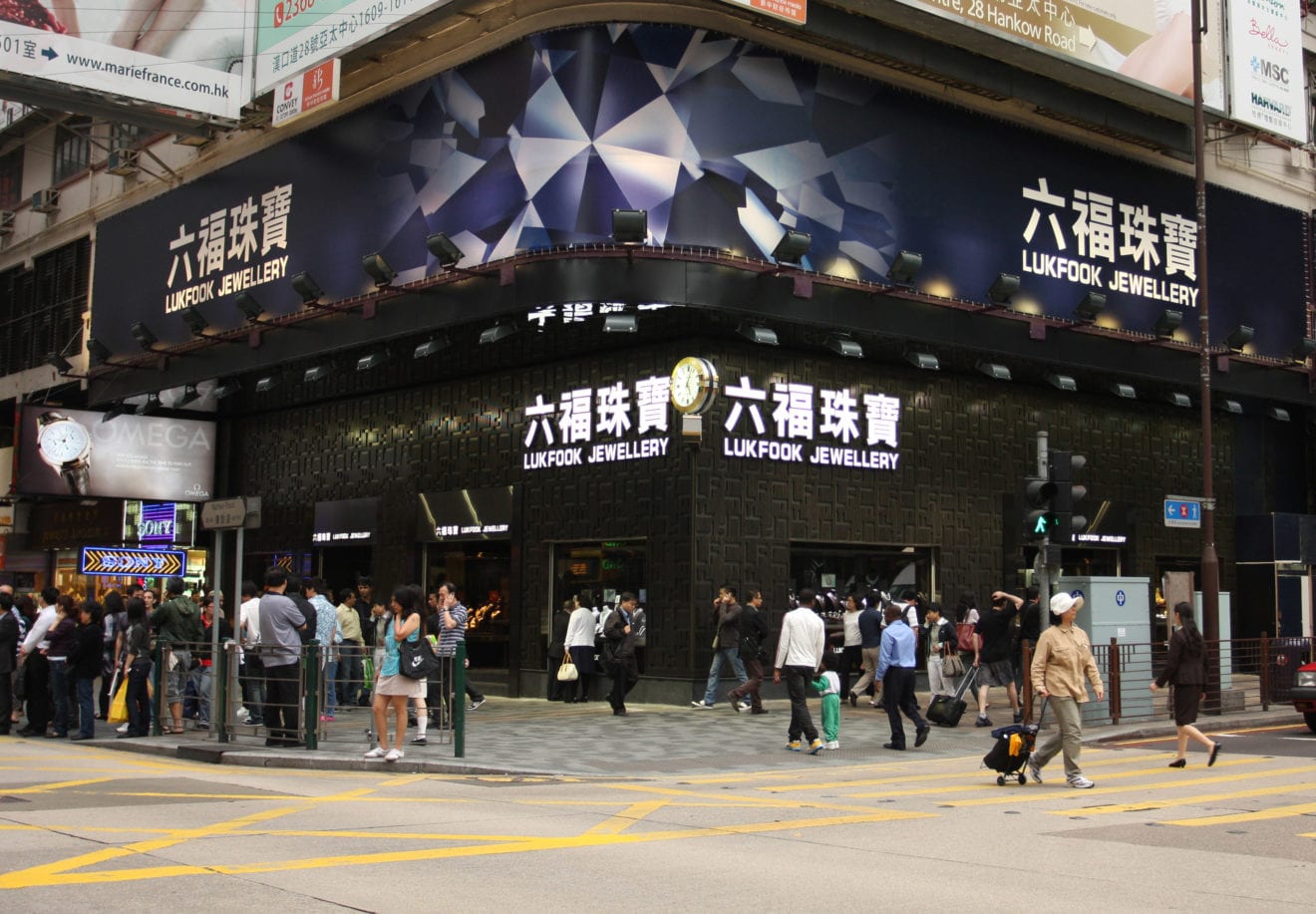
    Luk Fook Holdings (International), a Hong Kong-listed jewelry retailer, said Wednesday its retail business same store sales for October to December was up 1% on year.

    In the third quarter, same store sales growth of gold products were down 3% and gem-set jewelry products were up 10%, it said in an exchange filing.

    “The gem-set jewellery products in Hong Kong and Macau market continued to benefit from the market improvement as well as the successful introduction of more varieties of stylish and good-value-for-money products,” it added.

  • Bitcoin slides below US$10,000 amid clampdown fears

    Bitcoin skidded below US$10,000 (RM39,500) yesterday, halving in value from its peak price, with investors gripped by fears regulators could clamp down on the volatile cryptocurrency that sky-rocketed last year.

    The price of bitcoin, the world’s biggest and best known cryptocurrency, fell to as low as US$9,500 on the Luxembourg-based Bitstamp exchange, the lowest since Dec 1.

    Bitcoin touched a peak of almost US$20,000 in December – and indeed crossed over that threshold on some exchanges – but has since been roiled by several large sell-offs.

    Other cryptocurrencies plunged as well. Ethereum and ripple were both down heavily after reports South Korea and China could ban cryptocurrency trading, sparking worries of a wider regulatory crackdown.

    “There is a lot of panic in the market. People are selling to try and get the hell out of there,” said Charles Hayter, founder of Cryptocompare, which owns cryptocurrencies.

    “You have more regulatory uncertainty … and because of these falls you have these other outfalls,” he said, referring to the collapse of some cryptocurrencies in the recent slump in prices.

    With South Korea, Japan and China all making noises about a regulatory swoop, and officials in France and the United States vowing to investigate cryptocurrencies, there are concerns that global coordination on how to regulate them will accelerate.

    Officials are expected to debate the rise of bitcoin at the upcoming Group of 20 (G20) summit in Argentina in March.

    “Cryptocurrencies could be capped in the current quarter ahead of the G20 meeting in March, where policymakers could discuss tighter regulations,” said Shuhei Fujise, chief analyst at Alt Design.

    Analysts at Citi said today bitcoin could halve again in value amid the current rout, adding that a possible fall to between the US$5,605 and US$5,673 area “looks very likely to be very speedy”.

    “Bitcoin is deciding whether this is the moment to crash and burn,” said Steven Englander, head of strategy at New York-based Rafiki Capital.

    “My conjecture is that cryptocurrency holders are trying to decide whether to abandon bitcoin because its limitations mean it will be superseded by better products or bet that it can thrive despite them.”

  • Burberry third quarter sales slip 2 percent as it starts up-market move

    Burberry third quarter sales slip 2 percent as it starts up-market move

    UK luxury brand Burberry today reported a 2% drop in retail revenue for the Christmas quarter after sales in Europe slipped against a year ago when a fall in the pound had helped its home market.

    Chief executive Marco Gobbetti set out a plan in November to take the label further up-market.

    But the company said there would be little, if any, growth in revenue and operating profit until its 2021 financial year as the programme was implemented.

    Burberry said its retail revenue was £719m in the three months to December 31, its fiscal third quarter, down from £735m the same time in 2016.

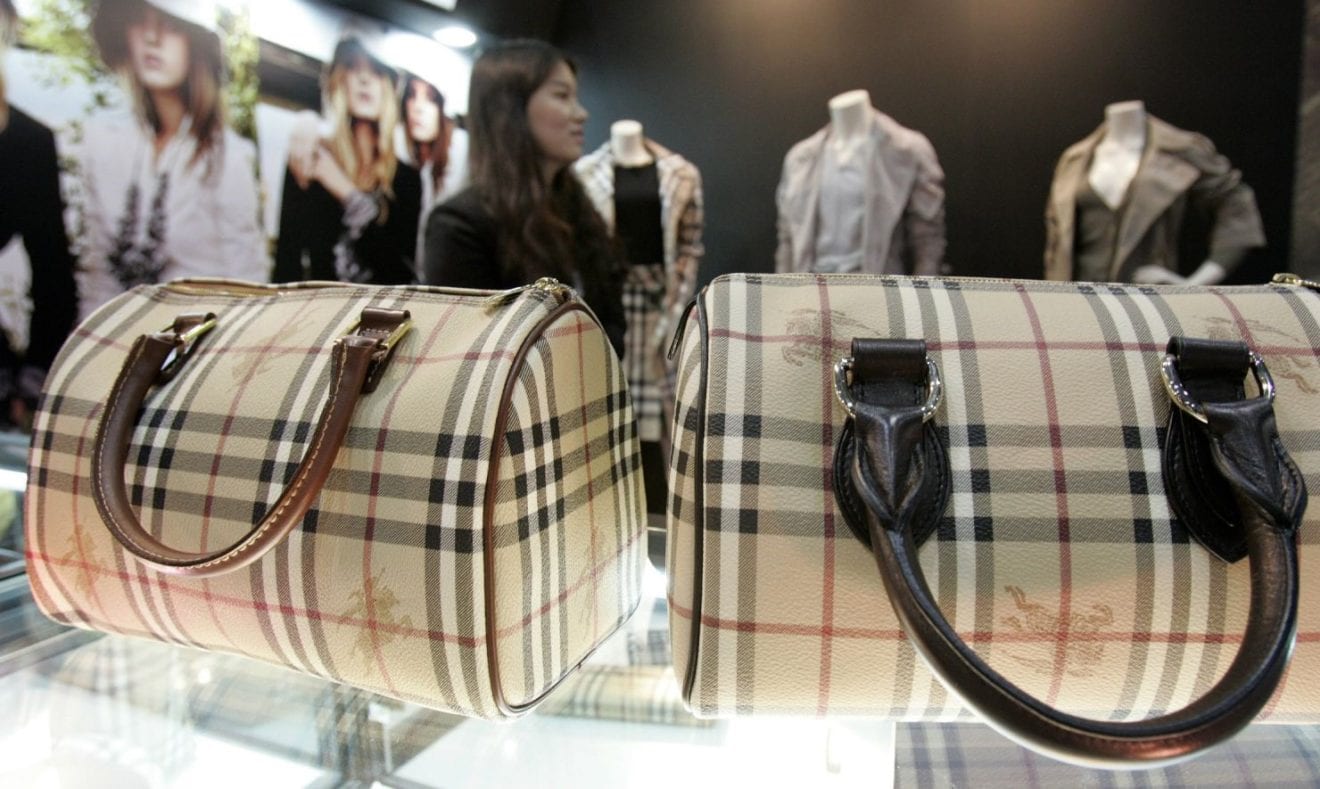
    The firm, known for its camel, red and black check, said retail revenue was up 1% on an underlying basis, while comparable store sales rose 2% – below analysts’ expectations.

    Comparable store sales grew by a mid-single figure percentage in Asia Pacific and mainland China, and by a low single digit in the Americas.

    However, they fell by a low single figure in its Europe division, hurt by a larger fall in the UK which performed very strongly in the same period in 2016.

    Burberry did, however, maintain its operating profit guidance for the full 2017-18 year and said it was on track to make cumulative cost savings of £60m in the year.

    “We are making good progress embedding our strategic vision into the organisation,” said Gobbetti.

    Burberry announced in November that Christopher Bailey, the designer who turned the firm into a global label, would leave this year.

    Today’s statement did not give any update on the search for Bailey’s successor.

  • Hybrid Smartwatches to Make Up Over 50% of Smartwatch Shipments by 2022

    Hybrid Smartwatches to Make Up Over 50% of Smartwatch Shipments by 2022

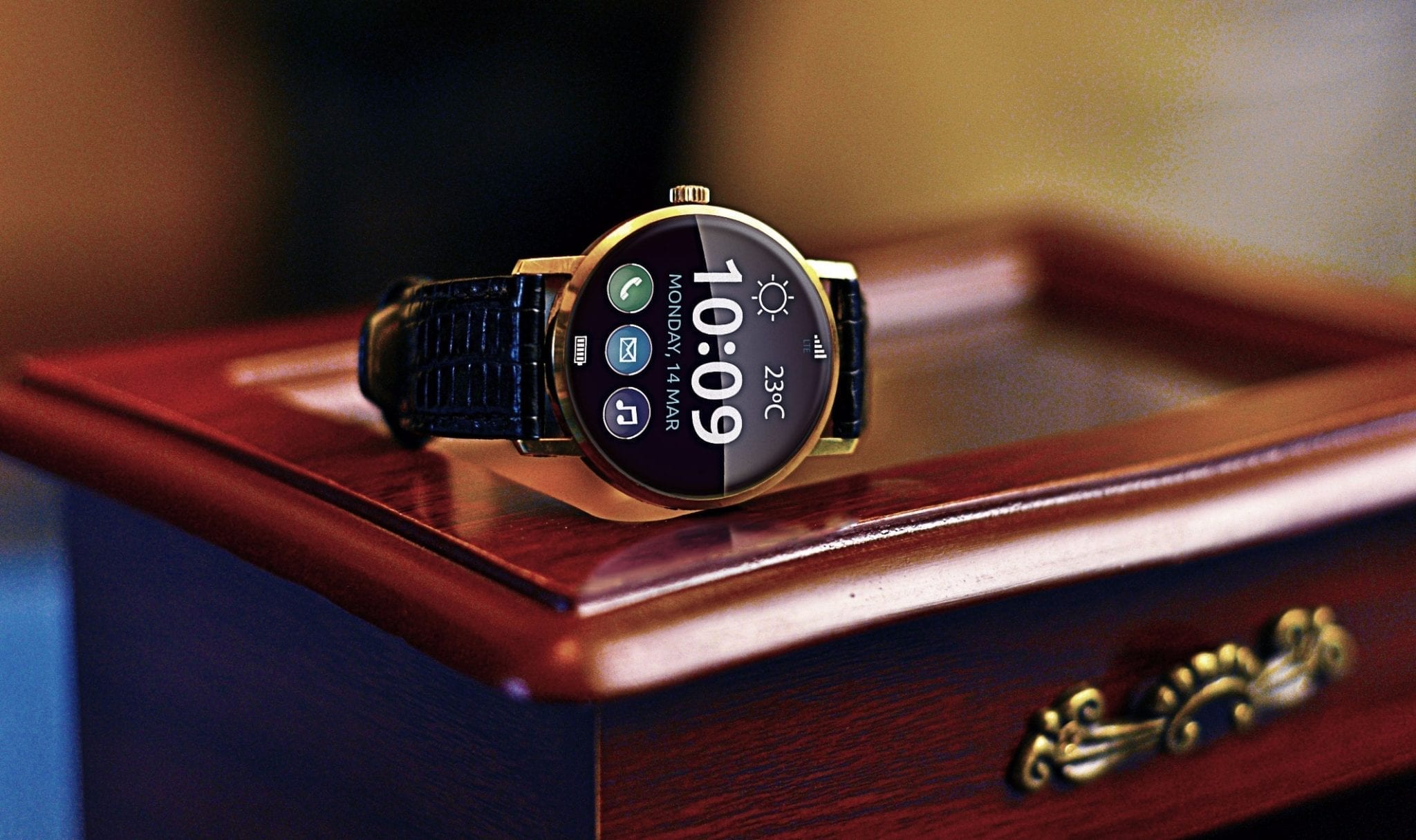
    Watches that appear to be analogue models but integrate smartwatch features will make up more than half of the smartwatch market by 2022, according to Juniper Research.

    This means that nearly 80 million hybrid smartwatches, such as Fossil Q and Nokia Steel, will be shipped by 2022, up 460 per cent from an estimated 14 million last year. However, for digital-display smartwatches like Apple Watch and Fitbit Ionic, Juniper lowers the rate of growth to 160 per cent.

    This slower growth has caused several manufacturers, including Huawei, Motorola and Sony, to leave the space, says Juniper’s new report, Smartwatches: Trends, Vendor Strategies & Forecasts 2018-2022. Those staying in play are pivoting toward specific uses, mainly fitness, which Apple, Casio, Samsung and others have emphasised in recent releases.

    “The smartwatch market is refining itself into a series of specific-use cases”, says research author James Moar. “This is having an impact on every aspect of smartwatches, from their design for increasingly specialised uses to their sale through specific retailers. While most vendors cannot necessarily hope to reach a broad coverage, the industry as a whole is here to stay.”

    Despite the renewed interest in hybrids, Juniper expects individual players to produce few smartwatches. Hybrid watch manufacturers generally ship fewer than 2 million units annually.

    An exception is Fossil, which has released many display and hybrid smartwatches. It is forecast to ship more than 6 million smartwatches annually by 2020.

    Meanwhile, the report has found that different connectivity technologies are becoming more prevalent for smartwatches, with GPS expected to be an element for nearly half of all smartwatches by 2022. In comparison, growth will be limited for near-field communication NFC technology as this is currently locked into specific ecosystems. Juniper does not foresee any change to this in the foreseeable future.

    Juniper Research provides research and analytical services for the global hi-tech communications sector, and has also just issued a complimentary white paper for vendors, Why Most Smartwatches ‘Fail’.

  • Vietnam Airlines concerned about US direct flights

    Vietnam Airlines concerned about US direct flights

    General Director of Vietnam Airlines Duong Tri Thanh said that it would take a long time to break even or make profit through direct flights to the US.

    He spoke about the opening the Vietnam-US direct air route which was approved by Prime Minister Nguyen Xuan Phuc.

    According to Thanh, it would not be easy to complete legal procedures for the air route. It was already quite difficult just to export dragon fruit and litchi into the US, so it would be much harder to open the flights to the country due to the strict security requirements.

    Federal Aviation Administration (FAA) worked with Vietnam Airlines for many times and said that the carrier has met requirements to open flights to the US. So, Thanh hoped FAA would approve the CAT1 aviation safety rating for Vietnam Airlines this year.

    However, Thanh added that, it would be impossible to launch Vietnam-US direct flights this year as many procedures need to be completed. He expected that the air route would be opened by late 2019 or early 2020.

    He also expressed the concerns about the loss possibility, noting that it would take five years to break even for the air route. “The national carrier flag would suffer from loss of USD30 million a year for the first five years of operation, so we need to figure out how to reduce the losses to below USD30 million annually.”

    This air route is very competitive with low-priced tickets but high costs, he explained. Thanh mentioned co-operation with other airlines to operate the route.

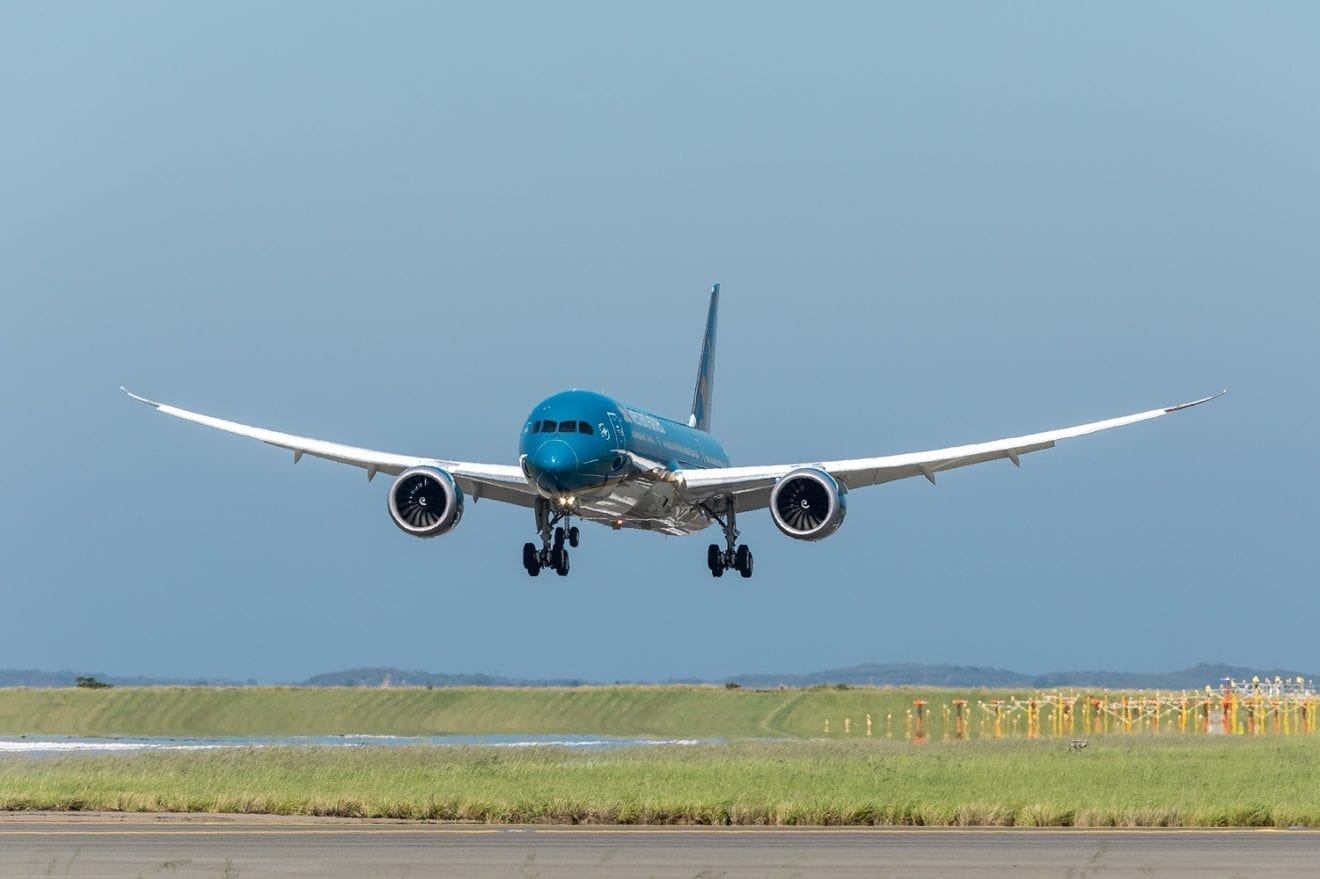
    Vietnam’s current Boeing 787 Dreamliner and Airbus A350-900 XWB can’t be used for direct flights to the US, and still require stops. In the coming time, it is expected that more modern airplanes will be produced to meet this demand.

    Regarding flight frequency, Thanh said that at least 3-4 flights a week on the route will be conducted and then will be raised.

    At present, dozens of airlines such as Singapore Airlines, Japan Airlines, Cathay Pacific, China Airlines, ANA and Eva are providing flights to the US, so tickets on this route are very competitive.

    The target passengers for the air route are American Vietnamese, Vietnamese people who work and study in the US, American tourists and business people.

    Thanh said that the American Vietnamese community know about Vietnam Airlines and the carrier is trying to develop brand recognition among other Americans.

  • Fonterra launches new milk product with Hema Fresh

    Fonterra launches new milk product with Hema Fresh

    Hema Fresh is Alibaba’s new retail concept, which combines traditional shopping with a digital experience.

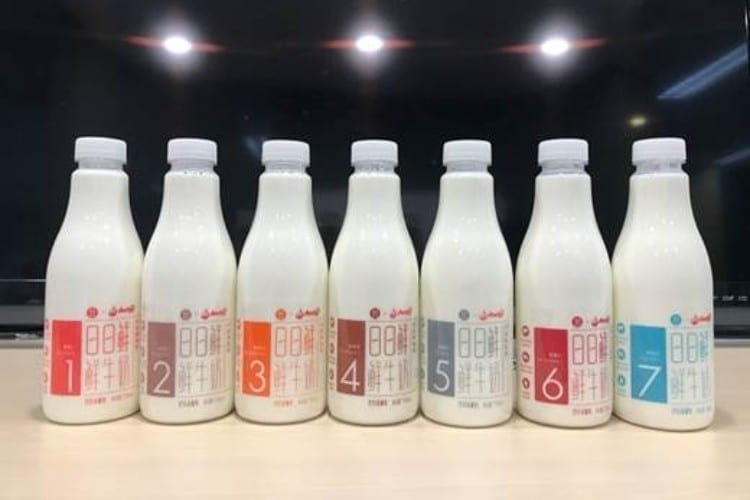
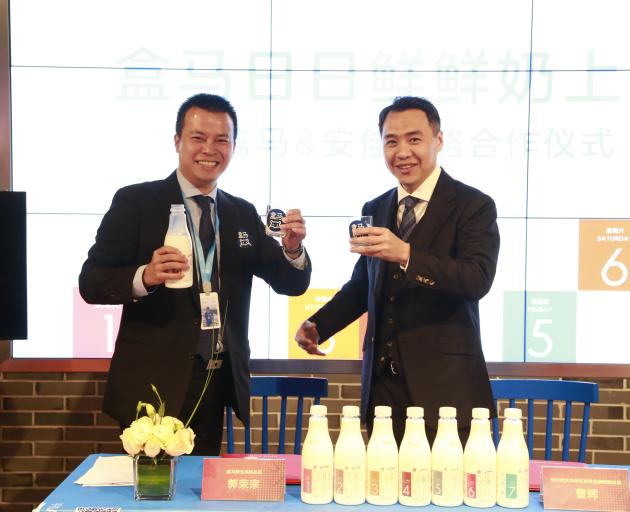
    The new ‘Daily Fresh’ milk range is now available in Hema’s 14 stores in Shanghai and Suzhou in 750ml bottles, sourced from Fonterra’s farm hub in Hebei province.

    The product has product labels to match each day of the week, which it says highlights and emphasizes freshness, with stock being replenished every night.

    Initial volumes are currently around three metric tonnes daily, with plans to scale-up over time and expand with the retailer as it grows its footprint of stores across China.

    Increased income

    President of Fonterra Greater China Christina Zhu said shoppers in China are becoming increasingly sophisticated in terms of their tastes and preferences, which are being driven by rising household incomes.

    “More than ever before, consumers are consciously seeking products that are fresh, nutritious and safe, and our new product for Hema caters to this,”​ Zhu said.

    According to figures from global management consulting company McKinsey, it is expected that more than 75% of China’s urban consumers will earn RMB 60,000 to 229,000 annually ($9,450 to $35,620) by 2022.

    This is up from just 4% in 2000, prompting a shift in consumer behavior and purchasing power.

    The Hema model

    Linked to this trend is the rise of Hema, which emerged in early 2016.

    The shopping experience at Hema is driven by a downloadable app, through which customers can scan barcodes to get information on the product.  Food can also be picked, cooked by staff, and eaten in store.

    The stores are also ‘fulfilment centers’ where customers can order online through the app, workers collect the items and they are delivered within 30 minutes within a 3km radius.

    Hema is also linked to payment options, and is a membership club: the app personalizes shopping for the consumer based on previous purchases.

    Other products

    In addition to the new fresh milk range, Anchor UHT milk products and the Anchor Dairy Foods range of butter, cream and cheese items are sold through Hema.

    The retailer is also a foodservice customer, using Fonterra’s Anchor Food Professionals products in its in-store bakery.

    Hema Fresh CEO and founder Hou Yi said the co-operation between the two companies is set to redefine the concept of fresh milk in the new retail era.

    Zhu says the new product highlights how Fonterra’s business in China is leveraging its local milk pool, spread across three farming hubs.

    “No other multinational dairy company in China has a local milk pool to draw from, so we are in an advantageous position,”​ said Zhu.

    “This milestone with Hema is a sign of things to come and indicates that our push to shift more of our local milk into higher-yielding consumer and foodservice products is well-and-truly under way.”​

    Reducing waste

    While replenishing stock on a daily basis has the potential to lead to waste as it is replaced daily, a Fonterra spokesperson told DairyReporter the volumes are initially quite small, and the whole model of Hema is that everything is fresh, so the company would rather run out than have stock left over.

    The spokesperson said, however, that sales have been going well, with the vast majority of bottles selling out each day.

    “For any that are left over, that’s where the uniqueness of the Hema model comes into play to keep waste at an absolute minimum​.

    “As well as being styled like a grocery store, Hema also has a range of bakderies and restaurants in-store which can utilize surplus product that doesn’t sell on the day.”​

  • Wakanui Grill Dining to open at Marina One

    Wakanui Grill Dining to open at Marina One

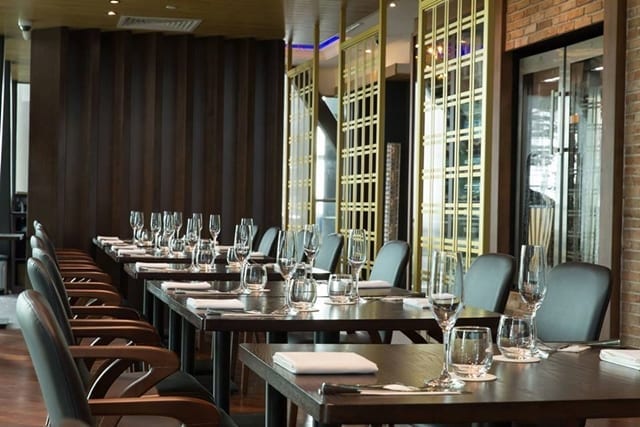
    New Zealand-themed restaurant Wakanui Grill Dining has opened its third international outlet – an 86-seat restaurant in a glass capsule on the fourth level of Marina One.

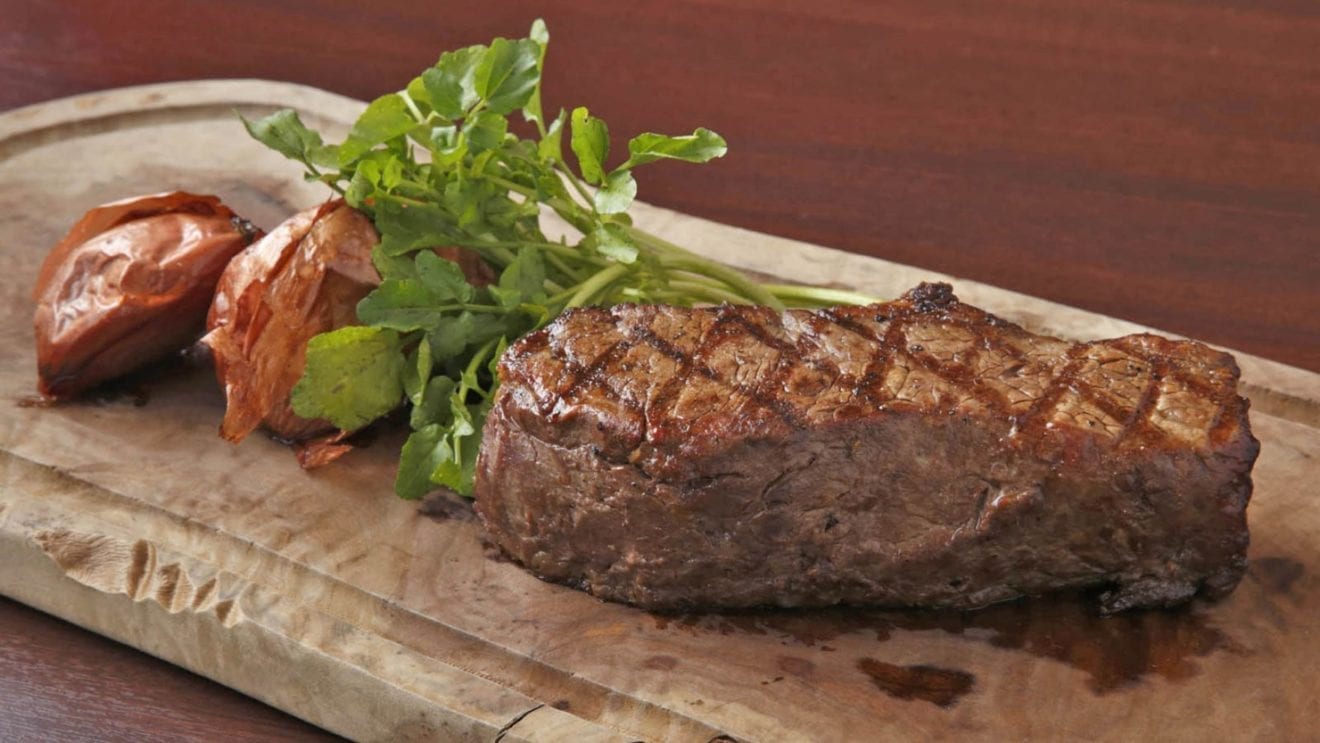
    Singapore is the second territory for Wakanui following the concept’s launch in Tokyo by ANZCO Foods Japan in 2011 (it now has two restaurants there). Its feature dishes are New Zealand Ocean Beef and Wakanui Spring Lamb, both grilled over Japanese Binchotan charcoal in a central open kitchen.

    Starters included clam soup, steamed green-lip New Zealand mussels, hot-smoked salmon, Kikorangi blue-cheese Caesar salad and Wakanui spring lamb chop. The company raises its lambs for about six months on lush pastures, with the mean being aged for around four weeks.

    Other menu features include the Ito Wagyu Chef Creation, plus – a favourite with New Zealanders – Hokey Pokey ice cream with its crunchy confectionery pieces.

    “Wakanui”, which is Maori for big canoe, is a rural centre in Canterbury, in New Zealand’s South Island.