Blog

  • Lululemon leader in experiential marketing

    Lululemon leader in experiential marketing

    Healthy diet, meditation and breathing, gift wrapping, those are the free classes that Canadian Yoga clothing brand Lululemon offers for the public every month.

    The Cheongdam Flagship Store, which opened in May 2017, runs a whole floor as a studio for experience programs.

    For Lululemon it is important to promote healthy lifestyle rather than simple product marketing, and will be much helpful to secure customers by offering brand experience.

    Lululemon is considered to be a leader in experiential marketing. Founded in Canada in 1998, the brand has a business philosophy of “enabling everyone to enjoy a happy life through products and experiences that change their lives.”

    Lululemon Experience ‘Community Class’ does not mean that all classes are directly related to yoga clothing sales.

    There are Yoga-related classes such as Ashtanga and Broga (men’s yoga) for the brand experience, but there are many other lessons such as flower arrangement, gift wrapping, healthy diet, weaving, boxing.

    Ice yoga, which started with the Grand Hyatt Seoul Hotel l in December 2017 and set to be running until March 2018, is very popular for instance.

    Lululemon Korea officials said “Lululemom stores around the world run yoga classes after heir business time. However, Korea is the first to separately have a yoga studio for the classes such as Cheongdam Flagship Store and Stafield Hanam in Asia.

    It is important to secure Korean consumers who are sensitive to trends. In addition, 30% of the class participants voluntarily purchase clothes.

    Lululemon receives their review from not only customers, but also exercise experts who participate as lecturers and community class participants to reflect on product development.

    In January 2018, ‘Asian Exclusive Line’ event reflecting Asian people’s body shape was  held at Cheongdam Flagship Store. “The opinions of demanding Korean consumers play an important role in establishing an Asian business strategy,” a company official said.

  • Indian jeweller Malabar Gold & Diamonds to break a record

    Indian jeweller Malabar Gold & Diamonds to break a record

    Indian jewellery chain Malabar Gold & Diamonds today added 11 showrooms across six countries to its network.

    Taking its retail store count to 208, the showrooms include AMK Hub in Singapore, Ampang Mall in Malaysia and Warangal in Telangana, India. Other showrooms are in malls across the UAE. The brand has 90 showrooms in India, and last year opened 27 showrooms internationally.

    As well as another 50 showrooms in different formats internationally, the Malabar Group plans to add more manufacturing units this year, says chairman MP Ahammed. “This will fuel our vision to become the top jewellery retailer in the world.”

    The company will expand into new countries such as Brunei, Bangladesh, Sri Lanka and the US, says Malabar Gold international MD Shamlal Ahammed.

    The expansion will generate more employment and enhance such initiatives as the government’s Made In India, says Malabar Gold & Diamonds India MD O Asher. The group has earmarked 5 per cent of its annual profit for CSR activities in five key areas: housing, health, environment, women’s empowerment and education.

  • Hyundai Motor and Aurora Partner to Develop Level 4 Autonomous Vehicles by 2021

    Hyundai Motor and Aurora Partner to Develop Level 4 Autonomous Vehicles by 2021

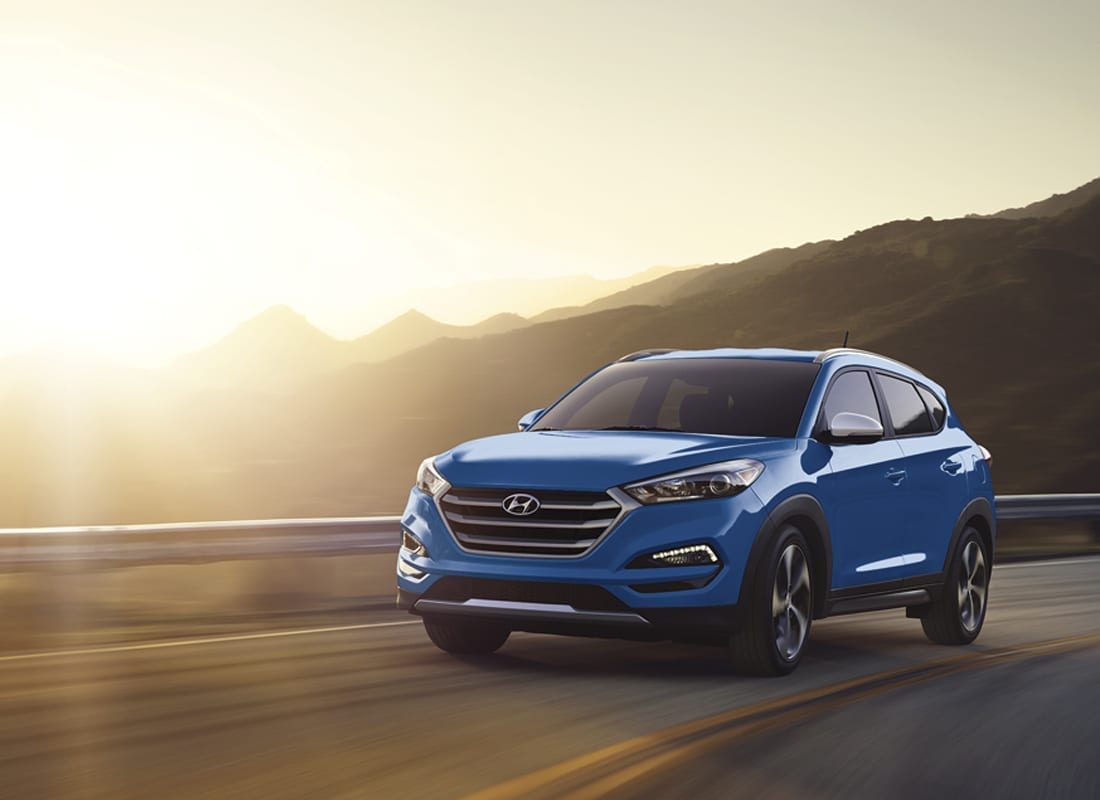
    Last week, Hyundai Motor Company and Aurora, a leader in autonomous vehicle technology, announced a strategic partnership to bring self-driving Hyundai vehicles to market by 2021. This partnership will incorporate Aurora’s self-driving technology into Hyundai vehicles starting with models custom-developed and launched in test programs and pilot cities. Over the longer term, Hyundai and Aurora will work to commercialize self-driving vehicles worldwide.

    To start, the partnership will focus on the ongoing development of hardware and software for automated and autonomous driving and the back-end data services required for Level 4 automation. Level 4 autonomous vehicles defined by SAE can operate without human input or oversight under select conditions. The goal of the partnership is to deploy autonomous driving quickly, broadly and safely.

    “We know the future of transportation is autonomous, and autonomous driving technology needs to be proven in the real-world to accelerate deployment in a safe and scalable manner,” said Dr. Woong Chul Yang, Vice Chairman of Hyundai Motor. “Combining our advanced vehicle technology that embeds the latest safety features with Aurora’s leading suite of Level 4 autonomous technology will advance this revolution in mobility with Hyundai in a leadership position.”

    Hyundai and Aurora share the common vision of improving safety and mobility on the world’s roads, and together bring the skills and experience required to successfully introduce this technology at scale. For nearly 50 years, Hyundai has been a leader in vehicle design, safety and manufacturing, catapulting the company to become one of the world’s largest vehicle manufacturers together with its Kia Motors Corporation affiliate.

    For the last two decades, Aurora’s founders have spearheaded the self-driving revolution, building teams and pioneering modern machine learning techniques now on the cusp of transforming transportation. Together, Hyundai and Aurora will move quickly to bring self-driving technology to market around the world.

    “Aurora is excited to partner with Hyundai Motor to make the social benefits of self-driving available globally,” said Dr. Chris Urmson, CEO of Aurora. “This partnership combines Hyundai’s strengths in vehicle design, safety and manufacturing with Aurora’s expertise in self-driving technologies to make a positive difference in the world.”

    Hyundai Motor’s partnership with Aurora is part of the company’s ongoing efforts towards realizing fully autonomous driving. Hyundai first began testing autonomous vehicles on public roads of the USA in 2015, having been granted a license by the state of Nevada. Last year at the 2017 CES, Hyundai advanced its trials in urban environments, demonstrating self-driving technologies to the public with its autonomous IONIQ models.

    Hyundai’s latest new-generation fuel-cell vehicle, which will make its official global debut at CES 2018 next week, will become the first model to be utilized in the test processes starting this year. The fuel-cell powertrain will offer an ideal platform to implement autonomous driving technologies, which requires a massive amount of power to support the large amount of data communication as well as the operation of hardware such as sensors. Hydrogen-powered fuel cell vehicle will be able to provide a stable electric power supply without concerns about driving range.

  • Richemont asia pacific rocket sales

    Richemont asia pacific rocket sales

    Asia Pacific has continued double-digit growth for heritage brand owner Richemont for its third quarter to the end of December.

    Total sales in the quarter increased by 7 per cent at constant exchange rates and by 1 per cent at actual rates over the same period a year earlier.

    Retail sales were mainly driven by the group’s jewellery maisons and specialist watchmakers, especially in Asia Pacific, where growth was led by Mainland China, Korea, Hong Kong and Macau.

    A rise in sales in Japan was supported by strong growth from the watchmakers and a favourable currency environment, says Richemont. Sales there reached €294 million (US$354 million), up 5 per cent at constant exchange rates but down 6 per cent at actual rates.

    Asia Pacific quarterly sales were €1.18 billion, up 11 per cent at constant exchange rates and 5 per cent at actual rates.

    Underpinned by solid performances in both jewellery and watches, overall retail sales maintained strong momentum, recording 13 per cent growth. Jewellery shone with an 11 per cent increase.

    Other businesses posted stable sales, with growth notably from Montblanc, Chloe and Lancel. Excluding the impact of the sale of Shanghai Tang, the other businesses would have had moderate growth.

    Sales over the nine months to the end of December grew by 10 per cent at constant exchange rates and by 7 per cent at actual exchange rates.

    Richemont’s portfolio of international “maisons” covers three segments: jewellery (Cartier, Van Cleef & Arpels and Giampiero Bodino), specialist watchmakers (A Lange & Sohne, Baume & Mercier, IWC Schaffhausen, Jaeger-LeCoultre, Officine Panerai, Piaget, Roger Dubuis and Vacheron Constantin, as well as the Ralph Lauren watch and jewellery JV), and other businesses (including Alfred Dunhill, Azzedine Alaia, Chloe, Lancel, Montblanc and Peter Millar).

    Richemont also holds a 49 per cent equity-accounted interest in the Yoox Net-a-Porter Group.

  • Is Amazon threatening luxury?

    Is Amazon threatening luxury?

    Amazon has been struggling to recruit luxury brands to sell their good on its platform, but there is one way that it could make its marketplace more of a destination for shoppers looking for certain tiers of luxury products.

    Amazon could launch vertically integrated, mass-customized brands of its own that use technology to smooth the customer shopping process, similar to Indochino.

    While Amazon is not likely to get catalog coverage from many of the ultra-luxury brands, it does have the ability to make a number of mid-level luxury brands less relevant to large segments of Amazon customers, replacing those brands through the merchandising of its own private-label luxury brands at prices that encourage even the slightly price-sensitive luxury products customer to consider a cheaper alternative, available directly from Amazon.

    There will always be customers who want nothing other than the $10,000 handbag with that special brand name, or the $3,000 suit from Armani or Gucci. Yet for millions of Amazon Prime customers, the prospects of “affordable luxury” becomes available through something like an Indochino model.

    Brands like Brooks Brothers, Hugo Boss, Zac Posen, Tom Ford and Burberry that may today be aspirational for millions of Amazon customers could be replaced with Amazon’s own mid-level luxury brands, made at comparable quality with perfect custom fitting and a much lower price. Such a model has the potential to wipe out much of the apparel advantage Stitchfix has created for itself over past few years.

    Indochino is a direct-to-consumer manufacturer of custom suits for shirts for men. While production is based out of China, it offers U.S. customers the opportunity to get sized either through a measurement process online using videos, or in a limited number of storefronts based in major metropolitan locations throughout the United States. For under $400, Indochino is able to manufacture a custom-fitted garment and shrip it to the U.S. or Canadian customer within 3 weeks.

    Comparable pricing for a U.S.-tailored suit including luxury brands would range from $1,500-$3,000. While a luxury U.S. brand in the U.S. is likely to require 2-3 weeks for custom tailoring of an off-the-rack suit, the custom-made Indochino suit sells for a fraction and promises a better fit because it was made using the customer’s body measurements.

    Let’s say Amazon bought Indochino, or built its own comparable model, and expanded it into women’s clothing too.

    Then Amazon uses some variant of technology from its new acquisition Body Labs to develop a system for measuring customers’ dimensions. With such technology onsite at a range of retail studios across the country, Amazon now would have the dimensions of millions of Prime customers, and would be able to offer them its own custom-fit luxury-quality brands.

    Using pin-point merchandising, Amazon could target these brands to specific customers that have searched for comparable luxury brands on Amazon already. Amazon’s scale and ability to accept low margins would quickly turn the mid-luxury brand customer towards Amazon, and away from so many of the luxury brands that have declined to distribute their products on Amazon.

    With any decent scale, Amazon would have competitive manufacturing costs, the ability to up-sell and cross-sell all sorts of other items (apparel and non-apparel), all the while being comfortable with much lower margins than a typical luxury brand. With an already generous returns policy, Amazon could offer customers the opportunity to buy lower-priced custom-made items, returning whatever items the customer did not like. I do not know of any other apparel brand that could compete effectively with such a model.

    The prospect that Amazon could win part of the customer’s wallet that today goes to luxury brand purchases externally should be on the radar of mid-tier luxury brands, and a ray of hope that more consumers will be able to afford a luxury look at lower prices.

  • Sa Sa International looking good, thanks to tourists

    Sa Sa International looking good, thanks to tourists

    Stronger store traffic drove overall sales for cosmetics retailer Sa Sa International for its third quarter to the end of December.

    This was in line with expectations, says the company.

    Total transactions increased by 5 per cent year on year to 5.1 million, while the number of transactions with local and mainland tourists grew 6.6 and 4.1 per cent respectively. The average transaction value also rose, by 4.2 and 2.8 per cent (to reach $367) respectively.

    The group’s total turnover grew by 6.5 per cent to HK$2.2 billion (US$281 million), led by Hong Kong and Macau where the growth was 8.1 per cent to reach $1.8 billion, while same-store sales increased by 3.7 per cent.

    Overall retail sales and same-store sales had 9.5 and 5.6 per cent growth respectively during December.

    Turnover in Mainland China, Singapore and Malaysia grew 13, 3.6 and 3.9 per cent respectively, while the turnover for Taiwan and e-commerce dropped by 5.5 and 21.9 per cent.

    Total turnover for the nine months to the end of December was $5.9 billion, up 3.4 per cent. For Hong Kong and Macau the figure was $4.8 billion, up 4.5 per cent.

    Same-store sales were flat for the nine months, while the average sales per transaction rose 3.3 per cent for to $343. There were 14 million transactions, up 1 per cent.

    At the end of December the company had 290 stores, no change from a year previously. However, the number of stores increased in Hong Kong and Macau (from 115 to 119), while there was a drop in Singapore (from 21 to 19) and in Taiwan (from 25 to 21). China and Malaysia had no change with 56 and 73 stores respectively.

  • Toyota, Mazda to build $1.6 billion plant in Alabama

    Toyota, Mazda to build $1.6 billion plant in Alabama

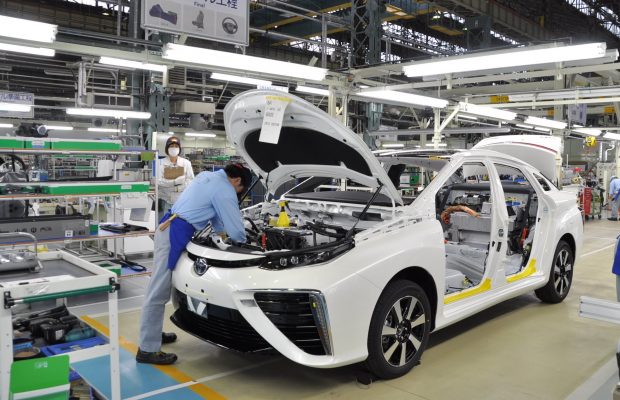
    Alabama will be the site of a new $1.6 billion Toyota Motor Corp and Mazda Motor Corp auto plant, a victory for President Donald Trump who had prodded manufacturers to build new U.S. facilities and threatened tariffs on foreign production, sources said on Tuesday.

    The plant, which will employ up to 4,000 people and produce about 300,000 vehicles a year, will be located in Huntsville, Alabama, and is a boon for the state, where Toyota has a large engine plant and an existing network of automotive suppliers.

    A formal announcement by company and state officials is expected on Wednesday in Montgomery, sources briefed on the matter said.

    The new plant –in a state Trump won by 28 points in 2016 — could be a political boost to the Republican president, who has urged automakers to build plants in the United States and add jobs. The companies said they expect the plant to open in 2021.

    Trump tweeted in March he wanted “new plants to be built here for cars sold here.” The White House did not immediately comment on Tuesday.

    The announcement also comes at a time of declining U.S. auto industry sales, so it could exacerbate overcapacity and add pressure to cut prices. U.S. new vehicle sales fell 2 percent in 2017, after hitting an all-time record high in 2016, and are expected to fall further in 2018.

    Details of an anticipated tax and incentive package for the investment were not yet known. It has been reported the companies sought at least $1 billion in incentives.

    A Toyota spokesman declined to comment, except to say an announcement was expected soon. A Mazda spokeswoman also declined to comment.

    In recent months, the companies had narrowed their choices down to sites in Alabama and North Carolina.

    Local media last month said the leading site under consideration was in northern Alabama’s Limestone County, near Toyota’s large engine plant in Huntsville. In September Toyota announced a $106 million technology upgrade for the Huntsville plant.

    A Chamber of Commerce of Huntsville website for the “Huntsville Mega Site” touts the fact it has been “certified as development-ready.” The commerce chamber, local and state officials declined to comment on Tuesday on plans for the plant.

    A year ago, President-elect Trump criticized Toyota and threatened hefty tariffs against the Japanese automaker if it built its Corolla sedan for the U.S. market in Mexico.

    “Toyota Motor said will build a new plant in Baja, Mexico, to build Corolla cars for U.S. NO WAY! Build plant in U.S. or pay big border tax,” Trump posted on Twitter in early 2017.

    Toyota and Mazda announced plans for a new plant in August. Toyota said it would shift production of Corollas from Canada to the new venture rather than in Guanajuato, and would build Tacoma pickups in Mexico instead. Mazda plans to build new crossover SUVs at the plant.

    Trump praised the joint venture announcement, saying in August on Twitter: “Toyota & Mazda to build a new $1.6B plant here in the U.S.A. and create 4K new American jobs. A great investment in American manufacturing!”

    In October, Toyota said it would scale back investment in a planned plant in Mexico by 30 percent to $700 million and cut planned annual capacity in half to 100,000 vehicles as it shuffles its production plans to meet market demands.

    Toyota has 10 U.S. plants in eight states in an arc running from West Virginia through Kentucky, Indiana, Alabama, Mississippi and Texas.Toyota and Mazda announced a capital alliance in August and are exploring joint development of technologies for the basic structure of competitive electric vehicles.

    Over the last 30 years Toyota, along with German and Asian automakers, has built a second auto industry in the United States, rivaling the operations of the Detroit Three automakers in size and employment, but with newer, and fewer unionized, plants.

    States covet auto assembly plants because they typically pay above-average wages and spin off jobs at suppliers and service companies. Southern U.S. states have the advantage of good transportation infrastructure, business-friendly regulators and generally anti-union politicians.

    The Alabama Department of Commerce shows 150 of the large automotive suppliers operate in the state, providing the logistical strength that Kristin Dziczek, a researcher at the Center for Automotive Research in Michigan, said helped land the plant.

    Dziczek said that Alabama in 2017 was tied for fifth among U.S. states in auto production, at 9 percent with Tennessee. It was behind Michigan at 19 percent; Indiana at 12 percent, Kentucky at 11 percent; and Ohio at 10 percent.

    “The impact of an auto assembly plant extends beyond its immediate economic impact, and that’s why states offer robust incentives,” said Dennis Cuneo, a site-selection consultant and former Toyota executive. “It creates a halo effect that in turn helps attract other projects.”

    Alabama spent an estimated $250 million to woo Daimler AG’s Mercedes-Benz to put an auto plant in Tuscaloosa two decades ago.

  • Jollibee Foods to try Guam after a decade withdrawal

    Jollibee Foods to try Guam after a decade withdrawal

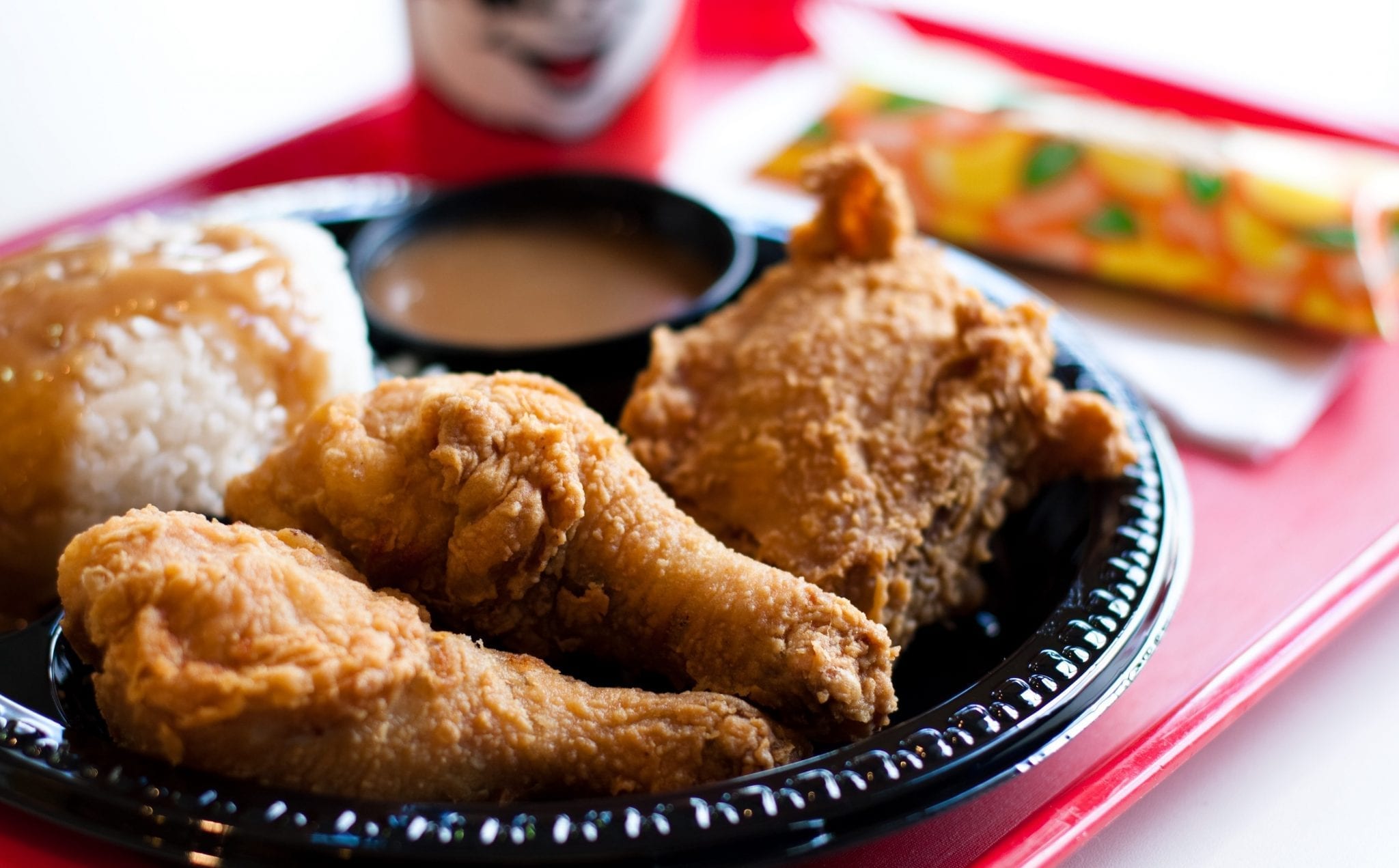
    Filipino fast-food giant Jollibee Foods plans to re-enter Guam this year after pulling out more than a decade ago as the islands went through an economic downturn.

    Jollibee Foods assistant VP/head of international franchising Maxi Peralata Jr says it will open a restaurant in a strategic location in the fourth quarter, near Marine Corps Drive and Route 16/Army Drive in Dededo.

    The outlet will be built within the Micronesia Mall compound, but this has not been confirmed by the mall’s management.

    Peralta says a franchisee has been appointed. He has not disclosed the franchisee’s identity but says their partner has business interests in Guam and the Philippines.

    Jollibee had two franchised restaurants on Guam and two on Saipan, but its Marianas presence ended with the economic downturn. Jollibee also had trouble competing with Guam players offering larger portions.

    Internationally, Jollibee has 139 stores – 72 in Vietnam, 32 in the US, 19 in the Middle East, 13 in Brunei, two in SIngapore and one in Hong Kong.

  • The Macallan targets Indian travellers at Dubai Airport

    The Macallan targets Indian travellers at Dubai Airport

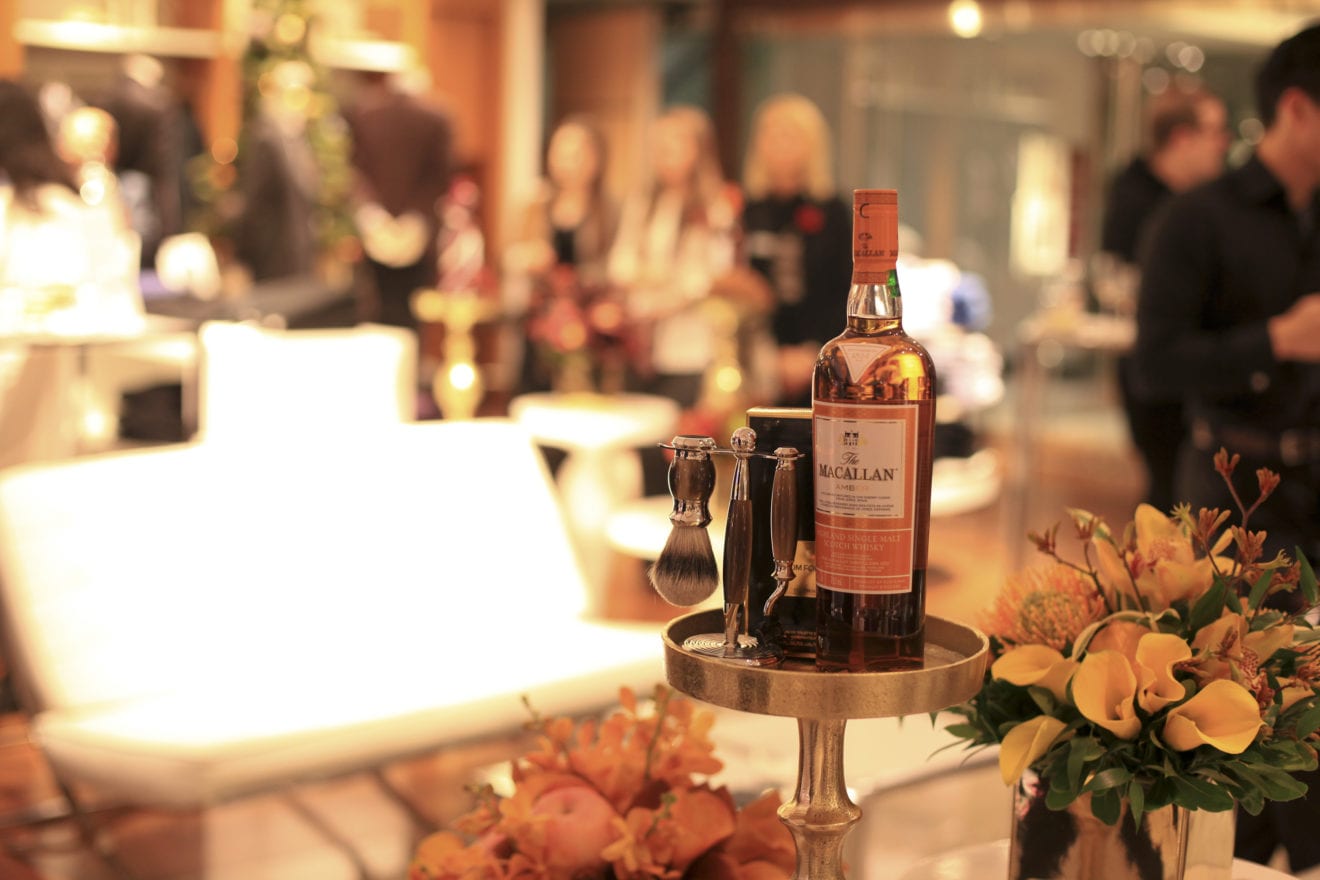
    A recent Diwali-themed activation held by Edrington Europe, Middle East & Africa Travel Retail in partnership with Dubai Duty Free has resulted in a +107% sales uplift in store for The Macallan.

    The activation is the first phase of Edrington’s strategy to drive single-malt recruitment and premiumisation among Indian travellers – traditionally known as blended whisky drinkers. The Macallan is the first single-malt to actively target Indian passengers at Dubai Duty Free during Diwali, said the company.

    Traditionally known as blended whisky drinkers, Indian travellers represent a huge opportunity for the single-malt market

    The ‘Celebrate Diwali With The Macallan’ campaign placed the single malt on promotional pedestals in the centre of Dubai Duty Free’s Concourse B East and West stores, each with a sales consultant on hand to advise.

    Diwali-2-2-e1515768193699-39e9736e149ea751a9901577d393518a25a9baf9

    The campaign’s visual identity centred on the peacock – a symbolic animal in Hindu mythology also used to represent ‘Natural Colour’ – one of The Macallan’s Six Pillars. Premium gift bags featuring the campaign imagery and slogan were offered to customers making a purchase.

    The concept was tested and adapted through research in key Indian cities – Delhi, Mumbai and Bangalore – and in Dubai. India is the number one destination country from Dubai in terms of passenger volume, with over 1 million travellers in August 2017, and Mumbai the number three destination city.

    “India is a market packed with potential; its rapid economic growth and burgeoning middle classes present a major opportunity for us to not only foster single malt consumption in a traditionally strong blended whisky market, but also to drive premiumisation by leveraging the power of The Macallan brand,” said Edrington Middle East & Africa Travel Retail Commercial Manager Florence Chevallier.

    “This Diwali activation was the first stage in our long-term strategy to ‘win India’ through an insight-driven approach, executed at key airports in close partnership with our retail partners.”

    Dubai Duty Free Senior Vice President-Purchasing Saba Tahir commented: “To have a brand with the prestige of The Macallan spearheading the single malt category’s growth amongst the key Indian demographic is extremely exciting. The premium appeal of this activation, combined with the strong gifting elements clearly resonated with shoppers and delivered exceptional initial sales results.”

  • Say Chiizu stretchy cheese toast opening outlets across Singapore

    Say Chiizu stretchy cheese toast opening outlets across Singapore

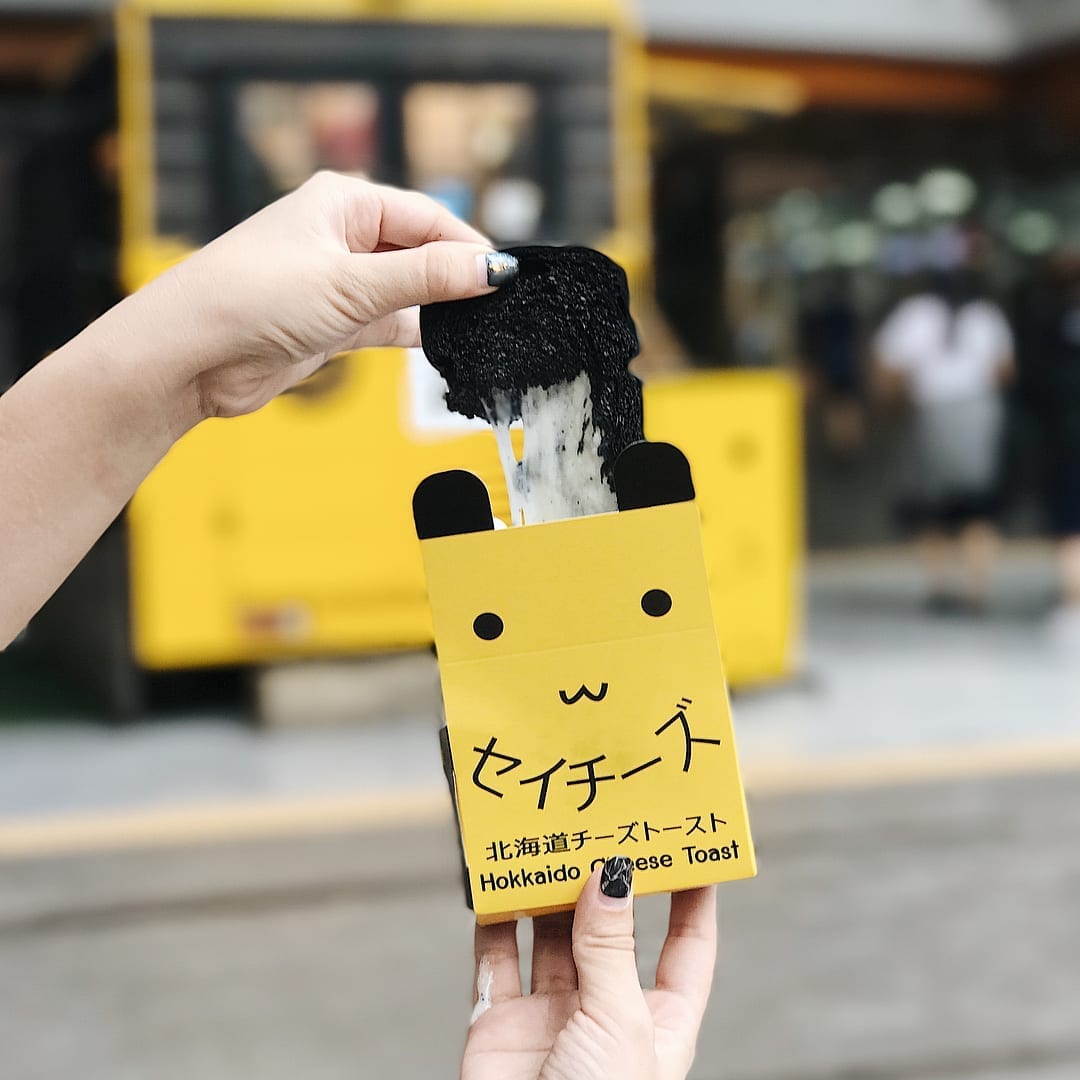
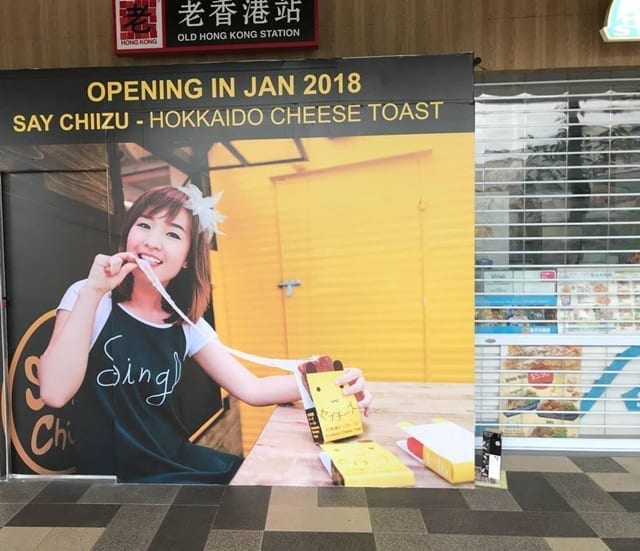
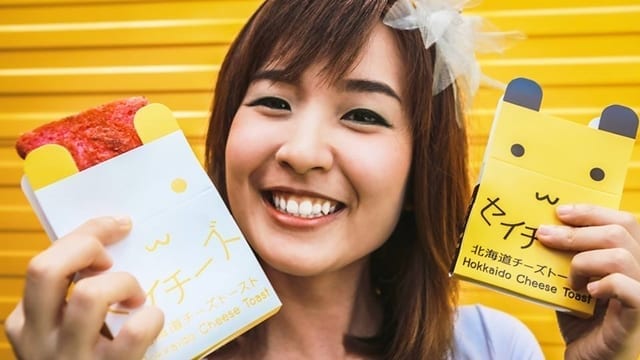
    Thailand’s Say Chiizu cheese toast is stretching all the way to Singapore, with takeaway kiosks being set up at four malls next week.

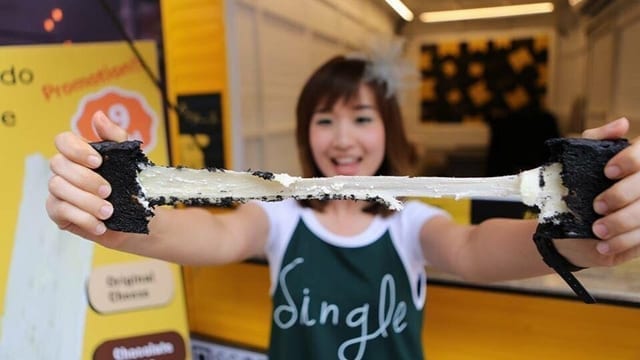
    Its cheese is made on the company’s own farm in Thailand which has cows and machinery imported from Japan, hence its main product being called Hokkaido cheese toast. Its special formula combines three types of cheese to produce its special taste and super-stretchable texture.

    Its Hokkaido milk toast comes in five flavours: charcoal, chocolate, strawberry, matcha and original.

    As well as its toast, Say Chiizu offers snacks such as Pizza Cheese Fries, BBQ Pull Chicken/Pork Cheese Fries, Cheese Fries and Classic Fries.

    Its drinks line-up includes yuzu, matcha, strawberry and peach cheese teas.

    Say Chiizu’s first outlet opens at VivoCity on Monday, followed by 313 @ Somerset on Tuesday, White Sands Shopping Centre on Wednesday and The Clementi Mall on Thursday.

    The brand is aiming to open 10 outlets in SIngapore by the end of the year, including a sit-down cafe at Bugis next month.

  • Pizza parlor chain plans expansion for 2018

    Pizza parlor chain plans expansion for 2018

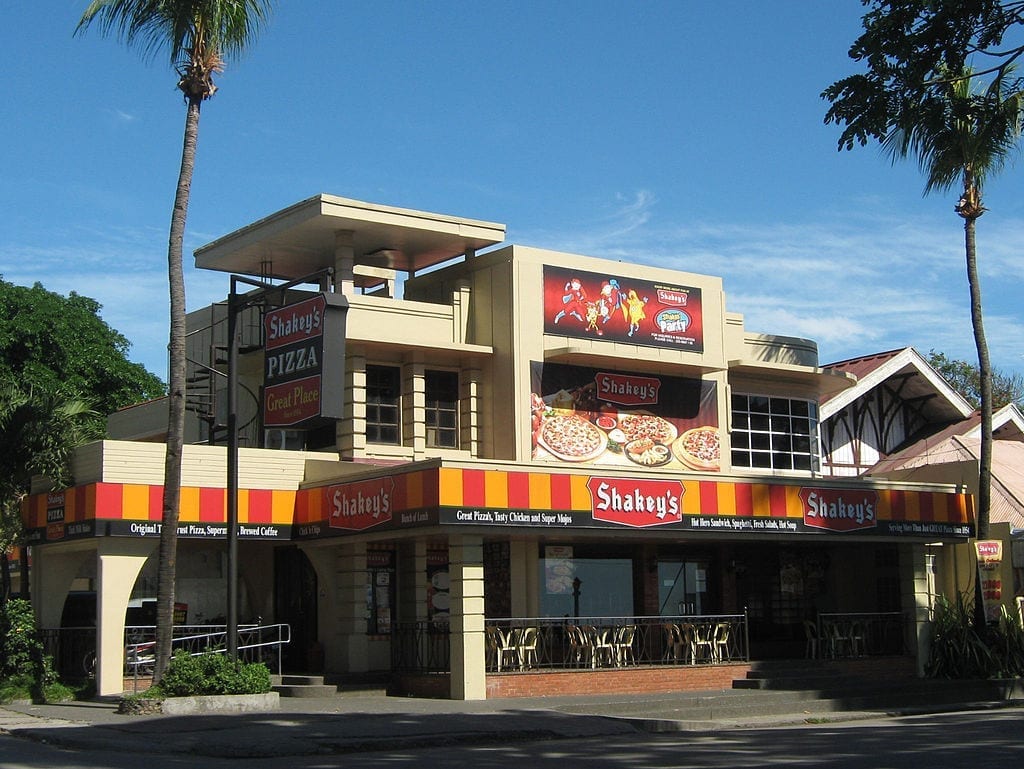
    Following a “banner year”, Shakey’s Pizza Asia Ventures (SPAVI) plans to add 20 restaurants to reach a total of 228 outlets by year end.

    In a disclosure to the Philippine Stock Exchange, the family-led company says it opened 24 stores last year, exceeding its target of 20.

    “It has been a banner year for Shakey’s – our maiden year as a publicly listed company – as this is the fastest we’ve grown in terms of store network,” says president Vicente Gregorio. “We are keeping pace with the accelerating growth of our economy.”

    He says Shakey’s aims to open stores in areas outside of first-tier cities. It opened restaurants in provincial locations last year including Iligan, Puerto Princesa, Antique, Gapan, and Palo, Leyte.

    “As Filipinos are now looking for more premium dining experiences, we are driven by our mission to consistently ‘wow’ them. This includes upgrading our look, launching innovative products and emphasising quality service,” says Gregorio.

    Earlier, the company said its plans were to reach a total network of 500 local and overseas restaurants in the next five years, to be funded by internally generated cashflow alongside proceeds from its public offering.

    Established in California in 1954, Shakey’s business in the Philippines is now bigger than in the US. In fact, the Philippine market is the brand’s largest market. The Philippine company is independent after acquiring the brand’s trademark and intellectual property rights, and also owns perpetual rights for the brand for the Middle East, Asia (excluding Japan and Malaysia), China, India, Australia and New Zealand.

    The company’s recurring net income for the first nine months of last year grew by 15 per cent year-on-year to PHP519 million (US$10.3 million) on higher sales. System-wide sales rose by 15 per cent to PHP6 billion, driven by same-store sales growth of 6 per cent and the increase in store numbers.

  • LV chooses Korea for the launch of its new menswear collection

    LV chooses Korea for the launch of its new menswear collection

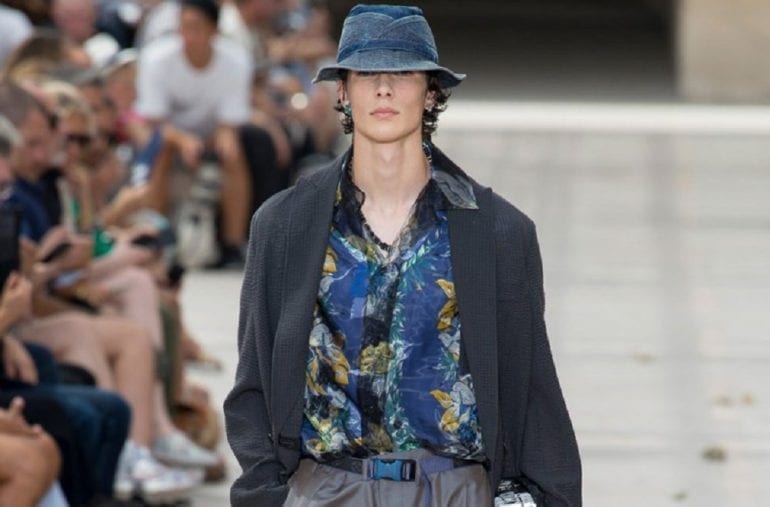
    French luxury brand Louis Vuitton has chosen Korea for the launch of its new collection for men.

    The new SS18 menswear and bags will be available in Shinsegae Department Store from 19 January, and Louis Vuitton men’s exclusive store in Seoul from the 10 January 2018.

    Louis Vuitton said the collection is pre-sold at seven stores in seven countries with maily trend-conscious consumers.

    Louis Vuitton selected 7 countries to introduce its new menswear collection, namely Korea, France, the United States, Japan, China, Hong Kong and Singapore.

    In each country, the brand selected one store to represent the brand, and pre-release the collection.

    This new product reflects the design inspired by famous islands around the world with the subject of ‘luxury island hopping’.

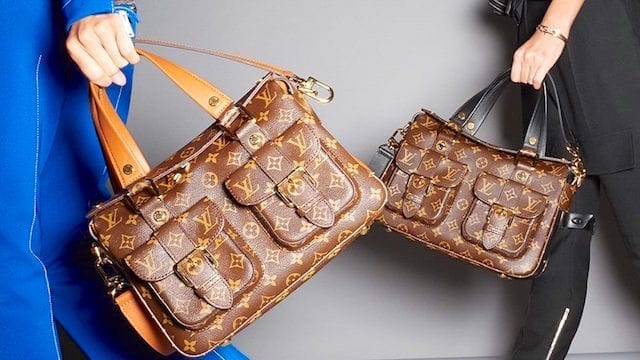
    Leather goods, clothing, shoes, accessories, including the Monogram Reflective Keypole Bag, which was first unveiled in the menswear collection in Paris last June, are all available in the selected stores.

    Kim John, Artistic Director of the Louis Vuitton Men Collection Design said “this collection has been designed with a special reminder of beautiful islands such as New Zealand, Easter Island and Hawaii,” and “Travel and Island, where different cultures and identities can be experienced, that is where I got the idea from.”

    Meanwhile, Louis Vuitton store specializing in menswear was opened on the sixth floor of Shinsegae Department Store’s main branch in Seoul. The department store has accommodated a renovated store featuring women’s collections as well on the ground floor.

    Other Louis Vuitton stores can only be found at Saks Fifth Avenue in New York, Harrods in London, and Shin Kong Place in Beijing, as well as Shinsegae Department Store’s Gangnam branch stores having also womenswear.

  • Red Wok invests in Quan Ut Ut chains

    Red Wok invests in Quan Ut Ut chains

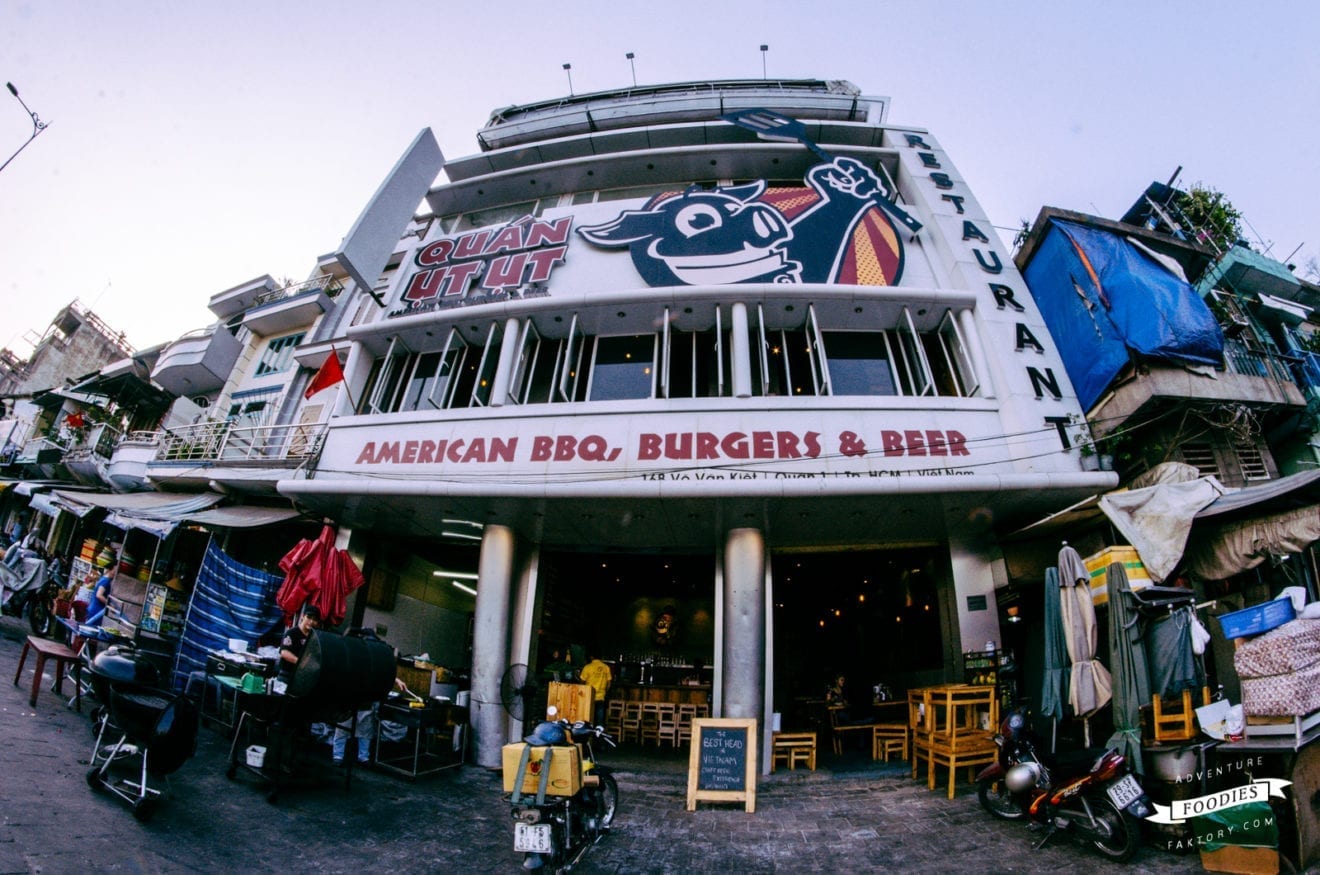
    Vietnam’s F&B group Red Wok has invested in Quan Ut Ut Barbecue, which owns the American-style restaurant of the same name as well as craft-beer brand BiaCraft.

    Red Wok will support Quan Ut Ut with business services, technology and marketing management with the aim of helping it to expand. The level of investment has not been disclosed.

    Backed by Mekong Capital, Red Wok plans to invest in small-scale dining chains, with fewer than 10 restaurants, over the next three years. It so far has interests in Wrap & Roll, Cuon Viet and Lau Bo Sai Gon Vivu, which has 25 locations nationwide and six franchised outlets in Singapore and Shanghai.

    Founded in 2014, Quan Ut Ut Barbecue has four branches in Ho Chi Minh City.

  • Global Electric Vehicle Market to Reach 10.8 Million Units by 2026

    Global Electric Vehicle Market to Reach 10.8 Million Units by 2026

    Increasing global concerns regarding the negative effect of climate change along with alarming pollution levels recorded in the major cities have created a demand for electric vehicles. A major factor behind the growth of electric vehicles is the support provided by various governmental agencies to encourage the sale of these vehicles.

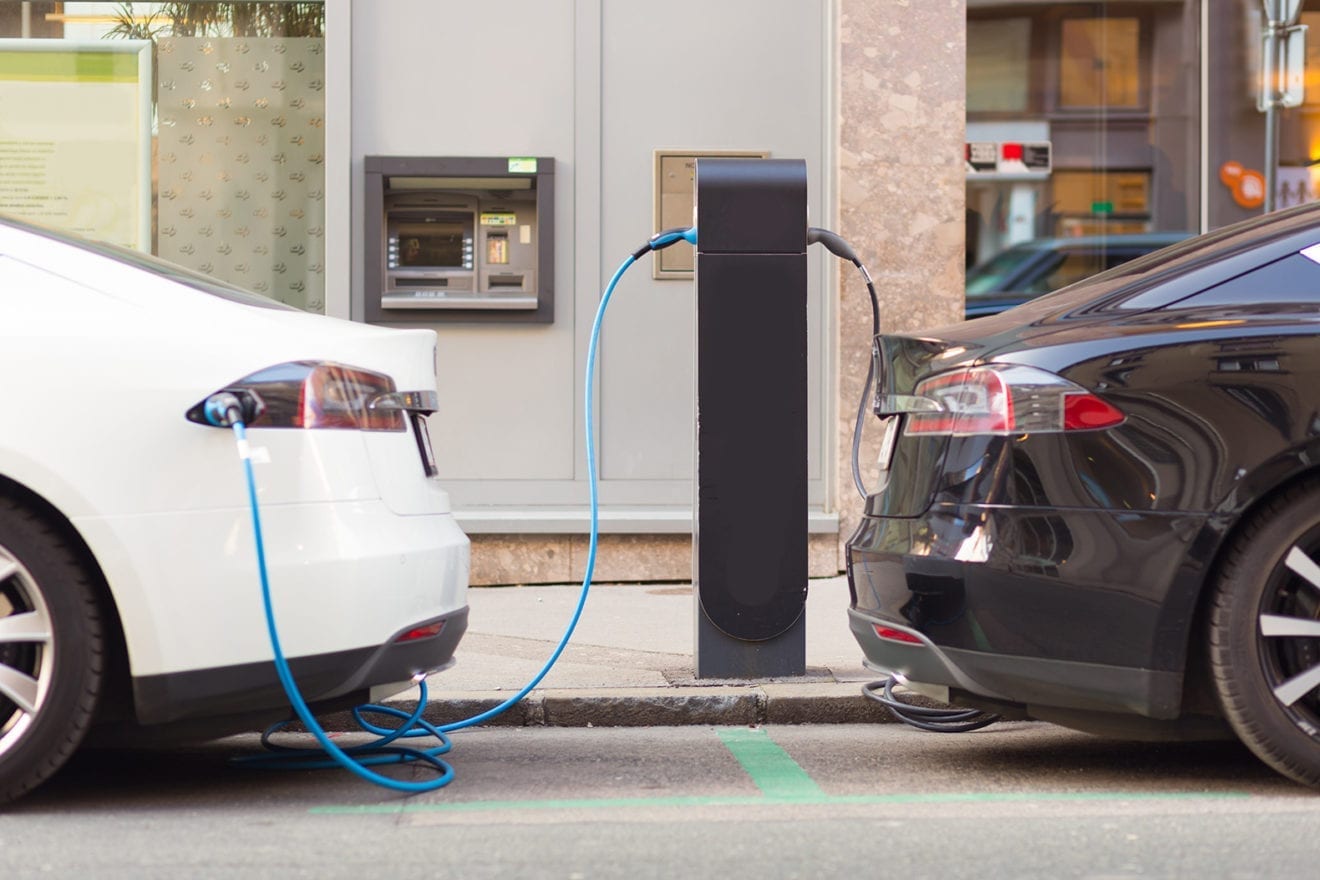
    Furthermore, the well-established road infrastructure network has further aided the market for these vehicles, with charging points available more frequently on the civilian roads. Today, electric vehicles have transformed from an experimental mode of vehicle to a necessity, with automakers worldwide putting in efforts to make EVs available in all the economic ranges. This is evident from the meteoric rise in its sales over the last five years, with over 2 million electric vehicles on the road at present, as compared to a few thousands back in 2012.

    With number of initiatives and product developments taking place, it won’t be long before EVs occupy a significant share of the global automotive market. The market in terms of volume is estimated to witness growth at a CAGR of 28.3% over the period of 2017 to 2026. The report is a compilation of various segmentations including market breakdown by propulsion type, component type, vehicle type, and different geographical regions.

    The report provides a detailed market analysis and forecast with respect to different propulsion types in the electric vehicles market which are Battery Electric Vehicle and Plug-in Hybrid Electric Vehicle (PHEV). On the basis of component, the electric vehicles market is segmented into battery, motor, and regenerative brake. While highlighting the key driving and restraining forces for this market, the report also provides a detailed study of the different vehicles that are analyzed, which include passenger and commercial vehicles.

    The report addresses the following key questions about the global electric vehicles market:
    • What is the global electric vehicles market size in terms of volume in the period 2017-2026?
    • Which is the dominant propulsion type by volume for the global electric vehicles market?
    • Which is the dominant vehicle by propulsion type in terms of volume in 2016?
    • What is the revenue generated by the different components in the global electric vehicles market in the period 2017-2026?
    • What is the revenue generated by the different components for different propulsion type in the global electric vehicles market in the period 2017-2026?
    • Which vehicle type will lead by volume in the global electric vehicles market by the end of the forecast period?
    • What are the different factors driving the market forward in the forecast period?
    • What are the major factors challenging the growth of global electric vehicles market?
    • Which type of new strategies are being adopted by the existing market players to make a mark in the industry?
    • Which region will lead the global electric vehicles market by the end of the forecast period?

    The report includes an exhaustive analysis of the geographical split into North America (the U.S and Canada), Europe (Germany, the U.K, France, Netherlands, and Norway), and Asia-Pacific (China, Japan, and South Korea). Analysis of each of the geographical regions details the individual push and pull forces in addition to the key players from that particular region.

    The report examines the role of the leading market players involved in the industry. The company profiles section includes highlights of significant information about the key companies involved, along with their financial positions, key strategies & developmental activities of recent years (2014-2017).

    Some of the key players are Tesla Inc. (U.S.), BYD Company Limited (China), Volkswagen AG (Germany), Nissan Motor Corporation (Japan), and Mitsubishi Motors Corporation (Japan). EV components manufacturers such as Samsung SDI (South Korea), Automotive Energy Supply Corporation (Japan), LG Chem. (South Korea), Panasonic Corporation (Japan), and Continental AG (Germany).

    Executive Summary
    The automobile industry is one of the fastest-growing industries in the manufacturing sector. Intense global competition along with consumer preference driven innovation have been crucial factors driving the industry.

    However, the growing demand of and subsequent increase in the number of vehicles have contributed majorly to the depletion of non-renewable resources and deterioration of the earth’s atmosphere. A steep rise in the conventional fuel vehicle sales along with global population and urbanization has brought with it some serious concerns such as global warming and alarming pollution levels. There are innumerable issues that are plaguing the planet and the natural resources (especially fossil fuels) are declining at a rapid pace.

    This has consequently led the governments, environmental agencies, and automobile manufacturers to develop modes of transport that run on alternate means. Electric vehicles are considered the most desirable option of all the alternative forms of vehicles. The support of the governments of various nations and revolutionary developments by the automakers can be credited for the growing prominence of Electric Vehicles in the automobile industry.

    Several countries have pledged to ban the sale of gasoline-powered vehicles within the next two decades, with many others to follow. The Electric Vehicle Initiative launched in 2010 by some of the major countries across the globe is one of the many initiatives undertaken that are accelerating the growth rate of the market for EVs on a global scale.

    The report defines and estimates the market size in terms of volume and the section on electric vehicle components market size has been provided in terms of value. The global electric vehicles market is estimated to reach 10,761.42 thousand units by 2026. The market is driven by a number of factors such as stringent governmental regulations in terms of emissions and fuel economy, growing demand for fuel efficient vehicles, and governmental initiatives such as tax benefits and subsidies to promote the sales of electric vehicles. However, there are certain challenges which are inhibiting the overall growth for the global electric vehicles market such as high initial cost and time required to charge the electric vehicles.

    The global electric vehicles market has been fundamentally benefiting from the changing paradigms in governmental regulations and increasing environmental awareness among the consumers. BEVs held the highest market share in 2016 in terms of volume and is expected to grow at a higher growth rate as compared to PHEV.

    BEVs produce no pollution when being driven, as there is no gasoline interaction which means tailpipe pollution is zero. Factors such as improved charging infrastructure, governmental initiatives, and increased range are expected to propel the market growth for BEVs.

    Battery held the maximum share in the market and accounted for 68.8% share in 2016. Battery is the most important component of an electric vehicle and is used to power the main propulsion system.

    While a battery serves as the primary source of power in Battery Electric Vehicles (BEVs), it works in tandem with a combustion engine in PHEVs and other conventional hybrids. The battery makes up substantial cost of an electric vehicle owing to its high price.

    The electric passenger cars held the highest share in the market in 2016 in terms of volume and is also expected to grow at a higher rate as compared to commercial vehicles. Factors such as governmental initiatives, urbanization, and increasing disposable income is responsible for such a gigantic share of electric passenger cars. A major factor expected to play the key role in the development of passenger electric vehicles is the development of adequate road infrastructure for easing the adoption of these vehicles.

    This report also covers the global electric vehicles market, by geography and consequently provides the volume of the key regions which include North America, Europe, and Asia-Pacific (APAC). APAC dominated the global electric vehicles market by volume in 2016.

    The APAC automotive electric vehicles market is mainly dominated by the South Asian countries comprising of some of the biggest automotive producers in the world. The automotive market in the APAC region is growing rapidly, and the development of electric vehicles is gaining attention due to a collective effort from the government and manufacturers to initiate reforms and develop technologies which will promote the sale of these vehicles and make them economically efficient to use.

    Some of the key players in the electric vehicles market are Tesla Inc. (U.S.), BYD Company Limited (China), Volkswagen AG (Germany), Nissan Motor Corporation (Japan), and Mitsubishi Motors Corporation (Japan). EV components manufacturers such as Samsung SDI (South Korea), Automotive Energy Supply Corporation (Japan), LG Chem.

    (South Korea), Panasonic Corporation (Japan), and Continental AG (Germany). These companies are aiming for an increased number of product launches and collaborations to expand their operations and prevent new companies from becoming potential future competitors.
  • Puma Parents Announces Plan To Sell 70% Of Its Stake

    Puma Parents Announces Plan To Sell 70% Of Its Stake

    Luxury fashion brand owner Kering says it will sell off the majority of its Puma stake.

    Under the plan, Kering will reduce its 86 per cent holding in the German athletics-wear label to 16 per cent, the remaining 70 per cent of stock distributed proportionally to Kering shareholders.

    While Puma has proven successful under Kering’s ownership, the Paris-headquartered company wants to shift its focus to what it sees as its core business – luxury brands like Gucci, Balenciaga and Stella McCartney, and a growing focus on watches and jewellery.

    “With Puma’s unique DNA, heritage of innovation and creativity, the ongoing successful implementation of its “Forever Faster” transformation plan has started to deliver results,” said Kering in a statement.

    “The brand is enjoying strong revenue growth momentum and achieving an improvement in its profitability. Furthermore, Puma’s management team is fully committed to pursue its successful strategy, and continue to deliver the growth and profitability potential of the brand.”

    “We are very pleased that Kering has proposed this way to reduce its stake in Puma, said Bjørn Gulden, CEO of Puma. “It would allow us to continue with our current business strategy that has started to show good results. We would be able to carry on to invest in becoming the Fastest Sports Brand in the world, create value for retailers, improve performance for athletes and excite consumers.

    “Puma would become much more attractive for investors as our shares would have a substantially higher free float and larger trading volumes. Kering and [Kering’s largest shareholder] Artémis, however, would remain strong partners and shareholders, which proves that they believe in our strategy and Puma’s future success,” said Gulden.

    The Puma stake divestment will be voted on by Kering shareholders on April 26.