Blog

  • Ace Turtle, CEVA to enable freight forwarding for international brands in Southeast Asia

    Ace Turtle, CEVA to enable freight forwarding for international brands in Southeast Asia

    Ace Turtle, Asia’s omni-channel platform company, has partnered with CEVA Logistics to manage global freight forwarding for International brands that Ace Turtle will power through its cross border solution in Southeast Asia.

    Ace Turtle, with its proprietary platform Rubicon which integrates offline and online channels automating and optimising Omni-channel fulfilment for brands will also be enabling cross border commerce solutions for international brands. Ace Turtle’s Cross Border solution will enable brands to reach new customers in newer geographies where the local customers can shop within the same ecosystem of e-commerce which they are used to.

    CEVA will handle international air-freight service, local transportation in origin and destination countries and manage custom clearance for the international brands. Under the agreement, CEVA will provide international freight forwarding services for the following countries, US – Singapore, China – Singapore, China – India, India – Singapore, India – Malaysia, and subsequently from Europe to APAC region.

    Speaking on the partnership, Nitin Chhabra, CEO, Ace Turtle said, “In Southeast Asia, cross border e-commerce has a significant contribution in the total e-commerce sales. With the launch of Cross Border solution, our solution is now complete for Southeast Asia. Through our platform, brands will be able to expand their reach in Southeast Asia. Our partnership with CEVA is a step towards this direction, as we envisage in providing high class logistic service to enable cross border business for international brands in Southeast Asia.”

    Elaine Low, executive vice president, SEA, CEVA Logistics said, “We are excited to partner with Ace Turtle in their e-commerce journey, providing logistics solutions including freight management and cross border trucking across Southeast Asia and other regions. We are confident that CEVA’s commitment to operational excellence coupled with Ace Turtle’s technology will increase service delivery quality to all their customers. We look forward to a partnership that creates more value and efficiency in a growing e-commerce market.”

    Backed by Singapore based Vertex Ventures and C31 Ventures, the venture capital arm of Capitaland, Ace Turtle’s technology helps in drastically reduce the costs and complexity of Omni-Channel transformation for enterprise retail clients by using the existing framework of their legacy system.

  • Exploring the Chatuchak market easier with newest launched app

    Exploring the Chatuchak market easier with newest launched app

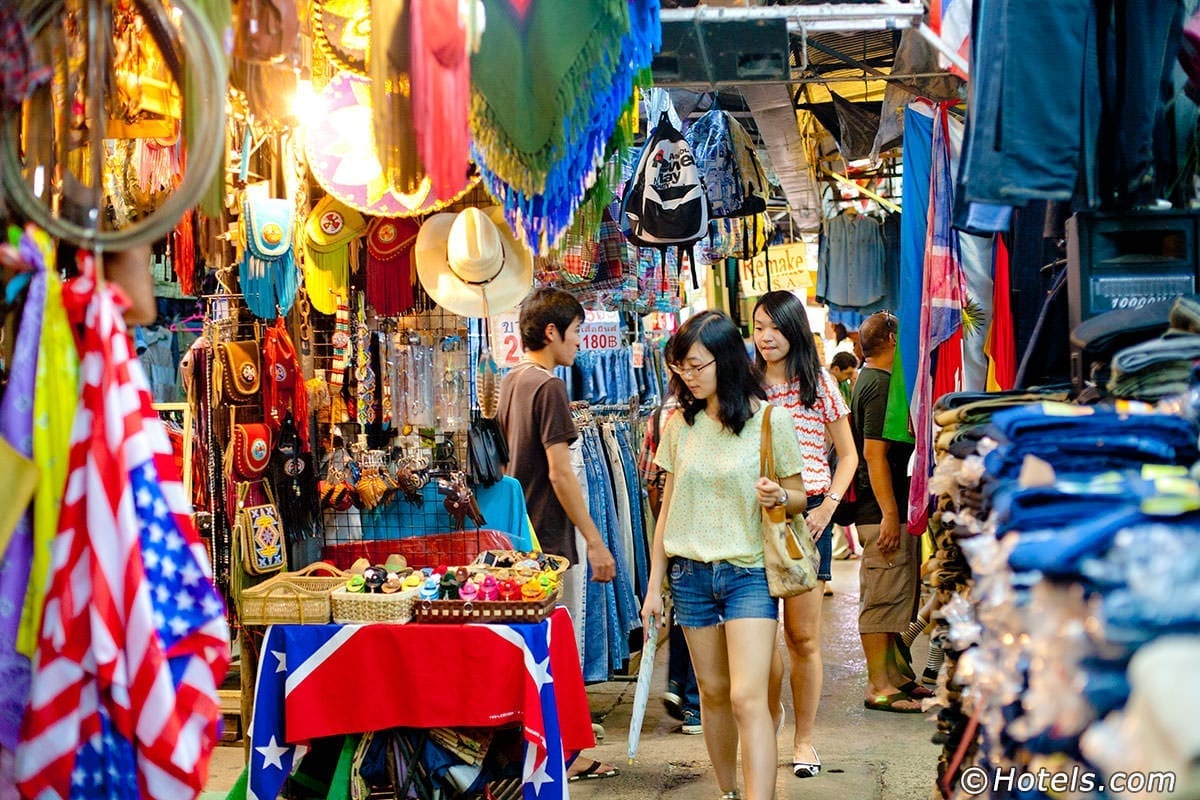
    Bangkok’s Chatuchak weekend market has launched a mobile app as a guide to its 8000 shops and restaurants.

    The Chatuchak Guide also offers special offers, promotions and discounts.

    Developed by Digital Ventures, a subsidiary of Siam Commercial Bank, in collaboration with State Railway of Thailand, the app aims to provide the market’s retailers with an online presence to attract both local and international shoppers.

    App users can search for shops by name or type, while a “live” map helps prevent users becoming lost in the market as well as find the shop they want to visit. They can also set up a shopping map by placing pins on shops they want to visit, or they can explore using the app’s recommendations.

    Other features include The Spirit of Chatuchak, a video featuring each shop in the historic market, plus information on where to find toilets, meeting points, ATMs and other services. There is also the Flash Sale & Promotion section with special offers and discounts.

    The app can be downloaded for use on both Android and iOS, and is available in English, Chinese and Thai.

  • Vietnam to celebrate its new retail sales highest record US$129 billion

    Vietnam to celebrate its new retail sales highest record US$129 billion

    Spurred by a rising middle class and influx of international retailers, Vietnam retail sales hit a record US$129.6 billion last year.

    This was growth of 10.9 per cent over 2016, according to the Vietnam General Statistics Office (GSO).

    Vietnam’s largest real estate company, Vingroup, starting expanding its Vinmart Plus convenience store chain in 2016 and has already topped 1000 stores – it opened 100 last month alone. It is predicted the store network could reach 3000 this year.

    Meanwhile, Vietnam last year saw the arrival of a slew of foreign retail brands, headed by Japan’s Seven & I Holdings opening its first Vietnamese 7-Eleven convenience store in Ho Chi Minh City in June.

    Swedish fast-fashion brand H&M followed in September with a store in the same city, while Zara, the chain of Spanish rival Inditex, opened its second Vietnam location in Hanoi in November (its first store, covering two levels, launched at Vincom Centre Dong Khoi in Ho Chi Minh City in September 2016).

    Thailand’s Central Group has made several acquisitions in Vietnam, including the Big C supermarket chain and electronics retailer Nguyen Kim Trading. It also launched its first stationery and office supplies store in Vietnam last year.

    South Korea’s GS Retail partnered with Vietnam’s Son Kim Group 12 months ago to open the first of their convenience stores in Ho Chi Minh City this month. They plan to open 2000 locations within 10 years.

    Double-digit growth

    Since joining the World Trade Organisation in 2007 and opening up to foreign goods and businesses, Vietnam has seen continued double-digit growth, led by a 31.5 per cent spike in 2008. With the Association of Southeast Asian Nations Economic Community taking full effect this month, Vietnam has eliminated nearly all tariffs on goods from within the region.

    Meanwhile, supermarkets and convenience stores are selling meat and vegetables at prices that are 20 to 30 per cent higher than at traditional markets, and the number of specialty shops selling organic vegetables is growing.

    Spending on cars, home electronics and other consumer durables is also brisk, with 70 per cent of Vietnam’s GDP coming from personal consumption.

    The GSO says auto sales grew by 14 per cent in value, gemstone and precious metals by 13.2 per cent, food and foodstuffs by 11.1 per cent, cultural and educational products by 10.2 per cent, apparel by 9.6 per cent, and home products by 8.5 per cent.

    Vietnam still has room for growth as modern retail channels like supermarkets and shopping centres account for only a quarter of total retail sales, and most of these businesses are in big cities, reports VIetnamNet. By 2020, the proportion of modern retail channels is forecast to rise to 45 per cent.

  • Santander and JD.com to support UK brands expanding into China

    Santander and JD.com to support UK brands expanding into China

    Santander UK has partnered with Chinese retailer JD.com to give British brands access to China’s massive retail and consumer market.

    As part of the agreement, small and medium-sized business customers at Santander with turnover of at least £10 million and international trading experience will be able to launch stores on JD.com, which is known as one of China’s largest B2C online retailers.

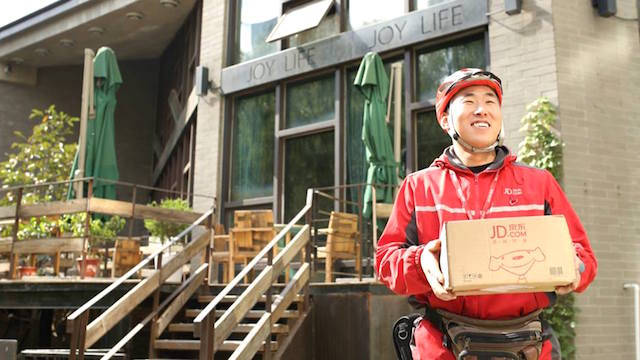
    The online marketplace has a customer base of over 266 million people, and its extensive delivery network has attracted top European and American brands. Luxury brand Saint Lauren was the latest to join the platform this week as it announced its launch on JD.com’s Toplife.

    The Santander/JD announcement comes after the signing of a Memorandum of Understanding in July 2016.

    Deputy general manager of JD.com worldwide Kaisi Li commented: “This partnership with Santander opens up many more opportunities to small and medium-size enterprises across the UK. Demand for imported products in China is strong and growing rapidly, and we’re excited to work with Santander to enable more UK-based brands to benefit from the growth of this huge market.”

    JD rival ecommerce site Alibaba features brands such as Burberry, Hugo Boss and Gucci.

  • Nordstrom Ends Rocky Year With Modest Holiday Sales Growth

    Nordstrom Ends Rocky Year With Modest Holiday Sales Growth

    Department store chain Nordstrom has seen a boost in sales during the holiday season buoyed by greater consumer confidence, lower unemployment and e-commerce growth.

    Nordstrom posted a 2.5 per cent increase in net sales and a 1.2 per cent increase in same store sales for the nine weeks ending December 30, 2017 compared to the previous corresponding period.

    For the Nordstrom brand, including US and Canada full-line stores and Nordstrom.com, net sales when combined with Trunk Club, increased 0.7 per cent and comparable sales increased 1.0 per cent. In the Nordstrom Rack brand, which consists of Nordstrom Rack stores and Nordstromrack.com/HauteLook, net sales increased 8.2 percent and comparable sales increased 2.9 per cent.

    Based on holiday results, the company has updated its fiscal 2017 expectations for an increase in net sales of approximately 4.2 per cent, inclusive of the 53rd week, and an increase in comparable sales of approximately 0.5 per cent.

    The retailer announced it is expecting full-year earnings per diluted share to be in a range of $2.90 to $2.95, compared with its prior outlook of $2.85 to $2.95.

    The company is scheduled to report its fourth quarter and full-year 2017 financial results after the close of the financial markets on March 1.

    Nordstrom has also recently announced the president of its Rack brand, Karen McKibbin, will retire in March.

    McKibbin joined Nordstrom in 1985 and has held many leadership roles within the company, including president of Nordstrom Canada, where she led the first-ever international expansion of Nordstrom’s full line stores.

    “We are indebted to Karen for the many contributions she’s made over her more than 30-year career with Nordstrom,” said Blake Nordstrom, co-president of Nordstrom, Inc. “During her long tenure, Karen brought great depth of experience to her various roles including president of Canada, president of Nordstrom Rack, and a member of the Executive Team. Her leadership will be missed across the company and we wish her all the best in her next endeavor.”

    Geevy Thomas, chief innovation officer, will succeed McKibbin.

    Thomas, who joined Nordstrom in 1983, has held numerous senior leadership positions throughout the organisation and served as president of Nordstrom Rack from 2010 to January 2017.

  • GreyOrange launches GreyMatter for robotics warehouse automation at Nitori

    GreyOrange launches GreyMatter for robotics warehouse automation at Nitori

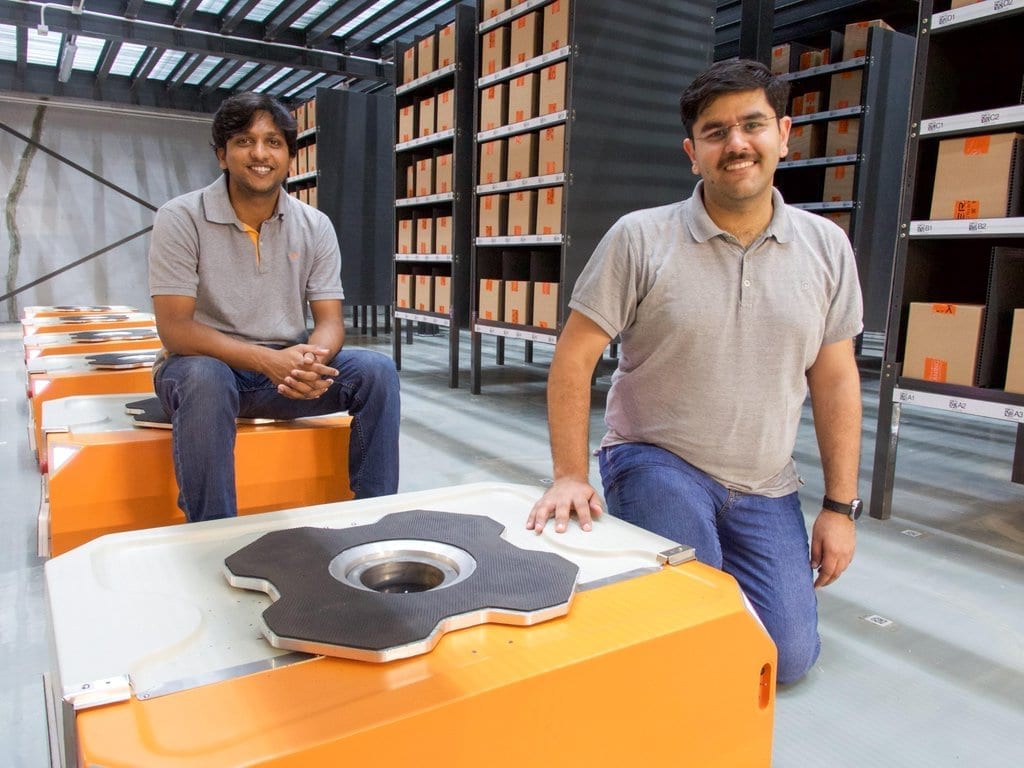
    Automation and robotics company, GreyOrange, has announced the release of its next-generation software platform, GreyMatter, at the launch of the latest warehouse of the Nitori Holdings Group, Japan’s largest furniture and home furnishing chain with over 400 stores. The Butler robotics system from GreyOrange is deployed at the Osaka centre of Home Logistics, a logistics subsidiary of Nitori Holdings which operates 34 distribution bases and a logistics network for product delivery to stores and e-commerce customers across Japan.

    The GreyOrange goods-to-person robotics system at the Osaka warehouse of 160,000 square metres is one of the largest Butler sites in the world. It has been designed to handle automated inventory storage (putaway) and picking using self-navigating robots to bring mobile shelves of inventory to the operator to accelerate putaway and order fulfilment.

    In the Butler system, GreyMatter is an end-to-end Intelligent Order Fulfilment software solution from GreyOrange that controls and manages automation in a warehouse via collaboration among devices comprising Butler robots, storage racks, pick-put stations, charging stations, among others. Central to the GreyMatter software is its Artificial Intelligence (AI) which operates at several levels to drive autonomous collaboration to automate warehouse functions and processes.

    Its always-on AI algorithms learn from large amounts of data and identifies patterns quickly to perform in real-time to make super-smart decisions. It adapts to changing inventory profiles and order fulfilment requirements to optimise path planning and navigation of the robots and racks. This enables the team of robots to work together to maximise storage, streamline zoning, improve space utilisation and accelerate order fulfilment. This is particularly important for operations handling same and next day deliveries that require faster efficiency and accuracy, and a higher throughput in a volatile multi-SKU environment. The GreyMatter software is applicable across industries such as e-commerce, Store Retail and Factory Warehouses.

    Manabu Matsuura, CEO of Home Logistics said, “For a start we stocked the most popular items capable of fulfilling over thousands of online orders a day. The Butler robotics and advanced software collaborate among the devices to take efficiency to new heights. The most number of items are brought from the racks to be picked in the shortest time, which is a very productive process. Over time as the system is continuously learning about our products, we expect to see increasingly higher levels of efficiency. Our staff appreciate working with these new processes as it is easy and they are seeing good results in their output.”

    Nalin Advani, CEO – APAC, GreyOrange commented, “GreyOrange and GROUND Inc., our distributor in Japan, are honoured to work with the Nitori Group to deploy our Butler robotics solution and launch our next-generation Artificial Intelligence, GreyMatter, at the Home Logistics centre. E-commerce growth in Japan is forecasted to grow to US$200 billion within the next three years, and will accelerate annually in the lead up to the 2020 Olympics in Tokyo. We are excited to play our part in this exhilarating journey.”

    He added, “On top of Nitori’s industry-leading warehouse operations, we worked together to layer the AI-powered software to create a revolutionary process for order fulfilment. Within the AI of GreyMatter, the Industry Engine we have designed for e-commerce provides control at even more granular levels than before. Using machine learning and analytics, it is able to predict product popularity and seasonal trends, and more, to magnify the efficiencies for order management.”

  • Luk Fook expands into Cambodia

    Luk Fook expands into Cambodia

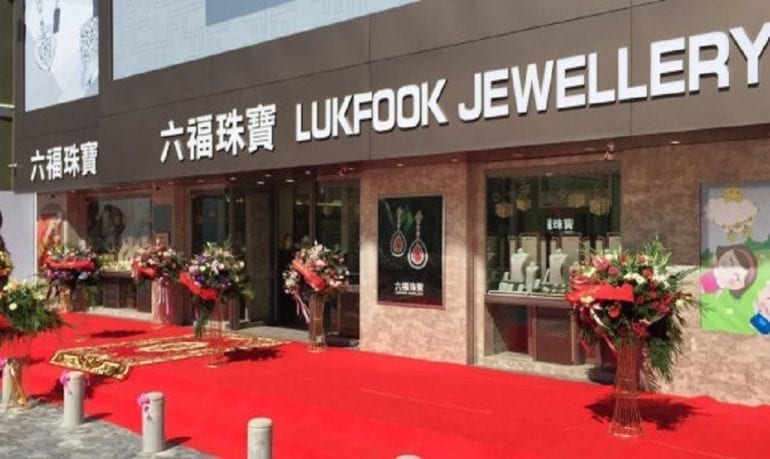
    Luk Fook Holdings (International) Limited has announced its foray into the Cambodian market with the grand opening of a flagship store in its capital city, Phnom Penh, marking the expansion of the Group’s retail network to 10 countries and regions globally.

    Mr. Wong Wai Sheung, Chairman and Chief Executive of the Group said: “Adhering to the corporate vision of ‘Brand of Hong Kong, Sparkling the World’, the Group has been seeking new business opportunities in the international market to expand our footprint.”

    He continued: “With the launch of the Belt and Road Initiative, the Group is optimistic about the prospects of the Southeast Asian market. Following our entry into Malaysia with opening of two shops last year, the Group now establishes a flagship store in Cambodia, with a view to introducing our quality jewellery and professional, caring services to the market. With over 1,610 shops globally, the Group will continue our efforts in providing unparalleled shopping experience for customers worldwide, so as to ensure that Lukfook Jewellery remains a premier jewellery brand for consumers everywhere.”

    The flagship store in Phnom Penh covers an area of over 5,600 square feet and is adjacent to a tourist hotspot with high tourist traffic and great potential.

    Phnom Penh, the capital of Cambodia, is a developing city as well as the country’s political, economic, industrial, cultural and tourist centre with considerable room for development. With the opening of this new shop, the Group expects to further expand its retail network in Southeast Asia.

  • IKEA Offers Discount to Pregnant Women

    IKEA Offers Discount to Pregnant Women

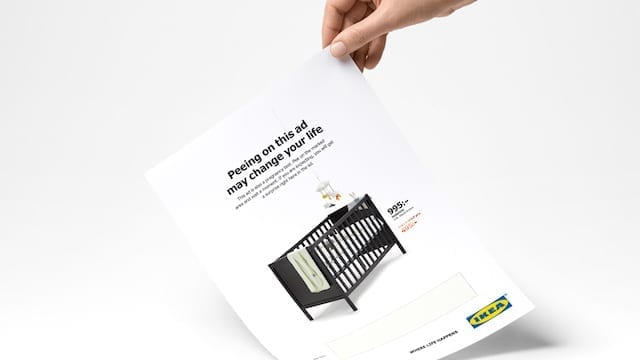
    Ikea Sweden is offering pregnant women a discount on cribs ‒ but a specimen is needed to qualify.

    Taking its cue from at-home pregnancy test kits, the furniture giant includes a swatch in its latest print advertisement. By adding urine to the special panel, a chemical reaction reveals a lower price for the crib being advertised, says Adweek.

    Devised by Stockholm advertising agency Akestam Holst, the technology was created by Marcene Labs and is being used in the advertisement in a Swedish women’s magazine. The agency even claims that technical advancements made during the work on the campaign “have the potential to improve medical diagnostics”.

    The crib in question, the Sundvik, is available online for US$119. For the discount price, available only in Sweden … mums-to-be know what to do. Or maybe they can just waddle in to the store if it is obvious they qualify.

  • Dachser feted for commitment to sustainability

    Dachser feted for commitment to sustainability

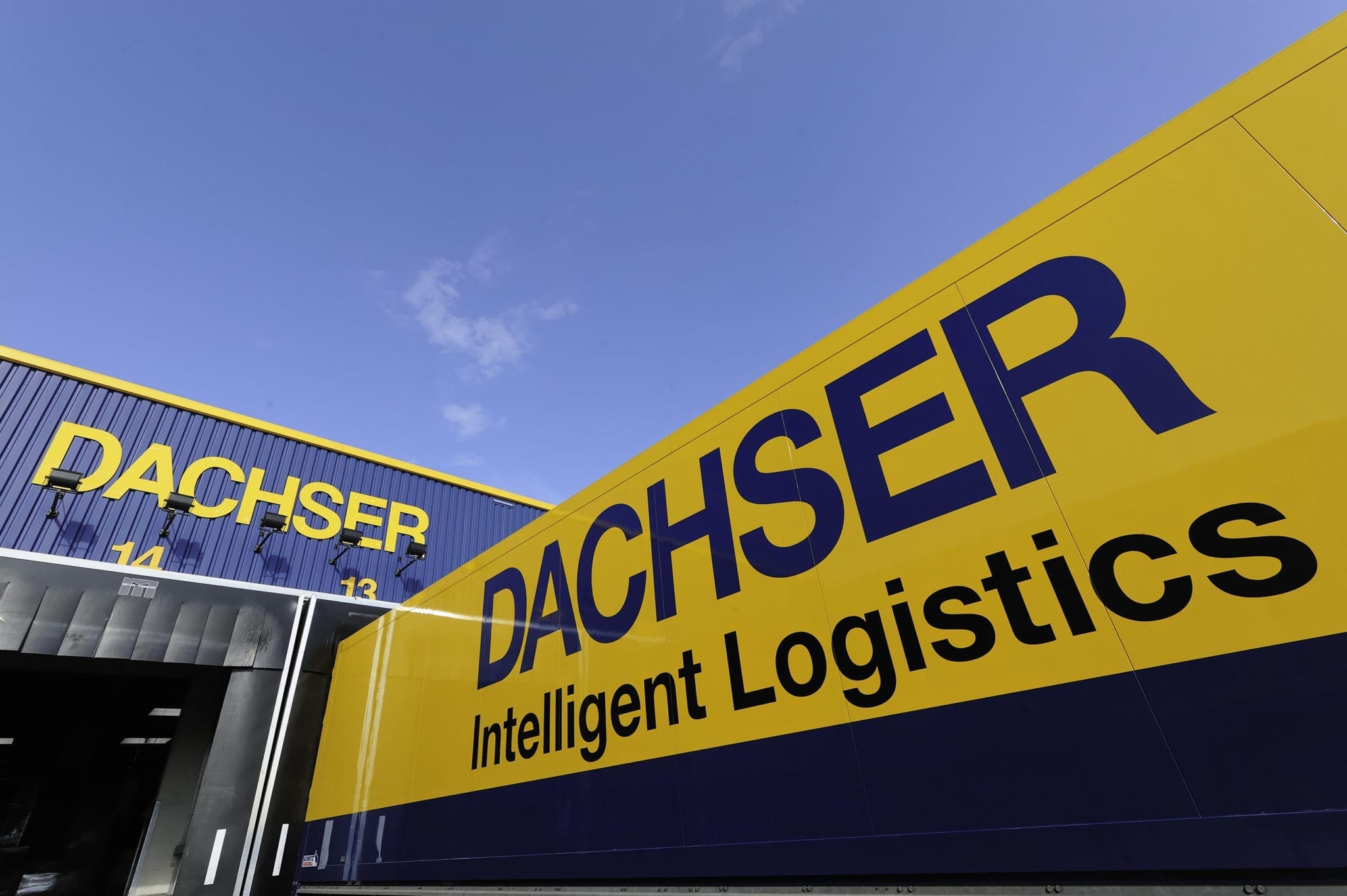
    As part of the presentation of the European Transport Award for Sustainability (ETPN), this year Dachser received the Special Award for Corporate Social Responsibility. The company came first in the Transportation and Forwarding Companies category.

    Awarded by Munich-based specialist logistics publisher Huss-Verlag, the Special Award recognises a company’s commitment to sustainability. It takes into account environmental protection, corporate social responsibility, corporate culture, and a commitment to the science community and to safeguarding the future. A key consideration is for this commitment to be in line with corporate objectives. “What most impressed us about Dachser was the sustainability of its overall concept as a family-run company,” the jury said

    “We have been committed to social, ecological, and economic sustainability for many years. This award is both a welcome recognition of our efforts and motivation to continue,” said Dachser CEO Bernhard Simon. Dr. Andreas Froschmayer, corporate director Corporate Development, Strategy & PR at Dachser, accepted the award in Munich on behalf of the company.

    The jury was made up of six editors of trade publications at Munich’s Huss-Verlag publishing house. Each member of the jury was permitted to propose up to three candidates for each of this year’s categories: Transportation and Forwarding Companies, and KEP Services.

  • Robomart brings food to buyer door

    Robomart brings food to buyer door

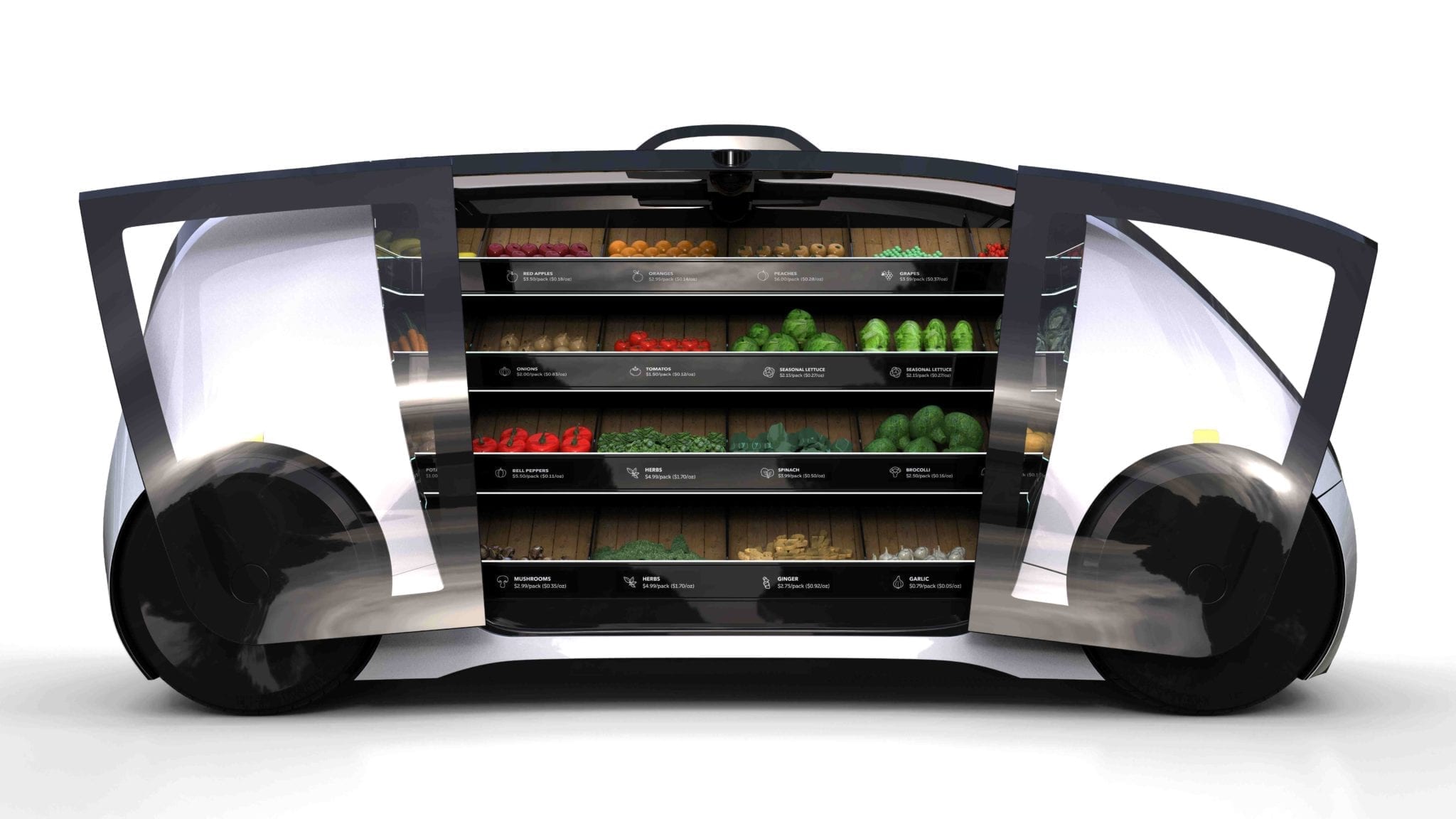
    California-based startup Robomart has introduced the world’s first self-driving store to deliver fresh produce to the customer’s doorstep.

    Making its premiere at CES (Consumer Electronics Show) in Las Vegas this week, the Robomart vehicles are completely autonomous and fully electric, recharging wirelessly.

    Fresh produce makes up about 60 per cent of all groceries sold, but Kantar Worldpanel says less than 5 per cent of perishables sales have moved online. This is because picking and delivering groceries is prohibitively expensive for retailers, while consumers do not trust someone else picking produce for them.

    This prompted the Robomart concept, and the company is building a fleet of the on-demand self-driving stores to license to retailers.

    For consumers, all they need do is tap a button on an app to request the nearest Robomart. When it arrives, they unlock the doors via the app then chose their products. When they are finished, they just close the doors and send the vehicle on its way.

    Robomart tracks what customers have taken using patent-pending “grab and go” checkout-free technology, and will charge them and send a receipt.

    Robomart says it did extensive research. In a survey of US women between 26 and 44 years of age it found that more than 85 per cent of them do not shop for fruits and vegetables online because they find home delivery too expensive and prefer to pick their own produce.

    Almost 65 per cent said they would order a Robomart more than once a week.

    Environmentally friendly

    Robomart’s vehicles do not need a driver, are environmentally friendly and access wireless EV charging using NVIDIA Corporation technology. The startup is in the process of obtaining an Autonomous Vehicle Testing Permit from the Department of Motor Vehicles in California.

    It has built its first prototype and has started work on a fleet which it aims to deploy for commercial pilot services soon.

    “Retailers can sponsor these pilots and test our autonomous store proposition with their customers in the San Francisco Bay Area,” says the company.

    Benefits for grocery retailers include consumer data giving detailed insight into sales and consumption patterns. On-demand delivery is more than five times cheaper, and retailers can expand their store footprint at low cost with no initial capital expenditure.

    Also, the direct-to-consumer channel means retailers retain ownership and control of their customers, says Robomart.

    “Retailers would have access to our state-of-the-art autonomous fleet-management system that manages orders, routing, restocking and teleoperations.

    “Although this system will be automated, they would be able to communicate with customers, store staff and law enforcement if necessary, and access real-time sales data and analytics.”

  • Honeywell invests in, forms JV with FLUX to pursue opportunities outside China

    Honeywell invests in, forms JV with FLUX to pursue opportunities outside China

    Honeywell has signed an agreement to acquire a 25 per cent ownership interest in FLUX Information Technology, a leading provider of warehouse management and related supply chain software in China. Honeywell will also form a new joint venture company with FLUX’s founder to serve customers outside China. Honeywell will hold a 75 per cent stake in the new joint venture, which will initially focus on opportunities in the Asia Pacific region. The investment in FLUX is expected to close by the end of the fourth quarter pending Chinese regulatory approvals.

    FLUX develops and implements warehouse management systems and other software for customers in multiple industries, and is a leading player in China’s booming e-commerce, apparel, pharmaceutical, retail, third-party logistics, cold chain and manufacturing sectors. FLUX’s supply chain execution solutions include its Warehouse Management System, Transportation Management System, Order Management System and Data Exchange Platform.

    FLUX’s offerings complement those of Honeywell Safety and Productivity Solutions, which develops hardware and software that improve productivity, enhance worker safety, and increase accuracy and throughput of supply chains.

    “We are pleased to be partnering with a dynamic, emerging leader with a proven track record in a fast-growing market,” said John Waldron, president and CEO, Honeywell Safety and Productivity Solutions. “FLUX’s strong software capabilities fit well into Honeywell’s Connected Supply Chain strategy, complementing the warehouse expertise of our Honeywell Intelligrated business. FLUX’s warehouse, transportation management and order management offerings complement Honeywell’s data capture technology, worker productivity and warehouse automation solutions, and enable us to maximise customer satisfaction in the digital age.”

    Over the past decade, FLUX’s business has grown significantly. Its software now manages more than 12 million square metres of warehouse space in China alone. During China’s November 11 “Singles’ Day” online shopping festival – the largest e-commerce day in the world – FLUX’s solutions helped process up to 650,000 orders per warehouse per day. E-commerce sales currently total more than US$1.3 trillion in the Asia Pacific region according to expert estimates, and sales are expected to more than double to US$3 trillion by 2021.

    “We are pleased to team up with Honeywell to further expand in China and to play an active role in the global warehousing and logistics industry by offering our leading Warehouse Management System solutions,” Shi Zunli, founder and CEO of FLUX. “Honeywell has outstanding industry reach and strong global presence, which will enable us to fulfil our vision of globalisation. With this strategic partnership, we will connect, collaborate and create more value for our customers.”

    Li Ning, president of Honeywell SPS Greater China & India, said, “This partnership will allow Honeywell to accelerate the pace of executing our connected strategy in China and the Asia-Pacific region and create a win-win situation for both companies. This agreement strengthens our position as a software-industrial company and supports our efforts in developing and acquiring capabilities in China that are relevant for a global customer base.”

  • SM acquisition of Goldilocks OKd

    SM acquisition of Goldilocks OKd

    SM Retail has received approval from the Philippines antitrust body to acquire the Goldilocks Bakeshop chain.

    This follows the two parties submitting commitments to address potential competition issues in the deal, says the Philippine Competition Commission (PCC).

    SM Retail is a subsidiary of SM Investment (SMIC), which through another subsidiary, SM Prime Holdings (SMPHI), runs nearly 70 SM Malls in the Philippines. On the other hand, Goldilocks has a network of more than 500 stores, some of them in SM Malls.

    Potential concerns included the possibility that retail space in SM Malls might be limited for Goldilocks’ competitors. There were also concerns SM Retail might gain access to sales information from competitors and share it with Goldilocks.

    PCC chairman Arsenio Balisacan says mall owners should not be allowed to discriminate when it comes to tenants and lease applicants, “especially those that compete with stores owned by the mall itself”.

    After the acquisition, Goldilocks will become a subsidiary of SM Retail.

    In its voluntary commitment, which the PCC approved in December, SMPHI undertook to give Goldilocks’ competitors “a fair share in their lease at all times”.

    SMPHI also committed to data protection: not to allow Goldilocks access to competing tenants’ information, including sales data captured by the POS system of SMPHI tenants.

    “The commission appreciates SM’s move to make these voluntary undertakings – proof that PCC and the business community can work together to promote a culture of competition,” says Balisacan.

    The SM Group is also legally bound to comply with its commitment and submit reports to the PCC. The parties will be monitored periodically by a team of PCC experts over a five-year period. This will include random inspections, says the commission.

    SM Group negotiations to acquire a controlling stake in Goldilocks Bakeshop were revealed in August.i

  • Australia’s November online sales surge most in three years

    Australia’s November online sales surge most in three years

    Online sales in November 2017 increased the most in three years in Australia, according to data released by the NAB, with consumers buying considerably more items online compared to the same month in 2016.

    The NAB Online Retail Sales Index (NORSI) said online sales increased 4.7% in November 2017, equating to the biggest growth rate over the period of one month since December 2014. The NORSI also revealed e-commerce sales year-on-year surged 14.4%, excluding the holiday sales period and Amazon’s launch in Australia.

    The biggest shift was the increase in online sales made in Australia, compared to the start of the year, said the NAB.

    “We estimate that Australian consumers have spent around $24 billion over the 12 months to November 2017. This is equivalent to 7.7% of spending at traditional bricks and mortar retailers, as measured by the Australian Bureau of Statistics in the 12 months to October 2017,” NAB said.

    By category, homewares and appliances recorded the most rapid growth over the past year, up 24.9%, compared to 3.8% last year. Fashion and apparel witnessed a comeback after weaker sales, increasing by 5%.

    Moreover, Australian retail sales, including off and online sales, hit 1.2 per cent – the biggest jump in almost five years. Experts were predicting a 0.4%.

    The Australian Bureau of Statistics said the November uptick was helped by the release of Apple’s iPhone X and higher sales activity Black Friday sales, adopted in by Australian retailers from the US, due to the globalization of retail.

    As a whole, Australia’s retail sales at department stores fell 1.1%; fashion was up 2.2% and footwear and other personal accessories sales were up 0.3%. Cosmetics were up 1.1%, said the ABS.

  • Japanese baby products firm Ficelle makes full-scale Thai debut

    Japanese baby products firm Ficelle makes full-scale Thai debut

    Japanese baby products retailer Ficelle has launched its first outlet in Thailand.

    In partnership with distributor K-AG Kin All Gen, it has opened a store in Bangkok’s Central Embassy shopping mall. This follows a six-month trial of online sales in Thailand last year, which raked in THB5 million (US$155,000).

    Ficelle offers a range of brands, including Japan’s 10mois, with such items as baby and maternity clothes, sleeping vests, bibs and portable chairs.

    K-AG Kin All Gen executive director Lukkana Jaovisidha says the luxury goods market in Thailand, particularly babycare products, is expected to grow. The trend of having fewer children means parents are likely to spend more on infant apparel and baby accessories per child.

    Nearly a third of customers are expected to be expatriates in Thailand.

    Two more stores are planned for Bangkok this year, including a flagship in a Takashimaya department store. The partners hope to have five shops in Thailand by 2020.

    Ficelle has also just opened an outlet in Singapore following product launches in Hong Kong, South Korea and Taiwan.

  • Siam Commercial Bank and Prudential Thailand announce unit-linked bancassurance partnership

    Siam Commercial Bank and Prudential Thailand announce unit-linked bancassurance partnership

    10 January 2018- Siam Commercial Bank Public Company Limited (“SCB”), a leading bank in Thailand, and Prudential Life Assurance (Thailand) Public Company Limited (“Prudential Thailand”), a subsidiary of UK-based Prudential plc, have agreed to establish a bancassurance partnership to jointly develop and provide insurance solutions for SCB’s wealth segment customers.

    Both companies have a long history of providing Thai people with innovative financial products that meet their evolving needs. The partnership, which will be effective from 1 February 2018, will provide SCB’s customers with access to Prudential Thailand’s world class range of unit-linked products through the bank’s licensed financial advisers.

    SCB and Prudential Thailand will initially offer three-unit linked products with both Regular and Single Premium options1, to serve the protection, savings and investment needs of the Bank’s wealth segment customers.

    Ms. Salisa Hanpanich, Executive Vice President of First Division and Segment Management Division for Siam Commercial Bank, said “The alliance with Prudential Thailand supports our strategy to provide our customers with best-in-class unit-linked life insurance products, which are perfectly fit to serve the financial and investment needs of customers in the fast-growing wealth segment, as customers in this segment are looking for investment products that provide them with an opportunity to get higher returns than deposit ones, and at the same time get protection for the peace of mind of their families. We expect that, through Prudential’s unit-linked products combined with strong team of sales, training and customer service support, we can achieve our ambition.” Aman Chowla, Chief Executive officer of Prudential Thailand, said, “We are proud to partner with Siam Commercial Bank, the longest established bank and one of the most successful banks in Thailand. Bancassurance is an integral part of our multi-distribution strategy to reach and serve Thai customers. This partnership with SCB enables us to leverage our expertise in unit-linked products to provide innovative and need-based solutions to SCB’s wealth segment customers. Thailand is one of the largest insurance markets in South East Asia with low insurance penetration, a growing and increasingly prosperous population with significant insurance and savings needs. This partnership will give us further opportunity to reduce the insurance gap in what is an important market for Prudential in Asia.”