Blog

  • Riding the Yuan Wave: Global Companies Amplify Chinese Currency Adoption, Says StanChart Report

    Riding the Yuan Wave: Global Companies Amplify Chinese Currency Adoption, Says StanChart Report

    Companies across the globe are progressively employing the Chinese yuan in an array of contexts, as noted in a recent study by Standard Chartered. These contexts range from settling trade transactions to financing supply chains.

    A growing number of international corporations are adopting the use of the Chinese renminbi (RMB). Statistics from a Standard Chartered study reveal that 23% of revenues and 25% of costs are subject to the influence of this currency. However, the report also points out that only 14% of debt is in RMB, indicating a discrepancy between operating exposure and the currency employed for financing.

    The study suggests that the uptake of RMB is increasingly motivated by operational necessities of corporations rather than currency positioning. The main factors encouraging its adoption are trade settlement, supply chain financing, alignment of balance sheets, and management of foreign exchange and interest rate exposure.

    Diverse Regions, Diverse Adoption Trends

    The adoption patterns of the RMB vary across different regions. For instance, corporations in Greater China and North Asia are extending their use of RMB beyond settlement to include funding and liquidity management. The uptake in Southeast Asia is primarily driven by supply chain needs, whereas in the Middle East and parts of Africa, the usage is concentrated in the energy and infrastructure trade sectors. In Europe and the Americas, the capital market issuances and selective funding diversification are emerging as significant starting points.

    Karen Ng, the head of China opening and RMB internationalization at Standard Chartered, stated, “Many corporations already have significant RMB exposure through trade, procurement, and supply chains. As the market infrastructure deepens and liquidity expands, the adoption is increasingly being driven by operational needs, including trade settlement and balance sheet alignment.”

    The report titled “Renminbi in Motion for Corporates” is based on a survey involving nearly 300 global corporations across 19 sectors.

    Questions & Answers

    Why are corporations worldwide increasingly using the Chinese yuan?
    The use of the Chinese yuan is growing due to operational needs including trade settlement, supply chain financing, balance sheet alignment, and managing foreign exchange and interest rate exposure.

    How does the adoption of the Chinese yuan vary across different regions?
    Adoption patterns differ by region. Corporations in Greater China and North Asia are expanding its use beyond settlements to include funding and liquidity management, while in Southeast Asia, adoption is largely driven by supply chain needs.

    What is the percentage of revenues and costs carrying exposure to the Chinese yuan, according to the report?
    The report indicates that 23% of revenues and 25% of costs are subject to the influence of the Chinese yuan.

  • Unprecedented Semiconductor Cargo Movement: Kitakyushu Airport and DHL Global Forwarding Set New Standards in Air Transport

    Unprecedented Semiconductor Cargo Movement: Kitakyushu Airport and DHL Global Forwarding Set New Standards in Air Transport

    In a noteworthy collaboration between Kitakyushu Airport and DHL Global Forwarding, a division of DHL Group that specializes in air and ocean freight, the airport successfully facilitated the transportation of semiconductor manufacturing equipment towards the end of the preceding year. This operation is considered to be the airport’s largest and most technically complex cargo operation to date, necessitating an exceptional level of transportation expertise.

    Details of the Unprecedented Semiconductor Equipment Transport

    The equipment in question, semiconductor manufacturing equipment, weighed nearly 180 tons. The transport route commenced from Amsterdam Schiphol Airport, located in the Netherlands, and culminated at Kitakyushu Airport. The dedicated cargo aircraft, a sizable freighter, was used for this purpose.

    Development of a Robust Handling System for Semiconductor Equipment

    Commencing in 2023, Kitakyushu Airport, spearheaded primarily by DHL Global Forwarding Japan Co., Ltd. (DGF) and Korean Air, planned to import semiconductor manufacturing equipment to satisfy regional transport requirements. By working in close association with companies in charge of regular cargo flights’ ground handling, the airport was able to develop a strong handling system.

    Staff members from each entity joined forces to devise and implement comprehensive strategies, ensuring the safe and efficient transport of the equipment from Amsterdam Schiphol Airport to Kitakyushu Airport. Every aspect, ranging from risk management to temperature, humidity control, and vibration reduction, was meticulously taken care of. These collective endeavors have contributed to establishing a steady operational structure for managing similar consignments in the future.

    Joint Effort for Sophisticated Semiconductor Logistics

    Karsten Michaelis, the CEO of North Asia, DHL Global Forwarding, and the President and Representative Director of DHL Global Forwarding Japan, acknowledged the vital role of semiconductors in contemporary technology. He emphasized that DHL had constructed a solid framework to facilitate this significant supply chain operation with precision and expertise. The establishment of a dedicated office at Kitakyushu Airport, coupled with the collaborative efforts of the Semiconductor Specialist Team, Kitakyushu Airport authorities, and Korean Air, led to the creation of an integrated setup. This amalgamation of infrastructure development and seamless operational collaboration extends beyond this project. DHL’s global CapX Qualification Program and standardized processes across multiple locations ensure consistency, safety, and operational excellence.

    Kitakyushu Airport Promotion Council’s Semiconductor-Related Cargo Consolidation Efforts

    The Kitakyushu Airport Promotion Council, comprising Fukuoka Prefecture, Kitakyushu City, and other members, provides subsidies to businesses for international air cargo transport. They also offer subsidies for the transportation of semiconductor manufacturing equipment and related items.

    Questions & Answers

    What was the weight of the semiconductor manufacturing equipment transported?
    The semiconductor manufacturing equipment weighed approximately 180 tons.

    Who were the key entities involved in the transportation project?
    The key entities involved were Kitakyushu Airport, DHL Global Forwarding Japan Co., Ltd. (DGF), and Korean Air.

    What steps have been taken by the Kitakyushu Airport Promotion Council regarding semiconductor-related cargo?
    The Kitakyushu Airport Promotion Council provides subsidies to businesses for international air cargo transport, including the transportation of semiconductor manufacturing equipment and related items.

  • End of an Era: Fonterra’s CEO Miles Hurrell Set to Bid Adieu After 25-Year Tenure

    End of an Era: Fonterra’s CEO Miles Hurrell Set to Bid Adieu After 25-Year Tenure

    Miles Hurrell, the Chief Executive Officer of Fonterra, will be ending his tenure in December after serving the corporation for 25 years.

    Hurrell’s Journey in Fonterra

    Mr. Hurrell was appointed as the co-operative’s CEO in 2018, a period that marked a significant revamp in the organization’s financial performance and the rebuilding of trust with its farmer partners. His strategic focus was primarily on New Zealand-sourced milk, a shift from Fonterra’s previous international expansion approach.

    Under the stewardship of Hurrell, the team accomplished more than what was expected. According to Fonterra’s Chairman, Peter McBride, Hurrell’s leadership played a vital role in aligning the team with a common objective and enhancing the overall business performance, thereby laying a solid foundation for Fonterra’s future endeavours.

    Leadership Transition

    Mr. McBride stated that Hurrell had given a notice period of six months, allowing sufficient time for a well-planned transition of leadership. He mentioned that the discussion of succession is a regular part of board and management meetings, reflecting good governance practices.

    McBride also expressed confidence in the board’s ability to carry out a fair and rigorous selection process to appoint the new CEO in the forthcoming months.

    Fonterra’s Recent Business Ventures

    In other recent developments, Fonterra announced last week that the sale of its Mainland consumer business is on track to be finalized within the month as the deal has now become unconditional.

    Questions & Answers

    What has been the focus of Miles Hurrell’s strategy as CEO of Fonterra?

    Hurrell’s strategy was primarily focused on promoting New Zealand-sourced milk, deviating from Fonterra’s past focus on international expansion.

    What is the process for selecting the new CEO of Fonterra?

    The selection of the new CEO will be carried out through a robust and rigorous selection process by the board and management in the coming months.

    What is the recent business venture of Fonterra?

    Fonterra recently announced that the sale of its Mainland consumer business is set to be completed within the current month.

  • Aussie Beverage Sector Toasts to a Profitable Summer Despite Economic Hurdles

    Aussie Beverage Sector Toasts to a Profitable Summer Despite Economic Hurdles

    Despite global economic instability and the strain of domestic living costs, Australia’s food and beverage manufacturers experienced a surge in revenue during last summer, according to the most recent Manufacturing Health Index published by Unleashed Software. This upturn in profits, especially during the holiday season, highlights the continued demand for premium Australian-made consumer goods.

    Boost in Manufacturing Sector

    The survey, which compiled data from over 500 local manufacturing companies spanning various sectors, including food and beverage, clothing and fashion, and construction, revealed a significant increase in average earnings for beverage manufacturers. The final quarter of the year saw an average revenue of $627,000, marking an almost $200,000 rise from the previous quarter. This peak in earnings is the highest ever reported since Unleashed Software began its data collection. Simultaneously, the gross profit margin also experienced a surge, climbing to 35.9% from 31.9% in the previous quarter and 27.8% in the same period of the prior year.

    In the food sector, the average revenue reached $709,831, slightly lower than the $733,000 recorded in the third quarter but significantly higher than the $546,229 reported in the same quarter of the previous year.

    Shifting Inventory Strategies

    The report also indicates that Australian manufacturers are modifying their inventory strategies to accommodate tightening supply cycles. While businesses in Australia are fine-tuning inventory levels, their counterparts in the UK and New Zealand are boosting restocking.

    Jarrod Adam, the head of product at Unleashed Software, explains that there is a noticeable shift towards just-in-time replenishment in Australia. Companies are not hoarding cash in inventory but are buying precisely what they need to meet immediate demand. The construction sector, in particular, shows a marked shift towards this inventory model.

    Adam further highlights the critical role of technology in enhancing productivity and managing these tighter cycles to prevent stock shortages during periods of heightened demand without compromising efficiency.

    The Continued Impact of Interest Rates and Energy Costs

    The manufacturing sector’s performance in the coming year is expected to be influenced significantly by interest rates. In February, the Reserve Bank of Australia (RBA) hiked the cash rate to 3.85%, marking the first increase since a period of consistent rate holding or reduction in 2025. The RBA anticipates inflation to top out at about 4.2% mid-year before settling back down to the 2.5% midpoint target by mid-2028.

    Rising energy costs might also lead to higher material and transportation expenses, exerting additional pressure on company margins. Modifications to shipping operations could potentially impact lead times. Despite these challenges, manufacturers are shifting their focus from cost management to the expansion of operations. Firms are increasingly employing automation and real-time data systems to manage purchasing cycles. While smaller companies may be more susceptible to global economic fluctuations, they may also be better positioned to adapt their operations swiftly.

    Questions & Answers

    What caused the rise in revenue for Australia’s food and beverage manufacturers during the previous summer?
    The increase in revenue for Australia’s food and beverage manufacturers during the previous summer was primarily due to the continued demand for high-quality, Australian-made consumer goods, despite global economic instability and domestic cost-of-living pressures.

    How are Australian manufacturers adjusting their inventory strategies?
    Australian manufacturers are modifying their inventory strategies to cope with tightening supply cycles. The shift towards just-in-time replenishment allows companies to avoid keeping cash tied up in inventory by purchasing precisely what they need to meet immediate demand.

    What factors are expected to influence the performance of the manufacturing sector in the future?
    The future performance of the manufacturing sector is expected to be significantly influenced by interest and energy rates. Rising energy costs might lead to higher material and transportation expenses, exerting additional pressure on company margins. Interest rates are also expected to remain a key factor, with the Reserve Bank of Australia recently increasing the cash rate.

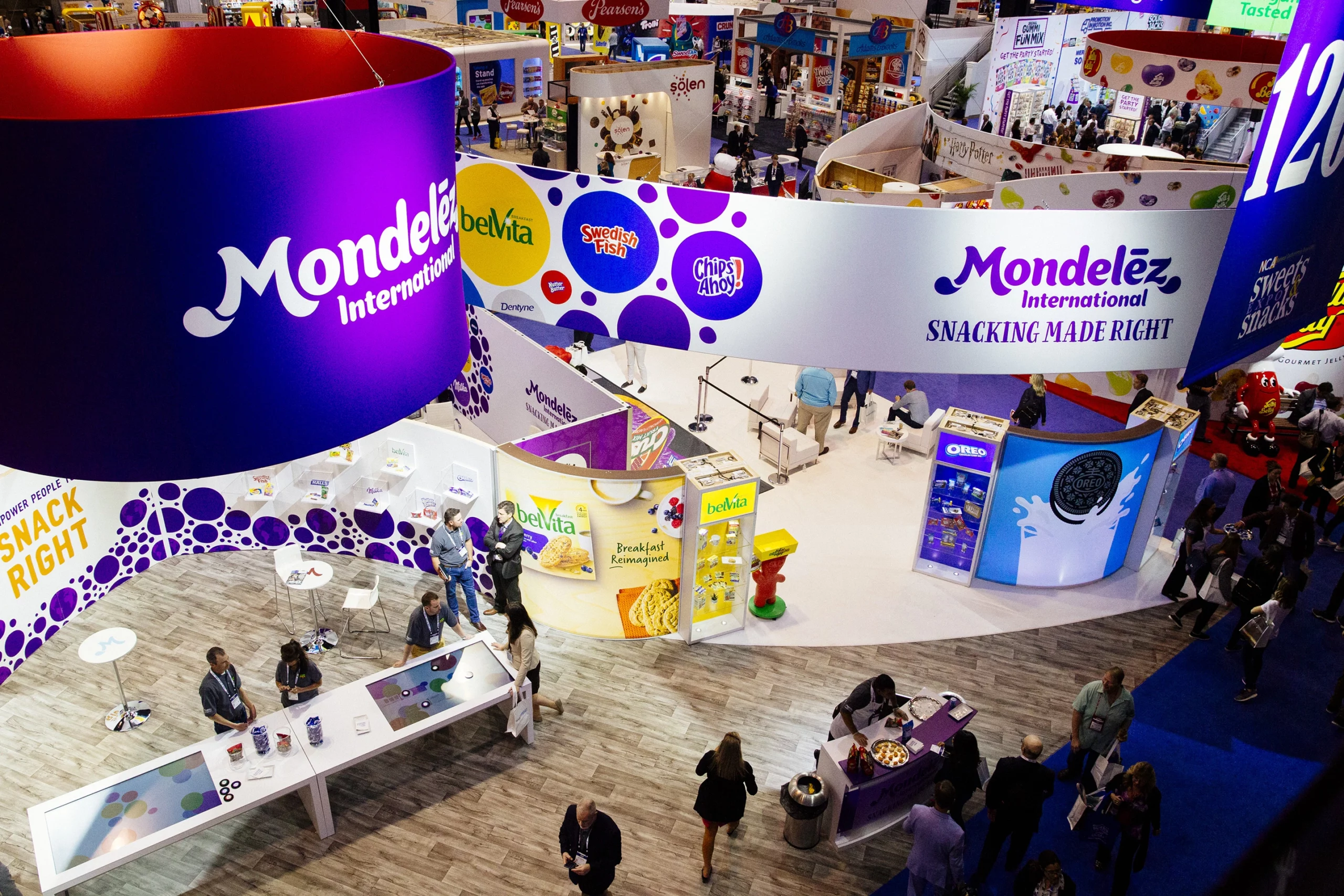
  • Mondelez Revives ’90s Classic: In A Biskit Crispy Potato Hits Australian Shelves Again!

    Mondelez Revives ’90s Classic: In A Biskit Crispy Potato Hits Australian Shelves Again!

    Mondelez International, the multinational snack and food conglomerate, has reintroduced its In A Biskit Crispy Potato flavor into the Australian market, a product that first gained popularity in the 1990s.

    Reviving a Vintage Snack

    The revived snack is made from genuine potato flakes and has a thin, baked texture, offering consumers a delightful crunch with every bite. This classic flavor holds a fond memory for many Australians, serving as a favorite snack during leisurely afternoons spent solving Rubik’s Cubes or rewinding VHS tapes.

    Modern Packaging for a Classic Product

    In an effort to appeal to both original consumers and a new generation of customers, the product’s packaging has been updated to a more modern design. The classic snack is available in 145g packs with a recommended retail price of $4. The packs are available nationwide at IGA, Woolworths, and Coles retail stores.

    Mondelez Performance

    In the recent past, Mondelez has reported growth in its annual sales. However, this positive trend was somewhat offset by a decline in profit margins due to the high cost of cocoa, a key ingredient in many of the company’s products.

    Questions & Answers

    What is the key feature of the reintroduced In A Biskit Crispy Potato flavor?
    The reintroduced snack is made from real potato flakes and offers a thin, baked texture.

    How has Mondelez updated the product for modern consumers?
    Mondelez has modernized the packaging of the product to appeal to both original consumers and a new generation of snack lovers.

    What factors affected Mondelez’s recent financial performance?
    While the company reported growth in annual sales, its profit was impacted by the high cost of cocoa, a key ingredient in many of its products.

  • Pickup Coffee Eyes Explosive Growth with Anticipated $8M Funding Boost from Convertible Notes

    Pickup Coffee Eyes Explosive Growth with Anticipated $8M Funding Boost from Convertible Notes

    Pickup Coffee, a budget coffee chain based in the Philippines, is reportedly seeking additional funding. This endeavor includes issuing up to $8 million in convertible notes to Venturi Partners and new investor Antler.

    The Equity Fundraising

    It is believed that this equity fundraising could potentially bring in an extra $20 to $40 million. Reports suggest that this process was successfully finalized a few months earlier.

    The Birth of Pickup Coffee

    Pickup Coffee was founded in 2022 by Diego Lorenzo and Jamie Fernandez. Initially, it operated as a delivery-only coffee brand. However, the business eventually transitioned to a hybrid model, launching food-truck-style stalls. This innovative format allowed Pickup Coffee to sell its beverages at prices lower than those usually seen in traditional coffee chains.

    Menu Offerings

    Pickup Coffee’s menu offers a range of traditional coffee drinks, iced teas, hot chocolates, and unique specialty mixes. The latter includes the Ube Latte, Iced Pistachio Milk, and Avocado Latte.

    Company Growth

    Since its launch, Pickup Coffee has seen significant growth. The company has opened approximately 500 stores in the Philippines and has broadened its reach on an international scale, establishing 50 outlets in Mexico.

    The new capital injection is predicted to help support Pickup Coffee’s expansion plans. The company is concentrating on fortifying its operations in existing markets.

    Questions & Answers

    Who are the founders of Pickup Coffee?
    Diego Lorenzo and Jamie Fernandez founded Pickup Coffee.

    What is Pickup Coffee’s business model?
    Initially, Pickup Coffee operated as a delivery-only coffee brand. However, the business eventually transitioned to a hybrid model, launching food-truck-style stalls, which allows them to offer drinks at lower prices than traditional coffee chains.

    What is the purpose of the additional funding that Pickup Coffee is seeking?
    The new capital injection is predicted to help support Pickup Coffee’s expansion plans, particularly focusing on strengthening its operations in existing markets.

  • Beatrice Goasglas Takes the Helm at Tag Heuer: LVMH’s New CEO to Drive Innovation and Elevation

    Beatrice Goasglas Takes the Helm at Tag Heuer: LVMH’s New CEO to Drive Innovation and Elevation

    Luxury goods multinational corporation LVMH has announced the appointment of Béatrice Goasglas as the new CEO of its premium watch label, Tag Heuer. The appointment will take effect from May.

    Professional Background of the New CEO

    Goasglas has been with Tag Heuer since 2018, during which time she has occupied several pivotal positions. Her most recent role was that of the president of Tag Heuer Americas, which followed tenures as the vice president of digital and client experience and the managing director of Tag Heuer Asia Pacific.

    Role Expectations and Responsibilities

    In her new capacity as CEO, Goasglas is expected to leverage her considerable understanding of the brand’s legacy and workforce to further its ongoing development and innovation initiatives. These efforts will be directed at enhancing the brand’s collections and strategic partnerships. One of the key relationships under Goasglas’s stewardship will be with Formula 1.

    Executive Statements

    Stéphane Bianchi, the managing director of LVMH Group and CEO of LVMH Watches & Jewelry, expressed his enthusiasm for Goasglas’s new role. Bianchi believes that Goasglas’s comprehensive understanding of the brand, along with her leadership skills and unwavering dedication, will empower Tag Heuer to scale new milestones. Bianchi is confident that Goasglas will guide the brand to continue representing the finest standards of watchmaking quality and the innovative spirit that is so integral to the brand’s identity.

    Earlier this year, LVMH named Francois Kohler as president of South and Southeast Asia. Kohler took over the role from Chris Chong.

    Questions & Answers

    Who is the new CEO of Tag Heuer?
    Béatrice Goasglas has been appointed as the new CEO of Tag Heuer.

    When does Béatrice Goasglas’s tenure as CEO commence?
    Goasglas’s appointment as CEO of Tag Heuer will be effective from May.

    What role did Béatrice Goasglas hold at Tag Heuer prior to becoming CEO?
    Before stepping into her new role as CEO, Goasglas was the president of Tag Heuer Americas.

  • Swiss Sportswear Giant On Unveils First Standalone Store in Seoul, Invigorating South Korea’s Retail Scene

    Swiss Sportswear Giant On Unveils First Standalone Store in Seoul, Invigorating South Korea’s Retail Scene

    Swiss sportswear label, On, has unveiled its inaugural standalone shop in South Korea, furthering its direct-to-consumer reach within the nation.

    Strategically Located in Seoul

    The store, nestled within Seoul’s Hannam district, signifies On’s maiden standalone brand space in the Korean market. This launch builds upon the brand’s initial direct retail outposts in Yeouido and Jamsil, which were established in the previous November.

    The shop encompasses three floors, with the lower level spotlighting On’s running collection. The higher levels are dedicated to lifestyle, tennis, outdoors, and children’s merchandise.

    The basement has been repurposed as a hub for running, functioning as a space for community gatherings, such as running club meets and in-store events tied to the local running community.

    Inspired by Seoul’s Night Running Routes

    The store’s aesthetic borrows elements from Seoul’s evening running paths. The use of lighting and reflective surfaces aims to replicate the dynamic movement and visual ambiance of the city post-sunset. The storefront’s design elements also nod towards the nearby Han River.

    According to Rebecca Cai, On’s APAC GM, the brand anticipates the store to serve as a central spot for their running community. This is especially relevant with the looming Seoul Marathon. The brand also hopes the space will allow customers to fully immerse themselves in On’s universe, and personally interact with their latest performance and design innovations.

    This inauguration aligns with the company’s ongoing efforts to widen its retail footprint across Asia. Just this week, On launched its most expansive store in China, situated at Shenzhen MixC World. This two-story outlet covers approximately 802 square meters.

    Questions & Answers

    What does the new On store in Seoul offer?
    The store provides a wide array of sportswear, including running, lifestyle, tennis, outdoor, and kids’ products. Additionally, it will serve as a hub for community activities related to running.

    What is unique about the design of the new store?
    The design of the store is inspired by Seoul’s night running routes, with lighting and reflective surfaces that mimic the city’s atmosphere after dark. The facade also pays homage to the nearby Han River.

    What recent expansion efforts has On undertaken in Asia?
    On has been actively expanding its retail network in Asia. Along with the new standalone store in South Korea, it recently opened its largest store in China, located in Shenzhen MixC World.

  • U.S. Dollar Ascends to Year’s High Against Key Currencies Amid Oil Price Surge & Inflation Fears

    U.S. Dollar Ascends to Year’s High Against Key Currencies Amid Oil Price Surge & Inflation Fears

    The United States dollar achieved a rise against the Vietnamese dong on Thursday morning, while concurrently reaching peak levels this year against other major currencies. The Vietnamese bank, Vietcombank, increased the dollar’s rate by 0.01%, setting it at VND26,314.

    Greenback Performance in the Informal Market

    In contrast to its performance with Vietcombank, the US dollar, informally known as the greenback, recorded a slight decline of 0.18% on the informal market, bringing it down to VND27,910.

    The Dollar’s Global Strength

    On the international front, the greenback maintained its position as a safe-haven currency, staying close to its most robust levels of the year. This strength comes in the wake of rising oil prices, which threaten to trigger inflation and compel central banks worldwide to adopt a more bullish policy stance.

    Performance Against Other Currencies

    The euro experienced a minor fall of 0.1% against the greenback, with an early Asian trading rate of $1.1549, which is nearing its lowest level since November.

    Japan’s yen also saw a decline, dipping below the 159-per-dollar mark, with a decrease of up to 0.2% to 159.23. This trend brings the yen close to its weakest level since July 2024.

    Meanwhile, the Australian dollar and the New Zealand dollar each fell by 0.1%, recorded at $0.7148 and $0.5907 respectively.

    Questions & Answers

    What was the performance of the US dollar against the Vietnamese dong?
    The US dollar rose against the Vietnamese dong on Thursday morning.

    How did the greenback perform on the informal market?
    On the informal market, the greenback recorded a slight decline of 0.18%.

    How has the rise in oil prices affected the US dollar?
    The rising oil prices threaten to trigger inflation, which in turn has kept the US dollar close to its strongest levels this year as central banks worldwide may be compelled to adopt a more bullish policy stance.

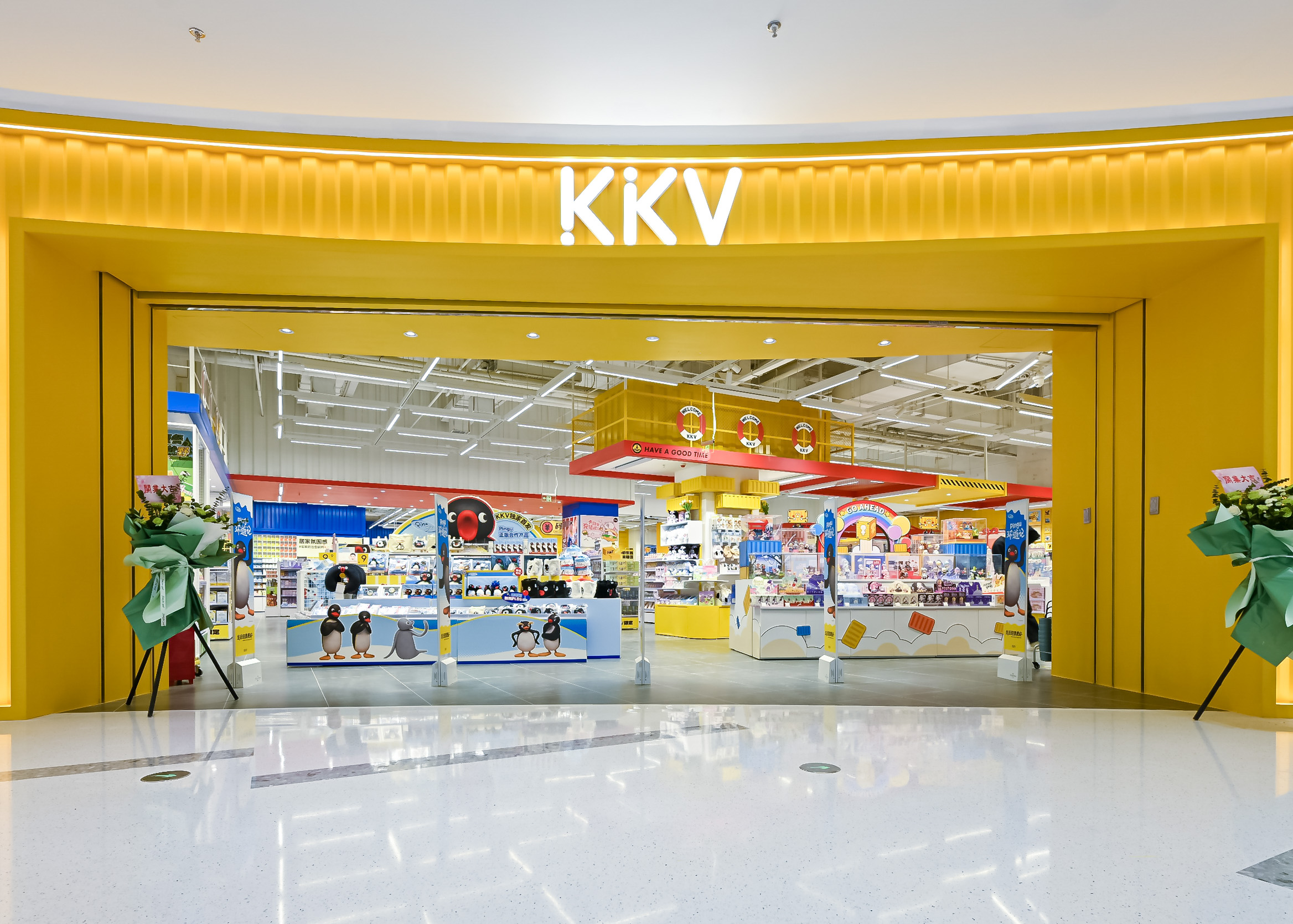
  • Chinese Retailer KKV Makes Splash in Hong Kong, Launches First Store Flaunting ‘100 Lifestyles’ Concept

    Chinese Retailer KKV Makes Splash in Hong Kong, Launches First Store Flaunting ‘100 Lifestyles’ Concept

    KKV, a leading Chinese lifestyle retailer, has paved its way into Hong Kong, initiating its first store at the bustling Lee Tung Avenue.

    Phase of Expansion

    This unveiling signifies yet another step in the brand’s strategy to strengthen its presence in the region. KKV, a brainchild of KK Group, was established in 2019, and since then, it has swiftly gained wide acceptance across mainland China and other Asian markets. This popularity can be attributed to its large-format stores that offer an array of beauty products, snacks, toys, stationery, and lifestyle items, all under a discovery-driven shopping atmosphere.

    ‘100 Lifestyles’ Concept

    The newly launched store in Hong Kong offers local consumers a unique shopping experience, underpinned by KKV’s ‘100 Lifestyles’ concept. This approach is characterized by visually immersive merchandising, quick product turnover, and a vast range of economically priced goods. The main target group for these offerings is Generation Z and young urban consumers.

    Recent Developments

    In the recent past, KKV marked its presence in Vietnam, where the KK Group opened its first standalone flagship store. This was situated in the heart of Ho Chi Minh City, further extending its regional footprint.

    Today, KK Group operates a robust network of over 1000 stores in more than 200 cities across China. In addition, it has over 150 outlets spread across Southeast Asia. The brand portfolio under the group includes KKV, The Colorist, and X11.

    Questions & Answers

    What is the ‘100 Lifestyles’ concept introduced by KKV?
    The ‘100 Lifestyles’ concept by KKV focuses on visually immersive merchandising, quick product turnover, and a large variety of affordable goods, primarily targeting Generation Z and young urban consumers.

    Where was the first standalone flagship store of KKV outside China opened?
    The first standalone flagship store of KKV outside China was opened in Ho Chi Minh City, Vietnam.

    What is the total number of stores operated by KK Group?
    KK Group operates over 1000 stores in more than 200 cities in China, along with more than 150 outlets across Southeast Asia.

  • Sony Battles $2.7 Billion UK Lawsuit over Alleged PlayStation Store Monopoly

    Sony Battles $2.7 Billion UK Lawsuit over Alleged PlayStation Store Monopoly

    Sony, the Japanese multinational conglomerate, is currently battling a lawsuit worth nearly £2 billion (approximately US$2.7 billion) in London. The lawsuit alleges that Sony has used its monopoly positioning to inflate prices for digital games. This litigation is one of the latest mass consumer cases to be tried in the United Kingdom.

    Sony is being accused of manipulating its market dominance by making digital games and console add-ons available exclusively through its PlayStation Store. As a result, prices for these digital commodities are allegedly higher compared to their physical counterparts. Sony maintains that it has invested significant resources, time, and billions of dollars into developing an integrated gaming platform that is beneficial to consumers. Sony asserts that their business model, which rivals that of fellow gaming giants Nintendo and Microsoft’s Xbox, is competitive and fair.

    Sony’s legal team has also argued that the profit margin from the sales of games and additional content is reasonable. They state that the lawsuit does not take into account the company’s operating costs and the value of its brand.

    The Ongoing Lawsuit

    This case, which was brought before London’s Competition Appeal Tribunal (CAT) on behalf of nearly 12 million UK residents, is the third of its kind against a major tech company to go to trial since the beginning of 2025.

    Alex Neill, who is spearheading the case, stated that gamers have been overpaying and should be entitled to a monetary reimbursement. Initially, the case was estimated to be worth up to £5 billion, but this has since been scaled down to £1.97 billion.

    According to Robert Palmer, the lawyer representing Neill, Sony is able to set retail prices without any retail competition for digital content, enabling it to earn monopoly profits from digital distribution. However, Sony, which sold 8 million PlayStation 5 consoles between October and December, refutes this claim. The company argues that the lawsuit is essentially advocating for third parties to be permitted to establish a store for the PlayStation and capitalize on Sony’s investments.

    Other Pending Cases

    Apart from this, there are other lawsuits related to app stores that are still pending. Last year, the Competition Appeal Tribunal ruled against Apple over its App Store, a verdict which Apple is currently attempting to appeal.

    Google is also facing a lawsuit, with the trial set to begin in October. Epic Games, the creator of Fortnite and a potential participant in this case, recently withdrew its claim. This development occurred shortly after Google announced comprehensive changes to its Play Store policies.

    Questions & Answers

    What is Sony being accused of in the lawsuit?
    Sony is accused of abusing its dominant market position by making digital games and console add-ons available exclusively through its PlayStation Store, thereby allegedly driving prices higher than their physical counterparts.

    What is Sony’s response to these allegations?
    Sony maintains that it has invested significant resources into developing an integrated gaming platform that benefits consumers in a competitive market. Its legal team also argues that the company’s profit margin on game sales and additional content is reasonable.

    Are there any similar lawsuits against other tech companies?
    Yes, there are other similar lawsuits pending against tech giants like Apple and Google. Last year, the Competition Appeal Tribunal ruled against Apple over its App Store, a decision that Apple is currently seeking to appeal. Google is also set to face a lawsuit in October.

  • Inditex, Zara’s Parent Company, Reports Stellar Sales Boost Across All Brands in Annual Profit Surge

    Inditex, Zara’s Parent Company, Reports Stellar Sales Boost Across All Brands in Annual Profit Surge

    Inditex, the parent company of Zara, has seen considerable increases in its gross and net profits, fueled by robust sales across all its brands.

    The company’s total net revenue for the fiscal year ending January 31, 2025, climbed 3.2 per cent to €39.9 billion (US$46 billion). Taking into account the currency exchange, sales experienced a 7 per cent rise. Over the past three years, Inditex’s sales have surged by 22 per cent, with a concurrent decrease in the number of retail outlets by 6 per cent. This demonstrates the firm’s constant growth despite a decrease in physical retail presence.

    All brands within the Inditex group enjoyed sales growth throughout the fiscal year. The primary Zara enterprise, inclusive of Zara, Zara Home, and Lefties brands, saw a 1 per cent sales increase, reaching €28 billion.

    Profitable Performance By Other Brands

    Among other Inditex brands, Oysho topped the growth chart with a 15 per cent surge, closely trailed by Stradivarius and Bershka, each boasting over a 12 per cent rise. Additionally, Pull&Bear and Massimo Dutti each reported growth rates of 3.1 per cent and 3 per cent respectively.

    Inditex’s gross profit saw a 3.9 per cent increase to €23.2 billion, while the gross margin improved by 42 bps, bringing it to 58.3 per cent. Net income for the same period rose by 6 per cent to €6.2 billion.

    CEO of Inditex, Óscar García Maceiras, praised the company’s teams for their ability to maintain the trust of their customers across their eight commercial formats. He emphasized the importance of connecting with customers, understanding their needs, and providing top-tier products and services in driving long-term growth expectations.

    Positive Outlook

    At the conclusion of FY2025, Inditex managed 5460 stores across 214 markets. The company has continued to perform well into the new fiscal year, recording a 9 per cent increase in store and online sales between February 1 and March 8, after adjusting for the constant currency.

    Questions & Answers

    What was Inditex’s total net revenue for FY25?
    Inditex’s total net revenue for FY25 was €39.9 billion (US$46 billion).

    Which brand under Inditex reported the highest sales growth?
    Oysho, an Inditex brand, reported the highest sales growth with a 15 per cent increase.

    What was the net income for Inditex for the fiscal year ending January 31, 2025?
    Inditex’s net income for the fiscal year ending January 31, 2025, increased 6 per cent to €6.2 billion.

  • Sunshine Bakeries Unveils Limited Edition Musang King Durian Milk Bun: A Taste of Premium Durian Season in Every Bite!

    Sunshine Bakeries Unveils Limited Edition Musang King Durian Milk Bun: A Taste of Premium Durian Season in Every Bite!

    Sunshine Bakeries, a renowned bread manufacturer from Singapore, is gearing up to introduce its Musang King durian milk buns to the market on March 20, just before the onset of the durian season. The new delicacy will be available across leading supermarkets and convenience stores in Singapore, promising a unique flavor fusion for food connoisseurs.

    Features of the New Snack

    The Musang King durian milk bun boasts of authentic Musang King durian filing, derived from the scarce early-March harvest. The durian filing is beautifully complemented by Sunshine Bakeries’ famed Hokkaido Milk bun, offering a blend that is expected to win the hearts of durian lovers.

    The company has priced the bun at SGD2.50 (US$1.97). However, it’s important to note that the product will be available in limited quantities each day, considering the restricted availability of early-season yields.

    A Taste of the Season’s First Harvest

    Michelle Ang, chief marketing officer at Sunshine Bakeries, expressed her excitement about the product launch. She said, “Durian fans have a year-long desire for the fruit. By introducing the Musang King Durian Milk Bun, we aim to offer them a sneak peek into the first harvest of the season.”

    According to the company, the bun promises the highest standard of durian indulgence that is rich, custard-like, and aromatic.

    About Musang King Durian

    Musang King is a top-tier variety of durian, predominantly cultivated in Malaysia. It has gained considerable recognition this year, having been included in the list of the 25 best-rated fruits in Southeast Asia. The selection was made based on votes cast by readers of an international food magazine in February.

    Questions & Answers

    When will Sunshine Bakeries start selling the Musang King durian milk buns?
    The Musang King durian milk buns will be available from March 20.

    Where can customers purchase the Musang King durian milk buns in Singapore?
    The new snack will be available across leading supermarkets and convenience stores in Singapore.

    What is special about the Musang King durian milk bun?
    The bun features authentic Musang King durian filling derived from the early-March harvest, paired with Sunshine Bakeries’ signature Hokkaido Milk bun. The company promises a rich, custard-like, and aromatic indulgence with this new product.

  • Former Uber Executive Ascends to the Helm of Gojek Singapore: Janine Teo Steps in as New General Manager

    Former Uber Executive Ascends to the Helm of Gojek Singapore: Janine Teo Steps in as New General Manager

    Gojek Singapore, a leading ride-hailing platform, has made significant changes to its top leadership, appointing Janine Teo as its new General Manager. Teo is succeeding Lien Choong Luen, who decided to step down in February after steering the company for seven fruitful years.

    Teo is not new to Gojek; she has held multiple operational leadership positions within the company for over seven years. The company is confident in her capabilities to drive its business forward, thanks to her extensive experience. Teo’s main focus will be to continue enhancing Gojek’s platform, ensuring it remains a reliable tool that supports driver-partners and their livelihoods, and delivers dependable services to Singaporean consumers.

    Before her recent promotion, Teo held various roles, including Country Lead of Driver Experience and Operations Manager at Uber, where she served from 2017 to 2018. Later, she became the Head of Supply in Singapore at GoTo Group, the technology group overseeing Gojek, starting from 2020.

    Lien Choong Luen’s Departure

    Reflecting on his tenure, Lien has remarked that he had the privilege of witnessing the maturation of the ride-hailing industry during an especially intense period characterized by increased competition and stricter regulations.

    Navigating the challenges presented by the Covid-19 pandemic, including supporting drivers amid a sharp decrease in demand, was one of the significant hurdles that the company had to overcome under his leadership.

    Lien has shared that he plans to take a sabbatical and dedicate more time to his board roles, serving as the President of Singapore Athletics being one. Additionally, he is exploring fresh opportunities in the technology sector while catching up on the regional developments.

    After seven years at the helm of Gojek Singapore, with the business in a robust position, the company believes that it was an opportune moment for Lien to exit the role and follow his personal interests.

    Questions & Answers

    Who has been appointed as the new General Manager of Gojek Singapore?
    Janine Teo is the new General Manager of Gojek Singapore.

    What was Janine Teo’s position prior to her promotion?
    Teo previously held the position of Head of Supply in Singapore at GoTo Group, the technology group that oversees Gojek.

    Why did Lien Choong Luen step down from his role at Gojek Singapore?
    Lien decided to step down from his role at Gojek Singapore to focus on his personal interests, including his board roles and exploring opportunities in the technology sector.

  • US Dollar Soars to Year’s Peak Against Major Currencies, Dodging Inflation Threats”

    US Dollar Soars to Year’s Peak Against Major Currencies, Dodging Inflation Threats”

    The U.S. dollar experienced a surge against the Vietnamese dong on Thursday morning, while oscillating around its apex value against significant international currencies this year.

    Vietcombank, a prominent banking institution, reported a minor increase of 0.01% in the value of the dollar, selling it at a rate of VND26,314.

    Contrarily, the U.S. dollar dipped slightly by 0.18% to VND27,910 in the unofficial currency exchange market, also known as the black market.

    Thursday witnessed the U.S. dollar, a popular refuge during periods of financial instability, hovering near its most robust position for the year. This trend was driven by the rising oil prices, which are predicted to escalate inflation and compel central banks around the world to espouse more assertive monetary policies.

    In early Asian trading, the euro experienced a slight decline of 0.1% against the dollar, going down to $1.1549. This brought the euro close to its lowest value since November of the previous year.

    Similarly, the Japanese yen saw a momentary fall, surpassing the 159-per-dollar mark. It depreciated as much as 0.2%, reaching 159.23. This puts the yen on the brink of its most diminished value since July 2024.

    The Australian dollar and the New Zealand dollar also observed declines, both slipping by 0.1%, with the former valued at $0.7148 and the latter at $0.5907.

    Questions & Answers

    What factors influenced the rise in the value of the U.S. dollar?
    The uptick in the value of the U.S. dollar can be attributed to the increasing oil prices, which are expected to instigate inflation and cause global central banks to adopt a more aggressive policy stance.

    How did the rise in the U.S dollar affect other major international currencies?
    The rise of the U.S dollar resulted in a slight depreciation of several international currencies such as the Vietnamese dong, the euro, the Japanese yen, the Australian dollar, and the New Zealand dollar.

    What was the selling rate of the U.S. dollar in the black market?
    In the black market, the U.S. dollar saw a nominal decline, with its rate recorded at VND27,910.