Blog

  • Hugo Boss Triumphs Amid Challenges: Sees Uplift in Annual Sales Regardless of China’s Downturn

    Hugo Boss Triumphs Amid Challenges: Sees Uplift in Annual Sales Regardless of China’s Downturn

    Hugo Boss, a renowned German fashion company, recently disclosed a slight increase in sales for the preceding fiscal year, which concluded with a robust last quarter.

    The company’s sales for the fiscal year 2025 demonstrated a 1% drop, reaching EUR 4.27 billion (US$4.97 billion). This decrease is attributed to unfavorable currency fluctuations and subdued consumer confidence triggered by macroeconomic and geopolitical instability. However, after considering the impact of currency exchange, there was a 2% rise in sales.

    Geographical Sales Breakdown

    Examining sales by region, Hugo Boss saw a 5% decrease in currency-adjusted sales in the Asia-Pacific region, largely due to restrained local demand in China. In contrast, the company enjoyed a 2% increase in revenues in the EMEA region, propelled by advancements in major European markets such as Germany and France.

    Company management emphasized the remarkable growth in the fourth quarter, with a reported 2% sales increase and 7% rise on a constant currency basis.

    Growth Factors

    This positive performance is credited to a resurgence in physical retail, a modest uptick in comparable-store sales, a fruitful holiday season, and impactful brand and product initiatives.

    The Boss Menswear brand saw a 3% increase in currency-adjusted revenues for the year. However, sales for Boss Womenswear and Hugo dropped by 5% and 4% respectively.

    Americas and Licensing Business Performance

    In the Americas, revenues saw a 3% increase, indicative of progressive improvements in the US market. Conversely, the company’s licensing business experienced a 5% decline in sales.

    The fiscal year ended on a high note, with EBIT (Earnings Before Interest and Taxes) growing 8% to reach EUR 391 million. This figure includes a significant 22% uplift in the fourth quarter.

    Hugo Boss CEO, Daniel Grieder, highlighted the rapid transformation of the fashion industry throughout the year. He pointed towards technological innovation, changing consumer preferences, and persistent macroeconomic and geopolitical instability as key influencers on the industry’s trajectory.

    Future Prospects

    Looking ahead to fiscal year 2026, Hugo Boss anticipates a mid- to high-single digit decline in currency-adjusted sales. This projection is based on the initiation of brand and channel realignments.

    Questions & Answers

    What were Hugo Boss’s sales for fiscal year 2025?
    Hugo Boss reported sales of EUR 4.27 billion (US$4.97 billion) for the fiscal year 2025.

    Which region experienced sales growth for Hugo Boss?
    The EMEA region saw a 2% increase in revenues, driven by performance in key European markets such as Germany and France.

    What are the company’s sales expectations for fiscal year 2026?
    Hugo Boss is forecasting a mid- to high-single digit decline in currency-adjusted sales for fiscal year 2026, due to brand and channel realignments.


  • Iranian Conflict Sparks 7% Surge in Vietnam’s Gasoline Prices: Government Leans on Stabilization Fund

    Iranian Conflict Sparks 7% Surge in Vietnam’s Gasoline Prices: Government Leans on Stabilization Fund

    The price of gasoline is on a continual rise, leading the government to depend on its stabilization fund to provide subsidies. On Tuesday, there was yet another increase, with the price of RON95 fuel skyrocketing by 7.69% to VND29,120 (US$1.11) per litre.

    Biofuel and Diesel Prices Also Rise

    Alongside gasoline, the prices of biofuel E5 RON92 and diesel also saw an increase. Biofuel E5 RON92 rose by 5.35% to VND26,570 per litre, while diesel prices saw a 1.59% increase, taking the price to VND30,710 per litre.

    For the first time in three years, both the Ministry of Industry and Trade and the Ministry of Finance have been forced to tap into the fuel stabilization fund. This has been done in an effort to subsidize RON95 by VND4,000 per litre and diesel by VND5,000 per litre.

    The price of RON95 is now approximately at the same level as it was in July 2022, a period when the global fuel supply chain was disrupted due to the Russia–Ukraine conflict. Diesel, on the other hand, is at its highest level since 2019.

    Global Market and Production Disruptions

    Ongoing military conflicts involving the United States, Israel, and Iran over the weekend have impacted the global market, according to ministry reports. All oil-exporting countries within the Gulf have cut down production as transport through the Strait of Hormuz is currently disrupted.

    It’s also notable that the trend of most countries stockpiling fuel has resulted in a sharp rise in global prices.

    The price of RON95 gasoline has seen a dramatic 27% increase to $147.5 per barrel, with diesel rising by 20%, kerosene by 4%, and mazut by 41%.

    Changes in Pricing and Supply

    Fuel prices in Vietnam were adjusted on Tuesday, deviating from the usual Thursday adjustment, to reflect global price changes of over 7%. Although global prices have begun to stabilize, domestic prices remain high due to a delay in the pricing cycle.

    Earlier on Tuesday, prices began to decline following a statement from U.S. President Donald Trump indicating that the conflict in the Middle East would soon come to an end.

    The prices of RON95 gasoline and diesel have dropped by around $20 per barrel in Singapore, falling to $127.2 and $160.4 respectively. These lower levels will be reflected in Vietnam after the next adjustment.

    To ensure short-term supply, Deputy Minister of Industry and Trade, Nguyen Sinh Nhat Tan announced that the government had procured four million barrels of oil from its partners. With this existing crude oil stockpile and further supplies expected shortly, he projects that the supply will suffice for 30–45 days, depending on demand and production plans at domestic refineries.

    Government Measures to Control Prices

    In addition to ensuring supply, the government is taking measures to control retail prices. They have slashed most favored nation import tariffs on gasoline and certain blending materials to zero. This move is intended to incentivize distributors to import fuel from countries that do not have free trade agreements with Vietnam.

    The Ministry of Finance has also requested that the government abolish the environmental protection tax on fuel starting March 12. Currently, this tax ranges from VND1,000-2,000 per litre, depending on the type of fuel.

    Questions & Answers

    What measures are the government taking to control the rising fuel prices?
    The government is using its stabilization fund to subsidize gasoline. They have also cut import tariffs on gasoline and certain blending materials to zero and are considering removing the environmental protection tax on fuel.

    What significant change has occurred in Vietnam’s fuel pricing system?
    Fuel prices were adjusted on Tuesday instead of the usual Thursday, due to the significant global price changes.

    How is the government ensuring short-term fuel supply?
    The government has procured four million barrels of oil from its partners, and more supplies are expected shortly. This is expected to meet domestic demand for the next 30–45 days.

  • Reliance Retail Bolsters Beauty Portfolio with Acquisition of Sustainable Skincare Brand Pahadi Local

    Reliance Retail Bolsters Beauty Portfolio with Acquisition of Sustainable Skincare Brand Pahadi Local

    Reliance Retail, a major Indian retail company, has successfully acquired the skincare and wellness brand, Pahadi Local. Pahadi Local, established in 2018, is well-regarded for its clean ingredient formulations, ethical sourcing practices, and sustainable product offerings. The company is known for its Himalayan ingredients, especially Gutti Ka Tel (Apricot Kernel Oil), which has gained widespread recognition and consumer loyalty.

    The Acquisition & Future Plans

    Reliance Retail’s acquisition of Pahadi Local aligns with its strategic goal to invest in promising Indian brands across multiple sectors, including beauty, wellness, fashion, and lifestyle. The retail giant has plans to foster Pahadi Local’s next growth phase by broadening its retail presence, strengthening its digital footprint, and fast-tracking innovation.

    The founding team of Pahadi Local will remain integral to the company’s operations post-acquisition, playing a crucial role in shaping the brand’s creative direction, product development, and overall philosophy.

    Comment from Reliance Retail

    Isha Ambani, executive director of Reliance Retail Ventures, commented on the acquisition, emphasizing the company’s focus on curating brands that blend authenticity, innovation, and significant consumer relevance. Ambani praised Pahadi Local’s commitment to Himalayan wellness traditions and responsible sourcing, making it a valuable addition to their beauty brand portfolio.

    Reliance Retail is a subsidiary of Reliance Retail Ventures, the umbrella corporation for all retail companies within the Reliance Industries group.

    Questions & Answers

    What is the main product offering of Pahadi Local?
    Pahadi Local is known for its skincare and wellness products primarily made from Himalayan ingredients, with Gutti Ka Tel (Apricot Kernel Oil) as its standout product.

    What are Reliance Retail’s plans for Pahadi Local post-acquisition?
    Reliance Retail plans to expand Pahadi Local’s retail presence, strengthen its digital footprint, and accelerate innovation to foster the brand’s next phase of growth.

    How will the founding team of Pahadi Local be involved in the brand post-acquisition?
    The founding team will continue to play a critical role in shaping the brand’s creative direction, product development, and overall philosophy.

  • Mr DIY Scales New Heights: Targets 3,000 Stores in Thailand by 2031 Following Stellar Growth

    Mr DIY Scales New Heights: Targets 3,000 Stores in Thailand by 2031 Following Stellar Growth

    Mr DIY, the biggest home improvement retail chain in Asia, is setting its sights on further expansion in Thailand, having recently reached the milestone of 1,000 stores in the country.

    Establishing a Strong Retail Presence

    Since its debut in Thailand in 2016, Mr DIY has broadened its reach significantly across 77 provinces. With its origins in Malaysia, the company now runs more than 5,000 stores in 11 countries worldwide.

    Andy Chin, the CEO of Mr DIY Thailand, expressed his excitement and optimism about the company’s future growth prospects. He shared some details about the expansion plans they have in place.

    Expansion Plans

    Mr DIY has set an ambitious target of opening an additional 210 stores in Thailand this year. In aid of this, the construction of an automated warehouse in Samut Prakan is currently in progress.

    This warehouse is set to function as a distribution center, thereby assisting Mr DIY in achieving its goal of 3,000 stores by 2031. By 2027, the company envisages having 1,500 stores operational within Thailand.

    Financial Performance

    In terms of financial performance, Mr DIY reported a revenue of THB20.1 billion during the fiscal year 2025, which was a 24.4 percent annual increase. Additionally, the company also witnessed a significant 47.8 percent surge in profits.

    Questions & Answers

    What is Mr DIY’s target number of stores in Thailand by 2031?
    Mr DIY aims to have 3,000 stores in Thailand by 2031.

    What is the role of the new warehouse in Samut Prakan?
    The new warehouse in Samut Prakan will serve as a distribution center to facilitate Mr DIY’s expansion goals.

    How has Mr DIY’s financial performance been in recent years?
    In the 2025 financial year, Mr DIY recorded a revenue of THB20.1 billion, marking a 24.4% yearly increase. Profits also saw a substantial increase of 47.8%.

  • Perth Welcomes Australia’s First Buffalo Milk Ice Cream: A Delectable Quindanning Buffalo and Mica Creamery Collaboration

    Perth Welcomes Australia’s First Buffalo Milk Ice Cream: A Delectable Quindanning Buffalo and Mica Creamery Collaboration

    Western Australia is about to get its first taste of buffalo milk ice cream, thanks to a new collaboration between Quindanning Buffalo and Mica Creamery.

    The limited-edition dessert is set to hit Mica Creamery stores across Perth from March 13. The product is produced in small quantities, using buffalo milk sourced locally. Ice cream enthusiasts can look forward to two tantalising flavours, Classic Vanilla and Rich Hazelnut Chocolate.

    Buffalo Milk: A Creamier Alternative

    Buffalo milk is renowned for its natural creaminess, a characteristic that lends itself well to the creation of exceptional dairy products. Its higher fat content compared to cow’s milk results in a denser and creamier texture, enhancing the overall taste and experience.

    Speaking on the collaboration, Graeme Carthy, owner of Quindanning Buffalo, expressed his enthusiasm about the partnership with Mica. He stated that Mica shared Quindanning Buffalo’s commitment to quality and artisanal products, making them an ideal partner to bring this unique ice cream to the residents of Perth.

    This joint venture is more than just the creation of a new ice cream flavour. It represents an opportunity for buffalo milk, a less common ingredient in Australia, to be introduced to a wider retail audience.

    Questions & Answers

    What is unique about the new ice cream product?
    The new ice cream is unique as it is the first in Western Australia to be made from buffalo milk, which is known for its natural creaminess and higher fat content.

    Where and when will the buffalo milk ice cream be available?
    The buffalo milk ice cream will be available at Mica Creamery stores across Perth from March 13.

    Why did Quindanning Buffalo choose to partner with Mica Creamery for this product?
    Quindanning Buffalo chose to partner with Mica Creamery as they share a passion for quality and artisanal products. The collaboration aims to introduce buffalo milk to a wider retail audience through this unique ice cream product.

  • US Bourbon Brands Joseph Magnus & Fox & Oden Make Australian Splash: Unveiling Four Exceptional Expressions

    US Bourbon Brands Joseph Magnus & Fox & Oden Make Australian Splash: Unveiling Four Exceptional Expressions

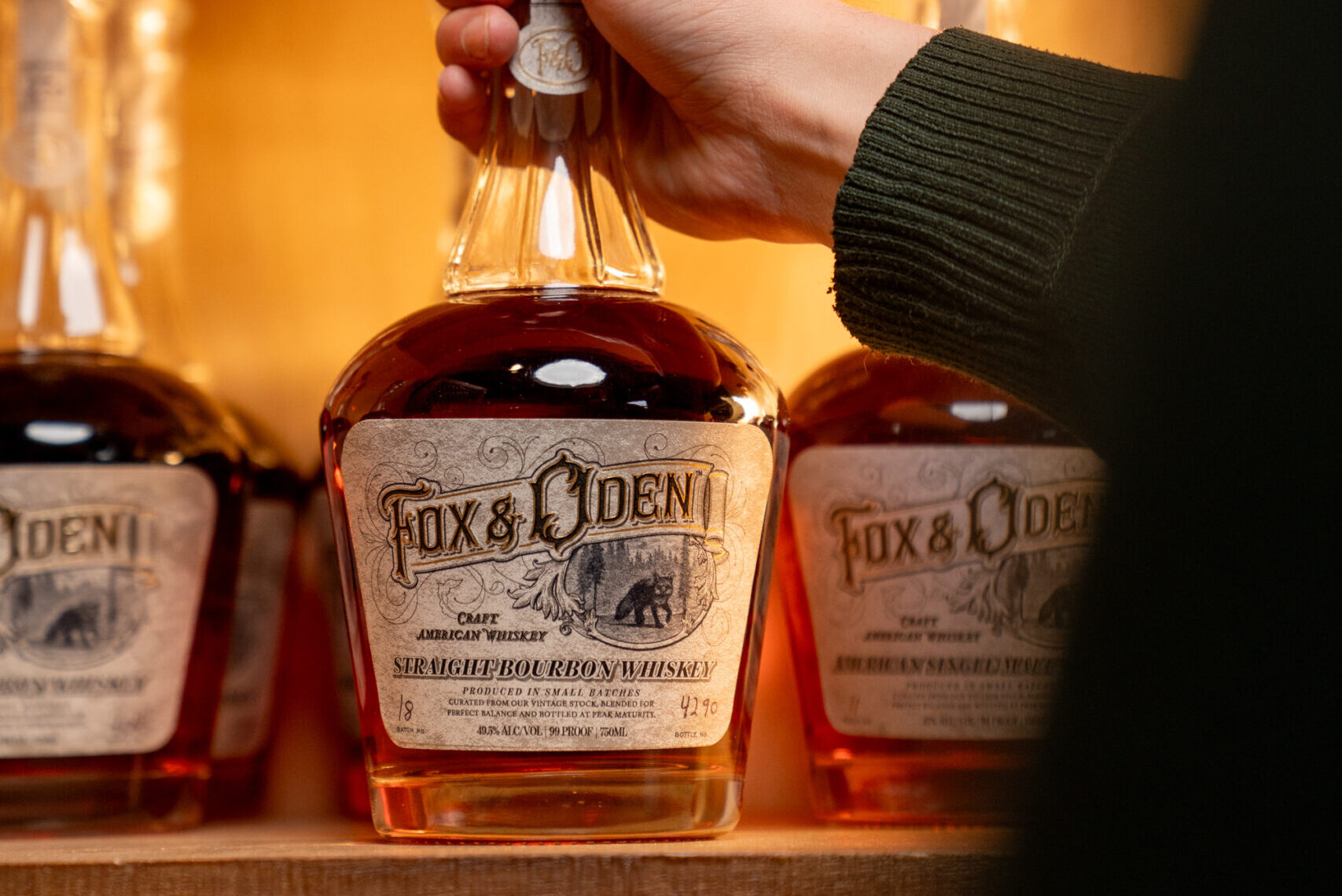
    CraftCo Brands, a renowned American spirits company, has announced plans to bring its prestigious bourbon labels, Joseph Magnus & Co and Fox & Oden, to Australian markets. The venture will be realized through an exclusive distribution deal with Honey Barrel.

    The first batch set to grace Australian shores includes four distinctive expressions: Joseph Magnus Cigar Blend Bourbon, Murray Hill Club Bourbon, Jos A Magnus Bourbon, and Fox & Oden Double Oak Bourbon.

    Strategic Entry into Australian Market

    Ali Anderson, the CEO of CraftCo Brands, revealed that the move into Australia is a calculated strategy, given the country’s deep-rooted whiskey knowledge and high standards. He stated that the entrance into the Australian market is far from casual, considering the heightened expectations and sophisticated whiskey knowledge present.

    The CEO further emphasized that Joseph Magnus and Fox & Oden are designed on a foundation of blending precision combined with expert finishing. He expressed his belief that the Australian consumers will highly appreciate this level of craftsmanship.

    Distinctive Flavors and Expert Craftsmanship

    CraftCo has an impressive reputation for its Joseph Magnus range, particularly for its blending and cask-finishing techniques. On the other hand, Fox & Oden Double Oak stands out for its intricate barrel selection process and secondary maturation, which significantly contributes to the development of its unique flavor profile.

    Honey Barrel’s Kia Rasteh and Jack Carter expressed their confidence in the brands and their anticipation for the collaborative endeavor with the CraftCo team. They disclosed their long-standing admiration for the brands and their reputation for crafting memorable, high-quality whiskeys through expert blending and finishing.

    The duo also acknowledged Australia’s world-class bar and whiskey culture, expressing their certainty that these expressions will secure their spot on top-tier back bars and retail shelves.

    Availability

    Starting this month, Joseph Magnus & Co and Fox & Oden will be readily available through select premium retailers and on-premise venues nationwide.

    Questions & Answers

    What is the strategy behind CraftCo Brands’ entry into the Australian market?

    CraftCo Brands views Australia as a strategic market due to its deep whiskey knowledge and high standards. The company believes the Australian consumers will appreciate the high level of craftsmanship in their products.

    What are the distinctive characteristics of the Joseph Magnus and Fox & Oden brands?

    Joseph Magnus is known for its expert blending and cask-finishing techniques while Fox & Oden Double Oak is renowned for its intricate barrel selection process and secondary maturation, contributing to its unique flavor profile.

    Where will Joseph Magnus & Co and Fox & Oden be available in Australia?

    Beginning this month, these brands will be available at select premium retailers and on-premise venues nationwide in Australia.

  • Suntory’s Minus 196 Unveils Zesty Lemon & Passionfruit Blend: A First in Australian Market

    Suntory’s Minus 196 Unveils Zesty Lemon & Passionfruit Blend: A First in Australian Market

    Global spirits manufacturer, Suntory, has introduced a new flavour to its product range – Minus 196 Lemon & Passionfruit. This debut marks a first for the brand in the local market, as it is the first time they have combined two fruit flavours in a single product.

    This latest addition comes on the heels of an extended phase of significant branding activities. Suntory has been a key sponsor for events such as the Laneway Music Festival and has established ‘Konbini’ pop-up bars across Sydney, Melbourne, and the Gold Coast.

    The Lemon & Passionfruit variant joins an already diverse Australian product lineup, which includes flavours such as Double Lemon, Double Peach, and Double Grape.

    Consumers can now purchase this new product in both four-pack and 10-pack formats from leading liquor retailers across the country.

    The team at Suntory is excited about this launch, with Johnny Morgan noting the distinctiveness of the Minus 196 range, owing to the innovative Japanese craftsmanship behind it. “With the introduction of our first combination flavour – Lemon & Passionfruit – we aim to redefine how true fruit-forward refreshments should taste,” he said.

    This launch follows Suntory Minus 196’s introduction of its lemon vodka in Australia last year.

    Questions & Answers

    What is the new flavour that Suntory has introduced?
    Suntory has introduced a new flavour to its product range – Minus 196 Lemon & Passionfruit.

    What’s unique about the new Minus 196 Lemon & Passionfruit flavour?
    The uniqueness of this product is that it is the first time Suntory has combined two fruit flavours in a single product.

    What are the other flavours in the Australian product lineup of Suntory?
    The existing Australian product lineup includes flavours such as Double Lemon, Double Peach, and Double Grape.

  • Final Countdown for Fonterra’s Multi-Billion Dollar Mainland Sale to Lactalis: Unconditional Deal Set for Imminent Closure

    Final Countdown for Fonterra’s Multi-Billion Dollar Mainland Sale to Lactalis: Unconditional Deal Set for Imminent Closure

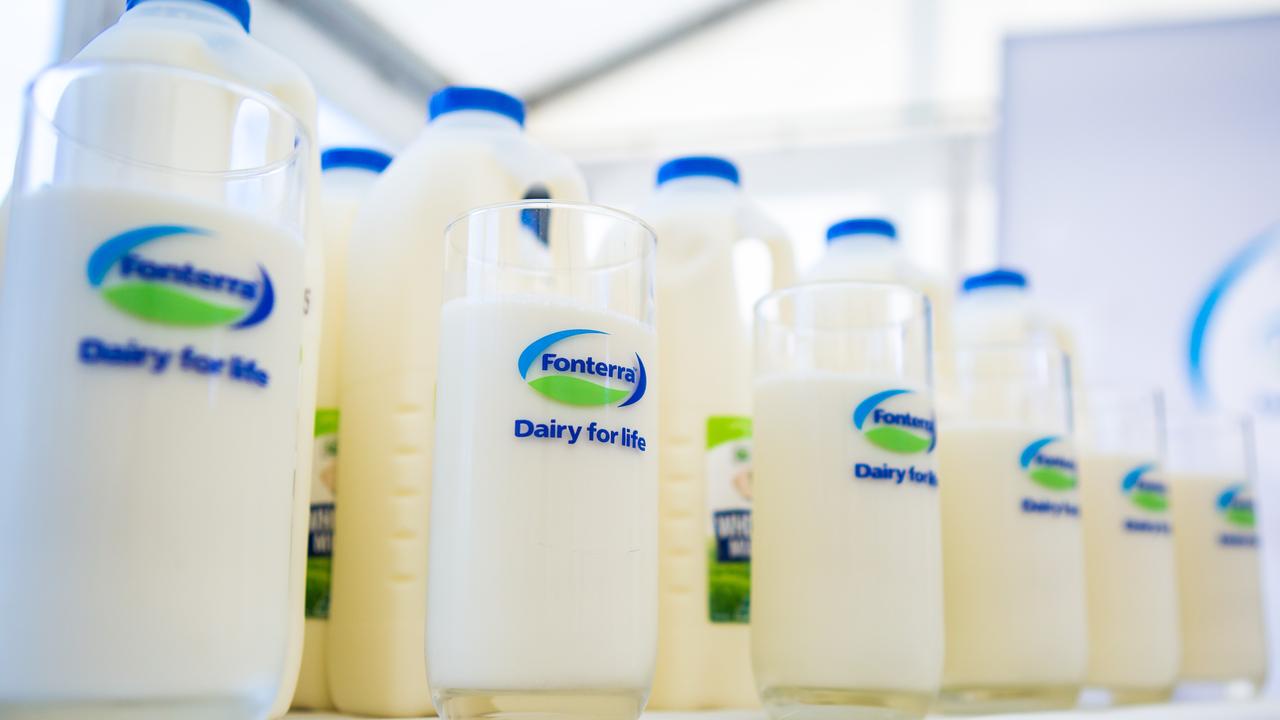
    Fonterra, the New Zealand-based co-operative, has announced that it is on the cusp of finalising the sale of its Mainland consumer business. As of now, the deal has met all the necessary conditions and is set to conclude within the current month.

    Regulatory Approvals Secured

    Fonterra has assured that all mandatory regulatory approvals have been obtained, paving the way for the successful separation of the business. The company initially disclosed plans to sell its global consumer and associated businesses, collectively known as the Mainland Group, to French dairy giant Lactalis in August of last year.

    The Mainland Group encompasses a range of popular brands, including Mainland, Anchor, Perfect Italiano, and Anmum.

    Price Adjustment

    Originally, the deal was valued at NZ$3.845 billion, but an agreement with the Bega Group to incorporate the Bega licences into the divestment process led to an increase in the price to $4.22 billion.

    The proposal met with approval from Fonterra’s farmer shareholders, who voted in favor of the transaction last October.

    Transaction Conclusion

    “With all terms of the sale fulfilled, Fonterra and Lactalis are set to finalise the transaction,” stated Fonterra. It anticipates the completion of the transaction by the end of the current month, with the record date for the capital return expected on April 9 and the payment date slated for April 14.

    Questions & Answers

    What is the Mainland Group?
    The Mainland Group refers to Fonterra’s global consumer and associated businesses. It includes brands such as Mainland, Anchor, Perfect Italiano, and Anmum.

    What led to the increase in the deal price from NZ$3.845 billion to $4.22 billion?
    The price of the deal was increased following an agreement with the Bega Group to include the Bega licences in the divestment, leading to a rise in the overall value of the transaction.

    When is the transaction expected to be finalised?
    Fonterra anticipates the completion of the transaction by the end of the current month. The record date for the capital return is expected to be April 9, followed by the payment date on April 14.

  • Chagee Brews Up Asia-Pacific Expansion: Chinese Milk Tea Giant to Debut in Seoul

    Chagee Brews Up Asia-Pacific Expansion: Chinese Milk Tea Giant to Debut in Seoul

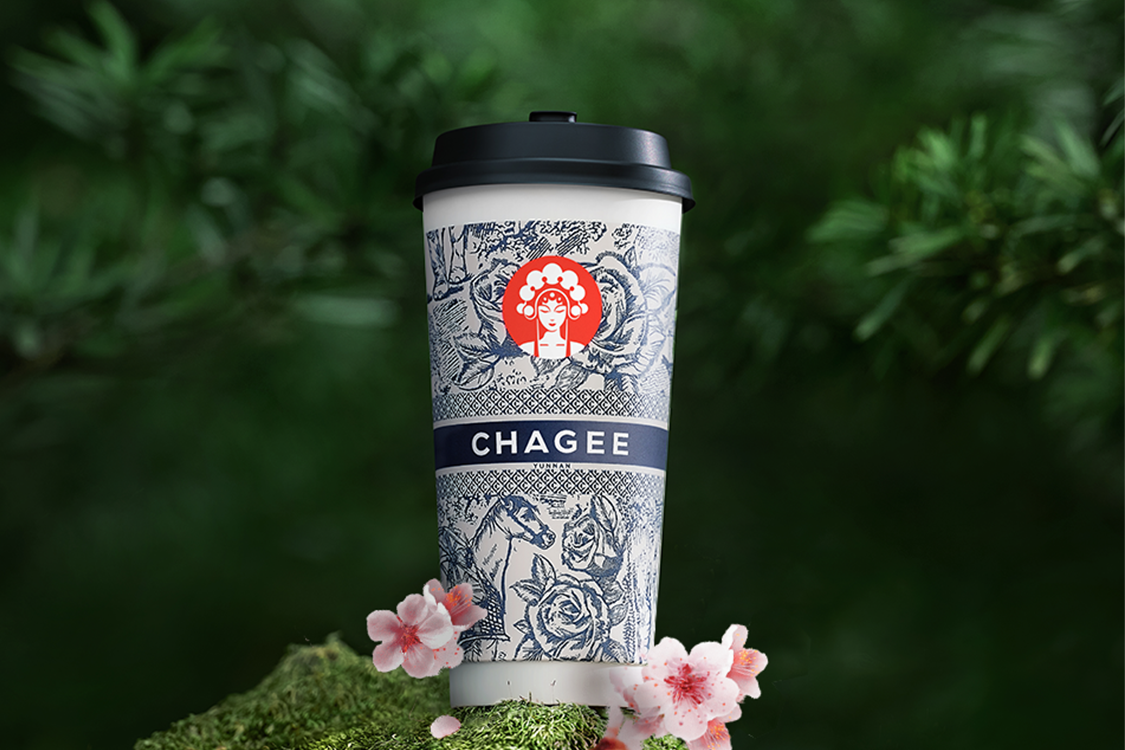
    The popular Chinese milk tea franchise, Chagee, will be making its first appearance in South Korea during this quarter. Three branches of the chain will be opened concurrently in the districts of Gangnam, Yongsan, and Sinchon in Seoul. This move is part of Chagee’s overarching strategy to increase its presence in the Asia-Pacific market.

    Chagee has reported a surge in interest from South Korean consumers ahead of the opening. The company is confident that it will introduce a unique, premium tea experience that is fresh and exciting.

    The Gangnam location will serve as the flagship store for Chagee. The store’s exterior is planned to feature arched greenery against a semi-transparent glass façade. In the center of this design, there will be an oversized, signature cup. Chagee’s design aims to create an illusion of walking into an urban forest, embodying its ‘Modern Tea House’ concept.

    The Yongsan and Sinchon branches will also leave their mark with graphic displays that are customized to their specific locations.

    As a way to engage customers before the official opening, Chagee is launching a QR code-based campaign. Customers who visit the store, scan the QR code displayed on the exterior, and successfully complete a short quiz will be rewarded with a 50% discount coupon.

    Questions & Answers

    What is the overall expansion strategy of Chagee?
    Chagee is looking to increase its presence in the Asia-Pacific market, starting with the opening of three stores in Seoul, South Korea.

    What unique feature will the Gangnam store have?
    The Gangnam store, serving as the flagship location, will have an exterior design featuring arch-shaped greenery against a semi-transparent glass façade, with a giant signature cup in the center. This design is meant to represent the company’s ‘Modern Tea House’ concept.

    How is Chagee engaging customers ahead of its store openings in South Korea?
    Chagee is encouraging customer engagement through a QR code-based campaign. Visitors who scan the QR code on the store’s exterior display and complete a short quiz will receive a 50% discount coupon.

  • Swiss Sportswear Giant On Opens its Largest Flagship Store in Shenzhen, Accelerating Retail Growth in China

    Swiss Sportswear Giant On Opens its Largest Flagship Store in Shenzhen, Accelerating Retail Growth in China

    Swiss sportswear brand On has recently unveiled its grandest flagship store to date. This store is located at Shenzhen MixC World, China. This move is part of the brand’s ongoing effort to expand its retail footprint in one of its most rapidly expanding markets.

    Store Design and Features

    Spanning a generous 802 square meters over two floors, the store’s design draws inspiration from the area’s coastal and mountainous topography. The open-concept interiors are harmoniously complemented with the use of natural materials and unique installations.

    To further enhance the customer’s shopping experience, an interactive visual display is present within the store, which showcases the brand’s signature CloudTec cushioning technology and its wide range of apparel.

    At the store’s entrance, visitors are greeted by two majestic, hundred-year-old banyan trees. This area, redesigned as a park, serves as a communal space for group runs and various events.

    Rebecca Cai, GM Apac at On, expressed her hopes for the new store. “Shenzhen is a city full of youthful vigour, and we hope that the flagship store at Shenzhen MixC World will not only function as a retail space, but will also serve as a hub for the city’s running community,” she said.

    A Strategic Expansion

    The unveiling of this store is in line with On’s strategy to expand its direct-to-consumer footprint in China, which has now become its second-largest market internationally. This comes after a period of robust regional growth, with On recording a substantial 96.4 per cent year-on-year increase in net sales in Asia-Pacific in 2025.

    On’s chief commercial officer, Britt Olsen, highlighted the brand’s growth potential. “Following footwear, apparel has emerged as the second major growth engine. In China, the category displays immense potential. We will continue to expand our retail reach and further enhance the brand experience,” she stated.

    On initially entered the Chinese market in 2018 and has since extended its reach to over 30 cities, launching more than 80 stores. The company has ambitious plans to hit the 100-store mark by the end of this year.

    Questions & Answers

    What inspiration did On draw from for its flagship store at Shenzhen MixC World?
    The flagship store’s design was inspired by Shenzhen’s coastal and mountainous geography, and it combines open interiors with natural materials and installations.

    What is On’s strategy for expanding its footprint in China?
    On is focusing on growing its direct-to-consumer footprint in China, which is its second-largest market. This is following a marked increase in regional net sales.

    When did On enter the Chinese market and what are its expansion plans?
    On first entered China in 2018 and has since expanded to over 30 cities with more than 80 stores. The company aims to reach 100 locations by the end of the year.

  • Beloved Cafe Chain The Providore Closes All Singapore Locations Amidst Liquidation

    Beloved Cafe Chain The Providore Closes All Singapore Locations Amidst Liquidation

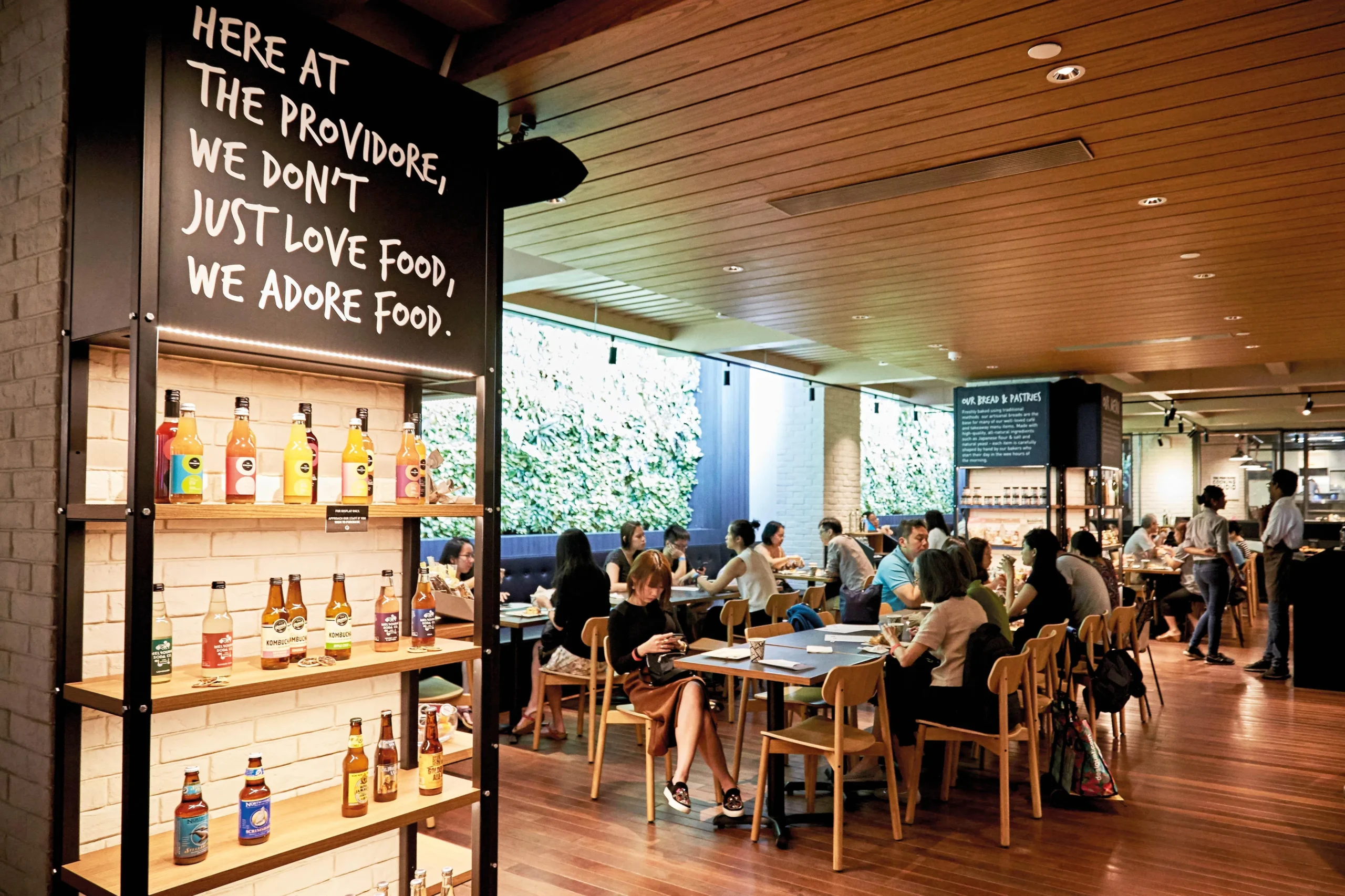
    Renowned for its café, deli, and grocery services, The Providore has officially discontinued all its operations in Singapore amidst ongoing liquidation.

    The Providore commenced its business journey in Singapore in the year 2013. Over the years, it has progressively expanded its reach to cover six different locations across the city-state. However, as of yesterday, all these locations have ceased their services, marking an end to the company’s operations.

    The company expressed their gratitude to their customers via a statement on social media, which reads, “We sincerely thank our valued customers for their unwavering support and generosity throughout our journey. All The Providore outlets in Singapore will cease operations from March 9.”

    In a reflective tone, the company also added, “While it’s time for us to part ways, the flavors and memories we created together will endure. We remain hopeful of crossing paths with you again in a different avatar in the future.”

    Next Steps and Past Ownership

    In an attempt to guide its customers during this transition, notices have been placed in some stores directing all inquiries to ClearView Associates, a Singapore-based liquidation firm.

    The Providore had been previously acquired by SingFire Capital and Vino Vibe in April 2025. However, subsequent to the acquisition, Vino Vibe became the sole controller of the company. It was also during this transaction that Robert Collick, the founder of The Providore, relinquished his control of the business.

    Questions & Answers

    Why has The Providore ceased all operations in Singapore?
    The Providore has discontinued its services in Singapore due to ongoing liquidation.

    When did The Providore start its business operations in Singapore?
    The Providore began its journey in Singapore in the year 2013.

    Who were the investors in The Providore?
    The Providore was sold to SingFire Capital and Vino Vibe in April 2025, after which Vino Vibe assumed sole control of the enterprise.

  • Revolution in Digital Age Verification: Child Safety Advances Amid Global Social Media Clampdown

    Revolution in Digital Age Verification: Child Safety Advances Amid Global Social Media Clampdown

    In recent years, technology firms have been reluctant to constrict minors’ access to their platforms, citing technical constraints, practicality issues, overreach, and security threats. However, an increasing number of governments are now viewing these challenges as surmountable and are moving forward with stringent new age-verification requirements for social media networks, AI chatbots, and adult content providers alike.

    Global Regulatory Shifts

    Following Australia’s notable prohibition on adolescent social media accounts three months ago, regulatory bodies across Europe, Brazil, and several U.S. states are seeking to replicate the move. High-profile political figures such as California Governor Gavin Newsom and former President Donald Trump have also reportedly shown interest in implementing age restrictions.

    The driving forces behind these regulatory changes are mounting anxieties over online abuse and adolescent mental health issues, recent outrage over AI-generated explicit images of children, and a growing faith in the potential of ‘age assurance’ software. Such software can estimate an individual’s age based on facial analysis, parental permission, ID checks, and other digital hints.

    Technological Advancements and the Age Assurance Market

    Recent strides in artificial intelligence have enhanced the efficiency and reduced the cost of age-verification tools. Social media enterprises can now often accurately determine a user’s age group using digital indicators such as the account creation date and the type of content viewed. Meanwhile, an emerging industry of age-verification vendors offers added layers of checks through automated tools like facial scans and machine-based analysis of government IDs.

    App store platforms like Apple and Google have also introduced tools that enable parents to communicate their child’s age range to app developers. This overall improvement in technology and the resultant drop in verification costs have expanded the scope of its application.

    Cost and Effectiveness of Age Verification

    Age-verification vendors usually charge less than a dollar per check for basic machine-only age-assurance tools. Traditional methods that were standard a decade ago, such as human confirmation and triangulation of personal data, are still available at a premium but are needed less frequently. Furthermore, independent evaluations show progress in the accuracy and precision of these tools.

    For example, face-scanning software was off in age estimations by an average of 4.1 years in 2014, while by 2024, this average has dropped to 2.5 years. The latest models from vendors like Yoti and Persona boast of an average error of less than two years for the age range of 13 to 18.

    Challenges and Limitations

    Despite these advancements, there are still limitations. The systems face difficulties with certain skin tones and older phones. Also, they might fail to catch attempts by youngsters to appear older than they are. However, executives believe that facial age estimation can offer a digital equivalent of offline age screening.

    Adding to this, social media services generally require fewer facial scans and ID checks than adult content or gambling sites due to the abundance of personal information they have on users. This allows them to depend more on an age-verification method called ‘inference’.

    Early Implementation Results

    While it’s too early to assess the full impact of Australia’s teen ban, preliminary results are promising. According to Australia’s eSafety Commissioner, companies have blocked 4.7 million suspected underage accounts since the law came into effect. Regulators in other countries are closely monitoring these developments as they consider implementing similar measures.

    Questions & Answers

    What are some of the driving forces behind the implementation of age verification measures?
    Concerns over online abuse, adolescent mental health issues, and the spread of AI-generated explicit child images have all contributed to the push for stricter age verification measures.

    How have technological advancements influenced the age assurance market?
    Advancements in artificial intelligence have improved the efficiency and lowered the cost of age-verification tools. This has broadened the scope of their application beyond high-value transactions.

    What limitations do current age-verification systems face?
    Current age-verification systems can struggle with certain skin tones and older phones. They may also fail to catch attempts by youngsters to appear older than they are. These challenges highlight the need for ongoing refinement and improvement in this technology.

  • Flipkart Makes Monumental Move to India, Preps for Anticipated IPO

    Flipkart Makes Monumental Move to India, Preps for Anticipated IPO

    Flipkart, the Indian e-commerce company owned by Walmart, has relocated its holding company from Singapore to India, a move that marks an important prerequisite for the company’s anticipated stock market debut in India.

    Returning Home for Better IPO Prospects

    The move sees Flipkart joining numerous other Indian startups that initially set up base overseas, lured by the promise of easier access to capital and lower taxes. However, these companies are now seeking to return to India, drawn by the potential for more lucrative Initial Public Offerings (IPOs) in the domestic market.

    In an official statement, Flipkart revealed that it had received the Indian government’s green light for its internal restructuring, thus culminating in its successful “redomiciliation” to India. The company hailed this development as a “significant milestone”.

    A Decade of Expansion

    Flipkart, founded in 2007 as an online bookseller, has grown into a dominant player in India’s e-commerce landscape, rivaling global giant Amazon. The company relocated its holding company to Singapore in 2011, a decision reversed in 2021 when Walmart acquired a majority stake in the company for a whopping US$16 billion.

    As of 2024, Flipkart had an estimated valuation of approximately US$37 billion. This valuation followed a $350 million investment by Alphabet’s Google for a minority stake in the company.

    Looking Forward to the Mumbai Listing

    The company has set its sights on a listing in Mumbai by March 2027. However, details regarding the company’s valuation for the IPO and the size of the offering are yet to be finalized.

    Questions & Answers

    What is the importance of Flipkart’s move to India?
    The relocation of Flipkart’s holding company from Singapore to India paves the way for its anticipated IPO in the Indian stock market.

    Why are Indian startups returning home from overseas?
    Indian startups that had initially set up base abroad for better access to capital and lower taxes are now returning due to the potential for higher returns from IPOs in India.

    What are Flipkart’s future plans?
    Flipkart is planning to list on the Mumbai stock market by March 2027, but the details regarding its valuation for the IPO and the size of the offering are yet to be finalized.

  • Revolutionizing Language Switch: Google Translate’s New Pinned Languages Feature for Android and iOS Users

    Revolutionizing Language Switch: Google Translate’s New Pinned Languages Feature for Android and iOS Users

    Google Translate, the language translation app that has become an essential tool for global travelers and multilingual professionals, is set to introduce a new feature that will streamline the process of switching between languages. Launched in 2011, Google Translate currently boasts a user base of one billion monthly active users worldwide, translating over one trillion words each month.

    Enhancing Language Access

    The upcoming update of the Google Translate app (version 10.8.48.878519627.2) will introduce a feature that allows users to pin their frequently used languages to the language selection page. This feature will enable users to have up to 10 language options readily available for quick selection.

    Currently, the app offers a ‘Recent languages’ list, which displays up to nine recently used languages at the top of the screen. However, adding another language to the list causes one to be removed. The forthcoming ‘Pinned languages’ section, which will be positioned above the ‘Recent languages’ list, will allow users to keep up to 10 languages permanently visible on the screen.

    Though it may seem like a minor addition, for those who regularly switch between languages, this feature could significantly enhance the functionality of the app. For instance, when visiting a country with multiple prominent languages, users will be able to conveniently switch between them via the ‘Pinned languages’ section.

    Using the Pinned Languages List

    To pin a language, users should open the Google Translate app and tap the button on the left side, which showcases the language being translated from. Under the ‘Recent languages’ heading, users can select a language and swipe right to reveal a pin icon next to the language name. Tapping the pin icon will add the chosen language to the pinned section in the app. If users wish to unpin a language, the process is the same, but instead, an unpin icon will be displayed next to the pinned languages, which can be tapped to remove the language from the pinned list.

    Questions & Answers

    What does the new feature of Google Translate do?
    The new feature allows users to pin their frequently used languages to the language selection page, enabling quick and convenient language switching.

    How many languages can be pinned to the Google Translate app?
    Users can pin up to ten languages on the Google Translate app.

    How can a language be pinned or unpinned in Google Translate?
    In the app, under the ‘Recent languages’ section, users can swipe right on a language to reveal a pin icon. Tapping this icon will pin the language. Similarly, tapping the unpin icon next to a pinned language will remove it from the pinned list.

  • Google Photos Upgrade: New Toggle Empowers User Control over Fast or Intelligent Searches

    Google Photos Upgrade: New Toggle Empowers User Control over Fast or Intelligent Searches

    In response to user feedback, Google has announced modifications to the Google Photos app, providing users with greater control over their search results. Users can now opt between the traditional ‘fast search’ function and the more advanced ‘Ask Photos’ results. To facilitate this choice, a new toggle feature has been incorporated into the Google Photos app, allowing users to effortlessly switch between the two options.

    Enhanced Search Options

    Fast Search, also known as ‘Classic Search,’ employs a keyword-based tool, providing users with instant responses. Google cites this search mode as the optimal choice for straightforward inquiries such as “beach 2022” or “cat photos.”

    On the other hand, the ‘Intelligent mode’ or ‘Ask Photos’ utilizes the more advanced Gemini 3 AI models. This makes it a powerful search option, albeit slower than Classic Search, as the models must analyse your entire photo library. This search mode is more suitable for complex queries such as “Show me the day we brought our puppy home” or “What was the name of that street in Manhattan we walked across after the blizzard in New York?”

    Google assures that it will provide results using the search method most suitable for your specific query. However, the new toggle feature allows users to switch views at will, ensuring they receive the desired search results. The Google Photos app, available on both Android and iOS, will soon include this new toggle feature.

    Recognizing the Toggle Feature

    The new toggle feature can be easily identified on the left side of the display, just under the “Back” arrow. When Classic Search is active, the toggle is off and the AI Mode icon (depicted as a magnifying glass with a Gemini spark) appears in white on a gray button. Conversely, when the Ask Photos function is activated, the toggle is white, with the AI Mode icon appearing in blue on a button encased in a blue pill.

    Questions & Answers

    What is the new feature in the Google Photos app?
    Google has introduced a new toggle feature in its Photos app that allows users to switch between ‘Classic Search’ and ‘Ask Photos’ modes.

    How does the ‘Classic Search’ function work in Google Photos?
    ‘Classic Search’ is a keyword-based tool that provides users with instant responses, ideal for straightforward searches.

    What makes the ‘Ask Photos’ function different from ‘Classic Search’?
    The ‘Ask Photos’ function utilizes the Gemini 3 AI models, making it a powerful but slower search option. It’s designed for more complex queries that require an analysis of the entire photo library.