Blog

  • JD Revenue Underwhelms Amid Subsidy Shrinkage and E-Commerce Rivalry in China

    JD Revenue Underwhelms Amid Subsidy Shrinkage and E-Commerce Rivalry in China

    Chinese e-commerce giant JD has recently reported quarterly revenues that fell short of the market’s expectations. This underperformance has been attributed to tough competition and dwindling advantages from government subsidies, which have impacted the company’s demand.

    China’s Consumer Demand Weakness

    In recent years, consumer demand in China has seen a significant decrease. This downturn can be traced back to a range of contributing factors such as the ongoing crisis in the property sector, concerns over employment, and geopolitical tensions. All of these have placed a strain on the growth of China’s economy, which is the second-largest globally.

    These challenges have made a significant impact on retailers like JD, currently the country’s largest home appliances seller. As consumers have been forced to reduce their discretionary purchases, this has directly affected the company’s revenues.

    The Impact of Government Subsidies

    In past quarters, JD was able to leverage government subsidies to boost its performance. However, the benefits from these subsidies are fading, particularly as year-on-year comparisons are becoming increasingly challenging.

    In an effort to drive sales, the company has been capitalizing on other product categories and exploring new revenue streams. This includes its instant retail business and advertising division.

    JD’s CEO, Sandy Xu, commented during a recent conference call with analysts that “Our growth drivers are becoming more diversified. The general merchandise category maintains a healthy growth trend, while service revenue, including advertising, will sustain rapid growth momentum.”

    E-commerce Competition and Future Outlook

    Despite these efforts, JD still faces stiff competition, particularly from e-commerce rivals such as Alibaba and PDD Holdings that have been increasing their discounts on China-based platforms. These aggressive promotions and price cuts have greatly affected profit margins.

    JD’s fourth quarter revenue rose by 1.5%, reaching 352.3 billion yuan (US$51.12 billion). However, this figure was below the average analyst estimate of 353.86 billion yuan, according to data from LSEG.

    As for JD’s future plans, Xu indicated that investment in the food delivery business is expected to decrease in 2026 compared to 2025. Furthermore, she predicted that the electronics and home appliances category might experience pressure in the upcoming first quarter due to a high base. However, growth could potentially accelerate in the second half of the year and exceed the first.

    Questions & Answers

    What factors have contributed to the decreased consumer demand in China?

    A prolonged crisis in the property sector, employment concerns, and geopolitical tensions have all significantly weighed on China’s economic growth, thereby decreasing consumer demand.

    How is JD addressing the challenges it’s facing in the current economic climate?

    JD has been seeking to diversify its growth drivers and explore new revenue streams, such as its instant retail business and advertising unit, to sustain its growth momentum.

    What are the company’s expectations for the future?

    JD’s CEO anticipates that the electronics and home appliances category will face pressure in the first quarter due to a high base. However, she expects growth to potentially accelerate in the second half of the year and exceed the first.

  • Experience Authentic Kyoto Lifestyle at Muji’s New Hotel Concept, Muji Base, Launching this May

    Experience Authentic Kyoto Lifestyle at Muji’s New Hotel Concept, Muji Base, Launching this May

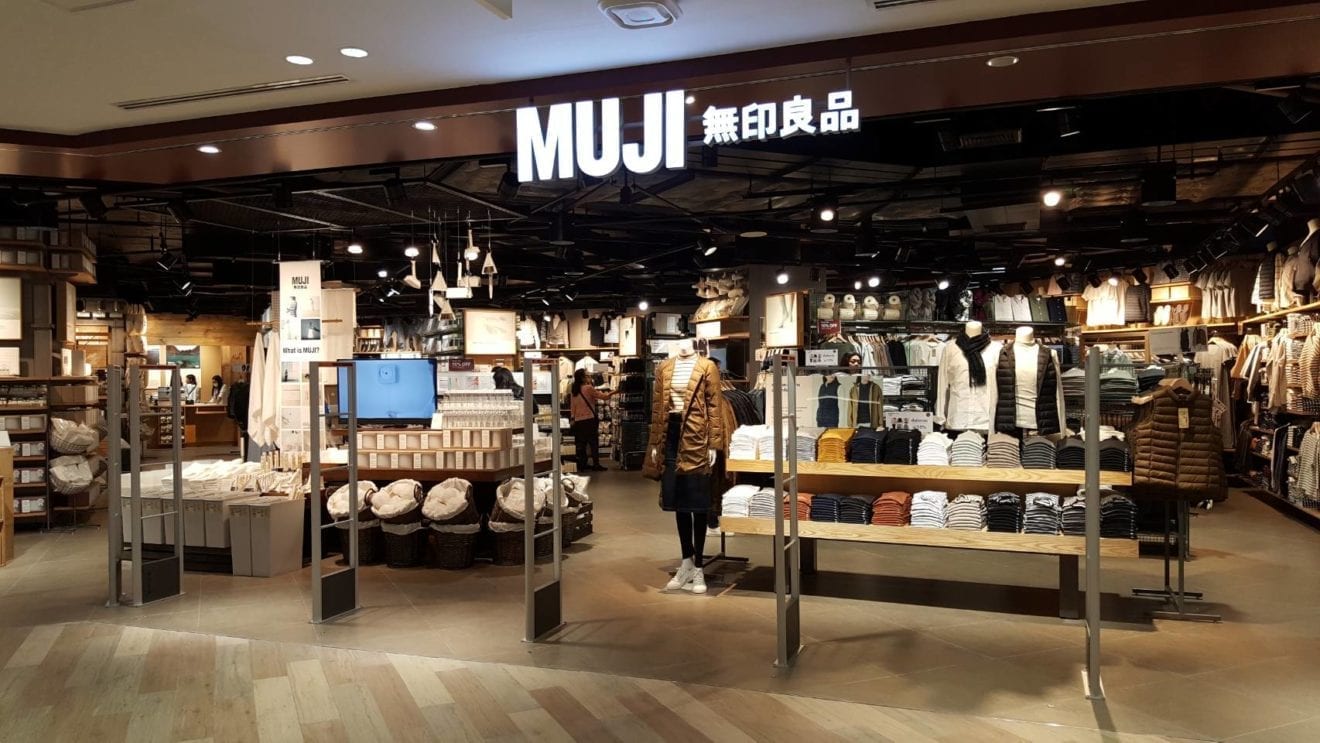
    Muji, the renowned Japanese lifestyle retailer, is set to launch a hotel in Kyoto, a city well-known for its rich historic and cultural heritage. The grand opening of this hotel, christened Muji Base Kyoto Kiyomizu, is slated for May 20th.

    Location and Renovation

    The newly established hotel can be found at the gateway to the historic Kiyomizu-dera Temple, a famed landscape and UNESCO World Heritage site in the city. A former 40-year-old building, previously known as the Amenity Hotel Kyoto, was renovated to create this 18-room hotel. The makeover included a preservation of the building’s original exterior.

    Offerings and Amenities

    Guest rooms, showcasing Muji products and furniture, also integrate art by local artists. Additional amenities include a utility room equipped with a water server, washing machine, dryer, and iron. The hotel’s ground floor features a lounge that serves Ogawa Coffee.

    Unlike the Muji Hotel in Ginza, Muji Base follows a new concept, situating itself in local neighborhoods rather than bustling urban areas. This positioning allows guests the opportunity to immerse themselves in the authentic local lifestyle and culture.

    Local Experiences

    Beyond the exploration of Kiyomizu-dera, the hotel has curated several community-based experiences for its guests. These include the practice of kintsugi, an art form that employs gold in the repair of broken pottery, traditional tea shops and gift stores, bathhouses, and outlets selling freshly made tofu. The hotel also facilitates participation in water-related purification rituals at temples.

    To aid in their exploration of the area, guests are provided with a ‘walking basket’ that contains maps, water bottles, and other essential items.

    The hotel is conveniently located approximately 15 minutes by car from Muji’s large format store in Kyoto. Here, guests can explore a vast selection of product offerings which, in addition to the brand’s standard lineup, includes an array of food items such as fresh vegetables, meat, fish, pre-prepared meals, and groceries.

    Booking and Rates

    Room rates at Muji Base Kyoto Kiyomizu start at 20,200 yen (US$128) per night. Reservations can be made via the hotel’s website.

    Questions & Answers

    Where is Muji’s new hotel located?
    The new hotel, Muji Base Kyoto Kiyomizu, is located in the city of Kyoto, at the entrance to the historic approach to Kiyomizu-dera Temple.

    What unique experiences does the hotel offer?
    The hotel offers guests the opportunity to involve themselves in several community-based experiences such as kintsugi, traditional tea shops and gift stores, bathhouses, and outlets selling freshly made tofu.

    How can room reservations be made?
    Reservations can be made directly through the hotel’s website.

  • Centurium Capital Brews Expansion with Acquisition of Blue Bottle Coffee from Nestlé

    Centurium Capital Brews Expansion with Acquisition of Blue Bottle Coffee from Nestlé

    In a strategic move, Centurium Capital, a private equity firm based in China and a significant investor in Luckin Coffee, has reportedly purchased the specialty coffee chain Blue Bottle Coffee from multi-national conglomerate Nestlé.

    Acquisition Details

    Reportedly, Centurium Capital is set to acquire Blue Bottle’s worldwide cafe operations at a price point under US$400 million. It’s anticipated that Nestlé will maintain ownership of other business components, which include Blue Bottle-branded coffee machines, capsule systems, and packaged coffee products.

    Inside sources have confirmed that an agreement has been signed, although the deal is still in the process of being formally closed.

    Luckin Coffee’s Expansion

    This acquisition occurs as Luckin Coffee continues its swift global expansion, now operating over 30,000 stores worldwide. The purchase of Blue Bottle is expected to bolster Luckin’s efforts to expedite its entry into the premium coffee market segment.

    Established in California in 2002, Blue Bottle has garnered a reputation in the specialty coffee market. Nestlé took a controlling stake in the brand in 2017 for an approximate sum of US$425 million.

    As of now, Blue Bottle oversees more than 100 locations across Asia and the United States.

    Previous Acquisition Considerations

    In the previous year, it was reported that Luckin Coffee was contemplating a bid for Blue Bottle, while Nestlé was reportedly collaborating with Morgan Stanley to evaluate a potential sale of the business.

    Questions & Answers

    What company has Centurium Capital reportedly purchased?
    Centurium Capital has reportedly acquired the specialty coffee chain Blue Bottle Coffee.

    What parts of the business will Nestlé retain?
    Nestlé is expected to retain Blue Bottle-branded coffee machines, capsule systems, and packaged coffee products.

    What effect will this acquisition have on Luckin Coffee’s market position?
    The acquisition of Blue Bottle is expected to support Luckin Coffee’s efforts to expedite its entry into the premium coffee market segment.

  • Thai Retail Giant CP Axtra Snaps Up The Food Purveyor in $421.6 Million Deal, Expanding Premium Grocery Footprint in Malaysia

    Thai Retail Giant CP Axtra Snaps Up The Food Purveyor in $421.6 Million Deal, Expanding Premium Grocery Footprint in Malaysia

    Thai retail powerhouse CP Axtra has secured a deal to acquire the Malaysian supermarket operator, The Food Purveyor, for a sum of US$421.6 million.

    The Food Purveyor’s Market Presence

    The Food Purveyor boasts a wide range of premium grocery brands under its umbrella, including Village Grocer, Ben’s Independent Grocer, BSC Fine Foods, OTK, and The Food Merchant. The company currently operates a broad network of 50 stores spread throughout Malaysia.

    CP Axtra’s Growth Trajectory

    CP Axtra, established in 1988, is one of the leading wholesale and grocery conglomerates in Thailand. It expanded into Malaysia by acquiring Tesco in 2020 and subsequently operating it under the brand name Lotus Malaysia. With a sprawling network of more than 2600 outlets spread across countries like Thailand, Malaysia, Cambodia, Vietnam, Singapore, Hong Kong, Oman, and the UAE, the company has established a significant presence worldwide.

    Strategic Acquisition

    This new acquisition forms part of CP Axtra’s comprehensive strategy to penetrate high-potential international markets, such as Malaysia. It also bolsters the company’s foothold in the premium grocery segment. Upon the deal’s completion, CP Axtra will operate in excess of 120 grocery chains nationwide. This figure combines 50 stores from The Food Purveyor and 70 stores from Lotus.

    The transaction is slated for completion in the fourth quarter, dependent on receiving the necessary regulatory approvals.

    Questions & Answers

    What major brands does The Food Purveyor operate under?
    The Food Purveyor operates major premium grocery brands such as Village Grocer, Ben’s Independent Grocer, BSC Fine Foods, OTK, and The Food Merchant.

    How has CP Axtra grown over the years?
    CP Axtra has grown significantly since its establishment in 1988. It now operates more than 2600 outlets across Thailand, Malaysia, Cambodia, Vietnam, Singapore, Hong Kong, Oman, and the UAE.

    What is the significance of this acquisition for CP Axtra?
    The acquisition of The Food Purveyor enables CP Axtra to expand into high-potential overseas markets such as Malaysia and strengthen its position in the premium grocery segment.

  • IKEA Revolutionizes Green Logistics with Autonomous Electric Trucks in China

    IKEA Revolutionizes Green Logistics with Autonomous Electric Trucks in China

    Ikea China has recently introduced electric autonomous trucks into its Shanghai logistics network, following the successful completion of a preliminary 35,000-kilometer trial program. The trial program, initiated in April of 2024, has since evolved into daily utilization for customer deliveries, creating a connection between the Ikea Xuhui store and the Shanghai distribution center.

    Autonomous Trucks in Action

    The electric autonomous trucks are tasked with the transportation of goods along a 40-kilometer course. The pilot phase of this initiative spanned a ten-month period, throughout which the vehicles were responsible for the successful delivery of over a thousand shipments. Now, having transitioned to full-scale operations, the primary objectives are to enhance logistics efficiency and minimize carbon emissions within the supply chain.

    Impact of Autonomous Software

    The implementation of autonomous software has had a profound impact on the optimization of routing and timing, thereby reducing the strain on Shanghai’s congested road networks caused by retail logistics. The transition to a fully electric, autonomous fleet aligns directly with Ikea’s ongoing global objective to become a climate-positive entity by the year 2030. This is achieved by curtailing energy consumption and reducing tailpipe emissions.

    Logistics Network Integration

    Fredrik Axén, a representative from Ikea China, stated the successful trial affirms the feasibility of integrating autonomous technology into their pre-existing logistics network. He emphasized that this progress enables Ikea to enhance its delivery capacity while simultaneously aligning their transport operations with their broader objectives to lower emissions.

    Questions & Answers

    What was the purpose of integrating electric autonomous trucks into Ikea China’s logistics network?
    The primary aim was to increase logistics efficiency and decrease carbon emissions within the supply chain.

    What was the outcome of the 35,000-kilometer trial program?
    The pilot program was successful, leading to the daily use of these electric autonomous trucks for customer deliveries between the Ikea Xuhui store and the Shanghai distribution center.

    How does this integration align with Ikea’s global goals?
    The successful integration of autonomous technology into their logistics network supports Ikea’s global goal to become climate-positive by 2030, by reducing energy consumption and tailpipe emissions.

  • Google Messages Embraces Trash Feature, Enhancing Message Recovery: A Page from Samsung and Apple’s Playbook

    Google Messages Embraces Trash Feature, Enhancing Message Recovery: A Page from Samsung and Apple’s Playbook

    Google Messages has been the focal point of numerous updates recently. With a keen emphasis on enhancing user experience, developers have introduced new features and improvements. One such feature is an updated Details page, designed to increase usability. Further modifications are on the horizon, with a significant change in the pipeline concerning how the platform handles message deletion.

    Recovering Mistakenly Deleted Messages

    Presently, if a user attempts to delete a message in Google Messages, a pop-up warns the user that deletion is permanent and irreversible. This means once the “Delete” button is clicked, the message is permanently erased. However, situations may arise where a conversation is accidentally deleted, or a user realizes they need a message that was previously deleted.

    In response to such scenarios, Google has implemented a Trash feature in their messaging app. Notable in the beta version 20260227 of the app, this feature aims to retain accessibility to deleted messages.

    New Trash Feature Replaces the Delete Option

    The new trash feature supersedes the existing delete option in Google Messages. With this feature, when a message is deleted, it is moved to a new trash folder instead of being permanently discarded. This folder can be accessed by tapping the profile icon located in the top-right corner of the app and selecting the “Trash” option.

    Deleted messages remain in the trash folder for 30 days. Users have the option to restore all messages or delete them all simultaneously using the ‘restore all’ or ‘delete all’ icons. There’s also a provision for restoring or deleting individual messages.

    The previous delete option, which appeared when opening a conversation and tapping the three-dot menu, has been replaced with the new Trash feature. The swipe actions menu has also been updated to display the new Trash option in place of Delete.

    Consequently, upon the rollout of this update, users cannot permanently delete messages immediately. Instead, messages will first transition to the Trash section, providing users with a second chance to review their content. If a user is certain that a specific message isn’t required, they can permanently delete it from the trash section.

    Google Messages Follows in the Footsteps of Samsung and Apple Messages

    The concept of a trash folder may seem familiar to users of Samsung Messages or Apple Messages. Samsung’s app features a dedicated Recycle Bin section, storing deleted chats for 30 days before permanently erasing them.

    Likewise, Apple devices move deleted messages to a Recently Deleted section, where users can choose to either restore the message or permanently delete it. Both Samsung and Apple’s messaging platforms have incorporated this feature for years, and Google Messages now joins the bandwagon.

    Questions & Answers

    What happens when a message is deleted in the new Google Messages update?
    When a message is deleted in the new Google Messages update, it is moved to a Trash folder instead of being permanently erased. Users can access this folder from their profile icon.

    How long will deleted messages remain in the Trash folder?
    Deleted messages will be stored in the Trash folder for 30 days.

    Can users restore deleted messages from the Trash folder?
    Yes, users have the option to restore all messages at once or select individual messages for restoration. They can also permanently delete all or selected messages from the Trash folder.

  • Embrace the Modern: Google Maps Unveils Fresh Icon Design on Android and iOS

    Embrace the Modern: Google Maps Unveils Fresh Icon Design on Android and iOS

    Google Maps, one of Google’s most popular apps and a fixture on the first-generation iPhone, has undergone another update. In its pursuit of continual improvement, Google has added new features and refined the app’s user interface over the years. Now, the tech giant has updated the Maps app icon for both Android and iOS versions.

    A Modern Look for Google Maps

    The new icon continues to feature the recognizable “pin” symbol, but its design has been significantly modified. The most prominent change is the color gradient that seamlessly transitions from one shade to another. This is a departure from the previous icon, which showed a diagonally placed “pin” with separate, differently colored boxes (blue, green, yellow, and red). The revamped “pin” is also larger, with the circle within it having increased in size. Consequently, the top ring of the pin has become much thinner.

    If you recall the Google Maps icon on the first iPhone, it depicted two intersecting lines, representing roads, with a red pin and a sign for Highway 280. Subsequently, the icon evolved into a folded map featuring blue, green, yellow, and white blocks, with a red pin to the right and a lowercase “g” in the upper left corner. The Android version of the app icon was similar but replaced the “g” with a capital letter.

    New Icon for Google Maps on iOS or Android

    The new icon should be visible in version 26.09.06.873668274 of Google Maps for Android users and version 26.09.5 for iOS users. If you are yet to see the new design, you may need to update your Google Maps app.

    For Android users, this can be done by opening Google Play Store, tapping on the profile icon in the right corner, selecting “Manage apps & device”, and viewing “details”. You can then scroll down to find Google Maps, and if an update is available, tap on “Update”.

    For iOS users, the process involves opening the App Store, tapping on the profile icon in the right corner, selecting “Updates”, and scrolling down to find Google Maps. If there is an update available, tap on the “Update” button.

    After the update, the new Google Maps icon should be visible on your phone, signifying a more modern-looking Google Maps.

    A Brief History of Google Maps

    For many, Google Maps has been an essential tool since its inception. I first used the app in 2007 on my iPhone. In 2009, I experienced Google Maps with turn-by-turn directions on the Motorola Droid, the first phone equipped with Android 2.0. It felt revolutionary at the time and was one of the key selling points for the Droid and other Android phones. It wasn’t until December 2012 that this feature was finally added to the iPhone.

    Questions & Answers

    What is the most notable change in the new Google Maps icon?
    The new icon features a color gradient, transitioning smoothly from one shade to another. This replaces the previous design of separate, differently colored boxes. The “pin” is also larger, with an enlarged circle inside it, making the top ring of the pin thinner.

    How can I update the Google Maps app to see the new icon?
    For both Android and iOS users, you may need to update the app through Google Play or the App Store. If an update is available, select “Update” and the new icon should appear once the update is complete.

    When was turn-by-turn navigation first introduced in Google Maps?
    Turn-by-turn navigation was first introduced on the Motorola Droid in 2009, which operated on Android 2.0. This feature was later added to the iPhone version of the app in December 2012.

  • Great Eastern Unveils Exclusive High Net Worth Services: Tailored Insurance and Elite Lifestyle Perks

    Great Eastern Unveils Exclusive High Net Worth Services: Tailored Insurance and Elite Lifestyle Perks

    Great Eastern, the insurance division of OCBC, has introduced a new service tailored specifically for high net worth (HNW) individuals and families across Asia.

    Great Eastern Private: A Tailored Experience

    The newly unveiled proposition is named Great Eastern Private. This service aims to bring together custom-designed HNW insurance solutions with a curated panel of expert advice and services spanning seven spheres. These domains encompass next-generation leadership, family advisory and trust services, health and longevity, international tax advisory, legal advisory, philanthropy, and global lifestyle concierge.

    In collaboration with Singapore Management University Executive Development, Great Eastern will conduct a cross-generational family program. This initiative will provide a platform for founders and family members to delve into topics like values, enterprise continuity, leadership transition, and long-term legacy.

    The Hewton Fair Suite: An Exclusive Offering

    Great Eastern is also offering HNW clients access to an exclusive area dubbed the Hewton Fair Suite, a nod to the company’s founder Alfred Hewton Fair. This premium space will feature on-site medical services in collaboration with Raffles Medical Group.

    CEO of Great Eastern, Greg Hingston, commented on the new proposition. He noted that as clients successfully amass wealth, the focus is now shifting to the careful and effective preservation and transfer of wealth. Great Eastern Private, he said, is a strategic move to invest in capabilities and services that meet this evolving customer need. He also affirmed the company’s commitment to remain the trusted insurance partner of customers throughout all life stages and generations.

    Questions & Answers

    What is the Great Eastern Private proposition?
    Great Eastern Private is a new service introduced by Great Eastern, the insurance arm of OCBC, designed specifically for high net worth individuals and families. It offers tailored insurance solutions and curated expert services across various domains.

    What are some of the services offered as part of Great Eastern Private?
    Services offered under Great Eastern Private encompass next-generation leadership, family advisory and trust services, health and longevity, international tax advisory, legal advisory, philanthropy, and global lifestyle concierge.

    What is the Hewton Fair Suite?
    The Hewton Fair Suite is an exclusive area offered to high net worth clients utilizing the Great Eastern Private service. It includes on-site medical services provided in partnership with Raffles Medical Group.

  • Pokemon Centre at Jewel Changi Aims for Localised Transformation – Get Ready for a Cultural Spin and Expanded Merchandise!

    Pokemon Centre at Jewel Changi Aims for Localised Transformation – Get Ready for a Cultural Spin and Expanded Merchandise!

    The Pokémon Centre, located in Jewel Changi Airport in Singapore, has decided to temporarily close its doors starting from April 1. This temporary closure is to allow for renovations aimed at introducing a completely localised store concept.

    Previous Store Offerings

    Ever since the center first opened in 2019, it has been a hub for a wide range of Pokémon-themed products. These products range from video games and trading cards to plush toys and bag charms.

    What to Expect from the Revamped Store

    Upon completion of the renovation, the revamped Pokémon Centre will feature several design elements and installations inspired by Singapore’s rich heritage and culture. Additionally, customers can look forward to an expanded merchandise selection and a host of immersive experiences.

    Temporary Pop-Up Stores

    During the three-month renovation period, Pokémon will set up temporary pop-up stores at Jewel Changi and Plaza Singapura. These stores will continue to cater to the needs of Pokémon fans, ensuring that they can still access their favorite merchandise during the renovation period.

    Shunsuke Sasaki, the Managing Director of Pokémon Singapore, reflected on the brand’s journey. “Over the past seven years, Pokémon has become an increasingly meaningful part of everyday life, and we are proud to have been part of that journey,” he said.

    He also shared a glimpse of what the refreshed store will offer: “The refreshed store will feature curated products, including some limited edition merchandise, and an enhanced interior design concept. We look forward to welcoming everyone soon.”

    The Pokémon Centre at Jewel Changi Airport is set to reopen its doors in the third quarter of the year.

    Questions & Answers

    When will the Pokémon Centre at Jewel Changi Airport be closed for renovations?
    The Pokémon Centre will be temporarily closed starting from April 1.

    What changes can customers expect from the revamped store?
    Customers can expect to see design elements and installations inspired by Singapore’s heritage and culture. The store will also offer an expanded merchandise range and immersive experiences.

    Will there be any temporary stores during the renovation?
    Yes, during the renovation period, Pokémon will open temporary pop-up stores at Jewel Changi and Plaza Singapura.

  • Molly Tea Brews up a Storm in Singapore with its Largest Southeast Asian Outlet

    Molly Tea Brews up a Storm in Singapore with its Largest Southeast Asian Outlet

    Molly Tea, a renowned Chinese tea chain, has marked its entrance into the intensely competitive food and beverage markets of Southeast Asia with the opening of its debut store in Singapore, situated at Orchard Central.

    The new establishment, which is the largest of its kind in Southeast Asia, has been designed to accommodate up to 40 customers at a time and spans across an impressive area of 1,400 square feet.

    Despite the recent unveiling of its Singaporean branch, the rapidly expanding brand is already laying plans for the inauguration of a second store in the country in the near future. The specifics of this forthcoming project have not yet been publicly disclosed.

    Molly Tea, with its origins in Shenzhen, was founded in 2020 and has since experienced an accelerated growth trajectory. This has not only allowed it to firmly establish its presence across China but also propelled it into international markets. The brand is largely recognised for its array of jasmine-based tea beverages.

    Currently, Molly Tea operates an extensive network of over 2,000 stores worldwide. Their reach extends to several major markets including, but not limited to, China, Thailand, Japan, and the United States.

    In the previous year, Molly Tea broadened its geographical footprint by foraying into the Indonesian market, establishing two stores in the capital city, Jakarta.

    Questions & Answers

    When and where was Molly Tea founded?
    Molly Tea was founded in Shenzhen, China in the year 2020.

    How many stores does Molly Tea operate globally?
    Currently, Molly Tea operates more than 2,000 stores across the globe.

    What type of beverages is Molly Tea known for?
    Molly Tea is particularly recognized for its diverse range of jasmine-based tea beverages.

  • DFI Retail Group Triumphs with 35% Profit Surge Amid Strategic Overhaul – An In-depth Look at the 2025 Fiscal Year

    DFI Retail Group Triumphs with 35% Profit Surge Amid Strategic Overhaul – An In-depth Look at the 2025 Fiscal Year

    DFI Retail Group, a prominent pan-Asian retailer, has confirmed the efficacy of its ongoing strategic alterations, following a successful 2025 fiscal year. The group reported a substantial 35% increase in underlying profits to US$270 million, despite no growth in its year-end revenue stream, which remained consistent with the 2024 figure at $8.8 billion.

    Strategic Execution and Profitability

    The robust financial performance and enhanced shareholder returns in 2025 have been attributed to the effective implementation of strategic initiatives. DFI Retail Group’s Chairman, Lincoln Pan, emphasized that this was achieved despite the challenging circumstances in the retail industry. Significant strides in portfolio simplification have notably increased the group’s investment capabilities. This shift has facilitated the prioritization of strategic initiatives, providing greater value for customers and paving the way for sustainable growth and returns through accretive inorganic opportunities.

    Portfolio Adjustments and Performance

    In an effort to adapt to changing market conditions and consumer preferences, DFI Retail Group has made adjustments to its brand portfolios. As part of this strategy, 7-Eleven, one of the group’s brands, has shifted its focus towards higher-margin, non-cigarette categories. Ready-to-eat offerings now account for 24% of convenience sales for the brand in 2025, highlighting a considerable change in product focus.

    Financial Performance

    The group’s strong financial performance is also reflected in its operating cash flow. After making lease payments, the operating cash flow for the group stood at $430 million, marking a 30% increase from the previous year. In addition, the group’s free cash flow saw a remarkable year-on-year increase of 78%.

    Questions & Answers

    What were the underlying profits for DFI Retail Group in the fiscal year 2025?
    In the fiscal year 2025, DFI Retail Group reported underlying profits of US$270 million.

    What strategical changes did 7-Eleven, a brand under DFI Retail Group, adopt in 2025?
    7-Eleven shifted its focus towards higher-margin, non-cigarette categories. Ready-to-eat offerings constituted 24% of the brand’s convenience sales.

    How did the operating cash flow of DFI Retail Group fare in 2025?
    After lease payments, DFI Retail Group’s operating cash flow in 2025 stood at $430 million, which was a 30% increase from the previous year.

  • Miniso Unveils Malaysia’s First Miniso Land: A Mega Retail Experience at Sunway Pyramid

    Miniso Unveils Malaysia’s First Miniso Land: A Mega Retail Experience at Sunway Pyramid

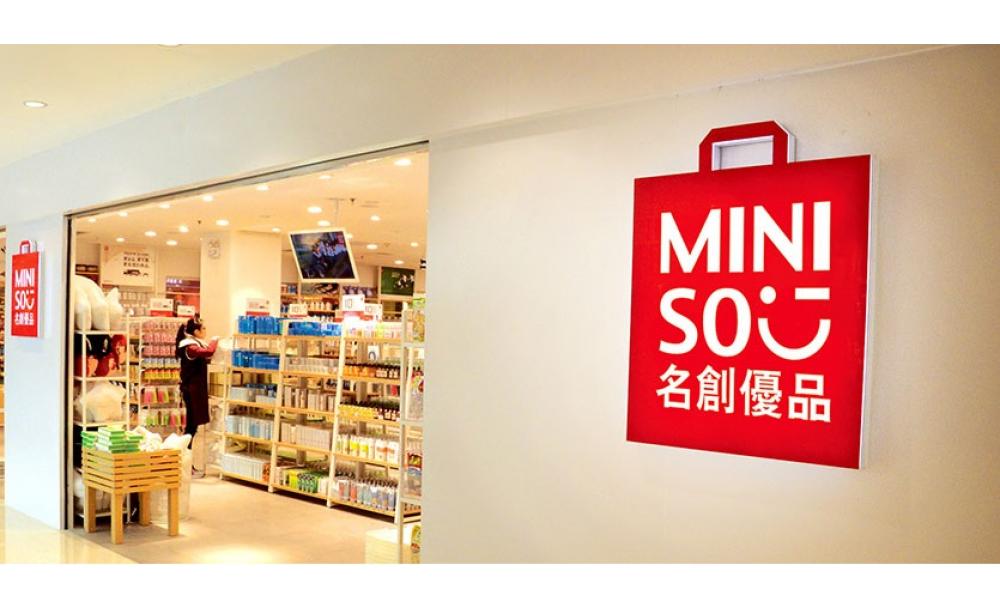
    Miniso, the global retail brand, has inaugurated its first ‘Miniso Land’ in Malaysia, situated at the Sunway Pyramid mall. This new establishment has become the largest in Southeast Asia operating under the brand name.

    The Land of Miniso

    Located on the first floor of the mall, the expansive store covers around 1700 square meters. It brings forward a larger format retail concept, primarily focusing on Intellectual Property (IP) collaborations and engaging retail design. The store is home to over 8000 products, with more than 70% of the items crafted with licensed or proprietary IP characters.

    Thematic Retail and Interactive Zones

    The store features 15 distinct sections, each with a unique theme for retail and interactive purposes. These zones merge product displays with character installations, offering photo opportunities for visitors. The store houses a range of product categories such as mystery toys, stuffed toys, house accessories, drinkware, and a vast collection of beauty and skincare items.

    Spotlight on IP Collaborations

    The store showcases collaborations with licensed brands such as Sanrio and Monchhichi, while also highlighting Miniso’s in-house IP portfolio, including the YoYo series. The store’s visual appeal is further enhanced with ten large-scale Yo-Yo sculptures, emphasizing the brand’s focus on visual merchandising and social media engagement.

    Expansion Strategy

    The ‘Miniso Land’ concept is a significant part of the company’s expansion strategy. The brand aims to create themed environments and character-driven merchandising, with IP-related products constituting the majority of their inventory.

    This concept was first launched in Shanghai and has since grown to multiple locations across China and international markets such as Thailand, Spain, Indonesia, and Australia.

    Questions & Answers

    What is the size of the new Miniso Land in Malaysia?
    The new Miniso Land in Malaysia covers around 1700 square meters.

    What is unique about the Miniso Land concept?
    Miniso Land focuses on creating themed environments and character-driven merchandising, with a majority of the products being IP-related.

    Where was the first Miniso Land introduced?
    The first Miniso Land was introduced in Shanghai.

  • Amazon India Drops Referral Fees to Accelerate Seller Growth Amidst Fierce E-commerce Competition

    Amazon India Drops Referral Fees to Accelerate Seller Growth Amidst Fierce E-commerce Competition

    Amazon has announced that it will abolish the referral fee for sellers in India on items priced under 1000 rupees (approximately US$10.98). This decision aims to encourage more retailers to use their platform and gain a stronger hold on India’s competitive e-commerce market.

    Expanding ‘Zero-Referral Fee’ Policy

    Amazon’s initiative builds upon its ‘zero-referral fee’ policy, introduced last year, which encompassed about 12 million items priced below 300 rupees. This program played a significant role in a 50% increase in new sellers joining Amazon’s Indian platform. The referral fee is a commission that sellers pay Amazon for each item sold.

    Starting March 16, this new policy now covers more than 125 million items. In addition to scrapping the referral fee, Amazon has decided to reduce some shipping costs.

    Targeting Small Businesses and Entrepreneurs

    “This step is intended to make selling on Amazon more profitable and simpler, particularly for small businesses and entrepreneurs in tier-2 and tier-3 cities,” said Amit Nanda, Director of Selling Partner Services for Amazon India.

    India is a vital market for Amazon, given the rapid growth of the internet user base in the world’s second-most populous country, driving e-commerce growth.

    However, Amazon is up against stiff competition from Walmart-backed Flipkart and Reliance Industries’ retail arm, owned by billionaire Mukesh Ambani. Quick-commerce entities such as Eternal’s Blinkit and Swiggy’s Instamart are also making significant inroads into market share.

    In December, Amazon announced plans to invest over $35 billion in India by 2030. While this investment will help expand its AI infrastructure, the focus will primarily be on growing retail logistics and stimulating small-business growth.

    Questions & Answers

    What is Amazon’s new initiative regarding referral fees in India?

    Amazon has decided to eliminate the referral fee for products under 1000 rupees, aiming to attract more retailers to their platform.

    How will this affect small businesses and entrepreneurs in India?

    By removing the referral fee and reducing some shipping costs, Amazon is making selling on its platform more lucrative and easier, particularly for small businesses and entrepreneurs in smaller cities in India.

    What are Amazon’s future investment plans for India?

    Amazon plans to invest over $35 billion in India by 2030, with a focus on expanding its AI infrastructure, enhancing retail logistics, and promoting small-business growth.

  • Chow Tai Fook Jewellery Boosts Globalization Strategy with New Global Creative Director, David Tse

    Chow Tai Fook Jewellery Boosts Globalization Strategy with New Global Creative Director, David Tse

    Chow Tai Fook Jewellery Group has announced the appointment of David Tse to the newly created role of Global Creative Director. This strategic move is intended to bolster the company’s ongoing globalization efforts.

    Strengthening Position as a Leading Chinese Luxury Brand

    David Tse will be at the forefront of solidifying Chow Tai Fook Jewellery Group’s standing as a premier Chinese luxury brand. His responsibilities will encompass shaping the brand’s creative identity and spearheading its overall creative strategy across all customer interactions.

    The decision to bring Tse on board is considered quite timely as the company is in the throes of transforming and globalizing the brand. Tse’s profound understanding of luxury, remarkable creativity, and demonstrated ability to transform brand strategy into compelling narratives are expected to significantly contribute to enhancing the brand’s global reputation.

    An Experienced Leader in Creative Direction

    Tse boasts a wealth of international experience in both the luxury and lifestyle sectors, with an impressive career that spans China and various international markets. He launched his career as an entrepreneur, focusing on creative production, and subsequently led projects for an array of renowned brands, such as Burberry, Golden Goose, Uniqlo, Google, PayPal, Volvo, and Starbucks.

    In his most recent role, Tse was the Creative Director at Hermes in Shanghai, having the distinction of being the first Creative Director appointed outside the brand’s Paris head office.

    In his new role at Chow Tai Fook Jewellery, Tse plans to honor the brand’s rich heritage and encourage innovation and creativity, while always prioritizing customer needs.

    Expansion Amid Slow Domestic Demand

    Earlier this year, in response to decelerating domestic demand, market saturation, and pricing pressure in the world’s second-largest economy, Chow Tai Fook Jewellery Group expanded overseas, opening a flagship store at Siam Paragon in Bangkok. This movement forms part of a wider trend of Chinese and Hong Kong consumer brands seeking growth opportunities outside their traditional markets.

    Questions & Answers

    What will David Tse’s role be at Chow Tai Fook Jewellery Group?
    As the Global Creative Director, Tse will be responsible for shaping the brand’s creative identity and leading its overall creative strategy across all consumer interactions.

    What experience does Tse bring to the role?
    Tse brings international experience from the luxury and lifestyle sectors, having worked in both China and international markets. He has led projects for a range of well-known brands and was most recently the Creative Director at Hermes in Shanghai.

    Why is Chow Tai Fook Jewellery Group expanding overseas?
    The group is expanding overseas in response to slowing domestic demand, market saturation, and pricing pressure in the world’s second-largest economy. Opening a flagship store in Bangkok is part of these ongoing globalization efforts.

  • Golden Goose Sees Stellar Rise in Revenue, Celebrates 21% Direct-to-Consumer Growth for FY25

    Golden Goose Sees Stellar Rise in Revenue, Celebrates 21% Direct-to-Consumer Growth for FY25

    Golden Goose, a prominent name in luxury footwear, has recently reinforced its direct-to-consumer sales strategy, a decision that has proved beneficial according to their recent earnings report.

    A Successful Year for Golden Goose

    For the fiscal year of 2025, Golden Goose reported a revenue of €734 million (US$858.1 million), a 15 per cent increase compared to the previous year. However, the company’s major achievement was a 21 per cent surge in direct-to-consumer sales, which now represent 81 per cent of the group’s total sales.

    Silvio Campara, CEO of Golden Goose Group, expressed his pride in the company’s FY25 results. He highlighted another year of robust and stable growth for Golden Goose.

    Expanding the Golden Goose Empire

    The luxury retailer added 17 new stores to its already expansive portfolio in 2025, bringing its total to a remarkable 232 stores worldwide. Sales saw an upward trend globally, with an 18 per cent increase in Europe, the Middle East, and Africa. Asia Pacific sales went up by 17 per cent, while growth in the Americas was marginally slower at 9 per cent.

    2025 also saw the introduction of Chinese private equity firm HSG as a majority shareholder.

    Campara expressed his delight at HSG and Temasek joining as strategic investors to further their international reach and realize their potential as a future-focused luxury brand.

    New Ventures and Future Outlook

    Campara also discussed some of the company’s successful initiatives. These included the introduction of new sneaker models such as True-Star and Marathon Speed, store openings in locations such as Mumbai, Tokyo, London Mount Street, and Naples, and the inauguration of the Padel Arena in Milan. The CEO emphasized their commitment to merging craftsmanship, culture, and community.

    Looking towards 2026 and beyond, Campara voiced his excitement about Golden Goose’s potential and his eagerness to bring more of Italy to their global community of admirers.

    Golden Goose recently unveiled a new concept store in Osaka, Japan, further expanding its international presence.

    Questions & Answers

    What was Golden Goose’s revenue for the fiscal year 2025?
    Golden Goose reported a revenue of €734 million (US$858.1 million) for the fiscal year 2025.

    What percentage of Golden Goose’s total sales in FY25 came from direct-to-consumer sales?
    81% of Golden Goose’s total sales in FY25 were from direct-to-consumer sales.

    What are some new initiatives by Golden Goose?
    Golden Goose launched new sneaker models such as True-Star and Marathon Speed, opened new stores in various international locations, and opened the Padel Arena in Milan.