Blog

  • Kinpo to add 2 factories in Philippines

    Kinpo to add 2 factories in Philippines

    Consumer electronics maker Kinpo Electronics, viewing that production capacities for smart home appliances at two factories in the Philippines will be fully utilized in first-half 2018, will set up two more factories there in third-quarter 2018, with one for injection molding and the other for assembly, according to company president Simon Shen.

    The existing factories and the ones to be built in the Philippines belong to Kinpo Electronics (Philippines) in which Kinpo and its Thailand-based affiliate Cal-Comp Electronics hold a 81% and 19% stake respectively, Shen said, adding the Philippines-based subsidiary is expected to be listed on the local stock market in third-quarter 2018.

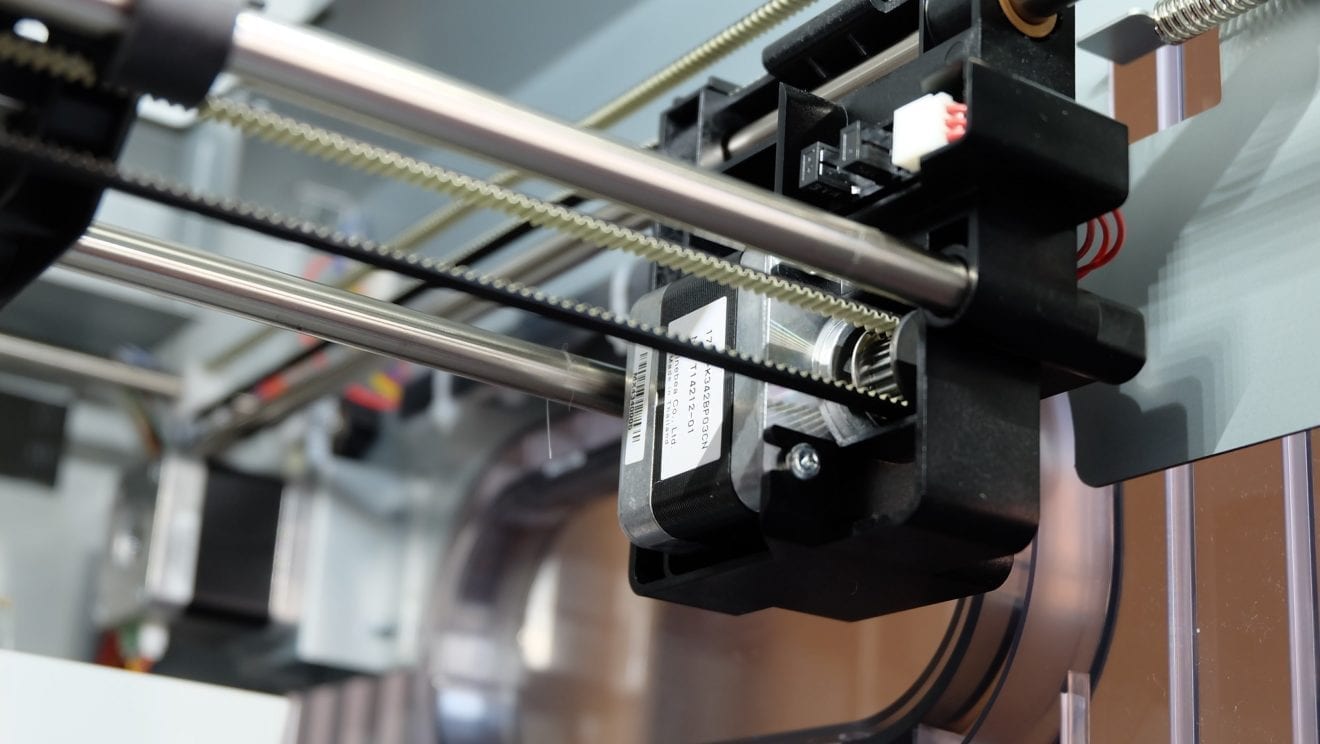
    Kinpo stepped into production of consumer 3D printers in 2017 and currently has a global market share of 23-24% Shen said, adding it will extend production to business-use 3D printers in 2018.

    Kinpo expects to globally ship 73,000 3D printers, including 500 for color printing, in 2017, and 100,000 units in 2018, consisting of 2,500-3,000 color models, Shen noted. A color 3D printer sells for US$35,000.

    Kinpo has also begun production of service robots for hospitals, hotels, retail stores and airports, with unit prices ranging from US$15,000-30,000, and 2018 target shipments are set at 300-500 units, Shen indicated.

    Kinpo expects to ship 10,000 units of HiMirror, a smart device for medical care of facial skin, in 2017 and will offer a second-generation model with target shipments of 50,000-100,000 units in 2018.


  • PTT plans to double retail fuel margins

    PTT plans to double retail fuel margins

    PTT, the national oil and gas conglomerate, plans to double profit margin from fuel retailing business to 30% of total sales by 2022, says Auttapol Rerkpiboon, chief of operations for downstream petroleum business.

    To achieve the goal, the company has set aside a capital spending budget next year of 12.17 billion baht, with another 10 billion for each year until 2022 to expand its oil and non-oil businesses.

    Mr Auttapol said the executive board approved the increased spending last week.

    The board also gave the go-ahead to an increase in the number of petrol stations to 1,800 nationwide next year and to 2,560 by 2022. The company has 1,400 petrol stations now.

    “Competition in the retail fuel business should be fierce,” Mr Auttapol said.

    PTT hopes the spending plan will allow it to maintain its position as the top fuel retailer with a 41% market share.

    The company plans to focus on diesel consumers next year by adding two new diesel stations for trucks.

    Diesel consumers are expected to drop over the next several years because of rival projects from competitors, Mr Auttapol said.

    The focus on petrol should help offset a dip in gas sales, Mr Auttapol said. Natural gas demand is expected to drop substantially after the removal of universal government subsidies this year, making prices uncompetitive against other fuels.

    The capital spending plan calls for PTT to expand the number of Amazon Coffee Shops to 2,300 next year, up from 2,000. The shop total is expected to rise to 4,000 in 2022, Mr Auttapol said.

    Another expansion on the non-oil front will be new food and drink retailers at PTT petrol stations. Next year, PTT expects to have an additional four food franchise brands at its stations.

    Mr Auttapol said PTT is about to finalise a plan to develop budget hotels adjacent to its fuelling stations and could announce a partner for the project soon.

    He said PTT plans to expand its petrol station network in other Asean countries from 225 stations to 295 next year and to 600 by 2022.

    For lubricants, PTT also plans to increase the sale of lube products next year, particularly in overseas markets such as China, where demand for lube remains high.

    PTT expects sales of lube product in China to rise to 400 million litres by 2022, up from roughly 200 million litres this year.

    Mr Auttapol said PTT expects fuel demand next year to grow by 2-3%, which is close to growth seen this year, an assumption based on domestic economic growth of 3-4%.

    The company’s PTT Oil and Retail Co is expected to be fully spun off in 2018, he said.

    PTT Oil and Retail Co aims for a listing on the Stock Exchange of Thailand in 2019.

    PTT shares closed yesterday on the SET at 448 baht, up two baht, in heavy trade worth 1.96 billion baht.

  • Il Bisonte plans to open shops in Asia

    Il Bisonte plans to open shops in Asia

    Italian leather goods label Il Bisonte, owned by UK investment fund Palamon since 2015, plans to open a directly owned shop in Hong Kong as a way into China.

    Founded by Wanny Di Filippo in 1970, the company expects to close this year with revenue exceeding €27 million (US$32 million), says CEO Sofia Ciucchi, who was appointed in January. This would be up 27 per cent on last year’s revenue.

    As well as eyeing Asia, the brand has growth plans closer to home. It will open an 800sqm showroom next month on the top floor of Florence’s historic Palazzo Corsini, with a launch event celebrating the fact that Il Bisonte’s entire output is produced with a 30km radius of the city. The showroom will also house the company’s offices, while manufacturing and product development remain in Pontassieve.

    At the end of next month Il Bisonte will open a six-month pop-up store in Rue St Honore, Paris, and its two permanent Parisian stores will be later renovated.

    Overseas plans include a possible second store in London and an opening in the US, most likely New York.

    Another main focus for the label is e-commerce, to which end it will expand its manufacturing and logistics infrastructure next year, building a 2000sqm warehouse in Pontassieve.

  • Chateraise plans to open 200 shops in Thailand

    Chateraise plans to open 200 shops in Thailand

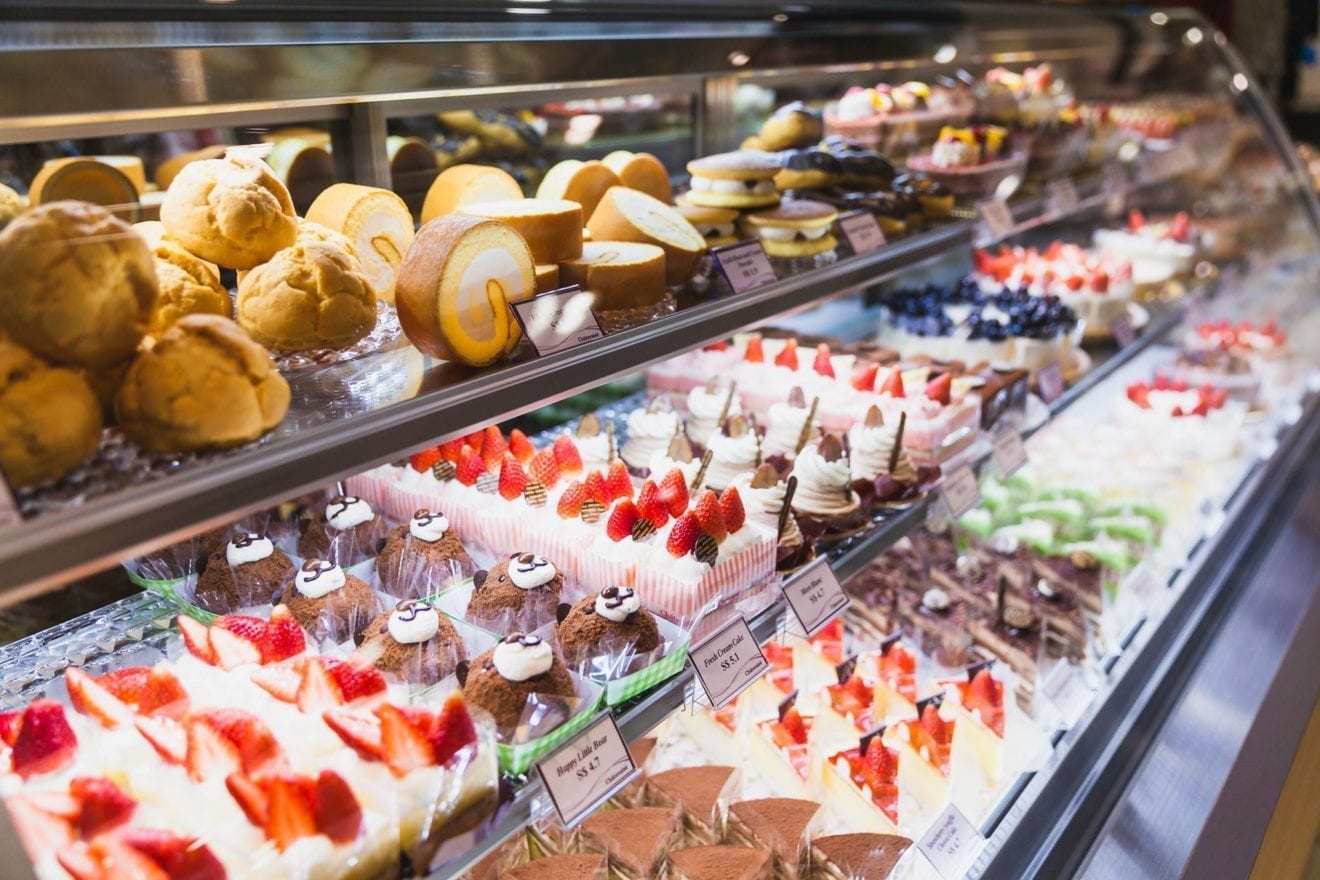
    Japanese patisserie Chateraise, which is known for having its main factory in the middle of a forest, plans to open 200 shops in Thailand and boost overseas sales to 50 per cent of its total revenue in the next 10 years.

    With more than 500 outlets mainly in Japan, it has just opened its second shop in Bangkok, at Gateway Ekamai Shopping Mall, and is seeking franchisees to accelerate store expansion in Southeast Asia’s second-largest economy.

    Its debut shop for Thailand opened in Isetan Bangkok department store in July. Both Bangkok outlets are under franchise.

    In the past two years, Chateraise has moved into eight markets across Asia, opening more than 30 shops. The company sees Thailand as a promising market where sweets consumption is expected to be driven by economic growth coupled with a youthful population, says senior managing director Takako Saito of parent company Chateraise Holdings.

    Based in Yamanashi prefecture, the company produces cakes, pastry, confectionery and beverages at six factories across Japan. It procures raw materials directly from contracted farmers and sells through branded shops.

    Almost all products for Thailand are shipped from Japan, with plans to add ice cream to the lineup. Chateraise plans a third Bangkok shop for next year

    The brand’s first overseas expansion was to Singapore in 2015, and it has since opened stores in Dubai, Hong Kong, Indonesia, Malaysia, South Korea and Taiwan, and plans to head to Hanoi and Manila next year.

  • Korea’s Twosome Place, Ediya coffee chains planning an IPO

    Korea’s Twosome Place, Ediya coffee chains planning an IPO

    Two South Korean coffee franchises are pushing ahead with IPOs to raise funds for expansion both domestically and globally.

    A Twosome Place and Ediya Coffee are seeking to challenge Starbucks Coffee, which dominates the Korean market. It says Ediya aims to be listed by the end of next year, which would be a first for a coffee shop franchise.

    Ediya would probably use the new capital to build a roasting factory and to expand overseas. The company ranks third in Korea in terms of sales and first in store numbers. With 2200 stores, it has posted KW150 billion (US$139.5 million) in sales, following Starbucks (more than KW1 trillion) and Twosome (KW200 billion).

    Meanwhile, Twosome plans to separate from CJ Foodville to become a subsidiary in February. It is also expected to list on the Seoul bourse to raise more funds.

    Korea already has more than 90,000 coffee shops, but is still attracting global chains. US Blue Bottle Coffee has established a local subsidiary and expects to open its first Seoul store in March.

  • Melt Shop has plans to open shops in Southeast Asia

    Melt Shop has plans to open shops in Southeast Asia

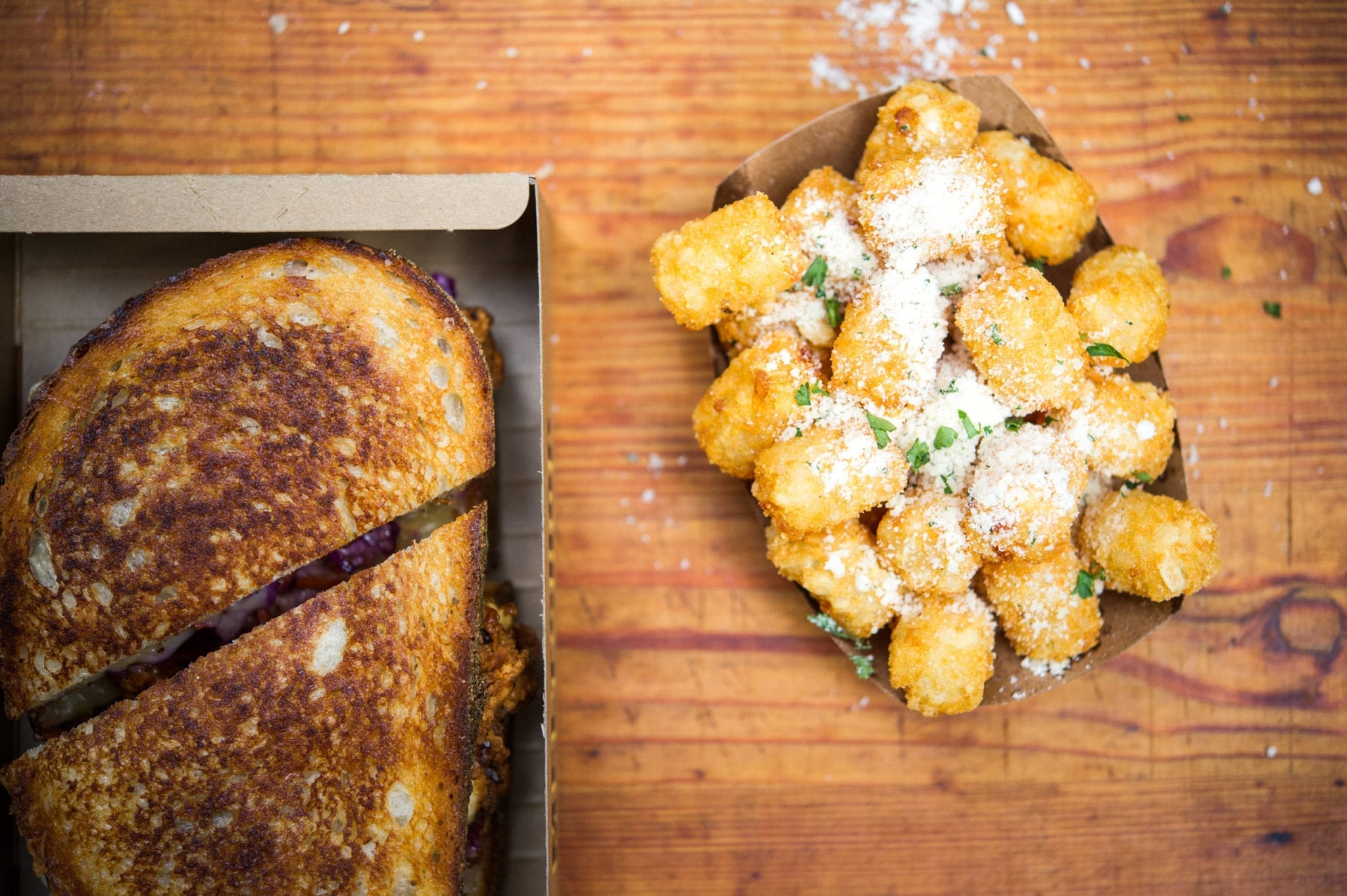
    Melted sandwiches are about to take on the world, including Southeast Asia, according to the directors of US franchise chain Melt Shop.

    Founder/managing partner Spencer Rubin believes the company is perfectly positioned to begin franchising internationally after expanding into the Middle East.

    Melt was established in 2011 and now has eight corporate locations in New York, Philadelphia, and Minneapolis. Parent company Aurify Brands is a hospitality-focused business founded by multi-unit franchisees, and its plans for the Melt Shop include a global target of more than 100 locations over the next five years.

    “Melt Shop has spent the past six years perfecting our brand and business model,” says Rubin. “The timing is right to take our New York-born fast-casual concept to the world.”

    He says the company sees immense potential to grow through franchising, and is targeting experienced multi-unit franchisees who have restaurant and hospitality experience.

    “Keeping the integrity of the Melt Shop brand is important to us. We will have dedicated operators overseeing the day-to-day running of our international locations. An intense and all-encompassing training program will also ensure no steps are overlooked.

    “We strongly believe in compliance, and it is important we find partners who are dedicated and passionate about the Melt Shop brand. All locations will follow the same processes and quality standards, and we’ll do everything to make sure it is consistent across every location.”

  • Tezuka Shoten brings manga to Thailand

    Tezuka Shoten brings manga to Thailand

    Thailand’s first Japanese manga bookstore/cafe, Tezuka Shoten & Cafe, has just opened in Bangkok’s Paradise Park shopping centre.

    It has been brought to Thailand by MJ Service (Thailand), a company that helps Japanese companies set up in Thailand. MD Toru Sasaki co-presided at the store’s opening ceremony, which was attended by three Thai actresses.

    It has two zones: a bookstore featuring works by manga artist Tezuka Osamu, and a cafe serving snacks and drinks inspired by the artist’s work. There is also the Tezuka Spot where all his works can be read free in Thai on smart devices.

    The store plans family activities based on manga comic books.

  • Pizza Maru opens at Northpoint City

    Pizza Maru opens at Northpoint City

    Korean chain Pizza Maru soft launches in Singapore today with its debut store at Northpoint City in Yishun.

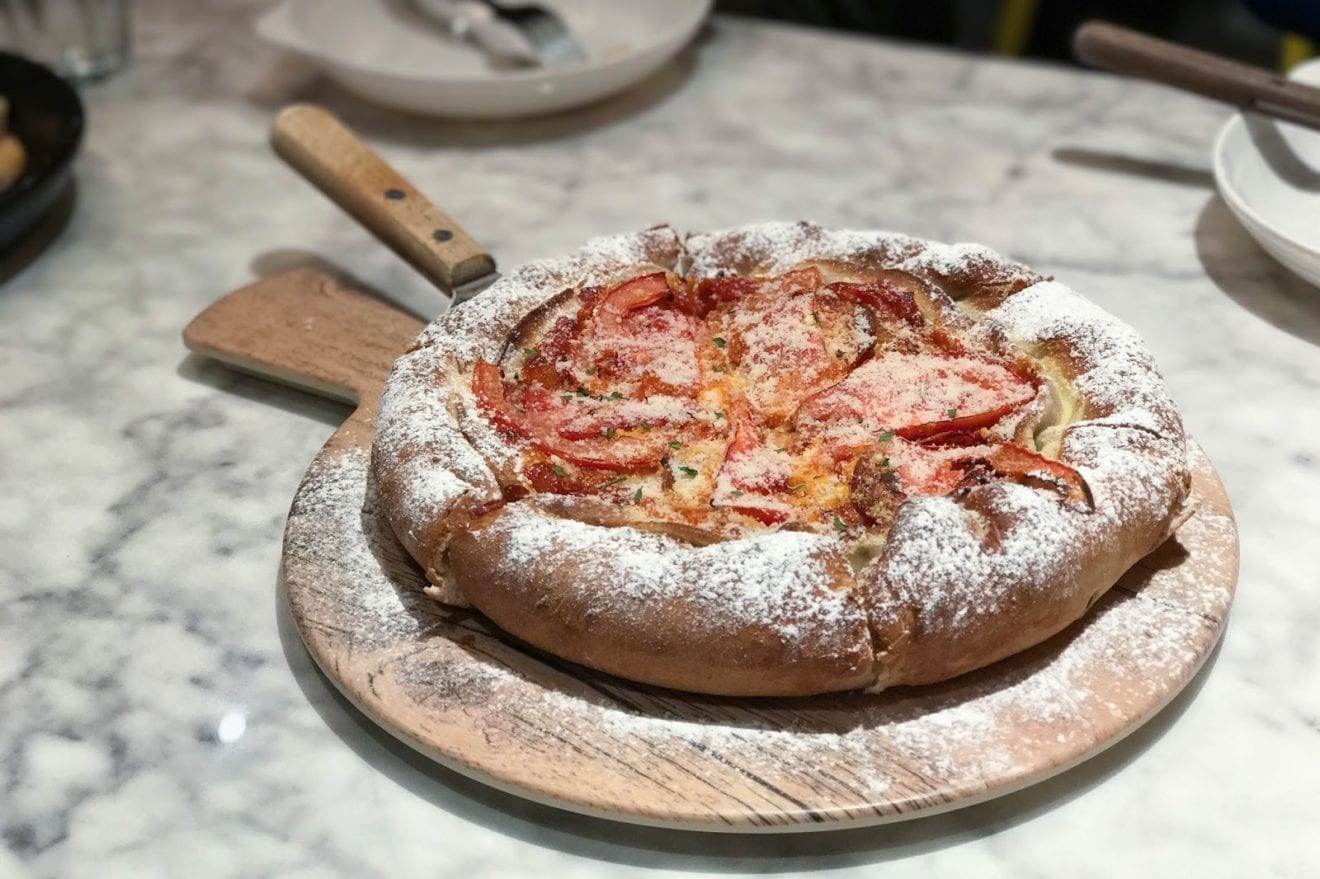
    Pizza Maru is known for its patented green-tea wellbeing pizza dough, which is fermented for more than 48 hours with micro-algae chlorella as well as natural grains such as barley and flaxseed.

    One of its feature dishes is Real BBQ Chicago, a deep-dish pizza combining chicken leg pieces, potato cubes, roasted onions, tomatoes, mushrooms and cheeses blended with honey and barbecue sauce. The puffy crust is made from fibre-rich, antioxidant-packed black-rice dough.

    Korean fried chicken is also a staple of Pizza Maru, the star dish being the Supa Hot Tak Gangjeong with a choice of two levels of spiciness.

    Seating 80 diners, the restaurant will have its official grand opening on January 15.

  • Macau retail sales continue to climb

    Macau retail sales continue to climb

    Macau retail sales are on the rise with businesses reporting increased turnover year-on-year. Data from the Statistics and Census Service (DSEC) shows 68 per cent of interviewed restaurants and similar establishments registered a year-on-year rise in receipts or a stable business performance in October, a six percentage point rise from September.

    And the proportion of interviewed retailers reporting a year-on-year sales increase in October rose by eight percentage points from September to 59 per cent.

    The best performing retail categories were cosmetics, with 78 per cent of retailers reporting an improvement, leather goods, (80 per cent), and apparel, (60 per cent).

    Some 21 per cent of interviewed retailers registered a year-on-year sales decline, down by three percentage points over September. Of department stores, 11 per cent reported a decline and 22 per cent of watch and jewellery vendors.

    Generally, retailers expected their sales to be stable in November, with 77 per cent predicting a year-on-year sales increase or a steady business performance, the same proportion as in October.

    Dining out data

    The proportion of western restaurants (25 per cent) reporting a year-on-year growth in receipts went up by nine percentage points, while that of Japanese & Korean Restaurants (44 per cent) was down by 13 percentage points. On the other hand, the share of establishments recording a year-on-year decline in receipts decreased by six percentage points over September to 32 per cent.

    Restaurants and similar establishments interviewed were cautious about their business prospects, with 68 per cent expecting a year-on-year rise in receipts or a steady performance in November, up by four percentage points from October. Among the various types of establishments, 50 per cent of the western restaurants and 73 per cent of the Chinese restaurants predicted their receipts to increase or to remain stable in November, up by 10 and three percentage points respectively from October.

    The DSEC says the sample of the Business Climate Survey on Restaurants & Similar Establishments and Retail Trade was selected based on the value of receipts of the establishments, comprising 167 restaurants and similar establishments (accounting for 53 per cent of the industry’s receipts) and 135 retailers (accounting for 70 per cent of the industry’s receipts).

  • Hawaii’s Eggs ’n Things first opening at Plaza Singapura

    Hawaii’s Eggs ’n Things first opening at Plaza Singapura

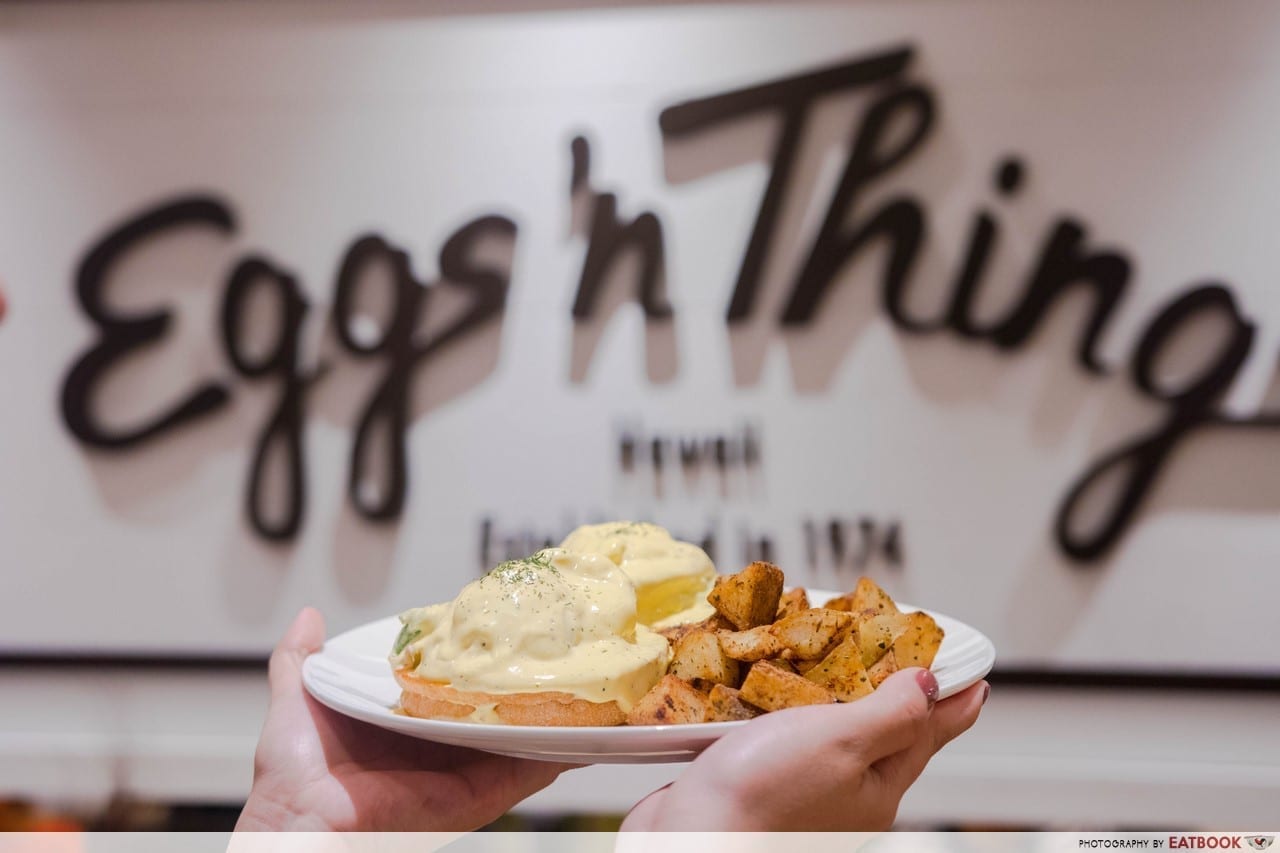
    Hawaiian cafe brand Eggs ’n Things has introduced its breakfast-style menu to Singapore with an outlet at Plaza Singapura.

    As well egg dishes, the casual eatery offers pancakes, crepes and waffles.

    Singapore is the second stop for the brand, launched in Waikiki in 1974. It has 19 outlets in Japan, where its Harajuku store in Tokyo still attracts queues.

    The Singapore cafe emphasises its use of freshly baked bread, organic and locally sourced beef and chicken, and house-made sauces without added flavouring or preservatives.

    Pancakes and waffles are served with an optional tower of whipped cream, the cheese omelette comes with spinach, bacon and roasted potatoes, while the Hawaiian Loco Moco dish comprises rice, a hamburger patty doused in gravy, and two fried eggs.

    Drinks include milkshakes, organic cold-pressed fruit juices, smoothies, free-trade organic tea, and coffee made from a blend of Brazilian, Indonesian and Mexican beans.

  • Retail Food Group shares continue to plummet battling other retailers

    Retail Food Group shares continue to plummet battling other retailers

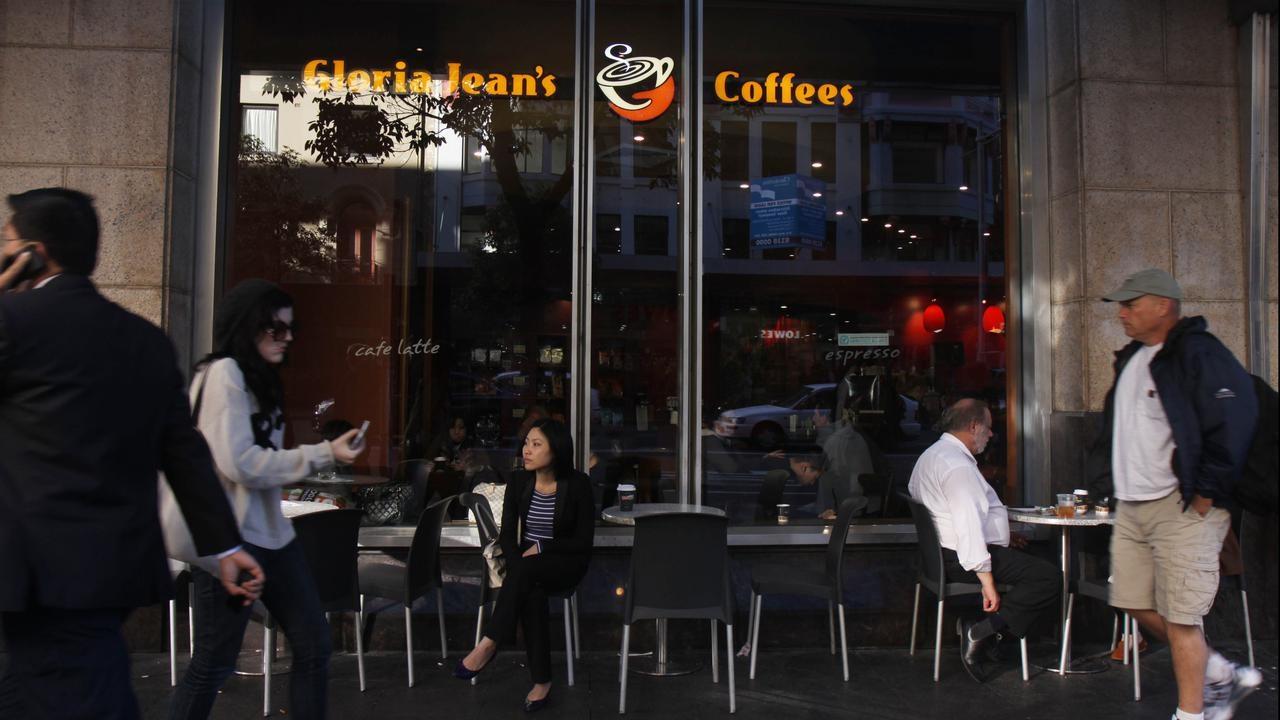
    Shares in Retail Food Group have continued to plummet for a second day after a damaging profit warning from the embattled owner of the Gloria Jean’s, Michel’s Patisserie and Donut King brands.

    RFG shares fell 17.9 per cent to $1.625 on Wednesday – their lowest value since July 2009, compounding a 25 per cent slump suffered on Tuesday when the company warned its first-half profit is expected to decline by more than a third.

    The franchise chain owner’s shares have now fallen 63 per cent since December 11, after Fairfax Media first published stories from an investigation into allegations of high fees and financial stress suffered by franchisees.

    The Fairfax reports have also claimed that significant proportions of Gloria Jean’s and Pizza Capers franchises are up for sale.

    On Thursday morning, shares recovered and bounced up over 20 per cent to $1.96.

    The plummeting stock prices has wiped $507 million from RFG’s market value in just eight trading days.

    RFG did not respond to requests for comment from AAP on Wednesday, however the company has previously denied all allegations in the reports and has blamed a tough retail environment as having a negative impact on its franchisees’ sales.

    The company said on Tuesday that its Crust Pizza and Donut King brands have continued to perform in line with forecasts but Michel’s Patisserie, Brumby’s and Gloria Jean’s are trading below expectations.

    It said domestic franchise revenue is now expected to be lower than previously anticipated, and it will book one-off costs of $7 million, including expenses linked to a business-wide review, in its accounts for the six months to December.

    As a result, the group’s now expects a net profit of around $22 million for the half year, down 34 per cent on $33.5 million in the same period a year ago.

    Meanwhile a law firm involved in a class action against Volkswagon has turned its attention to Donut King and Gloria Jean’s owner the Retail Food Group.

    Bannister Law says it is investigating a potential class action against RFG, and whether the company had reasonable grounds to issue forecasts between August 29 and December 7 of underlying annual profit growth, and whether it should have corrected its guidance earlier than December 19.

  • Rescued retailers’ employees finally paid out

    Rescued retailers’ employees finally paid out

    Administrators for rescued retail chains Marcs and David Lawrence have paid out all employees affected by the company’s transition to new ownership.

    Deed administrator Rodgers Reidy said M. Webster Holdings, which formerly traded as Marcs and David Lawrence, paid a distribution to the employees of the company representing payment in full of employee entitlements.

    “While many current employees were re-employed by FFS Retail, a subsidiary of Myer, when it purchased the assets, those employees who were not re-employed have now been paid their entitlements in full,” said Andrew Barnden of Rodgers Reidy.

    “We have been working closely with Myer to transition the assets to FFS Retail in a seamless manner.

    “In the new year we expect to pay a distribution to the unsecured creditors of the company, which will finalise the successful sale and restructure of the company. We also understand that many former suppliers have also benefited from the sale through ongoing trade.”

    Myer salvaged the Aussie fashion duo from liquidation in April.

    The fashion retailers, which are two of Australia’s best-known labels, had employed about 1130 staff in Australia and another 42 in New Zealand across their 52 stores, 11 outlets and 140 concessions, until entering administration in February.

  • Bic Camera, Rakuten looking at JV

    Bic Camera, Rakuten looking at JV

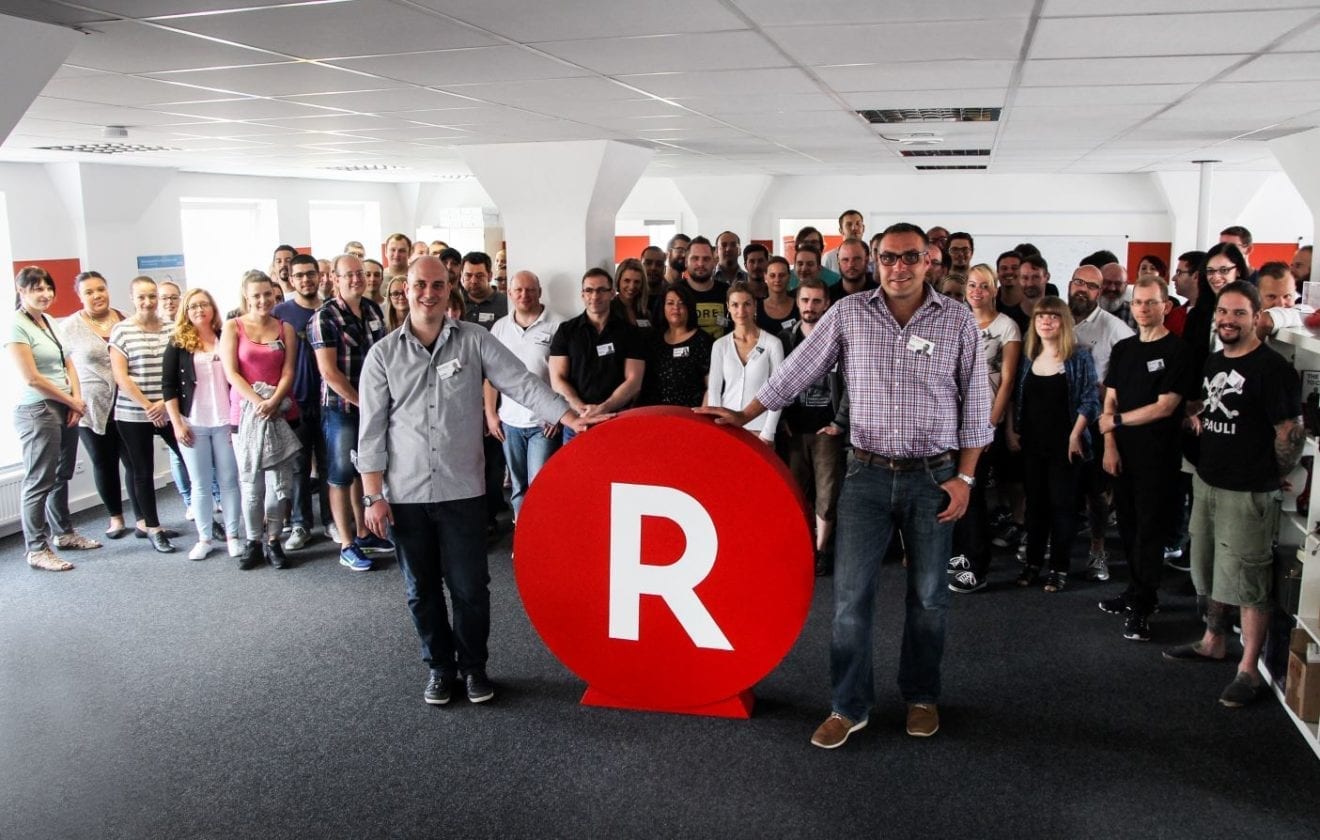
    Japanese e-commerce site Rakuten and consumer electronics retailer Bic Camera are considering a JV that will marry virtual and real stores.

    They expect to sign a basic agreement soon with a view to setting up their partnership early next year to work toward launching their e-commerce site in April.

    Bic Camera already has an online store on Rakuten Ichiba virtual mall. Through integrating their systems, Bic Camera will upgrade its online store into a joint site that will offer improved services, such as easy booking for delivery and installation.

    Buyers will also be able to search for brick-and-mortar Bic Camera locations that carry the product that interests them. Eventually, the scope of their cooperation will be expanded to cover in-store pickups of online orders, common shopping points and joint delivery services.

    While online sales account for nearly 30 per cent of consumer electronics  and appliance sales in Japan, shoppers say they want to touch and see products before buying. They also criticise the lack of attentive delivery and installation services they can find at physical stores.

    For Bic Camera, 9.2 per cent of its sales, at ¥72.9 billion (US$643 million), were online for the year to the end of August. While the company has its own e-commerce site, it does not anticipate much negative impact from launching the store with Rakuten.

    “Most of the Rakuten Ichiba shoppers will be new customers for us, because people who buy in the ‘Rakuten economic zone’ are different from those who buy from our website,” says a Bic Camera official.

  • GrabPay set to launch in Philippines

    GrabPay set to launch in Philippines

    Singapore-based taxi-booking company Grab plans to launch its digital payments platform GrabPay in the Philippines within the next six months.

    It is holding discussions with the central bank about acquiring an e-licence.

    Grab Philippines public affairs manager Leo Emmanuel Gonzales said it plans to roll out GrabPay as a digital payment app for retail purchases. The company currently offers mobile payment services via its top-up service GrabPay Credits and its rewards system GrabRewards.

    It launched GrabPay’s store and restaurant payments feature in Singapore last month after rolling out peer-to-peer fund-transfer services in August.

    Grab claims 63 million users across Southeast Asia.

  • Bata debuts AW Lab at Suntec City

    Bata debuts AW Lab at Suntec City

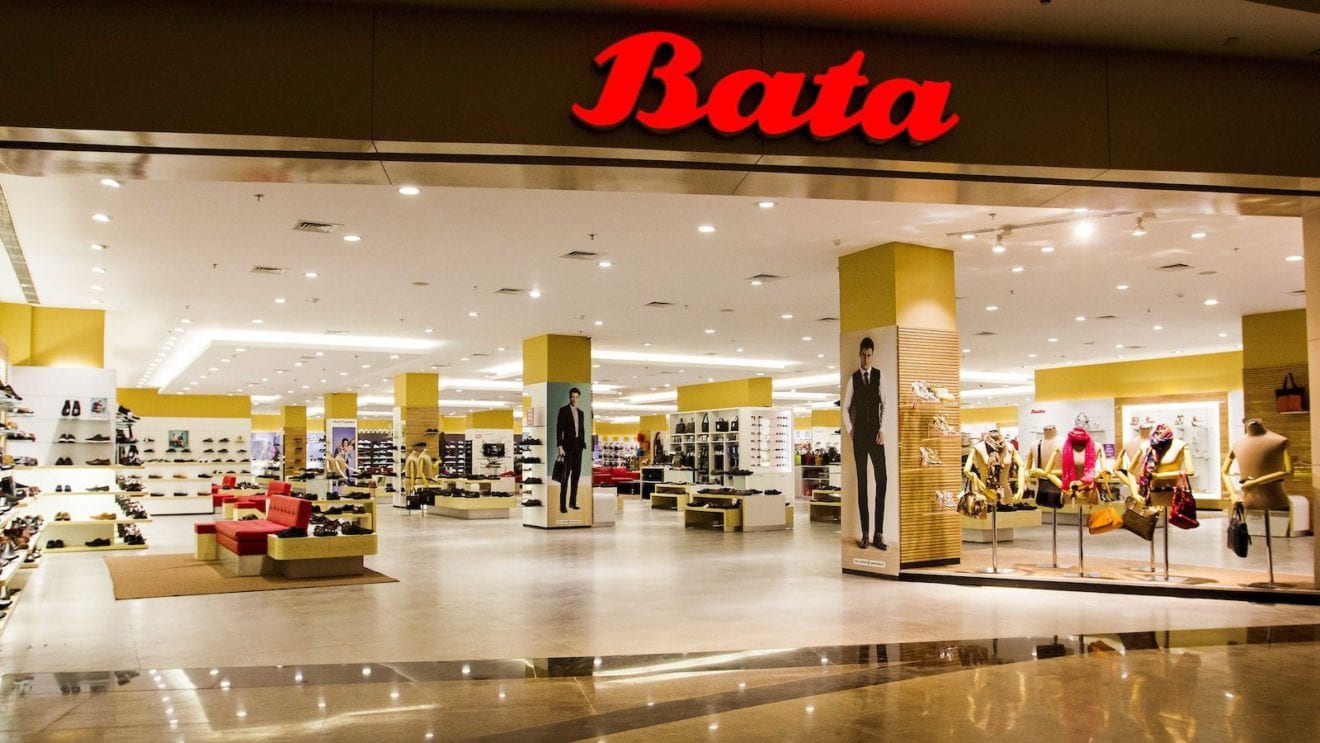
    Asia’s first AW Lab multi-label sneaker store has been opened at Suntec City by the Bata shoe company.

    It is part of a new approach by the 123-year-old Czech brand, now headquartered in Switzerland.

    “You are going to see things coming from Bata in the next few months that you would never have expected,” says Bata CEO Alexis Nasard.

    He says there are plans to expand the brand’s presence in Singapore, where it has had a presence since 1931. And as well as developing their product ranges, Singapore’s 41 current stores will be revamped, says Nasard. Some stores already have the new look, including the Eastpoint Mall and VivoCity outlets. Another has just opened at Northpoint City.

    Nasard says Singapore is a strategic focus for Bata because it is “the window of Asia”.

    “It’s an acid test for all of Asia Pacific. It is one of the most competitive marketplaces, with a very fickle and demanding consumer.”