Blog

  • Honda considers developing all solid-state EV batteries

    Honda considers developing all solid-state EV batteries

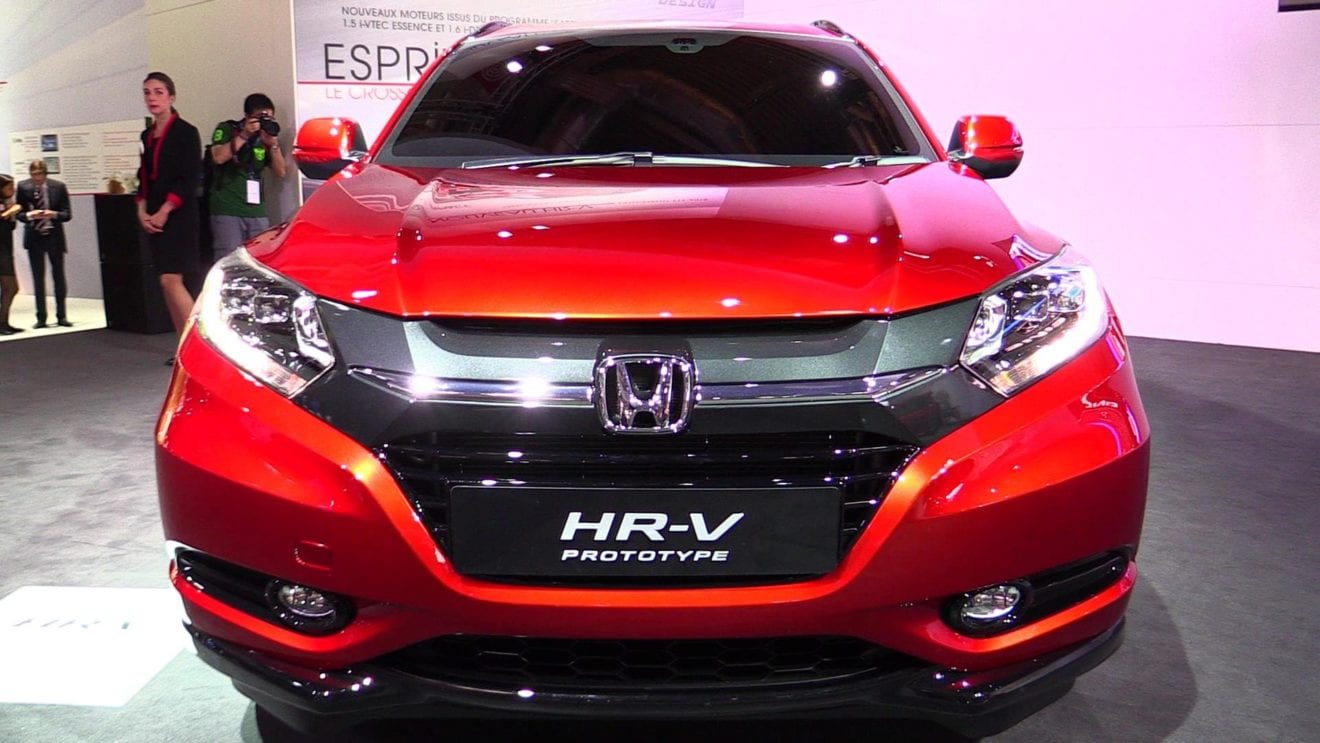
    Honda Motor is considering developing all solid-state batteries for electric vehicles (EVs) as a growing number of global automakers look to come up with powerful, next-generation car batteries to reduce vehicle emissions.

    Tighter global emissions regulations are forcing automakers worldwide to shift to electric cars, including all-battery EVs that will require capacity to deliver longer ranges and faster charge times, but at lower cost than lithium-ion batteries.

    “We’ve been researching all solid-state batteries,” Honda spokesman Teruhiko Tatebe said.

    “At the moment we’re not developing them with another automaker.”

    Kyodo News reported on Thursday that Honda and Nissan Motor Co were developing all solid-state EV batteries. Nissan was not immediately available for comment.

    A growing number of automakers including Toyota Motor Corp and Volkswagen  are developing all solid-state batteries, which offer more capacity and better safety than conventional lithium-ion batteries by replacing their liquid electrolyte with a solid, conductive material.

    Earlier this month, Toyota said it was considering jointly developing the next-generation batteries with Panasonic to share high R&D costs.

    The automaker is planning to have a production-ready battery in the early 2020s, and has highlighted the need to accelerate the pace of battery development as it and other automakers plan to ramp up the number of electric models they sell in the coming decades.

  • Huawei teams with Baidu on AI development

    Huawei teams with Baidu on AI development

    Huawei has entered a partnership agreement with Chinese search giant Baidu covering AI platforms and technology, internet services and content ecosystems.
    The two companies plan to develop an open mobile and AI ecosystem using Huawei’s HiAI platform and Baidu Brian, a collection of AI assets and services.
    The HiAI platform is being developed on Huawei’s embedded AI chipset, the Kirin 970. The chipset was used in the Huawei Mate 10, the world’s first smartphone powered by an embedded AI chipset, which launched earlier this year.
    The planned joint AI ecosystem will use Huawei’s neural network processing unit and Baidu’s PaddlePaddle deep learning framework to empower AI developers and provide consumers with a rage of AI offerings and smart services.
    In addition, the partners will work together on voice and image recognition for smart devices to enable more efficient human-machine interaction, and jointly build an augmented reality ecosystem for consumers.
    “The future is all about smart devices that will actively serve us, not just respond to what we tell them to do,” commented Richard Yu, CEO of Huawei’s consumer business group.
    “With a strong background in R&D, Huawei will work with Baidu to accelerate innovation in the industry, develop the next generation of smartphones, and provide global consumers with AI that knows you better.”
  • AirAsia celebrates Clark-Caticlan-Boracay inaugural flight

    AirAsia celebrates Clark-Caticlan-Boracay inaugural flight

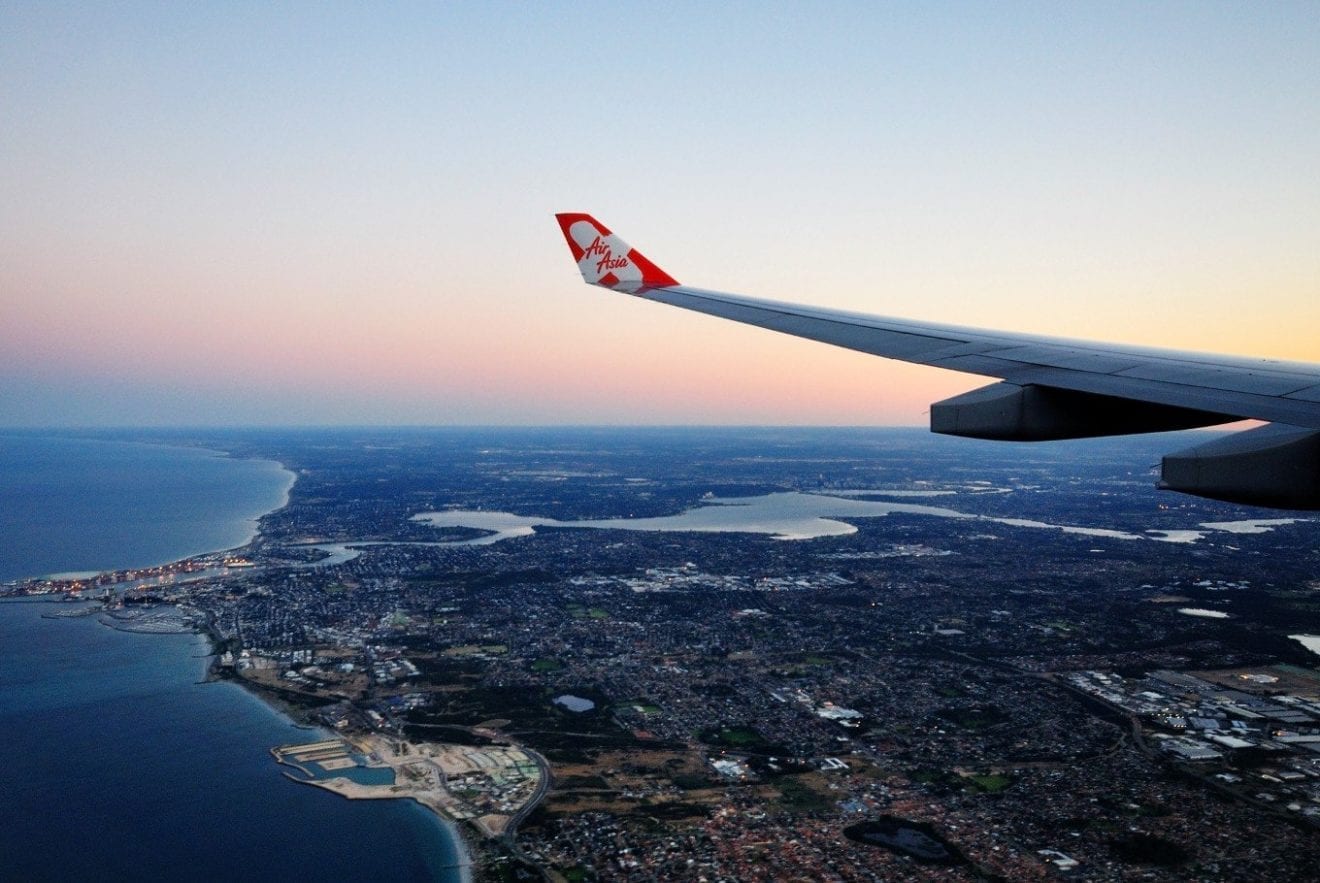
    AirAsia is now flying direct to Boracay via Caticlan airport from Clark, Pampanga. The airline, voted the World’s Best Low Cost Carrier for nine years running, flew its maiden flight today with summer inspired theme held at pre-departure area in Clark International Airport. AirAsia flight Z2 922, with pilot in command Captain Samuel Yu-Asensi arrived at 10:55 a.m. AirAsia’s iconic red plane was greeted with a traditional water cannon salute upon landing. Philippines AirAsia’s chief pilot for training and standards Captain Darren Acorda said, “Today marks another milestone for AirAsia operations in Clark airport with the addition of our third domestic route. We are closing the year with Clark-Caticlan route but this early we have already started offering our signature low fares to three more new destinations out of Clark. Clark-Iloilo, Clark-Puerto Princesa and Clark-Tacloban commencing in January, and we are here to give only the best quality service that every traveller from Central and Northern Luzon deserves.”

    To celebrate, AirAsia is offering promo fares for Clark-Caticlan from as low as P1,566 now available for booking at airasia.com today until 31 December 2017 valid for travel between December 18 2017 until January 8, 2018. Clark International Airport officials led by CIA Corporation President Alexander Cauguiran, DOT Regional Director Carol Uy, and Mabalacat Mayor Crisostomo Garbo graced the send-off ceremony with Philippines AirAsia chief pilot for training and standards Captain Darren Acorda representing the airline CEO Captain Dexter Comendador. “AirAsia believes in Clark. We established our base operations here and launched commercial flights in 2012 with only two planes – and now we have a fleet of 17 jets and we are aiming to expand and grow operations here in the coming years,” Acorda said. AirAsia’s Clark-Caticlan operates daily with flights departing Clark at 1:50 p.m. and arriving in Caticlan at 3:05 p.m. Meanwhile, AirAsia is also set to launch three domestic flights starting January 26, 2018.

    Clark-Puerto Princesa and Clark–Iloilo routes will operate three times a week or every Tuesday, Thursday, and Saturday while Clark–Tacloban route is every Monday, Wednesday, Friday, and Sunday. AirAsia has marked its return to Clark with the launching of flights to Davao and Kalibo from Clark International Airport last March. AirAsia launched commercial flights from Clark in 2012 before transferring its hub to Metro Manila following a strategic partnership with a local carrier in 2013. AirAsia has since been operating on a much larger scale from Metro Manila and has expanded its domestic and international network with flights from secondary hubs in Cebu and Kalibo operating a fleet of 17 aircraft from only two planes when it opened in Clark five years ago.

  • Kingsoft Cloud picks Equinix for SEA expansion

    Kingsoft Cloud picks Equinix for SEA expansion

    Chinese software and Internet service company Kingsoft Cloud Holdings has selected the Equinix International Business Exchange (IBX) data center in Singapore to expand into Southeast Asia.

    According to the Global Mobile Consumer Survey, published by Deloitte, mobile application usage such as social networking, messaging, and gaming, is increasingly popular within Southeast Asia. By strategically deploying its network into Equinix Singapore’s carrier-neutral Internet hub – Asia-Pacific’s network hub, Kingsoft Cloud is able to bring an improved connectivity infrastructure closer to Southeast Asia users for an enhanced mobile application performance experience.

    Offering cloud-based hosting, storage and database services, Kingsoft Cloud is the main cloud service provider in mainland China to Chinese smartphone maker Xiaomi. It provides a bulk of the cloud storage on Xiaomi’s operating system that has helped the company serve its rapidly growing customer base both in China and in the world.

    With the increasing mobile adoption and usage in the Southeast Asia region, Kingsoft Cloud has selected Equinix’s Singapore facilities to reduce network costs and enhance user experience by bringing its cloud infrastructure closer to users in the region and interconnecting with multiple Internet Service Providers.

    Equinix’s data center campus in Singapore is the most network-dense across the Asia-Pacific region, housing many of the international and regional networks connecting South Asia. Together with a wide portfolio of interconnection solutions, the campus offers a private, secure, and highly reliable environment for Internet servers and telecommunication equipment, essential for the continuous operations of applications and business operations.

    Kingsoft Cloud’s move to expand in Southeast Asia is in line with the forecast of the Global Interconnection Index, published by Equinix. The Index anticipates more than fourfold growth in Asia-Pacific’s Interconnection Bandwidth, reaching 1,120 Tbps by 2020, with cloud and IT services alone expected to increase at a Compound Annual Growth Rate (CAGR) of 42%.

  • Telenor Myanmar to buy more 1800-MHz spectrum

    Telenor Myanmar to buy more 1800-MHz spectrum

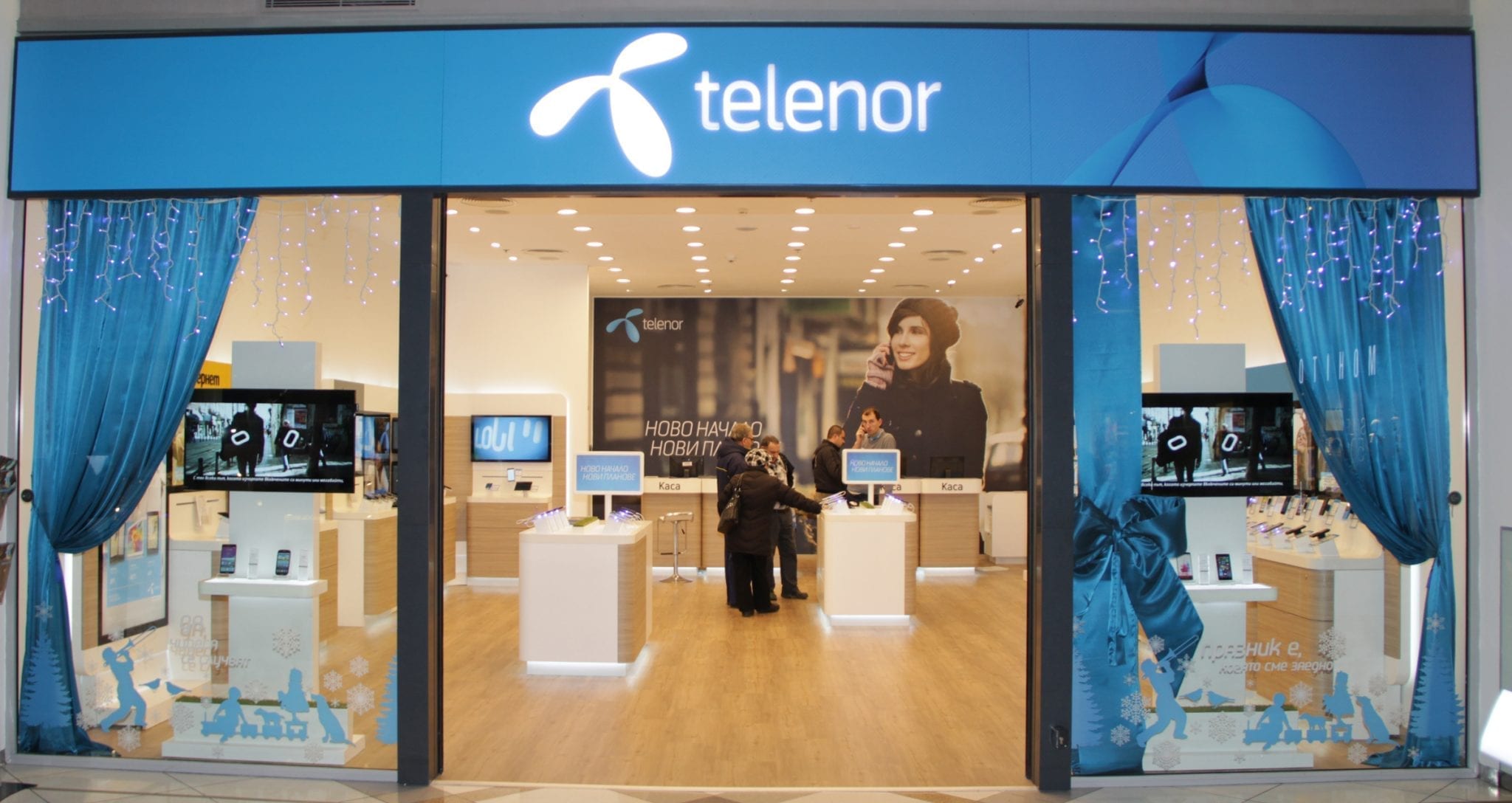
    Telenor Myanmar will pay $80 million to acquire additional 1800-MHz spectrum to help it optimize its 4G network.

    The operator will acquire an additional 2×10-MHz of 1800-MHz spectrum, doubling its holdings in the spectrum band.

    Telenor is exercising its right to acquire additional spectrum on a first come first served basis, as stipulated in the terms of the process the operator used to acquire its first 2×10-MHz of 1800-MHz spectrum – also for $80 million – in May.

    By the end of the year, Telenor expects that its 4G network will cover Myanmar’s top 50 cities and most famous destinations, which represents a footprint of around two thirds of the nation’s urban population.

    The operator has invested over $2 billion in Myanmar since winning a nationwide telecom license along with rival Ooredoo.

    “Myanmar has shown an exceptional hunger for mobile data, and to meet the incredible demand Telenor continues investing in a state-of-the-art network. Today, we are doubling our capacity for delivering high-quality 4G services, resulting in an immediate benefit for our customers who will experience smoother internet services and better indoor coverage,” Telenor Myanmar CEO Lars Erik Tellmann said.

    “Myanmar has clear ambitions of accelerating its digital economy, and I believe that increased deployment of an ultramodern mobile infrastructure will support Myanmar in its digital transformation.”

  • Volkswagen to invest Rs 7,600 crore to launch new models

    Volkswagen to invest Rs 7,600 crore to launch new models

    The Volkswagen Group plans to invest 1billion euros more in India, several people in the know said, as the world’s largest carmaker seeks to launch a flurry of vehicles and expand capacity to shrug off its underperformance in one of the fastest-growing markets.

    The group will spend the money to set up a new manufacturing line at its existing facility at Chakan in Pune, build an engineering centre and develop products, these people said, speaking on the condition of anonymity. Developing electric vehicles is also under consideration, they said.

    The German auto major is reworking its India plan after an aborted attempt for a partnership with Tata Motors to make products for emerging markets, where the most crucial factor that sells a vehicle is its affordability. Despite the group being present in India for more than a decade and half, it could garner only a less than 2% market share between the Volkswagen and Skoda brands.

    Positioning as a premium brand that sits above the likes of market leaders Maruti Suzuki and Hyundai Motor has hurt its performance. The group has now decided to come out with an affordable portfolio on its own for emerging markets, based on the MQB-A0 platform. The new models will be heavily localised to keep the cost low.

    Czech unit Skoda Auto is driving this India and emerging market strategy for the group. Skoda chairman Bernhard Maier visited India towards the end of October, followed by a contingent of 40 senior engineers who came to understand the critical issues here before executing the plan. The group has also conducted one-on-one workshops with over a dozen-and-half vendors to put finishing touches to its emerging market strategy, the people said.

    The Volkswagen board discussed the progress of the plan on December 19 and is hopeful of finalising a blueprint within a quarter, they said. About half a dozen cars are planned with the new MQB-A0 underpinning, including a hatchback each from Skoda and Volkswagen positioned in the Maruti Baleno and Hyundai Elite segment, a mid-size sedan that will replace the Rapid and Vento, and a B-segment SUV that will be benchmarked against the Volkswagen T Cross to take on the Hyundai Creta. Discussions are currently ongoing on the SUV project, codenamed VW216.

    “We believe we are in a good position to tackle new segments in the Indian market now,” Skoda chairman Maier told ET in a statement. “We will invest a substantial amount into the Indian market. We are in the process of ascertaining the total investment,” he said, but declined to get into the specifics. The company is studying volume scenarios of 1,80,000, 2,50,000 and 3,20,000 units for capacity expansion. A chunk of the production will go towards exports.

    Till the time the MQB-A0 car project goes fully on stream by 2022-2023, an existing platform is being upgraded to meet requirements in overseas markets.

  • Ooredoo launches 1.2Gbps mobile speeds in Qatar

    Ooredoo launches 1.2Gbps mobile speeds in Qatar

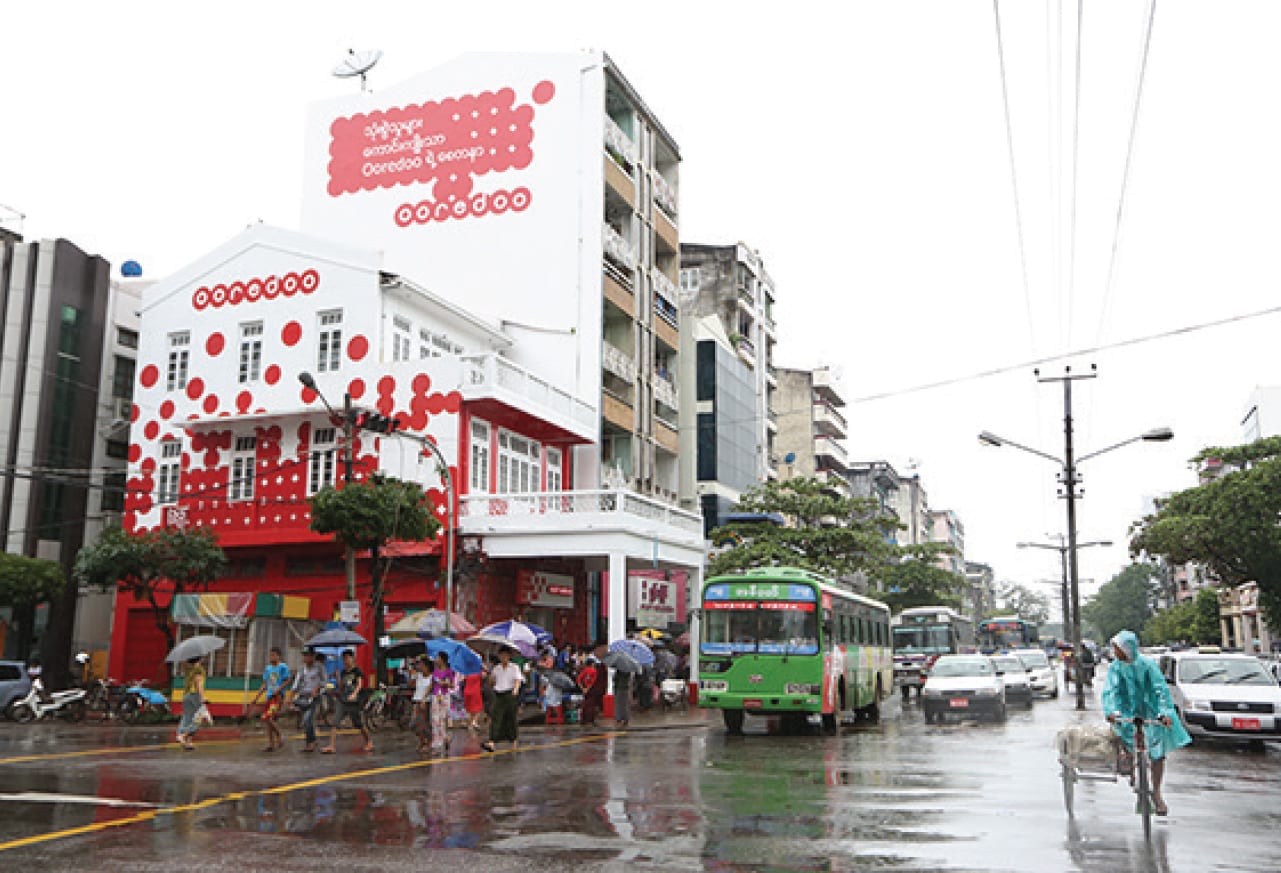
    Qatar-based Ooredoo has announced it has broken the 1Gbps speed barrier using commercial smartphones and a live network.

    The company said the company has made speeds of up to 1.2Gbps commercially available to customers in Qatar as it works to be one of the earliest adopters of 5G technology.

    Tests conducted on live sites across Ooredoo’s network achieved speeds exceeding 1Gbps.

    As well as its consumer operations, Ooredoo revealed that Qatar Airways has arranged become the first corporate 5G customer.

    When launched, Ooredoo’s 5G connected corporate commercial services will provide an alternative to wired networks for corporate customers in hard to reach or remote areas.

    In November, Ooredoo completed testing of massive multiple-input multiple output (Massive MIMO) technology in partnership with the airline.

    “Ooredoo will continue to invest heavily in our networks to make sure that everyone across our global footprint can enjoy the internet and its life enhancing benefits,” Ooredoo Qatar CEO Waleed Al Sayed said.

    “There is no doubt that 5G services will have a huge impact on businesses and people, unlocking speeds for seamless browsing, next-generation business applications, and more. We are committed to being one of the first operators globally to make this service commercially available to our customers.”

  • Open standards key to tapping IoT value chain

    Open standards key to tapping IoT value chain

    Operators must adopt an open standards approach if they are to make the most of the revenue opportunities presented by IoT applications that use low power wide area (LPWA) networks.

    A common IoT service layer will result in increased cost-effectiveness, improved scalability and greater confidence that today’s IoT deployments will be future-proof.
    This is the key finding of a new white paper published today by oneM2M, the global IoT standards initiative. This most recent white paper is part of oneM2M’s ongoing work to accelerate mass deployment of the IoT which will bring value to both operators and end-users.

    “While the latest figures from Analysys Mason suggest there could be 3.4 billion LPWA connections by 2025, the forecasted revenue per connected device is relatively low unless CSP strategies to tap into the larger revenue opportunity provided through application enablement become mainstream,” oneM2M’s Technical Plenary Chair Dr Omar Elloumi said.

    “With the recent ramp-up of LPWA deployments worldwide, we have seen an increasing number of CSPs adhering to the oneM2M value proposition, but they will need to expedite their strategies to improve the value they are seeing from the IoT. oneM2M provides a great opportunity to monetize LPWA, effectively making it application developer-centric.”

    Open standards for the IoT were developed after enterprises that deployed the early wave of IoT connections found themselves restricted by a vertical approach to platform management. Working in this way restricted the applications’ scalability, limited cost-effectiveness and stifled interest from device manufacturers and app developers, who found themselves repeating efforts to integrate different connections and device management protocols.

    “The need for interoperability is what drives oneM2M’s architecture, which allows CSPs to break down the silos that inhibit growth and creates a single, horizontal platform for data sharing between applications,” said oneM2M’s Regional Marcom Vice Chair Chris Meering, of Hewlett Packard Enterprise (HPE). “This not only delivers OpEx savings from not having to manage multiple horizontal silos, but also opens up new service innovation opportunities. LPWA provides the means to deliver the IoT and a standards-based, horizontal approach makes it a stronger business case.”

    The white paper discusses the importance of normalizing data from different devices within a single platform – a common IoT service layer – that is agnostic of hardware and connectivity type. This gives app developers the confidence to create new and innovative services through easy-to-use application programming interfaces, knowing that they will work with all service provider networks and IoT deployments. By forming partnerships with these developers and device manufacturers through the use of oneM2M, operators can create value in the app space and ultimately via data analytics.

    “Using oneM2M makes it possible for app developers to build once and reuse often,” said Andreas Neubacher, Technology Innovation at Deutsche Telekom. “This creates a win-win situation – developers can create tailor-made apps that can easily be scaled, while CSPs and platform providers have a larger pool of resources as the developers reuse code and avoid duplication of efforts.”

    HPE’s Universal IoT Platform and InterDigital’s one TRANSPORT concept – an open service that enables public and private sector organizations to take advantage of shared data for use in intelligent transportation – or demonstrations like Orange and Deutsche Telekom’s smart home application portability are cited as examples of where oneM2M has encouraged IoT growth through a horizontal approach. The use of an open standards approach based on oneM2M by the South Korean government as the underlying principle for smart city deployments is also explored.

    The white paper concludes that oneM2M offers CSPs the ideal way to boost LPWA connectivity volumes by attracting device and application providers onto their networks. Examples of LPWA networks referred to by the white paper include NB-IoT, LTE Cat-M, and LoRa.

  • AirAsia India Offers Flights To Goa

    AirAsia India Offers Flights To Goa

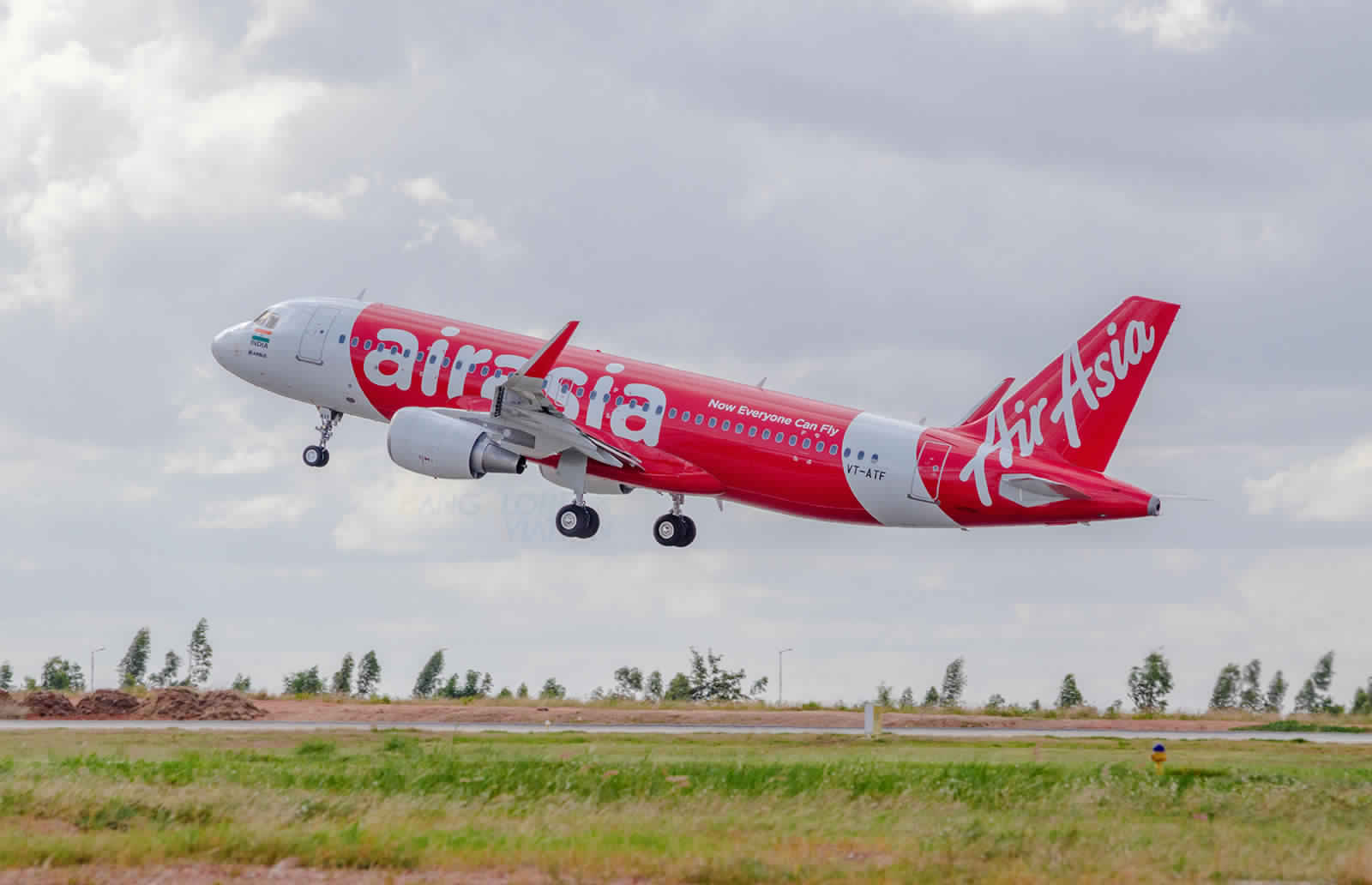
    AirAsia India is offering flight tickets starting below Rs. 1,400 on select routes in a limited-period sale. AirAsia India is offering tickets starting at Rs. 1,399 on flights from Bengaluru to destinations including Goa under a promotional scheme, according to the airline’s website – airasia.com. The AirAsia India offer requires flyers to make advance bookings, which are open till December 31, 2017, the airline noted. The all-inclusive fares offered under the scheme are applicable on travel till June 30, 2018, AirAsia India noted on its website. Flight tickets starting at an all-inclusive Rs. 1,399 are also available on flights from Bengaluru to Hyderabad and Kochi, it noted.

    AirAsia India offers on flights come days before New Year 2018, amid high competition in the domestic civil aviation market. Many airlines operating in the domestic market offer discounts around the New Year holiday season to attract passengers during a period marked with high demand, say analysts.

    A search on the AirAsia bookings portal on Friday showed tickets for flights from Bengaluru to Goa on January 17 were available for booking at Rs. 1,899.

  • Kushikatsu introduces new skewer options

    Kushikatsu introduces new skewer options

    A Japanese chain known for its fried food skewers, Kushikatsu Tanaka, has launched a Singapore outpost at Clarke Quay.

    It sprang from the Lehman Brothers collapse in 2008, when Hiroe Tanaka and her business partner Keiji Nuki decided to end their food business ventures in Tokyo. While packing to return to Osaka, Tanaka stumbled upon her late father’s kushikatsu recipe, and convinced Nuki they should open a kushikatsu outlet.

    Nine years later the business, which became a listed company last year, is valued at US$82 million (S$110.6 million). It has 167 outlets across Japan, with four more opening this month. It also has a branch in Hawaii.

    Tanaka and Nuki were both in Singapore for the opening of Kushikatsu Tanaka, a franchise outlet managed by Suntory Food & Beverage International, a subsidiary of the Suntory Group, which runs eateries such as Japanese restaurant Sun with Moon at Wheelock Place and the Pepper Lunch chain.

    Secret sauce

    A speciality street food from Osaka, kushikatsu features skewered items battered in fine panko crumbs and fried in a blend of oil and beef fat. Diners dip the skewers into a “secret recipe” sauce. There is even a dessert version.

    Other dishes on the menu include chiritori hotpan (beef or pork). To finish the broth, diners can cook curry cheese risotto on the pan. Other hands-on dishes include DIY (do-it-yourself) onigiri and DIY potato salad.

    While kushikatsu goes well with Jim Beam highballs, the alcohol menu also includes sake, shochu and wine. Diners can also play a variation of the Japanese drinking game Chinchirorin by throwing two dice into a bowl. If they roll doubles, they score a free highball; an even number earns a half-priced highball, while an odd number means they pay double the price (but for a double-sized highball).

    Meanwhile, other skewered foods have arrived in Singapore including Ginza Rokukakutei at Odeon Towers and Panko in Haji Lane.

  • Louis Vuitton Singapore makes splash in airport

    Louis Vuitton Singapore makes splash in airport

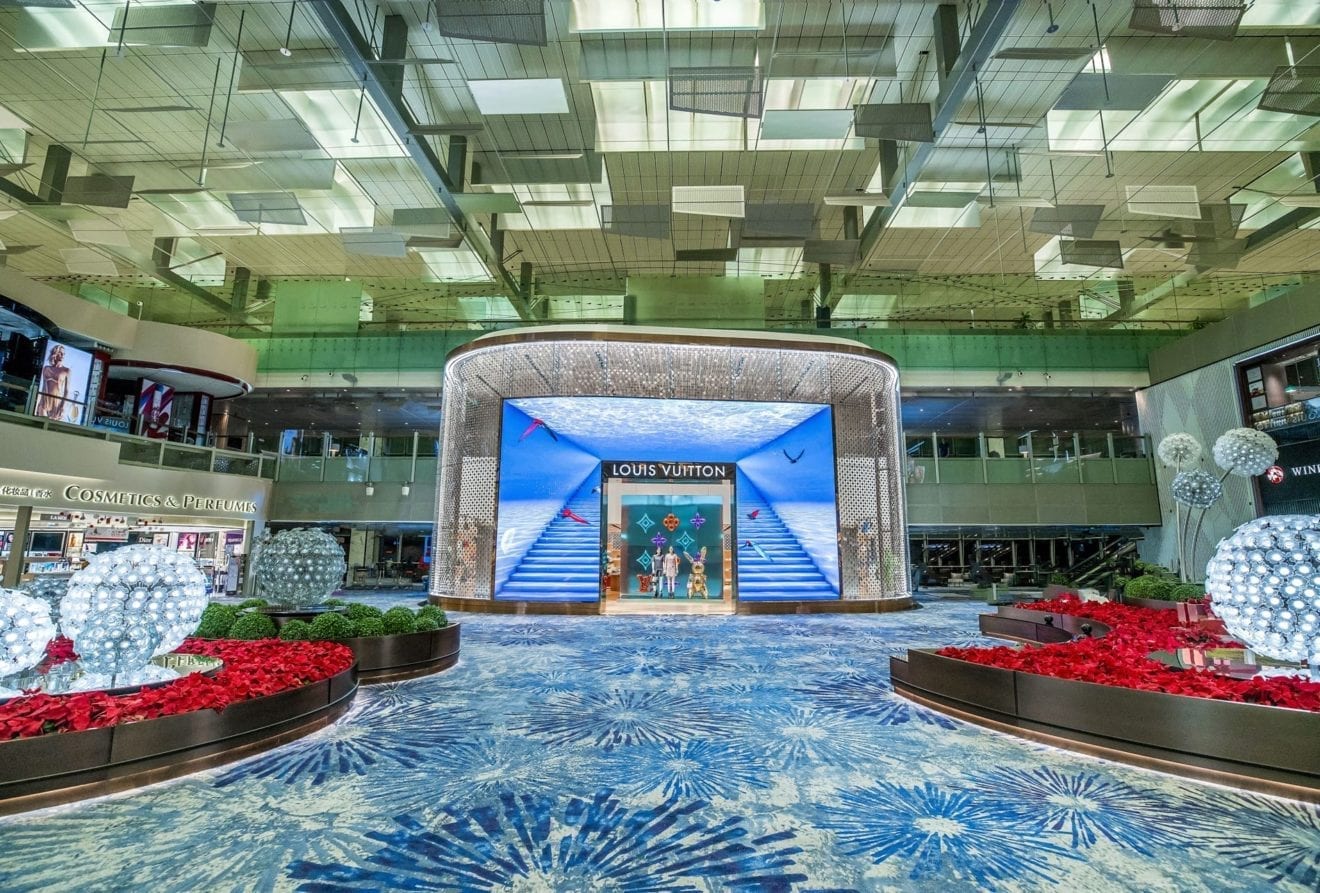
    Louis Vuitton Singapore has opened a spectacular duplex store taking centre stage in the new Crystal Garden in the Terminal 3 departure transit hall at Changi Airport.

    The first-ever airport store of its type in south Asia, the store has a theme of travel and features a full-size model of a 1930s French plane suspended from the ceiling, plus “flying machines” carrying the French luxury brand’s signature trunks and suitcases.

    A giant digital display surrounds the entrance, and the store has a translucent facade of glass and copper-diamond mesh. Inside, tiered garden beds feature a flowers and spheres containing glass sculptures.

    For the opening, an exhibition space on the second floor features antique objects from the Louis Vuitton archives displayed alongside more contemporary pieces.

    On the ground floor there is a range of travel-related offerings including men’s and women’s leather goods, ready-to-wear, accessories, shoes, watches and fragrances.

    Covering 530sqm, it is the first airport store in Asia Pacific to be directly managed by Louis Vuitton, which has had a 37-year presence in Singapore.

  • Starbucks opens largest store yet in Korea

    Starbucks opens largest store yet in Korea

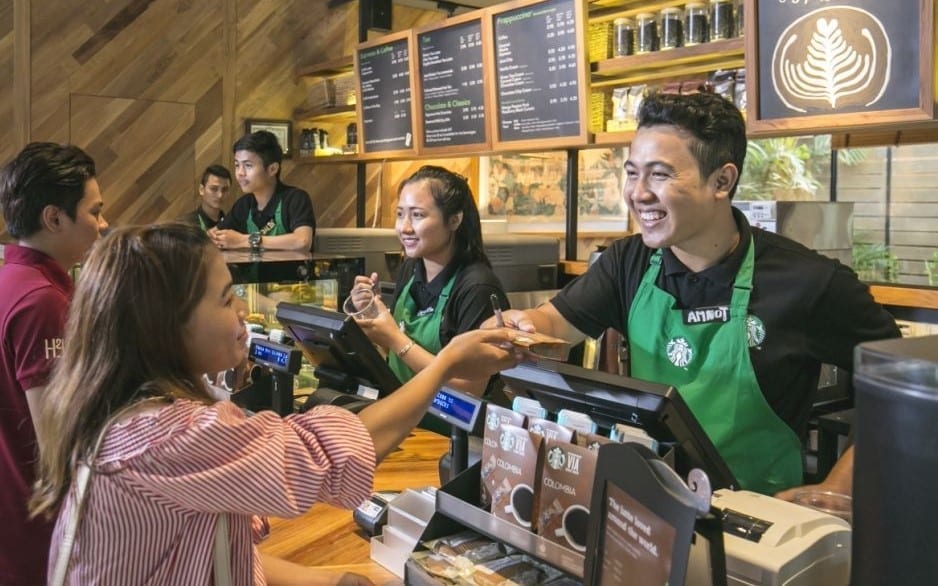
    Starbucks Korea opened its largest store yet in Seoul’s Jongno district today, in a move to solidify the brand’s already strong presence in an increasingly competitive market.

    The coffee shop, at Jongno Tower, covers 1097sqm on the first and second floors of the building – making it four times bigger than the chain’s typical 264sqm store size.

    The latest move by the US coffeehouse chain comes on the heels of low-cost coffeehouse Ediya Coffee’s decision to open a flagship store of a similar size last year in Gangnam District.

    A wide range of menu items and premium services to differentiate from other locations will be on offer, such as herbal teas ‘Teavana Blueberry Bliss’ and ‘Teavana Citrus Lavender Sage’, which will be available at four of the Teavana-inspired stores across the country including the Jongno location.

    Some 100 beverages and 60 bakery products will be available at the new location, 30 per cent more than the average number of items available at other stores.

    Siphon coffee makers will be used to brew some of the drinks at the new coffee shop, while an exclusive trial program available at the store’s community room will introduce some completely new offerings such as Origin Flight and Brew Comparison.

    In addition, seven types of rice products made in South Korea using Starbucks coffee grounds as a fertiliser will also be on sale, including beans & sweet potato rice chips.

    A large-scale artwork installed on one side of the store uses traditional Korean fabric to recreate the coffee chain’s signature Siren logo with a Korean touch, a fitting addition for Jongno District, a neighborhood boasting traditional venues such as Gyeongbokgung Palace and Insadong.

    Starbucks currently operates about 1100 stores across South Korea.

    Earlier this month, the American coffeehouse opened its largest store in the world in Shanghai, China

  • Prada Silver rolls out a new line in Macau

    Prada Silver rolls out a new line in Macau

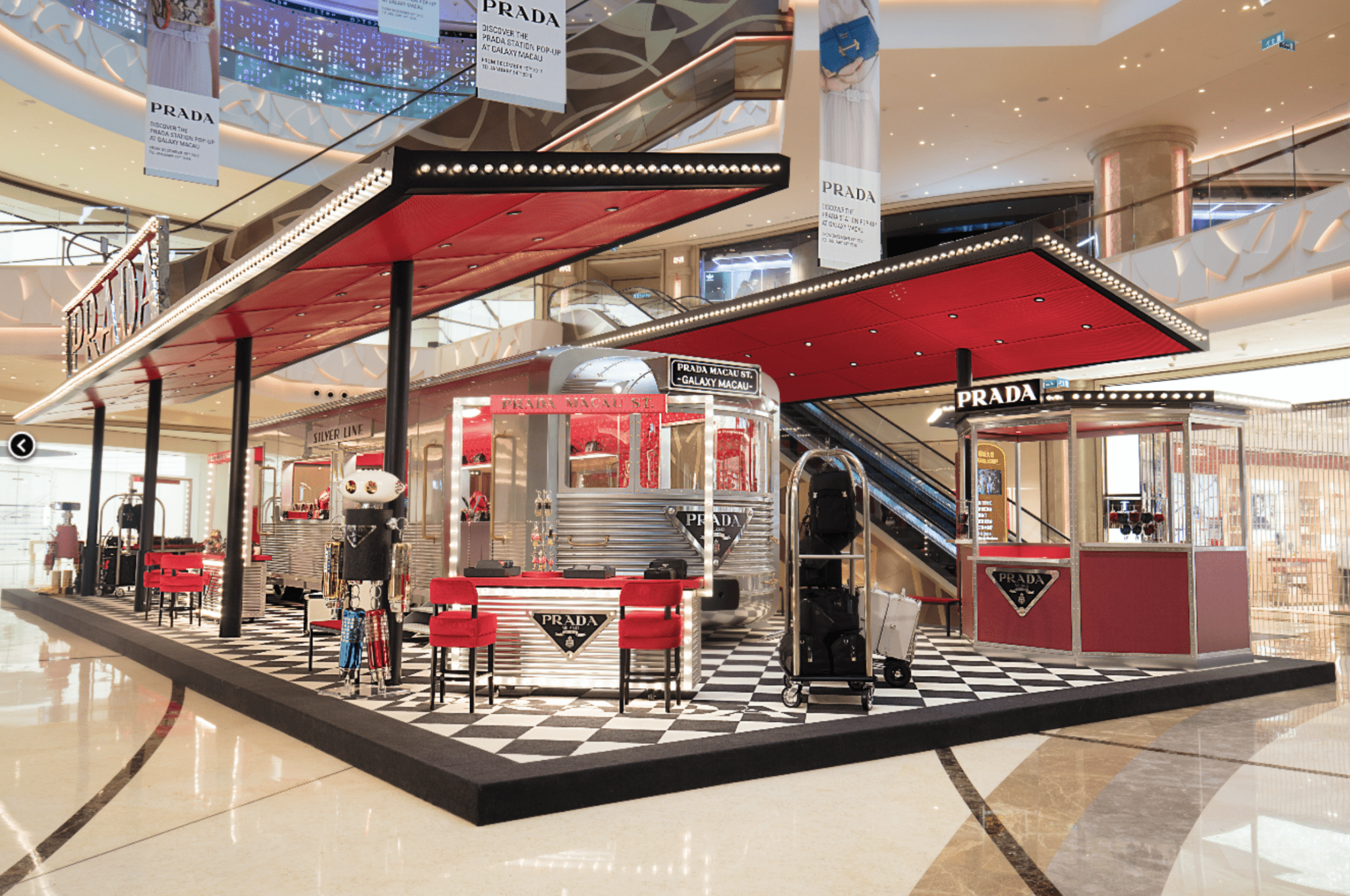
    Adopting a rail theme, Prada has unveiled an itinerant retail project, “Prada Silver Line”, at Galaxy Macau.

    It runs until January 4, then will steam off to other destinations around the world. Different items will be developed for each city the Silver Line visits.

    With an illuminated platform, the pop-up draws inspiration from American train sets of the ’30s to ’50s. The imaginary railway station includes a train coach with metal outer shell that houses the main product display space. Floral-patterned red silk brocade tapestry and black-and-white checkered marble flooring, as appears in all the brand’s boutiques, embellish the space.

    Around and outside the coach are rail-inspired installations including life-size Prada robots and a ticket booth, which serves as a concierge service where customers can arrange delivery of purchases to their homes.

    A “Macau St” sign marks the retail space, a reference to the first stop for the train on its international journey. Throughout next year the retail project will travel throughout Asia, Europe and the US, starting with Dubai late next month.

    To mark the project, the brand presents a range of exclusive products including women’s bags and accessories. In particular, the Prada Cahier bag is reinterpreted in three new styles using exotic leathers.

  • Major International Bubble Tea Restaurant Opening in Mississauga

    Major International Bubble Tea Restaurant Opening in Mississauga

    Have you always wished for more bubble tea options in Mississauga? Of course you have—and now it looks like your wish is about to come true.

    If you’ve recently driven down Hurontario Street in the Cooksville area, you might have noticed some stylish signage indicating the upcoming arrival of Ding Tea. For those who are unaware, Taiwanese franchise Ding Tea was founded in 2004 and quickly spread throughout Asia and beyond.

    As of now, there are Ding Tea locations in Taiwan, China, Japan, Malaysia, Indonesia, Vietnam, the U.S.A. and Hong Kong. The only other Canadian location listed on the brand’s website is one in Victoria, B.C.—meaning Mississauga will be home to the brand’s first Ontario store.

    As far as the menu goes, the resto offers oolong milk tea, brown sugar milk tea, jasmine green milk tea, bubble milk tea, coconut jelly milk tea, pudding milk tea, taro milk tea and more.

    An exact opening date has not been revealed.

    We’ll keep you updated as more details emerge.

  • Ola Cabs merges with Foodpanda in India

    Ola Cabs merges with Foodpanda in India

    Uber rival Ola Cabs has merged with food-delivery platform Foodpanda India, taking control from Delivery Hero Group of Germany.

    Under the terms of the deal, as well as a handover of shares, Ola has committed to investing US$200 million into Foodpanda’s India business.

    With Foodpanda India CEO Saurabh Kochhar having moved on, Ola founding partner Pranay Jivrajka will be interim CEO.

    Rocket Internet-backed Delivery Hero last year pulled out of Indonesia after tough competition, while Foodpanda wound up its Vietnam business in 2015 and scaled back in India.

    “The partnership with Ola will allow us to further consolidate markets where it strategically makes sense to collaborate with local players,” says Delivery Hero CEO/co-founder Niklas Östberg.

    The acquisition comes shortly after Ola raised $1.1 billion in funding from Japanese telco SoftBank Group and Chinese internet giant Tencent.

    Uber Eats launched in India a few months ago.