Blog

  • Mobile now preferred channel for Citi APAC clients

    Mobile now preferred channel for Citi APAC clients

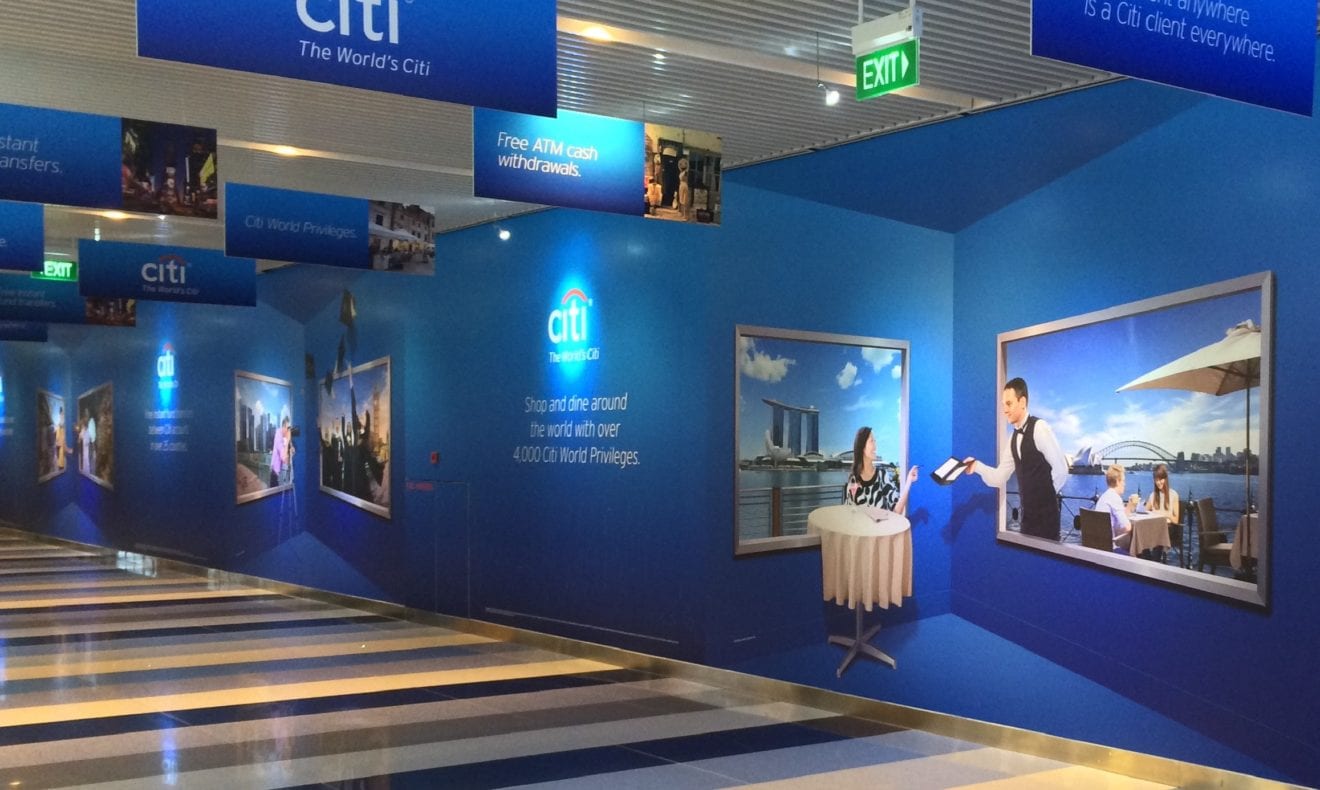
    Citi has announced that mobile banking has become the preferred channel for its consumer clients in Asia Pacific.

    The bank said that during 2017 mobile banking overtook other digital channels to become the preferred channel used by Citi’s Asia Pacific clients. Mobile use at Citi has surged by 48% in the last 12 months, making it the fastest growing digital channel at Citi.

    Digital is also growing rapidly as a source of new business at Citi. Digital acquisition in Citi’s Credit Cards and Loans business grew 57% year-on-year, and digital lending now accounts for 40% of total consumer loans fulfilled by Citi in the region.

    This growth has been underpinned by Citi’s digital investments and growth in partnerships on leading digital ecosystems.

    “At Citi our goal is to deliver remarkable banking experiences to our clients wherever they are. We have been transforming our business to be simpler, faster, scalable and digital. The growth we are seeing in mobile and digital underlines the progress we are making in being increasingly relevant where are clients need us to be,” Citi said head of global consumer banking Asia Pacific and EMEA Anand Selva said

    Citi has digital credit card partnerships with leading players in the region including Amazon, Grab, Lazada, Expedia, and Airbnb. Citi also recently partnered with Facebook to launch its first banking chatbot on the Facebook Messenger platform in Singapore. Giving customers real-time information on their accounts, transaction details and rewards points balances, Citi’s chatbot will be rolled out across the region over the next few months.

    The bank is already active in a number of leading social messaging platforms in Asia Pacific including WeChat in China and LINE in Thailand. Citi also recently reached a major milestone with three million customers having registered to use its voice biometric authentication.

    Across the region, Citi’s digital banking channels and servicing capabilities continue to see strong growth in customer engagement.

    The Asia Pacific Global Consumer Bank’s focus on transforming its business continues to yield positive results. For the third quarter of 2017, the business reported a 5% increase in revenue year-on-year to $1.87 billion, representing its fifth consecutive quarter of revenue growth in the region and making it the fastest growing consumer business for Citi globally.

    A total of 17 out of Citi’s 19 Consumer Banking markets globally are now located in the Asia Pacific and Europe, Middle East and Africa (EMEA) regions.
  • Singtel to develop IoT smart meter infrastructure

    Singtel to develop IoT smart meter infrastructure

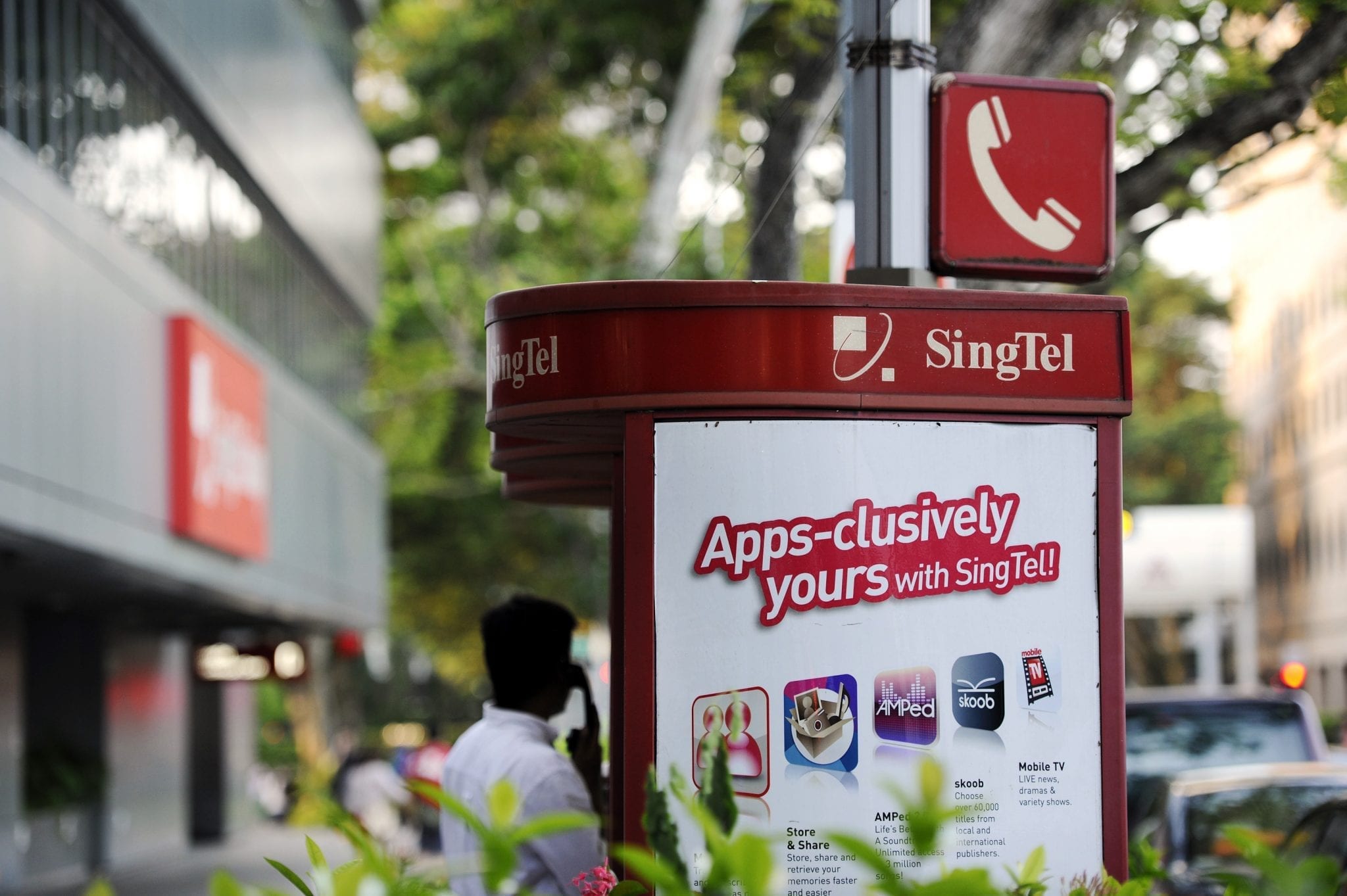
    Singtel has entered an agreement with global smart metering vendor EDMI Limited to develop a smart electric metering infrastructure for Singapore.

    The partners have been testing the use of smart electric meters over Singtel’s nationwide LTE Cat-M1 cellular IoT network to enable the wireless transmission of real-time meter readings to the power grid.

    The companies plan to offer their IoT-powered smart metering solutions for residential, commercial and industrial areas as part of the Energy Market Authority’s plan to roll out smart meters in the city in the second half of 2018.

    Singtel is already providing M2M connectivity for EDMI’s digital electric meters in Singapore.

    “Giving electricity suppliers real-time data on electricity consumption allows them to optimize the distribution of electricity to certain areas and times of the day especially when demand is peaking,” commented Andrew Lim, business group managing director at Singtel’s Group Enterprise.

    “The pairing of smart meters with our IoT network will give consumers more accurate meter readings and ultimately bring cost savings.”

    Singtel launched its Cat-M1 IoT network in September and has been conducting trials with over 20 potential partners at its joint IoT innovation lab with Ericsson, which was established earlier in the year.

  • Toyota expects total sales to rise to record high in 2018

    Toyota expects total sales to rise to record high in 2018

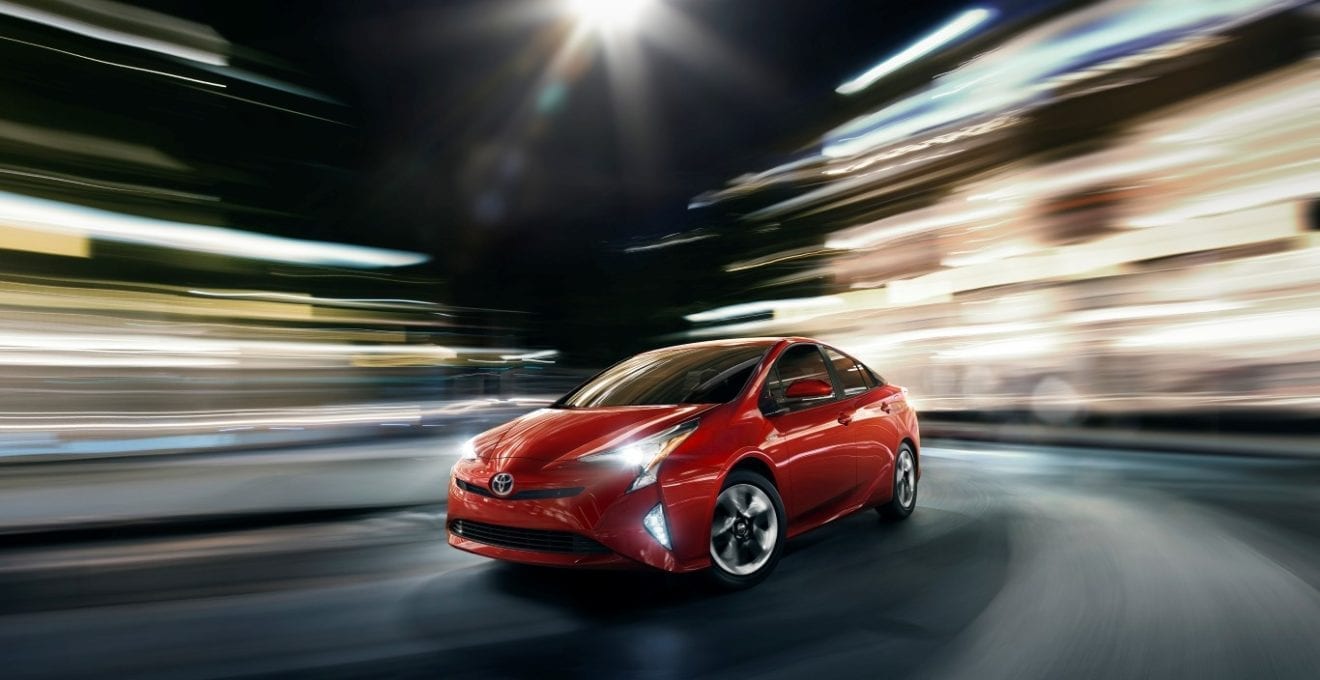
    Japan’s Toyota Motor expects its total vehicle sales to exceed this year’s record by a percent to hit 10.50 million units in 2018, as strong overseas business helps offset weak demand at home.

    For 2017, it expects to sell 10.35 million units worldwide across its Toyota, Lexus, Daihatsu and Hino brands, up 2 percent from a year ago when increased domestic sales helped it post the second-highest sales among global automakers.

    Volkswagen AG, the world’s top automaker, has posted group sales of 9.38 million units for the eleven months to November, up 3.9 percent on the year.

    Toyota, however, expects a 1 percent slide in global production to 10.40 million units next year, compared with 10.52 million this year, as it adjusts existing inventories.

    While Toyota expects overseas sales to boost its global tally, it forecast a 5 percent slide in sales to 1.55 million units at home, where demand has been waning for more than two decades as the population rapidly ages and young people lose interest in car ownership.

    Toyota aims to halve the number of car models it sells in Japan by 2025, although it has pledged to maintain sales of at least 1.5 million passenger cars annually in the country.

  • Bubble tea franchise set to expand throughout New Zealand

    Bubble tea franchise set to expand throughout New Zealand

    New Zealanders have a growing thirst for the popular Asian drink “bubble tea,” with more stores expanding around the country next year.

    Bubble tea or boba tea is made with soft tapioca balls called pearls and originated in Taiwan in the 1980.

    The drink has become popular around the world with global sales of tapioca pearls growing at 4 per cent a year.

    Bubble tea sales in New Zealand are growing around 20 per cent a year, according to Marcus Teh, New Zealand manager of Gong Cha, an international chain of bubble teahouses.

    Auckland’s large Asian student population initially drove its popularity, he said, but this year around 30 per cent of customers were Kiwis.

    The black balls at the bottom of the glass are tapioca pearls.

    “Marketing plays a part but the bubble tea culture and drinks are slowly being loved by Kiwis,” Teh said.

    “We already know our brand is loved by Asians so we are trying to attract more New Zealanders.”

    Retail licensing expert Katrina Hammon said bubble tea bars were the new juice bars.

    “It’s new, different and on trend globally. McDonald’s Germany even added bubble tea to the menu in 2012, so New Zealand is well behind this trend,” she said.

    One of the pull factors of tea was the experience, she said.

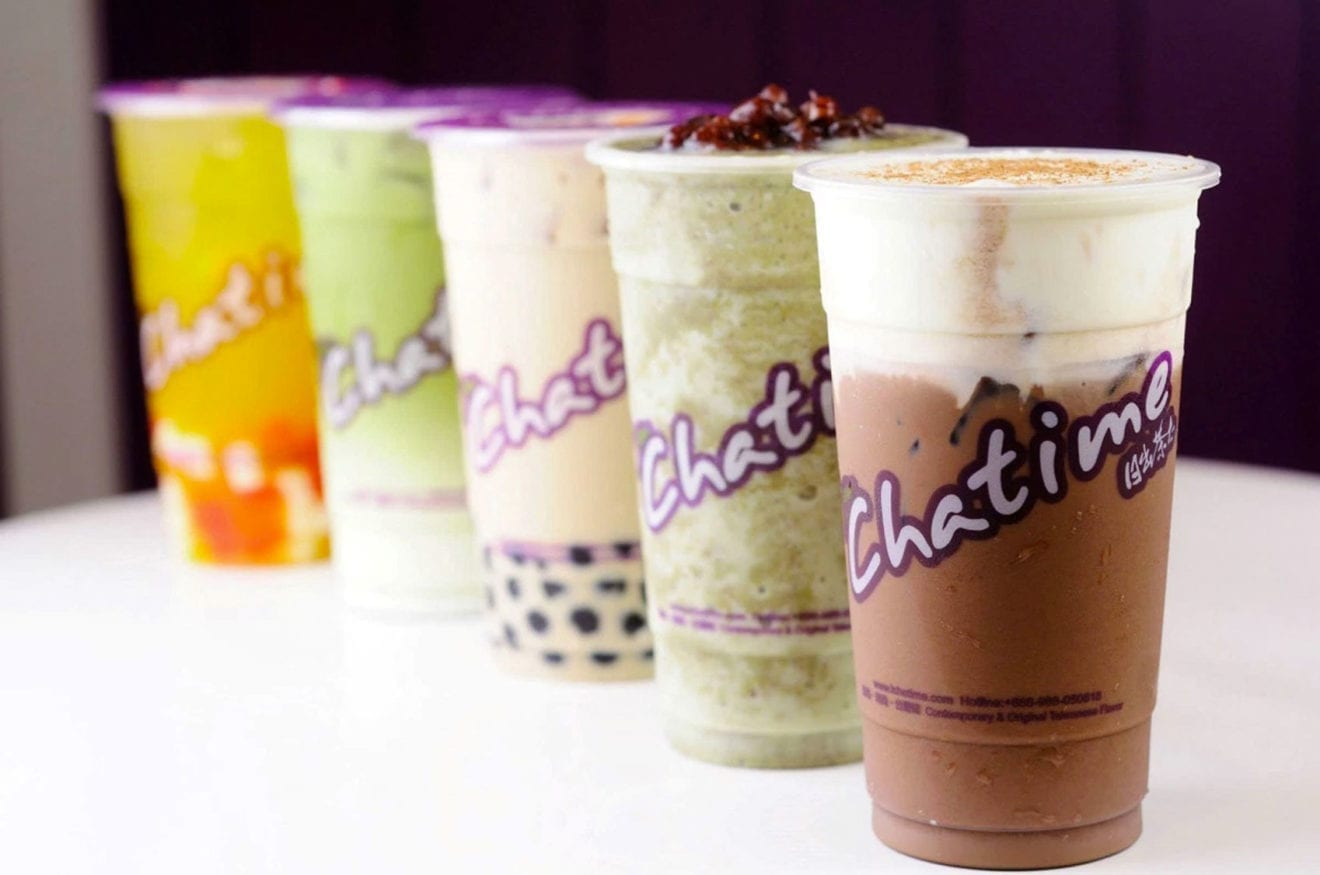
    “The Chatime Tea brand, another chain of teahouses has an unique fit out, consumers can see the product being made and add in pearls. There are also healthy options like sugar free options, chia seeds, aloe vera.”

    Gong Cha and Chatime each have more than 1000 stores worldwide and three stores in Auckland.

    A fourth Gong Cha is set to open at Sylvia Park in November.

    Teh said potential franchisees had been in contact asking him to open stores in the South Island. He plans on opening three more stores next year, including in Wellington and Christchurch.

    Gong Cha will hire 20 staff in addition to the team of 30 already working for the company.

    The company was recently voted the most popular food and beverage brand in Singapore, and was also named the most popular tea brand in Korea.

  • Cebu Pacific apologizes for delays in morning flights, cancels one flight due to bad weather

    Cebu Pacific apologizes for delays in morning flights, cancels one flight due to bad weather

    Cebu Pacific cancelled one domestic flight to Cauayan, Isabela, on account of bad weather Wednesday, even as it apologized for the inconvenience caused by an average 45-minute delay in early morning flights.

    Cancelled due to bad weather was 5J 196/197, Manila-Cauayan-Manila 5J- Cebu Pacific.

    In a separate advisory, Cebu Pacific attributed the flight delays to a temporary slowdown in the production of its flight plans.

    “Early morning flights were delayed by approximately 45 minutes as a consequence and this will also cause a domino effect for flights throughout the day,” said the leading low-cost carrier.

    “We are currently putting measures in place to make up time and thus minimize delays to our schedule. Our airport personnel are on-hand to assist affected passengers. We sincerely this has caused, and appeal for patience and understanding,” said the airline.

  • The McDonald’s rendang burger lands in Indonesia

    The McDonald’s rendang burger lands in Indonesia

    McDonald’s Indonesia has introduced the rendang burger to celebrate the country’s 72nd anniversary of independence and being the burger and fast-food lovers that we are, we just had to try it.

    After all, what better way to honor Indonesian culture than bring one of its top dishes—which has even been regarded as the world’s most delicious food—in fast-food burger form to the masses? While the fast-food giant has released similar short-term specials, this rendang burger in its latest iteration, is sold as part of a special menu titled “Ini Rasa Kita” (this is our flavor). The menu is available from July 28 til September 10, 2017.

    The special menu includes three rendang burger options: your classic rendang burger with a single patty, the double rendang burger, and the rendang burger special, which has one patty and a fried egg on top. There’s also a limited edition soda belimbing (starfruit) you can order as a part of a meal package if you’re feeling particularly adventurous. 

    We’ve comprehensively tasted and reviewed Bali’s best burgers so we feel pretty confident about our ability to give you the 411 on McDonald’s ‘culturally adapted’ new number. Just sayin.

    Going in to Bali’s Jimbaran Ngurah Rai By Pass McDonald’s with a ‘go big or go home’ mentality, we ordered ourselves the rendang burger special, which set us back Rp 40k (USD2.99) a person since we went for the meal combo. Gotta get those salty McD fries, after all. 

    Upon unboxing the special rendang burger, we’ve got to tell you it’s a bit smaller than we expected since McD’s promotional photos make it look like a juiced up burger compared to their standard menu—but it turns out the rendang burger is just your classic McD cheeseburger with special toppings. Same nice greasy, cheesy taste, just nothing amped up quality-wise. Another thing we immediately noticed were the giant slices of onion on top. While those appeared a bit off-putting at first, they’re a nice textural addition to the greasy fried egg and thin standard beef patty.

    As far as the actual rendang seasoning goes, please don’t expect the tastiest slow cooked rendang from your favorite padang kitchen. Have you had Indomie rendang before? Because the spice packaging that comes with the instant noodles is exactly what the McDonald’s rendang sauce recipe tastes like. MSG-filled and a bit too ‘instant mix’ on the tongue to be that slow-cooked, creamy and rich coconut-milk spiced sauce that’s earned rendang world fame.

    That said, we loved the rendang special burger as a quick bite and anticipate some late night McDonald’s visits in the next couple of weeks to get our MSG and fast food fix.

  • Hyundai to hike prices by up from January

    Hyundai to hike prices by up from January

    Hyundai Motor India today said it will increase prices of its vehicles by up to 2 per cent from January in order to offset impact of rising input costs.

    The company joins the likes of other automobile companies, including Nissan, Mahindra & Mahindra, Volkswagen, Maruti Suzuki India, Tata Motors, Ford, Toyota Kirloskar Motor, Honda Cars India, Skoda and Isuzu, which have already announced price hikes from early next year.

    “We have been absorbing the increase in input and material costs but now are constrained to increase the prices up to 2 per cent,” HMIL Director Sales and Marketing Rakesh Srivastava said in a statement.

    The revised prices will be implemented from beginning of next year, he added.

    The company sells a range of models from hatchback Eon at Rs 3.29 lakh to premier SUV Tuscon priced up to Rs 25.19 lakh.

    It has been a long standing practice in the domestic automobile industry to announce price hikes in December as companies try to woo customers, who usually postpone purchases to acquire vehicles in the new year.

  • DHL Express named Asia Pacific’s best employer for fourth consecutive year

    DHL Express named Asia Pacific’s best employer for fourth consecutive year

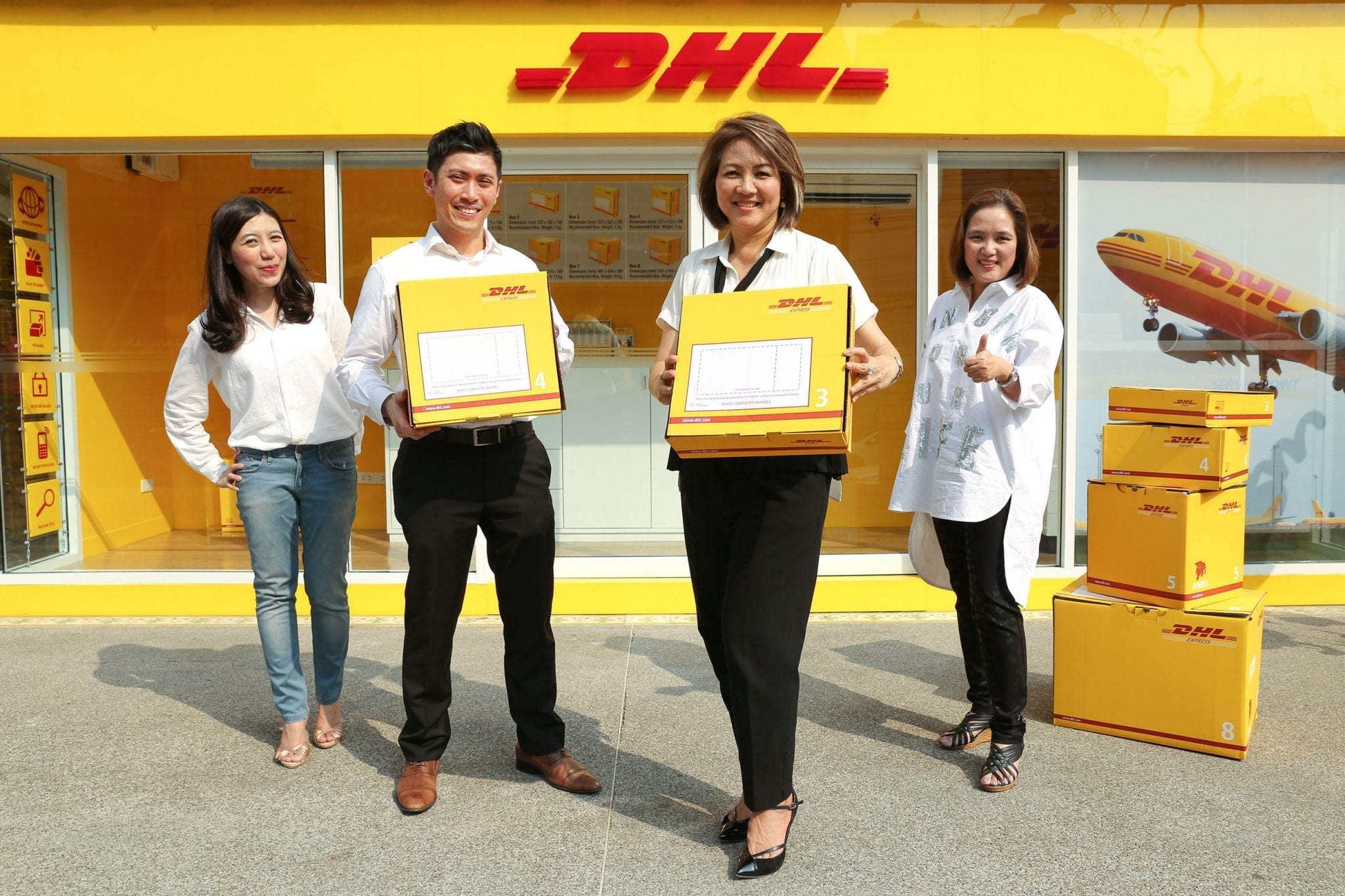
    DHL Express, the world’s leading international express services provider, has been named 2018 Top Employer for Asia Pacific as well as eight countries in the region: Australia, Hong Kong, India, Malaysia, New Zealand, the Philippines, Singapore, and Thailand.

    The award was conferred by Top Employers Institute, a global organization recognizing excellence in employee conditions, making this the fourth consecutive year that DHL Express has received the award. This further establishes the company as a regional leader in employment practices and talent development, with a workplace culture built on respect, recognition and equal opportunities.

    In 2017 alone, DHL Express received a total of 49 awards for its workplace and corporate culture in Asia Pacific, up from 39 awards in 2016 and 34 awards in 2015. This year’s string of accolades are the latest additions to the 96 other awards that DHL Express Asia Pacific has received since 2014, many with strict judging criteria based on employee feedback.

    “The DHL culture is built on the two R’s — respect and results. When we value our employees, and provide them with opportunities to achieve, we’re able to deliver the world-class results that our customers rely on to grow their businesses,” said Ken Lee, CEO, DHL Express Asia Pacific. “It is an honor to be acknowledged as a leading employer and an excellent workplace in Asia Pacific once again, and a testament to the hard work and effort that all our employees invest in really making DHL Express a byword for excellence.”

     The Top Employer award has consistently recognized DHL Express’ sustained investment in talent growth, including its Certified International Specialist (CIS) and Certified International Manager (CIM) programs that have trained over 43,000 employees in Asia Pacific. Nearly 75% of executive positions in the region end up being filled by internal candidates thanks to the company’s talent development initiatives, and women hold 1 in 3 management roles in DHL Express.

    “Diversity in leadership and the workplace help us better understand the full range of our customers’ needs and stories — resulting in more effective service for their businesses,” said A. Mateen, Senior Vice President, Human Resources, DHL Express Asia Pacific. “Thanks to a strong Diversity Management framework in place, coupled with comprehensive feedback from our annual Employee Opinion Survey, we’ve established a workplace culture where everyone has not only a voice, but also the opportunity to grow to their full potential.”

    This year, DHL Express was also named Best Employer 2017 for Asia Pacific and nine other countries region-wide, as well as “Best Employer for Women in the Workplace” in South Korea and Taiwan, by human capital firm Aon Hewitt. The Great Place to Work® Institute also recognized DHL Express as one of the “Best Multinational Workplaces in Asia” for five countries as well as the broader Asia Pacific region.

    “The success of any logistics operation depends on the skill, adaptability, and resilience of its people, translated across numerous cultures and geographies,” added Ken Lee. “At DHL Express, we’re committed to creating an environment where all employees can thrive and grow. We’re extremely proud to have nearly doubled the number of awards for our culture and workplace this year compared to 2016: each award encourages us to keep working towards a more inclusive, effective, and empathetic culture in every market where we do business.”

  • Aeon Group to invest into digital space

    Aeon Group to invest into digital space

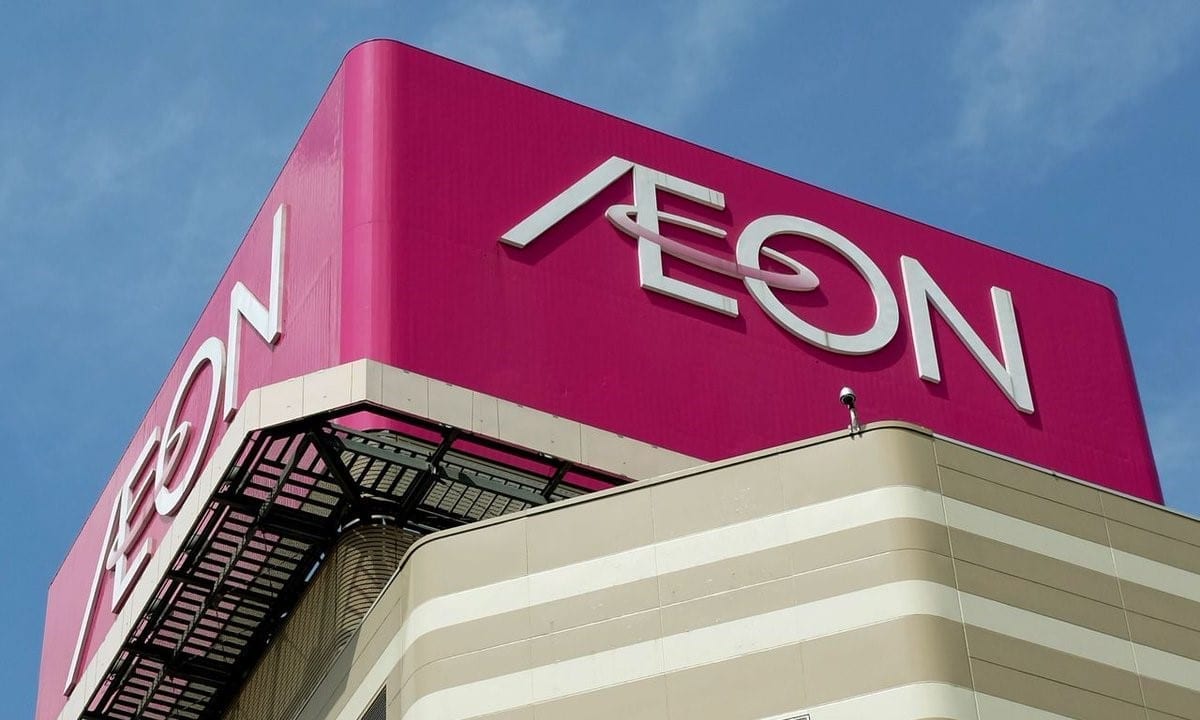
    Major Japanese retailer Aeon Group plans to invest ¥500 billion (US$4.4 billion) in online retail over the next three years.

    Representing a 150 per cent spike in its online investments, the plan has been revealed in a new midterm business plan.

    Openings of tenant stores in Japanese shopping malls have shrunk by 30 per cent in the past year, a Nikkei survey shows. Stores are also closing faster than they are opening, and malls are struggling to find replacements.

    Aeon has spent 18 months mapping out its new strategy, which is intended to ensure its long-term survival. The midterm plan will be in effect until fiscal 2020.

    “We will spend more on things other than brick-and-mortar stores,” Aeon president Motoya Okada said after unveiling the plan in Tokyo.

    Aeon’s massive investment in technologies and services to raise its online retailing profile reflects the challenges it faces along with other traditional merchants.

    Okada said the company also plans to double its investment for boosting its online business beginning in fiscal 2021.

    He also said “old-fashioned” retailers have learned much from Amazon.

  • Saigon cafés, restaurants facing the heat for accepting Bitcoin payments

    Saigon cafés, restaurants facing the heat for accepting Bitcoin payments

    Authorities in Ho Chi Minh City will be working with the country’s central bank to “handle violations” at several restaurants and coffee shops in the city that have been accepting Bitcoin as payment, an official from the bank said on Tuesday.

    Nguyen Hoang Minh, deputy director of the State Bank of Vietnam’s Ho Chi Minh City branch, maintained that virtual currencies such as Bitcoin are illegal, and the issuance, provision and use of Bitcoin violates the rules.

    Several coffee shops and restaurants in the city have been accepting Bitcoin as payment so the municipal administration has agreed to cooperate with the central bank to deal with these violations, Minh told a meeting with the central bank’s deputy governor Dao Minh Tu.

    “We have also asked the city’s police department to work with us.”

    The heaviest punishment for using cryptocurrencies in Vietnam is a fine of VND200 million ($8,800).

    However, we found a restaurant in District 1 that allows customers to pay for their drinks and pizzas using Bitcoin.

    A staff there said customers only need a Bitcoin code to pay for their meals, adding that this method is more beneficial for the restaurant because Bitcoin payments do not appear on tax declarations.

    Prices at the restaurant follow the current value of Bitcoin on the world market, which was $16,500 on Wednesday.

    The value of the cryptocurrency has been rising rapidly this year, reaching an all-time high of $19,783 on Sunday, an increase of 20 times compared to January.

    The heat that Bitcoin has created globally has been felt in Vietnam, and 1,478 pieces of hardware were imported into the country to “mine” for the currency in the first ten months of this year, according to official government data.

    As explained by Business Insider and Investopedia, the process of mining Bitcoins involves miners solving complex mathematical problems, and the reward is more Bitcoins generated and awarded to them.

    The participant who solves the puzzle first gets to place the next block on the block chain, a public ledger that records all Bitcoin transactions, eliminating the need for a third party to process payments, and claim the rewards.

    Miners verify transactions and prevent fraud, so more miners equals faster, more reliable and more secure transactions. According to current Bitcoin protocol, 21 million coins is the cap and no more will be mined after that number has been reached.

    Yet as currently regulated, the hardware imported into Vietnam for Bitcoin mining is not prohibited.

    In October, the central bank issued a statement saying that “from January 1, 2018, the act of issuing, supplying or using illegal means of payment may be subject to prosecution in accordance with the provisions of Article 206 of the Penal Code 2015.”

    The only payment methods allowed in the country are issued or controlled by the State Bank.

    The central bank has warned organizations and individuals in Vietnam not to invest in Bitcoins or conduct transactions in the currency, saying they would be taking a huge risk with no legal protection.

    “Bitcoin transactions are anonymous and can be used for money laundering, drug trafficking, tax evasion and illegal payments,” the bank said.

    Also in October, Vietnam’s top technology university FPT said it was looking at ways to let its students pay their tuition fees using Bitcoin.

  • Eslite plans to open four new bookstores next year

    Eslite plans to open four new bookstores next year

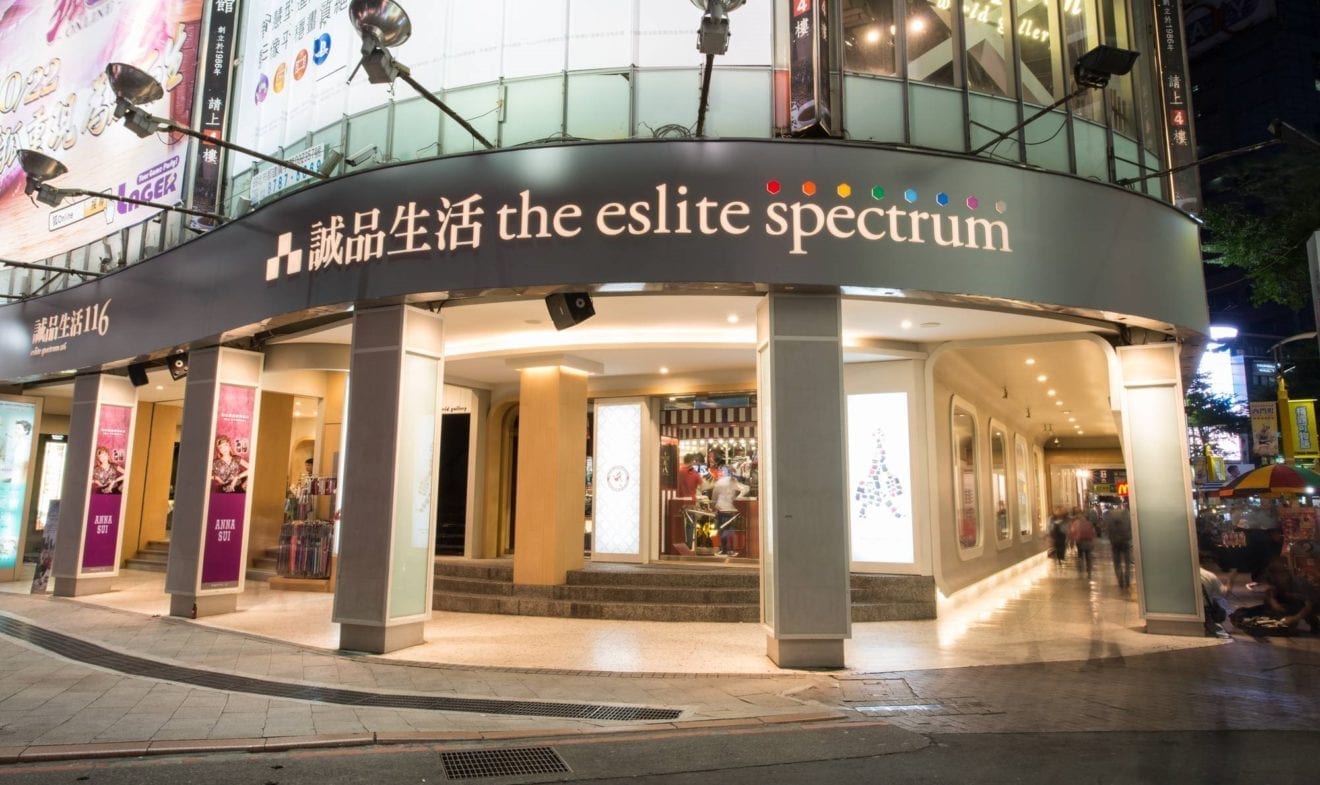
    Eslite Spectrum Corp, which runs bookstores, restaurants, hotels and commercial centres in Taiwan, aims to open four more bookstores next year.

    Launched in 2005, the company is 51 per cent owned by Eslite Corp, one of the largest retail bookstore chains in Taiwan.

    In the second quarter of next year, the company will unveil its first bookstore in Hualien county, says Eslite Spectrum VP Lin Wan-ju. This will be followed by a store in Taipei’s Shin Kong Mitsukoshi Department Store in the third quarter, and another in Kaohsiung in the fourth quarter.

    Lin says the company also plans an outlet in Taichung by the end of next year.

    While online bookstores have been gaining popularity, Lin says an Eslite survey has shown that nearly 60 per cent of readers in Taiwan still visit physical bookstores every month.

    Eslite will also use big-data analytics to understand consumer behaviour and provide better services, she says.

    The company says it has 44 bookstores in Taiwan, Hong Kong and Suzhou, with customer traffic of nearly 200 million people last year.

    Bookstores and commercial centres contribute nearly 78 per cent of the company’s total sales, while restaurants and hotels account for 18 and 4 per cent respectively.

  • Ooredoo launches 1.2Gbps mobile speeds

    Ooredoo launches 1.2Gbps mobile speeds

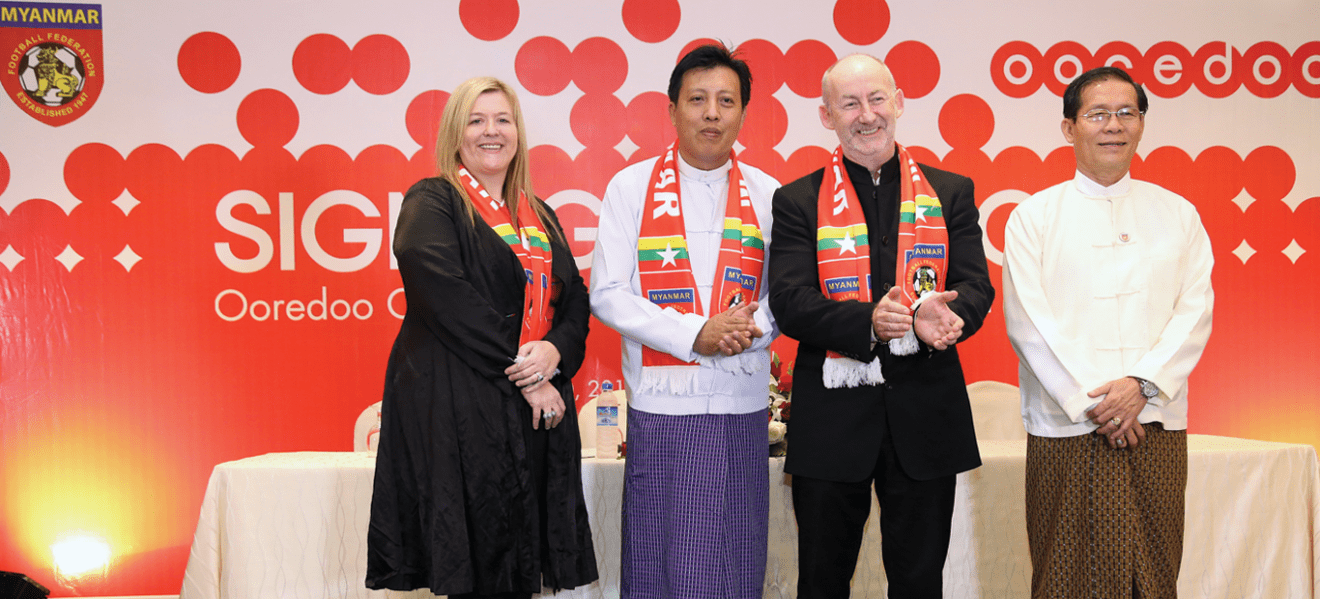
    Qatar-based Ooredoo has announced it has broken the 1Gbps speed barrier using commercial smartphones and a live network.

    The company said the company has made speeds of up to 1.2Gbps commercially available to customers in Qatar as it works to be one of the earliest adopters of 5G technology.

    Tests conducted on live sites across Ooredoo’s network achieved speeds exceeding 1Gbps.

    As well as its consumer operations, Ooredoo revealed that Qatar Airways has arranged become the first corporate 5G customer.

    When launched, Ooredoo’s 5G connected corporate commercial services will provide an alternative to wired networks for corporate customers in hard to reach or remote areas.

    In November, Ooredoo completed testing of massive multiple-input multiple output (Massive MIMO) technology in partnership with the airline.

    “Ooredoo will continue to invest heavily in our networks to make sure that everyone across our global footprint can enjoy the internet and its life enhancing benefits,” Ooredoo Qatar CEO Waleed Al Sayed said.

    “There is no doubt that 5G services will have a huge impact on businesses and people, unlocking speeds for seamless browsing, next-generation business applications, and more. We are committed to being one of the first operators globally to make this service commercially available to our customers.”

  • McDonald’s Singapore launches locally-inspired ‘nasi lemak’ burger

    McDonald’s Singapore launches locally-inspired ‘nasi lemak’ burger

    For Singaporeans and Malaysians, nasi lemak (rice cooked with pandan leaves and served with sambal) is a breakfast staple. Realizing the Singaporeans’ non-stop craving for the fragrant rice, McDonald’s Singapore introduced nasi lemakburger on Thursday.

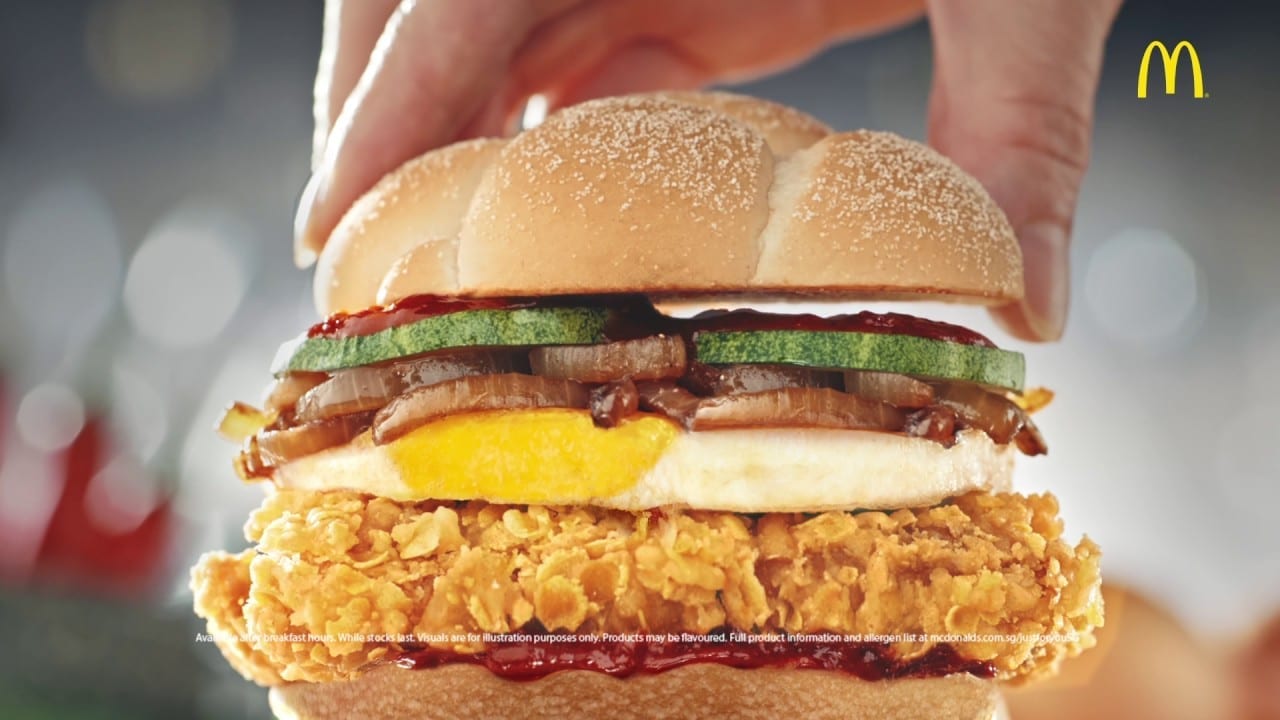
    The unique dish, which consists of semolina buns, coconut-flavored chicken thigh patty, egg, caramelized onions, sliced cucumbers and sambal, was launched in conjunction with Singapore Food Festival 2017 and the upcoming Singapore National Day.

    In addition to the nasi lemak burger, the fast food chain also launched locally-inspired beverages and desserts, namely the Chendol McFlurry (ice cream with worm-like green rice flour jelly), chendol ice cream cones, the Bandung McFizz (condensed milk beverage flavored with rose cordial syrup), Pandan Coco Frappe (pandan flavor drink served with coconut and grass jelly), coconut pie and kueh salat (a pandan sponge cake with a glutinous rice layer).

    Sure enough, Singaporeans have flooded McDonald’s outlets to devour the high-carbs meal and sweet treats.

    On Twitter, they posted mixed reviews about the fusion burger. Though not all were fond of the East-meets-West dishes, some gave positive feedback, saying the burger was beyond their expectation, tasting exactly like nasi lemak.

    Seeing the positive response, maybe it is time for McDonald’s Indonesia to consider some locally-inspired menus for Independence Day — sate ayam (chicken skewers) or lontong sayur (rice cakes with vegetables) burgers, perhaps?

  • Malaysian Senators Think AirAsia’s New Uniforms Are ‘Too Revealing’

    Malaysian Senators Think AirAsia’s New Uniforms Are ‘Too Revealing’

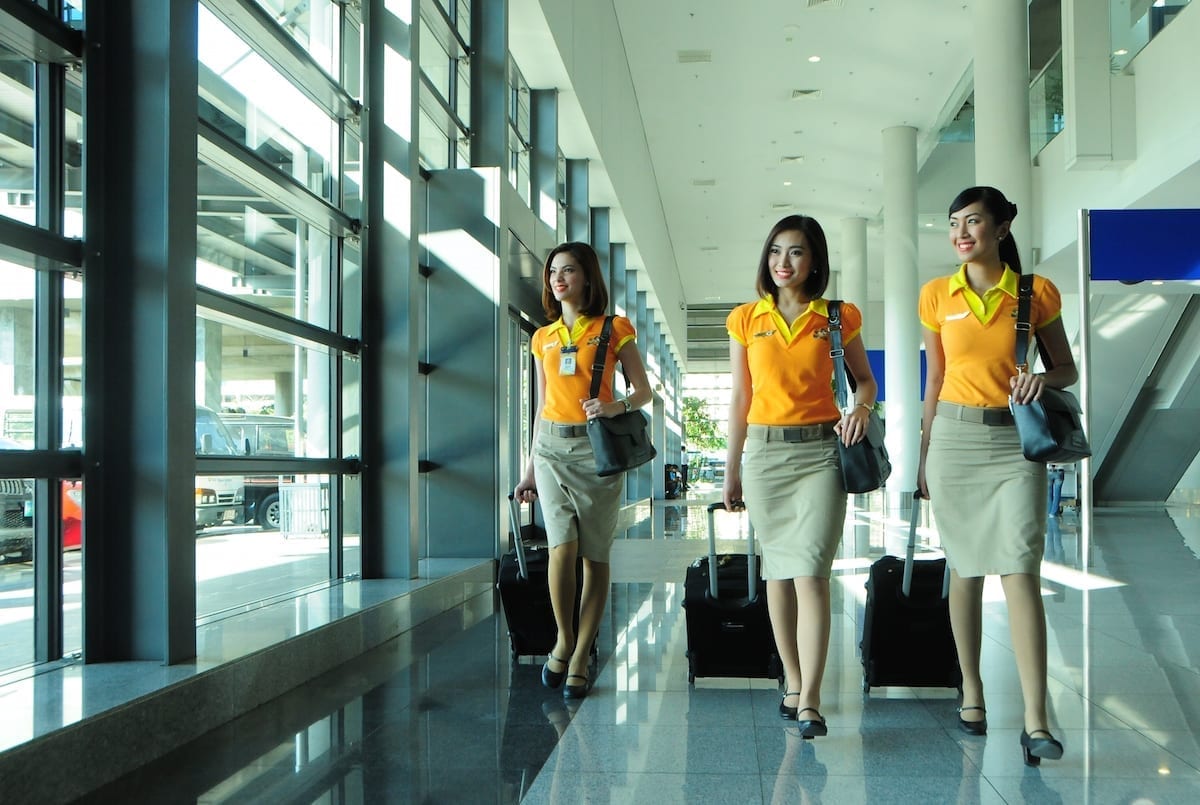
    Malaysian legislators this week criticized the uniforms issued to female crew by two Malaysian airlines, calling them “too revealing” and suggesting they conflict with the country’s Muslim values.

    Senator Datuk Abdullah Mat Yasim targetted the uniforms of AirAsia and Firefly, a subsidiary of Malaysia Airlines. Abdullah called on the Malaysian Aviation Commission to investigate the issue during debate on an aviation bill in the Dewan Negara, the upper house of Malaysia’s parliament.

    Another Senator, Datuk Megat Zulkarnain Omardin, agreed, and added another culprit to the list, saying “My wife is worried whenever I fly alone on Malindo or AirAsia .  This is a real hassle for me.”

    Abdullah replied that he found the uniforms for Indonesia-based Malindo Air acceptable, because they covered attendants’ “sensitive areas.”

    AirAsia is Malaysia’s largest airline, with operations across East Asia and India. Though Americans might not see AirAsia or Firefly’s uniforms as particularly revealing, female flight crew members feature prominently in AirAsia’s marketing materials. AirAsia also says its crew “loves to sing and dance.” It should be noted, though, that the airline does have male flight attendants – including one whose racy Britney Spears dance routineon an Airbus A330 went viral earlier this year.

    The debate follows comments last week by another Malaysian senator that flight attendants should wear Shariah-compliant uniforms to comport with Malaysian religious standards. Islam is Malaysia’s official religion, though only about 60% of Malaysians are Muslim, and Malaysia touts itself as a tolerant multicultural and multiethnic society.

  • NBA Teams for Online Stores in APAC

    NBA Teams for Online Stores in APAC

    In partnership with the US National Basketball Association (NBA), sports merchandise e-commerce company Fanatics has launched official NBA online stores across Asia Pacific.

    Fanatics already runs the flagship NBA Store in New York City, the league’s global e-commerce site and its official online store for Europe.

    It has now opened official online stores in Cambodia, Japan, Laos, Malaysia, Singapore, Thailand and Vietnam, as well as Australia and New Zealand. These offer a range of men’s, women’s and youth products from all 30 NBA teams, including oncourt apparel from official outfitter Nike and products from a range of NBA merchandise partners including Mitchell & Ness and New Era.

    There are also exclusive products, including personalised team jerseys.

    As well as paying in local currency, online shoppers will benefit from quicker deliveries and cheaper shipping thanks to Fanatics’ centralised distribution point in Asia.

    “The NBA is becoming an increasingly global league, and we’ve seen a significant uptick in fandom across several regions throughout Asia,” says Fanatics International president Steve Davis.

    With the launch of the new online stores, the league now has 20 international e-commerce sites.