Blog

  • Yohji Yamamoto receives Asia’s Lifetime Achievement Award

    Yohji Yamamoto receives Asia’s Lifetime Achievement Award

    Japanese fashion designer Yohji Yamamoto is this year’s recipient of the Lifetime Achievement Award, awarded last Friday at the Design for Asia gala dinner in Hong Kong.

    The 74-year-old design giant — known for his avant-garde tailoring featuring Japanese design aesthetics featuring over-sized silhouettes and a restricted, dark palette — was celebrated for his contribution to luxury fashion. Today, his two main lines Yohji Yamamoto and Y’s are stocked in high-end department stores around the world.

    Moreover, the designer has been hailed for his pioneering of the fusion between athletic wear and luxury fashion. He began hid collaboration with Adidas in 2003, forming the now very popular athleisure brand, Y-3.

    “Let me say, I think I’m a good dressmaker, but I am not a very good talker,” said Yohji Yamomoto, when he received the award.

    “In my long career, in design, architecture, [I’ve been to] so many parties, this is the very first time that I have such a warm feeling, I really appreciate this. Please let me become your family,” said the designer, who spends most his time between Tokyo and Paris. The latter is where he shows his seasonal collections each year.

    The designer has stores in Japan, France and the UK.

    Yamamoto has received several other accolades in previous years, including the Commander of the Order of Arts and Letters back in 2011 — the highest honour in arts and culture in France.

    The Design for Asia gala dinner also paid homage to hotelier Adrian Zecha, founder of the Aman resorts, and a new affordable luxury hotel concept, called Azerai, for design leadership.

    During the same night, organisers also awarded scholarships to 17 young designers of up to 500,000 Hong Kong dollars (US$640,000).

  • Nissan India set to hike prices from January 2018

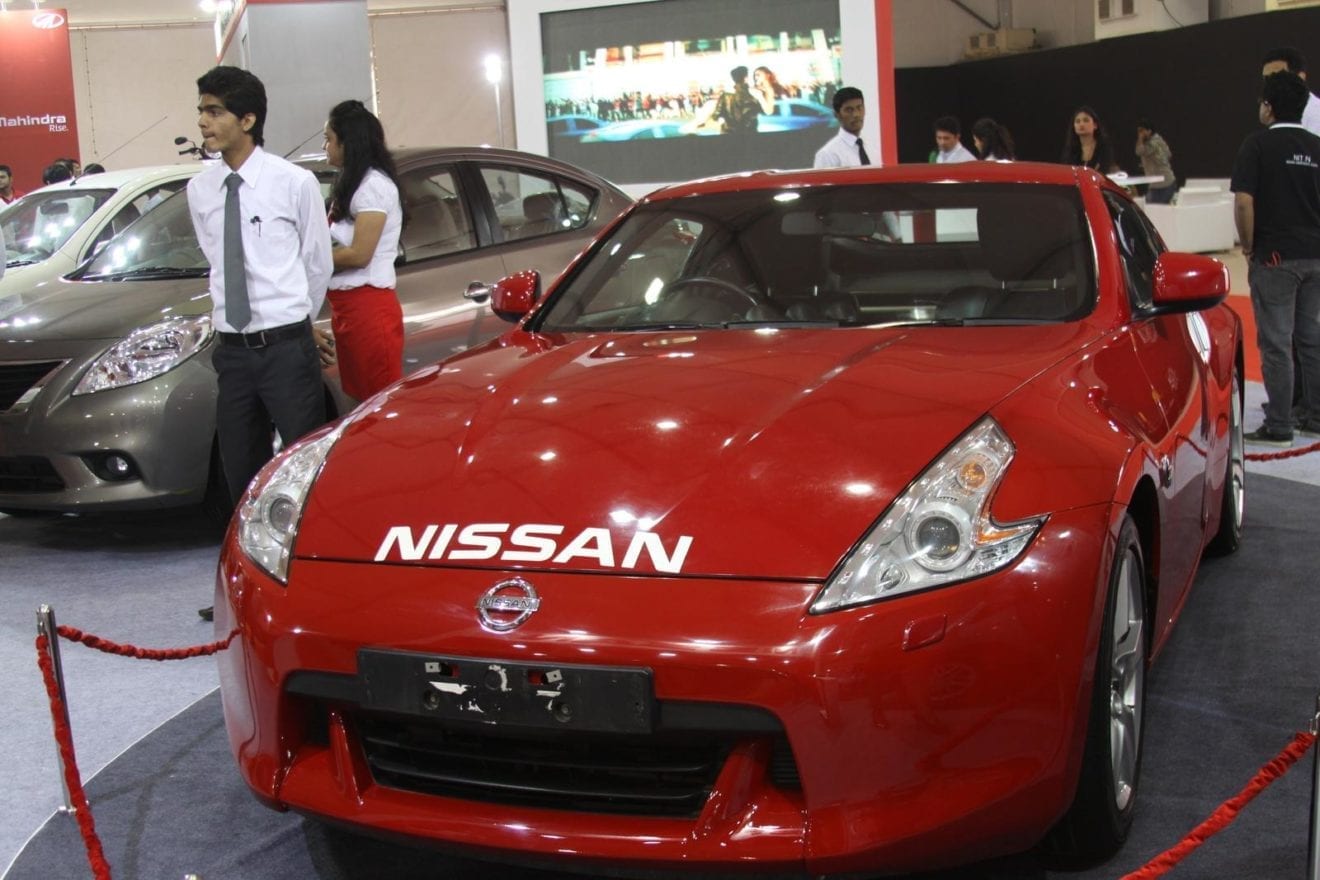
    Nissan India set to hike prices from January 2018

    Nissan Group of India on Tuesday announced a price revision across its Nissan and Datsun range of models.

    The prices of the Nissan and Datsun models will rise by up to Rs 15,000 effective 1 January 2018.

    Jerome Saigot, managing director, Nissan Motor India, said: “With the rise in input and manufacturing costs, Nissan has decided for a price hike across all the Nissan and Datsun models with effect from 1 January 2018. The revised pricing will help us to optimize our manufacturing efficiencies and continue to serve our customers pan-India.”

    Recently, Nissan and Datsun have been ranked among top 6 auto companies in India for customer satisfaction. The Datsun redi-GO has been ranked among the top 3 cars in the entry compact segment by the JD Power 2017 India Initial Quality Study.

  • North Korea’s sole 3G player Koryolink said to shut down

    North Korea’s sole 3G player Koryolink said to shut down

    North Korea’s sole 3G operator Koryolink may have shut down operations as a result of international sanctions over the nation’s ongoing nuclear testing.

    Koryolink’s owner, Egypt’s Orascom Telecom is preparing to withdraw from the company as it faces mounting pressure from the US and UN Security Council to comply with the sanctions, according to a UPI report.

    The report itself cites a Japanese article that cites Japanese intelligence officials and unnamed industry sources. The sources say that Koryolink’s customers have been transferred to state-run GSM operator Byol.

    Orascom holds a 75% stake in Koryolink with the remaining 25% owned by the North Korean government. The operator reportedly racked up around 3.5 million customers. Orascom has revealed it invested around $250 million in its North Korean operations.

    While Orascom had hoped to continue its operations in North Korea within the framework of the international sanctions, the Japanese report suggests that the company has given up on these ambitions as a result of international pressure.

    But it adds that Orascom has yet to officially announce its withdrawal from the market due to needing more time to smoothly handle exit procedures.

    Orascom first entered the North Korean market in 2008, but has reportedly faced difficulty withdrawing its earnings from the operations as a result of the sanctions.

  • Lotte chemical to expand polyethylene manufacturing unit in Malaysia

    Lotte chemical to expand polyethylene manufacturing unit in Malaysia

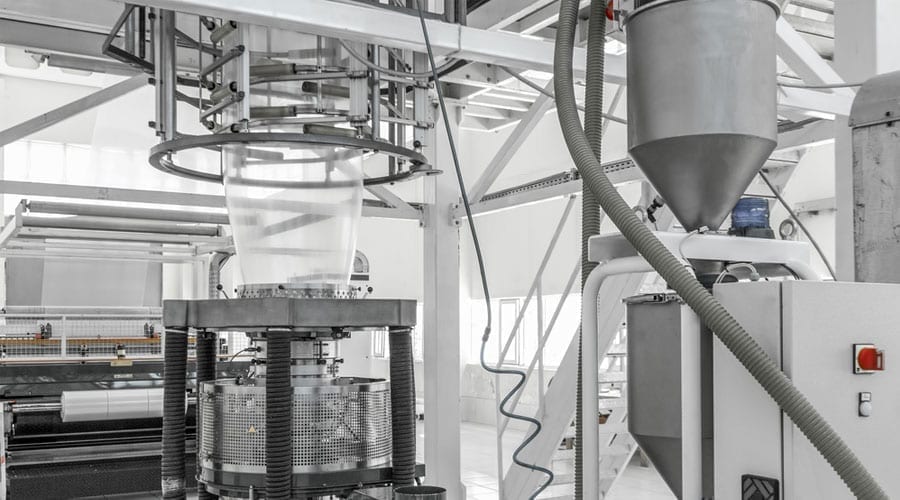
    Lotte Chemical Corp., the compound unit of Lotte Group, has extended its polyethylene plant in Malaysia to support deals in Southeast Asian markets, the organization said.

    Lotte Chemical has contributed 300 billion won (US$276 million) in growing the polyethylene production facility in Malaysia since 2015 and finished the extension venture in August, the organization said in an announcement.

    The Lotte Chemical Titan Holding Berhad plant now has a manufacturing limit of 810,000 tons of polyethylene, up 13 percent from the past limit of 720,000 tons, it said.

    Lotte Chemicalclaims a 74.87-percent stake in the plant which for the most part delivers polyethylene, the most widely recognized of plastic items. Lotte Property and Development holds a 31.27-percent stake in Lotte Chemical. The organizations are affiliates of Lotte Group, a retail-to-construction aggregate.

    Lotte Chemical intends to extend its manufacturing facilities in South Korea and the United States one year from now to have a consolidated polyethylene yield limit of 4.5 million tons globally, up from 3.3 million tons it is forecasting for the finish of 2017, the announcement said.


  • Shinhan Bank completes acquisition of ANZ’s retail biz in Vietnam

    Shinhan Bank completes acquisition of ANZ’s retail biz in Vietnam

    South Korea’s Shinhan Bank said Monday it has completed the acquisition of Australia & New Zealand (ANZ) Banking Group’s retail business in Vietnam.

    The acquisition helps Shinhan Bank increase its assets in Vietnam to US$3.3 billion and its number of Vietnamese customers to about 900,000, the bank said.

    Financial terms of the acquisition were not disclosed.

    In April, ANZ, Australia’s third-largest bank, agreed to sell its retail business in Vietnam to Shinhan Bank as part of its strategy to streamline its businesses in Asia.


  • Shilla Duty Free opens six new shops at Hong Kong International Airport

    Shilla Duty Free opens six new shops at Hong Kong International Airport

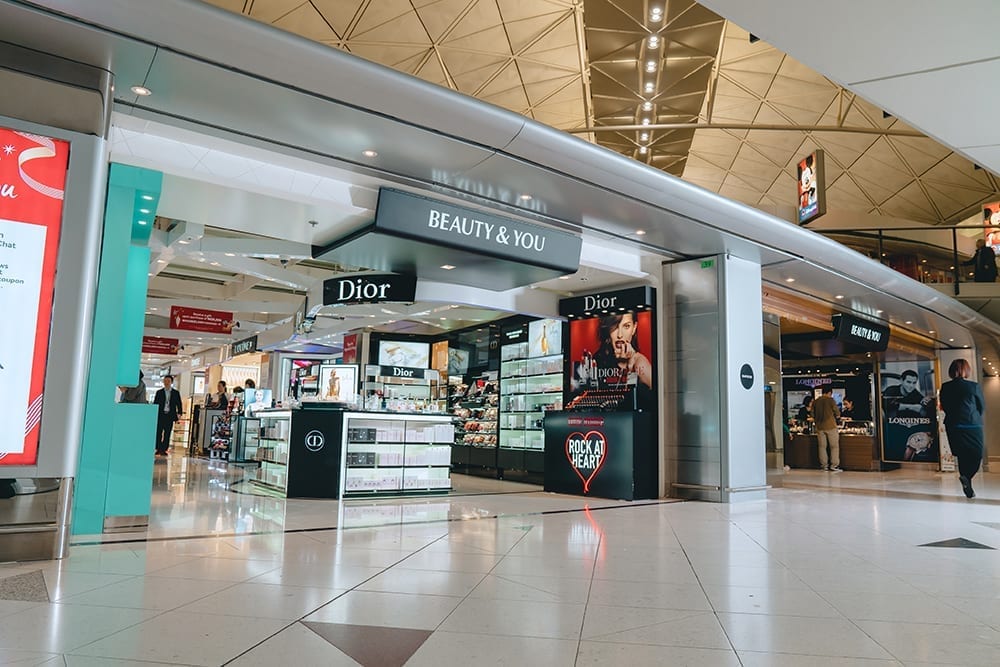
    The Shilla Duty Free has opened six new retail outlets at Hong Kong International Airport (HKIA).

    The retailer sucellfully bid on the perfume and cosmetics and fashion accessories concessions earlier this year. Shilla says the new license marks it as the first operator to simultaneously secure duty free perfumes and cosmetics concessions across the hub airports of Incheon International, Hong Kong International and Singapore Changi.

    With the opening of the HKIA stores, Shilla has also announced its new vision for experiential retail – Beauty & You. Following the commencement of operations this December, the outlets will be transformed in phases into the new identity.

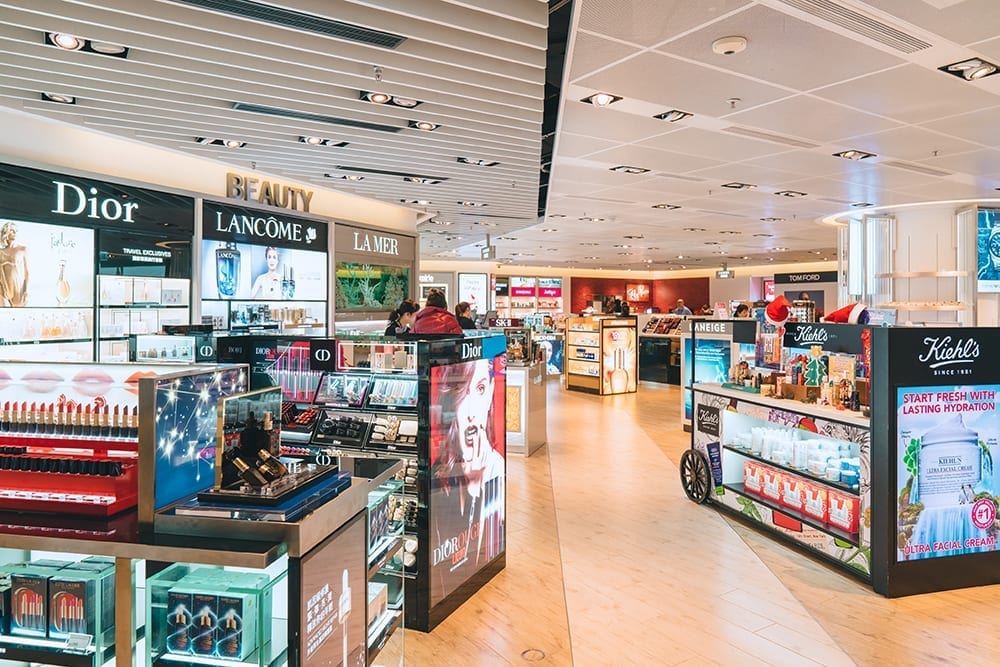
    Shilla’s Beauty & You concept is designed to combine “innovative store designs with a wide array of products, excellent service and exciting activities to delight guests at every stage of their shopping journey, giving a new innovative approach to travel retail in an airport”. Designed to represent how modern customers shop, the new Beauty & You store layout will incorporate both branded counters and non-branded areas, as well as immersive engagement zones.

    New brands

    With the grand opening of the new concept stores slated for the summer of 2018, the number of brands featured across the six stores will increase to over 200.

    “We’re extremely excited to expand The Shilla Duty Free network to one of the busiest airports in the world,” said Alice Woo, managing director of Shilla Travel Retail Hong Kong. “The airport served more than 70 million passengers annually and 1,100 aircrafts daily in the past 12 months. Hong Kong’s proximity to other Asian countries and mainland China also makes HKIA a powerful and promising hub for duty free sales. With the upcoming launch of Beauty & You, we hope to redefine the airport retail experience and customer journey through personalised service, interactive and engaging environment in one of the most robust travel markets in the world.”

  • Don Quijote eyes more Asia stores

    Don Quijote eyes more Asia stores

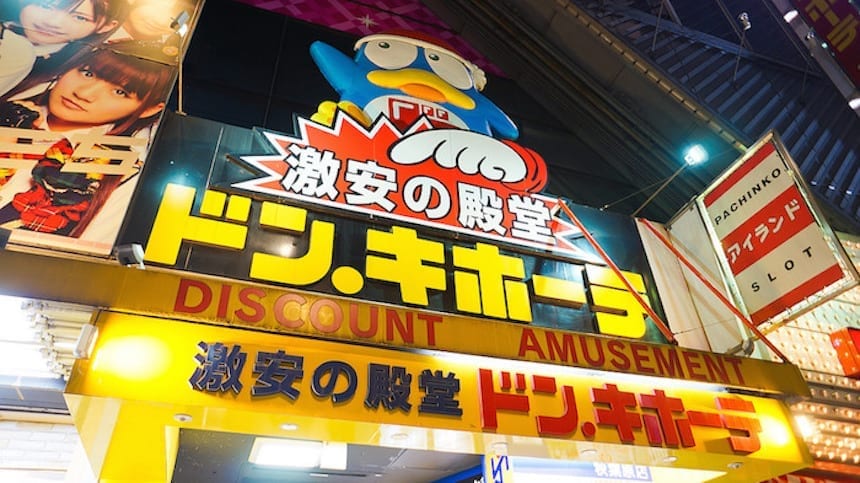
    After opening its first outlet in Singapore (called Don Don Donki) this month, Japanese discount retailer Don Quijote plans to expand with even more outlets in Asia.

    Founding chairman Takao Yasuda sas the group is looking to open stores in Hong Kong, Malaysia, Taiwan and Thailand.

    When moving to Singapore to retire two years ago, Yasuda was surprised at the price of food ingredients and other products imported from Japan. “I realised my new mission was to lower the prices to affordable levels.”

    He says the Singapore store has been so popular it has had to limit customer numbers at weekends. “We’ll increase to around 10 stores in Singapore in two to three years so customers can enjoy shopping at leisure.”

  • Vietnamese fruits struggle to gain foothold in international markets

    Vietnamese fruits struggle to gain foothold in international markets

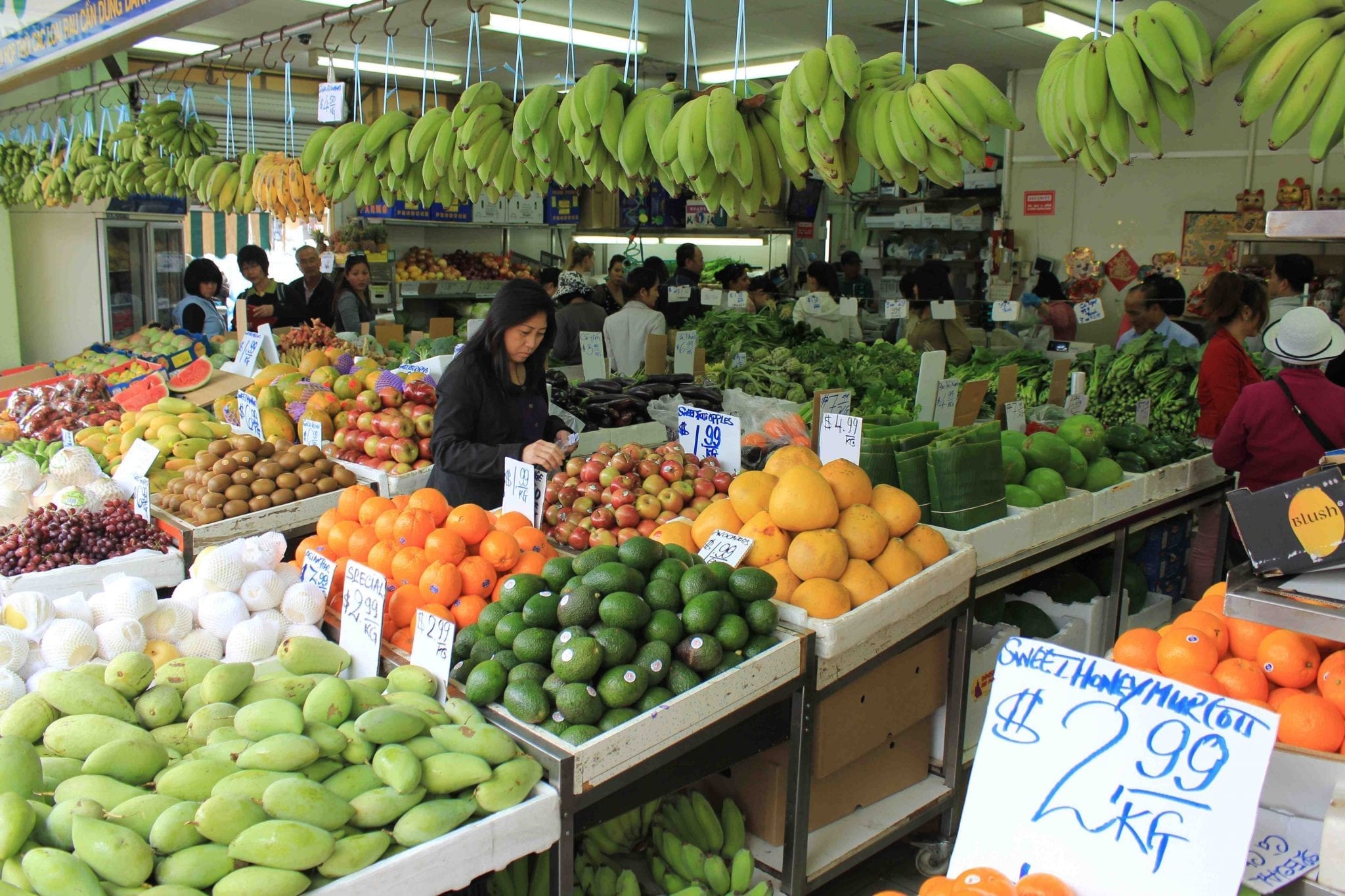
    Vietnam is struggling to find international buyers for its tropical fruit, despite having been licensed to export by demanding markets such as the U.S, Australia, Canada and Japan.

    Starting December 29, the U.S. Department of Agriculture will allow imports of fresh mangoes from Vietnam, following in the footsteps of dragon fruit, rambutan, lychees, longan and star apple.

    Earlier this year, Australia also opened its doors to fresh dragon fruit imports from Vietnam after nine years of negotiations. Vietnam delivered its first dragon fruit shipment to the market in September, becoming the sole country allowed to ship the fruit to Australia to date.

    But despite these breakthroughs, strict requirements still make it difficult for fresh fruit to enter these markets.

    Mango exports to the U.S. are a prime example. Fresh mangoes from Vietnam will be subject to regulations that include orchard requirements, irradiation treatment and port of entry inspections.

    The fruit must also be imported in commercial consignments accompanied by a phytosanitary certificate issued by Vietnam’s Plant Protection Department.

    Even if these requirements are met, sales of Vietnamese mangoes are not guaranteed as they depend on consumer tastes and distribution, said Dam Quang Thang, CEO of fruit exporter Agricare Vietnam.

    In addition, local mangoes may find it hard to compete with those from Mexico, which has the biggest mango output in the Americas at over 1.5 million tons each year. Mexican mangoes are good quality and meet U.S. import requirements, he added.

    It’s too early to say if Vietnam will be able to export 3,000 tons of fresh mangoes to the U.S. each year as planned, equivalent to one percent of U.S. import volume and its total domestic output, Thang said.

    Another obstacle to fruit exports is high transport fees that raise retail costs in overseas markets.

    For example, Vietnamese dragon fruit is sold for $8 per kilogram in the U.S., 10 times higher than prices in the local market, while Vietnamese lychees are sold for $16 per kilogram in Australia, 16 times higher than at home, according to some fruit exporters.

    Vuong Dinh Khoat, director of local fruit exporter Hugo, said aviation fees often account for more than half of Vietnamese fruit export prices.

    A representative from a fruit exporter in the southern province of Binh Duong said her firm had to temporarily halt shipments of mangoes to Japan because of high transport fees that made the product uncompetitive.

    She said her firm had to pay an aviation transport fee of $1.8 per kilogram of mangoes shipped to Japan, 50 percent higher than that paid by Thai exporters despite the shorter distance.

    Explaining the issue, she said many countries like Australia and Thailand offer transport subsidies to domestic traders to boost exports.

    Together with high aviation fees, poor trade promotions have limited Vietnam’s fruit export expansion. Despite infiltrating the U.S., local fruits are only sold in a limited number of places, such as California and New York, due to inefficient promotional activities, according to the Vietnam Fruit and Vegetable Association.

    To boost exports, the Vietnamese government should subsidize transport fees for local fruit exporters without violating its international commitments, according to industry insiders.

    Meanwhile, producers should try to apply new cultivation models and set global food safety standards as their top priority, they added.

    Major foreign currency earner

    Vietnam’s total fruit and vegetable exports hit $3.2 billion in the first 11 months of this year, marking a jump of 43.1 percent on-year and leaving other key agricultural exports far behind.

    A growing appetite among foreign consumers for Vietnamese fruit is expected to reduce the country’s reliance on China, which accounted for 70 percent of Vietnam’s fruit and vegetable exports in 2016. Local fruits are now exported to 60 countries and territories.

    At a recent session of the legislative National Assembly, Nguyen Thien Nhan, the chief of Ho Chi Minh City’s Communist Party, called for the government to focus on helping farmers grow fruit and vegetables for export to combat rural poverty.

    Last year, total export revenue from fruit and vegetables surpassed that of crude oil, Vietnam’s key export, for the first time, he said, citing that Vietnam earned $2.4 billion from shipping crude oil and $2.45 billion from fruit and vegetable exports.

    The growth of crude oil exports has slowed over the past five years, while fruit and vegetable export revenue has increased 30 percent each year, he added.

    “Fruit and vegetable export value will reach an estimated $9-10 billion by 2020, higher than crude oil even at its peak,” Nhan told legislators.

    Minister of Agriculture and Rural Development Nguyen Xuan Cuong said his ministry is reviewing farming production to help rural areas make the most of their local conditions.

    Each commune should focus on certain products for export, he said.

    “We have nearly 9,000 communes nationwide with different climate conditions and the potential to grow specialty fruit and vegetables that would create huge export earnings,” he added.

  • JD.com will open hundreds of unmanned convenience stores

    JD.com will open hundreds of unmanned convenience stores

    Following a trial at its Beijing headquarters, online retail giant JD.com plans to open hundreds of unmanned convenience stores.

    This effectively dwarfs Amazon’s plans to open checkout-free stores, as reported.

    JD.com’s stores will use facial recognition and other technology to identify products and record payments so customers do not need to wait in a checkout line. Ceiling cameras will track shopper movements and generate heat maps to monitor activity and traffic flow, product choice and customer preferences.

    This will all help store owners to stock efficiently, says the company, while facial recognition will allow for customised advertising based on an individual’s shopping behaviour.

    “From helping small-store owners streamline their supply chains and increase stocking efficiency, to speeding up check out, this is a massive jump beyond anything in use today,” says JD.com VP Song Ma.

    As well as plans to eventually license its store technology to third parties, the online retailer is also considering driverless vehicles with pre-programmed routes as well as secure lockers for deliveries. In May, JD.com said it planned to develop heavy-duty drones for long-distance deliveries.

    Also earlier this year, Amazon announced its intention to roll out Amazon Go, a checkout-free, cashless store.

  • Suspected North Korean cyber group seeks to woo bitcoin job seekers

    The surging price of cryptocurrencies in global markets is catching the eye not just of ordinary retail investors but a cybercrime gang with links to the North Korean government, according to cyber researchers tracing the group’s activities.

    The Lazarus cybercrime group is mounting an ongoing scheme to steal the online credentials of bitcoin industry insiders, a report published by researchers at U.S. cyber security firm Secureworks’s Counter Threat Unit (CTU) said on Friday.

    Cybersecurity firms including Secureworks suspect North Korea to be behind the Lazarus group, which they link to an $81 million cyber heist last year at the Bangladesh central bank and a 2014 attack on Sony’s Hollywood studio.

    “Given the current rise in bitcoin prices, CTU suspects that North Korea’s interest in cryptocurrency remains high and (it) is likely continuing its activities surrounding the cryptocurrency,” Secureworks said in a statement to Reuters.

    Prices for the volatile cryptocurrency surged past $10,000 late last month and have continued to race upward toward $20,000. A single bitcoin traded above $17,500 on Friday, up more than 7 percent on the day and more than 18 times in the year to date.

    Secureworks said that as recently as last month it had monitored a targeted email campaign aiming to trick victims into clicking on a compromised link for a job opening for a chief financial officer role at a London cryptocurrency company.

    Those who clicked on the hiring link were infected by malicious code from an attached document in the email that installed software to take remote control of a victim’s device, allowing hackers to download further malware or steal data.

    This malware shares technical links with former campaigns staged by the mysterious cybercrime group Lazarus, which Secureworks has labelled “Nickel Academy”. Secureworks did not say whether anyone who received the email actually clicked on the link.

    The so-called “spearphishing” attempt appears to have been delivered on October 25, but initial activity was observed by Secureworks researchers dating back to 2016. The researchers said in a statement they believe the efforts to steal credentials are still on-going.

    Recent intrusions into several bitcoin exchanges in South Korea have been tentatively attributed to North Korea, it said.

    Secureworks researchers have found evidence dating back to 2013 of North Korean interest in bitcoin, when multiple user names originating from computers using extremely rare North Korean internet addresses were found researching bitcoin.

    The same internet addresses were linked to previous North Korean cyber attacks.

    A spokeswoman for Secureworks said the company was releasing its preliminary findings now and a more complete report would be published later.

  • ItalianCreationGroup Plans Expansion Drive Along The Silk Road

    ItalianCreationGroup Plans Expansion Drive Along The Silk Road

    Milan-based ItalianCreationGroup, which owns Italian luxury furniture brands, plans to open 12 stores along the Silk Road over the next year.

    Co-founder/CEO Stefano Core says the aim of the company’s new retail strategy is to expand its global presence, especially in Asia.

    “We are opening stores from China to Iran, following the paths of the ancient Silk Road trading routes.”

    ItalianCreationGroup has just opened stores in Hong Kong and Mumbai, with Tokyo scheduled this week. Next years stores will open in Shanghai, Foshan and Shenzen in Mainland China, Ho Chi Minh City, Manila, Jakarta and Ahmedabad in India.

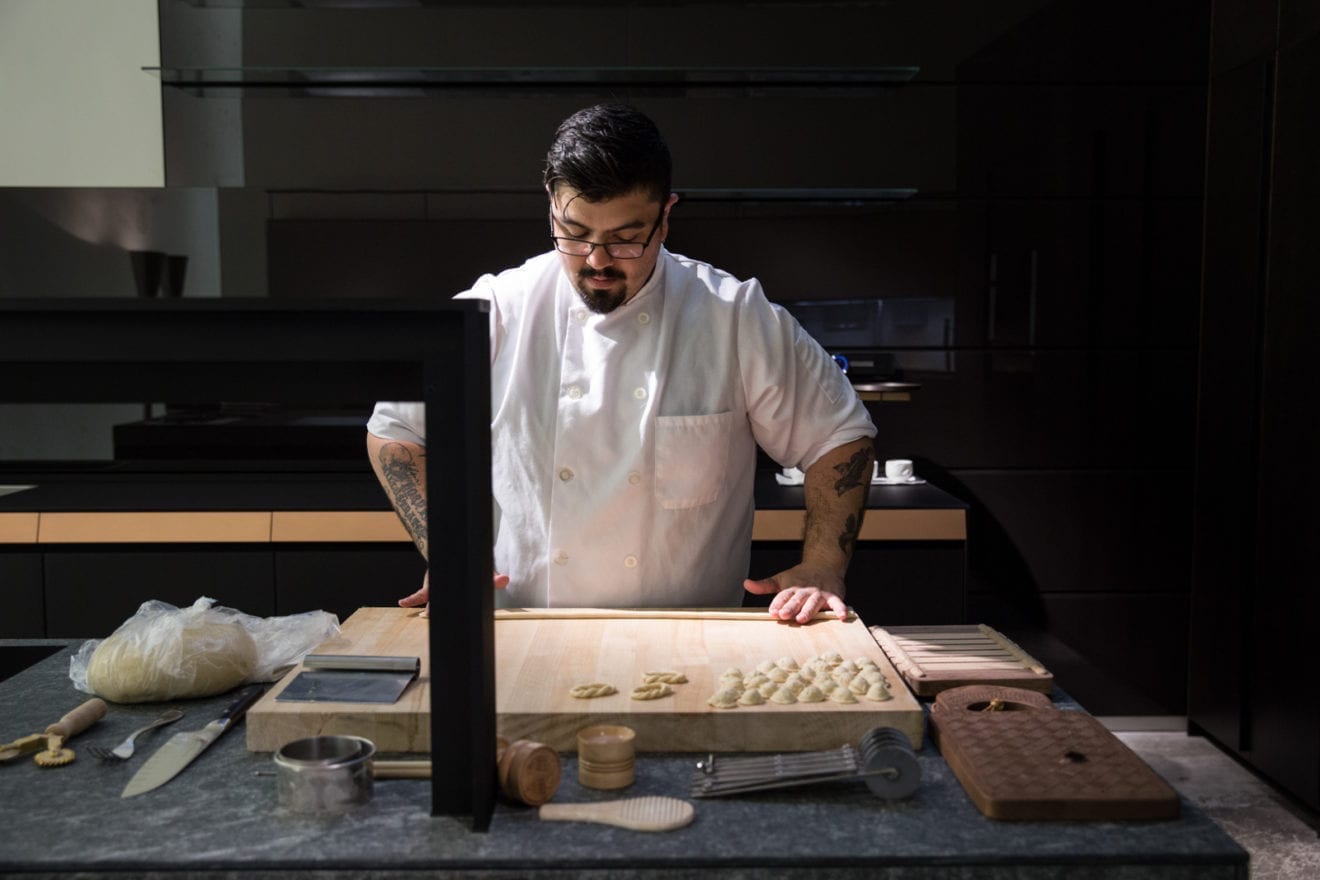
    “We believe in a new Italian renaissance,” says Core, whose company has over the past few years acquired Italian furniture brands including legendary Driade and FontanaArte, as well as boutique bathroom design firm Toscoquattro and luxury kitchen maker Valcucine (pictured).

    He says that bringing together design firms under one roof for the first time will allow ItalianCreationGroup to offer a range of Italian high-end products to the world.

    Already the company has opened flagship stores in London and New York.

  • Thai beer magnate extends SE Asia push with $4.8 billion Sabeco deal

    Thai beer magnate extends SE Asia push with $4.8 billion Sabeco deal

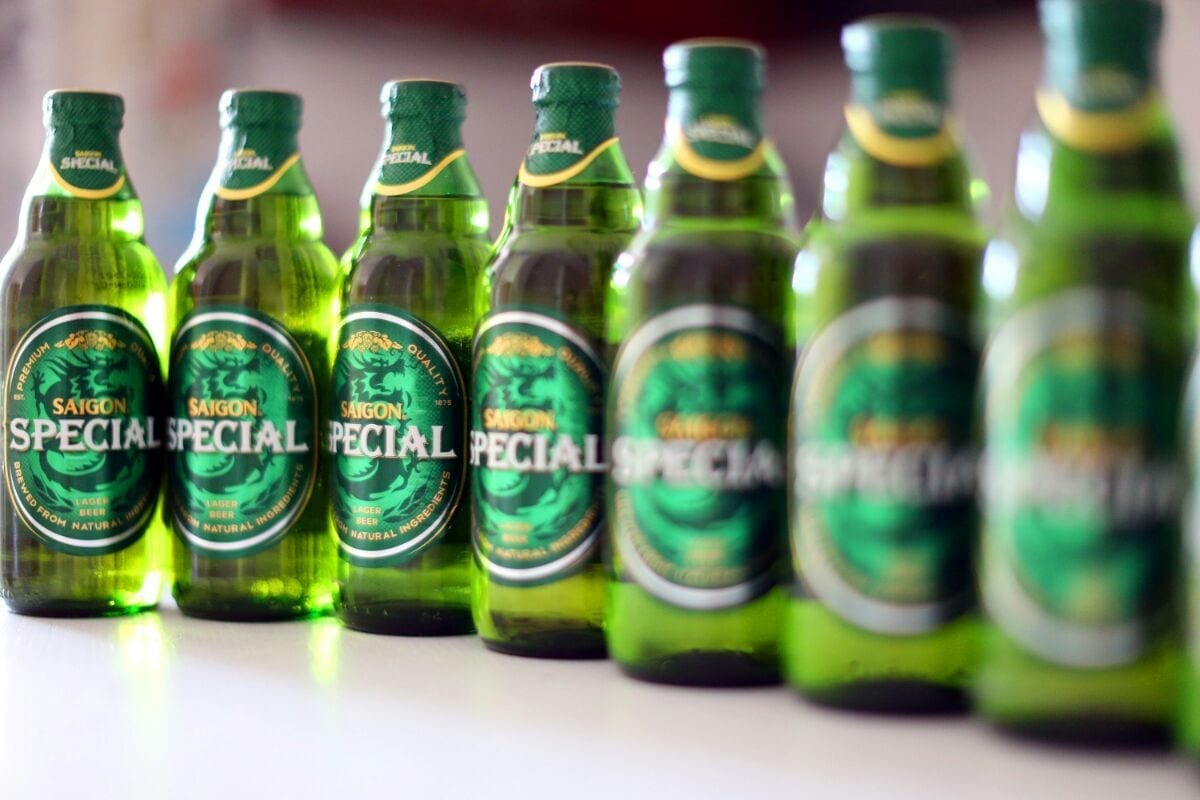
    Thai Beverage has won an auction to buy a majority stake worth $4.84 billion in Vietnam’s top brewer Sabeco SAB.HM, a lofty deal that adds a major asset to the beer-to-property empire of Thai magnate Charoen Sirivadhanabhakdi.

    The deal is a big step for Charoen, the son of a Bangkok street vendor, who is emerging as one of Asia’s biggest power players in brewing. He dominates his home market with Chang beer and owns Singapore’s Fraser and Neave Ltd. The Sabeco stake will give him control of brands like Saigon Beer and 333.

    The Sabeco deal will also help Thai Beverage (Thai Bev) tap into Vietnam’s beer market, worth about $6.48 billion last year, where a young population and booming economy are an attractive lure, despite political resistance, a high minimum bid price and a cap on foreign ownership.

    Thai Bev’s local unit, Vietnam Beverage Co Ltd, was named winner of the 54 percent Sabeco stake on offer at the auction on Monday after global brewing groups stayed away. It barely had any competition as the other investor, a Vietnamese individual, bid for only 0.003 percent.

    Late on Sunday, Singapore-listed Thai Bev had said that the Vietnamese unit had submitted the registration form to participate in the bidding.

    Vietnam Beverage is owned by Vietnam F&B Alliance Investment Company, which is 49-percent owned by BeerCo Limited – an indirect but wholly-owned unit of Thai Bev, official documents about the companies showed.

    “We are very grateful for the opportunity to participate in the future of Sabeco,” a legal representative for Vietnam Beverage told reporters after the auction.The government had set a minimum sale price of 320,000 dong or $14.1 per share for Sabeco, formally known as Saigon Beer Alcohol Beverage Corp, whose shares have jumped almost three fold to 309,200 dong since its listing a year ago.

    That priced the target at about 36 times core earnings, more than double the trading multiples for global peers, indicating Charoen had to pay a hefty premium to secure the prize.

    “We see this as an example of a successful equitization process,” said Fiachra Mac Cana, head of research at Ho Chi Minh City Securities. “The sums involved are huge and this is also good news for government coffers at the end of the year.”

    Thai Bev, controlled by Charoen, was keen to buy Sabeco in a bid to expand outside its home market.

    Sabeco’s foreign ownership is capped at 49 percent. With 10 percent already in foreign hands, only 39 percent was on the table for overseas buyers at Monday’s auction. Local bidders could bid for a majority stake of up to 54 percent. Heineken holds a 5 percent stake.

    ‘Disconnect’

    It was previously reported the auction was drawing interest from brewing groups such as Anheuser-Busch InBev, Kirin Holdings, Asahi Group Holdings and San Miguel, but in the end they all stayed away.

    “There’s a disconnect between what the government wants to achieve and how international brewers view this auction,” said one person familiar with the matter.

    “In a normal auction, bidders are fully aware of what stake they’ll end up owning and bid for it accordingly,” said the person, who was not authorized to speak to the media.

    Unlike similar sales in developed markets, where investors are whittled down over several rounds and offers can be adjusted, Sabeco bidders needed to submit a single offer for a specific number of shares in a sealed envelope in one round.

    Truong Thanh Hoai, an official at Vietnam’s trade ministry, said there was a level playing field for bidders in the auction, but added the price on offer was not attractive for everyone.

    “Some investors see Sabeco fitting with their business philosophy and they can exploit its potential, while some others don’t see it as a fit and feel they can’t make a profit from the amount of capital they’re paying, so they don’t participate. ”

    Charoen, who has shown an adept hand at cultivating ties with governments, started trading and supplying distilleries in the 1960s and was able obtain concessions to produce liquor at a time when production was under strict state control.

    The Thai King bestowed a royal name on the family in 1988, recognizing service to the country.

    In Vietnam, Charoen already owns nearly 20 percent of the country’s biggest-listed firm Vinamilk VNM.HM through Fraser & Neave. He has also acquired the Metro supermarket chain as well as other consumer goods and convenient stores in the country.

    The current deal, however, looks expensive, a Singapore-based financial source said, but could bear fruit if Thai Bev had come to certain agreements with its Vietnamese partners.

    “These multiples only make sense if there is a concession available,” said the source, adding there would likely be job cuts and re-allocation of employees from Sabeco to other state firms, helping Thai Bev improve efficiencies.

    Still, getting the firm in line with rivals’ valuations would be tough, said the person, who did not want to be named due to rules on talking to media.

    “He would have to double EBITDA to get the multiple below 20 times. That’s where the highest global peers are trading.”

  • Tencent buys minority stake in Yonghui Stores

    Tencent buys minority stake in Yonghui Stores

    China’s Tencent plans to acquire a minority stake – some 5% — in offline Chinese retailer Yonghui Stores, as the tech giant looks to explore a physical retail presence in the domestic market.

    Yonghui said in a filing to the Shanghai stock exchange that the share transfer agreement would be made with Linzhi Tencent, a Tencent affiliate. Tencent will also take a 15 per cent stake in Yonghui supply chain and logistics subsidiary Yonghui Yunchuang Technology following further discussions.  The purchasing price was not revealed.

    Yonghui, a department store retailer, operates hundreds of stores in mainland China. The acquisition comes at a time when Chinese tech firms are ramping up investments in physical stores.

    Rival Alibaba last month took a $2.9 billion stake in leading Chinese grocery chain Sun Art Retail Group Ltd. The move also sees Tencent follow in the likes of JD.com, who is already a stakeholder in Yonghui Stores.

    In China, 85 percent of retail sales are still made offline, reported Reuters.

    Trading in Yonghui’s stock will remain suspended after being halted when the firm’s shares jumped the daily limit of 10 percent on media reports of Tencent’s investment.

    Founded in 2001, Yonghui plans to close some 00 supermarkets in around 20 provinces in China. The firm’s major investors include Dairy Farm Group, part of conglomerate Jardine Matheson Group.

    Last month, Tencent reported a 57 per cent year-on-year jump in third-quarter operating profit to Rmb22.75bn ($3.43bn), while revenues were up 61 per cent year on year at Rmb65.2bn.

  • First Manga cafe opened in Bangkok

    First Manga cafe opened in Bangkok

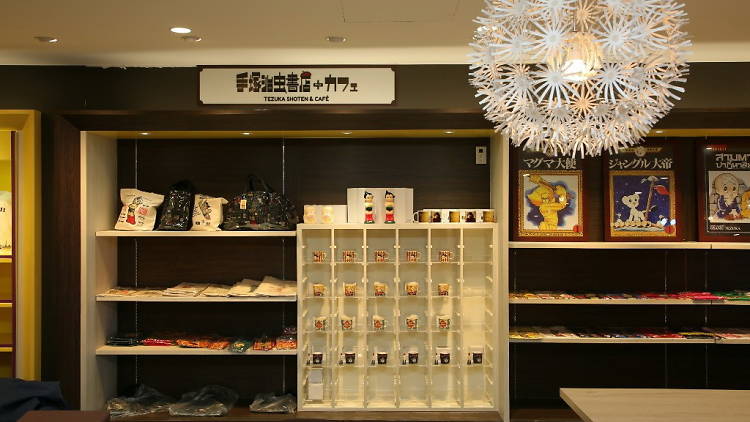
    Thailand’s first Japanese manga bookstore/cafe, Tezuka Shoten & Cafe, has just opened in Bangkok’s Paradise Park shopping centre.

    It has been brought to Thailand by MJ Service (Thailand), a company that helps Japanese companies set up in Thailand. MD Toru Sasaki co-presided at the store’s opening ceremony, which was attended by three Thai actresses.

    Tezuka Shoten & Cafe - Paradise Park Thailand 1


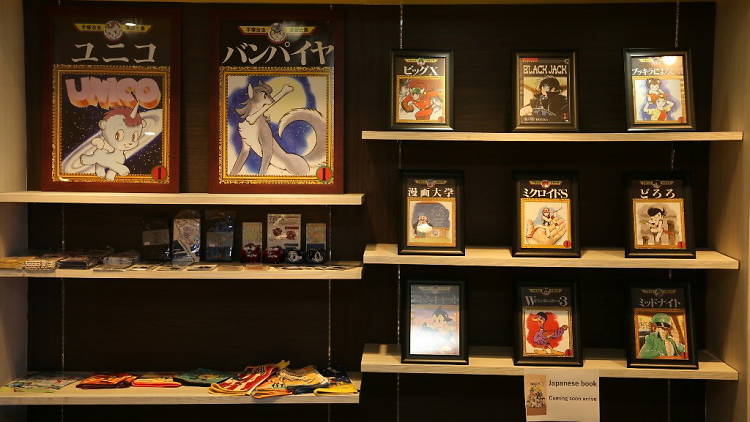
    It has two zones: a bookstore featuring works by manga artist Tezuka Osamu, and a cafe serving snacks and drinks inspired by the artist’s work. There is also the Tezuka Spot where all his works can be read free in Thai on smart devices.

    The store plans family activities based on manga comic books.

  • Facebook defends itself against critics of social media

    Facebook defends itself against critics of social media

    Facebook Inc on Friday struck back against scientific researchers and tech industry insiders who have criticized the world’s biggest social media network and its competitors for transforming how people behave and express emotion.

    Facebook, in a corporate blog post, said that social media can be good for people’s well-being if they use the technology in a way that is active, such as messaging with friends, rather than passive, such as scrolling through a feed of other people’s posts.

    It was the second time this week that Facebook had published such a rebuttal, signaling a new willingness to defend a business model that translates users’ attention into advertising revenue.

    On Tuesday, the company released a statement saying that former executive Chamath Palihapitiya, who at a conference publicly blamed Facebook for “destroying how society works,” had been gone for six years and was unfamiliar with the company’s recent efforts to improve.

    Palihapitiya on Thursday revised his view, writing in a Facebook post that the service “is a force for good in the world.”

    Online services such as Facebook and its Instagram unit, Twitter Inc, Snap Inc’s Snapchat and Alphabet Inc’s YouTube are under attack for their seemingly addictive nature and perceived promotion of anti-social behaviors.

    A study in March by U.S. researchers found that using such services at least two hours daily was correlated with reporting feelings of social isolation.

    A nonprofit organization called Time Well Spent, led by a former Google design ethicist, is pressuring tech companies to move away from products that try to hook people’s attention.

    In its blog post, Facebook acknowledged what it called “compelling research” on the negative effects of social media and cited two such academic studies.

    The company said, though, that those studies are “not the whole story.” It went on to cite other studies suggesting that the dangers of social media may be exaggerated, and that it has potential benefits if used correctly.

    “We employ social psychologists, social scientists and sociologists, and we collaborate with top scholars to better understand well-being and work to make Facebook a place that contributes in a positive way,” said the blog post, written by Facebook Research Director David Ginsberg and Research Scientist Moira Burke.

    Fundamental change would require turning away from “where the money is,” said Roger McNamee, a venture capitalist and early Facebook investor who recently has criticized the social network.

    “Facebook’s business model depends on monopolizing consumer attention, and content that appeals to fear and anger is the most profitable way to do that,” McNamee said in an email on Friday.

    A Facebook representative declined to comment beyond the blog post.

    Facebook is spending $1 million on research into the relationship among technology, youth development and well-being, the blog post said.