Blog

  • Vietnam plans to raise over $570 million through IPOs in energy firms

    Vietnam plans to raise over $570 million through IPOs in energy firms

    Vietnam hopes to raise a total of more than $570 million by selling stakes in an oil refinery, an oil distribution firm and a power company, the government website said on Saturday.

    The country has accelerated its privatization program in recent weeks, partly because of the need to fund a budget deficit and in the face of growing public debt.

    Vietnam aims to raise at least $297 million by selling a 20 percent stake in PetroVietnam Power Corporation and at least $155 million by selling 7.79 percent of the Binh Son Refining and Petrochemical company, the government said.

    In addition to the sale of those shares in initial public offerings (IPOs), the government said it planned to sell a 28.9 percent stake in the power company and a 49 percent stake in the refinery to strategic investors.

    The government also approved an earlier planned IPO in oil distribution firm PetroVietnam Oil Corp (PV Oil), aiming to raise at least $122 million by selling a 20 percent stake.

    The three share sales are expected within three months, the government said, without giving more precise details of the timing.

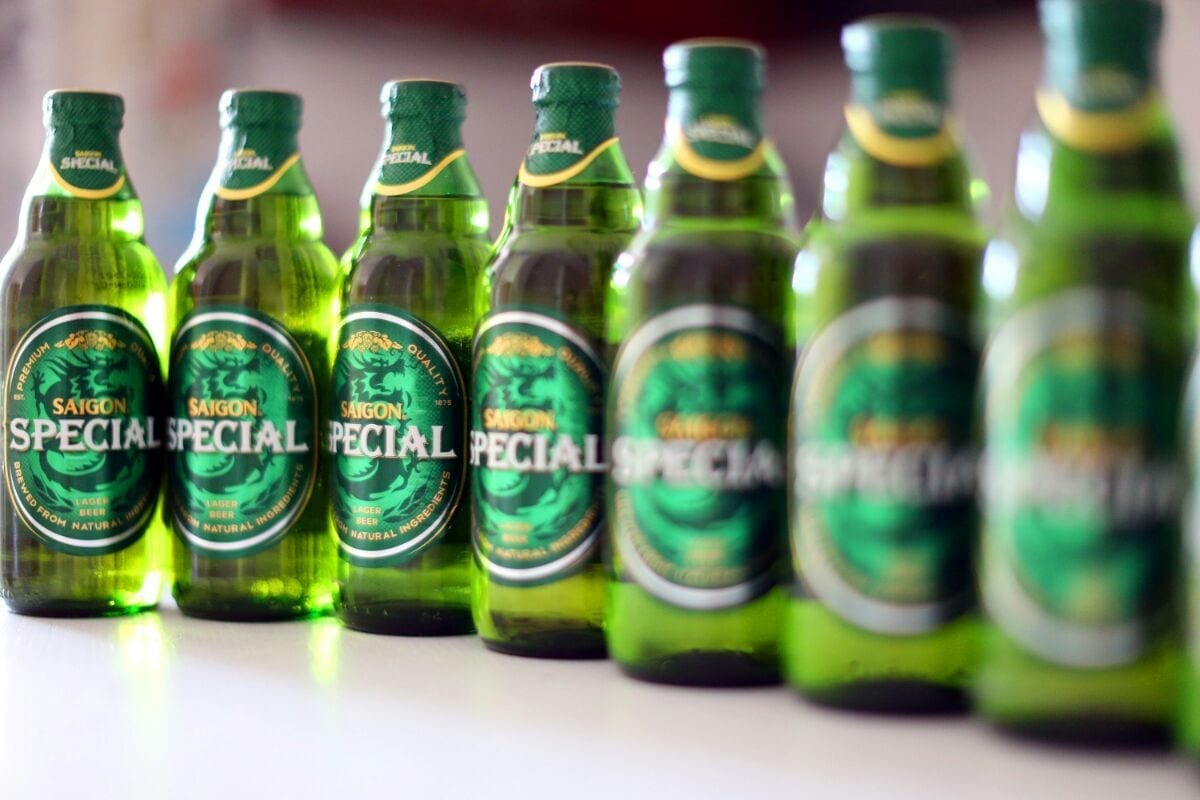
    Last month, Vietnam unveiled plans to sell a stake of up to 54 percent, worth $5 billion, in the nation’s biggest brewer, Sabeco, in what is set to be the country’s largest privatization yet.

  • Hong Kong shopping centre rents predicted to rise

    Hong Kong shopping centre rents predicted to rise

    Hong Kong retail rents are expected to inch up in 2018 according to projections by Savills.

    In a media briefing on Tuesday, Savills senior director of research and consultancy, Simon Smith, predicted a rise in prime retail shop rents of up to 3 per cent, following a decline of 2 per cent this year.

    “The domestic economy is supporting demand as unemployment is low and consumer confidence is high as incomes grow and house prices hit new records,” Smith said.

    “Retail sales are beginning to show signs of life while mainland demand is also returning after two to three years of downward adjustment.”

    At the end of last year, Smith forecast a prime street retail rent decline of between 5 per cent and 10 per cent, but despite some high-profile rent renegotiations, they held up.

    Smith’s data is based on ‘spot’ rents which are different to the headline-grabbing rent reductions achieved by some retail groups in Central and Causeway Bay during this year.

    “When you read about a 50 per cent rent cut, that is usually the renewal of a three-year lease. My rents are ‘spot’ rents and the 2 per cent is this year alone.”

    However, Smith expects shopping mall rents to slip over the next year, giving the narrowing gap with strip-shops. After a decline of just 1 per cent this year, he is tipping a fall of up to 5 per cent next year.

    In terms of sales of retail real estate, Smith predicts an increase in prices of up to 5 per cent next year following a decline of 4 per cent this year, which was well below the 5 to 10 per cent he expected in late 2016.

  • Jollibee tries bicycle delivery service

    Jollibee tries bicycle delivery service

    Home-grown fast food chain Jollibee rolled out its fleet of eco-friendly delivery bicycles in key cities in the metro.

    Fat bikes were spotted bringing bestseller chickenjoy to consumers, in a bid to lessen pollution in central business districts (CBDs), a company official said Tuesday.

    The ‘Jollibee Bike Delivery Service,’ launched last November, serviced selected stores in Makati, Ortigas, BGC and Metro Cebu. It was also available in Laguna and Cavite, Arline Adeva, Jollibee’s AVP for Brand Communications and PR told ABS CBN News.

    “We are the first to launch the Jollibee Bike Delivery Service in the Philippines and so far, we are the only one exploring the service,” Adeva said.

    “The primary advantage of using bikes is really to lessen carbon emission especially in CBDs where it’s highly congested,” she added.

    There are 40 fat bikes traversing the streets to deliver orders in areas near selected branches. Adeva said the bikes were customized for stable travel and are equipped with waterproof and dust-proof thermal bags to ensure superior food quality.

    Riders’ safety will also be a priority, with road safety trainings and helmets provided for the delivery staff.

    “We also conduct trainings for our riders to ensure they understand speed limits, making use of the bike lanes, and also to use their blinkers at night time,” she added.

  • World Bank raises Vietnam’s growth forecast for 2017

    World Bank raises Vietnam’s growth forecast for 2017

    The World Bank (WB) has increased its growth forecast for Vietnam this year from the 6.3 percent it projected in October to 6.7 percent, matching the government’s annual target following steady progress during the first nine months.

    Stronger domestic demand, robust export-oriented manufacturing and a gradual recovery of the agricultural sector are driving Vietnam’s economy, according to Taking Stock, the World Bank’s bi-annual economic report released on Monday.

    The manufacturing and services sectors respectively grew by 12.8 percent and 7.3 percent between January and September, the report said.

    “Growth momentum picked up across major economies and global trade recovered in 2017,” said Ousmane Dione, World Bank Country Director for Vietnam. “With incomes rising and poverty falling, Vietnam’s economy had another good year of strong growth and broad macroeconomic stability.”

    Vietnam expects economic growth of 6.5-6.7 percent next year, and thinks that the target of 6.7 percent set for this year is within reach, Prime Minister Nguyen Xuan Phuc said at a recent session of the legislative National Assembly.

    Low inflation and rising wages sustained buoyant domestic demand and private consumption, while the stronger global economy has helped Vietnam’s export-oriented manufacturing and agricultural sectors.

    Job growth has continued, with 1.6 million new jobs added in the manufacturing sector over the past three years, and 700,000 additional jobs in the construction, retail, and hospitality sectors, leading to higher aggregate labor productivity.

    Despite progress in resolving non-performing loans, risks remain, including the lack of robust capital buffers in some banks, especially amidst rapid credit growth.

    Fiscal tightening is underway, according to the report, and has led to a leaner budget deficit and containment of public debt accumulation. However, the decline in public investment – falling to 16 percent of total spending in the first nine months of 2017 compared with an average of 25 percent in recent years – may not be sustainable over time, as Vietnam needs significant investment in infrastructure to support future growth.

    A slow-down in structural reforms could also impact the ongoing recovery, especially given the weaker growth in investment.  Enhancing macroeconomic resilience and structural reforms could lift Vietnam’s growth potential over the medium term.

    “Structural reform remains a central priority in view of tepid productivity growth,” said Sebastian Eckardt, the World Bank Lead Economist for Vietnam.

    “Building on progress already made, Vietnam can further lift productivity growth through investments in needed infrastructure and skills as well as deeper reforms of the business environment, state-owned enterprise (SOE) and banking sector.”

    Over the medium term, growth is projected to stabilize at around 6.5 percent, while inflation is projected to remain low.

  • Tous Les Jours Vietnam rolls out new look

    Tous Les Jours Vietnam rolls out new look

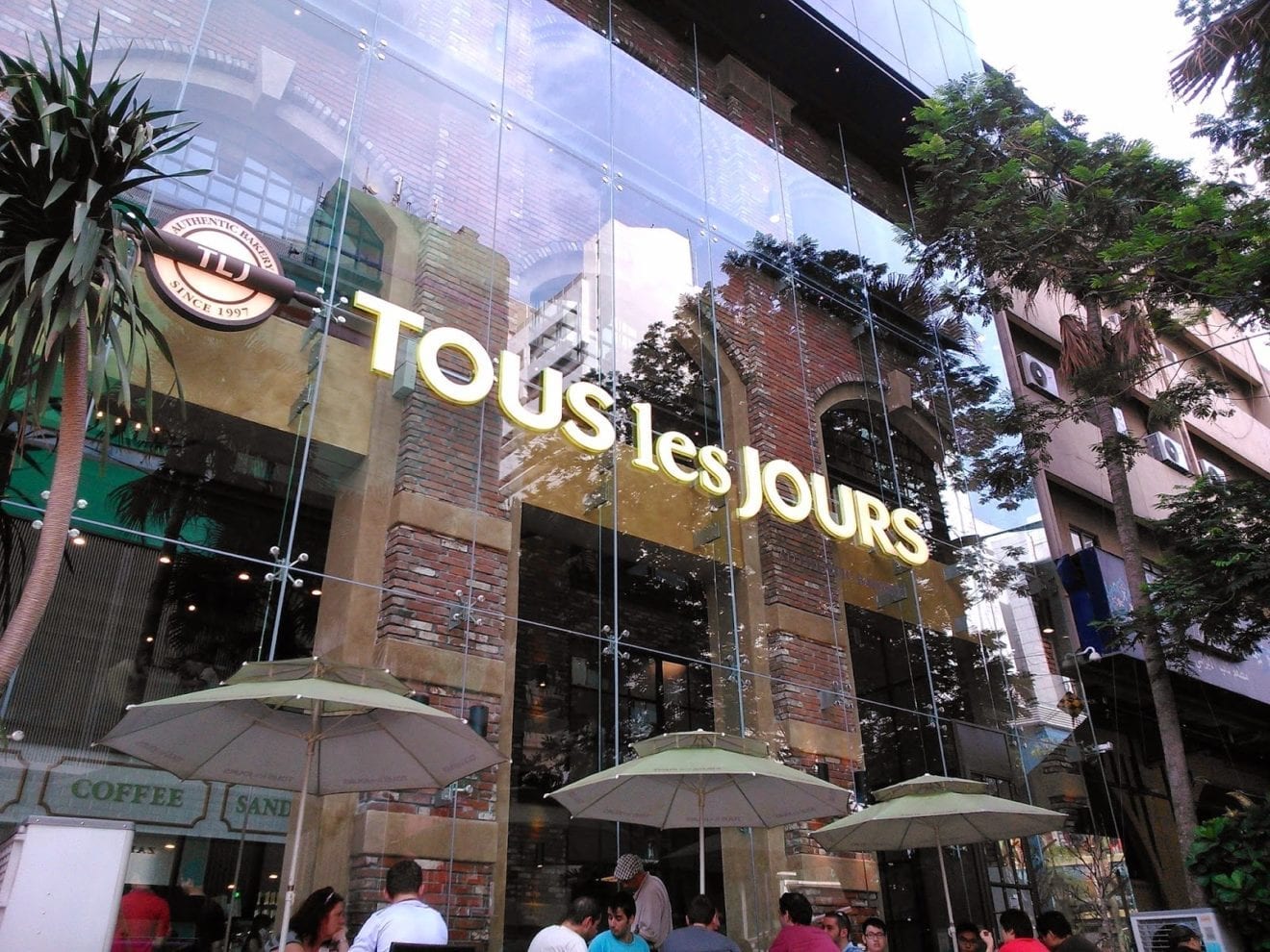
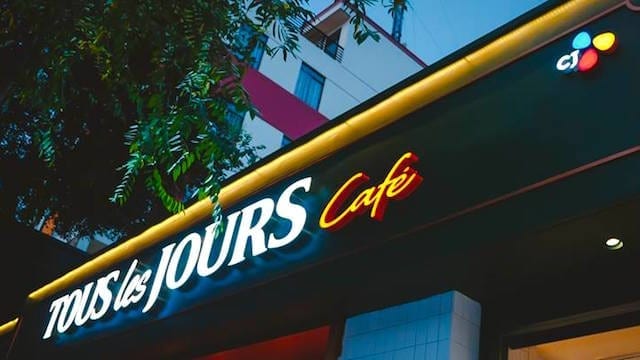
    Bakery cafe Tous Les Jours Vietnam has launched a new brand identity at its Hai Ba Trung outlet in Ho Chi Minh City’s District 1.

    Months in preparation, the refreshed store features a cafe-inspired interior and takes its inspiration from the “just baked” concept, reports the Vietnam Economic Times.

    Tous Les Jours Vietnam - new concept 1


    Tous Les Jours (every day) is a South Korean bakery franchise owned by CJ Foodville Corporation in the US. CJ Foodville Vietnam CEO Kim Gun Pyo says more new outlets are planned “in the near future”.

    He says the company is committed to ethical business practices that strengthen its partnership with local businesses and contribute to the community. He says Tous Les Jours uses Fairtrade-certified coffee beans grown in Vietnam.

    Tous Les Jours Vietnam - new concept 2

    With 36 outlets in Vietnam, the company plans to reach 100 by 2020 and double that by 2025.

    Tous Les Jours is a French-Asian bakery that serves baked goods and beverages. The brand was launched in the US in 2004 and also has stores in Cambodia, China, Indonesia, Malaysia and the Philippines, with plans to enter Singapore as well.

  • More e-commerce fraud, customers to be careful

    More e-commerce fraud, customers to be careful

    E-commerce fraud is becoming more prevalent, says US internet payments technology company Stripe in a new report.

    Fraudsters repeat online purchases at the same businesses 10 times more quickly than actual cardholders, says the report, which reveals new patterns to help e-commerce companies combat fraudulent activity during the holiday shopping season.

    With chip-enabled credit cards making brick-and-mortar shopping safer, criminals are turning their attention to online stores. Unlike physical stores, online businesses have to pay the associated costs of fraudulent orders. On average, every $1 of fraudulent orders costs an online business an extra $2.62.

    Stripe looked across a year’s worth of data to seek out fraudulent behaviour patterns by country, time of day, industry and other factors. Insights to emerge include:

    • Fraud rates based on the country where the credit card is issued vary dramatically, by a factor of two or three
    • In Singapore, fraudulent transactions are significantly larger than normal transactions
    • The highest online fraud rates occur during days and times when many people are not shopping, such as Christmas Day or late at night (for example, for US businesses, fraud rates as a percentage of overall traffic increase in the summer and in late December, but not on heavy shopping days like Black Friday)
    • Fraudsters give themselves away by making rapid additional charges at the same businesses on the same credit card, initiating repeat purchases 10 times more quickly than actual cardholders
      • Fraudsters prefer products that can be delivered to locations like public buildings or parks and can be obtained quickly before transactions are invalidated, which explains the prevalence of fraud among on-demand services as well as low-end consumer goods.

    “While there are some consistent patterns to fraudster behaviour, such as their high-purchase velocity, their propensity to work late at night and their preference for cheap or immediately deliverable goods, we have found that the predictive strength of these patterns varies widely depending on the location of the business and the fraudster,” says Stripe engineering manager for payments intelligence Michael Manapat.

    “Because of this, we recommend using anti-fraud tools based on machine learning from large amounts of data.”

    Principal analyst Jordan McKee of 451 Research says it is crucial for online businesses to have robust fraud defences, especially during the busiest shopping season of the year.

    “Because online fraud is highly complex and increasingly global, merchants should consider outsourcing fraud tooling to trusted third-party providers that have access to large, robust data sources. The most effective providers draw on global data sets from hundreds of thousands of other businesses to train their machine-learning algorithms and identify even subtle fraud patterns.”

    For its report, Stripe examined transaction data across hundreds of thousands of its customers across 25 countries. Stripe works in more than 25 countries to allow both individuals and businesses to accept payments over the internet.

  • Thai Beverage unit to bid for at least 25 percent of Sabeco

    Thai Beverage unit to bid for at least 25 percent of Sabeco

    A unit of Thai Beverage (TBEV.SI) has emerged as the only prospective bidder for state-owned shares in Sabeco (SAB.HM) that has declared that it could lead to it owning 25 percent or more of Vietnam’s biggest brewer, the Trade Ministry said on Monday.

    The auction of up to 54 percent of Sabeco worth at least $5 billion, in what is set to be Vietnam’s biggest privatization, offers brewers access to a fast-growing market with a youthful population and beer drinking culture.

    Investors who want shares that would lead to an ownership of 25 percent or more in Sabeco have to inform the local authorities and publicize the information a week before the auction date, which is set for December 18, according to the rules of the offer.

    Other brewing groups including Anheuser-Busch InBev and Kirin Holdings have been preparing to bid for a stake, people familiar with the matter have said.

    But the trade ministry said in a statement on its website that as of 1100 GMT on Monday the one prospective investor which has registered an interest in buying 25 percent or more of Sabeco that has publicized the information is Vietnam Beverage Company Limited.

    Vietnam Beverage Company Limited is owned by Vietnam F&B Alliance Investment Company, which is 49-percent owned by BeerCo Limited, an indirect but wholly-owned subsidiary of Thai Beverage, official documents about the companies showed.

    Foreign ownership in Sabeco is limited to 49 percent. That means overseas bidders can only bid for a minority stake of as much as 39 percent as foreign entities already own 10 percent.

    Lack of control and the unorthodox way in which the Sabeco stake is being sold could put off some possible bidders, bankers, investors and lawyers familiar with the matter said.

    The Vietnam trade ministry, which represents state shares in Sabeco, said foreign investors can link up with Vietnamese firms to buy shares in Sabeco, but have to comply with local laws and regulations.

  • Handsome by Hyundai heading for China

    Handsome by Hyundai heading for China

    Handsome, the fashion unit of South Korean retailer Hyundai Department Store Group, has signed a deal to help accelerate its move into the Chinese consumer market.

    An agreement between its fashion label The Cashmere with Hong Kong’s retail/brand-management/distribution firm ImagineX Group involves supplying five coat styles to Club Monaco outlets in China.

    ImagineX represents such brands as DKNY, Jo Malone and Salvatore Ferragamo, and has more than 250 points of sale throughout Asia including Singapore and Taiwan.

    Thehandsome.com

    Handsome has previously taken its System and System Homme brands abroad. It has also clinched a deal with Artifacts, a boutique store in Taiwan that has six outlets in Taipei and Taichung. Earlier this year, the two clothing labels were picked up by department stores and shopping malls in China as well as the Galeries Lafayette department store in Paris.

    Handsome entered the Chinese market early this year by partnering with Hangzhou Zhiheng Industrial.

    Founded in 1987, Handsome was bought by Hyundai Home Shopping Network in 2012. It owns a string of fashion labels including Mine, System and Time.

  • Vietnam fuel distributors to shift to ethanol blend this week

    Vietnam fuel distributors to shift to ethanol blend this week

    Vietnam’s biggest fuel distributors said they would complete a shift to an ethanol-blended product by Friday as part of a government program to promote a more eco-friendly fuel.

    State-owned PetroVietnam Oil Corp (PV Oil), which sells oil and fuels, will replace RON 92 fuel at all of its fuel stations with E5, a mixture of 95 percent of RON 92 and 5 percent of ethanol, by December 15, its parent firm PetroVietnam said on its website on Monday.

    Top fuel importer and distributor Petrolimex said on its website last week that its 2,400 stations across the country would have shifted to the ethanol-blended fuel by the end of this week.

    Vietnam has been pushing for the E5 mixture as ethanol can be produced from cassava, making it renewable. Several factories have been set up specifically to process cassava into ethanol.

    But critics and drivers argue the mixture could cause fire or damage vehicles’ engines and parts. The government has said the mixture is safe, adding that drivers should use vehicles from a certain year of production, depending on the model, to ensure they are safe.

    Another type of non-ethanol fuel, RON 95, is still on sale, but in smaller volumes.

    Vietnam plans to complete the shift to the E5 mixer across all fuel stations by January 1 next year.

  • Line Friends to open Pop-Up stores in Seoul City

    Line Friends to open Pop-Up stores in Seoul City

    A Line Friends pop-up will open at luxury speciality store BoonTheShop in Seoul on Saturday.

    Running until January 14, the Korean character brand’s outlet will introduce its latest merchandise, BT21. The range includes dolls, cushions, fashion items, limited-edition postcards, posters and bag charms – all based on a set of characters created by K-pop boyband BTS and the Line Friends team.

    LINE FRIENDS

    The same line will also start selling at Line Friends’ New York flagship on the same day via a “BT21 Zone”, and at other stores in Hong Kong, Japan, Taiwan and Thailand, as well as online early next year.

    BT21 was initially launched as stickers on Line App with more than 17 million downloads and 200 million Twitter exposures. The first Line Friends’ collaboration with artists, the BT21 range joins signature characters such as Brown, Choco and Cony.

    LINE FRIENDS Unveils BT21 Merchandise at Its Flagship Store in New York (PRNewsfoto/LINE FRIENDS)

    Line Friends has 91 stores in 11 international markets.

  • DHL and Air Hong Kong sign 15-year block-space agreement

    DHL and Air Hong Kong sign 15-year block-space agreement

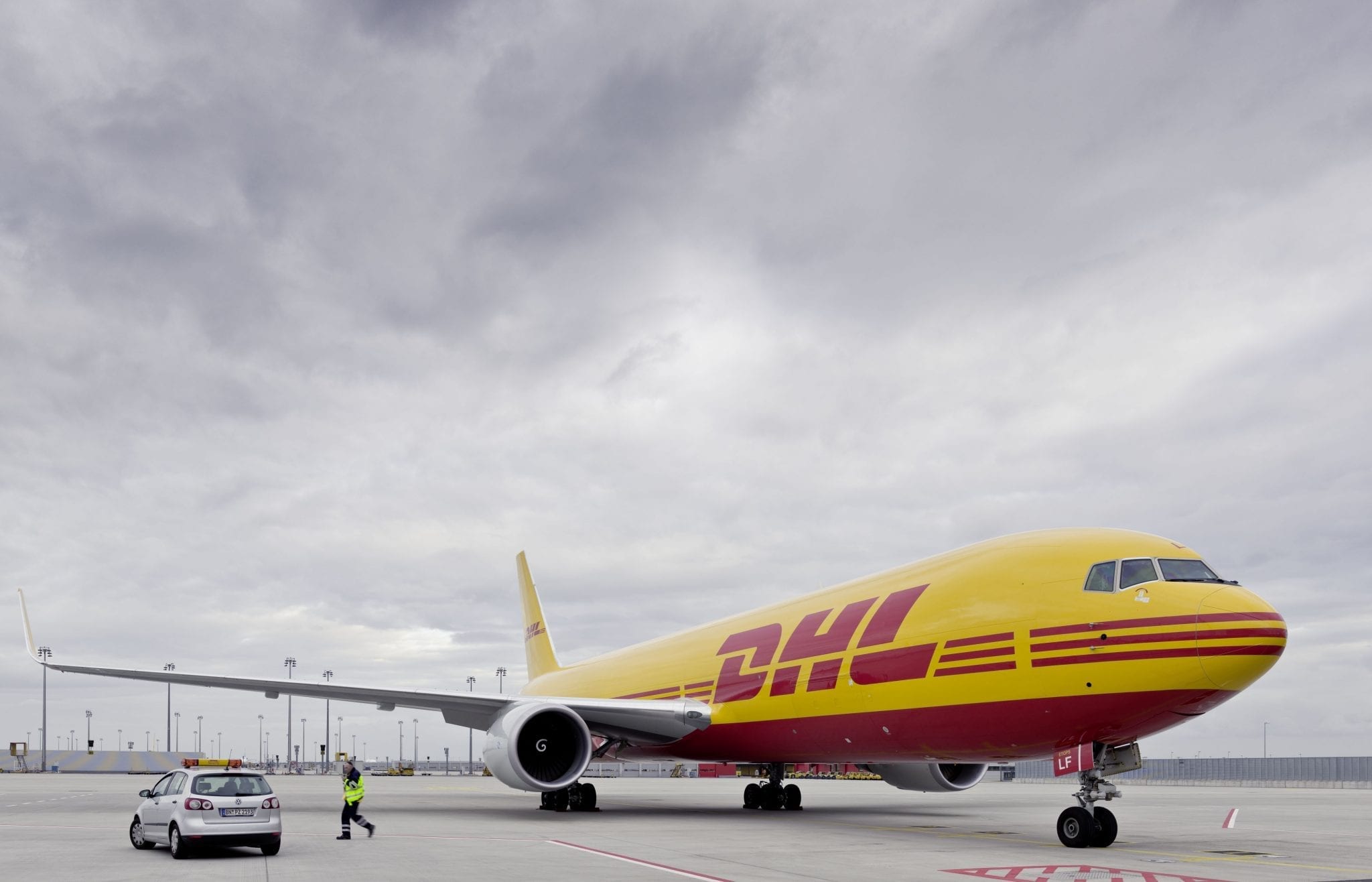
    DHL Express extended its Air Hong Kong (AHK) agreement, which grants DHL Express access to AHK’s overnight air services. The new agreement extends to 2033.

    As part of the deal, DHL Express and AHK formalized a reorganization announced in July, under which majority owner Cathay Pacific will buy out DHL Group’s 40 percent stake in AHK. Under the terms of the new agreement, DHL will also purchase AHK’s eight A300-600 freighters, which will be leased back to AHK. The deal goes into effect on Jan. 1, 2019.

    Once the deal takes effect, DHL will initially have the same access to AHK’s capacity granted by its current agreement, but over time will have more access to flexible aircraft deployment and route selection to support DHL’s growth in the Asia-Pacific region.

    “With Hong Kong’s merchandise exports between January and September 2017 growing by 8.5 percent compared to last year, we’re keenly aware of the upward momentum that the region’s trade lanes are facing,” said Ken Lee, DHL Express Asia Pacific CEO. He added that the deal offers the “greater flexibility” DHL needs to handle any unpredictable changes or demand increases in the region.

    In addition to the AHK deal, DHL Express recently announced an expansion of its Central Asia Hub at the Hong Kong International Airport. The expansion adds 8,000 square meters and improvements including automated x-ray inspection machines and material handling systems. The expansion is scheduled for Q1 2022 completion.

  • Jollibee poultry plant gives chicken farmers new income opportunity

    Jollibee poultry plant gives chicken farmers new income opportunity

    Cargill Joy Poultry Meat Production Inc. opened on Tuesday, giving chicken farmers in Batangas and nearby provinces new income opportunities, Jollibee Foods said Wednesday.

    A joint venture between Jollibee Foods and Minneapolis, USA-based Cargill , the largest poultry processing plant in the country has a yearly capacity of 45 million chickens.

    “The plant increases income opportunities for local poultry farmers in Batangas and nearby provinces as they will supply the chickens to be processed at the JFC facility,” according to Jollibee Foods.

    The poultry plant in Santo Tomas, Batangas will supply the demand of JFC bands with dressed and marinated chicken.

    “C-Joy is partnering with local poultry farmers in Batangas and nearby provinces to supply the new facility with chicken,” according to Cargill.

    “We are looking forward to producing the chickens that will be supplied to the C-Joy plant to meet the poultry meat requirements of Jollibee,” said Vic Lao, president of Highcrest Corp., a partner-grower of the C-Joy.

    Cargill and Jollibee Foods revealed the partnership in May last year, saying the processing plant will create an estimated 1,000 new full-time jobs in Batangas.

    They said the plant will be 70-percent owned by Cargill Philippines which will oversee the setting up, management, and operations, with Jollibee Foods owning 30 percent.

    JFC invested P244.9 million in the processing plant, and P15.2 million in Cargill Joy Poultry Realty Inc. from which C-Joy leased the land to build the facility.

    The poultry processing plant is industry positive, according to the United Broilers Raisers Association.

    “This is positive for the industry as this will promote competition among big market players like San Miguel and Bounty fresh,” UBRA president Bong Inciong told GMA News Online.

    “Maganda rin ‘yan kasi kaunti lang ‘yung big players. So, healthy for the industry na may competition sila. Also, ‘yung mga small farmers will be given opportunity to grow kasi meron silang bagong malaking client,” he added.

    Summit Securities Inc. president Harry Liu said the development will have an impact on the financial condition of Jollibee Foods.

    “I think it will help the bottom line. I am sure they are doing this investment for future requirement and steady supply for the business now and in the future,” he said in a separate text message.

    JFC closed the third quarter with a net profit of P1.62 billion, up 21.1 percent from a year earlier.

  • AirAsia X flies into Jeju Island

    AirAsia X flies into Jeju Island

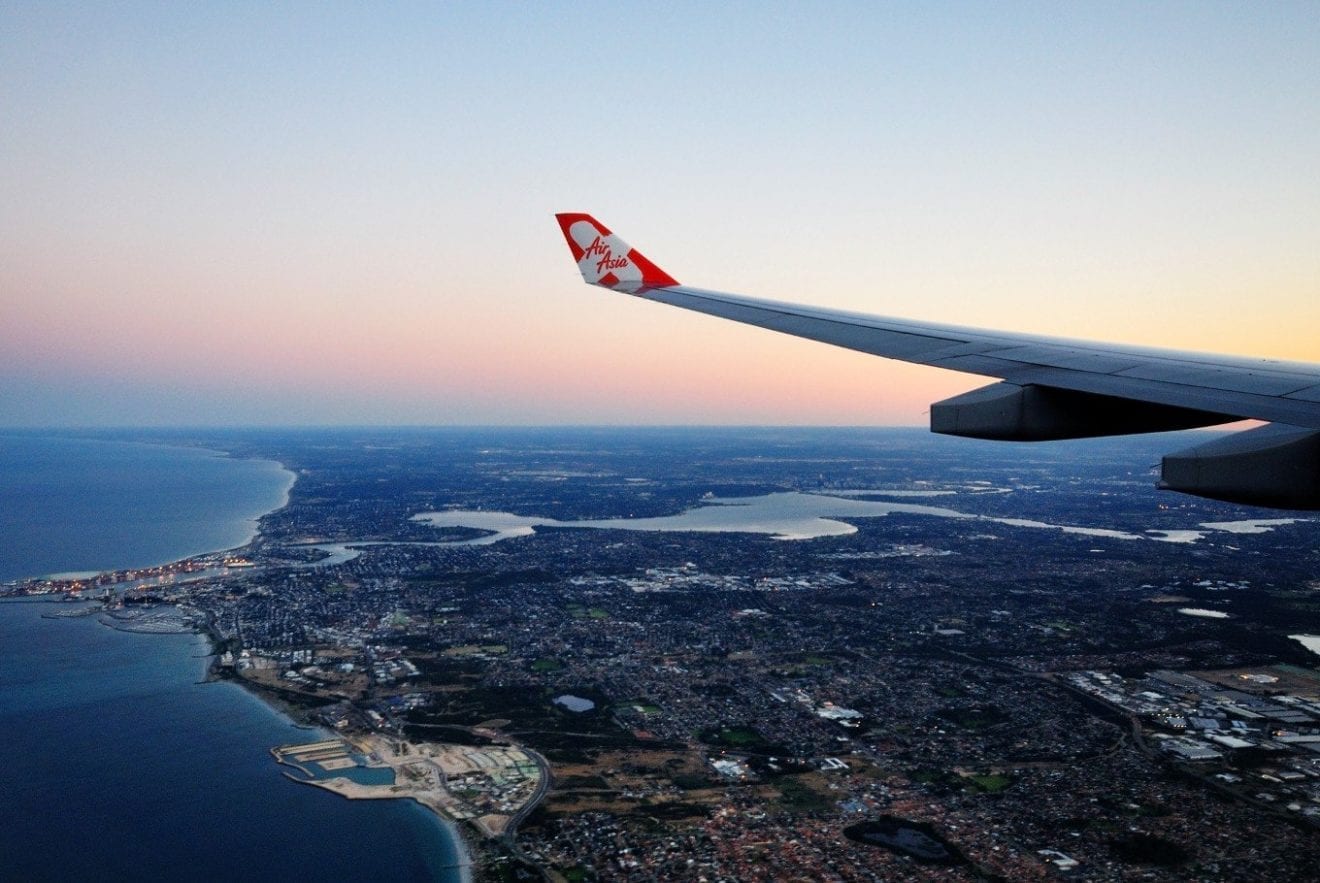
    AirAsia X Bhd made its maiden entry to the South Korean island of Jeju yesterday following the successful landing of flight D7 501 on Airbus A330-300 at Jeju International Airport.

    The low-cost carrier became the only airline with direct connections between Kuala Lumpur and Jeju, after Seoul (Incheon) and Busan, it said in a statement.

    The four times weekly service between Kuala Lumpur and Jeju would further expand the airline’s network in North Asia and make it the only airline operating direct non-stop services between the two cities.

    This latest route would also strengthen the AirAsia and AirAsia X Group’s position in the South Korea market by having a total of 75 weekly flights and 1,183,468 capacity a year for one way flight.

    AirAsia X Malaysia Chairman Tan Sri Rafidah Aziz said the direct flight from Kuala Lumpur to Jeju had the potential of generating a capacity of over 156,000 a year between Kuala Lumpur and Jeju.

    “Guests can also save a great deal of hassle for domestic transit.

    “South Korea is fast becoming an important market to us and we are very grateful for the tremendous support from the governments and relevant authorities for making this new exclusive route possible,” she added.

    In conjunction with the launch of the latest destination, AirAsia X is offering promotional all-in-fares from RM249 (inclusive of taxes and fees) one-way on standard seats and from today until  Dec 19, 2017 for travel between Dec 16, 2017 and Oct 27,2018.

    The award winning premium flatbed is also available for booking at promotional all-in-fares from RM799.

  • Bitcoin futures rocket past $18,000; Asian shares buoyant

    Bitcoin futures rocket past $18,000; Asian shares buoyant

    The craze for cryptocurrencies entered a new chapter on Monday as bitcoin futures rocketed by one-fifth of their value at a hotly anticipated launch, while Asian shares climbed amid optimism about global growth.

    The most-traded contract on the Chicago-based CBOE Global Markets exchange XBTc1 opened at $15,460 in New York on Sunday evening, before leaping to a high of $18,700 – a gain of 21 percent. They were last quoted at $18,100 a premium of more than$1,700 to the price on Gemini Exchange.

    The futures are cash-settled contracts based on the auction price of bitcoin in U.S. dollars on the Gemini Exchange, which is owned and operated by virtual currency entrepreneurs Cameron and Tyler Winklevoss.

    The cryptocurrency has boasted a gravity-defying 15-fold gain since the start of the year, attracting institutional interest and no small amount of question marks.

    The acting governor of the Reserve Bank of New Zealand on Sunday said bitcoin appeared to be a “classic case” of a bubble.

    “With a bubble you never know how far it is going to go before it comes around,” Grant Spencer told a local television program.

    Some market participants believe the fallout across other financial assets from a potential bursting of the bubble will be limited.

    “Bitcoin’s market capitalization is currently around $240 billion, which is much smaller, say, than the value of gold outstanding,” said Andrew Kenningham, economist at Capital Economics.

    “If the price of bitcoin fell to zero today, the paper losses would be equivalent to a 0.6 percent fall in U.S. equity prices. As most investors have bought bitcoin at much lower prices, the relevant losses would arguably be smaller.”

    Asian shares were buoyant with every single market but one in the black, following strong U.S payrolls data and better-than-expected Chinese trade figures on Friday.

    Spreadbetters pointed to a strong opening for European shares, while U.S. stock futures indicated a firm start for the S&P 500 which is seen up 0.1 percent ESc1.

    The MSCI’s broadest index of Asia-Pacific shares outside Japan .MIAPJ0000PUS added 0.5 percent to 552.38, well above a recent two-month trough of 542.27 points.

    Japan’s Nikkei .N225 climbed 0.6 percent while Chinese shares rallied, with the blue-chip CSI 300 index .CSI300 up 1.3 percent. Vietnam .VNI was the only Asian index in the red.

    Rate rises?

    Currency market investors were cautious ahead of a big week for policy meetings globally, with the Federal Reserve the only major central bank expected to raise interest rates. The Bank of England and the European Central Bank are likely to hold rates steady.

    The dollar steadied near a one-month top against the yen JPY=, after climbing 1.2 percent last week. The dollar index, which measures the greenback against a basket of currencies, eased 0.1 percent from close to a three-week high. .DXY

    Traders will keep their eyes peeled for the Fed’s future rate projections as U.S. wages growth and inflation crawl at a snail’s pace.

    Data out on Friday showed average hourly earnings in the United States nudged up 5 cents or 0.2 percent in November when economists had looked for a 0.3 percent gain.

    The weakness persisted despite stronger-than-expected non-farm payrolls, which rose by 228,000 in November.

    “We’ll be listening close for any signs of a dovish shift,” said Aerin Williams, New York-based forex strategist for Citi about the Dec. 12-13 Fed meeting.

    Elsewhere, oil prices slipped after the latest rise in the U.S rig count pointed to an increase in production there.

    U.S. crude CLc1 was down 15 cents at $57.21 a barrel and Brent crude LCOc1 inched 17 cents lower to $63.23, drifting away from a recent 2-1/2 year peak of $64.65.

  • Diane von Furstenberg seeks new investor for DVF

    Diane von Furstenberg seeks new investor for DVF

    Diane von Fürstenberg has decided to look for an investor willing to acquire a stake in her US label and support it through a new expansion phase.

    “I’m not about to sell my business, but the time has come to give the company the senior management it deserves,” the 70-year-old designer has told Women’s Wear Daily (WWD). “I’ve decided we will probably sell a stake in the company.”

    A spokesperson for the label says talks are at an initial phase, and no target date has been set.

    In the past few years the label has reduced the number of items in its ready-to-wear collections by 40 per cent, and has also streamlined its retail and wholesale networks.

    “Retail sales are going through a difficult phase for all brands right now,” says the company, founded in 1972. “In terms of physical stores, we have not renewed a number of leases and, effectively, we have deliberately rationalised our distribution.

    “Meanwhile, our e-tail business is performing extremely well.”

    In May last year, Jonathan Saunders joined Diane von Furstenberg (DVF) as its chief creative officer, overseeing all design and creative. The founder is still chairman.

    Headquartered in New York City, DVF has a global distribution network in more than 55 countries, including Asia Pacific, with 1500 points of sale including 148 DVF owned and partnered stores.