Blog

  • Alipay Launches “Double 12” Global Shopping Festival in Hong Kong

    Alipay Launches “Double 12” Global Shopping Festival in Hong Kong

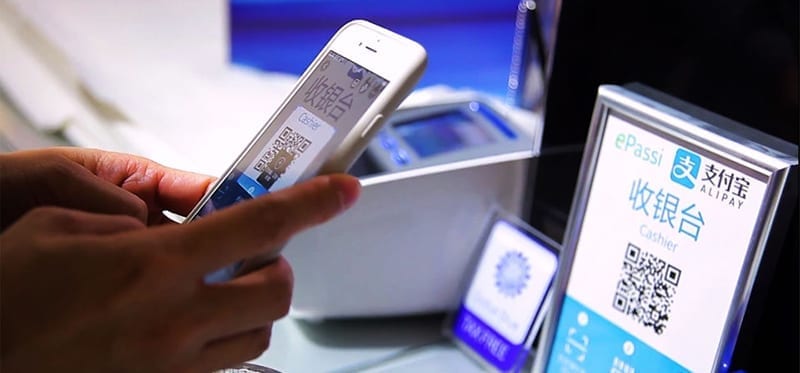
    Alipay, the world’s largest online, mobile payment and lifestyle platform operated by Ant Financial Services Group, today launched this year’s “Double 12” Global Shopping Festival in 15 countries spanning across four continents. In addition, Ant Financial’s strategic partners in Hong Kong, India, Thailand and the Philippines will introduce campaigns for their local e-wallet users for the first time. These partners include Paytm in India, TrueMoney in Thailand, and GCash in the Philippines. Together with CK Hutchison Holdings (“CK Hutchison), AlipayHK was launched in Hong Kong earlier this year to further develop local service offerings in the city.

    In short, we call it ‘glocalization.’” Douglas Feagin, President of International Business, Ant Financial Services Group said at the launch ceremony. “This concept is about developing Alipay globally while also developing localized service offerings.”

    “Working with our global merchants network, we also continue to focus on enhancing the Alipay mobile payment experience for Mainland Chinese tourists wherever they travel,” he added. “In particular, some of our most attractive Double 12 promotions are in the Greater Bay Area, where millions of Chinese travellers regularly visit.”

    As part of this year’s Double 12 Shopping Festival, almost 10,000 merchants in Hong Kong and Macau will offer exclusive discounts throughout December to Alipay users from Mainland China. This year, a key feature of this year’s Double 12 offering is focused on Hong Kong delicacies to attract Mainland China users. In Hong Kong’s Mongkok district, a promotion of “Hong Kong snacks for 1 RMB” can be enjoyed by Alipay users. In the Guangdong province, Alipay users will receive a cashback for every payment made in over 2 million stores.

    Venetia Lee, General Manager of Alipay Hong Kong, Taiwan & Macau said, “Our aim is to provide a seamless payment and travel experience to millions of Alipay users who constantly travel to the Greater Bay Area. We will plan to launch more integrated campaigns to further enhance our user experience and bring more value to our merchant network in the region.”

    Jennifer Tan, CEO designate of the joint venture between CK Hutchison and Ant Financial that offers AlipayHK separately commented on plans for Hong Kong. “Building on Alipay’s success in mainland China, we are rolling out a creative, localized payment experience for our Hong Kong users. Participating in this year’s Double 12 Festival is a first step towards that, and we are very excited to be partnering with so many local merchants to bring this festival to life by providing exclusive offerings to AlipayHK users.”

    CK Hutchison and Ant Financial first announced the strategic partnership in September 2017. The joint venture remains subject to regulatory approval, and is expected to complete in the first quarter of 2018.

    AlipayHK has partnered with over 8,000 brick-and-mortar stores to offer exclusive gifts, discounts and rewards throughout December. In addition, vendors in the Po Tat Market will offer “1 Dollar Groceries” flash sale on December 12.

    Alipay is also working with partners across Southeast Asia to launch localized versions of Double 12 shopping festival. In Thailand for example, more than 10,000 merchants will be participating in the 1212 D-day Deals for TrueMoney users while 3,000 merchants will offer exclusive discounts on 1212 GCash Day in the Philippines.
  • Lazada to offer Apple products to Southeast Asia customers

    Lazada to offer Apple products to Southeast Asia customers

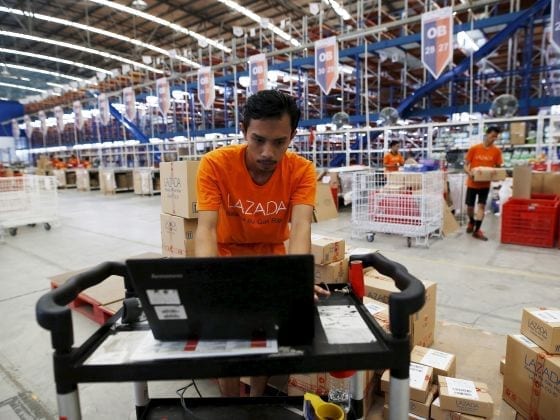
    Fans of Apple can soon buy their favourite Apple products on Lazada, Southeast Asia’s leading eCommerce company.  As an authorised online reseller, Lazada’s customers will be able to choose from a wide range of Apple products including iPhone, MacBook, MacBook Pro, iPad, iPad Pro, Apple TV, Beats by Dr. Dre, and other accessories.

    Start shopping this holiday season

    Consumers can start browsing this holiday season when the Apple ‘Shop-in-Shop’ on Lazada officially launches today (8th December) in the Philippines, Indonesia, Thailand and Singapore. This will be followed by Malaysia on 11th December, and then in Vietnam.

    By shopping on Lazada, customers can choose to pay for their Apple devices through Lazada’s 0% financing instalment plans[1]. Exciting surprises also await Lazada customers looking to score savings from deals offered during the finale of Lazada’s Online Revolution shopping event, the 12.12 Final Sale. More details will be announced later.

    The “preferred choice” for global brands

    Lazada Group Chief Executive Officer Max Bittner said the Apple ‘Shop-in-Shop’ concept is a testament to Lazada’s reputation as the undisputed and trusted online shopping and selling platform in Southeast Asia. “Lazada is the preferred choice for global brands who, like us, want to drive the explosive growth of eCommerce in Southeast Asia,” said Mr. Bittner, adding: “It also underscores our commitment to give consumers better and convenient access to the world’s best brands and products, especially those from Apple.”

  • BP to expand in Indonesia

    BP to expand in Indonesia

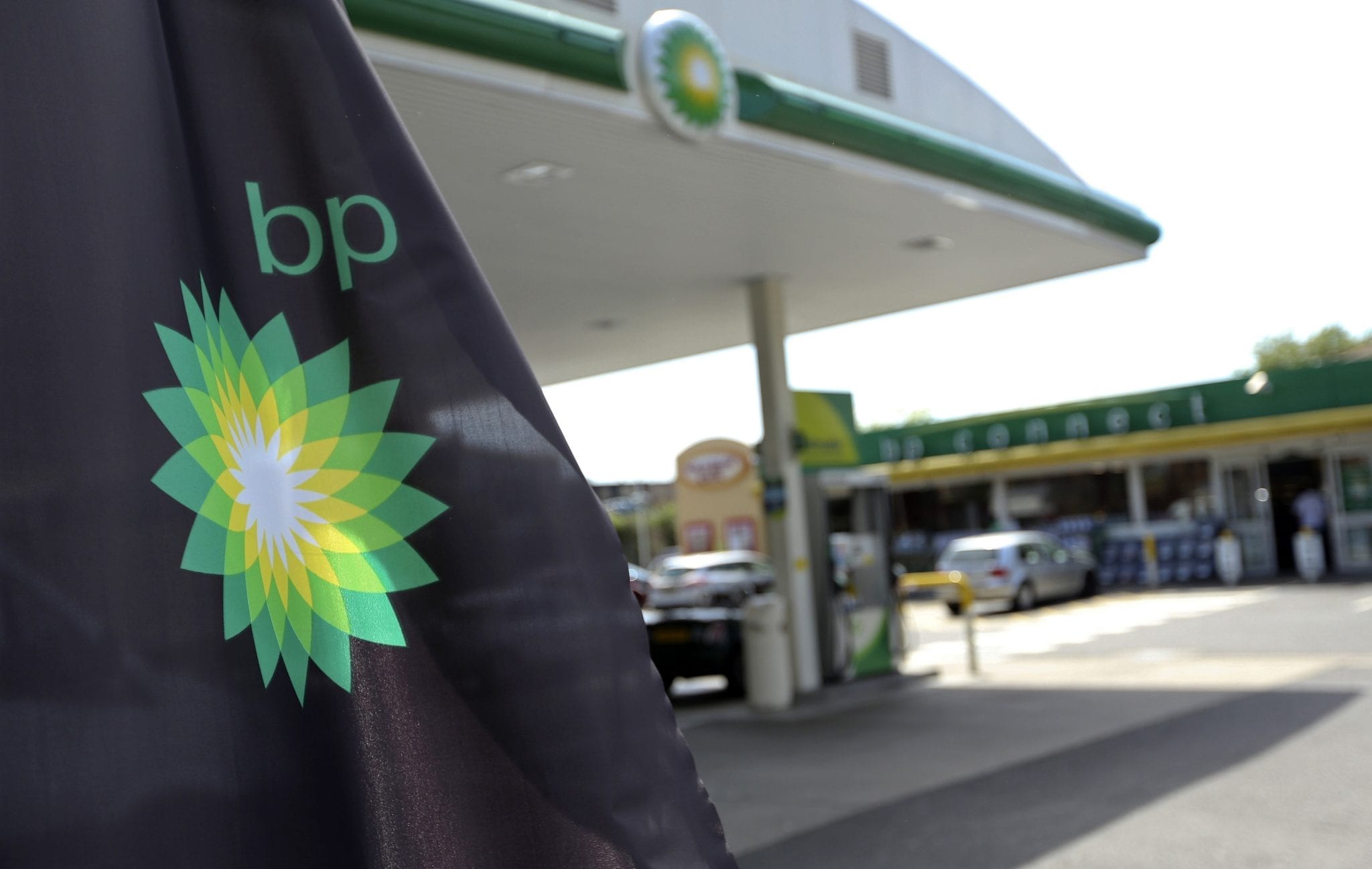
    Oil giant BP is hoping to open around 350 petrol stations and convenience stores in Indonesia over the next decade, teaming up with Indonesian petroleum and chemicals logistics company AKR Corporindo to cater for drivers in Asean’s largest market.

    The joint venture would form a company, PT Aneka Petroindo Raya, to operate as BP AKR Fuels Retail, BP said.

    The Indonesian partner is due to take a majority slice of the joint venture, with initial plans for 14 directly managed sites from the third quarter of 2018, said AKR chief executive Haryanto Adikoesoemo. Franchises would be added later.

    AKR operates around 130 Indonesian gas stations under its own brand and Adikoesoemo said the firm wanted to benefit from BP’s brand appeal and convenience store expertise. Indonesia only had about 6,000 petrol stations, he said, with many more needed to meet growing demand.

    “We are delighted to be working with AKR to help meet Indonesia’s growing demand for fuels and provide superior convenience offers,” BP’s regional chief Tufan Erginbilgic said.

    BP specialises in products like high-octane fuel and lubricants. It hopes to tap the archipelago’s growing market with food, drinks and groceries.

    This year, BP bought the retail service station business of Australian retailer Woolworths and widening its Asia-Pacific interests, according to a spokesman.

    BP is reportedly hoping that combining fuel and retail will help increase its potential in Indonesia.

    Most Indonesian petrol stations are currently run by state-owned Pertamina, preventing international firms making much headway. UK-Dutch oil giant Royal Dutch Shell runs about 80 Indonesian petrol stations.

    Meanwhile, Taiwanese state petrol corporation, CPC Corporation Taiwan, says it will be partnering with Pertamina on a new joint refinery operation in Indonesia.

    Suggested refinery sites include the Regency of Situbondo in East Java, Lampung Province or possibly Kalimantan on Borneo.

    A decision was expected by the end of January, it was reported.

    A former consultant at Pertamina, Bayu Kristano, said Indonesia was refining enough oil to meet demand and was relying on imports. It was hoped, with Taiwanese expertise and cooperation, that Indonesia would be able to boost its petrol output in the coming years.

    Multinational partnerships are a growing trend across Asean’s road networks.

    Japanese retailer Lawson is working with petrol station operators in Thailand and the kingdom’s FamilyMart does the same in the Philippines.
  • Huawei Awards Bolloré Logistics with Two Honors

    Huawei Awards Bolloré Logistics with Two Honors

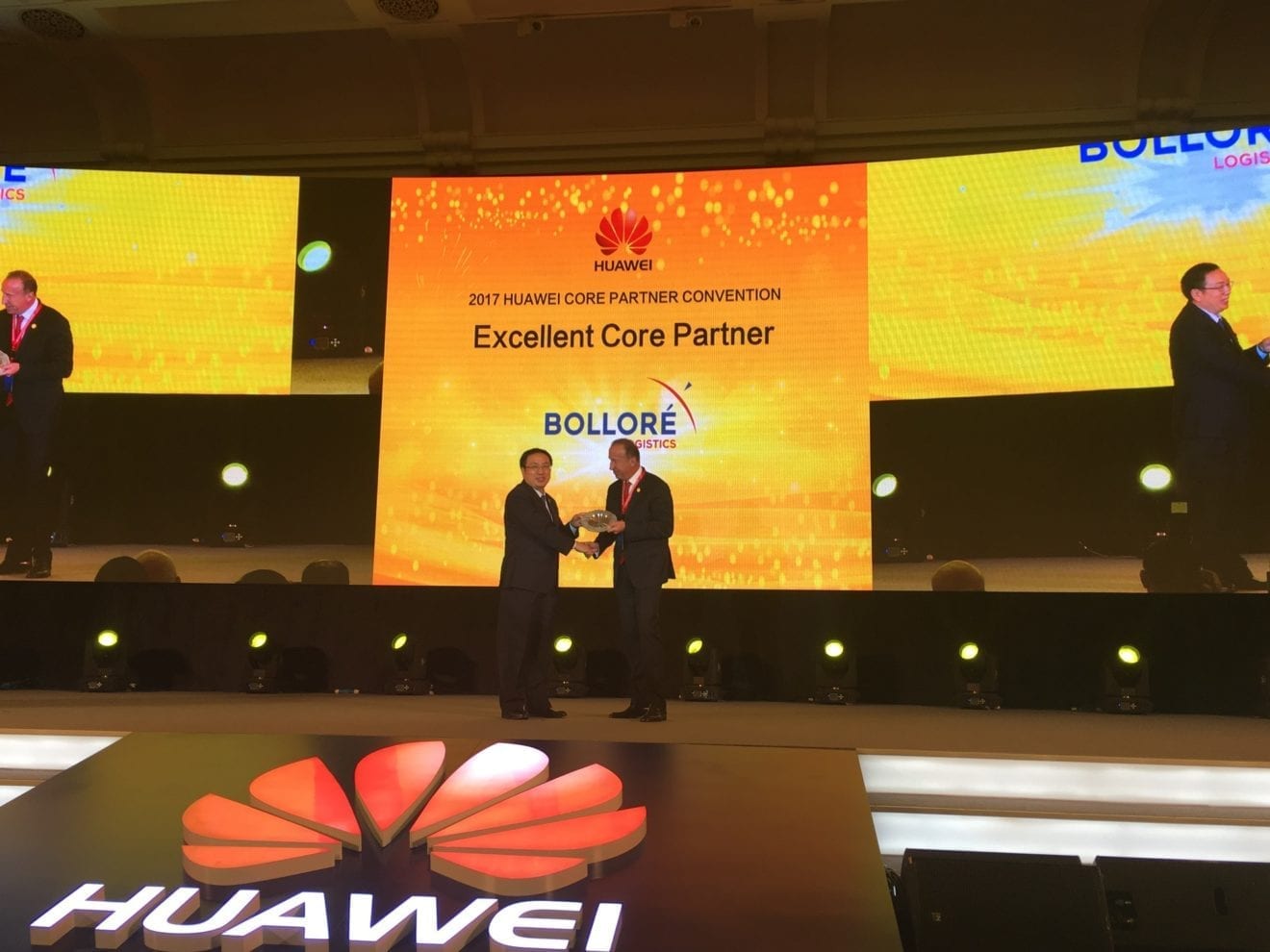
    On November 17th, 2017, Bolloré Logistics received Huawei’s Excellent Core Partner and Best-Quality Logistics Service Awards on the occasion of the Huawei Logistics Core Partner Convention (LCPC 2017) held in Shenzhen, China.

    Mr. Thierry Ehrenbogen, CEO of Bolloré Logistics, was present in Shenzhen to receive the award from the hands of Mr. Yao Fuhai, Member of the Supervisory Board, President of the Procurement Qualification Management Department and Director of the Group Procurement Management Committee at Huawei Technologies Co Ltd. “This is the 8th award we receive. What a lucky number! But it is not thanks to luck that we receive it, it is thanks to the continuous efforts in serving Huawei’s demanding supply chain models for the past 12 years, which allow us to be awarded again this year,” said Mr. Thierry Ehrenbogen at the convention.

    “On our way to the future, innovation is driving us, through large investments, where digitalization, smart supply chain, big data, predictive analytics, and a lot more, take us to a higher partnership level with Huawei,” Ehrenbogen added.

    The awards recognize Bolloré Logistics’ excellence in managing Huawei’s international, transportation and supply chain. Recently, Bolloré Logistics has set up a regional warehouse in Tangier Med Free Trade Zone (FTZ) in Morocco to support Huawei’s supply chain and has adopted Huawei’s technologies iSupply in Bolloré Logistics’ warehouses across Africa and Asia Pacific. With risk management mechanism, Bolloré Logistics is able to monitor closely the risks related to Africa Trade and proactively alert on such risks while looking for alternative solutions.

    Huawei highly appreciates the customer-centric mindset and attitude of Bolloré Logistics’ Key Account and operational teams, who are always willing to go the extra mile for the client.

    Apart from the awards, Bolloré Logistics also officially signed the Strategic Cooperation Agreement with Huawei on November 17th, which will bring the partnership to a higher level in the coming years. Bolloré Logistics is committed to support its customers in their growth by providing customized services that allow them to be more competitive in their respective market.

  • SK-II to open pop-up store for Holiday limited edition

    SK-II to open pop-up store for Holiday limited edition

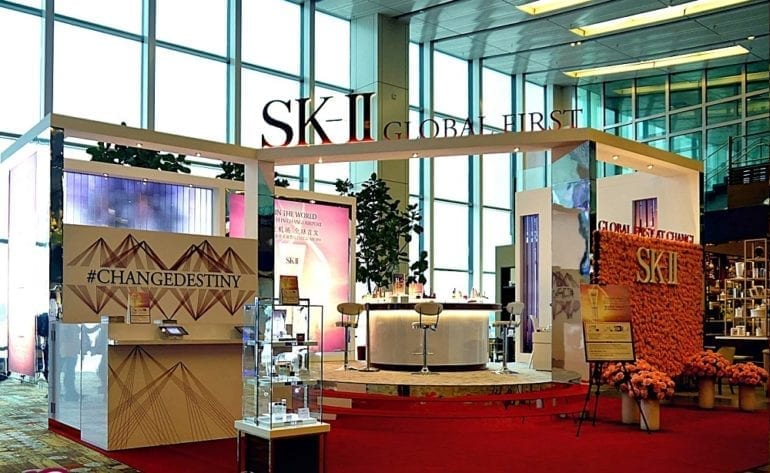
    SK-II opens a pop-up store of 2017 PITERA Essence Change Destiny Limited Edition at the Seocho-gu Central City Famille Station in Seoul for the holiday season.

    This pop-up store is designed with a variety of experience spaces and a wide range of enjoyment under the concept of a unique Pop Art design of the bottle of the PITERA Essence Limited Edition.

    A giant-sized bottle of PITERA Essence Limited Edition Bottle is displayed in the middle of the pop-up store that attracts attention and it allows anyone to experience a variety of ways to experience the PITERA Essence Limited Edition.

    Visitors take a picture  in the PhotoZone, which is surrounded by a variety of PITERA Essence Limited Editions.

    Limited Edition

    After taking a photo, they can select one of the three ‘#ChangeDestiny’ phrases on the bottle and the calligrapher will write the phrase on the a polaroid cover.

    In addition, SK-II’s beauty measuring system, Magic Ring, can be used to measure skin condition and offer beauty counseling.

    Visitors can participate in various activities at the PITERA station, including magic ring measurements, and present coins that are only available at the PITERA station.

    With the coin from the pop-up store, SK-II PITERA gift machine gives you the chance to get a variety of products from SK-II’s best products.

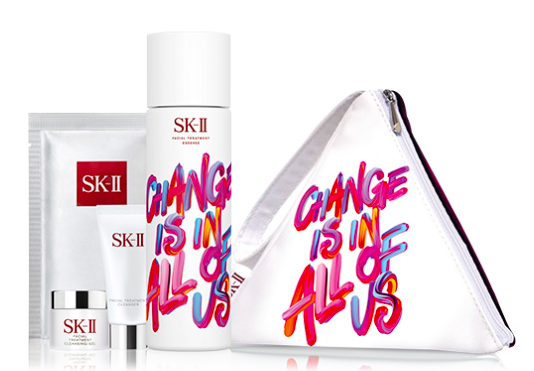
    The motif of this pop-up store, the PITERA Essence Change Destiny Limited Edition is the symbolic product of SK-II. It features a ‘#ChangeDestiny’ phrase inscribed on the bottle that inspires the subjective life.

    Three phrases with meaning of support for the attitude of life changing in a subjective way, “Be the Person You DECIDE To Be”, “CHANGE is in All of Us”, “DESTINY is a Matter of Choice” are designed in pop art form for each of the three products.

    Those products will be sold in limited edition at SK-II stores and major online malls in department stores nationwide.

    The same pop-up store concept has been mushrooming is the main Asia cities.

  • Singapore to have Yogurt brand in and out

    Singapore to have Yogurt brand in and out

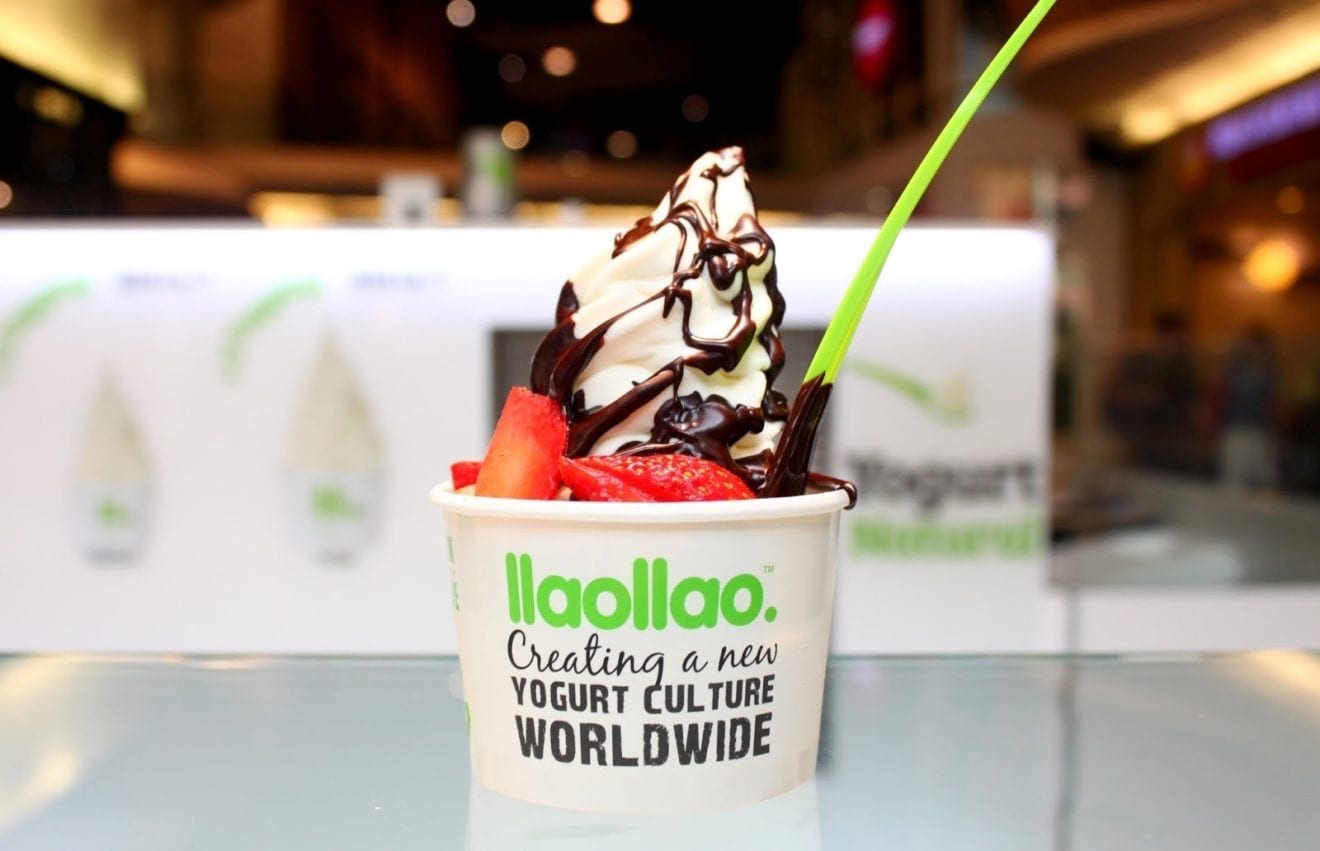
    Spanish frozen yogurt chain Llaollao closed yesterday, being replaced by another European brand, Yole.

    D+1 Holding, the master franchisee of Ilaollao in Singapore, has not revealed why it has discontinued with the brand.

    However, the company has acquired the rights to European frozen-yogurt chain Yole and will be converting all 29 Llaollao outlets throughout Singapore to the new brand by tomorrow, Channel NewsAsia reports.

    Arriving in Singapore four years ago, Llaollao attracted queues outside its flagship store at Marina Square and other branches. The brand also opened its largest outlet internationally at Suntec City in August 2015.

    Yole will also serve natural frozen yogurt as well as a coconut soft-serve ice cream. Toppings and different flavours, made with ingredients from Italy and Spain, will be introduced regularly.

  • VW in talks to buy stake in Russia’s GAZ

    VW in talks to buy stake in Russia’s GAZ

    German carmaker Volkswagen is in talks to buy a stake in GAZ, a Russian manufacturer of light commercial vehicles (LCV), five sources familiar with the talks told.

    It was not immediately clear how big a stake is being discussed or the value of the deal.

    GAZ is a part of the Basic Element group that holds the assets of Russian businessman Oleg Deripaska. Both GAZ and Basic Element declined to comment, while a spokesman at VW headquarters said he does not comment on market speculation.

    “There are talks, they are trying to reach an agreement. Deripaska has long been looking for a partner and VW does not have a Russian partner,” one well-placed industry source said.

    Another well-connected car industry source, two financial market sources and another person familiar with the matter also said talks were under way.

    One of the sources said that a decision on the size of the proposed stake sale has yet to be made.

    A source close to VW also confirmed that talks were in progress but said the possibility of the German group taking a stake in GAZ is not the only mater under consideration.

  • What to know about the breathtaking Starbucks Reserve Roastery in Shanghai

    What to know about the breathtaking Starbucks Reserve Roastery in Shanghai

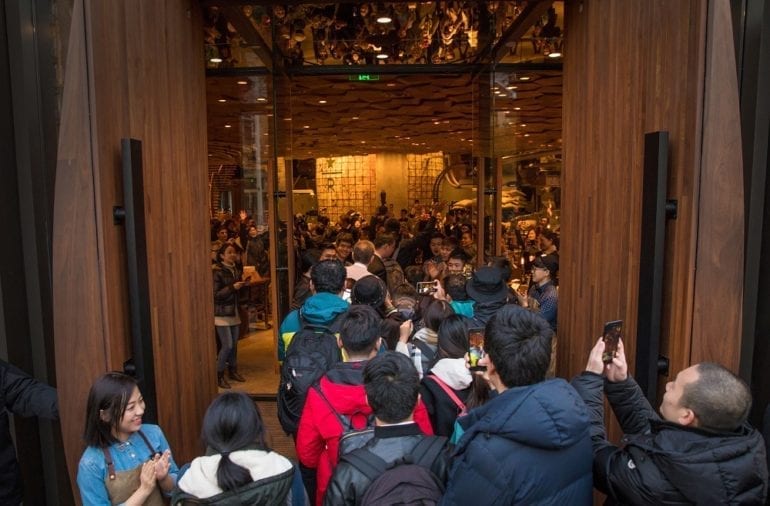
    The world’s largest, most beautiful Starbucks yet opened its doors yesterday in Shanghai at 30,000 square feet.

    Featuring everything from Starbucks longest coffee bar, to the world’s only 3-D printed tea bar, and Starbucks first Augmented Reality experience, the roastery takes coffee lovers through a one-of-a-kind coffee journey that is sure to impress.

    The Roastery in Shanghai is the epitome of coffee and retail innovation for Starbucks. As China is at the forefront of Starbucks vision for global growth and innovation, it was the perfect place for the largest Starbucks to open. China is the company’s fastest growing market with more than 3,000 stores across more than 130 cities.

    On Dec 5, two of the world’s most innovative retail titans – Howard Schultz and Jack Ma – came together to celebrate the opening of Starbucks Reserve Roastery Shanghai.

    1. Officially the largest, most beautiful Starbucks® location in the world at nearly 30,000 square feet (2,700 square meters). FUN FACT: The Starbucks Reserve Roastery Shanghai is twice the size of the flagship Reserve® Roastery in Seattle and the equivalent of 40 average NYC apartments.
    2. Home to three coffee experience bars, one of which is 88 feet (26.9 meters) long, making for the longest Starbucks coffee bar in the world. FUN FACT: Known as the main engine of the Roastery, the coffee bar was handcrafted by premiere Chinese artisans and references the unique roasting curve of individual coffee beans.
    3. Mirroring the signature copper cask at the inaugural Reserve Roastery in Seattle, at entry, customers will be greeted by the stunning site of a two-story, 40-ton copper cask adorned with over 1,000 traditional Chinese chops, or stamps, hand-engraved to narrate the story of Starbucks and our Reserve coffee. FUN FACT: The iconic cask connects to the three coffee bars with pneumatic copper piping, replenishing all the roasted Starbucks Reserve® coffee silos. 
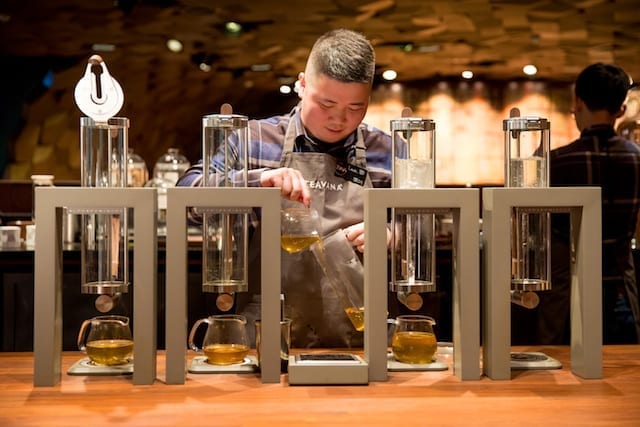
    4. Unique beverage menu items that cannot be found at any other Starbucks in China. FUN FACT:  Over 100 beverages are on the Roastery menu including Teavana tea infused with nitrogen as well as a new take on tea brewing with the Steampunk, which uses steam to extract unique flavors from each tea leaf. 
    5. Overall design of the space inspired by coffee and created exclusively in China for China – it will never be repeated. FUN FACTS: Some of the key design features include a ceiling consisting of 10,000 handmade wooden hexagon-shaped tiles inspired by the locking of an espresso shot on an espresso machine.  
    6. First PrinciTM bakery and café location in Asia, with more than 30 skilled Chinese bakers and chefs. FUN FACT: More than 80 menu items will be baked fresh onsite daily, bringing acclaimed Italian baker Rocco Princi’s artisanal Italian recipes to customers in China for the first time.
    7. The new Shanghai Roastery features China’s first Starbucks® Teavana Bar, a reimagined tea experience supported by the world’s only tea bar made entirely from 3-D printed recycled materials. FUN FACT: The light jade coloring of the Teavana Bar was inspired by ancient green clay teapots and the stains formed by brewing over time. Starbucks will continue China’s rich brewing tradition alongside tea curators as they practice mixology with the help of the Steampunk system’s nitrogen flavor extraction.    
    8. First Starbucks Reserve Roastery outside the U.S., and only second Reserve Roastery to date. FUN FACT: Additional Roasteries are slated to open in Milan and New York in 2018, and Tokyo and Chicago in 2019.
    9. Starbucks first-ever in-store Augmented Reality Experience. FUN FACT: Designed by Starbucks, and powered by Alibaba, the Shanghai Roastery will become the first Starbucks location, and the first-of-its kind in China, to seamlessly integrate a real-time, in-store and online customer experience. Roastery customers are invited to immerse themselves in the first Starbucks augmented reality (AR) experience by simply pointing their phones at key features around the Roastery to bring to life information about the Starbucks bean-to-cup story. Guided through the space by a custom-designed AR “tour-guide,” customers can unlock virtual badges and a unique Roastery filter to commemorate their visit.
    10. China is Starbucks fastest growing market with a new store opening every 15 hours. FUN FACT: Starbucks has had a presence in China for more than 18 years, now with more than 3,000 stores across 136 cities, over 600 of which are in Shanghai, the largest number of stores globally of any city where Starbucks has a presence.
  • Be Inspired by Zalora to showcase trends

    Be Inspired by Zalora to showcase trends

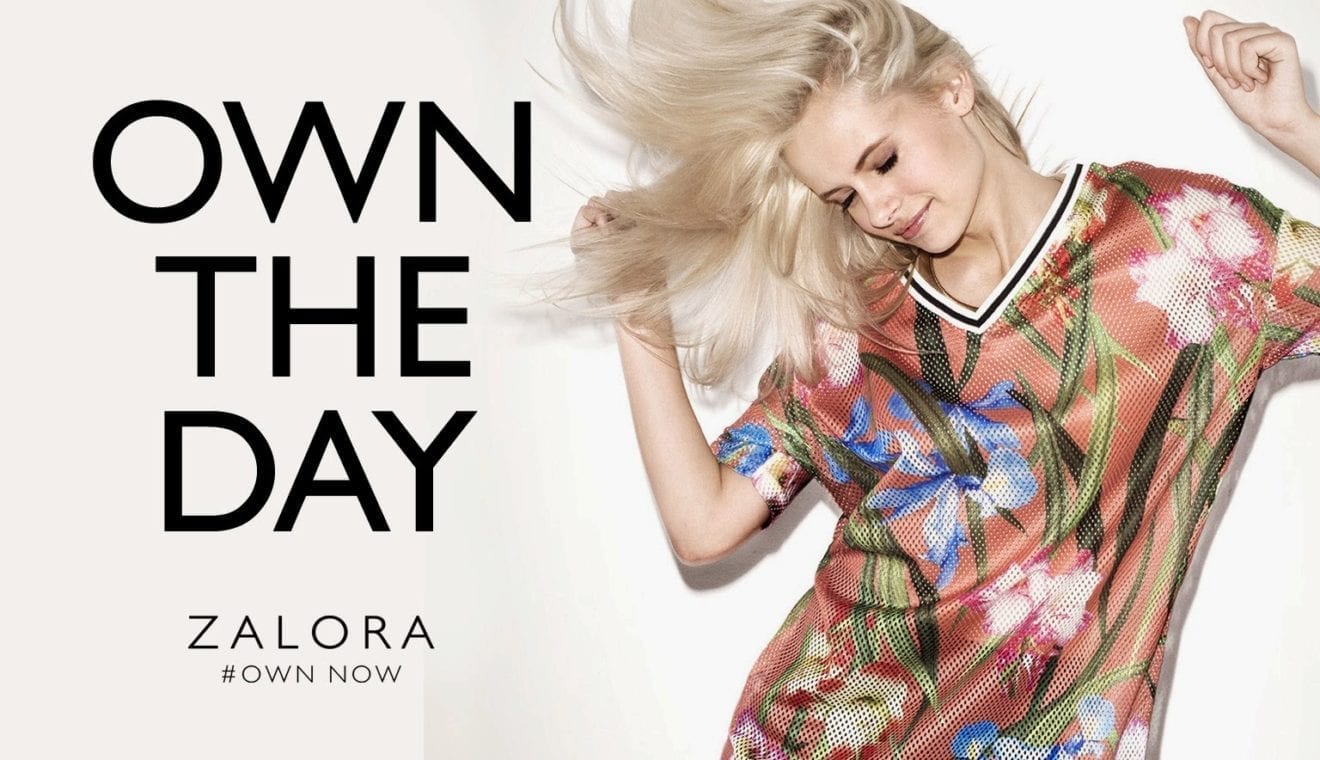
    Online fashion destination Zalora has launched Be Inspired, a curated page that consolidates fashion trends across various themes.

    Shoppers can readily obtain items on Zalora to help them achieve specific looks.

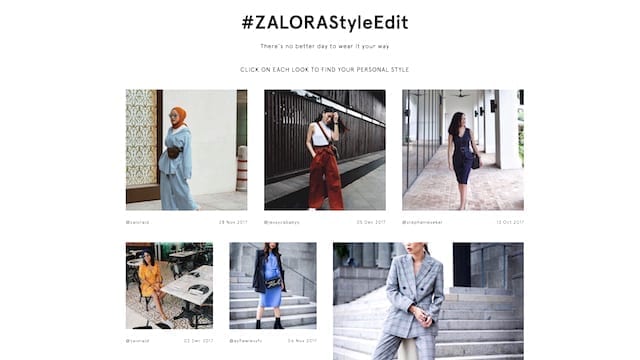
    Recognising the role of social media in influencing fashion choices, Zalora is also launching #ZaloraStyleEdit, a page for user-generated images from Instagram. By using the hashtag in their posts, shoppers can upload photos of their outfits.

    All the items featured can be bought on the spot as they are linked to either the exact Zalora product or a similar one sold on its site.

    The Be Inspired tab offers a curated experience with a navigation menu that highlights 16 evergreen and seasonal trends, as well as occasions and international fashion inspiration.

  • Alibaba plans massive expansion for Hema supermarkets

    Alibaba plans massive expansion for Hema supermarkets

    Alibaba Group plans to open 2000 branches of its Hema supermarket, which aims to merge online and offline shopping, in China over next three to five years.

    It opened its first Hema last year and will end with year with 22 stores. Its latest outlets are in Beijing, Guiyang, Hangzhou, Shanghai and Shenzhen, and this month it opened its second store in Ningbo to be followed by one in Suzhou next week.

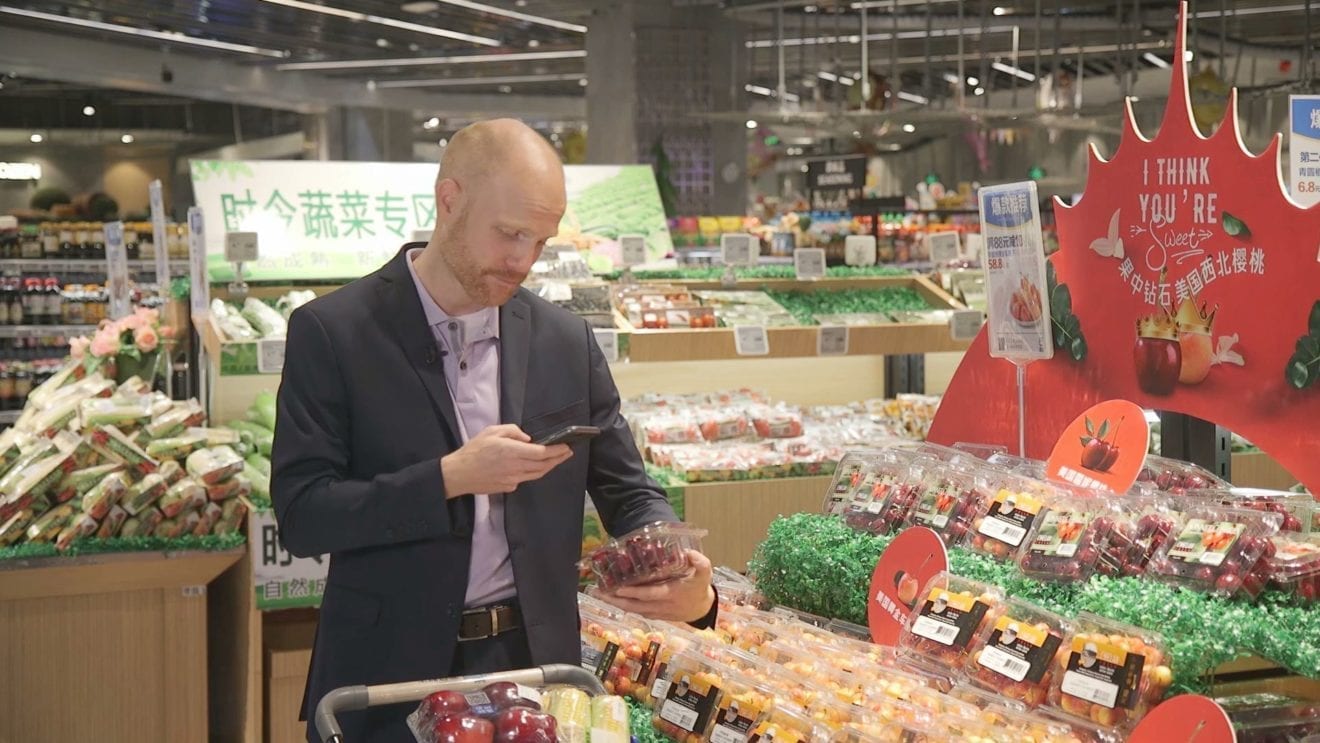
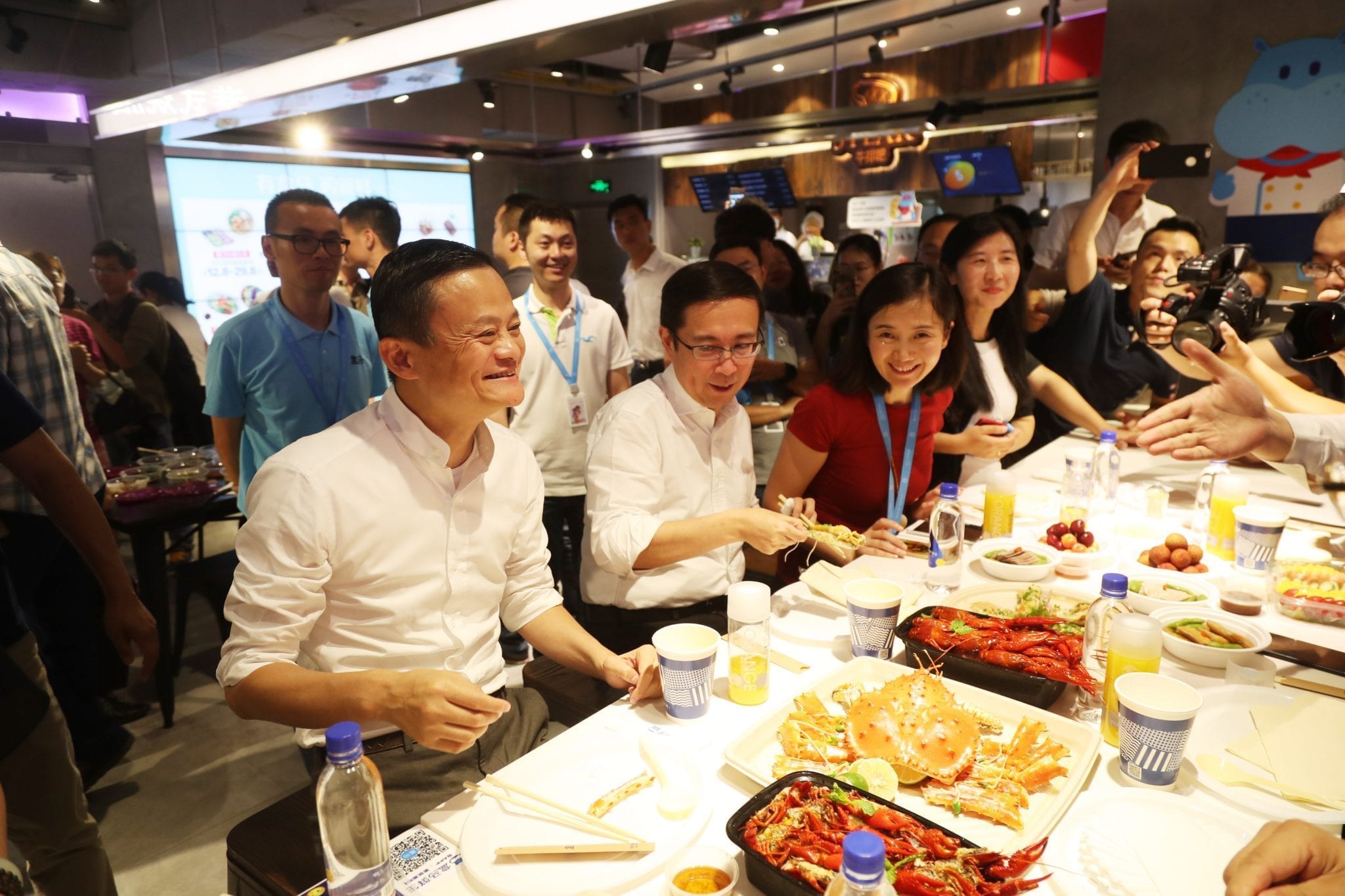
    Hema stores are part of Alibaba’s “new retail” strategy that enables customers to shop, order groceries for home delivery and eat in-store. Purchases can be made through the Hema mobile app, which is linked to Alipay.

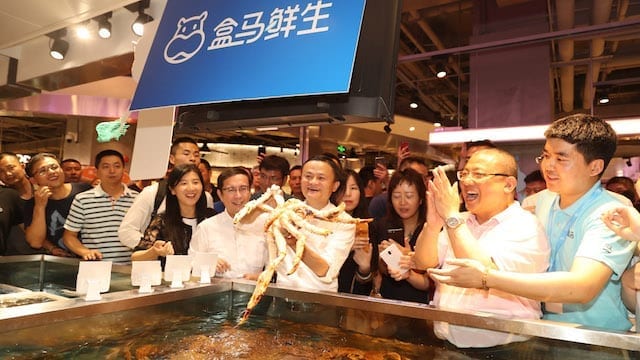
    The stores focus on a wide assortment of food, and the brand places an emphasis on fresh – and live – seafood. Moreover, the business model combines supermarket, restaurant and e-commerce, complete with mobile app. This means customers can buy items in the supermarket for the restaurant staff to cook for them.

    At the moment, about half of sales at Hema stores take place online. The company claims that customers within a 3km radius of a store can have their shopping delivered within 30 minutes.

    Alibaba CEO Daniel Zhang says Hema draws on data and smart logistics technology to seamlessly integrate online/offline systems.

    “Hema’s goal is to broaden the new retail model by working with retail partners like Sanjiang Shopping Club and Xingli Department Store,” says Hema CEO Hou Yi. “As our model becomes more established, it can be shared with other traditional retailers to help them transform in the digital age.”

  • BMW expects jump in electric car sales in 2018

    BMW expects jump in electric car sales in 2018

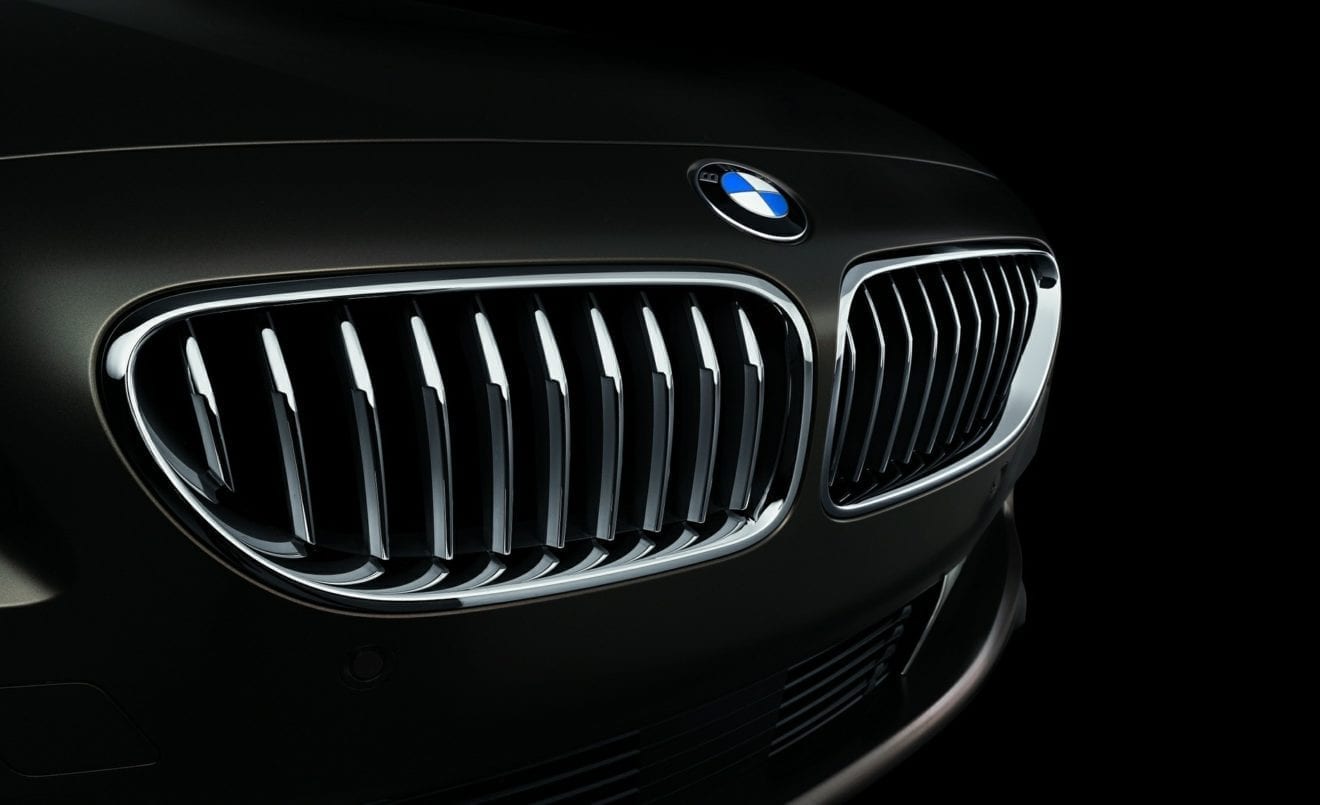
    BMW expects its sales of electric and hybrid vehicles to jump next year, its research and development chief said as the premium carmaker races to catch up with rivals such as U.S. electric car pioneer Tesla.

    Sales in 2018 will exceed a 2017 sales target of 100,000 vehicles by a medium double-digit percentage, Klaus Froehlich said at an event, without being more specific.

    In the first 10 months of 2017, BMW sold 78,100 electric cars and plug-in hybrids.

    BMW, which launched the i3 electric car in 2013, is gearing up to mass produce electric cars by 2020 and aims to have 12 different models by 2025.

    Chief Executive Harald Krueger said BMW aimed to keep its return on sales around 8 to 10 percent even with the added costs of developing electric cars.

    Carmakers are trying to lower the cost of electric vehicles by investing in the development of affordable but powerful batteries and through modular production systems.

    BMW’s Froehlich said he expected such modular systems to benefit the development of autonomous cars as well.

    BMW earlier this year teamed up with U.S. chipmaker Intel and Israel-based camera specialist Mobileye to develop autonomous driving technologies.

    Frohlich said another carmaker was to join them by the end of the year. He said the aim was to have partners from Europe, North America and Asia.

    So far, U.S.-based Fiat Chrysler and auto parts makers Delphi and Magna have joined the partnership, along with Germany’s Continental.

  • NTUC FairPrice tries experiment on hypermarket

    NTUC FairPrice tries experiment on hypermarket

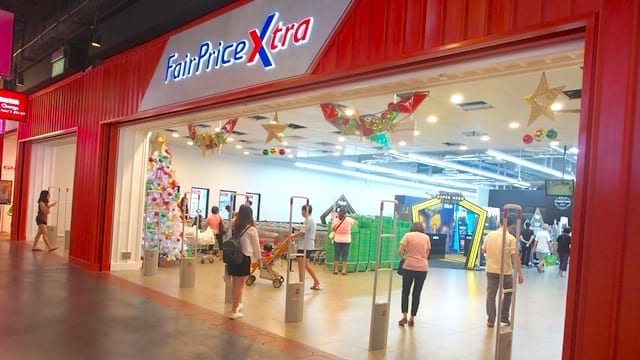
    To mark the 10th anniversary of its hypermarket format, NTUC FairPrice has launched an experiential concept at its FairPrice Xtra hypermarket in Jurong Point shopping centre.

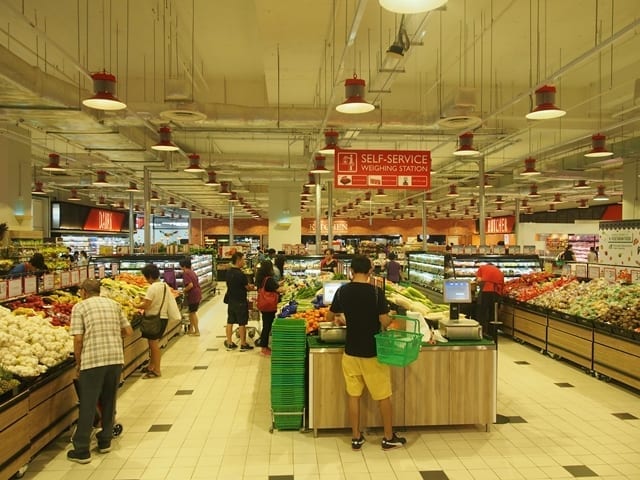
    Offering more than 26,000 grocery and household products across 57,000sqft (5300sqm) of retail space, the new hypermarket is designed to engage and entertain families in a carnival-like atmosphere with dedicated zones.

    There are five specific zones in the revamped store, grouping merchandise and activities based on specific shopper needs – the Parenting Zone, Health and Beauty Zone, Healthy Eating Zone, Kitchen Zone and Total Home Solutions Zone.

    With the store’s family-oriented focus, the Parenting Zone offers more than 1250 baby- and children-related products including formula milk, diapers, toys and clothes. There is also a KidsMart interactive play area with miniaturised shelves and shopping trolleys for children to pretend shop, plus an event space where they can play interactive games.

    Integrated pharmacy

    In the Health and Beauty Zone an integrated Unity pharmacy store provides personal-care, wellness, senior-care and adult nutrition products. A pharmacist is also available for consultations on medication. Health-related activities will also be held in this zone, such as free blood-pressure monitoring services.

    More than 2190 organic, free-from, natural, low-GI and fresh produce features in the Healthy Eating Zone, which also has an event space for such activities as cooking demonstrations, while the Kitchen Zone offers cooked meats and seafood, ready-to-eat meals and an in-store bakery by home-grown brand Swee Heng.

    The Total Home Solutions Zone features cleaners, tools, household appliances, cookware and a space for product demonstrations.

    Beyond these zones the store also offers activities like claw machines, roving magicians and musicians.

    Wider aisles and low shelves are offered so the elderly and shoppers with limited mobility can have easy access. Electronic shelf labels using e-ink for easy reading have been installed throughout the store.

    The store is open 24 hours daily.

  • JDA and SATO Partner to Deliver the Future of Warehouse Management

    JDA and SATO Partner to Deliver the Future of Warehouse Management

    JDA Software Group, Inc. and SATO today announced a new alliance representing JDA’s first Japanese hardware partnership as the company expands its presence in Japan. The technology partnership will combine JDA Warehouse Management and JDA® Warehouse Labor Management with SATO’s Visual Warehouse Solution to help customers take advantage of digitalization technologies such as the Internet of Things (IoT) and big data. The sales alliance will streamline the logistics process for customers leveraging JDA and SATO’s solutions together. JDA and SATO aim to deploy the solution in five leading food and beverage companies by March 2019.

    Japanese companies are facing labor shortages and increasing supply chain complexity due to rising consumer demands which require diverse product lineups to meet their needs. Meanwhile, Japan ranks poorly among the Organisation for Economic Co-operation and Development (OECD) nations (18 of 35) in terms of overall workforce productivity, even as nominal labor productivity hit a new high this year*1. This highlights the room for improvement Japanese companies can realize by fully unleashing the power of data in operations. Only six percent of large Japanese corporations utilize big data and 48 percent have yet to identify how to extract value from it.*2 Among Japanese manufacturers, only 45 percent utilize big data to drive operational efficiencies.*3

    “SATO is proud to have been selected as a partner by a cutting-edge solutions provider like JDA,” said Kaz Matsuyama, president and CEO of SATO Holdings. “We hold a mutual commitment to open innovation and user-centric value, so I am excited about the possibilities of our collaboration. We will strive to bridge the last inch of our customers’ last mile challenges to design the ultra-efficient, IoT warehouse of the future.”

    In today’s ever-complex unified commerce environment, companies need to do more than track labor productivity and warehouse processes, but to turn the warehouse into a performance-focused competitive advantage. JDA Warehouse Labor Management provides a real-time view into warehouse activities, improving planning and scheduling by ensuring the right number of workers with the right skills are available when and where they are needed to fulfill order demand. And companies can get real-time visibility into labor concerns before they become issues and shift workers where they are needed. Combined with JDA Warehouse Management, companies can address real-world disruptions to drive improved performance and predictable results by sensing these shifts in real-time to respond quickly and profitably.

    The SATO Visual Warehouse solution is a virtual warehouse director that fully streamlines picking route navigation for enhanced logistics and labor utilization. An accompanying picking guidance system guides workers on the shortest possible route, with audio and visual instructions, to cut time spent and distance travelled per picking order by approximately half. The system allows inexperienced warehouse workers to achieve a similar efficiency level as more experienced workers.

    JDA and SATO seek to improve warehouse productivity by enabling actionable improvements based on data sets of real, specific operational data. By logging individual workers’ location over time, the combination of JDA and SATO will enable collection of real operational data. Accumulating this real-time data in the warehouse and linking it to JDA Warehouse Labor Management makes true visualization of labor possible, and empowers users to make data-driven decisions to streamline their operations, providing a 30 to 40 percent boost to operational productivity in the warehouse upon deployment.

    “This partnership will tap into SATO’s real-time visualization and tagging technology to gather all information in the warehouse related to labor efficiency that will improve productivity and take advantage of the latest cutting-edge innovations,” said Amit Bagga, regional vice president, sales, Asia-Pacific, JDA. “As we expand our presence in Japan, we are best addressing Japanese customers’ demand, and leveraging SATO’s IoT capabilities, combined with JDA’s advanced warehouse management solutions.”

  • Amazon secret recipe to save the physical store

    Amazon secret recipe to save the physical store

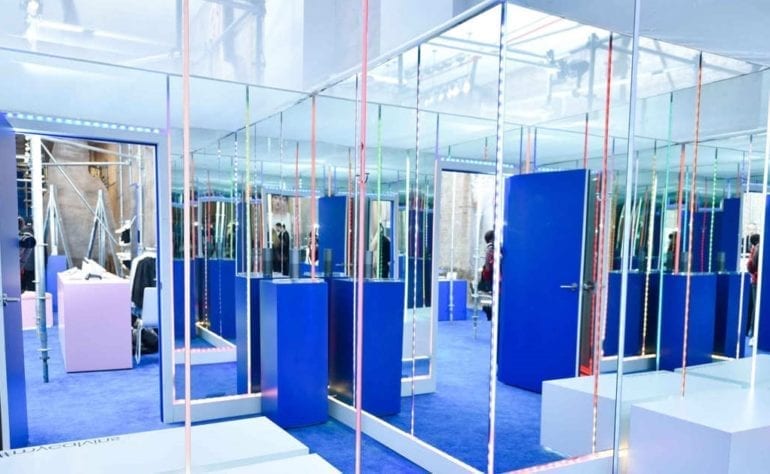
    The Amazon-Calvin Klein pop-up stores in New York City and Los Angeles may be just what brick-and-mortar retailers need to bring online shoppers back to the real world, Morgan Stanley’s Brian Nowak said.

    Amazon is banking on its loyalty with consumers who rely on the company for the best prices, Nowak said. When it comes to brick-and-mortar, that transparency “could encourage more people to shop in store rather than online,” he said.

    The key way it does this is by having consumers experience dynamic pricing while at the shop, prompting shoppers to scan the barcodes of items in order to see the ever-changing prices. The prices will match what’s on Amazon.com, which is often the lowest price, Nowak said.

    The Amazon-Calvin Klein pop-up also offers free personalization and customization of basic items, such as underwear, the mainstay of Calvin Klein’s brand. It is also offering exclusive merchandise, which can only be found in the store or at the ‘My Calvins’ online brand store on Amazon.com.

    “This phone scanning and dynamic pricing combination is another example of Amazon’s attempt to change consumer behavior/expectations in the offline world in a way to build trust with consumers that they are always getting the lowest price,” Nowak wrote in a note.

    Amazon’s outsized influence as an ecommerce giant has retailers scrambling to stay relevant as it eats away at brick-and-mortars’ market share, particularly in-store sales. When Amazon announced a partnership with Nike in June, it hit Dick’s, Under Armour, Foot Locker and other competitors with many retailers reporting dismal third-quarter earnings.

    The company’s attempts at providing a different shopping experience in brick-and-mortar stores may be what saves the retail industry and brings shoppers back to physical stores.

    Amazon’s stock is trading at $1,133.97 a share and was up 50.39% up for the year. PVH Corp, the parent of Calvin Klein, is trading at $134.28 a share and is up 47.64% for the year.

  • Amazon launches fully in Australia

    Amazon launches fully in Australia

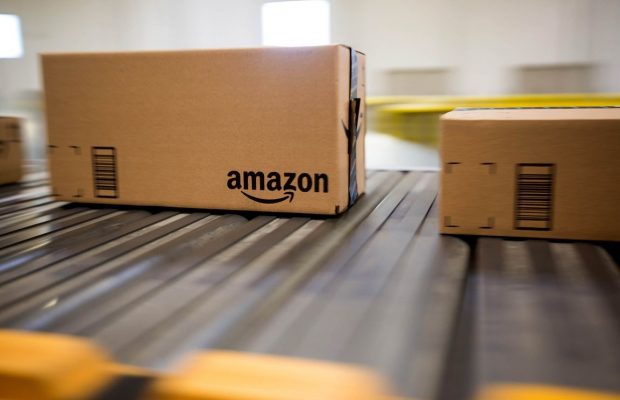
    Amazon has officially arrived down under. The US e-commerce mogul unleashed its complete retail offering after a soft launch  in Australia.

    The Seattle-based mega-site kicked off with 23 categories, more than previous debuts in markets such as Canada and the UK, with millions of products now available to Australians with faster shipping times, along with free shipping for orders over $49.

    Key categories for the new Amazon Australia include consumer electronics and sporting goods, as well as beauty products and clothing and accessories. Products being promoted with the Australian debut include Calvin Klein underwear and polos from Tommy Hilfiger.

    Amazon has been operating in Australia for several years, but it mainly offered best-selling books and products form third-party sellers were minute with expensive delivery costs.

    “Focusing on customers and the long term are key principles in Amazon’s approach to retailing,” said Rocco Braeuniger, Amazon Australia’s country manager. “By concentrating on providing a great shopping experience and by constantly innovating on behalf of customers, we hope to earn the trust and the custom of Australian shoppers in the years to come.”

    Earlier this year Amazon opened a new fulfillment centre in Melbourne, its first in Australia, making it possible to offer local customers faster shipping times.

    A recent UBS survey found that 42 percent of those surveyed are expected to shop online more after Amazon’s launch, while 56 percent would probably visit Amazon’s Australian website. Some 51 percent said there was a strong likelihood they would buy on the platform.

    Australian retail sales bounced back in October after months of lukewarm demand, a bright sign for spending in the upcoming holiday season.

    Data from the Australian Bureau of Statistics (ABS) showed retail sales rose 0.5 percent in October 2017 from the previous month, the strongest since May 2017 and above expectations for a 0.3 percent increase. September 2017 sales had only inched up by a revised 0.1 percent.