Blog

  • Ermenegildo Zegna presents a multisensory experience

    Ermenegildo Zegna presents a multisensory experience

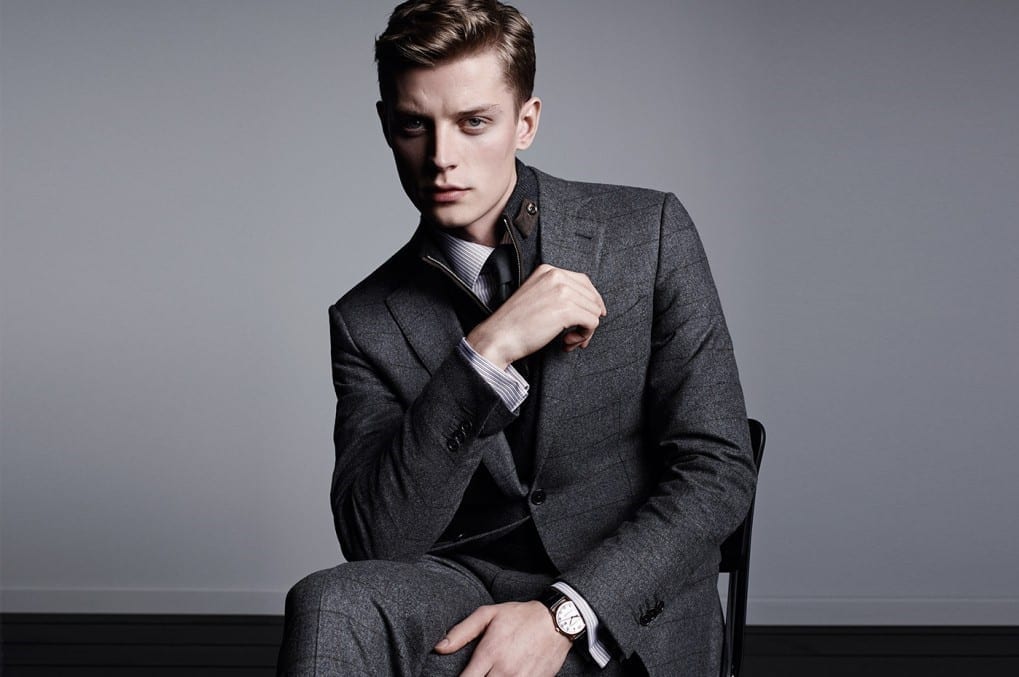
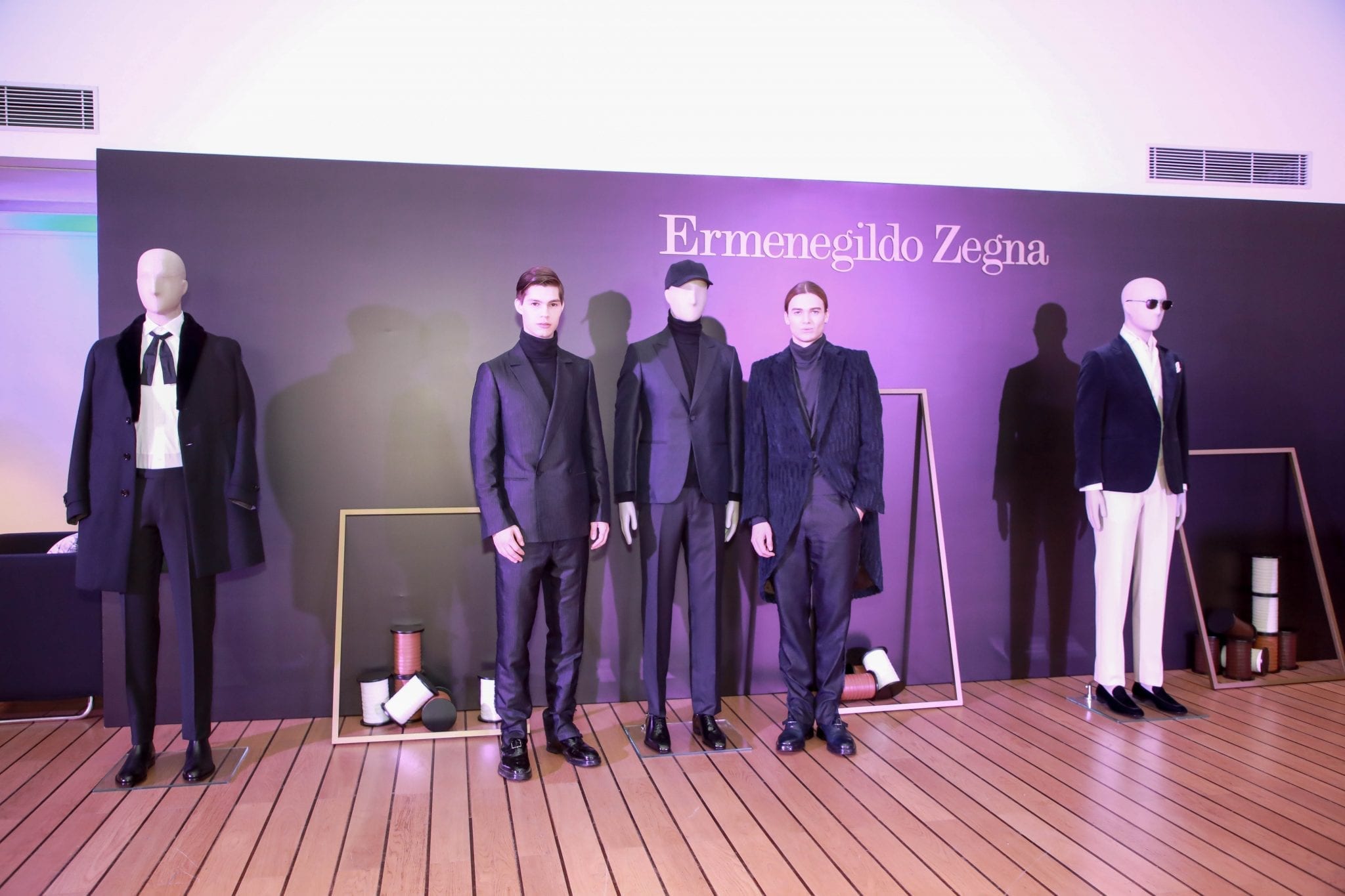
    Ermenegildo Zegna, one of the most luxurious  Italian fashion houses for modern gentlemen, hosted an experiential cocktail event “Crafting Modernity” at the Hong Kong  Maritime Museum.

    The event was an interactive, multisensory celebration where guests were guided through an intimate look into Ermenegildo Zegna’s creativity and artisanship, as well as their latest offerings – from the iconic PELLE TESSUTA Leather Collection, to the new arrivals of Zegna Toyz Collection which is also exclusively made in PELLE TESSUTATM.
    Renowned actors Sean Lau and Moses Chan joined the evening to share some of the key defining moments in their life that have made them who they are today. Both embody the mature elegance of the sophisticated gentleman, their successes mirror Ermenegildo Zegna’s continuous pursuit of excellence and innovation.

    Up and coming singers Tim Wong and Alfred Hui also joined the event to provide a dynamic equation to the evening, as their contemporary music reflects the spirit of modern young men today.

    Undoubtedly though, the star of the show was the brand’s PELLE TESSUTA collection. Famous for its premium fabrics, Ermenegildo Zegna has taken leather to a new level, and the PELLE TESSUTA collection is the latest innovation, replicating the traditional method of weaving cloth to recreate precious fabric using extremely thin strips of select nappa leather.
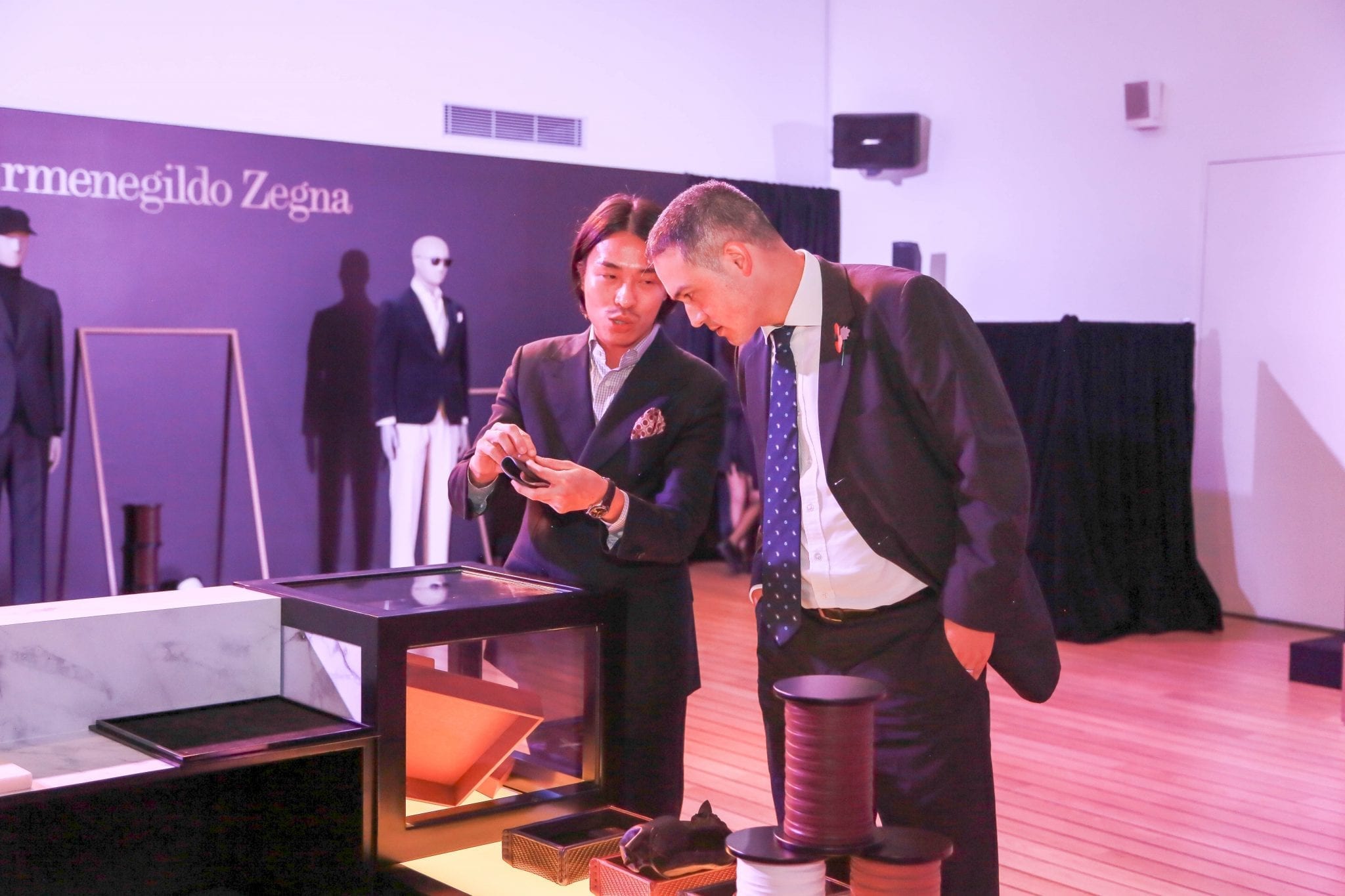
    The Zegna Toyz Collection, which was officially launched in Hong Kong at the event, features a wide range of home, travel and gaming products all made in PELLE TESSUTATM. The items are dedicated to the modern man for three different moments of his life: “Essential” is a collection of small leather goods for the gentleman’s business life and includes, among other things, a coin case, a business card case and a sunglasses case. “Toys” is a selection of leisure and entertainment travel games, which includes a domino set, a playing card set and a game cube. The “Technological” offer consists of a series of multimedia accessories, such as headphones and turntable, created in collaboration with Master & Dynamic, the premium audio brand known for its sophisticated sound tools.

    At the event multisensory experience was created to stimulate the senses and guide each guest to connect with the brand on a deeper level and to truly experience and appreciate the innovation of the PELLE TESSUTA and the Zegna Toyz collection. Guests were invited to record a personalised audio message that can be immediately stored and also realized in a soundwave art on a plastic card, and when given to a loved one, can be played back by scanning the QR Code on the card face.

    Another highlight of the evening was  the headphone and vinyl record player created through a special collaboration with Master & Dynamic, resulting in a beautiful set of  top-of-the-line music gear that stands out with its timeless design that is both elegant in its lines and sophisticated in its bearing.

    To celebrate the collections, award winning bartender James Barker tailor –made 3 different signature cocktails inspired by Ermenegildo Zegna and its latest collections.

  • Alibaba all set to put $300 million in BigBasket

    Alibaba all set to put $300 million in BigBasket

    Chinese e-commerce giant Alibaba Group Holding plans to invest about US$200 million in India’s online supermarket Bigbasket.

    This leads a $280 million funding round and would give it a stake of about 25 per cent in the startup, insiders say. The deal is awaiting approval from the Competition Commission of India.

    Based in Bangalore, the grocer has previously had investment discussions with Amazon.com, which was given government approval this year to invest $500 million into food retailing. Founder Jeff Bezos has said he will invest $5 billion in India.

    Meanwhile, Alibaba has invested in One97 Communications, which runs digital payment and e-commerce businesses.

    Owned by Innovative Retail Concepts, Bigbasket has TV commercials featuring Bollywood actor Shahrukh Khan. The company offers delivery in more than 25 cities and offers 18,000 products from 1000-plus brands.

  • Leading Australian Label Sol Sana Enlarges Footprint in Asia

    Leading Australian Label Sol Sana Enlarges Footprint in Asia

    Australian women’s leather footwear label Sol Sana is seeking investment partners in Asia to support its international expansion.

    The company has appointed R3D Global as its strategic investment relations adviser and aims to secure further distribution networks and sales agents in Asia.

    It has also appointed Primer Group of Companies to manage its distribution into the Philippines, and already has distributors in China, Japan and South Korea.

    “We have seen a growing demand for our footwear over the past few years in Asian markets,” says CEO Michael Shandler. “The time is right for us to bring in new partners to help take our brand to the next stage of development. Our continued expansion to Asia is key to the company’s continued international strategy.”

    He says Sol Sana plans to double its sales in Asia in the next three to five years through both online and retail stores.

    Founded six years ago, Sol Sana has a focus on minimal designs, craftsmanship, leathers and environmentally friendly materials.  As well as online, its footwear is available in departmental stores such as Bloomingdales and Nordstrom in the US, Robinsons in Singapore and Harvey Nichols in Hong Kong, as well as independent retail stores.

    With a presence in 22 countries, the brand earlier this year appointed sales agents in five European countries.

  • E-commerce trend as highlight at Luxury China report

    E-commerce trend as highlight at Luxury China report

    Luxury brands have started embracing e-commerce in China, says the Luxury China report released by digital marketing company L2.

    It says 91 per cent of luxury brands in China had gone online by June last year, more than double the 43 per cent using e-commerce 12 months earlier.

    This comes as Chinese millennials and generation Z are set to become the dominant driver of luxury consumption over the next decade, according to the 2017 Chinese Luxury E-Commerce Whitebook report from high-end e-commerce platform Secoo and data company Tencent.

    The average age of the online shopper of luxury goods in China is now 25, 15 years younger than the average age of European luxury consumers, and 20 years younger than those in the US. These young consumers are stepping up their buying of minority brands – as opposed to high-profile labels – in a quest for more personalised and less mainstream experiences. For example, the streetwear trend has gradually become more mainstream, leading to more young people embracing such brands as Supreme and Vetements.

    “Consumers are no longer too loyal to one specific brand, but want luxury brands that speak for themselves,” says a Deloitte global luxury consumption survey about millennium consumers. “They are more willing to pay attention to trendy brands with stories.”

    Secoo has announced partnerships with niche brands including Corto Moltedo, Maison Kistune and Mr&Mrs Italy, which has been popularised by a South Korean TV series. Corto Moltedo is known for its entirely handmade bags.

    Corto Moltedo and Mr&Mrs Italy have signed exclusive co-operation agreements with Secoo, and all their collections are sold simultaneously across the world at the same prices.

  • K-beauty eyes Middle East

    K-beauty eyes Middle East

    The political tension between Seoul and Beijing has eased after a summit between the two leaders during the APEC Summit, but K-beauty companies are diversifying their overseas operations instead of returning to the Chinese market.

    Supermarket chain E-mart said  that it has signed a franchise deal with Saudi Arabia’s largest retailer Fawaz Alhokair. Under the contract, E-mart is set to sell its cosmetic brand Sentence at Fawaz Alhokair shopping malls.

    Fawaz Alhokair operates 21 shopping malls in Saudi Arabia, and E-mart said it will open one Sentence store in the Riyadh and Jeddah malls by March. Another four more stores are expected to be opened by the end of 2018.

    The nation’s largest cosmetic company AmorePacific also plans to open its first Middle Eastern store in the United Arab Emirates in January while preparing to open others in Saudi Arabia and Kuwait.

    AmorePacific signed a partnership deal with the Middle East’s largest retailer Alshaya Group.

    LG Household & Healthcare has already entered the Middle Eastern market. It now operates more than 60 The Face Shop stores in Saudi Arabia while another K-beauty brand Tonymoly has opened five stores in the country, including two in Jeddah and one in Riyadh.

    Market researchers say their surging interest in the Middle East is attributed to the market’s growth potential.

    London-based consultancy Euro Monitor said the Middle East cosmetic market was worth 19.5 trillion won (US$18 billion) in 2015 but is expected to reach 39.1 trillion won by 2020. The figure is double the average growth rate of the world’s cosmetic market.

    Likewise, Korean cosmetic firms’ exports to the market have soared.

    According to KOTRA, Korean firms exported only 150 million won worth of cosmetic products to the Middle East in 2008. The figure, however, jumped to 40.1 billion won last year, a 265-fold increase over eight years.

    “The cosmetics market in Saudi Arabia has grown 10 percent a year on average for the last decade. This is one of the most rapidly growing cosmetic markets in the world,” an E-mart official said.

    “Korean cosmetic products are expected to enjoy good sales there thanks to booming Hallyu popularity.”

  • Find Out ‘It’  Winter item in Korea

    Find Out ‘It’ Winter item in Korea

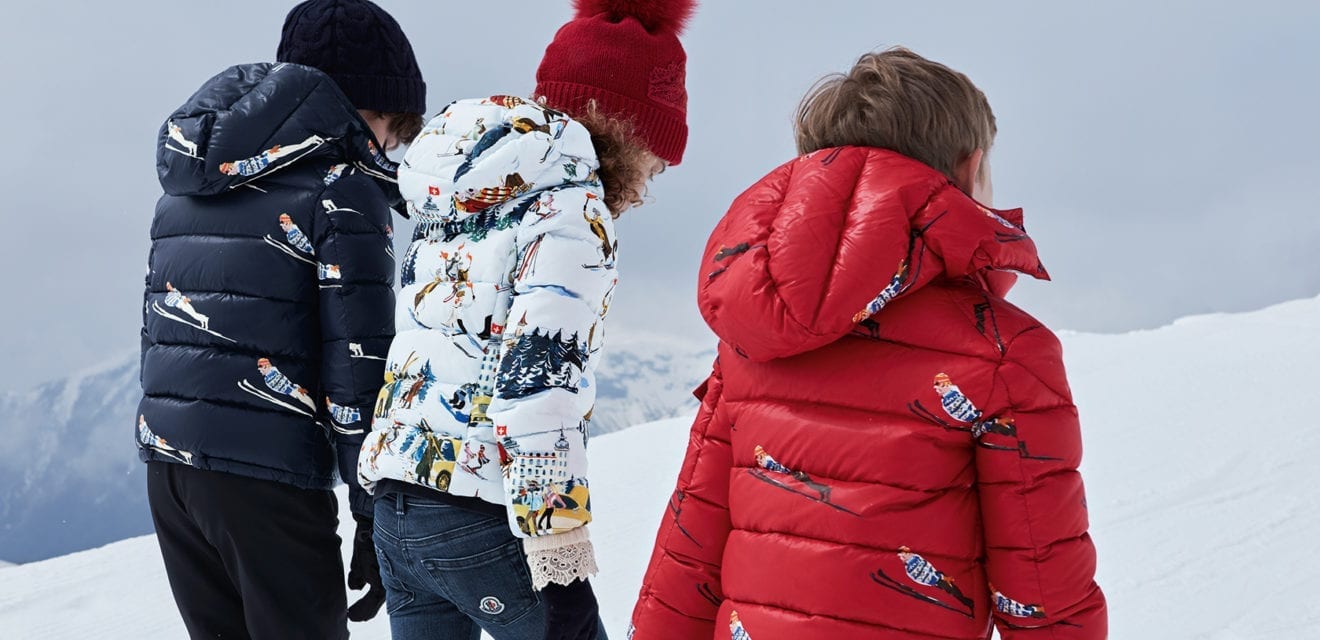
    Choosing the right padded jacket — this winter’s ‘it’ item — is a much more complicated task than one may think. It is not just design and color, but the type of insulation also has to be decided — goose, duck or synthetic materials, as well as their composition ratios, waterproof or not and even the overall weight.

    For many South Koreans, however, it all seems to come down to a choice between luxury and cost-effective alternatives.

    On the high-end side, with brands like Canada Goose, Nobis, Herno and Moncler, the jackets are priced at well over 1 million won (US$920).

    As for Moncler, the retail prices of long padded jackets for women hover around 2-3 million won. But some of the popular models have been sold out since summer and there’s a long waiting list still, an employee at a Moncler shop in Seoul said.

    The passion for the French fashion brand is high, as a growing number of people are purchasing online instead and have them delivered directly from Europe.

    “The price is 20-30 percent cheaper,” said Oh Su-hyun, who bought a Moncler coat this year via a Paris-based online shopping mall.

    “It cost me around $1,800, including tax. But I think it as an investment. Winter is long and you can wear it for many years because it’s Moncler.”

    More cost-conscious consumers have turned to more affordable options, chief among which is the PyeongChang Winter Olympic official down jacket, which was offered only in limited numbers.

    High-performance yet stylish and affordable, the PyeongChang coat has become an instant top seller.

    Since its launch on Oct. 26, people have been lining up for the coat which costs 149,000 won. But no more jackets are available now as the 300,000 pre-ordered items are completely sold out. The coats were manufactured by a local company in request by the nation’s retail giant Lotte, a licensed partner to the PyeongChang Olympics, to commemorate the global sports event.

    Some of the coats are being traded online, with a mark-up of 2-3 times the original price.

    The long padded coat craze seems to have led to an overall increase in winter coat purchases.

    According to Lotte Department Store, the sale of winter clothes surged 70 percent this month, while other retailers Hyundai and Shinsegae saw sales growing 12.7 percent and 13.4 percent, respectively.

  • Heineken Partners With A Bathing Ape For Its Capsule Collection

    Heineken Partners With A Bathing Ape For Its Capsule Collection

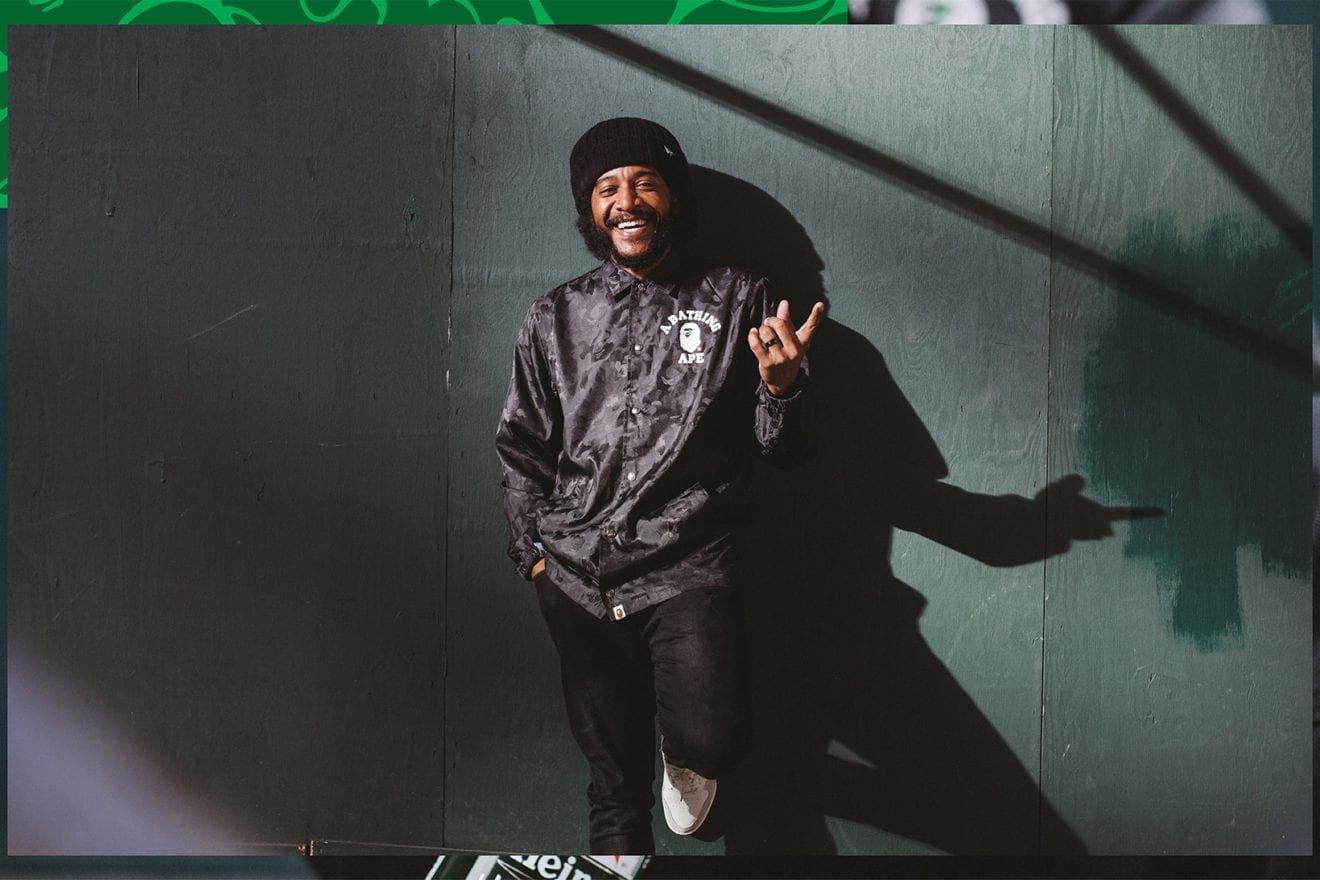
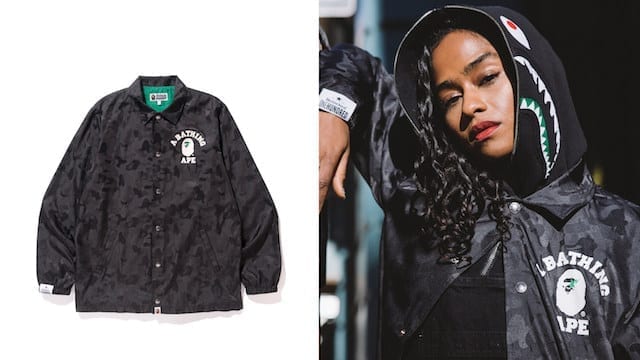
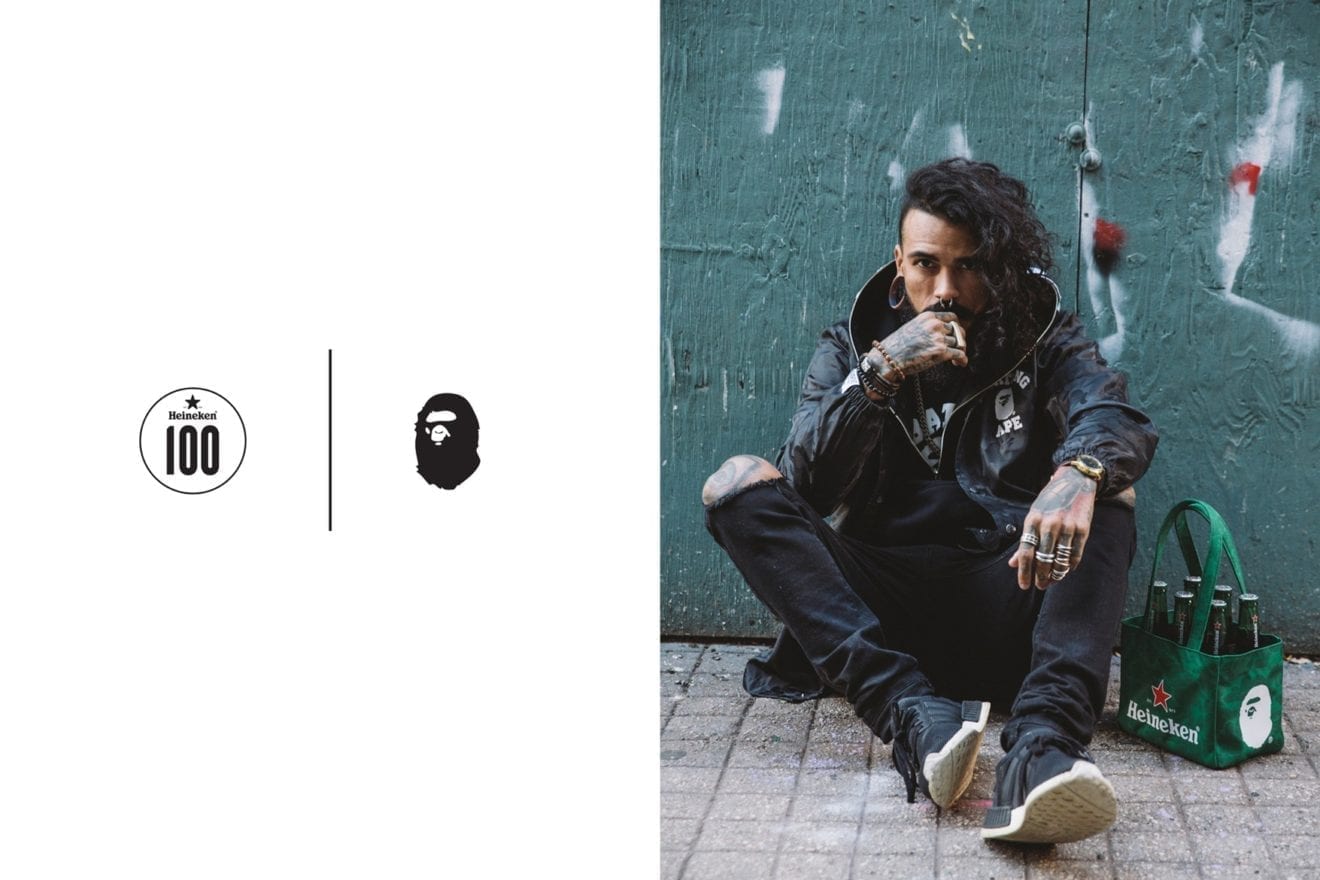
    Hong Kong-owned A Bathing Ape has been chosen by brewing giant Heineken as its partner for this year’s #Heineken100 program, its eighth collaboration with a retail fashion brand.

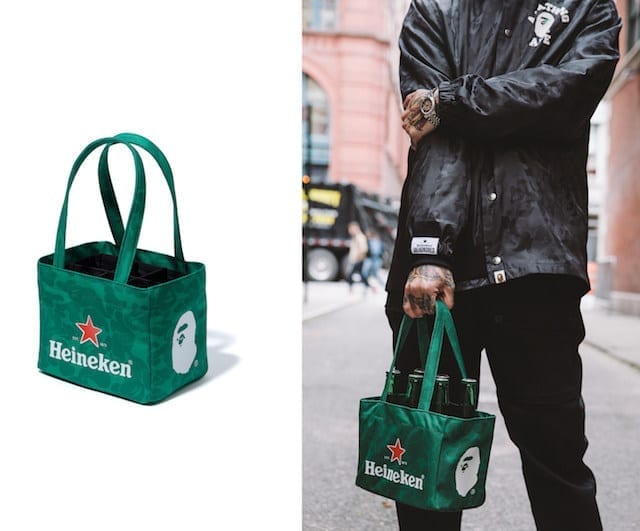
    The two companies have created a capsule collection of four co-branded fashion items: a hoodie, coach jacket, t-shirt and a six-pack bottle carrier.

    Unlike previous years – when the creations were gifted only to the 100 most influential beer drinks around the globe – this year consumers can buy the merchandise at a one-day only popup in New York. The store will be open in Japanese gastropub Izakaya in Manhattan’s East Village neighborhood in New York on Tuesday (December 12).

    Last year, Heineken collaborated with luggage brand Tumi to create a series of essential travel products. Other previous partners include Public School, Garrett Leight, Union Los Angeles, Parabellum, Mark McNairy, Kith and Neighborhood Japan.

    “The goal of the #Heineken100 program has always been to connect the brand with people who drive culture forward,” said Coltrane Curtis, founder and managing partner of Team Epiphany, the marketing agency behind the initiative. “This year, we listened to the fans. By opening up #Heineken100 to New Yorkers, we’re able to directly engage with consumers in one of the most influential cities in the world.”

    “This year’s #Heineken100 campaign brings together two brands with global ubiquity, whose consumers have a taste for luxury and innovation,” added Raul Esquer Lopez, Heineken USA brand manager. “We’re thrilled to partner with Bape, an iconic brand that shares a history of inventiveness through creating highly-aspirational imports for the man of the world.”

    The half-zip pullover hoodie will sell for US$399, the camo coach jacket for $413, the t-shirt for $112 and the cooler for $115. All feature dual branding.

    Bape is owned by Hong Kong’s I.T. Group.

  • Louis Vuitton launches its Facebook chatbot

    Louis Vuitton launches its Facebook chatbot

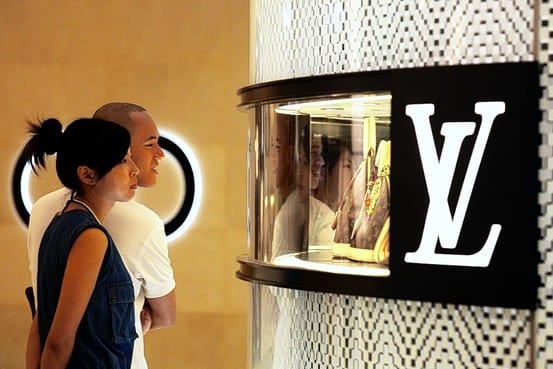
    In a bid to think “client first”, Louis Vuitton has launched a chatbot on Facebook Messenger that advises shoppers on products, aiming to provide meaningful feedback during the busy holiday period.

    The bot is powered by mode.AI, which has also previously partnered with the likes of Levi’s with its artificial intelligence, visual search and machine learning technology.

    It aims to give clients a more “sophisticated, personalized, visual and conversational online shopping experience” via Facebook, where Louis Vuitton currently has more than 20 million followers.

    The main focus is on search– users can converse with the bot to discover the brand’s full line of products, as well as use it to get suggestions on specific items. It uses natural language processing to facilitate a more advanced search experience.

    They can also share items with friends directly through it, and get votes in return on what to buy. Additional services include info on stores worldwide, access to product care instructions and a conversational view on the brand itself, from its fashion shows to its history and the craftsmanship behind its products.

    LV

    Louis Vuitton CEO, Michael Burke, said: “At Louis Vuitton, we always think client first. Today, our clients like to be connected to the Louis Vuitton universe wherever they are. They shop in our stores worldwide and are often in contact with their personal shoppers. They also follow us on Facebook, Twitter, Instagram, etc. and find our products on louisvuitton.com. It became evident that we should create the Louis Vuitton Virtual Advisor powered by mode.ai, a 24h/7 service to be able to fully meet their needs.”

    “We are still in the very early stage of AI technology adoption in the retail industry. The dominance of e-commerce isn’t just a trend, but an ever-growing arena, giving luxury brands like Louis Vuitton the opportunity to reach and sell to their customers in new and exciting ways. As shoppers continue to move online, the most forward-thinking companies will turn to AI chatbot technology to meet these shifting client demands,” said mode.ai CEO Eitan Sharon.

    Burke added: “The [bot] is designed to increase the quality of the relationship we have with our clients by enhancing and personalizing the shopping experience. We see messaging platforms as future key drivers of conversations with our clients, and potential for the integration of artificial intelligence and chatbot technologies to further enhance service to clients across these new channels.”

    The experience is currently only available on Facebook Messenger in the US, but there are plans to roll it out to Europe and Japan next, as well as across additional platforms including WeChat and Line.

  • Indonesian Pizza Hut Operator Plans $150 Million IPO

    Indonesian Pizza Hut Operator Plans $150 Million IPO

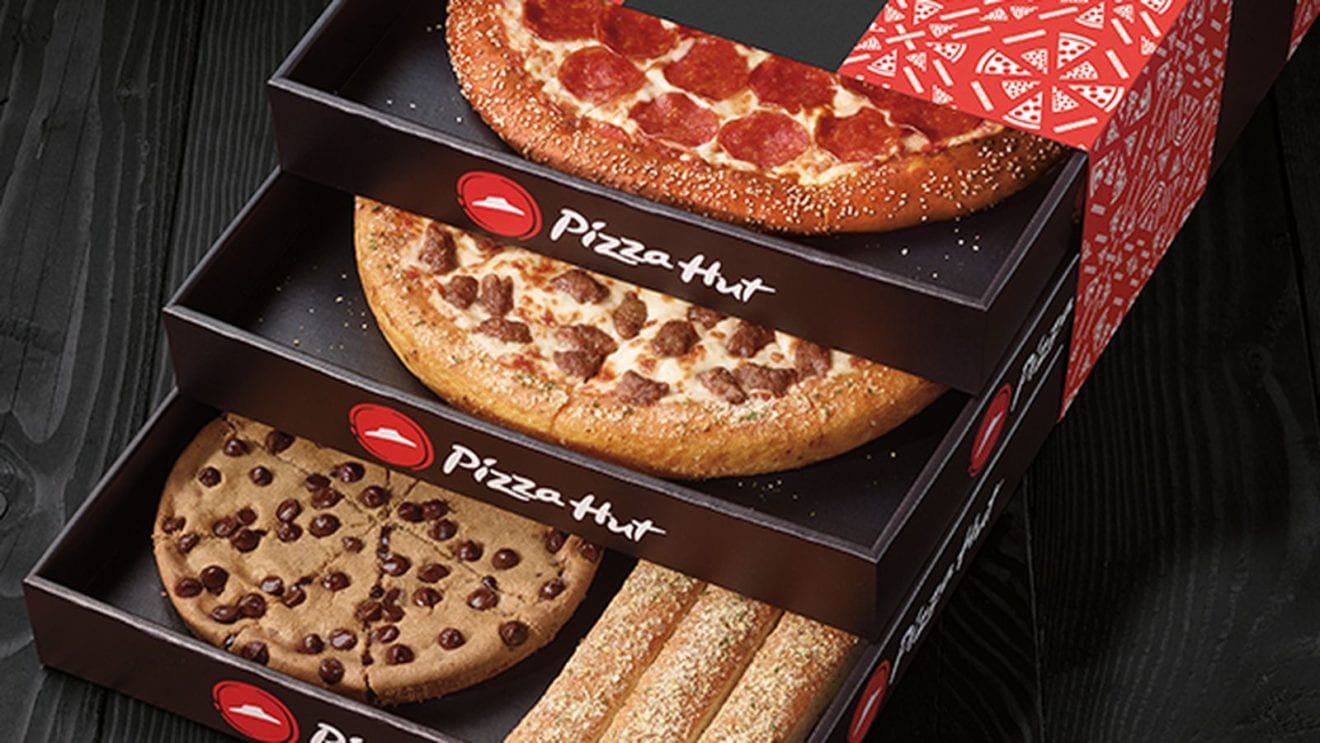
    The company that runs Pizza Hut Indonesia plans an IPO that could raise as much as US$150 million.

    Sriboga Raturaya has taken on advisers for a listing of its foodservice and restaurant franchising unit, which also runs the Japanese noodle chain Marugame Udon.

    Shares could go on sale in Jakarta in the first half of next year, insiders say.

    Indonesia’s pizza market is forecast to expand to IDR8.81 trillion ($650 million) by 2021, up from IDR5.76 trillion last year, according to Euromonitor International. Pizza Hut had more than 70 per cent of the market last year, followed by Domino’s with 6.1 per cent.

    First-time stock sales in Southeast Asia’s largest economy raised $683 million this year, down from $1.03 billion for the same period last year, according to Bloomberg.

    Sriboga Raturaya, which started as a producer of wheat flour in 1995, also has interests in education, logistics and making food ingredients.

  • The Shilla Duty Free unveils “seamless retail” in Changi T4 beauty outlet

    The Shilla Duty Free unveils “seamless retail” in Changi T4 beauty outlet

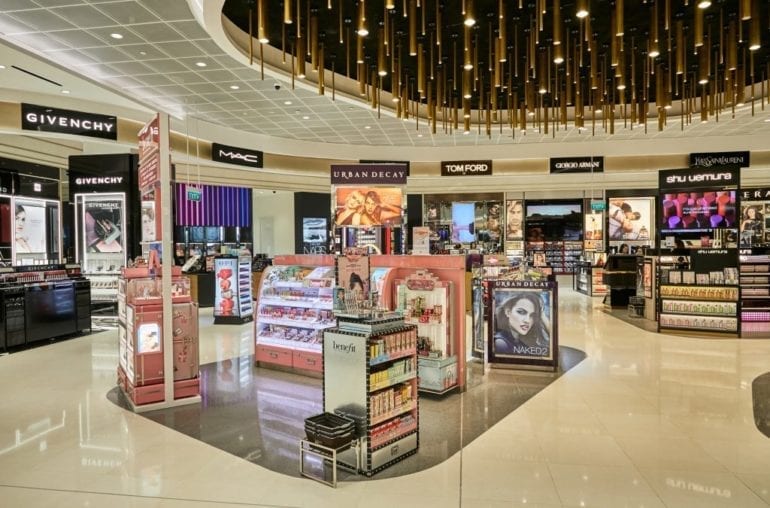
    The Shilla Duty Free has unveiled its 1,375 square meter beauty store in Singapore Changi Airport’s newly-opened Terminal 4.

    It is the biggest among all the Shilla Central stores at Changi and is part of the airport’s first integrated duty free zone, which travellers reach after passing through the centralised area for departure immigration.

    The zone also includes DFS Group’s liquor and tobacco outlet, and passengers can make purchases across the two stores in a single transaction.

    A number of beauty brands not currently offered at other terminals are available in The Shilla Duty Free’s new store, including Hera, diptyque, Alexander McQueen, Mercedes-Benz, Bentley and Bath & Body Works.

    The store features high ceilings and has been designed to be spacious to “allow for more creativity in the designs of the brand counters”, the retailer said. Large digital screens have been incorporated into the walls and pillars, and amplify the key branding messages and promotions.

    The layout encompasses four distinct zones, with the aim of making the shopping journey “seamless and uninterrupted”. A vibrant cosmetics zone features at the store’s main entrance, while internationally renowned brands are carried in the skincare zone, The Shilla Duty Free said.

    A zone dedicated to introducing travellers to brands known for their artisanal and organic approach to beauty features next. The last zone highlights fragrances, and is intended to “immerse travellers in the romance of perfumery”.

    The Shilla Duty Free Vice President of Global Merchandising Division Raelene Johnson commented: “We are thrilled to present Shilla’s new seamless retail format to travellers. The entire store has been tailored with our shoppers in mind, as we try to understand the consumer psyche and focus on building a great experience for each one of them.

    “Whether it is the joy of browsing through the different segmented zones that pique their interest, or discovery of their favourite brands that are not readily available downtown, or the exclusive promotions, we are confident that shoppers will always have a pleasant and enjoyable time at our store.”

  • Cameroon to have its first Carrefour market

    Cameroon to have its first Carrefour market

    French grocery giant Carrefour has opened its first store in Cameroon, expanding its African footprint.

    The Carrefour Market supermarket is located in the city of Douala and is operated by local partner CFAO Retail, which has stores in eight African countries. The 1430sqm Carrefour Market anchors a shopping centre which includes six other retail stores and two dining options, including CFAO Retail’s Brioche Doree. The total centre occupies 8250sqm, including carparking.

    Carrefour says the market’s unique selling proposition is high-quality fresh products, local products, exclusive Carrefour brand products, strict sourcing and cleanliness standards to ensure food safety, and merchant services that make customers’ lives easier and improve the shopping experience.

    “For our first site in Douala, we have assembled the ingredients that have driven the success of our offering in Africa over the past two years: strong local engagement and a significant economic footprint,” said Xavier Desjobert, CEO of CFAO Retail.

    “The Douala opening is the first step in the broader CFAO Retail roll-out in Cameroon. In 2019, Yaoundé will become home to a Playce shopping centre, a brand that is already very well known in sub-Saharan Africa. For the past two years in Côte d’Ivoire and now in Cameroon, we have been continuing to cement our long-term strategy for growth in Central and West Africa.”

    The Carrefour Market supermarket and Brioche Dorée restaurant employ 200 staff, with another 150 people working in the mall, shops and service providers.

    Carrefour Market and Brioche Dorée Douala have undertaken more than 7000 hours of training to their new hires.

    CFAO Retail has also developed synergy between the two countries taking part in the project. Managers from the Douala Carrefour Market and Brioche Dorée have received training in mass retail and convenience food at CFAO Retail sites in Abidjan, Côte d’Ivoire.

    Luc Demez, MD of CFAO Retail Cameroon, says the company has witnessed a rise of middle-class consumers in Douala – shoppers who are seeking access to modern products at the best possible prices.

    “Our customers have high standards and are loyal to the local economy. They want a wide range of high-quality options and purchases that have meaning. Carrefour Market will offer an exclusive range of Carrefour brand products, high-quality fresh products and more than 1500 products that are made in Cameroon.

    “It is important for us to contribute to the development of the Cameroonian economy,” he concluded.

  • South African conservationist-turned-artist Bruce Little entrusts his latest exhibition to Tigers

    South African conservationist-turned-artist Bruce Little entrusts his latest exhibition to Tigers

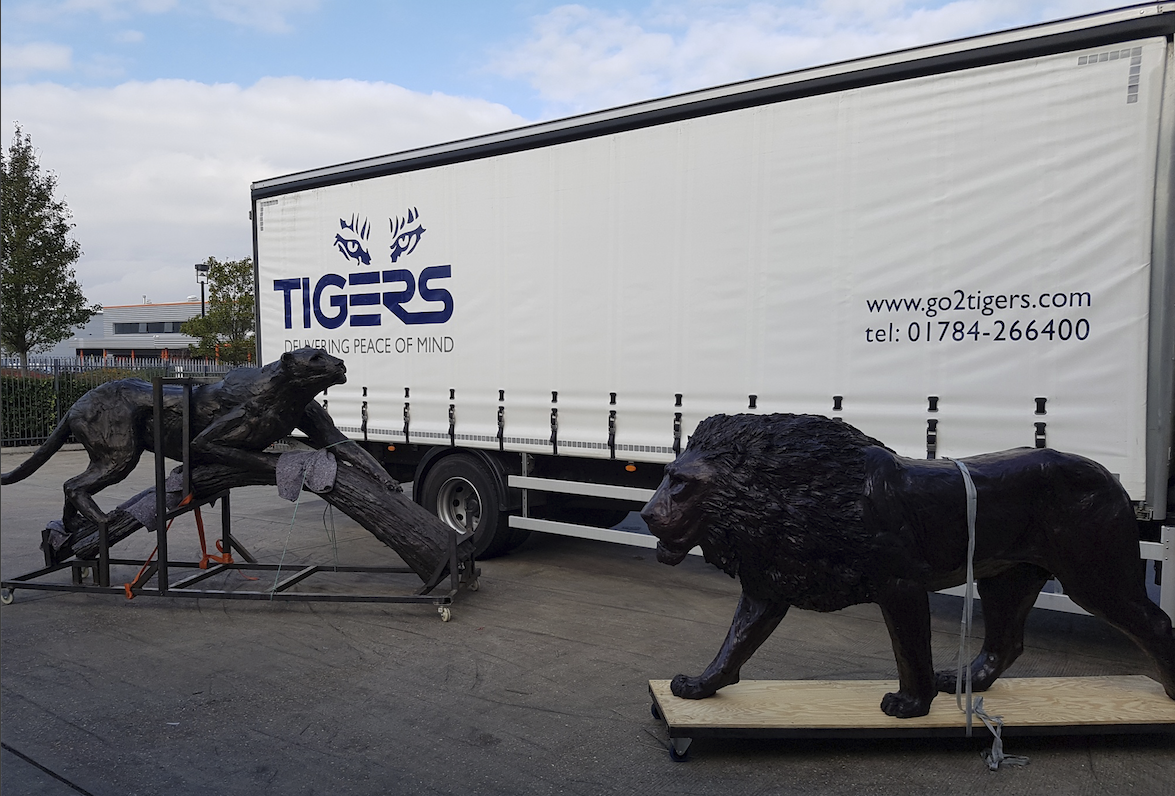
    Tigers has transported 29 large bronze wildlife sculptures from Cape Town, South Africa to London, United Kingdom for conservationist-turned-artist Bruce Little’s largest exhibition to date, held at the Mall Galleries. 

    The sculptures ranged from a tiny Harvester Mouse, measuring just 10cm long, 10cm wide, and 10cm high, and weighing three kilograms, to a Leopard, measuring 450cm long, 160cm wide, and 120cm high, and weighing 250 kilograms.

    “We loaded the sculptures under the watchful eye of the artist himself, Bruce Little, and re-palletised and delicately wrapped them to ensure a safe and secure movement to the gallery,” said Trevor Weeks, Branch Manager, London Heathrow Airport, Tigers. 

    “Twenty-nine large sculptures arrived in an ocean freight container at Tigers’ London Heathrow Airport facility, and were cleared as temporary import with a view to possible sale, providing the customer with the most cost-effective solution.

    “A further 31 smaller sculptures were moved from an address in the UK, and were delivered together at the Mall Galleries, using a vehicle mounted forklift truck to assist the gallery team with offloading.”

    Tigers collected the sculptures from the Mall Galleries after the exhibition had ended, and delivered them to another location in the UK for a private show.

    “Hosting an exhibition, the scale of which we have just had in London, is no easy feat particularly when the source of work has come from thousands of kilometres away,” said Bruce Little.

    “Fortunately, we have companies like Tigers at our disposal that have assisted seamlessly in delivering our bronzes where and when they are supposed to be. 

    “Last year they moved a monumental lion for me from Cape Town to Longleat, Wiltshire, UK, which weighed approximately five tonnes and this too went without a hitch.

    “I am most grateful for Tigers and their associates that have made it possible for me to exhibit around the world.” 

    Tigers operates seven offices in the United Kingdom, including London Heathrow Airport, Gatwick Airport, Felixstowe, Cardiff, Banbury, and Leeds.

  • Starbucks CEO talks about the future in China after the opening of its biggest store yet

    Starbucks CEO talks about the future in China after the opening of its biggest store yet

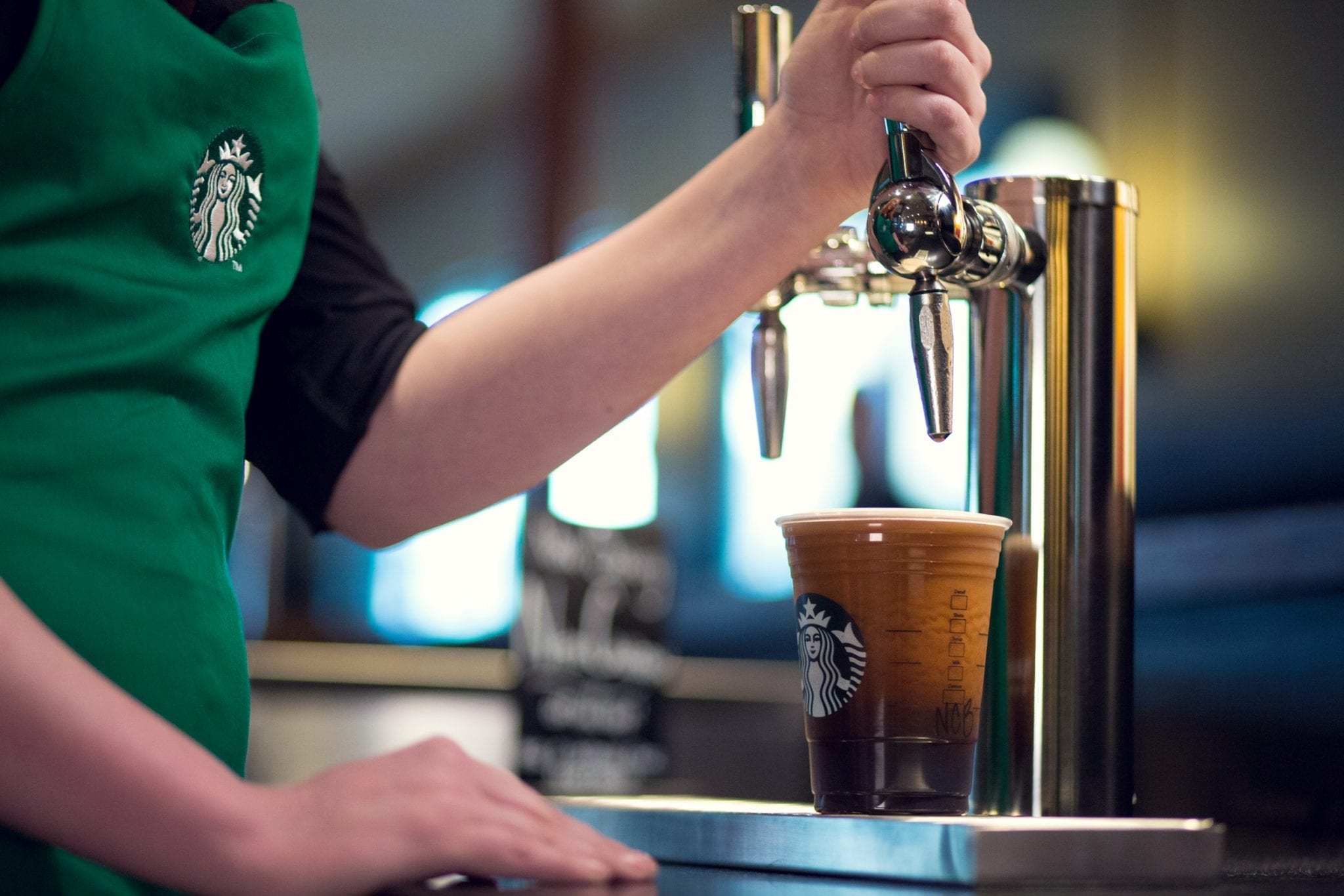
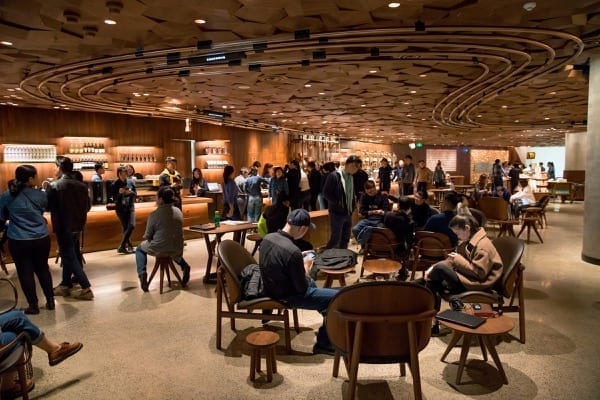
    That would be the company’s new Shanghai Roastery, a 30,000 square-foot “coffee wonderland,” which opened Tuesday and is Starbucks’ largest store to date.

    Located in the company’s fastest-growing country, the new Roastery is double the size of the original in Seattle that opened in 2014. It features three coffee bars offering multiple brewing methods; a 3D-printed tea bar; an Italian bakery, Princi; and a ceiling built with 10,000 handmade wooden hexagon-shaped tiles. There’s also a two-story, 40-ton copper cask with more than 1,000 hand-engraved Chinese stamps that tell the story of Starbucks and coffee.

    Technology is weaved into the store, including Starbucks’ first-ever in-store augmented reality experience, built in partnership with Chinese tech giant Alibaba, which is also selling Roastery coffee and merchandise on its Tmall online marketplace. Yahoo noted that sales on Tmall reached $1 million in the 48 hours before the Roastery opened.

    Starbucks plans to open more Roastery locations next year in Milan and New York City; and in Chicago and Tokyo in 2019. Speaking at the GeekWire Summit in October, Starbucks CEO Kevin Johnson explained that the Roastery stores act as “a center of innovation” for the company, which now has 27,000 stores in 75 countries and serves 90 million customers per week.

    “You’ll see us invest in taking the innovation we get from the Roasteries and propagate it throughout all our Starbucks stores around the world,” Johnson said.

    China represents Starbucks’ fastest-growing market with more than 3,000 stores across 136 cities, and 600 alone in Shanghai. The company posted same-store sales growth of 8 percent in the most recent quarter for China, compared to a 2 percent global average growth for stores worldwide. In July, Starbucks paid $1.3 billion to acquire the remaining shares in its East China business as it unified mainland China as a company-operated market.

    At a press event in Shanghai this week, Johnson said that China will become Starbucks’ fastest-growing market within a decade, according to the South China Morning Post.

    “If you look at the growing middle class in China and the opportunity for more and more people to frequent Starbucks, we can build stores in China for decades and still have runway to build more,” Johnson said at the GeekWire Summit.

    Starbucks CEO Kevin Johnson speaks at the 2017 GeekWire Summit.
    China can also act as a testbed for the company’s new digital products and services, given that there are nearly 700 million smartphone users. In July, Starbucks Chairman Howard Schultz hinted that Starbucks would partner with more Chinese tech companies “based on the fact that the consumer in China is well more advanced than the U.S. consumer in terms of being a digital native.” It previously partnered with another Chinese tech giant, Tencent, for social gifting integration on WeChat.

    At the GeekWire Summit, Johnson noted that Starbucks is working to create a “unified commerce platform” that enables its rewards program to work seamlessly across international markets.

    “The key factor is some software that our teams are writing that is rolling out country by country around the world, and it might take us another two years to touch every country,” he noted.

    Asked how Starbucks creates a consistent customer experience at its stores around the world while staying true to local culture, Johnson said it’s about creating a welcoming store environment, providing top quality coffee, and most importantly, human connection — the “one thing that every single one of us on this planet has in common.”

    “We’ve all experienced joy and sorrow; we’ve all experienced the struggle and the success,” Johnson explained. “So just anchoring on the fact that human beings, we are tribal people — we get energy from one another. If you create an environment where people are connecting with other people in our stores, it works everywhere.”

    Johnson also talked about how Starbucks ties together a physical store experience with digital innovation.

    “One, you must be focused on experiential retail that creates an experience in your store that becomes a destination for the customer,” Johnson explained when asked about what physical retailers must consider in 2017. “And number two, you have to extend that experience from brick-and-mortar to a digital-mobile relationship. So our approach to this is investing in elevating the experience we create in our stores, and investing in the digital-mobile connection we have with our customers.”


  • Harvey Norman officially launches Kuching outlet

    Harvey Norman officially launches Kuching outlet

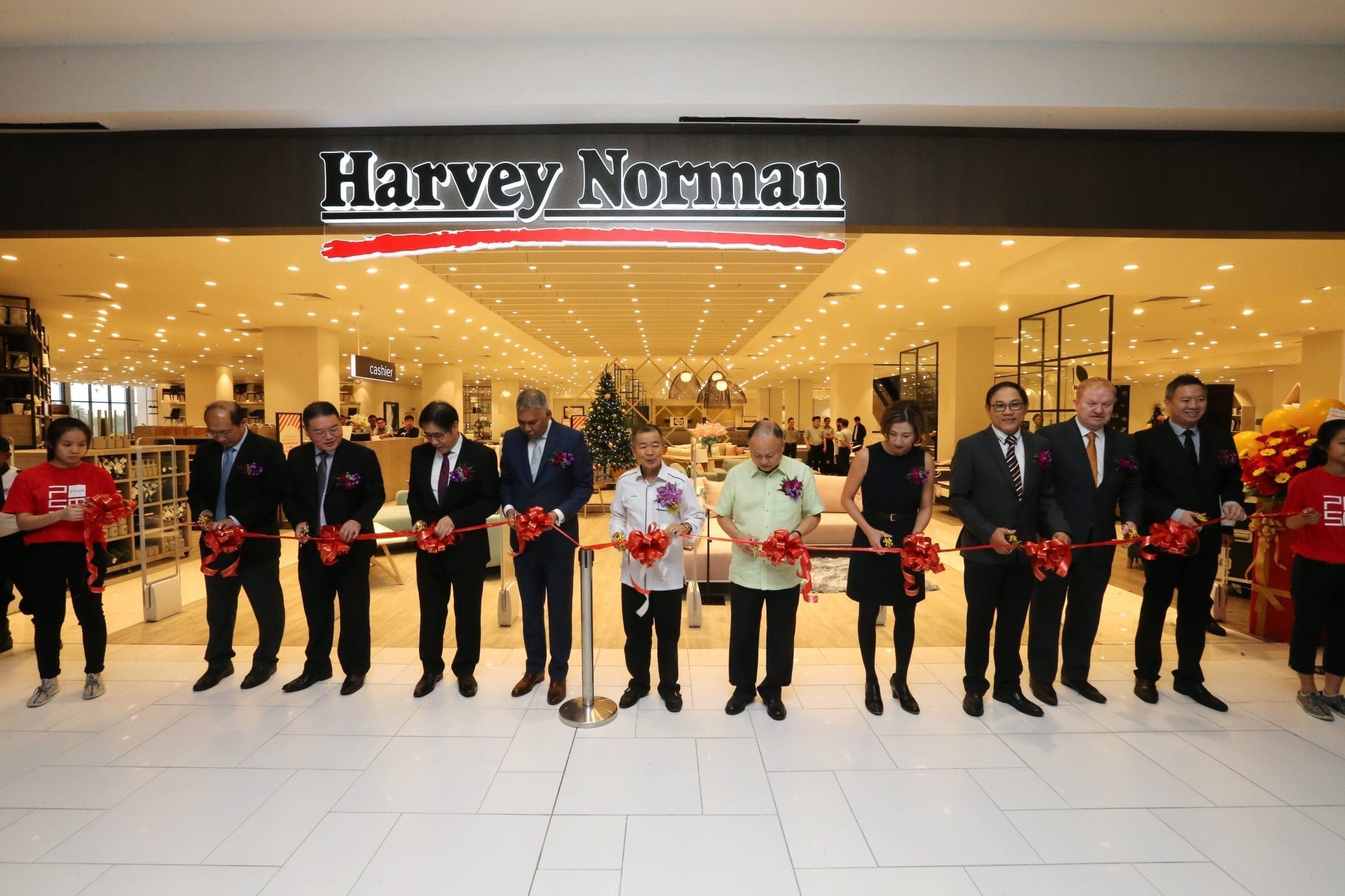
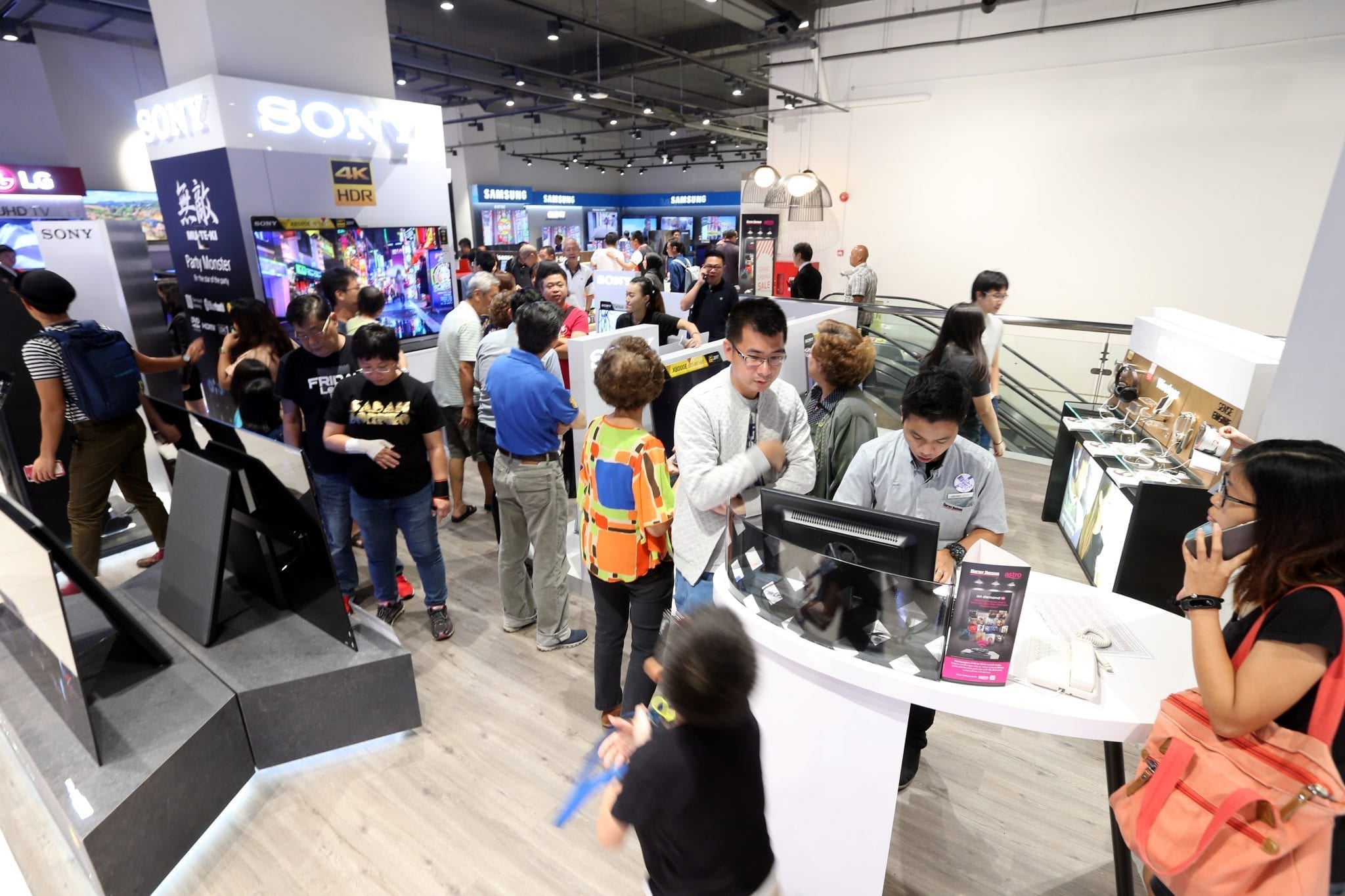
    Australian brand Harvey Norman marked a new milestone with the official launch of its first superstore in East Malaysia today at Vivacity Megamall.

    Established since 1982 in Australia with over 280 stores worldwide, the superstore here occupies a retail space of 46,806 square feet across two floors, featuring a unique retail experience in the country.

    According to Harvey Norman’s managing director for Singapore and Malaysia, Kenneth Aruldoss, the group is creating a revolution in the way customers connect with products and brands.

    “Consumers of today are changing — and therefore we have to change the way we do retail as well.

    “It is a first-of-its-kind shopping experience with a huge range of merchandises spread over two levels of retail space. The range is current and of the latest,” he said in his speech during the official launch today.

    Also present during the launch were Assistant Minister of E-Commerce Datuk Mohd Naroden Majais, Kuching South City mayor (MBKS) Datuk James Chan, Vivacity Megamall executive director Sim Yaw Hang and Vivacity Megamall director Alan Sim, as well as other officials from Harvey Norman.

    The store is set to inspire in terms of layout and how the products are being  merchandised. It boasts some of the biggest range of electrical, computers and communications, furniture and bedding products in Kuching.


    The first level features a whole floor of Furniture & Bedding products ranging from sofas, coffee tables, dining sets, home wares, outdoor furniture, home office, TV cabinets, recliners, rugs, as well as mattresses, bed frames, bedroom sets, kids bed frames and bedding accessories.

    Its second floor features home and kitchen appliances, audio visual, cameras, photocentre, computers, games hub, connected health and fitness products.

  • Chinese Luxury Travelers Look For These 4 Things in New York City

    Chinese Luxury Travelers Look For These 4 Things in New York City

    What is the quintessential New York experience in the eyes of Chinese luxury travelers? How does it differ between men and women, and for millennials?

    To answer these questions, we spoke with independent tour operators who organize tours of the city for HNWI (high-net-worth individuals) from mainland China. These are the four things they’re looking for.

    1. Fodder for their WeChat 

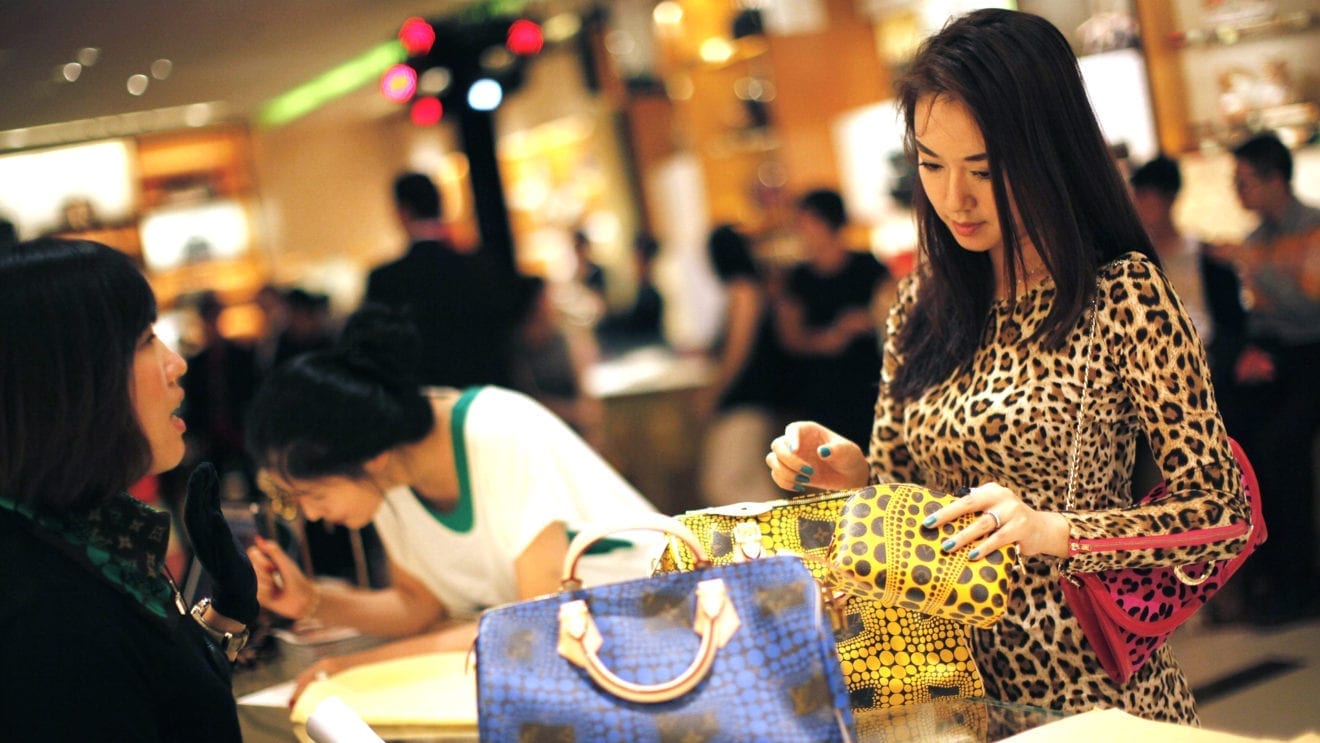
    Even affluent Chinese travelers like to get a bargain. But in New York City, shopping is often less of a priority because only American brands such as Kate Spade and Tory Burch are cheaper than they can find them elsewhere. Instead, what attracts them most is the experience of shopping in an exclusively NYC style that will impress their friends on WeChat. To accomplish this, they prefer to interact with local people as much as possible.

    “VIP luxury shoppers are regularly invited to stores’ grand openings in China, [so] when they travel abroad, they expect a similar ‘rolling out the red carpet’ kind of experience,” said Serena Huang, founder of YOLO luxury travel, a New York-based boutique travel agency.

    High-end retail stores such as Barneys and Bergdorf Goodman are considered must-visits.

    2. Personal Shopping Assistants

    In order to maximize their time in New York, they expect to shop with the help of a personal assistant and a mandarin-speaking translator.

    A good personal shopper can intuit a client’s style immediately, and knows the equivalent sizing across different brands, making the experience seamlessly efficient. They are also knowledgeable about local fashion trends, and  can offer an expert eye on some more sophisticated luxury goods that travelers won’t come across in China.

    3. Chances for Career and Social Advancement

    According to Huang, Chinese women usually shop for themselves and family, whereas men like to buy business gifts. This different shopping preference reflects the type of events they wish to attend in store.

    In partnership with a third party, usually a financial institution like Morgan Stanley or Wells Fargo, tour operators often collaborate with luxury retailers to host networking events. They bring high-net-worth clients from China, mostly men interested in making career connections with New York-based professionals. In such settings, the store and the goods displayed function as an ice-breaker, and an opportunity to display their purchasing power. It’s a chance to shop their way to the top.

    In contrast, a lot of female travelers’ main ambition is to arrange a meaningful and educational tour for their kids. They want luxury stores to create tailor-made programs to entertain the kids while they shop, such as etiquette classes for mingling with Western elites.

    4. Secret Spots

    For younger affluent Chinese travelers, itineraries are influenced by media and KOLs. They like to visit independent stores around Soho and art galleries in Chelsea during the day, and sip cocktails in a speakeasy in the East Village at night. Local, hidden gems excite them.

    One tour operator told us, for example, that they will take clients to a secret lingerie museum inside the Victoria’s Secret’s store on Fifth Avenue, which opened in May this year. Its latest exhibit features a $3 million angels’ bra, Gigi Hadid’s bodysuit, and Stella Maxwell’s crystal-encrusted one-piece from last year’s Victoria’s Secret Fashion Show in Paris. A lingerie expert will also introduce the fashion show’s history and host a pajama party, where she offers tips on wearing bras the correct way.

    Other experiences on young travelers’ bucket list include Tiffany‘s newly opened Blue Box Cafe, which offers them a chance to channel their inner Audrey Hepburn.