Blog

  • Neo Investment to Fund $40 million for Victoria Beckham

    Neo Investment to Fund $40 million for Victoria Beckham

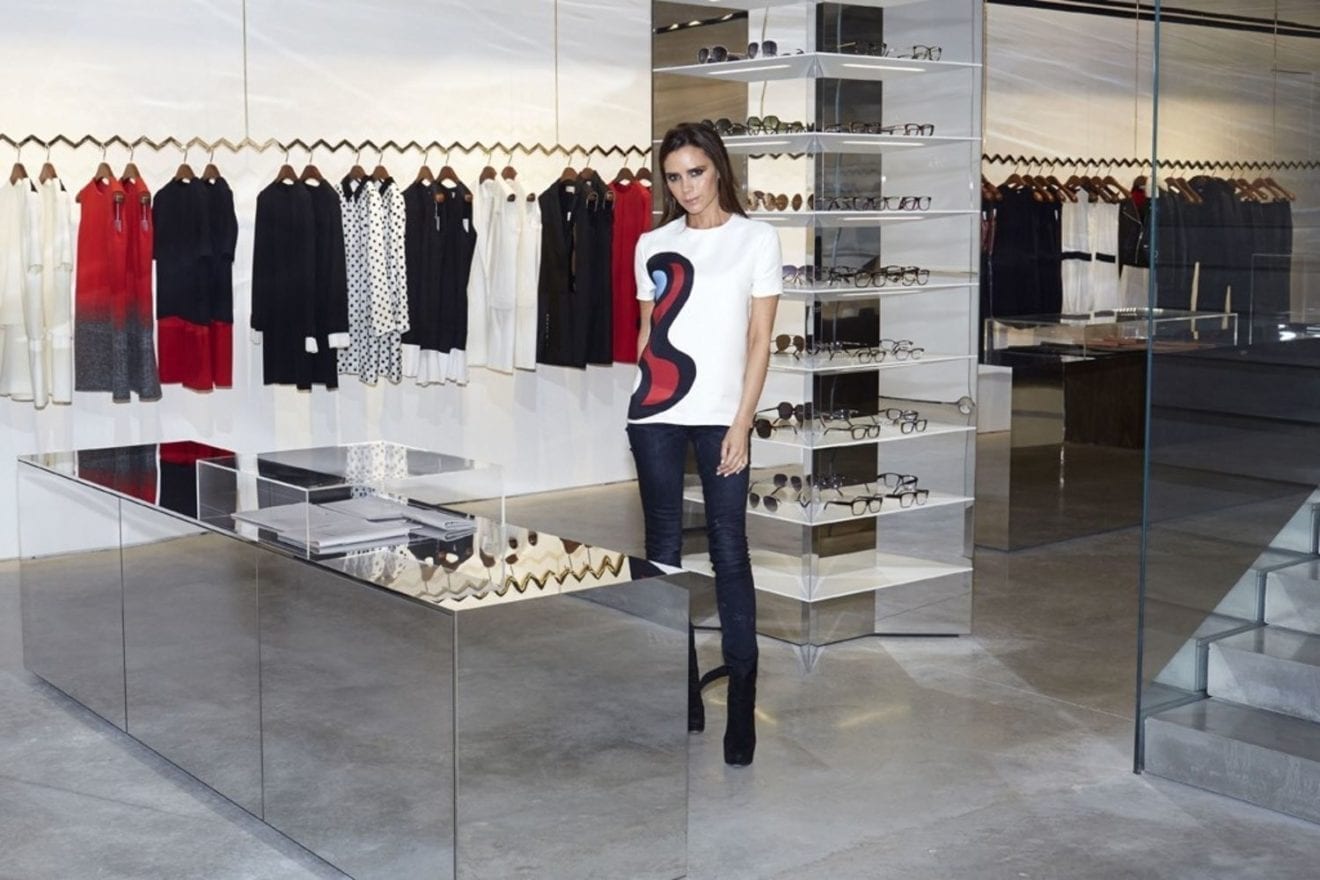
    Fashion entrepreneur Victoria Beckham has raised £30 million (US$40 million) from growth equity firm Neo Investment Partners in exchange for a minority stake in her namesake luxury label.

    While the terms of the transaction have not been disclosed, market insiders say the deal values the business at £100 million.

    “As the business continues to grow, I appreciate the need for external investment which, in turn, would bring external expertise,” says the former Spice Girl. “Neo has shown it can take founder-led businesses with a global outlook to new heights. Our focus is on building a sustainable, profitable luxury brand.”

    Neo Investment Partners founder/managing partner David Belhassen says Beckham is an inspiration to millions of women around the world. “She has built a unique, differentiated luxury brand with a strong identity and very high potential.”

    Beckham plans to use the funding to expand the luxury womenswear brand’s physical retail and e-commerce presence, as well as drive growth of core product categories.

    After a series licensing deals for eyewear, denim and fragrance, Beckham launched her own luxury womenswear line in 2008 with a range of dresses. Initially shunned by the fashion industry, she has since expanded into handbags, eyewear and shoes and currently employs 180 people with stores in London and Hong Kong as well as an e-commerce site.

    Beckham teamed with Target last year for a capsule collection, and is now working on a collaboration with Reebok expected to launch late next year. “To challenge the traditional notions of fitness wear within a fashion context is something I have always wanted to do,” she says.

    The Victoria Beckham label is controlled by Beckham Brand Holdings, a holding company that also owns the licensing of the former football star’s name. The company is owned by the husband-and-wife team of David and Victoria Beckham as well as Simon Fuller, the entertainment impresario who created the Idol franchise.

  • More refresh design for Pizza Hut Australia

    More refresh design for Pizza Hut Australia

    Pizza Hut Australia has taken its next big step back into the fore, unveiling a new brand image and concept store in a bid to redefine its position in Australia’s highly competitive pizza market.

    The new store, launched yesterday in Sydney has been designed as a fresh take on contemporary Australia with ties to the brand’s US heritage and will inform a broader store refresh program, which began earlier this year.

    Its original brand icon Pizza Pete has also been reintroduced into signage and internal designs alongside several menu innovations, such as localised flavours, designed to cement its point-of-difference as a dine-in pizza option – juxtaposed to market leader Domino’s delivery-focused offer.

    The move is a sign that the chain’s owner, private equity firm Allegro Funds, is looking to bolster the consumer-side competitiveness of the chain, after it purchased the master-franchise license for Pizza Hut from American owner Yum! Brands in 2016.

    Under Yum! Pizza Hut began falling behind rival Domino’s technologically enabled fast-delivery model, prompting management to spend the last year undertaking a broad-based improvement plan within the business that included the acquisition of Eagle Boys outlets late last year.

    Allegro has also been busy bringing new talent into the business to reposition its future under the stewardship of former McDonald’s executives Peter Rodwell, Lisa Ransom and Chris Leslie. The chain’s new director of innovation, Matthew Sawyer, who was brought over from McDonald’s in December last year, said that the re-brand would deliver a local spin on a well-known brand with global credentials.

    “Pizza Hut in previous years had lost its direction and when we took over the business we clearly identified that there was a lot of love for the brand – in particular the old dine-in restaurants with the all you can eat buffets and the self-service desserts,” he said. “We knew we had to do something around that to reconnect with the Australian community.”

    Sawyer said dine in will be a point-of-difference for Pizza Hut’s new look, with franchisees given autonomy within a flavour toolkit to localise parts of the menu. He calls it ‘glocal’ – a play on the words local and global – a philosophy that will be rolled out through the 300+ store network.

    “Over the next few years you’ll see significant change in the brand, how fast we roll this out will depend on how fast we learn about how well certain items work in different communities,” he said. “That’s the thing about global, it’s going to be different everywhere.”

    In many ways the dine-in focus doubles down on Pizza Hut’s pre-existing market position, but made-to-order rather than pre-prepared pizzas as well as new delivery methods, such as electric bikes, will round out the new offer.

    Allegro has previously said it has no intention of contesting Domino’s market leading position, but does want to cement itself as the number-two in the Australian market, making Retail Food Group (RFG)’s Pizza Capers and Crust brands relevant competitors.

    RFG has been embarking on its own repositioning since last year, revamping its QSR division to focus more heavily on lunchtime business with new products and mobile food trucks. IBISWorld data from 2016 placed Pizza Hut’s share of the local market at just over 15 per cent after the Eagle Boys acquisition, compared to Domino’s 25 per cent share and RFG’s 4 per cent share.

  • Burberry Japan to close all beauty stores before 2018

    Burberry Japan to close all beauty stores before 2018

    Burberry Japan will shutter its entire beauty retail network by 2018, comprised of Burberry Beauty and Burberry Beauty Box stores.

    Following the closing of the Yokohama store in October 2017, Burberry Beauty before December 31 will have finalised mass store closures across Japan, after the British firm’s Japanese distributor Shiseido ended the contract partnership in April 2017.

    The Japanese cosmetic giant Shiseido, who recently announced a strategic shift in operations to focus more on its own prestigious brands, formed its allegiance with Burberry back in 2015, and has since held the contract granting it distribution rights Burberry’s beauty line and fragrance in Japan.

    Under the new store approach in Japan, Burberry Beauty has already closed its Lumine Yokohama store on November 13, and the Ikebukuro Seibu store is scheduled to close on 25 December 2017.

    Moreover, the Ginza Mitsukoshi store and the Umeda Hankyu store will close on 31 December 2017.

    Japanese customers are still able to buy the brand’s makeup items from the Burberry website even after the stores close. As for Burberry fragrances, the company will look for new distributors and gradually redeploy its retail presence in Japan.

    The news follows Burberry Beauty’s new partnership with American company Coty, which has obtained the licencing rights for beauty products developed by the heritage brand.

    Kicking of in October 2017, Marco Gobbetti, CEO of Burberry, said: “Following months of hard work to ensure a smooth transition, this strategic partnership, which brings together tremendous beauty experience and expertise, has begun.”

    Coty will have overall responsibility for strategic direction on the portfolio’s development, leveraging its global capabilities in beauty strategy, innovation, supply-chain and go-to-market, working in partnership with Burberry.

    Coty CEO Camillo Pane said the firm’s “world-class ability in developing and bringing to market beauty brands will help drive a new phase of development and growth for Burberry Beauty.”

    In Japan, as well as in other Asian markets, Burberry beauty products will be sold in leading luxury beauty retailers globally as well as in remaining Burberry stores and digital channels.

  • DHL to spend $365m enhancing Malaysian data center

    DHL to spend $365m enhancing Malaysian data center

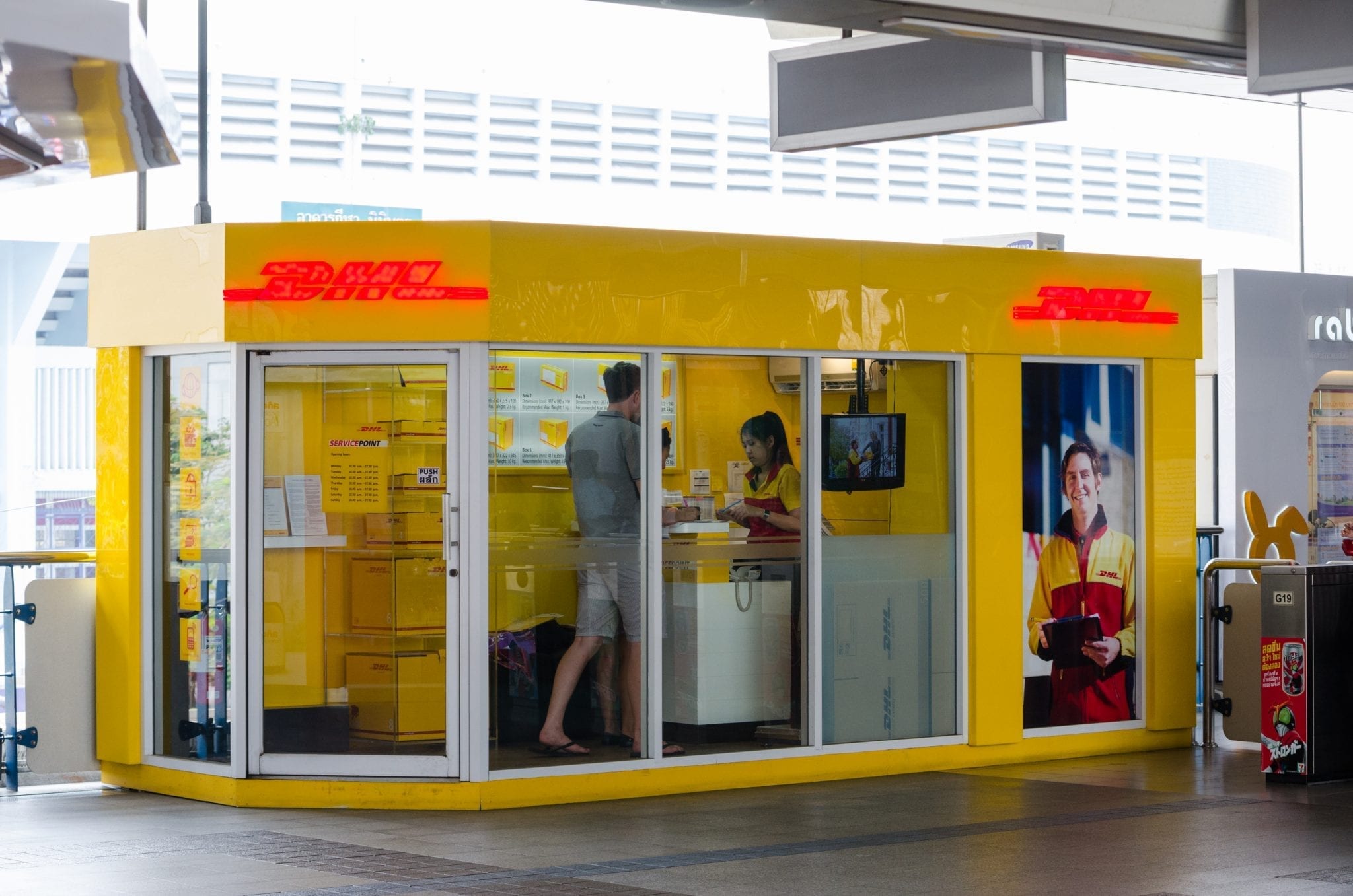
    DHL said Thursday it would invest about 1.5 billion ringgit ($365 million) over the next two years to enhance an existing information technology services data center in Cyberjaya, located about an hour from the Malaysian capital.

    The center, which was established in 1997, has provided IT infrastructure, business application development and support to the logistics company’s global operations. DHL, a unit of Germany’s Deutsche Post DHL Group, has spent more than 4.7 billion ringgit over the past 20 years to develop the center, the company said in a statement.

    Along with counterpart hubs in Prague, Czech Republic, and Pennsylvania in the U.S., the center provides around-the-clock IT support to the group’s logistic operations that include DHL Express, DHL Global Forwarding, DHL Supply Chain and DHL e-commerce.

    The latest investment will be spent on the introduction of new data platforms using energy-efficient sources and the adoption of hybrid cloud services, which mix private and public cloud computing. Part of the investment will also go towards training and career development for the center’s more than 1,440 employees.

    “The investment we have made in Cyberjaya demonstrates our commitment towards enhancing our capabilities,” said Alexander Pilar, managing director for IT Services at Deutsche Post DHL.

  • Fashion TV cosmetics to open store

    Fashion TV cosmetics to open store

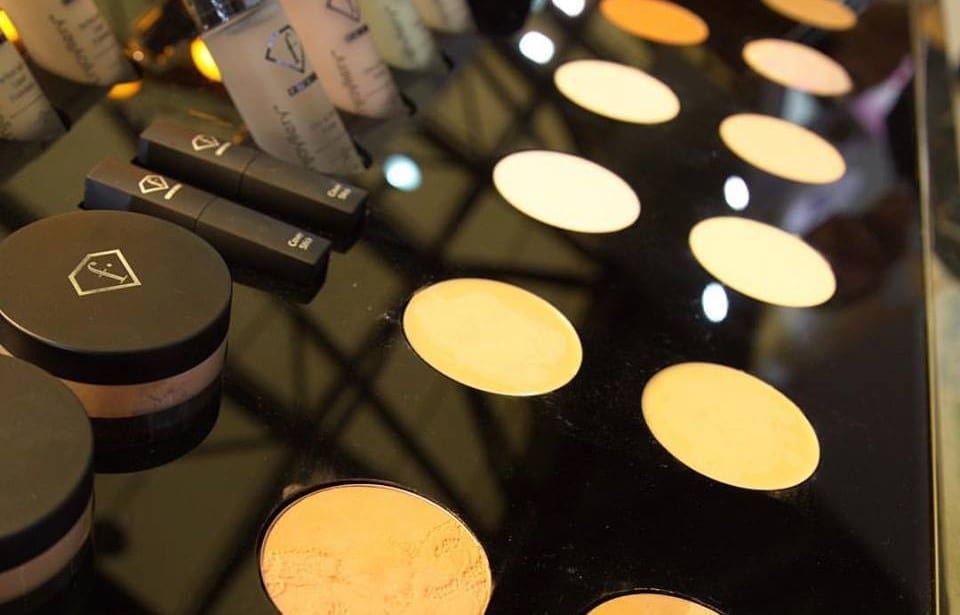
    Inspired by models’ daily routines and backstage beauty secrets, FashionTV has introduced its beauty line, FTV Cosmetics, to Singapore.

    With years of experience from working with industry experts, such as makeup artist Felix Shtein, FTV Cosmetics combines technology, natural ingredients and special formulas that cover makeup and skincare to haircare and styling, as well as bodycare.

    On offer are more than 140 products, including its best-selling 24Karat Golden Hero Mega Mask, Translucent Highlighter Powder and FTV Perfect Selfie Liquid Foundation.

    FTV Cosmetics debuts at Wisma Atria and within the next few days will follow up with a flagship store at 313 Somerset.

    FTV Cosmetics already has a presence in China, Macau and the Philippines and plans further global expansion with 52 more outlets by the end of next year.

  • Calvin Klein Vietnam opens Hanoi store

    Calvin Klein Vietnam opens Hanoi store

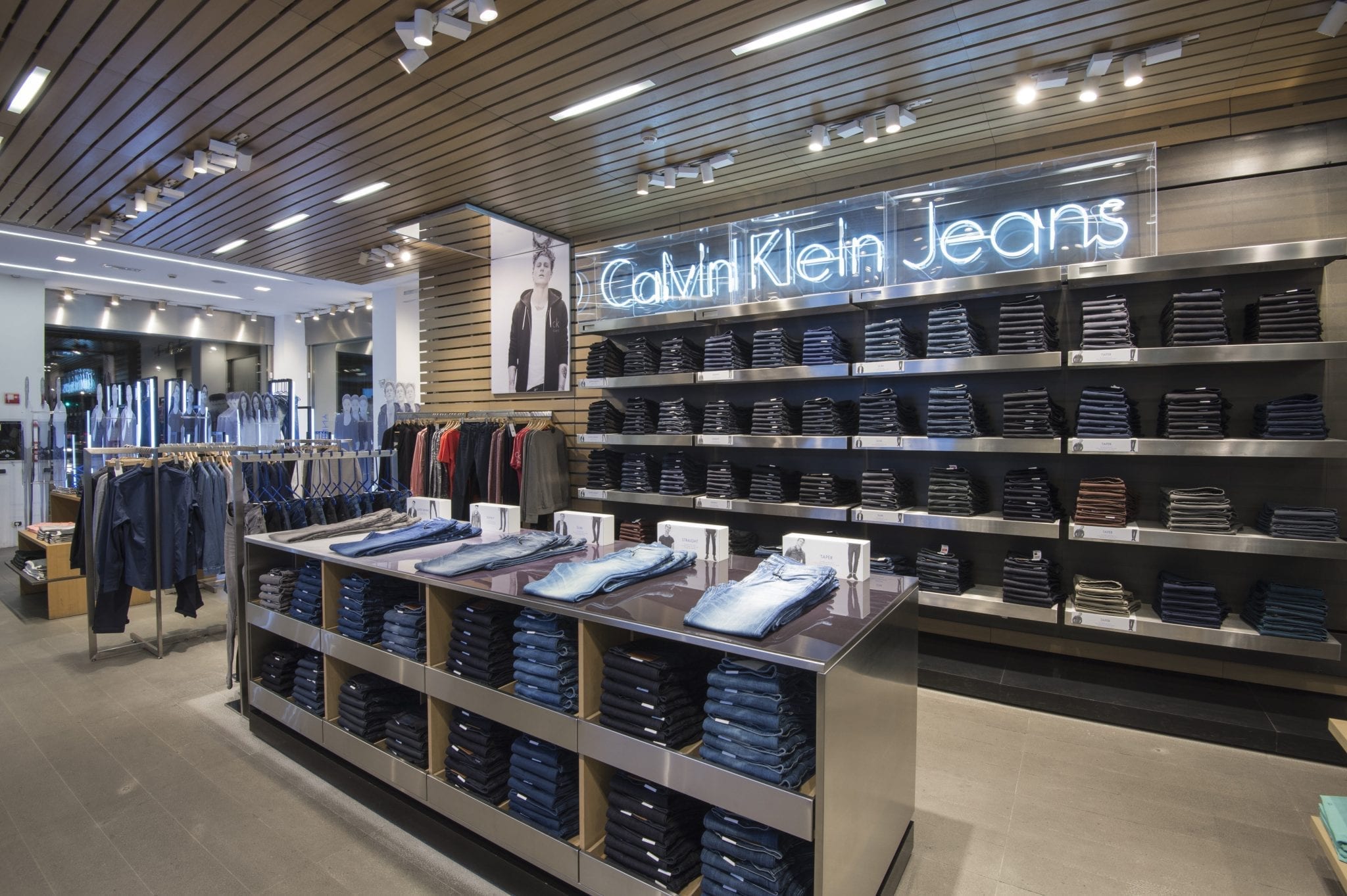
    Fashion house Calvin Klein Vietnam has opened a store in Vincom Ba Trieu, Hanoi.

    The store is located on level two of the shopping centre, and offers items from latest collections including jeans, underwear and accessories for women and men.

    Calvin Klein store Ha Noi Vietnam

    Inside the 147sqm shop, the interior is designed with neutral colors and “Simply as possible” spirit of the brand.

    Calvin Klein was brought to Vietnam in 2009 by IPP’s subsidiary ACFC.

    It now has 20 stores nationwide.

  • Lotte Duty Free plans expansion in Nha Trang

    Lotte Duty Free plans expansion in Nha Trang

    Korea’s Lotte Duty Free will open its second Vietnam airport store in Nha Trang next year.

    The store is set to locate at Cam Ranh International Airport’s new terminal which is now under construction, and on track to be complete in first half of 2018.

    The operator expects to gain US$644 million in sales from the new store over the next 10 years.

    The operator has recently completed its first airport store in Da Nang, with a part re-launched in May.

  • China’s Tencent surpasses Facebook in valuation a day

    China’s Tencent surpasses Facebook in valuation a day

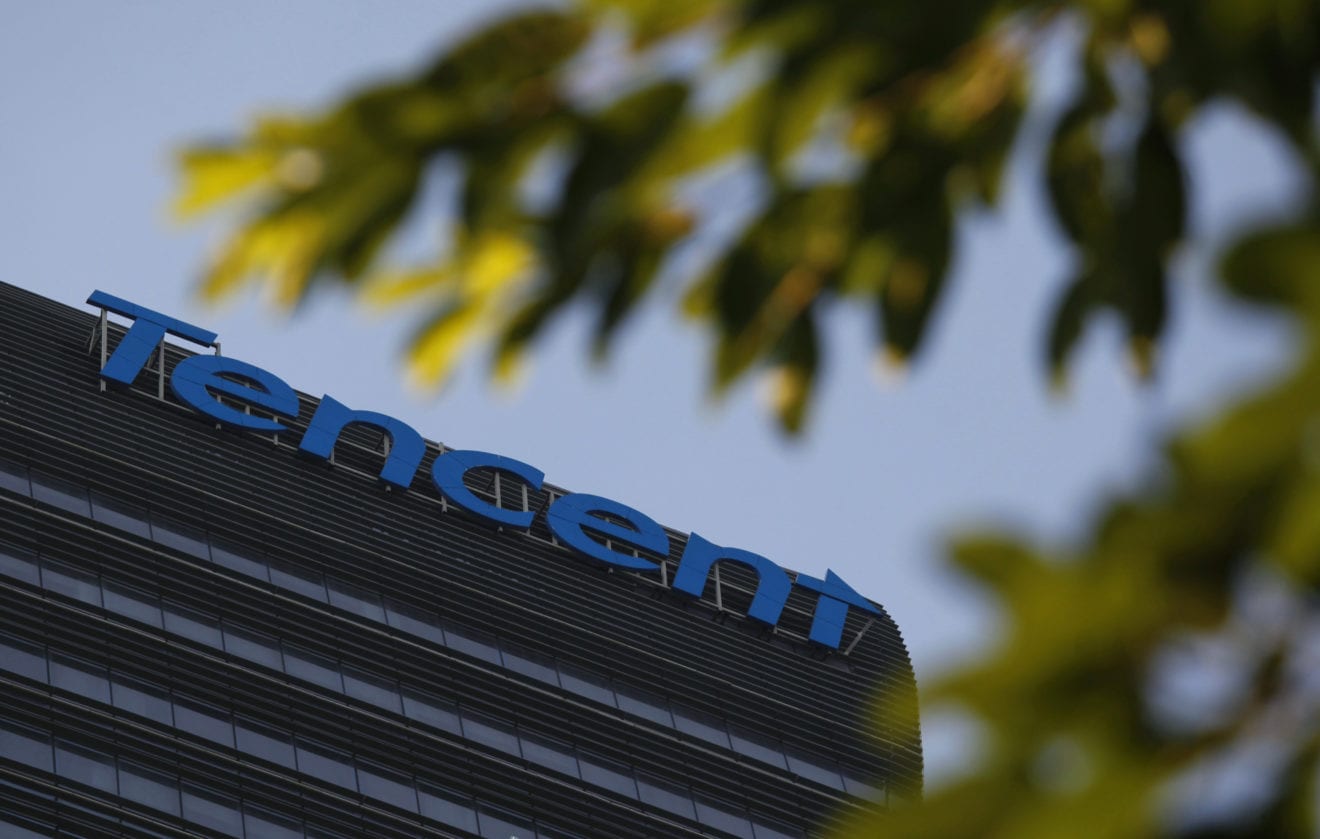
    Chinese internet giant Tencent has surpassed Facebook in terms of market value just a day after it became the first Asian technology firm to reach the $500 billion valuation mark.

    Tencent shares hit a record high of 439.6 Hong Kong dollars during Asian trading hours on Tuesday 21 November 2017, giving it a market capitalization of 4.17 trillion Hong Kong dollars ($534.5 billion).

    The Chinese firm’s value overtook Facebook’s $519.4 billion market capitalization, which was hit at the close of the U.S. markets on Monday 20 November 2017.

    Also Monday 20 November 2017, Tencent beat Alibaba to become the first Chinese technology company to hit the $500 billion market capitalization mark. Tencent is also within touching distance of Amazon’s $542.7 billion valuation.

    Tencent went public in Hong Kong in 2004 at 3.70 Hong Kong dollars per share. Since then, it has rallied over 11,000 percent. Tencent’s stock this year alone is up 126.69 percent.

    Still, the company is not well-known outside of China, but owns the country’s most popular messaging service, WeChat, which has close to 1 billion users. Tencent is a sprawling business that spans gaming, social media, news and content.

    Online and mobile games are a key part of the business — the division brought in over $4 billion in revenue last quarter. In 2016, Tencent acquired a majority stake in Finnish smartphone maker Supercell, the company behind the popular “Clash of Clans” mobile game.

    Tencent has also been trying to move outside of China, but not necessarily through the expansion of its own products. Instead, it has been making investments across the U.S. and Asia. It has acquired stakes in both Tesla and Snap, and invested in numerous start-ups in Asia, including India’s Uber rival Ola.

    Analysts were positive on Tencent’s stock after it smashed past market expectations when it reported third quarter earnings earlier this month. Barclays raised its price target for Tencent from $49 to $59, and upped its revenue forecasts for 2018 and 2019.

    “We mainly attribute accelerating revenue growth to the continued monetization improvement across multiple key business segments, such as gaming, video, and payment services, and note that user growth is still strong,” Barclays said.

  • Unique Airstream trailer pop-up store by Aether

    Unique Airstream trailer pop-up store by Aether

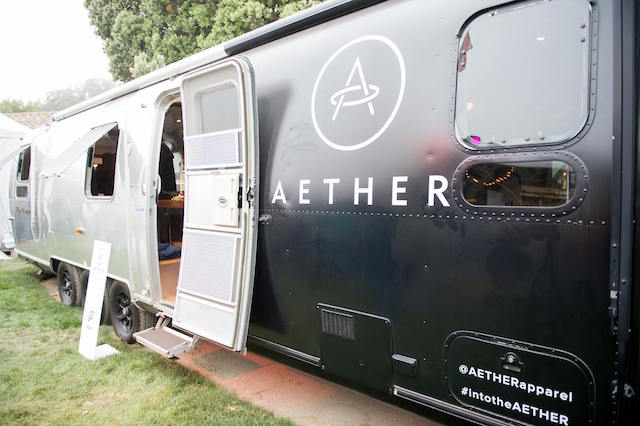
    High-end clothing company Aether has converted an Airstream trailer into a store that can travel and stop at locations chosen by customers.

    The mobile popup has already visited several cities near the brand’s home in Los Angeles.

    Trend monitoring website Springwise.com reports the fashion company wanted to find something which had the ease and portability of a pop-up, but was also reusable.

    Aether 2

    Working with designer Thierry Gaugain, the company created the Aetherstream, an Airstream trailer transformed into a travelling storefront complete with a wood burning stove, custom built sofas, furnishings and decorations from Parisian flea and antique markets.

    Destinations for the mobile store are selected by customers who are invited to email the company to suggest a stop.

    Springwise says the converted trailer is just one example of how small and independent companies are innovating to compete with online retail giants.

    “Other examples include modular, customisable street carts and a new gadget and platform that helps local shops rise to the top of area internet searches.”

  • In a bold and surprising move CHANEL debuts capsule of €1000 sneakers

    In a bold and surprising move CHANEL debuts capsule of €1000 sneakers

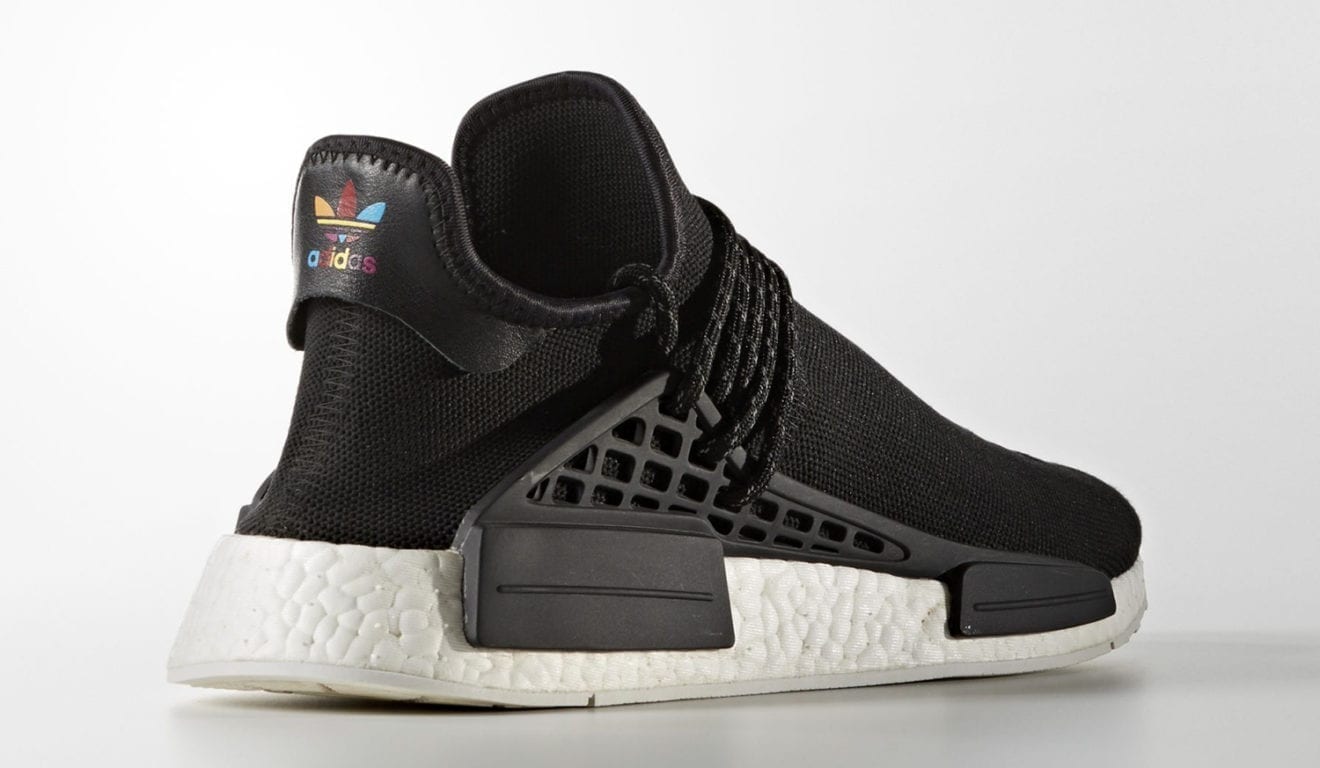
    French luxury brand Chanel has launched a capsule featuring 500 pairs of €1000 (US$1185) sneakers to celebrate its takeover of French high-fashion streetwear retailer Colette.

    Courtesy of Karl Lagerfeld, the sneakers are part of singer Pharrell Williams ongoing collaboration with Adidas Originals.

    The resale value of the sneakers have shot up to $32,000 after 120,000 shoppers registered to buy them. The 500 buyers will be chosen by an independent ballot process.

    Williams says he expects the resale value of the sneakers to go up to $40,000 as any of his merchandise is known to resell for multiple times its value. For example, his Adidas collaboration with his band Nerd is now going for up to $10,000.

    There is also a philanthropic twist to the collaboration as Williams and Chanel plan on donating profits to the Chanel Foundation, which supports women’s empowerment.

    It is one of the final collaborations for Colette with the department store set to close on December 20.

  • AsiaMalls Management and UnionPay International partner to launch QR Code payments

    AsiaMalls Management and UnionPay International partner to launch QR Code payments

    AsiaMalls Management signed a memorandum of understanding (MOU) with UnionPay International (UPI) to roll out acceptance of UnionPay QR Code payments across all six malls – Hougang Mall, Liang Court, Tiong Bahru Plaza, Tampines 1, White Sands, and Century Square when it reopens in 2018.

    As the first large-scale partnership between a mall manager and a global payment brand to deploy QR Code payments across malls in Singapore, this form of QR Code payments is compatible with SGQR and compliant with EMVCo standards. UnionPay International is a member of the SGQR taskforce led by Info-communications Media Development Authority (IMDA) and Monetary Authority of Singapore (MAS) to develop a common, interoperable QR Code to accelerate the adoption of mobile payments locally. UnionPay is also part of the EMVCo Global Workgroup developing an international standard for QR Code payments.

    This new partnership between AsiaMalls and UPI came from the mall management’s understanding of the shopper’s needs and the retail landscape, coupled with a mindset for innovation. AsiaMalls strives to go beyond meeting the basic necessities of their shoppers and the community around each mall by constantly seeking new and exciting retail experiences, of which this partnership serves as an example.

    Tapping onto existing payment infrastructure from AsiaMalls’ rewards programme, AMperkz, the initiative will enable UnionPay Cardholders to enjoy greater ease of payment at all participating AsiaMalls merchants when the enhanced system rolls out in phases starting 2018. UnionPay QR Code payments allow merchant discounts and payment transactions to be processed via a single scan of the consumer-presented QR Code, providing added convenience and simplifying the payment process for both consumers and merchants alike. It will also open up opportunities for shoppers without NFC-enabled smartphones to make contactless mobile payments.

    “With the nation’s move towards a cashless society, we saw the opportunity for AsiaMalls to anticipate our shopper’s wants and expectations, and to provide them with all the conveniences possible, by equipping our merchants with the ability to accept UnionPay’s QR Code payment option. This would allow the stores to expand their clientele base, and in time, enable them to be fully integrated and ready for the Smart Nation roll-out,” shares Tan Kee Yong, Managing Director, AsiaMalls Management.

    “Today’s cooperation is significant in multiple aspects: First, we are able to establish the acceptance of UnionPay QR Code on a sizeable scale in Singapore for cross-border payment by leveraging on AsiaMalls’ strong footprint in the local retail industry, offering the same seamless mobile payment experience to Chinese tourists in both Singapore and in China. Second, we choose to promote UnionPay QR Code payment first in everyday spend merchants like shopping malls as this will not only help us localise our business, but also help issuers like Bank of China Singapore branch and other local

  • Stelux Holdings slows down the bad trend

    Stelux Holdings slows down the bad trend

    While turnover and gross profit margin slid for watch/optical company Stelux Holdings International for its first half, it managed to cut back on its net loss.

    Group turnover was down by 6.9 per cent (6.3 per cent foreign-exchange neural) to HK$1.3 billion (US$166.4 million) and gross profit margin fell from 59.6 to 58.1 per cent. Group net loss reduced by 15.2 per cent to $62 million.

    Given the fragile retail environment, the group says it continued with consolidation measures to improve shop productivity. While group turnover fell by 6.9 per cent, largely because of an 11.3 per cent drop in shop number, same-store sales improved, particularly in Mainland China. Sales also stabilised in Hong Kong and Southeast Asia. Gross profit margin remained under pressure at 58.1 per cent, compared to 59.6 per cent in the same period last year.

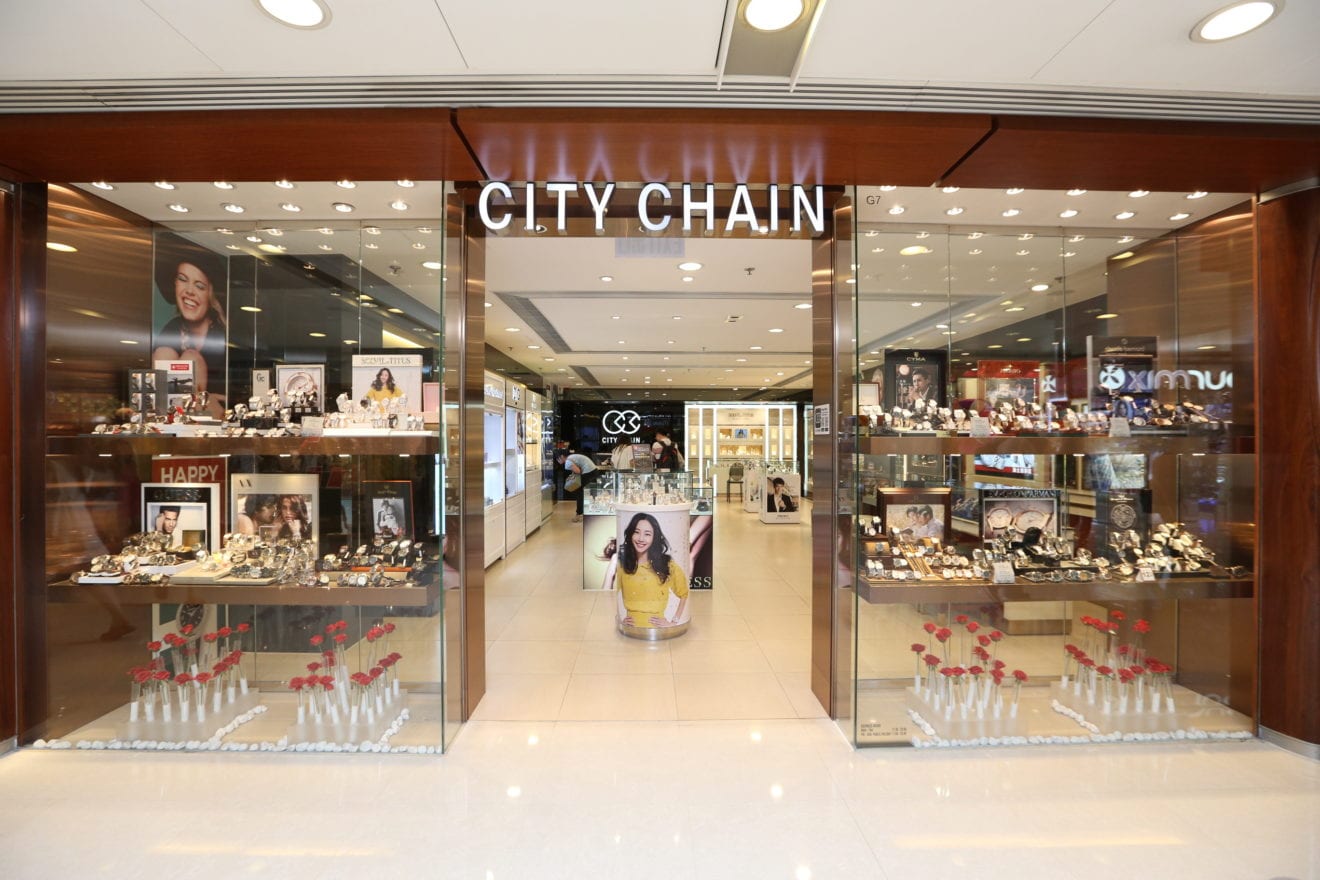
    City Chain Group

    Turnover fell 11.1 per cent for the City Chain Group, with a loss before interest and tax (LBIT) of $37.7 million from $49.4 million. The group has about 260 stores in Hong Kong, Macau, Mainland China, Malaysia, Singapore and Thailand together with three online stores.

    The drop in turnover from $668.5 million to $594.4 million was because of a 17.9 per cent decrease in shop numbers.

    In response, the chain is undergoing a major transformation to attract both a younger and local clientele. New store layouts have been introduced in Hong Kong, Guangdong, and Thailand.

    Turnover for the chain in greater China fell by 12.5 per cent to $439.8 million while LBIT was down 11 per cent to $34.8 million.

    Same-store sales growth has also resumed in Hong Kong and Macau since August with a freshed store image and enriched brand portfolio. The closure of loss-making shops and the positive impact from the expiry of high rental leases contributed to a 19 per cent fall in operating costs. City Chain tapped into the e-commerce business in Mainland China a few years ago, with the turnover of its watch e-commerce business increasing by more than 60 per cent compared to the corresponding period last year.

    With store consolidation in Southeast Asia, turnover fell 7 per cent to $154.5 million. There was a 16.5 per cent drop in shop numbers. Nonetheless, LBIT narrowed significantly to $2.9 million from $10.3 million.

    EBIT for Malaysian stores more than tripled while LBIT in Singapore fell by 79 per cent. With sustained recovery in Thailand, both turnover and same-store sales growth were “satisfactory”.

    Optical 88 Group

    Optical 88 Group turnover decreased by 2.9 per cent with EBIT rising to $32 million from $15.2 million. The group has 194 shops throughout Hong Kong, Macau, Mainland China, Malaysia,  Singapore and Thailand delivering professional eyecare/eyewear products and services, as well as hearing products and services.

    Turnover eased by 2.9 per cent to $504 million with 7.6 per cent fewer shops. EBIT more than doubled from $15.2 million to $32 million.

    In greater China, Optical 88 had a marginal 0.7 per cent decline in turnover to $414.2 million, with 4.1 per cent fewer shops. EBIT rose by 16.8 per cent to $38.2 million.

    Southeast Asia business had a 11.7 per cent drop in turnover to $89.8 million with 10.2 per cent fewer outlets delivering a narrowed LBIT of $6.2 million.

    Turnover rose 13.5 per cent of Egg Optical Boutique with LBIT widening from $7.1 million to $13.6 million. There are more than 80 stores in Hong Kong, Mainland China and Southeast Asia
    together with an online store.

  • Tokyo Milk Cheese Factory says Hello to Bangkok

    Tokyo Milk Cheese Factory says Hello to Bangkok

    Japanese bakery chain Tokyo Milk Cheese Factory is about to take a bow in Thailand with a store at Siam Paragon in Bangkok.

    Famed for its soft milk cheesecake made from French cream cheese and Hokkaido cream, the brand also offers cheese and milk mousses wrapped in crepes, Salt & Camembert Cookies Camembert Cheesecake with a chocolate filling. There is also a Honey and Gorgonzola Cookie flavoured with Spanish rosemary and featuring a chocolate filling.

    Its arrival in Thailand is thanks to Dolnapa Thammawatana and Khanchai Ongkamongkol, who were impressed by the brand’s flavours when visiting Japan.

    Thammawatana says their shop will also introduce Cow Cow Ice, a soft ice cream in a cheesy cone, as found in the brand’s shop in Shinjuku, Tokyo.

  • Christmas Fiesta at Landmark Hong Kong

    Christmas Fiesta at Landmark Hong Kong

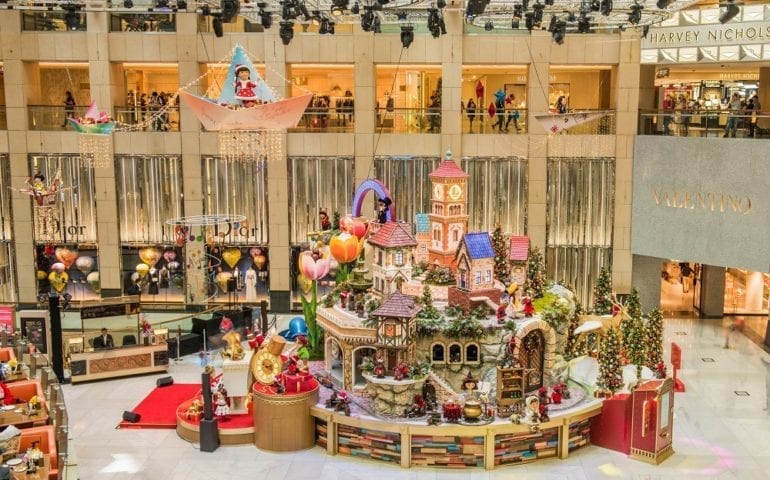
    A whimsical ideal world of the imagination begins at LANDMARK with the return of ‘Santa Paws’ and a cast of creative children and their inspired ideas to make our planet a better place this Christmas.

    In ‘Dream Square’ kids gather to share their Christmas hopes and wishes; ‘Aqua Island’ brings unlimited clean water to wherever it’s needed most; in the ‘Great Fruit Garden’ giant fruit blooms from the smallest seeds to feed the world; reindeers take flight amongst ‘Wishes in the Clouds’ bringing the message of Christmas joy to all; in the Recycle Depot, Robo, the recyclo-bot is given life from the old and unwanted; and in ‘Homegrown City’ there is a roof to spare for everyone.

    The imaginative installations of charming animated characters, in 10 amazing displays set across LANDMARK’s four buildings, showcase an idealised world of child-like wonders that celebrate the power of the imagination as the source of unlimited creativity, to imagine and build a better world.

    This year the festive magic also goes mobile and features in the “LANDMARK HONGKONG” app, which, from 24 November 2017 to 1 January 2018, enables shoppers to contribute to a better world by enjoying LANDMARK reward privileges.

    A wide variety of Christmas entertainment and shopping give rewards across LANDMARK’s iconic buildings.

    The app also reveals a special hidden scene within the ‘Harvest for the World’ display at LANDMARK ALEXANDRA.

  • All about blockchain in 2018

    All about blockchain in 2018

    The potential for blockchain technology to bring about widespread change has been predicted since 2011 and the emergence of Bitcoin. But in 2017 when the concept really started to capture people’s attention.

    Blockchain-focused financial services startups raised $240 million in venture funding during the first half of the year. However, its potential was beginning to be recognized across other sectors and industries.

    2018 is likely to see a continuation of this trend of innovation and disruption. Here, are the five key ways this is likely to happen.

    1.More use outside of finance

    While it’s implications for the financial sector might seem most apparent, any industry or organization in which recording and oversight of transactions is necessary could benefit. Healthcare, HR, and legal work have already piloted few applications.

    Meanwhile in manufacturing and industry, the Blockchain Research Institute, the founders of which include IBM, Pepsi Co and FedEx, say it expects blockchain to become the “second generation” of the digital revolution following the development of the internet. It has highlighted work by electronics manufacturer Foxconn to use blockchain to track transactions in its supply chain.

    2. Blockchain meets the Internet of Things

    Security is one reason they are a good fit – blockchain’s encrypted and trustless nature makes it a viable option when it comes to keeping the ever-growing number of connected devices in our homes and offices safe. Research envisages that blockchain compute power that is used to “mine” Bitcoin could be put to use safeguarding our smart homes from a new generation of cyber-burglars looking to break in and steal our data.

    Another proposed use is that the cryptocurrencies built on blockchains would prove ideal for automated micro-transactions made between machines. As well as recording machine activity on the ledger for record-keeping and analytical purposes, machines could effectively “pay” each other when smart machines operated by one organization interact and transact with those owned by others. This is likely to be further down the road, but it is likely we will see research and breakthroughs in this area in 2018.

    3. Smart contracts will come into their own

    “Smart contracts” are another possibility brought about by blockchain – the idea is that contracts will execute automatically when conditions are filled, meaning payments will be made, or deliveries dispatched, or anything else in business which is typically defined by a contract.

    Blockchains make smart contracts possible because of their consensus-driven nature. Once agreed-on conditions are met, then the contract is filled. This could mean paying bonuses when targets are hit, or despatching an order once a payment has hit your account.

    4. State-Sanctioned Crypto Currencies?

    Putin was the first – with the recent announcement of the “Crypto Rouble” – but it was inevitable that politicians would at some point start to consider the advantages of blockchain-derived currencies. In the wake of Bitcoin, it has often seemed that nation states have been lacking in their enthusiasm for this particular application – and probably with good cause. Bitcoin was after all envisaged as a way of creating a tradeable currency which couldn’t be manipulated by governments.

    Some such as China have been outright hostile – refusing to allow exchanges to operate in their borders and issuing warnings about the high risk of investing in cryptocurrencies. 2018 however could be the year that governments finally get on board the blockchain bandwagon – as its potential for creating efficiencies in both financial and public services become more apparent.

    5. A large number of blockchain initiatives will fail.

    Blockchain undoubtedly has the potential to be revolutionary. But like anything revolutionary it can be dangerous – in this case, mainly because rushing in without clear expectations of what you want to achieve is likely to be a costly waste of time.