Blog

  • A unique festive extravaganza at Pacific Place

    A unique festive extravaganza at Pacific Place

    Pacific Place has just put on an enchanting experience for the whole family. From 23 November 2017 until 1 January 2018, Pacific Place exhibits the spirit of “Christmas Spectacular” with festive surprises around every corner.

    Pacific Place becomes the season’s must-see destination, re-imagined as a bright and magical Christmas theater.

    Outstanding performances on the dramatic Garden Court stage, and a curated selection of seasonal pop-ups populate Pacific Place.

    Pacific Place is pulling out all the stops this year, hosting over 60 performances from world-class companies, including
    Asia’s foremost classical orchestra, Hong Kong Ballet, who will be performing excerpts from the quintessential Christmas ballet, ‘The Nutcracker’, the Hong Kong Philharmonic Orchestra, Opera Hong Kong, the City Chamber Orchestra of Hong Kong and the Hong Kong Bach Choir.

    The stage is set for truly magical performances from the likes of Elia Astorino as well as children’s choirs from across Hong Kong. Feast your eyes on the dreamlike scenery of the fairy-lit Christmas Theatre located in Garden Court, where the glorious sounds of Christmas music will fill your heart with joy and excitement.

    Christmas installations and programmes are only one part of the numerous initiatives that Pacific Place has planned to delight its aficionados.

    Pacific Place is aware of the changes in the retail industry and together with its tenants is unveiling a series of activities aimed to engage the demanding customers in Hong Kong.

    The programme is characterized by an interactive platforms which brings together art, craftsmaship (i.e. DIY workshops), music, and Christmas atmosphere, but more importantly tries to engage different demographics.

  • Is Singles Day still the world’s biggest retail event?

    Is Singles Day still the world’s biggest retail event?

    As Americans prepare to savor the year’s best holiday sales opportunities, an even bigger sales extravaganza just took place in China: Singles Day.

    Singles Day is China’s annual e-commerce event, which takes place on Nov. 11 (hence its nickname, “11.11”), and this shopping phenomenon inspires consumers to buy things for themselves — especially if they are not currently in a relationship.

    Singles Day 2017 certainly lived up to the massive marketing hype by smashing global sales records yet again. The event earned $38 billion in total sales, with $25.3 billion from Chinese e-commerce giant Alibaba alone, up 42% from last year’s total of $17.8 billion.

    These results prove Single’s Day is the biggest retail event in the world — and it’s only getting bigger. Singles Day 2017’s success also reflects the stark contrast between booming Asian markets and the contraction of retail markets in Western countries, including store closures, bankruptcies and consolidation.

    China’s favorable market factors

    To take advantage of growth opportunities abroad, an increased number of U.S. and global retailers have expanded into China through cross-border e-commerce.

    Retailers around the world must understand the following emerging consumer and market trends, which have contributed to China’s retail expansion — especially if they are considering entering China in 2018.

    • Economic prosperity: The size of China’s middle class continues to surge, increasing 55% between 2015 and 2020. In addition, their increased affluence has led to a “consumption upgrade,” as Chinese consumers are now more likely to buy premium merchandise.
    • Tech-savvy consumers: Mobile sales accounted for an astounding 90% of total Singles Day sales. The convenience and efficiency of integrated mobile payment made it easy for Chinese to shop from anywhere.
    • Savvy shoppers: Increasingly discerning Chinese consumers often prefer foreign products for certain categories for their safety, quality and prestige. However, on Singles Day, shoppers prioritize irresistible pricing and smooth logistics. Top-selling categories for cross-border e-commerce include mom and baby, healthcare and nutrition products; on Singles Day, shoppers prefer apparel and footwear, cosmetics and consumer technology, and product placement is essential, as online visibility correlates with higher sales.
    • Regulatory influences: The Chinese government has agreed to postpone restrictions on imported products until at least December 2018, making cross-border e-commerce more attractive and lucrative for foreign retailers. In addition, China’s removal of the One-Child Policy has led to a mini baby boom — and major growth for companies selling mom and baby products.

    Proof cross-border e-commerce is hot

    As a result of these market trends, U.S. and global retailers (and consumers) are paying more attention to Singles Day than ever before. While Alibaba accounted for 66% of total Singles Day sales, we certainly see the theme of greater globalization of this sales event, as 2017 is only the second year that international goods have been available for sale in China on Singles Day. This year, on Amazon China’s website, 7.3% of sales came from overseas, compared to 5.4% of sales on Tmall (Alibaba’s online marketplace) and 4.9% of sales on JD.com (another Chinese e-commerce powerhouse).

    Early results show U.S. and foreign retailers don’t need to have a gigantic marketing budget like Amazon or Alibaba to succeed on Singles Day.

    One American retailer selling online in China hoped to achieve sales of 300 orders per day by December 2018; instead, the company shattered that goal, earning more than 1000 orders in a day, ahead of Singles Day. The retailer prepared well by stocking bestselling products in its Hong Kong warehouse for faster delivery; these few SKUs accounted for 15% of Chinese Singles Day orders. The campaign also boosted sales growth by 276% and the number of new users by 200%.

    Key success factors in China retail

    To succeed in China, especially on Singles Day, U.S. and foreign retailers need to invest in product placement; proactive and abundant stocking; competitive price offers; and fast, effective logistics.

    In summary, due to multiple advantageous market conditions in China’s retail market, more U.S. and global retailers are paying attention to, and participating in, Singles Day promotions using cross-border e-commerce. If your company plans to enter China in 2018, consider how you will adapt to these market trends to win in China’s retail market — and potentially earn explosive sales on Singles Day 2018. Here’s an infographic summarizing the results of a Singles Day campaign by one of Azoya’s clients:

    Franklin Chu is managing director U.S. for Azoya International, a provider of turnkey cross-border e-commerce solutions to assist retailers looking to expand into China through a cost-effective and lower risk method. To date, over 35 retailers in 11 countries are partnering with Azoya to expand into China with ease, including French fashion retailer La Redoute, Australia’s largest pharmacy group, Sigma, as well as Feelunique, the largest online beauty retailer in Europe.

  • Auto firm links sales of used cars and new vehicles

    Auto firm links sales of used cars and new vehicles

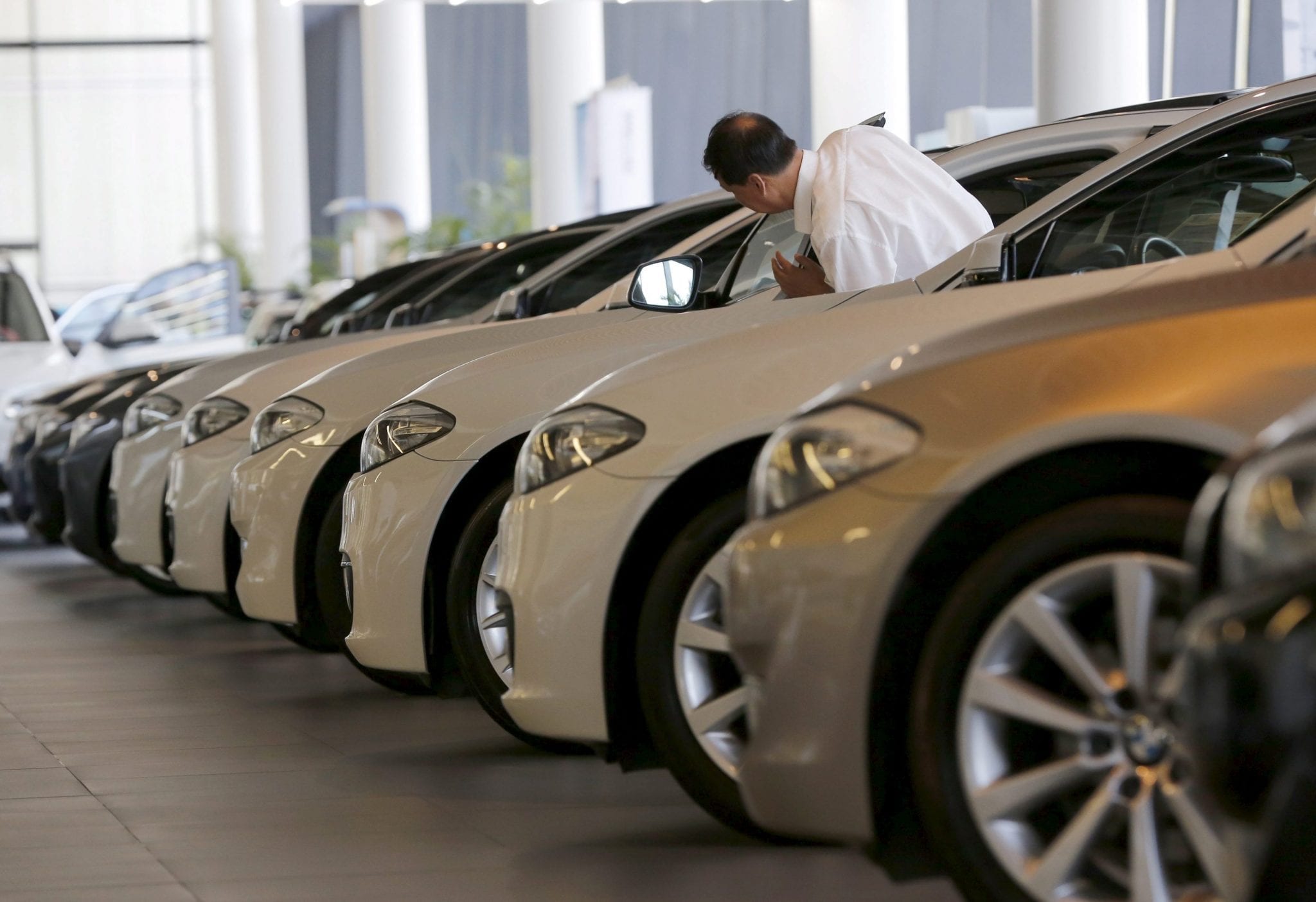
    An auto services firm is riding the internet and technologies such as big data to adopt a new business model that integrates used-car and new-car sales businesses, including features such as financing and after-sales services.

    On Oct 31, Guazi.com, China’s largest used-car dealer, announced its transformation into a car trading company, connecting its used-car business with Maodou.com, its newly developed brand of new-car retail.

    The integrated services span the entire life cycle of a car. Guazi’s user database and technical services would be used by Maodou.com as well.

    Called “CARS”, the new company offers its customers a “one-stop” shop for buying, selling and renting new cars and used cars, said Yang Haoyong, CEO of Maodou.com.

    “On Maodou.com, consumers can choose to rent a new car for up to four years, and then decide whether to buy the car or rent another new car,” he said.

    The used car will later be put up for sale on Guazi. The new car platform is especially welcome for young consumers, as price is a key factor for them, Yang said.

    “The down-payment for a new car is now as low as zero to 10 percent. Four years later, if the user wants, he can return the car and get another brand new one,” he said.

    “The market is now large. But consumers lack confidence in the used-car market in China. Maodou may be a great news for those who prefer a new car but haven’t saved enough money yet.

    “Additionally, the new brand satisfies the needs of those people, especially the millennials, who are constantly pursuing new things.”

    CARS has received funding from global investors such as Capital Today, Bank of China Group Investment Ltd, and Hong Kong-based DST Global.

    It has also teamed up with more than 10 financial institutions such as Bank of China, China Merchants Bank, Industrial and Commercial Bank of China, and Shanghai Pudong Development Bank, to build common digital platforms to push car sales and rentals.

    Zhao Xiang, an auto analyst at Beijing-based research firm Analysys, said: “The new-car service is a wise choice. Those selling used cars on Guazi usually tend to buy a new car, so Maodou would be helpful for them.

    “From this kind of ecosystem, auto companies can expand their business and broaden channels to monetize traffic (to their websites, apps and offline stores).”

  • Franck Marilly, new President and CEO for Shiseido EMEA

    Franck Marilly, new President and CEO for Shiseido EMEA

    Japanese cosmetic giant Shiseido has named its new CEO for the Europe, Middle East and Africa (EMEA) region, after it confirmed earlier in the month that Louis Desazars is set to leave the company to “pursue other interests.”

    Franck Marilly has been appointed as President and CEO of Shiseido Group Europe, the Middle East and Africa (EMEA), effective January 1, 2018. Marilly will report to Shiseido Group President and CEO Masahiko Uotani.

    Marilly previously served as Managing Director Europe at Chanel’s Fragrance & Beauty division.

    At Shiseido, he takes over from Louis Desazars, who has served in the role since 2015.

    “Along his tenure at Shiseido Group, Louis made significant achievements and contributions such as initial development of BPI in Europe and in the United States and the successful brand development of Nars during his years in New York. Under his chairmanship in EMEA, he led the Shiseido Group EMEA new organization bringing the entities and brands within the region into ‘One Shiseido’ and directed the signature of a license agreement with the Italian fashion house Dolce & Gabbana,” said the company in a statement.

    Frank Marilly will oversee all of the countries and local affiliates that make up the Japanese cosmetic group’s EMEA region. He will also take charge of the perfume labels Dolce & Gabbana, Fragrance Designer Brands (made up of Alaïa Paris, Elie Saab, Issey Miyake, Narciso Rodriguez, Zadig & Voltaire) and Serge Lutens.

    Earlier in month, Shiseido published a third quarter net loss, despite notable growth for the first nine months of 2017. Shiseido said combined turnover over the nine months rose 17.4% to 731.2 billion yen, close to 6 billion euros.

    While the company recorded strong Asia revenues, particularly in Japan and China, European growth remained weak and sales slowed in the Americas, making up just 13.5% of total turnover.

    Shiseido CEO Uotani announced that the company is aiming to be one of the top five players in the luxury sector in the EMEA region, and wants to achieve 9% global market share of the perfume industry in the next five years.

  • A bit more work for Apple Korea flagship

    A bit more work for Apple Korea flagship

    Construction work on Apple Korea’s first flagship store in Seoul is set to be completed just before Christmas.

    On a 1300sqm site in fashionable Sinsa-dong, the two-storey Apple Store will feature an exterior glass wall.

    “The construction work that started in August is expected to be completed by December 23,” says a construction agency official, hinting at the opening being possibly early next year. The opening was delayed for about two months after Apple reportedly changed the building design at the last minute. Previously the firm had planned a five-storey building.

    Apple last year signed a contract to use the site until February 2036, paying a lease deposit of KW4.84 billion (US$44 million).

    While the brand has about signature stores in 22 countries, it has delayed opening in South Korea despite launching iPhone sales there in 2009 through telecom carriers and contract retailers.

    Apple’s latest iPhone X, its first OLED smartphone, was released today in Korea with telecom carriers KT and SK Telecom receiving pre-orders a week ago. The first batch of 150,000 phones sold out in less than in five minutes.

  • Fast Retailing to launch in India

    Fast Retailing to launch in India

    Uniqlo parent Fast Retailing has applied to open stores in India.

    The Japanese fast-fashion giant has filed an application with India’s Department of Industrial Policy & Promotion to do business in the country under the Uniqlo brand.

    “India is a market with great potential,” says Fast Retailing spokeswoman Pei-Chi Tung. The company has long been interested in entering India, but has been beaten by H&M and Zara which are already established in the apparel market Euromonitor International has predicted will grow 29 per cent to INR3.76 trillion (US$58 billion) by 2021.

    Zara owner Inditex opened a flagship in Mumbai in May, which CEO Pablo Isla says has had a strong reception. It has just started online sales as well in India.

    Fast Retailing last month reported its biggest jump in annual earnings in more than a decade, driven by a near doubling of operating profit at Uniqlo stores outside of Japan. Operating profit for the brand in China jumped 37 per cent for the year ended August 31, compared with a 6.4 per cent slump in Japan.

  • Centara Hotels & Resorts sets out 5 year vision and strategy for growth

    Centara Hotels & Resorts sets out 5 year vision and strategy for growth

    Following Centara’s recent announcement that it had strengthened its management team by welcoming back seasoned industry professional Markland Blaiklock, in a newly formed role of Deputy CEO, the group has now released its significant expansion plans for the next five years.

    Centara is Thailand’s largest domestic hotel operator and continues to increase its international footprint, with 57 properties in operation or under development across 12 countries in Southeast Asia, the Indian Ocean, China, the Middle East and the Caribbean. The company operates a diverse portfolio ranging from 5-star luxury hotels in major cities to remote tropical island resorts and innovative value properties. It differentiates itself from competitors by offering gracious, Thai-style service; branded spas and restaurants with excellent reputations; and a variety of formats and service innovations that deliver quality and value to business and leisure travellers.

    In 2017 Centara was active in Asia and the Middle East opening new hotels, signing management and joint venture agreements, and launching its new COSI lifestyle brand. It plans to continue growing, doubling revenue during the next five years by executing three, broad strategies.

    Centara’s three strategies for growth:

    1. The company plans to expand its current portfolio, doubling the number of properties it operaties via new investments and management agreements. It will add hotels and resorts where tourism demand, the business environment, and synergy with existing company assets and customers offer the best strategic opportunities.

    In geographic terms, Centara aims to become more prominent in Southeast Asian markets, the Indian Ocean and the Middle East, while expanding its footprint into East Asia, Africa, and the Caribbean. The company will also develop and expand new brands (such as COSI) to fill gaps in its hotel and resort portfolio.

    1. The company will identify and pursue new business opportunities outside its historic hotel and resort core. These related businesses – branded residences are an example – will leverage Centara’s hospitality competencies and competitive strengths, targeting new or growing markets through brand development or acquisitions.
    2. The company will strengthen its core infrastructure, including operating platforms, technology, and reputation. It wants its systems to be best in class to ensure business and service processes are efficient and effective. This includes improving the customer experience via websites, mobile apps, relationship management systems and loyalty programmes. Centara also aims to increase international brand awareness using mass media, new media, event and relationship marketing.

    Thirayuth Chirativat, Centara’s Chief Executive Officer, remarked on the vision. ”We are entering a significant phase of growth. Centara has always been at the forefront of the hospitality industry in Thailand and with our concerted focus on expansion in both new and existing markets, we will become an even more prominent regional player in the coming years. With the dynamic and progressive management team we have in place, the future development and growth of the company is very exciting.”

    Centara believes a clearly-articulated vision, well-designed strategies, and motivated people led by an experienced management team will achieve growth for the benefit of its shareholders, customers, partners and employees.


  • Kuala Lumpur for the next Xiaomi store in Malaysia

    Kuala Lumpur for the next Xiaomi store in Malaysia

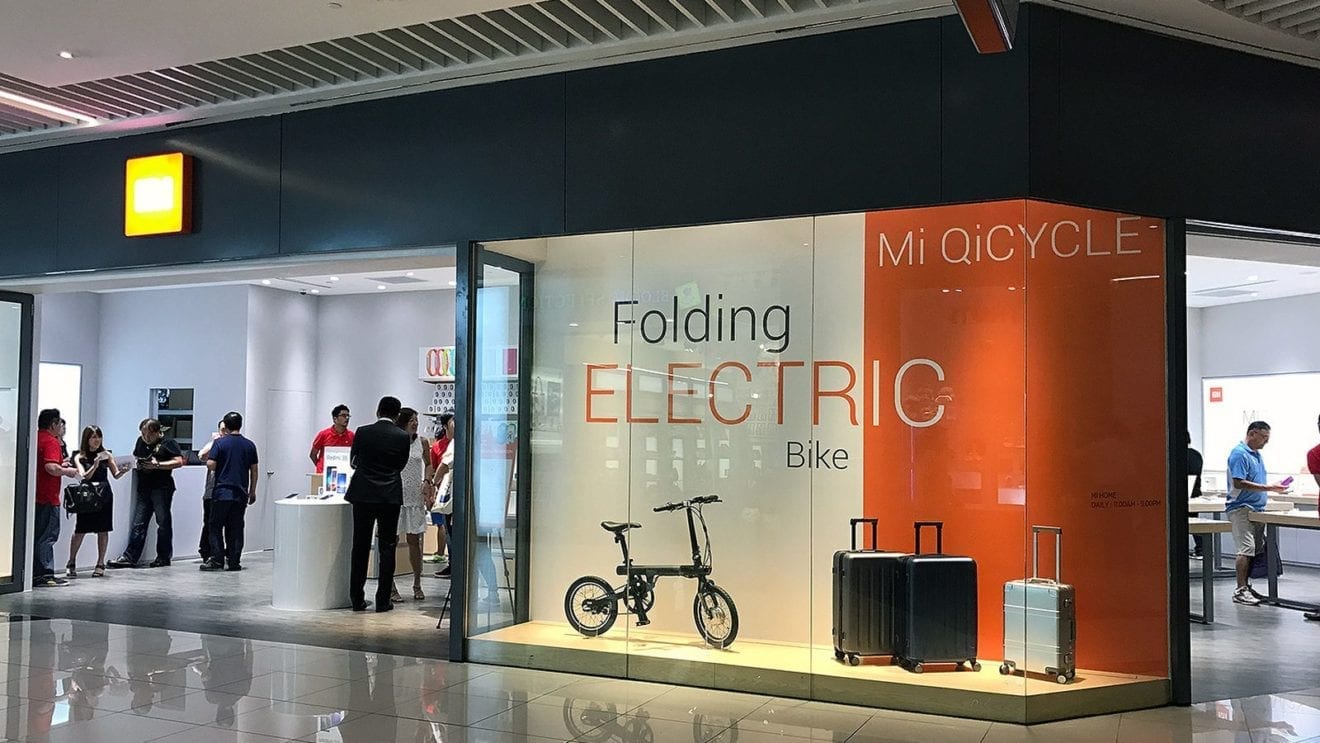
    Xiaomi Malaysia has opened its second retail store, offering Kuala Lumpur shoppers greater access to its Mi Ecosystem products.

    Originally the Chinese electronics company had sold its smartphones and other products exclusively online, but in its home territory has been introducing its Mi Home stores.

    At 940sqft (90sqm), its second authorised Mi Store is smaller than the debut store in Penang.  Xiaomi South Pacific head Steven Shi says the opening of a second store indicates the brand’s “great expectations” for growth in Malaysia.

    Two new smartphone models were released to coincide with the store’s opening, and Shi says Xiaomi will soon expand its Mi Ecosystem of products in Malaysia. These include IoT-ready products such as a smart rice cooker that can be pre-programmed for different recipes, a smart luggage bag than can be unlocked by phone, plus routers, TVs and drones.

    Meanwhile, Xiaomi is expanding across Southeast Asia, and has opened 15 Mi Stores and a factory in Indonesia. Xiaomi also has two Mi Stores in Singapore and one in Thailand. Its network in Malaysia is run by CG Computers.

    Its second concept phone, released with the KL store opening, was designed by Philippe Starck and features a curved ceramic back that that transitions to an aluminium frame. It will be available for pre-order on Saturday through online and offline channels including Lazada and authorised Mi Stores.

    Also showcased in the new store is the Redmi 5A Prime, the first Xiaomi phone that pairs a selfie light with a 16-megapixel front-facing camera. It has a fingerprint sensor on its back.

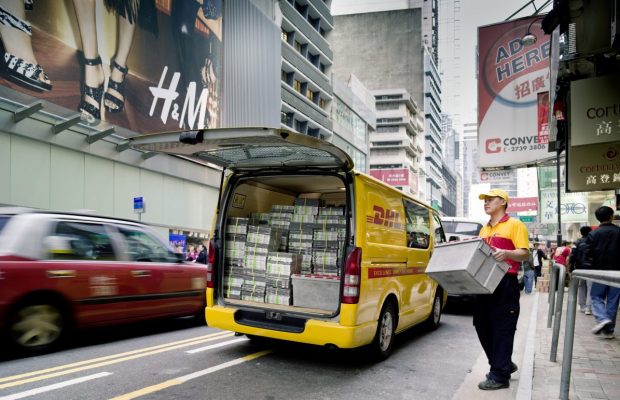
  • DHL invests $395M in Hong Kong freight hub

    DHL invests $395M in Hong Kong freight hub

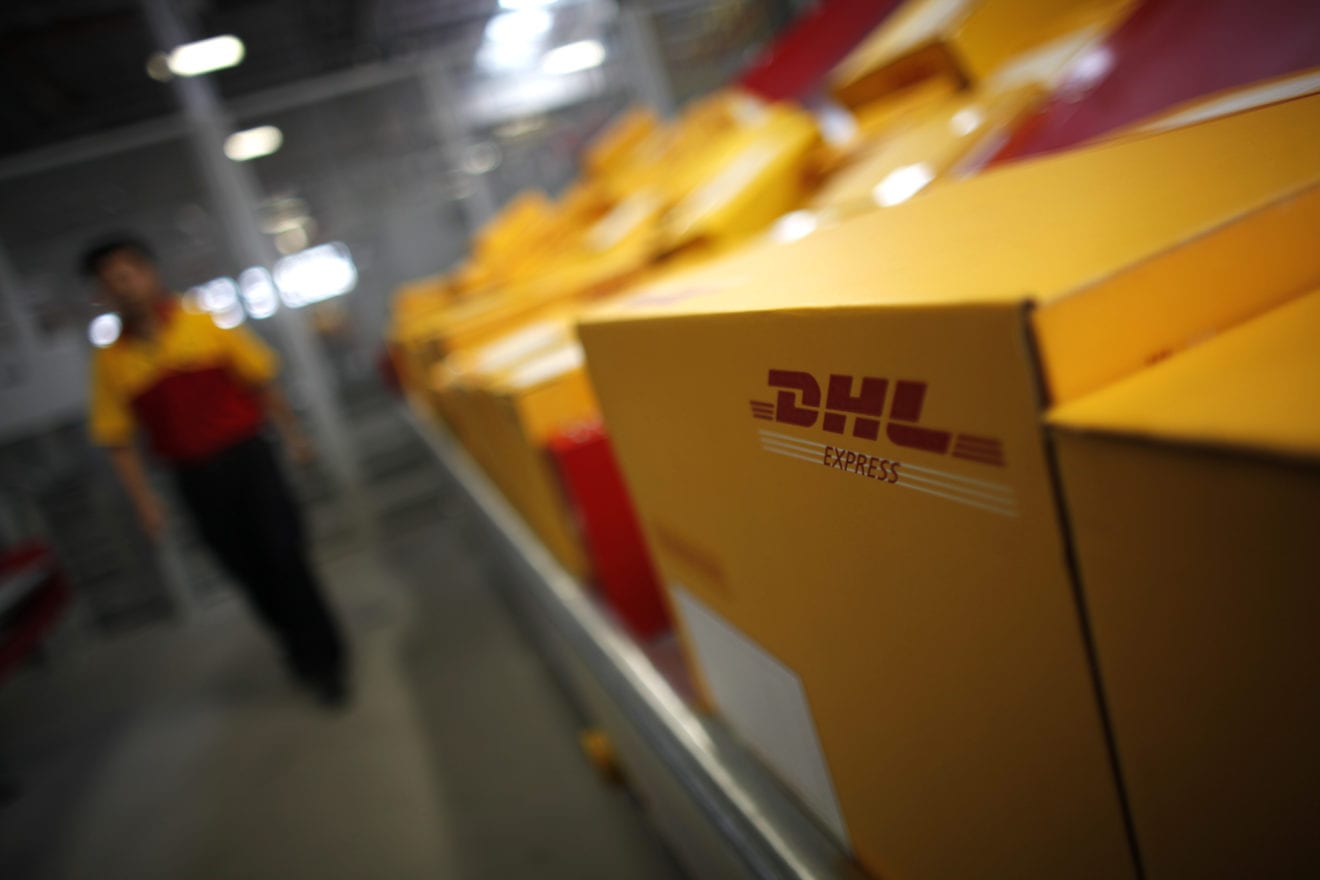
    Global freight and logistics company DHL has confirmed its investment to the Airport Authority Hong Kong for the latter’s expansion plan for the Central Asia Hub, the Handy Shipping Guide reports. A plan foreseen to take years to complete, the amount invested is reported to be worth $395 million, bringing its total infrastructural investment to more than $613 million poured so far into the logistics project.

    The Central Asia Hub has reported an average 12% year-on-year growth in shipping volume since its founding 10 years ago. The Hub is DHL’s primary freight hub in the Asia Pacific region. With this area handling over 40% of the Asia Pacific-based shipment volumes, DHL has “committed to strengthening our global network and services,” according to DHL Express’ CEO Ken Allen.

    Allen attributed this growth to the “rise in international e-commerce and intra-Asian trade,” making the region significant to DHL’s vision of a stronger global network. “Based in a strategically important location to DHL, the expanded Central Asia Hub in Hong Kong will not only bolster our operational capacity in Asia Pacific, but also facilitate the rapidly-growing international trade demands in the region and around the world,” he said.

    Most of the investment is expected to expand the hub’s throughput capacity with an enhanced material handling system, increasing to 125,000 pieces per hour. Currently, the hub’s capacity is 75,000 pieces per hour.

    An air express cargo facility has been purposefully built right at the Hong Kong International Airport itself, making it ready for the expanded center to “handle six times more in terms of shipment volume than when it was first established in 2004,” according to the same report. With the Central Asia Hub including focal points like Bangkok in Thailand, Shanghai in China and the city-state of Singapore, it will serve as DHL’s proof of dominance in the region when it comes to freight and logistics.

    The Central Asia Hub was also described by Allen as the hub that connected “more than 70 DHL Express gateways in the region.” He mentioned the kind of facility upgrades that the hub will soon earn from the investment. “Equipped with fully automated X-ray inspection machines, it will increase the speed of our shipment inspection by three times – enabling us to expedite the processing speed of shipments that come through the Central Asia Hub.”

    The planned upgrades are expected to be operational by the first quarter of 2022. The timetable was set with the Pan-Pearl River Delta in mind as most of the shipments causing an increased influx of goods to the hub are traced from the heightened economic activity in this area. Other goods are expected to make their way to the upgraded Central Asia Hub once Hong Kong International Airport’s Three Runway System is completed. By that time, the Hub will have expanded its warehouse space to about 47,000 square meters.

  • Cebu Pacific cancels Indonesia flights due to volcano eruption

    Cebu Pacific cancels Indonesia flights due to volcano eruption

    Cebu Pacific has announced the cancellation of its flights to and from Bali, Indonesia on Tuesday, Nov. 28.

    The statement was issued due to the eruption of Mount Agung volcano and the closure of the Ngurah Rai International airport in Denpasar.

    The affected flights are:

    • 5J 279 (Manila-Denpasar) ETD 350am / ETA 750am

    • 5J 280 (Denpasar-Manila) ETD 835am / ETA 1240pm

    “We sincerely apologize for any inconvenience this may cause,” the airline said.

    The company said guests with confirmed bookingswill be moved to the next available Cebu Pacific flight.

    The guests may also opt to rebook their flights within the next 30 days, or place the cost of the ticket in a Travel Fund for future use.

  • AirAsia X Q3 results hit by rising costs

    AirAsia X Q3 results hit by rising costs

    AirAsia X Bhd said it swung into a net loss in its third quarter from a year earlier, blaming higher costs and lower unit revenues particularly in its main markets of Malaysia and Thailand.

    The airline reported a small profit in its Indonesia business, supported by strong revenue from its Bali routes.

    AirAsia X said costs, measured in terms of cost per available seat kilometres, rose 6% from a year ago, on the back of provision for doubtful debt.

    A weaker ringgit against the US dollar and higher average fuel prices — up 3% from a year ago — also had an impact.

    Revenue per available seat kilometres was down 3% year-on-year due to increased capacity on existing routes and promotional fares offered to stimulate new routes, it said.

    For the July-September period, the airline reported a net loss of 43.3 million ringgit ($10.55 million), compared with 11 million ringgit profit a year earlier.

    Revenue climbed to 1.12 billion ringgit, supported by a 23% growth in passenger volume and 4% increase in ancillary revenue per passenger.

    Better operating statistics and a surge in travel during Malaysia’s school holidays and Eid in August failed to cushion the impact of higher costs. Load factor — a measure of how full planes are — inched up one percentage point to 79%.

    The third quarter is seasonally one of AirAsia X’s leanest periods, and the airline said it expected a recovery in the following quarter, based on booking trends.

    AirAsia X also said it wanted to focus on securing high-yield, high-traffic routes and build dominance in core markets across the region.

    “The group also plans to add third-party leased all-economy class A330s in 2018 to focus on shorter China routes and redeploy our existing fleet to new markets,” AirAsia X group CEO Kamarudin Meranun said.

    RHB Research, in a client note earlier this month, said AirAsia X’s plans to realign some of its routes in Australia and introduce more North Asian destinations “should allow for more consistent quarterly earnings going forward”.

  • Solid Advice For A Successful Distribution Business

    Solid Advice For A Successful Distribution Business

    Retail stores depend heavily on wholesale distributors, seeing as they make sure all products get transported and delivered. And just like retail stores depend on distributors, distributors depend on retail stores for business. However, this is just a basic explanation that typically comes with several challenges, difficult choices, and complexities. Here is a deeper look at what builds the foundation of a strong and successful wholesale distribution company.

    1. Retail Clients

    There are several ways to approach retail clients, but keep in mind, the size of the network plays a huge part in terms of the profit margin. Locking in as many retailers as possible (while still being able to handle the workload), will directly influence how much profit the company stands to make. In addition to gaining more clients, there has to be a focus on how regularly orders come in.

    Ultimately, it works in the distributors best interest to get closer to manufacturers as well, because they represent another source of business on its own.

    1. Manufacturing Clients

    A very effective tactic used by successful distributors is to offer products directly to the retail store, which they purchase or carry from manufacturers. This makes it more convenient for the retail store, and possibly more practical depending on the circumstances.

    However, manufacturers typically have a vetting system in place, especially if they produce popular brand products. In other words, they are going to assess the distributor before allowing them to re-sell or transport their products. When this is the case, pay close attention to the requirements they have according to the application form. Read on if you want more about distribution.

    1. Marketing Team

    Yes, if the service is good and the retailers along with the manufacturers are impressed, there will be referrals. This will lead to expansion and better opportunities. But it doesn’t mean a marketing team shouldn’t be on the outside, focused on selling the distributor. In fact, it only makes sense to build a client base via the help of a professional marketing team.

    1. Minimizing Expenses

    Like any other business, wholesale distributors also aim to cut expenses as much as possible. One way of doing so is by investing in a warehouse facility that is closer to your clients. This reduces the shipping costs, enabling the distributor to offer more competitive prices. Although, this is only a good plan if the network of the distributor reaches a significant extent. If all the retailers are in a concentrated area, a warehouse will be redundant.

    The advice above is solid and no nonsense and could help you either improve your current business or to start a new one up successfully.

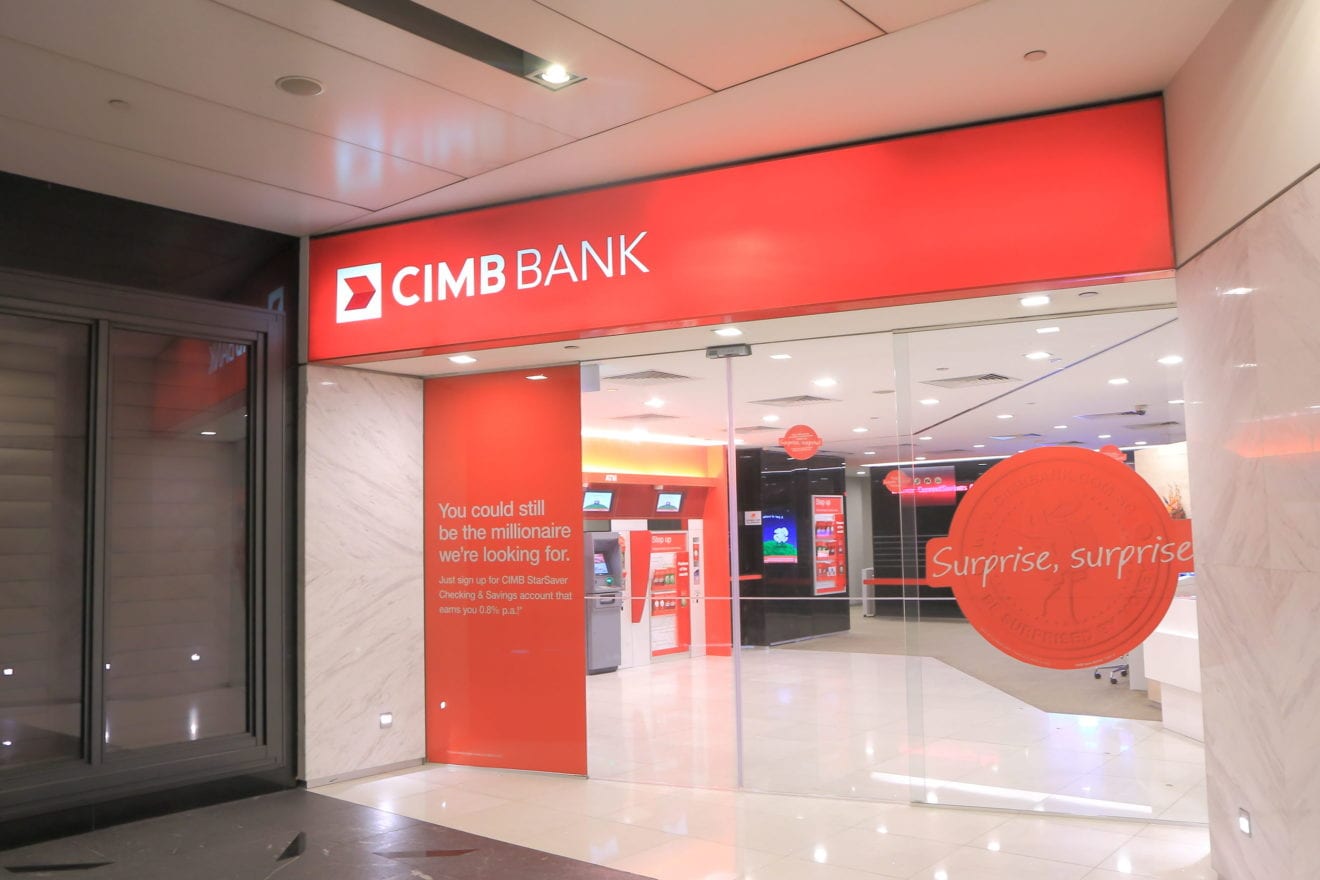
  • CIMB Group opens first retail branch in the Philippines

    CIMB Group opens first retail branch in the Philippines

    CIMB Group is opening up its first retail brands in the Republic of the Philippines. The branch is expected to be fully operational by the fourth quarter of 2018.

    CIMB Bank is the first Malaysian banking group to be granted BSP’s approval to operate under Republic Act No. 10641, an act that allows the entry of foreign banks into the Philippines through the establishment of wholly-owned operations with full banking authority.

    Tengku Dato’ Sri Zafrul Aziz, group chief executive, CIMB Group said, “We are delighted to have received the green light from the Bangko Sentral ng Pilipinas. The awaited missing link to complete CIMB’s ASEAN-10 footprint has now materialized. This will further propel CIMB into becoming the leading ASEAN universal bank, which will further strengthen our value proposition to customers.”

    “The Philippines offers tremendous opportunity with progressive regulation, attractive demographics, relatively lower banking penetration and good talent. Our strategy will see us applying the best of our digital assets from across the region as well as working with key strategic partners locally,” added Tengku Zafrul.

  • AirAsia cancels 32 Bali and Lombok flights

    AirAsia cancels 32 Bali and Lombok flights

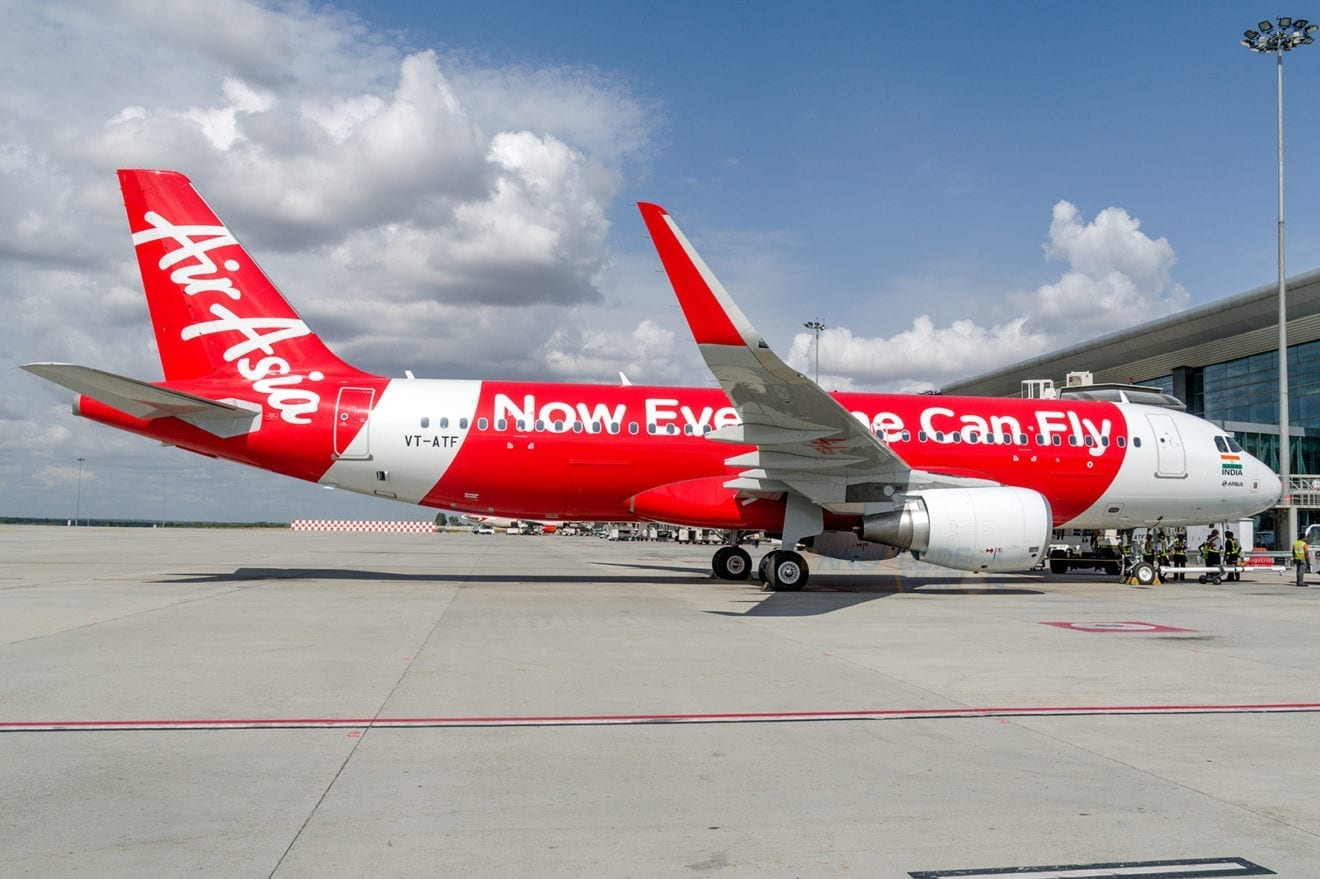
    Low-cost carrier AirAsia has cancelled 32 flights and rescheduled two others from and to Bali and Lombok following the volcanic activity at Mount Agung in Bali.

    In a statement, AirAsia said affected passengers would be notified of their flight status and the options available to them via their registered e-mail addresses.

    It said passengers whose flights were cancelled could change to a new travel time on the same route within 30 days from the original flight without additional costs and subject to seat availability. They can also retain the value of their fare in a credit account for future travel.

    “The online credit account has to be redeemed within 90 days from the date of issuance,” it said.

    The airline said passengers are advised to visit www.airasia.com and AirAsia’s social media pages and also to check their flight status through the “Manage My Booking” feature on AirAsia’s website.

    AirAsia said it was in contact with the autho­rities and would continually conduct risk assessments to ensure the safety of its operations.

    “AirAsia will provide updates on the latest developments,” it said, advising passen­gers requiring assistance to contact the airline’s customer support team.

  • DHL Express expanding Central Asia Hub

    DHL Express expanding Central Asia Hub

    DHL Express has announced a €335m expansion plan for its Central Asia Hub (CAH). The expansion will bring DHL’s commitment to the strategic hub to over €520m. As one of three global hubs for DHL, the expanded CAH will continue to act as the core hub of the DHL Express global and Asia Pacific regional network, handling more than 40% of its total Asia Pacific shipment volumes.

    In a statement issued today (14 November), Ken Allen, CEO of DHL Express, said: “Given the expected rise in international e-commerce and intra-Asian trade, DHL is committed to strengthening our global network and services. Based in a strategically important location to DHL, the expanded Central Asia Hub in Hong Kong will not only bolster our operational capacity in Asia Pacific, but also facilitate the rapidly-growing international trade demands in the region and around the world.”

    The expanded CAH will be equipped with an enhanced material handling system that will boost hub’s throughput capacity from the current 75,000 pieces of shipments per hour to 125,000 pieces per hour.

    When operating at its full capacity, the annual throughput of the expanded CAH is expected to go up by 50% to 1.06m tonnes a year.

    Ken Lee, CEO of DHL Express Asia Pacific, commented: “Connecting with more than 70 DHL Express gateways in the region, the Central Asia Hub plays a significant role in strengthening our existing network of hubs in Asia Pacific, including Shanghai, Singapore and Bangkok. The expansion will also help us capitalize the growth in intra-Asian trade lane that currently contributes to 40% of our revenue in Asia Pacific. Equipped with fully automated X-ray inspection machines, it will increase the speed of our shipment inspection by three times – enabling us to expedite the processing speed of shipments that come through the CAH.”

    The expanded CAH is expected to begin operations in the first quarter (Q1) of 2022.