Blog

  • Summer Hill set to transform Phra Khanong’s lifestyle landscape

    Summer Hill set to transform Phra Khanong’s lifestyle landscape

    Summer Hill, a stylish new summer-inspired community hub by Boutique Prakhanong 1 Limited, a direct subsidiary of the leading property developer Boutique Corporation Public Company Limited (“Boutique”), is set to transform the Phra Khanong retail and lifestyle landscape when it opens its doors this year.

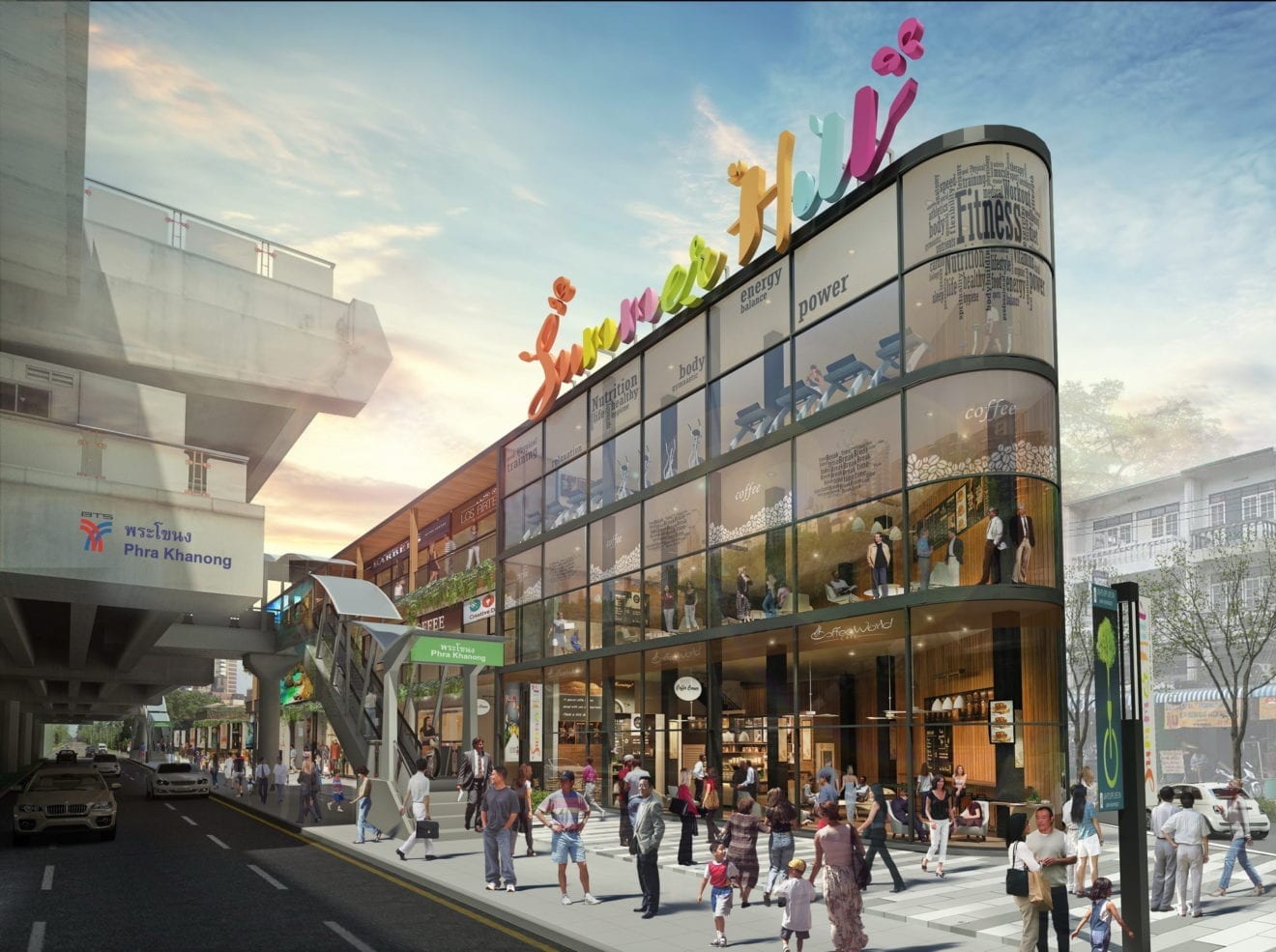
    Located just one step from BTS Phra Khanong, the mixed-use development features an assortment of stores, cafes, restaurants, fitness centers and co-working spaces for visitors to shop, hangout, savor a delicious meal or drink, and just enjoy their “summer-like” urban lifestyle.

    Summer Hill is the latest project by Boutique, which is responsible for the development of a number of high quality hospitality projects in premium sites throughout Thailand, including Southeast Asia’s first ever Hyatt Place, launched in 2016 in Patong, Phuket. Since its inception in 2004, Boutique has successfully launched more than 10 development projects and currently has more than 5 projects in the pipeline. Its first foray into retail came in 2012, with the opening of the award-winning urban oasis Rain Hill on Sukhumvit 47.

    “After conducting extensive market research, we began to see the potential for Phra Khanong to become Bangkok’s next trendy, upmarket neighborhood. We decided to open Summer Hill here as we realized there’s nothing quite like it in the area or planned for the next couple of years. We also have experience of developing in Sukhumvit, having launched numerous real estate projects in the area so far. There’s a real need for a quality lifestyle-oriented mixed-use development – a place where visitors can eat, drink, go to wellness stores, specialty stores, and attend fitness and education classes; basically, the focus is to cater to consumers’ lifestyles,” said Mr. Prab Thakral, President and Group CEO of Boutique Corporation Public Company Limited.

    The mixed-use development, set on approximately 5 rai of land, will be home to 40 leading brands carefully selected to cater to the plethora of Bangkok residents’ urban lifestyles. With a mix of outdoor and indoor space and a gorgeous 160m-long frontage along Sukhumvit Road, Summer Hill’s clear glass façade design will become a landmark and trendy meeting point in Phra Khanong.

    Summer Hill is also planning a second phase of the project, expected to be completed by 2018, which will involve the development of a 10,000 square meter office building with integrated retail on the ground floor, allowing office workers to also make use of the premium facilities.

    “As Boutique has extensive experience and expertise across a variety of sectors in the Sukhumvit area, we are perfectly placed to capitalize on the ongoing trend for mixed-use developments in the marketplace. Mixed-use buildings can often be the key to revitalizing and brightening underdeveloped areas, while also being more energy efficient, sustainable, and more in line with modern urban lifestyles. For example, people nowadays no longer want to spend so much time commuting to work or play,” Mr. Prab added.

    Mixed-use developments, like Summer Hill, have also responded to the recent increase in popularity of e-commerce in Thailand by offering unique and enjoyable shopping experiences that are just not available online. By featuring a combination of shops, restaurants, entertainment and lifestyle outlets, Phra Khanong residents and visitors can visit whenever they want, to do whatever they want.

  • Modalku launches mobile app for lenders

    Modalku launches mobile app for lenders

    Modaluku, a peer-to-peer (P2P) lending platform in Indonesia, has announced the launch of its mobile app for alternative investment.

    The app, named Modalku, offers more ease and practicality for lenders. All activities, beginning from sign-up to crowdfunding for alternative investments, can be done via smartphone anytime and anywhere. The app is available on iOS App Store and Google Play Store.

    Activated Modalku lenders can start crowdfunding for alternative investments straight away. The app has an ‘Auto Allocation’ feature, where lenders can crowdfund Small and Medium-sized Enterprise (SME) loans according to their personal preferences, based on criteria like return rates, loan duration, and allocation per loan.

    The Auto Allocation feature was designed with active lenders in mind. With it, the app generates hassle-free passive income without lenders having to manually allocate their funds every time an attractive alternative investment opportunity is available. The feature also maximises portfolio diversification and minimizes risk.

    New users can apply and sign up to become lenders with a semi-automated process. For example: the app will autofill address details from postal codes for easier application. Additional features, such as notifications for every SME loan ready for crowdfunding and low balance reminders, ensure that lenders will not miss an investment opportunity.

    As proof of Modalku’s commitment to consumer protection, the app incorporates state-of-the-art data security measures, including fingerprint login, advanced encryption, and auto-logout.

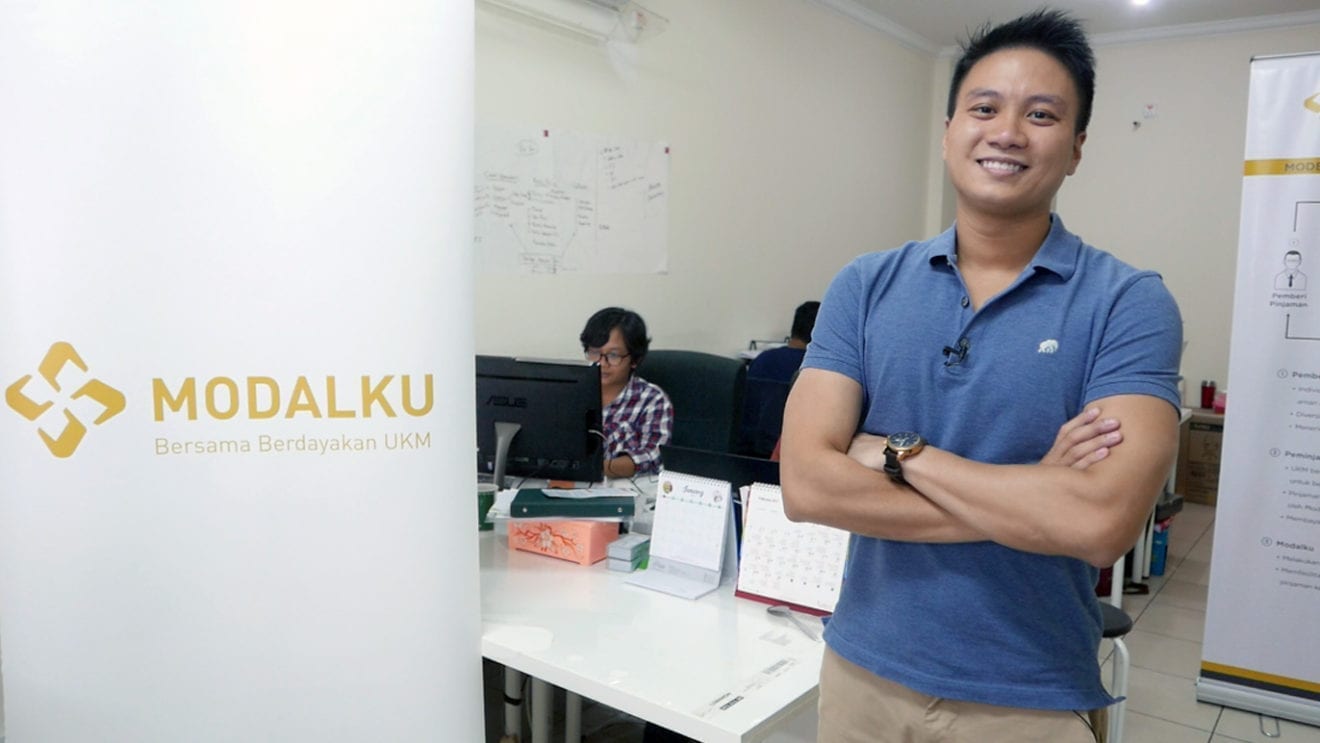
    “Modalku offers a win-win relationship for our users, both SME borrowers and lenders seeking alternative investment opportunities. In a diversified portfolio, P2P lending has proven to be an excellent investment alternative. Lenders can start from funding Rp1 million [US$75] for each SME loan, earning monthly repayments and good risk-adjusted returns. Our new app will give lenders greater access to peer-to-peer lending as an alternative investment option” said Modalku co-founder and CEO Reynold Wijaya.

    Financial Services Authority (OJK) Regulation, Licensing and Supervision of Financial Technology director Hendrikus Passagi added, “We warmly welcome the launch of Modalku’s mobile app as we believe the technology will support financial inclusion in Indonesia, along with the development of a cashless society.

    “Data from the Indonesian Internet Service Providers Association (APJII) shows that nearly 73% of Indonesian internet traffic happens on mobile devices and tablets. The app can increase the broader public’s interest in funding Special Needs Business (Puberku), such as Indonesian SMEs.

    David Ng, one of Modalku’s lenders added “I have gained attractive returns from my alternative investments in Modalku. Their products provide good risk-adjusted returns (through diversification), with a concept that is easy to understand. The Modalku app makes managing my portfolio even easier. I have activated the Auto Allocation feature to automate my alternative investments; all activities can practically be done via smartphone.”

    Modalku’s P2P lending business model connects SME borrowers with lenders through a digital marketplace. By financing SME loans, registered lenders gain an alternative investment with higher returns compared to term deposit and bonds.

    Modalku is the largest P2P lending platform in Indonesia, with loan disbursement totalling over Rp215 billion into 400 SME loans.

    This app follows the release of their Modalku Dana Usaha app, launched in January 2017 for SME borrowers.

    Modalku Dana Usaha is the first app to provide working capital loans in Indonesia, providing a quick, safe, and user-friendly process.

  • 60,000 Tourists Visit Bali by Cruise Ship

    60,000 Tourists Visit Bali by Cruise Ship

    A luxury cruise ship line Princess Cruises will bring more than 60,000 foreign tourists to experience the natural charm and culture of Indonesia.

    During the 2017-2018 holiday season, Princess Cruises will offer exciting travel plans to Bali, Lombok, Komodo Island, Makassar, Semarang, and Probolinggo. Bali is a favorite destination out of the 20 total destinations.

    “Princess Cruises continues to enhance tourism in Indonesia by dedicating five cruise ships that will have 26 trips to Indonesia.”

    The five cruise ships that have trips to Indonesia are Sapphire Princess, Diamond Princess, Golden Princess, Sun Princess, and Sea Princess.

    According to data from the Cruise Line INternational Assistance Association (CLIA), more than 2 million people were on the Continent of Asia cruise in 2015. This number is expected to double to 4 million by 2020.

    In 2014, CLIA also noted there were more than 18,000 yacht tourists coming from Indonesia, and that number doubled to 40,000 by 2015.

  • Jakarta shopping mall business ‘still promising’

    Jakarta shopping mall business ‘still promising’

    Jakarta shopping malls are still a promising business despite online retailing becoming more popular, says US real-estate service company Colliers International Group.

    It says the reason for this is a lack of entertainment options for family holidaymakers in the Indonesian capital.

    Twelve shopping centres with a total floor space of about 600,000 sqm are expected to be completed by 2020, with 38 per cent now under construction, Colliers Indonesia says in its latest retail property outlook report.

    With little choice for family entertainment, malls still appeal to locals as family destinations,” says senior associate for retail service Steve Subadi Sudijanto.

    Aeon Mall Indonesia is planning to open four more stores, three of which are being built, in Jakarta and its suburbs through 2020. The Japanese brand’s first shopping mall opened in Tangerang in Banten on the capital’s outskirts in May 2015.

    Colliers says F&B continues to be the main attraction. More new brands from Asian countries are arriving and expanding in Indonesia.

    “Tough competition requires developers to be more dynamic in attracting locals through renovation and tenant reshuffles on the back of a government measure to curb the number of new store openings in Jakarta,” says Colliers senior associate director of research Ferry Salanto.

    “In fact, hunting for new brands, particularly in fashion and food, is continuing to become a common habit for shoppers in Jakarta.”

  • Apple Greater China has new leader

    Apple Greater China has new leader

    Wireless technologies team leader Isabel Ge Mahe has been appointed to the newly created role of VP/MD of Apple Greater China, reporting to CEO Tim Cook and COO Jeff Williams.

    “Apple is strongly committed to invest and grow in China, and we are thrilled Isabel will be bringing her experience and leadership to our China team,” says Cook. “She has dedicated a great deal of her time in recent years to delivering innovation for the benefit of Apple customers in China, and we look forward to making even greater contributions under her leadership.”

    As VP of Apple’s wireless technologies software engineering division for nine years, Ge Mahe has been involved in the development of cellular, Wi-Fi, Bluetooth, NFC, location and motion technologies for nearly every Apple product. She has also overseen the engineering teams developing Apple Pay, HomeKit and CarPlay.

    In China, she has worked with Apple’s R&D team and carrier partners to develop China-specific features for iPhone and iPad, including QR Code support, SMS fraud prevention and enabling the use of a phone number as an Apple ID.

    Born in Shenyang and fluent in Mandarin, Ge Mahe earned Bachelor and Master of Electrical Engineering degrees from Simon Fraser University in British Columbia. She holds an MBA from the University of California, Berkeley. She takes up her new role, in Shanghai, in the next few months.

  • Line Friends lining up in Times Square

    Line Friends lining up in Times Square

    Line Friends, the character merchandising unit of mobile messenger Line, will open its first US store in New York City’s Times Square tomorrow.

    In an announcement via Twitter, Line Friends say this is a “pre-opening” of the store ahead of its official grand opening next month. This is so it can test and optimise the store before the official opening, says a company spokesperson.

    Visitors will be able to browse the store and make purchases during the pre-opening period.

    Spanning 430 sqm, the Broadway store is in the same building that is home to the Lion King musical.

    It will be the first-ever large-scale Asian character-brand store to open in the US, and also commemorates the one-year anniversary of Line’s public listing on the New York Stock Exchange.

    As well as Line Friends’ flagship character-based products, the store will offer items tailored to the US market, the firm says.

    Founded two years ago, Line Friends is a wholly owned subsidiary of Naver-owned Line Corp, which runs the Line mobile messenger. It creates such products as dolls and stationery based on the signature characters featured as virtual stickers on Line messenger such as Brown, Choco and Cony.

    Line Friends has 83 stores in 11 countries, including its home country Korea, and China, Hong Kong, Indonesia, Japan, Singapore, Taiwan and Thailand. The company has collaborated with hundreds of major consumer companies such as global stationery brands Lamy and Moleskin, furniture maker Mr Maria and cosmetic brands L’Occitane en Provence and Missha.

    Line Friends CEO Kim Sung-hoon says a Line Friends pop-up store opened in Times Square in 2014 with LED billboard advertisements running in the city in late 2015. “Starting with New York, we will speed up our efforts to ramp up our presence in various markets around the globe.”

  • Ajisen, Katrina Group sign So Pho deal

    Ajisen, Katrina Group sign So Pho deal

    Aiming to grow in China and enter the Hong Kong market, Singapore F&B company Katrina Group has signed an agreement with Big Benefit Group, a wholly owned subsidiary of Ajisen (China) Holdings.

    Under the deal, Katrina will hold a 30 per cent stake in the JV company, which manages snack bars, cafes, restaurants and other food services. It serves Vietnamese-style dishes under the brand So Pho in China and Hong Kong.

    Katrina founder/CEO/executive chairman Alan Goh says Ajisen is one of the largest restaurant chains in China. ‘This collaboration will extend our geographical reach in China and help us enter the Hong Kong market. It is a bold step in further strengthening Katrina as a regional F&B group.”

    Hong Kong-listed Ajisen China has nearly 700 restaurants in 120 cities and 30 provinces in China and Hong Kong, while Katrina Group, which specialises in multi-cuisine concepts, owns and runs 33 restaurants in Singapore under nine brands including Bali Thai and Streats.

    Ajisen China and Katrina will provide working capital for So Pho International of up to US$1.05 million and $450,000 respectively through an interest-free shareholders’ loan.

    Katrina will also trademark So Pho International in Mainland China with an exclusive right to sub-license and franchise the trade name of “So Pho”.

    “With our strong track record and Katrina’s brand development capabilities, we look forward to growing the So Pho brand in China and Hong Kong,” says Ajisen China founder/chairman/CEO Wai Poon.

  • New RedMart executive aims to boost tech talent pool

    New RedMart executive aims to boost tech talent pool

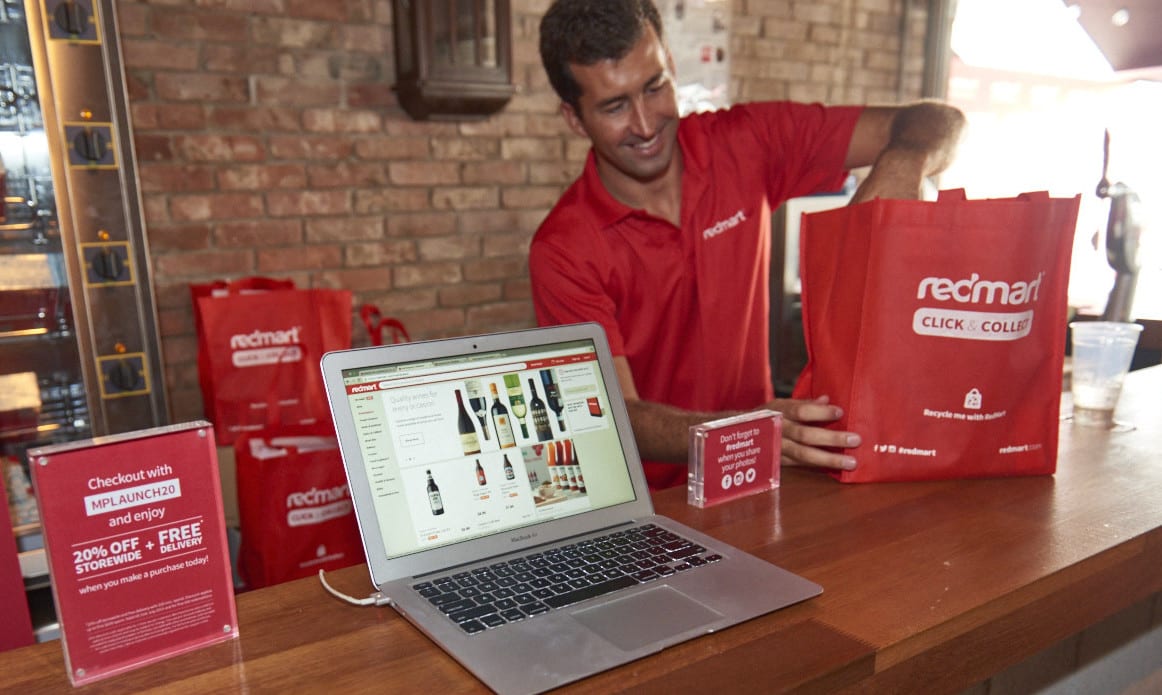
    Back home in Singapore to work for online supermarket RedMart, Silicon Valley veteran Patrick Teo says he has another job on his hands: attracting other talent back to boost the island city/state’s expanding tech hub.

    After gaining a PhD in Computer Science at Stanford University and holding senior positions at Amazon, Facebook and Shutterfly, he has been appointed chief product officer and executive VP for engineering at Lazada-owned RedMart.

    “As a Singaporean, I see the exciting developments taking place at home and want to contribute to building the tech ecosystem here,” he says. He is keen to work with the industry and government “to further cultivate the talented engineers coming out of Singapore’s universities and attract many living abroad to come back”.

    Teo started his Silicon Valley career at online retailer and manufacturer Shutterfly, where he led its engineering teams from start-up to its IPO.

    He then went on to build Amazon’s digital music technology as head of technology and site leader of the company’s San Francisco office. Most recently, he led multiple engineering teams at Facebook.

    Now he reports to RedMart president Vikram Rupani, who says Teo’s presence is “a stamp of validation for Singapore’s maturing tech ecosystem”.

    Teo says that with top e-commerce companies such as Alibaba and Lazada investing in Singapore, the nation “is on the path to become a truly world-class tech hub”.

  • Owndays Singapore targets 30 stores

    Owndays Singapore targets 30 stores

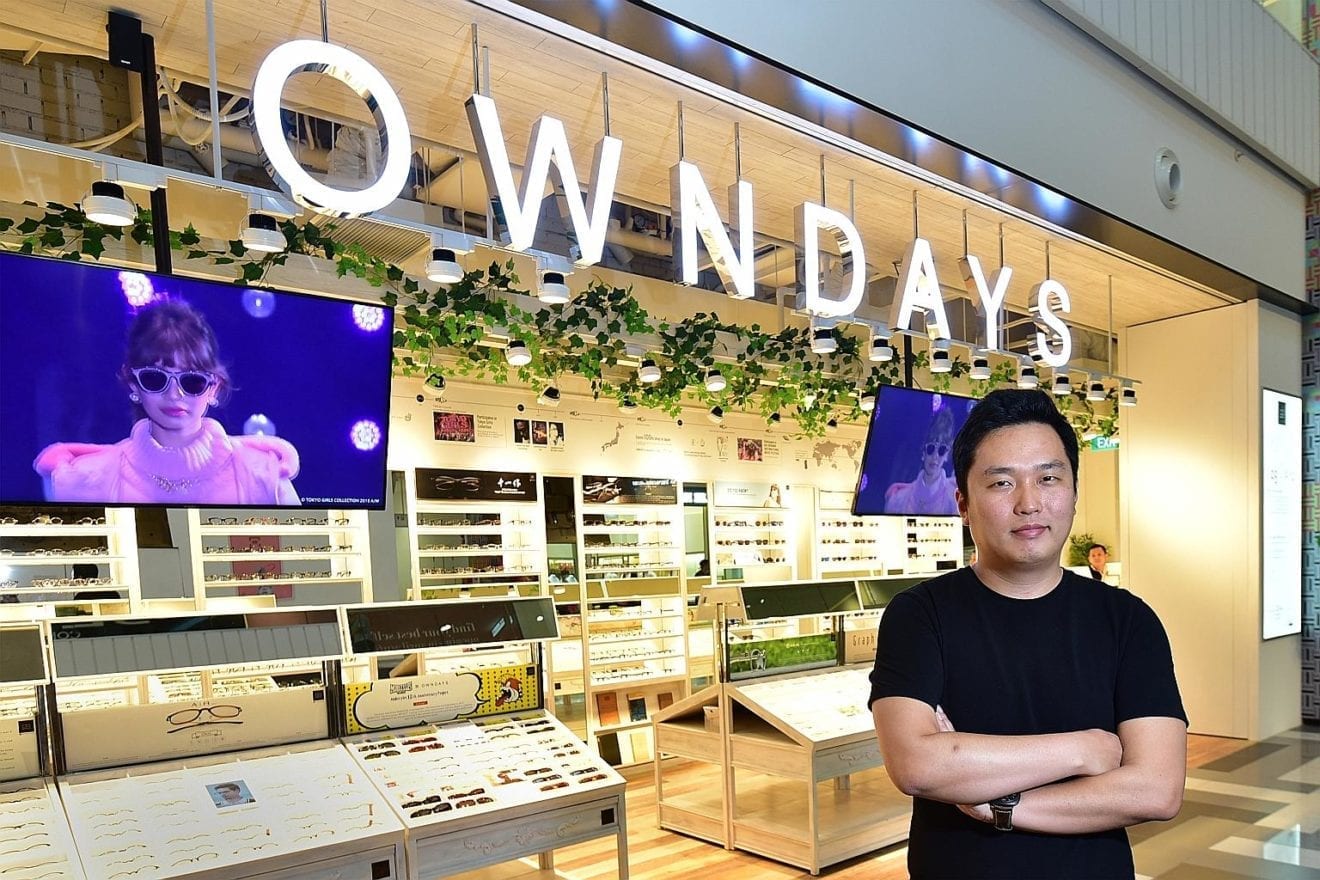
    Owndays Singapore is continuing its expansion and says it believes the city can sustain 30 of its stores. The Japanese eyewear retailer recently opened its 23rd Singapore store, inside Clementi Mall. The 1173 sqft store features a new element – a counter with high chairs where customers can evaluate frames.

    Owndays has shaken up the eyewear sector with a simplified pricing system and a 20-minute turnaround time for making most types of prescription glasses. Open shelves allow people to browse without waiting for an assistant to unlock glass cabinets.

    The photos show the Clementi Mall store’s interior.

  • Melissa Singapore shoe store world’s largest flagship

    Melissa Singapore shoe store world’s largest flagship

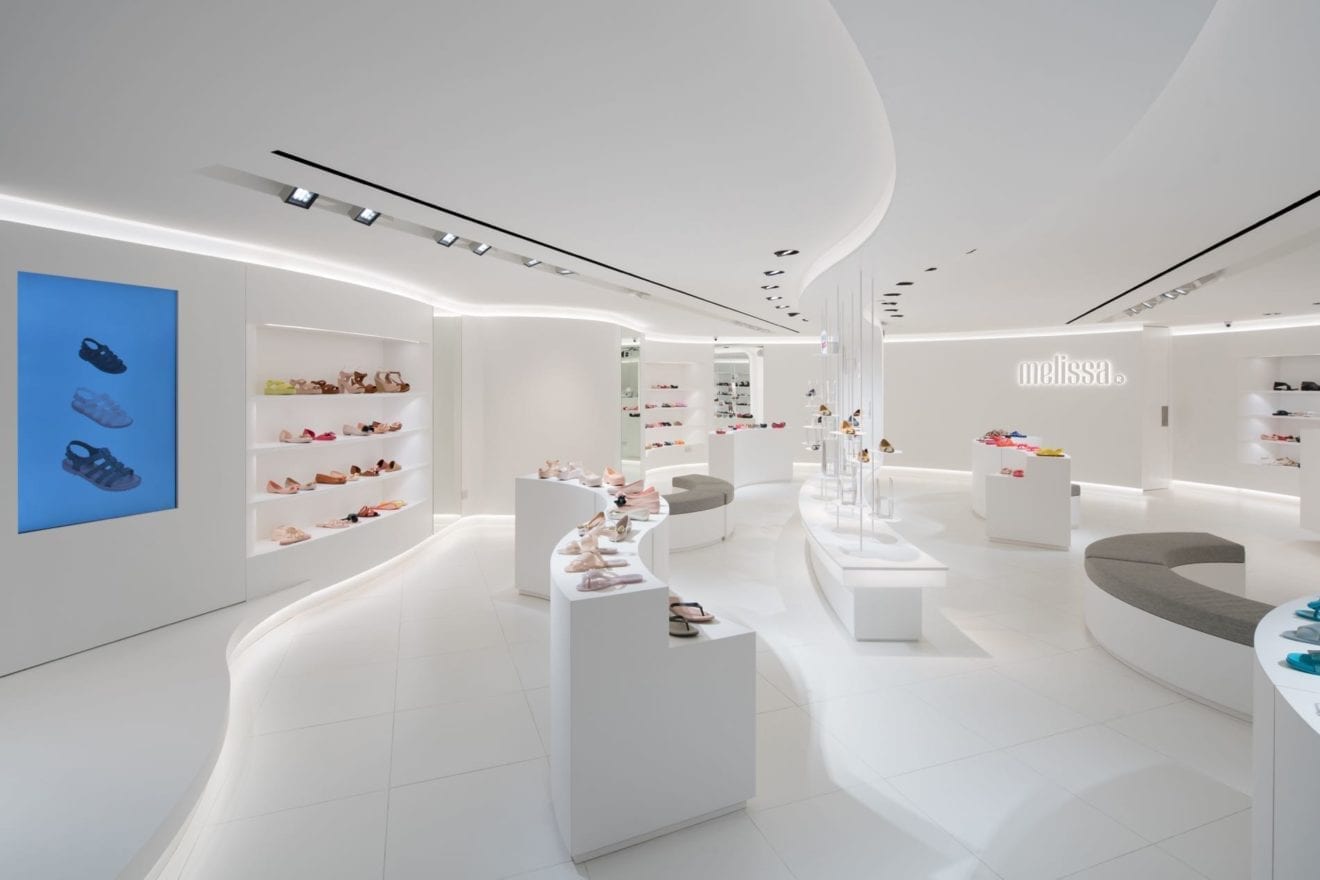
    The newly opened Melissa Singapore shoe store is larger than the hip footwear label’s other flagships in Sao Paulo, London and New York.

    The brand’s dance-inspired range is spread out over 1700 sqft of space dubbed MDreams, in the Raffles City shopping centre.

    The Brazilian label is renowned for its eco-friendly plastic shoe range which includes sandals, flip flops, boots and sneakers. Its footwear is affectionately described as “Jelly shoes”.

    The opening of the Melissa Singapore store MDreams is part of the company’s longer-term strategy to expand brand awareness and sales in Asia.

    “The new Melissa MDreams flagship store gives us the opportunity and platform to evolve our customer experience, ensuring that we continue to deliver authentic and personalised experiences through various enhanced customer loyalty programmes, service standards, and technology application, for a seamless Melissa experience in store,” said Terence Yow, MD of Enviably Me, the local distributor of Melissa.

    The Melissa Singapore store was designed by local interior architecture firm, Laank. Inspired by “dance and movement,” it features curved shelves with a ‘semi-floating’ effect and signature white canvas allows the colourful range to stand out.

    “When we embarked on the project to reimagine how the new Melissa MDreams flagship store would be, the team decided that our customers must be at the heart of everything we do in this project,” added Yow.

    “It is about putting the customer before the design, creating a shopper experience-centric shop design.”

  • Hugo Boss opens Brisbane flagship boutique on Edward Street

    Hugo Boss opens Brisbane flagship boutique on Edward Street

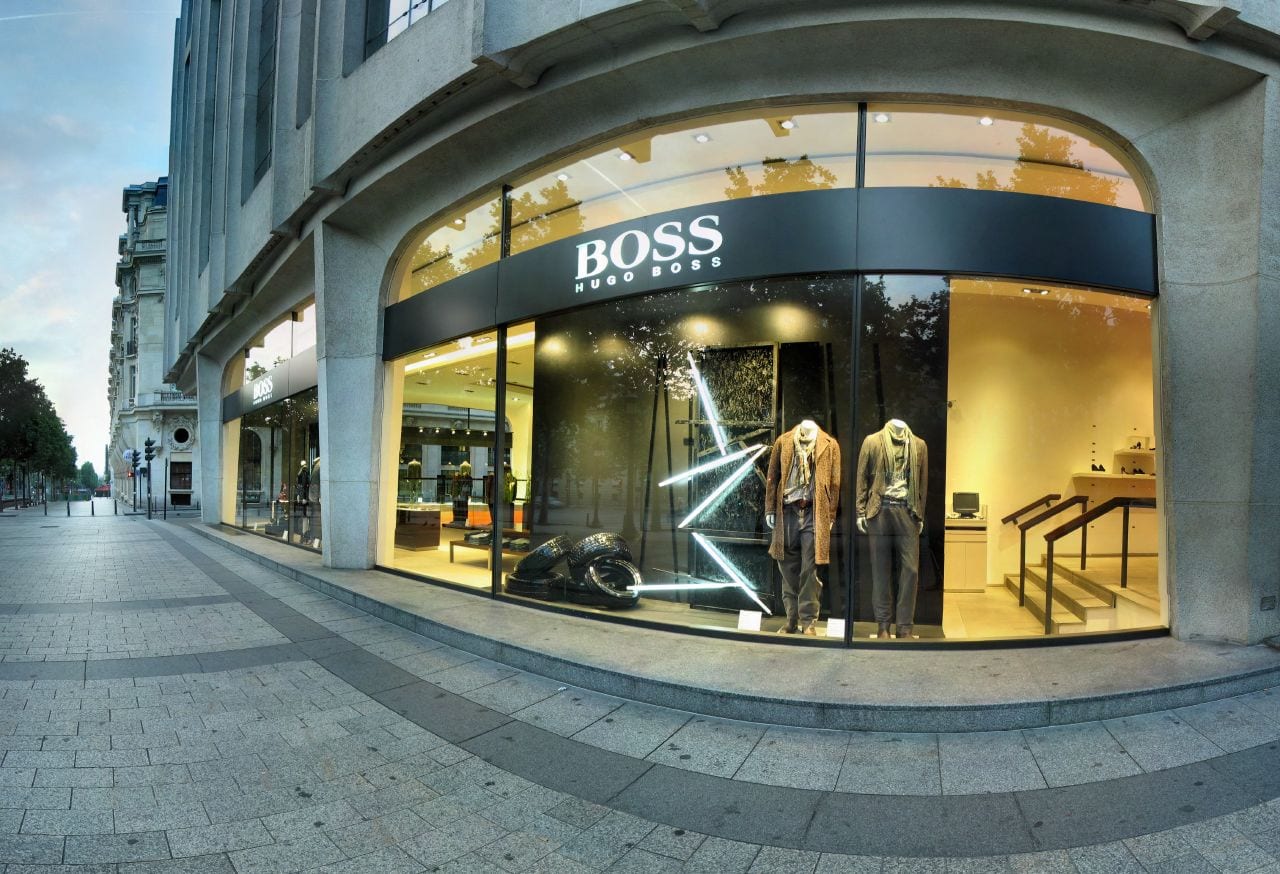
    International fashion retailer, Hugo Boss, has opened a luxury Brisbane flagship boutique on Edward Street, in MacArthur Central’s luxury fashion precinct.

    The new boutique will feature the edited range of luxury Boss Menswear collections, including ready-to-wear, shoes and accessories as well as athleisure wear and a high performance sportswear offering, in addition to Hugo Boss timepieces and fragrances.

    According to the retailer, the store’s interior showcases a refined concept that has been adopted by select stores in major global cities, catering to the fashion savvy male.

    “Precision Group is proud to welcome Hugo Boss to MacArthur Central where it will sit alongside some of the best International and national retailers fronting Edward St, where Brisbane City Council have invested $11.8M into a beautification project of the precinct,” said Colleen Middlemass, Centre and State Asset manager.

    In the upcoming months, the Edward Street frontage project will see the addition of sub-tropical, mature trees and improved lighting as well as enhanced boulevard pavements. The MacArthur Central’s Queen Street frontage will also receive a major upgrade, with the National Australia Bank opening its flagship Brisbane retail branch and occupying eight floors in the office tower above.

  • Golden sales for Luk Fook’s first quarter

    Golden sales for Luk Fook’s first quarter

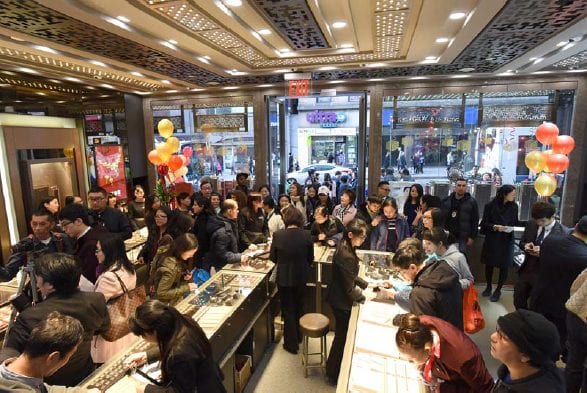
    Same-store sales of gold products have restored growth, jewellery retailer Luk Fook says in announcing the performance of its self-run retail shops for the first quarter, to the end of June.

    It says a relatively low base and “an effective strategy of an enhanced offering of good-value-for-money gold products” helped boost SSSG 5 per cent, a progression over the previous quarter.

    SSSG of 32 per cent in China and 10 per cent in Hong Kong/Macau for gold and gemset jewellery led to 23 per cent growth overall for the period, a significant improvement over the previous quarter.

    On the other hand, the SSSG of gemset jewellery products in the Hong Kong/Macau market rose 9 per cent while gold products stayed flat, a turnaround from a declining trend for more than a year. This resulted in a 3 per cent improvement in the market overall.

    While the group closed two shops in Hong Kong during the quarter, the number of shops in Hong Kong and Macau for the whole year is expected to be about the same. During the period, 14 Luk Fook shops were added on the mainland, five of these licensed outlets.

    As at the end of last month, the group had a total 206 self-run shops – 142 in China, 45 in Hong Kong, 10 in Macau and nine overseas. There were also 1301 licensed shops in China and one in Korea, making a total of 1508 outlets worldwide, of which 1443 were on the mainland.

  • ShopBack Thailand launches with 100 merchants

    ShopBack Thailand launches with 100 merchants

    Cash-rebate service ShopBack Thailand has launched with more than 100 merchants on board.

    Merchants include online travel booking websites Booking.com and Expedia, beauty platform Sephora, e-commerce giant Lazada, as well as ride-hailing services Grab and Uber. Consumers can expect to receive up to 30 per cent in cash back when the new service.

    “Online shopping in Thailand isn’t a trend, it’s part of the everyday retail culture,” says ShopBack Thailand co-founder/country head Kawin Prachanukul. “We’re discovering ways to connect merchants and shoppers in a way that creates added value for both parties.”

    Thailand is the sixth market for Singapore-based ShopBack, founded two years ago. As well as Singapore it is active in Indonesia, Malaysia, Taiwan and the Philippines. It has received more than US$1 million in funding from Accel-X and East Ventures.

    ShopBack claims to have more than three million users. Merchants on the platform receive more than $20.3 million in sales each month, and to date the service has paid more than $10 million in cash back to its customers.

    In Thailand, ShopBack faces competition from homegrown player Dealcha!, backed by Thai seed-funding specialist 500 TukTuks.

  • A Bathing Ape launches online store

    A Bathing Ape launches online store

    Established in Tokyo in 1993, street-fashion brand A Bathing Ape has launched a global online store.

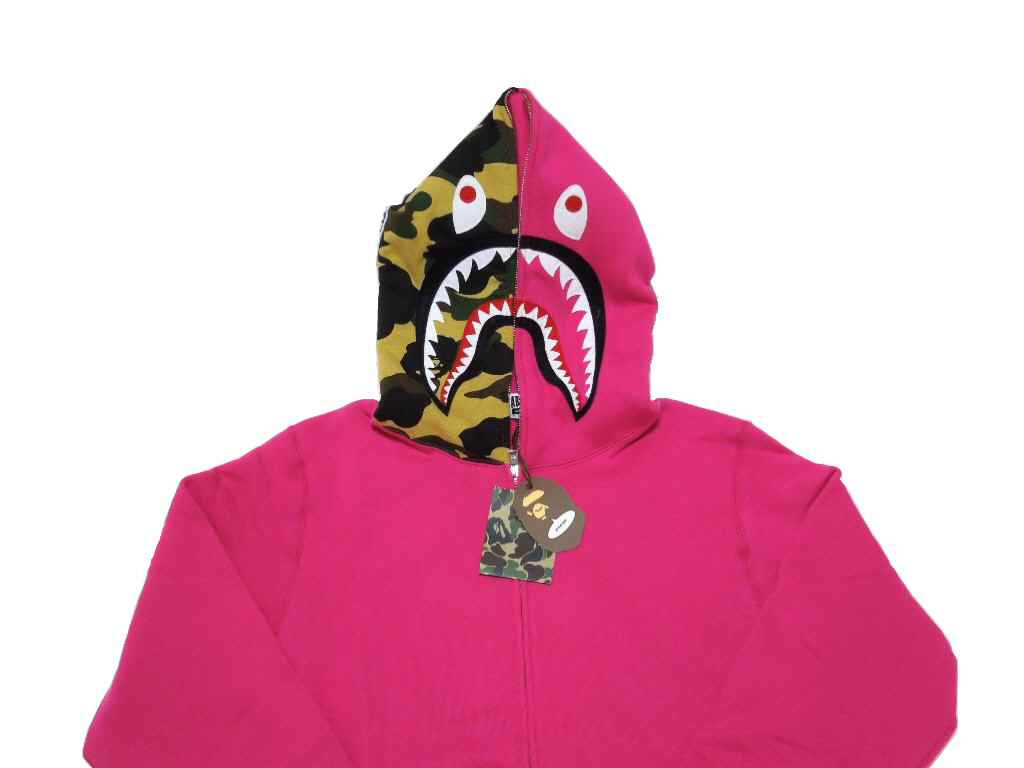
    Also known as Bape, the brand is known for its graphics, patterns and characters such as “Ape Head”, “Bape Camo”, “Bape Sta”, “Shark Hoodie” and “Baby Milo”. The  brand has expanded from being a men’s line to include women’s and children’s items.

    Bape has stores throughout Japan, in the UK and US, Hong Kong, China and other regions in Asia. BapeOnline is initially available for customers in Europe, with plans to expand to a more worldwide presence soon. To celebrate the launch, a special limited-edition t-shirt is being offered.

    A Bathing Ape was created by Nowhere Co, in the Tokyo suburb of Harajuku, and continues to expand with Bape Store, BapeExclusive, Bape Kids and A Bathing Ape Pirate Store.

  • Commune Lifestyle parent Koda reports solid rebuilding

    Commune Lifestyle parent Koda reports solid rebuilding

    Koda, the parent of furniture retailer Commune Lifestyle, has reported a net profit of US$2.2 million for the nine months to the end of March, a 66.9 per cent increase over the same period last year.

    And the group’s gross profit margin rose to 27.7 last year from 23.6 per cent in 2014, and reversing two years of losses, the group had a net profit of $1.6 million for the financial year to June 30 last year. It attributes this to marketing, revised business strategies and restructuring.

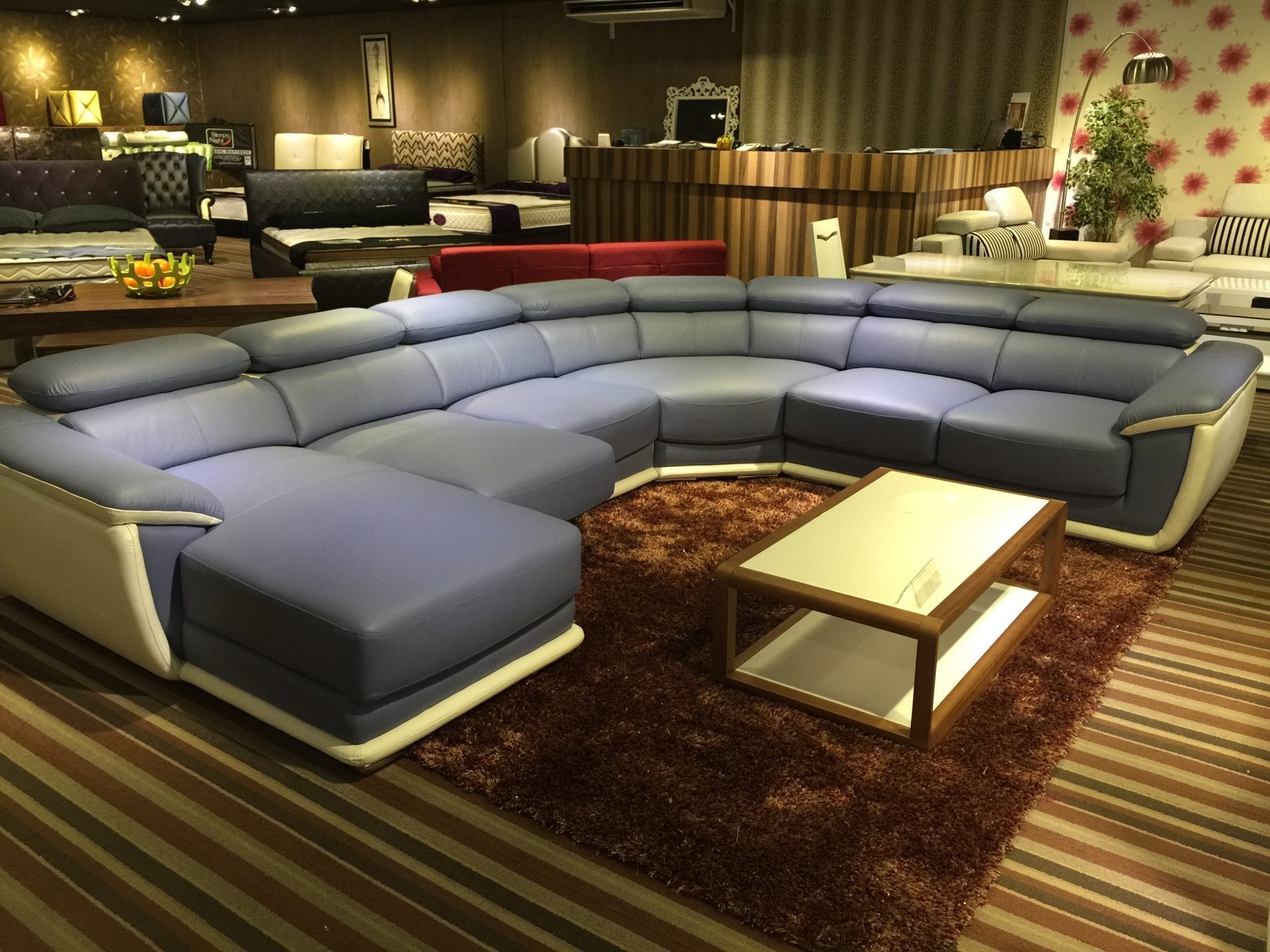
    Koda is an original design manufacturer specialising in design-intensive household furniture for the upper middle class. Commune Lifestyle, led by the third generation of the founding Koh family, is a wholly owned subsidiary of Koda that runs four stores in Singapore, three distributor-retail (DR) stores in Malaysia and 35 DR stores in China, as well as one brand-in-store presence in Australia. It is planning to expand its DR network and set up another hub in eastern China.

    During the year to June 30, Commune added 17 DR outlets in China. There are more than 40 outlets, mainly in China.

    Meanwhile, the group has been streamlining. It has consolidated its production units, relocated factories out of China, disposed of the loss-making retail business Rossano in Vietnam, and disposed of certain non-core assets for cash.

    Koda is headquartered in Singapore with manufacturing plants in Vietnam (Ho Chi Minh City) and Malaysia (Johor and Senai). It sells to more than 50 countries, mainly Asia and the US.