Blog

  • Opening of Incheon Airport’s 2nd terminal likely to be delayed

    Opening of Incheon Airport’s 2nd terminal likely to be delayed

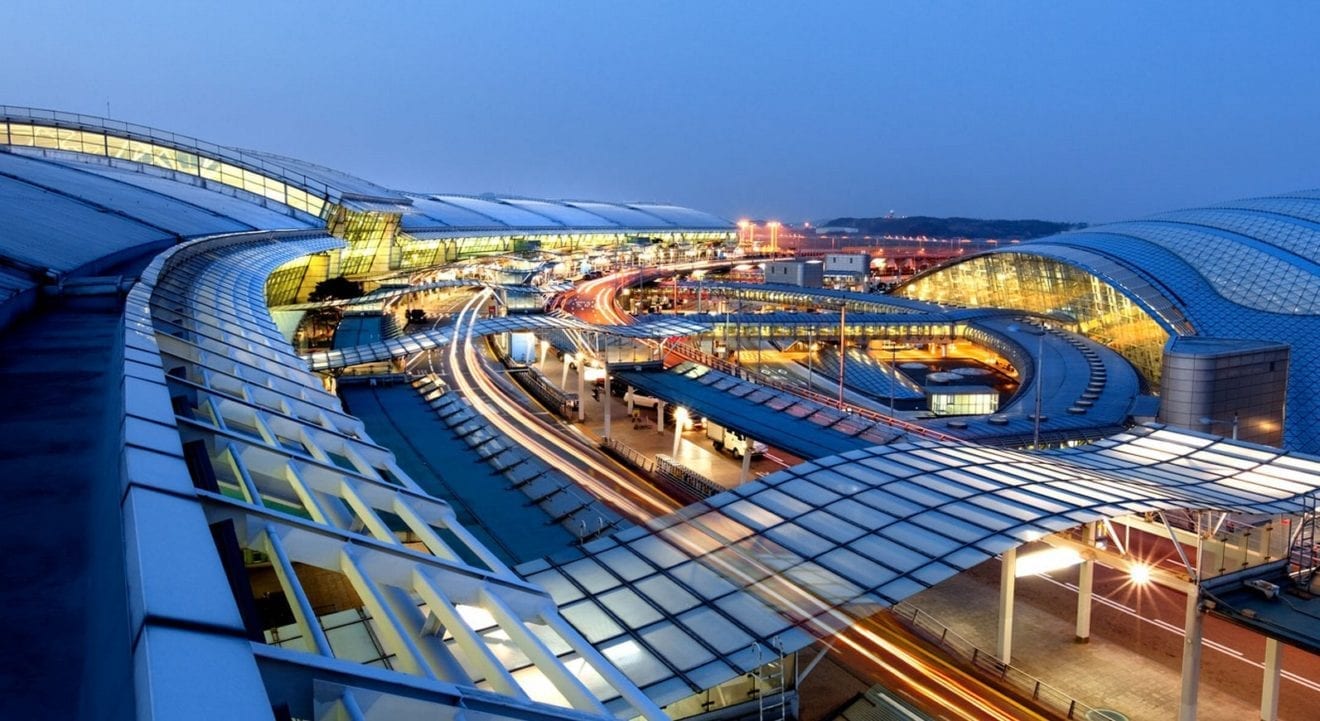
    Incheon Airport’s second terminal, which was originally slated to open this year, may push back its opening to after the PyeongChang Winter Olympics next February.

    According to a spokesperson at the airport corporation, the airport is weighing the pros and cons of opening the terminal within the year or after the PyeongChang Games.

    “It is technically possible to operate the second terminal this year, because all of the necessary facilities will complete construction in September,” he said.

    However, this would require the terminal to open while the luxury and fashion duty-free shopping area, considered a “landmark” of the airport, is still under construction.

    “It would not only create inconvenience for airport visitors, such as dust from the construction, but also impact the airport’s image,” the spokesperson said.

    Incheon Airport has gone through six rounds of tenders to find an operator for the area, but has been unsuccessful. Shinsegae DF was the only company to bid in the fifth and sixth rounds, meaning that now Incheon Airport is legally able to directly negotiate a contract with an operator without another open bidding process.

    Even if Incheon Airport is able to negotiate acceptable terms with Shinsegae DF or another operator, it would take time for the Korea Customs Service to grant the final license. Another nine months to finish construction would mean that the shopping area would be able to open around next April.

    Another consideration is that visitors to the airport might still be unfamiliar with the second terminal when the PyeongChang Games are being held. The new terminal will house Korean Air, Delta, KLM and Air France.

    “Unless we are able to open by December, there will still be confusion at the airport regarding the terminals by the time the Games begin,” the spokesperson said, noting that the airport will have no problems handling the influx of travelers during the Olympics with just its first terminal.

    The Transport Ministry said in a statement that the second terminal “will be opened according to plan, with no postponement plans currently under consideration.”

  • Leading US-based index to include Chinese stocks for 1st time

    Leading US-based index to include Chinese stocks for 1st time

    MSCI’s decision has been closely watched as a sign of China’s growing importance on international financial markets. China on Wednesday hailed the acceptance of its stocks in a leading U.S.-based index of emerging market shares as a signal of confidence in the Asian power’s economy after three previous rejections.

    The Shanghai and Shenzhen stock markets opened higher after New York’s MSCI agreed to include 222 large capitalization Chinese stocks in its MSCI Emerging Markets Index, representing 0.73 percent of the index.

    MSCI’s decision has been closely watched as a sign of China’s growing importance on international financial markets.

    “We applaud and appreciate MSCI for making such a decision,” said Zhang Xiaojun, spokesman for the China Securities Regulatory Commission.

    “It showed international investors’ confidence in a stable Chinese economy with better prospects and in the steadiness of China’s financial market,” Zhang said.

    The benchmark Shanghai Composite Index jumped 0.29 percent while the Shenzhen Composite Index, which tracks stocks on China’s second exchange, gained 0.24 percent in early trading.

    MSCI said the move has “broad support” from international institutional investors and was the result of loosening of restrictions enacted by China on foreign ownership of “A” shares — stock in mainland China-based companies — ownership of which had once been limited to mainland citizens.

    “International investors have embraced the positive changes in the accessibility of the China A shares market over the last few years and now all conditions are set for MSCI to proceed with the first step of the inclusion,” said Remy Briand, MSCI managing director.

    “MSCI is very hopeful that the momentum of positive change witnessed in China over the past years will continue to accelerate.”

    ‘Token inclusion’

    MSCI says its emerging markets index is tracked by more than $1.5 trillion in assets. The company said the Chinese representation in the index could be increased in time if China enacts additional reforms.

    MSCI has in the past cited obstacles such as China’s restrictions on market access and on moving capital in and out of the country. Prior to Tuesday’s decision, it had excluded Chinese shares for three years in a row.

    “We reflected the comments from the institutional investor community. They (Chinese officials) took them very seriously and acted upon some of them,” MSCI chief executive Henry Fernandez told CNBC.

    Institutional investors praised a decrease in the number of stock suspensions in China, but said the current level is still an “outlier” compared with other markets, MSCI said.

    Chinese shares will go into a number of provisional indices before they are included in the flagship index starting in June 2018.

    China’s addition would help around $8 billion flow into its stock markets, Capital Economics said, describing it as “a token inclusion” given that the weighting would be the equivalent of 0.1 percent of the domestic market’s capitalization.

    Opens the door

    Analysts nevertheless said China’s admission to the index would be a good start.

    “A low number of shares and weighting is not important at the beginning,” said Li Daxiao, chief economist at Yingda Securities.

    “It is like opening a door. Even if it is just a crack, it is a huge improvement compared to being completely shut.”

    Citic Securities analyst Zhang Qun said inclusion would have “more of an emotional effect than a practical one”.

    “It is the change from zero to one. If in the next few years the degree of opening up increases… then it could go from one to 10 or even 100,” Zhang said.

  • Transport Ministry denies Uber and Grab pilots ended

    Transport Ministry denies Uber and Grab pilots ended

    At the carrier’s annual shareholder meeting on Tuesday, it was said that the 191 million shares with a par value of VND10,000 (44 US cents) per share could be sold in the fourth quarter or at any other time that the management board decides.

    Current shareholders will have the right to buy the shares at a rate of 15.5 per cent, meaning that an investor will be able to one additional share for every 15.5 shares he owns at the moment.

    Among the additional shares are 164.73 million shares sold to State shareholders and 16.77 million shares issued to the firm’s Japanese strategic investor ANA Holding Inc. Other shareholders will be able to purchase 9.7 million shares.

    The share issuance is expected to raise VND1.91 trillion (nearly $85 million), which would help the aviation group cover a part of the cost of purchasing new planes and making payments for its suppliers.

    In 2017, Vietnam Airlines plans to spend VND2.1 trillion – 72 per cent of this year’s spending budget – purchasing 10 A350-900WB planes and eight Boeing 787-9 planes.

    This year’s business plan also includes VND87.9 trillion in combined revenue, an annual increase of 22.7 per cent.

    However, the combined post-tax profit of VND1.33 trillion marks a 35 per cent drop from 2016.

    The targeted post-tax profit is lower based on worries about higher fuel costs and rising global oil prices as well as rising amortisation costs generated by the purchase of new planes.

    Last year’s post-tax profit was a record high for Vietnam Airlines, supported by oil prices that hit a historical 12-year bottom in mid-January 2016. Crude prices have rebounded about 47.5 per cent since then. This year’s business plan is developed based on a $64 per barrel oil price scenario.

    The company also attributed the decline in annual post-tax profit to slow growth of market purchasing power, which is forecast at 9.5 per cent for 2017.

    The slow rise in market purchasing power means Vietnam Airlines will have to face a decline in its Revenue per Available Seat Kilometre (RASK) – a term of unit cost used in the aviation industry.

    The RASK figure in 2017 is forecast at 5 per cent lower than 2016 and 22 per cent lower than 2015.

    Meanwhile, competition is heating up n the international markets as low-cost carriers enhance their presence in Viet Nam and in the Northeast and Southeast Asian regions, traditional markets for Vietnam Airlines.

    In addition, the Noi Bai and Tan Son Nhat international airports, the biggest in Viet Nam, will undergo repairs and maintenance at the year end. This will reduce business activities in those two airports by 30 per cent and force aviation firms to cut the number of flights to and from those airports by at least 15 per cent during the day.

    Share price concerns

    Vietnam Airlines also plans to switch listing its shares from the Unlisted Public Company Market (UPCoM) to either the HCM Stock Exchange or the Ha Noi Stock Exchange.

    Shares of the company, under code HVN, debuted on UPCoM at VND39,200 per share on January 3. Its share price has lost nearly one-third of its value to close Tuesday at VND26,825.

    In comparison, the share price of low-cost carrier Vietjet has risen by 18 per cent to end Tuesday at VND126,500 per share. Vietjet shares debuted on the stock market at the end of February.

    Such decline of share price has raised some concerns among the firm’s shareholders about the company’s strength and competence.

    According to the firm’s chief accountant, Tran Thanh Hien, the share price is quite stable and reflects Vietnam Airlines as an aviation company that meets international standards and practices.

    Hien said that the movement of share prices depends on various factors, including business performance, business strategy, market conditions and liquidity.

    For some firms, the amount of floating shares is quite small, showing that the company’s stock structure is dense and making share prices low, according to Hien.

    Compared to the low-cost carrier Vietjet, Vietnam Airlines focuses on the high-class segment with provision of high-quality products and services, said general director Duong Tri Thanh.

    Low-cost carriers have developed strongly in recent years and account for 60 per cent of the domestic market. This sector is expected to grow 20-30 per cent per year in the coming years.

    Vietnam Airlines would, therefore, push harder its operation in international markets, he said.

    For the domestic market, Vietnam Airlines would concentrate its business on the low-cost segment in co-operation with Jetstar Pacific. The two firms would try to keep their market shares at least 30 per cent, Thanh said.

  • Hong Kong International to add stores as part of Terminal 1 upgrade

    Hong Kong International to add stores as part of Terminal 1 upgrade

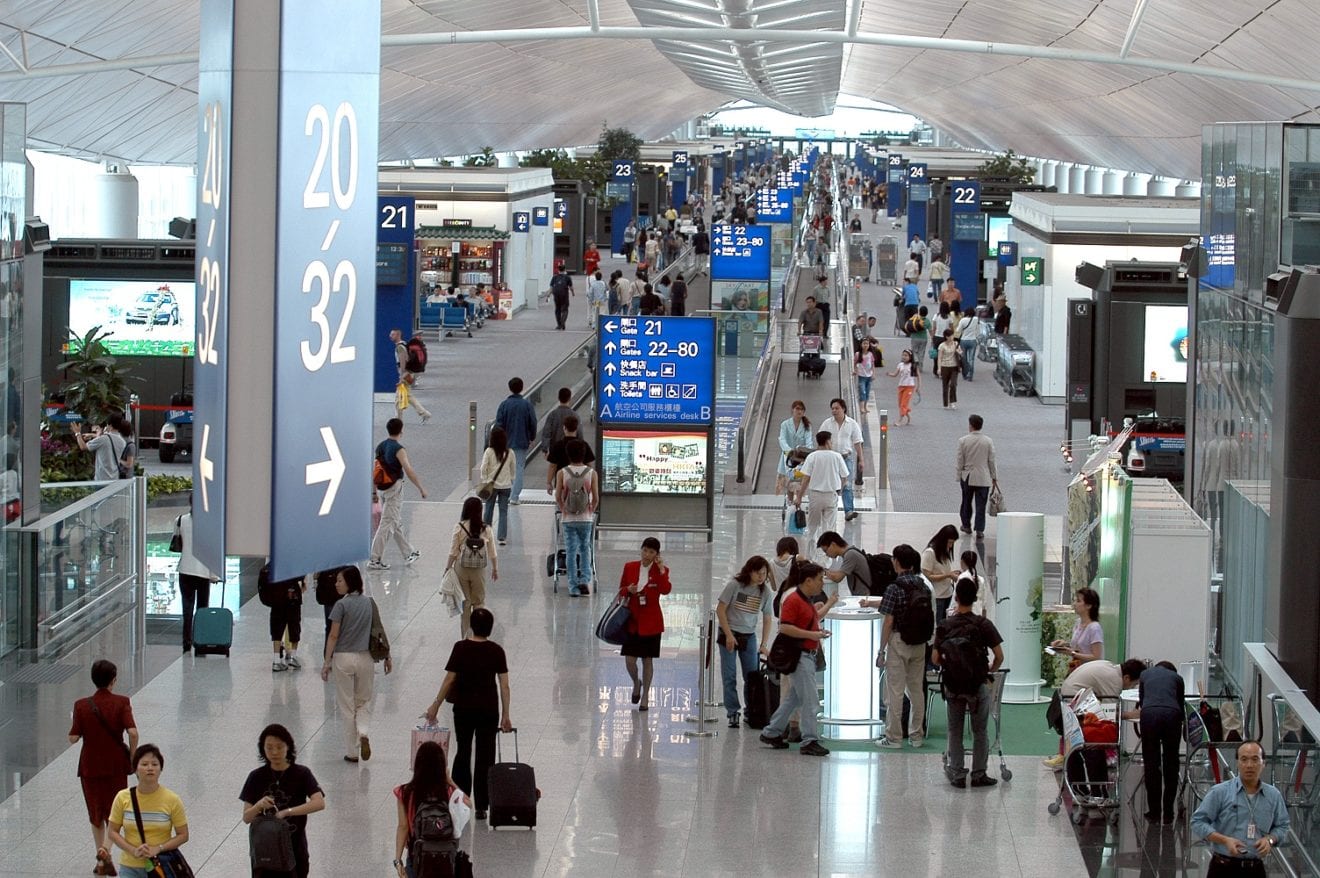
    Airport Authority Hong Kong has unveiled details of a major upgrade programme in Terminal 1. A number of “anchor” retail stores and F&B outlets will be added as part of the improvement work, which aims to offer a “vibrant new experience for passengers”. New duty free shops for liquor, cosmetics and accessories will be open for business “soon”, Airport Authority Hong Kong said, offering experiential concepts such as interactive zones and a whisky bar.

    The food hall in the East Hall area will be revamped with a new design (as illustrated immediately below).

    Over 40 new check-in counters with self-bag drop facilities and two new additional baggage reclaim carousels will be installed. The project also includes an extension building adjacent to the existing Car Park 4 to provide approximately 1,400 additional parking spaces, as well as premises for the Hong Kong International Aviation Academy and HKIA Preschool. The new building will also house other staff-related facilities including a community centre, a multi-purpose sports hall and fitness centre, and staff canteens for the airport community.

    The authority is also planning to build a weather-proof footbridge connecting Terminal 1 and the North Satellite Concourse. Known as ‘Sky Bridge’, it will reduce passengers’ travelling time and the need for using shuttle buses. The 200 metre long footbridge with travellators will feature an observation deck and catering outlets in the towers at both sides.

    New features in the expanded East Hall of Terminal 1 will include a roof garden and a children play area that spans two levels in the restricted area. There will also be a dedicated recreational zone featuring new technologies for travellers, the authority said. Themed areas may be introduced in the boarding gate areas at Terminal 1.

    “The enhancement projects for Terminal 1, together with the three-runway system in 2024, will increase the airport’s handling capacity, as well as bringing a fresh look and feel,” said Airport Authority Hong Kong Chief Executive Officer Fred Lam. “Passengers from around the world will enjoy an experience tantamount to travelling through a new airport.”

  • Amazon continues to open new fulfilment centres

    Amazon continues to open new fulfilment centres

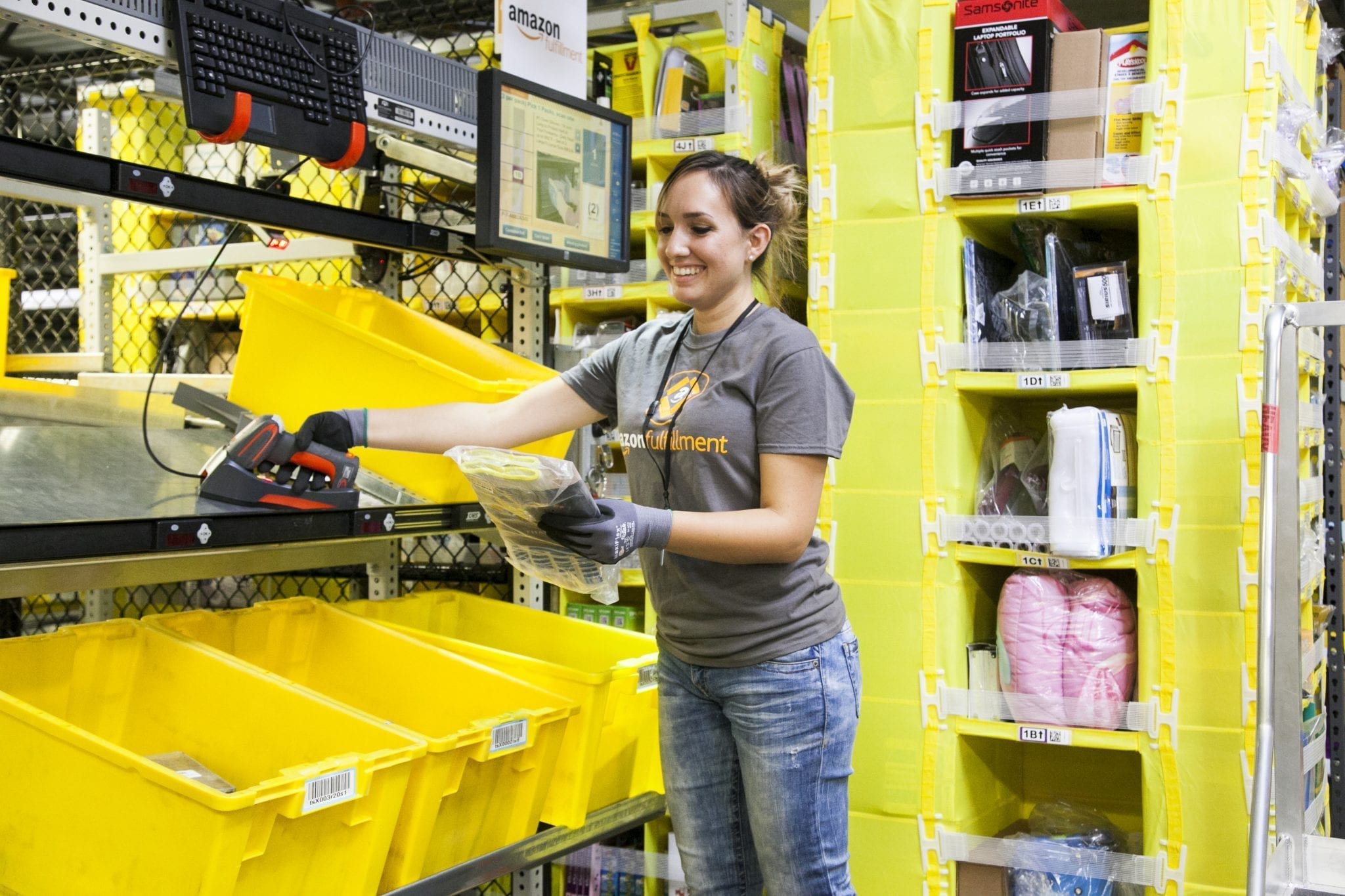
    Amazon.com announced plans to open its second Colorado fulfilment centre in Thornton, which will be the first Amazon Robotics facility in the Centennial State. Amazon will create more than 1,500 new full-time associate roles at this facility.

    “We are excited to continue growing in Colorado with the new Robotics fulfilment center in Thornton,” said Akash Chauhan, Amazon’s vice president of North American Operations. “This facility will utilise robotics, vision systems, and more than 20 years’ worth of software and mechanical innovations. We are grateful for the support we have received from state and local leaders who have helped make this project possible.”

  • Tesla close to agreement on first production plant in China

    Tesla close to agreement on first production plant in China

    Tesla Inc is close to an agreement to produce its electric cars in China for the first time and gain better access to the world’s largest auto market, citing people familiar with the matter.

    An agreement with the city of Shanghai would allow Tesla to build its facilities in Lingang development zone and could come as soon as this week, the report said.

    The electric carmaker, whose revenue from China tripled to more than $1 billion last year, would need to set up a joint venture with at least one local partner under existing rules, Bloomberg reported.

    Tesla was not immediately available for comment.

    In March, Tencent Holdings Ltd, China’s biggest internet company, bought a 5 percent stake in Tesla for $1.8 billion

  • JW Marriott Phu Quoc Emerald Bay crowned Asia’s leading new resort

    JW Marriott Phu Quoc Emerald Bay crowned Asia’s leading new resort

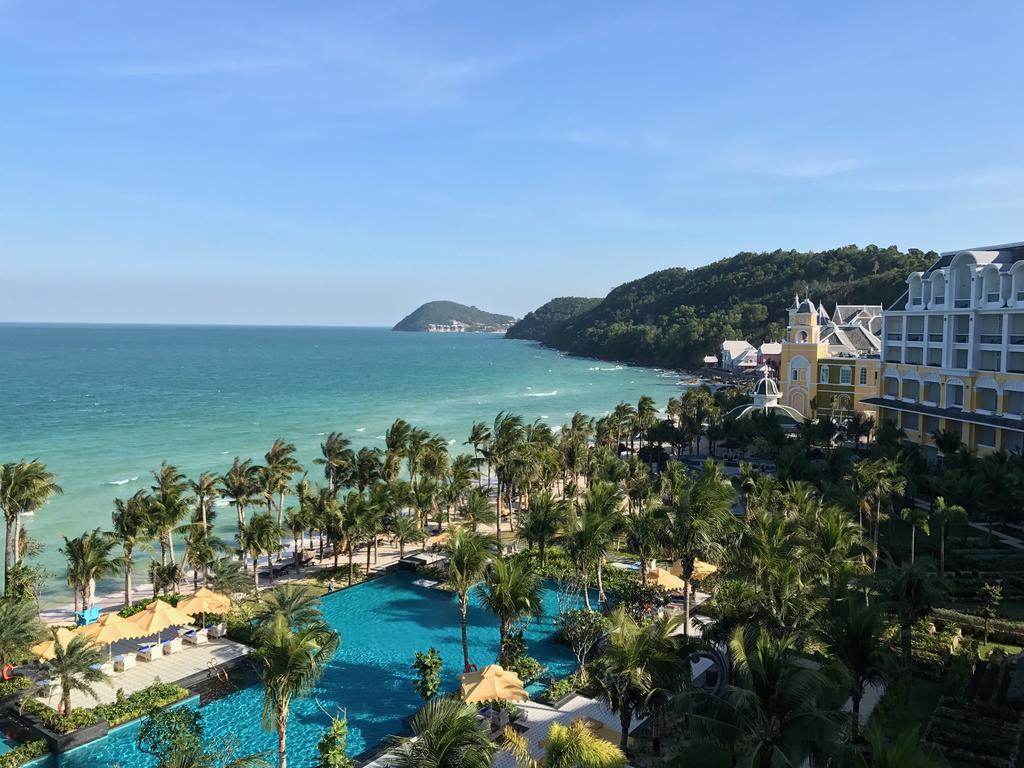
    The award is another big step for Sun Group on its path toward turning Vietnam’s Phu Quoc Island into a luxury global travel destination. The 2017 World Travel Awards Asia & Australasia has named JW Marriott Phu Quoc Emerald Bay in southern Vietnam Asia’s Leading New Resort.

    The five-star JW Marriott Phu Quoc Emerald Bay beat other famous newcomers, including Anantara Kalutara Resort and Shangri-La’s Hambantota Resort and Spa in Sri Lanka, The St. Regis Langkawi in Malaysia, Alila Anji in China, and Hoshinoya Bali and Mövenpick Resort and Spa Jimbaran Bali in Indonesia, to bag the most votes from tourism experts from more than 140 countries.

    “We are delighted to be named Asia’s Leading New Resort by our colleagues in the hospitality industry,” said Ty Collins, the resort’s general manager. “The opening of JW Marriott Phu Quoc Emerald Bay marks the birth of luxury hospitality in Phu Quoc and has established a benchmark of excellence and quality for future Marriott developments throughout Asia.”

    The construction of JW Marriott Phu Quoc Emerald Bay started in 2015 and the resort opened its doors to the public late last year.

    Lying only 15 minutes from Phu Quoc International Airport, the French-style resort has 244 rooms, suites and stand-alone villas.

    It also has four restaurants serving French, Japanese, Vietnamese and Chinese food.

    Emerald Bay is the first five-star resort in Sun Group’s Phu Quoc holiday resort chain to officially open.

    The resort aims to awaken the tourism potential on Phu Quoc and turn the island into a luxury global travel destination. JW Marriott Phu Quoc Emerald Bay’s success as Asia’s Leading New Resort has taken the developer a step closer.

  • Over two million Chinese tourists to visit Indonesia in 2017

    Over two million Chinese tourists to visit Indonesia in 2017

    The number of Chinese tourists visiting Indonesia is estimated to reach more than 2 million tourists in 2017, an official said. Charge d’Affaires of the Embassy of the Peoples Republic of China in Jakarta Sun Weide said here on Tuesday that the tourism cooperation between Indonesia and China continues to grow.

    The Chinese Embassy has recorded around 560,000 Chinese tourists to have visited Indonesia during the first three months of this year.

    “The number of Chinese tourists visiting Indonesia is estimated to reach more than two million this year,” Sun Weide said in a press conference followed by an iftar at the Chinese Embassy in Jakarta.

    Last year, 1.45 million Chinese tourists had visited Indonesia. The number was the second largest after Singapores with 1,47 million tourists.

    It is estimated that the visiting Chinese tourists had contributed around two billion US dollars of foreign exchange to Indonesia last year, he said.

    Cooperation in the tourism sector between Indonesia and China has been robust, he said.

    On the same day, delegation from Guizhou Province of China held a conference to promote its tourism potential in Jakarta.

    Ren Xiang Sheng, Guizhou Provincial Secretary in southwestern China, said the increased cooperation in the fields of tourism and culture has become part of efforts to strengthen Chinas One Belt and One Road (Obor) initiative.

    In 2016, more than one million tourists had visited Guizhou, a region dotted with picturesque mountain in China. Out of one million visiting tourists, 128,000 were Indonesians.

    Indonesian Ministry of Tourism has estimated that the number of Chinese tourists visiting Indonesia will reach 2.4 million in 2017, surpassing Singaporeans who were estimated to top around 2.275 million in the same year.

    Achieving its 12 million tourist visit target in 2016, Indonesia has set a target to attract 15 million tourist in 2017.

  • A sophisticated e-commerce model attracts 8 major supermarkets

    A sophisticated e-commerce model attracts 8 major supermarkets

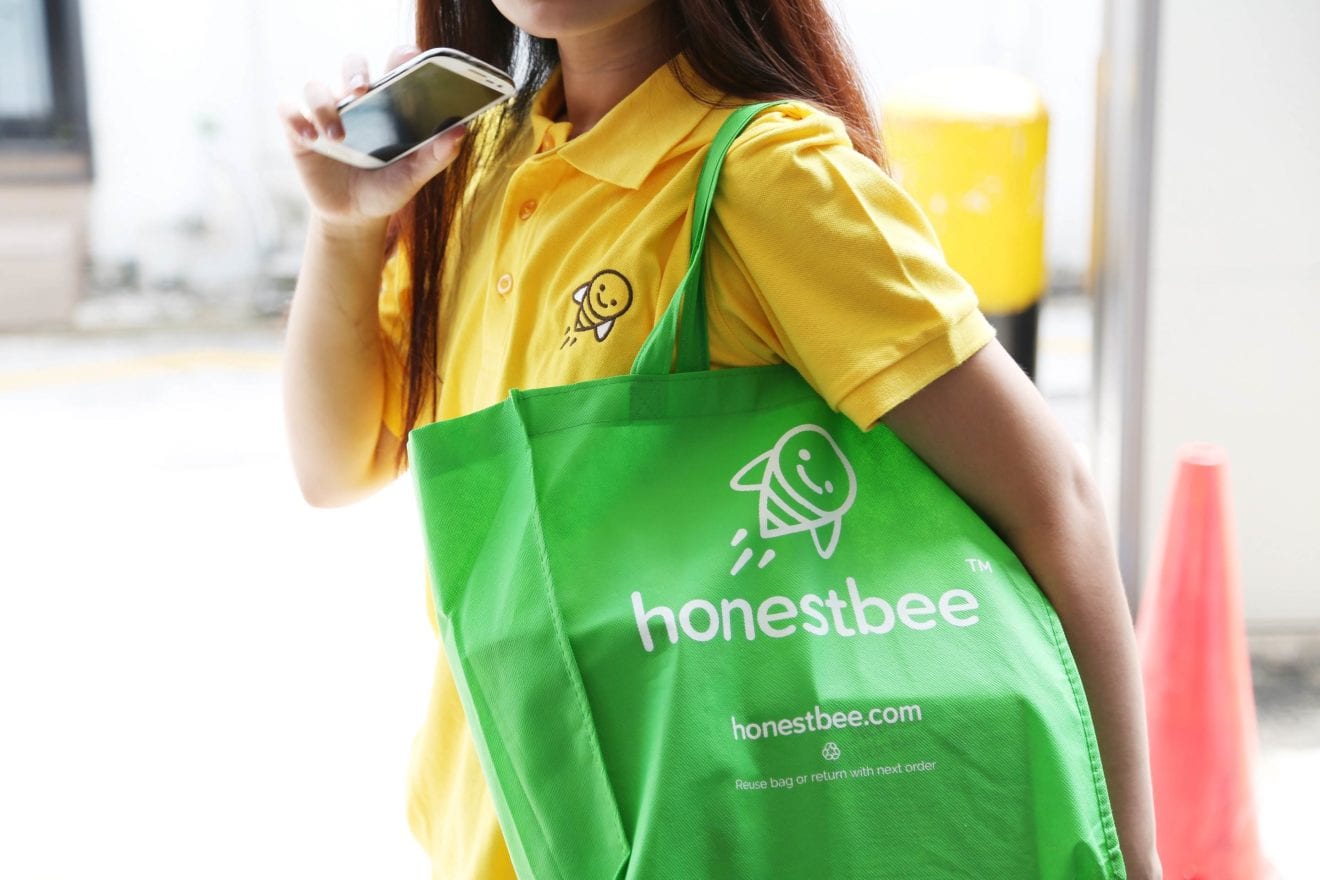
    Honestbee, Asia’s leading online grocery and concierge service, where professional concierge shoppers handpick and deliver fresh groceries from top local stores,
    has announced partnerships with eight well-known major supermarket partners in Hong Kong on June 20th.

    Providing a turnkey solution for supermarkets to gain new customer bases and incremental revenue, Honestbee presents itself as an attractive solution to traditional supermarkets and boutique stores looking to grow their sales and customer base overnight.

    Honestbee, a Singaporean tech startup founded in 2015 operating in eight major cities in Asia including Hong Kong, Singapore, Tokyo, Taipei, Bangkok, Manila, Kuala Lumpur and Jakarta, is now extending its service to include Japanese lifestyle brand YATA Supermarket, local chain supermarket Taste, as well as U select which sells close to 600 products from the UK’s leading supermarket, TESCO.

    Agreements with eight supermarkets including PARKnSHOP, Great Food Hall, Taste, Fusion, International (will launch in July), YATA Supermarket, U select and TESCO have allowed Honestbee to offer over 30,000 items to consumers in Hong Kong. The company continually innovates to improve the shopping varieties and delivery capabilities with the aim of delighting its customers, and building the largest and most convenient online grocery concierge service in Asia.

    Apart from the technological expertise and efficient network, the valuable information and solutions honestbee offers partners has played no small part in attracting new stores. “It’s a turnkey e-commerce solution”, said Hong Kong country manager of honestbee, Derek Winder. “This means, if someone wants to launch an e-commerce platform, they can use honestbee to build their e-commerce store as well as handle the payments, professional customer service team and logistics. Plus, our system captures valuable information like the most popular products, customer frequency, product ordering information and out of stock circumstances. This consumer data is incredibly useful and can easily help our partners realize which items they should stock more of!”

    With no upfront cost and a professional customer service team readily available to offer tailored solutions, honestbee’s e-commerce package presents an attractive offer to potential partners. Additionally, the company provides information not readily available to retailers in brick-and-mortar stores. This can include customer frequency, product ordering information, out of stock circumstances and the geographical location of orders. The ability to share which products are most popular during a certain time frame, for example, allows supermarkets to implement targeted marketing strategies.

    Along with comparatively high rental costs in Hong Kong, honestbee provides the ideal e-commerce platform – a critical component for all the partners looking to boost both online and offline sales.

    Since its launch, the company has successfully grown to become one of the most advanced players in the on-demand category, with 60% of customers making use of the service at least once a week and spending an average of HK$750 per visit. From the beginning, honestbee’s commitment has been to deliver a superior customer experience, become an invaluable partner for retailers, and give back to the community. Other than the major supermarkets mentioned above, honestbee partners with popular boutique stores in Hong Kong including Feather & Bone, The Butchers Club, Pet Line and Baby Central.

    Thanks to the recognizable regional expansion and quality service, honestbee has just won the Wild Digital #BOOM Startup of the Year award on 24th May 2017, which recognizes startups that have demonstrated outstanding growth.

  • Google launches first SEA Cloud Platform region

    Google launches first SEA Cloud Platform region

    Google has launched its first Google Cloud Platform (GCP) region in Southeast Asia. Named “asia-southeast1”, the region, located in Singapore, has been established in a bid to improve latency for both GCP customers and end users in or near Singapore.

    The Singapore region is GCP’s third in Asia and primarily caters to customers in Singapore, Jakarta, Kuala Lumpur and Bangkok. GCP’s other two Asian regions are located in Taiwan and Tokyo. Google had initially intended to open a data center in Hong Kong but plans were abandoned in 2013 due to land availability issues.

    According to a blog post by Dave Stiver, a product manager at GCP, customers in Southeast Asia can expect to enjoy between 51% and 98% improvements in round-trip time (RTT) latency, compared to using other GCP regions such as Taiwan and Tokyo.

    Google already runs a data center in Singapore, and the addition of a second facility next to the first is expected to cater to an expanded customer base across all company sizes as GCP widens its footprint in the region.

    Current GCP customers in the region include Blackberry Messenger (BM), Carousell and Go-Jek.

    BM has selected IT services firm Pythian to assist in migrating its mission-critical infrastructure from Blackberry’s on-premise data centers in Canada to GCP in Asia. The move is aimed at catering to a significant increase in media consumption by its users worldwide, as the messaging platform seeks to move into the commerce and services space.

    “We are excited to be able to deploy into the GCP Singapore region, as it will allow us to offer our services closer to BBM Messenger key markets. Coupled with Google’s global load balancers and extensive global network, we expect to be able to provide a low latency, high-speed experience for our users globally,” said Matthew Talbot, CEO of Creative Media Works, the company that runs the BBM Messenger Consumer service globally.

    GCP also counts Carousell, Indonesia’s Go-Jek, Avaya, Adidas, Deloitte, HSBC and Netflix as customers.

  • Auto supplier Magna to manufacture BMW 5-series plug-in hybrids

    Auto supplier Magna to manufacture BMW 5-series plug-in hybrids

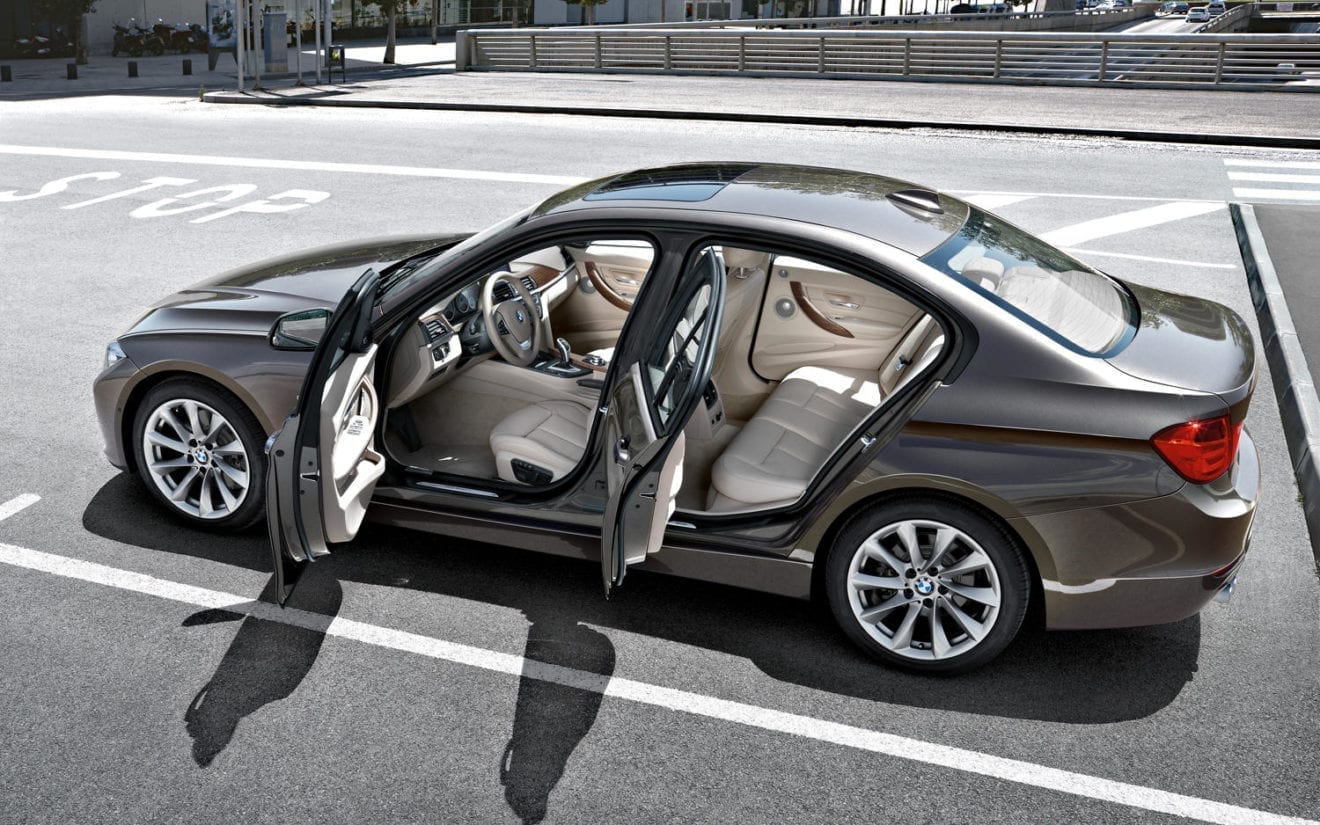
    Canadian auto supplier Magna International Inc will produce BMW’s new 5-series plug-in hybrid at its Austrian factory, the company said on Monday, part of a strategy to produce electric cars on a contract basis for global automakers.

    The BMW 530 plug-in hybrid will be manufactured beginning this summer at Magna’s plant in Graz, Austria, where it already plans to produce Jaguar’s I-PACE SUV beginning in early 2018.

    Global automakers and their suppliers are investing heavily in fully-electric and gasoline-electric hybrid vehicles. Consumer demand is still low versus that for gasoline engine vehicles, but companies are beginning to offer more choices to respond to government mandates for greater sales of vehicles that emit little or no carbon dioxide, and prepare for a future experts believe will be dominated by electric vehicles.

    Rival tier-one auto supplier Continental, for example, said in April it was increasing spending by 300 million euros ($334.68 million) on new products such as charging systems and battery management components related to electric vehicles.

    Magna, North America’s largest automotive supplier and the third globally, is alone among the top auto suppliers to perform contract manufacturing for carmakers. Its Austrian plant can produce about 200,000 cars per year. Magna is currently building a new paint shop in Slovenia due to increased demand.

    A Magna spokeswoman would not comment on a statement by the Slovenian government in March that the auto supplier would potentially invest up to 1.24 billion euros in the country, including a car plant with capacity of 100,000 to 200,000 vehicles per year.

    Having contract manufacturing in its portfolio creates a niche for the company as automakers slowly bring more electrified vehicles to market over the next decade. For automakers, outsourcing the assembly can be an advantage on low-volume models to minimize capital expenditures and avoid tying up their own production lines.

    Swamy Kotagiri, Magna’s chief technology officer, said he sees contract manufacturing of electric vehicles as a “near-term opportunity” for the company, given that by 2025, 40 to 50 percent of all vehicles produced will include some electrification elements.

    “We are setting up knowing the penetration will be higher.”

    Magna has also produced non-electric cars at its Austrian facility, including BMW’s Mini Countryman and Mercedes-Benz’ (DAIGn.DE) luxury G-Wagen SUV.

    Last month, Magna raised its full-year sales forecast on higher demand.

  • IKEA Korea chief ‘absolutely satisfied’ with performance

    IKEA Korea chief ‘absolutely satisfied’ with performance

    Global furniture giant IKEA’s retail manager for South Korea Andre Schmidtgall said the country’s home furnishing industry will continue to grow for the next couple of years.

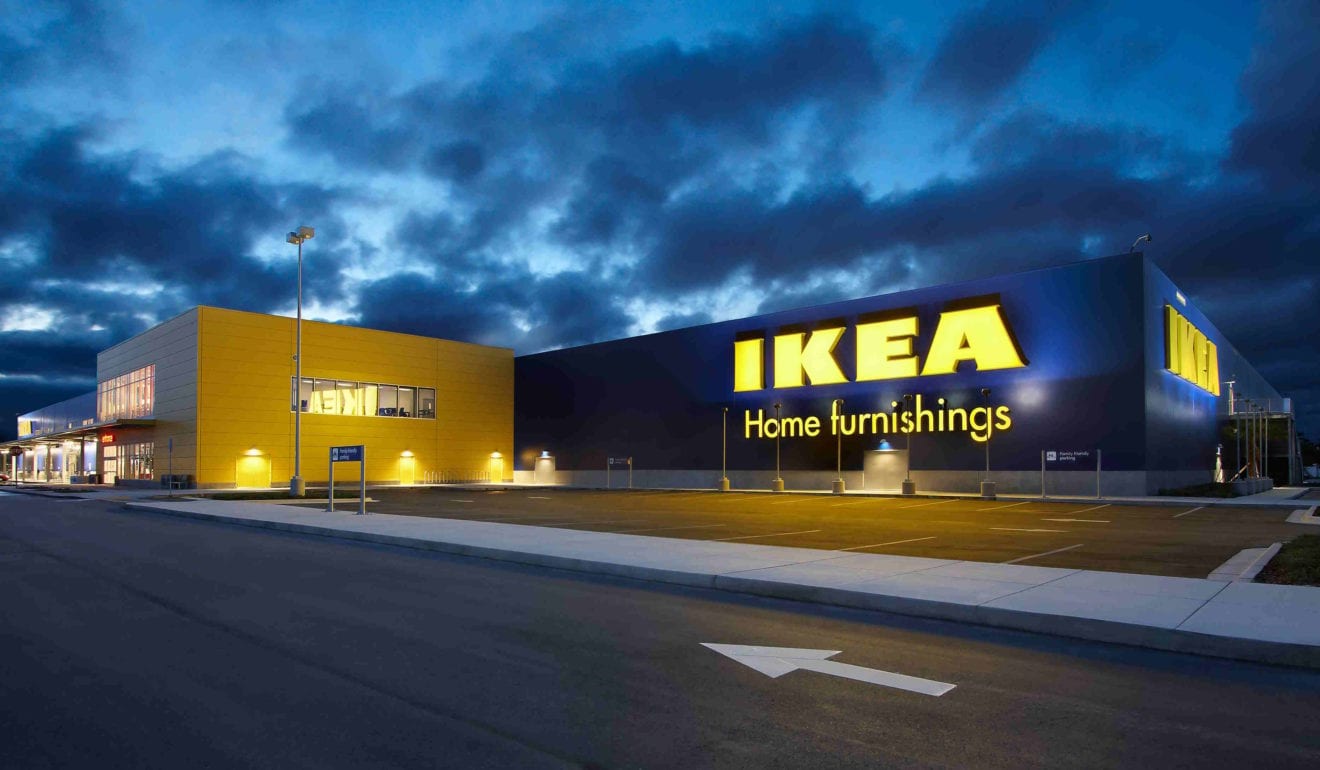
    Its first store in South Korea which opened in December 2014 in Gwangmyeong, just southwest of Seoul, logged 345 billion won (US$303 million) in sales in the 2016 fiscal year.This is the largest turnover among all IKEA stores in the world during the period.

    The two-story building spans 57,100 square meters and displays some 9,200 products in 65 showrooms with a child care area and a cafeteria featuring Swedish and Korean dishes.

    During the 2016 fiscal year, the Gwangmyeong outlet had 6.4 million visitors. It said 1.1 million people have signed up for a membership so far.
    “”We believe that the (South Korean) home furnishing market will clearly grow above average retail the next five to seven years,”” the country retail manager said. “”One of our challenges at the moment is that we have only one store,”” he said. “”This store is too busy when it comes to the amount of visitors. We have more than 6 million, so we need more stores to give a better shopping experience.””

    IKEA plans to have six stores including one in Gwangmyeong — and an online store up and running by 2020 at which time it will have invested 1.2 trillion won in the country.

    The second store is set to open in Goyang, northwest of Seoul, later this year.
    The company currently has three memorandums of understanding (MOUs) with Giheung, 40 kilometers south of Seoul, the southern port city of Busan and the Gangdong Ward office in southeastern Seoul.
    IKEA Korea is also preparing to launch an e-commerce service though it is yet unclear when this would begin.

    Despite worries that IKEA’s entry would result in a decrease in sales of existing small and medium-sized enterprises in the market, the furniture giant said it has so far brought a positive impact to the surrounding community.

    Citing a credit card survey conducted by the Korea Distribution Association between December 2014 and August 2015, Schmidtgall said more than half of their customers bought things at a shop other than the furniture store within a 10-kilometer radius.

    All shops in the region have seen their credit card turnover increase between 7 and 27 percent during the cited period, he said.
    “”This is something we are really happy with,”” the retail manager said. “”We are not only trying to stimulate interest in the furniture market, but it is visible that we are nurturing the area around too.”

    In addition, IKEA Korea is attributed to create new jobs forecasting to hire some thousands of new employees in the next couple of years with its new stores.

    IKEA Korea currently has around 1,200 employees at its headquarters and store in Gwangmyeong, and plans to hire 550 more workers for its second store in Goyang.

  • Tiffany & Co. opens Hong Kong airport pop-up

    Tiffany & Co. opens Hong Kong airport pop-up

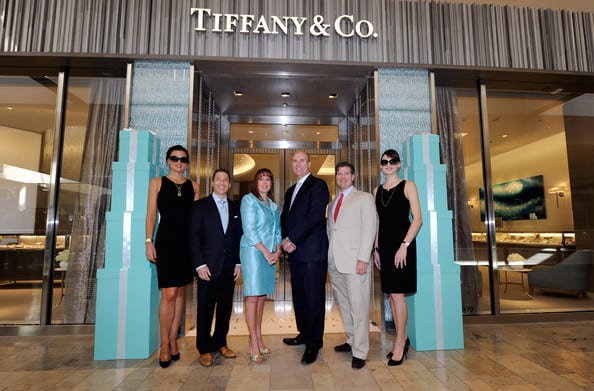
    Tiffany & Co. has opened its Hong Kong international airport pop-up store earlier this month.

    Located at Shop 6E188A, Departures East Hall on Level 6 of Terminal 1, the temporary boutique is situated right next to the famous New York jeweller’s standalone airport store.

    Inside, the pop-up store is divided by floor-to-ceiling glass panels, to increase openness and light. From a bird’s eye view, the store is designed like a diamond and is mostly white, with graphic embellishments coloured in the house’s signature Tiffany blue.

    Moreover, the store hosts special Tiffany’s collections, which will be launched consecutively to maintain interest in the store. First up, is the Wedding Diamond Series, followed by the themes Stylish Accessories, Christmas Season and Valentine’s Day.

    The new Tiffany’s pop-up serves as a convenient second shopping avenue for departing travellers leaving Hong Kong, in particular, tourists returning to mainland China.

    Hong Kong’s visitor numbers increased 1.9% in April 2017 on the same month last year, according to data from Hong Kong Tourism Board. Mainland Chinese visitor numbers increased 1.8%, while non-mainland visitor numbers lifted 2.2%, said HKTB.

  • Nokia demonstrates XGS-PON for mobile fronthaul

    Nokia demonstrates XGS-PON for mobile fronthaul

    Nokia Bell Labs has announced the first successful demonstration of ultra-low latency 10G passive optical networks (PON) for mobile fronthaul.

    In the demonstration, Nokia Bell Labs showed how it is possible to use a commercial next-generation PON to transport ultra-low latency CPRI streams via a standard single fiber running between the Baseband Unit (BBU) and the Remote Radio Head (RRH).

    The proof-of-concept demonstration indicates how existing fiber networks can be used to cost-effectively transport mobile traffic, which could accelerate the transition to 5G.

    The trial used XGS-PON technology that runs on existing fiber access networks and allows operators to use GPON platforms to deliver high-capacity services.

    “This is an important milestone in the industry and in the advancement of 5G, showing for the first time how a PON network can effectively be used to support very high capacity, low latency applications,” Nokia Bell Labs head of access research Peter Vetter said.

    “It demonstrates the flexibility of PON to support traditional CPRI and evolving mobile specifications, such as fronthaul over simpler native Ethernets, and validates the readiness of PON for the 5G era.”

  • Amazon India, Myntra get battle ready for fashion sales this weekend

    Amazon India, Myntra get battle ready for fashion sales this weekend

    With apparel manufacturers trying to liquidate old stock ahead of the new GST tax regime, e-commerce companies like Amazon India, Myntra and Jabong are expecting blockbuster sales this weekend. Flipkart firms Myntra & Jabong will go head on with Amazon India for superiority in the fashion category with their end-of-season sales this weekend.

    Amazon India has partnered with 1500 leading fashion brands for the sale event from June 23 to 25 with exclusive tie-ups with 25 brands like GAP, Under Armour, M&S, Michael Kors and many more.

    Amazon has also said that it will open 12 temporary physical stores in the country’s biggest tech parks in Bengaluru, NCR and Mumbai to popularise its fashion sale event coming up this weekend.

    “We have tied up with the biggest tech parks in the country to promote our fashion sale and give youngsters an opportunity to step out and experience fashion at physical outlets,” Arun Sirdeshmukh, head of Amazon’s fashion business, told the Times of India.

    Flipkart which is currently the undisputed leader in the fashion category with its two fashion subsidiaries Myntra & Jabong is expecting its fashion e-tailers to dominate the sales this weekend.

    Myntra said it expects to see a 25-fold jump in daily sales during its ‘End of Reason’ sale to be held between June 24-26. Over 1,800 brands will participate in the three-day sale, offering discounts of 50-80 per cent like that of Amazon India.

    “Our ‘End of Reason Sale (EORS) gets bigger and better with each passing season. The sixth edition will be the largest yet and will see Jabong also participate,” Ananth Narayanan, CEO of Myntra and Jabong, said in a statement.

    “We expect about 45 per cent growth over last year and 25X jump in revenues from what we do on an average day,” he said.

    With GST, the taxation structure and prices will change from July 1 so the sellers are offering high discounts which will benefit the end of season sales on e-commerce firms. GST Council has decided to tax man-made apparel up to Rs 1,000 at 5 per cent, while those costing above Rs 1,000, will attract 12 per cent.